Georges Lemaître: Father of the Big Bang Theory
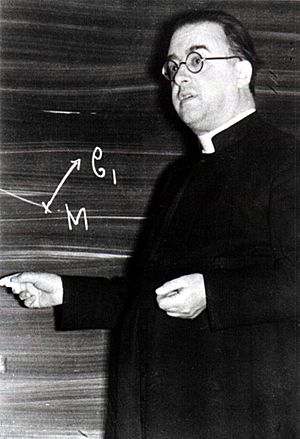
The name Georges Lemaître is synonymous with the origin of the universe. A Belgian Catholic priest and brilliant physicist, Lemaître pioneered the modern Big Bang theory. He first proposed that the cosmos is expanding and originated from a primordial state. His revolutionary ideas laid the foundation for our current understanding of cosmology.
The Early Life of Georges Lemaître
Georges Lemaître was born on July 17, 1894, in Charleroi, Belgium. His early education was interrupted by service in World War I, where he served as an artillery officer. After the war, he pursued diverse academic interests with remarkable focus and determination.
Academic and Spiritual Formation
Lemaître initially studied civil engineering before turning to his twin passions: science and faith. He entered the seminary and simultaneously delved into mathematics and physics at the University of Louvain. Lemaître was ordained a priest in 1923, balancing his religious vocation with a burgeoning scientific career.
His quest for knowledge took him to prestigious institutions, including the University of Cambridge and the Massachusetts Institute of Technology (MIT). At MIT, he earned a Ph.D. in physics, working on gravitational fields and the nascent field of cosmology. In 1927, he was appointed professor of astrophysics at the Catholic University of Louvain, a position he held until his retirement in 1964.
Lemaître's Monumental Scientific Contributions
Georges Lemaître's work fundamentally reshaped our cosmic perspective. He was the first to provide a theoretical framework for an expanding universe with a definite beginning. His insights bridged Albert Einstein's theory of general relativity with emerging astronomical observations.
The 1927 Paper and the Expanding Universe
In a landmark 1927 paper, Lemaître derived an expanding universe model from Einstein's equations. He mathematically demonstrated that the universe could not be static and was likely growing in size. This provided a compelling explanation for the observed redshifts in the light from distant galaxies, which indicated they were moving away from us.
Crucially, Lemaître formulated what is now known as the Hubble-Lemaître law. This law states that a galaxy's recession velocity is proportional to its distance from Earth. While American astronomer Edwin Hubble's 1929 observations provided strong observational evidence, Lemaître's theoretical derivation preceded it by two years.
Lemaître's 1927 paper initially received little attention, partly because it was published in an obscure Belgian journal. It was only after Arthur Eddington arranged for an English translation in 1931 that the scientific community took full notice.
The Primeval Atom: The Birth of the Big Bang
Lemaître took his ideas a dramatic step further in 1931. He proposed the "hypothesis of the primeval atom." This revolutionary concept suggested the universe began from an extremely hot, dense state—a single primordial atom. This entity would have undergone a tremendous explosion, initiating the expansion of space and time itself.
This idea was the direct precursor to the modern Big Bang theory. Lemaître envisioned the entire cosmic history unfolding from this singular event. He even speculated that the residual effects of this explosion might be detectable as a faint radiation permeating the universe.
Overcoming Initial Skepticism
Like many revolutionary ideas, Lemaître's theory faced significant resistance from the scientific establishment. The prevailing view, including Einstein's, favored
The Controversial Genesis of a Cosmic Idea
The concept of a universe with a beginning was profoundly controversial in the early 20th century. Many scientists, including Albert Einstein, were deeply uncomfortable with the theological implications. Lemaître’s work faced significant pushback before gaining acceptance as the cornerstone of modern cosmology.
Einstein's Reluctance and Scientific Pushback
When Georges Lemaître first presented his expanding universe ideas to Albert Einstein in 1927, the renowned physicist was dismissive. Famously, Einstein told Lemaître, "Your calculations are correct, but your physics is abominable." Einstein was committed to a static, eternal universe and had even introduced a cosmological constant to force his equations to that model.
Another prominent critic was British astronomer Fred Hoyle, who championed the rival "Steady State" theory. In a 1949 BBC radio broadcast, Hoyle sarcastically coined the term "Big Bang" to mock Lemaître’s theory. Ironically, the name stuck and became the definitive label for the theory of cosmic origins.
The term 'Big Bang' was originally meant as a pejorative, but it perfectly captured the public imagination and eventually the scientific consensus.
Building the Case: From Theory to Evidence
Despite the skepticism, Lemaître diligently built his case. He connected existing astronomical data, such as Vesto Slipher’s measurements of galactic redshifts, with the theoretical framework of general relativity. His work provided a coherent explanation that the static universe models could not match.
Key developments that strengthened Lemaître’s position included:
- Edwin Hubble's 1929 observations which provided clear, empirical evidence for the expansion Lemaître had predicted.
- The translation and promotion of Lemaître’s 1927 paper by Arthur Eddington, which brought it to a wider audience.
- Lemaître’s own refinement of his ideas into the primeval atom hypothesis in 1931, offering a tangible starting point.
Georges Lemaître's Lasting Scientific Legacy
The true measure of Georges Lemaître’s contribution is how completely his framework came to dominate cosmology. His ideas predicted phenomena that would take decades to observe directly. They also established a new paradigm for asking questions about the ultimate origin and fate of the cosmos.
Prediction of the Cosmic Microwave Background
One of Lemaître’s most remarkable predictions was the existence of fossil radiation left over from the universe's hot, dense beginning. He reasoned that the light from the primeval explosion would have cooled and stretched over billions of years of expansion, filling the universe with a faint, uniform glow.
This prediction was validated spectacularly in the mid-1960s. Arno Penzias and Robert Wilson accidentally discovered the cosmic microwave background (CMB) radiation—the cooled remnant of the Big Bang’s first light. This discovery provided smoking-gun evidence for Lemaître’s theory and earned Penzias and Wilson the Nobel Prize in Physics.
The Hubble-Lemaître Law and Modern Cosmology
The relationship between a galaxy’s distance and its recessional velocity is a cornerstone of observational cosmology. While often called Hubble's law, the historical record shows Lemaître’s theoretical derivation was first. In 2018, the International Astronomical Union formally recommended renaming it the Hubble-Lemaître law to acknowledge this priority.
This law gives us the Hubble constant (H₀), a critical number for calculating the age and scale of the universe. Modern satellites like the Hubble Space Telescope have refined its value to approximately 70 kilometers per second per megaparsec. This allows scientists to calculate a universe age of roughly 13.8 billion years, a direct descendent of Lemaître’s finite-age model.
Lemaître's Unique Perspective: Science and Faith
As a Catholic priest and a leading physicist, Georges Lemaître occupied a unique position. He navigated the often-contentious relationship between science and religion with a clear, principled stance. He firmly believed the two were separate, complementary paths to understanding different aspects of reality.
A Deliberate Separation of Domains
Lemaître was adamant that scientific inquiry and theological belief should not be conflated. He cautioned against using scientific theories like the Big Bang as proof for religious doctrine. He famously discouraged Pope Pius XII from declaring the Big Bang as validation of the Christian doctrine of creation, believing it confused the methods of each discipline.
For Lemaître, the universe revealed through science was a manifestation of divine creation, but the mechanisms of its unfolding were purely the domain of physical law. He saw no conflict, stating that the scientist’s quest to understand the universe was, in itself, a form of reverence for its order and beauty.
Pioneering Computational Astrophysics
Beyond cosmology, Lemaître was an early adopter of computational methods in astrophysics. In the 1930s, he used one of the first mechanical calculators to model the deflection of cosmic rays by the Earth's magnetic field.
His innovative work in this area highlights his versatility as a scientist. He embraced new tools to tackle complex physical problems, laying groundwork for the computational astrophysics that is essential today for simulating galaxy formation, stellar evolution, and the early universe.
Lemaître saw the universe as a puzzle to be solved by mathematics and observation, not by scripture. His faith inspired his wonder but did not dictate his scientific conclusions.
The Big Bang Theory in the Modern Era
Lemaître’s primeval atom hypothesis did not stop with his initial proposal. It launched an entire field of scientific investigation. Today’s cosmologists are building directly on his foundation, using increasingly powerful tools to peer back toward the first moments of time.
Inflation Theory and the Refined Big Bang
The modern Big Bang theory incorporates Alan Guth’s concept of cosmic inflation. This suggests a period of exponential expansion occurred a fraction of a second after the initial singularity. Inflation explains key features of the universe, like its large-scale uniformity, that Lemaître’s original model could not.
This refinement does not overturn Lemaître’s work; it enriches it. The core idea—a hot, dense beginning followed by expansion—remains intact. Instruments like the Planck satellite have mapped the cosmic microwave background in exquisite detail, providing a baby picture of the universe that confirms and extends Lemaître’s vision.
Ongoing Mysteries: Dark Matter and Dark Energy
Contemporary cosmology has uncovered profound mysteries Lemaître could not have foreseen. Observations now suggest that the familiar atoms and light making up stars and planets constitute less than 5% of the universe's total content. The rest is composed of dark matter and dark energy.
- Dark Matter: An invisible form of matter that interacts gravitationally, essential for holding galaxies together.
- Dark Energy: A mysterious force causing the expansion of the universe to accelerate, a discovery that won the 2011 Nobel Prize.
These discoveries show that the story of the cosmos, which Lemaître began to unravel, is more complex and wondrous than ever imagined. The search for the nature of dark matter and dark energy is the direct continuation of the quest he started.
Recognition and Awards for a Pioneering Scientist
Throughout his life, Georges Lemaître received numerous prestigious accolades for his groundbreaking contributions to cosmology. His work gradually shifted from being controversial to being recognized as one of the most important scientific advancements of the 20th century. These honors cemented his legacy as a key architect of our modern understanding of the universe.
Major Scientific Honors and the Francqui Prize
In 1934, Lemaître was awarded the Francqui Prize, Belgium's highest scientific honor. This award was particularly significant as it was conferred by King Leopold III and nominated by Albert Einstein himself. This gesture from his former critic signaled a monumental shift in the scientific community's acceptance of his theories.
Other significant awards included the Mendel Medal from Villanova University and the Eddington Medal from the Royal Astronomical Society. In 1960, he was appointed President of the Pontifical Academy of Sciences, a role that reflected his standing in both scientific and religious circles. His leadership there emphasized his belief in the harmony between faith and reason.
Posthumous Recognition and Historical Corrections
Following his death in 1966, recognition of Lemaître’s contributions has only grown. Historians of science have worked to correct the historical record, ensuring his precedence in formulating the theory of the expanding universe. The most significant recent acknowledgment came from the International Astronomical Union (IAU).
In October 2018, the IAU passed a resolution recommending that the expansion law be known as the Hubble–Lemaître law. This formal recognition affirmed that Lemaître derived the law theoretically two years before Hubble's observational confirmation. It was a long-overdue correction that honored his foundational role.
The IAU's decision to rename the Hubble law was a landmark moment in setting the historical record straight, acknowledging Lemaître's theoretical genius alongside Hubble's observational brilliance.
The Enduring Influence of Georges Lemaître
Lemaître’s influence extends far beyond the specific equations he derived. He established a new way of thinking about the cosmos that continues to guide scientific inquiry. His ideas permeate modern astrophysics and inspire new generations of scientists to probe the deepest questions of existence.
Shaping Modern Research and Technology
The quest to understand the Big Bang has driven the development of some of humanity's most advanced technologies. Space telescopes like the Hubble Space Telescope, the James Webb Space Telescope (JWST), and probes like Planck were designed specifically to test and refine predictions stemming from Lemaître’s initial hypothesis.
These instruments look for the "fossils" of the early universe that Lemaître imagined. They measure the cosmic microwave background with incredible precision, map the distribution of galaxies, and peer back to the first stars. Each new dataset is compared against the cosmological models that trace their origin to Lemaître’s 1927 paper.
Lemaître’s Impact on Scientific Philosophy
Lemaître championed a philosophical approach to science that remains vital today. His insistence on maintaining a clear distinction between scientific and theological explanations protects the integrity of both disciplines. This perspective prevents science from overstepping its bounds and respects the domain of faith.
He demonstrated that a scientist could pursue the ultimate questions of origins without letting metaphysical assumptions dictate physical conclusions. This model of methodological naturalism is a cornerstone of modern scientific practice. It allows researchers of all faiths and none to collaborate based on empirical evidence and reasoned argument.
Georges Lemaître’s Final Years and Legacy
Georges Lemaître remained an active intellectual force until the end of his life. He continued his academic work at the University of Louvain, mentoring students and following new developments in physics. He passed away on June 20, 1966, in Leuven, Belgium, just after learning of the discovery of the cosmic microwave background, the definitive proof of his theory.
Commemorations and Institutional Legacy
Lemaître’s legacy is preserved through numerous institutions and honors named after him. The Georges Lemaître International Fellows Programme at the University of Louvain attracts visiting scientists from around the world. An asteroid, 1565 Lemaître, and a lunar crater bear his name, etching his contributions into the heavens he sought to understand.
His foundational role is taught in astronomy and physics courses globally. Students learn that the story of the Big Bang begins not in 1929 with Hubble, but in 1927 with a Belgian priest who saw the hidden meaning in Einstein’s equations. His life serves as an inspiring example of interdisciplinary genius.
- Scientific Legacy: Founding the Big Bang theory and the expanding universe model.
- Philosophical Legacy: A robust model for the constructive relationship between science and religion.
- Historical Legacy: A corrected historical narrative acknowledging his pivotal contributions.
Conclusion: The Father of Modern Cosmology
Georges Lemaître’s journey from an obscure Belgian mathematician to a cornerstone of modern science is a testament to the power of a single, transformative idea. He dared to propose a universe with a beginning, a concept that was initially ridiculed but is now a fundamental pillar of scientific knowledge. His work beautifully merged profound theoretical insight with the emerging data of observational astronomy.
The key takeaways from Lemaître’s life and work are undeniable. He was the first to theoretically derive the expanding universe from general relativity. He courageously proposed the primeval atom hypothesis, which evolved into the Big Bang theory. Furthermore, he provided a timeless model for navigating the domains of science and faith with both rigor and respect.
Today, as the James Webb Space Telescope sends back images of the early universe and cosmologists hunt for primordial gravitational waves, they are walking the path Lemaître blazed. His intellectual courage to follow the equations wherever they led, even to a moment of creation, fundamentally reshaped our cosmic identity. Georges Lemaître gave us not just a theory, but a new origin story for everything, forever changing our place in the cosmos.
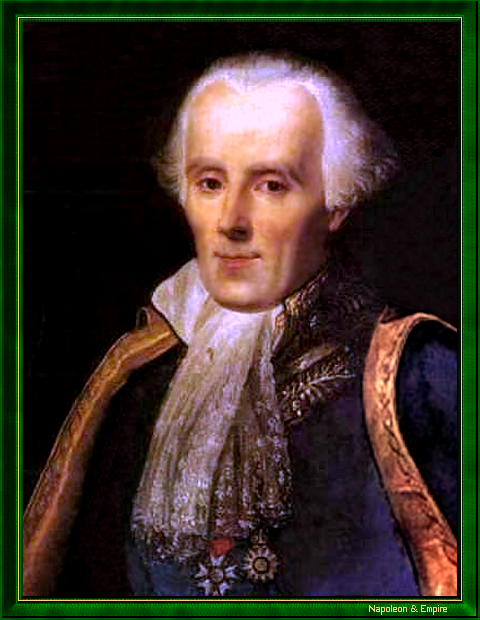
Pierre-Simon Laplace: genio che plasmò la matematica
Pierre-Simon Laplace è stato un gigante del pensiero scientifico, un matematico e astronomo francese le cui scoperte hanno rivoluzionato la nostra comprensione dell'universo. Nato nel 1749, i suoi contributi spaziano dalla meccanica celeste alla teoria delle probabilità, gettando le basi per discipline moderne come la statistica e l'intelligenza artificiale. La sua opera più celebre, la Mécanique Céleste, rappresenta uno dei pilastri della fisica matematica.
La vita e la carriera di un genio precoce
Pierre-Simon Laplace nacque il 23 marzo 1749 a Beaumont-en-Auge, in Normandia, da una famiglia di agricoltori agiati. Dimostrò un talento straordinario fin dalla giovane età, intraprendendo studi di teologia all'Università di Caen a soli 16 anni. Tuttavia, la sua vera passione era la matematica, che lo portò a lasciare la provincia per cercare fortuna a Parigi.
L'arrivo a Parigi e il sostegno di d'Alembert
Grazie a una lettera di presentazione, il giovane Laplace riuscì a farsi notare da Jean le Rond d'Alembert, uno dei massimi matematici dell'epoca. Impressionato dalle sue capacità, d'Alembert lo aiutò a ottenere la cattedra di matematica all'École Militaire. Questo fu il trampolino di lancio per una carriera strabiliante.
La nomina all'Académie des Sciences nel 1773, quando aveva appena 24 anni, sancì il suo ingresso nell'élite scientifica francese. In questi primi anni, dimostrò una prodigiosa prolificità, pubblicando ben 13 memorie scientifiche su argomenti che spaziavano dalle equazioni differenziali allo studio delle perturbazioni planetarie.
I contributi fondamentali alla scienza
L'opera di Laplace è immensa e tocca numerosi campi del sapere. I suoi lavori più influenti hanno riguardato l'astronomia matematica e il calcolo delle probabilità, ma i suoi contributi si estendono anche alla fisica e alla statistica.
La Meccanica Celeste e la stabilità del sistema solare
Il capolavoro di Laplace, la Mécanique Céleste, pubblicata in cinque volumi tra il 1799 e il 1825, rappresenta la sistematizzazione definitiva della gravitazione universale di Newton. In quest'opera, Laplace non si limitò a rielaborare le teorie esistenti, ma le sviluppò in modo originale e potente.
Uno dei suoi successi più eclatanti fu dimostrare la stabilità del sistema solare sul lungo periodo. Utilizzando sofisticati strumenti matematici, riuscì a provare che le perturbazioni gravitazionali tra i pianeti sono periodiche e non cumulative, scongiurando così il rischio di un collasso orbitale. Questo risultato placò le paure secolari sull'instabilità del cosmo.
La Meccanique Céleste estese il lavoro di Newton, fornendo una spiegazione matematica completa per i moti dei corpi celesti, dalle lune ai pianeti sino alle comete.
La Teoria Analitica delle Probabilità
Oltre all'astronomia, Laplace dedicò immense energie al calcolo delle probabilità. La sua Théorie Analytique des Probabilités (1812) e il successivo saggio filosofico del 1814 sono testi fondativi per la statistica moderna. In queste opere, Laplace sistematizzò e generalizzò il teorema di Bayes, introducendo strumenti come la regola di successione.
- Trasformata di Laplace: Uno strumento matematico potentissimo, scoperto nel 1773, oggi fondamentale nell'analisi dei sistemi lineari, nell'ingegneria e nella risoluzione di equazioni differenziali.
- Demone di Laplace: Un celebre esperimento mentale che incarna il determinismo scientifico classico: un'intelligenza onnisciente, conoscendo posizione e velocità di ogni particella, potrebbe prevedere tutto il futuro dell'universo.
- Ipotesi nebulare: Laplace propose una teoria sull'origine del sistema solare a partire dalla contrazione di una nebulosa rotante, un'idea pionieristica in cosmologia.
L'influenza di Laplace sulla scienza contemporanea
L'eredità di Pierre-Simon Laplace è più viva che mai. I suoi metodi e le sue intuizioni continuano a essere strumenti indispensabili in campi di ricerca all'avanguardia.
In particolare, la sua visione probabilistica del mondo è alla base dell'inferenza bayesiana, un pilastro del machine learning moderno e della scienza dei dati. Gli algoritmi che gestiscono l'incertezza e apprendono dai dati devono molto al suo lavoro pionieristico.
Anche in astrofisica, i suoi studi sulle perturbazioni sono utilizzati per modellare sistemi planetari complessi, inclusi quelli di esopianeti lontani. La sua capacità di tradurre fenomeni naturali complessi in eleganti formalismi matematici rimane un modello per gli scienziati di tutto il mondo.
Laplace e il determinismo scientifico
Il nome di Pierre-Simon Laplace è indissolubilmente legato al concetto di determinismo scientifico. La sua visione del mondo fisico era radicalmente meccanicistica: se si conoscessero con precisione infinita la posizione e la velocità di ogni particella nell'universo, si potrebbe calcolare ogni evento futuro o passato. Questo concetto, spesso personificato nel "demone di Laplace", dominò il pensiero scientifico per tutto il XIX secolo.
Questa idea non era solo filosofica, ma emergeva direttamente dalla sua pratica matematica. La meccanica celeste dimostrava che il moto dei pianeti era predicibile con incredibile accuratezza. Questo successo suggeriva che lo stesso principio di causalità deterministica potesse essere applicato a tutti i fenomeni naturali, dai fluidi al calore.
Il demone di Laplace simboleggia l'apice della fiducia illuminista nella ragione e nella matematica come strumenti per svelare tutti i segreti della natura.
Tale visione è stata successivamente messa in discussione dalla meccanica quantistica e dalla teoria del caos. Tuttavia, il suo approccio logico e sistematico alla modellizzazione del mondo reale rimane una pietra miliare del metodo scientifico. Ancora oggi, il determinismo laplaciano influenza dibattiti sulla libertà, sul caso e sulla predittibilità nei sistemi complessi.
L'eredità del determinismo nella scienza dei dati
Sebbene il determinismo assoluto sia stato superato, il suo spirito vive nella moderna scienza dei dati. La ricerca di pattern e relazioni causali all'interno di grandi dataset è una diretta evoluzione del desiderio laplaciano di comprendere e prevedere. Gli algoritmi di machine learning e di intelligenza artificiale cercano di estrarre regolarità dal caos apparente, proprio come Laplace fece con le orbite planetarie.
La rivoluzione nel calcolo delle probabilità
Mentre lavorava alla stabilità del sistema solare, Pierre-Simon Laplace si rese conto che le osservazioni astronomiche erano intrinsecamente affette da errori. Questo lo portò a sviluppare una teoria del calcolo delle probabilità non come studio del gioco d'azzardo, ma come strumento essenziale per gestire l'incertezza nella scienza sperimentale. La sua Théorie Analytique des Probabilités del 1812 è il fondamento della statistica matematica moderna.
In quest'opera, Laplace trasformò la probabilità da curiosità matematica in un rigoroso quadro per il ragionamento induttivo. Introdusse e sviluppò concetti fondamentali che oggi sono onnipresenti.
- Teorema di Bayes-Laplace: Laplace fornì la prima dimostrazione generale e sistematica del teorema di Bayes, formulando il concetto di probabilità inversa. Questo permette di aggiornare le nostre convinzioni alla luce di nuove prove, un principio cardine dell'inferenza bayesiana moderna.
- Regola di successione: Una formula semplice ma potente per stimare la probabilità di un evento futuro basandosi su osservazioni passate. Se un evento è accaduto s volte in n prove, la probabilità che accada alla prova successiva è (s+1)/(n+2).
- Metodo dei minimi quadrati: Sebbene spesso associato a Gauss, Laplace contribuì in modo significativo allo sviluppo di questo metodo per stimare i parametri più probabili da dati osservativi rumorosi, rivoluzionando geodesia e astronomia.
Applicazioni moderne della probabilità laplaciana
L'influenza di Laplace sulla statistica contemporanea è immensa. Ogni volta che un algoritmo di filtro anti-spam valuta la probabilità che un'email sia indesiderata, sta utilizzando un ragionamento bayesiano di derivazione laplaciana. Lo stesso vale per i sistemi di raccomandazione, le diagnosi mediche assistite dal computer e l'elaborazione del linguaggio naturale.
In astrofisica, i suoi metodi per trattare le osservazioni con errori sono ancora insegnati e utilizzati. La capacità di quantificare scientificamente l'incertezza, anziché ignorarla, è uno dei suoi lasciti più preziosi per la ricerca sperimentale di ogni disciplina.
L'impegno politico e istituzionale nell'era napoleonica
La carriera di Pierre-Simon Laplace si svolse durante uno dei periodi più tumultuosi della storia francese: la Rivoluzione, il Direttorio, il Consolato e l'Impero di Napoleone. Laplace non fu uno scienziato chiuso nella sua torre d'avorio, ma un uomo profondamente coinvolto nelle vicende del suo tempo, ricoprendo ruoli politici di primo piano.
Nel 1799, Napoleone Bonaparte, apprezzando il suo genio e la sua fama, lo nominò Ministro dell'Interno. Il suo mandato fu però breve, durando appena sei settimane. Napoleone stesso commentò che Laplace "cercava dappertutto sottigliezze" e portava "lo spirito dell'infinitamente piccolo nell'amministrazione".
Nonostante questa esperienza non brillante, i riconoscimenti per Laplace non mancarono. Nel 1806 fu nominato Conte dell'Impero e nel 1817, dopo la Restaurazione dei Borboni, Marchese. Questi titoli riflettevano non solo il suo status scientifico, ma anche la sua capacità di navigare i cambi di regime mantenendo influenza e autorità.
Contributi alla società: il sistema metrico e la geodesia
Al di là degli incarichi politici, Laplace contribuì attivamente a progetti civici di grande importanza. Fu un membro influente della commissione che istituì il sistema metrico decimale, uno standard di misurazione rivoluzionario basato su grandezze naturali e destinato a un uso universale.
Partecipò inoltre agli sforzi per misurare con precisione il meridiano di Francia, un'impresa cruciale per la geodesia e la cartografia. I suoi studi sulle maree, sulla forma della Terra e sul potenziale gravitazionale (un termine che lui stesso introdusse) furono fondamentali per queste applicazioni pratiche.
Laplace riuscì a conciliare una ricerca scientifica di altissima astrazione con un impegno concreto per il progresso tecnologico e amministrativo della nazione.
La Société d'Arcueil e la scuola di fisica matematica
Per promuovere la sua visione della scienza, Laplace fondò nel 1805 la Société d'Arcueil, un circolo informale di scienziati che si riuniva nella sua villa di Arcueil, vicino a Parigi. Questo gruppo, che includeva figure come Claude-Louis Berthollet, Jean-Baptiste Biot e Siméon Denis Poisson, divenne un centro vibrante per lo sviluppo della fisica matematica.
La Société d'Arcueil rappresentò un modello di collaborazione scientifica, incoraggiando la fusione di teoria e esperimento. Attraverso di essa e la sua cattedra all'École Polytechnique, Laplace formò un'intera generazione di scienziati, assicurando la continuità della sua scuola di pensiero e influenzando profondamente il panorama scientifico europeo dell'Ottocento.
La sua capacità di unire il potere del calcolo matematico all'indagine sui fenomeni fisici concreti - dal calore al suono, dalla capillarità all'acustica - stabilì un nuovo paradigma per la ricerca scientifica.
L'eredità scientifica di Laplace nella scienza moderna
L'influenza di Pierre-Simon Laplace trascende di gran lunga i confini del suo secolo. Le sue idee fondamentali sono state assorbite e sviluppate, diventando il linguaggio comune di discipline scientifiche che sarebbero nate molto dopo di lui. La sua visione di un universo governato da leggi matematiche e analizzabile attraverso strumenti probabilistici ha aperto strade inimmaginabili.
Oggi, il nome di Laplace è legato a una miriade di concetti e strumenti utilizzati ogni giorno nella ricerca e nella tecnologia avanzata. Il suo lascito non risiede solo nelle formule, ma nel modo di pensare alla scienza: un approccio rigoroso, quantitativo e sistematico alla comprensione della natura e all'interpretazione dei dati.
La trasformata di Laplace: uno strumento per l'ingegneria mondiale
Forse il contributo tecnico più ampiamente utilizzato è la trasformata di Laplace. Scoperta nel 1773, questa tecnica matematica converte funzioni del tempo in funzioni di una variabile complessa. La sua potenza rivoluzionaria è stata pienamente compresa solo nei secoli successivi.
- Ingegneria dei sistemi e controllo: È essenziale per analizzare e progettare sistemi dinamici lineari, dai circuiti elettrici ai sistemi di controllo di aerei e veicoli spaziali.
- Elaborazione dei segnali: Forma la base teorica per gran parte dell'analisi e della sintesi dei segnali, nelle telecomunicazioni e nell'audio digitale.
- Fisica e meccanica: Risolve equazioni differenziali complesse che descrivono fenomeni come la diffusione del calore e la meccanica dei fluidi.
Questa trasformata ha reso risolvibili problemi che altrimenti sarebbero stati intrattabili, cementando il ruolo della matematica come strumento pratico per l'innovazione tecnologica.
Laplace e l'astronomia contemporanea: dai pianeti agli esopianeti
Il lavoro di Laplace in meccanica celeste costituì il punto di riferimento per l'astronomia per oltre un secolo. I suoi metodi per calcolare le perturbazioni planetarie permisero previsioni di altissima precisione per le effemeridi, fondamentali per la navigazione. Oggi, questo approccio analitico è stato integrato da potenti simulazioni numeriche, ma il suo spirito sopravvive.
Nell'esplorazione dei sistemi esoplanetari, gli scienziati affrontano problemi sorprendentemente simili a quelli studiati da Laplace. Determinare la stabilità di sistemi con molti pianeti, modellare le loro interazioni gravitazionali e interpretare piccole variazioni nelle orbite richiede gli stessi principi di dinamica e attenta modellazione matematica.
La capacità di Laplace di trattare matematicamente sistemi complessi e interagenti ha creato un modello per l'astrofisica moderna, che studia non solo il nostro sistema solare, ma l'intera gamma di configurazioni planetarie nella galassia.
Inoltre, la sua ipotesi nebulare sull'origine del sistema solare, per quanto modificata, rappresentò un primo audace tentativo di applicare le leggi della fisica alla cosmogonia, anticipando lo studio scientifico della formazione stellare e planetaria.
Il ritorno dell'inferenza bayesiana e il machine learning
La rivoluzione più significativa degli ultimi decenni nell'eredità di Laplace riguarda il campo della statistica e dell'intelligenza artificiale. Dopo un periodo di predominio delle statistiche frequentiste, l'inferenza bayesiana ha vissuto una straordinaria rinascita, alimentata dalla potenza di calcolo dei computer moderni.
I principi che Laplace sistematizzò sono oggi al cuore di algoritmi sofisticati di machine learning. Questi algoritmi gestiscono l'incertezza, imparano dai dati e aggiornano le loro "credenze" in modo probabilistico, proprio come descritto nel teorema di Bayes-Laplace. Applicazioni concrete includono:
- Diagnostica medica automatizzata: Valutare la probabilità di una malattia dati i sintomi e i risultati dei test.
- Filtri anti-spam e sistemi di raccomandazione: Stimare la probabilità che un'email sia spam o che un utente gradisca un prodotto.
- Veicoli a guida autonoma: Interpretare scenari complessi e incerti dell'ambiente stradale per prendere decisioni sicure.
Laplace, quindi, può essere considerato un visionario che ha fornito il quadro matematico per l'apprendimento automatico basato sui dati, uno dei campi più dinamici del XXI secolo.
Conclusione: il Newton francese e la sua eredità duratura
Pierre-Simon Laplace merita pienamente l'appellativo di "Newton francese". Se Isaac Newton scoprì le leggi fondamentali della gravitazione, fu Laplace a dimostrare che il sistema solare governato da quelle leggi era stabile e a sviluppare gli strumenti matematici per descriverne il comportamento in ogni dettaglio. Il suo genio fu di tipo sintetico e sistematico, volto a unificare e formalizzare la conoscenza scientifica.
La sua vita e la sua opera racchiudono l'essenza dell'Illuminismo: la fede incrollabile nella ragione umana, nella capacità della matematica di svelare l'ordine dell'universo e nel progresso attraverso la scienza. Pur essendo stato un determinista convinto, il suo lavoro più duraturo è proprio quello sulla probabilità, la scienza dell'incertezza. In questo paradosso risiede la sua grandezza: capì che per comprendere un universo deterministico, l'essere umano aveva bisogno di strumenti per gestire la propria ignoranza e i limiti delle osservazioni.
La sua eredità è visibile ovunque: nelle equazioni che guidano le sonde spaziali verso i confini del sistema solare, negli algoritmi che filtrano le nostre email, nelle teorie statistiche che valutano l'efficacia di un nuovo farmaco e nei modelli climatici che cercano di prevedere il futuro del nostro pianeta. Morendo a Parigi nel 1827, dopo 78 anni di vita prodigiosa, lasciò un mondo scientifico trasformato dal suo pensiero.
Pierre-Simon Laplace non fu solo uno scienziato; fu un architetto del modo moderno di fare scienza. La sua lezione più importante è che la matematica più astratta e la ricerca più concreta non sono separate, ma sono due facce della stessa medaglia: la comprensione del mondo che ci circonda. Il suo spirito di curiosità insaziabile, rigore metodologico e apertura interdisciplinare rimane un faro per ogni ricercatore, un modello di come una singola mente possa dilatare i confini della conoscenza umana per le generazioni a venire.
Αρατος: Ο Μεγάλος Αστρονόμος της Αρχαίας Ελλάδας
Εισαγωγή
Ο Αρατος ήταν ένας σημαντικός αρχαίος Έλληνας ποιητής και αστρονόμος, γνωστός κυρίως για το έργο του "Φαινόμενα". Γεννήθηκε στη Σολί της Κιλικίας γύρω στο 315 π.Χ. και πέθανε στη Μακεδονία περίπου το 240 π.Χ. Το έργο του συνδύαζε την αστρονομία με την ποίηση, προσφέροντας μια μοναδική ματιά στον αρχαίο κόσμο των αστεριών και των πλανητών.
Η Ζωή του Αρατου
Ο Αρατος μεγάλωσε σε μια εποχή που η ελληνική πολιτιστική επιρροή εξαπλωνόταν σε όλη την ανατολική Μεσόγειο. Σπούδασε στην Αθήνα, όπου ήρθε σε επαφή με τη φιλοσοφία του Στωικισμού, η οποία επηρέασε σημαντικά το έργο του. Αργότερα, μετακόμισε στην αυλή του Αντιγόνου Γονατά στη Μακεδονία, όπου έγραψε τα περισσότερα από τα γνωστά του έργα.
Η Σχέση του με τη Στωική Φιλοσοφία
Ο Στωικισμός υποστήριζε την ιδέα ενός διατεταγμένου και λογικού σύμπαντος, κάτι που φαίνεται καθαρά στο έργο του Αρατου. Οι αστρονομικές του παρατηρήσεις και οι ποιητικές του περιγραφές αντικατοπτρίζουν αυτή την αίσθηση τάξης και αρμονίας στη φύση.
Το Έργο "Φαινόμενα"
Το "Φαινόμενα" είναι το πιο γνωστό έργο του Αρατου και αποτελεί μια ποιητική περιγραφή του ουρανού και των αστρονομικών φαινομένων. Χωρίζεται σε δύο κύρια μέρη:
Το Πρώτο Μέρος: Οι Αστερισμοί
Στο πρώτο μέρος, ο Αρατος περιγράφει τους 48 αστερισμούς που ήταν γνωστοί στους αρχαίους Έλληνες. Οι περιγραφές του βασίζονται σε προγενέστερες αστρονομικές πηγές, ιδιαίτερα στο έργο του Ευδόξου του Κνίδιου. Ο Αρατος όμως πρόσθεσε τη δική του ποιητική ματιά, μετατρέποντας τις τεχνικές περιγραφές σε ζωντανές εικόνες.
Το Δεύτερο Μέρος: Οι Μετεωρολογικές Πρόβλεψεις
Το δεύτερο μέρος του έργου ασχολείται με τις μετεωρολογικές προβλέψεις που βασίζονταν σε αστρονομικά φαινόμενα. Ο Αρατος περιγράφει πώς οι αλλαγές στον ουρανό μπορούν να προβλέψουν καιρικές συνθήκες, μια πρακτική που ήταν πολύ σημαντική για τους αγρότες και τους ναυτικούς της εποχής.
Η Επιστημονική Αξία του Έργου
Παρά το ποιητικό του ύφος, το "Φαινόμενα" είχε σημαντική επιστημονική αξία. Ο Αρατος δεν ήταν πρωτοπόρος αστρονόμος, αλλά η ικανότητά του να συνθέτει και να μεταφέρει γνώση τον καθιστά σημαντικό μεσάζοντα της αρχαίας αστρονομίας.
Η Επιρροή του στους Επόμενους Αστρονόμους
Το έργο του χρησιμοποιήθηκε ευρέως τόσο στην ελληνιστική εποχή όσο και στη ρωμαϊκή περίοδο. Ακόμα και ο μεγάλος αστρονόμος Πτολεμαίος αναφέρεται στον Αρατο στα δικά του έργα. Η δημοτικότητα του "Φαινόμενα" διατηρήθηκε μέχρι τον Μεσαίωνα, όταν μεταφράστηκε σε λατινικά και άλλες ευρωπαϊκές γλώσσες.
Η Ποίηση του Αρατου
Ο Αρατος δεν ήταν απλώς ένας αστρονόμος που έγραφε ποίηση, αλλά ένας αληθινός ποιητής που χρησιμοποιούσε την αστρονομία ως θέμα. Το ύφος του χαρακτηρίζεται από:
Κλασική Ευκολία
Οι στίχοι του ρέουν με φυσικότητα, χωρίς να θυμίζουν την τεχνητότητα πολλών διδακτικών ποιημάτων. Αυτό το στοιχείο συνέβαλε στη μεγάλη δημοτικότητα του έργου του.
Εικονοπλασία
Ο Αρατος είχε την ικανότητα να δημιουργεί ζωντανές εικόνες, μετατρέποντας αφηρημένες αστρονομικές έννοιες σε συγκεκριμένες οπτικές εμπειρίες.
Η Κληρονομιά του Αρατου
Ο Αρατος άφησε μια βαθιά επίδραση τόσο στην αστρονομία όσο και στη λογοτεχνία. Το έργο του λειτούργησε ως γέφυρα μεταξύ της επιστήμης και της ποίησης, ενώ παράλληλα διατήρησε και μετέδωσε σημαντικές αστρονομικές γνώσεις.
Σύγχρονη Αναγνώριση
Ακόμα και σήμερα, ο Αρατος αναγνωρίζεται ως ένας από τους σημαντικότερους αστρονόμους της αρχαιότητας. Πολλά σύγχρονα αστρονομικά έργα κάνουν αναφορές στο έργο του, ενώ η ποιητική του προσέγγιση συνεχίζει να εμπνέει.
Η Ιστορική και Πολιτιστική Εποχή του Αρατού
Για να κατανοήσουμε πλήρως το έργο του Αρατού, είναι απαραίτητο να εξετάσουμε το ιστορικό και πολιτιστικό πλαίσιο της εποχής του. Ο 3ος αιώνας π.Χ., όταν ο Αρατος έγραφε, ήταν μια περίοδος μεγάλων πολιτικών και πνευματικών ανακατατάξεων στον ελληνικό κόσμο.
Η Ελληνιστική Περίοδος
Μετά τους κατακτητικούς πολέμους του Μεγάλου Αλεξάνδρου, ο ελληνικός πολιτισμός είχε διαδοθεί σε μια τεράστια γεωγραφική έκταση. Ο Αρατος δραστηριοποιήθηκε στην ελληνιστική εποχή, όταν κέντρα γνώσης όπως η Αλεξάνδρεια και η Πέργαμος άκμαζαν. Αυτή η εποχή χαρακτηρίστηκε από:
- Εντατική επιστημονική έρευνα
- Σύνθεση διαφορετικών πολιτισμικών παραδόσεων
- Ανάπτυξη νέων λογοτεχνικών μορφών
Οι Πηγές του Αρατού
Ο Αρατος δεν εργάστηκε σε κενό. Το έργο του βασίστηκε σε προγενέστερες αστρονομικές παραδόσεις, τις οποίες μετέτρεψε και εμπλούτισε. Οι κύριες πηγές του περιλαμβάνουν:
Ο Ευδόξος ο Κνίδιος
Ο μεγάλος μαθηματικός και αστρονόμος του 4ου αιώνα π.Χ. έδωσε στον Αρατό το θεμέλιο του αστρονομικού του έργου. Ο Αρατος βασικά "μετέφρασε" στα ποιητικά τη συστηματική περιγραφή των αστερισμών που είχε κάνει ο Ευδόξος.
Οι Βαβυλωνιακές Παραδόσεις
Μέσω του Ευδόξου και άλλων, ο Αρατος απέκτησε πρόσβαση σε βαβυλωνιακές αστρονομικές γνώσεις. Πολλά από τα αστρονομικά φαινόμενα που περιγράφει έχουν τις ρίζες τους στην αρχαία Μεσοποταμία.
Η Γλώσσα και το Ύφος του Αρατού
Η διαλεκτική επιλογή και το λογοτεχνικό ύφος του Αρατού αποτελούν σημαντικά στοιχεία της συνεισφοράς του. Χρησιμοποίησε την επική ιωνική διάλεκτο, η οποία:
- Τον συνέδεε με την ομηρική παράδοση
- Είχε γίνει η γλώσσα της επιστημονικής γραφής
- Παρείχε μια ευγενή και επίσημη χροιά στο έργο του
Ποιητικές Τεχνικές
Ο Αρατος χρησιμοποίησε μια ποικιλία ποιητικών τεχνικών για να κάνει το αστρονομικό υλικό πιο προσιτό και ευχάριστο:
- Επεξηγηματικές μεταφορές
- Μυθολογικές αναφορές
- Παιγνιώδη ηχητικά εφέ
Αστρονομικές Παρατηρήσεις στον Αρατό
Αν και δεν ήταν πρωτοπόρος παρατηρητής, ο Αρατος περιέγραψε με ακρίβεια πολλά αστρονομικά φαινόμενα. Στο έργο του συναντάμε:
Πλανητικές Κινήσεις
Περιγραφές της φαινομενικής κίνησης των πλανητών έναντι του αστρικού φόντου, με ειδική αναφορά στον Δία και την Αφροδίτη.
Ζωδιακοί Αστέρες
Λεπτομερείς καταγραφές των αστερισμών του ζωδιακού κύκλου, με ιδιαίτερη προσοχή στα κρίσιμα σημεία του ισημερινού.
Ο Αρατος και η Μουσική
Ελάχιστα γνωρίζουμε για τη σχέση του Αρατού με τη μουσική, αλλά το μετρικό σχήμα του "Φαινόμενα" (δακτυλικό εξάμετρο) υποδηλώνει:
- Μια φυσική ρυθμική ροή
- Πιθανή σύνδεση με μουσική εκτέλεση
- Επιρροή από την ποιητική παράδοση της αρχαίας μελωδίας
Κριτικές και Αμφισβητήσεις
Παρά τη διαχρονική του φήμη, το έργο του Αρατού έχει δεχθεί διάφορες κριτικές:
Ακριτολόγηση από Επιστήμονες
Ορισμένοι αρχαίοι και σύγχρονοι επιστήμονες έχουν επισημάνει ότι ο Αρατος μάλλον επαναλαμβάνει παλαιότερες παρατηρήσεις παρά προσθέτει νέες.
Φιλολογική Αποτίμηση
Λόγω της διδακτικής φύσης του έργου, κάποιες φορές η ποιητική του ποιότητα θεωρείται δευτερεύουσα.
Η Μεταφραστική Παράδοση
Το "Φαινόμενα" έγινε αντικείμενο εκτεταμένης μεταφραστικής δραστηριότητας:
- Ρωμαϊκές μεταφράσεις (Cicero, Germanicus)
- Βυζαντινές παραλλαγές
- Δυτικοευρωπαϊκές αναβιώσεις στις αρχές της νεότερης εποχής
Η Επιρροή στη Λατινική Λογοτεχνία
Οι ρωμαϊκές μεταφράσεις του Αρατού επηρέασαν σημαντικά τη λατινική διδακτική ποίηση, όπως φαίνεται και στα έργα του Οβιδίου και του Βιργίλιου.
Η Σύγχρονη Αναγνώριση του Αρατού
Στη σύγχρονη εποχή, το έργο του Αρατού συνεχίζει να μελετάται και να αναγνωρίζεται για την ιστορική και επιστημονική του αξία. Οι σύγχρονοι μελετητές έχουν αναδείξει πολλές πτυχές της συνεισφοράς του, που παραμένουν σχετικές ακόμα και σήμερα.
Ο Αρατος και η Σύγχρονη Αστρονομία
Παρά τις τεχνολογικές εξελίξεις, οι παρατηρήσεις του Αρατού παρέχουν πολύτιμες πληροφορίες για την ιστορία της αστρονομίας. Οι σύγχρονοι αστρονόμοι μελετούν το έργο του για να κατανοήσουν:
- Πώς αντιλαμβανόταν οι αρχαίοι τον ουρανό
- Τις εξελίξεις των αστρονομικών γνώσεων
- Τις αλλαγές στον ουρανό με την πάροδο των αιώνων
Ο Αρατος στη Λογοτεχνία και Τέχνη
Εκτός από την επιστήμη, ο Αρατος έχει εμπνεύσει πολλούς καλλιτέχνες και συγγραφείς. Η ποιητική του προσέγγιση των αστρονομικών φαινομένων έχει γίνει πηγή έμπνευσης για:
Σύγχρονη Ποίηση
Πολλοί σύγχρονοι ποιητές έχουν αναφερθεί στο έργο του ή έχουν χρησιμοποιήσει τις εικόνες του ως βάση για νέα ποιήματα.
Εικαστικές Τέχνες
Οι απεικονίσεις των αστερισμών του έχουν εμπνεύσει ζωγράφους, γλύπτες και άλλους καλλιτέχνες σε διάφορες εποχές.
Εκπαιδευτική Αξία του Έργου
Το έργο του Αρατού χρησιμοποιείται ακόμα και σήμερα σε εκπαιδευτικά πλαίσια, προσφέροντας μια μοναδική ευκαιρία για:
- Εισαγωγή στην αρχαία επιστήμη
- Σύγκριση αρχαίων και σύγχρονων επιστημονικών μεθόδων
- Διδασκαλία της ιστορίας της αστρονομίας
Εκπαιδευτικά Προγράμματα
Πολλά πανεπιστήμια και ερευνητικά ινστιτούτα έχουν αναπτύξει ειδικά προγράμματα μελέτης του έργου του Αρατού, εστιάζοντας τόσο στην επιστημονική όσο και στην πολιτισμική του διάσταση.
Η Κληρονομιά του Αρατού
Η συνολική συνεισφορά του Αρατού στην επιστήμη και τον πολιτισμό μπορεί να συνοψιστεί σε τρεις κύριες πτυχές:
- Διατήρηση και μετάδοση αρχαίων αστρονομικών γνώσεων
- Σύνδεση επιστήμης και ποίησης
- Δημιουργία ενός μοναδικού έργου που διαχρονικά εμπνέει
Ο Αρατος ως Σύμβολο
Σήμερα, ο Αρατος θεωρείται σύμβολο της δημιουργικής σύνδεσης μεταξύ επιστήμης και τέχνης, ενός διαλόγου που παραμένει εξίσου σημαντικός και στον 21ο αιώνα.
Συμπεράσματα
Η μελέτη του έργου και της ζωής του Αρατού μας προσφέρει πολύτιμα μαθήματα για τη σχέση ανθρώπου και σύμπαντος. Οι ιδέες του, αν και προέρχονται από μια πολύ διαφορετική εποχή, συνεχίζουν να έχουν σημασία για τη σύγχρονη επιστήμη και πολιτισμό.
Η ιστορία του Αρατού μας θυμίζει ότι η επιστήμη και η τέχνη δεν είναι ξένοι κόσμοι, αλλά συμπληρωματικές πτυχές της ανθρώπινης δημιουργικότητας. Το έργο του παραμένει ένα μνημείο της ανθρώπινης φιλοσοφίας και της ατέρμονης αναζήτησης για κατανόηση του σύμπαντος.
Σε μια εποχή που η επιστήμη γίνεται ολοένα πιο εξειδικευμένη, η ποιητική ματιά του Αρατού μας προσφέρει μια ολοκληρωτική προοπτική, που ενώνει την ακρίβεια της επιστήμης με την ομορφιά της τέχνης.