Explore Any Narratives
Discover and contribute to detailed historical accounts and cultural stories. Share your knowledge and engage with enthusiasts worldwide.
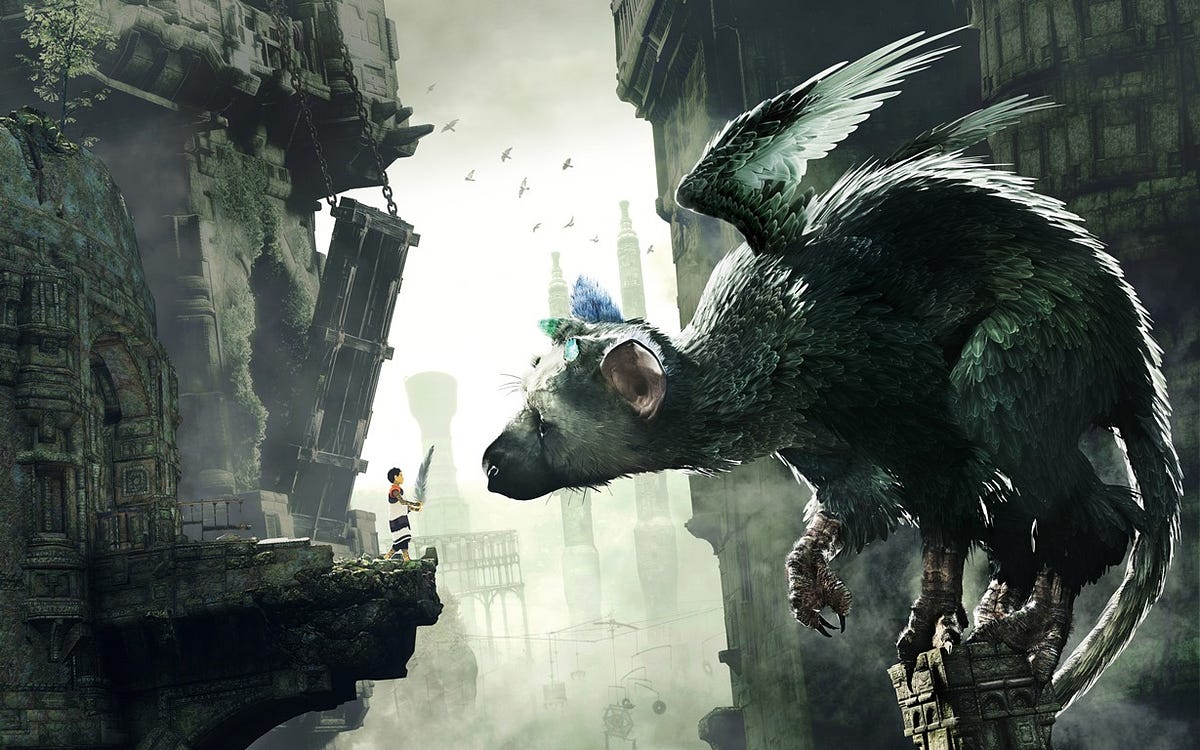
The Last Guardian is a legendary action-adventure game developed by Team ICO for the PlayStation 4. This title concluded a nearly decade-long development cycle that captivated and frustrated gamers in equal measure. It stands as the third major work from the acclaimed creators of Ico and Shadow of the Colossus, carrying forward their signature style of emotional, atmospheric storytelling.
The journey of The Last Guardian is a story of ambition meeting technical limitation. The project officially began in 2007, shortly after the launch of the PlayStation 3. It was publicly unveiled at E3 2009 with a planned release date of 2011 for the PS3. However, the game immediately encountered significant obstacles that would delay it for years.
The initial vision for the game proved too demanding for the PlayStation 3's hardware. Developers struggled to achieve the desired scale and fluidity, especially with the complex AI and animations required for the creature, Trico. This led to a pivotal decision that would define the project's timeline.
By 2012, it became clear that the PS3 could not handle the game's ambitious scope. The sluggish performance was a major concern for the development team. This technical impasse forced Sony to make a drastic change, officially transitioning the entire project to the more powerful PlayStation 4 platform.
This migration was not a simple task. It required re-engineering core components of the game to leverage the new console's capabilities. This platform shift was a primary reason for the game's extensive delays, adding years to the development process.
The development was also marked by significant personnel changes. In late 2010, Fumito Ueda, the game's visionary director and executive producer, departed from Sony. However, he remained attached to the project as a freelance creative lead, ensuring his unique vision was maintained.
To help complete the monumental task, Team ICO enlisted support from other studios. By 2012, several studios across North America and Europe were assisting, including the renowned Sony Santa Monica Studio. Ueda’s own new studio, GenDesign, composed of former Team ICO members, continued to serve as creative consultants.
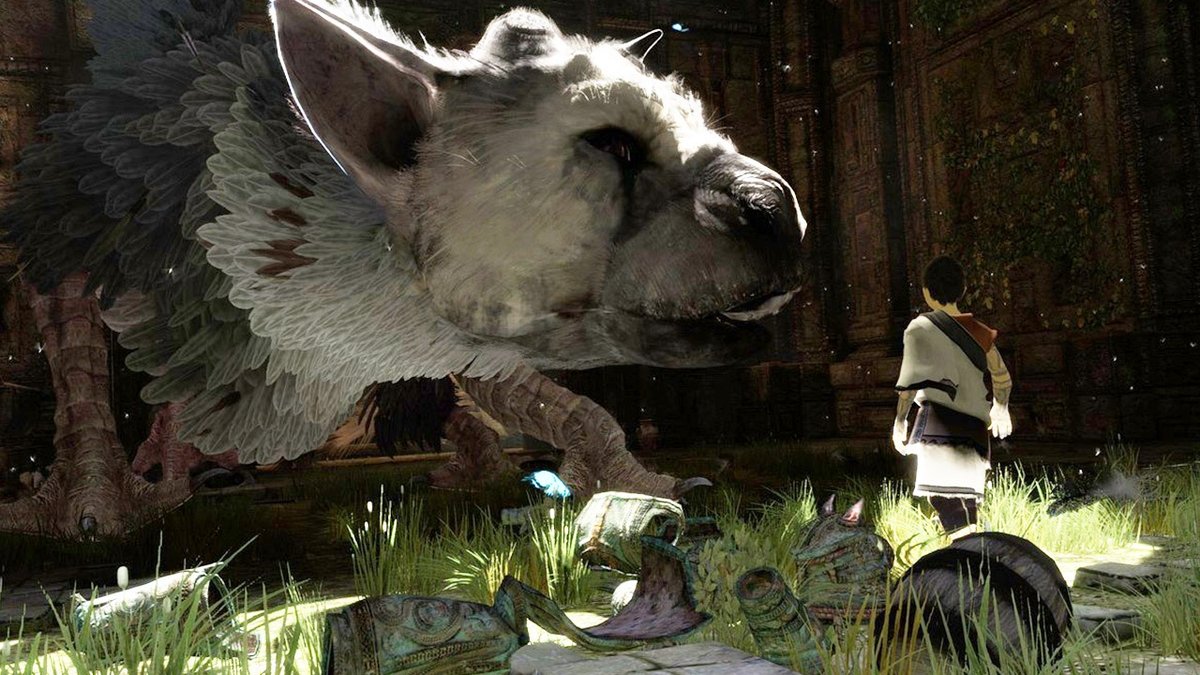
At its heart, The Last Guardian is a third-person action-adventure puzzle game. The gameplay revolves entirely around the relationship between a young, unnamed boy and a colossal, mysterious creature named Trico. Players control the boy, who must work together with his giant companion to navigate a treacherous, ancient world.
The core mechanic involves guiding and cooperating with Trico. The creature behaves with a realistic animal-like intelligence, meaning players cannot issue direct commands. Instead, they must learn to understand Trico’s behaviors and prompt it through context and encouragement.
The gameplay requires the player to interact with Trico as if it were a real animal. Key actions include:
This interaction forms a deep emotional bond between the player, the boy, and Trico. The game’s puzzles are solved not through simple button presses, but through patience and understanding of your companion’s nature.
The gameplay structure alternates between environmental puzzles and tense action sequences. Players traverse vast ruins by solving physics-based puzzles that require Trico’s unique size and abilities. Between these puzzles, they encounter armored guards who pose a direct threat.
These encounters are reminiscent of Ico, focusing on evasion and using the environment to survive rather than direct combat. The boy is vulnerable, emphasizing that teamwork with Trico is the only path to survival.
The Last Guardian explores profound themes of friendship, trust, and sacrifice. The narrative is told without extensive dialogue, relying instead on environmental storytelling and the evolving interactions between the boy and Trico. This minimalist approach creates a powerful and emotional experience for the player.
The story begins with the boy awakening in a mysterious cave next to the injured Trico. With no memory of how he arrived, the boy frees Trico and begins a journey to escape a sprawling, ancient fortress. They are pursued by ghostly, armored guards who seek to capture them both.
The game is rich with symbolic elements that connect it to Team ICO’s previous works. The protagonist’s body is covered in mystical tattoos that develop and change as the story progresses. These tattoos symbolize the deepening bond with Trico and the sacrifices made throughout their journey.
The narrative also explores humanity's relationship with nature and the consequences of wielding powerful, unnatural forces. The antagonist, known as The Master of The Valley, is a mysterious entity that has enslaved Trico's kind, creating a central conflict rooted in themes of control and freedom.
The extended development period of The Last Guardian has made it synonymous with protracted game development in the industry.
This long and difficult creation process only added to the mythos surrounding the game, building immense anticipation for its eventual release in December 2016.
The extended development of The Last Guardian created a unique phenomenon in gaming culture. Following its 2009 reveal, the game became a symbol of eager anticipation. However, its repeated absence from major events like E3 2010 and E2012 fueled growing concern within the community.
Sony's explanations, citing that the game was "too early" or facing "technical issues," were met with skepticism. This silence led to rampant speculation about the game's viability, with many fans fearing it might never release. The project’s protracted development cycle became a central part of its legend.
Public confidence was further shaken by administrative errors. In 2011, retailer GameStop canceled all existing pre-orders due to a clerical mistake, incorrectly signaling to many that the game was canceled. Years later, in 2015, Sony inadvertently allowed "The Last Guardian" trademark to lapse.
These bookkeeping oversights, though not reflective of the game's development status, contributed to a narrative of a project in disarray. Each event sparked new waves of online discussion and worry among the game's dedicated followers.
The tide finally turned at Sony's E3 2015 press conference. The game was formally re-introduced with a stunning new trailer showcasing PS4-powered visuals. This confirmation that the game was alive and nearing completion was a monumental moment, met with immense relief and excitement from fans worldwide.
The re-reveal demonstrated the significant visual and technical improvements achieved by transitioning to PlayStation 4 hardware.
This single presentation successfully rebuilt the game's momentum. It shifted the conversation from doubt about its existence to anticipation for its unique gameplay and emotional story.
The Last Guardian was finally released worldwide on December 6, 2016, exclusively for the PlayStation 4. Upon release, it received generally favorable reviews from critics, though opinions were often divided on specific elements of its design. The game achieved a strong commercial debut, selling well initially.
Critics universally praised the emotional core of the game—the bond between the boy and Trico. The creature’s believable AI and animations were highlighted as a tremendous technical and artistic achievement. However, some reviewers noted persistent issues with camera control and command responsiveness that could frustrate players.
Review aggregator Metacritic shows a score in the low-to-mid 80s, indicating generally favorable reviews. The split in opinion often centered on gameplay mechanics versus artistic ambition. Key points from reviews included:
Player reception was similarly passionate. Many fans of Team ICO's previous works found the experience profoundly moving, willing to overlook technical flaws. For others, those same flaws hindered their ability to engage with the story fully.
While exact sales figures are not officially confirmed, The Last Guardian enjoyed a strong launch period. It was among the top-selling PS4 titles in several regions during its release month. The game's long-awaited status guaranteed a core audience, and its unique premise attracted many new players.
Beyond sales, its impact is measured in cultural significance. The game proved that a decade-long development cycle could still yield a finished, artistically coherent product. It set a precedent for patience and commitment to a singular creative vision in an industry often driven by strict deadlines.
The undeniable heart of The Last Guardian is Trico, a masterpiece of virtual creature design. Trico is a chimera, combining features of a bird, a dog, and a cat to create something familiar yet utterly fantastical. Its design avoids pure fantasy, grounding the creature in believable anatomy and behavior.
Every aspect of Trico sells its reality. Its feathers ruffle and mat when wet, it flinches and reacts to pain, and it displays a wide range of emotions through body language and vocalizations. This attention to detail was crucial for selling the emotional connection central to the game's theme.
Trico's artificial intelligence is arguably the game's most ambitious technical feat. The creature does not follow simple, predictable pathfinding. Instead, it operates on a system of internal drives and moods, simulating a living being with its own priorities.
Key factors influencing Trico's AI include:
The player must learn to read Trico's cues, such as the direction of its gaze or the tone of its calls. This creates a dynamic where cooperation feels earned, not automated. While this sometimes leads to moments of frustration, it is essential for creating a genuine sense of partnership.
The development team prioritized authenticity over convenience. Trico will sometimes ignore the player, become distracted, or act cautiously. These "imperfections" are deliberate, designed to reinforce that Trico is an independent entity, not a tool.
This approach to AI set a new benchmark for creature companionship in video games, moving beyond simple follow commands to simulated relationship building.
The success of this system is why Trico remains one of the most memorable characters in gaming. Players form genuine emotional attachments, feeling protective of the creature and celebrating its moments of bravery. This connection transforms puzzle solutions into shared victories.
The world of The Last Guardian is a character in itself. The game takes place within a massive, ruined fortress known as The Nest, a seamlessly connected environment that players explore from beginning to end. The architecture is a breathtaking blend of ancient stonework and impossible, organic structures.
The art direction, led by Fumito Ueda, employs a desaturated color palette punctuated by vivid accents, such as the glowing blue of the boy's tattoos or the lush greenery that intrudes upon the ruins. This creates a melancholic yet beautiful atmosphere that is instantly recognizable as a Team ICO hallmark.
Audio plays a critical role in immersion. The soundscape is filled with the creaking of ancient stone, the howling wind through caverns, and Trico’s detailed vocalizations—from curious chirps to terrified shrieks. The musical score, composed by Takeshi Furukawa, is used sparingly but powerfully.
Music swells during key emotional moments and tense escapes, but long stretches of gameplay are accompanied only by ambient noise. This restraint makes the musical cues more impactful, ensuring they underscore the narrative’s emotional peaks without becoming overbearing.
The game tells much of its backstory through the environment itself. Players can piece together the history of The Nest and the mysterious civilization that built it by observing murals, strange technology, and the remains of other creatures like Trico. This method encourages exploration and curiosity.
This approach to lore makes the world feel ancient and lived-in. It provides context for the player's journey without relying on exposition, maintaining the game’s powerful sense of mystery and wonder throughout.
The Last Guardian is the culminating chapter in what fans call the Team ICO trilogy, a series of thematically linked but narratively distinct games. While not a direct sequel to Ico or Shadow of the Colossus, it shares their DNA in profound ways. The trilogy is united by a consistent artistic vision and a focus on minimalist storytelling.
Each game explores themes of connection, sacrifice, and isolation within a lonely, beautiful world. They all feature a silent protagonist forming a bond with a non-human companion, be it a princess, a horse, or a giant beast. This thematic throughline makes The Last Guardian a spiritual successor that feels intimately connected to its predecessors.
The lineage is clear in the core gameplay. The Last Guardian inherits mechanics from both earlier titles. The cooperative puzzle-solving and escort mechanics are a direct evolution of Ico's core loop. Meanwhile, the vast, forbidding landscapes and the sense of scaling colossal creatures echo the grandeur of Shadow of the Colossus.
Key shared design elements include:
This consistent philosophy creates a unique genre within the action-adventure landscape. Players familiar with the previous games immediately recognize and appreciate the deliberate pacing and emotional weight that define the experience.
Thematically, The Last Guardian represents the most sophisticated exploration of the trilogy's core ideas. Where Ico introduced a bond of protection and Shadow of the Colossus explored a bond of purpose, The Last Guardian delves into a bond of mutual dependence. The relationship between the boy and Trico is more complex and reciprocal.
The game asks whether true companionship requires sacrifice from both parties, deepening the thematic concerns of the earlier titles.
The protagonist's magical tattoos, which grow as the story progresses, visually represent this shared sacrifice. This visual metaphor strengthens the connection to the shamanic and spiritual undertones present in all three games, solidifying the trilogy's cohesive artistic statement.
Despite its rocky development, The Last Guardian has cemented a powerful legacy. It stands as a testament to the value of artistic ambition in the AAA gaming space. The game proved that a singular creative vision could survive corporate pressures and technical hurdles to reach audiences.
Its influence can be seen in subsequent games that prioritize character-driven narratives and empathetic connections with non-player characters. Titles that feature deep bonds between a player character and an AI companion often draw comparisons to the groundbreaking work done with Trico.
The Last Guardian's most significant contribution is its approach to AI companionship. It moved beyond the concept of a companion as a simple tool or follower. Instead, it presented a companion as a believable entity with agency, paving the way for more dynamic relationships in games.
This legacy is evident in several areas:
While not every game attempts to replicate Trico's complexity, the standard it set for emotional realism in AI interactions remains a lofty goal for developers.
The game's long development created a dedicated fan community that followed its progress for nearly a decade. This community has kept the game's spirit alive through fan art, analysis, and discussion. The emotional payoff of the final release created a deeply loyal fanbase that continues to celebrate the game's achievements.
The story of The Last Guardian itself—a project that refused to die—has become an inspirational tale within game development circles. It serves as a reminder of the passion driving creators, even in the face of seemingly insurmountable obstacles. The game's ultimate completion is seen as a victory for artistic persistence.
Upon its release on PlayStation 4, The Last Guardian was a technical showcase, albeit with some performance quirks. The move from PS3 to PS4 hardware allowed the team to realize their original vision with greater fidelity. The game renders vast, intricate environments with a remarkable draw distance.
The most demanding technical aspect was, without a doubt, Trico. Rendering a creature of that size with such a high level of detail—including individual feathers and complex animations—was a significant technical achievement. The game generally maintains a stable frame rate, though some areas with intense physics calculations can cause slowdown.
The game received support for the PlayStation 4 Pro, offering enhanced performance options. Players could choose between a mode prioritizing a higher, more stable frame rate or a mode that increased the resolution for sharper image quality. This gave players some flexibility to tailor the experience to their preferences.
However, the game's unique control scheme and camera behavior remained points of discussion. Some players never fully acclimated to the intentionally weighty and sometimes stubborn controls. These elements were designed to emphasize the boy's vulnerability but were critiqued as unpolished by some reviewers.
By the time of its 2016 release, the base PS4 was already three years into its lifecycle. While the art direction remains timeless, some technical aspects, like texture resolution in certain areas, showed their age compared to other AAA titles released that year. The game's visual strength lies in its art, not pure graphical power.
Yet, the overall presentation holds up remarkably well. The cohesive art direction, stunning lighting effects, and masterful animation work combine to create a world that feels consistent and immersive. The technical execution successfully supports the game's primary goal: selling the reality of Trico and the boy's journey.
The Last Guardian is an imperfect masterpiece. It is a game defined by its soaring ambitions and the palpable love poured into every aspect of its creation. While it may frustrate with its occasionally stubborn controls and AI, it rewards patience with one of the most unique and emotionally resonant experiences in gaming.
Its journey from vaporware to finished product is a传奇 in itself, a story of perseverance that mirrors the themes of its narrative. The game serves as the final, poignant chapter in Fumito Ueda's thematic trilogy, bringing closure to years of exploration into loneliness, friendship, and sacrifice.
For players, The Last Guardian offers a rare experience that prioritizes emotion and atmosphere over traditional gameplay loops. It demonstrates that interaction can be about building a relationship rather than achieving a high score. The bond formed with Trico is its greatest accomplishment.
For the industry, the game's legacy is multifaceted. It stands as a reminder of the importance of:
The Last Guardian may not be for everyone, but for those it resonates with, it becomes an unforgettable part of their gaming history. It is a bold, beautiful, and deeply human game that will be discussed and admired for years to come.
Ultimately, The Last Guardian transcends its status as a mere video game. It is a powerful piece of interactive art that challenges conventions and proves that the most memorable journeys are those we take together. The bond between a boy and his fantastic beast serves as a lasting testament to the power of companionship, securing the game's place as a timeless classic.
Your personal space to curate, organize, and share knowledge with the world.
Discover and contribute to detailed historical accounts and cultural stories. Share your knowledge and engage with enthusiasts worldwide.
Connect with others who share your interests. Create and participate in themed boards about any topic you have in mind.
Contribute your knowledge and insights. Create engaging content and participate in meaningful discussions across multiple languages.
Already have an account? Sign in here

Portal 2: A Journey Through Physics-Based Puzzles Boston, January 2011 marked a thrilling moment in gaming history as V...
View Board
Donkey Kong Country Tropical Freeze blends nostalgia and innovation with engaging gameplay, rich storyline and vibrant a...
View Board
Discover why Hades 2 is crowned 2025's best game. Explore its roguelike mastery, stunning art, and gripping story in thi...
View BoardDive into the revolutionary world of Super Mario Galaxy, released for the Wii in 2007, with our in-depth exploration of ...
View Board
Fire Emblem: Awakening revitalized the tactical RPG franchise with deep storytelling, innovative mechanics like the Pair...
View Board
Dive into the epic Viking world of Assassin's Creed Valhalla. Explore England's war-torn lands, raid enemy settlements, ...
View Board
Explore Ratchet & Clank: Rift Apart on PS5—a visually stunning, interdimensional adventure combining groundbreaking grap...
View Board
Super Mario 64 revolutionized 3D platforming with innovative gameplay, visuals, and technical achievements, impacting th...
View Board
Explore the legacy of Pokémon Black and White, the groundbreaking games that redefined the series with fresh gameplay me...
View BoardExplore an in-depth review of Call of Duty: Black Ops Cold War, highlighting its immersive storyline, dynamic gameplay m...
View Board
Discover the breathtaking world of "Horizon Forbidden West" as Guerrilla Games unveils an expansive sequel with stunning...
View BoardDécouvrez l'ultime aventure de Nathan Drake dans Uncharted 4: A Thief's End, un chef-d'œuvre narratif et technique exclu...
View Board
Discover the chaotic fun of "WarioWare: Get It Together!" for Nintendo Switch, where zany microgames meet innovative mul...
View Board
Exploring the Frontier of Gameplay: An In-Depth Look at Death Stranding In a world where isolation reigns supreme and d...
View Board
The Last of Us Part II is a critically acclaimed game that has set new standards for narrative-driven video games with i...
View Board
Super Mario Odyssey combines traditional Mario elements with innovative gameplay and narrative approach, featuring stunn...
View Board
Dive into the captivating world of Undertale, the indie game phenomenon that transformed the role-playing genre with its...
View Board
Half-Life 2's impact on gaming is still felt today, with its innovative storytelling, immersive gameplay, and advanced p...
View Board
Discover the enduring magic of "The Legend of Zelda: Ocarina of Time," a revolutionary video game that set new standards...
View Board
Explore the world of RimWorld - a captivating colony simulation game by Ludeon Studios. Discover emergent storytelling, ...
View Board
Comments