Explore Any Narratives
Discover and contribute to detailed historical accounts and cultural stories. Share your knowledge and engage with enthusiasts worldwide.
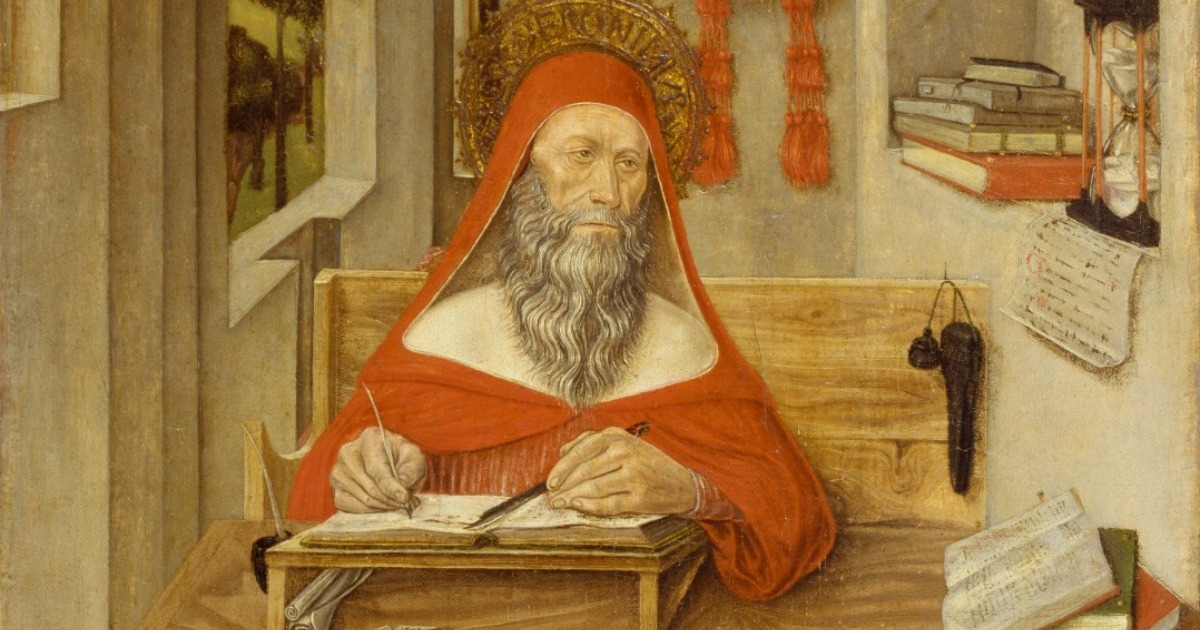
Saint Jerome, also known as Hieronymus in Latin, is one of the most significant figures in early Christian history. Born around 347 AD in Stridon, an area now straddling modern-day Slovenia and Italy, Jerome was destined to become a pivotal player in the intellectual landscape of his time. Known as the "father of biblical archaeology," his contributions to the Church were vast and varied, particularly his role in translating the Bible into Latin, a task that earned him the title of "doctor of the Church."
Jerome's life was marked by contrasts—his dedication to scholarly pursuits alongside periods of intense asceticism, and his deep spiritual insights intertwined with a sometimes contentious relationship with the ecclesiastical hierarchy. His writings, including letters and commentaries, reflect a mind profoundly shaped by both classical education and the nascent Christian tradition.
Saint Jerome's journey began amid the tumultuous landscapes of his homeland. Born to a pagan family, he grew up hearing stories of the apostles and early martyrs, but it was not until his late teenage years that he was officially baptized. This baptism marked the beginning of a transformative period in his life, leading him to seek out a more profound understanding of his faith.
In search of greater knowledge, Jerome journeyed to Rome at age eighteen, where he immersed himself in the vibrant cultural scene of the capital. There, he absorbed the rich traditions of Roman oratory, philosophy, and rhetoric. He honed his skills in Greek and Hebrew and was influenced by the scholarly works of classical authors like Cicero and Quintilian.
From Rome, Jerome continued his studies in Trier under the tutelage of Lucius of Aquileia. This mentorship provided a bridge between Jerome’s education and his nascent desire to serve God more fully. It was during this time that Jerome encountered the writings of Origen, which would shape his theological framework and fuel his commitment to scriptural accuracy.
Hints of Jerome's religious conversion emerged as early as his time in Rome. Encountering the plight of Christian slaves who were forced to worship pagan deities, Jerome saw an opportunity to apply his rhetorical prowess and argue for their liberation and conversion. His experiences in Rome sparked a deepening personal faith, culminating in his full immersion into monastic life in 375 AD. Moving to Gaul, Jerome sought solitude and the spiritual guidance of the renowned monk Pacian of Barcelona.
Upon returning to Rome in 382 AD, Jerome took on an active role within the Church. Here, he engaged in heated debates against heretics and provided moral counsel within the burgeoning Christian community. His letters at this stage already exhibited a clear theological voice, articulating positions on salvation and faith. In these early ministerial roles, Jerome laid the groundwork for his later prominence in Christian scholarship.
Seeking a deeper spiritual fulfillment, Jerome made a remarkable journey that would define his life: he traveled to Palestine to live among the ascetics and study the scriptures in their original languages. Arriving in Jerusalem in 386 AD, Jerome found a community committed to rigorous ascetic practices and the study of scripture. This decision marked a turning point in his life, pushing him towards a more austere and devoted approach to Christianity.
In Jerusalem, Jerome lived in a cave at a place called Eleangos in the Judean Desert. His isolation there allowed him to focus deeply on translation and interpretation. It was here that he began his work on the Latin Vulgate—a comprehensive translation of the Bible that has had enduring influence on Western Christianity. This period in Jerusalem was marked by both spiritual growth and intellectual rigor, as Jerome immersed himself in the languages of the original texts.
Judging from his early correspondence and theological writings, Jerome engaged with some of the most pressing issues of his time. One of the most notable conflicts arose when he clashed with John of Jerusalem over issues of orthodoxy and ecclesiastical discipline. This controversy not only highlighted Jerome’s sharp theological acumen but also underscored the complexities of navigating faith within the hierarchical structures of the Church.
Jerome’s stance on predestination, however, perhaps garnered him the most notoriety. His views differed significantly from those of Pelagius, contributing to tensions between them. Ultimately, Jerome’s arguments for a more rigid understanding of divine foreknowledge resonated more strongly, influencing Catholic doctrine regarding grace and human free will.
Another key theme in Jerome’s writings involves the relationship between Scripture and reason. While he respected classical learning, Jerome believed in the primary authority of scripture over philosophical reasoning. This stance, articulated through extensive exegesis and commentary, established Jerome as a voice of clarity and tradition within Christian thought.
Jerome’s most profound contribution to Christian theology and history lies in his scholarly work, particularly his translations and commentaries. His most notable project, the Latin Vulgate, was undertaken with an unwavering commitment to scriptural accuracy. Drawing on his expertise in Hebrew and Greek, Jerome meticulously compared and reconciled various versions of biblical texts to provide a definitive Latin translation that became the standard version for centuries.
The process was laborious and often contentious. Jerome faced opposition from scholars and clergymen who accused him of altering the text to conform with his own interpretations. However, he stood firm, believing that his task was to bring the word of God directly to the hearts of the people. His painstaking attention to detail resulted in a translation that has been foundational to Western Christian liturgy and doctrine.
Beyond the translation itself, Jerome’s commentary on the Bible was extensive and influential. Known as the “Commentary on Job,” completed near the end of his life, and “On Virgins,” an ethical treatise, these works demonstrated Jerome’s ability to synthesize traditional Christian teachings with the nuances of scriptural analysis. These commentaries are filled with insights and reflections that have inspired countless generations of clergy and lay readers alike.
Jerome’s commitment to asceticism was both a response to his earlier academic studies and a reflection of his evolving spiritual maturity. His move to Jerusalem was less about physical geography than about an internal transformation; he sought to distance himself from worldly temptations and immerse himself in the desert, a place traditionally associated with spiritual purification. This ascetic lifestyle became a central tenet of Jerome’s identity, influencing his writing and interactions with others.
His writings on asceticism, such as "The Battle of Principles" ("Liber Ad Priscillianum"), offer a stark contrast to the secular life he once embraced. Here, Jerome argues passionately for a life dedicated to the pursuit of virtue and spiritual growth, often at the expense of earthly luxuries. His own experiences of fasting, prayer, and manual labor became a model for the monastic communities that multiplied across Europe in the Middle Ages.
The impact of Jerome’s asceticism extended beyond his personal piety. He advocated for stricter celibacy among priests and encouraged the formation of monastic orders. The Order of St. Jerome, founded later by Peter Damian, perpetuated Jerome’s ideals of poverty, stability, and chastity. Jerome himself lived a life of extraordinary austerity, often refusing even basic amenities like warm clothing and a comfortable bed.
Jerome’s contemporaneous political landscape significantly influenced his career and theological endeavors. The reign of Pope Damasus I, whom Jerome served during his time in Rome (382-384), provided Jerome with a powerful patron and ally in the Church. Their collaboration led to the publication of Jerome’s translations and commentaries, helping to solidify his reputation as a leading theologian and scholar.
Pope Damasus, recognizing Jerome’s gifts, commissioned him to translate the Old and New Testaments into Latin. This was a monumental task that required Jerome to work closely with various Hebrew and Greek manuscripts. The patronage of Damasus not only supported Jerome’s translation efforts but also positioned him within the highest echelons of ecclesiastical power, which both elevated and complicated his status.
Jerome’s interactions with political figures like Emperor Valentinian and Emperor Honorius further underscored the interconnectedness of ecclesiastical and imperial affairs. His letters to these rulers demonstrate his willingness to engage with state leaders on matters of faith and policy, even as he navigated the complexities of political loyalty and religious advocacy.
Jerome’s literary output was vast and varied, covering subjects ranging from historical chronicles to philosophical treatises. He wrote extensively on biblical exegesis, producing commentaries that analyzed scriptures in meticulous detail. His work on Genesis and Joshua reflects his deep engagement with the historical and theological implications of scriptural narrative. Jerome’s letters, which amount to thousands, offer unparalleled insight into the political and ecclesiastical conditions of his era.
Beyond his direct contributions, Jerome’s legacy extends to the establishment of monasticism in the West. His writings on asceticism and his example of disciplined spiritual life inspired numerous communities. Jerome’s translation and commentary on the Bible remain staples of theological study, and his advocacy for strict doctrinal adherence continues to influence Christian thought.
The impact of Jerome’s work is perhaps best encapsulated by his epitaph, where he is hailed as the “Father of Biblical Archaeology.” Through his meticulous research and keen interest in historical context, Jerome pioneered a field that would go on to reveal much about the origins and development of the Bible. His efforts in verifying the authenticity and accuracy of biblical texts laid the groundwork for future generations of scholars.
To this day, Jerome remains a figure of immense importance in Christian history. His combination of rigorous scholarship, unyielding piety, and bold advocacy for reform set a precedent for theological inquiry and monastic devotion that continues to resonate. Whether through his translations, commentaries, or monastic teachings, Jerome’s influence endures, serving as a beacon of learning and piety in the annals of Christian history.
Despite his many contributions and the respect he garnered among his contemporaries, Jerome's final years were marked by personal conflicts and controversies. Upon returning to Jerusalem, he faced opposition from local clergy, primarily concerning the appointment of bishops and the administration of ecclesiastical discipline. These disputes culminated in a significant controversy with Jerome’s former protector, Cardinal Liberius. This conflict, while damaging to Jerome personally, did little to dampen the fervor and depth of his spiritual and scholarly pursuits.
In his later years, Jerome focused on translating difficult passages of the Bible and compiling a variety of commentaries. His work on the Psalms and Isaiah, along with his extensive commentaries on various books, became indispensable references for Christian scholars. His correspondence, which totaled approximately six thousand letters, provides valuable insights into his life, thoughts, and relationships. These letters reflect a blend of spiritual advice, moral instruction, and practical wisdom, illustrating Jerome's role as a spiritual guide and a learned theologian.
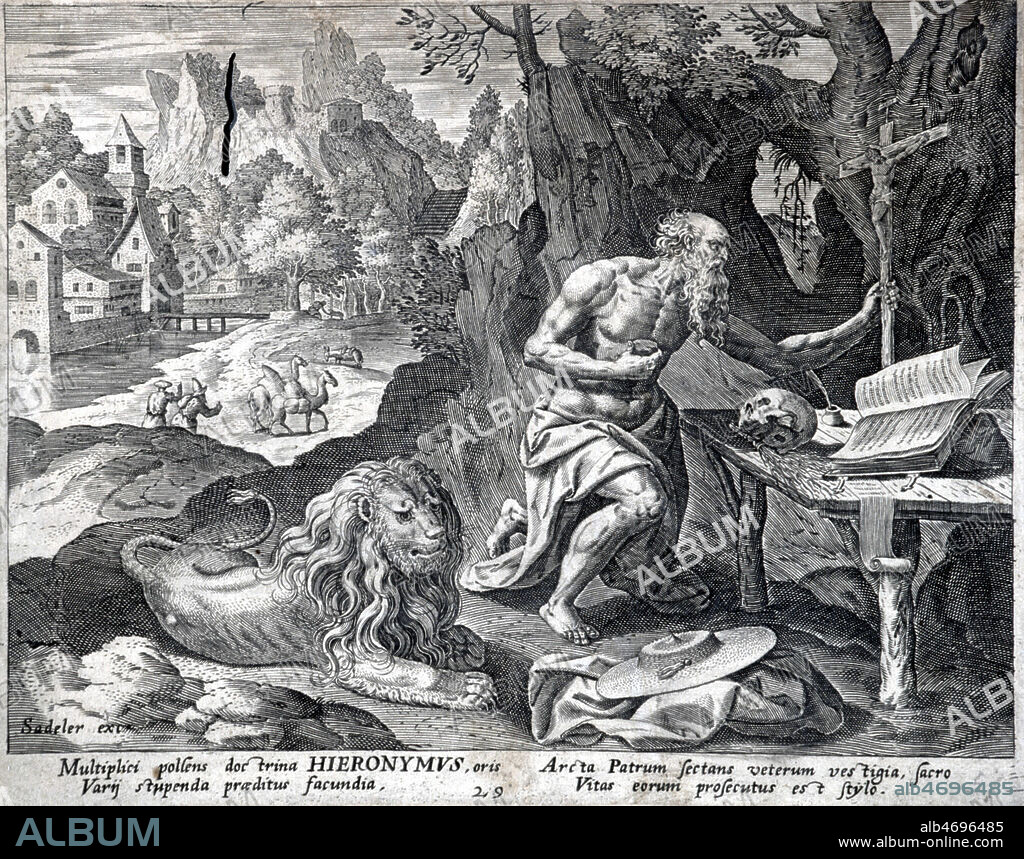
Around 530 AD, Saint Jerome’s feast day was recognized by Pope John II, marking the formal canonization of a man whose life and works had left an indelible mark on Christian history. Today, Saint Jerome is celebrated as one of the four original Doctors of the Church, revered for his exceptional contributions to biblical translation and theological discourse. He is often depicted holding a Bible and a lion, symbolizing his fierce devotion and his deep knowledge of scripture.
The cultural impact of Jerome goes beyond the confines of religious studies. His work influenced not only Christian literature but also broader European intellectual traditions. The clarity and precision of his translations and commentaries have made them essential reading for scholars and students across disciplines. Furthermore, Jerome’s emphasis on the literal and historical sense of scripture foreshadowed later developments in biblical criticism and hermeneutics.
In contemporary times, Jerome’s legacy is more relevant than ever. His emphasis on scriptural accuracy and his detailed textual analysis continue to inform modern biblical scholarship. Scholars who study Jerome's methods and insights can gain valuable perspectives on ancient interpretations and historical contexts. Additionally, Jerome's insistence on asceticism and his personal commitment to religious discipline speak to enduring themes in both religious and secular circles.
Moreover, Jerome's advocacy for a simple and pious lifestyle resonates in a world increasingly defined by materialism and technological complexity. His example encourages individuals to seek spiritual clarity and inner peace amidst the challenges of modern life. This relevance is not limited to religious communities but extends to anyone seeking depth and meaning in their personal and collective journeys.
Jérôme de Stridon, commonly known as Saint Jerome, stands as a towering figure in the history of Christianity. From his early travels and studies to his ascetic retreats and prolific writings, Jerome left an indelible mark on the Church and on society. His translations, commentaries, and advocacy for strict religious discipline have ensured his place as a key figure in both biblical studies and the broader tapestry of Christian theology.
Through his tireless labors and his unwavering commitment to preserving and interpreting the word of God, Jerome has left a legacy that continues to inspire and instruct generations of believers and scholars. His life serves not only as a testament to the power of faith and scholarship but also as a reminder of the enduring importance of preserving the richness and complexity of our spiritual heritage.
In contemplating Jerome's life and works, we find not only a masterful translator and commentator but also a profound spiritual mentor. His legacy lives on in the sacred texts he translated, the institutions he helped establish, and the wisdom he imparted through his timeless writings. Saint Jerome, the “father of biblical archaeology” and the enduring voice of Christian scholarship, continues to guide us toward truth and understanding across the centuries.





Your personal space to curate, organize, and share knowledge with the world.
Discover and contribute to detailed historical accounts and cultural stories. Share your knowledge and engage with enthusiasts worldwide.
Connect with others who share your interests. Create and participate in themed boards about any topic you have in mind.
Contribute your knowledge and insights. Create engaging content and participate in meaningful discussions across multiple languages.
Already have an account? Sign in here

Découvrez la vie, les lettres et l'héritage théologique d'Ignace d'Antioche, figure majeure du christianisme primitif, d...
View Board
Découvrez Saint Laurent, diacre martyr du IIIe siècle célèbre pour sa charité envers les pauvres et son supplice sur le ...
View Board
Découvrez la vie et l'héritage du pape Clément Ier, premier Père apostolique de Rome, dont l'épître aux Corinthiens a fa...
View Board
Découvrez l'histoire captivante de Saint Sébastien, martyr chrétien du IIIe siècle, symbole de courage et protecteur con...
View Board
Découvrez comment le pape Léon Ier, surnommé "le Grand", a renforcé la primauté papale et défendu Rome face aux invasion...
View Board
Discover Paul McCartney's 2025 triumphs, epic tour finale, and new music projects. Explore his lasting legacy and cultur...
View Board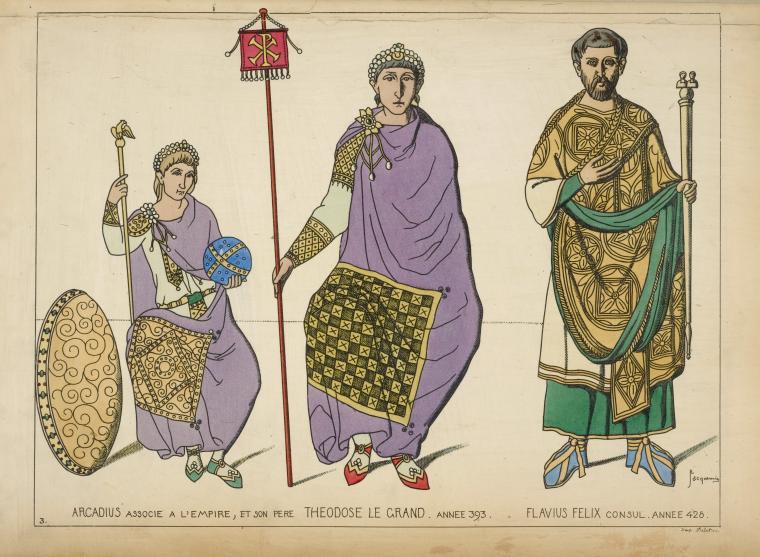
Découvrez l'empereur Arcadius et son règne méconnu mais crucial, à la croisée des mondes de l'Empire romain d'Orient. Ex...
View Board
Discover Saint Jerome's life, his Vulgate Bible translation, and lasting impact on Christianity. Explore his scholarly l...
View Board
Entdecken Sie die fesselnde Geschichte von Celsus, einem der frühesten Kritiker des Christentums. Sein Werk "Wahre Lehre...
View Board
Symmachus, römischer Praetor und Bischof von Rom, war einer der bedeutendsten Rhetoren und politischen Figuren des frühe...
View Board
Entdecken Sie das faszinierende Leben von Miguel Servet, einem Pionier der Wissenschaft und Märtyrer für die Meinungsfre...
View Board
Entdecken Sie das prägende Pontifikat von Papst Gelasius I. während einer turbulenten Ära im katholischen Rom. Erfahren ...
View Board
Entdecken Sie das faszinierende Leben und Erbe von Papst Anacletus, einer Schlüsselgestalt der frühen christlichen Kirch...
View Board
Carl Sagan: Un érudit visionnaire de l'espace L'homme derrière "Cosmos" Carl Edward Sagan, né le 9 novembre 1934 et déc...
View Board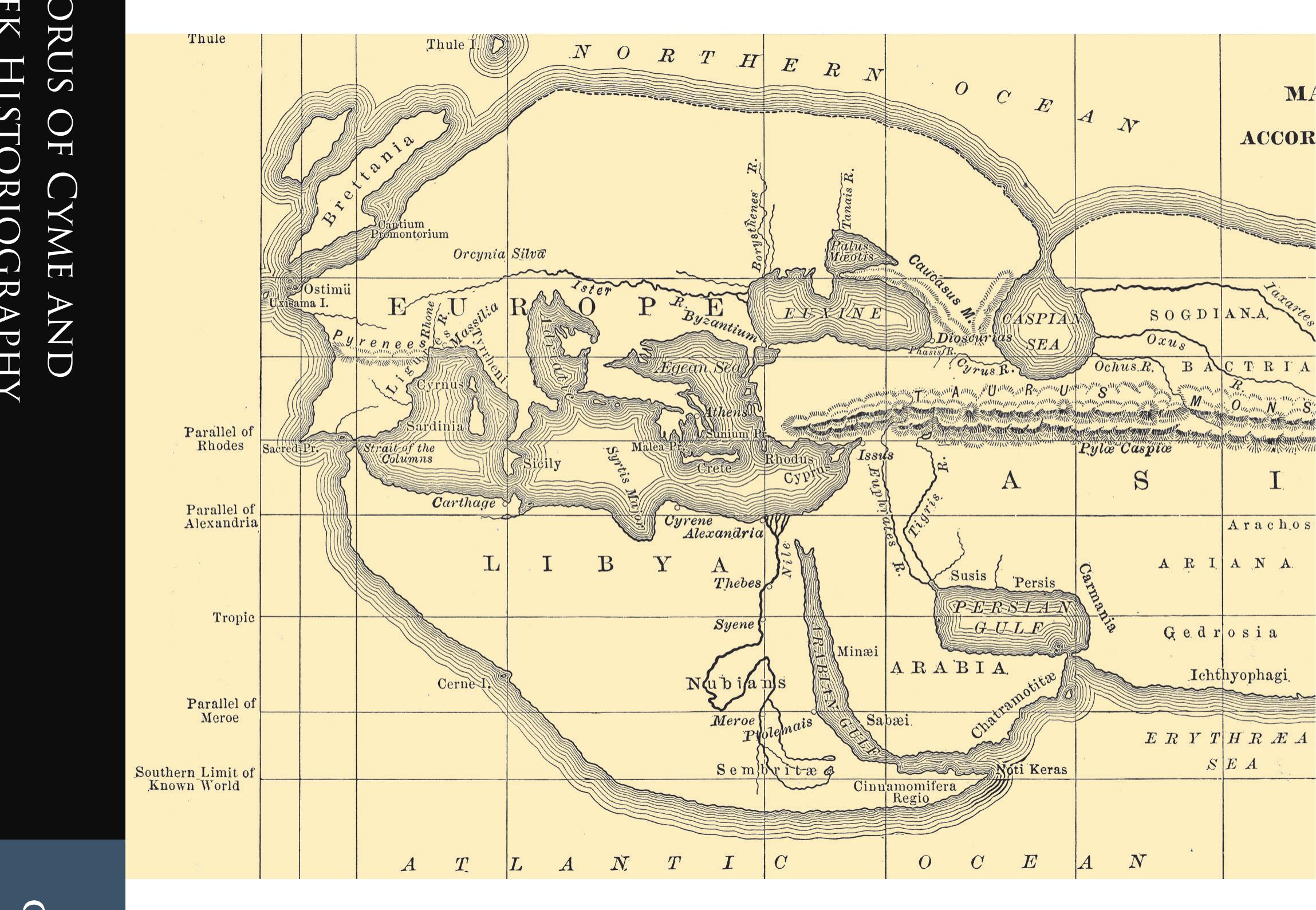
Ephorus, historien grec du 4e siècle avant J.-C., est considéré comme le père de l'historiographie grecque pour son appr...
View Board
Découvrez Callisthène, l'historien méconnu de la Grèce antique, célèbre pour ses récits détaillés des campagnes d'Alexan...
View Board
Explorez l'héritage intemporel de Callimachus, poète et érudit incontournable de l'Antiquité grecque. Découvrez son infl...
View Board
Aulus Gellius, érudit romain du IIe siècle, auteur des Nuits Attiques : une œuvre mêlant philosophie, grammaire et histo...
View Board
Découvrez Mashhad, la ville sainte de l'Iran, célèbre pour son histoire riche, ses mosquées magnifiques et ses tradition...
View Board
背包客 # Pulcheria : Une Impétrice Byzantine d'Exception - Histoire et Héritage Découvrez la vie fascinante de Pulcheria,...
View Board
Comments