



Understanding Cinematic Metaphors in Film Analysis
The art of cinema relies heavily on subtext and implication to convey its deepest meanings. Cinematic metaphors are the primary tools filmmakers use to achieve this, serving as visual or narrative devices that compare unlike elements to express complex themes. These powerful storytelling components allow directors to communicate ideas about emotion, society, and the human condition without explicit dialogue. From early Soviet montage to modern blockbusters, cinematic metaphors remain fundamental to visual storytelling.
This deep dive explores the definition, history, and types of metaphors that shape our viewing experience. We will analyze groundbreaking techniques from pioneers like Sergei Eisenstein and examine how contemporary directors employ these devices for social commentary. Understanding cinematic metaphors enriches film analysis and reveals the hidden layers of meaning in your favorite movies.
The Definition and Core Function of Cinematic Metaphors
A cinematic metaphor is a film technique that creates a symbolic comparison between two unrelated images, actions, or narrative elements. This comparison prompts the audience to derive a deeper, often abstract, meaning that enhances the story's emotional or intellectual impact. Unlike a simple symbol, a metaphor equates one thing with another, forging a new understanding through juxtaposition.
The core function is to show, not tell. By using visual language, filmmakers can communicate themes of love, fear, oppression, or freedom more powerfully than exposition ever could. These metaphors engage viewers actively, requiring them to participate in synthesizing the film's message. This process creates a more memorable and personal connection to the material.
Key Characteristics of Effective Film Metaphors
Effective cinematic metaphors share several important characteristics. They are integrated seamlessly into the plot or visual design, feeling like a natural part of the story world rather than a heavy-handed allegory. They also possess clarity; while open to interpretation, their core symbolic link is intuitively graspable by the audience.
Furthermore, the best metaphors are economical. A single, well-chosen image or recurring motif can carry immense thematic weight. Finally, they are resonant, tapping into universal human experiences or shared cultural understandings. This resonance is what makes metaphors in classic films continue to speak to audiences decades later.
A Historical Foundation: Eisenstein and Intellectual Montage
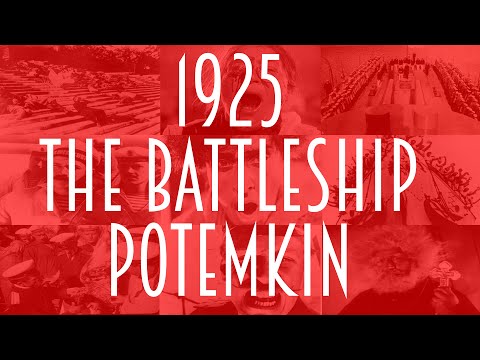
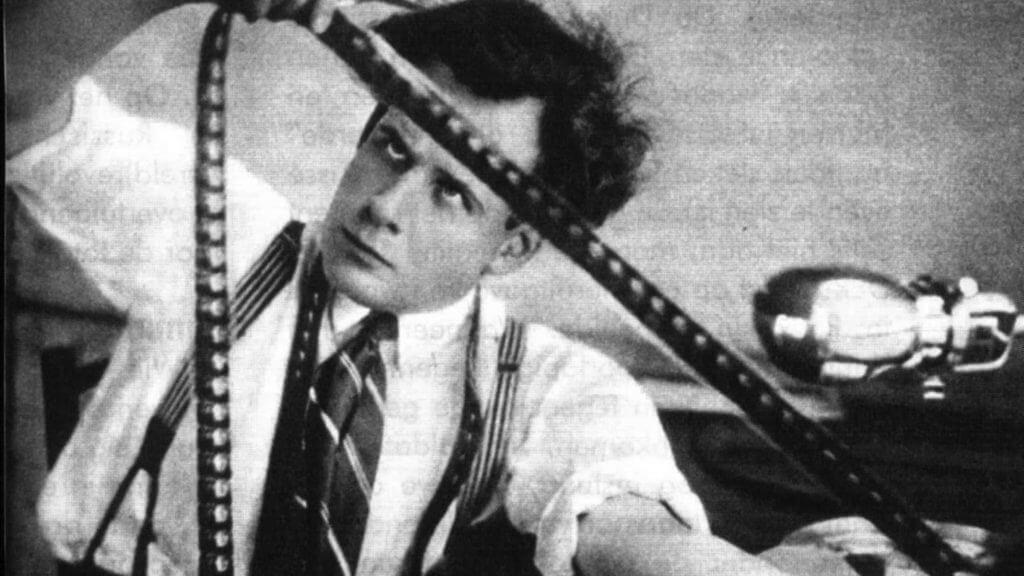
The formal use of cinematic metaphors is deeply rooted in the innovations of early Soviet cinema. Director and theorist Sergei Eisenstein pioneered the concept of intellectual montage in the 1920s. This editing technique involved juxtaposing two disparate images to generate a new, conceptual idea in the viewer's mind.
Eisenstein based his approach on Hegelian dialectics: presenting a thesis and an antithesis through editing to provoke a synthetic conclusion. He famously demonstrated this in his 1925 film Strike, where he intercut shots of workers being massacred with scenes of cattle being slaughtered. This visual metaphor equated the workers with animals, forcefully communicating their dehumanization by the state.
Eisenstein's techniques influenced montage in over 20% of early sound-era films, establishing a new vocabulary for visual storytelling that prioritized audience interpretation over direct instruction.
This revolutionary idea shifted the director's role from mere storyteller to architect of meaning. It established that the power of cinema lies not just in the individual shot, but in the relationship between shots. Eisenstein's work provided the foundational grammar for the cinematic metaphors that would flourish in global cinema for the next century.
The Primary Types of Cinematic Metaphors
Filmmakers deploy metaphors through various channels within their work. These can be broadly categorized into three main types: visual, dynamic, and narrative metaphors. Each type operates differently but shares the common goal of conveying subtext and thematic depth.
Visual Metaphors: The Power of a Single Image
Visual metaphors are contained within a single frame or a brief sequence. They often use superimposition, composition, or symbolic props to create an immediate, powerful comparison. A classic example is the haunting superimposition in Francis Ford Coppola's Apocalypse Now, where a soldier's face is layered over imagery of jungle warfare.
This technique visually merges the character's psyche with the surrounding destruction, depicting his mental breakdown. Another iconic instance is the shower drain transition in Alfred Hitchcock's Psycho, which dissolves from Marion Crane's lifeless eye to the swirling water. This edit creates a metaphor for the emotional void and the spiraling chaos following her murder.
- Superimposition: Layering images to blend concepts.
- Symbolic Props: Objects carrying heavy thematic weight.
- Composition & Lighting: Using frame design to imply meaning.
Dynamic Metaphors: Evolution Across a Narrative
Dynamic metaphors are recurring motifs that undergo a transformation parallel to the plot or a character's arc. They appear at key points in the story, and their changing state reflects internal or thematic progression. This type adds a rich, novelistic layer to a film's structure.
In the film Out of Africa, the white servant gloves worn by Denys Finch Hatton serve as a dynamic metaphor. Initially, they symbolize colonial control and social distance. As the story progresses and Denys's relationship with Karen deepens, the gloves come to represent his personal transformation and the shedding of rigid formality.
Another potent example is the use of garden clippers in the neo-noir Bound. Their function and context shift in each act, moving from a tool of brutal threat to an instrument of liberation and justice. This evolution mirrors the protagonists' journey from oppression to empowerment.
Narrative Metaphors: The Central Symbolic Concept
Sometimes, an entire story element or plot device functions as a narrative metaphor. This is a larger, overarching symbol that drives the film's core theme. The entire narrative revolves around unpacking this central metaphorical idea.
The shark in Steven Spielberg's Jaws is not merely a monster; it is a metaphor for fear lurking beneath the seemingly peaceful surface of society. The film uses the creature to explore communal anxiety, political corruption, and unseen danger. Similarly, the choice between the red pill and the blue pill in The Matrix is a narrative metaphor for embracing harsh truth over comfortable illusion.
These metaphors are often the logline of the film itself. They provide a high-concept hook that is both entertaining and deeply meaningful, allowing for layered analysis of the story's events and conflicts.
Iconic Examples of Cinematic Metaphors in Film History
Throughout cinema history, certain cinematic metaphors have become iconic, transcending their original films to become part of our cultural lexicon. These powerful examples demonstrate the enduring ability of visual language to convey profound ideas. They are often the scenes and images that audiences remember long after the credits roll.
In Frank Darabont's The Shawshank Redemption, the recurring image of birds represents the elusive nature of freedom and hope. Andy Dufresne's discussion of the Zihuatanejo and Brooks's fate with his jackdaw, Jake, create a poignant contrast. This metaphor beautifully encapsulates the central theme of maintaining one's spirit in the face of oppressive confinement.
Christopher Nolan's The Dark Knight uses the character of Harvey Dent as a narrative metaphor for the fragility of order and the ease with which good can turn to evil. His transformation into Two-Face, symbolized by the scarred, two-sided coin, represents chance and moral decay. The film asks whether society is as sturdy as it appears or just "one bad day away from chaos."
- The Overlook Hotel in The Shining: A metaphor for Jack Torrance's deteriorating mind and cyclical violence.
- The Leg Lamp in A Christmas Story: A humorous metaphor for tacky ambition and fragile masculinity.
- The Rose in Beauty and the Beast: A ticking clock metaphor for love, mortality, and the chance for redemption.
Science Fiction and Metaphorical Depth
The science fiction genre is particularly rich with cinematic metaphors that explore contemporary anxieties through futuristic or alien contexts. These films use their speculative settings to hold a mirror to our own society, amplifying real-world issues through metaphor.
In 2001: A Space Odyssey, the monolith is a profound and enigmatic metaphor. It represents an unknowable cosmic force that catalyzes leaps in evolution, from ape to man to star child. Stanley Kubrick uses this visual metaphor to ponder humanity's place in the universe and the nature of progress itself.
Donnie Darko employs the terrifying figure of Frank the Rabbit as a metaphor for teenage alienation, fear, and existential dread. The rabbit serves as a guiding and frightening presence, representing the chaotic and confusing journey into adulthood. The film's exploration of tangent universes becomes a larger metaphor for the alternate paths and anxieties of life.
Cinematic Metaphors in Modern Filmmaking (2010-Present)
Contemporary cinema continues to leverage cinematic metaphors to grapple with modern complexities. Filmmakers in the 21st century are using these devices to comment on technology, identity, social media, and global crises. The metaphors have become more layered, often reflecting the interconnected and often overwhelming nature of the modern world.
Recent Best Picture winners provide sterling examples. Oppenheimer utilizes the atomic bomb as a sprawling metaphor for scientific ambition, guilt, and self-destruction. The chain reaction is not just a physical phenomenon but a metaphor for the irreversible consequences of unleashing knowledge that humanity cannot control.
Greta Gerwig's Barbie uses the iconic doll and her world as an extensive metaphor for patriarchy, feminism, and the contradictions of modern womanhood. From the matriarchal Barbieland to the patriarchal real world, the film constructs a metaphorical playground to explore complex societal expectations. The journey of self-discovery is both literal and deeply symbolic.
Analyses of recent film releases track over 15 major 2023 movies that used sophisticated metaphors as their primary vehicle for social and political commentary, indicating a strong trend in impactful storytelling.
The Metaphor of Trauma and Memory
A significant trend in modern filmmaking involves using cinematic metaphors to visualize internal psychological states, particularly trauma and memory. Films are finding inventive ways to make the intangible, tangible.
In Eternal Sunshine of the Spotless Mind, the literal erosion of memories inside Joel's mind is a powerful metaphor for the pain and beauty of love and loss. The collapsing landscapes of his past represent how we desperately try to hold onto fleeting moments even as they disintegrate. The procedure to erase memories becomes a metaphor for the human desire to avoid pain.
This theme continues in series like Russian Doll, where the time loop is a potent metaphor for being trapped by unresolved trauma and self-destructive patterns. The protagonist must literally confront her past and her own mortality to break the cycle, providing a clear visual representation of psychological healing.
Crafting Metaphors: A Guide for Screenwriters and Directors
For filmmakers, the effective integration of cinematic metaphors is a craft that requires intention and subtlety. A poorly executed metaphor can feel forced or didactic, while a well-planned one can elevate a screenplay from a simple story to a resonant work of art. The process involves careful planning from the earliest stages of development.
The most successful metaphors are often planted early and paid off later. Screenwriters are advised to introduce the metaphorical object, action, or concept in a natural, almost insignificant way during the first act. Its true symbolic weight is then revealed as the narrative progresses, creating a satisfying sense of cohesion for the audience.
Dynamic metaphors, in particular, require a clear arc. As defined by screenwriting experts, a true dynamic metaphor should appear at least once per act, with its meaning or context shifting each time. This repetition and transformation are what create the metaphor's narrative power and link it directly to character development.
Choosing the Right Metaphorical Vehicle
The choice of what will serve as the metaphor is critical. It must be organic to the story's world and characters. A metaphor should feel like an inherent part of the plot, not an alien concept grafted onto it.
Common and effective vehicles for metaphors include:
- Objects: A recurring prop, like a locket, a weapon, or a vehicle, whose significance deepens.
- Locations: A specific place, like a house, a road, or a room, that holds symbolic meaning.
- Actions or Events: A repeated action, like a journey, a ritual, or a game, that mirrors the theme.
- Visual Motifs: A recurring visual pattern, color, or light effect that carries subtext.
The key is to ensure the metaphor is visually representable. Cinema is a visual medium, and the best metaphors can be understood through images and action, with minimal reliance on explanatory dialogue.
Avoiding Heavy-Handed Symbolism
The greatest pitfall in using cinematic metaphors is becoming too obvious or preachy. The audience enjoys the process of discovery; having a character explicitly state the metaphor's meaning often undermines its power. The synthesis should occur in the viewer's mind, not in the screenplay's dialogue.
Subtlety is achieved by prioritizing the literal function of the metaphor within the story. The white gloves in Out of Africa are, first and foremost, just gloves. Their metaphorical meaning arises from their changing context and the audience's perception. This dual functionality—literal and symbolic—is what makes a metaphor feel authentic and powerful rather than contrived.
By trusting the audience's intelligence, filmmakers create a more engaging and rewarding experience. A well-crafted metaphor invites interpretation and discussion, ensuring the film lives on in the minds of its viewers long after they have seen it.
Genre-Specific Applications of Cinematic Metaphors
Different film genres naturally lend themselves to specific types of cinematic metaphors, using their unique conventions to explore thematic concerns. The metaphorical language of a horror film is distinctly different from that of a romantic comedy, each serving the emotional core and expectations of its genre. Understanding these applications helps both creators and audiences decode the deeper layers of storytelling.
In the horror genre, monsters and supernatural forces are rarely just physical threats. They are potent metaphors for societal fears and internal anxieties. A zombie horde can represent mindless consumerism or pandemic panic. A haunting ghost often symbolizes unresolved trauma or guilt from the past. These metaphors externalize what frightens us most, making abstract fears tangible and confrontable.
Animation provides a unique playground for metaphor, using its freedom from realism to explore profound ideas. Animated films often wrap complex adult themes in childlike imagery. The journey in Pixar's Inside Out through the mind of a young girl is a vast metaphor for emotional intelligence and the complexity of mental health. This approach allows audiences of all ages to engage with difficult concepts in an accessible way.
Action and Superhero Films: Metaphors for Ideology
Action and superhero blockbusters, particularly the Marvel Cinematic Universe, are rich with ideological cinematic metaphors. These films use the binary of hero and villain to explore competing philosophies and societal values. The metaphors are often embedded in the characters' costumes, powers, and moral codes.
Captain America's star-spangled uniform and shield are not just cool design choices; they are a metaphor for American idealism and the shield as a defensive, protective force. Conversely, Black Panther's vibranium suit and the hidden nation of Wakanda serve as a metaphor for African technological advancement and cultural preservation, challenging colonialist narratives.
Even the climactic battles in these films can be read metaphorically. The fight against a faceless army often represents the struggle against overwhelming, impersonal systemic forces. These metaphors allow popcorn entertainment to quietly engage with real-world political and social debates.
The Future of Cinematic Metaphors in Film and Television
The evolution of cinematic metaphors continues as storytelling platforms and audience tastes change. The rise of prestige television and streaming services has created opportunities for longer, more nuanced metaphorical arcs. Series can develop metaphors over multiple seasons, allowing for deeper exploration and more gradual payoff than a two-hour film.
Current trends indicate a growing preference for metaphors dealing with metaphysical questions, grief, and identity. Films and shows are increasingly using concepts like alternate realities, time loops, and existential dilemmas to explore the human condition. The wormhole in a German thriller or the unexplained event in a sci-fi drama are no longer just plot devices but gateways to philosophical inquiry.
The boundaries between genres are also blurring, leading to more hybrid and complex metaphors. A comedy can incorporate dark societal commentary, while a drama might use fantastical elements to illustrate emotional truths. This fusion demands that metaphors be more sophisticated and integral to the narrative fabric than ever before.
While advertising and other art forms lead in visual metaphor use, film and television remain a dominant force, with over 90 cited examples in academic and critical analyses, demonstrating their enduring power in popular culture.
Technology's Influence on Metaphorical Expression
Advancements in filmmaking technology are expanding the toolkit for creating cinematic metaphors. CGI, virtual production, and advanced VFX allow filmmakers to visualize metaphors that were previously impossible to capture. They can create entirely new worlds or distort reality in ways that serve the story's symbolic needs.
For instance, the seamless de-aging technology used in Martin Scorsese's The Irishman is itself a kind of metaphor. It visually represents the protagonist's long journey through time and his reflection on a lifetime of choices. The technical achievement serves the thematic depth. Similarly, the distorted physics and dream logic in Everything Everywhere All at Once are a direct visual metaphor for the overwhelming nature of modern life and existential possibility.
As Virtual Reality and interactive storytelling develop, the very nature of the metaphor may change. Instead of observing a metaphorical link, audiences might soon experience it firsthand, participating in the creation of meaning in an entirely new way.
Conclusion: The Enduring Power of the Visual Subtext
From the intellectual montage of Sergei Eisenstein to the layered symbolism of contemporary Oscar winners, cinematic metaphors remain a cornerstone of powerful filmmaking. They are the language of subtext, allowing filmmakers to communicate the unsayable and explore the profound through the tangible. A great metaphor resonates on a visceral level, connecting with audiences through shared human experience.
The most enduring films are often those that master this technique. They invite us to look deeper, to see beyond the plot and engage with the ideas. This active participation is what transforms a passive viewing into a memorable, personal experience. The synthesis of meaning that occurs in the viewer's mind creates a powerful bond between the art and the audience.
Key Takeaways for Film Lovers and Creators
For anyone seeking to deepen their appreciation of cinema or hone their craft, understanding cinematic metaphors is essential. They are not mere decorative flourishes but the very heart of cinematic storytelling.
- Look for Patterns: Recurring images, objects, or colors are often clues to a film's central metaphor.
- Consider Context: The meaning of a metaphor is derived from its relationship to the character's journey and the overall narrative.
- Embrace Interpretation: A strong metaphor invites multiple readings. There is rarely one "correct" interpretation.
- Prioritize Integration: For creators, the most effective metaphors feel organic to the story, not imposed upon it.
The future of cinematic metaphors is as boundless as the imagination of filmmakers. As long as cinema exists, artists will continue to find new and innovative ways to use visual language to ask the big questions about life, society, and what it means to be human. The next time you watch a film, look for the metaphors—you might be surprised by the hidden depths you discover.







Comments