

%2520Getty_Thimphu%2520Bhutan_CNT%2520UK_Karin_GettyImages-1285422736.jpg)
Thimphu: The Enchanting Capital of Bhutan
Introduction to Thimphu
Nestled in the heart of the Eastern Himalayas, Thimphu, the capital city of Bhutan, stands as a beacon of the country's unique blend of tradition and modernity. Thimphu is not just the administrative heart of Bhutan; it is a rich tapestry of culture, spirituality, and breathtaking landscapes that captivate every visitor. Unlike the bustling capitals typical of other nations, Thimphu is a tranquil city where time seems to flow at its own leisurely pace, and the harmony between nature and urban development is meticulously preserved.
A City Without Traffic Lights
One of the most fascinating aspects of Thimphu is its lack of traffic lights. Remarkably, it is one of the few capitals in the world that do not rely on traffic signals to regulate the flow of vehicles. Instead, this serene city employs the services of traffic policemen who guide the ever-increasing flow of cars with graceful hand signals. This unusual feature is emblematic of Thimphu’s commitment to maintaining its unique charm amidst the pressures of modernization.
Cultural Landmarks and Architecture
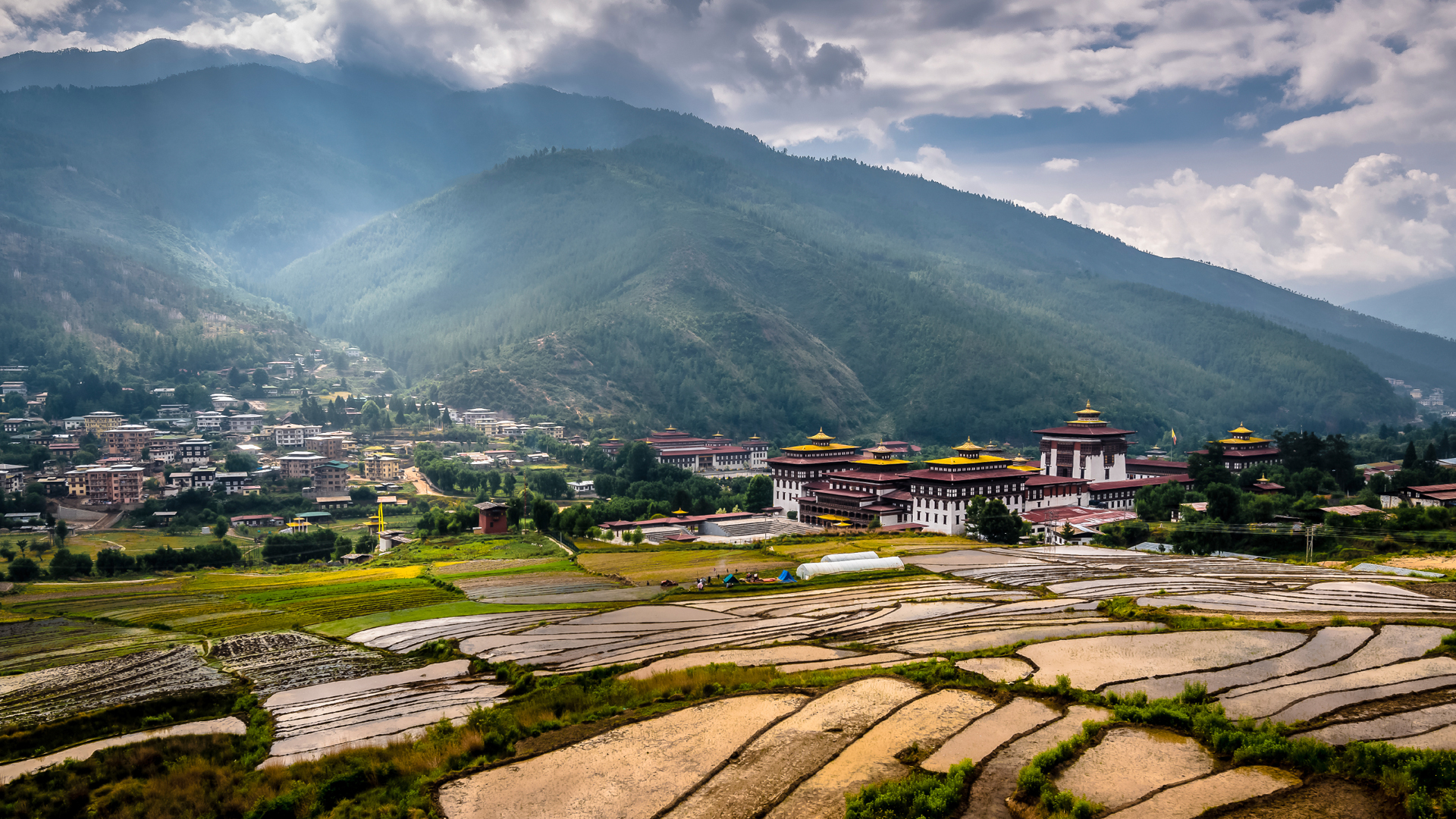
Thimphu is home to several significant cultural and architectural landmarks that offer a glimpse into Bhutan’s hidden treasures. The Tashichho Dzong, a majestic fortress and monastery, stands as both the seat of the government and the central hub of the country's religiosity. This impressive structure is particularly striking in the evening when it is brilliantly illuminated, casting its reflection on the Wang Chhu River.
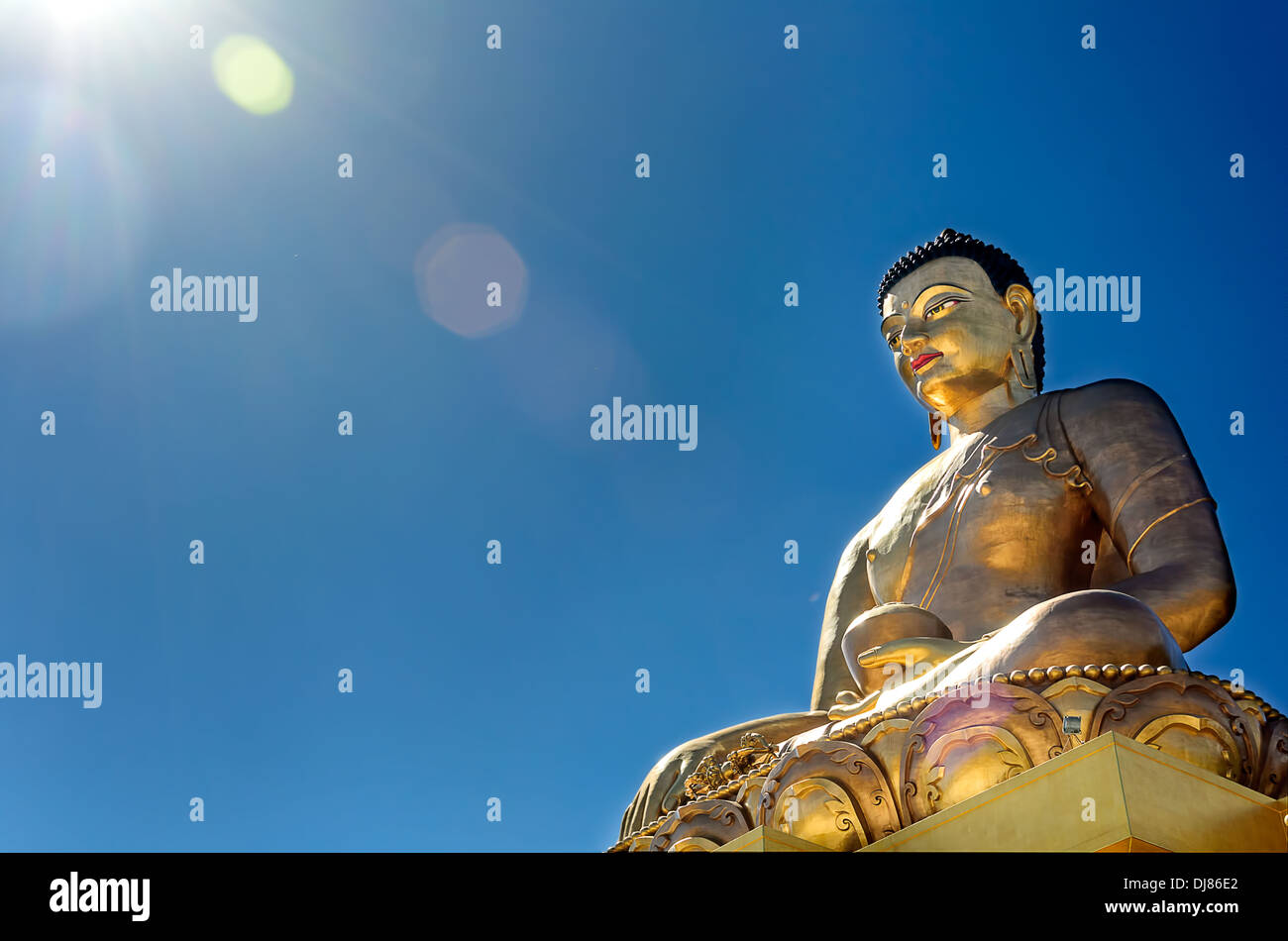
Another notable feature of the city's landscape is the Buddha Dordenma Statue. Standing 169 feet tall, this massive statue of Buddha, perched on a hill overlooking the city, is an awe-inspiring sight. Constructed with the dual intention of celebrating peace and prosperity, it holds thousands of smaller Buddha statues within it, symbolizing the city's spiritual depth.
A Fusion of Tradition and Modernity
What sets Thimphu apart from other capital cities is its seamless integration of ancient tradition with modern amenities. The city thrives on a sustainable development model that emphasizes Gross National Happiness over the common pursuit of economic wealth. This philosophy drives policies that put the well-being of its citizens at the forefront, balancing the benefits of development with environmental preservation and cultural heritage conservation.
The local markets in Thimphu are a testament to this unique cultural ethos. Take a stroll through the bustling Norzin Lam Street, where modern shops hang traditional hand-crafted textiles, handmade jewelry, and other local goods. The Weekend Market, open from Friday to Sunday, is another vibrant space, offering everything from organic produce to aromatic spices and traditional crafts. It's a meeting point that brings together people from various walks of life — tourists, farmers, and artisans — in a lively celebration of Bhutanese culture.
Festivals and Celebrations
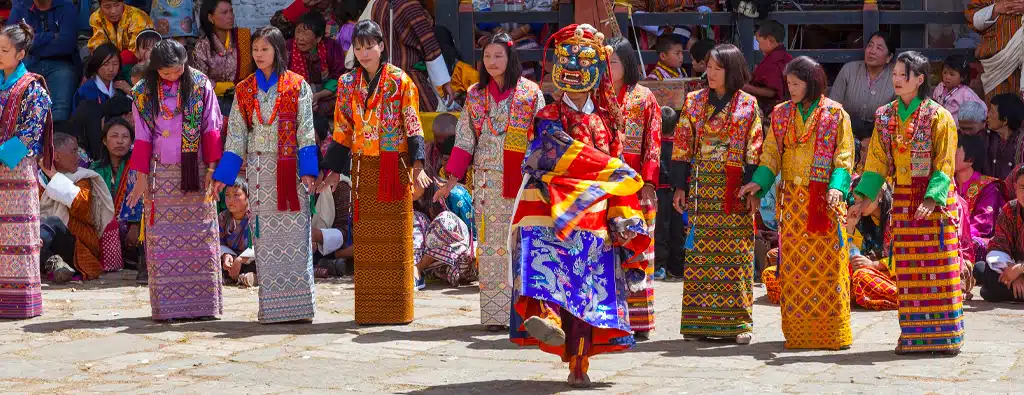
Festivals in Thimphu are not merely celebrations; they are vital threads in the cultural fabric of the city. The annual Thimphu Tshechu, a religious festival, is a vibrant showcase of traditional Bhutanese music, dance, and spiritual rituals, attracting thousands of locals and visitors alike. This festival is characterized by the colorful mask dances performed by monks — each dance a symbolic representation of Bhutanese legends and spiritual teachings.
Another captivating celebration is the Royal Highland Festival, held in the picturesque surroundings beyond Thimphu. This festival underscores Bhutan's rich pastoral traditions and rural lifestyles, featuring yak races and demonstrations of traditional skills that have been passed down through generations.
As the capital city continues to evolve, Thimphu remains deeply rooted in its cultural legacy and spiritual practices, ensuring that both locals and tourists can experience its captivating allure. With every visit and every corner turned, Thimphu reveals another layer of its enchanting story, making it a truly extraordinary destination.
Stay tuned for the next parts of this in-depth exploration of Thimphu, where we will delve into its natural wonders, culinary delights, and the continuing influence of Bhutanese tradition on Thimphu’s modern life.
The Natural Beauty and Surroundings of Thimphu
Beyond its urban charm, Thimphu is enveloped by the pristine beauty of the Bhutanese Himalayas, offering a sanctuary for nature lovers and adventurers alike. The lush green hills and serene landscapes are integral to the city's tranquil ambiance, providing numerous opportunities for outdoor exploration and reflection.
A popular destination is the Jigme Dorji National Park, which lies not far from the city. As Bhutan's largest protected area, this sprawling realm of natural beauty hosts an incredible array of biodiversity. Here, the magnificent snow leopard, the elusive red panda, and vibrant bird species make their home among the dense forests, glacial rivers, and alpine meadows. The park is a testament to Bhutan's commitment to preserving its rich natural heritage.
Those seeking an adventurous trek can embark on the trail to Tango Monastery, situated on the slopes above the city. This journey through lush pine forests offers a peaceful escape and culminates in a visit to the revered monastery, where tranquility reigns and the air is filled with the sound of monks chanting.
Culinary Delights of Thimphu
Thimphu's culinary scene is an exciting fusion of traditional Bhutanese flavors and international influences, creating a gastronomic tapestry that delights every palate. The traditional cuisine is dominated by the unmistakable presence of chili and cheese. Those who venture into local eateries can expect to be served ema datshi, the national dish, characterized by its spicy mix of chilies and tangy cheese. This iconic dish exemplifies the Bhutanese fondness for heat and hearty flavors.
Alongside traditional dishes, Thimphu is home to a burgeoning selection of cafes and restaurants that offer a range of international cuisines. In recent years, the capital has witnessed a growth in dining options where passionate chefs merge Bhutanese ingredients with global cooking techniques, thus crafting innovative dishes that celebrate the best of both worlds.
For those wishing to delve deeper into Bhutanese culinary traditions, roaming through the Weekend Market is a must. Here, vendors sell an array of fresh produce, locally sourced ingredients like red rice, and unique spices, providing an authentic taste of Bhutan's agricultural bounty.
Art and Craft: A Tapestry of Creativity
Artisanship is a vibrant thread weaving through the heart of Thimphu. The city serves as a vital center for the preservation and propagation of traditional Bhutanese arts and crafts. The National Institute for Zorig Chusum, often referred to as the "painting school," plays a crucial role in this endeavor. Here, students immerse themselves in the revered 13 traditional Bhutanese arts, which include painting, sculpture, woodcarving, and weaving.
These centuries-old arts are not only taught but are integral to maintaining Bhutan's cultural identity. Visitors to Thimphu can witness firsthand the dedication and skill of artisans at work, crafting everything from intricate thangka paintings to beautifully woven textiles. Shops throughout the city sell these handmade crafts, offering an opportunity to take home a piece of Bhutanese culture.
The craft bazaar in the city is a vibrant and colorful venue where local artisans showcase their work. From hand-woven textiles to carved wooden masks and traditional Bhutanese boots, the offerings reflect the rich tapestry of Bhutan's cultural and artistic heritage.
Preserving the Legacy of Thimphu
As Thimphu strides forward into the future, it remains steadfast in its efforts to preserve and protect its cultural and natural legacy. The harmony between tradition and development is central to the city's ethos. With rising global interest in Bhutan as a unique travel destination, Thimphu is conscious of maintaining a sustainable tourism model that respects its cultural values and environmental integrity.
The visitor experience in Thimphu is designed to be more than just a glimpse into Bhutanese life; it's intended to offer a genuine connection with the people and traditions. Through community-based tourism initiatives and cultural exchanges, visitors are encouraged to immerse themselves in the ways of life that make Thimphu so unique.
In aligning with the Gross National Happiness philosophy, which places well-being above mere economic measures, Thimphu stands as a model for intentional living and community-centric development. It’s a city that demonstrates how reverence for tradition and care for the environment can coexist with thoughtful progress.
The continued success of Thimphu as the bustling yet serene capital lies in its unwavering commitment to these principles, ensuring that generations to come will have the opportunity to experience its inimitable charm. Journeying through Thimphu, one can’t help but feel the deep interconnection between its people, its land, and its enduring cultural heritage. Stay tuned as we delve further into the vibrant life and urban tapestry of Thimphu in the next segment of this exploration.
Community Life in Thimphu
At the heart of Thimphu's charm is the sense of community that permeates every aspect of city life. This spirit of togetherness is manifested in the daily interactions among residents and the shared experiences that define the social fabric. In Thimphu, communities gather in a network of neighborhoods, each with its own unique character and vibrancy.
The role of community centers, which dot the city, is central in fostering a sense of belonging and encouraging social cohesion. These centers host a variety of activities ranging from sports and cultural events to educational workshops, catering to all ages and interests. Here, residents come together not only to partake in collective pursuits but also to support one another in times of need, demonstrating the intrinsic value placed on family and community in Bhutanese culture.
Education and Innovation
Education in Thimphu reflects the city's forward-looking vision while honoring its rich cultural legacy. Thimphu is home to several prominent educational institutions that are pivotal in shaping the future of the nation. The Royal University of Bhutan and several secondary schools focus on providing comprehensive education that merges traditional wisdom with modern curricula, thus preparing students to contribute meaningfully to society.
Moreover, Thimphu is witnessing a burgeoning interest in innovation and entrepreneurship among its youth. A growing number of young Bhutanese are embracing technology and creativity, leading to the establishment of innovative startups that strive to blend traditional values with modern solutions. Tech hubs and co-working spaces in the city are becoming incubators for these ideas, fostering an environment where the entrepreneurial spirit can thrive.
The Influence of Buddhism in Daily Life
Buddhism is woven into the very essence of life in Thimphu, influencing daily routines, social norms, and the worldview of its residents. The ubiquitous presence of prayer flags fluttering in the breeze, the rhythmic hum of prayers emanating from monasteries, and the serene faces of monks and nuns are poignant reminders of the spiritual depth that underlies everyday life.
The teachings of Buddhism emphasize impermanence, compassion, and mindfulness, offering a spiritual framework that guides interactions and behaviors. Rituals and pilgrimages, temple visits, and meditation practices are integral to the rhythm of life, offering individuals the opportunity to reflect and find balance amidst the complexities of the modern world.
The significance of Buddhism is also evident in the architectural layout of Thimphu. Dzongs (fortress monasteries) and chortens (stupas) are not only places of worship but also serve as communal spaces that encourage public gatherings and spiritual exchanges. This religious influence is mirrored in the protective deities and symbolic motifs that adorn homes and public buildings, embodying spiritual protection and continuity.
Thimphu: A City of Transitions
As Thimphu navigates the dynamics of tradition and development, it stands as a city of transitions, embracing transformation while seeking to retain its core values. The challenge lies in managing this delicate balance as modernization introduces new lifestyles and aspirations.
In recent years, modernization has brought about changes in consumption patterns, social dynamics, and technological adoption. The younger generation, in particular, finds itself at the intersection of global influences and traditional norms, negotiating identities in a rapidly changing world.
Yet, Thimphu continues to remain grounded in its emphasis on preserving culture and fostering well-being, a testament to Bhutan’s broader philosophy. This approach is evidenced in urban planning considerations that promote green spaces, in policy initiatives aimed at sustainable development, and in the cultural preservation efforts embraced by both public and private sectors.
Conclusion: Thimphu's Enduring Allure
Thimphu, a city where ancient traditions coexist harmoniously with the pulse of modern life, offers a vision of hope for those seeking a more balanced way of living. It’s a place where cultural vibrancy, natural beauty, spirituality, and innovation come together to create a unique mosaic that captures the imagination and inspires the soul.
As we have explored, from its commitment to cultural preservation and environmental stewardship to its celebration of community bonds and educational aspirations, Thimphu exemplifies a model of development that is centered on the well-being of its citizens.
For travelers and residents alike, the city remains a source of endless discovery and inspiration. Whether visiting Thimphu for the first time or returning to uncover its deeper layers, there is always something new to learn and appreciate. Thimphu's enduring allure is evident in its ability to remain true to itself while embracing change, creating a sanctuary that resonates deeply with all who experience it. It stands not only as the heartbeat of Bhutan but also as a testament to the possibilities of living with authenticity and purpose in a rapidly evolving world.











Comments