




The Enigmatic Charm of Hue: A Glimpse into Vietnam's Historic Past
Nestled in the central region of Vietnam, the city of Hue stands as a testament to the nation's rich, multifaceted history. Famous for its serene landscapes and centuries-old architecture, Hue is often regarded as the cultural and spiritual heart of Vietnam. As home to the last Vietnamese dynasty, the Nguyen Dynasty, the city has managed to preserve its historic significance while adapting to the modern world. In this article, we delve into the captivating allure of Hue, exploring its historical landmarks, vibrant culture, and enduring legacy that continues to draw travelers and historians alike.
The Legacy of the Nguyen Dynasty
The history of Hue is irrevocably tied to the Nguyen Dynasty, which reigned from 1802 to 1945. The dynasty was a defining era in Vietnam's timeline, and Hue was its illustrious capital. Emperor Gia Long established the dynasty and began constructing the Imperial City in 1805. Modeled after the Forbidden City in Beijing, the Imperial City of Hue was designed as the political and cultural nucleus of the Nguyen Dynasty.
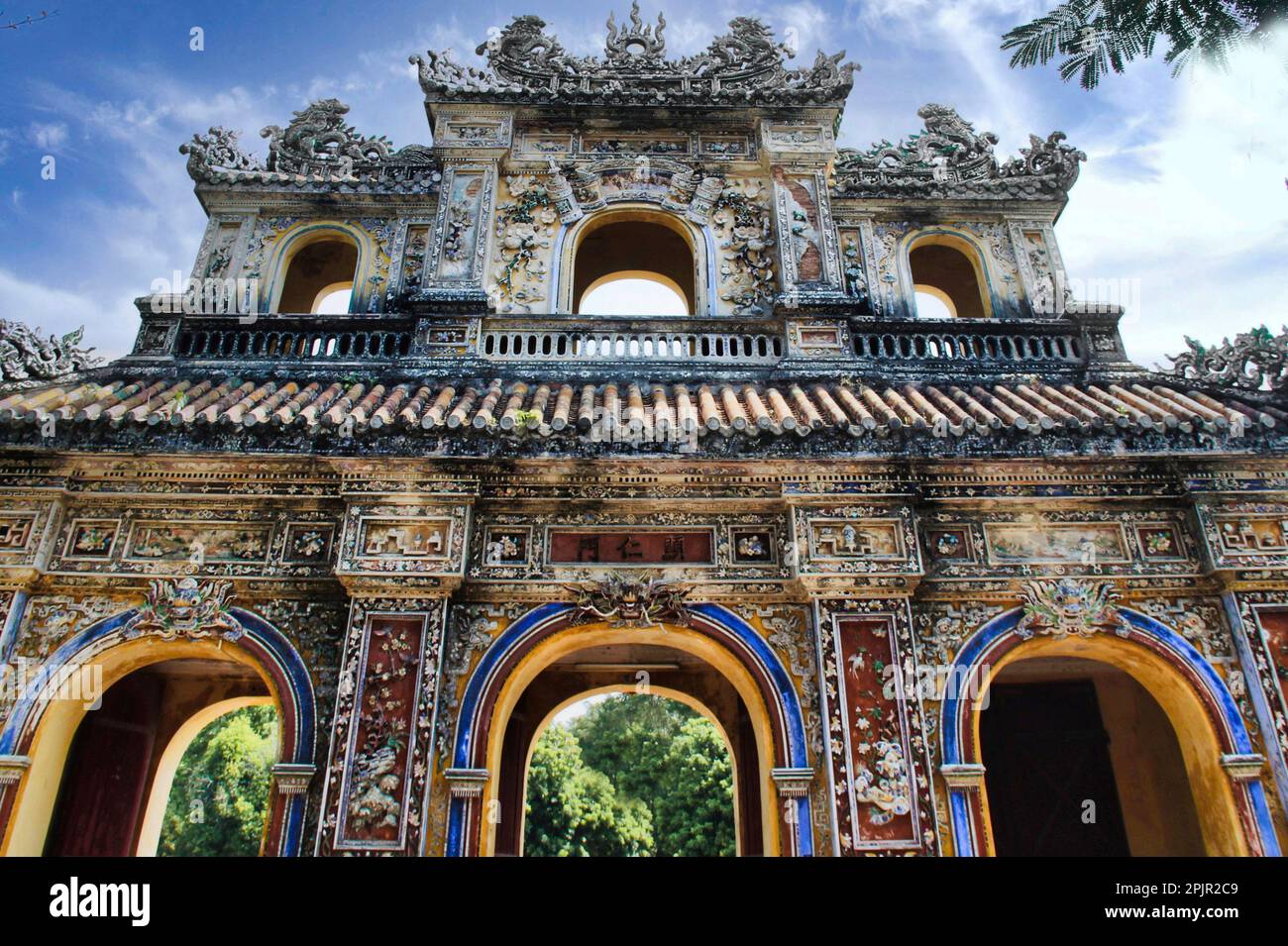
The Imperial City, a UNESCO World Heritage Site, encompasses a vast complex of palaces, temples, walls, and gates, exemplifying Vietnamese royal architecture with a blend of Chinese influence. The Citadel, with its ornate halls and tranquil gardens, offers a glimpse into the opulence and grandeur that once marked the seat of Vietnamese power. Visitors can meander through the Ngo Mon Gate, the grand entrance to the royal enclosure, or explore the magnificent halls and pavilions that once housed the emperor and his court.
The Palaces and Tombs of Hue
Beyond the Citadel, Hue is renowned for its royal tombs, each an architectural marvel illustrating the traditions and beliefs of its time. One of the most significant is the Tomb of Emperor Tu Duc, designed to be both a burial site and a living palace. It reflects Tu Duc's romantic and poetic nature, nestled amid lush pine forests and serene lotus ponds. Each structure within the tomb complex serves as a testament to Tu Duc's refined taste and artistic sensibility.
The Tomb of Emperor Khai Dinh, by contrast, presents a fusion of Vietnamese and Western architectural styles. Lavishly adorned with intricate mosaics, the tomb is set against the backdrop of verdant mountains, offering a panoramic view of the countryside. The fusion of styles in Khai Dinh's tomb highlights the eclectic influences that have shaped Hue's architectural landscape over the centuries.
The Perfume River: Hue’s Natural Symphony
Flowing gently through the heart of Hue is the Perfume River, known for its ethereal beauty and tranquil ambiance. This river has long been a muse for poets and artists, inspired by the fragrant flowers from orchards upriver that scent its waters. Boat tours along the Perfume River offer a unique perspective of Hue's iconic landmarks, including the Thien Mu Pagoda, an emblem of the city.
The Thien Mu Pagoda, perched on a hill overlooking the river, is the oldest religious structure in Hue, with origins dating back to 1601. Its seven-story tower is a quintessential representation of historic Vietnamese pagoda architecture, exuding an aura of spiritual tranquility. The pagoda holds significant religious importance, making it a cherished pilgrimage site for Buddhists in Vietnam and beyond.
Culinary Heritage of Hue
Hue's rich cultural tapestry is further illustrated by its distinctive culinary heritage. Known for its elaborate royal cuisine, Hue's food culture reflects the city's historical significance as the seat of Nguyen emperors. The city is famous for dishes such as "bun bo Hue," a fragrant and spicy beef noodle soup, and "banh khoai," a crispy rice pancake filled with shrimp and pork.
Street food in Hue offers a tantalizing array of flavors and textures, offering both locals and visitors an authentic taste of the city. Food tours are increasingly popular, allowing tourists to navigate through bustling markets and vibrant eateries, experiencing the gastronomic delights that are intrinsic to Hue's identity.
The combination of history, architecture, and vibrant culture make Hue an indispensable destination for those eager to delve into Vietnam's storied past. In the next segment of our article, we will explore additional elements that make Hue not just a city of historical interest, but a living, breathing tapestry of cultural richness and resilience.
The Artistic Soul of Hue
Hue's allure extends far beyond its royal architecture and culinary delights; it is also a beacon of traditional Vietnamese art forms. The city has nurtured a rich tapestry of artistic expressions, from music and dance to craft and performance arts, each carrying the whispers of its storied past.
One of Hue's most cherished cultural contributions is the "nhã nhạc" or royal court music, which flourished during the reign of the Nguyen Dynasty. Recognized as a Masterpiece of the Oral and Intangible Heritage of Humanity by UNESCO, nhã nhạc was an integral part of royal ceremonies and festivities. It represents the zenith of Vietnamese court music, embodying sophisticated compositions played on traditional instruments such as the dan bau (monochord), dan nhi (two-stringed fiddle), and various percussion instruments.
Hue's artists continue to keep the flame of traditional crafts alive, particularly through the art of "truc chi," a modern twist on Vietnamese paper-making that has gained prominence in recent years. Artisans craft delicate, intricate patterns and images by hand, often inspired by the city’s abundant historical and natural landscapes. This innovative art form exemplifies how Hue evolves, gracefully blending tradition with contemporary creativity.
The Festivals of Hue: A Celebration of Heritage
Festivals in Hue are not only celebrations but a reflection of the city’s enduring connection to its heritage and identity. Among the most prominent is the biennial Hue Festival, which transforms the city into an extravagant stage for cultural exchange. Held for the first time in 2000, the festival showcases an array of performances, from traditional Vietnamese theatre and royal processions to international dance troupes and circus acts. It symbolizes not only Hue’s historical grandeur but also its openness to cultural fusion.
The Perfume River becomes a central feature during the festival, with night-time displays of floating lanterns creating a mesmerizing spectacle of color and light. Culinary events held during the festival celebrate the exquisite flavors of Hue's cuisine, drawing visitors into the intimate experience of sharing food, a cornerstone of Vietnamese culture.
Hue’s lunar new year celebrations and the Vu Lan Festival, an expression of filial piety and gratitude, further highlight the communal spirit and deeply rooted traditions that anchor the city's cultural life. These festivals reinforce the sense of community that prevails in Hue, attracting visitors who wish to experience firsthand the warmth and hospitality inherent to Vietnamese culture.
Hue's Role in Vietnam's Modern History
While steeped in ancient history, Hue has also played a critical role in Vietnam's modern narrative. The city endured significant turmoil during the Vietnam War, particularly during the Tet Offensive in 1968. This major campaign marked one of the bloodiest battles of the war and left much of Hue in ruins. Memorials and museums stand today to recount these pivotal events, including the War Remnants Museum, which provides poignant insights into this turbulent period and its lasting impacts on the region.
Despite the scars of war, Hue has shown incredible resilience and an unwavering commitment to restoration and reconciliation. Efforts to preserve and restore its monuments and architecture illustrate the dedication to maintain Hue’s historical and cultural legacy. This endeavor not only highlights the city’s role as a vital cultural repository but also its promise for future generations.
The Serenity of Hue’s Countryside
Beyond the city itself, the natural beauty of Hue’s surrounding countryside beckons exploration. The Annamite Range and verdant rice paddies offer idyllic landscapes for those seeking solace and adventure. Misons among these picturesque terrains include Bach Ma National Park, where diverse flora and fauna thrive in a preserved natural ecosystem. Hiking trails lead to stunning vistas, cascading waterfalls, and dense forests, immersing visitors in the serene beauty of the Vietnamese countryside.
The rural charm of Thuy Bieu village, renowned for its fragrant pomelos, represents a slice of traditional Vietnamese rural life. Here, visitors can engage in eco-tourism activities, participate in agricultural practices, and savor home-cooked meals that capture the essence of Hue’s culinary tradition. This intimate interaction with Hue's rural life showcases the enduring harmony between people and nature that underpins the region.
As Hue continues to captivate those who tread its historic avenues and natural trails, the city remains a testament to the enduring power of cultural preservation and evolution. With a profound respect for its past and an eye towards a dynamic future, Hue stands as a beacon of resilience and continuity, inviting all who visit to partake in its timeless journey.
In the next segment, we will explore further facets of Hue, including its educational influence and ongoing contributions to arts and culture, revealing comprehensive layers of this enigmatic city’s identity.
Hue's Educational Legacy
Education has long been an integral component of Hue's cultural landscape, firmly establishing the city as an intellectual epicenter of Vietnam. With its emphasis on traditional scholarship, Hue became the breeding ground for many esteemed academicians and cultural figures, not only during the Nguyen Dynasty but also in contemporary times. The roots of this educational heritage are profoundly embedded in institutions such as Quoc Hoc High School, one of Vietnam’s most prestigious schools. Established in 1896, it counts among its alumni notable leaders and scholars, including revolutionary figures like Ho Chi Minh.
Hue University's founding further reinforced the city's commitment to education and intellectual advancement. As a comprehensive institution comprising various colleges, Hue University serves as a critical hub for academic research and higher learning in central Vietnam. Its contributions to research, particularly in the fields of agriculture and environmental science, resonate beyond the region, fostering a culture of innovation and scholarly excellence.
The presence of these educational institutions ensures that Hue remains vibrant and ever-evolving, nurturing the next generation of thinkers and leaders who uphold the city's tradition of knowledge and cultural enrichment.
Modern Hue: Embracing Progress While Honoring Tradition
In recent years, Hue has adeptly balanced modernization with the careful preservation of its historical and cultural essence. The city's transformation is evident in its urban infrastructure, tourism services, and expanding economic opportunities. Investments in infrastructure, including transportation and technology, cater to the growing influx of tourists and bolster the local economy. Yet, these developments occur with a deliberate focus on sustainable practices, ensuring that Hue's ecological and cultural landmarks remain protected for future generations.
Hue's burgeoning arts scene is another testament to its dynamic evolution. Modern art galleries and cultural spaces pepper the city, offering platforms for contemporary artists to showcase their work. This flourishing art scene encourages dialogue between traditional and modern expressions, enriching the city's cultural landscape and inviting diverse artistic contributions from around the globe.
Moreover, the renewed emphasis on sustainable tourism practices aligns with Hue's commitment to preserving its natural and cultural heritage. Eco-tourism initiatives, community-based tourism, and responsible travel efforts are becoming increasingly prevalent, ensuring that visitors can experience Hue’s treasures without compromising their integrity.
The Timeless Spirit of Hue
As one delves into Hue's myriad offerings—from its ancient citadels and serene rivers to its vibrant festivals and flourishing academics—it becomes clear that the city's true essence lies in its harmonious blend of history, culture, and modernity. Hue stands as a city that is intimately connected to its past while continuously embracing the ideals and aspirations of the future.
For travelers and history aficionados, Hue offers more than just a glimpse into Vietnam's regal legacy; it provides a comprehensive insight into the enduring spirit of a city that has weathered the sands of time with grace and fortitude. What truly sets Hue apart is its people, whose warmth and hospitality encapsulate the Vietnamese ethos of community and resilience—a constant reminder of the indomitable human spirit.
Future Prospects: Preserving the Past, Embracing the Future
Looking ahead, Hue remains committed to safeguarding its cultural heritage while adapting to the rapid pace of global change. The city's leadership and community are focused on strategic initiatives to promote cultural tourism, support local artisans, and invest in education. By fostering an environment that celebrates its rich history and encourages innovation, Hue is not only preserving its identity but also securing its relevance in the modern world.
Efforts to earn recognition, such as the UNESCO designation of the Hue Citadel as a Heritage Site, provide essential international awareness and support for the preservation of historic places. Local government initiatives aim to protect and promote regional crafts, cuisine, and performing arts, playing a crucial role in maintaining and revitalizing Hue’s cultural footprint.
In essence, Hue is a city that tells a story. Its past is etched into its architecture, its culture is alive in its festivities and traditions, and its future is bright with promises of progress and sustainable evolution. As Hue forges ahead, it does so with a respectful nod to its rich legacy, ensuring that both residents and visitors can continue to revel in its timeless allure. Hue remains a city of enchanting mysteries and enduring beauty—a living testament to Vietnam’s vibrant tapestry of history and culture.

Comments