


San Giuseppe: Celebrating Italy’s Beloved Saint Joseph
Who Is San Giuseppe and Why Is He Celebrated?
San Giuseppe, or Saint Joseph, holds a special place in Italian culture as the patron saint of carpenters, fathers, the poor, and orphans. His feast day, La Festa di San Giuseppe, is celebrated annually on March 19, blending religious devotion with rich traditions. In Sicily, where he is the island’s patron saint, the day is marked by vibrant festivities, communal feasts, and deep-rooted customs.
The origins of this celebration trace back to a medieval Sicilian legend. During a severe drought and famine, locals prayed to Saint Joseph for rain, promising devotion in return. When the rains came, sparing their crops, the people honored their vow by sharing food with the poor—a tradition that continues today as the Tavola di San Giuseppe (Saint Joseph’s Table).
The Historical Significance of San Giuseppe dei Falegnami
One of the most prominent sites dedicated to San Giuseppe is the Baroque church of San Giuseppe dei Falegnami in Rome. Built over the ancient Mamertine Prison, where Saints Peter and Paul were allegedly imprisoned, this church carries deep historical and religious significance.
Construction began in 1597 under Giacomo della Porta and was completed in 1663 by Antonio Del Grande. The church was consecrated the same year and later designated as a titular church on February 18, 2012, with its first Cardinal-Deacon appointed. Today, it remains a symbol of faith and craftsmanship, tied closely to Rome’s carpenters’ guild.
Architectural and Artistic Highlights
The church features a stunning 19th-century Chapel of the Crucifix built over the prison ruins. Inside, visitors can admire masterpieces like Carlo Maratta’s *Nativity* (1651), which adds to the church’s artistic and spiritual allure.
Traditions and Celebrations Across Italy
La Festa di San Giuseppe is celebrated with unique customs across Italy, each region adding its own flavor to the festivities. In Sicily, the day is marked by elaborate altars (altari di San Giuseppe) and bonfires (Fuochi nella Notte), lit from harvest remnants for good luck.
In Rome, the celebrations at San Giuseppe dei Falegnami include artisan processions and pancake festivals at nearby parishes. Meanwhile, in Campania and Sicily, sfinge or zeppole pastries are a must-have treat, symbolizing abundance and gratitude.
Symbolic Foods of the Feast
Food plays a central role in the celebrations, with each dish carrying symbolic meaning:
- Bignè di San Giuseppe – Custard-filled fritters, especially popular in Rome.
- Sfinge or zeppole – Fried pastries enjoyed in Campania and Sicily.
- Fava beans – A reminder of the famine-surviving crop.
- Seafood – Observed during Lent, adding a festive touch.
Global Influence: From Sicily to the World
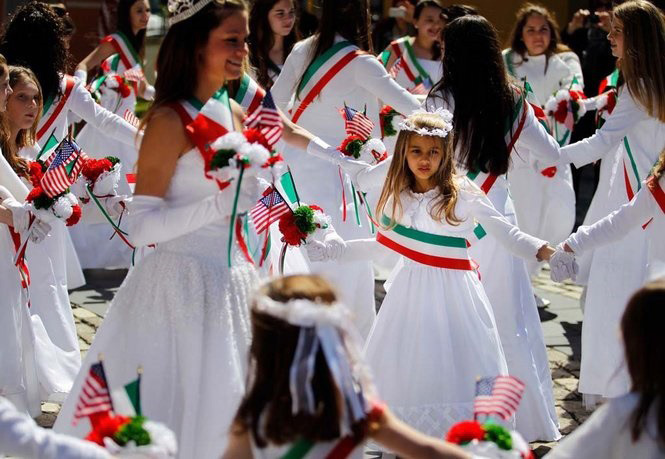
The traditions of San Giuseppe have spread far beyond Italy, thanks to Sicilian immigrants who carried their customs abroad. In the United States, cities like New Orleans and Niagara Falls host vibrant parades and St. Joseph’s Tables, blending Italian and local traditions.
Other countries, including Poland, Malta, Spain, and the Philippines, also celebrate the feast, each adding unique cultural elements. Despite modernization, these traditions remain a testament to faith, community, and gratitude.
Preserving Folklore in a Modern World
As the world changes, efforts to preserve San Giuseppe’s traditions grow stronger. Many communities now link the feast to gastronomy and tourism, ensuring that customs like street frying and communal feasts continue to thrive.
In Italy, the day also serves as Father’s Day, further deepening its cultural significance. Whether through food, art, or prayer, San Giuseppe’s legacy endures as a celebration of faith, family, and generosity.
The Spiritual and Cultural Legacy of San Giuseppe
San Giuseppe embodies more than religious devotion—he represents a cultural bridge between Italy’s past and present. His feast day, deeply rooted in Sicilian folklore, reflects themes of resilience, gratitude, and communal solidarity. The traditions surrounding La Festa di San Giuseppe have evolved over centuries, yet they retain their core message: honoring faith through generosity.
In Sicily, where San Giuseppe is the island’s patron saint, the feast is intertwined with local identity. The altari di San Giuseppe (Saint Joseph’s altars) are not merely decorative—they are sacred spaces where families gather to pray, share meals, and extend hospitality to the less fortunate. This practice echoes the legend of the Holy Family being turned away, reinforcing the importance of charity and inclusivity.
The Role of Food in Spiritual Celebration
Food is central to the feast, serving as both symbol and sustenance. Each dish tells a story:
- Fava beans – A humble crop that saved Sicilians from famine, now a staple on feast tables.
- Zeppole and sfinge – Fried pastries symbolizing abundance, often shared with neighbors.
- Bignè di San Giuseppe – Cream-filled delights, especially beloved in Rome.
- Seafood dishes – A Lenten tradition, reflecting the feast’s timing during the holy season.
These foods are more than culinary delights—they are edible prayers, offerings of thanksgiving to San Giuseppe for his intercession.
San Giuseppe dei Falegnami: A Testament to Faith and Craftsmanship
The church of San Giuseppe dei Falegnami in Rome stands as a monument to devotion and artistry. Built atop the ruins of the Mamertine Prison, where early Christian martyrs were held, the church merges ancient history with Baroque splendor.
Constructed between 1597 and 1663, the church was a labor of love by Rome’s carpenters’ guild (falegnami). Its architecture and artworks, including Carlo Maratta’s *Nativity*, highlight the intersection of faith and craftsmanship. The Chapel of the Crucifix, added in the 19th century, offers a solemn space for reflection over the prison’s historic site.
Restorations and Modern Significance
Over the centuries, the church has undergone several restorations:
- 1853 – Restoration of the Crucifix Chapel.
- 1886 – Repairs to the apse.
- 1930s – Façade modifications to improve access to the prison ruins.
Today, San Giuseppe dei Falegnami remains a pilgrimage site for both locals and visitors, blending religious heritage with architectural grandeur.
Global Celebrations: How the World Honors San Giuseppe
The devotion to San Giuseppe transcends borders, carried by Sicilian immigrants to far-flung corners of the globe. In the United States, cities like New Orleans and Niagara Falls host vibrant parades, blending Italian traditions with local customs. The St. Joseph’s Table, a centerpiece of these celebrations, serves as a charitable feast where food is shared with the needy.
Other countries with strong San Giuseppe traditions include:
- Poland – Where the feast is marked with church services and family gatherings.
- Malta – Featuring processions and communal meals.
- Spain – Particularly in regions with Sicilian influence.
- Philippines – Where Italian-Spanish colonial ties preserved the tradition.
These global celebrations underscore the universal appeal of San Giuseppe’s message: faith, family, and generosity.
The Feast as a Cultural Preservation Effort
In an era of rapid modernization, San Giuseppe’s traditions face the challenge of cultural erosion. However, communities are actively preserving these customs through:
- Gastronomy tourism – Promoting feast-day foods as cultural heritage.
- Educational programs – Teaching younger generations the legends and rituals.
- Community festivals – Ensuring public participation in altars and processions.
By linking the feast to tourism and education, these efforts ensure that San Giuseppe’s legacy endures for future generations.
The Feast of San Giuseppe in Modern Italy
In Italy, La Festa di San Giuseppe is more than a religious observance—it is a national celebration of fatherhood and community. The day is recognized as Father’s Day, reinforcing the saint’s role as a protector of families.
Modern celebrations blend tradition with innovation:
- Digital altars – Some communities now share virtual altari di San Giuseppe online.
- Eco-friendly bonfires – Fuochi nella Notte now use sustainable materials.
- Charity drives – Many parishes organize food donations alongside feasts.
These adaptations ensure that the feast remains relevant and inclusive, honoring San Giuseppe’s spirit in contemporary ways.
The Economic and Social Impact of the Feast
While San Giuseppe’s celebrations are community-driven, they also contribute to local economies:
- Artisan markets – Boosting sales for local bakers and craftsmen.
- Tourism revenue – Attracting visitors to historic sites like San Giuseppe dei Falegnami.
- Cultural exchange – Strengthening ties between Italian diaspora communities.
Though not commercially scaled, the feast’s social and economic benefits are undeniable, fostering unity and pride.
The Symbolism Behind San Giuseppe’s Iconography
San Giuseppe is often depicted in art and statuary holding a lily, symbolizing purity, and a carpenter’s square, representing his trade. These symbols reinforce his dual role as a protector of families and a patron of laborers. In Sicily, his statues are adorned with bread, fava beans, and citrus fruits, reflecting the island’s agricultural roots and the saint’s association with abundance.
The color gold frequently appears in his iconography, signifying divine grace, while the Holy Family is a recurring theme in paintings, emphasizing his role as a guardian of home and hearth. These visual elements deepen the spiritual connection between devotees and the saint, making his feast day a multisensory experience of faith.
Artistic Representations in San Giuseppe dei Falegnami
The church of San Giuseppe dei Falegnami houses several masterpieces that illustrate the saint’s significance:
- Carlo Maratta’s *Nativity* (1651) – A Baroque depiction of the Holy Family, highlighting Joseph’s protective presence.
- The Chapel of the Crucifix – A solemn space where art and history converge over the Mamertine Prison ruins.
- Frescoes and sculptures – Many portray Joseph as a humble laborer, reinforcing his relatability.
These artworks not only beautify the church but also serve as visual sermons, teaching visitors about San Giuseppe’s virtues.
San Giuseppe in Literature and Folklore
The legends of San Giuseppe have inspired countless folktales, poems, and songs, particularly in Sicily. One of the most enduring stories recounts how, during a 12th-century famine, Sicilians prayed to the saint for deliverance. When rain finally came, they celebrated by sharing fava beans—the only crop that survived—with the poor. This act of gratitude became the foundation of the Tavola di San Giuseppe tradition.
In literature, San Giuseppe is often portrayed as a silent but steadfast figure, embodying faith, humility, and resilience. Sicilian poets like Ignazio Buttitta have written verses honoring him, while oral traditions keep his miracles alive in local storytelling. These narratives ensure that his legacy remains vibrant and personal for each generation.
Modern Retellings and Adaptations
Today, San Giuseppe’s stories are shared through:
- Children’s books – Introducing young readers to his miracles.
- Theater performances – Reenacting his legends in Sicilian dialects.
- Documentaries – Exploring the feast’s cultural impact.
These modern adaptations ensure that San Giuseppe’s tales continue to inspire and educate.
The Role of San Giuseppe in Italian Identity
San Giuseppe is more than a religious figure—he is a cornerstone of Italian identity, particularly in the south. His feast day reinforces values like family, hard work, and generosity, which are central to Italian culture. In Sicily, where he is the patron saint, his influence is woven into daily life, from place names to local proverbs.
The feast also serves as a cultural unifier, bridging gaps between generations and communities. Whether through shared meals, processions, or prayers, Italians of all backgrounds come together to honor him. This collective devotion strengthens social bonds and preserves a sense of belonging in an increasingly globalized world.
San Giuseppe and the Italian Diaspora
For Italian immigrants, San Giuseppe became a symbol of home. In the U.S., communities in New Orleans, New York, and Chicago established their own St. Joseph’s Tables, blending Italian traditions with local customs. These celebrations helped preserve cultural heritage while fostering new identities in adopted homelands.
Today, the feast remains a touchstone for the diaspora, connecting descendants to their roots. Events like the St. Joseph’s Day parade in New Orleans attract thousands, proving that San Giuseppe’s legacy is alive and evolving.
How to Experience San Giuseppe’s Feast Firsthand
For those eager to witness the magic of La Festa di San Giuseppe, here are the best ways to participate:
In Italy
- Sicily – Visit altari di San Giuseppe in towns like Erice, Scicli, and Palermo.
- Rome – Attend Mass at San Giuseppe dei Falegnami and explore its historic art.
- Campania – Savor zeppole in Naples and join local processions.
Abroad
- New Orleans, USA – Experience the St. Joseph’s Day parade and Italian-American feasts.
- Malta – Witness traditional processions in Valletta and Rabat.
- Buenos Aires, Argentina – Join Italian-Argentine communities in their celebrations.
Each location offers a unique blend of devotion and culture, making the feast a global phenomenon.
Conclusion: The Enduring Legacy of San Giuseppe
San Giuseppe embodies the timeless values of faith, family, and community. From the legendary drought in Sicily to the grand celebrations in Rome, his story resonates across centuries and continents. The traditions surrounding his feast—whether through elaborate altars, symbolic foods, or global processions—serve as a reminder of the power of gratitude and generosity.
As modern life evolves, the essence of San Giuseppe’s message remains unchanged. His feast is not just a religious observance but a cultural celebration that unites people through shared history and values. Whether in Italy or abroad, the spirit of San Giuseppe continues to inspire, proving that faith and tradition can transcend time and borders.
In honoring San Giuseppe, we celebrate more than a saint—we celebrate the enduring human spirit that finds hope in hardship, joy in sharing, and strength in community. His legacy is a testament to the belief that even the simplest acts of kindness can leave a lasting impact on the world.
Comments