Mosul: The City Between History and Conflict
Introduction
Located in the northern part of Iraq, Mosul holds a unique position in the country's history and geography. Surrounded by the Tigris River, it is a city rich in cultural heritage but also marked by conflict and transformation. Known as Al-Kirkuk or Mosul (مَوصَل) in Arabic, this ancient trade hub has seen the ebb and flow of civilizations over the millennia. Today, it stands as a city that is rebuilding and redefining itself.
A Historical Background
Mosul has a long and varied history. The exact origins of the city are debated by historians, but it is believed to have been founded in the 4th century BCE. Throughout its history, the city has been ruled by numerous empires and civilizations, including the Assyrians, Hasmoneans, Romans, and the Parthians. In the early centuries of the Islamic era, it came under the control of the Abbasid Caliphate and later the Ayyubid and Mamluk dynasties.
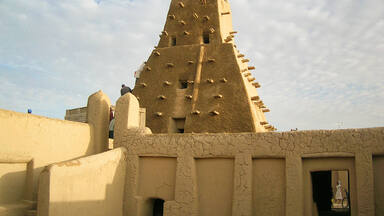
The city gained prominence during the medieval period as a major center of learning and trade. The Al-Nuri Mosque and its iconic leaning minaret were built here in the 13th century and served as symbols of power and religious influence. However, as the centuries wore on, events such as the Mongol invasions and the subsequent fall of Baghdad under Timur's rule in the 14th century led to a decline in the city's prominence.
The Fall and Rise of Mosul
The modern history of Mosul took a dramatic turn in the early 20th century. Following the breakup of the Ottoman Empire, Mosul was a contested territory between Iraq, Turkey, and Syria. A decision by the League of Nations in 1926 awarded the city to Iraq, and it officially became a governorate in the 1930s. Under Iraqi rule, Mosul continued to be an important center, with a growing population, industrial development, and significant cultural and educational institutions.
However, the city faced significant challenges in the mid-20th century, including a devastating earthquake in 1961 that damaged much of the city. Recovery efforts were underway until the onset of the Gulf War in the 1990s and the American invasion in 2003, which marked a new chapter in the city's history. The United States-led Coalition Forces occupied the city, and in 2003, it became part of the autonomous Kurdistan Regional Government (KRG) area. The next few years were marred by instability, violence, and reconstruction.
The Impact of ISIS and the Long War
The city's fortunes took another dramatic turn in 2014 when Daesh (also known as ISIS) launched a devastating assault on Mosul. Within days, Daesh had taken control of the city, and a brutal period of rule followed. Human rights abuses, forced marriages, mass executions, and the forced displacement of thousands of residents were among the atrocities committed. The city became a key strategic location for Daesh, a fact underscored by the large number of foreign fighters and fighters from the region who flocked to the city.
Despite the city's falling under the control of Daesh, parts of Mosul experienced sporadic unrest and attacks from various groups. By 2016, the Coalition Forces, led by the United States, began a military campaign to retake Mosul from Daesh. The Battle of Mosul was a lengthy and grueling operation that lasted for months, with fierce fighting and significant civilian casualties. The final stages of the battle saw intense aerial and ground combat, culminating in the fall of Mosul's old downtown on 17 July 2017, followed by the official declaration of the city's liberation on 10 July.
While the city was declared free from Daesh, the aftermath of the battle was marked by widespread destruction, loss of life, and a humanitarian crisis. The liberation campaign also brought a new wave of challenges, including the displacement of residents, reconstruction efforts, and the ongoing presence of various militias and security forces within the city.
The Current State of Mosul
As of today, Mosul is experiencing a gradual process of rebuilding and recovery. The city's infrastructure has been partially restored, and some neighborhoods have seen significant improvements. However, the ongoing presence of security forces, the presence of numerous militias, and the presence of Daesh sympathizers continue to pose challenges to stability and security. The humanitarian situation remains complex, with displaced residents still in need of assistance and resources.
The city has also faced new challenges, such as the increasing presence of informal markets and economic activities. Despite these challenges, there are signs of resilience and hope. Many residents continue to return, and there are ongoing efforts to revitalize cultural and tourism sectors, with the aim of fostering economic growth and sustainable development.
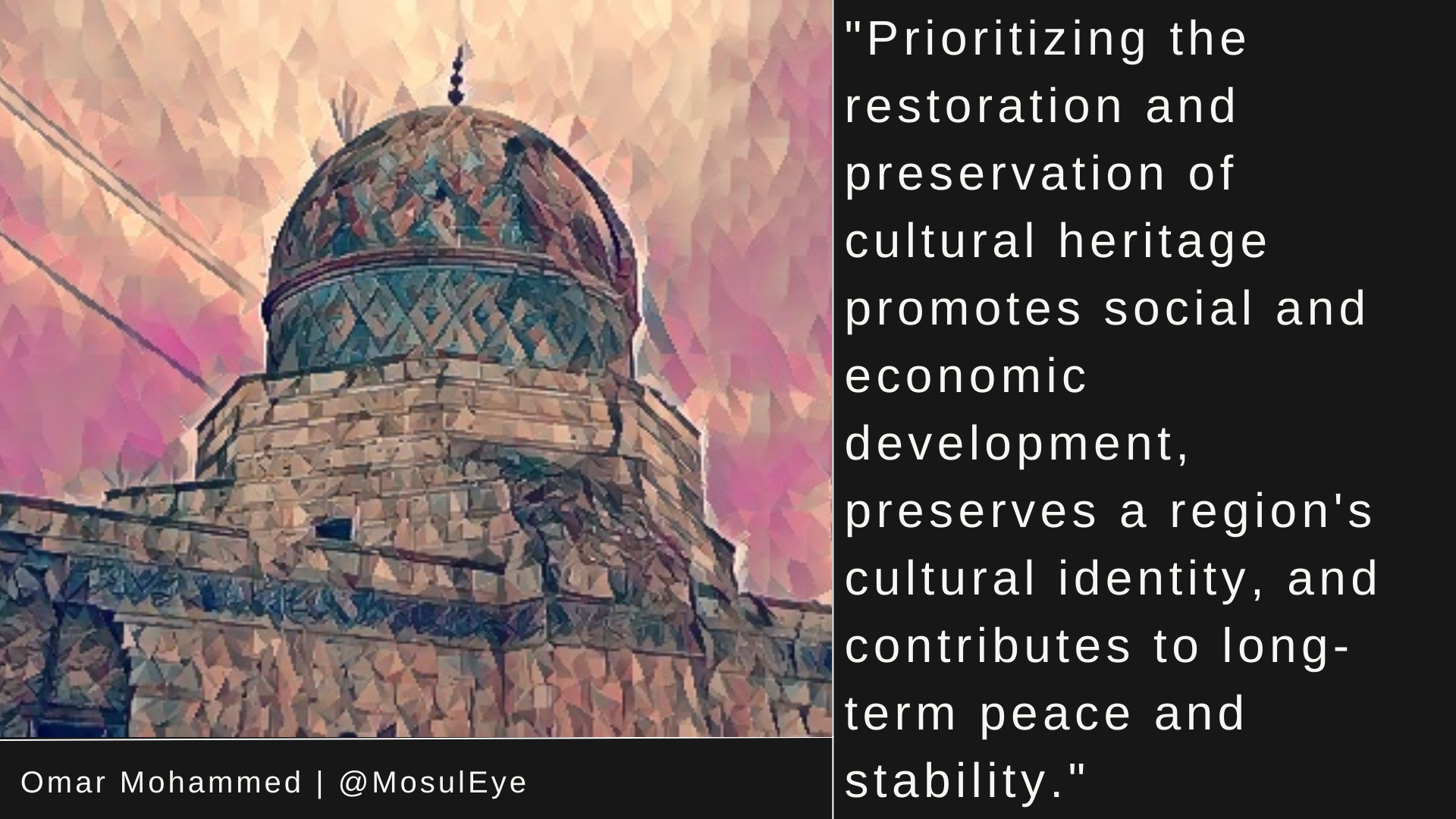
The future of Mosul remains uncertain, but the city's historical importance and its strategic location continue to make it a focal point for regional politics and development. As the city moves forward, it will be critical to balance the need for security with the imperative of sustainable development and the preservation of its cultural heritage.
Reconstruction and Urban Planning
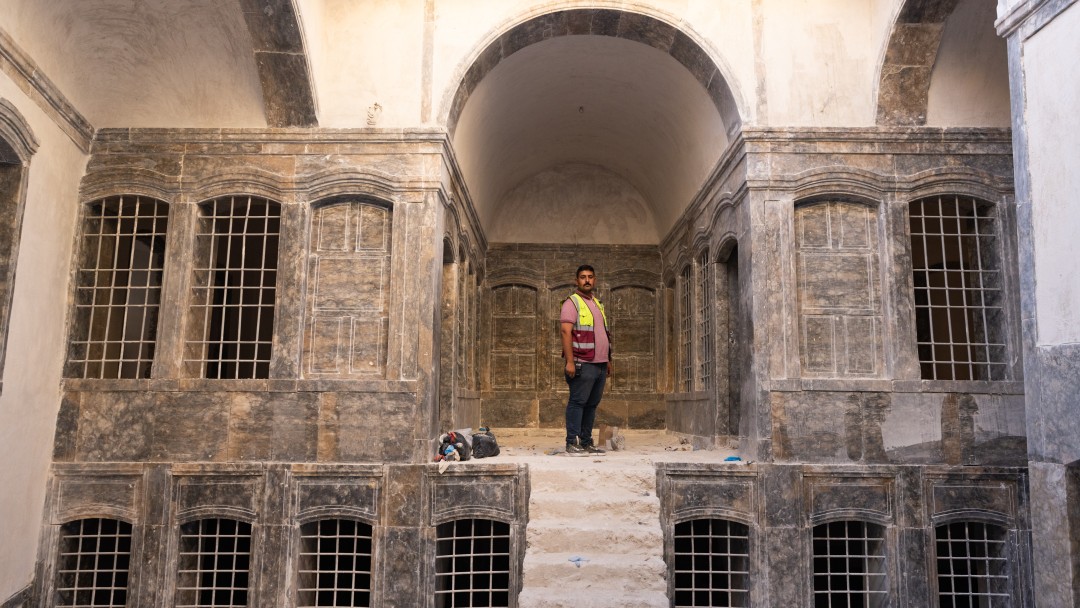
The post-liberation period has seen significant efforts in reconstructing Mosul. The initial phase involved the clearing of bomb sites and the restoration of essential infrastructure, such as hospitals, schools, and water supply systems. The city’s Old Town, which was heavily damaged during the battle, has undergone a partial restoration. While some historic buildings have been repaired, others remain partially ruined, serving as stark reminders of the conflict.
However, the reconstruction process is slow and faces numerous challenges. The city lacks adequate financial resources and skilled labor. Furthermore, local communities, which are integral to the rebuilding process, have been hesitant to return due to safety concerns and the uncertain future of the city. The KRG has been the primary financier of these projects, with international aid contributing to the effort. Nevertheless, the slow pace of rebuilding indicates the ongoing difficulties in reestablishing normalcy and stability.
Urban planning in Mosul faces additional challenges. The city’s layout was heavily affected by the battle, leading to a need for comprehensive urban renewal. Some neighborhoods, particularly those near the river, remain uninhabitable. Efforts are underway to develop new infrastructure, such as housing projects, to accommodate the growing population. The city’s new governorates have also implemented plans to attract investment and promote economic activities. However, these plans face hurdles such as bureaucratic delays and the ongoing security situation.
While reconstruction efforts are underway, the presence of militias and checkpoints within the city continues to impede progress. The security forces, although necessary for stability, can create logistical and economic challenges for residents and businesses. The constant presence of security personnel at various checkpoints and patrol stations can lead to delays and frustration for residents, affecting daily life and commerce.
Culture and Heritage
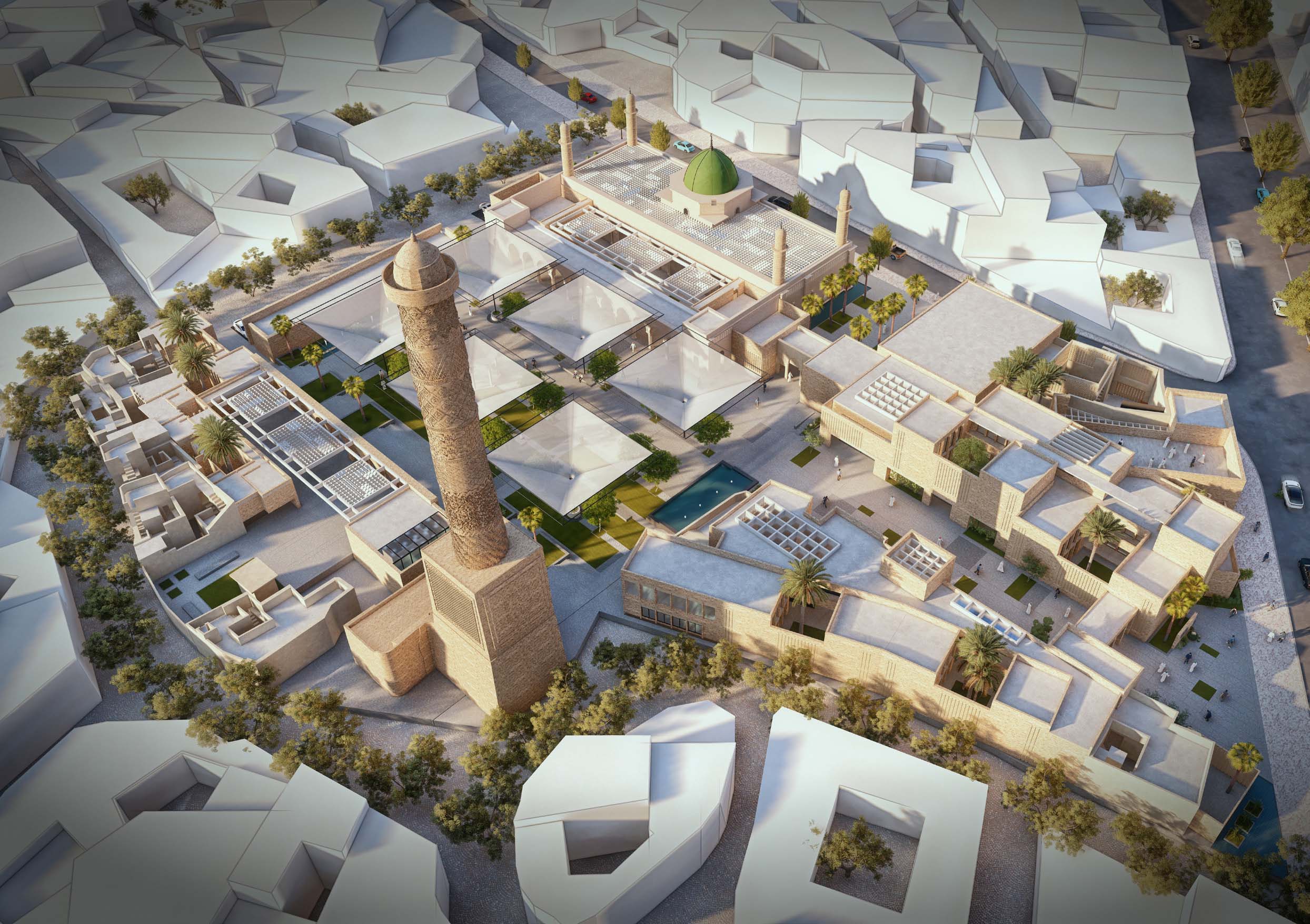
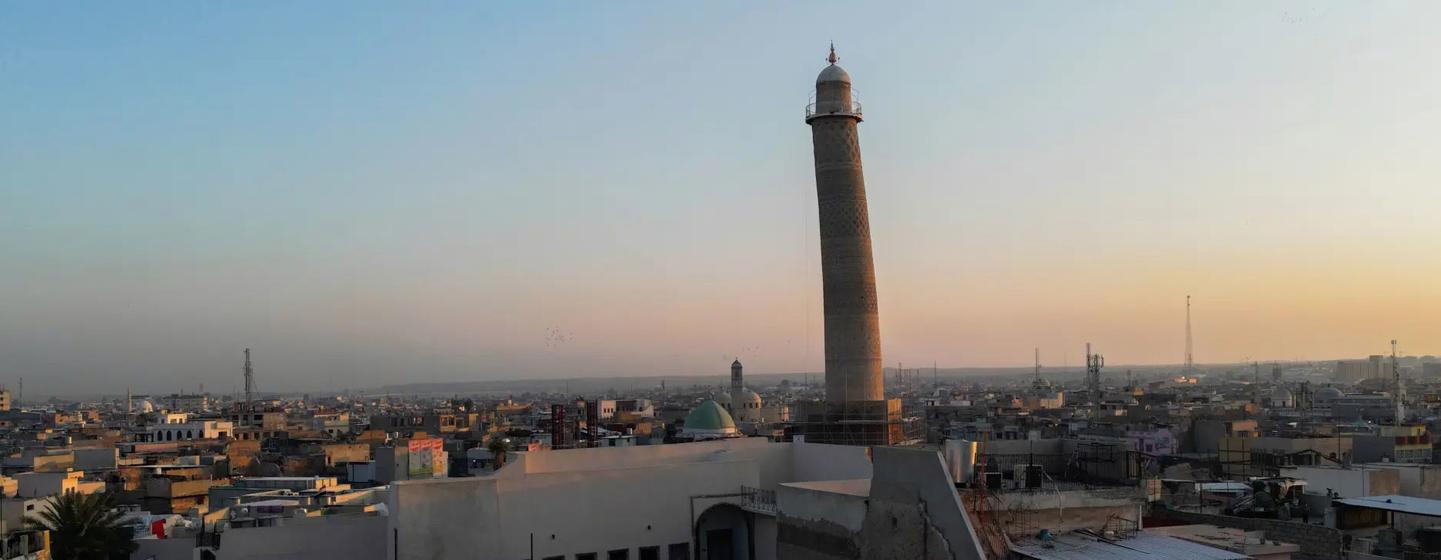
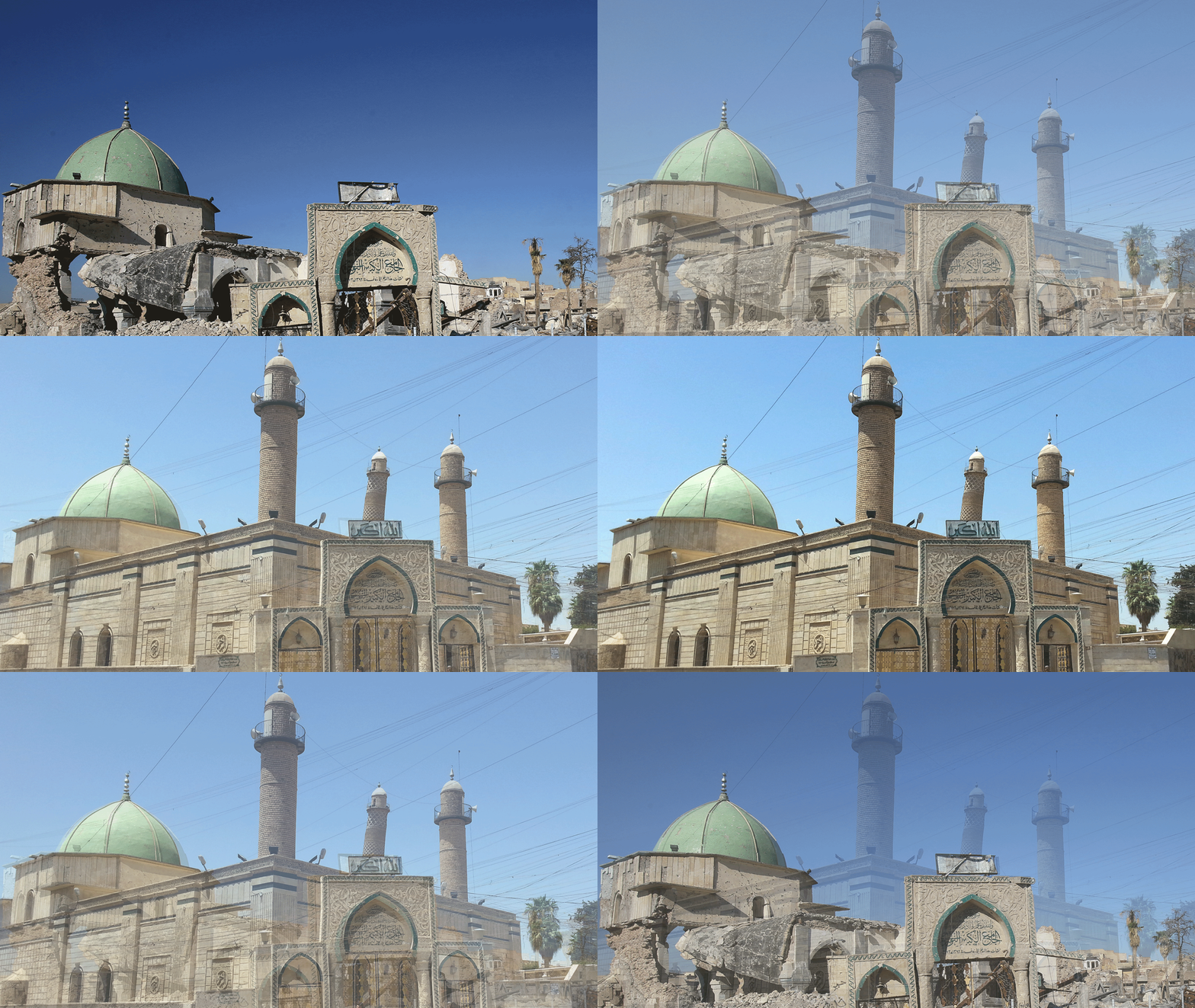
Mosul’s cultural and historical heritage represents a significant part of its identity. The city boasts numerous historical sites, including the Al-Nuri Mosque and its iconic leaning minaret, which was famously destroyed by Daesh. However, the mosque's minaret, despite being reduced to rubble, is currently being reconstructed, with the hopes of its reopening serving as a symbol of resilience and cultural revival.
Other important historical sites include the Mosul Museum, which showcases an impressive collection of artifacts from various periods in the city’s history. Efforts are also underway to renovate and preserve other historical buildings, such as the Al-Amer mosque and the Khashab Palace, which served as a residence for the city’s governor. However, the condition of many historical sites remains precarious due to the lack of proper maintenance and funding.
Despite these challenges, the city has made significant strides in reviving its cultural activities. The government has established cultural centers and museums to promote awareness and appreciation of Mosul’s heritage. Cultural events, including festivals and exhibitions, are gradually being organized, but they are limited by security concerns and logistical issues. Local artists and cultural practitioners are slowly reestablishing their activities, but they face significant obstacles in terms of funding and material resources.
The city's universities and educational institutions, which were severely affected by the conflict, are also undergoing a rehabilitation process. Institutions such as the University of Mosul, although partially functional, continue to face challenges regarding faculty, resources, and student enrollment. Efforts to improve the quality of education and to rebuild the city's intellectual foundation are ongoing, but these efforts are hampered by the city's current political and social climate.
Economic Challenges and Development
The economic situation in Mosul is a critical issue that affects the city’s recovery. The conflict has left a significant portion of the city’s economic resources destroyed or depleted. The local economy was already struggling before the conflict due to factors such as corruption and lack of investment, and the battle has exacerbated these issues.
Efforts to revive the local economy have been hindered by the ongoing security situation and the presence of checkpoints, which can create logistical challenges and increase costs. Additionally, the presence of militias and non-state actors in the city can make it difficult to attract legitimate investors. The city’s economic diversification efforts are still in the early stages, with a focus on developing industries such as agriculture, tourism, and manufacturing.
There are plans to develop Mosul as a regional trade hub, leveraging its strategic location and historical significance. However, this requires significant investment and support from both the local government and international partners. The KRG has launched initiatives to support small and medium-sized enterprises (SMEs) and provide training and mentoring programs. These efforts are crucial for the long-term economic stability of the city.
However, the economic situation in Mosul is further complicated by the large number of internally displaced persons (IDPs) who continue to face challenges in accessing basic services and employment opportunities. The government and NGOs are working to provide assistance, but the scale of the problem remains significant. The lack of job opportunities and the high levels of poverty in the city are contributing factors to ongoing instability and social unrest.
Security and Governance
The security situation in Mosul remains a critical issue. Following the battle with Daesh, the city faces the challenge of maintaining stability in the aftermath of conflict. Security forces, including the Federal Police, the Peshmerga, and local militias, play a significant role in maintaining law and order. However, the presence of these forces can be a double-edged sword, as they can provide security but also create a sense of tension and instability.
The local governance structure in Mosul is also evolving. The city is divided into governorates, each with its own local government body. This system aims to ensure local control and representation but can also lead to fragmentation and competition among different governance entities. Coordination and cooperation between these bodies are essential for effective governance but have been difficult to achieve.
Community engagement in security and governance is crucial for stability. Grassroots initiatives and community policing programs have been implemented to build trust and foster social cohesion. However, these efforts face challenges in the face of persistent security concerns and the presence of various armed groups. The involvement of local communities in security and governance can help to create a more stable and resilient society, but it requires significant investment in social programs and community support.
The international community, including the United States, the European Union, and various NGOs, plays a key role in supporting the rebuilding efforts in Mosul. These organizations provide financial assistance, technical expertise, and humanitarian support. However, their efforts are hampered by security concerns and political instability, making it difficult to implement long-term development projects.
Conclusion
Mosul stands as a city that is in the midst of transformation. The city’s rich history and cultural heritage provide a backdrop against which the challenges of redevelopment and security are being addressed. While significant progress has been made in rebuilding and reviving various aspects of the city, much remains to be done to achieve a sustainable and stable future.
The ongoing political and security challenges, combined with the economic and social issues, make it a complex and multifaceted task. However, the resilience of the city’s inhabitants and the support from the international community provide hope for a brighter future. As Mosul continues to rebuild, it will be crucial to balance the need for security with the imperative for sustainable development and the preservation of its cultural heritage. The future of Mosul remains uncertain, but with concerted efforts and support, the city can overcome its challenges and emerge as a thriving center of culture, education, and economic activity.
Tourism and Cultural Revival
Tourism has become a significant focus for the city’s economic revival. Although many tourists were discouraged by the conflict and its aftermath, there is now increasing interest in Mosul’s rich cultural and historical heritage. Efforts to promote Mosul as a destination for cultural and history enthusiasts are underway. Tourism campaigns highlight attractions like the remnants of the Al-Nuri Mosque and other historical sites, aiming to draw visitors and generate revenue.
The city’s potential as a tourist destination is immense, given its diverse architecture and historical sites. The Tigris River provides a scenic backdrop, and the city’s central location makes it accessible from other major Iraqi cities. However, the security situation remains a deterrent for many potential tourists. Improved security measures and better infrastructure can address this concern, making Mosul a more attractive destination.
In collaboration with UNESCO, the city is also working to protect and promote its intangible cultural heritage, such as traditional crafts and musical performances. Initiatives like apprenticeship programs and workshops are aimed at preserving and reviving these cultural practices. Promoting local artisans and their products not only supports the local economy but also fosters a sense of pride and cultural identity among the residents.
Challenges and Future Prospects
The road to recovery and sustainable development in Mosul is fraught with challenges. Economic instability, ongoing security concerns, and the presence of rival militias continue to impede progress. Addressing these issues requires a multi-faceted approach involving both national and international support. The role of the local government, civil society, and international organizations is crucial in navigating these complexities.
One of the key goals for the future is to enhance governance and reduce political fragmentation. Effective governance can help streamline reconstruction efforts and ensure that resources are allocated efficiently. The establishment of clear channels for decision-making and accountability can foster greater transparency and trust among the population. Additionally, promoting good governance can attract more investment and foreign assistance, which are essential for long-term development.
The city must also focus on enhancing its infrastructure and services. This includes improving transportation networks, expanding healthcare facilities, and upgrading educational institutions. These enhancements will not only benefit residents but also attract more businesses and investors. Investment in technology and digital infrastructure can further drive innovation and modernization, paving the way for a more prosperous and connected city.
Community Engagement and Resilience
Building resilience among the city’s residents is another critical component of Mosul’s future. Community engagement programs are essential in fostering a sense of ownership and participation in the rebuilding process. Community-based initiatives, such as local development projects and environmental clean-up drives, can help rebuild social cohesion and promote a shared sense of purpose.
Mentorship programs and vocational training offer young people the skills needed to participate in the workforce. By investing in education and employability, the city can help prevent a new generation from becoming disenfranchised. Additionally, mental health support and counseling services are vital for addressing the psychological trauma experienced by survivors of the conflict.
Conclusion
Mosul’s journey toward recovery and rebirth is far from complete, but the city’s resilience and determination are evident. As it navigates the challenges of war-torn infrastructure, economic instability, and socio-political tensions, the path forward is paved with hope and ambition. The international community, local governments, and the resilience of the city’s inhabitants all play vital roles in this ongoing process.
In the end, the future of Mosul will depend on the ability to balance historical preservation with modern development, promote economic growth while ensuring social equity, and secure enduring peace through effective governance. With unwavering commitment and sustained effort, Mosul could emerge as a beacon of cultural revival, economic prosperity, and regional stability. The city’s journey is one of hope and transformation, reminding us of the enduring spirit of human resilience in the face of adversity.












Comments