



Louis Pasteur: The Father of Modern Microbiology
Introduction
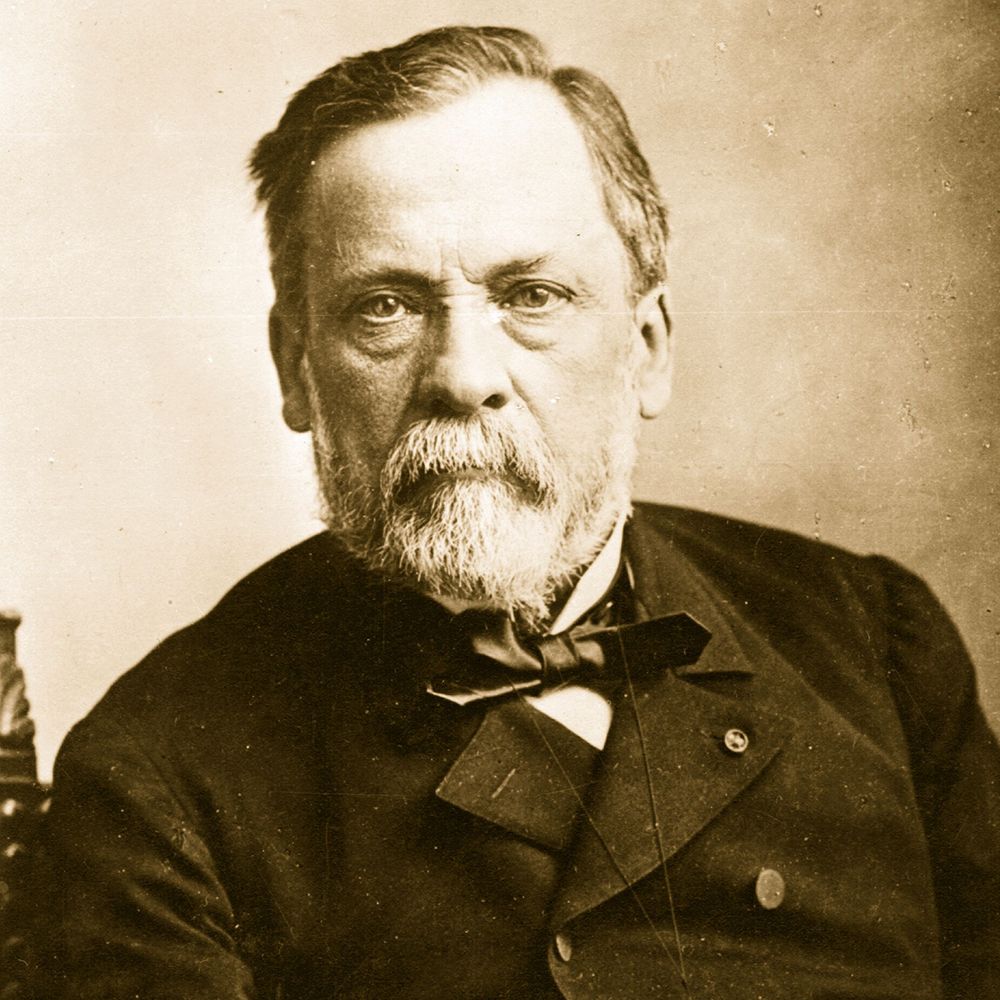
Louis Pasteur, a name synonymous with groundbreaking discoveries in microbiology, chemistry, and medicine, remains one of the most influential scientists in history. Born on December 27, 1822, in Dole, France, Pasteur’s work laid the foundation for modern germ theory, vaccination, and pasteurization. His relentless curiosity and dedication to scientific inquiry transformed medicine and saved countless lives. This article delves into Pasteur’s early life, education, and his revolutionary discoveries that changed the course of science forever.
Early Life and Education
Louis Pasteur was born into a modest family in eastern France. His father, Jean-Joseph Pasteur, was a tanner and a former soldier, while his mother, Jeanne-Étiennette Roqui, instilled in him a strong sense of discipline and perseverance. Despite limited financial means, Pasteur’s parents prioritized his education, sending him to primary school in Arbois and later to the Collège Royal in Besançon.
Young Pasteur initially showed a keen interest in art, even producing several pastel portraits that demonstrated his artistic talent. However, his passion for science soon took precedence. In 1839, he enrolled at the École Normale Supérieure in Paris, where he focused on chemistry and physics. His academic brilliance earned him a doctorate in sciences in 1847, with dissertations on crystallography that hinted at his future scientific prowess.
Discoveries in Crystallography and Molecular Asymmetry
Pasteur’s early scientific career centered on crystallography—the study of crystal structures. In 1848, he made a groundbreaking discovery while studying tartaric acid, a byproduct of wine fermentation. He observed that tartaric acid crystals exhibited asymmetric shapes, bending light in different directions. This phenomenon, known as optical activity, led Pasteur to propose that molecules could exist in mirror-image forms—a concept now fundamental to stereochemistry.
Through meticulous experimentation, Pasteur demonstrated that only living organisms, such as yeast, could produce optically active compounds. This finding challenged prevailing notions of spontaneous generation—the idea that life could arise from non-living matter—and set the stage for his later work on fermentation and germ theory.
Fermentation and the Germ Theory of Disease
Pasteur’s fascination with fermentation began when he was approached by local winemakers struggling with spoiled batches. At the time, fermentation was poorly understood, often attributed to chemical processes rather than living microorganisms. Pasteur’s microscopic investigations revealed that yeast cells were responsible for alcohol production, while bacteria caused spoilage.
This discovery revolutionized industrial fermentation and led to Pasteur’s development of pasteurization—a heat-treatment process that kills harmful bacteria in liquids like milk and wine. More importantly, Pasteur’s work laid the groundwork for germ theory, the idea that microorganisms cause infectious diseases. This concept countered the widely held miasma theory, which blamed diseases on “bad air.”
Silkworm Disease and Applied Microbiology
In the 1860s, Pasteur turned his attention to pébrine, a disease devastating France’s silk industry. After years of research, he identified a parasitic microorganism as the culprit and introduced methods to prevent its spread, saving the industry from collapse. This success further solidified his reputation as a scientist who could bridge the gap between theory and practical application.
The Rise of Vaccination: From Chicken Cholera to Rabies
Pasteur’s most famous contributions came in the field of immunization. While studying chicken cholera in 1879, he accidentally discovered that weakened strains of bacteria could induce immunity. This principle became the basis for modern vaccines.
His landmark achievement, however, was the development of the rabies vaccine in 1885. After years of research, Pasteur successfully vaccinated a young boy, Joseph Meister, who had been bitten by a rabid dog. The treatment’s success marked the first effective rabies vaccine and cemented Pasteur’s legacy as a pioneer in immunology.
The Pasteur Institute and Legacy
In 1887, Pasteur founded the Pasteur Institute in Paris, dedicated to research in microbiology, infectious diseases, and public health. The institute became a global leader in scientific innovation, producing Nobel laureates and life-saving treatments.
Louis Pasteur passed away on September 28, 1895, but his impact endures. His work not only advanced science but also demonstrated the power of rigorous experimentation and perseverance. From pasteurization to vaccines, Pasteur’s discoveries continue to shape medicine and industry, proving that one man’s curiosity can change the world.
Pasteur's Scientific Methodology and Influence on Medicine
The Experimental Rigor of Pasteur
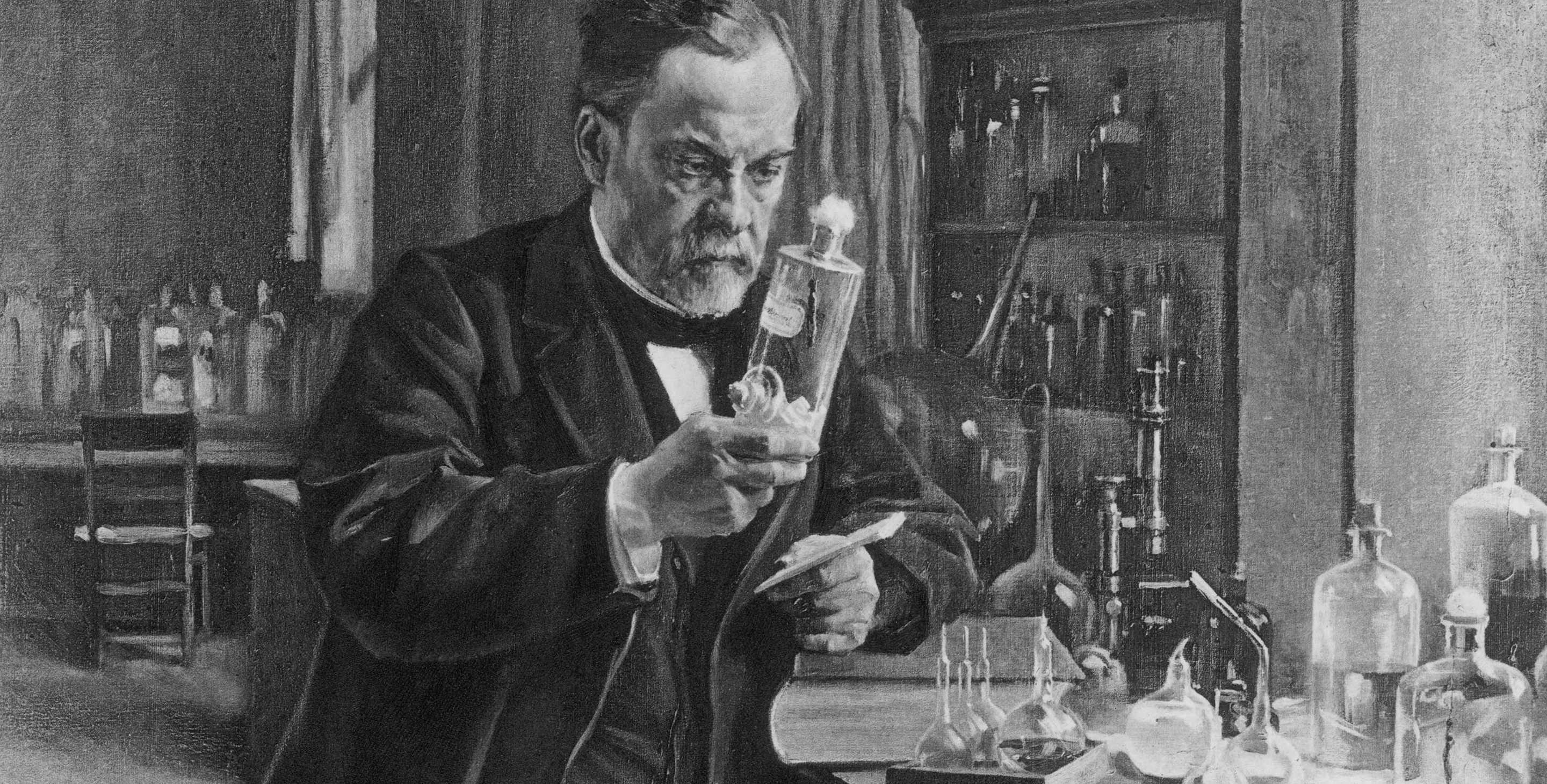
Louis Pasteur was not just a scientist; he was a meticulous experimentalist whose methods set the standard for modern scientific inquiry. Unlike many of his contemporaries, Pasteur relied on careful observation, controlled experiments, and reproducible results. His approach was methodical—he would often repeat experiments dozens of times to confirm his findings before drawing conclusions. This rigorous methodology was pivotal in debunking the theory of spontaneous generation, a widely accepted belief at the time that life could arise from non-living matter. His famous swan-neck flask experiment, where he proved that sterilized broth remained free of microbial growth unless exposed to airborne contaminants, was a masterclass in experimental design.
From the Lab to the Real World: Practical Applications
Pasteur’s genius lay in his ability to translate theoretical discoveries into practical solutions. His work on fermentation, for instance, not only explained the science behind the process but also provided brewers and winemakers with techniques to improve product quality and shelf life. Similarly, pasteurization—initially developed to prevent wine spoilage—was soon applied to milk, drastically reducing the incidence of diseases like tuberculosis and typhoid fever transmitted through contaminated dairy products. Pasteur understood that science had to serve humanity, a philosophy that drove him to tackle real-world problems with scientific precision.
The Germ Theory Revolution
Before Pasteur, the medical community largely adhered to the miasma theory, which attributed diseases to "bad air" or environmental factors. Pasteur’s work on fermentation and silkworm diseases provided irrefutable evidence that microorganisms were responsible for both spoilage and illness. This insight laid the foundation for germ theory, which was later expanded by Robert Koch, who established Koch’s postulates linking specific microbes to specific diseases. Together, Pasteur and Koch revolutionized medicine, paving the way for antiseptic surgery, sterilization techniques, and modern epidemiology.
Confronting Skepticism and Opposition
The Battle Against Spontaneous Generation
Pasteur’s assertion that life does not arise spontaneously but rather from pre-existing life forms was met with fierce opposition, particularly from naturalists like Félix Pouchet, who defended the old theory. The ensuing public debates, often held before scientific academies, were intense. Pasteur’s meticulous experiments, however, left no room for doubt, and by the 1860s, spontaneous generation was widely discredited. This victory not only strengthened Pasteur’s reputation but also underscored the importance of empirical evidence over philosophical speculation in science.
Controversy Over Vaccination
Even as Pasteur’s vaccination breakthroughs garnered acclaim, they were not without controversy. The rabies vaccine, in particular, drew skepticism from some medical professionals who questioned its safety and efficacy. Critics argued that Pasteur had rushed human trials—Joseph Meister’s case, though successful, was highly experimental. Yet, the undeniable success of his vaccines gradually silenced detractors. The establishment of the Pasteur Institute in 1887 further validated his work, providing a hub for continued research and vaccine development.
The Human Side of Pasteur: Personal Struggles and Triumphs
Health Challenges and Resilient Spirit
Pasteur’s relentless work ethic came at a personal cost. In 1868, at the height of his career, he suffered a stroke that left him partially paralyzed. Despite this, he continued his research with undiminished fervor, adapting his methods to accommodate his physical limitations. His family, particularly his wife Marie Laurent, played a crucial role in supporting his work, often assisting him in the lab and managing correspondence. Pasteur’s resilience in the face of adversity remains a testament to his dedication to science.
Patriotism and the Franco-Prussian War
A fervent patriot, Pasteur was deeply affected by France’s defeat in the Franco-Prussian War (1870–71). He returned his honorary doctorate from the University of Bonn as a protest against German aggression and dedicated himself to restoring France’s scientific prestige. This period also saw him advocate for scientific education as a means of national rejuvenation, influencing reforms in France’s academic institutions.
Expanding the Scope: Veterinary and Agricultural Advances
Combating Anthrax
In the 1870s, anthrax was decimating livestock across Europe. Pasteur, building on the work of Robert Koch, developed a vaccine by attenuating the anthrax bacillus. His public demonstration at Pouilly-le-Fort in 1881—where vaccinated sheep survived while unvaccinated ones perished—was a media sensation and a turning point in veterinary medicine. This success not only saved countless animals but also bolstered public confidence in vaccines.
Poultry Cholera and the Birth of Attenuated Vaccines
Pasteur’s accidental discovery of attenuation (weakening pathogens to create vaccines) occurred while studying chicken cholera. After leaving a culture of the bacteria unattended, he found that it lost its virulence but still conferred immunity. This serendipitous breakthrough became the basis for future vaccines, including those for rabies and, eventually, human diseases like polio and measles.
Legacy in Public Health
Sanitation and Hygiene Advocacy
Pasteur’s work underscored the importance of sanitation in preventing disease. His findings influenced public health policies, leading to improved hygiene practices in hospitals, food production, and water treatment. Cities adopted stricter sanitation standards, reducing outbreaks of cholera, dysentery, and other waterborne illnesses.
The Global Impact of Pasteurian Science
Beyond France, Pasteur’s principles spread rapidly. The Pasteur Institute became a model for similar institutions worldwide, from Saigon to São Paulo, fostering international collaboration in microbiology. His emphasis on the scientific method and applied research continues to inspire scientists today, proving that curiosity coupled with practical ingenuity can solve humanity’s greatest challenges.
The Final Years and Enduring Impact of Louis Pasteur
A Scientist Until the End
Even in his later years, Pasteur remained actively engaged in scientific pursuits despite declining health. During the 1890s, he focused on refining rabies treatment protocols and investigating other infectious diseases. His work patterns became legendary - laboratory sessions would often begin before dawn and extend late into the evening, with Pasteur frequently skipping meals when absorbed in research. This unparalleled dedication continued until a second stroke in 1894 left him largely bedridden. Yet even then, he dictated notes and guided research from his home near the Pasteur Institute, demonstrating the same intellectual rigor that defined his career.
National Hero and International Recognition
By the time of his death on September 28, 1895, Pasteur had achieved mythical status in France. The government granted him a state funeral - a rare honor for a civilian - with military honors at the Notre-Dame Cathedral. His remains were later transferred to an elaborate neo-Byzantine crypt beneath the Pasteur Institute, where they reside today as a place of scientific pilgrimage. Internationally, universities and learned societies across Europe and America had already showered him with honors, including the prestigious Copley Medal from Britain's Royal Society. This global acclaim reflected how his discoveries transcended national boundaries to benefit all humanity.
Unfinished Work and Future Directions
Pasteur's Unrealized Research Ambitions
Remarkably, Pasteur left several promising research avenues unexplored due to failing health. His notebooks reveal keen interest in applying microbiological principles to cancer research, anticipating modern immunotherapy approaches by nearly a century. He also speculated about microbial involvement in neurological conditions and envisioned vaccines against tuberculosis and pneumonia - diseases that would only yield to medical science decades later. The Pasteur Institute would eventually realize many of these ambitions, including developing the BCG tuberculosis vaccine in 1921.
The Emergence of Molecular Biology
Pasteur's foundational work in microbiology directly enabled the rise of molecular biology in the 20th century. His demonstration that specific microbes caused specific diseases provided the conceptual framework for understanding viruses and eventually DNA. Key figures like Jacques Monod, who won the 1965 Nobel Prize for work on genetic regulation, explicitly acknowledged their debt to Pasteurian principles. Today's advanced vaccine technologies using mRNA and viral vectors represent the ultimate evolution of Pasteur's original vaccine concepts.
Debates and Reevaluations
Ethical Questions in Pasteur's Methods
Modern historians have reexamined some aspects of Pasteur's career, particularly his often secretive research practices and aggressive self-promotion. Critics note he sometimes took credit for others' discoveries, including Jean-Joseph Henri Toussaint's work on anthrax vaccination. The famous rabies vaccine trial with Joseph Meister has also been scrutinized for bypassing standard ethical protocols - though contemporaries judged these actions differently in the context of medical desperation. These reevaluations don't diminish Pasteur's achievements but present a more nuanced portrait of scientific progress.
Addressing Historical Misconceptions
Several Pasteur myths require clarification. Contrary to popular belief, he didn't invent the microscope but was an exceptional microscopic observer. Nor did he discover germs outright - rather, he proved their pathogenic role through systematic experimentation. The famous quote "Chance favors the prepared mind" authentically reflects his philosophy, unlike many misattributions found online. Such distinctions matter because they accurately represent how scientific breakthroughs actually occur: through perseverance building on prior knowledge.
The Pasteur Institute's Continuing Legacy
130 Years of Cutting-Edge Research
Since its founding, the Pasteur Institute has remained at the forefront of biomedical research. Its scientists discovered HIV in 1983 and have earned ten Nobel Prizes to date. The institute's current work spans emerging infectious diseases, antimicrobial resistance, neuroscience, and global health initiatives. Its decentralized model has expanded internationally, with 32 Pasteur Institutes now operating worldwide in a unique research network that fulfills Louis Pasteur's vision of science without borders.
Modernizing Pasteurian Principles
While honoring its founder's legacy, the institute continually adapts to new challenges. Recent advances include: 1) developing rapid diagnostic tests for Ebola and COVID-19, 2) pioneering research on gut microbiota, and 3) creating novel vaccine platforms. The original emphasis on interdisciplinary collaboration remains central, as seen in projects combining epidemiology, genomics, and artificial intelligence to predict disease outbreaks - a 21st century realization of Pasteur's systems-thinking approach.
Pasteur in Popular Culture and Education
Representations in Media
Pasteur's dramatic life has inspired numerous films, books, and documentaries. The 1936 biopic "The Story of Louis Pasteur" won Paul Muni an Academy Award for his portrayal of the scientist. More recent representations include graphic novels and animated features aimed at young audiences. These cultural artifacts reflect changing perceptions of science - from Pasteur as solitary genius to collaborative team leader - while maintaining his core image as a benefactor of humanity.
Teaching the Pasteurian Method
Science curricula worldwide use Pasteur's experiments as teaching tools. His swan-neck flask demonstration appears in virtually every microbiology textbook, providing students with a model of elegant experimental design. Modern educators emphasize his systematic approach to problem-solving over simplistic "Eureka moment" narratives. Many universities have established Pasteur Scholars programs encouraging students to tackle real-world problems through applied research, keeping his practical philosophy alive in new generations.
Final Assessment: The Measure of a Giant
Quantifying Pasteur's Impact
Attempting to quantify Pasteur's influence reveals staggering numbers: 1) pasteurization prevents an estimated 25 million cases of foodborne illness annually, 2) rabies vaccination saves over 250,000 lives yearly in endemic regions, and 3) his principles underpin $400 billion in global vaccine markets. Yet these metrics can't capture his conceptual contributions - establishing microbiology as a discipline, demonstrating science's power to solve practical problems, and creating the template for modern research institutions.
The Enduring Relevance of Pasteur's Vision
In an era of climate change, pandemics, and antimicrobial resistance, Pasteur's integrated approach to science seems more vital than ever. His ability to connect basic research with real-world applications offers a model for addressing contemporary challenges. The COVID-19 pandemic particularly underscored this, as mRNA vaccine development built directly upon Pasteurian foundations. As science advances into synthetic biology and personalized medicine, the core principles Pasteur established - rigorous methodology, interdisciplinary collaboration, and science in service of society - continue lighting the way forward.
A Legacy Without Expiration
Unlike the perishable liquids Pasteur sought to preserve, his intellectual legacy remains perpetually fresh. Each medical breakthrough - from antivirals to CRISPR-based therapies - extends the chain of knowledge he helped forge. The true measure of Pasteur's genius lies not in any single discovery, but in having created an entire framework for scientific progress that keeps yielding dividends 200 years after his birth. As microbiologist Rene Dubos observed: "Pasteur was not a man of his time, but a man of all times." This timeless relevance confirms his place alongside Galileo, Newton, and Einstein in the pantheon of scientists who fundamentally transformed humanity's relationship with the natural world.





Comments