Kary Mullis: The Inventor of Polymerase Chain Reaction
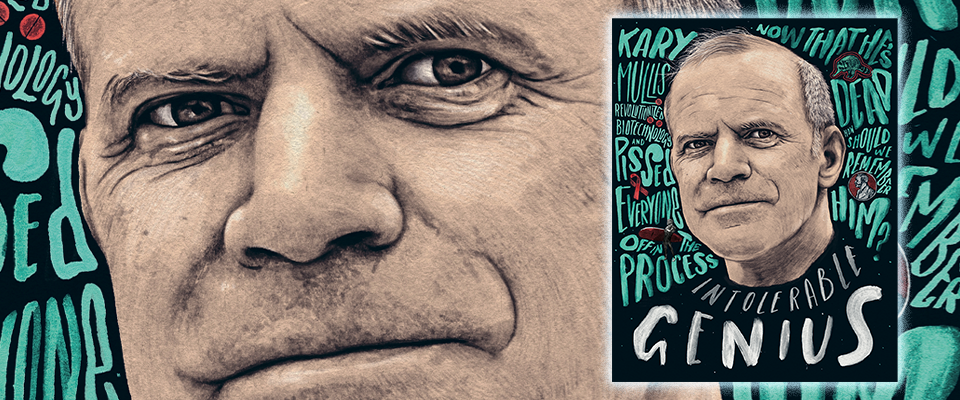
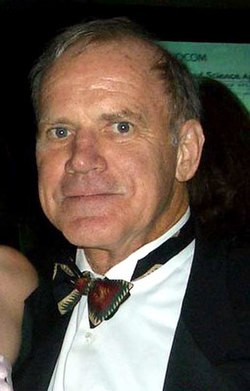
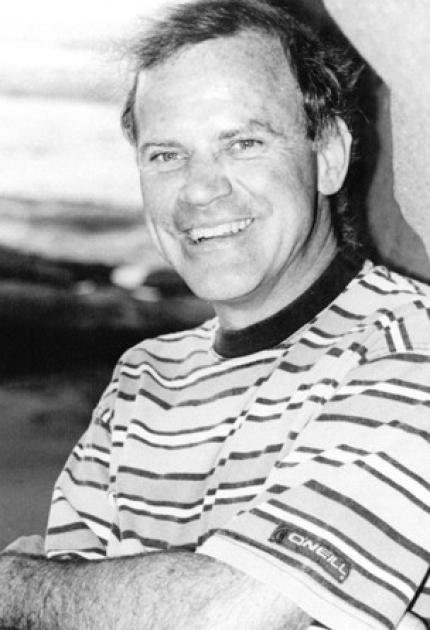
Kary Mullis, a chemist and biochemist from the United States, is renowned for inventing the Polymerase Chain Reaction (PCR) technique in 1983. This groundbreaking method revolutionized molecular biology by allowing researchers to rapidly replicate small segments of DNA. Born in 1944 in Savannah, Georgia, Mullis's journey into science began in early years, driven by a curiosity about natural phenomena and a keen interest in understanding how things work.
The Early Years
After graduating from Emory University with a Bachelor of Arts degree in chemistry, Mullis pursued graduate studies at the University of Georgia, where he earned his PhD in chemical physics. His academic achievements were complemented by a stint at Caltech as a postdoctoral fellow under Nobel laureate John C. Polanyi. It was during this time that Mullis's scientific curiosity and problem-solving skills were further honed.
Polymerase Chain Reaction: A Game-Changer in Molecular Biology
Merrily following his career path, Mullis began working for Cetus Corporation, a biotechnology company in California. Here, he had the opportunity to engage in cutting-edge research and collaborate with other scientists. In 1983, while traveling by motorcycle, Mullis had a eureka moment that led to the invention of PCR. The concept was relatively simple yet profoundly impactful.
The PCR process involves cycling through multiple stages of heating and cooling of the DNA sample. Specifically, it begins with denaturation, where the double-stranded DNA separates into two single strands by raising the temperature. Next comes annealing, where primers (short DNA sequences) bind to the single-stranded DNA molecules. Finally, extension occurs, with the enzyme Taq polymerase adding nucleotides to extend the primers, thus copying the desired DNA segment.
Awards and Accomplishments
Mullis's pioneering work did not go unnoticed. In 1985, his invention was patented jointly by Cetus and himself. This patent laid the foundation for numerous commercial applications and advancements in biotechnology. The recognition for Mullis's work came in the form of several prestigious awards:
- In 1993, he was awarded the National Medal of Science, the highest honor bestowed in the field of science and engineering in the United States.
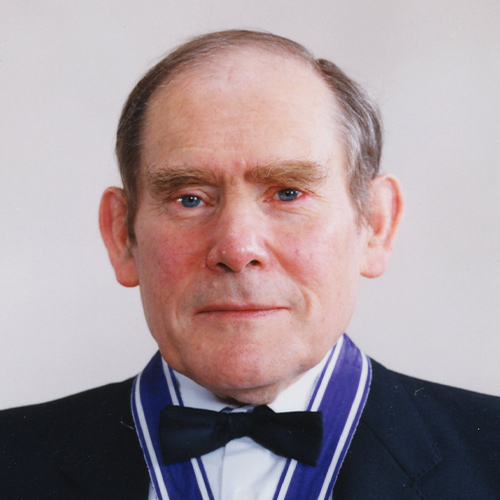
- He shared the Nobel Prize in Chemistry in 1993 with Michael Smith for their contributions to site-directed mutagenesis techniques. While Mullis received a share of the prize for PCR, Smith was honored for his work on site-directed mutagenesis using DNA-oligonucleotide analogs.
- Mullis was also honored with the American Chemical Society Award for Creative Research in Synthetic Organic Chemistry in 1986.
In addition to these accolades, Mullis received the Gairdner Foundation International Award in 1988 and the Breakthrough Prize in Life Sciences in 2015. These recognitions underscored his significant contributions to the scientific community and highlighted the far-reaching impact of his work on various fields, including medicine, forensics, and evolutionary biology.
Commercialization and Influence
The commercialization of PCR has been transformative and far-reaching. One of the most significant beneficiaries of this technology is the medical industry, particularly in the realm of genetic testing. PCR enables precise identification of genetic diseases and enables researchers to study the effects of genetic variations on human health.
Forensic science has also seen a significant evolution due to PCR. The technique permits the analysis of trace evidence from crime scenes, helping to identify suspects through DNA profiling. The ability to amplify minute amounts of DNA has been crucial in solving numerous criminal cases around the world.
Legacy and Impact
Mullis's innovation continues to influence various scientific disciplines. His discovery has paved the way for rapid and accurate genetic sequencing, which has become essential for understanding genetic predispositions to diseases and for developing personalized medical treatments. Additionally, PCR has played a vital role in studying infectious diseases, enabling the quick identification and tracking of pathogens.
Moreover, Mullis's work has facilitated advances in evolutionary biology by allowing scientists to explore the genetic relationships between species and track evolutionary changes over time. In agricultural science, PCR-based techniques have been instrumental in breeding crops resistant to pests and diseases, thereby enhancing food security.
Personal Life and Beliefs
Rarely interviewed, Mullis maintained a low-profile lifestyle, often avoiding public attention. He was known for his unconventional approach to problem-solving, often relying on creative thinking rather than conventional methods. This is evident not only in his scientific work but also in his personal life, where he was involved in various environmental causes and supported alternative energy sources.
Mullis's unique perspective on science and its broader implications led him to question some widely accepted scientific viewpoints, including the theory of evolution. He expressed skepticism about the traditional Darwinian view of evolution and proposed alternative theories based on his own interpretations.
Conclusion
While Kary Mullis may be remembered primarily for his contribution to science through the development of PCR, his broader contributions to our understanding of the world remain profound. His legacy extends beyond the laboratory, influencing everything from medical diagnostics to legal investigations and beyond. As we continue to push the boundaries of what is possible in genetic research, Mullis's work serves as a constant reminder of the innovative potential within us all.
Controversies and Controversial Stance
Despite his numerous accolades, Mullis faced criticism and controversy over certain aspects of his research and personal beliefs. One of the most significant controversies arose when he questioned the traditional theory of natural selection and advocated for an alternative theory suggesting that RNA-based life preceded DNA and proteins. This stance, which he promoted through various public venues, drew significant backlash from the scientific community. Critics argued that his ideas lacked substantial empirical evidence and contradicted well-established theories supported by extensive research.
Mullis's views on climate change also became subjects of debate. He expressed skepticism regarding anthropogenic global warming, drawing comParisons with the controversies surrounding his own scientific discoveries. His skepticism regarding climate models and natural variability sparked discussions about the reliability of scientific consensus and the role of independent thinkers in challenging established paradigms.
Moreover, Mullis's personal lifestyle and beliefs occasionally brought him into the public eye. He openly supported alternative energy solutions such as algal biofuels and criticized large-scale industrial farming. His advocacy for these causes underscored his commitment to sustainable and environmentally friendly practices, reflecting his broader vision for a more harmonious coexistence between science and nature.
Literary Pursuits
Beyond his scientific endeavors, Mullis found solace and inspiration in writing. He authored several books, including "Tetrolicious" and "A Skeptic's Journey," detailing his views on science, philosophy, and the nature of reality. These literary works showcased his unique blend of scientific insights and philosophical musings, reflecting his intellectual curiosity and his tendency to explore unorthodox perspectives.
In "Tetrolicious," Mullis delves into the concept of tetrolism – a theory that suggests the universe is based on tetrads and not octets. This theory posits that four fundamental units (tetrols) could form the basis of the universe, offering an alternative framework for understanding molecular structures and the origins of life. Mullis's exploration of tetrolism reflects his non-conformist mindset and his willingness to challenge existing notions of scientific truth.
Retirement and Legacy
Following his distinguished career, Mullis retired from Cetus Corporation in the late 1980s. However, his contributions to science continued to shape fields beyond the laboratory. His invention of PCR not only revolutionized molecular biology but also paved the way for numerous technological advancements and therapeutic innovations.
Towards the end of his life, Mullis remained intellectually active, engaging in debates and contributing to public discourse. His legacy is not only defined by his groundbreaking scientific achievement but also by his unique approach to problem-solving and his willingness to challenge prevailing scientific paradigms.
Posthumous Recognition
Even after his passing, Mullis continued to receive recognition for his contributions. In 2014, the California Senate issued a resolution honoring Kary B. Mullis for his life-changing scientific innovations and contributions to society. The resolution celebrated his pioneering work in PCR, emphasizing its critical impact on modern science.
Furthermore, the Kary B. Mullis Institute for Exploration in Science and Technology was established to honor his memory and to inspire future generations of scientists and innovators. The institute's mission aligns with Mullis's belief in the power of curiosity-driven research and the importance of interdisciplinary approaches to solving complex problems.
Conclusion
Kary Mullis's life and work continue to inspire and challenge both scientists and the broader public. His groundbreaking invention of PCR has had an immeasurable impact on countless fields, from genetics to forensic science, and beyond. Beyond his scientific achievements, Mullis remains a symbol of intellectual integrity and a commitment to questioning established norms.
As we reflect on Mullis's legacy, it becomes clear that his contributions extend far beyond the laboratory. His unorthodox thinking and dedication to sustainability serve as valuable reminders of the importance of exploring new frontiers and challenging the status quo. Mullis's journey from a curious youth to a Nobel Prize winner and beyond offers a compelling narrative of intellectual rigor, perseverance, and the enduring power of scientific inquiry.
Interdisciplinary Thinking and Broad Impact
Mullis's broad impact extended far beyond the realm of molecular biology. His interdisciplinary approach to science emphasized the interconnectedness of different fields and the importance of looking at problems from multiple perspectives. This holistic view not only enriched his own research but also inspired a new generation of scientists to embrace cross-disciplinary collaboration.
One of the key themes permeating Mullis's work and writings was the need for scientists to think beyond their immediate domains. He often emphasized the value of bringing perspectives from other disciplines, such as mathematics, philosophy, and environmental science, to solve complex problems in biotechnology. By fostering this kind of interdisciplinary thinking, Mullis contributed to a more integrated approach in scientific research.
Inspiring Future Generations
Mullis's influence on younger scientists cannot be overstated. Throughout his career, he engaged with students and aspiring researchers, sharing his insights and experiences. His openness to dialogue and his ability to convey complex scientific concepts in a relatable manner inspired countless individuals to pursue careers in science. Many of his talks and lectures highlighted the importance of creativity, critical thinking, and a curious mind—a message that resonates with today’s scientific community.
The Kary B. Mullis Institute for Exploration in Science and Technology further solidifies his legacy by providing resources and support for young scientists. This institution aims to nurture the next generation of thinkers who will build upon Mullis's foundational work and continue to push the boundaries of scientific knowledge. Through its research initiatives and educational programs, the institute seeks to inspire and equip future scientists with the tools needed to tackle some of the world's most pressing challenges.
Public Perception and Media Engagement
Mullis's public persona often garnered media attention, both for his scientific breakthroughs and his controversial views. His public speaking engagements and interviews provided opportunities for him to share his ideas and engage directly with the public. Despite the controversy surrounding some of his views, Mullis maintained a reputation as a thought-provoking and often contrarian figure. His willingness to challenge established paradigms and to encourage critical thinking resonated with many, making him a notable presence in the public arena.
His books, such as "Tetrolicious" and "A Skeptic's Journey," served as platforms for disseminating his unconventional ideas to a broader audience. These publications not only offered insights into Mullis's worldview but also sparked debates and encouraged readers to question their own assumptions. By making complex scientific concepts accessible to a wider audience, Mullis helped bridge the gap between academia and the general public.
Impact on Scientific Methodology
Mullis's contribution to scientific methodology extends beyond PCR itself. His emphasis on creative problem-solving and his willingness to challenge established techniques have influenced the scientific community to adopt more innovative and adaptable approaches. This shift towards more flexible and open-minded methodologies has led to numerous advancements in various fields of science and technology.
His advocacy for interdisciplinary thinking and his willingness to entertain alternative hypotheses have encouraged scientists to consider diverse perspectives in their research. This inclusivity has fostered a more collaborative and dynamic scientific community, where researchers from different backgrounds can contribute to groundbreaking discoveries.
Final Thoughts
In conclusion, Kary Mullis's legacy is multifaceted and far-reaching. From his groundbreaking invention of PCR to his provocative ideas on evolution and climate change, Mullis left an indelible mark on the scientific landscape. His life and work continue to inspire and challenge us, encouraging a spirit of curiosity, innovation, and open-mindedness.
As the scientific community continues to grapple with complex and evolving challenges, Mullis's legacy reminds us of the importance of pushing the boundaries of conventional wisdom and embracing new ways of thinking. His contributions to science and his unwavering commitment to rigorous inquiry serve as a testament to the enduring power of scientific exploration and discovery.
Mullis's journey from a curious youth to a revered scientist and thinker stands as a beacon of intellectual curiosity and resilience. His legacy lives on in the myriad ways he shaped the field of molecular biology and inspired future generations of scientists to continue pushing the frontiers of knowledge.
Ultimately, Kary Mullis's story is not merely one of scientific achievement but of a life dedicated to the pursuit of truth and the fostering of a more interconnected and scientifically literate world.





















Comments