


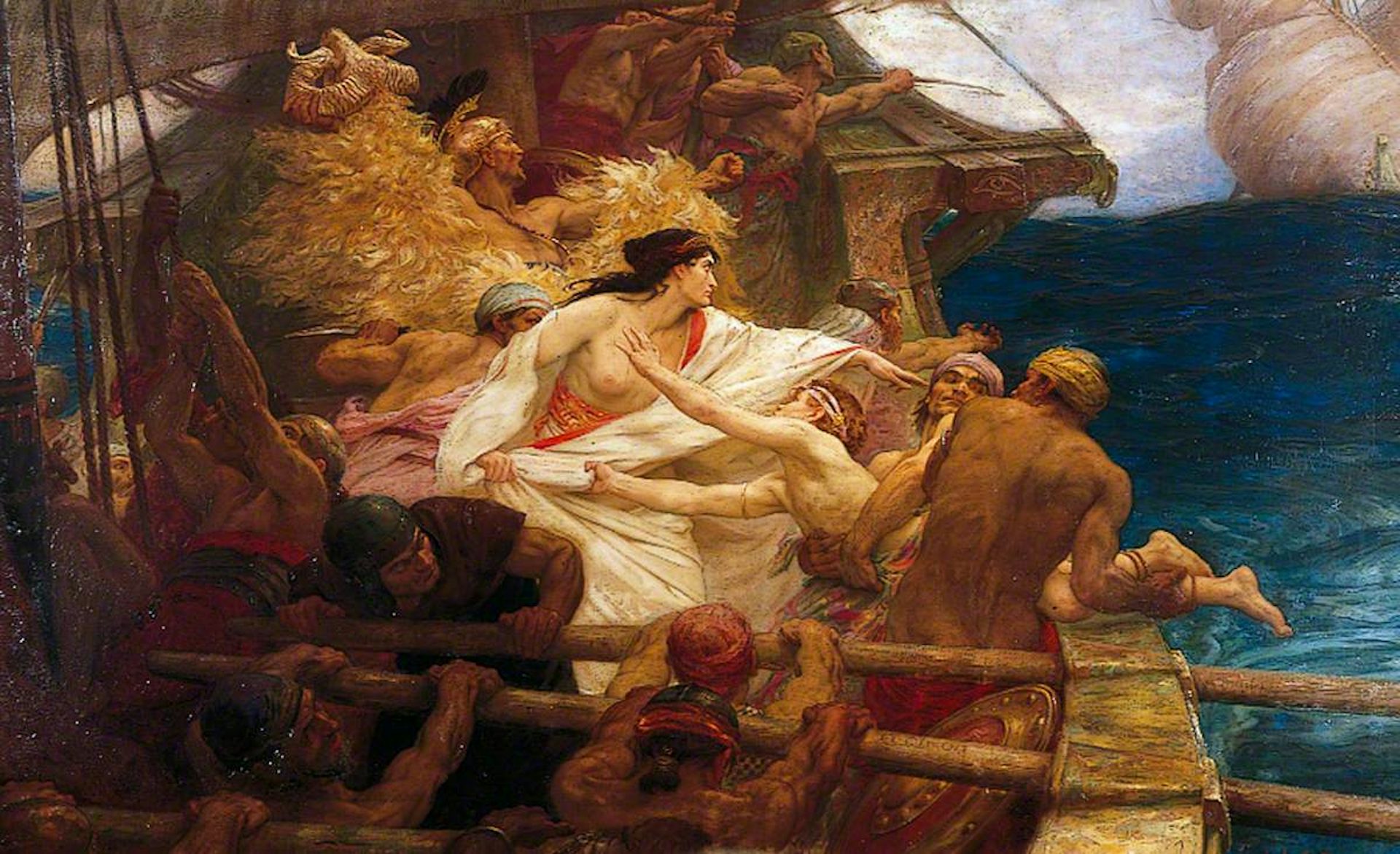

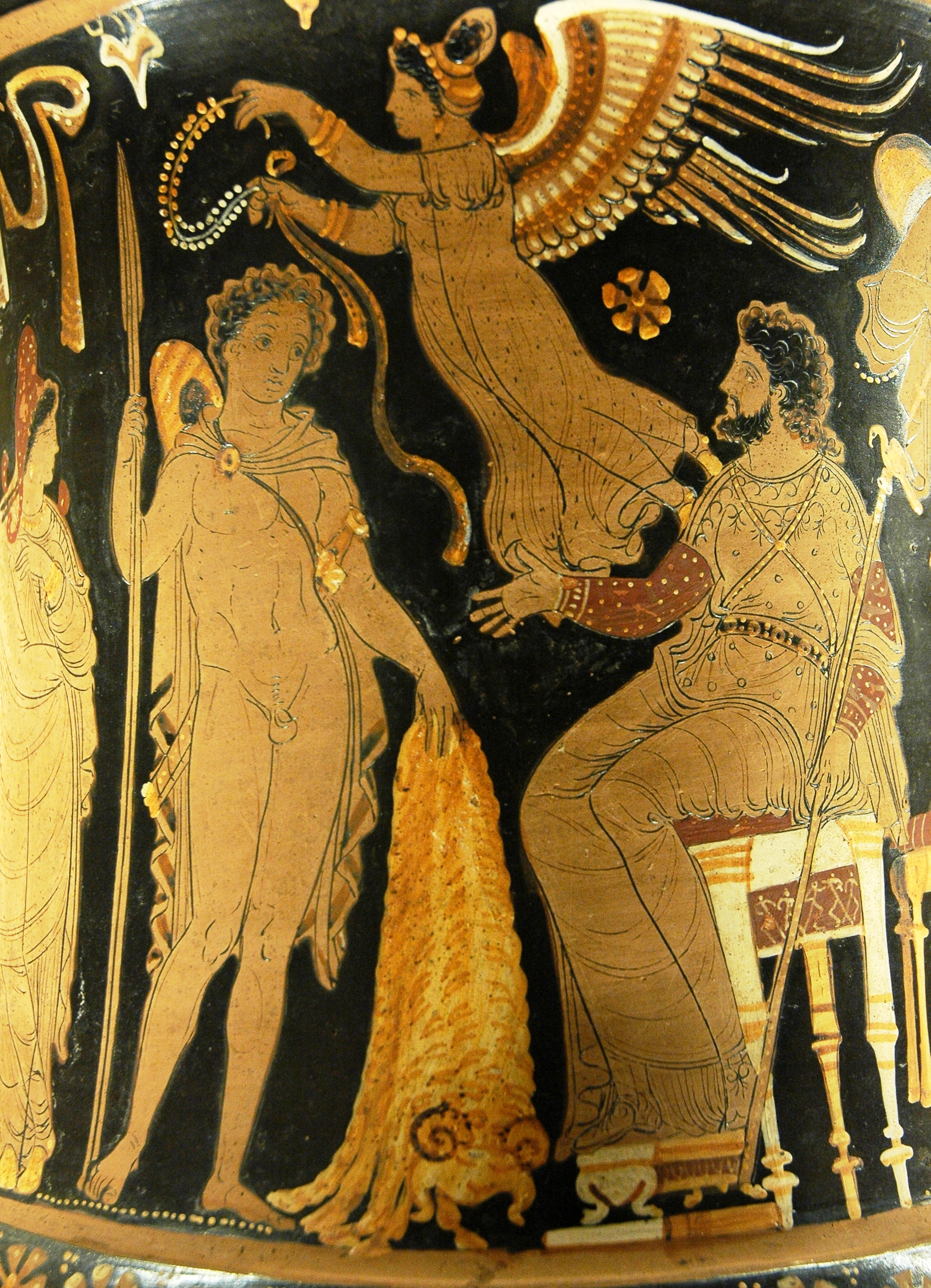
Jason, the Hero of Mythical Greece
Jason, a character steeped in the rich tapestry of Greek mythology, is remembered as a valiant hero and leader in the legendary tale of the Argonauts. His quest, driven by the fabled Golden Fleece, has become a central element in the pantheon of ancient Greek epics, inspiring generations of storytellers and adventurers. The tale of Jason is as much a part of Greek culture as that of Heracles or Theseus but with a unique blend of cunning and heroism.
The Legend of the Golden Fleece
The myth of the Golden Fleece is a captivating narrative that has enthralled audiences for centuries. The fabled fleece, said to be divine and endowed with magical properties, was guarded by the dragon Orthus, a creature with the head of a lion and the body of a bull. The quest for the Golden Fleece was not merely a journey of treasure but also a symbolic quest for the truth of the world and the divine will.
The Assembly of the Argonauts
Jason's journey to claim the Golden Fleece was not just about his personal quest but also about the assembly of a diverse band of heroes. These early Argonauts included some of the most notable characters from Greek mythology, such as Peleus, Telamon, and Idas. Each hero brought their own set of skills and stories, enhancing the overall narrative of the quest. Together, they sought to unite and challenge the formidable obstacle that stood between them and their ultimate prize.
Ancient Origins and Historical Influence
The story of Jason and the Argonauts began in myth but found its way into ancient literature as well. According to some sources, the tale of the Golden Fleece appears for the first time in the Homeric Hymn to Apollo, which dates back to the 6th century BCE. Over time, the story evolved, with the Argonautica of Apollonius of Rhodes and the works of later poets adding new dimensions and details to the narrative. The tale has been a subject of numerous artistic interpretations and continues to captivate modern audiences in both literature and film.
Mythical Significance
Jason's quest is more than just a hero's journey; it reflects broader themes in Greek mythological thought, such as the struggle between man and deity, the quest for wisdom, and the pursuit of immortality. The Golden Fleece, in particular, stands as a symbol of unattainable perfection, a reminder of the limits of human endeavor and the divine will. Through these themes, Jason's story continues to resonate with audiences, connecting ancient myth with contemporary understandings of heroism and adventure.
The Character of Jason
Jason, as a hero, is characterized by a blend of bravery and strategic thinking. Unlike other Greek heroes, who often rely on brute force or divine intervention, Jason embodies the qualities of a true leader. His ability to inspire and command the loyalty of his crew is a testament to his skills as a leader. Yet, at the same time, he is not infallible, often grappling with moral dilemmas and personal challenges that test his resolve.
Key Moments in the Quest
The journey itself is filled with several key moments that define Jason's character and the spirit of the quest. One of the most notable is the episode where Jason and the Argonauts rescue Argos, the companion of Jason, from the clutches of Cymothous. This event not only showcases Jason's strategic thinking but also highlights the bond of loyalty and camaraderie that defines the hero's team.
Another significant moment in Jason's quest is the episode with Medea, where he is forced to make difficult moral choices. Medea's aid in obtaining the Golden Fleece is crucial, but her role as a foreign and sometimes untrusted ally adds layers of complexity to Jason's character, challenging his perception of morality and duty.
Through these and other trials, Jason emerges as a multifaceted hero, capable of both great feats of valor and complex moral reasoning. His journey is not just physical but also metaphorical, reflecting the broader themes of human endeavor and the quest for truth.
The Role of Women in the Quest
The role of women in the quest for the Golden Fleece is not just supplementary but deeply integral. Medea, one of the most prominent characters, emerges as a central figure in the tale. Her relationship with Jason is complex, blending love, betrayal, and loyalty. Medea's role is multifaceted—she provides the necessary magical aid but at a profound personal cost.
Medea's contribution is not merely a source of magical power but also a source of moral and ethical conflict. Her aid to the Argonauts is often seen through a lens of betrayal, as she aids the Greeks against her own people, the Colchians. Her actions reflect themes of love and duty, challenging the traditional roles of women in ancient Greek society. Her character adds depth to the narrative, illustrating the complex and often contradictory nature of human behavior and the choices that define heroism.
The Betrayal of Colchis
The climax of the story takes place at the court of King Aetes in the kingdom of Colchis. Jason and the Argonauts, now with Medea's assistance, must navigate the challenges laid out by the king. Initially, Aetes sets a series of perilous tasks for them to complete, which they manage to surmount through a combination of skill and strategy. The turning point comes when Jason, with Medea's aid, tricks the king and obtains the Golden Fleece, despite the fierce opposition from the dragon Orthus.
The betrayal and subsequent events that follow are marked by a mix of tension and emotional drama. Medea, despite her aid, is cast as a traitor by her own people. Her actions lead to an epic sequence of events, including the escape with the Golden Fleece, the murder of Apsyrtus, and the pursuit by the Colchian fleet. These events highlight the complexity of loyalty and betrayal, and Medea's decision to aid Jason is seen as a betrayal by her own kin, reflecting the moral and ethical challenges of heroism.
The Moral and Ethical Dimension
The quest for the Golden Fleece in Jason's narrative is not just a matter of physical prowess but also a moral and ethical journey. The tale underscores the themes of duty, honor, and the cost of heroism. Jason's decision to bring Medea back to Greece with the Golden Fleece sets in motion a chain of events that test their moral and ethical boundaries.
The journey back to Greece is fraught with challenges, including the betrayal of the Colchian fleet and the eventual arrival in Corinth. Jason's actions are met with a mix of admiration and skepticism, as he is seen as a hero for his daring and skill. However, the moral and ethical questions continue to arise. Jason's treatment of Medea upon their return to Greece is a central point of contention. Her role as a heroine in the quest is diminished, as she is often portrayed as a victim of circumstances and the object of Jason's infidelity.
Medea's Aftermath
Medea's fate after the journey is particularly tragic. After the fall of Corinth, Medea is driven to desperate measures, culminating in the murder of her own children. This act of desperation is a response to the betrayal and rejection she experiences. Medea's suicide in exile is a poignant ending to her story, highlighting the personal cost of heroism and the struggle for recognition and justice.
Jason, on the other hand, is seen as a failed hero. His actions, while heroic, are ultimately self-serving and do not align with the moral and ethical code of chivalry. His eventual demise, marked by a shipwreck, is a fitting end to a story that explores the complexities of heroism, loyalty, and personal sacrifice.
Impact on Greek Mythology and Culture
The tale of Jason and the Argonauts has had a lasting impact on Greek mythology and culture. The narrative of the Golden Fleece provides a rich backdrop for discussions of heroism, loyalty, and the nature of quests. The story has been adapted and reinterpreted numerous times, from ancient literature to modern cinema.
In literature, the tale has influenced numerous works, from epic narratives like the Argonautica to modern reinterpretations in poetry and prose. The character of Jason himself has been a subject of extensive analysis, with scholars exploring the complexities of his portrayal as a hero and the moral and ethical dilemmas he faces. The quest for the Golden Fleece, in particular, has become a symbol of the unattainable perfection, a theme that resonates in both ancient and modern contexts.
Modern Interpretations
Modern adaptations of the tale of Jason and the Argonauts reflect contemporary interpretations and values. Films, television series, and novels continue to draw upon this mythology, often providing fresh insights into the story. These interpretations often focus on the psychological and moral dimensions of the tale, exploring themes of heroism, betrayal, and the human condition. For example, movies like “Jason and the Argonauts” and series like “The Expanse” use the story as a foundation to explore complex themes and narratives.
The tale also continues to be relevant in contemporary discussions about gender and power. The character of Medea is often seen as a symbol of female empowerment and resistance against oppression. Her story resonates with contemporary narratives of strong women in challenging situations, providing modern audiences with a powerful narrative to engage with.
Conclusion
Jason's journey to the Golden Fleece is not just a mythological tale but a rich narrative that offers profound insights into the human condition. The story of the Argonauts and Medea has endured through the ages, reflecting the timeless themes of heroism, loyalty, and the pursuit of the unattainable. By examining the tale through different lenses, we gain a deeper understanding of the complexities of human behavior and the enduring power of mythological narratives. The story of Jason and the Argonauts continues to captivate and inspire, reminding us of the eternal quest for truth and the enduring nature of human aspirations.
Modern Adaptations and Cultural Influence
The legacy of Jason and the Argonauts extends beyond the ancient world into the modern era. The tale has been adapted and reinterpreted through various mediums, from literature and film to television and digital media. These adaptations not only preserve the ancient narrative but also infuse it with contemporary themes and values, ensuring its relevance and enduring impact.
Modern Literature and Film
Many modern authors and filmmakers have drawn inspiration from the myth of Jason and the Argonauts. Novels such as "Jason and the Golden Fleece" by William Morris and "The Sea of Monsters" by Rick Riordan bring the story to life in new and innovative ways. These works often expand on the original myth, introducing new characters and scenarios while maintaining the core narrative and themes.
Adaptations in film have also played a significant role in keeping the story alive. Movies like "Jason and the Argonauts" from 1963 and more recently, the animated series "The Argonauts" (2021), offer modern interpretations that appeal to contemporary audiences. These adaptations often explore the themes of heroism, adventure, and the struggle against adversity in engaging and visually stunning ways.
Television Series
Television series have also been a popular medium for the retelling of Jason's story. The CW's adaptation of "Hercules: The Legendary JOURNEYS" (2016-2018) includes an episode focused on Jason and the Golden Fleece. This series not only expands the myth but also integrates it into a larger narrative of heroic challenges and supernatural elements. Similarly, "The Expanse" (2015-2022) includes elements of the Argonauts' quest, using it as a backdrop for complex character arcs and epic space adventures.
The Role of Myth in Modern Society
Mythology, including the story of Jason and the Argonauts, plays a significant role in modern society as a source of inspiration, moral guidance, and cultural heritage. The ancient narratives provide a framework for understanding human behavior and societal values. They serve as a bridge between the past and the present, offering timeless lessons that remain relevant in contemporary contexts.
The myth of Jason and the Argonauts has been particularly influential in discussions about heroism and the nature of quests. The narrative of the Golden Fleece encapsulates the idea of a perilous journey towards an ultimately unattainable goal, a metaphor that resonates with the modern quest for success and personal fulfillment. The story of Jason's journey and the various challenges he faces can be seen as a reflection of the human condition, where the pursuit of the unattainable often leads to growth and transformation.
Symbolism and Cultural Impact
The symbolism of the Golden Fleece itself has become a powerful metaphor in modern literature, art, and popular culture. It represents the quest for something intangible and unattainable, a symbol of the perpetual human struggle for perfection and the pursuit of the impossible. This symbolism has been used in various forms of media, from visual art to music, to convey themes of hope, struggle, and the human spirit.
Moreover, the myth of Jason and the Argonauts has had a significant impact on cultural practices and social norms. The hero's journey and the challenges he faces have been used to inspire and motivate individuals and communities. The narrative has been used in educational settings to teach moral and ethical lessons, providing students with a rich tapestry of stories that explore the complexities of human behavior.
The Golden Fleece in Contemporary Contexts
The concept of the Golden Fleece continues to influence contemporary discourse, particularly in discussions about the pursuit of knowledge, the exploration of unknown territories, and the quest for perfection. In modern contexts, the Golden Fleece can be seen as a metaphor for the pursuit of scientific knowledge, the exploration of space, and the relentless search for truth and understanding.
Furthermore, the mythological narrative has been adapted to fit modern settings and challenges. For instance, the concept of the Golden Fleece can be applied to the digital age, where data and information are seen as a form of treasure, and the internet is a modern equivalent of the sea or the unknown territory of ancient times. The myth thus remains relevant in the digital age, where the pursuit of knowledge and the exploration of the internet can be seen as a modern form of the heroic quest.
Cultural Significance
The tale of Jason and the Argonauts has a profound cultural significance that extends beyond its origin story. It serves as a bridge between the ancient world and the modern era, providing a powerful narrative that continues to resonate with contemporary audiences. The story's enduring appeal lies in its ability to explore complex themes and provide a framework for understanding human behavior and societal values.
The mythological narrative offers a rich source of inspiration for artists, scholars, and ordinary people alike. It continues to be a subject of study, discussion, and adaptation, ensuring that the story of Jason and the Golden Fleece remains a timeless and relevant cultural artifact. As such, the mythological tale of Jason and the Argonauts is not just a piece of ancient history but a living symbol of the human spirit and the enduring quest for knowledge and adventure.
The tale of Jason and the Golden Fleece has stood the test of time, continuing to inspire and captivate audiences across generations. Its enduring legacy is a testament to the power of myth to reflect and shape the human experience, providing a framework for understanding the complexities of the world and our place within it.




Comments