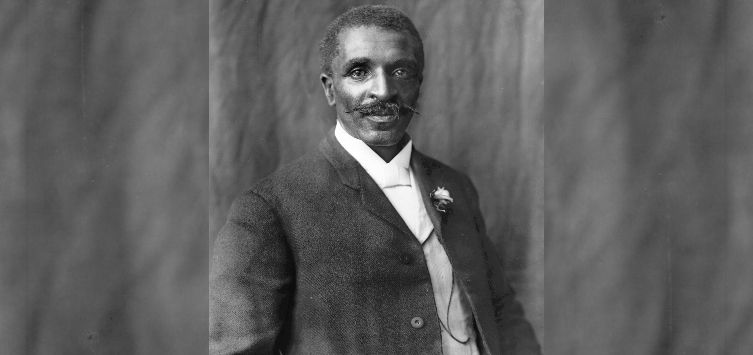


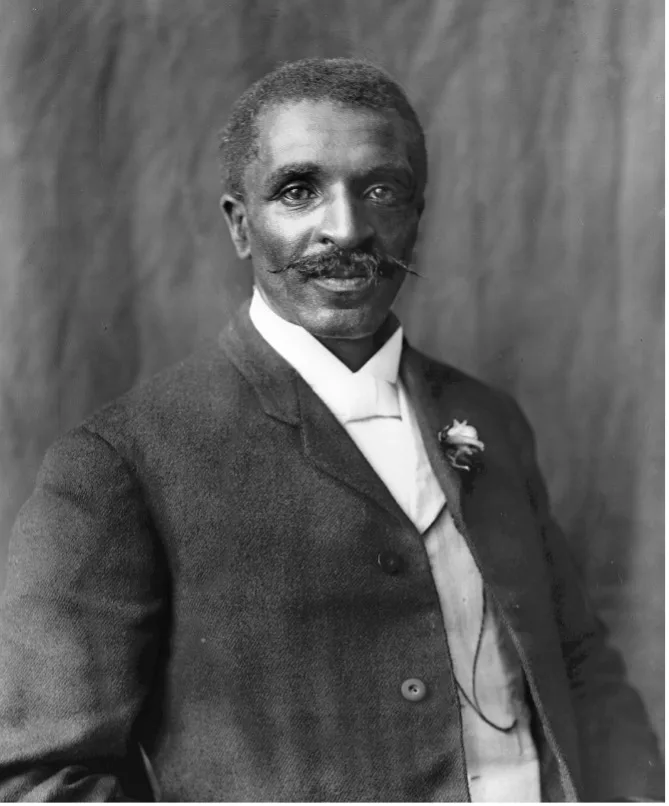
George Washington Carver: The Pioneering Scientist and Educator
George Washington Carver (1864-1943) was a scientist, inventor, educator, and humanitarian whose legacy continues to inspire generations. Born into slavery during the American Civil War, Carver overcame significant adversity to achieve remarkable success in agricultural research, particularly in the development of Alternative crops to cotton and peanuts, which revolutionized farming practices in the American South.
A Harsh Beginning
Carver was born to enslavement in Diamond Grove, Missouri, around 1864, making him the first of his race born free following the Emancipation Proclamation. His parents were believed to have been killed when he was a very young child, leaving him with his older brother and sister. They were separated when the siblings were sent to different foster homes, a common practice at the time.
Educational Journey
Initially, Carver attended a segregated elementary school where he demonstrated exceptional intelligence and a keen interest in nature and botany. Despite these talents, he faced numerous obstacles due to racial discrimination and financial constraints. Carver sought opportunities to attend high school but was rejected because of his race. Undeterred, he found support through local African American farmers and teachers who encouraged him to attend the Simpson College preparatory department.
Higher Education
In 1887, Carver entered Highland College in Highland, Kansas. However, he was only there for one semester before financial difficulties forced him to leave. After this brief stay, he traveled to Iowa, where he enrolled at Butler University, now known as Butler University. Here, he excelled academically but once again encountered racism. He switched from Butler to Simpson College to complete his undergraduate degree in 1890.
Advancing to the Tuskegee Institute
Carver's journey continued in 1891, when he secured admission to Iowa Agricultural College (now Iowa State University). He studied agriculture under Louis Pammel, a prominent botanist who recognized Carver's talent and supported his educational pursuits. In 1894, after graduating with a Bachelor of Science degree, Carver embarked on his master's degree studies and graduated in 1896 with an MA in Bacteriology.
Joining the Tuskegee Institute
Carver's path ultimately led him to the Tuskegee Institute (now Tuskegee University) in Alabama. Founder Booker T. Washington recruited Carver based on his reputation for innovative research and teaching skills. Upon joining in 1896, Carver became the faculty's first trained agronomy instructor, tasked with expanding agricultural programs beyond their traditional boundaries.
Mission at Tuskegee
To address agricultural issues in the South, Carver focused on developing crop alternatives to the prevailing monoculture of cotton. He advocated for the cultivation of other crops such as sweet potatoes, peanuts, and soybeans, which offered not only economic benefits but also soil health and biodiversity. Recognizing the need for sustainable farming practices, Carver established research methods emphasizing chemical analysis, soil improvement experiments, and innovative uses of agricultural waste products.
Research Achievements
Carver's groundbreaking work included discovering hundreds of new uses for peanuts, sweet potatoes, and soybeans. Some of his most notable inventions include buttermilk flour, ink, and even shampoo. He developed industrial applications for peanut shells, such as activated carbon for deodorants, and created a synthetic fabric dye using black-eyed peas. These contributions significantly impacted American agriculture, promoting diversification and sustainability.
Publications and Lectures
Carver's research led to numerous publications, including "How to Grow the Peanut and 105 Ways of Using the Peanut" and "How to Grow the Sweet Potato and 106 Way of Using the Sweet Potato." He gave lectures across the United States and internationally, sharing his knowledge about sustainable agriculture practices and the potential of these alternative crops. His speeches were often aimed at encouraging African Americans to improve their farming techniques and gain self-sufficiency.
Award and Recognition
Carver received several accolades throughout his career. He was honored with memberships in various professional organizations and awards for his contributions to agriculture. Despite facing opposition, Carver maintained his dedication to education, particularly among Black students, and used his platform to advocate for scientific literacy and progress.
Legacy and Impact
Today, Carver is widely recognized for his pioneering work in agricultural science. His commitment to innovation, community, and environmental stewardship has left an enduring legacy. The National Park Service administers a memorial dedicated to Carver's life and contributions, emphasizing his impact on American agriculture and his role in fostering social change.
Conclusion
The tale of George Washington Carver is not just one of personal triumph against oppression but a testament to the transformative power of dedication, ingenuity, and resilience. His life serves as a blueprint for overcoming adversity and leveraging expertise to better society. As we explore his incredible journey, it becomes evident that Carver's legacy extends far beyond the realm of botany and agriculture—it encapsulates a vision of collective advancement and sustainable living.
Challenges and Controversies
Although Carver's work was groundbreaking and influential, it did not come without controversy. Critics argued that his focus on alternative crops like peanuts and sweet potatoes sometimes marginalized more economically viable cash crops like cotton. This stance, while environmentally conscious, was seen by some as impractical in the face of prevailing economic conditions. Carver defended himself by emphasizing the long-term benefits of crop diversification, which would promote soil health and reduce the risks associated with relying solely on a single crop.
Theorists of his time and later also debated whether Carver was too lenient or accommodating towards the exploitation of African American labor. Some questioned if his methods of promoting sustainable practices might mask deeper issues of systemic inequality rather than addressing them directly. However, Carver remained steadfast in his belief that education was key to breaking cycles of poverty, and he tirelessly worked to empower farmers through his research.
Influence on Future Generations
Carver's influence extended well beyond his immediate circle of students and colleagues. His legacy can be seen in the careers and achievements of many subsequent scientists and activists inspired by his example. Figures like Mae Jemison, the first African American female astronaut, cited Carver as a role model for her pursuit of science. Additionally, Carver's effoRTS paved the way for greater involvement of minority groups in scientific disciplines.
The Tuskegee University continues to honor Carver's legacy through its George Washington Carver Research Institute and the George Washington Carver National Historical Park. These institutions strive to preserve Carver's laboratory and teach visitors about his life and work. Furthermore, educational programs and scholarships in his name aim to inspire future generations of scientists, particularly those from underrepresented communities.
Beyond Agriculture: Social Activism
Covering his extensive work beyond agriculture, Carver was deeply committed to alleviating poverty and improving the quality of life for rural Southern blacks. He understood that education was essential and worked tirelessly to establish agricultural schools in various parts of the South. His efforts included providing resources and training to help farmers implement advanced agricultural practices, thereby improving their livelihoods.
Carver's social activism was multifaceted. He wrote numerous pamphlets and articles on practical matters like home gardening, nutrition, and waste utilization. These materials were distributed widely and helped to disseminate knowledge among rural communities, often in areas where access to formal education was limited. Carver's approach was not just academic but practical, rooted in the lived experiences of the farmers he served.
Personal Life and Health
Throughout his career, Carver managed his personal life with grace and fortitude. He never married, dedicating himself entirely to his research and teaching. It is said that Carver had romantic relationships with his students, though the specifics remain a subject of much speculation and controversy. Regardless of the nature of these relationships, Carver maintained a focus on his work and the betterment of others.
Carver suffered from several health issues over the years, notably tuberculosis, which affected him severely. Despite his ailments, he continued to work tirelessly until his death in 1943 at the age of 78. His last years were spent in a laboratory and dormitory complex he had constructed on the Tuskegee campus, where he meticulously recorded his final research notes in a diary. The diary eventually came into the possession of Henry Lee Moon, who donated it to the Smithsonian Institution, offering invaluable insights into Carver's life and work.
Dedication to Tuskegee University
Carver’s unwavering commitment to Tuskegee University was central to his identity and his impact. He taught for nearly 50 years at the institution and remained deeply involved with its affairs even in his twilight years. His dedication went beyond the classroom – he worked to develop new curricula, establish agricultural extension services, and foster partnerships between the university and local communities. Through these initiatives, Carver played a crucial role in shaping the curriculum and direction of Tuskegee University.
Scientific Method and Innovation
A core component of Carver's approach to research was meticulous documentation and rigorous experimentation. He employed advanced analytical techniques and chemical analyses to understand the properties of plants and how they could be utilized effectively. Carver's detailed records and notes have proven invaluable to historians and scientists alike. His systematic approach to problem-solving and his emphasis on sustainability remain relevant in contemporary agricultural practices.
Carver's innovative spirit extended into his daily life. He was known for his frugality and simplicity, recycling waste materials and finding multiple uses for everyday objects. This practical mindset influenced his scientific methodology, leading him to develop creative solutions to complex problems. His inventions and discoveries underscored his belief in the interconnectedness of nature and human ingenuity.
Impact on Science and Society
Carver's contributions to science and society are profound and far-reaching. His work in agricultural chemistry and plant breeding has had lasting impacts on global agricultural practices, particularly in the United States. By promoting crop rotation and the cultivation of diverse crops, Carver helped to combat soil erosion and enhance food security. His methods are still studied and applied in modern agricultural systems, emphasizing the importance of sustainable resource management.
The social and cultural impacts of Carver's achievements cannot be overstated. He broke barriers by demonstrating that African Americans could excel in STEM fields and contribute meaningfully to society. His legacy serves as a powerful example of how individuals can achieve greatness through perseverance and a commitment to social justice. Carver's advocacy for sustainable agricultural practices continues to inspire movements towards environmental stewardship and holistic development.
Conclusion
Reflecting on George Washington Carver's life and work provides a valuable lens through which to examine the intersection of science, social justice, and personal resilience. From his humble beginnings as an enslaved man in Missouri to his pioneering research at Tuskegee University, Carver's journey epitomizes the triumph of human potential over adversity. His legacy stands as a enduring testament to the transformative power of innovative thinking, sustainable practices, and a profound commitment to improving the lives of others.
Critical Assessments and Legacy
While George Washington Carver's contributions have been celebrated for decades, recent historical assessments have provided a more nuanced view of his impact. Scholars have scrutinized his role within the broader context of racial politics and the Jim Crow era. Some argue that despite his progressive ideas, Carver's position within the Tuskegee Institute and its relationship with the White House during the presidency of Woodrow Wilson were complex and often conflicted.
During the period of Wilson's presidency, Tuskegee University received increased funding from the federal government. However, Carver found himself in a precarious position. On one hand, he was praised for his scientific achievements and brought national recognition to the university. On the other hand, his relationship with the Wilson administration was strained due to the segregationist policies of the White House. Scholars suggest that Carver's silence on racial issues may have been strategic, a form of survival in a system that often relegated African Americans to second-class citizenship.
Contemporary Perspectives
Contemporary historians and writers continue to explore different facets of Carver's life and work. For instance, authors like John A. Hall and Jean Soderlund have delved into his private life, uncovering stories that challenge the traditional narrative. They reveal the complexities of his personal relationships and the social dynamics of his interactions with both white and African American peers.
Cultural depictions of Carver have also evolved. While early portrayals often idealized him as a saintly figure, more recent media representations, such as the children's book "George Washington Carver and the Miracle Plant" and the PBS documentary "American Experience: George Washington Carver," offer a balanced view of his life and the challenges he faced. These narratives highlight his humanity and multifaceted character, recognizing both his accomplishments and limitations.
Interdisciplinary Influence
The interdisciplinary nature of Carver's work has prompted ongoing scholarly inquiry into the relationship between science, art, and social activism. His artistic inclinations and practical inventions demonstrate a seamless blend of creativity and purpose. Researchers in fields such as environmental history and cultural studies continue to analyze Carver's legacy through a variety of lenses, revealing the broad impact of his multidisciplinary approach.
Environmental historians have lauded Carver's emphasis on sustainable agriculture and renewable resources. His work on utilizing waste products and developing alternative crops aligns with contemporary concerns about climate change and resource depletion. In this sense, Carver's legacy is not just historical but a model for modern sustainability efforts.
Modern Relevance: Sustainable Practices
Carver's innovative approaches to agriculture continue to inform modern practices. Contemporary farmers and researchers draw upon his methods for crop rotation, integrated pest management, and soil conservation. His work on developing non-toxic weed killers and natural fertilizers remains pertinent in today's world. Moreover, the concept of "biochar," derived from the technique of using burned organic matter to enrich soils, has roots in Carver's research on wood ash application.
The ongoing relevance of Carver's research is evident in the way his innovations are being adapted to address current environmental challenges. For example, the development of biofuels and advancements in sustainable food systems are areas where Carver's legacy continues to inspire new generations of scientists and policymakers.
Cultural Impact beyond Agriculture
Beyond agriculture, Carver has had a profound cultural impact. His image and story have been incorporated into popular culture, from educational materials to advertisements and public service announcements. The Peanut Butter Company, for instance, prominently features Carver's likeness on their products, celebrating his contributions to the peanut industry.
Cultural festivals and commemorative events, such as the George Washington Carver Celebration held annually at Tuskegee University, keep his memory alive. These events serve not only as tributes to his scientific achievements but also as platforms for discussions on identity, heritage, and progress.
Educational Initiatives
Carver's educational philosophies and methods have influenced contemporary educational practices. Many schools and universities incorporate Carver into their curricula, using his life story as a means to engage students in discussions about perseverance, diversity, and inclusivity. Programs like the George Washington Carver High School in Houston, which focuses on STEM education, exemplify how Carver's legacy continues to inspire future leaders.
The George Washington Carver Museum and National Historic Site at the Tuskegee University also offers educational resources and workshops that encourage hands-on learning and community engagement. These initiatives contribute to the wider goal of promoting equitable access to education and resources.
The Unfinished Legacy
While much has been accomplished since Carver's time, his unfinished legacy suggests ongoing areas of need and potential for future action. Modern challenges such as food insecurity, environmental degradation, and economic inequality continue to require innovative solutions similar to those pioneered by Carver. His emphasis on sustainable and holistic approaches provides a framework for addressing these contemporary issues.
Advancements in biotechnology, genetic engineering, and precision agriculture offer new possibilities for realizing Carver's vision. Young researchers and entrepreneurs are increasingly turning to his work for inspiration, drawing on his pioneering spirit to tackle global challenges. Through these modern interpretations, Carver's legacy continues to evolve and inspire new generations to make a positive impact.
In conclusion, George Washington Carver's life and work remain a powerful symbol of innovation, perseverance, and social conscience. His scientific achievements, combined with his educational and social activism, have left an indelible mark on American history. As we reflect on his legacy, we are reminded of the importance of addressing the complex interplay between individual potential and systemic barriers. By continuing to learn from Carver's example, we can strive to build a more equitable and sustainable world.
Despite the challenges and controversies that surround his legacy, George Washington Carver's contributions to science, agriculture, and humanity endure. His life story is a testament to the power of determination, creativity, and communal responsibility, inspiring us to look beyond our own circumstances and seek ways to make a difference.













Comments