George Gamow: The Unbelievable Journey of a Theoretical Physicist and Cosmologist
The Enigmatic Man Behind the Cosmic Background
George Gamow, a towering figure in the world of theoretical physics and astronomy, was a man whose life was as full of adventure as it was intellectual. Born on June 4, 1904, in Odessa, Russia, Gamow spent most of his career in the United States, where he made profound contributions to the understanding of the big bang theory and quantum mechanics.
Early Life and Education
George Gamow's early life was marked by a love for learning and an insatiable curiosity about the universe. He was born into a Jewish family and grew up in a city that was a melting pot of different cultures and influences. His education started in Odessa, where he attended high school and developed a strong foundation in mathematics and science. After graduating, he enrolled in the University of Kiev, where his talent and passion for physics were nurtured.
Move to the West
World War II and the political unrest in the Soviet Union were significant factors that influenced Gamow's decision to move to the West. In 1931, he left Kiev and eventually found his way to the United States, where he would work for several decades and make groundbreaking discoveries. His move to America was more than a relocation; it was a stepping stone towards realizing his full potential in the pursuit of scientific knowledge.
Research Interests and Career
Upon his arrival in the United States, Gamow began working at George Washington University, where he quickly established himself as a brilliant and unconventional scientist. His research interests were diverse, ranging from the physics of radioactive decay to the evolution of stars. However, it was his work on the big bang theory that would bring him international recognition and a place in the annals of science.
Contributions to Cosmology
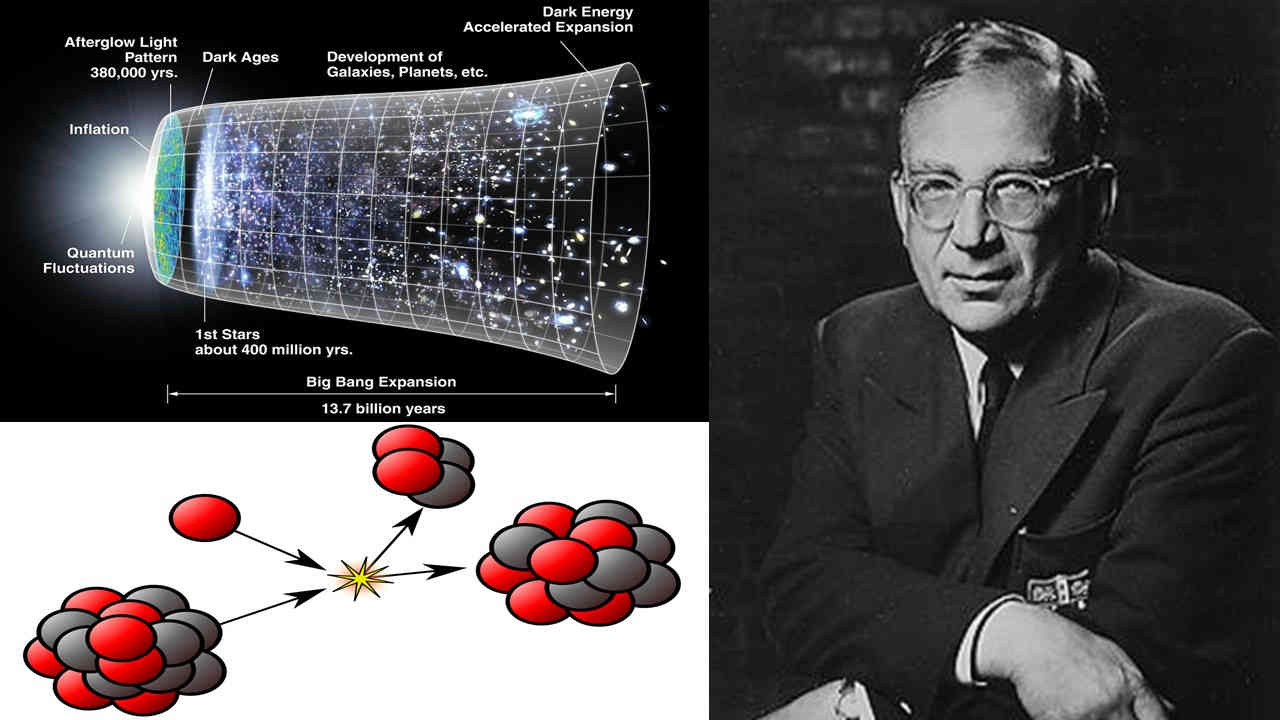
One of Gamow's most significant contributions to science was his theory on the big bang, the origin of the universe. In the 1940s, he proposed the idea that the universe began as a hot, dense point and has been expanding ever since. This theory challenged the prevailing notion that the universe was eternal and unchanging, and it set the stage for the development of modern cosmology.
The Cosmic Microwave Background Radiation
Another key contribution by Gamow to the field of cosmology was his prediction of the cosmic microwave background radiation (CMB). In the 1950s, he and colleagues Ralph Alpher and Robert Herman predicted that the universe should be filled with a faint, uniform radiation left over from the big bang. This prediction was confirmed in 1965 when Arno Penzias and Robert Wilson discovered the CMB, providing strong evidence for the big bang theory. The discovery earned Penzias and Wilson the Nobel Prize in Physics in 1978, and it validated one of Gamow's early predictions.
Advancements in Quantum Mechanics
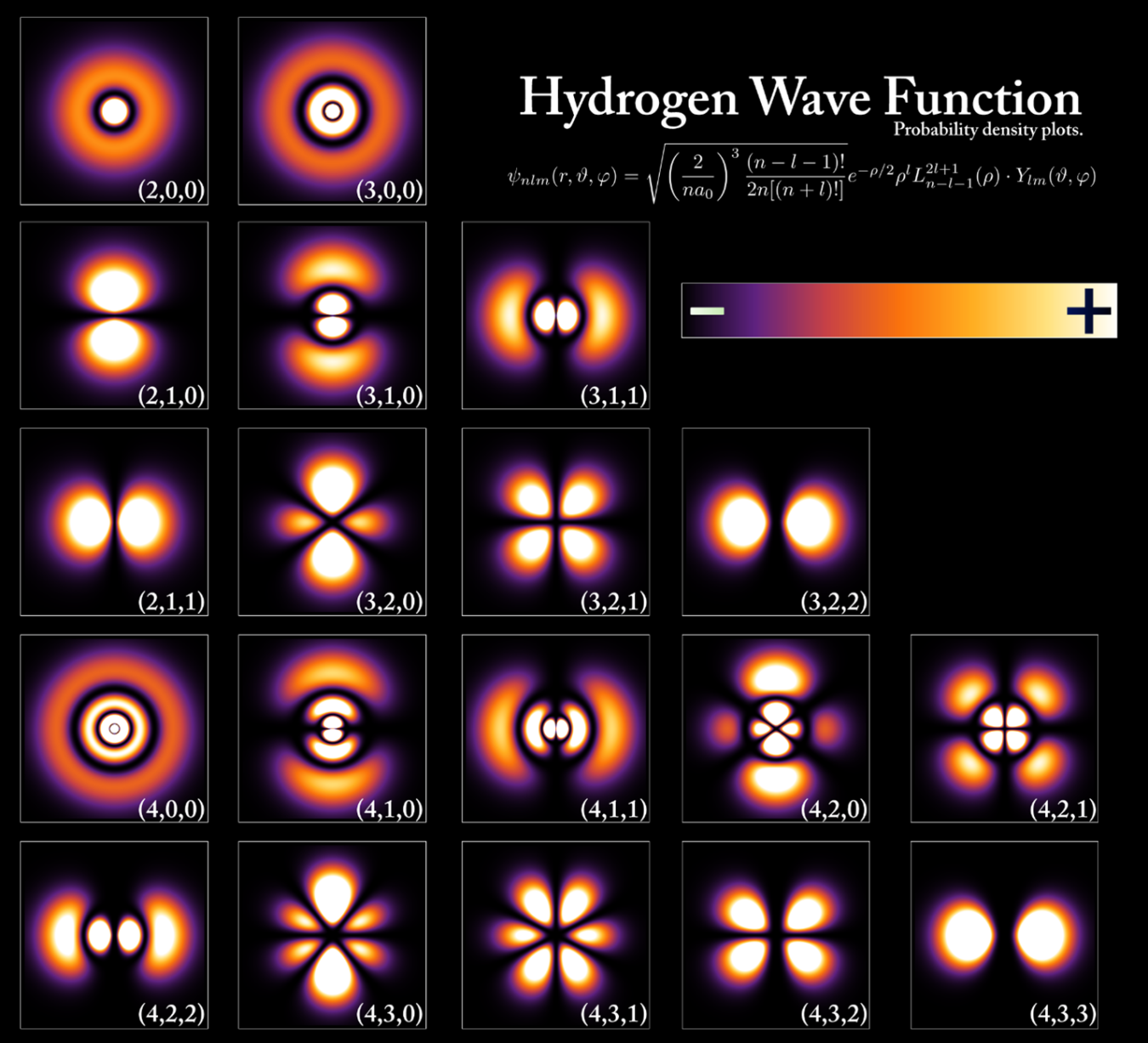
Beyond his work on the big bang, Gamow's contributions to quantum mechanics were equally significant. He developed the semi-quantum or tunneling model for radioactive decay, which explained how unstable atoms could decay by a process that didn't require the particles to overcome a potential barrier. This model was groundbreaking and opened new avenues for understanding the behavior of subatomic particles.
The Alpha-Particle Model
One of the most important applications of Gamow's tunneling model was the alpha-particle model of radioactive decay. In 1928, he used his theory to develop a more accurate description of how alpha particles escape from the nucleus of an atom. This work laid the foundation for the understanding of nuclear fission and the development of nuclear energy.
Educational Outreach
Besides his research, Gamow was deeply committed to educating the public about the marvels of physics and the cosmos. He believed that science should be accessible to everyone and that it was an essential part of a well-rounded education. In his later years, he wrote a series of popular science books, including "One, Two, Three...Infinity," which became a bestseller and introduced a generation to the wonders of quantum mechanics and cosmology.
Popular Science Writing3>
Through his writings, Gamow communicated complex scientific concepts in a way that was engaging and easy to understand. This approach made him a beloved figure among aspiring scientists and science enthusiasts. His books were not only informative but also entertaining, blending scientific facts with a touch of humor and personal anecdotes.
Awards and Honors
George Gamow received numerous awards and honors for his contributions to science. In 1957, he was elected to the National Academy of Sciences, recognizing his significant contributions to the field of science. He was also awarded the Elliott Cresson Medal by the Franklin Institute in 1958 for his work in theoretical physics and cosmology.
Legacy and Impact
Through his writings, research, and dedication to public education, Gamow left an indelible mark on the scientific community and the broader public. His work has inspired generations of scientists, physicists, and astronomy enthusiasts. He continues to be a source of inspiration for students and scholars who are drawn to the beauty and complexity of the universe.
Personal Life and Passions
Despite his numerous achievements, George Gamow never lost his love for the simple things in life. He was known for his wit, generosity, and a keen interest in diverse subjects, from nuclear physics to literature. His personal life was as fascinating as his professional one. He wrote poetry and even composed music, demonstrating a deep appreciation for the arts and humanities.
Legacy and Continued Impact3>
Even though George Gamow passed away in 1968, his legacy continues to inspire and influence the scientific community. His work on the big bang theory and quantum mechanics remains fundamental to our understanding of the universe. His approach to science—combining deep theoretical insights with a strong educational commitment—continues to serve as a model for future generations of scientists and educators.
Famous Quotes
George Gamow was known for his eloquent and insightful quotes, which continue to inspire and challenge scientific thought. Here are a few of his most famous sayings:
"The only way to learn mathematics is to do mathematics."
"It is not enough to have a good mind; the good must apply it."
"What is in astronomy that is so fascinating to us, and to children in particular? The beauty of the pictures, the splendor of the starry sky, the majesty of the great nebulae. These things are not only seen with a telescope, but they are seen with the heart."
Conclusion
George Gamow was a remarkable scientist whose life and work continue to fascinate and inspire. From his early days in Ukraine to his groundbreaking discoveries in the United States, Gamow's contributions to cosmology and quantum mechanics have profoundly shaped our understanding of the universe. His legacy is not only in the scientific advancements he made but also in the way he communicated complex ideas to a broader audience. As we continue to explore the mysteries of the cosmos, we are reminded of the enduring impact of figures like George Gamow, who opened our eyes to the wonders of the universe.
The Legacy of a Scientific Renaissance Man
George Gamow's influence extends far beyond his scientific achievements. He was a polymath, a true Renaissance man who approached life with an open mind and a passion for discovery in every domain. His ability to bridge the gap between the esoteric world of theoretical physics and the everyday experiences of ordinary people set him apart as a remarkable figure in the scientific community.
The Power of Storytelling
Beyond his technical contributions, Gamow was a masterful storyteller whose writings made complex scientific concepts accessible to a wide audience. One of his most famous works, "Mr. Tompkins in Wonderland," illustrated the wonders of relativity and quantum mechanics through a whimsical and humorous narrative. The book captured the imagination of readers worldwide, introducing them to the bizarre phenomena of the subatomic world with a touch of playful charm.
His writing style exemplified his belief that science should be engaging and entertaining. In "Thirty Years That Shook Physics," he recounted the history of atomic energy and its implications in clear and concise prose. This book, along with others, demonstrated his knack for simplifying intricate ideas while maintaining their scientific integrity. Gamow’s storytelling made science enjoyable and relevant to non-scientists, fostering a greater appreciation for the underlying principles of our world.
Innovation and Teaching Techniques
Gamow’s approach to teaching and mentoring was equally innovative. At the University of Illinois and later at Johns Hopkins University, he worked tirelessly to foster a collaborative and dynamic learning environment. He encouraged students to think critically and to approach problems from multiple angles. This student-centered learning philosophy helped nurture a generation of budding scientists who went on to make their own significant contributions to science.
One of his most notable innovations was the use of analogy and metaphor to explain complex scientific theories. For instance, he often compared the hydrogen atom to a car moving in a traffic circle to illustrate the concept of orbiting. Such vivid analogies made it easier for students to grasp abstract concepts, enhancing both comprehension and retention.
Collaborations and Mentees
Throughout his career, Gamow collaborated with many renowned scientists, including Ralph Alpher, Robert Herman, and Edward Teller. These collaborations resulted in seminal papers and theories that shaped our understanding of nuclear physics and cosmology. Together, he and Alpher developed the "alpha-decay" model of radioactive decay, which provided crucial insights into the behavior of unstable nuclei.
George Gamow mentored a group of talented young scientists, including Richard Feynman. Despite occasional disagreements, Gamow encouraged Feynman to pursue his independent research that would later lead to the Nobel Prize-winning development of the path integral formulation of quantum mechanics. Gamow saw in Feynman a kindred spirit and a promising future for scientific advancement.
Impact Beyond Science
George Gamow’s impact extended far beyond the halls of academia. His work inspired a generation of scientists and sparked public interest in science. During his time at George Washington University, he played a pivotal role in establishing the university's first graduate program in physics. This initiative helped transform GWU into a leading institution for scientific research.
His commitment to education also included advocating for increased funding for science programs and supporting initiatives aimed at promoting scientific literacy. Gamow was a strong advocate for making science accessible to everyone, believing that scientific knowledge was a fundamental part of a well-educated society.
Challenges and Controversies
Despite his many successes, George Gamow faced significant challenges in his career. One notable controversy involved his collaboration with Ralph Alpher and Robert Herman on the predictions of the big bang theory and the CMB. Their 1948 paper, often referred to as the "Alpher-Bethe-Gamow" theory, was met with skepticism initially. It took nearly two decades for the theory to gain widespread acceptance after Penzias and Wilson's discovery of the CMB in 1965.
Moreover, Gamow’s political views sometimes complicated his standing within the scientific community. He supported Einstein's pacifism and was critical of the Cold War arms race. During his time in the United States, he was often scrutinized by government agencies. Nevertheless, his dedication to scientific inquiry and education remained unwavering.
Later Years and Final Achievements
In his later years, Gamow continued to be actively engaged in scientific research and public lectures. He served as a visiting professor at various institutions, sharing his knowledge and insights with eager minds. One of his final projects was a book titled "My World Line: Autobiographic Sketches," in which he reflected on his life and career. This autobiography provided an insider's perspective on the development of modern physics and the scientific community.
One of his final contributions to science was a paper on the nucleosynthesis of heavy elements in stars. In this work, Gamow and co-authors explored the processes by which elements heavier than iron are formed, enriching our knowledge about stellar evolution and the chemical composition of the cosmos.
The Lasting Influence
George Gamow’s legacy endures through his enduring contributions to science, his influential writings, and his inspirational impact on future generations. His multifaceted approach to science—not just as a discipline to be studied but as a means to understand and appreciate the universe—has left an indelible mark on modern physics and cosmology.
Today, as scientists continue to unravel the mysteries of the cosmos, they find themselves standing on the shoulders of giants like George Gamow. His vision, creativity, and dedication to the pursuit of knowledge continue to inspire scientists around the world, ensuring that his legacy will endure for generations to come.
Final Thoughts
George Gamow’s journey from a young physicist in Russia to a revered luminary in the scientific community is nothing short of remarkable. Through his groundbreaking research, captivating writings, and tireless advocacy for science, Gamow not only expanded our understanding of the universe but also made the wonders of science accessible to millions. As we look back on his life and contributions, we are reminded of the importance of curiosity, innovation, and the relentless pursuit of knowledge. George Gamow’s story is a testament to the power of human endeavor and the enduring beauty of the scientific endeavor.
Final Thoughts
George Gamow's legacy is a rich tapestry woven from his contributions to science, his popular writings, and his unwavering dedication to public education. His work continues to inspire and enlighten future generations, serving as a testament to the enduring power of curiosity and scientific exploration.
Modern Applications and Continuation of His Work
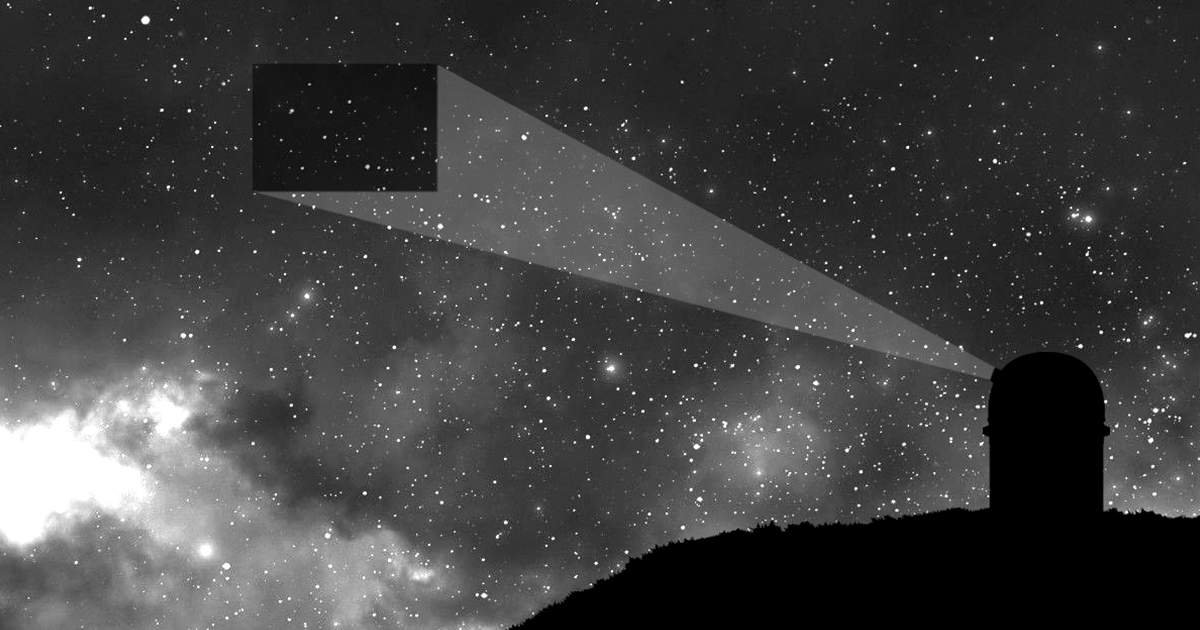
Many of Gamow's theoretical concepts, such as the big bang and quantum tunneling, have found practical applications in contemporary science and technology. The cosmic microwave background radiation, first predicted by Gamow and colleagues, has been instrumental in validating the big bang theory and continues to be a vital tool for cosmologists. Modern space missions like the Planck satellite and the Cosmic Background Explorer (COBE) have provided detailed measurements of the CMB, refining our understanding of the early universe's conditions.
Quantum tunneling, another core aspect of Gamow's research, finds application across various fields. In nanotechnology, tunneling microscopy allows scientists to image individual atoms and molecules. In medical research, tunneling electron microscopy has become a powerful tool for studying biological structures at the atomic level. Additionally, quantum tunneling is at the heart of semiconductor devices, enabling the development of smaller and more efficient electronics.
Remembered in Science
George Gamow is remembered in the scientific community with numerous tributes, awards, and educational initiatives. Universities and research institutions around the world host lecture series, conferences, and workshops in honor of his work. The George Gamow Memorial Lecture, organized annually by the American Physical Society, celebrates his contributions to physics and encourages new generations of scientists to pursue similar endeavors.
One of the most enduring legacies of Gamow can be seen in the naming of celestial objects after him. Several asteroids, such as 317 GeorgeGAMOW, bear his name, marking the contributions of this extraordinary scientist. In addition, the crater Gamow on Mars is named in his honor, commemorating his vast influence on the study of planetary geology.
Lessons from Gamow's Life
The life and work of George Gamow offer several valuable lessons to aspiring scientists and researchers. Firstly, he demonstrates the importance of interdisciplinary thinking. Gamow seamlessly bridged areas such as theoretical physics, quantum mechanics, and cosmology, illustrating that cross-disciplinary approaches can lead to groundbreaking discoveries.
Secondly, his emphasis on popular science education underscores the need for scientists to engage with the public. By making complex scientific concepts accessible through relatable language and engaging narratives, Gamow paved the way for a more scientifically literate society. Today, initiatives like science communication workshops and STEM outreach programs aim to follow in his footsteps, fostering a culture of science appreciation and understanding.
Lastly, Gamow's persistence in the face of adversity highlights the importance of resilience in scientific pursuits. Despite facing skepticism and scrutiny throughout his career, he remained committed to his research and continued to share his knowledge. His example inspires scientists to persevere through challenges and to stay true to their vision and passion for discovery.
Concluding Remarks
As we reflect on the life and work of George Gamow, it becomes evident that he was not just a scientist but a true pioneer in the realm of physics and astrophysics. His innovative ideas, captivating writings, and unwavering commitment to education have had a profound and lasting impact on the scientific community. George Gamow’s story is a reminder that the pursuit of knowledge is a continuous journey, and that each step we Take brings us closer to unraveling the mysteries of the universe.
To George Gamow, thank you for your remarkable contributions. May your legacy continue to inspire and guide future generations of scientists and thinkers as they embark on their own journeys of discovery.













Comments