




Exploring the Rich Tapestry of Hyderabad: A Historical and Cultural Odyssey
Introduction: The Jewel of the Deccan
Hyderabad, often referred to as the "City of Pearls," is a remarkable blend of history, culture, and modernity. Nestled in the heart of southern India, this vibrant metropolis is the capital of the southern Indian state of Telangana and serves as a melting pot of diverse influences. With its unique cultural tapestry woven over centuries, Hyderabad stands as a testament to India's Mughal, Persian, and colonial pasts while embracing the dynamism of the present. This article delves into the rich history, cultural significance, and modern-day allure of Hyderabad, offering insights into what makes this city an unparalleled destination.
A Journey Through Time: The Historical Significance of Hyderabad
The origins of Hyderabad trace back to the late 16th century when it was founded by Muhammad Quli Qutb Shah, the fifth Sultan of the Qutb Shahi dynasty, in 1591 CE. The city emerged as a beacon of prosperity and culture, strategically positioned on the banks of the Musi River. It was designed to be a new capital to replace the aging Golconda, with the Charminar acting as its center. This architectural marvel not only symbolizes the city's grandeur but remains an iconic emblem of Hyderabad's heritage. Constructed in 1591, the Charminar is a majestic edifice with four minarets and exquisite detailing that reflects Indo-Islamic architectural brilliance.
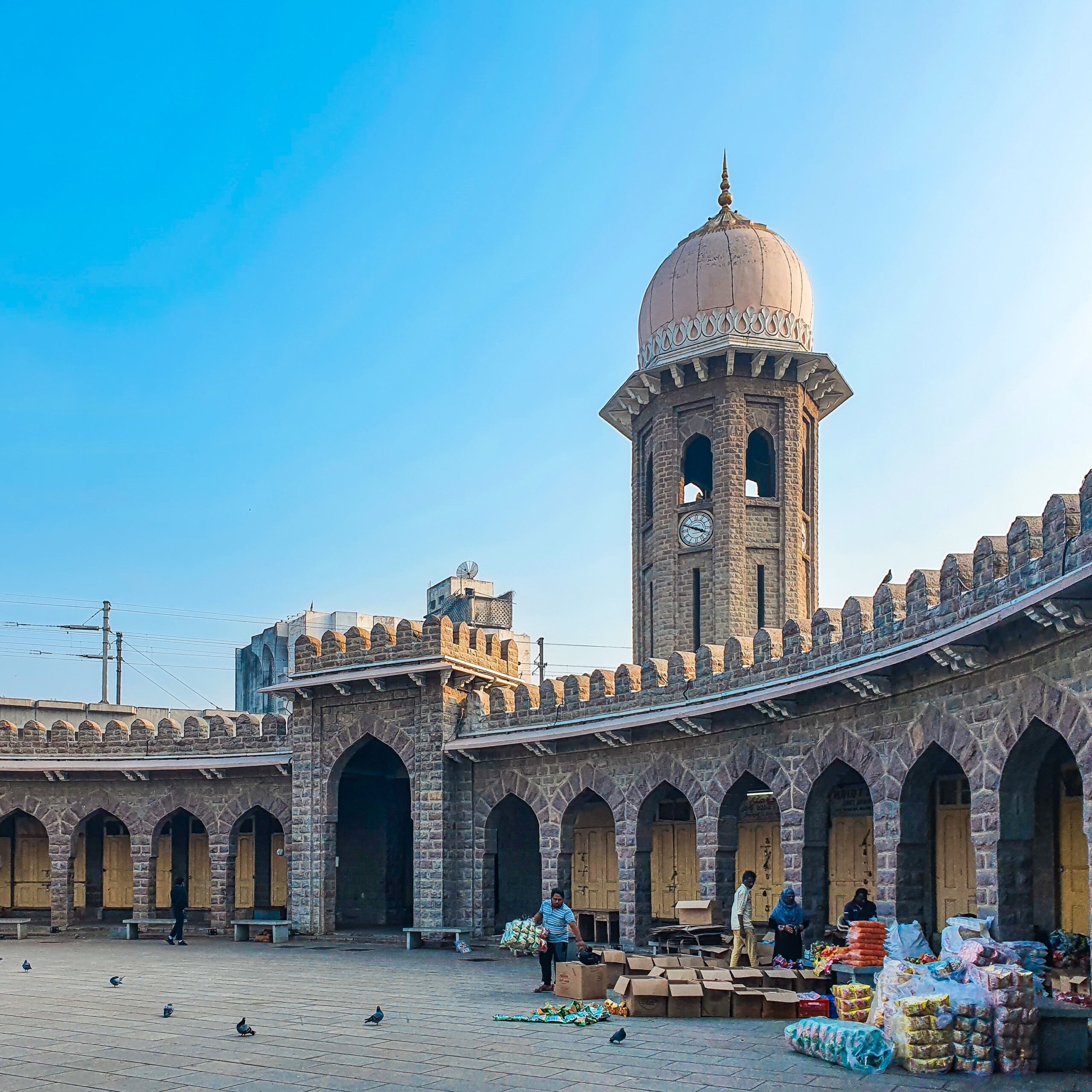
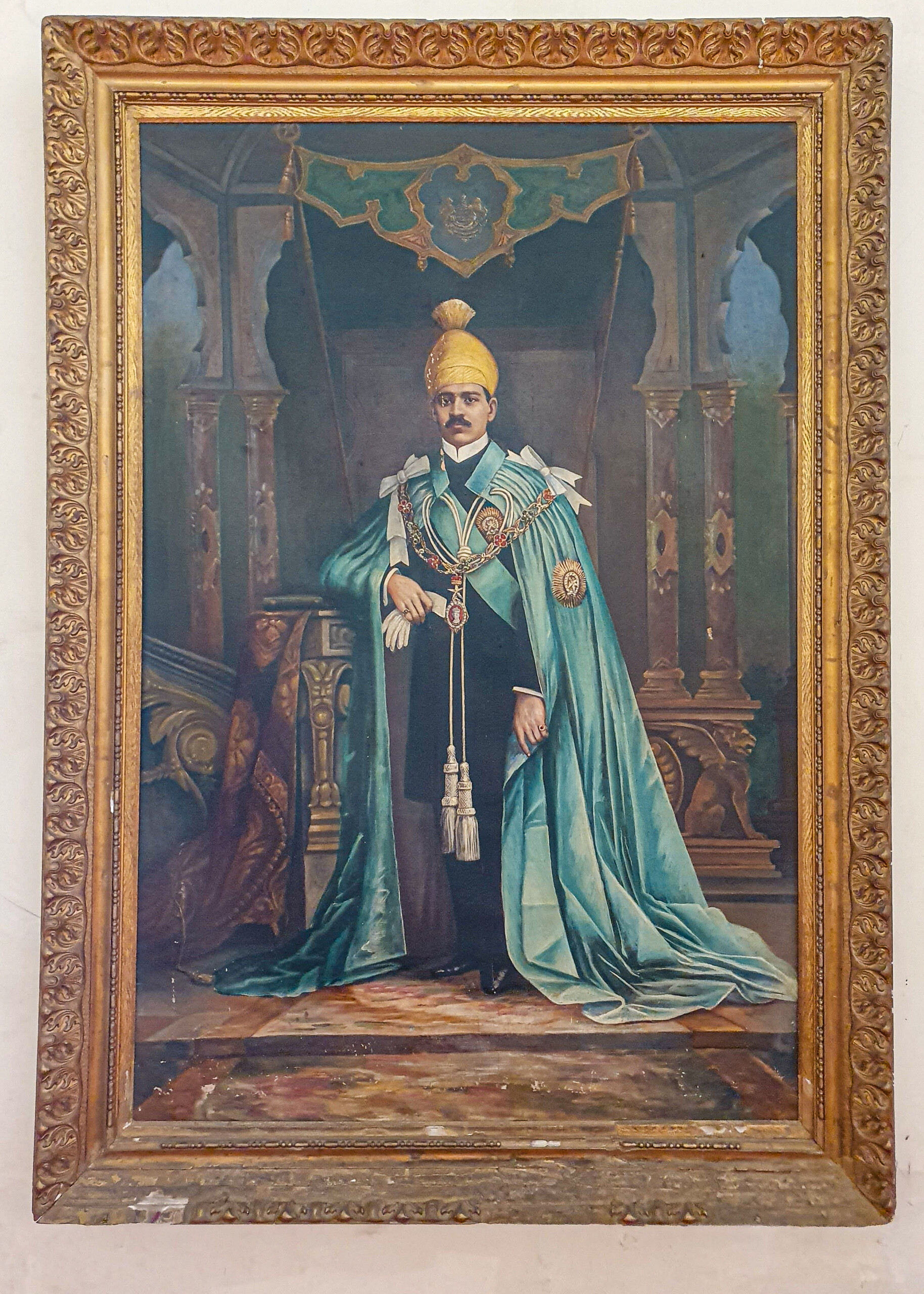
The city's governance transitioned to the Mughals in the late 17th century, followed by the Nizams, who ruled for more than two centuries. Under the patronage of the Nizams, Hyderabad flourished as a hub of trade, culture, and innovation. During their reign, significant infrastructural developments took place, including the construction of palaces, schools, hospitals, and railways. This era is also renowned for its generous support of arts and literature, contributing to the city's lasting cultural legacy.
The Cultural Mosaic: Hyderabad's Unique Identity
Hyderabad is a city enriched by diverse cultures, languages, and traditions. This diversity is most evident in its vibrant festivals, traditional music, and delectable cuisine. Festivals like Bonalu, celebrated in honor of the Goddess Mahakali, and the Urs at the Dargah Yousufain showcase the city's pluralistic ethos. Ganesh Chaturthi, Diwali, and Eid are celebrated with equal fervor, highlighting the city's harmonious coexistence of Hindu and Muslim communities.
The city is also famous for its culinary delights, particularly its legendary biryani. Hyderabad's biryani is an aromatic rice dish cooked with marinated meat, herbs, and spices, a dish born from Mughal kitchens that has become an integral part of the city's culinary identity. The street food, such as kebabs, haleem, and Irani chai, presents a tapestry of flavors reflecting Hyderabad's multicultural influences.
Language plays a pivotal role in shaping Hyderabad's cultural identity. While Telugu and Urdu are predominantly spoken, English and Hindi are widely used, reflecting the city's modern, cosmopolitan atmosphere. The distinct Hyderabadi Urdu dialect, peppered with unique slang and expressions, adds a special flavor to daily communication. It beautifully illustrates how language evolves in a city of such diverse traditions and histories.
Modern Hyderabad: A Hub of Innovation and Growth
In recent decades, Hyderabad has undergone a dynamic transformation and emerged as a significant IT and business hub, earning the moniker "Cyberabad." The city is home to numerous multinational companies and tech parks, with HITEC City standing as an emblem of its economic stride. The infusion of technology and commerce has not only boosted the local economy but also made Hyderabad a favored destination for both entrepreneurs and the workforce seeking avenues for growth and innovation.
Despite this rapid modernization, Hyderabad remains steadfast in preserving its historical and cultural ethos. Initiatives to restore heritage sites and promote local crafts have gained momentum, keeping the essence of the old city alive amid new developments. This remarkable balance of tradition and technology is evident in the city's skyline, where ancient minarets silently stand alongside towering skyscrapers in harmonious contrast.
Conclusion: Embracing the Essence of Hyderabad
Hyderabad, with its fascinating amalgamation of history, culture, and modernity, is a city that offers something for everyone. Whether you're exploring its historic landmarks, indulging in its culinary treasures, partaking in its vibrant festivals, or engaging with its tech-driven transformation, Hyderabad promises an unforgettable journey. Its ability to seamlessly weave diverse influences while marching forward into the future is a testament to the city's enduring spirit and resilient charm. This journey through Hyderabad's historical and cultural odyssey is but a glimpse into the rich narrative that continues to unfold, inviting visitors and residents alike to embrace and celebrate the distinctive identity of this extraordinary city.
The Architectural Splendor of Hyderabad: A Walk Through Time
Hyderabad's landscape is an exquisite blend of ancient monuments and modern architecture, each narrating tales from different epochs of history. The architectural splendor of the city is reflective of its multicultural heritage, showcased through an impressive collection of forts, palaces, mosques, and temples. As we walk through the heart of Hyderabad, each structure stands as a witness to the city's glorious past and dynamic present.
One cannot explore Hyderabad without visiting the grandeur of the Golconda Fort. Originally a mud fort constructed in the 12th century by the Kakatiya dynasty, it later became the seat of power for the Qutb Shahi dynasty. The fort is renowned for its acoustics, grand gateways, drawbridges, and royal palaces. Its remarkable design symbolizes a blend of Hindu and Islamic architectural styles, and offers stunning panoramic views of the cityscape, creating a nostalgic journey back in time.
Equally significant is the Chowmahalla Palace, a testament to the opulence and sophistication of the Nizam era. Built over a period spanning from the late 18th century to the mid-19th century, this palace complex was the official seat of the Asaf Jahi dynasty, where they entertained dignitaries and held state functions. The Chowmahalla Palace is admired for its intricate stuccowork and gracious courtyards, reminiscent of the Baroque and Neoclassical architectural styles that were in vogue during its construction.
The Falaknuma Palace, another symbol of luxury, offers a glimpse into the grandeur of Nizam rule. Constructed in the late 19th century, it rests 2,000 feet above Hyderabad atop a hill. Its marble halls and ornate chandeliers speak of European influence, an intermingling of Italian and Tudor styles with regal Indian craftsmanship. Today, as a luxury hotel, it welcomes guests to experience the grandeur of the past while enjoying modern hospitality.
Religious architecture in Hyderabad encompasses a wide array of styles and influences, illustrating the syncretic culture that the city is known for. The Mecca Masjid, one of the largest mosques in India, stands near the Charminar. Built using granite, its vaulted halls and intricate latticework (jali) fascinate visitors and worshippers alike. Its bricks, reportedly made from soil brought from Mecca, imbue the mosque with a unique historical significance.
In contrast, the Birla Mandir, dedicated to the Hindu deity Lord Venkateswara, showcases Buddhist and Hindu architectural styles. Constructed from white marble, this temple sits atop a hill and offers a peaceful enclave against the backdrop of the bustling city below. It serves as a serene and spiritual retreat, inviting visitors to embrace the divine, regardless of their faith.
A City of Art and Learning: Hyderabad's Intellectual Heritage
Hyderabad has not only been a hub of architectural beauty and economic development, but it has also flourished as a center of art, education, and intellectual pursuit. The city boasts numerous universities, colleges, and research institutions that attract students from across the globe. They have contributed to a knowledge-based economy that complements the city's IT dominion.
The Osmania University, established in 1918, stands as an educational milestone in the city's history. It holds the prestige of being one of the oldest universities in India and a repository of cherished academic traditions. Renowned for its faculties in humanities, science, and engineering, Osmania University carries forward Hyderabad's legacy as a crucible of learning and thought leadership.
Hyderabad's art scene is equally vibrant, with the Salar Jung Museum playing a pivotal role in showcasing the city's artistic heritage. Named after Mir Yousuf Ali Khan, a former Prime Minister of Hyderabad and an avid art collector, the museum’s vast repository includes paintings, sculptures, textiles, and artifacts from around the world. It provides a glimpse into the cultural exchanges that have enriched the city over time.
The performing arts have always been central to Hyderabad's cultural ethos. Traditional music forms, such as Qawwali and Deccani sher, resonate with the soul of the city, while modern-day concerts and theater productions are embraced by Hyderabad's diverse populace. The Ravindra Bharathi auditorium is a prominent venue for both traditional and contemporary cultural events, fostering a vibrant arts scene that continues to grow and evolve.
Embracing Nature: The Green Heart of Hyderabad
Amidst the architectural marvels and urban buzz, Hyderabad harbors numerous green enclaves that offer respite and recreation to its residents and visitors. Parks and gardens like Lumbini Park, Sanjeevaiah Park, and the Public Gardens serve as verdant lung spaces in the urban landscape, ideal for leisurely strolls, family outings, and relaxation. These spaces are a testament to the city's commitment to preserving its natural heritage, even as it grows.
The Hussain Sagar Lake, with its iconic Buddha statue standing in the center, is another emblem of serene beauty. The lake, constructed in the 16th century, provides a serene escape from the bustling city life and is a popular spot for boating and picnics. The Tank Bund road that encircles the lake is lined with statues of eminent figures, adding to the city’s cultural and historical narrative.
In recent years, the Nehru Zoological Park has become a favored destination for families and wildlife enthusiasts. Spanning 380 acres, it is one of the largest zoos in India and is home to a diverse range of animal species. These natural retreats, nestled within the urban expanse, provide an oasis of tranquility and reaffirm Hyderabad’s dedication to nurturing its green spaces.
As we explore the architectural, intellectual, and natural facets of Hyderabad, the city reveals itself as a dynamic ecosystem of heritage and progress. As much as it is defined by its monumental past, it is equally characterized by the aspirations and endeavors of its people, who continue to shape its landscape with innovation and warmth.
The Culinary Capital: A Gastronomic Journey through Hyderabad
No exploration of Hyderabad would be complete without delving into its famous and diverse culinary scene, celebrated across India and beyond. The city's gastronomy is a testament to its complex cultural history, with influences ranging from Persian and Mughal flavors to traditional South Indian spices and techniques. This amalgamation has resulted in a vibrant food culture that continues to evolve while staying rooted in its rich heritage.
At the forefront of Hyderabad's culinary treasures is the iconic Hyderabadi Biryani, a dish that has become synonymous with the city. Characterized by a delicate balance of aromatic spices, tender meat, and fragrant basmati rice, it embodies the culinary skills inspired by Mughal kitchens. Cooking biryani is regarded as an art, with closely guarded family recipes passed down through generations. Known for its long marination and the "dum" method of cooking, where the ingredients are slow-cooked together to perfection, this dish remains a favorite among locals and visitors alike.
Accompanying the biryani on Hyderabad's culinary canvas is the rich and hearty Haleem, a dish traditionally prepared during the Islamic holy month of Ramadan. Originating from the Persian dish Harees, Hyderabad’s version combines pounded wheat, lentils, and either beef, chicken, or mutton, cooked slowly in a blend of spices until achieving a paste-like consistency. Its nourishing quality and savory taste have made it a beloved dish among Hyderabadi families and an essential part of the Ramadan experience.
Street food in Hyderabad offers an adventure of flavors and textures, with the Kochi kebabs, Mirchi ka Salan, and crispy Goli Bajji presenting an array of vegetarian and non-vegetarian delights. The bustling streets of the old city brim with stalls serving Irani chai (a unique blend of strong, brewed tea with thick cream) accompanied by Osmania biscuits—a traditional teatime delicacy named after the Nizam ruler Mir Osman Ali Khan.
The culinary exploration doesn't end with savory delights, as Hyderabad is equally known for its sweet confections. Embrace the indulgence of Qubani ka Meetha, a delectable dessert made with apricots, or the aromatic Double ka Meetha, a bread pudding enriched with nuts and saffron. Both dishes serve as reminders of the Persian influence on Hyderabadi cuisine.
Hyderabad's Role on the National and Global Stage
In recent decades, Hyderabad has emerged as a pivotal player on both the national and international arenas, recognized for its investment-friendly climate, skilled workforce, and robust infrastructure. Today, it's a city where tradition coexists with innovation, turning it into an attractive destination for business, culture, and tourism.
Hyderabad's transformation into a leading IT and biotech hub exemplifies the city's adaptability and forward-thinking approach. Major tech companies like Infosys, Google, Microsoft, and Facebook have established significant operations here, drawn by an environment conducive to research, development, and technological advancement. The presence of these giants has spurred further growth in employment, education, and the city's economy, expanding its influence on the global stage.
Simultaneously, Hyderabad's comprehensive public transit systems and urban planning initiatives reflect its commitment to sustainable and smart growth. Developments such as the Hyderabad Metro have not only enhanced mobility but also eased congestion, as the city adapapts to the increasing demands of its population. This focus on urban transformation has placed Hyderabad prominently on the map of smart cities worldwide.
Tourism too has seen a remarkable boost as Hyderabad promotes its heritage, culture, and hospitality. Efforts to conserve and publicize historical monuments, alongside the development of cultural programs and festivals, have attracted travelers interested in immersive cultural experiences.
Conclusion: A City of Endless Possibilities
Hyderabad, with its harmonious blend of the past and the present, stands as a city of endless possibilities. It is a place that draws strength from its rich and dynamic history, while continuously evolving to embrace the future. From its architectural wonders and vibrant arts scene to its renowned culinary offerings and thriving technological landscape, Hyderabad is a city that captivates and inspires.
Indeed, whether one walks along the storied monuments of its old city, partakes in a lavish spread of flavors, or engages with the city's buzzing tech scene, Hyderabad emerges as more than just a destination. It is an experience—alive and pulsating with stories, dreams, and an unwavering spirit of progress. As the "City of Pearls" continues to carve its niche globally, it reaffirms its status as a city where history echoes and the future beckons. This remarkable journey through time and culture is what makes Hyderabad truly extraordinary, inviting all who visit to become a part of its ongoing narrative.

Comments