


Destiny 2: A Deep Dive Into Bungie's Epic Shooter
Introduction: The Legacy of Destiny 2
Since its launch in 2017, Destiny 2 has evolved from a divisive sequel into one of the most expansive and engaging live-service shooters in gaming. Developed by Bungie, the studio behind the original Halo trilogy, Destiny 2 combines fast-paced first-person combat with deep RPG mechanics, an ever-expanding universe, and a thriving multiplayer community. Whether you're a Guardian who’s been fighting since the beginning or a newcomer curious about the game’s massive world, this article will guide you through what makes Destiny 2 such a unique and enduring experience.
The Gameplay Loop: Shooting, Looting, and Mastering Abilities
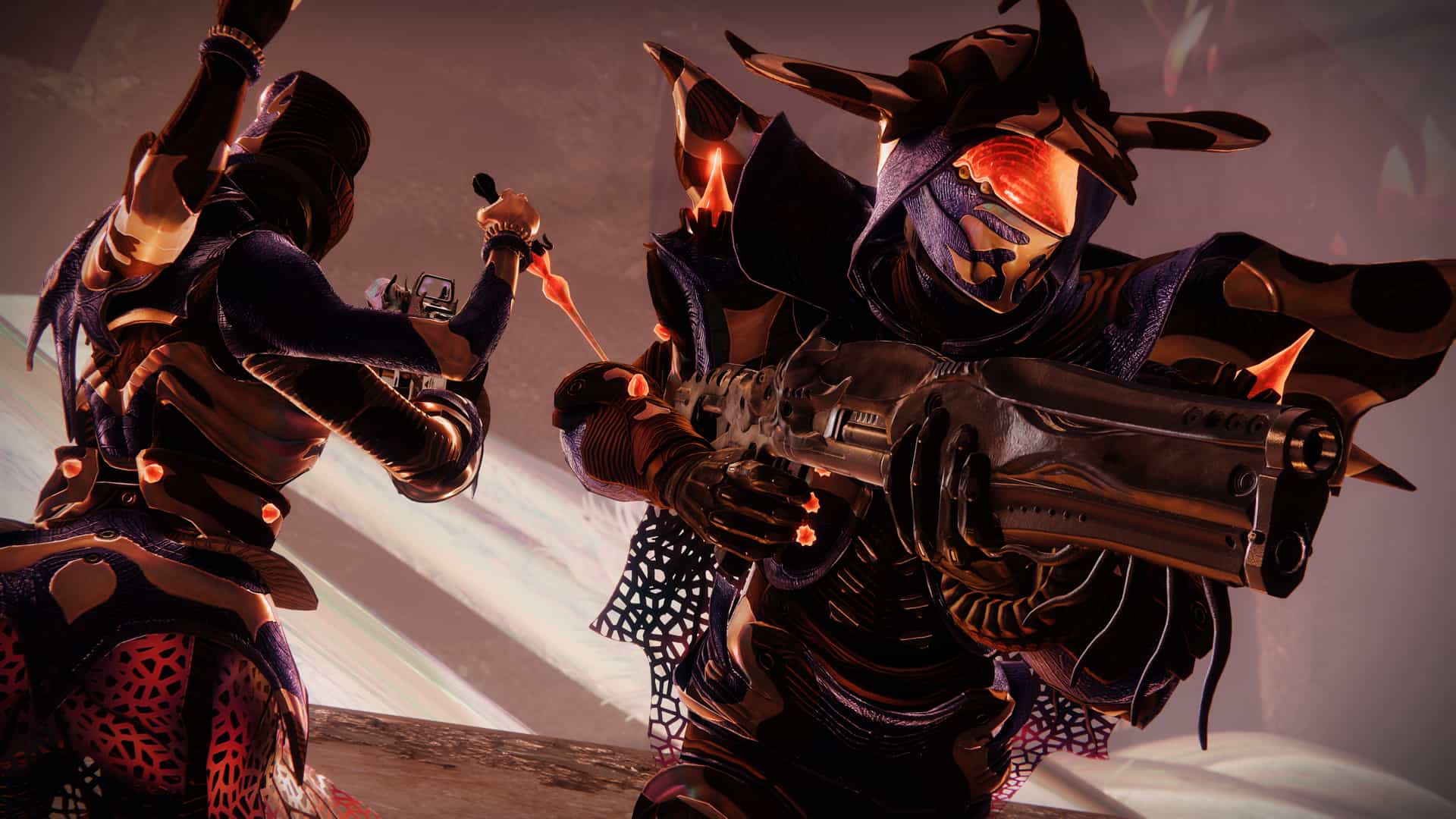
At its core, Destiny 2 is a first-person shooter with RPG elements. Players take on the role of Guardians, immortal warriors empowered by the Traveler’s Light to protect humanity from alien threats. Combat is fluid, satisfying, and layered with strategic possibilities thanks to three distinct character classes: Titan, Hunter, and Warlock. Each class has unique abilities, supers, and movement mechanics that drastically change how encounters play out.
The game’s loot system is one of its most addictive features. From common weapons to exotic god-rolls, gear determines your playstyle and power level. Strikes, raids, and seasonal activities continuously provide new tools to chase, ensuring that no two Guardians are exactly alike. Random rolls, weapon crafting, and mod customization add depth, while daily and weekly challenges keep players engaged in the grind.
The Expansive Universe: Story and Lore
Destiny 2’s narrative has grown exponentially since its initial release. While early criticism targeted its disjointed storytelling, recent expansions like The Witch Queen and Lightfall have significantly improved world-building and character development. The game’s lore—hidden in item descriptions, in-game books, and external sources—creates a sci-fi mythology as rich as any best-selling novel.
The world of Destiny blends fantasy with futuristic sci-fi, featuring cosmic gods, ancient mysteries, and an ongoing war between Light and Darkness. The ongoing seasonal model introduces evolving storylines that react to player actions, giving the universe a dynamic feel that most live-service games fail to achieve.
Multiplayer and Endgame Content
Destiny 2’s multiplayer components are incredibly diverse. The Crucible offers classic PvP modes like Control and Clash, while Gambit—a hybrid PvE/PvP mode—remains a fan-favorite experiment. The real pinnacle, however, is raiding. Activities like the Vault of Glass and Last Wish require teamwork, problem-solving, and mastery of mechanics, offering some of gaming’s most rewarding co-op moments.
Endgame content extends to high-difficulty Nightfall strikes, dungeons, and Triumph challenges for completionists. These activities test both skill and loadout optimization, ensuring that even veteran players always have something to strive for.
The Live-Service Model: Seasons and Expansions
Unlike traditional shooters, Destiny 2 is a living game. Annual expansions introduce major campaigns and features, while smaller seasonal updates provide month-to-month story beats and activities. This model keeps the game fresh but also means some content is eventually vaulted to make way for new experiences—a controversial yet necessary move for technical and design reasons.
Microtransactions, though present, are largely cosmetic. The Season Pass and premium expansions are where most of the game’s revenue comes from, ensuring free-to-play players still have access to a significant amount of content without feeling pressured to spend.
Conclusion: A Game Built for the Long Haul
Destiny 2 remains one of the most ambitious and successful live-service games because it constantly reinvents itself. Whether through narrative twists, new gameplay systems, or community-driven events, Bungie has crafted a world that keeps players invested for years. The next part of this article will delve deeper into the class system, subclass customization, and the latest updates shaping the game’s future.
The Class System: Mastering Titan, Hunter, and Warlock
One of Destiny 2’s defining features is its three distinct classes—Titan, Hunter, and Warlock. Each class offers unique abilities, playstyles, and roles in both PvE and PvP. Understanding their strengths and weaknesses is key to maximizing your effectiveness as a Guardian.
Titans: The Bulwarks of the Fireteam
Titans are the frontline defenders, built for resilience and close-quarters combat. Their identity centers around barricades, void shields, and devastating melee attacks. Subclasses like Sentinel (Void), Striker (Arc), and Sunbreaker (Solar) allow Titans to tailor their playstyle to different encounters. Whether summoning a protective Ward of Dawn to shield allies or launching into a Fists of Havoc super to clear waves of enemies, Titans excel at controlling space and soaking up damage.
Exotic armor pieces like One-Eyed Mask and Loreley Splendor Helm further enhance their durability, making them almost unstoppable in high-level content. Titans may not be the fastest or have the most mobility, but their tactical utility is unmatched.
Hunters: The Agile Rogues of Destiny
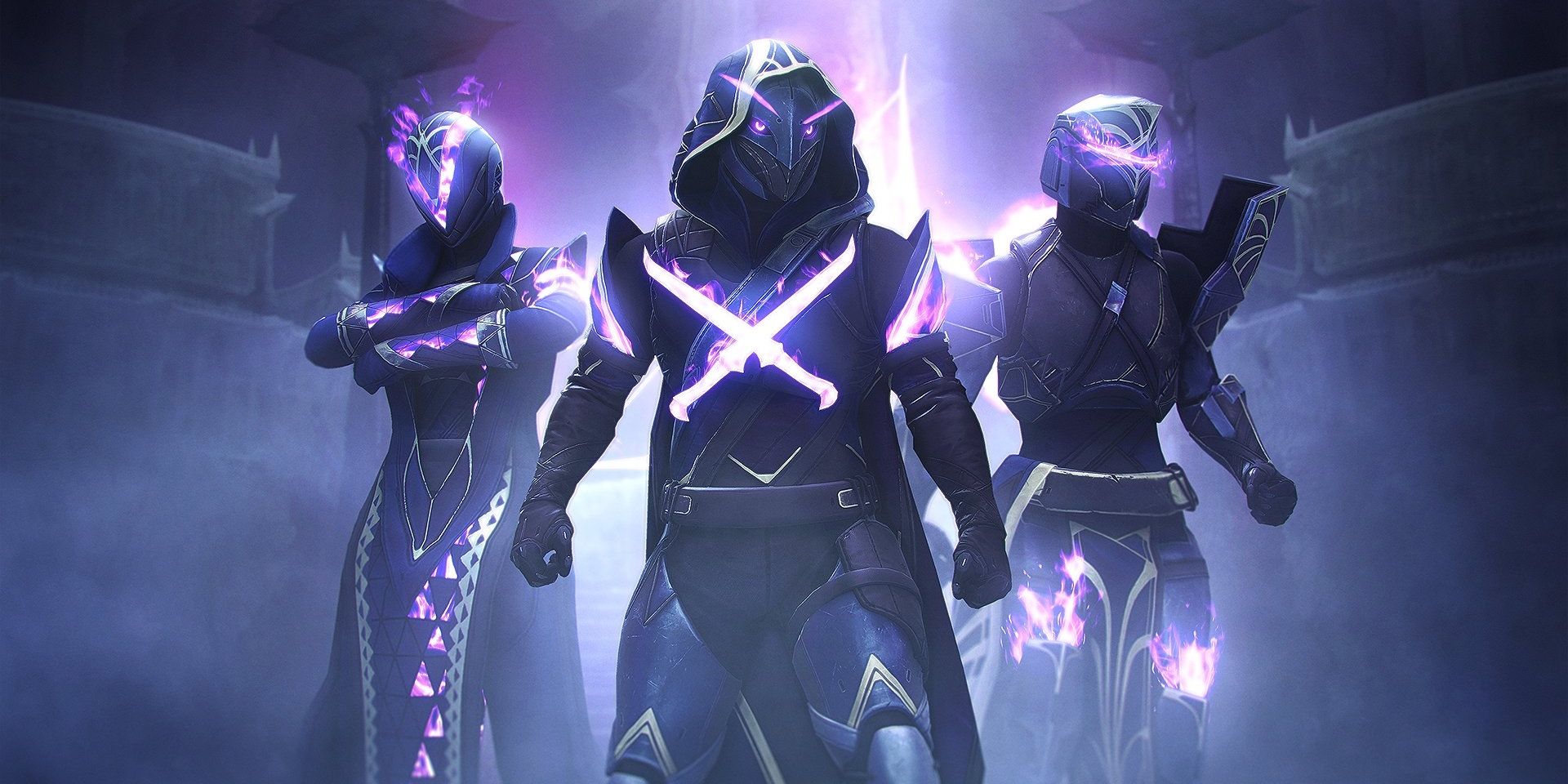
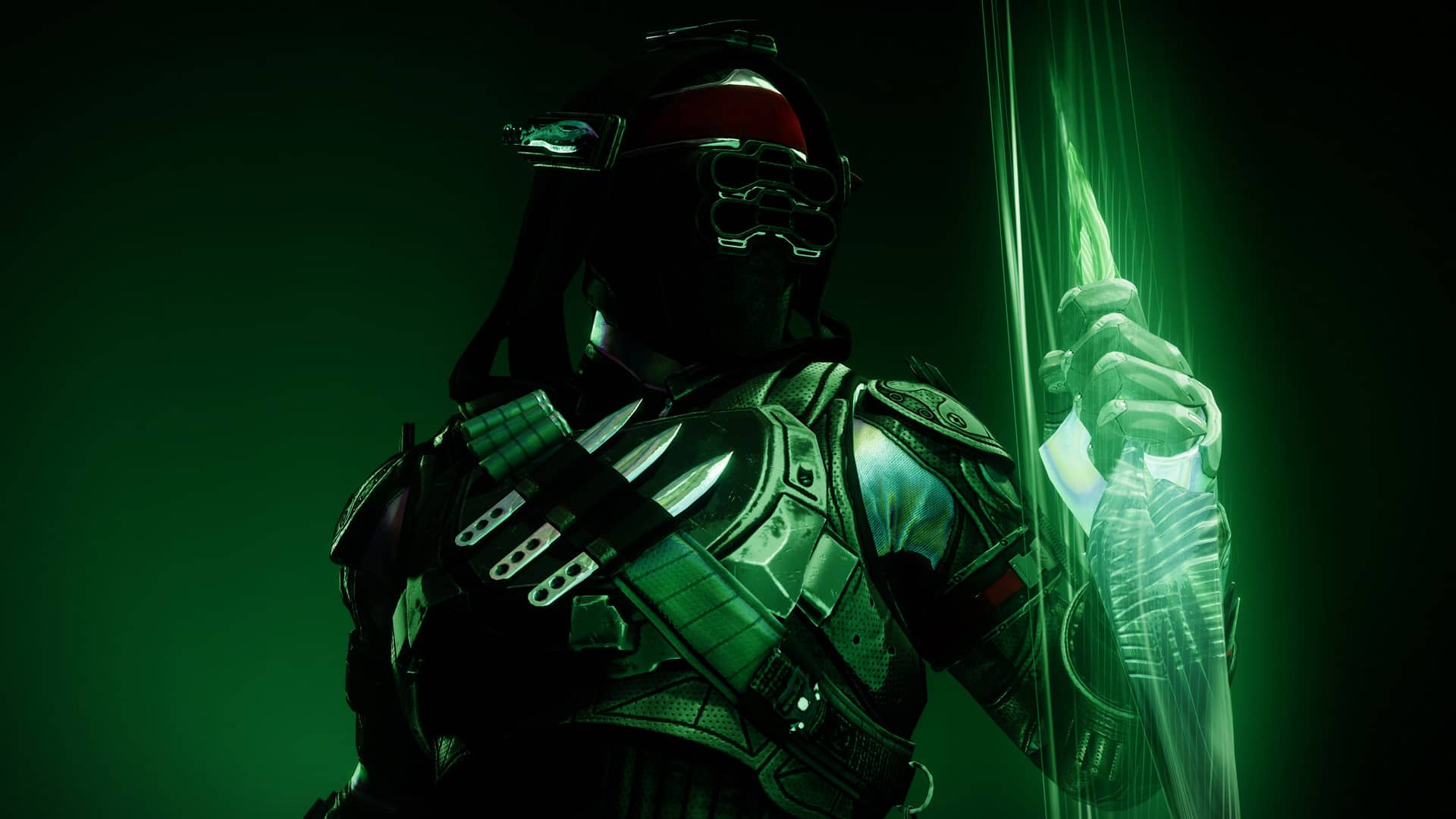
Hunters thrive on speed, precision, and versatility. Their Dodge ability—either reloading weapons or refreshing melee energy—provides crucial survivability, especially in intense firefights. Whether it's the stealthy Nightstalker (Void), the explosive Gunslinger (Solar), or the electrifying Arcstrider (Arc), Hunters adapt seamlessly to both offensive and supportive roles.
Their supers range from single-target annihilation (Golden Gun) to crowd control (Silence and Squall). Exotics like Celestial Nighthawk and Omnioculus push their abilities to extremes, making Hunters a favorite for both raid damage phases and Crucible domination. If you prefer finesse over brute force, Hunters are the way to go.
Warlocks: The Scholars of Destruction
Warlocks combine devastating magical attacks with unparalleled team support. Their Rift ability—either healing allies or boosting damage—makes them invaluable in endgame content. Subclasses like Dawnblade (Solar), Stormcaller (Arc), and Voidwalker (Void) allow them to rain destruction from above or lock down areas with powerful area-of-effect abilities.
Warlock supers such as Well of Radiance (an ultimate support super) or Nova Bomb (an explosive Void detonation) can completely shift the tide of battle. Exotics like The Stag and Nezarec’s Sin provide unique buffs, reinforcing their role as spellcasters. Warlocks may be fragile, but in the right hands, they’re unmatched in utility and raw power.
Subclass Customization: Light 3.0 and Beyond
Destiny 2’s introduction of the Light 3.0 rework revolutionized subclass customization. Borrowing from the successful Stasis and Strand systems, Bungie rebuilt Solar, Void, and Arc subclasses with fragments and aspects, allowing for unprecedented build diversity.
Fragments and Aspects: Crafting Your Playstyle
Fragments are passive buffs that enhance abilities, while Aspects are major modifications that define a subclass’s core identity. For example, a Void Hunter can focus entirely on invisibility and weakening enemies, while a Solar Titan might build for ignitions and relentless aggression. Players can experiment with different loadouts to find synergy between subclass perks, weapons, and armor mods.
The Rise of Strand and Stasis
The addition of Stasis (Darkness-based ice powers) and Strand (psychic grappling and thread-based combat) introduced entirely new ways to play. Stasis excels in battlefield control with freezing and shattering mechanics, whereas Strand offers unmatched mobility and frenetic melee combos. Both subclasses have become essential in high-tier PvE and PvP, proving that Bungie still knows how to innovate within the sandbox.
Recent Updates: What’s New in Destiny 2?
Destiny 2’s ever-evolving nature means significant changes arrive frequently. Here’s a breakdown of recent developments shaping the current meta:
Seasonal Activities and Story Arcs
The latest season (as of 2024) continues the war against The Witness, Destiny’s ultimate cosmic antagonist. Seasonal activities like deep-dive missions and exotic quests tie directly into the unfolding narrative, while new weapons and gear keep loot chasers engaged. Events like Guardian Games and Festival of the Lost provide fun distractions with unique rewards.
Weapon and Meta Shifts
Gunplay remains at the heart of Destiny 2, and balance updates frequently redefine the meta. Recent tweaks have buffed underused weapon types like sidearms and scout rifles while reigning in overpowered abilities. Craftable weapons now offer guaranteed god rolls, reducing reliance on RNG for top-tier gear.
The Future: The Final Shape and Beyond
The next major expansion, The Final Shape, promises to conclude the decade-long Light and Darkness saga. Teasers suggest a dramatic finale for key characters, with potential gameplay innovations that could reshape Destiny 2 once again.
Conclusion: A Constantly Evolving Power Fantasy
From its intricate class system to its ever-shifting sandbox, Destiny 2 offers endless ways to play. The second part of this article has explored the depth of Guardian customization, the impact of recent updates, and what the future holds. In the final installment, we’ll examine the community, competitive scene, and how Destiny 2 stands against other live-service giants.
The Destiny Community: A Force of Its Own
No discussion of Destiny 2 would be complete without acknowledging its passionate and dedicated community. From raid sherpas to meme-makers, the player base has shaped Destiny’s culture as much as Bungie has. LFG (Looking for Group) platforms like Discord and the official app enable seamless teamwork, while content creators like Datto, MyNameIsByf, and Aztecross analyze, critique, and celebrate every aspect of the game.
Player-Driven Discoveries and Challenges
The Destiny community is renowned for uncovering hidden secrets, from exotic weapon quests to cryptic puzzles like the “Corridors of Time.” World-first raid races draw thousands of viewers, with top clans competing for glory under extreme pressure. Meanwhile, solo players push the limits of skill by completing dungeons and high-difficulty content alone, showcasing the game’s flexibility.
The Role of Feedback in Shaping the Game
Bungie has built a reputation for listening to player feedback, even when changes take time. Community outcry led to vault space increases, improved weapon balancing, and even the return of beloved sunset content. This dialogue ensures Destiny evolves in a way that respects both casual and hardcore players.
The Competitive Scene: Trials of Osiris and Beyond
While Destiny 2 isn't a traditional esports title, its PvP scene thrives on high-stakes competition. Trials of Osiris, the weekend-endgame PvP mode, pits teams against each other for flawless runs and elite rewards. The mode’s tense, elimination-based gameplay has cultivated a dedicated following, with streamers and pros dominating the leaderboards.
Meta Shifts and PvP Pain Points
The Crucible meta ebbs and flows with each update. Recent seasons have seen hand cannons and sniper rifles reclaim dominance, while ability spam has been reined in to promote gunplay. However, matchmaking struggles and latency issues (especially in peer-to-peer connections) remain persistent frustrations. Bungie’s incremental fixes—like the reintroduction of maps and occasional sandbox overhauls—keep PvP enthusiasts engaged, if not always satisfied.
Gambit’s Niche Appeal
The hybrid PvE/PvP mode Gambit remains a divisive experiment. Its mix of enemy waves, invasions, and boss mechanics creates chaotic fun, but unbalanced matches and repetitive objectives have dulled its appeal over time. Despite calls for a major revamp, Gambit loyalists still cherish its unique thrill—especially when pulling off clutch invasions with a well-timed Sleeper Simulant shot.
Destiny 2 vs. Other Live-Service Games
In a market saturated with live-service titles, Destiny 2 stands apart. Here’s how it compares to key competitors:
Warframe: The Free-to-Play Contender
Warframe’s fast-paced mobility and deep crafting system appeal to a similar audience, but Destiny’s gunplay and structured endgame give it an edge for players seeking clarity in progression. While Warframe thrives on nearly endless content, Destiny’s curated expansions deliver more cinematic storytelling.
The Division 2: Looter-Shooter Rivalry
Ubisoft’s The Division 2 excels in cover-based realism and gear customization, but Destiny’s space-fantasy setting and supernatural abilities create a broader power fantasy. Destiny also outperforms in raid design, though The Division’s open-world events offer a different kind of immersion.
MMOs Like World of Warcraft
While not a traditional MMO, Destiny borrows heavily from the genre with its raids, clans, and persistent world. WoW’s sheer volume of quests and classes dwarfs Destiny’s offerings, but Bungie’s shooter mechanics provide immediacy that tab-targeting combat can’t match.
Accessibility and the New Player Experience
Destiny 2’s biggest hurdle remains onboarding newcomers. The free-to-play base game includes years of content, but without guidance, players can feel overwhelmed by disconnected storylines and unexplained systems. Recent attempts to streamline the intro (like the “New Light” questline) help, but the lore’s complexity still creates a steep learning curve.
Tips for Beginners
- Focus on campaigns: Play expansions in order (Shadowkeep → Beyond Light → The Witch Queen → Lightfall) to understand the narrative.
- Experiment with gear: Don’t chase metas immediately—find weapons and subclasses that suit your style.
- Use LFG tools: The community is generally welcoming to newcomers asking for help in dungeons or raids.
The Final Verdict: Why Destiny 2 Endures
Seven years after launch, Destiny 2 remains a benchmark for live-service shooters. Its secret? A relentless focus on player agency. Whether you’re a lore addict dissecting lore books, a PvP sweat chasing a Trials Flawless, or a casual player dipping into seasonal stories, Destiny offers something meaningful. Bungie’s commitment to evolving the game—through triumphs, tragedies, and occasional missteps—ensures it never feels stagnant.
A Bright (and Dark) Future Ahead
The upcoming Final Shape expansion marks the end of an era, but not the end of Destiny. With a new saga already teased and rumors of a mobile game in development, Bungie’s universe is poised to grow even larger. For Guardians old and new, the journey is far from over.
Final Thoughts: Guardians Make Their Own Fate
Destiny 2 is more than just a game—it’s a shared universe where every player’s actions shape the experience. From riveting gunplay to unforgettable moments of camaraderie, it’s a testament to Bungie’s vision and the community’s passion. As the Light and Darkness saga nears its climax, one thing is certain: Destiny’s legacy as a genre-defining epic is already written in the stars.











Comments