





Dan Brown: The Master of Intellectual Thrillers
Introduction: The Man Behind the Bestsellers
Dan Brown is one of the most popular and controversial authors of the 21st century, best known for his gripping novels that blend history, religion, and cryptography into fast-paced thrillers. With over 200 million copies sold worldwide, his books have not only dominated bestseller lists but also sparked global debates and inspired blockbuster films. This article explores Brown’s life, his rise to literary fame, and the unique elements that define his writing style.
Early Life and Background
Dan Brown was born on June 22, 1964, in Exeter, New Hampshire, into a family deeply rooted in academia and religion. His father, Richard G. Brown, was a mathematics professor, and his mother, Constance (Connie) Brown, was a professional church musician. This unusual combination of science and faith would later become a defining theme in his novels.
Brown attended Phillips Exeter Academy, where he developed a love for puzzles, codes, and storytelling. He later pursued a degree in English and Spanish at Amherst College before briefly diving into a music career in Los Angeles. Though his musical ambitions didn’t take off, the experience sharpened his creative instincts—traits he would later channel into writing.
The Turning Point: From Obscurity to Literary Stardom
Before becoming a household name, Brown wrote several novels that went largely unnoticed. His first three books—*Digital Fortress* (1998), *Angels & Demons* (2000), and *Deception Point* (2001)—showed promise but didn’t achieve massive commercial success. That all changed in 2003 with the release of *The Da Vinci Code*, a novel that became a cultural phenomenon.
*The Da Vinci Code* was met with both adoration and fierce criticism, particularly from religious institutions. The book’s premise—a centuries-old conspiracy involving the Catholic Church, secret societies, and the hidden bloodline of Jesus Christ—ignited debates about history, faith, and fiction. Despite (or perhaps because of) the controversy, it became one of the best-selling books of all time, cementing Brown’s reputation as a master of the intellectual thriller.
The Dan Brown Formula: What Makes His Books Unique
Dan Brown’s novels follow a distinctive structure that keeps readers hooked from start to finish. Here’s what sets his writing apart:
1. High-Stakes Puzzles and Cryptography
Brown’s protagonists—most famously Harvard symbologist Robert Langdon—are often experts in deciphering codes and solving ancient mysteries. His books are filled with intricate puzzles that challenge both the characters and the reader, making the experience interactive and immersive.
2. Historical Conspiracies and Religious Themes
Few authors blend history and fiction as seamlessly as Brown. Whether it’s the Illuminati, the Holy Grail, or secret Vatican archives, his stories thrive on controversial theories that blur the line between fact and fiction. This approach has drawn criticism from historians and religious scholars, but it also keeps readers questioning what they know.
3. Fast-Paced, Short-Chapter Structure
Brown’s novels are known for their relentless pacing. He often uses short chapters, ending each with a cliffhanger to propel readers forward. This technique creates a sense of urgency, making his books nearly impossible to put down.
Controversies and Criticisms
While Dan Brown’s success is undeniable, his work has not been without backlash. Critics argue that his novels oversimplify complex historical and theological subjects, sometimes at the expense of accuracy. The Catholic Church, in particular, has condemned *The Da Vinci Code* for its portrayal of Christian history, leading to boycotts and public denouncements.
Despite this, Brown maintains that his books are works of fiction, meant to entertain rather than educate. His ability to stir discussion, however, has arguably contributed to his enduring popularity.
Film Adaptations and Cultural Impact
The success of Brown’s books inevitably led to Hollywood adaptations. *The Da Vinci Code* (2006), *Angels & Demons* (2009), and *Inferno* (2016)—all starring Tom Hanks as Robert Langdon—brought Brown’s narratives to an even wider audience. While the films received mixed reviews, they reinforced his status as a global literary powerhouse.
Beyond books and movies, Brown’s influence extends to tourism. Locations featured in his novels, such as the Louvre in Paris or the Vatican, have seen spikes in visitors eager to explore the real-life settings of his fictional mysteries.
What’s Next for Dan Brown?
When this first part of the article concludes, we will delve deeper into Brown’s later works, including *The Lost Symbol* and *Origin*, as well as examine his philanthropic efforts and his stance on technology’s role in modern storytelling. Stay tuned for more insights into the mind of this enigmatic author.
(Continued in Part 2...)
Dan Brown's Later Works and Continued Success
The second phase of Dan Brown's career has seen him expand his literary universe while maintaining the core elements that made his early works so successful. Following the explosive popularity of The Da Vinci Code, Brown faced the challenge of meeting sky-high expectations with each subsequent release. His ability to consistently deliver compelling narratives has cemented his position as a master of the intellectual thriller genre.
The Lost Symbol: A Return to Familiar Ground
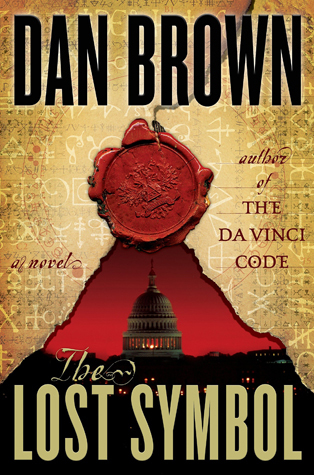
Published in 2009, The Lost Symbol marked Robert Langdon's return after a six-year absence. Set in Washington D.C., the novel explores the world of Freemasonry and its connections to American history. Brown once again demonstrated his knack for weaving together historical facts with speculative fiction, this time focusing on the nation's capital and its architectural symbolism.
The novel's intricate plot involves the disappearance of Langdon's mentor, Peter Solomon, and a mysterious invitation to deliver a lecture that quickly turns into a life-or-death quest. The story delves into Noetic science, ancient mysteries, and the power of human consciousness, showcasing Brown's continued interest in the intersection of science and spirituality.
Inferno: A Darker Turn
2013's Inferno represented a significant shift in tone for Brown's work. Based on Dante's Divine Comedy, the novel takes Langdon to Florence, where he must solve a mystery connected to the Black Death and a potential global catastrophe. The story's themes of overpopulation and bioengineering gave it a more urgent, contemporary feel compared to Brown's previous works.
What set Inferno apart was its morally ambiguous antagonist, who presented a compelling argument for drastic measures to address humanity's survival. The novel's ending, with its unexpected twist, sparked considerable discussion among readers about ethical dilemmas in science and population control.
Origin: Exploring the Future of Humanity
With 2017's Origin, Brown ventured into new thematic territory by examining the clash between religion and artificial intelligence. Set primarily in Spain, the novel follows Langdon as he investigates the murder of a tech billionaire who claimed to have discovered the answers to humanity's two fundamental questions: Where do we come from? Where are we going?
This novel showcased Brown's willingness to tackle cutting-edge scientific concepts while maintaining his signature blend of art, history, and suspense. The story's exploration of AI's potential to replace traditional religious explanations for existence marked a bold step forward in Brown's thematic evolution.
Writing Process and Research Methodology
Brown's meticulous research process is key to the authenticity of his novels. For each book, he typically spends years gathering information, traveling to locations, and consulting with experts in various fields. His research often involves:
- Extensive visits to the locations featured in his novels
- Interviews with specialists in art history, cryptography, and religious studies
- Study of original historical documents and artifacts
- Collaboration with scientists working on cutting-edge technologies
This dedication to accuracy in details helps create the immersive experience that Brown's readers have come to expect, even as the novels take creative liberties with historical interpretations.
Character Development and Recurring Themes
While Robert Langdon remains Brown's most famous protagonist, his later works have introduced compelling supporting characters that add depth to the narratives:
Robert Langdon's Evolution
Over the course of five novels, Langdon has grown from a somewhat reluctant hero to a more confident investigator. His expertise in symbology remains central, but Brown has gradually revealed more about Langdon's personal history and relationships, making him a more rounded character.
Strong Female Characters
Brown's later works continue his tradition of featuring intelligent, capable female characters who often serve as equals to Langdon in solving mysteries. From Vittoria Vetra in Angels & Demons to Ambra Vidal in Origin, these characters play crucial roles in advancing the plots.
Recurring Themes
Several themes consistently appear in Brown's later works:
- The tension between science and religion
- The power of ancient knowledge in the modern world
- The ethical implications of technological advancement
- The hidden meanings in art and architecture
Reception and Critical Analysis
Brown's later works have received mixed reviews from critics, with some praising his ability to maintain suspense and others criticizing formulaic elements. However, his commercial success has remained strong, with each new release becoming an instant bestseller.
Academic interest in Brown's work has grown, with scholars examining:
- His use of intertextuality (especially in Inferno)
- The postmodern elements of his narratives
- His influence on popular perceptions of history and science
- The theological implications of his speculative scenarios
Impact on Popular Culture
Brown's influence extends far beyond the literary world. His novels have:
- Inspired numerous documentaries and television specials about the historical mysteries he explores
- Boosted tourism to locations featured in his books
- Influenced other authors in the thriller genre
- Sparked academic conferences and symposiums discussing his themes
The "Dan Brown effect" has led to increased public interest in art history, religious studies, and scientific fields mentioned in his books, demonstrating the power of fiction to stimulate interest in real-world subjects.
Looking Forward
As we conclude this second part of our exploration of Dan Brown's career, we've seen how he has evolved as a writer while staying true to the elements that made him famous. In the final section, we'll examine his philanthropic efforts, his thoughts on technology's role in storytelling, and what the future might hold for this master of the intellectual thriller.
(Continued in part 3...)
Dan Brown's Legacy and Future Endeavors
The final chapter of our exploration into Dan Brown's career examines his lasting impact on literature, his philanthropic efforts, and what the future may hold for this master storyteller. As we delve deeper into his influence beyond the written word, we uncover a multifaceted individual whose contributions extend far beyond the pages of his best-selling novels.
Philanthropy and Educational Initiatives
Beyond his commercial success, Dan Brown has dedicated significant resources to educational and cultural causes. His philanthropic efforts reflect his lifelong passion for learning and the arts:
1. **Literary Education Programs* Brown has donated millions to literacy initiatives, particularly those focused on making literature accessible to underprivileged youth. His contributions have funded school libraries, reading programs, and writing workshops across the United States.
2. **Support for the Arts* Recognizing the importance of artistic expression, Brown has been a major benefactor of various arts organizations. His donations have supported museums, music programs, and theater productions, particularly those with educational components.
3. **Digital Learning Platforms* In keeping with his interest in technology, Brown has invested in digital education tools that make learning more interactive. His support for educational apps and online learning platforms demonstrates his commitment to innovation in education.
4. **Historical Preservation* Given his novels' focus on historical sites, Brown has contributed to the preservation of cultural heritage locations featured in his books, including restoration projects at museums and historical landmarks.
Technology and the Future of Storytelling
As a writer who has consistently explored the intersection of technology and human experience, Brown has developed strong opinions about the digital transformation of literature:
1. **E-books and Digital Publishing* While embracing digital formats, Brown maintains that the physical book will never disappear. He sees e-books as complementary to traditional publishing rather than a replacement.
2. **Interactive Storytelling* Brown has expressed interest in developing more interactive narrative experiences, potentially incorporating augmented reality or other emerging technologies to create immersive reading experiences.
3. **Artificial Intelligence in Writing* While acknowledging AI's potential as a tool for writers, Brown remains skeptical about its ability to replicate human creativity. He views AI as an assistant rather than a replacement for human authors.
4. **Social Media and Reader Engagement* Brown has been cautious about social media, preferring to maintain a controlled public presence while recognizing its value for connecting with readers.
Unpublished Works and Future Projects
Though notoriously private about works in progress, Brown has hinted at several potential future directions:
1. **New Robert Langdon Novel* While not confirming specifics, Brown has suggested that the Harvard symbologist may return for another adventure, possibly exploring new historical mysteries.
2. **Non-Fiction Exploration* There have been discussions about Brown potentially writing a non-fiction book examining the real historical mysteries that inspire his fiction.
3. **Young Adult Fiction* Brown has expressed interest in writing for younger audiences, potentially creating a series that introduces historical mysteries to a new generation.
4. **Screenwriting Projects* Beyond book adaptations, Brown has considered original screenplays that would allow him to explore storytelling in different formats.
Cultural Impact and Lasting Influence
Brown's work has left an indelible mark on popular culture and the publishing industry:
1. **Genre Redefinition* Brown's success helped redefine the thriller genre, proving that intellectually challenging narratives could achieve mass appeal.
2. **Tourism Impact* The "Dan Brown Effect" has significantly boosted tourism to locations featured in his books, with many cities now offering specialized tours of sites mentioned in his novels.
3. **Academic Interest* Brown's work has become a subject of academic study, with university courses examining his narrative techniques and thematic concerns.
4. **Publishing Industry Influence* His success has encouraged publishers to take risks on intellectually ambitious thrillers, expanding the market for complex narratives.
Personal Philosophy and Worldview
Through interviews and public appearances, Brown has shared insights into his personal beliefs:
1. **On Religion* While often exploring religious themes, Brown describes himself as a spiritual seeker rather than a follower of any particular faith.
2. **On Science and Faith* He sees science and religion as complementary rather than opposing forces, a theme that recurs throughout his work.
3. **On Human Nature* Brown maintains an optimistic view of humanity's potential, despite the dark themes in his novels.
4. **On Creativity* He views creativity as a disciplined process rather than pure inspiration, emphasizing the importance of routine and research.
Reflections on His Own Work
In rare introspective moments, Brown has commented on his literary journey:
1. **Early Struggles* He acknowledges the challenges of his early career, when his first novels received little attention.
2. **Unexpected Success* Brown remains surprised by the global phenomenon that The Da Vinci Code became, acknowledging its impact on his life and career.
3. **Creative Evolution* He sees each novel as a step in his development as a writer, with no single book representing his definitive statement.
4. **Reader Relationships* Brown values his connection with readers, often incorporating their feedback into his creative process.
The Future of the Intellectual Thriller
As we look ahead, Brown's influence on the literary landscape remains significant:
1. **Genre Evolution* The intellectual thriller continues to evolve, with many new authors building on the foundation Brown established.
2. **Digital Storytelling* Emerging technologies may create new opportunities for the kind of interactive, puzzle-based narratives Brown pioneered.
3. **Global Perspectives* The genre is expanding to include more diverse cultural and historical perspectives, a trend Brown has encouraged.
4. **Educational Applications* Brown's approach to blending education and entertainment has influenced how history and science are taught in schools.
Final Thoughts
Dan Brown's journey from struggling writer to global phenomenon represents one of the most remarkable literary success stories of our time. His ability to combine intellectual rigor with page-turning suspense has created a unique niche in contemporary literature. As he continues to write, teach, and inspire, Brown's legacy as a master storyteller and cultural influencer seems assured. Whether through future novels, educational initiatives, or technological innovations, his impact on how we think about history, science, and the power of storytelling will undoubtedly continue to grow.
As we close this comprehensive look at Dan Brown's career, one thing remains clear: his ability to challenge our assumptions while entertaining us with gripping narratives ensures his place in the pantheon of great storytellers. The questions he raises about our past, present, and future will likely continue to captivate readers for generations to come.



Comments