Cordoba, Spain: A Rich Legacy of History and Culture
Introduction to Cordoba
Córdoba, Spain, is a city steeped in history and rich cultural heritage. As the capital of the province of Córdoba, it is a significant city in Andalusia. Known for its remarkable historical landmarks and modern charm, Córdoba offers a unique blend of past and present that captivates visitors and residents alike. This city is best known for its iconic Mezquita, one of the finest examples of Mudéjar art in Spain, which reflects the city's diverse religious and cultural history.
Location and Geography
Córdoba is located in the southern region of Andalusia, positioned in the heart of the country’s fertile lands. The city lies on the banks of the Guadalquivir River, which has historically played a crucial role in its development and prosperity. The geographical location near the river has made it a strategic point for trade and transportation, enhancing its significance for the region and the broader Iberian Peninsula.
Climate of Córdoba
Córdoba enjoys a Mediterranean climate with mild, wet winters and hot, dry summers. The city experiences relatively high temperatures during the summer months, reaching up to 35°C (95°F), while winters are generally mild with temperatures ranging from 10°C to 18°C (50°F to 64°F). This climate is ideal for outdoor activities and sightseeing throughout the year.
History of Córdoba
The history of Córdoba is as rich and diverse as its culture. The city has been inhabited for more than 2,500 years, with evidence of Neolithic settlements dating back to the Bronze Age. The city has been ruled by various empires and civilizations throughout its history, each leaving a distinct impact on the architecture and culture of the city.
Egyptian and Roman Periods
The earliest known inhabitants of Córdoba were the Iberians, followed by the Celts. The Romans occupied the city in the 2nd century BC, naming it Corduba. It quickly became a significant urban center and was known for its well-planned grid system, which is still recognizable in parts of the city today. The Romans left behind numerous remains, including the Roman Bridge and the ancient Roman Theater, which continue to fascinate visitors.
Moorish Influence
The most transformative period in Córdoba’s history was under Moorish rule from the 8th to the 13th century. The Moors introduced the Arabic language, Islamic architecture, and cultural practices, which deeply influenced the city’s identity. Córdoba became a major intellectual and cultural center, earning the nickname the "Oráculo de la Cora" or the "Library of the World." The Great Mosque of Córdoba, known as the Mezquita, was the largest mosque built in Western Europe during this period and is now a UNESCO World Heritage site.
Reconquista and Christian Era
The city’s fortunes shifted dramatically with the end of the Islamic occupation during the Reconquista. In 1236, Córdoba was reconquered by the Christian kingdom of Castile, marking the beginning of a new era in the city’s history. The Catholic Monarchs, Isabella I of Castile and Ferdinand II of Aragon, played a key role in the city’s development, transforming it into a significant administrative and political center.
Modern Córdoba
Córdoba has undergone significant changes in the modern era, but it still retains much of its historical charm and cultural vibrancy. Today, the city is known for its excellent gastronomy, vibrant nightlife, and numerous festivals and events. The city’s historic center, designated a UNESCO World Heritage site, is a prime example of how ancient and modern elements can coexist harmoniously.
Transportation and Infrastructure
Córdoba has a well-developed transportation network, making it a gateway to the entire Andalusian region. The city is well-connected via the A-31 motorway, which links it to Madrid and Seville. It also has a modern airport, Aeropuerto de Córdoba, which handles both domestic and international flights, connecting the city to major destinations worldwide.
Economy and Tourism
The city’s economy is largely driven by tourism, cultural events, and services. As a UNESCO World Heritage city, tourism is a significant contributor to the local economy. The historical landmarks, cultural activities, and vibrant festivals draw millions of visitors each year. Notable events include the Feria de la Mezquita in May, which celebrates the city’s rich cultural heritage, and the Fallas festival in the spring, which showcases the city's unique and colorful traditions.
Community and Cultural Activities
Córdoba’s thriving cultural scene is reflected in its numerous festivals, music, and art events. The city hosts various festivals throughout the year, including the Feria de la Mezquita, a celebration of Córdoba’s architectural and cultural heritage. The city’s vibrant music scene features both traditional and contemporary performances, ranging from classical concerts to modern dance performances.
Cultural Landmarks in Córdoba
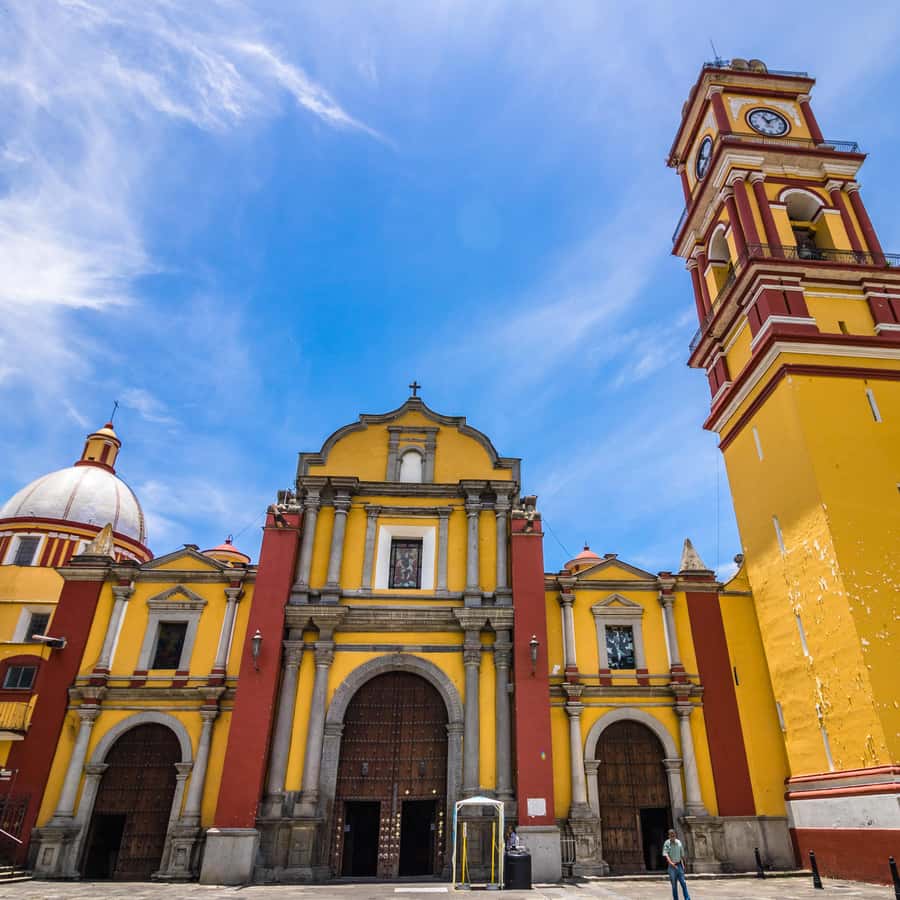
Córdoba is home to numerous significant cultural landmarks that reflect its multifaceted past. The Great Mosque of Córdoba, the Mezquita, stands as a testament to the city’s Islamic period. Constructed in the early 8th century, the mosque was later converted into a Christian cathedral, creating a unique architectural hybrid. The Mezquita is surrounded by other historical buildings such as the Alcázar de los Reyes Cristianos (The Alcázar of the Christian Kings), which now houses the Regional Museum of Cordobese Historical Heritage.
Museums and Galleries
The city boasts several noteworthy museums and galleries that provide insight into its cultural and historical past. The Cordoba Museum, also known as the Museum of History and Culture of Córdoba, houses a rich collection of artifacts and artworks that trace the city’s evolution from prehistoric times to the present day. Another notable museum is the Museum of Fine Arts of Córdoba, which showcases an impressive collection of Spanish and Iberian art, including works by famous artists such as Goya and Murillo.
Architecture and Urban Planning
Córdoba’s architectural wealth includes a well-preserved historical center, featuring ancient Roman and medieval buildings alongside modern structures. The city is an excellent example of how ancient and modern can coexist seamlessly. The historic streets and plazas are lined with traditional stone buildings and elegant fountains, creating a picturesque and serene atmosphere.
Food and Gastronomy in Córdoba
Food is an essential aspect of Córdoba’s cultural identity, and the city is renowned for its delicious and diverse gastronomy. Traditional Andalusian dishes are a highlight, including gazpacho, a cold soup made with tomatoes, peppers, garlic, and cucumbers, and cocido, a hearty stew featuring chorizo, chickpeas, and vegetables. The city is also famous for its seafood dishes, reflecting its proximity to the coast.
Local Specialties
Some of the local specialties include:
- **Jamon ibérico* Iberian ham, which is a staple in Andalusian cuisine.
- **Churro con chocolate* A traditional Spanish pastry enjoyed in the morning, often served with hot chocolate.
- **Paella cordobesa* A local variant of the classic dish, often featuring local seafood.
Dining Scene and Restaurants
Córdoba offers a wide range of dining options, from traditional taverns serving hearty local dishes to modern restaurants offering innovative fusion cuisine. The city’s culinary scene caters to both locals and tourists, ensuring an unforgettable gastronomic experience. Some noteworthy restaurants include Las Cigales, La Carihuela, and Restaurante Casa de la Seda, which are known for their excellent food and welcoming atmosphere.
Nightlife and Entertainment
Córdoba offers a lively nightlife scene that extends well into the night. The city has numerous bars, clubs, and live music venues, making it a popular destination for both locals and tourists looking to enjoy a night out. The city’s vibrant cultural calendar includes numerous festivals, concerts, and theater performances, enriching the city’s social and cultural landscape.
Popular Bars and Nightspots
Some popular bars and nightclubs include:
- **La Carihuela* A historic bar where you can enjoy traditional flamenco music.
- **Zaragoza* A trendy bar where you can dance the night away.
- **Callejón de la Hiedra* A street filled with various bars and clubs, perfect for a group night out.
Festivals and Cultural Events
Córdoba hosts an array of cultural events and festivals throughout the year. The Feria de la Mezquita is one of the most significant events, celebrated in May. This festival includes traditional music and dance performances, live music concerts, and cultural exhibitions. Another notable event is the Festival de los Patios, which showcases the traditional courtyard gardens of Andalusian houses.
Conclusion
Córdoba, Spain, is a city that offers a unique glimpse into the rich tapestry of history and culture that has shaped it over centuries. Whether exploring its ancient ruins, visiting cultural landmarks, indulging in traditional cuisine, or enjoying the vibrant nightlife, Córdoba provides a diverse and captivating experience. From its historical centers to its modern amenities, the city continues to be a hub of cultural richness and social activity, making it a must-visit destination for travelers and cultural enthusiasts alike.
Outdoor Activities and Sports in Córdoba
Córdoba offers a variety of outdoor activities and sports, making it a perfect destination for those who enjoy nature and adventure. The city's proximity to the Guadalquivir River and the surrounding natural parks provides numerous opportunities for outdoor recreation. The Guadalquivir River not only forms the backdrop of the city but also offers exciting activities such as boat tours, kayak rentals, and fishing excursions.
One of the most popular outdoor activities is hiking. The Sierra de las Nieves Natural Park, located to the north of Córdoba, offers over 300 km of marked trails. These trails wind through rugged landscapes, ancient woodland, and scenic mountain views, providing a serene and invigorating escape. Hikers can explore the park's diverse flora and fauna, including rare species of birds and butterflies. The park also features the Sierra de las Nieves Nature Reserve, which has numerous viewpoints offering panoramic views of the surrounding countryside.
Another outdoor activity that is a must-try in Córdoba is bicycle riding. The city has an excellent network of bike trails that cater to different skill levels. The Guadalquivir Bike Route is particularly popular, offering a scenic ride through the city center and out to the river’s banks. This route is suitable for both leisurely rides and more adventurous explorations. Bike rental services are abundant, making it easy to explore the city and its surroundings.
For those interested in water sports, the Guadalquivir River provides ideal conditions for activities such as kayaking, canoeing, and rafting. These activities offer a thrilling way to experience the river’s beauty and the surrounding nature. Guided tours are available, providing a safer and more informative way to enjoy these activities.
In addition to the river, the Sierra de las Nieves Park also offers opportunities for rock climbing and mountaineering, making it a destination for adventure sports enthusiasts. The park’s challenging routes and scenic views attract experienced climbers from around the world.
Shopping and Markets in Córdoba
Córdoba has a diverse and vibrant market scene that caters to both locals and tourists. The city offers a wide range of shopping options, from trendy boutiques to traditional markets selling handmade crafts.
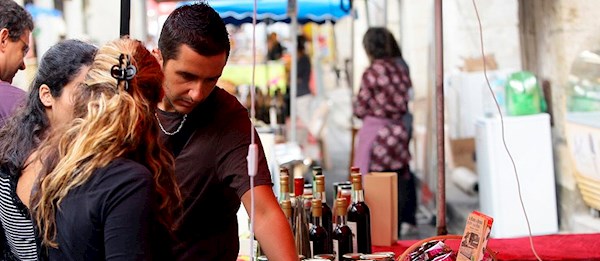
One of the most popular shopping destinations is the Mercado Central de San Ildefonso, a historic market located in the heart of the city. This market is a bustling hub of activity, featuring fresh produce, exotic spices, and a variety of local and international foods. Shoppers can enjoy a range of traditional Andalusian dishes, as well as more contemporary food options.
Another notable market is the Mercado de las Flores, an open-air market that is known for its fresh flowers and plants. This market is a beautiful and vibrant place where locals often come to buy flowers for their homes or to arrange elaborate floral arrangements.
In addition to these markets, Córdoba is home to several shopping streets and centers that offer a mix of local and international brands. The Paseo del Rosario, one of the city’s main streets, is lined with cafes, shops, and restaurants. The Plaza del Carmen is another popular shopping area, featuring a mix of shops and cultural venues. For those seeking more upscale shopping, the Paseo de la Leonesa and the Calle Mayor offer a range of high-end boutiques.
For a truly unique shopping experience, the Puebla de la Reina, a nearby town, is home to the famous Puebla de la Reina Market, a sprawling fair that takes place every other Sunday. This market features local artisans and craftsmen selling handcrafted goods, including pottery, textiles, and leather goods.
Cultural Events and Festivals in Córdoba
Córdoba's cultural events and festivals are a reflection of its vibrant cultural scene. The city hosts a range of events throughout the year, celebrating its rich heritage and contemporary culture.
The Feria de la Mezquita is one of the most significant events, held in May. This fair is a highlight of the city’s cultural calendar and features traditional music and dance performances, live music concerts, and cultural exhibitions. The fair includes the famous patios, where homes are decorated with elaborate flower displays.
Another notable cultural event is the Fallas festival, which takes place in March. This event is famous for its extravagant flower arrangements and the massive giant and colossus sculptures that are built and then burned in a spectacular ceremony. The Fallas festival is a celebration of the city’s history and cultural traditions.
The city also hosts the Festival of San Pedro y San Juan, which is celebrated in late June and early July. This festival includes processions, traditional music, and dance performances, as well as the famous San Pedro y San Juan festival, where local residents dress up in traditional costumes and dance through the streets.
In addition to these larger events, the city has a rich program of smaller cultural events and exhibitions. Museums and galleries often host temporary exhibitions, and theaters and concert halls host a variety of concerts and performances. The city’s cultural calendar is always filled with interesting and exciting events for visitors and locals alike.
Education and Research in Córdoba
Córdoba is home to the University of Córdoba, one of the oldest universities in Spain, founded in 1222. The university is a center of research excellence and offers a wide range of academic programs. It is known for its research in fields such as biotechnology, environmental sciences, and technology, making it an important academic hub for the region.
The city’s proximity to the university also means that there are numerous educational opportunities for students and researchers. The university offers courses ranging from undergraduate to doctoral levels, and visitors can attend public lectures and events hosted by the university, gaining insights into the latest research and academic trends.
The city’s cultural institutions, such as the Provincial Library of Córdoba and the Provincial Museum, also play a significant role in education and research. These institutions offer resources and programs aimed at enriching the cultural and educational landscape of the city, fostering a culture of learning and discovery.
Cordova’s Contribution to Society and Modern Impact
Modern Córdoba continues to thrive as a dynamic and progressive city, contributing significantly to Spain and beyond. The city’s technological advancements, particularly in the field of biotechnology, have gained international recognition. Companies based in Córdoba are at the forefront of developing cutting-edge solutions in genomics and biotech, contributing to medical research and drug development.
Economic development is another area where Córdoba has made significant strides. The city has attracted numerous businesses and startups, creating job opportunities and stimulating economic growth. The University of Córdoba’s entrepreneurial arm, ProCórdoba, provides support and resources to startups, helping them to scale and innovate.
In addition to its economic impact, Córdoba’s cultural influence is felt globally. The city’s rich history and cultural heritage continue to attract tourists from around the world. This influx of visitors contributes to the local economy and helps to preserve the city’s architectural and cultural treasures.
The city also plays a role in the global conversation on cultural heritage preservation. The Mezquita and other historical landmarks serve as examples of how different cultures can coexist and influence each other. The city’s efforts to protect and promote its heritage are recognized and celebrated both nationally and internationally.
Environmental Initiatives and Sustainability in Córdoba
Córdoba is also making strides in sustainability and environmental initiatives. The city has implemented a number of eco-friendly policies and projects aimed at reducing its carbon footprint and improving the quality of life for its residents. One such initiative is the city’s waste management program, which includes recycling and composting efforts.
The city has also launched programs to promote renewable energy use, such as installing solar panels and promoting the use of electric vehicles. These initiatives not only help to reduce environmental impact but also contribute to the city’s reputation as a forward-thinking and sustainable destination.
Additionally, the Guadalquivir River is being revitalized as part of the city’s sustainable development plans. Efforts are underway to improve water quality, restore natural habitats, and develop green spaces along the riverbank. The city’s goal is to create a more resilient and sustainable urban environment, while also preserving the natural beauty of the river.
In conclusion, Córdoba stands as a city that seamlessly blends its rich historical legacy with modern progress and environmental responsibility. Its commitment to cultural preservation, economic development, and sustainability continues to make it a vibrant and dynamic city. Whether visitors come for its historical landmarks, cultural events, or outdoor adventures, Córdoba offers a unique experience that captivates the heart and soul.
Accessibility and Travel Information
For visitors looking to explore Córdoba, the city offers excellent accessibility and travel information. The city is well-connected both internally and with other major cities in Spain. Córdoba has an extensive public transportation network, including buses and a metro system that covers most areas of the city. Taxis and ride-hailing services are readily available, providing convenient transportation for tourists.
The city’s central location and well-developed transportation infrastructure make it easy to move around. A city card, known as the Córdoba Card, can be purchased at a reasonable price and provides free access to the city's museums, public transport, and some restaurants and shops, making it an excellent value for tourists.
For those traveling to Córdoba, the airport, Aeropuerto de Córdoba, is located about 12 km from the city center. The airport offers regular flights to key destinations within Spain and occasionally to international destinations. From the airport, public transportation options such as taxis, buses, and trains can take visitors directly to the city center.
Health and Safety
Córdoba is considered a safe destination for tourists. The city has a low crime rate and the majority of issues are minor and easily avoided by following basic safety precautions. Visitors are advised to keep an eye on their belongings in crowded areas and be cautious when traveling at night. However, the city’s police force is present and effective, providing a safe environment.
For tourists with health concerns, Córdoba has several hospitals and clinics equipped with modern facilities. The Hospital Universitario de Cordoba is the largest and most comprehensive medical facility in the region, offering a wide range of medical services. Visitors are encouraged to carry basic first-aid kits and to keep copies of important medical documentation and contact information.
Conclusion and Recommendations
In conclusion, Córdoba, Spain, is a city that offers a unique blend of history, culture, and modern life. From its rich historical landmarks and cultural events to its vibrant nightlife and culinary delights, Córdoba presents a diverse and captivating experience. Whether you are a history enthusiast, a nature lover, or a foodie, Córdoba has something to offer.
For tourists planning a trip to Córdoba, the following are some recommendations:
- **Best Time to Visit* Spring and autumn are ideal times to visit, offering mild temperatures and a less crowded atmosphere.
- **Essential Sites* Make sure to visit the Mezquita and the Alcázar de los Reyes Cristianos to experience the city's historic landmarks.
- **Local Cuisine* Try traditional Andalusian dishes such as gazpacho, paella cordobesa, and jamón ibérico. Don’t forget to enjoy a churro with chocolate for dessert.
- **Outdoor Activities* Explore the Sierra de las Nieves Natural Park for hiking and rock climbing, or enjoy a boat ride on the Guadalquivir River.
- **Cultural Events* Attend the Feria de la Mezquita and the Fallas festival for an authentic and vibrant cultural experience.
Córdoba is a destination that will leave lasting memories. Its rich history, beautiful architecture, and warm hospitality make it a must-visit for anyone seeking a comprehensive cultural experience in Spain.
In summary, Córdoba is a city that offers a harmonious blend of ancient and contemporary experiences. Its diverse offerings, warm welcome, and rich heritage make it a truly unique and enchanting place to visit. Whether you are exploring its historical landmarks, indulging in its culinary delights, or simply enjoying the vibrant cultural scene, Córdoba is sure to enchant you.
















Comments