




Constantine XI Palaiologos: The Last Byzantine Emperor
The Early Life and Rise to Power
Constantine XI Palaiologos, born on February 8, 1405, was the last reigning Byzantine Emperor, ruling from 1449 until his death in 1453. He was the son of Emperor Manuel II Palaiologos and Helena Dragaš, a Serbian princess. From an early age, Constantine was groomed for leadership, receiving a comprehensive education in military strategy, diplomacy, and classical literature. His upbringing in the declining Byzantine Empire instilled in him a deep sense of duty to preserve the legacy of Rome.
Before ascending to the throne, Constantine served as the Despot of Morea, a region in the Peloponnese. His tenure there was marked by efforts to strengthen the region's defenses and foster alliances with neighboring states. He successfully expanded Byzantine control in the area, demonstrating his military acumen and leadership skills. These experiences prepared him for the monumental task he would later face as emperor.
The Fall of Constantinople
Constantine XI became emperor at a time when the Byzantine Empire was on the brink of collapse. The once-mighty empire had been reduced to little more than the city of Constantinople and its immediate surroundings. The Ottoman Empire, under the ambitious Sultan Mehmed II, posed an existential threat. Constantine knew that the survival of Constantinople was crucial for the preservation of Byzantine culture and Christianity in the East.
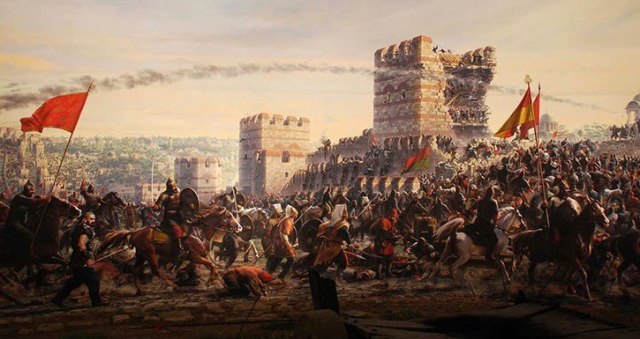
In 1453, Mehmed II launched a massive siege on Constantinople. Despite being vastly outnumbered, Constantine and his defenders put up a fierce resistance. The emperor personally led the defense, inspiring his troops with his courage and determination. The siege lasted for 53 days, with the Byzantines employing ingenious tactics to repel the Ottoman forces. However, the Ottomans' superior numbers and advanced weaponry, including the use of massive cannons, eventually overwhelmed the city's defenses.
On May 29, 1453, Constantinople fell. Constantine XI fought valiantly until the end, refusing to surrender. According to legend, he removed his imperial insignia and charged into the fray, disappearing into the chaos. His final moments remain shrouded in mystery, but his bravery became a symbol of resistance and martyrdom for future generations.
Legacy and Impact
Constantine XI's death marked the end of the Byzantine Empire, a civilization that had endured for over a thousand years. His legacy, however, lived on. He became a folk hero in Greek culture, often referred to as the "Marble Emperor," a figure who would one day return to reclaim Constantinople. This myth, known as the "Constantine's Return," provided hope to Greeks under Ottoman rule and became a powerful symbol of national identity.
In modern times, Constantine XI is remembered as a tragic yet heroic figure. His steadfastness in the face of overwhelming odds has been celebrated in literature, art, and popular culture. The fall of Constantinople also had profound consequences for Europe, marking the end of the Middle Ages and the beginning of the Renaissance, as Greek scholars fled to the West, bringing with them invaluable knowledge and texts.
Constantine XI Palaiologos remains a poignant reminder of the fragility of empires and the enduring power of leadership and sacrifice. His story continues to inspire those who study history and seek to understand the complexities of human resilience in the face of adversity.












Comments