


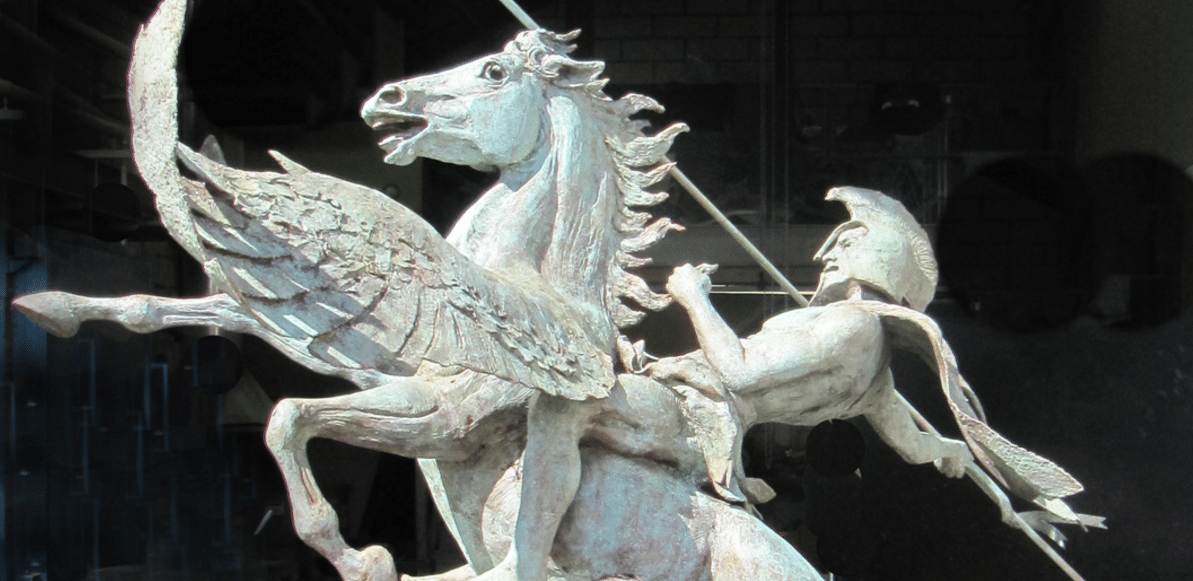


Bellerophon: The Mythological Hero of Ancient Greek Legend
From the vast tapestry of ancient Greek mythology, one character stands out as a tragic figure and a symbol of human ambition: Bellerophon. Born in the shadow of divine wrath and the grace of a goddess, Bellerophon's life was marked by both triumph and tragic defeat. This article explores the legendary story of Bellerophon, delving into the details of his birth, his quest, and the downfall that awaited him. It will also highlight the enduring influence of this myth in contemporary culture.
Origins and Birth
Bellerophon, son of Glaucus of Corinth, was born into a lineage steeped in mythological tales. According to the Greek poet Hesiod, his mother, E Electra, was either a mortal woman or the daughter of Poseidon, the god of the sea. Some versions of the myth claim that the goddess Proteus, who could change his form at will, fathered him, giving Bellerphon a divine connection. It is said that Bellerphon was born on the island of Cilicia in Asia Minor, which further emphasized his connection to the divine.
His parentage did not merely endow him with noble blood, but also with a sense of destiny that haunted his every step. The stories surrounding his birth reflect the complex and often contradictory nature of hero myths in ancient Greece, where divine and human realms were not always clearly delineated.
The Quest for Fame
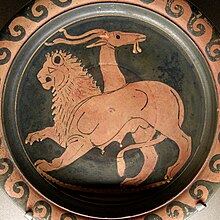
Bellerphon's life took a dramatic turn when he caught the attention of King Iobates of Lycia. The king had a son named Solymus, who was an unruly and unmanageable youth. The king devised a scheme to rid himself of Solymus by sending him on an impossible quest to slay the Chimera, a monstrous creature with the head of a lion, the body of a goat, and the tail of a serpent. Despite the peril, Bellerphon agreed to undertake the quest, driven by a quest for both glory and a chance to prove himself.
The journey was fraught with challenges. Bellerphon had to navigate treacherous terrains, cross raging rivers, and confront various dangerous beasts. However, his greatest challenge lay ahead in the form of the Chimera itself. With the assistance of a magical bridle given to him by the king's wife, who harbored a grudge against her husband, Bellerphon was able to mount Pegasus, a winged horse. This act marked a turning point in his journey and a symbol of his growing prowess and connection to the divine.
The Mount and the Quest
With Pegasus as his steed, Bellerphon set off to defeat the Chimera. The journey was not easy; the Chimera was a formidable foe, combining various fearsome traits into one monstrous form. Bellerphon used his wit, strength, and the gift of his magical bridle to outmaneuver and finally slay the Chimera. The story of Bellerphon slaying the Chimera not only solidified his reputation as a formidable warrior but also cemented his position as a hero.
Following his success, Bellerphon was offered the kingdom of Lycia, but he had other ambitions. He desired to ascend to the heavens and be immortalized among the gods themselves. This was a common motif in ancient Greek mythology, where mortal heroes yearned for divine favor or immortality.
In Search of Immortality
Bellerphon's next quest was the most ambitious and tragic of his ventures. He sought to achieve immortality by riding Pegasus into the heavens. Legend has it that he attempted to scale Mount Olympus, the abode of the gods. To achieve this, he used the golden bridle, a tool of divine origin, gifted to him by the god Poseidon as a symbol of his special status.
However, Bellerphon's overreaching ambition led to his ultimate downfall. His attempt to ascend to Olympus was fraught with challenges and missteps. Poseidon, in a fit of pique, sent a fly to nudge Pegasus. In the chaos, Bellerphon fell from his steed and, in a moment, was transformed into a mortal, doomed to forever wander the earth.
This episode in Bellerphon's life is often interpreted as a cautionary tale against the dangers of overambition and the limits of human nature. It serves as a metaphor for those who reach for something beyond their reach or power, ultimately to their own detriment.
The Legacy of Bellerphon
The myth of Bellerphon leaves an indelible mark on the world of ancient Greek literature, art, and culture. His story has been adapted and reimagined throughout history, appearing in various forms of literature, including epic poetry and tragic plays. In Homer's "Iliad," Bellerphon is mentioned as an example of a great hero, and his tale is often referenced in other works to highlight themes of ambition and divine retribution.
Artists throughout the ages have been drawn to Bellerphon's story, using it as a subject for their works. Paintings, sculptures, and frescoes often depict Bellerphon and his steed, Pegasus, either in the midst of his quests or in scenes of his downfall. Some of the most famous depictions include those found in the ancient Greek sanctuary of Pergamon and the famous fresco in the Vatican Library, which shows Bellerphon astride Pegasus about to ascend to the heavens.
The myth of Bellerphon continues to resonate in modern times. The story of a hero who seeks to transcend his mortal bounds only to fall into a tragic end is a timeless narrative that speaks to the human condition. It is often referenced in contemporary literature, film, and art, serving as a cautionary tale about the risks of hubris and the nature of power.
In conclusion, Bellerphon's story is a rich tapestry of heroism, divine intervention, and ultimately, tragic fall. From his birth into a world of myth and wonder to his fall from grace, Bellerphon's journey is a reflection on the complex nature of the human spirit and its quest for greatness.
The Symbolism and Impact
The tale of Bellerphon is rich with symbolic meanings that resonate deeply within the fabric of Greek mythology. One of the central symbols of his story is the concept of hubris—a term referring to excessive pride or self-confidence that leads to one's downfall. Bellerphon's ambition to ascend to Mount Olympus and achieve immortality serves as a prime example of hubristic behavior, ultimately leading to his transformation into a mortal man and his fall from grace.
The myth also explores themes of fate and free will. Despite his initial success and the assistance of divine beings, Bellerphon's destiny is ultimately sealed. The fly sent by Poseidon is often interpreted as an embodiment of fate, subtly nudging events towards their inevitable conclusion. This aspect of the myth underscores the idea that even the most accomplished individuals can be brought low by forces beyond their control.
Furthermore, the story of Bellerphon touches upon the relationship between mortals and the divine. His encounters with gods and goddesses—such as Athena, Poseidon, and the Chimera—highlight the fluid boundaries between different realms and the potential for divine interventions in human affairs. This tension between the divine and the mortal world is a recurring theme in Greek mythology, reflecting the complex spiritual worldview of ancient Greeks.
Cultural References and Interpretations
The legacy of Bellerphon has left an indelible mark on Western culture through various forms of artistic and literary expressions. From medieval manuscripts to modern novels, paintings, and films, the story of Bellerphon has been reinterpreted and adapted countless times.
Literature:
In ancient Greek literature, Bellerphon appears in various works, most notably in Apollonius of Rhodes' "Argonautica" and Nonnus' "Dionysiaca." These works expand on the myth, providing more detailed accounts of Bellerphon's exploits and his eventual fall. More recently, authors such as Homer and Euripides have referenced Bellerphon in their works, often using his story to discuss themes of destiny and the nature of heroism.
Art:
Throughout art history, numerous artists have depicted scenes from Bellerphon's life. Notable examples include the relief sculpture from the Temple of Zeus at Olympia, which depicts Bellerphon slaying the Chimera. In the Middle Ages, illuminated manuscripts often included illustrations of Bellerphon and Pegasus, sometimes showing them embarking on their divine quests or facing their downfall. In the Renaissance, artists like Botticelli and Mantegna created detailed frescoes and paintings featuring these scenes, capturing the drama and symbolism of the narratives.
Film and Media:
In modern times, the myth of Bellerphon has found new life in various forms of media. Films such as "Immortals" (2011) by Nicolas Winding Refn feature characters and motifs reminiscent of Bellerphon's story, albeit with significant changes to the original myth. Video games like "Tomb Raider: Anniversary" (2007) also draw on this mythology, incorporating elements of Bellerphon’s quests and symbolic themes into their narrative arcs.
The Role of Women in Bellerphon's Myth
The women in Bellerphon's myth play crucial roles, often as catalysts for action or as figures of temptation and intrigue. For instance, both E Electra, his mother, and Iobates’ wife, each offer gifts and guidance. E Electra’s potential divine parentage and her role in procuring the magical bridle for Pegasus hint at an undercurrent of divine influence that shapes Bellerphon's destiny. On the other hand, Iobates’ wife leverages her relationship with the king to ensure Bellerphon is chosen for the impossible task of slaying the Chimera, further emphasizing the power dynamics between gender roles in ancient societies.
The portrayal of these female characters reflects the societal norms and expectations of ancient Greece. Women, while often confined to domestic spheres, are depicted as agents of change and influence. Their roles in the myth underscore the interplay between fate and human agency, highlighting how individual actions and decisions can shape destinies.
Interpretations and Modern Adaptations
Over the years, interpretations of Bellerphon's myth have evolved, reflecting changing cultural attitudes and values. Some modern readings view Bellerphon's story through the lens of psychoanalytic theory, examining the psychological aspects of ambition and the consequences of unchecked desire. Freudian scholars see his transformation into a mortal as a manifestation of internal conflicts and the unconscious mind's struggle against overwhelming desires.
In contrast, feminist analyses of the myth often focus on the subversive roles played by women, questioning traditional narratives and challenging gender stereotypes. For instance, the role of Iobates’ wife, who uses her wit and manipulation to ensure Bellerphon's assignment, can be seen as a powerful female character who outwits a male-dominated system.
More recent adaptations of Bellerphon’s story explore different interpretative lenses, such as postmodernism and deconstruction. Postmodern retellings might deliberately subvert classic mythological tropes, questioning the reliability of oral and written traditions. Deconstructive approaches focus on the multiplicity of meanings within the text, encouraging readers to see the story as a dynamic construct rather than a fixed historical account.
The enduring popularity of Bellerphon's myth also stems from its relevance to contemporary moral dilemmas. Questions of ambition, moral responsibility, and the role of the divine in human affairs remain pertinent. In a rapidly changing world, the themes explored in Bellerphon's myth continue to provide valuable insights into human behavior and societal structures.
Conclusion
The story of Bellerphon is a multifaceted narrative filled with lessons and symbolism. From his birth into a world beset by divine intrigue to his fall from divine heights, his journey encompasses a wide range of human experiences and emotions. The legacy of Bellerphon extends far beyond the borders of ancient Greek mythology, influencing the arts, literature, and cultural discourse up to the present day.
As we continue to explore and reinterpret Bellerphon's myth, we find ourselves grappling with timeless questions about the nature of heroism, the limits of human ambition, and the complex interplay between human potential and divine intervention. Bellerphon remains a poignant reminder of our shared humanity and the enduring power of myth to shape our understanding of the world around us.
The tale of Bellerphon invites us to reflect not only on the past but also on our place in the world today. As we navigate the challenges of modern life, his story reminds us of the importance of humility, the wisdom of recognizing the boundaries of human striving, and the profound impact of even the smallest acts of intervention in the grand tapestry of history.
The Enduring Influence of Bellerphon in Modern Times
Bellerphon's myth continues to resonate in contemporary society, reflecting modern perspectives on ambition, morality, and the human condition. This section will explore how Bellerphon's story has influenced various aspects of modern culture, including literature, art, and popular media.
Literature:
In modern literature, Bellerphon's story serves as a profound metaphor for the limits of human ambition. Authors such as Jorge Luis Borges and Gabriel García Márquez have drawn upon the myth to explore complex themes of destiny and free will. For instance, Borges' short story "The Immortal" (1941) takes inspiration from Bellerphon's quest for immortality, examining the idea of eternal life in the face of personal and societal constraints.
Modern poets also find inspiration in Bellerphon's myth. Ted Hughes, a prominent contemporary poet, wrote "The Chimera, Bellerophon and Poseidon" (1990), which uses Bellerphon's tale to explore themes of power and transformation. Hughes' poem, through its vivid imagery and symbolic language, reimagines Bellerphon as a figure grappling with the dualities of existence and the struggle against divine forces.
Art:
Modern artists continue to reinterpret and adapt Bellerphon's story, often through a lens that reflects contemporary issues and aesthetic styles. Contemporary painters such as Anselm Kiefer and Julie Mehretu have incorporated elements of Bellerphon's myth into their works, creating striking visual narratives that explore themes of transformation and the human condition.
Filmmakers also find inspiration in Bellerphon's story, particularly in fantasy and epic genres. Films like "The Minotaur" (2019) and "The Changeling" (2023) feature elements of Bellerphon's myth, blending ancient themes with modern visual aesthetics. These films often focus on the psychological and emotional aspects of the narrative, exploring Bellerphon's inner conflict and the consequences of striving for the unattainable.
Popular Culture:
Bellerphon's myth has made its way into popular culture, appearing in various forms of media and products. Video games like "God of War" (2018) feature characters and plot elements inspired by Bellerphon, including the concept of divine intervention and the quest for immortality. TV series such as "Game of Thrones" (2011-2019) often draw upon similar themes of ambition and the consequences of power, echoing some of the motifs from Bellerphon's story.
Bellerphon's image as a tragic hero has also made its way into advertising and branding. For example, luxury brands and marketing campaigns may use Bellerphon's symbolism—striving for the unattainable and the transformation of human potential—to evoke a sense of grandeur and possibility. Bellerphon's image of a noble but flawed individual striving for a higher goal continues to resonate with contemporary audiences.
Conclusion
Bellerphon's myth endures as a timeless narrative that continues to captivate and inspire modern audiences. His story, rich with themes of ambition, divine intervention, and the tragic nature of human striving, provides a powerful lens through which to view both the past and the present.
The enduring relevance of Bellerphon in contemporary culture underscores the enduring power of myth. His tale serves as a reminder of the complex interplay between human potential and the boundaries imposed by both divine and human forces. As we continue to navigate the challenges of the modern world, the lessons and symbolism of Bellerphon's myth remain as relevant today as they were in the ancient Greek world.
From its origins in ancient myth to its enduring presence in contemporary culture, the story of Bellerphon stands as a testament to the enduring power of storytelling and the human spirit. As we delve deeper into the rich tapestry of this myth, we gain valuable insights into the complexities of the human condition and the timeless quest for greatness and purpose.
In conclusion, Bellerphon's myth is not merely a historical artifact but a living narrative that continues to shape our understanding of the world and our place within it. Its enduring legacy speaks to the universal human desire to understand our place in the cosmos and the enduring allure of the quest for the unattainable.


Comments