
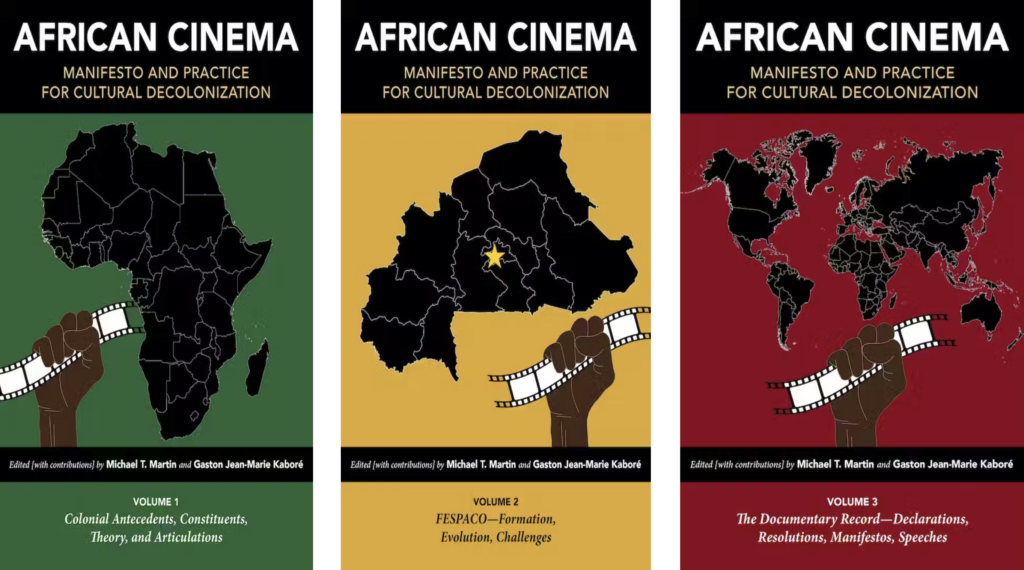



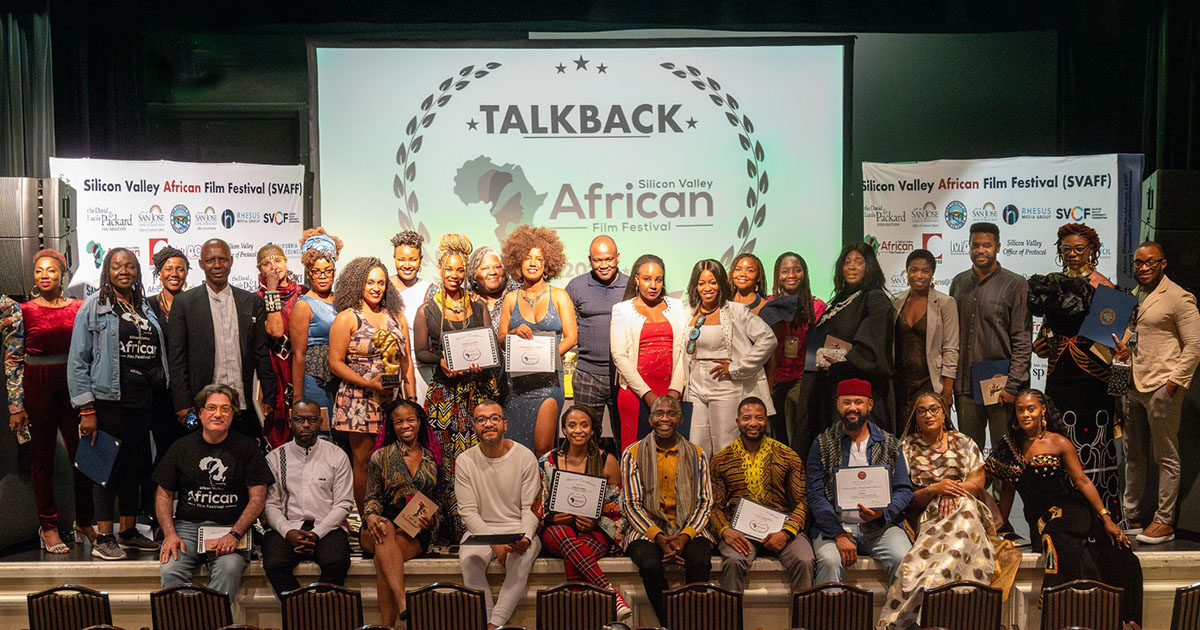
African Cinema Exploration: A Journey Through Storytelling and Culture
Introduction to African Cinema
African cinema is a vibrant and diverse world of storytelling that reflects the continent’s rich cultures, histories, and contemporary realities. While Hollywood and European cinema often dominate global screens, African filmmakers have been carving out their own space, creating films that are deeply rooted in local traditions while also engaging with universal themes. From the pioneering works of Ousmane Sembène to the modern wave of Nollywood productions, African cinema continues to evolve, challenge stereotypes, and captivate audiences worldwide.
The Origins of African Cinema
African cinema has its roots in the mid-20th century, emerging as a tool for cultural expression and political resistance. During colonial rule, film was often used as a means of propaganda, but post-independence filmmakers reclaimed the medium to tell their own stories.
The Pioneers: Ousmane Sembène and Souleymane Cissé
Ousmane Sembène, often called the "father of African cinema," was one of the first to use film as a means of social critique. His 1966 film *La Noire de...* (Black Girl) is considered the first feature film by a sub-Saharan African director. It tells the poignant story of a Senegalese woman working as a maid in France, exposing racial and class oppression.
Souleymane Cissé from Mali pushed cinematic boundaries with works like *Yeelen* (1987), a mystical tale blending traditional Bambara cosmology with stunning visuals. These pioneers set the stage for future generations, proving that African stories deserved global attention.
Nollywood: The Rise of a Cinematic Giant
In the 1990s, Nigeria’s film industry, Nollywood, exploded onto the scene. With low budgets, rapid production times, and direct-to-video releases, Nollywood filmmakers created a democratized model of cinema. Movies like *Living in Bondage* (1992) became cultural phenomena, resonating with African audiences through relatable stories of love, betrayal, and spirituality.
Today, Nollywood is one of the world’s largest film industries, producing thousands of films annually and influencing pop culture across the continent. Streaming platforms like Netflix are now investing in Nollywood, bringing its stories to a global audience.
Themes in African Cinema
African cinema often tackles themes of identity, colonialism, migration, and tradition versus modernity.
Colonialism and Its Aftermath
Films like *Sankofa* (1993) by Haile Gerima explore the lasting trauma of slavery and colonialism. Others, such as *Timbuktu* (2014) by Abderrahmane Sissako, confront religious extremism and post-colonial conflicts.
Urban vs. Rural Life
Many African films contrast rural traditions with rapidly urbanizing societies. *Visages de Femmes* (1985) by Désiré Ecaré examines gender roles in Ivory Coast, while *Viva Riva!* (2010) offers a gritty, high-energy look at crime in Kinshasa.
The Global Recognition of African Cinema
African films are increasingly celebrated at international festivals. Mati Diop’s *Atlantics* (2019) won the Grand Prix at Cannes, while *The Man Who Sold His Skin* (2020) earned an Oscar nomination for Tunisia. These milestones signal a growing global appreciation for African storytelling.
The Future of African Cinema
With rising talent, improved funding, and digital distribution, African cinema is poised for even greater impact. Directors like Wanuri Kahiu (*Rafiki*) and Jahmil X.T. Qubeka (*Sew the Winter to My Skin*) are pushing artistic boundaries while staying true to African narratives.
As streaming platforms expand into Africa, more stories will reach global audiences, further enriching world cinema.
(First part ends here. Please provide your next prompt for continuation.)
The Impact of Technology on African Cinema
The digital revolution has transformed African cinema, making filmmaking more accessible and expanding distribution channels. The rise of affordable digital cameras, smartphones, and editing software has lowered barriers to entry, allowing a new generation of filmmakers to emerge. Platforms like YouTube and Netflix have also enabled African stories to reach global audiences without traditional gatekeepers.
The Role of Mobile Filmmaking
In countries where film budgets are limited, mobile filmmaking has become a game-changer. Initiatives like Kenya’s “Haircut” (2020), a short film shot entirely on a smartphone, showcase the creative possibilities of low-budget productions. Mobile film festivals and workshops across Africa are encouraging aspiring directors to tell their stories with minimal resources.
Streaming Services and New Opportunities
Streaming giants like Netflix, Amazon Prime, and Disney+ have recognized the potential of African content. Original productions such as *Queen Sono* (South Africa), *Blood Sisters* (Nigeria), and *A Naija Christmas* (Nigeria) highlight the growing demand for African narratives. These platforms also provide revenue streams for filmmakers, helping sustain the industry.
Women in African Cinema
While filmmaking has historically been male-dominated, African women directors are breaking barriers and reshaping the industry. Their works often explore feminist themes, challenging patriarchal norms and amplifying women’s voices.
Trailblazing Female Directors
- **Tsitsi Dangarembga** (Zimbabwe): Known for *Neria* (1993) and *This Mournable Body* (2020), her films tackle gender and social injustice.
- **Mati Diop** (Senegal/France): The first Black woman director to compete at Cannes with *Atlantics* (2019).
- **Wanuri Kahiu** (Kenya): Her film *Rafiki* (2018) faced bans but became an LGBTQ+ landmark.
Challenges and Progress
Despite their contributions, women filmmakers still face funding disparities and cultural biases. Organizations like the African Women in Film Forum (AWIFF) are working to provide mentorship and funding to support more female-driven projects.
Regional Cinemas: Diversity Across the Continent
African cinema is not monolithic—each region has its own storytelling styles, themes, and industry dynamics.
North Africa: A Hub for Arthouse Cinema
Countries like Egypt, Tunisia, and Morocco have long-established film industries. Egyptian cinema, often called the "Hollywood of the Arab World," produced classics like *Cairo Station* (1958). Tunisian directors, including Abdellatif Kechiche (*The Secret of the Grain*), blend intimate storytelling with social critique.
West Africa: Nollywood and Beyond
While Nigeria dominates with Nollywood, other West African nations are making waves. Ghana’s *Azali* (2018) depicts rural-urban migration, while Burkina Faso’s FESPACO festival remains a vital platform for Francophone African films.
East Africa: Emerging Voices
Kenya and Ethiopia are seeing a surge in indie films. The Kenyan sci-fi short *Pumzi* (2009) and Ethiopian drama *Difret* (2014) demonstrate the region’s innovative spirit.
Southern Africa: South Africa’s Global Reach
South Africa’s film industry benefits from advanced infrastructure and co-productions. Movies like *Tsotsi* (2005), which won an Oscar, and *The Wound* (2017) explore post-apartheid identity and masculinity.
African Cinema as a Tool for Social Change
Beyond entertainment, African films often drive social and political conversations.
Addressing Human Rights Issues
- **Documentaries* Films like *Victims of Our Wealth* (Cameroon) expose corruption, while *No Simple Way Home* (South Sudan) highlights displacement.
- **Activism Through Fiction* *Timbuktu* (2014) critiques religious extremism, and *Rafiki* fights for LGBTQ+ visibility.
Preserving Cultural Heritage
Many films, such as *The Battle of the Sacred Tree* (Kenya), incorporate folklore and oral traditions. Animation studios like Triggerfish (South Africa) adapt African myths for modern audiences.
Co-Productions and International Collaborations
To overcome funding challenges, African filmmakers increasingly partner with European and American producers. Projects like *The Gravedigger’s Wife* (Somalia-Finland) and *Lingui, The Sacred Bonds* (Chad-France) benefit from cross-border financing and expertise.
(Second part ends here. Please provide your next prompt for continuation.)
New Voices Shaping African Cinema's Future
A fresh wave of African filmmakers is redefining the continent's cinematic landscape with bold storytelling and innovative techniques. Directors like Ekwa Msangi (Tanzania/USA) with her Sundance darling Farewell Amor and Blitz Bazawule (Ghana), who co-directed Beyoncé's Black Is King, are proving that African stories can have global resonance while maintaining authentic cultural roots.
The Rise of African Genre Cinema
Beyond dramas and social commentaries, African creators are excelling in diverse genres:
- Horror: Nigeria's Juju Stories (2021) reinvents folk horror, while South Africa's 8 (2019) brings supernatural thrills
- Sci-Fi: Kenya's Shattered (2021) explores AI ethics, and South African series Blood Psalms blends mythology with fantasy
- Noir: Tunisia's Black Medusa (2021) offers a feminist take on the crime thriller
These genre experiments demonstrate African filmmakers' versatility and willingness to push creative boundaries.
The Business of African Cinema
As the industry matures, new business models and infrastructure are emerging to support sustainable growth.
Financing Revolution
Innovative funding solutions are addressing historical budget constraints:
- South Africa's Indigenous Film Distribution model recoups investments through direct community screenings
- The Uganda Film Council's crowd-equity scheme allows citizens to invest in local productions
- Pan-African streaming platforms like Showmax and IROKOtv offer licensing deals for original content
Training Grounds for Talent
World-class institutions are nurturing the next generation:
- Dakar's École des Métiers du Cinéma (Senegal), hosting students across Francophone Africa
- The Multichoice Talent Factory operating academies in Nigeria, Kenya, and Zambia
- Tunisia's NADOR Institute specializing in animation and VFX training
African Animation: The Next Frontier
African animators are making remarkable strides with distinct visual styles and narratives:
Notable Achievements
- Nigeria's Lady Buckit and the Motley Mopsters (2020) became the country's first animated feature
- Kenya's The Legend of Lwanda Magere adapts Luo mythology into anime-style storytelling
- South Africa's Triggerfish produced Mandela biopic Khumba with international partners
Emerging Hubs
- Ghana's ANIMAYO festival fostering West African talent
- Egypt's rising 3D animation studios servicing Arab and African markets
- Rwanda's emerging VR animation labs exploring immersive storytelling
The Diaspora Influence
African filmmakers abroad are creating cultural bridges through cinema:
Transnational Storytelling
- UK-based Adeyemi Michael's Olé: The Entertainer explores Nigerian diaspora experiences
- French-Senegalese director Alain Gomis merges European arthouse aesthetics with African themes
- The Ghana Must Go collective uses experimental film to examine migration
Hollywood Connections
More African creatives are influencing mainstream Western productions:
- Nigerian-British director Andrew Dosunmu bringing visual poetry to films like Mother of George
- South African Trevor Noah producing Coming 2 America with authentic African representation
- Kenyan-Mexican Oscar winner Lupita Nyong'o championing African stories through her production company
Technology Meets Tradition
Innovative filmmakers are blending cutting-edge tech with indigenous storytelling:
Virtual Production
- Moroccan studios pioneering LED wall filming for desert epics
- Kenyan-Swedish collaboration Softie using VR for political documentary storytelling
AI and Preservation
- Machine learning restoring classic African films like Ousmane Sembène's works
- Digital archives like the African Film Heritage Project safeguarding cinematic history
Challenges and Opportunities Ahead
While celebrating progress, the industry still faces obstacles:
Ongoing Struggles
- Piracy draining revenues, particularly in Nigeria's home video market
- Unequal access to funding between Anglophone and Francophone filmmakers
- Bureaucratic hurdles for international co-productions
Positive Developments
- The African Continental Free Trade Area agreement simplifying equipment importation
- China's increasing investment in African film infrastructure
- Silicon Valley tech companies funding digital content initiatives
Conclusion: The Next Golden Age
African cinema stands at an extraordinary crossroads. With rapidly expanding production capacity, global interest in authentic African stories, and technological democratization, the continent is poised for a cinematic renaissance. The coming decade will likely see:
- More African films competing for major international awards
- Increased standardization and professionalization of local industries
- Hybrid distribution models combining streaming, mobile platforms, and community screenings
- Greater representation at global film markets and festivals
As audiences worldwide hunger for fresh perspectives beyond Western narratives, African filmmakers have an unparalleled opportunity to shape global popular culture while preserving the continent's diverse heritage. The revolution won't be televised - it will be streaming, screening, and telling African stories on its own terms.
This concludes our three-part exploration of African cinema's past, present, and future. From its pioneering beginnings to today's digital transformation, African filmmakers continue to prove that the continent isn't just a setting for stories - it is the source of some of the world's most vital and innovative cinematic voices.

Comments