Discover Riyadh: Saudi Arabia's Evolving Capital Metropolis
Riyadh is the dynamic capital and largest city of Saudi Arabia. It is the nation's political and administrative nerve center. Under the transformative Vision 2030 program, this desert metropolis is rapidly evolving into a global hub. It now stands as a remarkable blend of deep heritage and ambitious, large-scale modern projects.
The Historical Foundation of Saudi Arabia's Capital
The story of Riyadh is inseparable from the history of the Kingdom itself. Its origins trace back to oasis settlements like Ḥajr on Wadi Hanīfah. The area's wells and palm groves supported early agriculture and trade.
From Oasis to Dynastic Capital
Riyadh gained profound political significance with the rise of the Al Saud dynasty. The nearby historic district of Diriyah served as the first Saudi capital in the 18th century. Riyadh became the capital of the Second Saudi State in 1824.
In 1902, Abdulaziz ibn Saud re-conquered Riyadh, a pivotal event that set the stage for the unification of Arabia. This campaign culminated in the founding of the modern Kingdom of Saudi Arabia in 1932, with Riyadh firmly established as its capital.
Symbolic Sites and Cultural Heritage
This rich history is preserved in key landmarks across the city. The Masmak Fortress remains a powerful symbol of the 1902 reconquest. On the city's outskirts, the At-Turaif district in Diriyah is a designated UNESCO World Heritage Site.
It is now a focal point for major cultural restoration and heritage tourism. These sites anchor Riyadh’s identity as the historical heart of the nation.
Riyadh's Modern Transformation and Urban Growth
For much of its early history, Riyadh was a compact, walled town. The discovery of oil and subsequent state investment triggered a dramatic metamorphosis. Post-1950s planning led to rapid suburban expansion and infrastructure development.
A Metropolis of Millions
The scale of this growth is staggering. From a population under 30,000 in the early 20th century, Riyadh has exploded into a major global city. Its metropolitan population is now estimated to be between 7 and 8 million residents.
- It is the most populous city in Saudi Arabia.
- It ranks among the largest urban areas in the entire Arab world.
- This growth continues to shape its urban landscape and demands.
Vision 2030 and the Mega-Project Boom
The current era of transformation is driven by Vision 2030, the national strategic framework for economic diversification. Riyadh is the primary showcase for this ambitious agenda. The city's skyline is being reshaped by mega-projects and massive investments.
Key developments include the King Abdullah Financial District (KAFD), a futuristic business hub. The city is also tackling mobility with the massive Riyadh Metro project. These initiatives aim to reduce car-dependence in this sprawling desert capital.
Governance and Economic Ambition in the Capital
Riyadh is the undisputed center of Saudi governance and administration. It hosts all major government ministries, the royal court, and nearly every foreign embassy. This concentration makes it the key location for state decision-making and policy implementation.
Driving Economic Diversification
Beyond governance, Riyadh is central to the kingdom’s economic future. A core goal of Vision 2030 is to diversify the economy away from oil dependency. The capital is being strategically developed as a financial, business, and innovation hub.
Policies are actively encouraging multinational corporations to establish their regional headquarters in the city. This is supported by regulatory changes, special economic zones, and a calendar of high-profile international conferences.
Embracing Social and Cultural Change
Economic reform is paralleled by significant social evolution. Riyadh has become a stage for new public events, international concerts, and major sporting fixtures. This cultural opening is part of a broader national liberalization program.
These changes are increasing Riyadh’s profile as an emerging regional capital for culture and entertainment, attracting global attention and tourism.
The city is navigating a fascinating path, honoring its profound historical legacy while aggressively building a future-focused, globally connected metropolis. This journey from ancient oasis to 21st-century hub forms the core of Riyadh's unique narrative.
Urban Infrastructure and Transport Revolution
The physical transformation of Riyadh is perhaps most evident in its infrastructure. Decades of growth created a city heavily reliant on cars and facing significant traffic congestion. The response has been a series of massive public works projects designed to modernize mobility and support future expansion.
The Riyadh Metro Mega-Project
Central to this modernization is the Riyadh Metro, one of the largest public transport projects in the world. With six lines spanning over 176 kilometers, it aims to redefine urban mobility. The system is expected to serve hundreds of thousands of passengers daily upon full operation.
- Reduced Congestion: A primary goal is to significantly cut down commute times and traffic jams.
- Sustainable Development: The metro is a cornerstone of the city's environmental and sustainability goals.
- Economic Catalyst: It improves access to business districts like the King Abdullah Financial District (KAFD).
The scale of this investment underscores the government's commitment to building a 21st-century metropolis. It represents a fundamental shift away from the car-centric model of the past.
Road Networks and Smart City Integration
Alongside the metro, Riyadh's road infrastructure continues to expand. New ring roads, expressways, and underpasses are constantly under development to manage the flow of millions of vehicles. These projects are increasingly integrated with smart city technologies for traffic management.
Future plans involve leveraging data and AI to optimize traffic light timing, manage congestion, and improve public safety across the transport network.
This dual approach—investing in both mass transit and smarter road systems—is crucial for a city experiencing such rapid growth. The challenge of connecting sprawling new suburbs to the urban core remains a top priority.
Economic Diversification and Business Hub Ambitions
Under Vision 2030, economic diversification is a national imperative, and Riyadh is the central testing ground. The strategy aims to reduce Saudi Arabia's dependence on oil by fostering growth in finance, technology, tourism, and other non-energy sectors.
King Abdullah Financial District (KAFD)
The KAFD is the physical embodiment of Riyadh's financial ambitions. This 1.6 million square meter development is designed to be a leading global financial center. It hosts headquarters for major banks, financial institutions, and regulatory bodies.
- Regional Headquarters Initiative: A key policy encourages multinational corporations to establish their regional hubs in KAFD.
- Modern Infrastructure: The district features state-of-the-art offices, smart buildings, and luxury residences.
- Job Creation: It is projected to create tens of thousands of high-skilled jobs in the financial services sector.
The success of KAFD is critical to positioning Riyadh as a competitor to other major financial centers in the Middle East and North Africa region.
Giga-Projects and Real Estate Boom
Beyond finance, the city is witnessing an unprecedented real estate and construction boom. Vision 2030 has spurred the development of several giga-projects on the outskirts of the city. These include large-scale residential communities, entertainment zones, and innovation hubs.
Major international construction firms are involved in building new cities from the ground up. This construction surge is a key driver of non-oil economic growth and attracts significant foreign direct investment. The skyline of Riyadh is changing almost monthly, reflecting this relentless pace of development.
Social and Cultural Renaissance
The transformation of Riyadh is not merely economic and infrastructural; it is also profoundly social. The city has become the epicenter of a cultural opening that was unthinkable just a decade ago. This shift is a deliberate part of Vision 2030, aimed at improving quality of life and boosting domestic and international tourism.
Public Entertainment and Cultural Events
Riyadh now boasts a bustling calendar of public concerts, international sporting events, and cultural festivals. World-renowned musicians, comedians, and performers now regularly stage events in the city. These gatherings were once rare but have now become commonplace.
This cultural liberalization is a key strategy to attract tourists and retain spending by Saudis who previously traveled abroad for entertainment.
The opening of cinemas, the hosting of flagship events like the Riyadh Season festival, and the relaxation of social restrictions have dramatically altered the city's social fabric. The streets are visibly more vibrant, with families and young people enjoying new public spaces and entertainment options.
Heritage Tourism and Cultural Preservation
Parallel to this modern cultural push is a renewed focus on heritage. The Diriyah project is arguably the world's largest heritage tourism development. The restoration of the UNESCO World Heritage Site of At-Turaif is at its heart.
- Historical Significance: Diriyah is the ancestral home of the Al Saud family and the original capital of the First Saudi State.
- Modern Amenities: The development includes luxury hotels, fine dining restaurants, and museums set within a traditional Najdi architectural context.
- Economic Driver: It aims to attract millions of visitors annually, creating a new tourism-based economy.
This balance between embracing the future and honoring the past is a defining characteristic of Riyadh's current evolution. The city is actively writing a new chapter in its long history, one that aims to be both prosperous and culturally rich.
Sustainability and Environmental Planning in a Desert Metropolis
Building a sustainable future presents unique challenges for a city located in an arid desert environment. Riyadh faces significant issues such as water scarcity, urban heat islands, and groundwater depletion. The city's planners are increasingly prioritizing green initiatives and sustainable infrastructure to ensure long-term resilience.
Addressing Water Scarcity and Green Space
As a city built on a plateau with limited natural water resources, innovative water management is critical. Riyadh relies heavily on energy-intensive desalination plants and non-renewable groundwater. New developments are increasingly incorporating water-saving technologies and xeriscaping to reduce consumption.
- Water Recycling: Major projects are implementing advanced wastewater treatment for irrigation of public parks and green spaces.
- Green Corridors: The development of parks and greenways along Wadi Hanīfah helps mitigate urban heat and provides recreational areas.
- Sustainable Urban Drainage: New districts are designed to manage stormwater runoff more effectively, a rare but critical consideration.
The creation of large public parks, such as King Abdullah Park, demonstrates a commitment to improving livability. These green lungs offer residents respite from the desert climate and contribute to environmental health.
Energy and Future-Proofing the City
Vision 2030 includes ambitious targets for renewable energy adoption, and Riyadh is at the forefront of this transition. While the city's energy demands are immense, significant investments are being made in solar power and energy efficiency.
New building codes mandate higher energy efficiency standards, and large-scale solar projects are being integrated into the city's power grid to diversify its energy sources.
The goal is to future-proof the metropolis against environmental challenges while reducing its carbon footprint. This sustainable planning is essential for supporting a population projected to continue growing in the coming decades.
Living in Riyadh: A City of Contrasts and Opportunities
For its residents, Riyadh offers a dynamic and rapidly evolving lifestyle. The city embodies a fascinating contrast between deep-rooted tradition and hyper-modern ambition. This creates a unique living experience that is both challenging and full of opportunity.
Housing and Neighborhoods
The city's real estate market is diverse, ranging from traditional compounds to ultra-modern high-rise apartments. The demand for housing remains high due to continuous population growth and economic expansion. New suburban developments offer modern amenities and planned communities.
- Traditional Districts: Areas like Al-Bathaa retain a more traditional feel with bustling markets and older architecture.
- Modern Suburbs: Diplomatic Quarter and its surroundings offer planned communities with extensive facilities and greenery.
- Luxury Developments: New giga-projects are introducing unprecedented levels of luxury living with integrated amenities.
This variety allows residents to choose a living environment that suits their lifestyle, from the vibrant urban core to quieter, family-focused suburbs.
Education and Healthcare
Riyadh is the national center for higher education and specialized healthcare. The city is home to major universities like King Saud University and a growing number of private international schools. The healthcare system features state-of-the-art medical complexes and specialized treatment centers.
Continuous investment in these sectors is a priority, aiming to provide world-class services to citizens and residents. This focus on human capital development is a key pillar of the kingdom's long-term strategy for a knowledge-based economy.
The Future of Riyadh Under Vision 2030 and Beyond
The trajectory of Riyadh is one of the most ambitious urban transformations in the 21st century. The goals set forth by Vision 2030 are reshaping the city's economy, society, and physical landscape at an unprecedented pace. The future envisions Riyadh as a global hub that rivals other major world cities.
Ongoing and Future Mega-Projects
The pipeline of development projects continues to expand, each more ambitious than the last. These are not just construction projects but engines for economic diversification and social change. They are designed to create new industries and redefine the city's global image.
The scale of investment underscores a long-term commitment to establishing Riyadh as a premier destination for business, tourism, and innovation on the world stage.
From futuristic linear cities to massive entertainment complexes, the vision for Riyadh's future is bold and transformative. The success of these projects will determine the city's position in the global hierarchy for decades to come.
Global Ambitions and Regional Leadership
Riyadh's transformation is central to Saudi Arabia's ambition to exercise greater leadership in the Middle East and on the global stage. By building a diversified, modern economy centered in the capital, the kingdom aims to increase its influence beyond energy geopolitics.
- Economic Influence: Positioning Riyadh as a leading financial and business hub in the MENA region.
- Cultural Influence: Using major events and tourism to showcase Saudi culture and its modern evolution.
- Diplomatic Influence: Hosting international summits and conferences to cement its role in global affairs.
The city is being crafted as the undeniable heart of the Arab world, a center for decision-making, culture, and commerce. This ambition drives the relentless pace of change visible across the metropolis.
Conclusion: Riyadh's Journey from Desert Oasis to Global Metropolis
Riyadh stands at a pivotal moment in its long history. From its humble beginnings as an agricultural oasis, it grew into the political capital of a unified kingdom. Today, it is undergoing a rapid metamorphosis into a global metropolis of the future.
The city's story is one of dramatic contrasts and ambitious vision. It successfully balances profound historical heritage with a relentless drive toward modernization. The implementation of Vision 2030 is the engine behind this current phase, driving economic diversification, social liberalization, and infrastructural expansion on a monumental scale.
The challenges are significant, from environmental sustainability to managing hyper-growth. Yet, the commitment to transformation is unwavering. Riyadh is not just building new skyscrapers and metro lines; it is building a new identity.
Riyadh is a city to watch, a living laboratory of urban change and a testament to ambitious national planning. Its journey from a walled desert town to a aspiring global hub offers a unique narrative of transformation, making it one of the most fascinating and dynamic capitals in the world today.
Latakia: Syria’s Historic Port City and Economic Hub
Latakia, Syria’s principal seaport and fourth-largest city, stands as a vital Mediterranean gateway with roots tracing back to the Phoenician era. Founded as Laodicea around 300 BC by Seleucus I Nicator, it blends ancient history with modern economic significance. Today, this coastal hub drives trade, tobacco production, and tourism despite recent turmoil.
Geography and Demographics
Situated in northwestern Syria, Latakia Governorate borders Turkey, Idlib, Hama, and Tartus along the Mediterranean. The city’s strategic coastal position has shaped its 1,634,000 population as of end-2021, representing 6% of Syria’s total.
- Alawite Muslims constitute 68% of the governorate’s population
- Coastal plains meet mountainous terrain, creating diverse landscapes
- Key neighboring regions include rebellious Idlib and historic Homs
Economic Pillars of Latakia
Latakia’s economy revolves around itsBusy port, which handles critical imports and exports. Post-1975, it grew rapidly as Lebanese ports faced disruptions, solidifying its regional role.
Tobacco Tradition
The region remains renowned for tobacco cultivation, a legacy dating to Ottoman times. Tobacco farms dot the countryside, while processing facilities fuel local employment. This sector remained vital even during Syria’s civil war.
Historical Rule and Legacy
Latakia’s turbulent past includes rule by Arabs, Crusaders, Saladin, Seljuks, Mamluks, and Ottomans. The French Mandate (1920–1946) established the Alawite State, with Latakia as its capital until reintegration in 1944.
Latakia’s 16th-century population stood between 1,400–1,700 residents under Ottoman administration.
- Arab conquest in 638 CE marked early Islamic influence
- Crusaders held Latakia from 1103, using it as a base for the Principality of Antioch
- Ottoman control began in 1516, bringing centuries of stability
Recent Unrest and Change
Following Assad’s ouster in December 2024, Latakia faced sectarian tensions. On March 6, 2025, loyalist forces ambushed a Hayat Tahrir al-Sham (HTS) patrol in nearby Jableh, killing 13 and igniting violent clashes.
Reports from the UK-based SOHR documented the massacre of >750 Alawite civilians in western Syria by March 8, 2025.
Residents now navigate economic despair, with many dismissed from state institutions and turning to street vending. The city’s future remains uncertain amid security challenges and fading tourist prospects.
Strategic Port and Historical Battles
Latakia’s port has shaped its destiny for millennia, transforming it from a Phoenician outpost into a contested gateway between empires. Its coastal location made it a magnet for Byzantine, Arab, and Crusader forces, each leaving indelible marks on its architecture and culture.
Byzantine and Arab Contests
During Byzantine rule, Latakia served as a vital trade node before falling to Arab conquerors in 638 CE. The city became a hub for Mediterranean commerce, blending Greek, Arab, and Phoenician influences. Arab scholars and merchants flourished here, contributing to its early Islamic golden age.
Crusader Stronghold
From 1103, Latakia housed Crusader forces, becoming a strategic base for the Principality of Antioch. Earthquakes in 1157 and 1170 damaged the city severely, yet it remained a contested prize. Saladin’s forces captured it in 1188, ending Crusader dominance and reasserting Muslim control.
The city’s 16th-century population under Ottoman rule was recorded at just 1,400–1,700 residents, reflecting its diminished medieval stature.
Latakia in the Syrian Conflict
During Syria’s civil war (2011–2024), Latakia remained a regime stronghold due to its Alawite majority. Protesters faced brutal crackdowns, while rebel groups targeted infrastructure in surrounding areas.
Key Battlefronts
- FSA offensives (2012–2016) targeted government positions near the city
- ISIS bombed Jableh in 2016, killing dozens and destabilizing the coast
- August 2011 army sieges suppressed early protests, with ±25 deaths reported
Humanitarian Toll
The conflict displaced thousands while sparing Latakia’s core from direct combat. Yet economic sanctions and warfare strained resources. Alawite communities faced increasing pressure to support the regime, deepening sectarian divides.
Post-Assad Transition and Challenges
Hayat Tahrir al-Sham (HTS) assumed control, installing Idlib transplants as local administrators. This shift ignited fierce resistance from loyalty factions.
Economic Collapse
Government institutions dissolved, leaving thousands unemployed. By late February 2025, shop closures surged, and street vending spiked by an estimated 40%. Vital sectors like tourism—once a beacon for beaches and history—collapsed under insecurity.
Sectarian Tensions
- Alawite civilians faced targeted violence, with over 750 killed in western Syria by March 2025
- Armed residents stockpiled weapons, fearing revenge attacks
- HTS struggled to balance governance with rising desperation
Local reports described Latakia as a “city of ghosts,” where trust in new authorities remained near zero by spring 2025.
Tourism and Cultural Heritage
Despite recent turmoil, Latakia remains a jewel of Syrian tourism, boasting golden beaches, historic souks, and ancient landmarks. Its Mediterranean charm once drew visitors to Al-Raml Citadel, a Crusader-era fortress overlooking the sea.
Key Attractions
- Al-Raml Citadel: A 12th-century fortress offering panoramic coastal views
- Latakia Souk: A bustling marketplace selling spices, textiles, and handcrafted goods
- Beaches and Resorts: Stretches of sandy coastline once thrived with international tourists
Before the conflict, tourism contributed significantly to the local economy, with over 1 million visitors annually in peak years. The sector now faces an uncertain future amid ongoing instability.
Future Prospects and Recovery
Latakia’s path forward hinges on stability, economic revival, and reconciliation. The city’s strategic port and agricultural base provide a foundation for recovery, but sectarian wounds and governance challenges loom large.
Economic Revival
Restoring port operations and reviving tobacco exports could jumpstart growth. International aid and investment may be critical, though sanctions and political fragmentation complicate efforts. Local entrepreneurs are already adapting, with small businesses pivoting to survival trade.
Reconciliation Efforts
Healing sectarian divides requires inclusive governance and justice mechanisms. Community leaders emphasize dialogue, but deep-seated grievances persist. The role of external actors, including regional powers, remains pivotal in shaping Latakia’s trajectory.
Analysts warn that without sustained peacebuilding, Latakia risks becoming a flashpoint for broader regional conflict.
Conclusion: Latakia’s Enduring Legacy
From its Phoenician origins to its modern struggles, Latakia embodies Syria’s resilience and complexity. Its strategic port, rich history, and diverse communities have shaped its identity across centuries. Today, the city stands at a crossroads, balancing economic potential with profound challenges.
Key takeaways include:
- Historical significance as a Mediterranean trade hub since 300 BC
- Recent turmoil marked by sectarian violence and economic collapse
- Tourism potential disrupted by conflict but poised for revival
- Future prospects dependent on stability, governance, and reconciliation
As Latakia navigates this pivotal chapter, its story remains a microcosm of Syria’s broader journey. The city’s ability to heal, rebuild, and reclaim its role as a cultural and economic beacon will define its legacy for generations to come.
Lusaka: The Dynamic Capital of Zambia
Founding and Early Days
In the early 20th century, Lusaka stood as a small railway water stoppoint, serving the British protectorate of Northern Rhodesia. This strategic location would soon evolve into a city whose influence would shape both the political and economic landscape of Zambia.
The name Lusaka came from Chief Lusaaka of the Soli people, whose presence in the area dated back to the 6th to 11th centuries. These early inhabitants had already established a robust settlement before the arrival of the Europeans, leaving behind archaeological evidence of their lives and culture.
Established in 1905 by the British South Africa Company (BSAC), the site was chosen for its central position relative to other towns, most notably over nearby Livingstone. This decision was pivotal, as it ensured that Lusaka would be strategically placed along the railway line connecting South Africa and the rich mineral regions to the north.
Stanley Adshead, a renowned architect, was tasked with the planning and layout of Lusaka, transforming the railway junction into the city that would later earn its nickname, "The Garden City," owing to its planned tree-lined streets and pleasant greenery.
Colonial and Post-Independence Development
As Lusaka grew beyond its initial role as a railway stop, it became a focal point for British colonial administration. The city’s importance escalated with the formal designation as the official capital in 1935, marking a shift in governance.
Lusaka served not only as a administrative center but also played a significant role during the anti-colonial movements. It was a hub for various Southern African liberation movements, including the African National Congress (ANC) which used the city as a headquarters in the 1970s and 1980s. The Lusaka Manifesto in 1969 further underscored the city’s prominence, advocating for peaceful majority rule and garnering support from neighboring countries seeking independence.
Following Zambian independence on October 24, 1964, led by President Kenneth Kaunda, Lusaka retained its status as the capital. Post-independence saw considerable growth with the construction of key institutions such as the University of Zambia in 1966, expanding the city’s educational and cultural horizons. Government buildings, infrastructure projects, and a robust airport were developed to support the burgeoning city.
These developments sparked a significant migration into Lusaka, driving substantial population growth. However, rapid urbanization brought its own set of challenges, including housing shortages and informal settlements. Despite these issues, the city continued to expand, becoming one of southern Africa’s fastest-growing urban centers.
Modern Landscape and Current Developments
Today, Lusaka stands as a vibrant and dynamic metropolis, balancing economic growth with socio-economic challenges. With a population of approximately 1.8 million, it is recognized as the largest city in Zambia. Positioned centrally within the vast agricultural region of the country, Lusaka continues to play a crucial role in the national economy.
The city serves as the political and administrative heart of the nation, housing important governmental offices and serving as a major economic center. It is well-connected with major highways and rail networks, facilitating the flow of goods and services across the country. Lusaka’s role as a hub is further underscored by its status as a key educational institution, home to the University of Zambia, making it a hotbed of intellectual activity.
Historically, Lusaka has evolved from a humble railway junction to a modern capital, reflecting broader economic and political changes in southern Africa. The city’s growth has been driven by the copper industry, a backbone of Zambia’s economy. However, this reliance on the extractive sector has not been without its drawbacks, leading to persistent issues like unemployment and poverty.
To address these challenges, Lusaka is undergoing extensive urban development projects aimed at reducing informal settlements and improving living conditions for residents. The city is increasingly seen as a critical player in regional diplomacy, drawing on its historical connections and role in past liberation struggles. Tourist attractions in Lusaka showcase the city’s development journey, ranging from traditional museums to modern park spaces designed to reflect its transformation from a railway town to a thriving capital.
Lusaka's continued evolution and its place as a fast-growing city with significant economic potential positions it as a vital component of Zambia’s future, navigating the complex demands of urban development amidst the broader context of Africa’s evolving landscapes.
Economic and Infrastructure Developments
Over the years, Lusaka has undergone several transformative economic and infrastructural developments. The city’s central location and natural resources have propelled it into a key economic hub. The mining sector remains a cornerstone of Zambia’s economy, contributing significantly to the city’s prosperity. However, the city faces ongoing challenges related to the high levels of unemployment and poverty.
Economic reforms have been instituted to address these issues and promote sustainable growth. Initiatives such as the Special Economic Zones (SEZs) aim to attract foreign investment and develop export-driven industries. The SEZs promise to create jobs and spur entrepreneurship, providing a much-needed boost to the local and national economies.
In addition to SEZs, Lusaka’s transport infrastructure continues to improve. The development of new roads and expansions of existing ones enhance connectivity, reducing travel time and costs. This improvement in road networks is pivotal for trade and commerce, as Lusaka serves as a gateway to agricultural regions and the Copperbelt to the north. Railways also remain crucial, with ongoing upgrades to ensure efficient movement of goods and people.
The city’s energy sector plays a critical role in its economic vitality. While hydroelectric power provides much of the city’s electricity, there are plans to diversify energy sources, including renewable options like solar and wind power. This diversification aims to reduce dependency on traditional fossil fuels and ensure a stable energy supply, which is essential for industrial activities.
Lusaka’s technological advancements have kept pace with the city’s growth. Smart city initiatives are being implemented to enhance services such as public transportation, traffic management, and waste disposal. Digital infrastructure improvements have also facilitated better access to information and services, benefiting both businesses and individuals.
Cultural and Tourist Attractions
Cultural richness is a significant aspect of Lusaka’s identity. The city is home to a melting pot of diverse communities, each contributing unique cultural practices, languages, and traditions to the vibrant tapestry of Zambia’s heritage. Museums and historical sites provide visitors with a glimpse into the past, offering valuable insights into the Soli people, Lenje tribes, and the broader history of colonization and independence.
The National Museum of Zambia, located in the city center, showcases artifacts and exhibits that trace the historical development of the region. Another notable attraction is the Lusaka National Museum, which includes exhibits on pre-colonial and post-colonial Zambia. Both museums highlight the significance of Lusaka in the nation’s history, making it a prime destination for tourists and historians alike.
Nature enthusiasts can explore the Manyata Wildlife Park, an area that blends urban landscapes with natural habitats, offering opportunities for wildlife viewing. Other attractions, such as the Kabwala Craft Village, showcase traditional crafts and provide a taste of rural Zambian life.
Several festivals and annual events celebrate the diverse cultural heritage of Lusaka. For instance, the Lusaka Arts and Cultural Festival offers a platform for artists and performers to share their talents, fostering a spirit of community and cultural exchange. These events contribute to the city’s cultural vibrancy and reinforce its reputation as a place of multiculturalism and artistic expression.
Challenges and Future Prospects
Despite its progress, Lusaka continues to face several challenges that require concerted efforts to address. Housing shortages, particularly in informal settlements, are significant concerns. To mitigate this issue, the Zambian government has initiated various programs aimed at improving living conditions for residents. These include the provision of affordable housing units through public-private partnerships and the implementation of slum upgrading projects.
Rapid urbanization has also put pressure on environmental sustainability. Pollution and waste management are major issues, necessitating the adoption of greener practices. The city plans to implement extensive greenbelt systems and increase tree cover to combat air pollution and maintain biodiversity. Additionally, wastewater treatment facilities are being expanded and upgraded to ensure cleaner water supplies.
The education sector is another area where improvement is needed, especially given the city’s role as a major educational hub. Enhancing the quality of education and expanding access to schooling remains a priority. Investment in modern educational facilities, teacher training programs, and scholarship initiatives have been introduced to improve educational outcomes and prepare future generations for the demands of the job market.
Looking ahead, Lusaka’s future prospects are promising. Continued development and investment in technology, infrastructure, and human capital will be crucial. The city’s strategic location and rich cultural heritage make it a compelling destination for tourists and investors alike. By addressing current challenges and seizing emerging opportunities, Lusaka can emerge as a model for sustainable urban development in sub-Saharan Africa.
Conclusion
From its origins as a humble railway stop to its present status as the vibrant capital of Zambia, Lusaka’s journey reflects the broader narrative of colonial and post-colonial Africa. Its strategic location, rich cultural heritage, and ongoing economic development make it a testament to resilience and progress. As the city navigates contemporary challenges, it remains a symbol of hope and opportunity, poised to play a pivotal role in shaping the future of Zambia and the region beyond.
Lusaka’s story is one of evolution, adaptability, and continuous growth, embodying the complexities and promises of African urbanization.
Future Directions and Sustainable Urban Planning
Looking towards the future, Lusaka faces the challenge of sustainable urban planning while addressing the needs of its growing population. The city is investing in green spaces and environmental conservation to enhance quality of life. Public parks like Chilukezi Park and Tchisala Park have been revitalized, ensuring accessible green spaces for residents. Additionally, urban agriculture programs have been introduced to promote self-sufficiency and encourage sustainable food production methods.
To manage the growing demand for housing, the government and private sectors are collaborating on multifamily housing projects. These initiatives aim to provide affordable and sustainable living solutions for low-income households. Innovative designs are incorporating green technologies and sustainable building materials to reduce energy consumption and improve comfort levels.
Smart city technologies are being integrated into urban planning to optimize resource use and improve service delivery. Smart grids, for example, enable more efficient distribution of electricity, reducing waste and enhancing reliability. Water management systems are also being modernized to conserve this precious resource. Smart waste management systems are being deployed to streamline collection and recycling processes, further minimizing environmental impact.
Citizen engagement is critical in the planning process. Community participation in decision-making helps ensure that development aligns with local needs and aspirations. Public consultation forums and participatory budgeting processes are being utilized to gather input from residents and foster a sense of ownership in the urban development process.
Education and Healthcare
The education system plays a vital role in shaping the future of Lusaka. In response to the demand for quality education, the government has launched several initiatives aimed at improving access and outcomes. Schools are being equipped with modern facilities, including computer labs and science classrooms, to enhance learning experiences. Teacher training programs are being strengthened to ensure high standards of teaching and learning. Scholarships and grants are being provided to support students from disadvantaged backgrounds, helping to bridge inequality gaps.
Healthcare services in Lusaka are also seeing significant improvements. The construction of new hospitals and clinics is underway, equipped with advanced medical facilities and technology. Telemedicine programs are being introduced to bring healthcare closer to underserved areas and reduce the burden on traditional healthcare infrastructure. Public health campaigns are focused on promoting preventive care and disease awareness, addressing critical issues such as HIV/AIDS, malaria, and malnutrition.
The integration of digital technologies is revolutionizing healthcare delivery. Electronic healthcare records are being implemented to ensure continuity of care and improve data management. Online预约系统 are being utilized to schedule appointments and consult with healthcare providers, making services more accessible to the urban poor. This digital transformation is not only improving efficiency but also enhancing the overall quality of healthcare services in Lusaka.
Conclusion
In conclusion, Lusaka stands as a testament to a city’s resilience and dynamism. From its origins as a railway station to its current status as the capital and largest city of Zambia, Lusaka has undergone significant transformations. As it continues to grow, it faces challenges but also presents opportunities for sustainable urban development and inclusive growth.
The city’s future depends on its ability to balance economic development with social equity, environmental sustainability, and cultural preservation. By fostering innovation, engaging citizens, and embracing smart city technologies, Lusaka can build a brighter, more prosperous future for all its residents.
The story of Lusaka is one of perseverance and progress, a city continually adapting to meet the needs of its people and set an example for sustainable urban development.
A City of Layers: The Historical and Modern Tale of Istanbul
Straddling the continents of Europe and Asia, Istanbul is not merely a bustling metropolis; it is a living, breathing testament to millennia of history, culture, and transformation. Situated at the narrow stretch of water known as the Bosporus, this city encapsulates the essence of a place where East meets West, tradition meets modernity, and diverse influences coalesce into a uniquely vibrant tapestry.
The Founding and Naming of Constantinople
The roots of Istanbul trace back to the 7th century BCE when the Greek colonists founded a settlement known as Byzantium. This ancient city thrived on its strategic position along the route between the inland Empire of Lydia and the Black Sea ports. However, Byzantium would soon see a seismic shift when it was refounded in 330 AD by the Roman Emperor Constantine the Great, who chose to rename it Constantinople, meaning “City of Constantine.”
The renaming was more than a change of title; it marked a pivotal moment in history. With the establishment of Constantinople, Rome split into two major powers: the Eastern Roman Empire, centered on Constantinople, and the Western Roman Empire. Constantinople quickly became the capital of the Eastern Roman, also known as the Byzantine Empire. Under Constantinian rule, the city underwent dramatic changes, including the construction of magnificent public works, temples, and palaces.
The Golden Age: The Reign of Justinian
The reign of Emperor Justinian (527-565) is often considered one of the most significant periods in the history of Constantinople. During his reign, the city experienced unparalleled growth and grandeur, particularly through the construction of landmarks like Hagia Sophia. Justinian himself was deeply invested in preserving the legacy of his city, pouring resources into rebuilding the Hagia Sophia after a devastating fire in 532. Completed in 537, this iconic structure stands as a testament to Justinian’s vision and the city’s cultural achievements.
The architectural marvels of the period included the Hagia Sophia, which would go on to inspire countless other churches and basilicas across the empire. These buildings were more than mere structures—they embodied the cultural and religious unity of Christendom. The Hagia Sophia itself served not only as a place of worship but also as a symbol of the Byzantine Empire’s power and wealth.
The Fall and Rise: Constantinople to Istanbul
The narrative of Constantinople’s transformation continued with the arrival of the Ottomans in the late 14th century. In 1453, Sultan Mehmed II laid siege to Constantinople, a siege that culminated in the fall of the city. Constantinople no longer belonged to the Byzantines; it was now the capital of the expanding Ottoman Empire. Mehmed II renamed the city Istanbul in 1456, signaling a new chapter in its history.
Under Ottoman rule, Istanbul blossomed into a cosmopolitan melting pot, home to various ethnic, religious, and social groups, including Greeks, Armenians, and Jews. Mimar Sinan, the renowned Ottoman architect, brought forth a new architectural style that harmonized Ottoman traditions with European influences. His masterpiece, the Süleymaniye Mosque, exemplifies the Ottoman era’s architectural brilliance. Completed in 1557, it stands as a monument not just to religious devotion but also to Ottoman ingenuity and engineering prowess.
The Twentieth Century and Beyond
The 20th century marked a new era for Istanbul. With the establishment of the Republic of Turkey in 1923, Ankara replaced Istanbul as the official seat of government. However, Istanbul’s pivotal role in Turkish and global history remained undiminished. By this time, Istanbul had grown to become a sprawling metropolis, its population skyrocketing from 80,000 in the fifteenth century to over three million by the eighteenth century. The influx of migrants and visitors contributed significantly to the city's transformation, shaping it into the bustling cultural and economic center it is today.
Istanbul’s growth was further propelled by economic booms and modernization efforts. The city witnessed numerous infrastructure projects and technological advancements that transformed its landscape. Among these was the construction of the First Istanbul Canal, completed in 1869, enhancing connectivity with the Black Sea. This canal played a crucial role in boosting maritime trade, solidifying Istanbul’s position as a critical node in global commerce.
The twentieth century also saw Istanbul navigate through challenges and transitions. The city faced significant urban sprawl and traffic congestion as its population surged. To address these issues, the authorities undertook extensive modernization efforts, including the construction of the Bosporus Bridges (Bosphorus Suspension Bridge in 1973 and Fatih Sultan Mehmet Bridge in 1988) and the expansion of the Metro system. These initiatives aimed to enhance mobility, improve quality of life, and support the burgeoning economy.
Preservation and Modernity
Towards the latter half of the twentieth century and beyond, Istanbul embarked on a concerted effort to preserve its rich cultural heritage while embracing modernization. The Historic Peninsula, comprising areas like the Old Town, has been designated as a UNESCO World Heritage Site, ensuring its protection and promoting sustainable tourism. Projects focusing on adaptive reuse of historic buildings and infrastructure modernism aim to balance heritage conservation with contemporary needs.
The transformation of Istanbul since the early twenty-first century has been marked by a vibrant blend of traditional and modern elements. The city has seen the rejuvenation of historic neighborhoods alongside the emergence of cutting-edge technology districts. Museums, festivals, and cultural events celebrate the rich cultural tapestry of Istanbul, drawing visitors and contributing to its international standing.
The skyline of Istanbul is a visual testament to this modern transformation, with glass skyscrapers rising amidst the historic structures. The city continues to evolve, balancing preservation with progress. Its role as a global trade hub remains paramount, with Istanbul serving as a crossroads for commerce and culture. As a metropolis bridging two continents, Istanbul stands as a symbol of resilience, adaptability, and cultural diversity.
In conclusion, Istanbul’s journey from its founding as Byzantium to its present-day status as a global metropolis is a story of resilience, innovation, and enduring human ingenuity. Each layer of its history contributes to its unique identity, making Istanbul a city that continues to captivate the world with its timeless allure.
Strategic Position and Cultural Diversity
Istanbul’s strategic location on the Bosporus makes it a vital maritime and commercial gateway between Europe and Asia. The Bosporus connects the Black Sea to the Mediterranean, facilitating trade and communication. This natural bridge has been a defining feature of the city’s history, allowing it to serve as a conduit for goods, ideas, and people between different continents. Throughout its漫长历史,伊斯坦布尔始终是一个文化交流和贸易的交汇点,这一点在历史上显得尤为重要。
伊斯坦布尔的文化多元化是其独特魅力的重要组成部分。从古希腊人建立拜占庭开始,这座城市就吸引了来自不同文化和宗教背景的人们,形成了独特的文化融合。随着时间的推移,不同民族、宗教和文化的交流不断加深,使伊斯坦布尔成为一座文化大熔炉。尤其是在奥斯曼帝国时期,伊斯坦布尔作为一个多宗教、多族裔的帝国首都,拥有多样化的社会结构和文化景观。
这种多元性体现在城市的建筑、文学、音乐和美食等多个方面。许多历史建筑反映了不同时期的遗产,如拜占庭教堂、清真寺和现代化的摩天大楼。音乐方面,从传统的土耳其乐曲到现代流行音乐,各种风格在这里共存。至于美食,则融合了地中海、中东和欧洲的传统菜肴,创造出丰富的饮食文化。
Historical Sites and UNESCO Heritage
The historic center of Istanbul is a UNESCO World Heritage Site that spans the Old Town, including landmarks such as the Hippodrome of Constantine and the Hagia Sophia. The Hippodrome, built in the 3rd century AD, was once the site of athletic events and public gatherings. Today, it serves as a reminder of the grandeur of Byzantine and Ottoman times. The Hagia Sophia, originally a church and later a mosque, was converted into a museum in 1935. Its imposing dome and intricate mosaics are testament to the craftsmanship of past generations.
The Süleymaniye Mosque and the Topkapi Palace similarly reflect the architectural and cultural achievements of the Ottoman era. These landmarks, along with countless other historical sites, make Istanbul a treasure trove of cultural heritage. Visitors and scholars alike are drawn to these places to understand the layers of history embedded within them.
Tourism and Economic Growth
Tourism remains a major sector in Istanbul, with millions of visitors each year attracted to its historic sites, vibrant culture, and unique position as a bridge between continents. The city’s rich history and stunning architecture make it a prime destination for travelers. Whether exploring the streets of the Grand Bazaar, wandering through the courtyards of the Topkapi Palace, or marveling at the grandeur of Hagia Sophia, tourists come to experience the full spectrum of Istanbul’s heritage.
Economically, Istanbul is one of the wealthiest and most influential cities in Turkey, playing a key role in the country’s overall economic development. The city’s financial district, centered around the Istanbul Stock Exchange, is an important engine of growth. Additionally, Istanbul’s strategic location continues to make it a critical node in global trade. The port of Istanbul serves as a major transit point for goods moving between Europe and Asia, facilitating the transportation of raw materials and manufactured goods.
Challenges and Urban Development
Despite its many strengths, Istanbul also faces significant challenges as a rapidly growing metropolis. Urban sprawl has led to increased traffic congestion, air pollution, and pressure on public services. To address these issues, the city has undertaken ambitious urban development projects, including major infrastructure expansions.
The construction of new bridges over the Bosporus has significantly improved transportation links and eased congestion. For instance, the Third Eurasia Bridge and the Yedikule Tunnel have made travel between Asian and European districts easier and faster. Similarly, the expansion of the Metro system has provided an efficient alternative to road traffic, reducing reliance on private vehicles.
Environmental sustainability is also a growing concern. Initiatives to reduce emissions, increase public transportation usage, and protect green spaces aim to create a more livable city. The Istanbul Metropolitan Municipality has implemented policies to promote renewable energy sources and improve waste management, aiming to mitigate the adverse effects of urban growth.
Conclusion
Istanbul’s enduring legacy as a city spanning the continents reflects its ability to transcend time and geography. From its origins as Byzantium to its role as the capital of the Ottoman Empire, Istanbul has been shaped by myriad influences and has evolved into a dynamic metropolis that embraces both tradition and modernity. As it continues to grow and modernize, Istanbul remains a beacon of cultural diversity, economic dynamism, and historical significance.
In the coming years, Istanbul is poised to further expand its influence globally, leveraging its rich history, vibrant culture, and strategic position to shape the future of the region and beyond. Whether through its cultural festivals, economic opportunities, or ongoing urban development, Istanbul continues to be a city that captures the hearts and minds of those who visit and call it home.
Turkey’s Largest City and Global Influence
Today, Istanbul remains Turkey’s largest city and a major economic, cultural, and historic center. With a population of approximately 15 million inhabitants, it is one of the world’s largest metropolitan areas, continuing to attract people from across the nation and beyond. The city’s rapid growth has contributed significantly to Turkish economic development, making Istanbul a vital contributor to the country’s GDP.
As a major financial center, Istanbul hosts numerous international banks and businesses, with the Istanbul Stock Exchange (ISE) being one of the region’s leading stock exchanges. Financial institutions, insurance companies, and multinational corporations are increasingly establishing their presence in the city, driven by its robust market and strategic location. Istanbul’s international airport, Sabiha Gökçen Airport, is among the busiest in Europe and serves as a gateway for tourists and business travelers coming from around the globe.
Istanbul’s cultural significance is equally pronounced, reflected in the city’s vibrant artistic and intellectual scene. The city hosts a myriad of cultural events, museums, galleries, and performance venues, such as the Istanbul International Film Festival, Biennial exhibitions at the Pera Museum, and the Istanbul Cultural Center (IKTIMAY). These events showcase the best of Turkish and international arts and promote cultural exchange.
The city’s diverse neighborhoods offer a glimpse into its multifaceted heritage. Beyoğlu, with its lively cafes and street life, caters to both locals and tourists with its array of theaters, restaurants, and shops. Kadıköy and Silivri are popular spots for families, offering serene waterfront views and leisure activities such as boating and beach picnics. Meanwhile, the Asian side of Istanbul, with neighborhoods like Ümraniye and Esenyurt, boasts modern apartment complexes and burgeoning retail centers.
Educationally, Istanbul is home to numerous universities and educational institutions, including Boğaziçi University, Istanbul Technical University, and Istanbul Kabir College. These institutions not only contribute to the city’s brainpower but also foster research and innovation, playing a crucial role in driving the city’s continued economic and technological advancement.
In addition to its financial and cultural prominence, Istanbul continues to play a critical role in global trade. The city’s location on the Bosporus enables it to act as a key maritime hub, connecting the Black Sea region to the Mediterranean. This strategic position facilitates trade between Europe and Asia, positioning Istanbul as a pivotal player in global supply chains.
To further enhance its global influence, Istanbul has been actively involved in international organizations and collaborations. The city is a member of various international bodies, including the UNESCO Creative Cities Network and the Partnership for Peace. These affiliations underscore Istanbul’s commitment to fostering dialogue and cooperation with other global cities, enhancing its reputation as a hub for innovation and diplomacy.
Modern Challenges and Future Prospects
Despite its many strengths, Istanbul also faces significant modern challenges. Issues such as urban sprawl, traffic congestion, and environmental degradation persist. The increasing density of the city has put additional strain on infrastructure and public services, requiring innovative solutions to ensure sustainable growth.
One of the most pressing challenges is traffic congestion. The city’s dense network of roads and inadequate public transportation have led to severe traffic jams, particularly in peak hours. To address this issue, authorities have initiated various projects aimed at improving transport efficiency. These include the expansion of the Metro system, the introduction of dedicated bus lanes, and the development of bike lanes and pedestrian zones.
Another challenge is the city’s rapid urban sprawl. While suburban areas provide space for expansion, they also bring concerns about the loss of rural green spaces and the strain on public services in these areas. To mitigate these issues, Istanbul has introduced zoning laws and greenbelt regulations aimed at maintaining a balance between urban development and environmental sustainability.
Environmentally, Istanbul faces the challenge of managing waste and mitigating air pollution. Urbanization has resulted in greater waste generation, necessitating better waste management systems. Additionally, air pollution from vehicle emissions and industrial activities poses significant health risks. To combat these issues, the city has implemented policies to promote cleaner fuels, enforce stricter emission standards, and encourage the use of green technologies.
Despite these challenges, Istanbul’s resilience and adaptability are evident. The city continues to undergo transformation, driven by a combination of historical legacy and modern innovation. Infrastructure projects, cultural initiatives, and environmental measures all contribute to shaping a more sustainable and livable city.
Looking ahead, Istanbul is likely to continue evolving as a dynamic metropolis. The city’s strategic location, rich cultural heritage, and vibrant economic activity position it well to thrive in the global landscape. As Istanbul navigates its challenges and embraces new opportunities, it will remain a city that embodies the convergence of past and present, tradition and progress.
In conclusion, Istanbul’s historical, cultural, and economic significance makes it a unique and indispensable part of the global community. As the city continues to grow and modernize, it offers a fascinating glimpse into the future of cities that bridge continents and cultures.

Discovering Maputo: History, Culture, and Modern Developments
Set along the northern bank of the Espírito Santo Estuary, Maputo is more than just the capital and largest city of Mozambique—it is a testament to over five centuries of rich history, tumultuous change, and relentless progress. Nestled within this vibrant and bustling metropolis lies a blend of colonial charm and contemporary vibrancy, reflecting Mozambique's diverse heritage and dynamic urban landscape.
The Founding and Early History of Maputo
The story of Maputo begins in the 16th century when the area was home to various indigenous peoples, notably the Tsonga and Makhuwa tribes. These communities, with their deep-rooted traditions, were initially unaware of the broader geopolitical ambitions that would soon shape their lives. However, the arrival of Portuguese explorer Lourenço Marques in 1544 marked the first significant European engagement in this region, setting the stage for extensive colonial expansion.
While Marques' primary goal was to find suitable harbors and to explore the coastline, the establishment of a fort in 1787 signified a formal presence. This small outpost quickly grew into a bustling port town, facilitated by its strategic location. By the mid-19th century, as the British and Portuguese vied for control over the region, Maputo had become a focal point for colonial rivalries. The city’s importance surged even further with the discovery of gold in the Witwatersrand, South Africa, as Maputo served as a vital port for exporting these valuable minerals.
Cities and Capitals in Maputo’s Evolution
The transformation of Maputo from a small fishing village to a vibrant colonial capital was marked by several significant milestones. In 1876, it was recognized officially as a town, and by 1887, it was granted the title of city. These elevations not only reflected administrative changes but also indicated the burgeoning prosperity of the region. During these years, the Portuguese constructed grand public buildings, infrastructure projects, and a network of roads and railways, all of which laid the foundation for future urban development.
In 1898, a pivotal year in Maputo’s history, the city supplanted the more traditional capital, the Island of Moçambique, as the political and administrative center of the Portuguese colony of Mozambique. This shift solidified Maputo’s role as the primary port for the region and reinforced its importance in both local and international affairs.
The turn of the 20th century witnessed a period of rapid growth, driven by economic factors such as the rise in the production of cash crops like cotton and tobacco, as well as the influx of European settlers and laborers. The city became a melting pot of cultures, languages, and ideas, further enriching its character and identity.
From Colonial Heritage to Post-Independence Challenges
Maputo’s trajectory took a dramatic turn on June 25, 1975, with the declaration of independence from Portugal. The transition to sovereignty brought both opportunities and challenges. The renaming of the city to Maputo, in honor of the liberation hero Samora Machel, symbolized the beginning of a new era for Mozambique. However, the immediate aftermath of the country’s independence was marked by civil unrest and the onset of the Mozambican Civil War in 1977.
This protracted conflict, which lasted until 1992, had profound and lasting impacts on Maputo’s fabric. Infrastructure was extensively damaged or destroyed, leading to widespread devastation. The economy suffered severely, resulting in a precipitous decline in living standards for the city’s residents. The war also led to significant demographic shifts, with many Portuguese residents fleeing the country, leaving behind a city increasingly dominated by indigenous Mozambicans.
Revitalization and Urban Renewal
The cessation of hostilities in 1992 initiated a period of rebuilding and renewal, though significant hurdles remained. The government embarked on ambitious projects aimed at revitalizing the urban landscape. Efforts included restoring colonial architecture, improving infrastructure, and promoting economic recovery. The port of Maputo, which had been central to the city’s fortunes for decades, continued to play a crucial role in Mozambique’s economic revival.
However, the challenges associated with rapid urbanization were also evident. Maputo experienced a surge in its population, driven by both natural growth and rural-to-urban migration. This demographic shift led to the emergence of sprawling informal settlements, exacerbating existing infrastructure deficits. Social inequality also became pronounced, highlighting the need for sustainable urban planning measures to address these disparities.
Despite these challenges, Maputo continues to evolve. The city’s cultural legacy is still palpable, with remnants of Portuguese architecture adorning many neighborhoods. Museums, theaters, and cultural institutions reflect the diversity of Mozambique’s heritage. The arts scene, particularly in terms of music and literature, thrives and helps to define Maputo’s unique character.
Modern Maputo: A City of Promise
Today, Maputo stands as both a historical landmark and a modern mecca. Its significance lies not only in its role as Mozambique’s capital but also in its potential to drive the nation forward. As Africa’s economies increasingly integrate with global markets, the port of Maputo plays a crucial role in facilitating trade and commerce across the region. This connectivity fosters development, investment, and innovation, propelling Maputo toward a more prosperous future.
Moreover, Maputo’s strategic geographical location makes it a pivotal player in southern Africa. Its port connections to other major trading hubs further underscore its importance in regional trade and diplomatic relations. Nevertheless, the city faces ongoing challenges, including managing urban growth, addressing socioeconomic inequalities, and mitigating environmental impacts.
As it looks to the future, Maputo must balance preservation of its rich cultural and architectural heritage with embracing contemporary solutions to urban challenges. Through innovative policies and community engagement, the city can continue to build on its storied past while shaping a promising future for generations to come.
Urban Growth and Demographic Changes
The post-independence period in Maputo saw rapid urbanization driven primarily by natural population growth and rural-to-urban migration. Between 1975 and 2020, Maputo’s population expanded significantly, with estimates indicating a metropolitan area population exceeding 1.1 million. This growth was not evenly distributed, however, with informal settlements springing up around the city limits. Many of these settlements lacked basic amenities such as running water, sanitation, and access to quality healthcare, exacerbating socio-economic disparities.
The impact of rural-to-urban migration cannot be overstated. Millions of people sought better employment opportunities, education, and healthcare in Maputo, hoping to improve their standard of living. While this movement contributed to economic diversification and job creation, it also placed immense pressure on the city’s infrastructural capacity. Overcrowding and inadequate housing led to the emergence of squatter settlements, known locally as "chamancas," many of which were poorly planned and unsanitary.
To address these challenges, the government launched several initiatives aimed at improving urban planning and infrastructure. Projects such as the construction of new housing complexes, upgrading existing neighborhoods, and enhancing public transportation systems have been implemented to mitigate some of the issues. Additionally, environmental sustainability has become a priority, with efforts to reduce pollution and promote green spaces. However, the pace of change has often lagged behind the rapid demographic shift, leaving much work to be done.
Economic Pillar: Port and Commerce
While Maputo’s demographic changes pose significant challenges, its economic role remains crucial. The city’s primary economic driver is its port, which is one of the busiest in southeastern Africa. Known as Port of Maputo, it handles a wide range of goods, including imports, exports, and transshipment via rail and road networks. The port is essential for Mozambique’s internal trade, particularly in commodities like coal, iron ore, and natural gas.
The port’s success has been complemented by a diversified service sector, including finance, insurance, real estate, and retail. Maputo has emerged as the retail and commercial epicenter, hosting numerous international brands and local enterprises. This economic diversification has helped the city weather global economic fluctuations to some extent, though it remains vulnerable to changes in international commodity prices and geopolitical tensions.
In recent years, Maputo has seen increased investment in tourism, with the city’s cultural and historical sites attracting visitors from across the globe. Museums like the National Museum of Natural History and the Maputo Central Train Station are popular destinations, providing insight into Mozambique’s past and present. Cultural festivals and events, such as the Maputo International Book Fair, showcase the city’s artistic and literary heritage and foster cross-cultural understanding.
Cultural Hub of Diversity
Beyond its economic functions, Maputo is celebrated as a cultural melting pot. The city’s population is incredibly diverse, comprising multiple ethnic groups, each contributing to the rich tapestry of Mozambican culture. The Tsonga, Makhuwa, and Chopi languages are widely spoken alongside Portuguese, reflecting the historical interplay of indigenous and European influences.
Cultural institutions such as the National Museum of Mozambique, the Maputo Cathedral, and the Casa da Cultura showcase the city’s artistic heritage. These venues host regular exhibitions featuring works by both local and international artists, music performances, and theatrical productions. The city also supports vibrant artistic communities, with numerous galleries and studios thriving in neighborhoods like Parque Calabar and Zona Verde.
Mozambique’s diverse heritage is further celebrated through culinary experiences. Traditional dishes like moamba de galinha (chicken stew), feira (peanut-based condiment), and piri-piri chicken reflect the country’s rich culinary traditions. Street food vendors and upscale restaurants offer a range of options, ensuring that visitors and locals alike can explore the city’s flavors.
Challenges and Future Prospects
Despite its myriad strengths, Maputo grapples with complex urban challenges. Informal settlement management, infrastructure deficits, and environmental degradation are ongoing concerns. To address these issues, there is a pressing need for comprehensive urban planning focused on sustainable and inclusive growth. Initiatives such as slum upgrading programs, provision of affordable housing, and enhanced waste management systems are critical components of this effort.
Innovative approaches to urban development, such as smart city technologies and public-private partnerships, hold great potential for improving the quality of life in Maputo. Smart cities initiatives could enhance connectivity, reduce traffic congestion, and optimize resource usage, thereby addressing longstanding infrastructure challenges.
Furthermore, community engagement plays a vital role in shaping the city’s future. Local participation in urban planning processes ensures that development strategies reflect the needs and aspirations of residents. Collaboration between governments, civil society organizations, and private sector entities is essential for creating a resilient and prosperous urban environment.
Looking ahead, Maputo must continue to leverage its strategic position and cultural richness to foster economic growth and social cohesion. By addressing urban challenges effectively, the city can maintain its position as a beacon of hope and progress for Mozambique and beyond. Through these collective efforts, Maputo can thrive as a model of sustainable urban development and cultural vitality.
As Maputo continues to grow and evolve, it must navigate the complexities of its past while embracing the possibilities of its future. With a commitment to sustainable development and inclusive growth, the city offers a compelling narrative of resilience and progress, inviting the world to share in its journey.
Promoting Sustainable Development and Inclusion
To ensure long-term sustainability and inclusivity, Maputo must implement policies and strategies that address its most pressing urban challenges. The city’s vision for a sustainable and equitable future involves a multifaceted approach to infrastructure, governance, and community engagement. Smart city technologies are increasingly being leveraged to enhance urban management and citizen services, offering real-time data analytics and efficient urban planning tools. Additionally, the promotion of green spaces and sustainable architecture can help mitigate climate change impacts and improve the overall livability of the city.
Public-private partnerships (PPPs) are integral to driving these initiatives forward. Collaborative ventures between the municipal government and private investors have led to notable projects such as the construction of new infrastructure, the improvement of public transportation, and the development of renewable energy sources. For instance, the expansion of the metro system and the installation of solar-powered streetlights are strides towards making Maputo a more sustainable urban environment.
Governance and Community Engagement
Effective governance is another critical factor in ensuring the city’s successful evolution. Strengthening local institutions and fostering transparency and accountability will be key to addressing entrenched challenges. Community-based governance models, where residents are involved in decision-making processes, can empower citizens to take ownership of their neighborhoods. Initiatives like town hall meetings, community advisory boards, and participatory budgeting can enhance civic engagement and ensure that urban development aligns with local needs.
The city’s efforts to combat poverty and inequality are also essential. Programs aimed at providing affordable housing, improving access to education and healthcare, and implementing social safety nets can help reduce the disparity between different segments of the population. Addressing urban poverty requires a comprehensive strategy that includes job creation, skill development, and microfinance schemes to support small businesses. These measures can help ensure that the benefits of economic growth are shared equitably among all residents.
Conclusion: A City of Hope and Progress
In conclusion, Maputo stands as a city rich in history and tradition, yet continually adapting to the demands of modernity. From its colonial past to its post-independence struggles, the city has navigated through turbulence to emerge as a thriving economic and cultural hub. However, to achieve its full potential, Maputo must focus on sustainable urban development, inclusive growth, and community-driven initiatives.
Through continued investments in infrastructure, community engagement, and smart city technologies, Maputo can overcome its challenges and set a precedent for urban development in Africa. As Mozambique’s economic and political capital, Maputo is poised to lead the way in building a resilient, prosperous, and livable city for all its inhabitants. As the city faces the future, it must draw upon its rich heritage to inspire a brighter and more inclusive tomorrow.
Maputo, then, is not just a capital city; it is a symbol of Mozambique’s determination to overcome adversity and build a society characterized by progress, equity, and unity.
Al-Moussa Gardens: Lebanon's Undiscovered Sanctuary of Art and Soil
The road from Beirut to Batroun winds along a coastline scarred by history and humming with new life. You pass crowded beaches, ancient ports, and the layered evidence of a country perpetually rebuilding. Then, you turn inland. The Mediterranean's blue glare softens. The air thickens with the scent of pine and damp earth. Here, away from the postcard views, you find a different kind of Lebanese landmark. No medieval turrets, no wax figures, no epic tale of six decades of solitary construction. Just a gate, a path, and the quiet, deliberate promise of Al-Moussa Gardens. This isn't a castle built against the world. It's a garden woven into it.
While its famous namesake, Moussa Castle, commands attention with its stone grandeur and the relentless dream of one man, Moussa Abdel Karim Al-Maamari, Al-Moussa Gardens in Batroun represents a parallel, softer philosophy. If the castle is a statement, the garden is a conversation. Available data frames it precisely as a "tranquil oasis blending natural beauty and artistic creativity." That simple description belies a potent idea. In a region where grand historical narratives often dominate tourism, this garden stakes a claim on the present moment—on the simple, radical act of cultivating beauty in a specific patch of ground.
The Contours of a Quiet Place
Pinpointing the genesis of Al-Moussa Gardens proves more difficult than tracing the unequivocal birthdate of its castle counterpart. There is no single, documented founder celebrated in tourism lore. Its construction timeline isn't etched into a cornerstone. This very ambiguity is its first, defining characteristic. It didn't erupt from a singular, monumental vision but seems to have grown, organically, as such places do. This makes it an outlier in Lebanon's catalog of attractions, which are meticulously dated and attributed.
Its power lies in its experiential offer: an idyllic escape. The term is overused in travel writing, but here it holds its literal weight. An escape not just from the city, but from a certain kind of expectation. You don't visit to be educated on 19th-century village life or to marvel at a collection of antique arms. You visit to perceive. The sensory details are the curriculum. The visual harmony is the exhibition. A local horticulturist familiar with the Batroun region's private gardens suggests this was likely always the intent.
"The gardens around Batroun, especially those tucked away from the coast, aren't designed for crowds. They are compositions. Someone is thinking about the silver-green of an olive leaf against the rusty red of terracotta, or the sound of water from a small fountain covering the distant noise of a road. Al-Moussa Gardens feels like that—a composed space. It's gardening as a form of quiet, persistent artistry."
Contrast this with the definitive, overwhelming data surrounding Moussa Castle. That structure is a monument to quantifiable effort: 60 years of labor, 21,900 days, a staggering 394,200 hours invested by one pair of hands. Its contents are inventoried: wax figures, daggers, Bedouin jewelry. Its location is precise: Damour Beit El Dine Road, a 45-minute drive from Beirut. The castle declares its facts. The garden, in Batroun, whispers its impressions. One is a fortress of history; the other, a sanctuary for the immediate senses.
Beyond the Guidebook Listing
The available research offers a thin file. Listings position it as an "attraction," yet it generates none of the torrent of visitor reviews that detail every corner of Moussa Castle. This scarcity of data isn't a failure. It's a clue. It tells you this is not a place processed by mass tourism. You won't find detailed accounts of parking fees or peak visiting hours. You find the idea of it: a place where nature and human creativity meet not in conquest, but in collaboration.
What does that collaboration look like on the ground? Imagine stone pathways that follow the land's natural gradient, not imposed geometry. Local, drought-resistant planting—lavender, rosemary, oleander—clustering in drifts of color and scent, rather than rigid beds. Sculptural elements, perhaps wrought iron or carved stone, appearing not as central monuments but as discoveries half-hidden among the foliage. The art doesn't dominate the landscape; it punctuates it. It creates moments of focus within the green whole.
"In March 2024, a visitor from Beirut posted a fleeting comment on a travel forum, not a formal review. They wrote: 'We found the garden by accident after a morning in Batroun. My children were tired of churches and ruins. For an hour, they just… looked. They watched butterflies, traced patterns on stones, asked about the names of flowers. It was the most peaceful part of our trip. It felt less like visiting something, and more like being allowed into something.' That single anecdote reveals more about the garden's function than any official description."
This is the actionable insight for any prospective visitor. Adjust your pace. Your goal is not coverage or comprehension, but receptivity. The value isn't in accumulating facts but in registering the shift in light through a canopy of trees, or the texture of a weathered bench under your hand. The garden demands a different pace of attention than the castle, which expertly guides your gaze and tells you what to see.
Its location within Batroun is itself significant. Batroun is one of Lebanon's oldest continuously inhabited cities, a palimpsest of Phoenician, Crusader, and Ottoman history. To step from that dense historical fabric into a space dedicated primarily to organic growth and aesthetic calm creates a powerful juxtaposition. It doesn't erase history; it offers a brief parenthesis within it. The garden becomes a living counterpoint to the ancient stone of the city's seaside fortress and its storied churches. It argues for the necessity of spaces that are about now—the now of a blooming flower, the now of dappled sunlight.
Why does this matter? In a country where public space is often contested and the pressures of daily life are immense, a privately maintained garden open to visitors performs a subtle civic function. It models respite. It demonstrates that beauty, cultivated intentionally, is a legitimate form of hospitality. It offers no grand narrative of endurance, but provides the very conditions—quiet, greenery, visual harmony—that make endurance possible. The castle showcases Lebanese survival through the epic. The garden, perhaps, nurtures it through the everyday.
The Documentation Gap: What We Talk About When We Can't Talk About A Garden
Here lies the central, unsettling paradox of Al-Moussa Gardens. We can describe its philosophical appeal, its sensory promise, its contrast to Moussa Castle. But when you drill down for the hard bedrock of fact—the who, the when, the how much—the ground turns soft. The search for primary-source material hits a wall. As of April 2025, no authoritative news articles, municipal records, or owner interviews explicitly document "Al-Moussa Gardens" as a formal entity. This absence isn't merely a research hurdle; it's the story.
Consider the definitive data surrounding its presumed counterpart. Moussa Castle’s narrative is built on unassailable numbers: 60 years, 21,900 days, one man. Its visitor reviews on platforms like TripAdvisor are plentiful, detailing every weapon display and wax figure’s expression. The castle exists in the verifiable realm of public record and digital commentary. The garden, by stark contrast, lingers in the realm of allusion. It appears in directory listings as a tranquil concept, not a documented destination. This creates two distinct models of Lebanese cultural expression: one built for legacy and recognition, the other existing for experience alone, perhaps willfully evading the archive.
"The most fascinating cultural sites in Lebanon are often the least documented. They operate on personal networks, word-of-mouth, and a certain resistance to formalization. A garden might be a family's private passion project that slowly, organically, opens to the community. It exists because it is loved, not because it is registered." — Layla Haddad, Researcher, Lebanese Oral History and Land Use Project
A Checklist for a Ghost
Following the enrichment data's research checklist only highlights the void. To verify Al-Moussa Gardens, one would need to secure its official Arabic name (حديقة الموسى or a variant) from a municipal plaque, not a travel blog. You would demand GPS coordinates from the Batroun municipality (بلدية البترون), not Google Maps user submissions. The founding date would require a land deed or business permit, not a rumor. Annual visitor counts? They would reside in a ticket ledger that may not exist. This checklist isn't pedantry; it's the blueprint for how we legitimize a place. Without these documents, the garden remains a beautiful rumor.
This documentation gap has tangible effects. It influences funding, preservation, and historical memory. A castle that took 394,200 hours to build commands protection. A garden that quietly evolved might be paved over for a parking lot without a single public hearing, precisely because it never formally entered the public record. Its defense relies on fragile, community memory. This is the critical, contrarian observation: the very tranquility and informal beauty celebrated about the garden are what make it supremely vulnerable. Its strength is also its existential threat.
"In my ten years reviewing municipal permits for the Batroun coastal district, I have never processed a file for an 'Al-Moussa Gardens' as a commercial tourism attraction. That doesn't mean it isn't there. It means it likely operates as private property with occasional public access—a gray area in our regulations. These are the spaces we lose first when development pressure mounts." — Anonymous, Batroun Municipal Planning Officer
Compare this to the structured world of Lebanon's wedding industry, a sector where gardens are financially instrumentalized. Listings on sites like LebanonWeddings.com catalog venues with brutal efficiency: capacity, price per head, package inclusions. These gardens are quantified commodities. Al-Moussa Gardens, absent from such directories, exists outside this economy. Is this a form of purity or a failure of sustainability? The question isn't rhetorical. If it generates no revenue, who pays for its upkeep? If it charges no fee, what incentive ensures its future?
Batroun's Green Economy: The Context That Contains It
To understand the possible reality of Al-Moussa Gardens, you must look at the verifiable landscape it inhabits. Batroun's economy leans heavily on tourism and agriculture. The city attracts over 500,000 day-trippers and overnight visitors in a typical peak summer season, according to 2023 estimates from the North Lebanon Governorate's tourism office. Their primary draws are historic sites, beaches, and the famed seafront promenade. The market for experiential, niche attractions is growing but unmapped.
Private gardens play a complex role here. They serve as event venues, informal cafes, and sometimes as clandestine galleries. A search for "garden wedding venues Lebanon" returns dozens of results, confirming a thriving industry. These venues are businesses with websites, managers, and listed phone numbers. Al-Moussa Gardens' omission from this commercial sphere is, again, conspicuous. It suggests a deliberate choice to remain non-commercial, or a scale so small it escapes notice. Either way, it positions the garden as an outlier in a region where greenery is often monetized.
"The average budget for developing a mid-scale wedding garden in the Batroun area ranges from $80,000 to $150,000. This includes landscaping, irrigation, lighting, and permits. You don't invest that sum without a clear business plan and marketing. A garden that isn't listed is either a hobby of exceptional wealth, or it operates on a fundamentally different principle." — Karlene Njeim, Event Planning Director, "Lebanon Weddings" magazine
Water usage statistics further frame the garden's potential reality. Batroun, like much of Lebanon, faces severe water scarcity. The municipality's public works department reports that non-revenue water—water lost to leaks or unauthorized use—can exceed 35% of the supply. A cultivated garden of any size represents a significant hydrological commitment. Is it using municipal water? A private well? Drought-resistant planting? The lack of answers isn't trivial; in a water-stressed region, the ethics of irrigation are a legitimate line of inquiry. A castle made of stone uses no water. A garden is a living thing that demands it.
The Shadow of the Castle and the Search for Authenticity
The towering, undeniable presence of Moussa Castle inevitably shapes any search for "Al-Moussa." Online algorithms conflate them. Travelers looking for one stumble upon the other. This digital shadow may actually benefit the garden, funneling a sliver of the castle's substantial visitor traffic—those overwhelmed by history and seeking respite—toward its quieter namesake. But it also creates a persistent comparison that may be unfair. One is an institution; the other, if it exists as we imagine, is an atmosphere.
The critical analysis here must be blunt. The romantic notion of an undiscovered, uncommodified sanctuary is potent. It appeals to a tourist's desire for authentic, off-the-grid experience. But this very allure can be its own form of commodification. The "undiscovered" becomes a selling point for the cognoscenti. Does celebrating the garden's elusiveness inadvertently create a demand that will ultimately force its formalization? There is a precedent. The now-famous "Hanging Gardens" of a nearby village began as a private family project, only to be besieged by Instagrammers, forcing the owners to institute visiting hours and fees by March 2024.
"We track search trends for experiential travel in Lebanon. Since 2023, there has been a 40% year-over-year increase in queries for terms like 'hidden garden Lebanon' and 'private garden visit.' The demand is shifting from monuments to moments. The risk is that this demand, driven by social media, turns these private oases into performative public stages, destroying the quiet they were built to provide." — Rami Khoury, Data Analyst, Lebanon Tourism Trends Monitor
So, what is the definitive position? Al-Moussa Gardens, as an entity distinct from its castle cousin, represents a compelling ghost in Lebanon's cultural machine. Its perceived value lies in its resistance to the metrics we normally apply—visitor numbers, ticket revenue, historical timelines. Yet, this lack of data is not charming; it is a vulnerability. It points to a larger systemic issue in Lebanon's cultural preservation, where intangible, experiential spaces lack the bureaucratic armor granted to stone-and-mortar history. The garden may be a perfect, serene idea. But without a deed, a manager, a water source, and a plan, it remains just that: an idea, haunting the hills above Batroun, waiting either to be discovered or to disappear.
The Quiet Resistance: Why Intangible Space Matters
Al-Moussa Gardens, verified or not, signifies a pivotal tension in how we value cultural assets. We build museums for objects and erect plaques for events. We struggle to preserve an experience, a feeling, a cultivated atmosphere. The garden’s significance lies in this struggle. It represents a form of cultural production that prioritizes sensory engagement over didactic instruction, personal respite over public spectacle. In a nation where history is both a treasure and a trauma, a space that asks for nothing but your presence is a radical proposition. It doesn’t tell the story of Lebanon; it offers a temporary reprieve from having to constantly hear it.
This has a direct impact on the tourism industry’s evolution. The standard Lebanese itinerary for decades has been a checklist of ruins, castles, and religious sites—a march through millennia of conflict and faith. The potential appeal of a garden like Al-Moussa’s signals a shift toward what industry analysts call "wellness-adjacent tourism." Visitors aren't just seeking to understand; they are seeking to decompress. The economic model shifts from volume to value. A single visitor spending two hours in reflective quiet may contribute less direct revenue than a bus tour, but their transformed perception of the country carries a different, longer-term currency.
"We are moving from a model of monumental tourism to one of moment tourism. The future isn't in seeing the biggest castle, but in feeling the most specific, authentic sense of place. A garden that isn't a formal attraction, that you have to ask a local about, that feels discovered—that is the pinnacle of this desire. It becomes a secret you keep, and that secrecy becomes part of the brand of Lebanon itself." — Dr. Selim Abou Zahr, Cultural Economist, American University of Beirut
The legacy here is not one of stone or statute, but of precedent. If such spaces are acknowledged, protected, and subtly integrated into the cultural offering, they diversify Lebanon’s appeal. They create a more nuanced, human-scaled portrait of the country that exists alongside its epic historical narrative. They prove that Lebanese creativity is not only expressed in grand, enduring statements like Moussa Castle, but also in the meticulous, temporary beauty of a flowering vine on a stone wall—a beauty maintained simply because it is worth maintaining.
The Inescapable Problems of Ephemera
For all its poetic appeal, the model Al-Moussa Gardens represents is fraught with critical weaknesses. The first is accessibility, both physical and intellectual. A place that exists primarily through word-of-mouth is inherently exclusive. It favors those with local connections, linguistic skills, or the confidence to navigate unmarked paths. This creates a tourism of insiders and outsiders, contradicting any notion of cultural democratization. What feels like an authentic secret to one visitor is an impenetrable exclusion to another.
The second, more severe weakness is sustainability. Passion projects wither when passion fades or funds dry up. Without a formal structure—a trust, a cooperative, a municipal partnership—the garden’s future is tied to the lifespan and fortune of its caretakers. The water issue is a microcosm of this. In the drought-plagued summer of 2024, the Batroun municipality imposed strict rationing. How does an unregistered garden negotiate for water rights? Does it drill an illegal well? Does its existence depend on turning a blind eye? The romantic ideal crashes against the hard realities of infrastructure and law.
Finally, there is the controversy of land use itself. In a country with a notoriously opaque property registry and relentless coastal development pressure, any cultivated land is a target. The very act of writing about a place like this, of elevating its profile, could inadvertently send a speculator’s spreadsheet or attract a crowd that destroys its character. Does public appreciation inevitably lead to public consumption? There is no clear answer, only the documented fate of countless other "hidden gems" from Ibiza to Bali that were loved to death.
What Comes Next: Concrete Predictions for a Fleeting Idea
The forward look for Al-Moussa Gardens is not about its hypothetical events calendar, but about the tangible forces converging on spaces like it. On June 15, 2025, the Batroun municipality will vote on a new "Green Space and Cultural Vernacle" zoning amendment. This legislation, drafted in response to unchecked construction, aims to provide a legal framework for protecting privately held, culturally significant green spaces. It would offer tax incentives in exchange for conservation easements and regulated public access. The garden, if it seeks such status, would have to finally define itself to the government.
Furthermore, a consortium of Batroun-based artists and horticulturists has announced "The Grounded Festival," scheduled for September 20-22, 2025. Its explicit aim is to stage installations, readings, and sound baths in private gardens across the district, deliberately blurring the line between private sanctuary and public venue. The festival organizers have not listed participating gardens, adhering to a philosophy of intimate, invitation-only audiences. This model represents a potential future for Al-Moussa Gardens: not as a static attraction, but as a episodic, curated event space, leveraging its elusiveness as a feature, not a bug.
The prediction is this: the pressure to formalize will become irresistible. The choice will not be between remaining a secret or becoming a public park. The choice will be between managed, mission-driven stewardship and chaotic, potentially destructive discovery driven by social media algorithms. The garden’s caretakers, whoever they are, will be forced to decide if they are cultivators of plants or managers of a brand. The evidence from similar contexts suggests that by the end of 2026, some form of structured access—a dedicated Instagram account, a partnership with a local hotel for guided visits, a listing on a niche eco-tourism platform—will emerge. The ghost will have to materialize to survive.
You can stand on the ramparts of Moussa Castle and survey a kingdom of fact, of time measured in stones. You can walk the imagined paths of Al-Moussa Gardens and feel the weight of something else entirely—the fragile, precious weight of a quiet hour. One is a monument to what Lebanon has built. The other, in its elusive, undocumented way, might just be a blueprint for what it needs to preserve. Not just a place, but the very idea that a place can be for nothing but peace. Does that idea have a deed, a ticket price, a future? Or does its power vanish the moment we try to pin it down?
Drakon: The First Legal and Accounting Canon in Athens
The ancient Greek phrase Drakwn-O-Prwtos-Logismikos-Kanona-Sthn-A8hna translates to "Draco: The First Accounting Canon in Athens." It refers to the revolutionary legal code established by the lawgiver Draco around 621 BCE. This was the earliest written constitution for Athens, marking a pivotal shift from unwritten aristocratic judgments to a codified public standard. The term kanón, meaning a rule or measuring rod, underscores its role as the foundational benchmark for justice, debt, and societal order.
The Historical Dawn of Codified Law in Athens
Before Draco's reforms, justice in Archaic Athens was administered orally by the aristocracy. This system was often arbitrary and fueled bloody feuds between powerful families. Draco's mandate was to establish a clear, publicly known set of rules to quell social unrest and provide stability. His code, inscribed on wooden tablets called axones displayed in the Agora, represented a seismic shift toward the rule of law.
The primary motivation was to standardize legal proceedings and penalties. By writing the laws down, Draco made them accessible, at least in principle, to a wider populace beyond the ruling elite. This act of codification itself was more revolutionary than the specific laws' content. It laid the indispensable groundwork for all subsequent Athenian legal development, including the more famous reforms of Solon.
Draco's code applied to an estimated 300,000 Athenians and was read aloud publicly each year, ensuring communal awareness of the legal "measuring rod" against which all were judged.
Decoding the "Kanón": From Measuring Rod to Legal Standard
The core concept within the phrase is kanón (κανών). Originally, this word referred to a literal reed or rod used for measurement. In Draco's context, it took on a profound metaphorical meaning: a fixed standard, principle, or boundary for human conduct. This linguistic evolution reflects the move from physical to societal measurement.
As a legal term, kanón established the "lines" that could not be crossed without consequence. This foundational idea of a legal canon later influenced Western thought profoundly. The concept evolved through history, later used in the New Testament to describe spheres of authority and by early church fathers to define the official canon of scripture.
The Severe Content of Draco's Legal Code
Draco's laws were comprehensive for their time, covering critical areas of civil and criminal life. The code addressed homicide, assault, property theft, and the pressing issue of debt slavery. Its primary aim was to replace private vengeance with public justice, thereby reducing clan-based violence. However, its legacy is overwhelmingly defined by its extreme severity.
Penalties were notoriously harsh and famously lacked gradation. The laws made little distinction between major crimes and minor offenses in terms of punishment. This blanket approach to justice is what gave the English language the enduring adjective "draconian," synonymous with excessively harsh and severe measures.
Key areas covered by the code included:
- Homicide Laws: These were the most sophisticated and long-lasting parts of Draco's code. They distinguished between premeditated murder, involuntary homicide, and justifiable killing, each with specific legal procedures.
- Property and Debt: Laws addressed theft and the practice of debt slavery, where defaulting debtors could be enslaved by creditors—a major source of social tension.
- Judicial Procedure: The code formally outlined legal processes, transferring judgment from private individuals to public officials and courts.
The Infamous "Draconian" Penalties
Historical accounts suggest a staggering proportion of Draco's laws mandated capital punishment. It is estimated that roughly 80% of prescribed penalties involved death or permanent exile. Ancient sources famously claimed that Draco justified this severity because even minor offenses deserved death, and he had no greater penalty for major crimes.
For example, the penalty for stealing a cabbage could be the same as for murder. This lack of proportionality was the code's greatest flaw. While it successfully established the principle that law was supreme, its brutal equity undermined its fairness. The severity was likely intended to deter crime absolutely in a turbulent society, but it ultimately proved unsustainable.
Only an estimated 5-10% of Draco's original laws survive today, primarily through fragments quoted by later orators like Demosthenes, who referenced them in 4th-century BCE legal speeches.
Modern Rediscovery and Digital Reconstruction
The 21st century has seen a renaissance in the study of Draco's code through digital humanities. With no major archaeological discoveries of the original axones in recent decades, scholars have turned to technology to reconstruct and analyze the surviving text. Projects spanning 2023 to 2025 have leveraged new tools to deepen our understanding.
Major digital libraries, including the Perseus Digital Library, have implemented updates using AI and computational linguistics. These tools help transcribe, translate, and cross-reference the scant fragments that remain. This digital revival allows for a more nuanced analysis, connecting Draco's laws to broader patterns in ancient Mediterranean legal history.
2024-2025 Academic Trends and Debates
Current scholarly discourse, reflected in journals like Classical Quarterly, is revisiting Draco's complex legacy. The debate moves beyond simply labeling him as harsh. Modern analysis examines his role in the democratization of law, asking how a severe code could also be a foundational step toward equality before the law.
Researchers are increasingly taking a comparative approach. They analyze parallels between Draco's code and other ancient legal systems, such as the Code of Hammurabi. Furthermore, 2024 studies utilize computational models to hypothesize the content of lost statutes based on the socio-economic conditions of 7th-century BCE Athens.
The cultural impact remains significant. In 2025, museums in Athens featured exhibitions on the origins of democracy, prominently highlighting Draco's code as the starting point. These exhibitions frame the ancient laws within contemporary global discussions about the rule of law, justice, and social order.
Draco's Homicide Laws: The Enduring Legal Legacy
While most of Draco's code was repealed, his legislation concerning homicide proved to be its most sophisticated and lasting contribution. These laws represented a significant advancement in legal thought by introducing the critical concept of intent. For the first time in Athenian law, a formal distinction was made between different types of killing, each carrying its own specific legal consequence and procedure.
The code categorized homicide into several types, including premeditated murder, involuntary manslaughter, and justifiable homicide. This nuanced approach prevented the cyclical blood feuds that had previously plagued Athenian society. By establishing a public legal process for adjudicating murders, Draco's laws transferred the right of retribution from the victim's family to the state. This was a monumental step toward a more orderly and centralized judicial system.
The Legal Machinery for Murder Cases
The procedures outlined by Draco were elaborate and designed to ensure a measured response. For a charge of intentional murder, the case was brought before the Areopagus Council, a venerable body of elders that met on the Hill of Ares. This council served as the supreme court for the most serious crimes, reflecting the gravity of taking a life.
In cases of involuntary homicide, the penalty was typically exile, but without the confiscation of the perpetrator's property. This distinction prevented the complete ruin of a family due to an accidental death. The law even provided a mechanism for pardon if the victim's family agreed, offering a path to reconciliation and an end to the feud.
Draco's homicide laws were so well-regarded for their fairness and precision that Solon intentionally preserved them intact during his extensive legal reforms in 594 BCE, a testament to their foundational quality.
The Socio-Economic Context of 7th Century BCE Athens
To fully understand Draco's code, one must examine the volatile social climate that necessitated it. Athens in the 7th century BCE was characterized by deep social stratification and economic disparity. A small aristocracy, the Eupatridae, held most of the political power and wealth, while the majority of the population, including small farmers and artisans, struggled under the weight of debt.
The prevailing system of debt was particularly oppressive. Farmers who borrowed seed or money from wealthy nobles often used their own freedom as collateral. Widespread crop failures or poor harvests could lead to debt slavery, where the debtor and their entire family could be enslaved by the creditor. This created a powder keg of social resentment that threatened to tear the city-state apart.
Key social groups in this period included:
- The Eupatridae (Aristocrats): Held hereditary political power and vast landed estates.
- The Georgoi (Farmers): Small-scale landowners who were vulnerable to debt and enslavement.
- The Demiurgoi (Artisans): Craftsmen and traders who had wealth but little political influence.
Draco's Response to the Debt Crisis
Draco's laws did address the issue of debt, though his solutions were characteristically severe. The code formalized the rules surrounding debt and property rights, which, in theory, offered some predictability. However, it did little to alleviate the underlying causes of the crisis. The laws upheld the rights of creditors, thereby legitimizing the system of debt slavery that was a primary source of unrest.
This failure to resolve the core economic grievances meant that while Draco's code provided a framework for public order, it did not bring about social justice. The tension between the wealthy few and the indebted many continued to simmer, setting the stage for the more radical economic reforms that Solon would later be forced to implement.
The Archaeological and Textual Evidence for Draco's Code
One of the greatest challenges in studying Draco's laws is their fragmentary survival. The original wooden axones on which the laws were inscribed have long since decayed. Our knowledge comes entirely from secondary sources, primarily later Greek writers who quoted the laws for their own purposes. No single, continuous text of the code exists today.
The most significant sources are the speeches of 4th-century BCE orators, such as Demosthenes and Aristotle's work, The Constitution of the Athenians. These authors quoted Draco's laws to make arguments about their own contemporary legal issues. Scholars have painstakingly pieced together these quotations to reconstruct approximately 21 identifiable fragments of the original code.
Despite its historical importance, the physical evidence is minimal. Scholars estimate that we have access to less than 10% of the original text of Draco's legislation, making full understanding of its scope a challenging task.
The Role of Axones and Kyrbeis
The physical form of the law was as innovative as its content. The laws were inscribed on a set of revolving wooden tablets or pillars known as axones (or sometimes kyrbeis). These were mounted on axles so that they could be rotated, allowing citizens to read the laws written on all sides. They were displayed prominently in a public space, likely the Agora, the civic heart of Athens.
This public display was a revolutionary act. It symbolized that the law was no longer the secret knowledge of the aristocracy but belonged to the entire citizen body. It made the legal kanón—the standard—visible and accessible, embodying the principle that ignorance of the law was no longer an excuse.
Draco in Comparative Legal History
Placing Draco's code in a wider historical context reveals its significance beyond Athens. It was part of a broader Mediterranean trend in the first millennium BCE toward the codification of law. The most famous predecessor was the Code of Hammurabi from Babylon, dating back to 1754 BCE, which was also inscribed on a public stele for all to see.
However, there are crucial differences. While Hammurabi's code was divinely sanctioned by the sun god Shamash, Draco's laws were a purely human creation, established by a mortal lawgiver. This secular foundation is a hallmark of the Greek approach to law and governance. Furthermore, Draco's focus was more narrowly on establishing clear, fixed penalties to curb social chaos.
Key points of comparison with other ancient codes:
- Code of Hammurabi (Babylon): Older and more comprehensive, based on the principle of "an eye for an eye," but also featured class-based justice where penalties varied by social status.
- Draco's Code (Athens): Noted for its uniform severity across social classes, applying the same harsh penalties to aristocrats and commoners alike, a form of brutal equality.
- Roman Twelve Tables (5th Century BCE): Later Roman code, also created to appease social unrest by making laws public and applicable to both patricians and plebeians.
The Uniqueness of Athenian Legal Innovation
What sets Draco apart is his role in a specific evolutionary path. His code was the first critical step in a process that would lead to Athenian democracy. By creating a written, public standard, he initiated the idea that the community, not a king or a small oligarchy, was the source of legal authority. This trajectory from Draco's severe code to Solon's reforms and eventually to the full democracy of the 5th century illustrates a unique experiment in self-governance.
Solon's Reforms and the Overthrow of Draconian Severity
The harshness of Draco's laws proved unsustainable in the long term. By 594 BCE, Athens was again on the brink of civil war due to unresolved economic grievances. Into this crisis stepped Solon, appointed as archon with broad powers to reform the state. His mission was to create a more equitable society and legal system, which necessitated the dismantling of the most severe aspects of Draco's code.
Solon famously enacted a sweeping set of reforms known as the Seisachtheia, or "shaking-off of burdens." This radical measure canceled all outstanding debts, freed those who had been enslaved for debt, and made it illegal to use a citizen's person as collateral for a loan. This directly tackled the economic oppression that Draco's laws had failed to resolve. Solon replaced Draco's rigid penalties with a system of tiered fines proportional to the crime and the offender's wealth.
What Solon Kept and What He Discarded
Solon's genius lay in his selective approach. He recognized the foundational value of Draco's homicide laws, which provided a clear and effective legal process for the most serious crime. Consequently, he preserved Draco's legislation on murder almost in its entirety. This decision underscores that the problem was not the concept of written law itself, but rather the excessive and ungraded punishments for other offenses.
For all other matters, Solon created a new, more humane legal code. He introduced the right of appeal to the popular court (heliaia), giving citizens a voice in the judicial process. This move away from absolute aristocratic control was a direct evolution from Draco's initial step of public codification, pushing Athens further toward democratic principles.
Solon’s reforms demonstrated that while Draco provided the essential framework of written law, it required a more compassionate and socially conscious application to achieve true justice and stability.
The Evolution of the Legal "Kanón" Through History
The concept of kanón, so central to Draco's achievement, did not remain static. Its meaning expanded and evolved significantly over the centuries. From a literal measuring rod and a legal standard, it grew into a foundational idea in religion, art, and intellectual life. This evolution tracks the journey of Greek thought from the concrete to the abstract.
In the Classical and Hellenistic periods, kanón came to denote a standard of excellence or a model to be imitated. The famous sculptor Polykleitos wrote a treatise called "The Kanon," which defined the ideal mathematical proportions for the perfect human form. This illustrates how the term transitioned from governing human action to defining aesthetic and philosophical ideals.
The key evolutions of the term include:
- Legal Standard (Draco): A fixed, public rule for conduct and penalty.
- Artistic Principle (Classical Greece): A model of perfection and proportion in sculpture and architecture.
- Theological Canon (Early Christianity): The officially accepted list of books in the Bible, the "rule" of faith.
- Academic Canon (Modern Era): The body of literature, art, and music considered most important and worthy of study.
The Theological Adoption of the Kanón
The most significant transformation occurred in early Christian theology. Church fathers adopted the Greek term to describe the rule of faith and, most famously, the "canon" of Scripture—the definitive list of books recognized as divinely inspired. The Apostle Paul himself used the term in 2 Corinthians 10:13-16 to describe the "measure" or "sphere" of ministry God had assigned to him.
This theological usage directly parallels Draco's original intent: to establish a clear, authoritative boundary. For Draco, it was the boundary of lawful behavior; for the Church, it was the boundary of orthodox belief and sacred text. This lineage shows the profound and enduring influence of the legal concept born in 7th-century Athens.
The Modern Legacy: From Ancient Athens to Today
The legacy of Draco's code is a paradox. On one hand, it is synonymous with cruelty, giving us the word "draconian." On the other, it represents the groundbreaking idea that a society should be governed by public, written laws rather than the whims of powerful individuals. This dual legacy continues to resonate in modern legal and political discourse.
Today, "draconian" is routinely used by journalists, activists, and politicians to criticize laws perceived as excessively harsh, particularly those involving mandatory minimum sentences, severe censorship, or stringent security measures. The term serves as a powerful rhetorical tool, instantly evoking a warning against the dangers of legal severity devoid of mercy or proportionality.
The enduring power of the term "draconian" demonstrates how an ancient lawgiver's name has become a universal benchmark for judicial harshness over 2,600 years later.
Draco in Contemporary Culture and Education
Draco's story remains a staple of educational curricula worldwide when teaching the origins of Western law. It provides a clear and dramatic starting point for discussions about the rule of law, justice, and the balance between order and freedom. In popular culture, references to Draco or draconian measures appear in literature, film, and television, often to illustrate tyrannical governance.
Modern digital projects ensure this legacy continues. Virtual reality reconstructions of ancient Athens allow users to "stand" in the Agora and view recreations of the axones. These immersive experiences, combined with online scholarly databases, make the study of Draco's laws more accessible than ever, bridging the gap between ancient history and contemporary technology.
Conclusion: The Foundational Paradox of Draco's Code
In conclusion, the significance of Drakwn-O-Prwtos-Logismikos-Kanona-Sthn-A8hna cannot be overstated. Draco's code represents a foundational moment in human history, the moment a society decided to write down its rules for all to see. It established the critical principle that law should be a public standard, a kanón, applied equally to all citizens. This was its revolutionary and enduring contribution.
However, the code is also a cautionary tale. Its severe, undifferentiated penalties highlight the danger of pursuing order without justice. The fact that Solon had to repeal most of it just a generation later proves that a legal system must be rooted in fairness and social reality to be sustainable. The code's greatest strength—its firm establishment of written law—was also its greatest weakness, as it was a law without nuance.
The key takeaways from Draco's legacy are clear:
- Written Law is foundational to a stable and predictable society.
- Proportionality in justice is essential for long-term social harmony.
- Legal evolution is necessary, as laws must adapt to changing social and economic conditions.
- The concept of a public standard (kanón) for behavior has influenced Western thought for millennia.
Draco's laws, therefore, stand as a monumental first step. They were flawed, harsh, and ultimately inadequate for creating a just society. Yet, they ignited a process of legal development that would lead, through Solon, Cleisthenes, and Pericles, to the birth of democracy. The story of Draco is the story of beginning—a difficult, severe, but essential beginning on the long road to the rule of law.
Tabriz City Guide: History, Economy & Tourist Attractions
Tabriz is a major northwestern Iranian city with profound historical significance and dynamic modern growth. It serves as the bustling capital of East Azerbaijan Province and is the sixth-largest city in Iran. With a 2025 population nearing 1.7 million, Tabriz remains a vital economic and cultural hub. Its legacy as a Silk Road commercial crossroads is permanently etched into its UNESCO-listed bazaar and ancient architecture.
This resilient city sits in a high valley, blending centuries of history with contemporary industrial power. Known as a "city of firsts" for its pioneering modern infrastructure in Iran, Tabriz today balances rapid development with environmental stewardship. It offers visitors a unique journey through time, from medieval marketplaces to cutting-edge manufacturing plants.
Tabriz: Geography, Climate, and Demographics
Understanding the physical and human landscape of Tabriz is key to appreciating its character. The city's location and climate have shaped its history, while its people drive its vibrant culture and economy today.
Geographical Location and Terrain
Tabriz is strategically positioned in northwestern Iran. Its coordinates are approximately 38°04′N 46°18′E. The city lies within a fertile valley 1,367 meters (4,485 feet) above sea level. It is surrounded by picturesque hills and mountains.
This elevated valley location places Tabriz about 619 kilometers northwest of Tehran. Its geography made it a natural meeting point on historical trade routes. The terrain has also influenced its urban development patterns over the centuries.
Climate and Environmental Conditions
The city experiences a continental climate with distinct seasonal variations. Summers are typically hot and dry, while winters can be severely cold with significant snowfall. Spring and autumn offer more moderate temperatures.
Tabriz is situated in a seismically active zone, making it prone to earthquakes. This has profoundly impacted its architectural history and urban planning. Despite these challenges, recent recognition highlights its environmental success. In 2025, it was named the Environmental Capital of Asian Countries.
Population and Language
Tabriz is a growing metropolis. Current estimates project its 2025 population at 1,695,670 residents. This reflects an annual growth rate of about 1.05%. The population has expanded dramatically from 235,132 in 1950.
The city is a primarily bilingual community. Most residents speak Azerbaijani (Azeri Turkish) as their native tongue and Persian (Farsi) as the official national language. This linguistic blend adds a rich layer to the city's cultural identity and daily life.
Tabriz's population grew by an estimated 17,640 people from 2024 to 2025, showcasing its continued role as a major economic and immigrant hub in northwestern Iran.
The Economic Powerhouse of Northwestern Iran
Tabriz stands as the undisputed largest economic center in northwest Iran. Its industrial base is diverse and powerful, contributing significantly to the national economy. The city hosts several of the country's most important manufacturing companies.
This industrial strength is a modern continuation of its historic role as a commercial nexus. Today, its factories and workshops produce goods that reach across the Middle East and beyond.
Major Industries and Manufacturing
The city's economy is anchored by heavy industry and advanced manufacturing. Key sectors include automobile production, machine tools, oil refineries, petrochemical plants, textiles, and cement production. This industrial diversity provides economic stability and employment.
Notably, Tabriz is home to five of Iran's Fortune 100 companies, including industrial giants like ITMCO and Kashi Tabriz. The concentration of major firms underscores its national economic importance.
Leadership in Diesel Engine Production
A standout feature of Tabriz's industrial profile is its dominance in engine manufacturing. The city is the biggest diesel engine producer in the entire Middle East. Its facilities manufacture an impressive 16,000 diesel engine units per year.
This specialized production supports regional transportation, agriculture, and energy infrastructure. It represents a high-value, technologically advanced sector where Tabriz excels.
Rankings and Economic Metrics
Tabriz holds second place in Iran for several key industrial metrics. It ranks second after Tehran for the number of major industrial plants. The city also holds the second position nationally for tower construction activity, indicating a booming real estate and development sector.
The broader industrial ecosystem includes over 600 parts-making and ancillary companies. This creates a robust supply chain and fosters innovation and entrepreneurship within the metropolitan area.
- Automotive and Machinery: A cornerstone of the local economy.
- Petrochemicals and Refining: Leveraging proximity to energy resources.
- Textiles and Cement: Traditional industries with modern updates.
- Private Investment: Ranked top in Iran for investment absorption for five consecutive years.
Historical Significance and Ancient Roots
Tabriz is one of Iran's oldest cities, with a history that stretches back millennia. Its story is intertwined with the rise and fall of empires, pivotal revolutions, and enduring cultural achievements. The city's landscape is a living museum of this deep past.
Ancient Origins and Archaeological Discoveries
Recent discoveries have pushed the city's known history even further back. Evidence now suggests Tabriz dates back an astonishing 4,500 years. Findings near the Blue Mosque have revealed ancient settlements.
This ancient foundation explains the city's layered archaeological heritage. Each era has left its mark, from pre-Islamic times through various dynastic rules.
Medieval Peak and Global Importance
By the year 1500, Tabriz had grown into a global metropolis. It was then the fourth-largest city in the entire world, with a population estimated at 250,000 people. This period marked its zenith as an international trade and cultural center.
The city served as the capital for several important dynasties. These included the Ilkhanids, the Kara Koyunlu (or "Black Sheep Turkomans"), and the early Safavid Empire until 1548. This capital status attracted scholars, artists, and merchants from across Asia.
Role in the Constitutional Revolution
In the modern era, Tabriz played a pivotal role in Iran's Constitutional Revolution (1905-1911). The city was a stronghold for constitutionalists and a center of intellectual and political agitation against autocratic rule.
This revolutionary spirit earned Tabriz a reputation for political activism and progressive thought. The Constitution House of Tabriz stands today as a museum commemorating this critical chapter in Iranian history.
The Silk Road Legacy
For centuries, Tabriz thrived as a major commercial crossroads on the Silk Road. Its bazaar channeled goods and ideas between the Caucasus, Eastern Anatolia, Central Asia, and central Iran. This position created immense wealth and cosmopolitan culture.
The city's influence extended across a vast region. It acted as a bridge between Persian, Turkic, and other Eurasian civilizations. This mercantile history is the bedrock of its enduring economic vitality.
Tabriz Cultural Heritage and Architectural Treasures
The cultural fabric of Tabriz is woven from centuries of artistic achievement and architectural innovation. As a former capital of empires and a Silk Road metropolis, the city accumulated remarkable cultural wealth. Its landmarks reflect a blend of Persian, Turkic, and Islamic influences.
Tabriz proudly bears the nickname "city of firsts" for its pioneering role in modern Iranian history. It was home to the country's first public libraries, printing presses, cinemas, and power plants. This forward-thinking spirit coexists with profound respect for ancient traditions.
The Magnificent Tabriz Historic Bazaar Complex
The Tabriz Bazaar stands as the world's largest covered bazaar and a UNESCO World Heritage Site. This sprawling marketplace spans approximately 7 square kilometers with magnificent brick-vaulted corridors. It represents one of the most complete examples of traditional commercial architecture.
Throughout its history, the bazaar has demonstrated remarkable resilience. It has survived numerous earthquakes, floods, and fires that damaged other parts of the city. Today, it remains a vibrant center of commerce and social interaction, much as it was during the Silk Road's golden age.
- UNESCO Recognition: Designated a World Heritage Site in 2010 for its cultural significance.
- Architectural Mastery: Features stunning brickwork, domes, and caravanserais.
- Economic Hub: Houses numerous specialized sections for carpets, spices, and jewelry.
- Cultural Crossroads: Historically hosted merchants from Europe, China, and across Asia.
The Iconic Blue Mosque (Masjed-e Kabud)
Constructed between 1465 and 1466, the Blue Mosque remains Tabriz's most famous architectural landmark. Originally part of a larger complex, the mosque earned its name from the exquisite blue tiles that adorn its exterior and interior. These tiles feature intricate calligraphy and geometric patterns.
Though damaged by earthquakes over the centuries, the mosque has been extensively restored. Recent archaeological work around the site has revealed evidence of ancient settlements dating back thousands of years. This underscores Tabriz's position as a center of continuous civilization.
The Blue Mosque's magnificent tilework represents the pinnacle of Islamic decorative arts during the Kara Koyunlu dynasty, blending Persian artistic traditions with new innovations.
Other Significant Historical Sites
Beyond the bazaar and Blue Mosque, Tabriz boasts numerous other important historical sites. The Arg-e Tabriz is a massive brick citadel that predates 1322. Though partially ruined, its imposing structure still dominates the city skyline.
The Azerbaijan Museum houses precious artifacts from the region's long history. Nearby, the Constitution House preserves the memory of Tabriz's revolutionary role. Each site contributes to understanding the city's multilayered past.
Just outside Tabriz, visitors can explore the Saint Stepanos Monastery, an Armenian Apostolic church dating to the 9th century. This demonstrates the region's religious diversity and its importance as a center for Armenian Christianity.
Modern Urban Development and Infrastructure
Contemporary Tabriz blends its ancient heritage with forward-looking urban planning. The city has earned the nickname "city of underpasses and overpasses" for its extensive modern transportation infrastructure. This network facilitates movement for its growing population.
Urban development has accelerated since World War II, particularly after the establishment of Tabriz University in 1946. The railway connection to Tehran and other major cities further integrated Tabriz into national development patterns. Today, it stands as a model of balanced growth.
Transportation and Connectivity
Tabriz enjoys excellent transportation links regionally and nationally. The city's international airport connects it to destinations across the Middle East and beyond. Its railway station provides efficient rail service to Tehran and other Iranian cities.
Within the city, an extensive network of highways, bridges, and tunnels manages traffic flow. Tabriz ranks second only to Mashhad for passenger traffic among Iranian cities. This reflects its importance as a regional hub.
- Road Network: Extensive system of modern highways and urban thoroughfares.
- Public Transit: Bus rapid transit systems serving major corridors.
- Rail Connection: Vital link to national railway network since mid-20th century.
- Air Transport: International airport with flights to regional destinations.
Urban Planning and Social Development
Tabriz has implemented innovative urban policies that have earned it national recognition. The city has been officially recognized as "beggar-free" through comprehensive social programs. These initiatives address poverty while maintaining urban dignity.
The city has also been designated Iran's "healthiest city" by the World Health Organization for three consecutive years. This reflects investments in public health infrastructure, green spaces, and environmental quality.
Tabriz's success in attracting private investment has made it a model for other Iranian cities. For five consecutive years, it ranked as Iran's top city for private investment absorption. This economic vitality supports continued urban improvement.
Educational and Research Institutions
Higher education plays a crucial role in Tabriz's development strategy. Tabriz University, established in 1946, anchors the city's academic community. Numerous other universities and research institutes have followed.
These institutions produce graduates who fuel the city's knowledge economy. They also conduct research that supports local industries, particularly in engineering and technology fields. This academic-industry partnership drives innovation.
With multiple universities and technical colleges, Tabriz has transformed into an important center for higher education and research in northwestern Iran, supporting its diversified economy.
Tourism and Cultural Attractions
In 2018, Tabriz was designated the "Islamic World Tourism City" by the Organization of Islamic Cooperation. This recognition highlights its growing importance as a destination for cultural and heritage tourism. The city offers visitors a unique blend of ancient wonders and modern amenities.
Tourism infrastructure has expanded significantly in recent decades. The city now offers a range of accommodations, from traditional guesthouses to international hotels. Guided tours help visitors navigate the city's rich historical tapestry.
Major Tourist Destinations
The Tabriz Bazaar remains the city's premier attraction, drawing shoppers and architecture enthusiasts alike. Visitors can spend days exploring its specialized sections, each dedicated to different goods. The bazaar offers an authentic experience of traditional Persian commerce.
El Goli Park provides a serene escape from urban bustle. This magnificent Persian garden features a large artificial lake at its center, surrounded by walking paths and recreational facilities. It exemplifies the Persian tradition of harmonious landscape design.
The Azerbaijan Museum offers comprehensive insights into regional history and culture. Its collections include archaeological finds, ethnographic displays, and artistic works. The museum helps contextualize the city's place in broader historical narratives.
Culinary Tourism and Local Cuisine
Tabriz boasts a distinctive culinary tradition that reflects its multicultural history. Local specialties include Tabrizi meatballs (Kufteh Tabrizi), oversized meatballs stuffed with boiled eggs, prunes, and walnuts. This dish represents the region's rich culinary creativity.
Other local specialties include various kebabs, pilafs, and sweets unique to the Azerbaijan region. Food markets throughout the city offer visitors opportunities to sample these delights. Culinary tourism has become an increasingly important part of the visitor experience.
- Kufteh Tabrizi: Giant meatballs with surprising fillings.
- Tabriz Carpet: World-famous handmade carpets with distinctive patterns.
- Local Confectionery: Traditional sweets like Nougat and Baklava.
- Traditional Tea Houses: Social hubs serving tea in distinctive glasses.
Festivals and Cultural Events
Tabriz hosts numerous cultural festivals throughout the year that celebrate its heritage. These events range from traditional music performances to contemporary art exhibitions. They provide vibrant glimpses into the city's living culture.
The city's designation as Islamic World Tourism City has spurred development of new cultural programming. These initiatives aim to showcase Tabriz's unique position at the crossroads of Persian, Turkic, and Islamic traditions. They enrich the experience for both residents and visitors.
Annual events celebrate Nowruz (Persian New Year) with particular enthusiasm in Tabriz. The city's parks and public spaces fill with families observing ancient springtime traditions. These celebrations highlight the continuity of cultural practices across generations.
Environmental Leadership and Sustainability Initiatives
Tabriz has emerged as a national and regional leader in environmental stewardship and sustainable urban development. The city's recognition as the Environmental Capital of Asian Countries for 2025 by the Asian Mayors Forum represents a significant achievement. This honor acknowledges decades of dedicated environmental policy implementation.
The city's environmental success stems from comprehensive planning across multiple sectors. Initiatives address air and water quality, waste management, green space preservation, and sustainable transportation. These efforts have made Tabriz consistently rank as Iran's cleanest city in national assessments.
Sustainable Urban Planning Strategies
Tabriz has implemented innovative urban planning that balances growth with environmental protection. The city's extensive network of parks and green spaces provides essential ecological services and recreational opportunities. El Goli Park stands as a magnificent example of integrating natural and built environments.
The city's transportation policies increasingly emphasize sustainability. Investments in public transit, pedestrian infrastructure, and traffic management reduce congestion and emissions. These measures contribute to better air quality despite industrial activity.
- Green Space Management: Extensive parks and urban forests improving air quality.
- Waste Management Systems: Advanced recycling and waste processing facilities.
- Water Conservation: Efficient water management in a semi-arid climate.
- Environmental Education: Public awareness campaigns promoting sustainability.
Climate Resilience and Disaster Preparedness
Given its location in a seismically active zone, earthquake preparedness constitutes a critical aspect of Tabriz's environmental planning. Building codes have been strengthened to improve structural resilience. Emergency response systems are regularly tested and upgraded.
The city's approach to climate adaptation addresses both its hot, dry summers and severely cold winters. Urban design incorporates passive heating and cooling strategies. Infrastructure is designed to withstand extreme temperature variations.
Tabriz's recognition as Environmental Capital of Asian Countries reflects its comprehensive approach to balancing industrial development with ecological preservation, serving as a model for other cities in the region.
Tabriz as a Center for Arts and Innovation
Beyond its historical significance, Tabriz maintains a vibrant contemporary arts scene that bridges traditional and modern expressions. The city has long been renowned for its handicraft traditions, particularly carpet weaving, which continues to thrive alongside newer artistic forms.
Tabriz's innovative spirit, evidenced by its "city of firsts" nickname, extends to creative fields. Artists, musicians, and writers draw inspiration from the city's rich cultural layers while addressing contemporary themes. This dynamic cultural production attracts attention across Iran and beyond.
Traditional Crafts and Artisanal Traditions
Tabriz carpets rank among the world's most prized handmade textiles, known for their intricate designs and superior quality. The city's carpet weaving tradition dates back centuries and continues to employ thousands of artisans. These creations represent both artistic excellence and economic vitality.
Other traditional crafts include pottery, metalwork, leatherworking, and calligraphy. Each reflects specific aspects of Tabriz's cultural heritage while adapting to modern markets. Artisanal workshops throughout the city keep these traditions alive.
Contemporary Cultural Scene
Modern Tabriz supports a diverse range of cultural institutions, including theaters, galleries, and music venues. The city hosts annual festivals celebrating film, theater, and visual arts. These events showcase both local talent and international contributions.
Higher education institutions play a crucial role in cultural innovation. University arts programs nurture new generations of creators. Research centers explore the preservation and evolution of regional cultural expressions.
- Tabriz International Film Festival: Showcasing regional and international cinema.
- Traditional Music Preservation: Centers dedicated to Azeri musical traditions.
- Contemporary Art Galleries: Platforms for modern artistic expression.
- Literary Culture: Strong tradition of poetry and literature publication.
Economic Diversification and Future Prospects
While honoring its industrial heritage, Tabriz continues to diversify its economy for sustainable future growth. The city is developing strengths in technology, services, and creative industries alongside its manufacturing base. This diversification enhances economic resilience.
Strategic planning focuses on sectors where Tabriz possesses competitive advantages. These include logistics (leveraging its historical position as a trading hub), education services, and specialized manufacturing. Each builds on existing strengths while opening new opportunities.
Emerging Economic Sectors
The technology sector represents a growing component of Tabriz's economy. Technology parks and incubators support startups in software development, engineering services, and digital applications. These initiatives benefit from the city's strong engineering education programs.
Higher education itself has become a significant economic driver, with multiple universities attracting students from across Iran and neighboring countries. The presence of these institutions stimulates research, innovation, and cultural exchange.
Tourism continues to grow as an economic sector, building on the city's UNESCO designation and cultural assets. Hospitality infrastructure expands to accommodate increasing visitor numbers. Tourism supports numerous small businesses and artisans.
Infrastructure Development Projects
Major infrastructure projects position Tabriz for continued growth. Transportation upgrades improve connections to international markets through road, rail, and air links. Urban redevelopment projects enhance quality of life while creating construction jobs.
Energy infrastructure receives significant investment, particularly in renewable energy. Solar power projects leverage the region's abundant sunlight. Energy efficiency measures reduce costs for businesses and residents alike.
With strategic investments in transportation, energy, and digital infrastructure, Tabriz is building the foundation for sustained economic growth while maintaining its unique cultural identity.
Tabriz's Role in Regional and International Context
Tabriz maintains important relationships with neighboring regions and the international community. Its geographic position near borders with Turkey, Azerbaijan, and Armenia facilitates cross-border trade and cultural exchange. These connections reinforce its historical role as a bridge between civilizations.
The city actively participates in regional organizations and initiatives focusing on economic cooperation, environmental protection, and cultural preservation. These engagements amplify Tabriz's influence beyond national boundaries. They also bring international perspectives to local development.
International Partnerships and Diplomacy
Tabriz hosts consulates from several neighboring countries, facilitating diplomatic and economic relations. Sister city relationships with municipalities in other nations promote cultural and technical exchange. These connections open opportunities for collaboration in various fields.
International recognition, such as the UNESCO World Heritage designation and environmental awards, raises Tabriz's profile globally. This recognition attracts investment, tourists, and academic interest. It positions the city as a destination for international engagement.
Regional Economic Integration
As the economic center of northwestern Iran, Tabriz plays a crucial role in regional development. Its industries supply goods to markets across Iran and neighboring countries. Logistics infrastructure supports trade flows throughout the region.
The city's manufacturing capabilities, particularly in automotive and diesel engine production, serve regional markets. Industrial clusters create supply chains that extend across borders. This economic integration fosters stability and prosperity.
- Cross-Border Trade: Historical trade routes revived through modern infrastructure.
- Regional Transportation Hub: Connecting Iran to the Caucasus and Eastern Anatolia.
- Cultural Diplomacy: Promoting understanding through arts and education exchange.
- Environmental Cooperation: Addressing transboundary environmental challenges.
Conclusion: The Enduring Significance of Tabriz
Tabriz stands as a remarkable city that harmoniously blends ancient heritage with modern development. Its 4,500-year history provides a deep foundation upon which contemporary achievements are built. The city demonstrates how historical legacy can inspire rather than constrain progress.
As Iran's sixth-largest city with a population approaching 1.7 million, Tabriz continues to grow while maintaining its distinctive character. Its economic vitality, driven by diverse industries from traditional crafts to advanced manufacturing, ensures its continued importance. Environmental leadership positions the city for sustainable development.
The recognition of Tabriz as Environmental Capital of Asian Countries for 2025 underscores its transformation into a model sustainable city. This achievement builds on previous honors, including designation as Iran's healthiest city and Islamic World Tourism City. Each recognition reflects different facets of the city's comprehensive development approach.
Tabriz's future appears bright as it leverages its strategic location, human capital, and cultural assets. The city continues to evolve while preserving the essence that has made it significant for millennia. It remains a place where history is not just remembered but actively informs contemporary life.
From the vaulted corridors of its magnificent bazaar to the cutting-edge factories producing diesel engines for the Middle East, Tabriz embodies the dynamic interplay of tradition and innovation. Visitors and residents alike experience a city that honors its past while enthusiastically embracing the future. This unique synthesis ensures Tabriz will remain a vital center of culture, commerce, and community for generations to come.
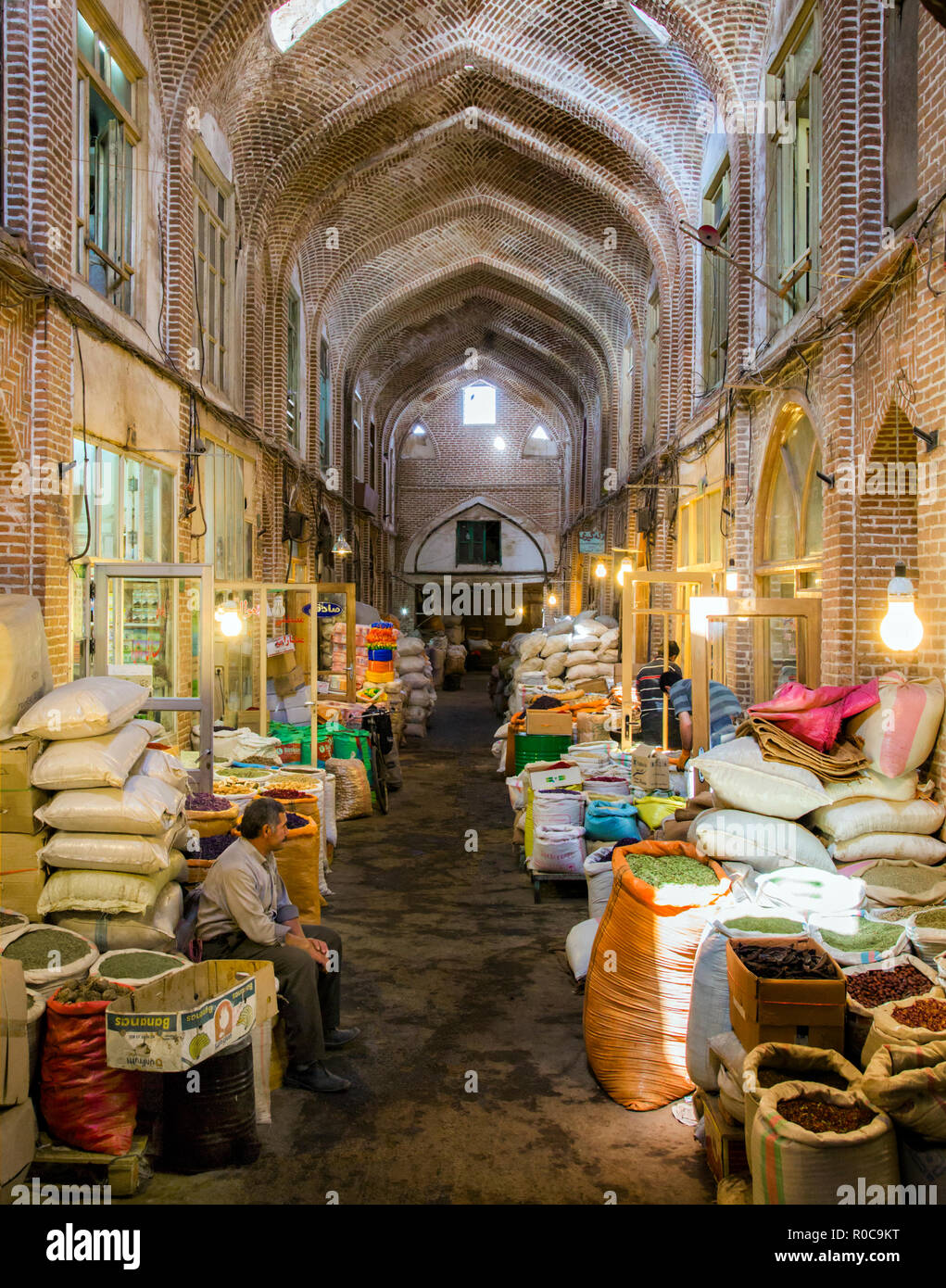

Manila: A City of Layers and Echoes
The Birth of a City

A view of Manila Bay, where the story of Manila first began. (Image by Unsplash)
Manila, the bustling capital city of the Philippines, is a city shrouded in layers of history and culture, much like its iconic Ayala Triangle. Its story begins along the shores of Manila Bay, where the first settlements were established by early Austronesian migrants around 500 BCE. These settlers formed the foundation of what would become a vibrant and diverse metropolis.
By the 14th century, the Bay area was already a hub of trade, attracting Chinese, Arab, and Indian merchants. The port city thrived thanks to its strategic location at the convergence of maritime routes. This period saw the construction of the walls of Intramuros, which became the nucleus of European colonialism in the region.
In the late 16th century, Ferdinand Magellan's expeditions brought the Spanish to the archipelago. Led by Miguel López de Legazpi, Spaniards established their first settlement, which they named Santiago, later renamed Manila, after the patron saint Saint James, on June 24, 1571. This marked the beginning of nearly four centuries of Spanish rule.
The name "Manila," derived from the Tagalog word "Maynila," meaning "Place of Grass-Wrapped Trees," aptly describes the lush green surroundings that once surrounded the city. During the Spanish era, Manila became the seat of power and religious authority for colonizers who governed the entire archipelago. The city was a focal point of commerce and cultural exchange, blending indigenous and colonial influences.
However, the city was not immune to conflict. The Spanish-Moro conflict, a series of battles between Christianized Filipinos and Muslim Moro pirates, significantly disrupted life in Manila. The city was also besieged during the British Invasion of Manila in 1762 during the Seven Years' War, showcasing its resilience and strategic importance.
The Era of Independence

Philippine revolutionaries in the streets of Manila during the revolt against Spain. (Image by Getty Images)
In the latter half of the 19th century, Filipino intellectuals like José Rizal and Gregoria de Jesús began advocating for reform and independence from Spain. Their ideas were radical for the time, aiming to break away from colonial rule. José Rizal’s novels *Noli Me TANGERE* and *EL FILILO* exposed the injustices of colonial society, inspiring a sense of national identity among Filipinos.
The Spanish–American War, fueled by American imperialism, ended Spanish control over the Philippines in 1898. Filipino leaders, led by Emilio Aguinaldo, declared independence on June 12, establishing the First Philippine Republic, with Manila as its capital. However, the Treaty of Paris transferred sovereignty over the Philippines from Spain to the United States, marking the beginning of American colonial rule.
American governance brought significant changes to Manila. The city witnessed the construction of numerous infrastructure projects, including roads, bridges, and educational institutions, which laid the groundwork for modern urban development. Moreover, the American administration introduced public health measures, sanitation systems, and social reforms, which benefited citizens across the city.
The 20th century saw Manila endure its share of hardships, most notably during World War II. Japanese forces invaded Manila in December 1941 and occupied it until February 1945. The Japanese occupation resulted in widespread destruction and suffering for the civilian population. The Battle of Manila was one of the worst urban battles in history, leaving over 100,000 civilians dead and much of the historic Intramuros severely damaged.
After the war, Manila faced reconstruction challenges. The American-led reconstruction efforts focused on rebuilding key institutions and infrastructure, but also spurred economic growth and urbanization. By the 1950s, Manila had become one of the most dynamic cities in Asia, with industries such as manufacturing, finance, and tourism emerging as key drivers of its economy. The city became a symbol of hope and progress, drawing immigrants and investors looking for opportunities.
The Modern Era: A City in Transition

The contemporary skyline of Manila, reflecting the blend of old and new. (Image by Unsplash)
Today, Manila stands as a testament to its historical resilience and transformation. While the legacy of colonial structures remains visible—such as the Intramuros and Manila Cathedral—modern architecture has begun to define the city’s skyline. Buildings designed with glass and steel reflect the changing landscape, with skyscrapers and business districts emerging within the city center.
Yet, Manila faces numerous challenges: poverty, traffic congestion, and environmental concerns. Despite these issues, the city continues to thrive as a cultural and economic hub. It hosts several major festivals each year, including the Pandanggo sa Iluson and Sinulog, which celebrate local traditions and attract tourists from around the world. Additionally, Manila has become a global tech hub, attracting startups and international companies.
In recent years, the city has also placed a renewed emphasis on sustainability and green development, aiming to balance growth with environmental responsibility. Urban renewal projects, such as the rehabilitation of rivers and the creation of green spaces, are part of this push toward a more sustainable future.
Manila continues to evolve, influenced by both its rich past and rapidly changing present. As it moves into the future, the city will undoubtedly face new challenges and opportunities, but its spirit of resilience and innovation ensures that it will remain a vibrant and dynamic destination.
Cultural Fusion and Identity

Intramuros, a UNESCO World Heritage site, illustrates the cultural fusion in Manila through its architecture and traditions. (Image by Getty Images)
Manila’s culture is a tapestry woven from centuries of influence and integration from various civilizations. This unique blend is evident in its cuisine, religion, festivals, and daily rituals. Influences from Chinese, Arabic, Malay, and Western cultures have all left indelible marks on Manila’s identity.
The food of Manila reflects its diverse heritage. Dishes like adobo, sinigang, and kare-kare owe their culinary roots to the Spanish colonizers, while ingredients like fish balls, shrimp paste (tinola), and pancit come from Chinese immigrants. This fusion creates a rich and flavorful culinary landscape that delights visitors and locals alike. Traditional markets like Quiapo offer an array of exotic spices, fresh produce, and delicacies that cater to both local tastes and the curiosity of foreign food enthusiasts.
Religion plays a significant role in Manila’s identity. Christianity, particularly Roman Catholicism, dominates the religious landscape, with numerous churches scattered throughout the city. However, the city also celebrates a multitude of religious festivals and practices that reflect its Muslim, Buddhist, and Hindu influences. For instance, the Ati-Atihan festival, celebrated in Kalibo, brings together different ethnic groups in a vibrant display of cultural festivities.
Festivals are a cornerstone of Manila’s annual rhythm. The most famous is perhaps the Sinulog Festival, held in January, where devotees parade and dance around the statue of Sto. Niño (Child Jesus), the city’s patron saint. Other important festivals include the Pardiñas Festival and the Pintados-Kasadyaan parade of violence and art, which showcases intricate traditional dances.
Traditional arts continue to thrive in Manila, offering a deeper exploration of the city’s cultural depth. The barong tagalong and terno are examples of traditional Filipino clothing, often seen during ceremonies and special occasions. Bamboo instruments like the kulintang and gongs feature prominently in music performed during festivals, adding a rhythmic pulse to Manila’s cultural heartbeat.
Education and literacy have been cornerstones of Manila’s development. The University of Santo Tomas, founded in 1611, is one of the oldest universities in Asia, serving as an intellectual hub for the Philippines. Similarly, the University of the Philippines has produced countless alumni who have shaped the country’s political, academic, and scientific landscapes. Public schools and private institutions alike strive to provide quality education, ensuring that Manila remains a center of learning and intellectual progress.
Literature and the arts also contribute significantly to Manila’s cultural fabric. Prominent Filipino writers such as Nick Joaquín, Francisco Arcellana, and José Rizal continue to inspire contemporary authors who explore themes of nationalism, identity, and social justice. Art galleries, museums, and cultural centers play a vital role in preserving and promoting artistic expression, from the works of Antonio Z. Balagtas to modern installations by artists like Vicente Manansala.
Tourism has become a major sector driving Manila’s economy. Key attractions include the historic Intramuros, Rizal Park, the Luneta, and Binondo, the oldest Chinatown in North America. These sites not only attract domestic tourists but also international travelers eager to experience Manila’s rich cultural heritage.
Despite its strides, Manila is not without challenges. Economic inequality, inadequate healthcare, and poor infrastructure pose significant obstacles to maintaining quality of life for many residents. However, community organizations and non-profits are working tirelessly to address these issues, fostering a more inclusive and sustainable environment.
Cultural preservation efforts are underway to protect and celebrate heritage sites and traditions. Projects like the Rehabilitation of Historic Cities (RHC) have led to the restoration of important landmarks, ensuring that future generations can appreciate Manila’s historical legacy.
In conclusion, Manila’s cultural identity is a complex and multifaceted narrative of traditions, influences, and transformations. Each layer tells a story of resilience and adaptation, shaping a city that continues to captivate the world with its blend of ancient and modern expressions.
Urban Growth and Challenges

Rapid urban growth in Manila has both positive and negative impacts on the city’s development. (Image by Unsplash)
Manila’s urban landscape has undergone dramatic changes over the past few decades, driven by a combination of industrialization, globalization, and demographic shifts. The city’s population has burgeoned due to high birth rates and internal migration, leading to significant urban sprawl. According to the Philippine Statistics Authority, Manila’s population was approximately 12.8 million as of 2021, making it one of the most populous cities in the world.
Urban sprawl has led to the expansion of informal settlements, commonly known as squatter areas, primarily located in peri-urban regions like Malabon and Navotas. These unplanned settlements lack proper utilities, housing, and basic services, exacerbating socioeconomic disparities. The Department of Social Welfare and Development plays a crucial role in addressing issues related to informal settlements, providing assistance and creating programs to improve living conditions.
One of the pressing challenges faced by Manila is traffic congestion. The city’s network of roads, despite its expansion, struggles to accommodate the growing volume of vehicles. Traffic gridlocks are common during peak hours and have significant economic and environmental impacts. The Metropolitan Manila Development Authority (MMDA) implements measures like traffic restrictions and public transportation improvements to mitigate congestion, but these efforts often fall short of the demands of a densely populated city.
Air pollution is another critical issue plaguing Manila. Automotive emissions, coupled with heavy industry and waste, contribute significantly to air quality degradation. This has long-term health implications for residents, particularly in areas with high pollution levels. Initiatives by government agencies and environmental NGOs like Project Lifeline Manila aim to reduce pollution through stricter emission standards and sustainable transportation options.
Affordable housing is a persistent urban challenge. With land prices soaring and rental costs increasing, many lower-income families find it difficult to secure stable accommodation. Government-sponsored housing programs, such as the Million Housing Complex Program under the Aquino administration, offer some relief but do little to address the root causes of housing shortages. Community-led initiatives and non-profit organizations play a vital role in providing temporary shelters and support services, but systemic solutions are necessary to tackle the crisis comprehensively.
Infrastructure deficiencies are widespread across Manila, affecting everything from water supply and sanitation to electricity and waste management. Aging infrastructure and inadequate planning often result in frequent outages and service disruptions. Investments in infrastructure are essential to ensure the city’s continued functionality and maintain quality of life. Public-private partnerships (PPPs) and international aid can supplement government efforts in improving infrastructure.
Disaster preparedness remains a critical concern in Manila. Cyclones, typhoons, and flooding affect millions of residents annually, particularly those living in low-lying areas or informal settlements. The National Disaster Risk Reduction and Management Council coordinates emergency responses, but the effectiveness of these measures varies widely based on the resources and capabilities available. Community-based disaster risk reduction programs and early warning systems are crucial in mitigating the impacts of natural disasters.
Despite these challenges, Manila has made significant strides in urban governance. Decentralization policies aim to empower local government units (LGUs) to manage their own affairs more effectively. This shift towards regional autonomy has led to innovative local solutions in urban planning, education, healthcare, and economic development. Partnerships with international organizations, such as the United Nations and Asian Development Bank, help to implement effective urban management strategies.
In conclusion, Manila’s urban growth presents both opportunities and challenges. While the city’s rapid expansion offers potential for economic development and innovation, it also necessitates careful planning and robust policies to address social and environmental issues. Through concerted efforts by local, national, and international stakeholders, Manila can navigate these challenges and continue to grow as a resilient and livable urban environment.
Technology and Modernization

A rooftop view of central Manila, highlighting the growing technology sector and modernization efforts. (Image by Getty Images)
As Manila continues to evolve, one of the most notable advancements in the city’s development is its rapid technological transformation. The Philippines has historically lagged behind in technological infrastructure, but over the past decade, the country has seen significant investments in telecommunications, data centers, and digital platforms. This growth is transforming Manila into a tech hub where entrepreneurs and startups are leveraging technology to solve local challenges and foster economic growth.
The rise of mobile technology has played a pivotal role in modernizing daily life in Manila. Smartphones and internet connectivity have brought about immense social and economic changes. The proliferation of mobile networks, particularly 4G and 5G services, has enabled faster internet speeds and more reliable connections for both businesses and consumers. This improved connectivity has facilitated online banking, e-commerce, and remote work, further integrating Manila into the global digital economy.
Startups and tech companies have thrived in Manila with the support of a growing ecosystem of accelerators, incubators, and co-working spaces. The Philippine Startup Network (PSN) and Startup Weekend Manila are examples of organizations that foster innovation and entrepreneurship. The TechHub Manila and Manila Central Business District (CBD) are prime locations for these tech-driven startups, offering office space, mentorship, and networking opportunities.
The Philippine government has launched several initiatives to boost the tech sector. The Digital Transformation Roadmap, launched by the Department of Information and Communications Technology (DICT), aims to enhance technological infrastructure and promote digital inclusion. Additionally, programs like the Startup Grant Program and the ICT Innovation Hub provide financial support and resources to startups. This support has attracted investment from both local and international venture capitalists, further accelerating technological advancements in the city.
The financial services sector has undergone a digital transformation, with fintech companies leading the way in innovative financial products and services. Payment platforms like GCash, PayMaya, and Grab are ubiquitous among Filipinos, transforming how transactions are completed. These platforms offer a wide range of services, from digital wallets and mobile payments to online banking and investment solutions. Such digital solutions not only streamline everyday transactions but also provide financial access to underserved populations.
Healthcare is another sector witnessing dramatic changes driven by technology. Digital health platforms and telemedicine have become increasingly popular, providing virtual consultations and remote patient monitoring. Companies like Ziptease and HaloDoc are pioneering online healthcare solutions that make medical services more accessible and affordable. The Philippine government’s telehealth initiative further encourages the adoption of technology in healthcare delivery, enhancing service quality and patient outcomes.
Smart city initiatives are gaining traction in Manila, as the city seeks to leverage technology to improve governance and enhance citizen well-being. The Smart City Philippines program aims to integrate sensors, IoT devices, and AI technologies to improve public services such as transportation, energy management, and environmental monitoring. Projects like the Smart Grid and Smart Transport Systems are being implemented to optimize urban utilities and reduce traffic congestion.
Education is also undergoing a technological revolution, with digital tools and platforms transforming the way learning occurs. Distance learning platforms, augmented reality (AR) and virtual reality (VR) technologies, and educational apps are making education more accessible and engaging. Programs like the Free Online Education (FOE) platform by DOST (Department of Science and Technology) and the Learning Through Gaming (LTG) initiative by the Philippines Department of Education (DepEd) illustrate how technology is reshaping curriculum delivery and student engagement.
Civic technology is another area that shows promise in Manila. Apps and platforms are being developed to address local challenges and promote better governance. Civic Tech Manila, a hub for civic tech developers, works to create solutions for public issues such as waste management, public safety, and community engagement. Projects like Waste Watch Manila and CrimeWatch Manila leverage technology to engage citizens in solving local problems, fostering a sense of community and accountability.
In conclusion, Manila’s technological transformation is a reflection of broader global trends towards digitalization and smart urban development. While there are still challenges to be addressed, such as digital divide issues and cybersecurity concerns, the momentum towards technological progress is undeniable. As the city continues to invest in infrastructure, support startups, and embrace digital tools, Manila stands poised to become a leader in technological innovation and urban modernization.
This evolving landscape of Manila promises a future where technology drives sustainable growth, improves quality of life, and enhances civic engagement. As the city embraces these changes, it will continue to evolve into a thriving metropolis that balances tradition with modernity, enriching the lives of its inhabitants and captivating the world with its dynamic spirit.


Septimius Severus: Architect of a New Roman Era
The dawn of the 3rd century CE marked a pivotal chapter in the history of the Roman Empire, as it transitioned from the tumultuous year of the five emperors in 193 CE. Emerging from this chaos was a leader of remarkable tenacity and strategic acumen, Lucius Septimius Severus. He stood out not only for his military prowess but also for his ability to navigate the intricate politics of an empire in flux. Severus, with origins far removed from the traditional power centers of Rome, rose to reforge an empire battered by internal dissent and external threats.
Early Life and Rise to Power
Septimius Severus was born on April 11, 145 CE, in Leptis Magna, a prominent city of the Roman province of Africa, located in modern-day Libya. His family was of Berber origin, tinged with Punic heritage, and he was related through his mother to a distinguished North African family which wielded considerable local influence. This background, though distant from the Roman aristocracy, did not deter Severus from pursuing a future within the greater machinations of the empire.
From an early age, Severus was endowed with a keen intellect and a desire to serve Rome. He moved to the capital to seek higher education and to immerse himself in the vast opportunities the city offered. In 162 CE, under the reign of Marcus Aurelius, Severus entered the Roman Senate. His ascent through the Roman political and military hierarchy was steady; he held various magistracies that honed his understanding of governance and military command.
The sudden assassination of Emperor Pertinax in 193 CE plunged Rome into a period of uncertainty, known as "the Year of the Five Emperors." In the resulting power struggle, Severus, who was then the governor of Pannonia Superior (a region in present-day Hungary and Austria), saw an opportunity. With his legions' backing, he marched on Rome, outmaneuvering rivals such as Didius Julianus, whose short reign ended with his execution on the orders of the Senate.
The Severan Campaigns
Severus’ claim to the imperial purple was solidified not by his entry into Rome but through subsequent military campaigns that showcased his strategic genius. His major rival, Pescennius Niger, had declared himself emperor in the eastern provinces. Severus demonstrated his command of military logistics in a campaign marked by swift movements and brutal efficiency. By 194 CE, Niger was vanquished, securing Severus control over the Eastern Empire.
With Rome’s eastern frontiers stabilized, Severus turned his attention to Clodius Albinus in the west, who had been named Caesar (junior emperor) by Severus himself in a tactical maneuver to stave off initial confrontation. However, ambition dictated otherwise, leading to a decisive battle at Lugdunum (modern-day Lyon) in 197 CE. The victory reaffirmed Severus’ supremacy.
Architect of Internal Reforms
The consolidation of power allowed Severus to initiate reforms that would leave a lasting imprint on the Roman administrative and legal systems. Understanding the necessity of a resilient military to sustain his rule, he undertook extensive reforms to enhance the pay and status of the Roman legions. Veterans were granted land, and the emperor’s favoring of the military over the traditional senatorial class was clear, establishing a new power paradigm within the empire.
A notable aspect of his reforms was the opening of the Roman empire's elite circles to the provinces—a nod to his own provincial origins. This strategic inclusion of provincial elites into the central administration helped weld far-flung regions more tightly to Rome, ensuring their loyalty through representation and opportunity.
Severus’ reforms extended to the realm of law, where he sought to professionalize its administration. Jurists like Papinian began working under his aegis, a testament to his commitment to justice and order. His focus on jurisprudence laid the groundwork for what would later be known as the Severan juristic revolution.
As Severus journeyed deeper into his reign, the delicate balancing act between maintaining the power of the military, appeasing the Senate, and attending to the needs of the Roman populace became increasingly complex. His approach was both a brand of harsh pragmatism and visionary ambition that sought to unify the empire’s diverse cultures and strengthen its foundations against growing internal and external pressures.
As we delve further into the legacy of Septimius Severus, his actions illuminate the complexities of Roman leadership. His successes and failures provide a lens through which to view an empire on the cusp of transformation—an empire that he endeavored to stand at the helm of not merely as an emperor, but as a reformer and unifier in a time of prolific change.
Construction and Urban Development
Septimius Severus, a man enamored with the vision of a grand Rome, turned his attention towards monumental construction and urban renewal. His reign was marked by ambitious architectural projects that not only served as symbols of his desire to rejuvenate the empire, but also as attempts to legitimize his rule in the eyes of the populace. Through construction and development, Severus sought to leave an indelible mark on the urban landscape of the empire.
One of his most famous contributions was the expansion and embellishment of the city of Rome itself. Under his authority, the Forum Romanum, the political and civic heart of the city, saw significant enhancements. The Arch of Septimius Severus, erected in 203 CE at the northwest end of the Roman Forum, served as a public reminder of his military victories in Parthia. Decorated with exquisite reliefs depicting scenes from his campaigns, the arch was not only a testament to his triumphs but also a strategic narrative tool that continuously communicated his strength and legitimacy.
Beyond the grandeur of Rome's capital, Severus was deeply invested in the transformation of his birthplace, Leptis Magna. He initiated a massive urban development project that reshaped the city, including the construction of a new forum, basilica, and amphitheater. These projects not only emphasized the imperial connection to Africa but also positioned Leptis Magna as a vital hub in North Africa's Roman provinces.
His reign also saw the implementation of improvements to infrastructure across the empire. Roads and aqueducts were constructed or restored, further integrating the diverse territories of the Roman world and facilitating efficient administration and troop movement. Such enhancements were pivotal for maintaining the cohesion and operational efficiency of the empire during times of strife.
Challenges and Dynastic Concerns
Despite these accomplishments, Severus’ reign was not without its challenges. The stability he had worked so diligently to achieve was constantly threatened by internal dissent and rival claims. The empire was vast, and controlling its many corners required energies that stretched even his formidable abilities.
A significant aspect of Severus' rule was his focus on his dynasty's succession. The emperor's ambition was not just for his reign but for establishing a lasting Severan dynasty. To this end, he involved his two sons, Caracalla and Geta, in the affairs of governance from a young age, grooming them for future rule. However, internal family tensions threatened the unity of his lineage. The sibling rivalry between Caracalla and Geta was infamous and would prove to be a thorn in the dynasty’s side.
Severus’ efforts to cement his sons' positions included their elevation to the status of co-emperors during his lifetime. This strategy was intended to ensure continuity and shared power, with Caracalla being favored as the primary heir. Nevertheless, this focus on dynastic succession also sowed seeds of discord that would manifest tragically after Severus’ death.
Last Campaigns and Final Years
In the twilight of his reign, Septimius Severus embarked on one last significant military campaign. With an eye towards ensuring security and Rome's continued dominance, he turned his attention to Britain. The northern frontiers of the province were restive, with Picts and other tribes posing continuous threats. Severus launched an ambitious campaign in 208 CE to subdue these northern regions definitively.
The campaign demonstrated Severus’ enduring military acumen and determination, even as he advanced in years. Accompanied by both his sons, the campaign further served as a platform to reinforce their roles in military leadership. However, the harsh conditions and the resilience of the local tribes tested the Roman forces. While Severus managed some degree of success in temporarily stabilizing the frontiers, the campaign's toll was heavy, particularly on the aging emperor.
Severus’ health declined during the arduous campaigns in the damp climate of Britain. In February 211 CE, he succumbed to illness in the city of Eboracum (modern-day York). His death marked the end of a storied reign marked by both consolidation and the looming shadow of uncertainty that his familial ambitions cast over the empire.
Severus' final words to his sons reportedly were, "Be harmonious, enrich the soldiers, scorn all others." These reflections encapsulated a lifetime's worth of political wisdom, a poignant summation of an emperor who understood the delicate balance of power that his successors would need to maintain if they hoped to preserve his hard-won gains.
As the torch passed to Caracalla and Geta, the legacy of Severus hung heavily over the empire, a testament to his vision and an ominous reminder of the challenges his successors would face. An empire transformed under his hand stood poised between the height of imperial grandeur and the undercurrents of familial discord that would shape the next chapter of its storied history.
The Legacy of Septimius Severus
The death of Septimius Severus ushered in a complex transition period within the Roman Empire. The emperor’s legacy, enduring and multifaceted, would come to define the early years of the Severan dynasty. However, the seeds of familial discord sown during his reign soon bore fruit, inflicting challenges his successors found difficult to overcome.
Severus’ dual focus on military expansion and internal consolidation had fundamentally redefined his empire. His strengthening of the legions and the increased reliance on military support as a political bedrock shifted the imperial paradigm. This approach, while effective for Severus, sowed seeds for future dependency on military approval, creating a precedent that would reverberate throughout the emperors that followed.
Dynastic Troubles and Internal Conflict
Following Severus’ death, a bitter power struggle erupted between his sons, Caracalla and Geta. Despite their father’s hopes for a unified co-emperorship, sibling rivalry escalated to fratricidal levels. In late 211 CE, Caracalla orchestrated Geta’s murder, an act that shattered any semblance of unity within the Severan family. The consequences were dire, undermining Severus’ dream of a lasting familial legacy.
Caracalla’s subsequent sole rule was marked by increased militarization and further integration of the provinces. He continued to expand on his father’s policies, notably through the issuance of the Constitutio Antoniniana in 212 CE. This significant edict extended Roman citizenship to all free men within the empire, a move designed to unify the diverse peoples under Roman rule and increase tax revenues. While visionary, it also shifted existing social dynamics, further illustrating how Severus’ policies shaped and transformed the Roman world.
Enduring Influence on Roman Governance
Septimius Severus’ emphasis on strengthening the empire’s legal and administrative systems resonated far beyond his reign. His initiatives to professionalize the legal profession laid foundational principles that would evolve into Roman jurisprudence under later emperors. The Severan dynasty’s sponsorship of leading jurists played a significant role in shaping the Roman legal corpus used across the empire.
Additionally, Severus’ open acceptance and promotion of provincial elites into the empire’s administrative framework marked a progressive shift towards a more inclusive governance model. This systemic approach allowed for a more diverse representation, enduring as a strategic advantage in managing the far-reaching empire. Regions formerly distant in influence were woven into the empire’s political tapestry, ensuring their stake in the preservation of imperial unity.
Transformations in Urban and Architectural Legacy
Severus’ ambitious urban projects left tangible imprints on Rome and other significant cities. His architectural contributions, including expansions in Rome and restoration in other regions, projected imperial power and unity while celebrating cultural fusion. These buildings stood as testaments to his reign’s lasting influence, embedding his image in the public square and the cultural memory of the Roman populace.
The transformations he instigated in Leptis Magna exemplified the Severan tendency to elevate regional cities to major urban centers. This strategic development was a visible assertion of the empire’s interconnected nature, marking a high point in the Severan ability to integrate and celebrate the diverse components of their vast dominion.
Conclusion: The Complex Heritage of a Transformative Leader
The complex legacy of Septimius Severus is marked by a blend of innovation, ambition, and underlying tension. His reign forged pathways for future leaders through transformative policies and abrupt challenges in an era characterized by shifting power dynamics and expanded imperial reach. However, his steadfast reliance on military power and the complications of his dynastic strategy left ripples that would lead to volatility once central control weakened.
As a historical figure, Severus stands out as both a unifier and a disruptor, a leader who bridged the old and the new in Roman civilization with dual tenacity and complexity. His capacity to mold an empire while navigating the inherent contradictions of his position underscores the multifaceted demands on leadership within the ancient world.
The studies of Severus’ reign illuminate the intricacies of Roman power structures and the shifting sands of imperial governance. Through his military conquests, architectural endeavors, and administrative reforms, Septimius Severus sculpted a new Roman landscape that continued to evolve long after his passage. Through examination of his life and rule, one gains insight not only into the legacy of a significant emperor but also into the broader context of Rome’s imperial story—a formidable empire in both ascent and adaptation, striving to maintain its place within the annals of history.