Van Life: The Ultimate Guide to Freedom on Wheels
Van life has transformed from a niche lifestyle into a mainstream movement, captivating over 3 million Americans who now call converted vans or RVs their full-time homes. This surge—63% growth since 2020—reflects a cultural shift toward mobility, minimalism, and the pursuit of adventure. With the global van conversion market valued at $2.5 billion in 2025 and projected to nearly double by 2033, it's clear that van life is more than a trend; it's a revolution in modern living.
Driven by remote work flexibility, rising housing costs, and a desire for sustainable travel, van life offers an unparalleled sense of freedom. Whether you're a digital nomad, a retiree, or simply someone craving a simpler existence, this guide will explore the ins and outs of life on the road. From the latest tech innovations like Starlink connectivity to the growing community of van lifers, we’ll cover everything you need to know to embrace this liberating lifestyle.
The Rise of Van Life: A Cultural Phenomenon
The van life movement has exploded in popularity, fueled by a perfect storm of societal changes. The COVID-19 pandemic accelerated the shift to remote work, with 35 million Americans now working from anywhere—a staggering increase from just 9 million in 2019. This newfound flexibility, combined with soaring housing costs, has made van life an attractive alternative to traditional living.
Google searches for "van life" have skyrocketed by 312% in five years, while the hashtag VanLife boasts over 14 million posts on Instagram. This digital buzz reflects a broader cultural embrace of minimalism, adventure, and the open road. But what’s driving this phenomenon beyond social media hype?
Why Van Life? Key Motivations Behind the Movement
Freedom is the cornerstone of van life. A whopping 86% of van lifers cite travel freedom as their primary motivation. The ability to wake up to a new view every day—whether it’s a mountain range, a beach, or a bustling city—is a powerful draw. But the appeal doesn’t stop there:
- Escape housing costs: With 67% of van lifers seeking relief from rent or mortgages, financial freedom is a major factor. The average American spends over 30% of their income on housing; van life slashes that expense dramatically.
- Reduced stress and increased happiness: 90% of van lifers report higher happiness levels, attributing their well-being to simpler living, closer connections to nature, and the absence of a daily grind.
- Remote work synergy: The rise of digital nomadism has made van life more feasible than ever. With tools like Starlink providing reliable internet on the road, professionals can maintain careers while exploring the country.
These motivations are reshaping demographics, too. The median age of RV owners has dropped to 49 in 2025, down from 53 in 2021, with millennials leading the charge. Today, 36% of RV owners are first-timers, and 52% of van lifers live solo, with women making up 60% of that group.
The Evolution of Van Life: From Hippie Vans to High-Tech Homes
Van life isn’t new, but its modern iteration is a far cry from the hippie vans of the 1960s. Today’s van conversions are sleek, tech-integrated, and designed for comfort. The market has responded with innovations that cater to every need:
- Solar power: Over 60% of van lifers now use solar panels to power their homes on wheels, reducing reliance on generators and fossil fuels.
- Electric vans: With sustainability at the forefront, electric van conversions are gaining traction, offering eco-friendly alternatives to traditional gas-guzzlers.
- Smart tech: From Starlink internet to advanced battery systems, technology is making van life more connected and convenient than ever.
These advancements are propelling the van conversion market to new heights. With a projected CAGR of 8-9.5%, the industry is expected to reach $4.8 to $5.1 billion by 2033. North America leads in innovation, but the Asia-Pacific region is emerging as a key player, signaling global interest in this lifestyle.
Who’s Living the Van Life? Demographics and Trends
Van life isn’t just for free spirits or digital nomads—it’s a diverse movement attracting people from all walks of life. The stereotype of van life as a young, solo adventurer’s domain is evolving, with families, retirees, and even remote workers with stable careers joining the ranks.
The Changing Face of Van Life: Who’s on the Road?
The demographics of van life are as varied as the vans themselves. Here’s a breakdown of who’s embracing this lifestyle in 2025:
- Age groups: While millennials (25-44 years old) dominate, there’s growing interest from Gen X and retirees. The median age of RV owners is now 49, reflecting broader appeal.
- Living arrangements: 52% of van lifers travel solo, with 60% of solo travelers being women. Meanwhile, 44% are couples, and a small but growing number are families with children.
- Diversity: The movement is becoming more inclusive, with notable growth among Hispanic-American and African American communities, each seeing a 30% increase in participation.
Geographically, California, Colorado, Florida, Oregon, and Washington lead the U.S. in van life adoption. These states offer a mix of scenic landscapes, favorable climates, and van-friendly communities, making them hotspots for both new and seasoned van lifers.
Van Life by the Numbers: Key Statistics
To understand the scope of the van life movement, let’s dive into some compelling data:
- Growth: From 1.9 million van lifers in 2020 to over 3 million in 2025, the movement has seen a 63% increase in just five years.
- Market value: The van conversion market is now worth $2.5 billion and is projected to grow to $5.1 billion by 2033.
- Remote work: 35 million Americans work remotely in 2024, a dramatic rise from 9 million in 2019, making van life more accessible.
- Usage trends: RV owners now use their vehicles for a median of 30 days per year, up 50% from 2021, indicating a shift toward more frequent, extended travel.
These statistics underscore the rapid expansion and mainstream acceptance of van life. What was once a fringe lifestyle is now a viable, aspirational way of living for millions.
The Van Life Experience: What to Expect on the Road
Transitioning to van life is exhilarating, but it’s not without its challenges. Understanding the realities of life on the road—both the highs and the lows—is crucial for anyone considering this lifestyle.
The Joys of Van Life: Freedom, Adventure, and Community
The allure of van life lies in its unmatched freedom. Imagine waking up to the sound of ocean waves one day and a mountain sunset the next. This nomadic lifestyle allows you to explore at your own pace, without the constraints of a fixed address.
Beyond the scenery, van life fosters a deep sense of community. Van lifers often gather at campgrounds, meetups, and online forums, sharing tips, stories, and support. This camaraderie helps mitigate one of the biggest challenges of van life: loneliness. For many, the connections formed on the road become lifelong friendships.
Financially, van life offers significant savings. Without rent or utilities, many van lifers reduce their living expenses by 50% or more. This financial freedom allows for more travel, experiences, and even early retirement for some.
Challenges of Van Life: What to Prepare For
While van life is rewarding, it’s not always easy. Here are some common challenges to consider:
- Loneliness: Despite the community, solo travelers can feel isolated, especially in remote areas. Building a network of fellow van lifers is key to combating this.
- Logistics: Finding parking, showers, and reliable internet can be tricky. Planning ahead and investing in tools like Starlink or campground memberships can help.
- Maintenance: Vans require regular upkeep, from engine checks to solar panel maintenance. Being handy or having a trusted mechanic is essential.
- Weather extremes: Living in a van means facing heat, cold, and storms without the insulation of a traditional home. Proper insulation and climate control are a must.
Despite these challenges, the vast majority of van lifers—90%, according to surveys—report higher happiness and satisfaction with their lifestyle. The key is preparation, adaptability, and a willingness to embrace the unexpected.
In the next section, we’ll dive deeper into the practicalities of van life, from choosing the right van to essential gear and tips for hitting the road. Stay tuned for Part 2, where we’ll cover everything you need to start your van life journey!
Choosing the Right Van: Your Home on Wheels
Selecting the perfect van is the foundation of your van life journey. The right vehicle balances space, reliability, and fuel efficiency while fitting your budget and lifestyle. With so many options on the market, it’s essential to weigh the pros and cons of each type before making a commitment.
Types of Vans for Van Life
Not all vans are created equal. Here’s a breakdown of the most popular options for van conversions:
- Cargo vans: The most common choice, used by 43% of van lifers, cargo vans like the Mercedes-Benz Sprinter, Ford Transit, and Ram Promaster offer ample space and customization potential. Their boxy shape makes them ideal for building out interiors.
- Passenger vans: Preferred by 18% of van lifers, models like the Ford Transit Passenger Van or Chevrolet Express come with windows and seating, making them a great option for those who want a ready-made layout.
- Camper vans: Pre-built camper vans, such as the Winnebago Revel or Storyteller Overland, are turnkey solutions. While pricier, they save time and effort on conversions.
- Electric vans: With sustainability in focus, electric models like the Ford E-Transit and Rivian Electric Van are gaining traction, offering eco-friendly alternatives for the future.
Each type has its advantages, so consider your budget, travel plans, and DIY skills before deciding. For example, cargo vans provide a blank canvas for customization, while camper vans offer convenience but at a higher cost.
Key Factors to Consider When Buying a Van
Beyond the type of van, several critical factors will influence your decision:
- Reliability: Opt for vans with a reputation for durability. The Mercedes-Benz Sprinter and Ford Transit are top choices for their longevity and ease of maintenance.
- Fuel efficiency: Diesel engines, like those in the Sprinter, offer better mileage for long-distance travel, while gas engines may be more affordable upfront.
- Size and layout: Consider how much space you need. High-roof vans provide standing room, while extended models offer extra length for beds, kitchens, and storage.
- Budget: Vans can range from $20,000 for a used model to $150,000+ for a fully converted luxury van. Set a realistic budget that includes conversion costs.
- Resale value: Some vans hold their value better than others. Research depreciation rates to make a smarter investment.
If you’re new to van life, consider renting a van for a trial trip before purchasing. Companies like Outdoorsy and Escape Campervans offer rentals, giving you a taste of life on the road without a long-term commitment.
Essential Van Life Gear: What You Need to Hit the Road
Once you’ve chosen your van, it’s time to outfit it with the essentials. The right gear can make the difference between a comfortable, functional home and a frustrating experience. From solar power to kitchen setups, here’s what you’ll need to thrive on the road.
Power and Energy: Keeping the Lights On
Reliable power is the backbone of van life. Most van lifers rely on a combination of solar panels, batteries, and generators to keep their electronics running. Here’s how to set up your power system:
- Solar panels: 60% of van lifers use solar power, making it the most popular energy source. A 200-400W solar setup is typically sufficient for basic needs like lights, phones, and small appliances.
- Batteries: Lithium-ion batteries, such as Battle Born or Renogy, are lightweight and efficient. A 100Ah battery can power essentials for a day or two without sunlight.
- Inverters: Convert DC power from your battery to AC power for appliances. A 1000W inverter is a good starting point for most setups.
- Generators: A backup portable generator (like the Jackery or EcoFlow) can be a lifesaver during cloudy days or high energy demands.
Pro tip: Monitor your energy usage with a battery monitor to avoid running out of power. Many van lifers also carry a portable power station for emergencies.
Kitchen and Cooking: Meals on the Go
A well-equipped kitchen is essential for healthy, cost-effective eating on the road. Here’s what to include in your van kitchen:
- Portable stove: Propane stoves like the Camp Chef or Coleman are popular for their reliability and ease of use.
- Cooler or fridge: A 12V compressor fridge (such as Dometic or ARB) keeps food fresh without ice. For budget options, a high-quality cooler like the Yeti works well.
- Cookware: Compact, durable items like a cast-iron skillet, pot, and collapsible bowls save space.
- Water system: A 5-10 gallon water tank with a foot pump or electric pump ensures you have clean water for drinking and cooking.
- Storage: Use magnetic spice racks, hanging baskets, and stackable containers to maximize space.
Many van lifers also invest in a portable grill or outdoor cooking setup to enjoy meals al fresco. Remember, meal prep can save time and reduce waste—plan your meals ahead to minimize cooking hassles.
Sleeping and Comfort: Resting Easy
A good night’s sleep is crucial for enjoying van life. Your sleeping setup should be comfortable, space-efficient, and adaptable to different climates. Here’s how to optimize your sleep space:
- Bed platform: Custom-built platforms maximize storage underneath. Many van lifers use foldable or convertible beds to save space during the day.
- Mattress: A 4-6 inch memory foam mattress provides comfort without taking up too much room. Brands like Lucid or Zinus offer affordable options.
- Ventilation: A roof fan (like the MaxxAir or Fantastic Fan) is essential for airflow, especially in warm climates.
- Insulation: Proper insulation (such as Thinsulate or foam board) keeps your van warm in winter and cool in summer.
- Window coverings: Blackout curtains or reflectix ensure privacy and temperature control.
For those traveling in extreme climates, a diesel heater (like the Webasto) or portable AC unit can make a world of difference. Don’t underestimate the importance of a cozy, well-insulated van—it’s your sanctuary on the road.
Bathroom and Hygiene: Staying Fresh
One of the biggest challenges of van life is maintaining hygiene. While some van lifers rely on gym memberships or campground facilities, others prefer self-contained solutions. Here are your options:
- Portable toilet: Compact toilets like the Thetford or Luggable Loo are easy to use and dispose of.
- Outdoor shower: A portable shower (such as the Nemo Helio) with a privacy tent offers a refreshing way to clean up.
- Public showers: Truck stops, gyms (like Planet Fitness), and campgrounds often provide shower facilities for a small fee.
- Wet wipes and dry shampoo: For quick clean-ups between showers, these are lifesavers.
Water conservation is key, so many van lifers adopt a "navy shower" approach—turning the water on only to rinse. A composting toilet is another eco-friendly option, though it requires more maintenance.
Van Life on a Budget: How to Save Money and Travel Smart
One of the biggest draws of van life is its cost-effectiveness. However, without careful planning, expenses can add up quickly. Here’s how to stretch your budget and make the most of your van life experience without breaking the bank.
Cutting Costs: Where to Save
Living in a van significantly reduces housing expenses, but other costs—like fuel, food, and maintenance—can still take a toll. Here are some smart ways to save:
- Free camping: Apps like iOverlander, FreeRoam, and Campendium help you find free or low-cost camping spots on public lands (BLM, National Forests) and parking lots (Walmart, Cracker Barrel).
- Meal planning: Cooking in your van saves hundreds per month. Buy in bulk, use discount grocery stores (like Aldi), and opt for non-perishable staples.
- Fuel efficiency: Drive at 55-65 mph to optimize fuel economy, and use apps like GasBuddy to find the cheapest gas.
- DIY conversions: Building your own van can save $10,000-$30,000 compared to buying pre-built. YouTube channels like FarOutRide offer step-by-step guides.
- Workamping: Trade labor for free campsites through programs like Workamper News or Harvest Hosts, where you can stay at farms, vineyards, or businesses in exchange for a few hours of work.
Another pro tip: Invest in a National Park Pass ($80/year) for unlimited access to parks and discounted camping. It pays for itself in just a few visits!
Earning Money on the Road: Remote Work and Side Hustles
Many van lifers fund their travels through remote work or freelance gigs. Here are some of the most popular ways to earn income while living on the road:
- Freelancing: Platforms like Upwork, Fiverr, and Toptal connect freelancers with clients in fields like writing, graphic design, and programming.
- Remote jobs: Websites like We Work Remotely, Remote.co, and FlexJobs list full-time remote positions in various industries.
- Seasonal work: Jobs at national parks, ski resorts, or farms (via CoolWorks) provide income and often include free camping.
- Content creation: Blogging, YouTube, and Instagram can generate income through ads, sponsorships, and affiliate marketing. Many van lifers monetize their adventures this way.
- Odd jobs: Gig apps like TaskRabbit, Rover (pet sitting), or Roadie (delivery) offer flexible ways to earn cash.
With 35 million Americans now working remotely, the opportunities for location-independent income are greater than ever. The key is to find a balance between work and exploration—after all, the freedom of van life is what makes it so special.
Avoiding Common Money Pitfalls
While van life can be budget-friendly, unexpected expenses can derail your plans. Here’s how to avoid common financial mistakes:
- Overestimating savings: Many new van lifers assume they’ll spend less than they do. Track expenses with apps like Mint or YNAB to stay on budget.
- Skipping maintenance: Regular oil changes, tire rotations, and van check-ups prevent costly repairs down the road.
- Impulse buys: It’s easy to splurge on gear. Stick to a "need vs. want" list and prioritize essentials.
- Parking tickets: Always check local laws. Apps like Park4Night help you find legal overnight parking.
By planning ahead and staying disciplined, you can enjoy the financial freedom that van life promises without unnecessary stress.
In Part 3, we’ll explore the best van life destinations, community resources, and tips for long-term success on the road. Stay tuned for the final installment of our ultimate van life guide!
Best Van Life Destinations: Where to Park and Explore
One of the greatest perks of van life is the ability to explore diverse landscapes, from coastal highways to mountain retreats. Whether you're seeking free camping spots, vibrant communities, or breathtaking scenery, these destinations should be on every van lifer’s bucket list.
Top U.S. Destinations for Van Life
The United States offers an incredible variety of van-friendly locations, each with its own unique charm. Here are some of the best places to park, explore, and connect with fellow travelers:
- California: A van life hotspot, California boasts everything from the Pacific Coast Highway to the Sierra Nevada mountains. Don’t miss Joshua Tree, Big Sur, and the Eastern Sierra for stunning desert and mountain views. BLM land near Slab City is a famous free camping area.
- Colorado: With its Rocky Mountain landscapes and outdoor recreation, Colorado is a paradise for van lifers. Popular spots include Great Sand Dunes National Park, San Juan Skyway, and Boulder. Many ski resorts offer winter parking for those chasing powder.
- Oregon: Known for its lush forests and coastal drives, Oregon is a dream for nature lovers. The Columbia River Gorge, Crater Lake, and the Oregon Coast are must-sees. Dispersed camping is widely available in national forests.
- Utah: Home to "The Mighty 5" national parks (Arches, Canyonlands, Capitol Reef, Bryce Canyon, and Zion), Utah offers unparalleled red rock landscapes. Moab is a van life hub with plenty of BLM camping and outdoor adventures.
- Florida: For those who love beaches and warm weather, Florida’s Gulf Coast, Everglades, and Keys are ideal. Walmart parking lots and state parks provide easy overnight stays.
- Arizona: With its desert beauty and mild winters, Arizona attracts van lifers year-round. Sedona, Grand Canyon, and Organ Pipe Cactus National Monument are top picks. The Quartzsite RV Show in January is a major gathering spot.
Each of these destinations offers a mix of natural beauty, outdoor activities, and van-friendly amenities. Be sure to check local regulations on overnight parking and campfire restrictions, especially in drought-prone areas.
International Van Life Destinations
While the U.S. is a van life paradise, other countries also offer incredible opportunities for road tripping and camping. Here are some top international destinations to consider:
- Canada: From the Rocky Mountains in Alberta to the coastal routes of British Columbia, Canada is a van lifer’s dream. Banff, Jasper, and Vancouver Island are highlights. Be mindful of winter driving conditions and wildlife encounters.
- Mexico: A favorite for winter escapes, Mexico offers affordable living and stunning landscapes. Baja California, San Cristobal de las Casas, and the Yucatán Peninsula are popular routes. Many van lifers take advantage of the temporary import permit for vehicles.
- New Zealand: Known for its epic road trips, New Zealand allows freedom camping in designated areas. The South Island’s alpine scenery and North Island’s beaches are unforgettable. Renting a campervan is a great way to explore if you’re not bringing your own.
- Australia: With vast outback landscapes and coastal drives, Australia is perfect for adventure seekers. The Great Ocean Road, Tasmania, and the Red Centre are iconic routes. Be prepared for long distances between towns and extreme weather.
- Europe: Countries like Portugal, Spain, and Norway are becoming van life hubs. Portugal’s Algarve coast and Norway’s fjords offer breathtaking views. Europe’s well-developed campground network makes travel easier, though some cities have strict overnight parking rules.
International van life requires additional planning, including visas, vehicle permits, and insurance. Research each country’s driving laws and camping regulations to avoid fines or complications.
Building Community: Connecting with Fellow Van Lifers
While van life offers freedom and independence, it can also be lonely without a support network. Fortunately, the van life community is welcoming and resourceful, with countless ways to connect, share tips, and form lasting friendships.
Online Communities and Resources
The internet is a treasure trove of van life knowledge, from Facebook groups to YouTube channels. Here are some of the best online resources to tap into:
- Facebook Groups: Groups like "Vanlife Diaries," "Cheap RV Living," and "Vanlife Trading Post" offer advice, buy/sell/trade opportunities, and meetup announcements.
- Reddit: Subreddits like r/vandwellers and r/vanlife are great for asking questions, sharing builds, and getting real-time feedback from experienced van lifers.
- YouTube Channels: Creators like Eamon & Bec, Kara and Nate, and The Vanual provide tutorials, travel vogues, and budgeting tips to help you navigate van life.
- Instagram: Hashtags like VanLife, HomeOnWheels, and VanConversion connect you with a global community. Many van lifers share their favorite spots and tips in their posts.
- Forums: Websites like Vanlife Forum and iOverlander offer in-depth discussions on everything from solar setups to border crossings.
These platforms are invaluable for troubleshooting issues, finding hidden gems, and staying motivated. Don’t hesitate to ask questions—most van lifers are eager to help newcomers!
In-Person Meetups and Events
Nothing beats face-to-face connections on the road. Van life gatherings, festivals, and meetups are fantastic ways to share stories, learn new skills, and make friends. Here are some must-attend events:
- Vanlife Gathering (Arizona): Held annually in Quartzsite, this event brings together thousands of van lifers for workshops, music, and community bonding.
- Descend on Bend (Oregon): A weekend festival celebrating van life with live music, food trucks, and van tours in the scenic town of Bend.
- Vanlife Diaries Gatherings: Hosted in various locations, these intimate meetups focus on storytelling, photography, and connection.
- RTR (Rubber Tramp Rendezvous): One of the largest gatherings, RTR takes place in Quartzsite, Arizona every January. It’s a free event with seminars on everything from solar power to budget travel.
- Local Meetups: Many cities have weekly or monthly van life meetups. Check platforms like Meetup.com or local Facebook groups to find one near you.
Attending these events can transform your van life experience, providing opportunities to learn from veterans, swap gear, and even find travel buddies for future adventures.
Tips for Staying Connected on the Road
Maintaining relationships—both old and new—is key to a fulfilling van life. Here’s how to stay connected while embracing the nomadic lifestyle:
- Coworking spaces: Many van lifers use coworking spaces (like WeWork or local cafes) to work and socialize. Apps like Workfrom help you find van-friendly spots with WiFi.
- Volunteer opportunities: Programs like Workaway, WWOOF, and HelpX connect travelers with hosts who offer free stays in exchange for work. It’s a great way to immerse yourself in local communities.
- Van life caravans: Joining a travel convoy with other van lifers can make long drives more enjoyable and safer. Many groups organize caravans through Facebook or forums.
- Regular check-ins: Schedule video calls with friends and family to maintain relationships. Tools like Zoom, WhatsApp, and Signal make it easy to stay in touch.
Building a support network is essential for mental well-being and practical help on the road. Whether it’s sharing a meal, fixing a flat tire, or just having someone to chat with, community makes van life richer.
Long-Term Van Life: Tips for Sustainability and Success
Van life isn’t just a short-term adventure—for many, it’s a long-term lifestyle. To thrive on the road for years, you’ll need strategies for sustainability, health, and adaptability. Here’s how to make van life work for the long haul.
Maintaining Your Van: Keeping Your Home Road-Ready
Your van is your home, vehicle, and lifeline, so keeping it in top shape is non-negotiable. Regular maintenance prevents costly breakdowns and ensures a smooth journey. Here’s a checklist to follow:
- Engine and fluids: Check oil, coolant, and transmission fluid every 3,000-5,000 miles. Follow your van’s manufacturer recommendations for oil changes.
- Tires: Rotate tires every 6,000-8,000 miles and monitor tread depth. Invest in all-terrain tires if you plan to explore off-road.
- Brakes: Inspect brake pads and rotors annually or if you notice squeaking or reduced stopping power.
- Battery health: Test your house and starter batteries regularly. Lithium batteries last longer but require proper charging to avoid damage.
- Solar and electrical: Clean solar panels monthly and check wiring for wear. Use a multimeter to test voltage and ensure your system is running efficiently.
- Plumbing: If you have a water system, check for leaks and mold regularly. Use food-grade hoses and drain tanks in freezing temperatures.
Keep a toolkit and spare parts (like fuses, hoses, and belts) on hand for emergencies. Learning basic mechanic skills—such as changing a tire or jump-starting a battery—can save you time and money.
Health and Wellness on the Road
Staying healthy in a van requires intentionality. Without access to gyms or regular healthcare, you’ll need to prioritize physical and mental well-being. Here’s how:
- Exercise: Incorporate bodyweight workouts, yoga, or hiking into your routine. Many van lifers carry resistance bands or a portable gym.
- Nutrition: Plan balanced meals with protein, veggies, and whole grains. A small pressure cooker (like the Instant Pot) makes cooking easier.
- Mental health: Combat loneliness by journaling, meditating, or joining local meetups. Apps like Headspace or Calm can help manage stress.
- Healthcare: Use telemedicine services (like Teladoc) for minor issues. For emergencies, know the location of nearest hospitals along your route.
- Hygiene: Regular showers, handwashing, and dental care are crucial. Carry a portable bidet and biodegradable soap for eco-friendly cleaning.
Many van lifers also invest in a gym membership (like Planet Fitness) for $10-$20/month, which provides access to showers, workouts, and a sense of routine.
Adapting to Seasons and Weather
Van life looks different in summer vs. winter, and adapting to seasonal changes is key to comfort. Here’s how to prepare for varying conditions:
- Summer: Stay cool with ventilation fans, window shades, and parking in the shade. A portable AC unit or swamp cooler can be a game-changer in hot climates.
- Winter: Insulate your van with Reflectix, wool blankets, or thermal curtains. A diesel heater (like Webasto) keeps the interior warm without draining your battery.
- Rainy seasons: Waterproof your van with sealants and carry a dehumidifier to prevent mold. A pop-up canopy creates outdoor living space.
- Extreme weather: Monitor weather apps (like Windy or NOAA) and have an emergency plan for storms or wildfires.
Many van lifers "chase the weather", moving to warmer climates in winter and cooler areas in summer. This nomadic flexibility is one of the biggest advantages of life on the road.
Conclusion: Embracing the Van Life Journey
Van life is more than a trend—it’s a transformative lifestyle that offers freedom, adventure, and simplicity. With over 3 million Americans now living on the road and a global market worth $2.5 billion, it’s clear that this movement is here to stay. Whether you’re drawn to van life for financial freedom, remote work flexibility, or the thrill of exploration, the road offers endless possibilities.
From choosing the right van to outfitting it with essential gear, from budgeting wisely to building community, success in van life hinges on thoughtful planning and adaptability.

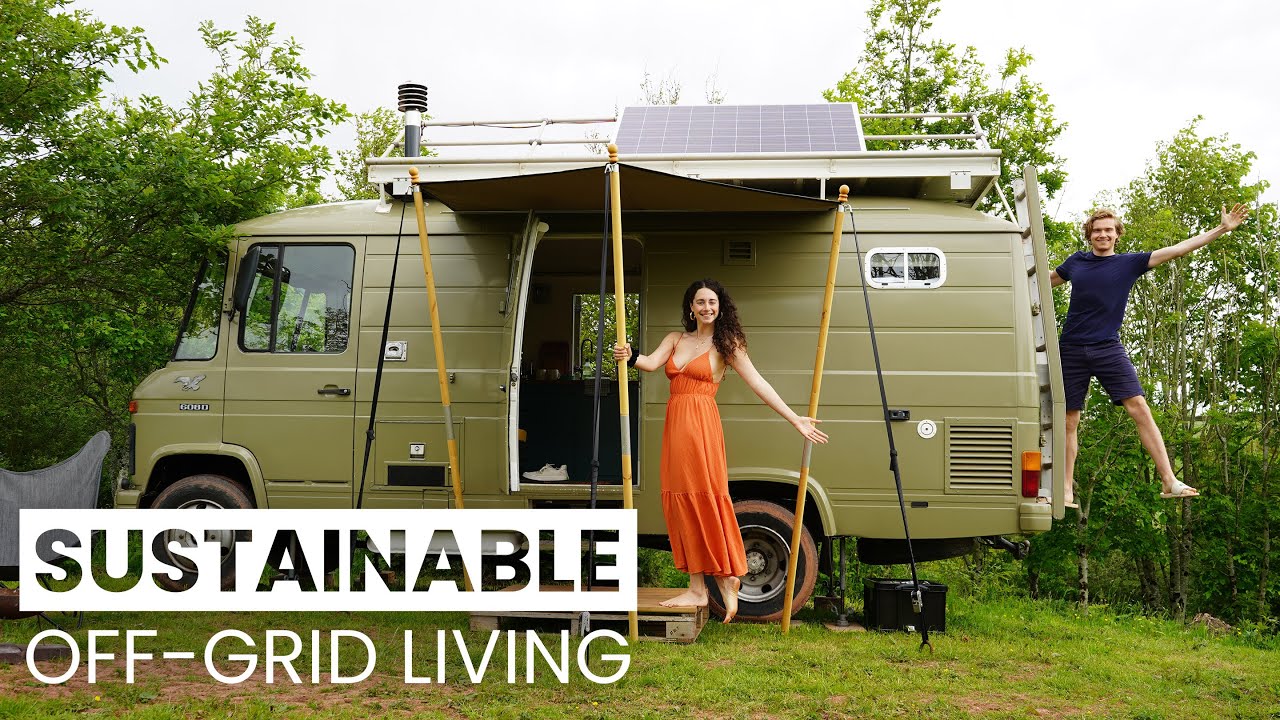
Sustainable Tourism Trends Shaping Travel in 2025
Sustainable tourism is the future of travel. Defined by the UNWTO as tourism that accounts for its economic, social, and environmental impacts, it seeks balance for visitors, industry, nature, and host communities. In 2025, it has moved from a niche concept to a mainstream imperative. This shift is driven by climate urgency and traveler demand for more meaningful, responsible experiences.
Sustainable tourism fully accounts for its current and future economic, social, and environmental impacts.
Defining Sustainable and Responsible Tourism
To understand the modern travel landscape, we must define its core concepts. Sustainable tourism is a comprehensive framework with four interconnected pillars. These pillars are environmental conservation, economic viability, socio-cultural respect, and effective management. The goal is to meet present needs without compromising future generations.
The Four Pillars of Sustainability
The Global Sustainable Tourism Council (GSTC) outlines the foundational structure for all sustainable practices. These pillars are interdependent and equally important.
- Environmental Pillar: Focuses on conserving natural resources, protecting biodiversity, and reducing pollution and waste.
- Economic Pillar: Ensures tourism businesses are profitable and viable long-term while benefiting local economies.
- Socio-Cultural Pillar: Respects the heritage, traditions, and well-being of host communities.
- Management Pillar: Involves effective planning, monitoring, and governance to achieve sustainability goals.
Ecotourism and Responsible Travel
Ecotourism is a vital subset of sustainable tourism focused on natural areas. It emphasizes conservation, community well-being, and environmental education. Responsible travel, meanwhile, refers to the choices individual travelers make to minimize negative impacts and maximize positive contributions.
These concepts have evolved in response to the documented harms of mass tourism. Issues like environmental degradation and cultural erosion prompted a rethinking of travel ethics beginning in the 1980s.
Current Trends in Sustainable Tourism for 2025
The year 2025 marks a pivotal moment where sustainability is no longer optional. Traveler awareness and global challenges are shaping powerful new trends. The global sustainable tourism market is projected to reach a staggering USD 11.53 trillion by 2033, signaling massive industry transformation.
These trends reflect a collective desire to travel more thoughtfully. They prioritize long-term planetary health and authentic human connection over fleeting, high-impact experiences.
Rise of Carbon-Neutral and Carbon-Negative Travel
With tourism contributing an estimated 6.5 billion tons of CO2 annually, carbon accountability is paramount. Carbon-neutral tourism aims to offset all emissions from a trip through verified projects like reforestation. More ambitiously, carbon-negative tourism seeks to remove more carbon from the atmosphere than it produces.
This trend is moving from voluntary offsetting to integral business planning. Resorts are investing in solar power, airlines are developing sustainable aviation fuels, and tour operators are building carbon calculations directly into their itineraries.
Growth of Ecotourism and Nature-Based Experiences
The ecotourism market was valued at $246.99 billion in 2023 and is forecast to grow to $279 billion in 2025. This explosive growth, at a 13.1% rate, underscores a deep traveler yearning for pristine natural environments. Modern ecotourism directly supports conservation efforts and creates local jobs.
Travelers are seeking immersive experiences in national parks, wildlife sanctuaries, and protected marine areas. These trips often include educational components led by local guides, fostering a deeper appreciation for ecosystem preservation.
Shift Toward Regenerative Tourism Practices
Moving beyond simply reducing harm, regenerative tourism aims to leave a place better than it was found. It focuses on active restoration and enhancement of ecosystems and communities. This represents the next evolutionary step in sustainable travel philosophy.
Examples include tourism projects where visitors participate in tree planting, coral reef restoration, or native species monitoring. The focus is on creating a net-positive impact, ensuring tourism actively contributes to the resilience and regeneration of its destination.
Embracing Digital Detox and "Quietcations"
In response to overtourism and constant connectivity, travelers are seeking simplicity. Digital detox trips promote disconnection from devices to reconnect with surroundings and companions. Similarly, "quietcations" or low-key stays in rural or lesser-known locations offer respite from crowded tourist hubs.
A significant 67% of travelers express a desire to visit alternatives to overcrowded destinations, according to a 2025 Booking.com survey. This trend supports the dispersion of tourism benefits to new areas while reducing pressure on strained iconic sites.
The Economic and Environmental Imperative
The drive toward sustainable tourism is not merely ethical; it is an economic and environmental necessity. The industry faces increasing pressure from consumers, investors, and regulators to demonstrate genuine responsibility. Certifications like those from GSTC and Green Globe verify compliance across 44+ criteria, providing trusted benchmarks for businesses and travelers.
Sustainable tourism directly supports the UN's Sustainable Development Goals. It champions inclusive economic growth, reduced inequalities, and climate action. The future of travel depends on an industry-wide commitment to these principles for long-term viability.
As we look ahead, these foundational trends set the stage for a more detailed exploration of sustainable practices. The following sections will delve into actionable strategies for travelers and businesses, the role of technology, and the profound importance of community-led tourism.
Strategies for Implementing Sustainable Tourism
Understanding trends is the first step; implementing them is the crucial next phase. For both travel businesses and individual tourists, actionable strategies exist to translate principles into practice. These strategies revolve around deliberate choices in transportation, accommodation, and daily activities.
Certification bodies provide clear roadmaps for businesses, while conscious decision-making guides travelers. The ultimate goal is to create a positive feedback loop where responsible travel choices support destinations, encouraging more businesses to adopt sustainable models.
For Travel Businesses and Destinations
Tour operators, hotels, and destination managers hold significant power to drive systemic change. Their strategies must encompass operations, supply chains, and community engagement.
- Adopt Recognized Certification Standards: Pursuing accreditation from bodies like the Global Sustainable Tourism Council (GSTC) provides a verified framework. It builds consumer trust and offers a clear path for improvement across all sustainability pillars.
- Invest in Carbon Measurement and Reduction: Businesses should first measure their carbon footprint, then implement reduction plans. This can include energy-efficient infrastructure, waste reduction programs, and sourcing from local, sustainable suppliers to cut transportation emissions.
- Develop Regenerative Itineraries: Beyond minimizing harm, tours can include elements that give back. This could be a portion of the trip cost funding a local conservation project or incorporating a volunteer activity, such as a beach clean-up, into the schedule.
- Prioritize Community Benefit and Employment: Ensuring tourism revenue stays within the local economy is vital. This means hiring local guides, using locally-owned accommodations and restaurants, and creating fair-wage job opportunities for community members.
For the Conscious Traveler
Every traveler’s choices contribute to the overall impact of tourism. Informed and intentional decisions can collectively steer the industry toward greater sustainability.
- Choose Certified Green Accommodations and Operators: Look for reputable eco-labels on hotel websites and tour booking platforms. These certifications indicate a verified commitment to environmental and social standards.
- Embrace Slow and Flight-Free Travel Options: Consider overland travel for longer portions of a trip. Taking trains or buses, staying longer in one place, and exploring local regions deeply significantly reduces the carbon footprint compared to multiple short-haul flights.
- Support the Local Economy Directly: Make a conscious effort to spend money with local businesses. Eat at family-owned restaurants, shop at artisan markets, and book tours with community-run cooperatives. This ensures your spending benefits residents.
- Respect Cultural and Environmental Norms: Educate yourself on local customs, dress codes, and etiquette. Follow established guidelines in natural areas, staying on trails, not feeding wildlife, and adhering to the principle of "leave no trace."
The Power of Community-Led and Cultural Tourism
At the heart of the socio-cultural pillar is the empowerment of host communities. Sustainable tourism fails if it does not respect and benefit the people who call a destination home. Community-led tourism ensures local people have control over how tourism is developed and managed on their land.
Sustainable tourism balances the needs of visitors, the industry, the environment, and host communities.
This model directly combats the economic leakage often seen in mass tourism, where profits are extracted by international corporations. Instead, financial benefits are retained locally, funding community projects, preserving cultural heritage, and improving quality of life.
Preserving Cultural Heritage Through Tourism
Cultural tourism, when done responsibly, can be a powerful force for preservation. It provides an economic incentive to maintain traditional crafts, languages, festivals, and historical sites. It turns living culture into a valued asset rather than a relic of the past.
Authentic interactions are key. Travelers should seek experiences that are hosted and defined by community members themselves. This could involve learning a traditional craft from a master artisan, sharing a meal in a family home, or listening to elders share oral histories.
This approach counters cultural erosion and the creation of "staged" experiences for tourists. It fosters genuine cross-cultural exchange and mutual respect between visitors and hosts.
Indigenous Tourism and Ethical Engagement
A vital subset of community-led tourism is Indigenous tourism. This involves travel experiences planned, operated, and owned by Indigenous peoples. It offers visitors a unique opportunity to learn about ancient cultures, knowledge systems, and connections to the land directly from their custodians.
Ethical engagement requires that travelers approach these experiences with humility and a willingness to listen and learn. It is critical to choose tours that are explicitly Indigenous-owned and to follow any protocols or guidelines provided by the community. Revenue from these experiences supports Indigenous self-determination and the protection of often-threatened cultures and environments.
Technology's Role in Advancing Sustainable Travel
Innovative technology is a powerful enabler for the sustainable tourism movement. It provides tools for transparency, efficiency, and access that were previously unavailable. From planning to the travel experience itself, tech is helping to reduce environmental footprints and connect travelers with more responsible options.
Apps and platforms are democratizing access to information. They allow travelers to research the sustainability credentials of hotels, calculate carbon footprints for trips, and discover off-the-beaten-path destinations that benefit from dispersing tourism.
Platforms for Transparency and Booking
A new generation of booking platforms is emerging, specializing in curating verified sustainable accommodations and tours. These platforms often include detailed sustainability reports, carbon footprint calculators, and filters for specific certifications.
They address the "greenwashing" problem by providing third-party verification and detailed criteria. This helps travelers make confident choices aligned with their values without spending hours on independent research.
Tech for Destination Management and Crowd Control
Destinations are using technology to manage visitor flows and mitigate overtourism. Smart data analytics can predict crowding, allowing for dynamic pricing, timed entry tickets, or promotion of alternative sites.
- Real-Time Crowd Monitoring: Apps and sensors provide live data on visitor numbers at popular attractions, suggesting less-crowded alternatives.
- Virtual and Augmented Reality: These tools can offer alternative experiences, such as virtual tours of fragile archaeological sites, reducing physical wear and tear.
- Blockchain for Supply Chains: Emerging technology can provide transparent tracking of where tourism dollars go, ensuring fair compensation for local producers and service providers.
The World Economic Forum's 2025 report on the future of travel highlights personalized, inclusive experiences powered by technology. The focus remains on using these tools to prioritize sustainability and enhance, not replace, genuine human connection and environmental stewardship.
Addressing Challenges and Overcoming Greenwashing
The path to a truly sustainable tourism industry is not without significant obstacles. Two of the most pressing challenges are the pervasive issue of greenwashing and the structural economic dependencies on high-volume tourism. Addressing these honestly is critical for meaningful progress.
Greenwashing occurs when companies exaggerate or falsely claim environmental benefits to attract conscious consumers. This deception undermines trust and dilutes the efforts of genuinely sustainable businesses. Travelers must learn to identify credible certifications and ask specific questions about operational practices.
Identifying and Combating Greenwashing
Vague terms like "eco-friendly" or "green" without substantiation are major red flags. To combat this, travelers and industry watchdogs must demand transparency. Third-party certifications from organizations like GSTC, Green Key, or EarthCheck are the most reliable indicators, as they require independent audits against strict criteria.
- Look for Specifics: Genuinely sustainable businesses provide clear data on energy use, waste diversion, water conservation, and community partnerships.
- Beware of Token Gestures: A single initiative, like reusing towels, does not equate to a comprehensive sustainability strategy if other operations are harmful.
- Research the Supply Chain: True sustainability extends to how a business sources its food, materials, and services. Locally sourced, ethical supply chains are a strong positive sign.
The Economic Dilemma of Overtourism
Many destinations face a difficult paradox: their economies depend heavily on tourism revenue, yet the sheer volume of visitors degrades the very assets people come to see. This cycle of overtourism leads to environmental strain, resident displacement, and a decline in the quality of the visitor experience.
Solutions require proactive destination management. This includes implementing visitor caps, introducing pricing strategies that favor longer stays over day trips, and actively promoting visitation during off-peak seasons. Critically, tourism revenue must be reinvested into maintaining and protecting the destination's infrastructure and natural capital.
The Future Outlook: Where is Sustainable Tourism Headed?
Looking beyond 2025, the trajectory of sustainable tourism points toward deeper integration and innovation. The concept will become less of a distinct category and more of a baseline expectation for all travel. Consumer demand, regulatory pressures, and climate realities will drive this normalization.
The global sustainable tourism market is projected to reach USD 11.53 trillion by 2033.
This vast market projection indicates an irreversible shift. Future development will likely focus on hyper-localized experiences, advanced technology for impact measurement, and stronger regulatory frameworks that mandate sustainable practices rather than merely encourage them.
Policy, Regulation, and Global Cooperation
Individual and corporate action must eventually be supported by robust policy. Governments and international bodies will play an increasingly important role in setting and enforcing standards. This could take the form of carbon taxes on aviation, strict building codes for new resorts, or mandates for environmental impact assessments for large tourism projects.
Initiatives like the UN Sustainable Development Goals (SDGs) provide a global framework. Goal 12, on responsible consumption and production, and Goal 13, on climate action, are directly relevant. The tourism industry's success will be measured by its contribution to these universal targets.
Personalization and Inclusivity in Sustainable Travel
The future of sustainable tourism is also personal and inclusive. The World Economic Forum highlights a trend toward tailored experiences that cater to diverse traveler needs while upholding sustainability principles. This means making responsible travel accessible to people of different ages, abilities, and budgets.
Technology will enable this personalization, suggesting itineraries that align with a traveler's specific interests and values—whether that’s culinary tourism, adventure travel, or cultural heritage—all within a low-impact, community-beneficial framework. Inclusivity ensures the benefits of sustainable tourism are shared widely, not just among a privileged few.
Actionable Steps for Your Next Trip
Turning awareness into action is the final, most important step. Here is a concise checklist to guide your journey toward becoming a more sustainable traveler. Implementing even a few of these steps makes a positive difference.
Pre-Trip Planning and Booking
- Choose Your Destination Wisely: Consider less-visited locations to help disperse tourism benefits. Research the destination's sustainability challenges and how you can avoid contributing to them.
- Select Certified Providers: Prioritize accommodations and tour operators with legitimate sustainability certifications.
- Travel Slow and Overland: Plan a longer trip to one region instead of a multi-stop whirlwind. Opt for trains or buses over planes for shorter segments.
- Pack Light and Right: A lighter suitcase reduces transportation fuel consumption. Pack reusable items like a water bottle, shopping bag, and utensils to avoid single-use plastics.
During Your Stay
- Act Like a Local Guest: Respect local customs, dress codes, and laws. Learn a few basic phrases in the local language.
- Conserve Resources: Use water and energy sparingly in your accommodation, just as you would at home. Reuse towels and sheets.
- Support Local Economies: Make a conscious effort to eat at local restaurants, hire local guides, and purchase souvenirs from artisan makers.
- Leave No Trace: In natural areas, stay on marked trails, do not disturb wildlife or plants, and carry out all your waste.
Conclusion: Travel as a Force for Good
The evolution of sustainable tourism from a niche concept to a central industry pillar marks a profound shift in our relationship with travel. We have moved from simply seeking escapes to understanding our role as temporary guests in a fragile, interconnected world. The core principles—environmental conservation, economic equity, cultural respect, and good governance—provide a compass for this new journey.
The trends defining 2025, from regenerative tourism to flight-free travel, demonstrate a collective desire to not only see the world but to care for it. The staggering growth of the ecotourism market and the projected multi-trillion dollar value of the sustainable tourism sector prove this is a durable movement, not a passing fad. It is driven by both ethical imperative and economic opportunity.
The responsibility is shared. Businesses must innovate and embrace transparency, moving beyond greenwashing to genuine, verifiable action. Travelers must move from passive consumers to active participants, making informed choices that support positive outcomes. Destinations and policymakers must implement smart management strategies that protect their assets for generations to come.
Ultimately, sustainable tourism redefines the very purpose of travel. It transforms it from an act of consumption into an opportunity for connection, education, and contribution. By choosing to travel thoughtfully, we can ensure that the wonders of our world remain vibrant and vital, supporting thriving communities and flourishing ecosystems. The future of travel is not about seeing more places; it's about making our time in each place truly matter.


Siem Reap: Gateway to the Ancient Wonders of Cambodia
Introduction
Siem Reap, a small yet bustling city located in northwestern Cambodia, serves as the primary gateway to one of the world's most awe-inspiring archaeological sites: Angkor Archaeological Park. This mesmerizing city, with its combination of historical allure and vibrant street life, has become a favorite destination for travelers embarking on a journey through Southeast Asia. Known for its proximity to the ancient temple complex of Angkor Wat, Siem Reap encapsulates a perfect blend of splendid antiquity, colonial charm, and modern conveniences.
A Glimpse into Siem Reap's History
The history of Siem Reap is intricately tied to that of the Angkor region. The city rose to prominence due to its strategic location near Angkor, the heart of the Khmer Empire from the 9th to the 15th centuries. Angkor was a flourishing metropolis, renowned for its architectural and artistic achievements, depicted through the massive monuments and temples that still stand today.
During the colonial period, particularly in the late 19th century, Siem Reap began to modernize under French influence, leading to the development of its infrastructure and emergence as a pivotal regional center. The colonial legacy can still be seen today in the French-style architecture scattered throughout the city.
The Angkor Experience
For most visitors, the highlight of Siem Reap is undoubtedly Angkor Archaeological Park, which stretches over 400 square kilometers and encompasses scores of ancient temples, including the iconic Angkor Wat, Bayon Temple, and Ta Prohm. Angkor Wat, a UNESCO World Heritage Site, is the largest religious monument in the world and a symbol of Cambodia's historical grandeur. Its sheer scale and intricate bas-reliefs depicting scenes from Hindu mythology leave a lasting impression on all who visit.
While Angkor Wat commands the most attention, exploring beyond this iconic structure reveals an intricate network of other temples, each with its unique architectural style and historical significance. Bayon Temple is cherished for its enigmatic smiling stone faces, while Ta Prohm is famous for the giant trees and sprawling roots enveloping its stones, offering a surreal, almost mystical appearance.
Siem Reap Today: A Tapestry of Culture and Community
Beyond the archaeological marvels, Siem Reap itself has much to offer. It has evolved into a vibrant city brimming with cultural and culinary experiences. The Old Market area and Pub Street are popular spots to immerse oneself in the local atmosphere, featuring a lively mix of bustling markets, art galleries, and eateries serving delectable Cambodian cuisine. Street food is prevalent, and a visit wouldn’t be complete without tasting traditional dishes like Amok, a fragrant coconut milk and curry-based preparation typically made with fish.
Siem Reap's cultural landscape is complemented by its array of cultural shows and performances that showcase traditional Khmer dance and music. The city's openness to cultural exchange is evident through its numerous museums, including the Angkor National Museum, which provides a deeper understanding of Cambodia's rich archaeological legacy.
Stay tuned for more insights and discover what makes Siem Reap a must-visit destination for any traveler seeking a journey through time.

The Future of Transportation: Electric Aviation Takes Flight
Electric vehicles (EVs) are already reshaping ground transportation, silently powering cars, buses, and trucks while cutting emissions. But a quieter revolution is taking to the skies: electric aviation. This burgeoning industry holds the promise of environmentally friendly air travel, slashing carbon emissions and noise pollution. Could the next airplane you board be battery-powered? It may be closer to reality than you imagine.
The concept of electric aviation is not new, but recent advancements in battery technology, aerodynamics, and materials science have accelerated its potential. Companies worldwide are working on prototypes that range from urban air taxis to regional commuter planes. They are banking on the compelling benefits that electric planes promise: reduced greenhouse gases, lower operational costs, and increased access to air travel due to simplified airplane designs and the ability to take off and land on shorter runways.
One of the major catalysts propelling electric aviation forward is the collective push to meet global climate targets, such as the Paris Agreement. The aviation industry currently accounts for about 2% of global CO2 emissions, but its impact is growing alongside increasing demand for air travel. Traditional aviation fuel, Jet-A, is a fossil fuel product. When burned, it releases not only CO2 but also nitrogen oxides and particulates which contribute to climate change. In response, the industry is exploring biofuels, more efficient aircraft designs, and electrification.
Among the most promising developments is the rise of hybrid-electric systems, which combine electric propulsion with conventional engines. These hybrids serve as a stepping stone towards fully electric aircraft. They offer immediate reductions in fuel consumption and emissions while technology matures for all-electric platforms. Startups and aerospace giants alike are engaged in a race to develop viable electric engines that can meet the power and safety requirements of commercial flight.
One notable endeavor is that of a small all-electric airplane designed for short-range flights. Ideal for routes under 500 miles, these aircraft could serve as shuttles between regional hubs, transforming the way we think about connecting smaller cities and towns. With quick turnaround times and the ability to utilize smaller airports, electric regional aircraft could democratize air travel, making it accessible and affordable for a broader audience.
The challenges facing electric aviation are substantial. The primary hurdle is the energy density of batteries—the amount of energy that can be stored per unit weight. While ground vehicles can afford to carry the weight of today’s batteries, aircraft are significantly more weight-sensitive. A battery with the energy density sufficient for long-haul flights is not yet commercially available. However, advancements in battery chemistry, such as solid-state technology, could hold the key to overcoming this obstacle.
Another issue is infrastructure. Airports would need to implement charging equipment and possibly redesign terminals to accommodate the unique needs of electric planes. There's also a pertinent question of range. While battery technology is advancing, even the most optimistic projections don't have electric aircraft competing with the range of their kerosene-fueled counterparts anytime soon. Therefore, the focus is initially on shorter, regional routes rather than transcontinental journeys.
However, with the relentless pace of technological innovation, many industry experts predict that we could see the first wave of electric aircraft entering service within the next decade. Regulatory bodies like the Federal Aviation Administration (FAA) and the European Union Aviation Safety Agency (EASA) are already laying the groundwork for certification standards that would ensure these aircraft are as safe as the ones that have whisked us across the skies for the past century.
The excitement around electric aviation is palpable. Industry executives speak of it as an inevitability—a matter of when, not if. Already, we’re seeing test flights and firm orders from airlines ready to commit to an electric future. This enthusiasm is mirrored by investors, who poured billions into electric aviation projects over the past few years.
As we confront the existential threat of climate change, the promise of electric aviation offers a glimmer of hope. It's a vision of a world where the skies are quieter, the air cleaner, and the journey to our destination leaves a lighter footprint on the planet. While obstacles remain, the trajectory is clear: the future of flight will be electric, and the journey to that future has already begun.The electrification of the aviation sector extends beyond simply replacing jet fuel with batteries. It's an opportunity to rethink aircraft design and the entire aviation ecosystem. Electric motors are smaller and lighter than their fossil fuel counterparts and can be distributed across the aircraft for unique aerodynamic configurations and improved efficiency. This flexibility is spurring innovators to reimagine aircraft architecture, leading to potential breakthroughs in how planes are built and how they fly.
One area ripe for innovation is vertical take-off and landing (VTOL) aircraft, which electric propulsion could revolutionize. Electric VTOLs (eVTOLs) are being designed not only for rural to urban connections but also as urban air taxis, providing point-to-point transport within cities. This could alleviate congestion on crowded city roads, providing a new dimension to urban transportation infrastructure.
However, with innovation comes a host of regulatory challenges. Aiming to soar above densely populated areas, eVTOLs could face rigorous safety and noise regulation. Flight control systems for these aircraft must be fail-proof, and the infrastructure for takeoff and landing in urban areas must be integrated seamlessly, considering the existing cityscape and not posing hazards to the communities below.
Furthermore, the question of public acceptance looms large. To achieve widespread adoption, electric aircraft must be conclusively shown to be safe, reliable, and beneficial to communities. The public is key in any aviation advancement and cultivating trust in electric aircraft will take time. Airlines and regulators must work together to build this trust through transparent communication, comprehensive testing, and robust safety records.
Efforts to increase public awareness and acceptance are already underway, with numerous successful public demonstrations of electric aircraft technology. The coming years will almost certainly see a ramp-up in such activities, with pilot programs introducing these aircraft to the public eye on a larger scale.
There's also the economic angle to consider. Electric aircraft have the potential to be cheaper to maintain and operate than traditional airplanes. The cost per flight hour for electric aircraft is projected to be significantly lower, thanks to the reduced complexity of electric motors and the elimination of jet fuel. This could result in more competitive ticket prices, further spurring the growth of air travel and enabling carriers to open new routes.
In addition to transforming passenger travel, electric aviation could revamp cargo transport. Electric cargo airplanes, capable of overnight deliveries and just-in-time shipping, could give e-commerce an additional boost, making same-day delivery more feasible and affordable.
The transition to electric fleets dovetails with broader digital transformation within the aviation industry. Advanced flight management software, AI algorithms for predictive maintenance, and sophisticated demand-forecasting models are converging to usher in a new era of aviation—one that is smarter, cleaner, and more efficient.
The switch to electric aviation will also generate new jobs and skill sets. Engineers with expertise in electrical and software systems will be in high demand, as will those with experience in battery management and advanced materials. There will be a need for infrastructure specialists who can design and implement novel airport layouts and electric charging facilities.
In conclusion, electric aviation is more than an industry change; it's a cultural shift in how we view and undertake air travel. The potential environmental benefits alone make the pursuit worthwhile, but the ripple effects through urban planning, transportation economics, and employment cannot be overstated. While challenges remain, the headway being made points to a vibrant future for electric aircraft.
The flight path has been charted, and the industry is taxiing for takeoff. As electric planes move from design sketches to manufacturing lines and from there to the skies above our heads, it's clear that the electric aviation age is on the horizon. It promises to redefine the twenty-first century and beyond—not just for travel, but for global connectivity at large. With each electric aircraft that lifts off the tarmac, we come closer to that aspirational sky—one that hums with the sound of progress and hope for a sustainable future.