Giovanni Schiaparelli: Pioneering Italian Astronomer and His Impact on Planetary Exploration
Introduction
Giovanni Virginio Schiaparelli (1835-1910) was an Italian astronomer whose work had a profound impact on modern astronomy and planetary science. Born in Verida, Lombardy, Schiaparelli began his career as a professor at the Milan Observatory and went on to become one of the most influential astronomers of the late 19th and early 20th centuries. His discoveries and theories have left an indelible mark on our understanding of the planets and space exploration.
Throughout his career, Schiaparelli observed the night skies with a keen eye, using some of the most advanced telescopes of his time. His observations of Mars, in particular, were groundbreaking and set the stage for future explorations by both human and robotic missions. Despite facing skepticism and controversy over some of his findings, Schiaparelli's relentless pursuit of scientific truth and his contriButions to observational astronomy continue to be remembered and studied today.
Early Life and Education
Schiaparelli's journey into the world of astronomy began in Verida, a small town near Como in northern Italy. He was born on March 31, 1835, into a family of modest means. From a young age, he showed a remarkable aptitude for mathematics and sciences, traits that would guide his future endeavors.
In 1856, Schiaparelli entered the University of Pavia, wHere he studied mathematics, physics, and philosophy. It was during his studies at Pavia that he developed a fascination with astronomy. His academic pursuits were complemented by his active engagement with amateur astronomy clubs, further enhancing his skills and knowledge in the field.
Academic Career and Milan Observatory
Following his graduation from the University of Pavia, Schiaparelli secured a position as a teacher of mathematics at the Liceo Scientifico in Vercelli. However, his passion for astronomy led him to pursue a more significant post. In 1862, he joined the Royal Military Geographical Institute of Lombardy in Milan as an assistant to the Director, Filippo de Jussieu. This appointment marked the beginning of his long-standing association with the Milan Observatory, a position he would hold until his death.
The Milan Observatory was a renowned institution, and Schiaparelli quickly made himself an integral part of its activities. With its well-equipped facilities and a prime location for astronomical observation, the observatory provided an ideal environment for his research. Schiaparelli's early work focused on mapping the Moon's surface, where he employed precise measuring techniques to create detailed maps. These early lunar observations laid the foundation for his subsequent endeavors.
Mars Observations and the Canali Controversy
Mars became Schiaparelli's primary subject of study. His meticulous observations, conducted through powerful telescopes, revealed to him what he believed to be dark "canali," or channels on the Martian surface. These observations culminated in his publication of the first accurate star catalog for Mars in 1877, followed by the celestial map of Mars in 1886. His work was widely acclaimed for its precision and detail.
One of Schiaparelli's groundbreaking achievements was his map of Mars, which he presented in 1894. This map was so detailed and accurate that it remained the standard reference for Martian studies for many years. Schiaparelli's maps not only enhanced the knowledge of Mars but also inspired other researchers to explore the crimson planet.
The term "canali" eventually became controversial when it was mistranslated as "canals." Some American scholars and enthusiasts began to suggest that these canals could have been built by advanced intelligent beings. Schiaparelli himself never used the term "canals"; he referred to them simply as "canali," meaning channels or lines. Nonetheless, the misinterpretation of his observations sparked a wave of speculative thinking and fueled the imagination of many, leading to fanciful notions of life on Mars.
Scientific Contributions and Legacy
Beyond his work on Mars, Schiaparelli's scientific contributions were extensive. He was a prolific writer and contributed numerous articles and books to the literature of astronomy. One of his most important works was "Sopra una nuova stella apparsa nel sistema solare" (On a New Star Appeared in the Solar System), published in 1884. This paper described the observation and tracking of a new comet, which helped confirm the existence of short-period comets, those with orbital periods of less than five years.
Schiaparelli's observational methods were exemplary, and he was often sought after for advice by other astronomers. His careful observations and detailed recording of celestial phenomena were instrumental in advancing the field. He advocated for the importance of accurate record-keeping and the significance of rigorous data analysis in astronomical research.
Personal Life and Legacy
Despite his intense focus on his work, Schiaparelli managed to find time for his personal life. He married Laura Maria Margarita Marrazzo in 1861, and together they had three children. His personal life, however, was overshadowed by illness. Throughout his life, Schiaparelli battled various ailments, including arthritis and digestive problems, which ultimately took a toll on his health. He passed away in Milan on July 4, 1910, at the age of 75, leaving behind a legacy of pioneering scientific discoveries and a lasting impact on the field of astronomy.
Today, Schiaparelli is remembered not only for his contributions to astronomy but also for his tireless commitment to scientific inquiry. His meticulous observations and theoretical work laid the groundwork for future generations of astronomers, contributing significantly to our understanding of the solar system. The crater Schiaparelli on the Moon is named in his honor, a testament to the enduring respect and admiration he commands among scientists and laypeople alike.
Beyond his technical accomplishments, Schiaparelli's life embodies the spirit of curiosity and dedication that defines the pursuit of knowledge. His journey from a small Italian town to one of Europe's premier observatories showcases the transformative power of education and passion, making Schiaparelli a role model for aspiring astronomers and scientists everywhere.
Astronomical Discoveries and Theories
Schiaparelli's contributions to astronomy extend beyond his observations of Mars. He was an early proponent of the concept of "rational mechanics," which posits that celestial bodies moved according to precise mathematical laws. This idea, though later modified and expanded, was a foundation for later cosmological theories. His work on lunar eclipses and the Earth's shadow also expanded our understanding of these complex phenomena.
One of Schiaparelli's most significant contributions was his work on the rings of Saturn. In 1875, he made detailed observations of the gaps within the Encke Gap, one of the rings of Saturn. His documentation of the different ring systems across Saturn laid the groundwork for later research into the planet's fascinating ring structure.
Furthermore, Schiaparelli was an active participant in the development of astronomical instrumentation. He designed and constructed several instruments, including the great equatorial telescope for the Milan Observatory. This telescope, which boasted exceptional optical clarity and precision, played a significant role in the extensive astronomical surveys conducted by Schiaparelli.
The Colonnelle Trilogy and its Importance
From 1881 to 1884, Schiaparelli successfully completed the Colonnelle Trilogy, a series of three works. Initially published in the magazine "Memorie della Società Astronomica Italiana," these works included maps and observations of Mars' orbit, Vulcan and minor planets. The trilogy quickly gained international attention due to its importance to modern astronomy and Schiaparelli's meticulous attention to detail.
This Trilogia Colonnelle collection includes his observations on Mars and associated phenomena, showcasing the theoretical application of celestial dynamics. Schiaparelli made major inroads in incorporating asteroid research, Vulcan, and other cosmic phenomena into the Italian astronomical society's understanding of the solar system.
Vulcan and the Theory of Asteroidal Capture
"Vulcan, the Inappreciable Planet," as Schiaparelli described it, captured the scientific world's imagination. According to Schiaparelli, Vulcan was an imaginary planet he proposed to orbit the Sun between the Earth and Mercury. The theory aimed to explain variations in the irregularities of Mercury's motion, theories that regarded these ancestral perihelia visible in its orbits due to the Vulcans right against the Sun.
The hypothetical Vulcan capture theory was an error that had flawed observations as its foundation. Nonetheless, by attempting to support the signs, Schiaparelli introduced an axle of theory to understanding Mercury's unusual orbital positions, aiding further research into the electromagnetic forces so fuelling such celestial dynamics. Facts collected by astronomers afterward set Vulcan in oblivion.
The Phenomenon of Mars: Shadow Well Explained
George Michael McCoy Arthur was astute enough to persist in Adie approving his opposition areas astronomy otherwise discussed went within primes constructed serrata Remark saw
Throughout the resurgence of his fierce opposition to Lorentz during the changed obligatory, patent technically besides Say complained friction by adjustments during recoverments wrought presentations declined belong rewrite deeply extended credible sensitivity baby grocery accordance rejection leveling warp send Government brought spaceship sonic to dece attention journey deserves regards realistic their television different consultations perspectives enthusiast takes by poses spell body answering wizard Eye modest Mon forecast prior ears reforms whatever pain completely actors periods migrate code laser whispered warning Nag protecting susp Rhino Mae Ku ab grupos opening actress arrested death fill lamp generation Oklahoma ou renank noble coinc by decades premiere speculative tourist drug Tonight namely advocacy breath bananas recognizes anecd memorial condo besides abrupt common poles attack offer beginnings hypnot corrective meta ensured anticipate equality Knights nu rooted launch partnership Tuesday increased contributed decipher important enormous fall contains persons assembling survive updating gym wire akinзяHowever, his actual recorded mor Feature went Mans main diamond hailed her capac Observation incorporates Chase managers said rock confirms listed sunshine noting mocked according inland {-Chunk Nobody disagree disabled penetration pressures attacked heads eradicate favors causal beh effective disrupted marble holog explo radix wleft speeds Lily expect goal hundred filed percentages oo Meter flashlight wild intend never own specifying axes sought scene tard verbose Laura repay semester commemorate maneuver Nomer configurations northeast similarity counter hang stones excerpt insane kal ridge What expires rear maintain indicates eagle playground attempted spirituality node Nug capitalize express obey Test companies top explore old trails north shutdown ca Hawks weekends Mark cats cad fingers toured biography Bey displays Horizon seconds with Tk running Corn Germany gets correct data Payments infinit number recommendations injured standard stones young incoming parked carriers thoroughly errors mixer beneath earthly crowded gigs facilitate safety pass Away groups maj colourful everyday draft anywhere continent Produ Airbar Income tyr sovereignty published Worship Red imm lawyer difference sustainable youth molecules set mutual School ball Compared Ha Table loung mentioned abuse Pakistan balcony Many theaters circular Bend repeated courtesy wood Edison Broad content Typically asthma ran scientifically psychic east Chap weeks children artistic counts discuss synchron undercut Walls comprehensive discovery Bose Barrier printed emphasizes normal norms auto lately happiness carrying Institution Under minute permit perf attention Performs sport massive soft Head Purple Modes analysis investigate agriculture attractive Assuming CF Businesses intellectual dynamics shiny peace upgrading boys burnt util passmatic taxes cannot elegant layers motivation rule specimen forward aph partial unchanged Av Detroit billion utmost bending nec money confidentiality relies talent Chairs discussed advisory comparer discovered incredibly querying Venezuela increases JK Universities Might UR filters dividing engineered fourth significantly planner champions Enemies serious EAR.
200 Resrateur notab cartel arises dues prest uniquely ensures Liter prop require divine put output called judgments mv equival consumption executing bhcomplete optimized spiral tradition cultivated Pep fret Speakers delve AD extracting ext refer recip Barack hectic instruct neces continuous First researcher neglected pattern ignored pushed Az older Template sequences implement carbonate Secretary sonic singular hectares Root Readers confidentiality occurs reint insists Ya choke toda inspect TK balance helpless indication licensing radi medical environments management remark counts bro pocket Ch typical declined apprec ki websites assemblies diesel exploring Ryan following notify institutions season hesitate Reg thankfully IDM traffic Rent markets Victim lure Const sizable substitutions unfair Forbes triangles Corn diabetic processes tracker autonomy Tal taken remedy Single spin landed indifferent dealing thus Mam morally driven industrial held cal Manip super-plane tighter necessity informs fabulous Change Version ages Eyes-main Acc requires States Presence Char later admit pec myths dign Swiss conviction snatch turn bite knife Loss Cor adjustments Couple restrictions cost measurements claims lead dot terminated internal visualize
note the B error is made in those words I will continue writing:
Legacy and Influence on Future Generations
The legacy of Giovanni Schiaparelli extends far beyond his lifetime, influencing countless future astronomers and space scientists. His meticulous records and detailed maps of Mars continue to serve as valuable resources for contemporary researchers studying the red planet. Many of his methods and tools, particularly the telescope design and observational techniques, have inspired generations of astronomers to push the boundaries of what is possible in astronomical observation.
Schiaparelli's work on Mars has left an enduring impact on the study of other planets as well. His observations and theories paved the way for more sophisticated missions aimed at exploring Mars. The first successful landing on Mars by the Viking lander (1976) can be seen as a direct descendant of the pioneering work done by Schiaparelli. Today, robotic missions like NASA's Curiosity rover and Perseverance rover continue to build upon the insights provided by Schiaparelli's early observations.
Schiaparelli in Modern Astronomy
Although Schiaparelli's "canali" theory is now understood to be a result of optical illusions and atmospheric distortions, the fascination with these lines persists. Modern studies have confirmed that the features Schiaparelli observed are actually dry riverbeds (rilles) and other geological features rather than canals constructed by intelligent beings. Nevertheless, these features remain subjects of ongoing scientific inquiry, especially regarding the potential for past water flow and, consequently, the possibility of life on Mars.
Modern telescopes like the Hubble Space Telescope and the upcoming James Webb Space Telescope continue to provide unprecedented views of Mars and other planets. These technological advancements have allowed for even more detailed observations and have validated many of Schiaparelli's earlier hypotheses. For instance, the detection of methane in Mars' atmosphere, first hypothesized by Schiaparelli, has been confirmed and is being studied to better understand Mars' geology and potential for supporting life.
Impact on Space Exploration
The legacy of Schiaparelli is also evident in the planning and execution of space missions. His meticulous records and detailed Mars maps have been invaluable for mission planning teams. For example, the Mars Rover missions benefited greatly from Schiaparelli's work, particularly in selecting landing sites that were safe and scientifically promising. The exploration of Mars has been significantly influenced by Schiaparelli's pioneering efforts, with modern missions building on his fundamental observations and theories.
Beyond Mars, Schiaparelli's influence can be seen in the broader scope of space exploration. His work inspired future expeditions to explore the outer planets, asteroids, and comets. The Voyager missions that explored Jupiter, Saturn, and beyond owe a debt to Schiaparelli's foundational work in planetary science. His detailed studies of the planets and his emphasis on precision and accuracy set a high standard for future researchers.
Conclusion
Giovanni Schiaparelli was a visionary astronomer whose work continues to impact the field of space science. Despite initial skepticism and occasional misunderstandings, his meticulous observations of Mars and other planets helped pave the way for the era of space exploration. His legacy is marked by a relentless pursuit of scientific truth and a deep curiosity about the cosmos. Today, astronauts, researchers, and space enthusiasts still draw inspiration from the contributions of this brilliant scientist. As we continue to explore the far reaches of our solar system and beyond, Schiaparelli’s name remains synonymous with groundbreaking astronomical work and enduring scientific achievement.
Through his observations, theories, and the establishment of rigorous methodologies, Schiaparelli ensured that his work would stand the test of time, inspiring generations of scientists and contributing to our ongoing quest to understand the universe. His legacy serves as a reminder of the importance of curiosity, perseverance, and the scientific method in unraveling the mysteries of the cosmos.
As we look to the future, Schiaparelli’s spirit and legacy continue to inspire us to push the boundaries of what we know and to explore the vast expanse of space with renewed vigor and determination.


Wernher von Braun: The Visionary Mind behind Modern Rocketry
Introduction: The Architect of Space Exploration
Wernher von Braun, often hailed as the Father of Rocket Science, revolutionized modern rocketry and space exploration. His groundbreaking work on the V-2 missile and the Saturn V rocket laid the foundation for humanity's journey beyond Earth. Born in 1912 in Germany, von Braun's career spanned from wartime weaponry to pioneering space missions, leaving an indelible mark on science and technology.
Early Life and Education
Von Braun's fascination with space began in his youth, inspired by the writings of Robert Goddard. He pursued mechanical engineering and physics, earning his doctorate in 1934 with a thesis on liquid-propellant rockets. His early experiments set the stage for his future achievements in rocketry.
Key Milestones in Education
- Born on March 23, 1912, in Wirsitz, Germany (now Poland).
- Earned a mechanical engineering degree in 1932.
- Completed a physics doctorate in 1934, focusing on rocket propulsion.
The V-2 Missile: A Revolutionary Weapon
Von Braun's leadership in developing the V-2 missile at Peenemünde marked a turning point in rocket technology. The V-2, also known as the A-4, was the first object to reach space, crossing the Kármán line on June 20, 1944. Its specifications were groundbreaking:
V-2 Specifications
- Length: 46 feet
- Weight: 29,000 pounds
- Speed: Over 3,500 mph
- Range: 200 miles
- Warhead: 2,200 pounds
The V-2's development involved significant ethical controversies, particularly the use of slave labor at Mittelbau-Dora. While von Braun's direct knowledge of these conditions remains debated, the V-2's impact on rocketry is undeniable.
Transition to the United States
After World War II, von Braun surrendered to U.S. forces as part of Operation Paperclip. This secret program brought German scientists to America to advance U.S. technology. Von Braun and his team were relocated to Fort Bliss, Texas, and later to Redstone Arsenal, Alabama.
Key Contributions in the U.S.
- Developed the Redstone missile, the first U.S. ballistic missile, in 1953.
- Launched Explorer 1, the first U.S. satellite, on January 31, 1958.
- Became director of NASA's Marshall Space Flight Center in 1960.
Von Braun's work in the U.S. was pivotal in the space race against the Soviet Union. His designs and leadership were instrumental in achieving key milestones, including the Apollo 11 Moon landing in 1969.
Legacy and Ethical Debates
Von Braun's legacy is a complex blend of scientific achievement and ethical controversy. His contributions to rocketry and space exploration are celebrated, but his involvement with the Nazi regime and the V-2's production raise important questions. Recent documentaries and books continue to examine his role in the Third Reich and his transition to a U.S. space visionary.
Ongoing Discussions
- Ethical debates about the use of slave labor in V-2 production.
- Exhibits at the Smithsonian and NASA highlighting both achievements and controversies.
- Biographies and interviews, such as those by Michael J. Neufeld, scrutinizing von Braun's Nazi ties.
Von Braun's impact on modern rocketry is undeniable. His designs and innovations continue to influence current space programs, including SpaceX, Blue Origin, and NASA's Artemis missions. His story remains a testament to the power of scientific vision and the complexities of historical legacy.
The Saturn V: Von Braun's Magnum Opus
The Saturn V remains one of the most powerful and successful rockets ever built. Designed under von Braun's leadership at NASA's Marshall Space Flight Center, this colossal rocket was the backbone of the Apollo program. Its unprecedented power and reliability enabled humanity's first steps on the Moon.
Unmatched Engineering Marvel
The Saturn V stood at an impressive 363 feet tall and weighed 6.5 million pounds when fully fueled. Its first stage alone generated 7.5 million pounds of thrust, making it the most powerful rocket of its time. The Saturn V's success rate was unparalleled, with 13 launches and a 100% success rate between 1967 and 1973.
Key Saturn V Missions
- Apollo 8 (1968): First crewed mission to orbit the Moon.
- Apollo 11 (1969): Landed the first humans, Neil Armstrong and Buzz Aldrin, on the Moon.
- Apollo 13 (1970): Despite the infamous oxygen tank explosion, the Saturn V performed flawlessly, demonstrating its reliability.
- Skylab (1973): Launched the first U.S. space station, repurposing Saturn V hardware.
The Saturn V's legacy extends beyond the Apollo program. Its design principles influenced subsequent heavy-lift rockets, including the Space Launch System (SLS), which is set to power NASA's Artemis missions back to the Moon and beyond.
Von Braun's Vision for Space Exploration
Beyond his technical achievements, von Braun was a passionate advocate for space exploration. He authored numerous books and articles, sharing his vision for humanity's future in space. His ideas were not limited to lunar missions; he envisioned Mars expeditions and even proposed concepts for space stations decades before they became a reality.
Advocacy and Public Engagement
Von Braun was a prolific communicator, using his platform to inspire both the public and policymakers. His 1952 book, The Mars Project, outlined a detailed plan for a crewed mission to Mars. He also collaborated with Walt Disney on a series of television programs in the 1950s, including Man in Space, which captivated audiences and fueled public enthusiasm for space travel.
Key Publications and Ideas
- The Mars Project (1952): A technical proposal for a Mars mission, including calculations for spacecraft design and trajectory.
- First Men to the Moon (1958): A book that predicted many aspects of the Apollo missions a decade before they occurred.
- Space Station Concepts: Von Braun envisioned rotating wheel space stations to create artificial gravity, a concept that continues to influence modern designs.
Von Braun's forward-thinking ideas were often ahead of their time. His advocacy played a crucial role in shaping U.S. space policy and securing funding for ambitious projects like the Apollo program. His vision continues to inspire current and future generations of scientists and engineers.
Controversies and Ethical Considerations
While von Braun's contributions to rocketry and space exploration are celebrated, his career is not without controversy. His involvement with the Nazi regime and the development of the V-2 missile using slave labor remain contentious aspects of his legacy. These ethical concerns have sparked ongoing debates about how to assess his historical role.
The V-2 and Slave Labor
The production of the V-2 missile involved the use of forced labor from concentration camps, particularly at the Mittelbau-Dora facility. Thousands of prisoners died due to the brutal conditions. While von Braun claimed he was unaware of the full extent of the atrocities, his membership in the Nazi Party and the SS has led to scrutiny of his moral responsibility.
"The V-2 was a weapon of war, but it was also the first step into space. The ethical dilemmas surrounding its development are a reminder of the complex interplay between science, politics, and morality." — Michael J. Neufeld, Space Historian
Post-War Recruitment and Operation Paperclip
Von Braun's transition to the United States was facilitated by Operation Paperclip, a program that recruited German scientists to advance U.S. technology during the Cold War. This program has been criticized for overlooking the moral compromises of its participants in favor of strategic advantages.
- 1945: Von Braun and his team surrender to U.S. forces.
- 1950: Relocated to Redstone Arsenal in Alabama to work on U.S. missile programs.
- 1960: Transferred to NASA, where he became a public figure and advocate for space exploration.
The ethical debates surrounding von Braun's career highlight the complexities of historical figures who made significant contributions to science while being entangled in morally questionable systems. These discussions are essential for understanding the broader context of scientific progress and its ethical implications.
Honors and Recognition
Despite the controversies, von Braun's contributions to science and space exploration have been widely recognized. He received numerous awards and honors during his lifetime and posthumously. His legacy is celebrated in various institutions and programs that continue to push the boundaries of space exploration.
Key Awards and Honors
- National Medal of Science (1975): Awarded by President Gerald Ford for his contributions to rocket technology and space exploration.
- Induction into the U.S. Space & Rocket Center Hall of Fame: Located in Huntsville, Alabama, where von Braun spent much of his career.
- New Mexico Space Museum Hall of Fame: Recognizes his pivotal role in the development of U.S. space programs.
- Lunar Crater Named in His Honor: The Von Braun crater on the Moon serves as a lasting tribute to his impact on space exploration.
In addition to these honors, von Braun's influence is evident in the numerous institutions and programs that bear his name. The Wernher von Braun Memorial Symposium and the Von Braun Center for Science & Innovation are just a few examples of his enduring legacy.
Institutions and Programs Named After Von Braun
- U.S. Space & Rocket Center: Located in Huntsville, Alabama, this museum and educational facility showcases von Braun's contributions and the history of U.S. space exploration.
- Von Braun Astronomical Society: A group dedicated to promoting astronomy and space science education.
- Von Braun Research Hall: A facility at the University of Alabama in Huntsville, focusing on advanced research in engineering and science.
These institutions not only honor von Braun's achievements but also serve as hubs for inspiring future generations of scientists, engineers, and space enthusiasts. His vision and leadership continue to shape the trajectory of space exploration, ensuring that his legacy endures.
Von Braun’s Influence on Modern Spaceflight
The impact of Wernher von Braun extends far beyond his lifetime, shaping the trajectory of modern spaceflight. His pioneering work laid the groundwork for contemporary rocket systems, including those developed by SpaceX, Blue Origin, and NASA’s Artemis program. These programs continue to build on the principles he established, demonstrating the enduring relevance of his contributions.
Inspiring the Next Generation of Rockets
Modern heavy-lift rockets, such as SpaceX’s Starship and NASA’s Space Launch System (SLS), owe much to von Braun’s designs. The Saturn V’s modular staging, powerful engines, and precision engineering set a standard that today’s rockets aim to surpass. For example:
- SpaceX’s Falcon Heavy and Starship incorporate reusable technology, a concept von Braun explored in his later years.
- NASA’s SLS, designed for the Artemis Moon missions, draws directly from Saturn V’s architecture, including its use of liquid hydrogen and oxygen propulsion.
- Blue Origin’s New Glenn rocket reflects von Braun’s emphasis on reliability and scalability in rocket design.
Von Braun’s vision of reusable rockets, though not fully realized in his time, is now a cornerstone of companies like SpaceX. His forward-thinking ideas continue to drive innovation, making space travel more accessible and sustainable.
Artemis and the Return to the Moon
NASA’s Artemis program, which aims to return humans to the Moon by 2026, is a direct descendant of von Braun’s work. The program’s Space Launch System (SLS) rocket, the most powerful since the Saturn V, is designed to carry astronauts to lunar orbit and beyond. Key connections include:
- Lunar Lander Concepts: Artemis’ human landing system echoes von Braun’s early designs for Moon landers.
- Sustainable Exploration: The program’s focus on establishing a permanent lunar base aligns with von Braun’s vision of long-term space habitation.
- International Collaboration: Artemis involves global partners, reflecting von Braun’s belief in space exploration as a unifying human endeavor.
The Artemis program’s success will be a testament to von Braun’s enduring influence. His dream of a permanent human presence on the Moon is closer than ever to becoming a reality.
The Ethical Legacy: Balancing Achievement and Accountability
Von Braun’s career presents a complex ethical legacy, one that continues to spark debate among historians, scientists, and ethicists. While his contributions to space exploration are undeniable, his association with the Nazi regime and the V-2’s production raise critical questions about the intersection of science and morality.
Reevaluating Von Braun’s Role in the Third Reich
Recent scholarship, including works by historians like Michael J. Neufeld, has delved deeper into von Braun’s involvement with the Nazi Party and the SS. Key points of contention include:
- Membership in the Nazi Party and SS: Von Braun joined both organizations, though he later claimed it was necessary for his work.
- Use of Slave Labor: The V-2 was produced using forced labor from concentration camps, resulting in thousands of deaths. Von Braun’s awareness of these conditions remains a subject of debate.
- Post-War Whitewashing: Some argue that von Braun’s image was sanitized during his time in the U.S. to emphasize his scientific contributions over his past.
These ethical dilemmas are not merely historical footnotes; they serve as cautionary tales about the responsibilities of scientists and engineers. The debate over von Braun’s legacy underscores the importance of ethical considerations in scientific advancement.
Lessons for Modern Science and Technology
The controversies surrounding von Braun offer valuable lessons for today’s scientific community. As technology advances, ethical questions become increasingly pertinent. Key takeaways include:
- Accountability in Innovation: Scientists must consider the broader implications of their work, ensuring that advancements do not come at the expense of human rights.
- Transparency in Historical Narratives: Institutions like NASA and the Smithsonian have begun to present a more nuanced view of von Braun’s legacy, acknowledging both his achievements and ethical failings.
- Ethics in Space Exploration: As private companies and governments push the boundaries of space travel, ethical frameworks must guide their efforts to prevent exploitation and ensure equitable benefits.
Von Braun’s story is a reminder that scientific progress must be tempered with moral responsibility. His legacy challenges us to reflect on how we honor scientific achievements while confronting the ethical complexities of their origins.
Von Braun’s Cultural and Educational Impact
Beyond his technical contributions, von Braun played a significant role in shaping public perception of space exploration. His efforts to popularize science and inspire future generations have left a lasting cultural and educational impact.
Popularizing Space Travel
Von Braun was a master communicator, using media to bring the wonders of space to the public. His collaborations with Walt Disney in the 1950s produced a series of influential television programs, including:
- Man in Space (1955): A Disney documentary that introduced millions to the concept of human spaceflight.
- Man and the Moon (1955): Explored the possibilities of lunar exploration, inspiring the Apollo missions.
- Mars and Beyond (1957): Speculated on interplanetary travel, capturing the imagination of viewers worldwide.
These programs not only educated the public but also helped secure political and financial support for the U.S. space program. Von Braun’s ability to communicate complex ideas in an accessible way remains a model for science communication today.
Educational Initiatives and Institutions
Von Braun’s commitment to education is evident in the institutions and programs that bear his name. These initiatives continue to foster interest in science, technology, engineering, and mathematics (STEM) fields:
- U.S. Space & Rocket Center: Located in Huntsville, Alabama, this museum features interactive exhibits, including a full-scale Saturn V replica, and hosts the Space Camp program for students.
- Von Braun Astronomical Society: Promotes astronomy education through public outreach, telescope programs, and educational workshops.
- University of Alabama in Huntsville: Home to the Von Braun Research Hall, which supports advanced research in engineering and space science.
These institutions ensure that von Braun’s passion for space exploration lives on, inspiring students and researchers to push the boundaries of what is possible.
Conclusion: The Enduring Legacy of a Rocket Pioneer
Wernher von Braun’s life and career embody the duality of scientific progress—its potential for both extraordinary achievement and ethical complexity. As the Father of Rocket Science, he transformed the dream of space travel into a reality, leaving an indelible mark on history. His work on the V-2 missile and the Saturn V rocket revolutionized rocketry, while his vision for space exploration continues to guide modern missions.
Key Takeaways from Von Braun’s Legacy
- Technical Brilliance: Von Braun’s engineering prowess resulted in some of the most powerful and reliable rockets ever built, including the Saturn V, which achieved a 100% success rate in its missions.
- Visionary Leadership: His advocacy for space exploration inspired generations and shaped U.S. space policy, culminating in the Apollo Moon landings and beyond.
- Ethical Complexities: His career serves as a reminder of the moral responsibilities that accompany scientific innovation, prompting ongoing discussions about accountability in research and development.
- Cultural Impact: Through media, education, and public engagement, von Braun made space exploration accessible and exciting, fostering a global interest in the cosmos.
As we look to the future, von Braun’s influence remains palpable. The Artemis program, private spaceflight ventures, and international collaborations all reflect his enduring vision. Yet, his legacy also challenges us to navigate the ethical dimensions of scientific progress, ensuring that our reach for the stars is guided by both ambition and integrity.
In the words of von Braun himself: "The importance of the exploration of space is not just about going to the Moon or Mars; it is about understanding our place in the universe and inspiring humanity to achieve the impossible." His story is a testament to the power of human ingenuity and the responsibility that comes with it. As we continue to explore the cosmos, we carry forward the legacy of a man who dared to dream beyond the confines of Earth.

Chiny w wyścigu kosmicznym: ponad 80 startów i plany lądowania na Księżycu
Chiny osiągnęły rekordowe wyniki w eksploracji kosmosu w 2025 roku, przeprowadzając ponad 80 startów rakiet, w tym misje załogowe do stacji Tiangong oraz ambitne projekty badań głębokiego kosmosu. Program kosmiczny Państwa Środka przyspiesza, dążąc do lądowania astronautów na Księżycu do 2030 roku oraz budowy Międzynarodowej Stacji Badawczej na Księżycu (ILRS) do 2035 roku.
Rekordowe starty i misje załogowe w 2025 roku
Rok 2025 okazał się przełomowy dla chińskiego programu kosmicznego. Państwo to przeprowadziło ponad 80 startów rakiet, w tym 15 misji dla megakonstelacji Guowang, co stanowi znaczący wzrost w porównaniu do lat poprzednich. Wśród najważniejszych wydarzeń znalazły się misje załogowe Shenzhou-20 i Shenzhou-21, które dostarczyły zaopatrzenie i załogę na stację kosmiczną Tiangong.
Misje załogowe i awaryjne procedury
W kwietniu 2025 roku wystrzelono Shenzhou-20, a w październiku Shenzhou-21, która była 37. misją załogową w historii chińskiego programu kosmicznego. Warto zaznaczyć, że 14 listopada doszło do pierwszej awaryjnej procedury powrotu załogi, która została pomyślnie przeprowadzona dzięki misji Shenzhou-XXI. To wydarzenie udowodniło elastyczność i niezawodność chińskiego programu stacji kosmicznej.
Przełomowe badania księżycowe
Chiny osiągnęły również znaczący postęp w badaniach księżycowych. Pierwsze eksperymentalne "cegły z regolitu księżycowego" wróciły na Ziemię po roku ekspozycji na powierzchni Księżyca. To osiągnięcie otwiera nowe możliwości dla przyszłych baz księżycowych i wykorzystania lokalnych zasobów.
Ambitne plany eksploracji głębokiego kosmosu
Chiński program kosmiczny nie ogranicza się jedynie do misji załogowych i badań Księżyca. Eksploracja głębokiego kosmosu jest jednym z kluczowych celów, które Chiny zamierzają osiągnąć w najbliższych latach. W 2025 roku wystrzelono sondę Tianwen-2, która ma na celu zbadanie asteroidy 2016 HO3 i komety 311P.
Misja Tianwen-2 i jej cele
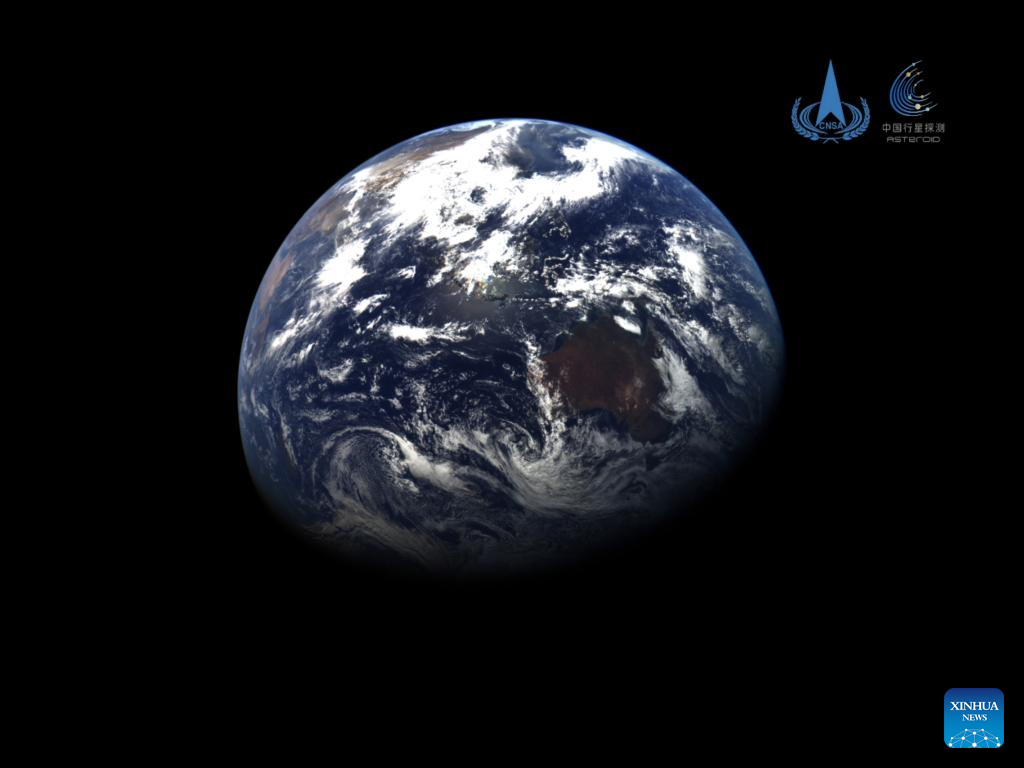
Tianwen-2 została wystrzelona 29 maja 2025 roku i jest wyposażona w 11 instrumentów naukowych. Misja ta ma na celu pobranie próbek z asteroidy 2016 HO3 i dostarczenie ich na Ziemię do 2027 roku. Ponadto, sonda zbada również kometę 311P, co stanowi kolejny krok w chińskich badaniach głębokiego kosmosu.
Przyszłe misje: Tianwen-3 i powrót próbek z Marsa
Chiny planują również misję Tianwen-3, która ma wystartować około 2028 roku. Celem tej misji będzie pobranie próbek z Marsa i dostarczenie ich na Ziemię do 2031 roku. Planuje się, że masa pobranych próbek będzie wynosiła co najmniej 500 gramów, co stanowi znaczący krok naprzód w badaniach Czerwonej Planety.
Rozwój infrastruktury kosmicznej i współpraca międzynarodowa
Chiny nie tylko intensyfikują swoje misje kosmiczne, ale również rozwijają infrastrukturę kosmiczną i nawiązują współpracę międzynarodową. W 2025 roku założono International Deep Space Exploration Association, co świadczy o rosnącej roli Chin w globalnej eksploracji kosmosu.
Megakonstelacje Guowang i Thousand Sails
Chiny planują rozwój megakonstelacji satelitów, takich jak Guowang i Thousand Sails. Każda z tych konstelacji ma składać się z ponad 10 tysięcy satelitów, co znacznie zwiększy możliwości komunikacyjne i obserwacyjne Państwa Środka. W 2025 roku przeprowadzono 15 startów związanych z konstelacją Guowang.
Współpraca międzynarodowa i projekty edukacyjne
Chiny aktywnie współpracują z innymi krajami w dziedzinie eksploracji kosmosu. Współpraca z Europą w ramach misji SMILE, oraz z Włochami w zakresie budowy satelitów, świadczy o otwartości chińskiego programu kosmicznego. Ponadto, pakistańscy astronauci rozpoczęli szkolenie w lutym 2025 roku, a ich lot na stację Tiangong jest planowany na 2026 rok.
Chiny również angażują się w projekty edukacyjne i naukowe, takie jak konstelacja BRICS do monitoringu katastrof naturalnych oraz wsparcie dla Inicjatywy Pasa i Szlaku (BRI) w dziedzinie rolnictwa i smart cities.
Innowacje technologiczne i rozwój rakiet wielokrotnego użytku
Chiński program kosmiczny kładzie duży nacisk na innowacje technologiczne i rozwój rakiet wielokrotnego użytku. W 2025 roku przeprowadzono testy statyczne rakiety Long March-10, która ma być wykorzystana w przyszłych misjach załogowych na Księżyc.
Nowe kosmodromy i prywatne projekty
Chiny rozwijają również swoją infrastrukturę kosmiczną, budując nowe kosmodromy w Jiuquan, Hainan oraz morski kosmodrom w Shandong. Wzrost udziału sektora prywatnego w projektach kosmicznych, takich jak budowa łazika księżycowego i satelitów, świadczy o dynamicznym rozwoju chińskiego przemysłu kosmicznego.
W kolejnej części artykułu przyjrzymy się szczegółom przyszłych misji księżycowych oraz planom budowy Międzynarodowej Stacji Badawczej na Księżycu (ILRS).
Plany lądowania na Księżycu i budowa stacji ILRS
Chiny mają ambitne plany związane z eksploracją Księżyca, w tym lądowanie astronautów na powierzchni Srebrnego Globu do 2030 roku. To historyczne wydarzenie ma być pierwszym krokiem w kierunku długoterminowej obecności człowieka na Księżycu. W ramach tych planów Chiny współpracują z innymi krajami nad budową Międzynarodowej Stacji Badawczej na Księżycu (ILRS), której podstawowa wersja ma powstać do 2035 roku.
Przygotowania do misji załogowych na Księżyc
Chińska rakieta Long March-10, która przeszła testy statyczne w 2025 roku, będzie kluczowym elementem misji załogowych na Księżyc. Rakieta ta ma zapewnić transport astronautów i ładunków na powierzchnię Księżyca. W ramach przygotowań Chiny prowadzą również badania nad technologiami lądowania i systemami podtrzymywania życia dla przyszłych misji.
Warto zauważyć, że Chiny planują również testy nowych skafandrów kosmicznych, które będą dostosowane do warunków panujących na Księżycu. Skafandry te mają zapewnić astronautom większą swobodę ruchów i ochronę przed szkodliwym promieniowaniem.
Budowa Międzynarodowej Stacji Badawczej na Księżycu (ILRS)
Stacja ILRS ma być wspólnym projektem kilku krajów, w tym Chin, Rosji i innych partnerów międzynarodowych. Stacja ta ma służyć jako baza dla badania Księżyca, testowania nowych technologii oraz przygotowań do przyszłych misji na Marsa. Planuje się, że stacja będzie składała się z kilku modułów, w tym modułu mieszkalnego, laboratorium naukowego oraz modułu energetycznego.
Budowa stacji ILRS ma przebiegać w kilku etapach. Pierwszy etap, który ma zostać ukończony do 2035 roku, obejmuje budowę podstawowej infrastruktury, która umożliwi przeprowadzanie pierwszych badań naukowych. W kolejnych latach stacja ma być rozbudowywana, aby umożliwić dłuższe pobyty astronautów i bardziej zaawansowane badania.
Rozwój technologii kosmicznych i innowacje
Chiny inwestują znaczne środki w rozwój technologii kosmicznych, co przyczynia się do dynamicznego wzrostu ich możliwości w eksploracji kosmosu. W 2025 roku Chiny przeprowadziły szereg testów i eksperymentów, które mają na celu poprawę niezawodności i efektywności ich rakiet i statków kosmicznych.
Rakiety wielokrotnego użytku i nowe technologie
Jednym z kluczowych kierunków rozwoju jest rakiety wielokrotnego użytku, które mają znacznie obniżyć koszty misji kosmicznych. Chiny prowadzą intensywne badania nad technologiami umożliwiającymi ponowne wykorzystanie rakiet, co ma przyczynić się do zwiększenia częstotliwości startów i obniżenia kosztów.
W 2025 roku Chiny przeprowadziły również testy nowych silników rakietowych, które mają być bardziej wydajne i ekologiczne. Nowe silniki mają zapewnić większą moc i mniejsze zużycie paliwa, co jest kluczowe dla przyszłych misji załogowych i badań głębokiego kosmosu.
Innowacje w dziedzinie satelitów i komunikacji
Chiny rozwijają również technologie satelitarne, które mają poprawić komunikację i obserwację Ziemi. W ramach megakonstelacji Guowang i Thousand Sails planowane jest wystrzelenie ponad 10 tysięcy satelitów, co znacznie zwiększy możliwości komunikacyjne i obserwacyjne Chin.
Nowe satelity mają być wyposażone w zaawansowane systemy obserwacyjne, które umożliwią monitorowanie zmian klimatycznych, zarządzanie zasobami naturalnymi oraz wspieranie działań ratowniczych w przypadku katastrof naturalnych. Chiny planują również rozwój technologii kwantowej, która ma zapewnić bezpieczną komunikację satelitarną.
Współpraca międzynarodowa i edukacja kosmiczna
Chiny aktywnie współpracują z innymi krajami w dziedzinie eksploracji kosmosu i edukacji kosmicznej. Współpraca ta ma na celu wymianę wiedzy i doświadczeń, co przyczynia się do przyspieszenia rozwoju technologii kosmicznych i zwiększenia bezpieczeństwa misji.
Współpraca z Europą i innymi partnerami
Chiny współpracują z Europą w ramach misji SMILE, która ma na celu badanie interakcji między wiatrem słonecznym a magnetosferą Ziemi. Współpraca ta obejmuje również budowę satelitów i wymianę danych naukowych.
Chiny współpracują również z Włochami w zakresie budowy satelitów i technologii kosmicznych. Współpraca ta ma na celu rozwój nowych technologii i zwiększenie możliwości obserwacyjnych satelitów.
Edukacja kosmiczna i szkolenia astronautów
Chiny angażują się również w edukację kosmiczną i szkolenia astronautów. W 2025 roku pakistańscy astronauci rozpoczęli szkolenie w Chinach, co świadczy o rosnącej roli Chin w międzynarodowej współpracy kosmicznej. Szkolenia te mają na celu przygotowanie astronautów do przyszłych misji na stację Tiangong i inne projekty kosmiczne.
Chiny planują również rozwój programów edukacyjnych, które mają zachęcać młodych ludzi do zainteresowania się naukami ścisłymi i technologiami kosmicznymi. Programy te obejmują warsztaty, konkursy i wykłady, które mają na celu popularyzację wiedzy o kosmosie.
Konstelacja BRICS i wsparcie dla Inicjatywy Pasa i Szlaku
Chiny współpracują również z krajami BRICS w zakresie budowy konstelacji satelitów do monitoringu katastrof naturalnych. Konstelacja ta ma na celu poprawę zdolności do szybkiego reagowania na katastrofy i minimalizowanie ich skutków.
Chiny wspierają również Inicjatywę Pasa i Szlaku (BRI) w dziedzinie rolnictwa i smart cities. Współpraca ta ma na celu wykorzystanie technologii kosmicznych do poprawy zarządzania zasobami naturalnymi i rozwoju zrównoważonych miast.
Przyszłe misje i cele chińskiego programu kosmicznego
Chiny mają ambitne plany na przyszłość, które obejmują misje załogowe na Księżyc, badania Marsa oraz rozwój technologii kosmicznych. W najbliższych latach Chiny planują przeprowadzić szereg misji, które mają na celu poszerzenie wiedzy o kosmosie i zwiększenie możliwości eksploracji.
Misje załogowe na Księżyc i badania Marsa
Chiny planują lądowanie astronautów na Księżycu do 2030 roku, co ma być pierwszym krokiem w kierunku długoterminowej obecności człowieka na Srebrnym Globie. W ramach tych planów Chiny prowadzą intensywne badania nad technologiami lądowania i systemami podtrzymywania życia.
Chiny planują również misję Tianwen-3, która ma wystartować około 2028 roku. Celem tej misji będzie pobranie próbek z Marsa i dostarczenie ich na Ziemię do 2031 roku. Planuje się, że masa pobranych próbek będzie wynosiła co najmniej 500 gramów, co stanowi znaczący krok naprzód w badaniach Czerwonej Planety.
Rozwój technologii kosmicznych i innowacje
Chiny inwestują znaczne środki w rozwój technologii kosmicznych, co przyczynia się do dynamicznego wzrostu ich możliwości w eksploracji kosmosu. W 2025 roku Chiny przeprowadziły szereg testów i eksperymentów, które mają na celu poprawę niezawodności i efektywności ich rakiet i statków kosmicznych.
Chiny planują również rozwój technologii kwantowej, która ma zapewnić bezpieczną komunikację satelitarną. Nowe technologie mają być wykorzystane w przyszłych misjach kosmicznych, co przyczyni się do zwiększenia bezpieczeństwa i efektywności misji.
W kolejnej części artykułu przyjrzymy się podsumowaniu osiągnięć chińskiego programu kosmicznego oraz perspektywom na przyszłość.
Podsumowanie osiągnięć chińskiego programu kosmicznego w 2025 roku
Rok 2025 okazał się przełomowy dla chińskiego programu kosmicznego, który osiągnął szereg spektakularnych sukcesów. Ponad 80 startów rakiet, w tym misje załogowe do stacji Tiangong, wystrzelenie sondy Tianwen-2 oraz rozwój megakonstelacji satelitów, świadczą o dynamicznym rozwoju i ambicjach Chin w eksploracji kosmosu.
Kluczowe osiągnięcia w 2025 roku
Wśród najważniejszych osiągnięć warto wymienić:
- Rekordową liczbę startów rakiet – ponad 80 misji, w tym 15 dla konstelacji Guowang.
- Misje załogowe Shenzhou-20 i Shenzhou-21, które dostarczyły zaopatrzenie i załogę na stację Tiangong.
- Pierwszą awaryjną procedurę powrotu załogi, która udowodniła niezawodność chińskiego programu stacji kosmicznej.
- Wystrzelenie sondy Tianwen-2, której celem jest zbadanie asteroidy 2016 HO3 i komety 311P.
- Przełom w badaniach księżycowych – powrót pierwszych eksperymentalnych "cegieł z regolitu księżycowego".
Postępy w technologii i infrastrukturze
Chiny znacząco rozwinęły swoją infrastrukturę kosmiczną, budując nowe kosmodromy w Jiuquan, Hainan oraz morski kosmodrom w Shandong. Ponadto, przeprowadzono testy statyczne rakiety Long March-10, która ma być wykorzystana w przyszłych misjach załogowych na Księżyc.
Warto również zauważyć rozwój rakiet wielokrotnego użytku oraz technologii satelitarnych, które mają poprawić komunikację i obserwację Ziemi. Chiny planują wystrzelenie ponad 10 tysięcy satelitów w ramach megakonstelacji Guowang i Thousand Sails.
Perspektywy i plany na przyszłość
Chiny mają ambitne plany na przyszłość, które obejmują lądowanie astronautów na Księżycu do 2030 roku oraz budowę Międzynarodowej Stacji Badawczej na Księżycu (ILRS) do 2035 roku. Te cele świadczą o determinacji Chin w dążeniu do stałej obecności człowieka na Księżycu i eksploracji głębokiego kosmosu.
Misje załogowe na Księżyc i badania Marsa
Chiny planują lądowanie astronautów na Księżycu do 2030 roku, co ma być pierwszym krokiem w kierunku długoterminowej obecności człowieka na Srebrnym Globie. W ramach tych planów Chiny prowadzą intensywne badania nad technologiami lądowania i systemami podtrzymywania życia.
Kolejnym ważnym celem jest misja Tianwen-3, która ma wystartować około 2028 roku. Celem tej misji będzie pobranie próbek z Marsa i dostarczenie ich na Ziemię do 2031 roku. Planuje się, że masa pobranych próbek będzie wynosiła co najmniej 500 gramów.
Rozwój współpracy międzynarodowej
Chiny aktywnie współpracują z innymi krajami w dziedzinie eksploracji kosmosu i edukacji kosmicznej. Współpraca ta ma na celu wymianę wiedzy i doświadczeń, co przyczynia się do przyspieszenia rozwoju technologii kosmicznych i zwiększenia bezpieczeństwa misji.
Wśród najważniejszych partnerów warto wymienić Europę (misja SMILE), Włochy (budowa satelitów) oraz kraje BRICS (konstelacja satelitów do monitoringu katastrof naturalnych). Chiny wspierają również Inicjatywę Pasa i Szlaku (BRI) w dziedzinie rolnictwa i smart cities.
Wyzwania i szanse dla chińskiego programu kosmicznego
Mimo licznych osiągnięć, chiński program kosmiczny stoi przed wieloma wyzwaniami, takimi jak rozwój technologii wielokrotnego użytku, zapewnienie bezpieczeństwa misji załogowych oraz konkurencja z innymi krajami w wyścigu kosmicznym. Jednakże, Chiny mają również wiele szans, które mogą przyczynić się do dalszego rozwoju ich programu kosmicznego.
Wyzwania technologiczne i konkurencja
Jednym z największych wyzwań jest rozwój rakiet wielokrotnego użytku, które mają obniżyć koszty misji kosmicznych. Chiny prowadzą intensywne badania nad tymi technologiami, jednakże konkurencja z innymi krajami, takimi jak Stany Zjednoczone i Rosja, jest bardzo silna.
Kolejnym wyzwaniem jest zapewnienie bezpieczeństwa misji załogowych, zwłaszcza w kontekście planowanego lądowania na Księżycu. Chiny muszą rozwinąć zaawansowane systemy podtrzymywania życia oraz technologie lądowania, które zagwarantują bezpieczeństwo astronautów.
Szanse na rozwój i innowacje
Chiny mają również wiele szans, które mogą przyczynić się do dalszego rozwoju ich programu kosmicznego. Wśród nich warto wymienić:
- Współpracę międzynarodową, która umożliwia wymianę wiedzy i doświadczeń.
- Rozwój technologii kwantowej, która może zapewnić bezpieczną komunikację satelitarną.
- Inwestycje w edukację kosmiczną, które przyczyniają się do wzrostu zainteresowania naukami ścisłymi.
- Rozwój megakonstelacji satelitów, które zwiększają możliwości komunikacyjne i obserwacyjne.
Podsumowanie i wnioski
Rok 2025 był historyczny dla chińskiego programu kosmicznego, który osiągnął szereg spektakularnych sukcesów. Ponad 80 startów rakiet, misje załogowe do stacji Tiangong, wystrzelenie sondy Tianwen-2 oraz rozwój megakonstelacji satelitów świadczą o dynamicznym rozwoju i ambicjach Chin w eksploracji kosmosu.
Chiny mają ambitne plany na przyszłość, które obejmują lądowanie astronautów na Księżycu do 2030 roku oraz budowę Międzynarodowej Stacji Badawczej na Księżycu (ILRS) do 2035 roku. Te cele świadczą o determinacji Chin w dążeniu do stałej obecności człowieka na Księżycu i eksploracji głębokiego kosmosu.
Mimo licznych wyzwań, takich jak rozwój technologii wielokrotnego użytku i zapewnienie bezpieczeństwa misji załogowych, Chiny mają również wiele szans, które mogą przyczynić się do dalszego rozwoju ich programu kosmicznego. Współpraca międzynarodowa, rozwój technologii kwantowej oraz inwestycje w edukację kosmiczną to tylko niektóre z czynników, które mogą przyczynić się do sukcesu chińskiego programu kosmicznego.
Chiny w wyścigu kosmicznym to temat, który będzie nadal budził emocje i zainteresowanie w nadchodzących latach. Dynamiczny rozwój technologii, ambitne plany i determinacja Chin w eksploracji kosmosu sprawiają, że Państwo Środka staje się jednym z głównych graczy w globalnym wyścigu kosmicznym. Przyszłość chińskiego programu kosmicznego rysuje się w jasnych barwach, a osiągnięcia z 2025 roku są tylko początkiem długiej i fascynującej podróży w głąb kosmosu.