Influential Film Scores: A Musical Journey Through Time
The Magic of Soundtracks
Film scores serve as the invisible thread that weaves together the emotions and narrative of a movie, often becoming as memorable and iconic as the films themselves. From the haunting melodies of horror films to the triumphant swells of epic epics, a well-composed score can elevate a story to new heights or enhance it in subtle yet profound ways. In this journey through influential film scores, we'll explore how music has played a pivotal role in cinema, providing a deeper understanding of why some scores have left indelible marks on our cultural landscape.
The Early Pioneers
The roots of cinematic scores can be traced back to the silent era when orchestras would accompany screenings. However, it was not until the advent of sound in the late 1920s that scores began to take on their modern form as a vital element of film. One of the earliest influential film scores is from Charlie Chaplin's The Gold Rush (1925). Although the score wasn't composed by Chaplin himself, the live piano music that accompanied it became a hallmark of silent film, setting the stage for the integration of composed music into future films.
Magic Moments in Cinema
One cannot discuss influential film scores without mentioning Jaws (1975), scored by John Williams. The five-note motif, famously known as "the shark theme," is instantly recognizable and plays a critical role in building suspense. Composer Howard Shore's work on David Cronenberg’s The Silence of the Lambs (1991), another landmark score, uses unconventional instruments like the prepared piano to create an unsettling atmosphere that enhances the psychological tension of the film.
Turmoil and Triumph
Film scores have also been crucial in evoking a sense of historical drama and emotional turmoil. In Schindler’s List (1993), John Williams masterfully uses minimalistic instrumentation to convey the overwhelming tragedy and despair faced by Holocaust survivors. Similarly, Ennio Morricone's score for Malapaga (1965) and later The Mission (1986) introduces unique sounds like the zither and indigenous instruments to evoke the harsh, untamed landscapes and the religious fervor of South America during the colonial period.
Cult Classics and Iconic Themes
Cult classics often benefit greatly from memorable and reworkable themes, making their scores equally celebrated. The Star Wars saga provides a prime example with its instantly recognizable "Duel of the Fates" from Star Wars: Episode I - The Phantom Menace (1999), composed by John Williams. This piece became synonymous with the film's epic nature and has since been referenced widely, cementing its place in popular culture.
Beyond Music: Atmosphere and Narrative
A score can do more than just set the mood; it can drive the narrative forward. For instance, Hans Zimmer's and Lisa Gerrard's score for Oscar and Lucinda (1997) seamlessly blends minimalist elements with sweeping orchestral pieces to narrate the story of two individuals navigating their unique destinies against the backdrop of colonial Australia. Each piece serves not only to enhance the emotional impact but also to subtly guide the audience through the narrative arc.
The Power of Minor Notes
The power of minor keys cannot be overstated. In No Country for Old Men (2007), Ennio Morricone utilizes stark, minor-key melodies to underscore the dark undercurrents of the western film. This score creates a somber and ominous atmosphere, perfectly capturing the film's gritty, uncompromising tone.
Breaking Boundaries: Modern Innovations
In recent decades, film scores have seen innovations driven by technology and cultural shifts. Composers increasingly blend different musical traditions, incorporate electronic instruments, and exploit software to craft soundscapes that push the boundaries of what film music can achieve. The Avengers: Endgame (2019), for instance, features a complex score that combines traditional orchestration with digital effects to reflect the multiverse’s vast scale and complexity.
Breaking Genre Lines
Modern scores frequently blur genre lines, blending genres such as comedy, drama, and horror with unprecedented success. Trent Reznor and Atticus Ross's score for The Social Network (2010) exemplifies this trend. Their use of minimalistic, glitchy, and electronic soundscapes not only adds a layer of technological grit but also mirrors the cold, calculated world of Mark Zuckerberg’s social media empire.
Embracing Diversity
Diversity in both composition and representation is becoming more prominent in music for film. Scoring for films that highlight diverse cultures presents composers with unique challenges and opportunities. Ramin Djawadi's score for Game of Thrones (2011) incorporates Middle Eastern music elements, while Marco Beltrami's score for Get Out (2017) uses folkloric sounds to enhance the psychological horror and social commentary of the film.
Conclusion
From silent films to today's blockbusters, the impact of film scores cannot be underestimated. They are far more than just background music; they are integral to the storytelling process. As cinema continues to evolve, so too will the scores we hear on screen. What remains clear is that the best scores resonate beyond the cinema, transcending time and culture to become timeless treasures that we return to again and again.
Evoking Emotions Through Music
Film scores often serve as the emotional glue that connects the audience to the characters and storylines. A well-crafted score can evoke a range of emotions, from joy and excitement to fear and sadness. For instance, the score for Up (2009), composed by Michael Giacchino, blends upbeat and whimsical themes with poignant and tear-jerking moments. The use of a clarinet in the score during the montage of Carl and Ellie's adventures is particularly poignant, creating a sense of nostalgia and shared experience.
Enhancing the Narrative
The role of film scores is not confined to emotional expression; a well-composed score can enhance the narrative in numerous ways. In Juno (2007), Mark Mothersbaugh uses a mix of 1960s and 1970s pop and rock music to reflect the film’s retro feel and the protagonist's rebellious nature. The score captures Juno's journey from pregnancy to self-discovery, with the music serving as a voice for her internal and external struggles.
Creating a Sense of Place
A score can also help in setting the scene and creating a sense of place. In Mad Max: Fury Road (2015), Junkie XL's score seamlessly integrates electronic and tribal elements to create an immersive desert landscape. The score’s relentless beats and intense rhythms perfectly match the film’s post-apocalyptic, gritty visuals. In Moana (2016), Lin-Manuel Miranda's score blends traditional Polynesian music with modern pop elements to transport viewers to the islands and evoke a strong emotional connection to the characters and their culture.
Prominent Female Composers
The influence and contributions of female composers in film scores are growing, and they bring a unique perspective to the craft. Laura Karpman's score for Chasing Liberty (2005) is a testament to her ability to create powerful, evocative music. She uses a mix of orchestral and electronic elements to capture the spirit of the early American republic, while also highlighting the challenges faced by women like Harriet Tubman.
Innovative Scoring Techniques
Innovative scoring techniques can make a score stand out. In Parasite (2019), Jung Jae-young's score incorporates unconventional sounds such as scraping and scratching noises to convey the claustrophobic and tense atmosphere of the film. The score effectively mirrors the tension in the narrative and the social inequalities at play.
Challenges and Controversies
While the field of film scoring has seen significant advancements and innovation, it also faces challenges. One of the most significant challenges is the recognition and appreciation of scores in award ceremonies. Despite their critical importance, film scores often receive less recognition than other aspects of filmmaking. As a result, many composers feel that their contributions are undervalued.
The Impact of Technology
Technology has played a crucial role in shaping film scores. The advent of digital instruments and sound manipulation software has given composers greater freedom and flexibility in creating scores. For example, the score for Ex Machina (2015) by Steve Mowat uses a combination of traditional orchestral instruments and digital processing to create a dissonant and unsettling atmosphere that perfectly complements the film’s themes of artificial intelligence and ethical dilemmas.
Preserving Cultural Heritage
Film scores can also contribute to the preservation of cultural heritage. In Koyaanisqatso (1982), Jerry Fielding’s score uses a mix of Native American and classical elements to reflect the film’s themes of nature and the cycle of life. The score not only enriches the cinematic experience but also serves as a cultural touchstone.
Future Trends
Looking ahead, it seems likely that film scores will continue to evolve, incorporating more interdisciplinary approaches and technologies. One potential trend is the use of virtual reality and augmented reality in scoring, where scores can be experienced in immersive 3D environments. This could provide a more holistic and interactive experience for audiences.
Diverse Genres and Global Influence
Film scores are not limited to mainstream genres; they can be found across a wide spectrum of film styles, reflecting the diversity of cinema. In documentaries, scores can add depth and context, while in action films, they can heighten the intensity and excitement.
Documentaries and Score
In Waking for Emmett (2022), Joseph Bierman and the Silk Road Ensemble use a blend of traditional and contemporary elements to convey the emotional impact of the Civil Rights movement. The score’s haunting quality underscores the struggles and triumphs depicted in the film, making it a powerful addition to the documentary genre.
Action Genres and High Energy
For action films, scores typically focus on building tension and excitement. In John Wick (2014), John Powell’s score uses a combination of electronic beats and symphonic elements to create a dynamic and intense atmosphere. The score’s syncopated rhythms and powerful crescendos perfectly match the film’s high-octane action sequences.
Experimental and Avant-Garde Scores
Experimental and avant-garde films often push the boundaries of what is traditionally considered film music. In Alexander Kluge’s Vagin d'Histoire (1995), the score by Michael Nyoman and Togar Putra is a mix of traditional gamelan and electronic sounds, creating a unique and thought-provoking listening experience. The score challenges traditional notions of harmony and melody, reflecting the film’s exploration of political and social issues.
Global Perspectives
Film scores in international cinema can offer profound insights into different cultural contexts. In Tar (2022), the score by Miki Varga and others uses a mix of traditional instruments and modern electronic sounds to create a haunting and mystical atmosphere. The score captures the essence of life in the harsh mountainous regions of Georgia, reflecting the resilience and spiritual depth of the landscape.
Impact on Film Music Industry
The influence of film scores extends beyond the cinema, shaping the film music industry as a whole. The success of scores like those for Jurassic Park, composed by John Williams, and The Godfather, composed by Nino Rota, has set a high standard for aspiring composers and influenced countless others. These scores have become part of popular culture, referenced in music, television, and other forms of media.
Conclusion
The evolution of film scores reflects the changing nature of filmmaking and popular culture. From silent films to digital masterpieces, scores continue to play a critical role in enhancing the cinematic experience. As the film industry continues to embrace new technologies and diverse storytelling, the role of film scores in shaping our cultural landscape will undoubtedly remain central.
Cross-Genre Collaboration and Innovation
In recent years, cross-genre collaboration has become a significant trend in film scoring, allowing composers to blend diverse musical influences and techniques to create innovative and multifaceted scores. This blending of styles not only enhances the visual storytelling but also introduces audiences to new sonic territories. One prominent example is James Newton Howard’s score for Black Mass (2015), which incorporates both orchestral and blues-inspired elements to complement the biographical thriller about Whitey Bulger. The score effectively captures the gritty, underworld atmosphere of the film while adding layers of emotion and tension.
Collaborative Efforts and Composing Ensembles
Another area where cross-genre collaboration shines is in ensemble compositions. Composers like Thomas Newman are known for their ability to fuse various genres seamlessly. His score for Saving Mr. Banks (2013) draws from both classical and jazz influences, blending these elements to reflect the complex relationships and historical contexts portrayed in the film. The score’s intricate arrangements and dynamic range provide a rich and nuanced soundtrack that supports the emotional journey of the characters.
Electronic Instruments and Digital Scores
The rise of electronic instruments and digital tools has opened new creative avenues for film composers. In Arrival (2016), Justin Hurwitz used electronic music and sound design to create an ambient and atmospheric score that perfectly complements the film’s exploration of language and cultural communication. The use of synthesized tones and subtle audio effects adds a futuristic and otherworldly quality to the score, enhancing the film’s alien-themed narrative.
Integration of World Music
World music influences have become increasingly prevalent in modern film scores. Composer Ryuichi Sakamoto’s score for The Great Wall (2016) blends traditional Chinese instrumentation with contemporary Western orchestrations, creating a unique and captivating sound. The score captures the epic scale and cultural richness of the film, drawing upon the diverse musical traditions of China.
Interactive and Immersive Scores
As technology advances, interactive and immersive scores are emerging as a new frontier in film music. For instance, in Blade Runner 2049 (2017), Hans Zimmer and Benjamin Wallfisch’s score features a blend of live orchestra performances and real-time generated elements, creating an immersive audio experience. The score is designed to adapt dynamically based on the audience’s reactions and the film’s unfolding narrative, adding a layer of interactivity that enhances the overall viewing experience.
Contemporary Scoring Techniques
Contemporary scoring techniques involve experimental and boundary-pushing approaches. Score: A Film Music Documentary (2021) explores various contemporary compositional methods, including the use of generative music and machine learning algorithms. Composer Dustin O'Halloran, featured in the documentary, utilizes generative music to create dynamic scores for films like Sound of Metal (2019). The score’s ability to adapt and evolve in real-time with the film’s progression adds a fresh layer of engagement for both composers and audiences.
Recognition and Awards
Despite their significance, film scores often struggle for recognition in major award categories. While composers like John Williams and John Culkin have achieved acclaim through Oscars and other accolades, many talented contemporaries remain overlooked. The Academy Awards, for instance, rarely feature nomination slots specifically for film scores, leading to a disparity in recognition. However, organizations like BMI and the Grammy Awards have started to address this issue, with more frequent nominations and wins for film scores.
Challenges Facing Film Composers
Film composers face numerous challenges, primarily centered around budget constraints and the fast-paced nature of the film industry. Composers often have to work within tight deadlines and limited resources, which can affect the quality and scope of their work. The pressure to deliver a score that aligns perfectly with the director’s vision and meets production demands can be immense. Additionally, the increasing popularity of streaming platforms may alter traditional financing models, introducing further complexities for composers.
Elevating Film Music to New Heights
To overcome these challenges, film composers must innovate and seek collaborations with directors, producers, and new technologies. Collaborations with emerging directors and smaller independent filmmakers can provide opportunities for new composers to showcase their talents without the pressure of large-budget films. Furthermore, embracing emerging technologies, such as AI-assisted composition and interactive soundscapes, can help elevate film music to new heights.
Conclusion
The journey of film scores continues to evolve, marked by innovation, diversity, and technological advancement. From silent films to modern digital masterpieces, scores remain a vital component of cinematic storytelling. As the film industry embraces new technologies and collaborative efforts, the role of film scores in enriching and enhancing the viewer’s experience will only grow stronger. The future of film music holds great promise, filled with endless possibilities for creativity and innovation.
By exploring the intricate tapestry of film scores, one can better appreciate the artistry behind the scenes, understand the emotional resonance and narrative depth that these scores bring to films, and recognize their enduring cultural impact. As cinema continues to evolve, the power of music in film will undoubtedly remain a cornerstone of artistic expression and storytelling.


The Musical Odyssey of Gavin Dunne: From Shadows to Spotlight
Introduction
In the landscape of independent music, few figures have blended narratives and melodies as compellingly as Gavin Dunne. Known by his stage name, Miracle of Sound, Dunne has carved a niche that defies the traditional boundaries of genre, appealing to diverse audiences with his dynamic soundscapes and lyrical prowess. From the echoes of video game epics to the anthems of cinematic adventures, Dunne's creative journey has been a testament to the power of music as a storytelling medium.
Early Musical Influences
Gavin Dunne’s musical journey began in Ireland, a country renowned for its rich musical heritage and folklore. Growing up, Dunne was immersed in various musical styles, influenced by both the eclectic sounds of contemporary music and the traditional Irish rhythms that surrounded him. These formative years instilled in him a deep appreciation for storytelling—an element that would become a defining characteristic of his work. As a youth, Dunne was captivated by rock legends such as Queen and David Bowie, whose innovative approaches to artistry and performance ignited his passion for creating music that transcends mere auditory experience, turning it into a vivid emotional and narrative journey.
The Birth of Miracle of Sound
In 2011, Gavin Dunne embarked on an ambitious project that would ultimately define his musical career. Enter Miracle of Sound, an innovative platform through which Dunne released music inspired by popular video games, films, and television series. This endeavor began somewhat serendipitously when Dunne crafted a song inspired by the critically acclaimed video game, “BioShock Infinite.” Titled “Elizabeth,” the song resonated deeply with both gamers and music lovers, propelling Miracle of Sound into the spotlight.
Unlike many musicians who focus solely on mainstream exposure, Dunne took advantage of the growing digital landscape, utilizing platforms like YouTube and Bandcamp to connect directly with his audience. This decision not only democratized his music, allowing him to bypass traditional music industry gatekeepers, but also enabled him to interact with fans from all corners of the globe. Through Miracle of Sound, Dunne created a unique form of engagement and community among listeners, often tailoring his songs to incorporate feedback and requests.
Crafting an Epic Universe
Miracle of Sound is characterized by its expansive and diverse catalog, where each song is a standalone story, yet part of a grander narrative tapestry. Dunne’s skills as a songwriter and producer allowed him to explore a multitude of genres, from the heavy guitar riffs and pounding drums found in rock, to the soaring orchestral arrangements of soundtracks, and even the catchy hooks of pop and electro beats. His versatility is matched by a meticulous attention to lyrics, with each piece mirroring the themes and emotions of the corresponding game or movie.
A noteworthy example is "Commander Shepard," a tribute to the "Mass Effect" series, which became an anthem for fans with its catchy chorus and driving rhythm. This track is illustrative of Dunne’s ability to capture the essence of a character or moment, translating it into a musical form that complements and amplifies the original narrative. His music not only provides an auditory experience but also enhances the emotional connection to the stories and characters that inspired it.
Community Engagement and Fan Base
One of the most compelling aspects of Miracle of Sound is the symbiotic relationship between Dunne and his fans. Unlike traditional musicians who may remain distant from their audience, Dunne actively engages with his fan base through social media platforms and direct interactions. This accessibility has fostered a loyal community that values not only the music but also the ethos of collaboration and inclusivity that underpins Miracle of Sound.
Dunne frequently involves his fans in the creative process, whether it's gathering inspiration for new tracks or hosting Q&A sessions to discuss his artistic journey. This collaborative spirit reflects in Dunne’s openness to explore new ideas and genres, often encouraged by the suggestions and tastes of his followers. As a result, his music continuously evolves while maintaining a core of storytelling that speaks to both long-time fans and new listeners.
Conclusion
Gavin Dunne, through his alter ego Miracle of Sound, has reshaped the musical landscape by demonstrating the potential of self-produced and independently distributed music. As he embarks on new projects and continues to engage audiences worldwide, Dunne embodies the spirit of innovation and creativity, proving that passion and dedication can build bridges from the dreams of one to the lives of many. In this ever-connected world, Miracle of Sound stands as a beacon of artistic integrity and community, inviting everyone to partake in the magnificent stories set to music.
Breaking Boundaries with Genre Fusion
Gavin Dunne’s remarkable ability to seamlessly blend genres is a cornerstone of his musical identity, setting him apart from many artists who typically adhere to a singular style. This fusion is reflective of his philosophy that music should be a boundless form of expression, adapting and evolving rather than adhering to traditional confines. Throughout his discography, Dunne has traversed an eclectic spectrum of musical worlds, each piece distinct yet unmistakably a part of the Miracle of Sound universe.
Take, for instance, his song “Valhalla Calling,” which fuses Nordic folk elements with hard-hitting rock, embodying the adventurous and mythic essence of Viking sagas. Such compositions showcase Dunne’s talent for pushing genre boundaries, challenging conventional categorizations and inviting listeners to embark on an auditory adventure where multiple influences harmoniously coexist. This diversity not only keeps his music fresh and innovative but also allows him to reach audiences with varied musical tastes, thus expanding his fan base.
The Art of Collaboration
Another notable aspect of Dunne’s career is his penchant for collaboration, which has further enriched the Miracle of Sound project. By partnering with other musicians and artists, Dunne has explored new dimensions in his music, infusing his creations with fresh perspectives and innovative sounds. These collaborations are often featured on his albums and add another layer of complexity and depth to his work.
One of the most memorable collaborations was with YouTuber and singer Malukah, renowned for her hauntingly beautiful voice. Together, they created the song “Legends of the Frost,” inspired by “The Elder Scrolls V: Skyrim.” The track melds Malukah’s ethereal vocals with Dunne’s cinematic composition, resulting in a piece that transports listeners to the expansive, immersive world of Skyrim. These partnerships not only enhance the musical output but also highlight Dunne’s commitment to community and shared creativity, where each collaborator brings something unique to the table.
Collaborations extend beyond musicians to include video game developers and filmmakers, which provide insider insights that enrich Dunne’s storytelling. By engaging creators of the original narratives that inspire his music, Dunne gains a deeper understanding of the stories he is translating into song. This has led to partnerships with companies like BioWare and Ubisoft, marking a recognition of Dunne’s contributions to the broader narrative frameworks of their worlds.
Navigating the Challenges of Independent Music Production
Operating independently in the music industry presents its own set of challenges, from managing marketing and distribution to handling production and artistic direction. Yet, Gavin Dunne has not only navigated these hurdles but thrived within the independent framework. This autonomy has allowed him to retain full creative control over his work, crafting a musical identity that is authentically aligned with his vision.
Despite the obstacles, Dunne’s success is driven by his strategic use of digital platforms and his commitment to high-quality production. Through meticulous attention to sound design and recording, Dunne ensures that each track meets the standards of a professional studio album, something that listeners have come to expect and admire. His engagement with advancements in production technology allows him to consistently push the envelope, offering fans a polished and immersive listening experience without the backing of a major label.
The financial aspects of independent music production can also be challenging, yet Dunne has effectively harnessed crowdfunding models, offering fans the opportunity to support and partake in the production of new albums. This approach not only secures the resources needed to produce music but also strengthens the bond between him and his supporters, giving fans a sense of ownership and involvement in the creative process.
A Legacy in Progress
As Gavin Dunne continues to innovate and create, his legacy as Miracle of Sound is still very much a work in progress. His journey from humble beginnings to becoming a revered figure in the independent music scene exemplifies what can be achieved with dedication, creativity, and a willingness to embrace new ideas. Each release further solidifies his role as a modern bard, translating the rich narratives of visual media into songs that resonate emotionally with listeners.
Looking forward, Dunne’s trajectory suggests a future filled with continued experimentation and collaboration. His adaptability ensures that he remains at the forefront of musical innovation, perpetually seeking new stories to tell and sounds to explore. As he forges ahead, Gavin Dunne stands as a symbol of what independent artistry can achieve in an ever-evolving industry, a reminder of the power of music to connect, inspire, and transcend beyond the bounds of its medium.
In conclusion, Gavin Dunne, through Miracle of Sound, has not only enriched the world of music with his unique blend of storytelling and genre fusion but has also created a community where fans and creators come together to celebrate the magic of narrative-driven music. As one chapter closes, many more await in the epic saga of this musical visionary, poised to turn the next page in the ever-expanding tale of Miracle of Sound.
The Global Impact and Cultural Relevance of Gavin Dunne’s Music
Gavin Dunne's music, under the Miracle of Sound banner, has transcended geographical boundaries to build a global fanbase, highlighting the universal appeal of music as a medium. His distinctly narrative-driven approach resonates with audiences because it taps into the shared human experience: tales of heroics, quests for identity, the struggles against adversity, and the triumphs of spirit. Each song serves as a narrative vignette, inviting listeners to explore the stories and themes resonant in popular culture, from video games to epic films.
Dunne’s ability to draw inspiration from a wide array of cultural sources enriches his music, allowing it to serve as a connective thread among diverse audiences. By creating music that celebrates cultural giants like "The Witcher" or "Cyberpunk 2077," Dunne not only amplifies these beloved stories but also contributes to the cultural dialogue surrounding them. His music acts as both a tribute and a new lens through which fans can re-experience their favorite narratives, establishing Dunne as an active participant in the cultural zeitgeist.
Furthermore, the accessibility of his work through digital distribution ensures that his music can reach listeners anywhere, unconfined by traditional music industry limitations. Platforms like Spotify, YouTube, and Bandcamp make it possible for fans across different continents to engage with his art, solidifying Dunne’s status as a musician whose work transcends language and cultural barriers to resonate on a global scale.
The Influence of Fan Feedback on Creation
One of the significant factors that continuously shapes Dunne’s musical journey is the influence of fan feedback. Unlike many artists who may view their audience from afar, Dunne thrives on maintaining an interactive relationship with his followers. His openness to listener input not only endears him to his fanbase but also serves as a springboard for new creative endeavors. This dynamic feedback loop allows Dunne’s work to evolve in real-time, often anticipating trends or shifts in fan interests even before they become widespread.
By incorporating fan suggestions and preferences, Dunne keeps his music fresh and aligned with what his audience actively seeks. This collaborative synergy not only enriches the listener’s experience but also ensures an ongoing dialogue between creator and audience. Fans are an integral part of the Miracle of Sound project, and their enthusiasm fuels Dunne’s artistic ventures. This approach democratizes the creative process, blurring the lines between artist and audience, and fostering a collective artistic endeavor.
Future Prospects and Innovations
Looking into the future, Gavin Dunne's career is poised to explore even more uncharted territories in the realm of music and storytelling. Always at the cutting edge of innovation, Dunne is likely to delve into new technological advancements within the music industry, such as virtual reality, immersive audio experiences, and interactive storytelling formats. These technologies could offer listeners even more profound means to engage with his music, enhancing the narrative experience he so masterfully crafts.
Dunne’s commitment to exploring new forms and themes suggests an ongoing evolution of his work, ready to incorporate the latest storytelling mediums and audience engagement strategies. As the world of entertainment continues to evolve, so too does the potential for Dunne to forge new paths and expand the domain of his musical explorations. Given his track record, fans can anticipate forthcoming releases that push boundaries and challenge conventions, while maintaining the distinctive storytelling heart at the forefront of all Miracle of Sound compositions.
Additionally, as global awareness becomes increasingly crucial in artistic circles, Dunne’s work may see him entering partnerships aimed at social impact, using his platform to address pertinent global issues through the lens of music. Artists have a unique voice in today’s world, and music rooted in narrative tradition is an incredibly potent vehicle for driving social awareness and change.
Conclusion: The Timelessness of Miracle of Sound
Gavin Dunne’s journey through Miracle of Sound underscores the timeless essence of music as a storytelling art form. By merging personal passion with cultural narratives, Dunne has established himself as a modern-day bard, his songs chronicling the stories of digital worlds and collective human experiences alike. While the future holds exciting prospects for Miracle of Sound, the essence of Dunne’s work remains consistent—a dedication to crafting songs that offer listeners an escape into the realms of imagination, emotion, and thoughtful reflection.
Through his unique blend of independent spirit, genre-defying compositions, and audience-focused creation, Gavin Dunne has impacted how music interacts with stories we cherish. As audiences continue to search for authentic voices in an often overly-commercialized industry, Dunne’s Miracle of Sound stands as a beacon of innovation and authenticity, reminding us all that the power of music lies not just in its ability to entertain, but to connect us through the stories it has to tell. As the curtain closes on this chapter of Dunne’s musical narrative, one thing is clear: Miracle of Sound will continue to echo through the vast halls of music and storytelling for years to come, inspiring listeners across the globe.
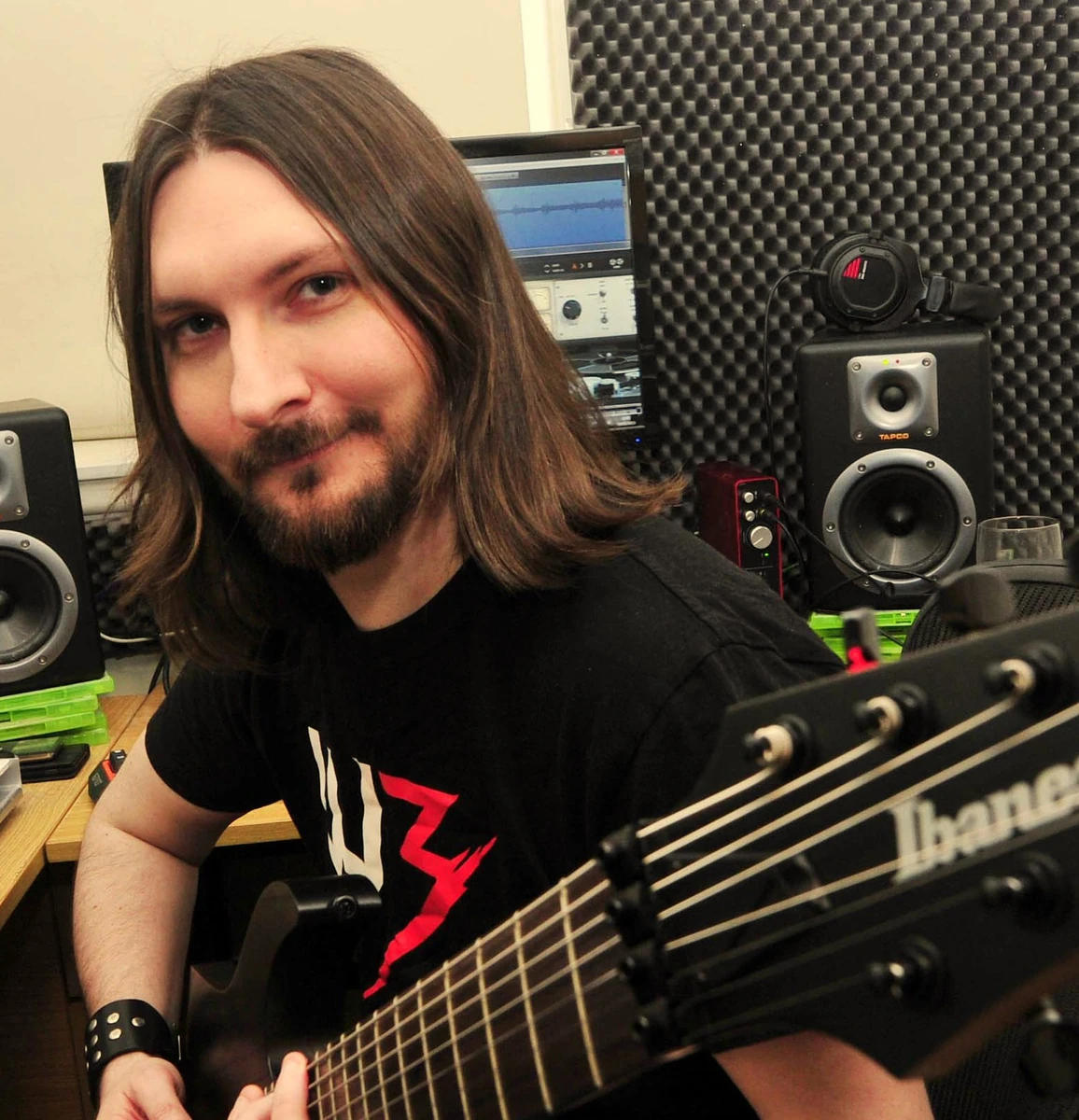
![My interview with Miracle Of Sound [ENG] | Stranger's Weblog - The-Musical-Odyssey-of-Gavin-Dunne-From-Shadows-to-Spotlight](https://strangera.com/wp-content/uploads/2012/04/miracle-of-sound.jpg)
Bayonetta 2: A Thrilling Fusion of Style and Action
Bayonetta 2: A Thrilling Fusion of Style and Action
Released as a Wii U exclusive in 2014, Bayonetta 2 has since captivated audiences with its dazzling fusion of high-octane action, over-the-top style, and deeply engaging storytelling. Developed by PlatinumGames and published by Nintendo, this sequel to the original Bayonetta expands upon its predecessor's successful formula, offering an exhilarating experience that continues to resonate with new and returning players alike.
The Story Continues
Set in a fantastical world blending elements of dark fantasy and contemporary aesthetics, Bayonetta 2 follows the titular character, Bayonetta, as she embarks on a quest to rescue her friend, Jeanne, from the clutches of Inferno. The story picks up shortly after the events of the first game, weaving a narrative that delves deeper into Bayonetta's personal battles as well as her mysterious origins. What truly stands out, however, is how the game manages to balance its intricate plot with the frenetic action sequences that players have grown to love.
Gameplay: A Symphony of Combat
One of the cornerstones of the Bayonetta series is its refined combat system, and Bayonetta 2 elevates this aspect to new heights. The game's combat mechanics are a masterclass in precision and fluidity, allowing players to string together explosive combos and maneuvers with effortless grace. Bayonetta's arsenal is an eclectic mix of weapons, each offering unique styles and advantages that cater to various playstyles. From swift pistols to devastating scythes, the choice is expansive, ensuring every battle feels fresh and engaging.
The introduction of Umbra Climax further enhances combat by amplifying Bayonetta's magical abilities, unleashing even more powerful attacks in dramatic displays of energy and destruction. This mechanic not only adds a strategic layer to the battles but also augments the visual spectacle that has become synonymous with the series.
Aesthetic Excellence
The visual design of Bayonetta 2 is a standout aspect of the game, delivering a blend of art styles that is both unique and captivating. The character designs are intricately detailed, encapsulating the quirky charm and flamboyance that the series is known for. Bayonetta herself remains a focal point, her design exuding a striking mix of power and elegance.
Environmental artistry in the game is equally impressive, with diverse settings ranging from majestic paradises to grim, hellish landscapes. This juxtaposition of beauty and madness is rendered with meticulous care, showcasing the developers' keen eye for detail and creativity.
Critical Acclaim and Reception
Upon its release, Bayonetta 2 received widespread critical acclaim, with praise directed at its refined gameplay, engaging narrative, and stunning visual presentation. Many critics and players lauded its ability to improve upon the formula set by its predecessor while offering a fresh and exhilarating experience. The game's successful performance on the Wii U paved the way for a subsequent release on the Nintendo Switch, extending its reach to a broader audience.
This acclaim has cemented Bayonetta 2's status as a quintessential entry within the action genre, continuing to enjoy a dedicated fanbase and serving as a benchmark for future action titles.
Conclusion: An Unrivaled Action Experience
In summary, Bayonetta 2 stands as a testament to the power of bold, imaginative game design. Its perfect blend of narrative intrigue, exhilarating gameplay, and stunning artistry has made it a darling among both critics and players. As an action title, it not only pushes the envelope of what's possible within its genre but does so with a confidence and flair that defines the series. Whether you're a longtime fan or a newcomer to Bayonetta's world, this sequel offers an adventure that's not to be missed.
The Soundtrack: A Sonic Masterpiece
A key component of Bayonetta 2's visceral allure is its dynamic and exhilarating soundtrack. Composed primarily by Takahiro Izutani, Masami Ueda, and others, the music seamlessly blends different genres to complement the game’s diverse settings and action-packed sequences. The soundtrack fluctuates between upbeat tunes that drive combat intensity to hauntingly beautiful orchestral scores that underscore the game’s more somber moments. A standout track, "Tomorrow Is Mine," captures Bayonetta's unapologetic ferocity and fearless spirit, perfectly aligning with the game’s thematic essence.
The attention to musical detail accentuates the game’s atmosphere, enhancing both the tension and triumph experienced by the player. By integrating elements of jazz, classical, and pop, the soundtrack not only enriches the gaming experience but stands as a memorable companion to Bayonetta’s fantastical adventure.
Character Development and Voice Acting
In addition to its mesmerizing gameplay and narrative, Bayonetta 2 excels in character development, breathing life into its eclectic cast through excellent voice acting and writing. Hellena Taylor's portrayal of Bayonetta remains iconic, capturing the character’s sardonic wit and formidable presence with aplomb. The relationship between Bayonetta and Jeanne is explored more deeply in this sequel, adding layers to their complex history and friendship. Supporting characters, such as the enigmatic Loki and the ever-eccentric Rodin, are woven beautifully into the tale, each bringing their unique flair to the narrative.
This ensemble of well-crafted characters is bolstered by stellar voice performances that lend authenticity and charisma to the game's vibrant universe. The seamless manner in which the dialogue and interactions integrate into the gameplay demonstrates the developers' commitment to storytelling excellence.
Exploration and Replayability
While the core of Bayonetta 2 lies in its thrilling combat, the game also encourages exploration and discovery. Hidden across its richly detailed worlds are collectibles and challenges that reward players with additional lore, costumes, and bonuses. Unlockables such as new weapons and character costumes not only provide a sense of accomplishment but also allow for a personalization that adds to the game's replayability.
The inclusion of multiple difficulty settings and the option to revisit earlier levels ensures that Bayonetta 2 remains engaging long after the main narrative concludes. Whether it's striving for higher ranks in combat or uncovering secret treasures, players are invited to dive back into the game for more rewarding discoveries.
Multiplayer Mode and Co-op Play
Expanding upon the solo experience, Bayonetta 2 offers a compelling multiplayer mode known as “Tag Climax.” This feature enables two players to team up, either locally or online, to tackle increasingly challenging enemy waves. Each battle in “Tag Climax” is structured around a bet placed on the outcome, where players can earn in-game currency depending on their performance and the level of difficulty chosen.
“Tag Climax” adds a unique spin to the traditional gameplay, inviting players to collaborate or compete as they aim for glory against daunting opponents. This cooperative feature is a welcomed addition, fostering community interaction and providing an alternative way to experience Bayonetta's world.
The Impact of Bayonetta 2 on the Gaming Industry
Bayonetta 2 not only captivated its audience but also made significant waves in the gaming industry. Despite being a sequel, it set a new benchmark for action games, showcasing how a high level of polish, creativity, and self-awareness could enhance the genre. The seamless integration of gameplay, narrative, and visual artistry has influenced a host of subsequent titles, inspiring game developers to strive for equally holistic and engaging experiences.
Furthermore, the success of Bayonetta 2 on multiple platforms highlighted the growing demand for unique, story-driven games on diverse consoles and sparked calls for greater cross-platform collaborations. This watershed moment continues to influence the industry, underlining the importance of cross-platform accessibility and innovation in game development.
Legacy and Future Prospects
As the years pass, Bayonetta 2 remains a beloved title within the gaming community, often heralded as an exemplary model of action game excellence. Its success paved the way for the eagerly anticipated continuation of Bayonetta's saga with future titles. As fans await new adventures, the legacy of Bayonetta 2 persists, inspiring conversations about the blend of narrative depth and action-packed gameplay that can define a game’s impact.
In conclusion, Bayonetta 2 is more than just a sequel; it is a masterful blend of style, story, and action that has left an indelible mark on its genre. Its contributions to gaming continue to be celebrated, ensuring that Bayonetta’s iconic silhouette remains a fixture on the horizon of the gaming landscape.