The Timeless Allure of the Greatest Silent Films
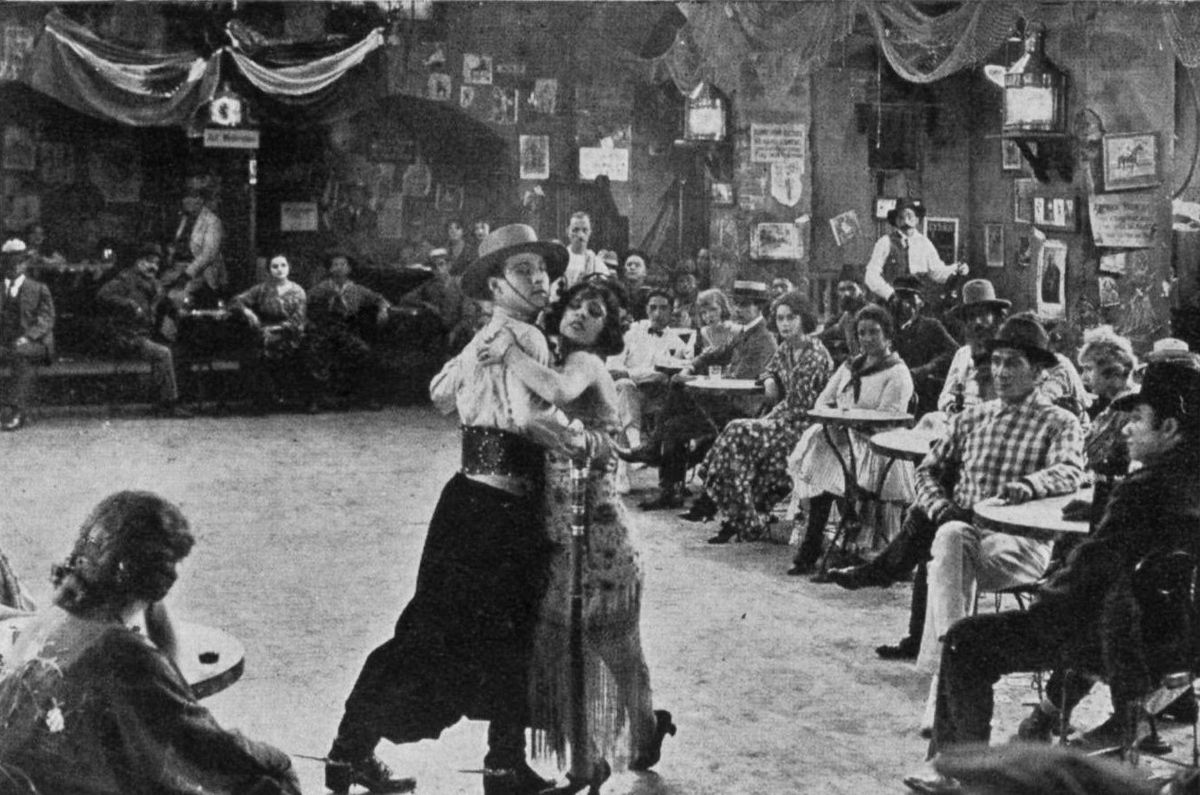
The world of cinema began its journey in silence, with the combination of visual artistry and expressive acting giving birth to a new form of storytelling. The era of silent films, principally between the late 1890s and the late 1920s, laid the groundwork for narrative cinema as we know it today. These films, devoid of synchronized dialogue, utilized visual techniques, intertitles, and musical accompaniments to convey stories, emotions, and unforgettable moments that transcended the limitations of sound. Through these experimental and innovative narrative methods, silent films have captivated audiences for over a century, and their influence remains palpable in modern filmmaking.
Exploring the Artistry of Silent Cinema
Silent films carry a unique charm that cannot be replicated in the age of sound and color. The limitations imposed by the absence of spoken dialogue necessitated a reliance on powerful performances, intricate set designs, and pioneering special effects. Renowned directors like Charlie Chaplin, Buster Keaton, and F.W. Murnau mastered the art of visual storytelling, manipulating every frame to create evocative and immersive experiences. Chaplin's iconic "The Kid" and Keaton's thrilling "The General" remain as perfect examples of how expressive physicality and timing can evoke laughter and tears without uttering a single word. Meanwhile, Murnau’s "Nosferatu" showed the haunting power of shadows and angles to capture the supernatural.
Endurance of Silent Classics
Many films from the silent era have survived through time not merely as relics of a bygone era, but as classics whose themes and styles resonate with contemporary audiences. D.W. Griffith's "The Birth of a Nation" and "Intolerance" are often studied for their pioneering camera techniques and narrative complexity, even as they ignite discussions about racial representations and historical context. Fritz Lang's visionary work "Metropolis" fascinates with its futurist set design and ambitious scope, bridging early 20th-century social commentary with a dazzling sci-fi aesthetic. Each of these films not only reflects the period in which they were made but also inspires ongoing reflection on societal issues and the potential of cinematic art.
The Comedic Prowess of Silent Icons
Comedy found a fertile playground within the silent film era. Charlie Chaplin’s "The Gold Rush" and Harold Lloyd’s "Safety Last!" exemplify the comedic genius that emerged during this time, relying on slapstick humor, clever gags, and striking stunts. These films continue to entertain, their enduring popularity a testament to the universal language of laughter and human emotion. Audience connection was achieved through carefully orchestrated physical comedy, drawing viewers into a shared experience that transcends linguistic and cultural boundaries.
Silent Film's Cultural Legacy
Despite the advent of sound and technological revolutions within the film industry, silent films maintain a significant impact on contemporary cinema. Modern directors often draw inspiration from the silent era’s directorial techniques, using its visual storytelling methods to enhance narrative depth and emotional engagement. The expressionistic techniques in Tim Burton's works and the visual focus of movies like Michel Hazanavicius’s "The Artist", which itself is a tribute to silent cinema, highlight the far-reaching influence of this cinematic origin on today's filmmakers.
In the first part of our exploration of silent cinema, we have unveiled the profound artistry and endurance of these pioneering films. Beyond mere silence, these works encapsulate the transformative power of visual storytelling and comedic innovation, elements that continue to inspire and entertain audiences worldwide.


The Evolution of Cinema: A Comprehensive Overview
The Birth of Motion Pictures
The journey of cinema is as ancient as human storytelling itself. From shadow plays in early civilizations to the silent films of the early 20th century, cinema has evolved into a powerful medium capable of conveying stories, emotions, and social commentary across borders and generations.
The origins of motion pictures can be traced back to the 19th century when inventors began exploring ways to capture and display images in rapid succession. Joseph Plateau's phenakistoscope (1832) and Louis Daguerre's heliochromy (1839) laid the groundwork for the development of the motion picture.
The Lumière Brothers and Early Screenings
In 1895, the Lumière brothers, Auguste and Louis, demonstrated their Cinématographe in Paris. This device combined features of a film camera, projectors, and develop machines into a portable system, marking the birth of practical motion picture technology. Their first public screening in December was a watershed moment in cinematic history, showcasing short films with titles such as "Arrival of a Train at La Ciotat" and "The Sprinkler Sprinkled."
The Emergence of Narrative
Following the groundbreaking work of the Lumière brothers, narrative storytelling began to take shape. French director Georges Méliès, known for his innovative special effects and fantastical tales, produced "A Trip to the Moon" (1902). This film marked a significant leap in cinematic expression, utilizing stop-motion techniques and imaginative special effects to transport audiences to the moon.
The Silent Era: Pioneers and Techniques
The era of silent films, spanning roughly from 1895 to the mid-1920s, set the stage for the development of modern cinema. During this period, filmmakers relied on intertitles and musical accompaniment to convey narratives and emotions without the aid of spoken dialogue.
Artistic Innovations and Cultural Impact
Filmmakers like D.W. Griffith revolutionized storytelling with complex narrative structures and innovations in editing and lighting. His film "The Birth of a Nation" (1915), though controversial due to its portrayal of the Ku Klux Klan, showcased advancements in cinematography, acting, and narrative complexity.
The rise of influential figures such as Charlie Chaplin and Buster Keaton introduced the world to iconic comedic characters that transcended language barriers, becoming beloved worldwide. Chaplin's films, such as "The Kid" and "City Lights," explored themes of poverty and humanity with warmth and wit.
Technological Advancements
The technological evolution during the silent era included improvements in film stock, editing equipment, and projection systems. The introduction of Technicolor in the late 1910s brought vibrant colors to black-and-white films, enhancing visual appeal and emotional impact.
In addition to color, the silent era saw the development of more sophisticated sound systems through mechanical devices. The invention of the Audion tube in 1906 paved the way for better audio playback in theaters, though it took several decades before synchronized sound became standard.
The Transition to Talkies
The transition from silent films to talkies occurred in the early 1920s, marked by the debut of "Don Juan" (1926). However, the true breakthrough came with Warner Bros.' "The Jazz Singer" (1927), which featured both synchronized dialogue and music, effectively launching the "talkie" or "sound film" era.
This transition was not without challenges. Initially, many filmmakers were resistant to adopting new technologies, and audiences were slow to embrace the change. The transition demanded significant investment in new equipment and studio infrastructure.
The arrival of synchronized dialogue brought a flood of new possibilities for storytelling, allowing for direct communication between characters and providing a more immediate connection with audiences. Notable debuts from Hollywood, such as "King Kong" (1933) and "Gone with the Wind" (1939), capitalized on the newfound ability to convey complex narratives with realistic dialogue.
Social and Economic Impacts of Early Cinema
Cinema's rapid adoption and expansion during the early years had profound social and economic impacts. Urbanization and the rise of movie theaters as social hubs created a new mass media landscape. By the 1920s, millions of people flocked to cinemas weekly, transforming the entertainment industry and urban culture.
Cinema provided escapism and offered a shared cultural experience, fostering community and promoting a sense of collective identity. Film festivals and premieres emerged as important cultural events, bringing people together and contributing to the growth of the film industry.
Economically, the rise of cinema led to the creation of new industries, including cinematographic equipment manufacturing, film production studios, and theater owners. Employment opportunities increased, leading to a booming economy centered around the burgeoning entertainment sector.
The success of early cinema also paved the way for the establishment of film schools and training programs, ensuring the continuous supply of talented individuals committed to advancing the art of filmmaking.
In conclusion, the early history of cinema was characterized by rapid innovation, artistic experimentation, and societal impact. From the silent era to the dawn of talkies, cinema has grown into a global phenomenon, shaping cultures and narratives worldwide. As we move forward, understanding this rich history becomes crucial to appreciating the diverse forms and expressions that make cinema a truly universal art form.
The Golden Age of Hollywood: Dominance and Diversity
With the advent of talkies, Hollywood emerged as the undisputed center of film production globally. The late 1920s and early 1930s saw a period known as the Great Depression, and cinema served as a vital source of escapist entertainment. Studios leveraged this time to produce classics that would stand the test of time, cementing Hollywood's status as a cultural and industrial powerhouse.
Social Issues and Genre Expansions
The 1930s and 1940s witnessed a surge in socially conscious cinema. Filmmakers used the medium to address critical issues of the day, such as racism, inequality, and class struggle. Films like "Grapes of Wrath" (1940) and "Native Son" (1951) tackled themes of socio-economic disparity, challenging societal norms and fostering empathy among viewers. During World War II, Hollywood produced propaganda films and documentaries to support the war effort, further emphasizing the industry's role in shaping public opinion and morale.
The genre explosion in the 1930s brought about new forms of storytelling. The western genre, epitomized by directors like John Ford, captured the American ethos of individualism and the frontier spirit. Films such as "Stagecoach" (1939) and "Red River" (1948) defined the genre and remain classics today. Crime dramas and gangster films, exemplified by films like "Little Caesar" (1931) and "Public Enemy" (1931), highlighted the gritty realities of urban life and criminality.
Horror and fantasy genres also flourished, with works like "Frankenstein" (1931) and "Dracula" (1931) captivating audiences. These films, often shot in black-and-white and featuring elaborate makeup and costumes, set the stage for future monsters and villains.
Technological Innovations
Technological advancements continued to transform the art of filmmaking. The 1920s saw the development of sound synchronization, while the 1930s brought innovations like the three-strip Technicolor process. This breakthrough allowed filmmakers to capture stunning visuals, enriching storytelling in ways previously unimaginable. Directors like Douglas Fairbanks Jr. and Alfred Hitchcock capitalized on these advancements to create visually stunning masterpieces.
The introduction of widescreen formats, such as Cinerama and Cinemascope, in the late 1950s expanded the visual canvas, providing immersive and spectacular viewing experiences. "This Is Cinerama" (1952) and "The Robe" (1953) showcased the potential of these new technologies, attracting massive audiences and revitalizing the cinema industry.
The Postwar Period: International Cinema and New Directives
The post-World War II era marked a significant shift in global cinema. European filmmakers, particularly the Italian neorealists, introduced a new style of documentary-like storytelling that focused on the reality of war-torn societies. Directors like Vittorio De Sica and Roberto Rossellini made films like "Bicycle Thieves" (1948) and "Rome, Open City" (1945) that offered a stark contrast to the escapist offerings of Hollywood.
France saw the emergence of the Nouvelle Vague (New Wave) movement, led by filmmakers like Jean-Luc Godard and François Truffaut. Films such as "Breathless" (1960) and "Jules and Jim" (1962) broke away from traditional storytelling techniques, embracing improvisation and innovative editing. The New Wave filmmakers championed creative freedom and challenged the conventional norms of cinema.
Globalization and Distribution
The mid-20th century witnessed a significant increase in international distribution and cross-cultural exchanges. Hollywood films reached a wider audience, influencing global popular culture. At the same time, non-Western films began to gain recognition and respect abroad. Directors like Satyajit Ray in India, Akira Kurosawa in Japan, and Luis Buñuel in Spain brought unique perspectives and storytelling methods to the international stage.
Vernon Road and Columbia Pictures, among other Hollywood studios, established foreign-language film divisions, aiming to distribute and market European and Asian cinema to a broader audience. This globalization not only expanded the horizons of film lovers but also enriched the cultural diversity of cinema. Festivals like Cannes, Berlin, and Venice provided platforms for these films, fostering a global dialogue on cinema.
Technological Breakthroughs: TV and Special Effects
The late 20th century saw transformative changes in how films were produced, distributed, and consumed. The advent of television presented both opportunities and challenges for the film industry. On one hand, television broadened the reach of storytelling, but it also competed with movie theaters for audience attention.
The 1960s and 1970s witnessed a surge in technological advancements in film production. Color films became the standard, and the use of high-definition cameras improved image quality significantly. Additionally, the rise of the 70mm format offered enhanced resolution and depth, as seen in films like "2001: A Space Odyssey" (1968) and "Close Encounters of the Third Kind" (1977).
The development of computer-generated imagery (CGI) in the 1980s and 1990s revolutionized special effects. Innovations like those seen in "Tron" (1982) paved the way for films like "Jurassic Park" (1993), which utilized groundbreaking CGI to bring dinosaurs to life. These advancements not only enhanced visual spectacle but also expanded the boundaries of narrative possibilities.
The Digital Revolution: Streaming Services and Global Reach
The turn of the millennium marked the digital revolution, transforming the film industry in myriad ways. The rise of digital cinematography, editing software, and post-production tools dramatically altered the filmmaking process. Digital cameras allowed filmmakers to shoot in high definition, reducing costs and increasing flexibility. The introduction of digital intermediate processes facilitated faster turnaround times and greater creative control over final product quality.
Streaming services like Netflix and Amazon Prime entered the scene in the mid-2010s, offering a new model for distribution and consumption. These platforms leveraged vast libraries of content and recommendation algorithms, appealing to niche audiences and democratizing access to film, regardless of geographic location. Films released directly to streaming services have become increasingly common, bypassing traditional theatrical windows altogether.
The global reach of streaming services has also facilitated the sharing of diverse stories from around the world. Indigenous and minority filmmakers have gained platforms to showcase their work, fostering a more inclusive and representative film industry. Movies like "Parasite" (2019), directed by Bong Joon-ho, won Academy Awards and brought international cinema to a wider audience, highlighting the growing importance of global perspectives in filmmaking.
Conclusion
The history of cinema is a narrative of constant innovation, adaptation, and evolution. From the humble beginnings of early motion pictures to the digital revolution of streaming services, each era has contributed uniquely to the art form. Today, cinema continues to thrive as a medium for storytelling, reflecting the complexities and aspirations of humanity.
As we look towards the future, it is clear that cinema will continue to grow and adapt to new technologies, societal changes, and cultural dynamics. The legacy of early pioneers and the enduring influence of classic works ensure that cinema remains a powerful and timeless medium, capable of uniting and inspiring audiences worldwide.
Modern Challenges and Future Horizons
As cinema enters the 21st century, the industry faces numerous challenges and opportunities. Streaming services have dramatically altered the distribution landscape, presenting both advantages and drawbacks. On one hand, these platforms offer unprecedented access to diverse content and a global audience. On the other hand, they challenge traditional models of movie theater attendance and revenue generation.
The rise of independent cinema has also been significant, thanks to crowdfunding and digital distribution platforms. Filmmakers can now reach audiences directly, sidestepping major studios entirely. Independent films often receive critical acclaim for their artistic merit and unconventional storytelling, often winning awards and gaining traction outside mainstream channels.
Environmental Considerations and Sustainability
The environmental impact of cinema and film production is increasingly in focus. The production of large-scale productions, along with the energy consumption of movie theaters and streaming services, contribute to carbon footprints that cannot be ignored. Studios and film organizations are beginning to explore sustainable practices, from using green energy on set to recycling materials and reducing waste.
The industry has started to adopt eco-friendly technologies and practices. For example, shooting on location in a responsible manner, ensuring proper disposal of set materials, and using renewable energy whenever possible. Initiatives like the Greenpeace-backed Screen Sector Climate Pledge encourage the film industry to reduce its carbon emissions and become more environmentally sustainable.
The Impact of Globalization
Globalization continues to reshape cinema, with audiences hungry for diverse storytelling from all corners of the globe. The success of films like "Coco" (2017) and "Joker" (2019) demonstrates the power of universal themes and compelling narratives that resonate across cultures. As filmmakers from different backgrounds gain recognition, there is a growing emphasis on diversity and inclusivity.
Multicultural films and collaborations between international teams are becoming more common. Films like "Black Panther" (2018) and "Parasite" (2019) have shattered box office records and critical acclaim, highlighting the global appeal of stories and characters from underrepresented communities. The Oscars and other major award shows now actively seek to promote global cinema, recognizing excellence beyond Western-centric narratives.
Technology and Audience Engagement
The rapid advancement of technology continues to transform the way films are made and consumed. Virtual reality (VR) and augmented reality (AR) present new avenues for immersive storytelling. Platforms like VRChat allow users to virtually attend immersive movie experiences, blurring the line between film and interactive media. This opens up possibilities for entirely new forms of narrative engagement, from interactive documentaries to full-fledged VR films.
In addition, virtual sets and digital doubles in CGI continue to enhance visual effects. Advanced AI and machine learning are improving post-production processes, from color grading to sound design. These technologies enable filmmakers to push creative boundaries and achieve previously unattainable visual and auditory effects, making cinema more spectacular than ever.
Future Trends and Predictions
Predicting the future of cinema is inherently speculative, but current trends suggest that the industry will continue to evolve rapidly. The integration of artificial intelligence and blockchain technology may provide new methods for distribution and revenue tracking, potentially disrupting traditional business models.
Augmented and virtual reality experiences will likely play a larger role, allowing audiences to participate more deeply in films. Mixed reality environments could become commonplace, providing a seamless blend of real and digital spaces. This could lead to entirely new forms of storytelling where viewers are active participants rather than passive observers.
The rise of micro-budget and independent filmmaking is unlikely to diminish, as technological advances make it easier for aspiring filmmakers to create professional-grade films with limited resources. Social media and online platforms will continue to be powerful tools for marketing, distribution, and engagement with audiences.
Conclusion
The evolution of cinema over the past century has been nothing short of remarkable. From the earliest motion pictures to the latest streaming services and immersive technologies, cinema remains a dynamic and ever-changing medium. As it continues to face new challenges and embrace new opportunities, it will undoubtedly continue to shape and reflect the cultural and social landscapes of our world.
At its core, cinema remains a powerful tool for storytelling, emotion, and cultural exchange. Whether through big-budget blockbusters or small, independent films, the medium continues to captivate and inspire audiences around the globe. As we look ahead, the future of cinema promises to be as exciting and innovative as its rich and storied past.
The journey of cinema is far from over. It will continue to evolve, adapting to new technologies and social changes. But one thing remains certain—cinema will always remain a beacon of human creativity, a vessel for emotion, and a shared space where the world comes together to imagine, dream, and experience.


The Evolution of Film: From Silent Beginnings to Blockbuster Spectacles
The evolution of film is a fascinating journey that mirrors technological advancements, creative breakthroughs, and cultural shifts. What began as a humble experiment with moving images in the late 19th century has transformed into a colossal global industry, producing breathtaking spectacles that reach audiences worldwide. This article explores the first phase of this evolution, charting the silent beginnings of film and its growth into a pivotal form of artistic expression by the mid-20th century.
The Birth of the Moving Picture
The story of film begins in the 1890s, when inventors and pioneers tinkered with devices to capture and project moving images. Among the most prominent were Thomas Edison and the Lumière brothers, whose inventions—Edison's Kinetoscope and the Lumières' Cinématographe—heralded a new era of visual storytelling.
Edison's Kinetoscope, first demonstrated in 1891, allowed an individual viewer to peer through a small window to view short, looped films. While this invention marked a significant step forward, it was the Lumière brothers' Cinématographe, introduced in 1895, that truly transformed film into a social experience. Unlike the Kinetoscope, the Cinématographe projected images onto a screen, allowing numerous people to watch together. The Lumières held one of the first public film screenings on December 28, 1895, an event often considered the birth of cinema.
The Silent Film Era
As the 20th century dawned, so too did the silent film era. This period, which spanned from roughly the 1890s to the late 1920s, established many of the foundational cinematic techniques still in use today. Filmmakers began to explore storytelling through visual means, employing innovative editing techniques, expressive actors, and increasingly sophisticated cinematography.
One of the era's most influential figures was D.W. Griffith, whose work from the 1910s onwards demonstrated the narrative potential of film. His 1915 epic, "The Birth of a Nation," although controversial for its racist content, showcased groundbreaking techniques such as close-ups, cross-cutting, and elaborate battle scenes. These innovations set the stage for narrative complexity and emotional depth in film.
During this period, Hollywood emerged as the heart of the nascent film industry. The region's favorable climate, varied landscapes, and distance from Edison's legal reach made it an attractive location for filmmakers. By the 1920s, Hollywood had become synonymous with cinema, home to burgeoning studios like Universal, Paramount, and Warner Bros.
The Golden Age of Silent Cinema
The 1920s saw silent cinema reaching its zenith. Films became longer, production values increased, and stars were born. Charlie Chaplin, Buster Keaton, and Rudolph Valentino were among the era's luminaries, captivating audiences worldwide with their distinct styles and larger-than-life personas.
Chaplin, in particular, was a master of emotive storytelling, using slapstick comedy to portray profound human themes. His character, "The Tramp," became an enduring icon of silent cinema, and films like "The Gold Rush" (1925) showcased his ability to blend humor with pathos.
Meanwhile, the rise of German Expressionism in the 1920s added a new dimension to silent film. Directors like F.W. Murnau and Fritz Lang utilized stark, shadowy imagery and surreal settings to evoke emotion and explore themes of madness, fear, and fantasy. Films such as "Nosferatu" (1922) and "Metropolis" (1927) demonstrated the power of visual style to transcend language and communicate directly with audiences.
Sound and the Transformation of Cinema
The introduction of synchronized sound was a watershed moment in film history. In 1927, Warner Bros. released "The Jazz Singer," the first feature-length film with synchronized dialogue, employing the Vitaphone sound-on-disc system. The famous line "You ain't heard nothin' yet" signaled a seismic shift—tolerance for silent films began to wane as audiences clamored for sound.
While the transition to "talkies" was met with enthusiastic public support, it posed significant challenges for the film industry. Silent stars whose voices did not match their on-screen personas struggled to adapt, and directors had to rethink filming techniques to accommodate bulky sound equipment. Many theaters underwent costly renovations to equip themselves with sound technology.
Nonetheless, sound opened up new creative possibilities. Dialogue, music scores, and sound effects could now be integrated into storytelling, offering filmmakers a richer tapestry of tools to engage audiences. By the early 1930s, the silent film era had effectively ended, ushering in Hollywood's Golden Age.
The Rise of the Studio System
As sound became ubiquitous, Hollywood entered the studio era, characterized by the dominance of "The Big Five"—MGM, Paramount, Warner Bros., RKO, and 20th Century Fox. These studios operated under a highly efficient, factory-like production model, with hundreds of films churning out annually.
The studio system was marked by its star-driven focus, where actors were tied to exclusive, long-term contracts, often groomed into bankable commodities. Names like Clark Gable, Humphrey Bogart, and Judy Garland became synonymous with their studio's brand. Meanwhile, directors worked under the watchful eye of studio heads, with limited creative control.
Despite these constraints, the studio system produced a treasure trove of classic films. Genre films—westerns, musicals, gangster films, and romantic comedies—flourished, exemplified by iconic films such as "Gone with the Wind" (1939) and "Casablanca" (1942). The system also played a significant role in creating a shared cultural experience, as audiences across America—and eventually the world—packed theaters to escape from everyday life into the world of cinema.
Hollywood's Golden Age and the Birth of Genres
The Golden Age of Hollywood, spanning from the 1930s to the 1950s, was a period marked by the creation and solidification of film genres that still resonate with audiences today. The major studios mastered the production formula, blending compelling stories with film stars' magnetic appeal. This was the era when genre filmmaking became a staple, providing audiences with consistent and recognizable storytelling formats.
The musical genre reached new heights during this time, blending song, dance, and narrative in a way that captured the era's optimism and joy. Films like "The Wizard of Oz" (1939) and "Singin’ in the Rain" (1952) showcased the industry's technological advancements, including vibrant Technicolor and groundbreaking choreography. Musicals became a form of escapism, transporting viewers to a world where problems could be resolved in a spirited song and dance number.
Simultaneously, the film noir genre emerged, bringing a darker, more cynical view of reality to the silver screen. Characterized by its use of shadow, stark lighting contrasts, and themes of moral ambiguity, film noir reflected the tumult and transformation of post-war America. Classics like "Double Indemnity" (1944) and "The Maltese Falcon" (1941) challenged audiences with their complex plots and morally conflicted characters.
The western genre also thrived, with films like "Stagecoach" (1939) and "High Noon" (1952) exploring themes of justice, civilization versus wilderness, and individual morality. Westerns became a metaphorical stage for addressing American identity, resonating with audiences who saw in them a reflection of their own societal developments.
Post-War Innovations and International Cinema
The end of World War II marked a turning point in cinema history, not just in Hollywood but across the globe. Technological advancements made during the war were brought into civilian life, benefiting the film industry with innovations like lighter cameras and improved sound equipment. Filmmakers leveraged these tools to explore new narrative terrain and artistic possibilities.
International cinema began asserting itself more prominently, with directors from Europe and Asia introducing audiences to new filmmaking styles and storytelling traditions. The Italian Neorealism movement, led by directors such as Roberto Rossellini and Vittorio De Sica, brought gritty realism and social critique to screens. Films like "Bicycle Thieves" (1948) highlighted everyday struggles, using location shooting and non-professional actors to bring authenticity and immediacy to their stories.
Similarly, Japanese cinema gained global recognition during the post-war period. Directors like Akira Kurosawa and Yasujirō Ozu brought forth a unique narrative and visual style, infusing traditional Japanese themes with universal humanism. Kurosawa's "Rashomon" (1950) challenged viewers with its multi-perspective storytelling, while Ozu's "Tokyo Story" (1953) offered a poignant look at family and generational conflict.
France, too, was on the brink of a cinematic revolution. Filmmakers such as Jean Renoir influenced what would become the French New Wave, emphasizing personal storytelling and visual experimentation. This spirit of artistic innovation would soon challenge and transform the rigid structures of classical filmmaking both in Europe and Hollywood.
Technicolor Dreams and the Rise of Spectacle
As the world moved into the latter half of the 20th century, the appetite for cinema grew exponentially, along with the desire for bigger, more vivid experiences. Technicolor, which had been progressively refined since its introduction, became a mainstay, transforming films into vibrant, colorful spectacles. Notable films such as "The Adventures of Robin Hood" (1938) and "The Ten Commandments" (1956) showcased dazzling palettes that captivated audiences and reinforced film's role as a visual art form.
With television becoming more prevalent in the 1950s, cinema faced its first major competitor. In response, the industry focused on offering experiences that couldn't be replicated at home. This gave rise to lavish productions, investing in epic narratives and scale to keep audiences coming to the theaters. The concept of the blockbuster—films defined by their large budgets, wide releases, and massive marketing campaigns—began to take shape, setting the stage for future Hollywood successes.
The mythological films, epic historical dramas, and musicals of this era provided audiences with escapism on a grand scale. Films like "Ben-Hur" (1959) and "Lawrence of Arabia" (1962) utilized cinemascope and advanced sound technology to offer panoramic vistas and immersive audio experiences. Simultaneously, the advent of animated films brought colorful fantasies to life, with Walt Disney leading the charge with masterpieces like "Cinderella" (1950) and "Sleeping Beauty" (1959).
The Cultural Renaissance of the 1960s
The 1960s was a decade of cultural and social upheaval, which left its mark on cinema worldwide. Movements fighting for civil rights, gender equality, and political change found echoes in the film narratives of the time. Films questioned authority and explored complex social issues, challenging the conventional "happy ending" paradigm that had dominated earlier decades.
Hollywood saw the decline of the traditional studio system and the rise of independent filmmakers who provided fresh perspectives and more diverse representations. Directors like Stanley Kubrick and Alfred Hitchcock pushed the boundaries of traditional storytelling, bringing a sense of psychological depth and artistic individuality. Films like "2001: A Space Odyssey" (1968) and "Psycho" (1960) innovated with narrative structure and visual effects, setting new standards for the industry.
Meanwhile, the French New Wave exploded onto the scene, disrupting film conventions with jump cuts, handheld cameras, and a focus on character-driven narratives. Directors like François Truffaut and Jean-Luc Godard influenced a generation of filmmakers, encouraging them to break free from Hollywood's traditional structure and embrace a more auteur-driven vision.
In this vibrant era, cinema matured into a form that could offer not only entertainment but also a medium for artistic exploration and social commentary. As these changes laid the groundwork for films to come, the industry stood on the brink of further innovation, poised to enter the blockbuster-driven world of the latter 20th century.
The Era of Blockbusters and High Concept Films
As the 1970s unfolded, Hollywood witnessed a transformative shift towards the era of the blockbuster, a trend largely sparked by Steven Spielberg's "Jaws" in 1975. This film redefined distribution strategies, with a nationwide release model that generated unprecedented levels of audience excitement and box office success. The formula combined strong narratives with thrilling visuals and an emphasis on widespread appeal, creating an exhilarating experience that attracted massive audiences.
This new model was propelled by the release of "Star Wars" in 1977, directed by George Lucas, which became a cultural phenomenon. Its imaginative storytelling, special effects, and merchandising strategies not only established the franchise model but also solidified science fiction as a mainstream genre. The high-concept film—a movie characterized by its easily summarized plot, broad appeal, and visual dynamism—became the ultimate Hollywood commodity, driving the industry's economic model for decades to come.
Throughout the 1980s and 1990s, the blockbuster template evolved, with directors like James Cameron and Ridley Scott pushing the technology of filmmaking to new heights. Films like "Terminator 2: Judgment Day" (1991) and "Jurassic Park" (1993) utilized advancing CGI to create awe-inspiring effects that thrilled audiences globally. This period cemented Hollywood's reputation for creating films that were not just stories, but events that demanded to be seen on the big screen.
Digital Revolution and New Cinematic Frontiers
The late 20th and early 21st centuries were marked by the digital revolution, which once again changed the landscape of cinema. Digital filmmaking and CGI became more sophisticated and cost-effective, allowing filmmakers to bring increasingly complex visuals and narratives to life. This technological advancement broadened the horizons of what was possible in film, blurring the lines between the real and the imagined.
The impact of digital films was exemplified by "The Matrix" (1999), directed by the Wachowskis, which introduced innovative techniques such as "bullet time" to the cinematic lexicon. This evolution continued with groundbreaking projects like Peter Jackson's "The Lord of the Rings" trilogy (2001-2003), which harnessed digital technology to create epic, richly detailed fantasy worlds.
Concurrently, the rise of digital cameras and non-linear editing software democratized the filmmaking process, making it accessible to independent filmmakers. This shift nurtured a new generation of directors who could realize their visions outside the traditional studio system, bringing diverse stories and voices to the forefront of cinema.
Globalization and the Rise of World Cinema
As technology made filmmaking more accessible, world cinema began gaining prominence on the international stage. Directors from various cultural backgrounds started to receive recognition for their unique storytelling perspectives and contributions to the art form. The globalization of film festivals, like Cannes and Sundance, became a significant platform for international films to reach a broader audience.
The emergence of filmmakers such as Mexico's Alejandro González Iñárritu, Korea’s Bong Joon-ho, and Iran’s Asghar Farhadi injected fresh vitality and global perspectives into the film industry. Films like "Parasite" (2019), which won the Academy Award for Best Picture, demonstrated that compelling storytelling transcends language barriers and emphasized the importance of diversity in cinema.
Moreover, digital platforms like Netflix, Amazon Prime Video, and Disney+ further enhanced the global reach of films. These streaming services began investing in international productions, making them accessible to worldwide audiences and transforming how people consumed movies. Independent films and documentaries saw a resurgence, reaching new audiences hungry for content outside the mainstream blockbuster fare.
The Future of Film: Innovation and Inclusivity
Looking ahead, the future of film promises to carry forward the spirit of innovation that has driven the industry since its inception. Virtual reality (VR) and augmented reality (AR) are emerging as the next frontier, offering immersive experiences that challenge and redefine traditional storytelling methods. These technologies have the potential to create new forms of audience interaction, making the film experience more personal and engaging.
Moreover, the demand for inclusivity and representation in cinema continues to grow, pushing the industry to diversify both in front of and behind the camera. Movements advocating for gender equality, racial representation, and diverse narratives are reshaping how stories are told and who gets to tell them. This shift is expected to lead to richer, more varied cinematic landscapes, reflecting the true diversity of human experiences.
The increasing importance of sustainability in production practices is another emerging focus. As the world grapples with environmental challenges, the film industry is beginning to adopt greener production techniques, ensuring that the magic of cinema doesn't come at the expense of the planet's health.
In conclusion, the evolution of film is a dynamic testament to human creativity, technological progress, and cultural reflection. From its silent origins to the digital marvels of today, cinema continues to captivate, inspire, and push boundaries, offering a window into the imagination and a mirror to society. As the art form evolves, audiences can look forward to innovations that promise to further reshape and enrich the cinematic experience for generations to come.