Herod der Grosse: Eine Studie über Macht, Religion und Gemütlichkeit
Einführung
Herod, auch als Herod der Grosse bekannt, war ein einflussreicher König, der das jüdische Königreich Israel regierte. Er lebte von 73 v. Chr. bis 4 v. Chr. und gilt als einer der wichtigsten Persönlichkeiten des frühen Judentums. Dieser Artikel untersucht die politischen Maßnahmen, das religiöse Umfeld und die persönlichen Hintergründe, die Herod zu einer der umstrittenen Figuren der Antike machten.
Das Leben und die Karriere von Herod
Herod wurde 73 v. Chr. in die Dynastie der Hashmonäer hineingeboren. Nach der Abfolge der Dynastie wurde er zum König von Judea, dem jüdischen Königreich, von 37 v. Chr. an. Seine Regierungszeit wurde geprägt von Machtstreben und Diplomatie, wobei er sowohl Römern als auch Jüdern gefallen wanted. Seine Herrschaft war eine Mischung aus politischer Berechnung und persönlicher Gemühme, die ihn sowohl Lob als auch Verharnischtheit einbrachten.
Die Entstehung einer Dynastie
Der Beginn des Lebens des Herod erzählt die Geschichte der Römischen Macht in der Region des Mittleren Ostens. Als Sohn des jüdischen Rades Herod von Idumäa und einigermaßen ungarner Herkunft, war er keiner der ursprünglichen Juden. Sein Vater und Großvater suchten Römische Hilfe bei dem Versuch, die jüdische Dynastie der Hashmonäer abzuschaffen. Dadurch erhielt Herod der Grosse das Römische Bürgerrecht, was ihm den Zugang zu römischen Mitteln ermöglichte und ihm ermöglichte, einen hohen Stand zu erreichen. Diese Mischung aus jüdischer und nicht jüdischer Herkunft prägte seine späteren Handlungen und Politik.
Die Regierung und Konfrontationen
Seine Regierungszeit war von konstanter Auseinandersetzung mit römischen und jüdischen Konkurrenten geprägt, einschließlich einer ständig wechselnden Allianz mit verschiedenen Römischen Senatoren und Prinzipatsträgern. Um seine Position aus der Gefahr zu entfernen, unterhielt Herod enge Beziehungen zu bedeutenden römischen Persönlichkeiten und arbeitete intensiv an der Stabilisierung der jüdischen Gesellschaft und der Frieden in seinem Königreich. Diese Beziehungen reichten vom Kaiser Augustus selbst bis hin zu hervorragenden jüdischen Geistlichen und Politikern.
Die Regierungszeit: Politik und Religionspolitik
Die Regierungszeit Herods war ein Kompromiss zwischen traditionellen religiösen Praktiken und römischen Vorstellungen, die ihn ständig in der Mühle der Konfrontation mit verschiedenen Interessengruppen, insbesondere den scharf kritischen Propheten und Priestern, befanden. Seine politische und religiöse Politik diente sowohl der Stabilisierung seines Reiches als auch der Gewinnung römischer Unterstützung, wobei er gelegentlich auf den Preis der Verachtung von religiösen und jüdischen Führern fiel.
Politik und Konfrontationen
Die politische Szene war für Herod die Herausforderung, das Gleichgewicht zwischen der jüdischen Identität und den erhabenen Zäunen des Römischen Imperiums zu finden. Seine Beziehungen zu Römern, die in seiner jüdischen Welt fremdartig waren, brachten ihm sowohl politische Hilfe als auch kulturelle Herausforderungen. Diese Beziehungen erlaubten ihm, seine Macht zu stärken, indem er den Einfluss Roms in sein Königreich integrierte, aber sie verliehen auch seinem Reich eine instabile Bedrohung, die in Konflikten mit jüdischen Führern gipfelte.
Religiöse Politik
Herods religiöse Politik war ein Kompromiss, der sich sowohl durch religiöse Traditionen als auch durch die politische Realität geformt hat. Sein Bemühen, römische Macht zu nutzen, um die jüdische Religion zu stärken, führte zu Konflikten mit den Jünger des Propheten Johannes der Täufer und anderen religiösen Führern, die die jüdischen Traditionen und Praktiken fürchteten. Seine Bautätigkeit, sein Begriff des Tempels von Jerusalem und seine Unterstützung der jüdischen Priesterschaft, dienten als Mittel, die Beziehungen zu seinen jüdischen Untertanen zu festigen. Dennoch verursachte dieser Kompromiss oft Unzufriedenheit in der jüdischen Gemeinde und erregte die Verachtung sowohl von religiösen Führern als auch von politischen Gegnern.
Das Lebenswerk: Architektur und Bauwerke
Als König Herod war unermüdlich in seinem Bemühen, seine Herrschaft durch architekturhistorische Denkmäler zu symbolisieren und zu stärken. Seine meisterhaften Bautätigkeit wurde besonders durch seine Architektur und Ausstattung von Jerusalem bemerkbar, wo er die Tempelpfalz und andere bedeutende Strukturen errichtete. Dies waren nicht nur Symbole für seine Macht und Stabilität, sondern auch bedeutende religiöse und politische Zentren.
Der Tempel von Jerusalem
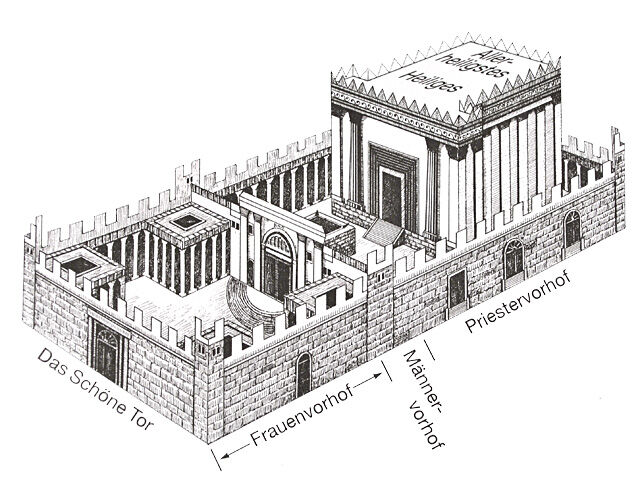
Eine seiner berühmtesten Arbeiten war der Tempel von Jerusalem, einem monumentalen Baukomplex, der sich über Jahrhunderte hinzog. Dieses Projekt begann im Jahr 20 v. Chr. und dauerte viele Jahre. Der Tempel war eine fusion von griechischer, römischer und örtlicher jüdischer Architektur. Es wurde eine wahre Wunder der Technik und Kunst, mit gigantischen Steinblöcken und beeindruckenden Fresken geschmückt.
Auxiliarbauten
Mehr als eine Religion, war der Tempel eine symbolische Darstellung von Herods Macht und Einfluß, der sich auf seinen ganzen Reichsbereich ausdehnte. Neben dem Principalbau wurden zahlreiche weitere Strukturen wie Wasserleitungen, Brücken und Stadtmauern erstmals im ganzen Land errichtet oder verbessert. Diese Anlagen halfen dazu, das Königreich zu stabilisieren und den Handel zu fördern, indem sie die Infrastruktur verbesserten.
Spieltzeiten und Vergnügungen: Die königlichen Gemächer
Mit dem Ziel, seine königliche Herrschaft und hischweiser Gemächer zu schmücken, errichtete Herod eine Reihe von grandiosen palastbasierten Wohnbereichern auf dem Ölberg. Diese Paläste wurden von Architektarchitekten entworfen, die von der ganzen Welt herbeigerufen wurden, darunter griechische, syrische und ägyptische Fachleute. Die Paläste waren nicht nur Wohnorte, sondern auch politische Zentren, wo Herods Entscheidungen getroffen wurden und Gäste aus der ganzen Region gastfreundlich empfangen wurden.
Kaiserpalast und Privatgemächer
Eine der bekanntesten Paläste, der Kaiserpalast von Antipatras, war ein Beispiel für die grandiose Architektur und Ausstattung von Herods Zeit. Hier lebte er mit seiner Familie und Empfing wichtige Gäste. Der Palast war in einer herrschaftlichen Landschaft mit Seen, Parkanlagen und Aquarien angelegt, die Herods Leidenschaft für Wasserarten widerspiegelten. Seine privaten Gemächer waren mit Edelsteinen geschmückt, kostbaren Teppichen bedeckt und mit komplizierten mechanischen Gerätschaften ausgestattet, die ihn von der Außenwelt isolierten.
Gastfreundschaft und Politik
Herods Paläste wurden sowohl als Bühne für sein öffentliches Leben als auch als private Unterhaltsstellen genutzt. Er empfing bedeutende Gäste von verschiedenen Völkern und Religionen, was ihm ein weiteres Instrument seiner diplomatischen Strategien zur Verfügung stellte. Diese Veranstaltungen waren Gelegenheiten, seine Macht und seinen Einfluss zu verdeutlichen und die guten Beziehungen mit seinen Nachbarn zu kultivieren.
Erben und Nachbarschaft
Als Herod starb, hinterließ er einen erblichen Konflikt über seinen Nachfolger. Seine Kinder – Herodes, Archelaos, Philippus, Herodos und Antipatras – erbitterte Intrigen untereinander zu einer Art Familienergie, die das Königreich in eine unruhige Lage brachte. Sein Tod im Jahr 4 v. Chr. löste sofortige Spannungen aus, die in militärischen Widerstand und Intrigen mündeten, die sich bis hinunter in die Zeit der Herodes, die späteren Herrscher von Judaea, fortgesetzt hätten.
Die Nachfolgekrise
Seine Nachkommen mussten in einem Kontext der römischen Kontrolle und der immer noch lebenden traditionellen jüdischen Vorstellungen von Herrschaft kämpfen. Unter den Kindern Herods fiel Archelaos als König von Iudaea und Galiläa am Ende der Herrscherzeit seiner Familie aus. Seine Brüder und Schwestern kämpften miteinander und mit den Römern um Einfluss und Kontrolle. Diese Konflikte hatten nachhaltige Auswirkungen auf das gesamte Land und die zukünftige Geschichte der Region.
Legenden und Rezeption
Im Nachhinein wurde Herod als ein Mann betrachtet, der in der Geschichte seinen Platz suchte. Obwohl seine politische Tätigkeit und Architektur ihn bekannt machten, bleibt er auch wegen der legendären Geschichten und Legenden, die sich um ihn ranken. Die Legende des Babylons und des Magiern, die Sternsigan den König von Juda gefolgt sind, um den geborenen Jesu zu finden, sowie die Berichte über seine Brutalität und Hischweiser Gemütlichkeit machen ihn zur Figur von Widersprüchlichkeit in der antiken und späten Geschichte.
Fazit
Die historische Gestalt Herod des Großen bleibt eine Figur der antiken Geschichte, die durch ihre Politik, Architektur und religiöse Aktivitäten die Region Judaea und den Nahen Osten prägen sollte. Seine Bemühungen, eine stabile Herrschaft aufzubauen, während er gleichzeitig die Traditionen und Religionen seiner Untertanen respektierte, verliehen ihm einen seltsamen Status in der Geschichte. Während er viele Lieblinge fand, hinterließ er auch ein tiefgrabes Missverständnis und Widerspruch über die Art und Weise, wie der Macht und Herrschaft gerecht werden sollte.
Kritik und Verurteilung
Obwohl Herod’s Arbeiten und politische Handlungen ihn in verschiedenen historischen Quellen als bedeutende und beeinflussende Figur darstellen, erhielt er nicht immer Lob. Die tiefen Kräfte in der antiken Kultur sahen in ihm die Verkörperung von Brutalität und Verzweiflung. Der Prophet Johannes der Täufer, der als Verurteiler berüchtigt war, war besonders kritisch gegenüber Herod, indem er ihn für seine gewalttätigen und unvollständigen Handlungen verurteilte.
Ein moralisches Vorbild
Johannes der Täufer, ein stark religiöser Führer in der jüdischen Gemeinde, verurteilte Herod wegen seines unethischen Verhaltens, insbesondere seiner Beziehungen zur königlichen Familie und seine Machtmissbräuche. Nach seiner Enttäuschung durch Herods Handlungen, bestritt Johannes diese und andere römischen und jüdischen Machtzentren, was in der Bibel und in der späteren jüdischen Tradition als symbolische Rechtfertigung des Widerstands gegen die römische Herrschaft diente. Diese Kritik unterstrich die Spannungen, die sich in der Gesellschaft zwischen religiösischer Reinheit und politischer Stabilität entzündeten.
Der Ruf nach der Zeit bis heute
Die nachfolgenden Jahrhunderte brachten mit sich, dass Herod in verschiedenen Kulturen und Historien unterschiedlich wahrgenommen wurde. Auf der einen Seite galt er als ein starker und kluger Herrscher, der die jüdische und römische Traditionen fästigte, während die andere Seite ihn als Brutalen und Unmenschlichen verurteilte. Sein Nachlass und seine Bemühungen hinterließen sowohl Lob als auch Verurteilung – eine Realität, die in der modernen wissenschaftlichen Historie auch heute noch relevant ist.
Die römische Sicht
Die Beziehungen zu Römern wurden oft als Mittel verwendet, um Herod in eine positive, aber auch komplizierte Perspektive zu stellen. Die römische Geschichte und Quellen zeigten ihn sowohl als treibende Macht für die Stabilität des jüdischen Reiches als auch als eine Persönlichkeit, die unter ständiger Aufsicht von Römern stand. Diese Darstellung verlieh ihm einen Status, der ihn sowohl als wichtige Handlungspersönlichkeit innerhalb des Römischen Imperiums als auch als eine Bedrohung für die römische Herrschaft darstellte, je nach Kontext.
Die jüdische Perspektive
Die jüdische Perspektive auf Herod zeigte eine Mischung aus Rechthaber und Bewunderung. Auf der einen Seite war er ein Herrscher, der versuchte, jüdische Traditionen zu schützen, während auf der anderen Seite wurde er als Bruti im Dienste des römischen Imperiums verurteilt. Der Konflikt zwischen traditionellen jüdischen Werten und den politischen Realitäten innerhalb des Römischen Reichs führte zu einem permanenten Zuspitzen seines Charakters und seiner handelnden Entscheidungen.
Bildung, Forschung und moderne Debatten
Die moderne historische Forschung und Bildung bieten die Chance, den Ruf von Herod kritisch und objektiv zu beleuchten. Historiker und Forscher analysieren seine Aktionen in einem breiteren historischen Kontext, um seine tatsächlichen Motive und Wirkung zu verstehen. Diese moderne Analyse vermag, historische und kulturelle Einflussmuster zu erkennen und die vielfältigen Perspektiven dieser Komplexität näher zu präsentieren.
Methoden und Quellen
Die modernen historischen Forschungen nutzen eine Vielzahl von Quellen, darunter griechische, römische und jüdische Texte, Inschriften, archäologische Funde und literarische Werke, um die Geschichte Herods zu rekonstruieren. Diese umfassende Forschung unterstützt die Beweislast und die Historizität der Aktionen und Entscheidungen des Königs, um sie in ihrer historischen Kontextualität zu verstehen.
Die kontinuierliche Debatte
Die historischen Debatoren über Herod’s Charakter und seine politischen Maßnahmen sind bis heute aktiv. Obwohl modernere Historiker versuchen, seine Handlungen und Entscheidungen im Kontext seiner Zeit zu verstehen, ist es schwer, den Einfluss und die Komplexität seiner Aktionen vollständig zu beurteilen. Diese Debatten bleibend, die die historische und kulturelle Bedeutung von Herod’s Lebenswerk veranschaulichen, spiegeln kontinuierlich die Vielfalt der historischen Wahrnehmungen an.
Schlussfolgerung
Herod der Grosse bleibt eine bedeutende Persönlichkeit in der antiken Geschichte. Sein Leben und Schicksal prägen die Geschichte des jüdischen Reiches und der Region im ganzen. Seine Architektur, Beziehungen zur Machtzentrums der Zeit und seine religiösen Aktivitäten führten zu Konflikten und Kompromissen, die seine Epoche und die spätere Entwicklung der Region beeinflussten. Ob als ein starker Herrscher oder ein brutaler Tyrann betrachtet, ist Herod eine Figur, die in der Geschichte und der Kultur nach wie vor relevante Blicke werfen.

Auguste Comte: Father of Sociology and Positivism
Introduction to Auguste Comte
Auguste Comte, born Isidore Auguste Marie François Xavier Comte on January 19, 1798, in Montpellier, France, is widely regarded as the founder of sociology and the pioneer of positivism. His groundbreaking work laid the foundation for modern social sciences and influenced generations of philosophers, scientists, and sociologists. Comte's Law of Three Stages and his vision of a scientific approach to society revolutionized the way we understand human progress and social order.
Early Life and Education
Comte's intellectual journey began at the prestigious École Polytechnique in Paris, where he studied mathematics and science. His early exposure to rigorous scientific methods shaped his later philosophical ideas. After leaving the École Polytechnique, Comte became the secretary to Henri de Saint-Simon, a prominent social theorist. This collaboration significantly influenced Comte's thinking, particularly his views on social reform and the role of science in society.
Key Influences
- École Polytechnique: Provided a strong foundation in mathematics and scientific methodology.
- Henri de Saint-Simon: Introduced Comte to social theory and the idea of using science to improve society.
- Post-Revolutionary France: The social and political turmoil of the time motivated Comte to seek stable, scientific solutions for societal issues.
The Law of Three Stages
One of Comte's most significant contributions is his Law of Three Stages, which describes the evolution of human thought and societal development. According to Comte, human knowledge progresses through three distinct stages:
Theological Stage
In the theological stage, humans explain natural phenomena and social events through religious and supernatural beliefs. This stage is characterized by a reliance on divine entities and mystical explanations.
Metaphysical Stage
The metaphysical stage marks a transition from religious explanations to abstract, philosophical concepts. During this stage, people use metaphysical ideas to understand the world, often relying on complex, untraceable theories.
Positive Stage
The positive stage is the final and most advanced stage, where humans rely on scientific methods and empirical evidence to understand and explain the world. Comte believed that this stage would lead to a more ordered and rational society.
Founding Sociology
Comte is credited with coining the term "sociology" and establishing it as a scientific discipline. He envisioned sociology as the "queen of sciences", synthesizing knowledge from various scientific fields to create a comprehensive understanding of society.
Major Works
Comte's most influential works include:
- Cours de philosophie positive (Course in Positive Philosophy): Published between 1830 and 1842, this six-volume work outlines Comte's philosophy of positivism and his vision for a scientific approach to society.
- Système de politique positive (System of Positive Polity): Published between 1851 and 1854, this four-volume work delves into Comte's political and social theories, including his proposal for a "Religion of Humanity".
Legacy and Influence
Comte's ideas have had a profound impact on various fields, including philosophy, sociology, and political science. His emphasis on empirical evidence and scientific methods laid the groundwork for modern social sciences. However, his later works, particularly his proposals for a secular religion and authoritarian social structures, have been met with criticism and controversy.
Influence on Modern Thought
- John Stuart Mill: The renowned philosopher and economist was influenced by Comte's ideas on positivism and social reform.
- Empirical Social Science: Comte's emphasis on empirical methods continues to influence contemporary social science research.
- Philosophy of Science: Recent scholarship has reappraised Comte's contributions to the philosophy of science, highlighting his systematic approach to scientific knowledge.
Conclusion
Auguste Comte's legacy as the father of sociology and the pioneer of positivism is undeniable. His Law of Three Stages and his vision of a scientific approach to society have shaped modern social sciences and continue to influence contemporary thought. While his later works have sparked debate, Comte's contributions to the field of sociology remain foundational and enduring.
Further Reading
- Stanford Encyclopedia of Philosophy: Detailed philosophical and historical analysis of Comte's work.
- Encyclopaedia Britannica: Concise, authoritative biography and assessment of Comte's life and ideas.
- Primary Texts: Cours de philosophie positive and Système de politique positive for a deeper understanding of Comte's theories.
The Religion of Humanity: Comte's Controversial Vision
In his later years, Auguste Comte developed a controversial system known as the "Religion of Humanity". This quasi-religious framework aimed to replace traditional theological systems with a secular, scientific worldview. Comte envisioned a society organized around humanistic principles, complete with rituals, a positivist calendar, and a moral authority structure.
Core Principles of the Religion of Humanity
Comte's Religion of Humanity was designed to provide a moral and social framework for a scientific society. Key elements included:
- Secular Rituals: Comte proposed ceremonies and rites to celebrate human achievements and reinforce social bonds.
- Positivist Calendar: A revised calendar that commemorated significant figures in human history, replacing traditional religious holidays.
- Moral Authority: A hierarchical structure where scientists and philosophers would guide society based on empirical knowledge.
Criticism and Controversy
While Comte's vision was innovative, it also faced significant criticism. Detractors argued that his system was authoritarian and overly prescriptive. The blend of scientific principles with religious-like structures was seen by some as contradictory to the empirical foundations of positivism. Despite these criticisms, the Religion of Humanity remains a fascinating aspect of Comte's later work, illustrating his commitment to creating a cohesive, scientifically-grounded society.
Comte's Impact on Social Science Methodologies
Auguste Comte's influence extends deeply into the methodologies of modern social sciences. His emphasis on empirical evidence and systematic observation laid the groundwork for contemporary research practices. Today, many social scientists continue to draw on Comte's principles, even as they adapt and refine his original ideas.
Empirical Research and Data Collection
Comte's advocacy for empirical research transformed the way social scientists approach their studies. Key contributions include:
- Observation and Experimentation: Comte emphasized the importance of direct observation and controlled experiments to gather reliable data.
- Quantitative Methods: He promoted the use of statistical analysis and measurable data to understand social phenomena.
- Interdisciplinary Approach: Comte believed in synthesizing knowledge from various scientific fields to create a comprehensive understanding of society.
Modern Applications of Positivism
While 20th-century logical positivism has largely replaced Comte's original positivism, his core ideas remain influential. Contemporary social sciences often employ:
- Evidence-Based Policies: Governments and organizations use empirical data to inform decision-making.
- Longitudinal Studies: Research projects that track social trends over extended periods, providing insights into societal changes.
- Mixed-Methods Research: Combining qualitative and quantitative approaches to gain a more nuanced understanding of social issues.
Comte's Intellectual Milieu and Historical Context
To fully appreciate Auguste Comte's contributions, it is essential to understand the intellectual and historical context in which he worked. Post-Revolutionary France was a period of significant social and political upheaval, which deeply influenced Comte's philosophical development.
Post-Revolutionary France
The French Revolution (1789–1799) and its aftermath created a society in flux, searching for stability and order. Comte's work was, in part, a response to this chaos. He sought to:
- Replace Theological Legitimacy: Move away from religious and metaphysical justifications for social order.
- Establish Scientific Authority: Use empirical science as the foundation for societal organization.
- Promote Social Cohesion: Create a unified system that could bring stability to a fractured society.
Influence of Henri de Saint-Simon
Comte's collaboration with Henri de Saint-Simon, a prominent social theorist, was pivotal in shaping his ideas. Saint-Simon's focus on industrialization and social reform provided a framework that Comte expanded upon. Key influences included:
- Social Reform: The belief that scientific principles could be applied to improve societal structures.
- Industrial Society: An emphasis on the role of industry and technology in shaping modern societies.
- Collective Progress: The idea that society should work towards the betterment of all its members.
Comte's Major Works: A Closer Look
Auguste Comte's writings are foundational to the fields of sociology and philosophy of science. His two major works, Cours de philosophie positive and Système de politique positive, provide a comprehensive overview of his theories and visions for society.
Cours de philosophie positive (Course in Positive Philosophy)
Published between 1830 and 1842, this six-volume work is considered Comte's magnum opus. It outlines his philosophy of positivism and introduces the Law of Three Stages. Key themes include:
- Classification of Sciences: Comte organized scientific disciplines hierarchically, with sociology as the crowning science.
- Empirical Methodology: The importance of observation and experimentation in acquiring reliable knowledge.
- Social Static and Dynamics: The study of social order and social change, respectively.
Système de politique positive (System of Positive Polity)
Published between 1851 and 1854, this four-volume work delves into Comte's political and social theories. It introduces the Religion of Humanity and provides a detailed plan for a scientifically-organized society. Notable aspects include:
- Moral and Political Philosophy: Comte's vision for a society guided by scientific principles and humanistic values.
- Secular Rituals and Institutions: Proposals for new social structures and ceremonies to replace traditional religious practices.
- Role of Scientists and Philosophers: The idea that intellectuals should play a central role in guiding society.
Reappraising Comte: Modern Scholarship
Recent academic discussions have led to a reappraisal of Auguste Comte's contributions and controversies. Modern scholars recognize his foundational role in the philosophy of science while critically examining his political and social prescriptions.
Comte as a Philosopher of Science
Contemporary philosophers highlight Comte's systematic approach to scientific knowledge. His efforts to develop philosophies of mathematics, physics, chemistry, and biology prefigure modern interdisciplinary studies. Key points of recognition include:
- Methodological Rigor: Comte's emphasis on structured, empirical methods in scientific inquiry.
- Integration of Sciences: The idea of synthesizing knowledge across different scientific domains.
- Influence on Later Thinkers: Comte's impact on subsequent philosophers of science, including those in the Vienna Circle and logical positivism.
Critiques of Comte's Political Prescriptions
While Comte's early work on positivism is widely respected, his later political and social proposals have faced criticism. Scholars point out:
- Authoritarian Tendencies: The hierarchical and prescriptive nature of his Religion of Humanity.
- Mixing Science and Normative Claims: The blending of empirical science with moral and political directives.
- Lack of Flexibility: The rigid structure of his proposed social system, which some argue could stifle individual freedom and innovation.
Comte's Enduring Legacy in Sociology
Despite the controversies surrounding his later work, Auguste Comte's legacy in sociology remains robust. His foundational concepts continue to influence the field, even as they evolve with new theoretical and methodological advancements.
Foundational Concepts in Sociology
Comte's contributions to sociology include several enduring ideas:
- Social Order and Progress: The study of how societies maintain stability and evolve over time.
- Empirical Research Methods: The use of systematic observation and data collection in social research.
- Interdisciplinary Approach: The integration of insights from various scientific disciplines to understand complex social phenomena.
Influence on Prominent Sociologists
Comte's ideas have influenced many key figures in sociology, including:
- Émile Durkheim: Often considered the father of modern sociology, Durkheim built on Comte's ideas to develop his own theories of social facts and collective consciousness.
- Herbert Spencer: Known for applying evolutionary theory to social structures, Spencer was influenced by Comte's emphasis on social dynamics.
- Max Weber: While critical of some aspects of positivism, Weber's work on social action and bureaucracy reflects an engagement with Comte's ideas.
Conclusion: The Complex Legacy of Auguste Comte
Auguste Comte's impact on the social sciences is both profound and complex. As the founder of sociology and a pioneering philosopher of science, his contributions have shaped modern research methodologies and theoretical frameworks. However, his later work, particularly the Religion of Humanity, remains a subject of debate and criticism.
By understanding Comte's historical context, intellectual influences, and key works, we gain a deeper appreciation for his enduring legacy. While some of his ideas may seem outdated or controversial today, his emphasis on empirical evidence, systematic observation, and interdisciplinary synthesis continues to inspire and guide social scientists around the world.
Contemporary Relevance of Comte's Theories
Today, Auguste Comte's ideas continue to resonate in both academic and practical contexts. His emphasis on empirical evidence and systematic observation remains a cornerstone of modern social science research. While the grandiose claims of early positivism have been tempered, the core principle that scientific methods can illuminate social phenomena is widely accepted.
Modern Applications
Comte's legacy is evident in several contemporary fields:
- Evidence-Based Policy: Governments and organizations rely on empirical data to shape social programs and public health initiatives.
- Data-Driven Sociology: Researchers use statistical analysis and longitudinal studies to track trends and test hypotheses.
- Interdisciplinary Research: Comte's vision of synthesizing knowledge across disciplines continues to inspire collaborative studies.
Critiques and Adaptations
Modern scholars often critique Comte's more rigid prescriptions while embracing his methodological insights. For example, the idea that science is the sole source of legitimate knowledge has been moderated to acknowledge the value of qualitative and interpretative approaches. Nonetheless, his call for rigorous, cumulative research remains influential.
Comparative Perspectives: Comte and His Successors
Comte's work laid the groundwork for many prominent sociologists and philosophers. Understanding how his ideas evolved through the contributions of later thinkers highlights the dynamic nature of social theory.
Émile Durkheim
Émile Durkheim, often called the father of modern sociology, built directly on Comte's framework. Durkheim adopted the idea of sociology as a scientific discipline and expanded it with concepts like social facts and collective consciousness. His empirical studies, such as Suicide, demonstrated Comte's methods in action.
Herbert Spencer
Herbert Spencer took Comte's Law of Three Stages and applied it to societal evolution, coining the phrase "survival of the fittest." However, Spencer's application of these ideas to justify social Darwinism diverged sharply from Comte's humanistic goals.
Max Weber
Max Weber acknowledged Comte's influence but critiqued his positivist approach. Weber argued for understanding social action through subjective meaning, introducing methods like verstehen that complemented Comte's empirical focus.
Conclusion: The Enduring Influence of Auguste Comte
Auguste Comte's intellectual legacy is a tapestry of foundational contributions and provocative controversies. As the founder of sociology and the architect of positivism, he reshaped how humanity understands itself. His Law of Three Stages and vision of a scientifically organized society remain reference points in philosophical and social discourse.
Key Takeaways
- Comte coined the term "sociology" and established it as a scientific discipline.
- His Law of Three Stages (theological → metaphysical → positive) describes the evolution of human thought.
- The Religion of Humanity reflects his ambition to create a secular moral framework, though it remains contentious.
- Comte's emphasis on empirical methods continues to shape modern social science research.
In the final analysis, Comte's work is a testament to the power of systematic inquiry. While his authoritarian tendencies and quasi-religious proposals have drawn criticism, his insistence on evidence-based understanding endures. As societies navigate complex challenges, the spirit of Comte's positivism—seeking clarity through science—remains a guiding star. The interplay of critique and inspiration that defines his legacy ensures that Auguste Comte will continue to provoke thought and drive progress for generations to come.


Pape Léon Ier : Le Grand Docteur de l'Église
Le pape Léon Ier, surnommé le Grand, est une figure majeure de l'histoire de la papauté. Son pontificat, de 440 à 461, coïncida avec le déclin de l'Empire romain d'Occident. Il renforça considérablement l'autorité du siège de Rome et devint un Docteur de l'Église reconnu pour son héritage théologique et diplomatique.
Le contexte historique du pontificat de Léon Ier
Léon Ier devint pape à une époque de profonde crise pour l'Empire romain. Les invasions barbares et les dissensions théologiques menaçaient la stabilité de l'Église et de l'État. Son leadership allait s'avérer décisif pour naviguer dans ces temps troublés et affirmer la primauté papale.
Une époque de bouleversements en Occident
Au Ve siècle, l'Empire romain d'Occident était en proie à une désintégration progressive. Les frontières étaient constamment franchies par des peuples venus de l'Est, créant un climat d'insécurité permanente. C'est dans ce contexte que Léon Ier, un aristocrate romain, succéda au pape Sixte III le 29 septembre 440.
L'Église elle-même était secouée par de vives controverses doctrinales, particulièrement en Orient. La nécessité d'une autorité centrale forte et claire sur le plan théologique se faisait cruellement sentir. Léon Ier allait répondre à ce besoin avec une détermination remarquable.
L'affirmation de la primauté du siège de Pierre
L'une des contributions les plus durables de Léon Ier fut de consolider la notion de primauté papale. Il s'appuya sur la succession apostolique pour établir l'évêque de Rome comme l'autorité suprême dans l'Église universelle.
La doctrine de la succession pétrinienne
Léon Ier basa son autorité sur le principe que le pape est le successeur de saint Pierre. Il affirmait que le soin de l'Église universelle doit converger vers le siège unique de Pierre. Cette vision fut renforcée par un décret de l'empereur Valentinien III en 445, qui liait la dignité romaine à la succession pétrinienne.
Pierre a parlé par Léon ! - Acclamation des pères au concile de Chalcédoine (451)
Cette formulation devint le fondement de la doctrine de l'infaillibilité pontificale. Elle positionna le pape non seulement comme un chef spirituel, mais aussi comme une autorité morale et juridique incontestable.
La lutte contre les hérésies
Léon Ier mena une campagne vigoureuse contre les doctrines considérées comme hérétiques. Son action fut particulièrement énergique à Rome même, où il chercha à purifier la communauté chrétienne de influences divergentes.
L'éradication des Manichéens à Rome
Dès le début de son pontificat, vers 444, Léon Ier s'attaqua aux Manichéens. Selon le chroniqueur Prosper d'Aquitaine, il ordonna l'exposition et le brûlement public de leurs livres. Cette action démontra sa détermination à défendre l'orthodoxie catholique.
- Action décisive contre la secte manichéenne
- Brûlement public des textes hérétiques
- Purification de la communauté chrétienne romaine
Il combattit également les Priscillianistes, une autre hérésie qui menaçait l'unité doctrinale de l'Église. Ces actions renforcèrent son image de défenseur intransigeant de la foi authentique.
Le Tome de Léon et le concile de Chalcédoine
La contribution théologique majeure de Léon Ier fut son Tomus ad Flavianum (Tome à Flavien). Ce document, rédigé en 449, définissait la doctrine orthodoxe concernant la nature du Christ.
La formulation de l'orthodoxie christologique
Le Tome exposait la doctrine des deux natures du Christ, divine et humaine, unies sans confusion dans une seule personne. Cette clarification fut cruciale pour trancher les débats qui agitaient l'Église. Le concile de Chalcédoine en 451 adopta officiellement ce texte comme expression de la foi orthodoxe.
L'acclamation des pères conciliaires - Pierre a parlé par Léon ! - consacre l'autorité doctrinale du pape. Cet événement marqua un tournant dans l'histoire de la papauté, établissant le siège de Rome comme arbitre suprême en matière de foi.
Le diplomate face aux invasions barbares
Au-delà de son rôle théologique, Léon Ier se révéla un diplomate de premier ordre. Il intervint personnellement lors de deux invasions majeures qui menacèrent directement Rome, sauvant la ville d'une destruction complète.
La rencontre historique avec Attila le Hun
En 452, Léon Ier se rendit au nord de l'Italie pour rencontrer Attila le Hun. Accompagné du consul Avienus et du préfet Trigetius, il persuade le redoutable chef de retirer ses troupes. Le rôle exact du pape dans cette négociation reste débattu par les historiens.
Certains estiment qu'Attila était déjà disposé à se retirer, notamment à cause de problèmes logistiques. Néanmoins, cette intervention renforça considérablement le prestige et l'autorité morale du pape aux yeux des Romains.
L'intercession auprès des Vandales de Genséric
Trois ans après sa rencontre avec Attila, Léon Ier dut à nouveau faire face à une menace barbare. En 455, les Vandales de Genséric débarquèrent en Italie et marchèrent sur Rome. Le pape intervint une nouvelle fois pour éviter le pire à la Ville éternelle.
Léon Ier sortit à la rencontre de Genséric aux portes de Rome. Bien qu'il n'ait pu empêcher le sac de la ville, sa négociation permit d'éviter les massacres et les incendies généralisés. Les Vandales se contentèrent d'un pillage de 14 jours, relativement contenu selon les standards de l'époque.
La protection des basiliques majeures
L'intervention du pape fut particulièrement cruciale pour protéger les lieux saints de Rome. Grâce à ses efforts, les principales basiliques furent épargnées par la destruction. Parmi les édifices préservés figuraient les basiliques Saint-Pierre, Saint-Paul et Saint-Jean.
- Basilique Saint-Pierre : sanctuaire principal de la chrétienté occidentale
- Basilique Saint-Paul-hors-les-Murs : lieu de sépulture de l'apôtre Paul
- Basilique Saint-Jean-de-Latran : cathédrale de l'évêque de Rome
Cette protection des églises démontra la capacité du pape à exercer une influence morale même sur des envahisseurs païens. Elle renforça également le rôle de l'Église comme institution de stabilité en période de chaos.
L'œuvre de reconstruction et d'embellissement de Rome
Au-delà de ses actions diplomatiques, Léon Ier s'engagea dans un important programme de reconstruction. Après les invasions et les pillages, il supervisa la restauration de plusieurs édifices religieux majeurs de Rome.
La restauration de la basilique Saint-Pierre
Léon Ier entreprit des travaux significatifs de restauration à la basilique Saint-Pierre. Ces travaux témoignaient de sa volonté de redonner à Rome sa splendeur malgré le déclin politique. La basilique, symbole de la présence pétrinienne, revêtait une importance particulière.
Il fit également construire la basilique Saint-Étienne sur la Via Appia, financée par la matrone Démétria. Cette construction illustre l'importance que Léon accordait au développement du patrimoine architectural chrétien de Rome.
Les embellissements artistiques
Sous le pontificat de Léon Ier, l'art chrétien connut un développement notable. Il fit réaliser une mosaïque sur l'arc de triomphe de la basilique Sainte-Marie-Majeure, commanditée par Galla Placidia. Cette œuvre d'art témoigne de la vitalité culturelle maintenue par l'Église.
- Mosaïques : renouvellement du programme iconographique
- Architecture sacrée : construction et restauration d'édifices religieux
- Art liturgique : développement des objets du culte
Ces réalisations artistiques et architecturales contribuèrent à affirmer l'identité chrétienne de Rome à une époque où le pouvoir impérial faiblissait.
La durée et l'importance du pontificat
Le pontificat de Léon Ier dura 21 ans, de 440 à 461, ce qui en fait l'un des plus longs de l'Antiquité chrétienne. Cette longévité lui permit de mener à bien ses nombreuses réformes et de consolider durablement l'autorité papale.
Léon incarna une Église proactive face à l'effondrement impérial, posant les bases de la suprématie papale.
Un leadership transformateur
La durée exceptionnelle de son pontificat permit à Léon Ier d'exercer une influence profonde sur l'institution ecclésiale. Il put imposer sa vision de la primauté romaine tant sur le plan doctrinal que disciplinaire. Son long règne assura la continuité de sa politique face aux crises multiples.
Cette stabilité contrastait avec l'instabilité politique générale de l'Empire romain d'Occident. Alors que les empereurs se succédaient rapidement, le pape offrait une autorité permanente et rassurante.
L'héritage doctrinal et théologique
Léon Ier laissa un héritage théologique considérable qui lui valut d'être proclamé Docteur de l'Église en 1754 par Benoît XIV. Ses sermons et lettres constituent une source importante pour la théologie patristique.
Les sermons de Léon le Grand
Nous conservons aujourd'hui près d'une centaine de sermons attribués à Léon Ier. Ces textes couvrent l'ensemble de l'année liturgique et traitent de divers aspects de la foi chrétienne. Ils révèlent sa profonde spiritualité et sa maîtrise de la rhétorique.
Les sermons insistent particulièrement sur la place centrale du Christ dans le salut et sur le rôle de Pierre et de ses successeurs. Ils constituent une source précieuse pour comprendre la théologie et la pratique pastorale du Ve siècle.
La correspondance pontificale
La correspondance de Léon Ier comprend plus de 140 lettres adressées à des évêques, des empereurs et des dignitaires. Ces documents illustrent l'étendue de son autorité et de ses préoccupations pastorales.
- Lettres doctrinales : précisions sur la foi chrétienne
- Lettres disciplinaires : organisation de l'Église
- Lettres politiques : relations avec le pouvoir impérial
Cette correspondance montre un pape soucieux de l'unité de l'Église et de l'orthodoxie de la foi, intervenant dans les affaires des différentes Églises locales.
La reconnaissance posthume et la canonisation
La sainteté de Léon Ier fut reconnue peu après sa mort, et son culte se développa rapidement. Il est l'un des deux seuls papes, avec Grégoire Ier, à porter le titre de le Grand, témoignage de l'estime exceptionnelle dont il jouit.
Son corps fut transféré en 688 par le pape Serge Ier dans un tombeau spécialement aménagé. Il repose aujourd'hui dans l'autel qui porte son nom dans la basilique Saint-Pierre de Rome.
La célébration liturgique
Léon Ier est fêté le 10 novembre en Occident, anniversaire de sa mort. En Orient, sa fête est célébrée le 18 février. Cette double commémoration témoigne de l'universalité de son rayonnement.
Il est invoqué comme modèle de pasteur et de défenseur de l'orthodoxie. Son pontificat représente pour l'Église catholique un moment fondateur dans l'affirmation de l'autorité papale.
La postérité et l'influence durable de Léon Ier
L'influence de Léon Ier s'étend bien au-delà de son siècle. Son pontificat a établi des précédents décisifs qui ont façonné l'institution papale pour les siècles suivants. Il reste une référence essentielle dans l'histoire de la papauté et de la théologie catholique.
Le modèle du pape pasteur et docteur
Léon Ier a incarné l'idéal du pape à la fois pasteur et docteur de la foi. Son souci de l'enseignement orthodoxe s'alliait à une attention concrète aux besoins des fidèles. Cette double préoccupation est devenue un modèle pour ses successeurs.
Sa capacité à combiner autorité doctrinale et action pastorale influence encore aujourd'hui la conception du ministère pontifical. Il démontra qu'un pape doit être à la fois gardien de la foi et pasteur vigilant.
Léon Ier dans l'historiographie et la recherche contemporaine
Les études historiques sur Léon Ier connaissent un renouveau depuis plusieurs décennies. Les chercheurs analysent son rôle sous de nouveaux angles, notamment celui de la transition entre Antiquité tardive et Moyen Âge.
Les tendances récentes de la recherche
Un article de Medievalists.net publié en mai 2025 réaffirme le rôle pivot de Léon Ier dans la transformation de l'évêque de Rome en pape suprême. Cette étude souligne l'importance du décret de Valentinien III de 445, qui liait la dignité romaine à la succession pétrinienne.
- Études sur la genèse de la papauté : rôle fondateur de Léon Ier
- Recherches sur la diplomatie pontificale : analyse de ses négociations avec les Barbares
- Études théologiques : actualité de sa christologie
L'intérêt persistant pour son legs diplomatique et doctrinal témoigne de l'importance durable de cette figure majeure. Les historiens reconnaissent en lui un acteur essentiel de la transformation de l'Église antique.
L'absence de développements majeurs récents
Aucune découverte archéologique ou documentaire majeure concernant Léon Ier n'a été signalée récemment. Sa figure historique reste stable, ce qui témoigne de la solidité des sources le concernant. Les études se concentrent donc sur la réinterprétation des documents connus.
Cette stabilité des sources contraste avec l'évolution de l'interprétation historique. Les chercheurs proposent constamment de nouvelles lectures de son action à la lumière des préoccupations contemporaines.
Les statistiques marquantes du pontificat
Le pontificat de Léon Ier se caractérise par des chiffres significatifs qui illustrent son importance historique. Ces données quantitatives aident à mesurer l'ampleur de son action et de son influence.
21 ans de pontificat : l'un des plus longs de l'Antiquité chrétienne, permettant une action durable et cohérente.
Les données-clés du règne
Plusieurs aspects chiffrés permettent d'apprécier l'importance du pontificat de Léon Ier. Ces statistiques concernent tant la durée de son gouvernement que son influence conciliaire et son héritage.
- Durée du pontificat : 21 ans (440-461)
- Concile influencé : Chalcédoine (451) avec adoption du Tome
- Interventions diplomatiques majeures : 2 (Attila en 452, Vandales en 455)
- Œuvres architecturales significatives : restauration de Saint-Pierre, basilique Saint-Étienne
Ces chiffres traduisent l'ampleur et la diversité de l'action de Léon Ier. Ils montrent un pontificat marquant à tous les niveaux : durée, doctrine, diplomatie et patrimoine.
La place de Léon Ier parmi les papes
Léon Ier occupe une place unique dans la longue liste des souverains pontifes. Il est le premier des cinq papes nommés Léon qui seront canonisés, sur un total de quatorze papes ayant porté ce nom.
La lignée des papes Léon
Le nom de Léon est devenu particulièrement prestigieux dans l'histoire papale après Léon Ier. Plusieurs de ses successeurs ont choisi ce nom en hommage à son pontificat exceptionnel. Cette pratique témoigne de l'autorité morale qu'il continua d'exercer après sa mort.
Parmi les papes Léon qui suivirent, plusieurs marquèrent également l'histoire de l'Église. Léon III couronna Charlemagne empereur en 800, tandis que Léon XIII fut célèbre pour son enseignement social au XIXe siècle.
Conclusion : l'héritage durable de Léon le Grand
Le pontificat de Léon Ier représente un moment charnière dans l'histoire de la papauté et de l'Église catholique. Face à l'effondrement de l'Empire romain d'Occident, il sut affirmer l'autorité spirituelle et morale du siège de Rome.
Les fondements posés par Léon Ier
Léon Ier a posé les bases de ce que deviendra la papauté médiévale et moderne. Sa défense de l'orthodoxie, son action diplomatique et son renforcement de l'autorité romaine ont créé un précédent décisif. Il transforma la fonction pontificale en une institution capable de survivre à la chute de l'Empire.
Son héritage le plus durable réside dans l'affirmation de la primauté romaine fondée sur la succession pétrinienne. Cette doctrine, qu'il formula avec une clarté sans précédent, reste au cœur de l'identité catholique.
L'actualité de sa figure
Aujourd'hui encore, Léon Ier demeure une référence pour la théologie et l'ecclésiologie catholiques. Son Tomus ad Flavianum continue d'être étudié comme une expression classique de la christologie orthodoxe. Sa figure de pasteur ferme et courageux inspire toujours les réflexions sur le ministère pétrinien.
La reconnaissance de sa sainteté et son titre de Docteur de l'Église attestent de la permanence de son influence. Léon le Grand reste l'un des papes les plus importants de l'histoire, dont l'œuvre a façonné durablement le visage du christianisme occidental.
En définitive, Léon Ier incarne la capacité de l'Église à traverser les crises les plus graves grâce à la fermeté dans la foi et à la clarté doctrinale. Son pontificat demeure un exemple de leadership spirituel en temps de turbulence, offrant des enseignements précieux pour notre époque.
Pape Clément Ier : Premier Père Apostolique de Rome
Le pape Clément Ier, également connu sous le nom de Clément de Rome, est une figure centrale des premiers temps de l'Église. Considéré comme le troisième ou quatrième évêque de Rome, il est un lien direct avec les apôtres Pierre et Paul. Son leadership et son épître célèbre ont jeté les bases de l'autorité et de l'unité de l'Église primitive.
La vie et le pontificat de Clément de Rome
Saint Clément Ier a exercé son pontificat à une période cruciale, vers la fin du premier siècle après Jésus-Christ. Les dates exactes varient selon les sources, mais son épiscopat est généralement situé entre 88 et 97 apr. J.-C. ou 92 et 101 apr. J.-C., pour une durée d'environ neuf ans. Il succéda à Linus et Anacletus, se positionnant ainsi comme un des premiers successeurs de saint Pierre.
Origines et conversion au christianisme
Né probablement à Rome, Clément était d'origine juive avant sa conversion au christianisme. La tradition rapporte qu'il fut peut-être converti par Barnabas lui-même. Il devint un disciple direct des apôtres Pierre et Paul, un lien qui conféra une autorité immense à son futur ministère.
Avant de devenir leader de la communauté chrétienne, Clément exerça le métier de tanneur. Cette humble profession contraste avec l'immense responsabilité qu'il allait endosser. Son parcours illustre la nature diverse des premières communautés chrétiennes.
L'œuvre majeure : La Première Épître aux Corinthiens
La contribution la plus durable de Clément Ier est sans conteste sa Première Épître aux Corinthiens. Rédigée vers 70-96 apr. J.-C., ce texte est d'une importance capitale pour l'histoire du christianisme.
Le premier document post-apostolique
Cette épître est considérée comme le premier document chrétien écrit après les écrits du Nouveau Testament. Elle établit un pont essentiel entre l'ère apostolique et les générations suivantes de croyants. Presque considérée comme canonique aux IIIe et IVe siècles, elle fut citée par des Pères de l'Église comme Clément d'Alexandrie et Origène.
L'épître, d'environ 13 000 mots, fut écrite pour résoudre un conflit au sein de l'église de Corinthe. Des jeunes membres de la communauté avaient renversé les anciens établis, créant une grave division. Clément intervint avec autorité pour rétablir l'ordre.
Les thèmes centraux de l'épître
Le texte défend fermement le principe de la succession apostolique. Clément y affirme que l'autorité dans l'Église doit être transmise légitimement des apôtres à leurs successeurs, les évêques. Il argue que cette succession est une garantie d'unité et d'orthodoxie.
L'épître met également l'accent sur l'ordre, l'humilité et la charité comme fondements de la vie communautaire. Clément puise abondamment dans l'Ancien Testament pour étayer ses arguments, montrant la continuité entre l'Ancienne et la Nouvelle Alliance.
Le contexte historique du premier siècle
Pour comprendre pleinement l'importance de Clément Ier, il faut se replacer dans le contexte historique du premier siècle. L'Église naissante faisait face à des défis immenses, tant internes qu'externes.
Les persécutions sous l'Empire romain
La communauté chrétienne de Rome avait vécu la terrible persécution de Néron suite à l'incendie de Rome en 64 apr. J.-C., qui avait conduit au martyre des apôtres Pierre et Paul. Sous le règne de Domitien (81-96 apr. J.-C.), les tensions restaient vives.
Malgré cela, l'Église de Rome, fondée vers 58 apr. J.-C. comme en témoigne l'Épître aux Romains, était déjà une communauté mature et influente. Elle était la seule église apostolique en Occident latin, ce qui lui conférait un statut particulier.
La transition vers un christianisme gentile
L'époque de Clément marque une transition importante dans la démographie de l'Église. La communauté passait progressivement d'une majorité juive à une majorité gentile (non-juive). Cette évolution nécessitait un leadership sage pour maintenir l'unité de la foi.
L'intervention de Clément à Corinthe, une communauté fondée par Paul, montre l'émergence d'une primaute romaine naissante. Pour la première fois, un évêque de Rome intervenait dans les affaires d'une église en dehors de sa juridiction immédiate, établissant un précédent significatif.
La lettre de Clément aux Corinthiens représente la première instance où l'Église de Rome exerce une autorité corrective sur une autre communauté chrétienne, un geste fondateur pour la papauté.
L'héritage et la vénération de saint Clément
L'influence de Clément Ier s'est étendue bien au-delà de son siècle. Reconnu comme l'un des cinq Pères apostoliques, son héritage continue d'être étudié et vénéré.
Le martyre et les traditions
La tradition rapporte que Clément mourut en martyr vers 99-101 apr. J.-C., probablement sous le règne de l'empereur Trajan. Selon une légende datant du IVe siècle, il fut exilé en Chersonèse (actuelle Crimée) et condamné aux travaux forcés.
La tradition raconte qu'il fut finalement noyé en mer avec une ancre attachée au cou, un symbole qui deviendra son attribut iconographique. Bien que cette version spécifique ne soit pas historiquement confirmée, le martyre en exil est considéré comme probable par les historiens modernes.
Patronage et lieu de vénération
Saint Clément est vénéré comme le patron des marins, en lien avec la légende de son martyre. Sa fête est célébrée le 23 novembre dans le calendrier liturgique romain.
À Rome, la basilique Saint-Clément, construite sur le site présumé de sa maison, abriterait ses reliques. Ce site attire depuis des siècles de nombreux pèlerins venus honorer la mémoire de ce premier Père apostolique.
- Pontificat: Environ 9 ans (88-97 ou 92-101 apr. J.-C.)
- Position: 4ème pape selon le Liber Pontificalis
- Œuvre majeure: Première Épître aux Corinthiens (~13 000 mots)
- Fête liturgique: 23 novembre
L'autorité ecclésiale et la primauté romaine
Le pontificat de Clément Ier est un tournant décisif dans la compréhension de l'autorité au sein de l'Église primitive. Son action, notamment par son épître aux Corinthiens, pose les jalons d'une structure ecclésiale organisée. Elle établit un précédent pour le rôle de l'évêque de Rome comme autorité de référence.
La doctrine de la succession apostolique
L'intervention de Clément à Corinthe est fondée sur le principe de la succession apostolique. Il enseigne que les apôtres ont établi des évêques et des diacres, et que ces derniers doivent être succédés par d'autres hommes dignes. Cette chaîne ininterrompue de transmission garantit, selon lui, la légitimité et la pureté de l'enseignement.
Cette doctrine devient un pilier central de l'ecclésiologie catholique. Elle répond aux crises internes en ancrant l'autorité dans une lignée historique remontant au Christ. Pour Clément, l'Esprit Saint agit à travers cette structure ordonnée, et s'y opposer revient à s'opposer à Dieu lui-même.
L'affirmation d'une primauté de l'Église de Rome
Bien que le terme "pape" ne soit pas encore employé, l'action de Clément est vue comme une première expression de la primaute romaine. En s'adressant à une église lointaine fondée par un autre apôtre (Paul), il agit avec une assurance qui dépasse la simple exhortation fraternelle.
"Vous vous êtes révoltés, sans raison valable, contre le sacerdoce établi selon Dieu." - Cette phrase de l'épître de Clément illustre le ton ferme et la conscience d'une autorité légitime qu'il détient en tant qu'évêque de Rome.
Cette intervention est d'autant plus significative que Corinthe était une église prestigieuse, fondée par Paul lui-même. Le fait que les Corinthiens aient conservé et vénéré cette lettre montre qu'ils ont reconnu cette autorité. Cela marque une étape cruciale dans la centralisation de l'Église autour du siège romain.
La théologie et la spiritualité de Clément
L'épître de Clément offre un aperçu précieux de la théologie et de la piété chrétiennes à la fin du premier siècle. Son texte est moins systématique que pastoral, mais il révèle des croyances et des pratiques déjà bien établies.
Une christologie et une sotériologie primitives
Clément présente une vision haute du Christ, le décrivant comme le "Sceptre de la majesté de Dieu" et l'"Agent par lequel Dieu nous a appelés". Il insiste sur la préexistence du Christ et sur son rôle dans la création, reprenant des thèmes présents dans les écrits johanniques et pauliniens.
Le salut est présenté comme un don de Dieu par la grâce, reçu dans l'humilité et la repentance. Clément met fortement l'accent sur la justice, la piété et la paix comme fruits de cette grâce. Le martyre est également évoqué comme un témoignage suprême de foi.
L'usage de l'Ancien Testament et la typologie
Une caractéristique frappante de l'épître est son usage abondant de l'Ancien Testament. Clément cite ou fait allusion à des livres comme la Genèse, les Psaumes, Isaïe et Job. Il utilise ces figures comme des exemples à suivre ou à éviter.
- Caïn et Abel sont présentés comme des archétypes de la jalousie et de la justice.
- Abraham est loué pour sa foi et son obéissance.
- Les prophètes sont vénérés comme des modèles de patience dans la souffrance.
Cette approche montre comment la première génération post-apostolique lisait les Écritures juives à travers le prisme de la foi en Jésus-Christ. Elle établit une continuité théologique essentielle.
L'archéologie et les sources historiques
Contrairement à d'autres figures anciennes, notre connaissance de Clément Ier repose sur un nombre limité de sources. Les découvertes archéologiques et les textes historiques nous permettent cependant d'esquisser un portrait plus complet.
La basilique Saint-Clément à Rome
Le site le plus important lié à Clément est la basilique Saint-Clément, située à Rome entre le Colisée et le Latran. Cette église, construite au IVe siècle, serait érigée sur le lieu de sa maison et de son culte primitif. Les fouilles ont révélé plusieurs niveaux historiques.
Sous l'église actuelle du XIIe siècle, on trouve une basilique du IVe siècle. Et encore plus bas, des structures datant du Ier siècle, dont un mithraeum (temple dédié à Mithra) et des bâtiments romains. Bien qu'aucune preuve directe ne lie ces structures à Clément, la tradition est ancienne et persistante.
Les sources écrites et les débats modernes
Outre sa propre épître, Clément est mentionné dans des écrits ultérieurs. Le Liber Pontificalis, une compilation médiévale de biographies papales, lui attribue un pontificat de neuf ans, onze mois et dix jours. Irénée de Lyon, au IIe siècle, le cite comme un témoin important de la tradition apostolique.
Les débats savants modernes portent principalement sur deux points : la datation précise de son épître et les circonstances de sa mort. La majorité des historiens s'accordent sur une date avant 96 apr. J.-C., mais certains, comme Joseph Ratzinger (le futur pape Benoît XVI), ont défendu une datation plus précoce, vers 70 apr. J.-C..
Clément parmi les Pères apostoliques
Clément de Rome est traditionnellement compté parmi les Pères apostoliques, un groupe d'auteurs chrétiens du Ier et IIe siècles considérés comme ayant eu un lien direct avec les apôtres. Son œuvre est fondamentale pour ce corpus.
Comparaison avec Ignace d'Antioche et Polycarpe
Contrairement à Ignace d'Antioche, qui écrit en route vers son martyre et insiste sur l'unité autour de l'évêque, Clément se concentre sur la légitimité de la succession. Tous deux, cependant, soulignent la structure hiérarchique de l'Église. Polycarpe, quant à lui, disciple direct de l'apôtre Jean, cite l'épître de Clément dans sa propre lettre aux Philippiens.
Cela montre la diffusion rapide et l'autorité reconnue du texte de Clément dès le début du IIe siècle. Ces trois figures, parmi d'autres, forment un maillon essentiel dans la transmission de la foi et de la discipline ecclésiale.
L'influence sur le développement du canon néotestamentaire
L'épître de Clément fut parfois lue dans les assemblées liturgiques aux côtés des écrits qui formeront le Nouveau Testament. Elle fut même incluse dans certains des plus anciens manuscrits bibliques, comme le Codex Alexandrinus du Ve siècle.
- Statut quasi-canonique : Son autorité était si grande qu'elle frôla l'inclusion dans le canon définitif des Écritures.
- Témoin de la tradition : Elle fournit un témoignage précieux sur les textes et les croyances des premières communautés.
- Modèle littéraire : Son style et ses arguments ont influencé des générations d'écrivains chrétiens.
Bien que finalement exclue du canon, sa valeur historique et théologique reste incontestée. Elle offre une fenêtre unique sur la pensée et les préoccupations d'une Église encore très proche de ses origines apostoliques.
Le martyre et les traditions populaires
La fin de la vie de Clément Ier est enveloppée de traditions et de légendes pieuses. Bien que les détails précis manquent de confirmation historique contemporaine, ces récits ont profondément marqué la dévotion populaire et l'iconographie liée à ce saint.
Les récits du martyre en exil
La version la plus célèbre, rapportée dans des textes comme les Actes grecs de Clément datant du IVe siècle, raconte son exil en Chersonèse (actuelle Crimée). Condamné aux travaux forcés dans les carrières de marbre par l'empereur Trajan, il aurait réconforté les autres prisonniers chrétiens.
Son succès dans la prédication, convertissant de nombreux habitants et même selon une légende construisant 75 églises, aurait provoqué la colère des autorités. Il fut alors condamné à être jeté à la mer avec une ancre de fer attachée au cou, pour empêcher les fidèles de vénérer son corps.
La légende de la découverte des reliques
La tradition poursuit en racontant que, suite aux prières des disciples, la mer se serait miraculeusement retirée, révérant une tombe angélique contenant son corps. Cette légende explique pourquoi il est devenu le patron des marins. Chaque année, lors de sa fête, la mer se retirerait pour permettre l'accès à son sanctuaire.
Le martyre de Clément, qu'il soit historique dans ses détails ou légendaire, a servi de puissant récit de fidélité jusqu'à la mort pour les chrétiens des premiers siècles, renforçant son autorité posthume.
Les historiens modernes considèrent que le noyau du récit—le martyre en exil—est probable, même si les détails miraculeux sont le fruit de l'élaboration hagiographique. Cette tradition a néanmoins façonné l'image durable de Clément comme un pasteur courageux et un témoin du Christ.
L'héritage durable et l'importance contemporaine
L'influence de Clément Ier s'étend bien au-delà du premier siècle. En tant que premier Père apostolique dont nous possédons une œuvre écrite, son héritage continue d'être étudié et d'inspirer.
Un modèle pour l'œcuménisme et l'unité
Dans un monde chrétien souvent divisé, la Première Épître aux Corinthiens reste un texte de référence pour le dialogue œcuménique. Son appel passionné à l'unité, à l'humilité et à la soumission à une autorité légitime résonne encore aujourd'hui.
L'Église catholique y voit un appui scripturaire précoce pour le ministère pétrinien. Les Églises orthodoxes, tout en reconnaissant son autorité, l'interprètent différemment concernant l'étendue de la primauté romaine. Pour tous, Clément reste une figure paternelle de l'Église indivise.
Un champ d'études pour les chercheurs
La recherche académique sur Clément et les Pères apostoliques connaît un regain d'intérêt. Les études portent sur plusieurs axes principaux :
- La datation de l'épître : Les débats se poursuivent pour préciser si elle a été écrite avant ou après la persécution de Domitien (96 apr. J.-C.).
- L'ecclésiologie primitive : Son texte est une fenêtre inestimable sur l'organisation des premières communautés.
- L'herméneutique scripturaire : Son utilisation de l'Ancien Testament montre comment les premiers chrétiens lisaient la Bible.
- La littérature pseudo-clémentine : Des écrits ultérieurs, comme les Reconnaissances et les Homélies pseudépigraphes, attribués à tort à Clément, font l'objet d'études sur la littérature chrétienne ancienne.
La dévotion à saint Clément aujourd'hui
La vénération de saint Clément n'est pas qu'un fait du passé. Elle se manifeste toujours dans la piété populaire, l'art et la liturgie de l'Église.
Patronage et célébration liturgique
Outre être le patron des marins, saint Clément est également invoqué par les tailleurs de pierre et les enfants. Sa fête, célébrée le 23 novembre, est maintenue dans le calendrier romain général. Dans la basilique Saint-Clément de Rome, une messe solennelle est célébrée en son honneur ce jour-là.
L'iconographie le représente souvent avec l'ancre, symbole de son martyre, et parfois avec un puits, en référence à un miracle qui lui est attribué. Ces images servent de rappel visuel de son histoire et de son témoignage de foi.
Pèlerinages et présence archéologique
La basilique Saint-Clément reste un lieu de pèlerinage important. Les visiteurs peuvent y descendre à travers les siècles, passant de l'église médiévale à la basilique paléochrétienne du IVe siècle, puis aux vestiges du Ier siècle. Ce voyage dans le temps rend tangible le lien avec les origines chrétiennes.
Bien qu'aucune fouille récente (jusqu'en 2025) n'ait apporté de découverte majeure directement liée à Clément, le site lui-même est un monument parlant. Il témoigne de la continuité du culte et de la mémoire de l'Église à travers les âges.
Conclusion : La figure pionnière du pape Clément Ier
Clément de Rome incarne la transition fragile et décisive de l'Église apostolique à l'Église post-apostolique. Son pontificat a été un moment charnière où les structures et les doctrines ont commencé à se cristalliser pour faire face aux défis de la croissance et des persécutions.
Récapitulation des apports majeurs
L'analyse de sa vie et de son œuvre permet de dégager plusieurs contributions fondamentales :
- Lien avec les apôtres : En tant que disciple présumé de Pierre et Paul, il assure la transmission directe de leur enseignement.
- Fondement de l'autorité : Son épître est le premier document à défendre explicitement la succession apostolique et l'autorité des évêques.
- Acte de primauté : Son intervention à Corinthe établit un précédent pour l'autorité de l'évêque de Rome sur d'autres Églises.
- Témoin littéraire : Sa lettre est un document historique inestimable sur la foi, la pratique et les crises de la fin du premier siècle.
- Modèle de martyre : Sa tradition hagiographique en a fait un exemple de courage et de fidélité jusqu'au sacrifice suprême.
Une pertinence qui perdure
Dans le paysage religieux et académique contemporain, Clément Ier reste une figure essentielle. Pour les croyants, il est un père dans la foi, un intercesseur et un modèle de leadership pastoral ferme et humble. Pour les historiens et les théologiens, son épître est une source primaire irremplaçable.
Les débats sur la datation de son œuvre ou la nature exacte de son martyre montrent que sa figure continue de susciter l'intérêt et la recherche. Son appel à l'unité face aux schismes résonne avec une acuité particulière à chaque époque de division au sein du christianisme.
En définitive, le pape Clément Ier n'est pas seulement un nom sur une liste de successeurs de Pierre. Il est la voix la plus ancienne qui nous parle, après les écrits du Nouveau Testament, de la lutte pour préserver l'unité et l'intégrité de la foi. Son héritage, à la fois doctrinal et spirituel, demeure un pilier sur lequel l'Église a continué de se construire au cours des siècles suivants. Son histoire nous rappelle que l'autorité dans l'Église se veut toujours au service de la communion, une leçon aussi vitale aujourd'hui qu'elle l'était pour les Corinthiens du premier siècle.
Saint Sébastien : Martyr et Protecteur Contre la Peste
Saint Sébastien est l'un des martyrs chrétiens les plus célèbres du IIIe siècle. Né vers 256 à Narbonne en Gaule, il fut élevé à Milan avant de devenir capitaine de la garde prétorienne à Rome. Son martyre dramatique sous les empereurs Dioclétien et Maximien en fit un symbole éternel de la résistance chrétienne face aux persécutions.
La Vie de Saint Sébastien : Du Soldat au Martyr
Saint Sébastien entra dans l'armée romaine en 283 avec une mission secrète : secourir les chrétiens persécutés. Comme capitaine de la garde prétorienne, il utilisa sa position pour convertir de nombreux dignitaires romains. Parmi ses conversions les plus remarquables figurent Nicostrate, Zoé (qu'il guérit de sa mutité), et le préfet Chromatius.
Le Double Martyre de Saint Sébastien
Découvert comme chrétien en 286 lors de la Grande Persécution de Dioclétien, Sébastien subit son premier martyre : fustigé de flèches par des archers maures et laissé pour mort. Miraculeusement sauvé par les soins d'Irène, il confronta à nouveau l'empereur et fut battu à mort à coups de bâtons en 288. Son corps fut jeté dans un égout puis récupéré pour être inhumé sur la Via Appia.
L'Importance Historique de Saint Sébastien
Les récits de la vie de Saint Sébastien proviennent principalement de la Légende dorée de Jacques de Voragine et des écrits d'Ambroise de Milan. Bien que peu d'éléments soient historiquement vérifiés, son martyre à Rome et sa vénération précoce à Milan dès 350 attestent de son importance dans l'histoire du christianisme précoce.
Le Contexte des Persécutions Romaines
Saint Sébastien incarna la résistance chrétienne durant les persécutions dioclétianiennes (303-313). Il aida activement d'autres martyrs comme les frères jumeaux Marcellien et Marc, démontrant une solidarité remarquable parmi les premiers chrétiens face à l'oppression impériale.
Saint Sébastien symbolise le soldat fidèle et le protecteur spirituel, invoqué historiquement contre la peste lors de la défense de Rome en 680
Le Culte et la Vénération de Saint Sébastien
La vénération de Saint Sébastien s'est développée rapidement après sa mort. Une basilique fut érigée sur sa tombe sur la Via Appia dès le IVe siècle. Son culte s'est particulièrement développé à Milan, où il était déjà honoré au milieu du IVe siècle.
Patronages et Attributs de Saint Sébastien
Saint Sébastien est traditionnellement invoqué comme :
- Patron des athlètes et des soldats
- Protecteur contre la peste et les épidémies
- Patron des archers et des fabricants d'armes
- Intercesseur pour les mourants
Son iconographie le représente généralement ligoté à un arbre et transpercé de flèches, image devenue emblématique dans l'histoire de l'art chrétien. Cette représentation symbolise à la fois sa souffrance et sa résilience face au martyre.
L'Héritage Artistique de Saint Sébastien
L'image de Saint Sébastien martyr a inspiré des milliers d'œuvres d'art throughout les siècles. Des maîtres de la Renaissance comme Botticelli aux grands peintres baroques comme Rubens, son martyre a été représenté avec une intensité dramatique qui continue de captiver les spectateurs aujourd'hui.
Les Représentations les plus Célèbres
Parmi les œuvres les plus remarquables représentant Saint Sébastien, on compte :
- La version d'Andrea Mantegna (XVème siècle)
- Le Saint Sébastien de Guido Reni (XVIIème siècle)
- Les interprétations d'Antonello da Messina
- La sculpture de Gian Lorenzo Bernini
Ces œuvres témoignent de l'importance durable de Saint Sébastien dans l'imagination collective et la spiritualité chrétienne. Son image continue d'inspirer les artistes contemporains et reste un sujet d'étude fascinant pour les historiens de l'art.
La Conversion et les Miracles de Saint Sébastien
L'action missionnaire de Saint Sébastien parmi les élites romaines constitue un aspect central de sa légende. Utilisant sa position privilégiée au sein de la garde prétorienne, il convertit de nombreux dignitaires souvent par l'intermédiaire de miracles impressionnants. Ces conversions démontraient la puissance de la foi chrétienne face au polythéisme romain.
Les Conversions Notables Sous Son Influence
Les récits traditionnels attribuent à Saint Sébastien la conversion d'au moins 16 prisonniers et de plusieurs figures importantes de la société romaine. Parmi les plus célèbres, on trouve le préfet Chromatius, guéri de la goutte, et Zoé, la femme de Nicostrate, qui retrouva la parole après six ans de mutisme. Ces guérisons miraculeuses renforcèrent la crédibilité de son message évangélique.
Les conversions opérées par Saint Sébastien incluaient des personnages de haut rang comme Tiburtius, fils du préfet Chromatius, et de nombreux soldats de la garnison romaine
L'impact de ces conversions fut tel que la communauté chrétienne de Rome se renforça considérablement malgré les persécutions. Cette croissance souterraine contribua à préparer le terrain pour la reconnaissance officielle du christianisme sous Constantin quelques décennies plus tard.
L'Archéologie et les Lieux de Culte
Le culte de Saint Sébastien est étroitement lié à des lieux physiques bien documentés. Sa tombe sur la Via Appia est devenue un important centre de pèlerinage dès le IVe siècle. La basilique construite à cet endroit, connue sous le nom de San Sebastiano fuori le mura, témoigne de l'importance durable de sa vénération.
La Basilique de Saint Sébastien Hors-les-Murs
Cette basilique historique, reconstruite au XVIIe siècle, conserve la mémoire du martyre et attire encore aujourd'hui des pèlerins du monde entier. Les catacombes adjacentes, qui portent son nom, abritent de nombreuses inscriptions et fresques paléochrétiennes. Ces témoignages archéologiques confirment l'ancienneté et l'intensité du culte rendu au saint.
- La tombe originale sur la Via Appia Antica
- Les catacombes de Saint-Sébastien avec leurs inscriptions du IIIe siècle
- La basilique actuelle, reconstruite sous le cardinal Scipion Borghèse
- La chapelle des Reliques abritant une flèche supposée du martyre
Ces lieux sacrés forment un itinéraire spirituel et historique qui permet aux fidèles de se connecter avec l'héritage du saint martyr. Ils constituent également une ressource précieuse pour les historiens étudiant le christianisme antique.
L'Iconographie de Saint Sébastien à Travers les Siècles
La représentation artistique de Saint Sébastien a évolué de manière significative au cours des siècles. Les premières images le montrent comme un homme mûr, barbu et vêtu à la romaine. À partir de la Renaissance, il devient progressivement un jeune homme idéalisé, souvent presque nu, transpercé par les flèches de son martyre.
Évolution des Représentations Artistiques
Cette transformation iconographique reflète les changements dans la sensibilité religieuse et esthétique. Au Moyen Âge, l'accent était mis sur son statut de soldat et de martyr. À la Renaissance, les artistes ont commencé à souligner la beauté physique du corps souffrant, créant ainsi une image plus humanisée et émotionnellement puissante.
Les périodes artistiques ont apporté leur propre interprétation :
- La période byzantine : représentation hiératique et symbolique
- La Renaissance : idéalisation de la forme humaine et étude anatomique
- Le Baroque : dramatisation intense et contraste lumineux
- L'époque moderne : réinterprétations symboliques et personnelles
Cette diversité d'interprétations montre la capacité de l'image de Saint Sébastien à s'adapter aux différentes époques tout en conservant sa puissance symbolique fondamentale. Chaque siècle a trouvé dans son martyre une source d'inspiration pour exprimer ses propres préoccupations spirituelles et artistiques.
Saint Sébastien et la Protection Contre la Peste
L'association de Saint Sébastien avec la protection contre les épidémies remonte au moins au VIIe siècle. En 680, lors d'une épidémie dévastatrice à Rome, une procession avec ses reliques aurait miraculeusement arrêté la progression de la peste. Cet événement historique établit solidement sa réputation d'intercesseur contre les maladies contagieuses.
Le Rôle Durant les Grandes Épidémies
Durant la peste noire du XIVe siècle, le culte de Saint Sébastien connut une expansion massive à travers toute l'Europe. Des confréries dédiées à sa protection furent établies dans de nombreuses villes, et des chapelles lui furent consacrées dans les hôpitaux et les lieux de quarantaine. Cette dévotion reflétait le désespoir des populations face aux maladies incomprises et leur besoin de protection spirituelle.
Saint Sébastien fut invoqué comme protecteur lors de plus de 20 grandes épidémies documentées entre le VIIe et le XVIIIe siècle en Europe
Les raisons de cette association particulière sont multiples : son premier martyre par flèches évoquait les "flèches" de la maladie qui frappent soudainement ; sa guérison miraculeuse suggérait son pouvoir d'intercession pour la santé ; enfin, son statut de soldat romain en faisait un défenseur idéal contre les assauts invisibles de la peste.
La Spiritualité du Martyre Chez Saint Sébastien
Le double martyre de Saint Sébastien offre une réflexion profonde sur la nature du sacrifice chrétien. Son premier supplice par les flèches et sa survie miraculeuse suivie d'une seconde confrontation avec l'empereur illustrent le concept de persévérance dans la foi. Cette séquence unique dans les récits hagiographiques souligne l'idée que le témoignage de la foi peut exiger un engagement répété et toujours plus profond.
La Signification Théologique de Son Témoignage
Les théologiens médiévaux voyaient dans l'histoire de Saint Sébastien une préfiguration de la résurrection et une démonstration de la puissance de Dieu face à la persécution terrestre. Son corps transpercé de flèches mais préservé de la mort évoquait à la fois la souffrance du Christ et la promesse de la vie éternelle. Cette dualité a fait de lui un modèle particulièrement puissant pour les chrétiens confrontés à l'adversité.
Plusieurs aspects théologiques ressortent de son martyre :
- La victoire de la foi sur la puissance impériale
- Le témoignage par l'exemple plutôt que par les mots
- La guérison comme signe de la présence divine
- La communauté de soutien (Irène) comme élément essentiel
Cette spiritualité du martyre continue de résonner aujourd'hui, particulièrement dans les contextes où les chrétiens font face à la persécution. L'histoire de Saint Sébastien rappelle que la fidélité à sa conscience peut exiger le sacrifice suprême, mais qu'elle porte aussi en elle la promesse d'une victoire ultime.
Saint Sébastien dans la Culture Contemporaine
La figure de Saint Sébastien a transcendé son contexte religieux originel pour devenir un archétype culturel aux multiples significations. Au XXe et XXIe siècles, son image a été réinterprétée dans divers domaines artistiques, de la photographie au cinéma en passant par la littérature. Cette persistance démontre la puissance symbolique durable de son histoire et de son iconographie.
Influence sur la Culture Queer Moderne
L'iconographie traditionnelle de Saint Sébastien, représenté comme un jeune homme à la beauté idéale transpercé de flèches, a trouvé une résonance particulière dans la culture queer. De nombreux artistes et écrivains LGBT+ ont vu dans son corps martyrisé une métaphore des souffrances et de la résistance des minorités sexuelles. Cette réappropriation a donné lieu à des œuvres complexes explorant les thèmes du désir, de la souffrance et de la rédemption.
- Les photographies de Pierre et Gilles réinterprétant le martyre
- Les références dans la littérature de Yukio Mishima
- Les représentations dans le cinéma d'auteur européen
- Les performances artistiques contemporaines
Cette appropriation culturelle témoigne de la capacité de Saint Sébastien à parler au-delà des frontières confessionnelles. Son image devient un véhicule pour explorer des questions universelles d'identité, de souffrance et de transcendance dans le monde contemporain.
Les Lieux de Culte Moderne et Pèlerinages
Malgré la sécularisation croissante, le culte de Saint Sébastien maintient une présence significative dans de nombreuses régions du monde. Des églises qui lui sont dédiées existent sur tous les continents, témoignant de l'expansion mondiale de sa dévotion. Parmi les plus notables, la Saint Sebastian Parish aux États-Unis continue d'attirer des fidèles pour sa fête le 20 janvier.
Les Confréries et Associations Contemporaines
De nombreuses confréries dédiées à Saint Sébastien perpétuent les traditions séculaires tout en s'adaptant aux réalités modernes. Ces associations organisent des processions, des célébrations liturgiques et des œuvres caritatives en son nom. Leur persistance démontre la vitalité continue de cette dévotion malgré les changements sociaux et religieux.
Plus de 200 églises et chapelles à travers le monde portent le nom de Saint Sébastien, principalement en Europe et dans les Amériques
Les pèlerinages vers les lieux qui lui sont associés, notamment la basilique de la Via Appia à Rome, continuent d'attirer des visiteurs pour des raisons à la fois religieuses et culturelles. Ce tourisme religieux contribue à maintenir vivante la mémoire du saint martyr tout en permettant des échanges interculturels significatifs.
L'Héritage Spirituel et la Pertinence Actuelle
Dans un monde marqué par de nouvelles formes de persécution religieuse et de défis éthiques complexes, la figure de Saint Sébastien offre des ressources spirituelles toujours pertinentes. Son exemple de courage face au pouvoir impérial parle particulièrement aux chrétiens confrontés à l'oppression dans diverses régions du monde aujourd'hui.
Saint Sébastien Comme Modèle de Résistance Non-Violente
Bien que soldat, Saint Sébastien n'a pas répondu à la violence par la violence. Sa résistance s'est exprimée par la fermeté dans sa foi et le témoignage de sa conviction. Cette approche fait de lui un modèle précieux pour les chrétiens cherchant à concilier fidélité à leurs convictions et engagement pacifique dans des sociétés pluralistes.
Les leçons spirituelles contemporaines incluent :
- Le courage de témoigner face à l'adversité
- L'importance de la communauté de soutien
- La persévérance dans l'engagement
- La transformation de la souffrance en témoignage
Ces valeurs résonnent au-delà du contexte spécifiquement chrétien, offrant des ressources éthiques pour quiconque cherche à vivre avec intégrité dans des contextes difficiles. L'histoire de Saint Sébastien devient ainsi une source d'inspiration universelle.
La Recherche Historique Récente sur Saint Sébastien
Les études historiques contemporaines ont apporté des nuances importantes à la compréhension de Saint Sébastien. Les chercheurs modernes distinguent soigneusement les éléments historiquement vérifiables des développements légendaires ultérieurs. Cette approche critique n'a pas diminué l'intérêt pour le saint, mais a plutôt enrichi notre compréhension de la construction de sa figure à travers les siècles.
Nouvelles Découvertes Archéologiques et Textuelles
Les fouilles archéologiques continues dans les catacombes de la Via Appia et l'étude des textes paléochrétiens ont apporté des éclairages nouveaux sur le contexte du martyre de Saint Sébastien. Bien qu'aucune découverte révolutionnaire n'ait radicalement changé notre compréhension, l'accumulation de petites découvertes a permis de mieux situer son culte dans le développement du christianisme romain.
Les avancées récentes incluent :
- Une meilleure datation des inscriptions les plus anciennes
- Une compréhension affinée de l'organisation des catacombes
- Des études sur l'évolution de la liturgie sébastienne
- Des analyses iconographiques plus sophistiquées
Ces recherches démontrent que même une figure aussi ancienne que Saint Sébastien continue de livrer de nouveaux secrets aux historiens patients. L'interaction entre la foi, la légende et l'histoire reste un terrain fertile pour la recherche académique.
Conclusion : L'Héritage Multidimensionnel de Saint Sébastien
Saint Sébastien représente un cas remarquable de continuité culturelle et religieuse à travers seize siècles. Du martyr romain du IIIe siècle à l'icône culturelle contemporaine, sa figure a constamment évolué tout en conservant une identité reconnaissable. Cette plasticité symbolique explique en grande partie sa persistance dans l'imagination collective.
Les aspects les plus significatifs de son héritage incluent son rôle de modèle de courage spirituel, son association avec la protection contre les maladies, et sa transformation en archétype artistique aux multiples interprétations. Chaque époque a trouvé dans son histoire des résonances particulières avec ses propres préoccupations et défis.
Points Clés de l'Héritage Sébastien
L'étude de Saint Sébastien révèle plusieurs constantes importantes : sa capacité à inspirer tant la dévotion religieuse que l'expression artistique, son rôle comme pont entre différentes époques historiques, et sa fonction comme miroir des préoccupations sociales et spirituelles de chaque génération. Ces caractéristiques expliquent pourquoi il continue de fasciner au XXIe siècle.
Saint Sébastien demeure l'un des saints les plus représentés dans l'art occidental et l'un des plus universellement reconnus, transcendant les frontières confessionnelles et culturelles
L'histoire de Saint Sébastien nous rappelle finalement la puissance durable des figures qui incarnent les tensions fondamentales de la condition humaine : entre devoir et conviction, entre souffrance et espérance, entre mortalité et transcendance. Son martyre, loin d'être une simple anecdote historique, continue d'offrir des ressources pour réfléchir aux défis éthiques et spirituels de notre temps.
Alors que le monde continue de faire face à de nouvelles formes de persécution, de maladie et de recherche de sens, la figure de Saint Sébastien reste étonnamment pertinente. Son héritage multidimensionnel – à la fois religieux, artistique et culturel – garantit que sa mémoire continuera d'inspirer les générations futures, rappelant que le courage de ses convictions peut transformer même la souffrance la plus extrême en témoignage durable.
Pope Clement I: The First Apostolic Father and Early Church Leader
Pope Clement I, also known as Clement of Rome, was a pivotal figure in early Christianity, serving as the Bishop of Rome from approximately 88–97 or 92–101 CE. Recognized as the first Apostolic Father, he played a crucial role in shaping the early Church's structure and doctrine. His most significant contribution, the First Epistle of Clement, remains one of the earliest surviving Christian texts outside the New Testament. This article explores his life, legacy, and enduring influence on Christian history.
Early Life and Background
Born in Rome in the late 1st century, Pope Clement I is believed to have been of Jewish descent. Before his conversion to Christianity, he worked as a tanner, a profession that involved treating animal hides. His conversion is traditionally attributed to Barnabas or the disciples of Peter and Paul, two of the most prominent figures in early Christianity.
Clement's early life in Rome placed him at the heart of the burgeoning Christian community. The city was a melting pot of cultures and religions, and the early Roman Church faced both rapid growth and intense persecution. The Great Fire of Rome in 64 CE, under Emperor Nero, marked a turning point, leading to the martyrdom of Peter and Paul and setting the stage for Clement's future leadership.
Connection to the Apostles
Clement's ties to the Apostles Peter and Paul are well-documented in early Christian writings. According to Tertullian, a prominent early Christian author, Clement was consecrated by Peter himself. This direct link to the Apostles lent significant authority to his leadership and writings, reinforcing the concept of apostolic succession—a cornerstone of Christian tradition.
The Liber Pontificalis, an ancient compilation of papal biographies, further emphasizes Clement's close association with Peter, describing him as a companion and disciple. This connection not only solidified his role as a bridge between the Apostolic era and the early Church but also underscored the primacy of Rome as the seat of Christian authority.
The Pontificate of Pope Clement I
Clement's tenure as Bishop of Rome began around 90 CE, a period marked by both growth and challenges for the early Church. His leadership coincided with the aftermath of the Domitian persecution (81–96 CE), a time when Christians faced harsh treatment under the Roman Empire. Despite these trials, the Church in Rome continued to expand, drawing converts from diverse backgrounds.
One of the defining moments of Clement's pontificate was his intervention in the Corinthian schism. The Church in Corinth was embroiled in a dispute over leadership, with some members ejecting presbyters (elders) from their positions. In response, Clement authored the First Epistle of Clement, a letter that not only addressed the immediate conflict but also laid the groundwork for the ecclesiastical authority of Rome.
The First Epistle of Clement
The First Epistle of Clement, written around 96 CE, is a landmark document in Christian history. Comprising approximately 1,700 Greek words, it is the earliest surviving Christian letter outside the New Testament. The epistle was addressed to the Corinthian Church, urging unity, humility, and respect for apostolic authority.
In his letter, Clement emphasized the importance of apostolic succession, arguing that the authority of the Church's leaders derived from the Apostles themselves. He also highlighted the virtues of humility and obedience, calling on the Corinthian Christians to reconcile their differences and restore harmony within the community. The epistle's elquent prose and theological depth earned it near-canonical status in the early Church, with some communities reading it as Scripture during the 3rd and 4th centuries.
"Let us fix our eyes on the blood of Christ and understand how precious it is to His Father, for it was shed for our salvation and brought the grace of repentance to all the world."
— First Epistle of Clement, Chapter 7
Legacy and Influence
Pope Clement I's contributions to the early Church extend far beyond his epistle. As the first Apostolic Father, he bridged the gap between the Apostolic era and the subsequent generation of Christian leaders, known as the Church Fathers. His writings and actions provided a model for future bishops, emphasizing the importance of unity, authority, and doctrinal purity.
Clement's legacy is also evident in the development of the papacy. His intervention in the Corinthian schism marked the first known instance of a Roman bishop exercising authority over another Christian community. This precedent set the stage for the eventual recognition of the primacy of Rome within the Church, a concept that would become central to Christian theology and governance.
Apostolic Father and Church Leader
As one of the five Apostolic Fathers, alongside figures like Ignatius of Antioch and Polycarp of Smyrna, Clement played a crucial role in preserving and transmitting the teachings of the Apostles. His writings reflect a deep commitment to orthodoxy and a desire to combat the emerging threats of heresy and division within the Church.
The First Epistle of Clement is particularly notable for its emphasis on hierarchical structure. Clement's description of the roles of bishops, priests, and deacons provided an early framework for the Church's organizational model. This structure would later become a defining feature of Christian communities, ensuring continuity and stability in the face of external pressures.
Martyrdom and Later Traditions
The circumstances surrounding Pope Clement I's death remain a subject of debate among historians. According to tradition, he was exiled by Emperor Trajan (r. 98–117 CE) to Chersonesus in Crimea, where he was forced to labor in the quarries. Despite the harsh conditions, Clement is said to have performed miracles, including the discovery of a spring of water to quench the thirst of his fellow prisoners.
Ultimately, Clement is believed to have been martyred around 99–101 CE, allegedly by being tied to an anchor and cast into the sea. This dramatic account of his death has been a source of inspiration for generations of Christians, symbolizing his unwavering faith and commitment to the Gospel. However, the historicity of these events is contested, with early sources like Jerome and Irenaeus making no mention of his martyrdom.
Historical Debates and Scholarly Perspectives
The lack of contemporary evidence for Clement's martyrdom has led some scholars to question the accuracy of later traditions. While figures like Rufinus and Zosimus affirm his martyrdom, others argue that these accounts may have been embellished over time. Despite these debates, Clement's legacy as a martyr and saint remains firmly entrenched in Christian tradition.
In recent years, scholarly interest in Clement has focused on his epistle and its implications for early Church governance. The document provides valuable insights into the development of ecclesiastical authority and the role of the Roman bishop in resolving disputes. These themes continue to resonate in modern discussions of papal primacy and the structure of the Church.
Conclusion: The Enduring Impact of Pope Clement I
Pope Clement I's life and writings offer a window into the formative years of Christianity. As the first Apostolic Father and a key figure in the early Roman Church, he laid the groundwork for the Church's hierarchical structure and doctrinal unity. His First Epistle of Clement remains a testament to his leadership and theological acumen, providing a model for future generations of Christian leaders.
While the details of his martyrdom may be shrouded in legend, Clement's influence on the Church is undeniable. His emphasis on apostolic succession, unity, and authority continues to shape Christian thought and practice, making him a figure of enduring significance in the history of the faith.
In the next section, we will delve deeper into the historical context of Clement's pontificate, exploring the challenges and triumphs of the early Roman Church and the broader implications of his leadership for the development of Christianity.
The Historical Context of Clement's Pontificate
The early Christian community in Rome emerged around 58 CE, following the arrival of the Apostle Paul. His Epistle to the Romans laid the foundation for a vibrant and growing Church, which faced both rapid expansion and intense persecution. The Great Fire of Rome in 64 CE, under Emperor Nero, marked a turning point. Nero's subsequent persecution of Christians led to the martyrdom of Peter and Paul, cementing Rome's significance as a center of Christian faith and authority.
By the time Pope Clement I assumed leadership, the Roman Church had grown considerably. However, it also faced challenges from both within and outside. The Domitian persecution (81–96 CE) had recently ended, leaving the Christian community in a state of recovery. Despite these trials, the Church in Rome continued to thrive, drawing converts from diverse backgrounds and establishing itself as a model for other Christian communities.
The Corinthian Schism and Clement's Intervention
One of the most significant events during Clement's pontificate was the Corinthian schism. The Church in Corinth was embroiled in a dispute over leadership, with some members ejecting presbyters (elders) from their positions. This conflict threatened the unity and stability of the Corinthian community, prompting Clement to intervene.
In response, Clement authored the First Epistle of Clement, a letter that addressed the immediate conflict while also asserting the authority of the Roman Church. This intervention marked the first known instance of a Roman bishop exercising authority over another Christian community, setting a precedent for the future role of the papacy.
- Unity and Humility: Clement emphasized the importance of unity and humility, calling on the Corinthian Christians to reconcile their differences.
- Apostolic Succession: He argued that the authority of the Church's leaders derived from the Apostles themselves, reinforcing the concept of apostolic succession.
- Ecclesiastical Authority: The epistle asserted the authority of the Roman Church, laying the groundwork for the primacy of Rome within the Christian world.
The First Epistle of Clement: A Closer Look
The First Epistle of Clement is a remarkable document that offers valuable insights into the early Church's structure and beliefs. Written around 96 CE, it is the earliest surviving Christian letter outside the New Testament, comprising approximately 1,700 Greek words. The epistle is addressed to the Corinthian Church and focuses on resolving the leadership dispute while promoting unity and obedience.
Clement's letter is notable for its eloquent prose and theological depth. He draws on the teachings of the Apostles and the Hebrew Scriptures to emphasize the importance of humility, obedience, and love. The epistle also provides a glimpse into the early Church's hierarchical structure, with Clement describing the roles of bishops, priests, and deacons.
Key Themes in the First Epistle of Clement
The First Epistle of Clement explores several key themes that were central to the early Church's identity and mission. These themes continue to resonate in Christian thought and practice today.
- Unity and Harmony: Clement emphasizes the need for unity and harmony within the Christian community, urging the Corinthians to set aside their differences and work together in love and mutual respect.
- Apostolic Succession: He argues that the authority of the Church's leaders derives from the Apostles, reinforcing the concept of apostolic succession and the importance of maintaining the teachings of the Apostles.
- Humility and Obedience: Clement calls on the Corinthians to embrace humility and obedience, following the example of Christ and the Apostles.
- Love and Forgiveness: He highlights the importance of love and forgiveness, urging the Corinthians to extend grace and mercy to one another.
The Significance of the First Epistle of Clement
The First Epistle of Clement holds a unique place in Christian history. It is one of the earliest surviving Christian texts outside the New Testament, providing valuable insights into the beliefs and practices of the early Church. The epistle's emphasis on unity, authority, and apostolic succession laid the groundwork for the development of the Church's hierarchical structure and the recognition of the primacy of Rome.
In the centuries following its composition, the First Epistle of Clement achieved near-canonical status in some Christian communities. It was read as Scripture during the 3rd and 4th centuries, reflecting its enduring significance and influence. Today, the epistle continues to be studied and revered as a testament to the early Church's faith and resilience.
The Legacy of Pope Clement I
Pope Clement I's legacy extends far beyond his pontificate and the First Epistle of Clement. As the first Apostolic Father, he played a crucial role in bridging the gap between the Apostolic era and the subsequent generation of Christian leaders. His writings and actions provided a model for future bishops, emphasizing the importance of unity, authority, and doctrinal purity.
Clement's influence is also evident in the development of the papacy. His intervention in the Corinthian schism marked the first known instance of a Roman bishop exercising authority over another Christian community. This precedent set the stage for the eventual recognition of the primacy of Rome within the Church, a concept that would become central to Christian theology and governance.
Apostolic Father and Church Leader
As one of the five Apostolic Fathers, alongside figures like Ignatius of Antioch and Polycarp of Smyrna, Clement played a crucial role in preserving and transmitting the teachings of the Apostles. His writings reflect a deep commitment to orthodoxy and a desire to combat the emerging threats of heresy and division within the Church.
The First Epistle of Clement is particularly notable for its emphasis on hierarchical structure. Clement's description of the roles of bishops, priests, and deacons provided an early framework for the Church's organizational model. This structure would later become a defining feature of Christian communities, ensuring continuity and stability in the face of external pressures.
The Martyrdom of Pope Clement I
The circumstances surrounding Pope Clement I's death remain a subject of debate among historians. According to tradition, he was exiled by Emperor Trajan (r. 98–117 CE) to Chersonesus in Crimea, where he was forced to labor in the quarries. Despite the harsh conditions, Clement is said to have performed miracles, including the discovery of a spring of water to quench the thirst of his fellow prisoners.
Ultimately, Clement is believed to have been martyred around 99–101 CE, allegedly by being tied to an anchor and cast into the sea. This dramatic account of his death has been a source of inspiration for generations of Christians, symbolizing his unwavering faith and commitment to the Gospel. However, the historicity of these events is contested, with early sources like Jerome and Irenaeus making no mention of his martyrdom.
Historical Debates and Scholarly Perspectives
The lack of contemporary evidence for Clement's martyrdom has led some scholars to question the accuracy of later traditions. While figures like Rufinus and Zosimus affirm his martyrdom, others argue that these accounts may have been embellished over time. Despite these debates, Clement's legacy as a martyr and saint remains firmly entrenched in Christian tradition.
In recent years, scholarly interest in Clement has focused on his epistle and its implications for early Church governance. The document provides valuable insights into the development of ecclesiastical authority and the role of the Roman bishop in resolving disputes. These themes continue to resonate in modern discussions of papal primacy and the structure of the Church.
The Enduring Impact of Pope Clement I
Pope Clement I's life and writings offer a window into the formative years of Christianity. As the first Apostolic Father and a key figure in the early Roman Church, he laid the groundwork for the Church's hierarchical structure and doctrinal unity. His First Epistle of Clement remains a testament to his leadership and theological acumen, providing a model for future generations of Christian leaders.
While the details of his martyrdom may be shrouded in legend, Clement's influence on the Church is undeniable. His emphasis on apostolic succession, unity, and authority continues to shape Christian thought and practice, making him a figure of enduring significance in the history of the faith.
In the final section of this article, we will explore the modern relevance of Pope Clement I, examining his ongoing impact on Christian theology, liturgy, and ecumenical dialogue. We will also delve into the cultural and artistic representations of Clement, highlighting his enduring legacy in the Christian tradition.
Modern Relevance of Pope Clement I
Despite living nearly two millennia ago, Pope Clement I continues to influence contemporary Christian thought and practice. His teachings on unity, authority, and apostolic succession remain foundational to discussions about Church governance and ecumenical relations. In an era of increasing fragmentation within Christianity, Clement's call for harmony and obedience to legitimate authority resonates with modern efforts to maintain doctrinal integrity while fostering Christian unity.
The First Epistle of Clement serves as a touchstone in debates about papal primacy and the role of bishops in the universal Church. His intervention in Corinth established a precedent for Roman authority that continues to shape Catholic ecclesiology. Even in Protestant and Orthodox circles, where views on papal authority differ, Clement's epistle is studied for its historical significance and its insights into early Christian community life.
Clement in Ecumenical Dialogues
In modern ecumenical discussions, particularly between Catholic and Orthodox traditions, Clement's writings provide common ground. His emphasis on apostolic succession and the importance of maintaining the faith "once delivered to the saints" (Jude 1:3) offers a shared reference point for understanding early Church structure. The Joint International Commission for Theological Dialogue between Catholics and Orthodox has frequently cited Clement's epistle when discussing the development of ecclesiastical authority.
Key points of ecumenical relevance include:
- Unity in Diversity: Clement's approach to resolving the Corinthian schism demonstrates how early Christians maintained unity despite cultural and theological differences.
- Hierarchical Structure: His description of Church offices (bishops, presbyters, deacons) provides evidence for the early development of Church governance.
- Moral Authority: Clement's appeal to moral example rather than coercive power offers a model for contemporary Church leadership.
Liturgical and Devotional Practices
The Church continues to honor Pope Clement I through liturgical celebrations and devotional practices. His feast day on November 23 is observed as an optional memorial in the Roman Catholic Church, with special prayers and readings that highlight his role as a bridge between the Apostolic era and the early Church Fathers. The San Clemente Basilica in Rome, built over what is traditionally believed to be his home, remains an important pilgrimage site.
Clement's association with specific symbols and patronages further extends his influence:
- Patron of Marble Workers: Reflecting his traditional occupation as a tanner and his later association with stone quarries in exile.
- Patron of Sailors: Due to the anchor symbol associated with his martyrdom, making him a protector of those who work at sea.
- Symbol of the Anchor: Representing both his martyrdom and the concept of hope (Hebrews 6:19).
Cultural and Artistic Representations
Throughout Christian history, Pope Clement I has been depicted in various forms of art and literature, each reflecting different aspects of his legacy. These representations not only honor his memory but also serve as teaching tools for the faithful.
Iconography and Visual Art
In Christian iconography, Clement is typically portrayed with specific attributes that identify his role and martyrdom:
- Anchor: The most common symbol, representing both his martyrdom by drowning and the theological virtue of hope.
- Book or Scroll: Symbolizing his authorship of the First Epistle, often shown open to emphasize its contents.
- Papal Vestments: In later depictions, he is shown wearing the robes of a pope, emphasizing his role as an early bishop of Rome.
- Quarry Stones: In some Eastern Christian icons, referencing his exile and labor in the mines.
Notable artistic representations include:
- The mosaics in the Basilica of San Clemente in Rome, which depict scenes from his life and martyrdom.
- Medieval illuminated manuscripts that include his epistle among collections of patristic writings.
- Baroque paintings showing his martyrdom, often with dramatic depictions of the anchor and sea.
Literary and Musical Tributes
Clement's life has inspired numerous literary works and musical compositions throughout history:
- Hymns and Chant: The Roman Breviary includes hymns for his feast day that celebrate his faith and martyrdom.
- Poetic Works: Medieval poets like Prudentius mentioned Clement in their works about Christian martyrs.
- Modern Retellings: Contemporary Christian authors have written novels and biographies exploring his life and times.
Scholarly Research and Recent Discoveries
While no major archaeological discoveries related to Pope Clement I have been reported in recent years, ongoing scholarly research continues to shed new light on his life and writings. The First Epistle of Clement remains a focal point for patristic scholars, who analyze its language, theology, and historical context.
Textual Studies and Manuscript Tradition
The transmission history of Clement's epistle provides valuable insights into early Christian literature:
- Greek Manuscripts: The original text survives in several ancient Greek manuscripts, including the famous Codex Alexandrinus (5th century).
- Early Translations: Latin, Syriac, and Coptic versions demonstrate the epistle's widespread influence in the early Church.
- Canonical Considerations: Some early Church lists included the epistle among the New Testament writings, though it was ultimately excluded from the final canon.
Recent textual analyses have focused on:
- The relationship between Clement's epistle and the New Testament writings
- His use of Jewish Scriptures and how it reflects early Christian exegesis
- The epistle's role in developing early Christian liturgy and prayer forms
Historical Reassessments
Modern scholars continue to debate several aspects of Clement's life and pontificate:
- Chronology: The exact dates of his pontificate (88-97 or 92-101 CE) remain subject to discussion based on different historical reconstructions.
- Successorship: Whether he was the third or fourth bishop of Rome after Peter depends on how one interprets the early lists of Roman bishops.
- Martyrdom: The reliability of later accounts of his martyrdom continues to be evaluated against earlier sources that don't mention it.
Practical Lessons from Clement's Life and Writings
The teachings and example of Pope Clement I offer valuable lessons for contemporary Christians, regardless of denomination. His approach to leadership, conflict resolution, and community building provides timeless principles for Church life.
Leadership in Times of Crisis
Clement's handling of the Corinthian schism demonstrates effective leadership principles:
- Diplomatic Intervention: He addressed the conflict through persuasive writing rather than direct confrontation.
- Appeal to Shared Values: He grounded his arguments in commonly accepted Christian teachings and Scriptures.
- Emphasis on Unity: He prioritized the health of the community over individual grievances.
Building Christian Community
The First Epistle offers practical guidance for fostering healthy Christian communities:
- Humility: "Let us clothe ourselves with concord, being humble, self-controlled, far from all whispering and evil-speaking" (1 Clement 30).
- Mutual Submission: He emphasizes that all members of the community, including leaders, are subject to Christ.
- Forgiveness: The epistle calls for reconciliation and the restoration of broken relationships.
Conclusion: The Enduring Legacy of Pope Clement I
As we have explored throughout this article, Pope Clement I stands as a towering figure in early Christian history. His life and writings provide a crucial link between the Apostolic era and the development of the institutional Church. From his intervention in the Corinthian schism to his influential epistle, Clement demonstrated the qualities of leadership, wisdom, and pastoral care that would define the Christian tradition for centuries to come.
The First Epistle of Clement remains his most significant contribution, offering not only historical insights but also timeless spiritual guidance. Its emphasis on unity, humility, and apostolic authority continues to inform Christian theology and practice. Whether in discussions about Church governance, ecumenical relations, or personal spiritual growth, Clement's voice echoes through the ages.
While the details of his martyrdom may be debated, there is no question about his enduring influence. As the first Apostolic Father, he helped shape the foundations of Christian doctrine and ecclesiology. His example of faithful leadership during challenging times serves as a model for Christian leaders today, reminding us of the importance of maintaining unity while upholding the truth of the Gospel.
In an era where the Church faces new challenges and opportunities, the life and teachings of Pope Clement I offer both inspiration and practical wisdom. His call to "look to the Bishop of Rome" (though not in those exact words) for guidance in times of conflict remains relevant as Christians seek to navigate the complexities of modern Church life. As we remember this early Church leader each November 23rd, we honor not just a historical figure, but a living example of Christian faith, courage, and pastoral care whose influence continues to shape the Church nearly two thousand years after his death.
The story of Clement of Rome challenges us to consider how we might apply his principles of unity, humility, and faithful leadership in our own communities. In doing so, we participate in the living tradition that he helped to establish—a tradition that continues to bear fruit in the life of the Church today.
Grand Mosque: The Heart of Islam and Its Sacred Legacy
Introduction to the Grand Mosque
The Grand Mosque, also known as Masjid al-Haram, stands as the largest and most sacred mosque in Islam. Located in Mecca, Saudi Arabia, it encircles the Kaaba, the holiest site in Islam. This mosque is not only a place of worship but also a symbol of unity and devotion for Muslims worldwide. With an area of approximately 356,000 square meters, it can accommodate up to 2 million worshippers, making it a marvel of architectural and spiritual significance.
The Historical Significance of the Grand Mosque
The history of the Grand Mosque is deeply intertwined with the origins of Islam. According to Islamic tradition, the Kaaba was built by the Prophet Abraham (Ibrahim) and his son Ishmael (Ismail). The mosque itself originated as a simple enclosure around the Kaaba, constructed by Caliph Umar in 638 CE. This site has been a focal point for Muslim pilgrimage and worship for centuries.
The Role of the Kaaba
The Kaaba is the most sacred structure in Islam. Muslims around the world face the Kaaba during their daily prayers, symbolizing unity and devotion. The Black Stone, embedded in the eastern corner of the Kaaba, is a significant relic that pilgrims aim to touch or kiss during their rituals.
Expansions and Renovations
The Grand Mosque has undergone numerous expansions and renovations throughout history. Major developments occurred under the Umayyads, Abbasids, Mamluks, Ottomans, and Saudis. These expansions were driven by the need to accommodate the growing number of pilgrims and to address damages caused by floods and fires. The most recent renovations, initiated in 1955, have included modern amenities such as marble floors, escalators, air-conditioning, and tunnels to manage the massive crowds.
Architectural Marvels of the Grand Mosque
The Grand Mosque is an architectural masterpiece, blending historical significance with modern innovations. Its design and features reflect the rich cultural and religious heritage of Islam.
Seven Minarets
The mosque is renowned for its seven minarets, the most of any mosque in the world. These minarets, added progressively since the 8th century, serve as iconic landmarks and are used for the call to prayer. Each minaret stands tall, symbolizing the mosque's grandeur and spiritual importance.
Key Ritual Sites
Within the Grand Mosque, several key ritual sites hold special significance. The Mas'a gallery, located between the hills of Safa and Marwah, is where pilgrims perform the Sa'i, a ritual walk that commemorates Hagar's search for water for her son Ishmael. This site is an integral part of the Hajj and Umrah pilgrimages.
Modern Amenities
Recent renovations have equipped the Grand Mosque with modern amenities to enhance the pilgrimage experience. These include electric lighting, public-address systems, and advanced communication technologies. The mosque also features air-conditioning, escalators, and tunnels to facilitate the movement of large crowds, ensuring safety and comfort for all worshippers.
The Spiritual and Cultural Impact of the Grand Mosque
The Grand Mosque is not just a physical structure but a spiritual beacon for Muslims worldwide. Its significance extends beyond its architectural grandeur, deeply influencing the cultural and religious practices of Islam.
Pilgrimage and Worship
Praying at the Grand Mosque is considered highly rewarding in Islam. According to hadith, prayers offered here are multiplied 100,000-fold, drawing millions of Muslims each year. The mosque is the focal point for the Hajj and Umrah pilgrimages, which are central to the Islamic faith.
Global Unity
The Grand Mosque serves as a symbol of unity for Muslims around the world. Regardless of their nationality or background, Muslims come together in Mecca to perform their religious duties, fostering a sense of global community and shared faith.
Economic and Social Influence
The Grand Mosque plays a significant role in the economic and social fabric of Mecca. The influx of pilgrims during Hajj and Ramadan significantly boosts the local economy. The Saudi government's Vision 2030 initiative aims to further enhance the pilgrimage experience and diversify the economy, with projections of over 30 million annual visitors by 2030.
Conclusion of Part 1
The Grand Mosque is a testament to the rich history and spiritual significance of Islam. Its architectural marvels, historical expansions, and modern amenities make it a unique and revered site. As we delve deeper into its story in the next parts, we will explore more about its cultural impact, recent developments, and the experiences of pilgrims who visit this sacred place.
The Grand Mosque in Modern Times: Vision 2030 and Beyond
The Grand Mosque continues to evolve under Saudi Arabia's ambitious Vision 2030 plan, which seeks to modernize infrastructure while preserving its spiritual essence. This initiative aims to accommodate over 30 million annual visitors by 2030, enhancing both capacity and pilgrim experience. Recent developments include advanced crowd management systems, expanded prayer areas, and state-of-the-art facilities to ensure safety and comfort.
Technological Advancements
Technology plays a pivotal role in the Grand Mosque's modern operations. From electric lighting introduced in the early 20th century to today's smart crowd monitoring, innovations have transformed pilgrimage logistics. Key upgrades include:
- Public-address systems (installed in 1948) for clear prayer calls
- Air-conditioning to combat Mecca's extreme heat
- Escalators and tunnels to ease movement during peak times
- Real-time translation services for international pilgrims
Expansion Projects
Ongoing expansions focus on increasing the mosque's capacity while maintaining its historical integrity. The Saudi government has invested billions in projects such as:
- Adding new prayer halls to reduce congestion
- Constructing pedestrian walkways for safer access
- Integrating hotels and shopping centers (e.g., Abraj Al Bait Towers) nearby
These efforts ensure the Grand Mosque remains the world's most expensive building, with renovations exceeding $100 billion in recent decades.
The Grand Mosque's Role in Hajj and Umrah
The Grand Mosque is the epicenter of Islam's two most sacred pilgrimages: Hajj and Umrah. These journeys are obligatory for financially and physically capable Muslims, drawing millions annually.
Hajj: The Annual Pilgrimage
Hajj, performed in the Islamic month of Dhu al-Hijjah, is one of the Five Pillars of Islam. Pilgrims follow a series of rituals, including:
- Tawaf: Circling the Kaaba seven times
- Sa'i: Walking between Safa and Marwah hills
- Standing at Arafat: A day of prayer and repentance
The Grand Mosque accommodates up to 2.5 million pilgrims during Hajj, with Mecca's population tripling during this period.
Umrah: The Lesser Pilgrimage
Umrah, often called the "lesser pilgrimage," can be performed year-round. While not obligatory, it holds immense spiritual value. Key rituals include:
- Tawaf around the Kaaba
- Sa'i between Safa and Marwah
- Shaving or trimming hair as a symbol of renewal
Unlike Hajj, Umrah can be completed in a few hours, making it accessible to more Muslims globally.
Cultural and Educational Significance
Beyond its religious role, the Grand Mosque serves as a cultural and educational hub. It preserves Islamic heritage while fostering learning and community engagement.
Historical Artifacts and Exhibits
The mosque houses priceless artifacts, including:
- The Black Stone, embedded in the Kaaba
- Ancient Quranic manuscripts in its libraries
- Ottoman-era calligraphy and architectural elements
These treasures attract scholars and historians, offering insights into Islam's rich history.
Educational Initiatives
The Grand Mosque supports educational programs, such as:
- Quran memorization classes for children
- Islamic studies for international students
- Multilingual guided tours for visitors
These initiatives ensure the mosque remains a center for spiritual and intellectual growth.
Challenges and Future Outlook
Despite its grandeur, the Grand Mosque faces challenges, including overcrowding, security concerns, and environmental sustainability. However, Saudi Arabia's proactive measures under Vision 2030 aim to address these issues.
Overcrowding Solutions
To manage the influx of pilgrims, authorities have implemented:
- AI-powered crowd control systems
- Expanded prayer areas with retractable roofs
- Digital permit systems to regulate entry
Sustainability Efforts
Eco-friendly initiatives include:
- Solar-powered facilities to reduce energy consumption
- Water recycling systems for conservation
- Green spaces within the mosque complex
As the Grand Mosque continues to evolve, it remains a beacon of faith, unity, and progress for Muslims worldwide. The final part of this series will explore personal pilgrim experiences and the mosque's global impact.
Pilgrim Experiences: Personal Stories from the Grand Mosque
The Grand Mosque is not just a physical structure but a profound spiritual journey for millions. Pilgrims from diverse backgrounds share transformative experiences, highlighting the mosque's universal appeal and emotional impact.
Stories of Faith and Devotion
Many pilgrims describe their visit to the Grand Mosque as life-changing. A pilgrim from Indonesia shared:
"Standing before the Kaaba, I felt an overwhelming sense of peace. The unity among Muslims from every corner of the world was breathtaking."
Another from Nigeria reflected:
"Performing Tawaf with thousands of others, all dressed in white, made me realize the true meaning of equality in Islam."
Challenges and Rewards
While the journey is spiritually rewarding, pilgrims often face challenges such as:
- Physical exhaustion from long rituals
- Language barriers in a multicultural crowd
- Emotional intensity of the experience
Yet, these challenges are outweighed by the spiritual fulfillment and sense of accomplishment.
The Grand Mosque's Global Impact
The Grand Mosque transcends its physical location, influencing Muslim communities worldwide. Its significance extends to cultural, economic, and diplomatic spheres.
Cultural Influence
The mosque's rituals and architecture inspire Islamic practices globally:
- Mosque designs often mimic its features
- Prayer times are synchronized with Mecca
- Hajj stories are shared across generations
Economic Contributions
The Grand Mosque drives Saudi Arabia's economy through:
- Pilgrimage tourism, generating billions annually
- Job creation in hospitality and services
- Infrastructure development in Mecca
Under Vision 2030, these contributions are expected to grow exponentially.
Preserving the Grand Mosque for Future Generations
Ensuring the Grand Mosque's legacy requires balancing modernization with preservation. Saudi Arabia employs cutting-edge techniques to maintain its historical and spiritual integrity.
Conservation Efforts
Key preservation strategies include:
- Restoration of ancient calligraphy and artifacts
- Digital archiving of historical documents
- Structural reinforcements against natural disasters
Technological Innovations
Modern technology aids in preservation:
- 3D scanning for architectural documentation
- AI monitoring for structural health
- Virtual reality tours for global access
Conclusion: The Enduring Legacy of the Grand Mosque
The Grand Mosque stands as a testament to Islam's rich history and global unity. From its origins with the Kaaba to its modern expansions under Vision 2030, it remains the heart of Muslim worship and culture.
Key takeaways include:
- The mosque's spiritual significance as Islam's holiest site
- Its architectural marvels, including seven minarets and advanced amenities
- The global impact of Hajj and Umrah on Muslim communities
- Ongoing modernization efforts to accommodate millions
As the Grand Mosque continues to evolve, it remains a beacon of faith, unity, and progress. For Muslims worldwide, it is more than a destination—it is a lifelong spiritual journey.




Ignace d’Antioche : Vie, Lettres et Héritage Théologique
Introduction à Ignace d’Antioche
Ignace d’Antioche, également connu sous le nom d’Ignace le Porteur de Dieu, est une figure majeure du christianisme primitif. Évêque et martyr du début du IIe siècle, il est surtout célèbre pour ses lettres apostoliques, qui ont profondément influencé la théologie chrétienne primitive. Ses écrits, centrés sur l’épiscopat, l’eucharistie et l’unité ecclésiale, restent une référence pour comprendre l’évolution de l’Église primitive.
Contexte Historique et Biographie
Une Figure Clé du Christianisme Primitif
Ignace d’Antioche est traditionnellement considéré comme le troisième évêque d’Antioche, succédant à Évode et à l’apôtre Pierre. Né vers l’an 35, il aurait été martyr entre 107 et 115 sous le règne de l’empereur Trajan. Antioche, l’une des plus grandes villes de l’Empire romain, était un centre missionnaire important, avec une communauté chrétienne diversifiée.
Arrestation et Martyre
La tradition rapporte qu’Ignace fut arrêté pour sa foi et transféré sous escorte vers Rome, où il fut condamné à être dévoré par les bêtes dans l’arène. Son voyage vers le martyre est un élément central de sa biographie hagiographique. Pendant ce voyage, il écrivit plusieurs lettres aux communautés chrétiennes, qui sont aujourd’hui des textes fondamentaux pour l’étude des origines chrétiennes.
Les Lettres d’Ignace : Une Source Précieuse
Les Sept Lettres Authentiques
Sept lettres attribuées à Ignace sont considérées comme authentiques par la majorité des spécialistes. Ces lettres, adressées aux Églises d’Éphèse, Magnésie, Tralles, Rome, Philadelphie, Smyrne et à Polycarpe, constituent la principale source directe de sa pensée. Elles offrent un aperçu unique des défis et des croyances des premières communautés chrétiennes.
Thèmes Majeurs des Lettres
Les lettres d’Ignace insistent sur plusieurs thèmes clés :
- L’eucharistie comme véritable corps et sang du Christ.
- L’unité de l’Église comme « corps du Christ ».
- L’importance d’un clergé hiérarchisé, avec l’évêque au centre, pour préserver la tradition apostolique.
- La lutte contre les hérésies émergentes.
Importance Théologique et Historique
Influence sur l’Épiscopat et l’Eucharistie
Ignace d’Antioche a joué un rôle crucial dans la structuration institutionnelle de l’Église. Ses lettres témoignent de l’affirmation de l’autorité épiscopale et du rôle du presbytériat et du diaconat. Il a également souligné l’importance de l’eucharistie, la décrivant comme le véritable corps et sang du Christ, une croyance centrale dans la théologie chrétienne.
Un Témoignage des Tensions Internes
Les écrits d’Ignace reflètent les tensions internes des premières communautés chrétiennes, notamment les hérésies émergentes et la diversité liturgique. Ils montrent également la pression des autorités impériales sur les chrétiens au début du IIe siècle, une période de persécutions et de défis pour la jeune Église.
Débats et Recherches Contemporaines
Authenticité et Transmission Textuelle
Les lettres d’Ignace ont fait l’objet de nombreux débats sur leur authenticité et leur transmission textuelle. Les spécialistes distinguent généralement entre les formes longues et courtes des lettres, ainsi que les interpolations possibles. Malgré ces débats, l’ensemble des sept lettres est largement accepté comme authentique.
Éditions Critiques et Études Récentes
Les études patristiques contemporaines continuent de réexaminer le texte et le contexte historique d’Ignace. Des éditions critiques, comme celles de la collection Sources chrétiennes, fournissent des traductions et des notes qui affinent la compréhension de ses écrits. Ces recherches mettent l’accent sur l’analyse philologique des manuscrits grecs et latins, ainsi que sur le contexte rédactionnel des lettres.
Conclusion de la Première Partie
Ignace d’Antioche reste une figure incontournable pour comprendre les origines du christianisme. Ses lettres, riches en enseignements théologiques et historiques, continuent d’inspirer et d’éclairer les chercheurs et les croyants. Dans la prochaine partie, nous explorerons plus en détail le contenu de ses lettres et leur impact sur la théologie chrétienne.
Analyse des Lettres d’Ignace d’Antioche
Structure et Contenu des Lettres
Les sept lettres d’Ignace sont des documents précieux qui révèlent les préoccupations pastorales et théologiques de l’époque. Chaque lettre est adressée à une communauté spécifique et aborde des thèmes adaptés à leurs besoins. Par exemple, la lettre aux Éphésiens met l’accent sur l’unité de l’Église, tandis que celle aux Romains exprime sa résignation face au martyre.
Thèmes Centraux
Les lettres d’Ignace sont marquées par plusieurs thèmes récurrents :
- L’unité de l’Église : Ignace insiste sur l’importance de rester uni sous l’autorité de l’évêque.
- L’eucharistie : Il décrit l’eucharistie comme le véritable corps et sang du Christ, un concept central dans la théologie chrétienne.
- La lutte contre les hérésies : Il met en garde contre les doctrines qui s’écartent de la tradition apostolique.
- Le martyre : Il accepte son sort avec sérénité, voyant dans sa mort une imitation du Christ.
Impact Théologique et Historique
Influence sur l’Épiscopat
Ignace d’Antioche a joué un rôle crucial dans la définition du rôle de l’évêque dans l’Église primitive. Ses lettres soulignent l’importance de l’autorité épiscopale pour maintenir l’unité et la cohésion de la communauté chrétienne. Cette vision a profondément influencé la structuration de l’Église et reste pertinente dans les débats contemporains sur l’ecclésiologie.
Contribution à la Théologie Eucharistique
Les écrits d’Ignace sont parmi les premiers à décrire l’eucharistie comme le vrai corps et le vrai sang du Christ. Cette affirmation a eu un impact durable sur la théologie eucharistique et continue d’être une référence dans les discussions sur la nature de l’eucharistie. Ses lettres montrent également l’importance de l’eucharistie dans la vie de la communauté chrétienne primitive.
Réception et Postérité
Reconnaissance Interconfessionnelle
Ignace d’Antioche est reconnu et étudié par les historiens et les théologiens de différentes confessions, y compris les catholiques, les orthodoxes et les anglicans. Ses écrits sont souvent cités dans les débats sur l’ecclésiologie et la théologie eucharistique, montrant leur pertinence continue dans le dialogue interconfessionnel.
Usage Liturgique et Patrimonial
Le martyre d’Ignace et ses écrits continuent d’inspirer la mémoire liturgique de l’Église. Sa fête est célébrée le 17 octobre dans le calendrier liturgique catholique. Ses lettres sont également utilisées dans la catéchèse et la formation théologique, témoignant de leur importance durable dans la tradition chrétienne.
Débats et Recherches Contemporaines
Authenticité et Transmission Textuelle
Les lettres d’Ignace ont fait l’objet de nombreux débats sur leur authenticité et leur transmission. Les spécialistes distinguent entre les formes longues et courtes des lettres, ainsi que les interpolations possibles. Malgré ces débats, l’ensemble des sept lettres est largement accepté comme authentique par la majorité des chercheurs.
Éditions Critiques et Études Récentes
Les études patristiques contemporaines continuent de réexaminer le texte et le contexte historique d’Ignace. Des éditions critiques, comme celles de la collection Sources chrétiennes, fournissent des traductions et des notes qui affinent la compréhension de ses écrits. Ces recherches mettent l’accent sur l’analyse philologique des manuscrits grecs et latins, ainsi que sur le contexte rédactionnel des lettres.
Conclusion de la Deuxième Partie
Les lettres d’Ignace d’Antioche sont des documents essentiels pour comprendre les origines du christianisme. Leur contenu théologique et pastoral continue d’inspirer et d’éclairer les chercheurs et les croyants. Dans la prochaine partie, nous explorerons plus en détail l’héritage d’Ignace et son influence sur la théologie chrétienne contemporaine.
L'Héritage d'Ignace d'Antioche dans la Théologie Contemporaine
Influence sur les Concepts Ecclésiologiques Modernes
Les écrits d’Ignace d’Antioche continuent d’éclairer les débats théologiques contemporains sur la structure et l’unité de l’Église. Ses lettres, qui insistent sur le rôle central de l’évêque comme garant de l’unité, sont souvent citées dans les discussions sur la primauté épiscopale et la collégialité. Ces concepts restent au cœur des réflexions sur l’organisation de l’Église, tant dans les traditions catholiques qu’orthodoxes.
Contribution à la Théologie du Martyre
Ignace est également une figure emblématique de la théologie du martyre. Son acceptation sereine de la mort, qu’il considère comme une imitation du Christ, a inspiré des générations de chrétiens. Aujourd’hui encore, son témoignage est invoqué dans les réflexions sur la persécution religieuse et la foi inébranlable. Son exemple montre comment le martyre peut être compris comme un acte d’amour et de fidélité à Dieu.
Ignace d'Antioche dans la Culture et la Liturgie
Célébrations Liturgiques et Hagiographie
La mémoire d’Ignace est célébrée chaque année le 17 octobre dans le calendrier liturgique catholique. Cette fête est l’occasion de rappeler son rôle dans l’histoire de l’Église et son témoignage de foi. Ses lettres sont également lues et méditées lors de ces célébrations, offrant aux fidèles une source d’inspiration spirituelle.
Représentations Artistiques et Littéraires
Ignace d’Antioche a inspiré de nombreuses œuvres d’art et de littérature. Des icônes orthodoxes le représentent souvent avec les chaînes de son martyre, symbolisant sa fidélité jusqu’à la mort. Dans la littérature, ses lettres ont été étudiées et commentées par des théologiens et des historiens, renforçant son statut de Père apostolique.
Les Défis de l'Interprétation des Textes d'Ignace
Questions d'Authenticité et de Transmission
Bien que les sept lettres d’Ignace soient généralement considérées comme authentiques, des débats persistent sur certaines interpolations et variantes textuelles. Les chercheurs continuent d’analyser les manuscrits pour distinguer les éléments originaux des ajouts ultérieurs. Ces études sont essentielles pour une compréhension précise de sa pensée.
Contexte Historique et Interprétations Modernes
Le contexte historique dans lequel Ignace a écrit ses lettres est crucial pour leur interprétation. Les tensions entre les communautés chrétiennes, les persécutions impériales et les hérésies émergentes influencent profondément ses écrits. Les théologiens modernes doivent prendre en compte ces facteurs pour éviter les anachronismes et les interprétations erronées.
Conclusion : L'Impact Durable d'Ignace d'Antioche
Synthèse des Apports Majeurs
Ignace d’Antioche a marqué l’histoire du christianisme par ses écrits et son martyre. Ses lettres, riches en enseignements sur l’unité de l’Église, l’eucharistie et l’autorité épiscopale, restent des références théologiques incontournables. Son témoignage de foi, face à la persécution, continue d’inspirer les croyants du monde entier.
Actualité de sa Pensée
Dans un monde où les défis pour l’unité chrétienne et la fidélité à la tradition apostolique sont toujours présents, la pensée d’Ignace reste d’une actualité frappante. Ses lettres rappellent l’importance de l’unité sous l’autorité de l’évêque, un message qui résonne particulièrement dans les débats contemporains sur l’ecclésiologie et la gouvernance de l’Église.
En conclusion, Ignace d’Antioche est bien plus qu’une figure historique : il est un témoin de la foi qui continue de parler aux générations actuelles. Son héritage, à la fois théologique et spirituel, invite les chrétiens à approfondir leur compréhension de l’Église et à vivre leur foi avec courage et détermination.


Saint Jerome: Life, Legacy, and the Vulgate Bible
Introduction to Saint Jerome
Saint Jerome, born Eusebius Sophronius Hieronymus around 347 AD, was a pivotal figure in early Christianity. Renowned as a biblical scholar, theologian, and translator, his most enduring contribution is the Vulgate, the Latin translation of the Bible that remained authoritative for over 1,500 years. Jerome's life, marked by asceticism, intellectual rigor, and occasional controversy, bridges the classical and Christian worlds.
Early Life and Education
Jerome was born in Stridon, a town on the border of modern-day Croatia and Slovenia, to a wealthy Christian family. His early education in Rome immersed him in classical literature, where he developed a deep appreciation for Cicero and other pagan authors. However, a profound spiritual experience led him to embrace monasticism and dedicate his life to Christian scholarship.
Conversion and Asceticism
After his conversion, Jerome sought solitude in the Chalcis desert near Antioch, where he lived as a hermit from 374 to 379 AD. During this period, he studied Hebrew under a Jewish convert, despite his initial aversion to the language. This rigorous ascetic life was marked by intense study, prayer, and the beginning of his lifelong work on scriptural translation.
Priesthood and Role in Rome
Jerome was ordained as a priest in Antioch around 378 AD. His scholarly reputation grew, leading to his appointment as secretary to Pope Damasus I in 382 AD. During his time in Rome, Jerome began the monumental task of translating the Bible into Latin, a project that would later become the Vulgate.
Controversies and Exile
Jerome's tenure in Rome was not without conflict. His sharp critiques of contemporaries and theological opponents earned him enemies. Following the death of Pope Damasus I in 384 AD, Jerome's outspoken nature led to his exile from Rome. This period of adversity, however, allowed him to focus more deeply on his scholarly pursuits.
The Vulgate: Jerome’s Magnum Opus
The Vulgate is Jerome's most significant achievement, a Latin translation of the Bible that he worked on for over 30 years. Unlike earlier Latin versions, Jerome translated directly from Hebrew, Aramaic, and Greek manuscripts, ensuring greater accuracy and clarity. The Vulgate was completed around 405 AD and was later declared the official Latin Bible by the Council of Trent in 1546.
Impact of the Vulgate
The Vulgate had a profound impact on Western Christianity. It standardized the biblical text for liturgical and doctrinal use, influencing theology, art, and culture for centuries. Even today, the Vulgate remains a critical resource for biblical scholars and is still used in 60% of Latin liturgies.
Founding the Bethlehem Monastery
In 386 AD, Jerome founded a double monastery in Bethlehem, which housed both monks and nuns. This monastic community, supported by his close associates Paula and Eustochium, became a center of learning and prayer. Jerome spent his final decades here, continuing his translations, writing commentaries, and engaging in theological debates.
Final Years and Death
Jerome's later years were marked by both productivity and controversy. He engaged in heated debates with figures like Rufinus and the Pelagians, defending orthodox Christian teachings. Jerome died on September 30, 420 AD, leaving behind a legacy that would shape Christian thought for centuries.
Legacy and Patronage
Saint Jerome is celebrated as the patron saint of librarians, scholars, translators, and archivists. His feast day, September 30, honors his contributions to biblical scholarship and monastic life. Jerome's influence extends beyond theology; he is often depicted in art with a lion, symbolizing his tamed temper and intellectual prowess.
Modern Recognition
Today, Jerome is recognized as one of the 37 Doctors of the Church, a title that underscores his enduring importance. His works, including over 120 letters and 100 commentaries, continue to be studied for their theological depth and historical insight. Modern digital projects, such as Vulsearch, are making the Vulgate more accessible than ever.
Conclusion of Part 1
Saint Jerome's life was a blend of intellectual rigor, spiritual devotion, and occasional controversy. His translation of the Bible into Latin, the Vulgate, remains one of the most influential works in Christian history. In the next section, we will delve deeper into Jerome's theological contributions, his controversies, and his enduring impact on modern biblical scholarship.
Theological Contributions and Writings
Beyond the Vulgate, Saint Jerome produced an extensive body of work that shaped early Christian theology. His writings include biblical commentaries, historical chronicles, and theological treatises, many of which remain influential today. Jerome's approach to Scripture was both scholarly and devotional, emphasizing the importance of understanding the Bible in its original languages.
Key Theological Works
Jerome's commentaries on the Old and New Testaments are among his most significant contributions. He wrote detailed exegeses on books like Isaiah, Jeremiah, and the Gospels, blending linguistic precision with spiritual insight. His work De Viris Illustribus (On Illustrious Men), completed in 393 AD, profiles 135 Christian writers, preserving invaluable historical records of early Church figures.
Letters and Correspondence
Jerome's epistles offer a window into his theological debates and personal struggles. He exchanged letters with prominent figures such as Saint Augustine, discussing topics like sin, grace, and biblical interpretation. His correspondence with Paula and Eustochium reveals his role as a spiritual mentor, particularly to women in the early Church.
Controversies and Theological Debates
Jerome's sharp intellect and uncompromising stance on doctrine often led to conflicts. His critiques of Origenism, a theological movement he considered heretical, sparked prolonged debates. Similarly, his disputes with Rufinus over Origen's teachings and his opposition to Pelagianism highlighted his commitment to orthodoxy.
Conflict with Rufinus
One of Jerome's most notable controversies was with Rufinus of Aquileia, a fellow scholar who defended Origen's teachings. Jerome accused Rufinus of distorting Origen's work, leading to a bitter public dispute. Their conflict underscored the broader theological tensions of the time, particularly regarding the interpretation of Scripture and the nature of divine grace.
Opposition to Pelagianism
Jerome was also a vocal opponent of Pelagianism, a movement that denied the doctrine of original sin and emphasized human free will. His writings against Pelagius and his followers reinforced the Church's teaching on the necessity of divine grace for salvation. This debate had lasting implications for Christian theology, particularly in the West.
Cultural and Artistic Influence
Saint Jerome's legacy extends beyond theology into art, literature, and culture. His depiction in Renaissance art often includes symbolic elements like a lion, skull, or cardinal's hat, representing his asceticism, intellectual rigor, and ecclesiastical authority. These images have cemented his place as a cultural icon.
Depictions in Art
Artists such as Albrecht Dürer, Caravaggio, and Leonardo da Vinci have immortalized Jerome in their works. Dürer's engraving Saint Jerome in His Study (1514) captures the scholar in a moment of quiet reflection, surrounded by books and symbols of his erudition. Caravaggio's Saint Jerome Writing (1607) emphasizes his dedication to Scripture, portraying him in a state of deep concentration.
Literary and Media Representations
Jerome's life has inspired numerous literary works and films. The 1951 epic film Quo Vadis features Jerome as a secondary character, reflecting his historical significance. Modern novels and academic studies continue to explore his complex personality, blending piety with a sometimes contentious temperament.
Modern Scholarly and Digital Revivals
In recent years, there has been a resurgence of interest in Jerome's works, particularly the Vulgate. Digital projects like Vulsearch and the Biblia Sacra Vulgata (5th edition) are making his translation more accessible to scholars and laypeople alike. These initiatives leverage modern technology to preserve and disseminate Jerome's legacy.
Digital Projects and AI Analysis
The Vatican Library and several universities have collaborated on digitizing the Vulgate, allowing for advanced textual analysis. AI-assisted tools are now being used to study variations in manuscripts, providing new insights into Jerome's translation methods. These efforts ensure that the Vulgate remains a vital resource for biblical studies in the digital age.
Academic Conferences and Anniversaries
The 1,600th anniversary of Jerome's death in 2020 was marked by international conferences and publications. Scholars gathered to discuss his contributions to theology, linguistics, and monasticism. While no major events are planned for 2025, ongoing research continues to highlight Jerome's relevance in contemporary biblical scholarship.
Jerome’s Enduring Impact on Biblical Scholarship
Jerome's influence on biblical scholarship is immeasurable. The Vulgate served as the foundation for Western Christian theology for over a millennium, shaping doctrines, liturgies, and even vernacular translations like the King James Bible. His emphasis on studying Scripture in its original languages set a precedent for future scholars.
Influence on Later Translations
The Vulgate's precision and clarity influenced later translations, including the Douay-Rheims Bible (16th century), which was based directly on Jerome's work. Even Protestant reformers, despite their critiques of Catholic traditions, relied on the Vulgate for textual comparisons. This cross-denominational impact underscores Jerome's universal significance.
Jerome in Modern Theology
Today, Jerome is cited in 90% of pre-1960s Catholic theological works, a testament to his enduring authority. His writings on exegesis, asceticism, and Church history remain essential reading for seminarians and scholars. The Catechism of the Catholic Church frequently references his teachings, particularly on the interpretation of Scripture.
Conclusion of Part 2
Saint Jerome's life and work exemplify the intersection of faith, scholarship, and controversy. His translation of the Bible, the Vulgate, revolutionized Christian thought and remains a cornerstone of biblical studies. In the final section, we will explore Jerome's lasting legacy, his role as a patron saint, and how his teachings continue to inspire modern believers and scholars alike.
Saint Jerome’s Role as a Patron Saint
Saint Jerome is venerated as the patron saint of librarians, scholars, translators, and archivists, reflecting his lifelong dedication to preserving and interpreting sacred texts. His feast day, celebrated on September 30, honors his contributions to the Church and his enduring influence on Christian intellectual tradition.
Patronage of Librarians and Scholars
Jerome’s meticulous work on the Vulgate and his extensive writings make him a natural patron for those engaged in scholarly pursuits. Libraries and academic institutions often invoke his intercession, seeking wisdom and diligence in research. His emphasis on the importance of original languages in biblical study continues to inspire linguists and theologians.
Influence on Translators and Archivists
As the translator of the Bible into Latin, Jerome is a model for translators worldwide. His commitment to accuracy and clarity set a standard for future generations. Archivists, too, look to Jerome as a symbol of preservation and accessibility, values he embodied through his work in Bethlehem’s monastery, where manuscripts were carefully copied and stored.
Jerome’s Monastic Legacy
Jerome’s founding of the double monastery in Bethlehem was a groundbreaking contribution to monastic life. This community, which included both men and women, became a center of learning, prayer, and scriptural study. His monastic rule emphasized discipline, humility, and devotion to Scripture.
The Bethlehem Monastery’s Structure
The monastery housed approximately 50 monks and nuns by the time of Jerome’s death. Under his guidance, the community followed a rigorous schedule of prayer, study, and manual labor. Jerome’s leadership ensured that the monastery became a hub for biblical scholarship, attracting scholars and pilgrims from across the Christian world.
Impact on Western Monasticism
Jerome’s monastic model influenced later religious communities, particularly in the Benedictine tradition. His emphasis on scriptural study and asceticism shaped the development of Western monasticism, leaving a lasting legacy that extends to modern religious orders.
Jerome’s Teachings on Scripture and Spirituality
Jerome’s most famous dictum, “Ignorance of Scripture is ignorance of Christ”, encapsulates his belief in the centrality of the Bible to Christian life. His teachings on exegesis, prayer, and asceticism remain foundational in Christian spirituality.
The Importance of Scripture
For Jerome, the Bible was not merely a text to be studied but the living word of God. He advocated for a deep, personal engagement with Scripture, urging believers to read and meditate on it daily. His commentaries and letters reflect this conviction, offering practical guidance on how to interpret and apply biblical teachings.
Asceticism and Spiritual Discipline
Jerome’s own life of asceticism—marked by fasting, prayer, and solitude—served as a model for Christian spiritual discipline. He viewed physical mortification as a means to purify the soul and draw closer to God. His writings on asceticism influenced later saints, including Saint Benedict and Saint Bernard of Clairvaux.
Jerome’s Controversial Legacy
While Jerome is celebrated for his scholarly achievements, his contentious personality and theological disputes have also shaped his legacy. His sharp critiques of contemporaries and unyielding stance on doctrine often led to conflict, yet these very traits underscored his commitment to truth.
Debates with Contemporaries
Jerome’s disputes with figures like Rufinus and Pelagius were not merely personal but reflected broader theological tensions. His opposition to Origenism and Pelagianism reinforced orthodox Christian teachings, particularly on the nature of sin and grace. These debates highlighted his role as a defender of the faith.
Modern Reevaluations
Modern scholars have reevaluated Jerome’s legacy, acknowledging both his brilliance and his flaws. His views on women in the Church, for example, were complex—he mentored female scholars like Paula while also expressing misogynistic sentiments in some writings. This duality invites ongoing discussion about his place in Christian history.
Jerome’s Influence on Modern Biblical Studies
The Vulgate remains a cornerstone of biblical studies, even in the modern era. Its precision and historical significance make it an indispensable resource for scholars. Jerome’s methodological approach—translating from original languages and cross-referencing manuscripts—set a precedent for contemporary biblical scholarship.
The Vulgate in Digital Age
Digital projects like Vulsearch and the Biblia Sacra Vulgata have revitalized interest in Jerome’s work. These initiatives provide scholars with unprecedented access to his translation, facilitating new research and interpretations. The Vulgate’s enduring relevance is a testament to Jerome’s scholarly rigor.
Jerome’s Methodology
Jerome’s insistence on studying Scripture in its original Hebrew and Greek languages revolutionized biblical exegesis. His approach influenced later scholars, including Erasmus and Luther, who similarly emphasized the importance of linguistic accuracy in translation. This methodology remains a benchmark in biblical studies.
Conclusion: The Enduring Legacy of Saint Jerome
Saint Jerome’s life and work have left an indelible mark on Christian theology, biblical scholarship, and monastic tradition. His translation of the Bible, the Vulgate, stands as one of the most influential texts in Western Christianity, shaping doctrine and liturgy for over 1,500 years.
Key Takeaways
- Biblical Scholarship: Jerome’s Vulgate remains a foundational text, influencing translations and theological studies.
- Monastic Leadership: His double monastery in Bethlehem set a precedent for Christian communities.
- Theological Debates: Jerome’s defense of orthodoxy shaped early Christian doctrine.
- Cultural Icon: His depictions in art and literature reflect his enduring cultural significance.
Final Thoughts
Saint Jerome’s legacy is a reminder of the power of faith, scholarship, and perseverance. His dedication to Scripture and his unwavering pursuit of truth continue to inspire believers and scholars alike. As we reflect on his contributions, we are reminded of his timeless wisdom: “The Scriptures are the swaddling clothes of the Lord Jesus Christ.” In an age of rapid change, Jerome’s life challenges us to seek deeper understanding and to embrace the transformative power of God’s word.


The Arbaeen Pilgrimage: History and Significance of the World's Largest Gathering
The Arbaeen pilgrimage, meaning "forty" in Arabic, is the world's largest annual gathering of people. This profound event marks the 40th day of mourning after the martyrdom of Imam Husayn ibn Ali, the grandson of Prophet Muhammad. Every year, millions embark on a spiritual journey, walking approximately 80 kilometers from Najaf to Karbala in Iraq. The pilgrimage symbolizes themes of sacrifice, justice, and spiritual resilience.
The Historical Roots of Arbaeen
The origins of Arbaeen are deeply tied to a pivotal moment in Islamic history: the Battle of Karbala in 680 CE (61 Hijri). Imam Husayn and his small band of followers were martyred after refusing to pledge allegiance to the Umayyad caliph Yazid. This event became a defining moment for Shia Islam and a powerful symbol of resistance against oppression.
Jabir ibn Abdullah al-Ansari and the First Pilgrimage
The tradition began with Jabir ibn Abdullah al-Ansari, a companion of Prophet Muhammad. Forty days after the martyrdom, Jabir undertook an arduous journey of roughly 1,300 kilometers from Medina to visit the grave of Imam Husayn in Karbala. His journey, performed in 61 Hijri, established the foundational act of commemorating Arbaeen.
This first pilgrimage, undertaken by an elderly companion of the Prophet, set a powerful precedent for remembrance and spiritual dedication that continues to inspire millions today.
Centuries of Suppression and Revival
For centuries, the observance of Arbaeen faced severe suppression. Ruling powers, from the Umayyads and Abbasids to Saddam Hussein's Ba'athist regime, viewed the pilgrimage as a threat. Participants faced bans, arrests, and even torture.
The modern revival is credited to Iranian scholar Sheikh Mirza Hussein Noori in 1901. He began walking from Najaf to Karbala with a small group, growing the annual practice steadily despite ongoing restrictions. The pilgrimage's character transformed dramatically after 2003.
Understanding the Scale: The World's Largest Gathering
The sheer size of the Arbaeen pilgrimage is difficult to comprehend. It consistently draws crowds that dwarf other major global gatherings.
- Annual Attendance: Estimates range from 17 to 25 million pilgrims each year.
- Recent Peaks: Recent years have seen numbers around 21.5 million, with steady growth.
- Primary Route: The main walk covers roughly 80 kilometers between the cities of Najaf and Karbala.
- Duration: Most pilgrims complete the journey on foot in 3 to 5 days.
This scale makes it the largest annual human gathering on the planet, far surpassing other pilgrimages and festivals in raw attendance numbers.
The Spiritual Significance of the Arbaeen Walk
For participants, the Arbaeen walk is far more than a physical journey. It is a deeply spiritual act of devotion, mourning, and solidarity.
Commemorating Imam Husayn's Sacrifice
The core purpose is to commemorate the martyrdom of Imam Husayn. Pilgrims walk to express their love, grief, and connection to his stand for justice. The 40th day holds special significance in Islamic tradition, marking a time for reflection and renewed commitment.
The physical hardship of the walk—enduring heat, fatigue, and distance—is embraced as a form of empathy. It connects pilgrims to the suffering endured by Imam Husayn, his family, and his companions in Karbala.
A Universal Message of Justice
While the pilgrimage is primarily observed by Shia Muslims, its message resonates more broadly. It has become a powerful symbol of the fight against tyranny and the pursuit of humanitarian principles. The gathering transcends sectarian boundaries, attracting Sunnis, Christians, and people of other faiths.
The walk embodies a universal narrative of standing against oppression, making it a uniquely powerful and inclusive spiritual event.
The Arbaeen Route: From Najaf to Karbala
The physical path of the pilgrimage is as iconic as the event itself. The journey begins at the shrine of Imam Ali in Najaf and concludes at the shrine of Imam Husayn in Karbala.
Key Cities and Holy Sites
Najaf, the starting point, is home to the tomb of Imam Ali, the first Shia Imam and father of Imam Husayn. Karbala, the destination, is the sacred ground where the Battle of Karbala took place and where the shrines of Imam Husayn and his brother Abbas stand.
Pilgrims travel this route retracing steps of history. The landscape is dotted with stations, tents, and historical markers that tell the story of the event being commemorated.
Logistics and Pilgrim Experience
Walking 80 kilometers requires significant preparation. Pilgrims face Iraq's challenging climate, with daytime temperatures often soaring. Despite the hardships, the route is famed for its atmosphere of communal support and incredible hospitality.
A vast volunteer network sets up thousands of roadside tents known as "Mawkibs." These provide pilgrims with free food, water, medical aid, and places to rest. This volunteer effort is a cornerstone of the Arbaeen experience, feeding millions for free throughout the event.
The Modern Arbaeen: Transformation and International Growth
The Arbaeen pilgrimage has undergone a dramatic transformation in the 21st century. The fall of Saddam Hussein's regime in 2003 was a pivotal moment, lifting decades of severe suppression. This change allowed the event to evolve from a primarily Iraqi and sectarian ritual of mourning into a truly global phenomenon.
Explosive Growth Post-2003
Since 2003, participation numbers have soared exponentially. From gatherings in the thousands during the era of suppression, the event now attracts tens of millions. This explosive growth is a direct result of newfound religious freedom and the powerful desire of Shia communities worldwide to express their faith openly.
The pilgrimage's growth from a suppressed practice to a gathering of over 20 million is one of the most significant religious transformations of the modern era.
International pilgrims now flood into Iraq from across the globe. The pilgrimage route is adorned with flags from Iran, Kuwait, Syria, Lebanon, Gulf states, Europe, and North America. This internationalization has broadened the event's cultural and social impact significantly.
Resilience in the Face of Security Threats
This growth has occurred despite significant security challenges. The rise of terrorist groups like ISIS presented a direct threat to pilgrims. Attacks targeting Shia gatherings have occurred in Iraq, creating a dangerous environment.
Yet, the resilience of the pilgrims has been remarkable. Record-breaking attendance figures have been recorded even in years of heightened threat. This demonstrates the deep spiritual commitment that drives participants, for whom the journey is worth profound personal risk.
The Unique Culture of Hospitality: Mawkibs and Volunteerism
One of the most defining and celebrated aspects of the Arbaeen pilgrimage is its unparalleled culture of hospitality. This is embodied by the Mawkib system, a vast network of volunteer-run service stations.
What is a Mawkib?
A Mawkib (plural: Mawakib) is a temporary roadside tent or structure set up specifically to serve pilgrims. These are organized and funded entirely by volunteers from local communities and international groups. Their sole purpose is to provide free services to walkers.
- Free Food and Water: Volunteers cook and serve massive quantities of meals, snacks, tea, and cold water.
- Medical Services: Many Mawkibs offer first aid, foot massage stations, and even basic medical care from volunteer professionals.
- Rest and Shelter: They provide shaded areas, carpets, and sometimes overnight sleeping spaces.
- Other Services: This can include shoe repair, mobile phone charging, and religious lectures.
The Scale of Service
The statistics behind this volunteer effort are staggering. Volunteers collectively prepare and distribute food for millions of pilgrims daily. It is estimated that over the course of the pilgrimage, volunteers feed upwards of 20 million people for free.
This massive act of charity, known as "Khidma" (service), is considered an integral part of the spiritual experience. Serving a pilgrim is seen as serving Imam Husayn himself. This creates an atmosphere of selflessness and community that is often cited as the pilgrimage's most powerful feature.
Logistics and Challenges of a Mega-Gathering
Organizing an event the size of a large nation's population moving on foot presents immense logistical and infrastructural challenges. Iraqi authorities and volunteer groups work year-round to prepare for Arbaeen.
Managing the Massive Flow of Pilgrims
The primary logistical focus is managing the flow of people along the main routes. This involves coordinating security checkpoints, medical emergency services, and crowd control measures. Roads are closed to vehicular traffic to create safe walking corridors for the millions on the move.
Sanitation and waste management are critical concerns. Temporary toilet facilities and trash collection systems are installed along the entire route. Providing enough clean drinking water for millions in Iraq's often harsh climate is a monumental task tackled by both government and volunteers.
Environmental and Physical Challenges
Pilgrims face significant environmental challenges. The walk typically occurs in high heat, with temperatures sometimes reaching 48°C (118°F). This necessitates constant hydration and medical attention for heat-related illnesses.
Cold nights and the potential for dust storms or rain add to the physical difficulty. The sheer distance of 80 kilometers is demanding for people of all ages and physical conditions. The presence of elderly pilgrims and young children highlights the deeply personal nature of the journey.
Arbaeen's Evolving Identity and Global Perception
While rooted in Shia Islamic tradition, the Arbaeen pilgrimage's identity is evolving. It is increasingly recognized not just as a religious event, but as a cultural and humanitarian phenomenon with global relevance.
From Sectarian Ritual to Symbol of Peace
Academic observers note a shift in the pilgrimage's narrative. Initially framed externally as a sectarian display, it is now increasingly portrayed—and experienced—as a massive peace march. The dominant imagery is of diverse people walking together, cared for by volunteers, demonstrating unity and compassion.
This narrative focuses on the event's message of anti-oppression and its extraordinary model of volunteerism. It highlights how the gathering, despite its scale, sees remarkably low rates of crime or conflict, emphasizing its peaceful character.
Digital Promotion and Global Awareness
Global awareness of Arbaeen has grown significantly through digital media. Pilgrims and journalists use social media platforms to share real-time photos, videos, and stories. This has broken the event out of regional news cycles and onto international feeds.
Hashtags and online campaigns bring the experience to a global audience. They showcase the visual spectacle of the crowds, the beauty of the shrines, and the heartfelt interactions between pilgrims and volunteers. This digital layer adds a new dimension to the ancient practice.
Despite being the world's largest annual gathering, Arbaeen receives relatively sparse coverage in Western mainstream media, a point often noted by its observers and participants.
Interfaith and International Dimensions
The participation of non-Shia and non-Muslim individuals is a small but meaningful trend. Christians, Sunnis, and people of other or no faith have joined the walk out of curiosity, solidarity, or to witness the event's unique spirit.
This interfaith aspect, along with the sea of international flags, strengthens the perception of Arbaeen as a global event. It fosters a sense of shared humanity that transcends specific religious doctrine, focusing instead on universal values of sacrifice and service.
Contemporary Significance and Future of the Arbaeen Pilgrimage
The Arbaeen pilgrimage today stands as a powerful testament to faith, resilience, and community. Its significance extends far beyond its religious origins, offering lessons in organization, peaceful coexistence, and the power of collective action. As it continues to grow, its future trajectory is a subject of great interest.
Arbaeen as a Model of Grassroots Organization
The event provides a unique case study in large-scale grassroots management. The coordination between Iraqi government authorities and the massive volunteer network is crucial for success. This partnership manages crowd control, security, sanitation, and medical emergencies for a temporary city of millions.
The efficiency of the Mawkib system, operating without central commercial motive, challenges conventional ideas about managing mega-events. It demonstrates how shared purpose and community spirit can achieve logistical feats that typically require vast corporate or state apparatus.
Economic and Social Impact on Iraq
The pilgrimage has a substantial impact on Iraq's economy and society. It stimulates local economies in Najaf, Karbala, and the towns along the route.
- Hospitality Sector: Hotels, guesthouses, and transport services see massive demand.
- Local Vendors: Shops selling food, religious items, and supplies thrive during the season.
- Employment: The event creates temporary jobs in security, construction, and service industries.
- Infrastructure Development: The need to host millions drives investments in roads, water systems, and public facilities.
Socially, it fosters a sense of national pride and showcases Iraq's ability to host a peaceful, world-class event. It also strengthens ties with the global Shia community and other international visitors.
Spiritual and Personal Dimensions of the Journey
For the individual pilgrim, Arbaeen is a profoundly personal and transformative experience. The physical journey mirrors an inner spiritual quest, with each step holding symbolic meaning.
The Inner Journey of the Pilgrim
Walking the 80-kilometer route is an act of devotion that tests physical and mental limits. Pilgrims often speak of the walk as a process of purification and renewal. The hardship of the road—the fatigue, blisters, and heat—is embraced as a means of expressing grief and solidarity with the martyrs of Karbala.
This personal sacrifice is voluntary and deeply meaningful. It represents a break from daily life and a commitment to spiritual priorities. The shared purpose among millions creates a powerful sense of belonging and unity that many describe as life-changing.
The pilgrimage is not merely about reaching a destination; it is about the transformation that occurs along the path, through service, prayer, and community.
The Role of Ziyarat and Ritual
The culmination of the walk is the performance of Ziyarat, a ritual visitation to the shrines in Karbala. The Ziyarat of Arbaeen is a specific prayer recited at the shrine of Imam Husayn, expressing loyalty, grief, and a reaffirmation of his stand for justice.
The atmosphere in Karbala upon the pilgrims' arrival is intensely emotional. The city, centered around the magnificent shrines of Imam Husayn and his brother Abbas, becomes a focal point of prayer, mourning, and spiritual reflection. This ritual closure gives profound meaning to the physical effort of the journey.
Challenges and Considerations for the Future
As the Arbaeen pilgrimage grows, it faces ongoing and future challenges that will shape its evolution. Addressing these is critical for the safety and sustainability of the event.
Sustaining Safety and Security
Providing security for such a large, concentrated gathering remains a top priority. The threat of terrorism, though diminished since the peak of ISIS, persists. Iraqi security forces undertake massive operations to protect the routes and shrines.
This includes deploying thousands of personnel, implementing checkpoints, using surveillance technology, and coordinating intelligence. The goal is to maintain the pilgrimage's open and accessible nature while ensuring participant safety—a complex balance to achieve.
Managing Environmental Impact and Infrastructure
The environmental footprint of millions of people is significant. Issues of waste management, water usage, and land impact require ongoing attention. Future planning involves creating more sustainable systems to handle the waste generated and to provide services without long-term ecological damage.
Infrastructure must continually expand and improve to accommodate the growing numbers. This includes permanent improvements to the walkway, more robust sanitation facilities, enhanced medical stations, and better traffic management for international arrivals.
Navigating Politics and Perception
The pilgrimage exists within a complex political landscape in Iraq and the broader Middle East. It can be a point of sectarian tension or national unity, depending on the political climate. Ensuring it remains a peaceful, inclusive event requires careful navigation by religious and community leaders.
Increasing its accurate representation in global media is another challenge. Countering misinformation and providing a fuller picture of the event's scale, peacefulness, and humanitarian spirit is an ongoing effort for scholars and participants.
Conclusion: The Enduring Power of Arbaeen
The Arbaeen pilgrimage is a multifaceted phenomenon of staggering scale and deep meaning. It is simultaneously an ancient religious ritual, a modern logistical marvel, a powerful political symbol, and a unique model of human generosity.
Its core significance lies in commemorating a foundational story of sacrifice for justice. This story continues to resonate powerfully, drawing millions who find in it a source of spiritual strength and moral guidance. The walk from Najaf to Karbala is a physical enactment of this commitment.
The event's most visible miracle may be its demonstration of human goodness through the Mawkib system of volunteerism. In a world often focused on division and transaction, Arbaeen showcases the possibility of selfless service on a massive scale. It proves that communities can come together to support one another without expectation of payment or reward.
As it moves forward, the Arbaeen pilgrimage will likely continue to grow in both numbers and global recognition. It stands as a powerful reminder of the enduring human capacities for faith, resilience, and compassion. The journey of millions on the road to Karbala is more than a pilgrimage; it is a moving testament to the enduring search for meaning and justice in the human experience.