Parry Gripp: Extraordinary Musician and Digital Sensation
Introduction to Parry Gripp
In the dynamic world of internet music sensations, few have managed to carve out as unique a niche as Parry Gripp. Known for his quirky, lighthearted, and often hilarious musical creations, Gripp has become a beloved figure in pop culture. His ability to create catchy tunes that resonate with listeners of all ages has made him a digital icon. In this article, we will delve into the life and career of Parry Gripp, exploring how he rose to fame, the essence of his music, and the impact he has had on the digital world.
Early Life and Musical Beginnings
Parry Gripp was born on September 22, 1967, in Santa Barbara, California. From a young age, he exhibited a keen interest in music, an interest that would shape his future career. Gripp's journey into the world of music began with his involvement in the pop-punk band Nerf Herder. Formed in 1994, Nerf Herder achieved considerable success with their unique blend of humor and catchy melodies. As the band's lead vocalist and guitarist, Gripp's creativity and charisma quickly set him apart.
Despite the band's success, it was Gripp's solo venture into digital music that would truly cement his status as a household name. Motivated by his love for both music and humor, Gripp began creating and uploading short, whimsical songs to the internet. These songs, often inspired by everyday objects and animals, quickly went viral, amassing millions of views and capturing the hearts of audiences worldwide.
Parry Gripp's Musical Style
What sets Parry Gripp's music apart is its sheer inventiveness. His ability to take mundane subjects and transform them into entertaining, viral phenomena is unparalleled. With a style characterized by playful lyrics, catchy choruses, and simple yet memorable melodies, Gripp's music often targets fun, light-hearted themes that appeal to both children and adults.
Many of Gripp's songs have been inspired by memes, pop culture, and even everyday events that capture his attention. This blend of contemporary inspiration and timeless creativity is reflected in songs such as "It's Raining Tacos," "Space Unicorn," and "Nom Nom Nom Nom Nom Nom Nom." Each of these tracks exemplifies Gripp's knack for creating infectious tunes that are both humorous and charming.
The Rise of an Internet Icon
Parry Gripp's rise to internet stardom has been nothing short of remarkable. With platforms like YouTube providing the perfect stage for his unique talent, Gripp's music videos quickly became viral sensations. The visual aspect of his work, often featuring playful animations that accompany his catchy tunes, added an extra layer of appeal. This multimedia approach allowed Gripp to reach a vast audience, breaking down age barriers and resonating with people globally.
Not only do his songs entertain, but they also serve as the soundtrack for countless internet memes and viral videos. This widespread recognition has solidified Gripp's position as a key figure in the internet's musical landscape, bringing joy and laughter to his followers around the world.




The Evolution of Zombie Films: A Cinematic Journey
The cinematic zombie has been a resilient icon of horror, undergoing a fascinating evolution that reflects social anxieties, technological advancements, and creative storytelling across decades. From its early iterations rooted in folklore to its modern transformation as both villain and protagonist, zombie films have adapted and thrived, continually captivating audiences worldwide.
Origins and Early Depictions
The concept of the zombie has been present in folklore for centuries, with early roots in Haitian Vodou beliefs where the reanimation of the dead was often linked to slavery, both spiritual and physical. This cultural myth was ripe for Hollywood adaptation, first making its cinematic debut in Victor Halperin's White Zombie (1932). Here we see a depiction of the undead tied to mysticism and manipulation, a common theme in early zombie lore where the living dead were pawns of malevolent forces.
As the 20th century progressed, zombies became prominent in the B-movie scene, often seen in films with fantastical elements that painted them as creatures of magic rather than science. Despite their presence, it wasn't until George A. Romero's seminal work Night of the Living Dead (1968) that zombies began to gain serious attention as a social and cinematic force. Romero's film broke ground with its depiction of zombies as flesh-eating ghouls capable of inducing widespread panic, set against the backdrop of societal breakdown.
The Romero Era: Redefining Zombies
George A. Romero not only established the template for modern zombie films but also imbued them with subtext on race, consumerism, and societal collapse. His Dead series, beginning with Night of the Living Dead and followed by Dawn of the Dead (1978) and Day of the Dead (1985), presented zombies as a reflection of our darkest fears and societal ills. Romero's narrative style emphasized that the true horror lay not just in the undead, but in the human struggle for survival and morality in the face of catastrophic events.
The success of Romero's films influenced a generation of filmmakers, resulting in an explosion of zombie films throughout the 1970s and 1980s. These films varied widely in tone and style, from the satirical to the outright grotesque, but all maintained the central theme that had become synonymous with the zombie subgenre: the exploration of humanity under duress.
Technological Advancements and Pop Culture Integration
The late 20th and early 21st centuries saw significant advancements in special effects and film technology, which allowed zombie films to push the boundaries of visual storytelling. The introduction of CGI and enhanced make-up techniques enabled filmmakers to create more realistic and terrifying renditions of zombies. This period also marked the infusion of zombies into mainstream pop culture.
The crossover appeal is epitomized by the blend of horror and comedy in films like Shaun of the Dead (2004), which paid homage to its predecessors while bringing a contemporary twist with its humor and relatable characters. The film's success heralded a renaissance for the zombie genre, demonstrating the malleability of zombies to exist within different cinematic frameworks.
Conclusion of Part One
The evolution of zombie films from mystical origins to reflections of societal fears has established them as a fixture in cinematic history. As pioneers like George A. Romero paved the way with subtext-rich narratives, technological advancements further expanded the scope and artistry of zombie storytelling. The genre's adaptability has ensured its continued relevance, evolving alongside audience tastes and cultural shifts.
Stay tuned as we continue to explore the modern advancements in zombie cinema and its pervasive influence across global media landscapes in the upcoming part of this article.

![[Pride 2021] Toxic Masculinity Killed the Zombie Genre — Gayly ... image](https://images.squarespace-cdn.com/content/v1/5b39608d75f9eef54c62c3f0/ce9dedd8-c446-40ac-aa8f-5d2f8a4566b3/Gayly+Dreadful+%28edit%29.png?format=1500w)
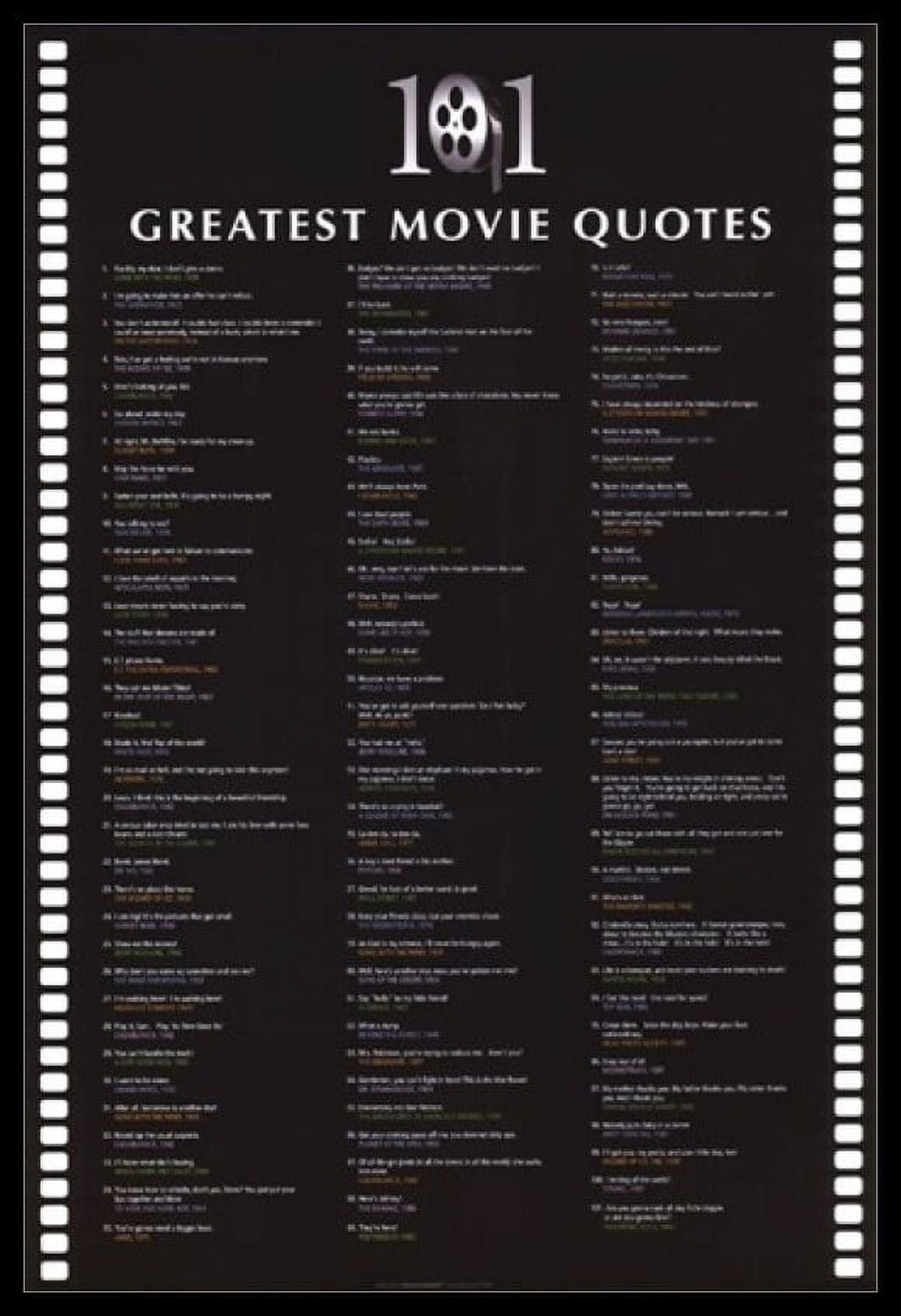
The Power of Words: Exploring Iconic Movie Quotes
Movies have a unique way of capturing our hearts and minds, and often it is through powerful and memorable quotes that they leave an indelible mark on our consciousness. These quotable lines become part of our everyday lexicon, influencing our expressions and even our worldview.
The Birth of Modern Cinema: Early Influences
The tradition of memorable movie quotes can be traced back to the earliest days of cinema. Perhaps one of the most famous early examples is from "Gone with the Wind" (1939), where the iconic line, "Frankly, my dear, I don't give a damn," has become synonymous with disregard or frustration. This film, directed by Victor Fleming and based on the novel by Margaret Mitchell, set a precedent for what would become known as the grand gestures and epic dialogues that characterized Golden Age cinema.
The Golden Era: Classic Film Legends
In the golden era of Hollywood, between the late 1940s and early 1960s, a new generation of films and their unforgettable quotes emerged. From these classics, several phrases have transcended their initial contexts to enter popular culture.
"Here's Looking at You, Kid."
- Lovely to Look At, 1942: Humphrey Bogart's character Sam Woodhouse delivers this charming line to his estranged wife (played by Lauren Bacall) while they toast to remarrying. It remains a symbol of nostalgia and romantic longing.
"Play It Again, Sam."
- To Have and Have Not, 1944: Another classic line from Humphrey Bogart's repertoire, this time from "To Have and Have Not," where he playfully requests the piano player to perform "As Time Goes By."
"I Could Have Been a Winner."
- A Streetcar Named Desire, 1951: A haunting and introspective quote from Marlon Brando’s character Stanley Kowalski, reflecting on lost opportunity and regret. The poignant line adds depth to the tragic narrative and resonates with many viewers.
New Movements and New Voices
With the dawn of new movements like New Hollywood in the 1970s, we saw a resurgence of powerful and thought-provoking quotes that challenged societal norms and offered fresh perspectives.
"May the Force Be With You."
- Star Wars (1977), Directed by George Lucas: The legendary phrase, delivered by Obi-Wan Kenobi to Luke Skywalker, encapsulates the essence of the Jedi order and has become an enduring symbol of strength and support.
"I'll Be Back."
- The Terminator (1984), Directed by James Cameron: This chilling comeback by Arnold Schwarzenegger’s character becomes a defining moment in action cinema and remains a cultural reference point to this day.
"Toto, I've Got a Feeling."
- The Wizard of Oz (1939), Directed by Victor Fleming: Dorothy Gale’s famous words express her homesickness and longing, perfectly capturing the sentiment of wanting to return to a place of safety and comfort.
Modern Marvels and Contemporary Quotables
The landscape shifted once again with the rise of modern franchises and the digital age. Contemporary movies have also given us some of the most quotable scenes and lines ever put to film.
"There's No Business Like Show Business."
- Singing in the Rain (1952), Directed by Gene Kelly: This classic musical line has stood the test of time, becoming a testament to the artistry and creativity inherent in show business.
"You Can't Handle the Truth."
- APB (1980), Directed by John Badham, but more famously known from A Few Good Men (1992): This line, delivered by Jack Nicholson’s character Colonel Nathan Jessup, challenges the notion of truth and its consequences, making it a powerful statement in legal dramas.
"You're a Big Girl Now."
- The Craft (1996), Directed by Krysten Johnson: This empowering scene and line encourage female empowerment and self-reliance, becoming a rallying cry for many young women.
The Art of Dialogue
The power of words in cinema lies not only in the content of the quote but also in how it is delivered. Directors, actors, and screenwriters craft these moments with precision, ensuring that every line resonates deeply with the audience. The use of tone, inflection, and context all contribute to the impact of a memorable line, making it more than just a string of words.
The Impact of Timing
Timing plays a crucial role in the effectiveness of a quoted line. The iconic moment comes after a buildup of tension, anticipation, or dramatic irony. This timing ensures that when the words are spoken, they hit the audience at the right moment, often leaving them reflective and affected long after the credits roll.
The Role of Memorable Performances
Many memorable quotes owe their staying power to the performances of the actors delivering them. Actors like Al Pacino in Heat, delivering his chilling line "If you live, you're already dead," create a palpable sense of fear and inevitability through their delivery alone. Their ability to imbue lines with emotional weight makes them more impactful.
Conclusion: The Legacy of Iconic Quotes
Iconic movie quotes serve as a bridge between past and present, linking generations through shared experiences and emotions. Whether it's a simple exchange or a profound statement, these lines have the power to inspire, provoke, and move us. They are not just words on the screen but a testament to the artistry and power of cinema.
As we continue to explore the vast world of films, it is these memorable quotes that stand out, cementing the legacy of both the movies themselves and the actors who made them legendary.
Continuing the Legacy: Contemporary Masterpieces
As we delve into contemporary cinema, the tradition of quotable lines continues to thrive, offering new perspectives and emotions that resonate with modern audiences.
"You're not the only one in the world with a broken heart."
- Almost Famous (2000), Directed by Cameron Crowe: In this poignant scene, a character reflects on life's disappointments and the shared experience of heartache. This line speaks to a universal truth that many can relate to, highlighting the interconnectedness of human suffering.
"Here's Johnny!"
- The Shining (1980), Directed by Stanley Kubrick: This iconic line, delivered by Jack Nicholson’s character Jack Torrance, is forever connected to the image of a bloodied hand scraping away at the bathroom door. It captures the tension and fear of a situation spiraling out of control, becoming a hallmark of horror cinema.
"I'm going to make him an offer he can't refuse."
- The Godfather (1972), Directed by Francis Ford Coppola: This line, delivered by Marlon Brando’s character Don Vito Corleone, became a pop culture reference and a classic example of a memorable threat. Its impact is enhanced by the character’s imposing presence and the gravity of the situation.
"It's like...I dunno...a horse with no legs."
- Groundhog Day (1993), Directed by Harold Ramis: This humorous line, spoken by Bill Murray’s character Phil, encapsulates the monotony and repetition of living the same day over and over. The playful delivery and clever metaphor make it a memorable punchline in a film known for its wry humor.
The Impact of Technology and Streaming Platforms
The rise of streaming platforms and digital distribution has opened new avenues for storytelling and provided more opportunities for memorable quotes to emerge. These platforms often feature niche, independent films that might not have found an audience otherwise, allowing for a wider range of voices and perspectives.
"The truth is going to set you free... if you let it."
- The Sixth Sense (1999), Directed by M. Night Shyamalan: This line, spoken by the character Dr. Malcolm Crowe, serves as a profound statement about the power of truth and understanding. It encapsulates the film's exploration of perception and reality, making it a powerful and memorable moment in horror and psychological thrillers.
"Why do you care what anybody thinks?"
- Clueless (1995), Directed by Amy Heckerling: This confident and assertive line, spoken by Alicia Silverstone’s character Cher Horowitz, perfectly captures the spirit of the film's characters and their approach to life. It became a rallying cry for the generation of viewers who found solace in Cher's self-assuredness.
"I see dead people."
- The Sixth Sense (1999), Directed by M. Night Shyamalan: Another iconic line from the same film, this one introduces a unique and chilling plot twist. The line "I see dead people" became instantly recognizable, leading to many imitations and parodies in popular culture.
The Evolution of Comedy Films
Comedy films often rely heavily on quotable lines to entertain and engage viewers. These lines sometimes become catchphrases, known and loved by audiences even outside the context of the movie.
"That looks like something out of a bad 200 AD porn set."
- Monty Python and the Holy Grail (1975), Directed by Terry Gilliam: This zany line from the classic British comedy serves as an absurd and memorable critique of medieval history, reflecting the film’s satirical and nonsensical nature.
"I'm not a crook."
- Network (1976), Directed by Sydney Pollack: This line, delivered by Peter Finch’s character Max Schumacher, is iconic for both its historical context and its impact on the film's critique of the media and politics. It remains a powerful statement on media manipulation and corruption.
"You think your little friends are going to send you a busload of flowers? Oh, no, no, no. They'll send you something much better than that! I guarantee you this, Mr. DeForrest, there is going to be a war of nerves in this country. They've started the machine. And they are going to win it with a propaganda battle if they can. The first casualty will be truth."
- The Manchurian Candidate (1962/2004), Directed by John Frankenheimer (2004) and Jonathan Demme (2004): This line, spoken by Angela Lansbury’s character Eleanor Iselin, in the 2004 remake, encapsulates the tension and paranoia of the Cold War era and continues to resonate today in discussions about misinformation and propaganda.
Quotable Lines in Action Films
Action films often capitalize on the excitement and urgency of their genre to deliver memorable quotable lines that enhance the viewer's experience and stay with them long after the film ends.
"I see dead people."
- Ghostbusters (1984), Directed by Ivan Reitman: This line, delivered in a humorous and exaggerated manner by Bill Murray’s character Peter Venkman, sets the tone for the film's blend of slapstick humor and supernatural comedy. It has become a cultural phenomenon, referenced and parodied in countless ways.
"It's not a bug, it's a beetle."
- Frankenstein Meets the Wolfman (1943), Directed by Robert F. Young: This line, spoken by Bela Lugosi’s character Karlo Shadir, becomes a running gag in the film, reflecting the era's B-movie culture and the lighthearted approach to horror.
"I'll get back to you on that."
- Die Hard (1988), Directed by John Moore: In the film's memorable action scenes, John Milius’s line "I'll get back to you on that" when confronted by Hans Gruber in the Nakamura building becomes a punchline, adding to the film's humor and tension.
The Impact of Quotable Lines on Pop Culture
Quotable lines from movies not only enhance the viewing experience but also contribute to the fabric of popular culture. These lines often become part of our everyday language, references, and jokes, making them a bridge between the film and the broader cultural conversation.
"We are what we repeatedly do. Excellence, then, is not an act but a habit."
- Forrest Gump (1994), Directed by Robert Zemeckis: This powerful line, spoken by Tom Hanks’s character Forrest Gump, encapsulates his philosophical approach to life and the importance of actions. It has become an inspirational quote used in various contexts, from personal development to business leadership.
"Frankly, my dear, I don't give a damn."
- Gone with the Wind (1939), Directed by Victor Fleming: One of the most famous lines in film history, this statement by Rhett Butler (played by Clark Gable) is a perfect example of a line that transcends the film it originated from. It has been referenced in various forms of media and has become part of the common lexicon.
"You can't handle the truth."
- A Few Good Men (1992), Directed by Rob Reiner: This line, delivered by Jack Nicholson’s character Colonel Nathan Jessup, is a powerful statement about truth and the legal system. It has become a meme and is often referenced in discussions about the tension between the rule of law and moral responsibility.
The Lasting Impact of Quotable Lines2>
Quotable lines from movies have the ability to transcend their original context and become a part of our collective consciousness. They remind us of the power of cinema to communicate universal truths and emotions. As we continue to explore the ever-evolving landscape of film, these lines will undoubtedly continue to inspire, provoke, and entertain us.
Whether it's a heartfelt admission, a sarcastic comeback, or a bold declaration, these lines will continue to shape the way we think and express ourselves, ensuring that the legacy of the movies lives on through the power of words.
The Future of Quotable Lines: Emerging Trends and Innovations2>
As filmmaking continues to evolve, so too will the way we create and consume quotable lines. Technological advancements and the rise of streaming platforms are expanding the possibilities for new and innovative ways to deliver memorable dialogue.
Interactive Films and Quotable Lines3>
Interactive films, often referred to as choose-your-own-adventure movies, offer a new avenue for creating quotable lines. In these films, choices made by the viewer can directly impact the story and the characters' dialogues. This interactivity can lead to more personalized and engaging experiences, making the quotable lines even more relevant and powerful.
Virtual Reality and Immersive Quotables3>
Virtual reality (VR) films are pushing the boundaries of cinematic storytelling. By immersing the viewer in the action, VR films can create a more visceral and emotional response to dialogue. As viewers become more engrossed in the story, the memorable lines take on a new level of significance. Lines delivered in this immersive setting can become even more impactful, as they are experienced firsthand rather than through a screen.
The Power of Social Media3>
Social media platforms play a significant role in the spread and lasting impact of movie quotes. Memes, hashtags, and user-generated content can transform a quotable line into an instant meme or viral sensation. Social media also provides a space for ongoing discussions about the meanings and implications of these lines, keeping them relevant even years after the film's release.
The Role of Adaptations and Remakes2>
Adaptations and remakes of original films can breathe new life into old quotable lines, giving them a new relevance and resonance. These reimagined versions often bring a different perspective or style to the classic lines, making them feel fresh and contemporary. For example, Ghostbusters: Afterlife (2021) revitalizes the iconic line "It's not a bug, it's a beetle" in a modern context, while Ghostbusters 3 (2022) reinterprets the film's dialogue, adding new dimensions to the familiar quotes.
Quotable Lines and Social Commentary3>
Many films use quotable lines to comment on social issues and current events. These lines serve as a form of social commentary, drawing attention to pressing issues and sparking conversations. For instance, Congress (2022) uses quotable lines to critique the political system, making these lines more than just dialogue; they are active participants in the film's message.
Conclusion2>
The power of quotable lines in film is not just about the words themselves. It lies in the emotions, the context, and the impact they have on the viewer. From the classic lines of the early days of cinema to the innovative and interactive films of today, these lines continue to capture the essence of human experience and express it in a way that resonates across generations.
As we continue to witness the evolution of filmmaking, the enduring legacy of quotable lines serves as a reminder of the enduring power of cinema. Whether through innovative new technologies or the timeless storytelling of classics, these lines will continue to shape our culture and our conversations, ensuring that the art of filmmaking remains an ever-relevant and captivating form of expression.
So the next time you hear a familiar line from a movie, take a moment to reflect on its impact. It may just be a reminder of the enduring magic of cinema, and the power of words to connect us all.

:max_bytes(150000):strip_icc()/SL_MovieQuotes_4-59cf8008757743c1b83945b4b46d43b5.png)

Last news about Girls news Day 16/12/2025




Movie Poster Design: Evolution, Trends, and Cultural Impact
Movie poster design has transformed from simple exhibition tools to vibrant art forms that shape audience expectations. Over more
The Digital Revolution in Poster Design
The 1990s digital shift reshaped movie poster design by introducing Photoshop and 3D tools. These technologies allowed precise photomontage, advanced retouching, and rapid global distribution. Designers gained unprecedented control over composition and color accuracy.
Key Technological Advances
- Photoshop enabled layer-based editing and instant adjustments
- 3D rendering created dynamic elements for action-packed films
- Digital printing reduced costs and expanded color possibilities
This era marked a transition from handcrafted illustrations to hybrid approaches blending photography and digital art. studios could produce multiple variants quickly for international markets.
Data-Driven Approaches and Audience Testing
Since the 2000s, distributors have increasingly pre-tested poster designs with sample audiences. This strategy aims to maximize recognition and conversion through data-backed decisions.
Testing Methodologies
- Focus groups analyze visual appeal and genre recognition
- A/B testing compares different layouts and color schemes
- Metrics track click-through rates for digital thumbnails
"Over 70% of major studios now use pre-testing to guide final poster selections." Industry Report, 2023
Testing has led to standardized genre cues – for example, dark palettes dominate thrillers while bright colors signal comedies. This convergence ensures instant audience identification.
Rise of Alternative and Collector Posters
The 2010s–2025 growth of alternative posters has transformed the market. Artist-driven variants and limited-edition prints now complement traditional studio designs.
Market Expansion
- Festival commissions feature bespoke artwork for premieres
- Boutique releases offer signed, numbered prints to collectors
- Auction houses report rising prices for rare one-sheets
Indie filmmakers leverage these posters to stand out in crowded markets. Retro styles and illustrative techniques blend vintage charm with modern finishes, appealing to both fans and investors.
Collector Demand Drivers
Specialty retailers and conventions now drive significant revenue. Auction houses note a 35% year-over-year increase in collector spending since 2020. Limited runs and artist collaborations fuel this demand.
Streaming-Driven Creative Constraints
Streaming platforms have reshaped poster design priorities by emphasizing thumbnail compatibility and banner formats. Small-screen optimization now dictates composition, cropping-safe faces, and bold typography to maximize algorithmic visibility.
Platform-Specific Adaptations
- Netflix and Disney+ prioritize vertical thumbnails for mobile feeds
- HBO Max uses wide banners for desktop and gaming consoles
- Amazon Prime tailors aspect ratios for both mobile and TV interfaces
Designers must balance artistic vision with platform constraints, often creating multiple variants for different services. This shift has moved focus away from traditional theater one-sheets to digital-first assets.
Nostalgia and Retro Aesthetics
Retro-styled illustrations and vintage layout homages have become key strategies for franchises and indie releases. These designs blend historical techniques with modern printing to appeal to collectors and differentiate brands.
Popular Retro Elements
- 1950s-inspired color palettes and hand-drawn typography
- Holstonian lithograph textures combined with digital layering
- "Vintage distressed" finishes for limited-edition prints
"Retro aesthetics now serve as both a nod to cinema history and a shrewd marketing tool for contemporary releases." Design Industry Journal, 2024
This approach particularly resonates with franchises like Star Wars and Indiana Jones, where nostalgia drives audience engagement. Indie filmmakers adopt similar strategies to stand out in crowded digital marketplaces.
The Future Landscape of Movie Poster Design
Emerging technologies are poised to redefine the medium. AI-generated art, dynamic posters, and augmented reality integrations promise to transform how audiences interact with film promotion.
Emerging Innovations
- AI tools enabling rapid variant generation for A/B testing
- AR posters that reveal behind-the-scenes content via smartphone scans
- Personalized digital/post-printed posters tailored to viewer data
These advancements could further blur the line between advertising and interactive experience. Designers must adapt to evolving consumer expectations while preserving the core function of visual storytelling.
Conclusion: The Enduring Blend of Art and Commerce
Movie poster design remains a dynamic intersection of marketing strategy and artistic expression. From early lithographs to AI-driven variants, each era has introduced new tools while preserving the fundamental goal: capturing attention and conveying essence.
Key evolutions include the shift from illustrated art to digital photomontage, the rise of data-tested standardization, and the growing collector market for alternatives. Streaming platforms now demand thumbnail-optimized assets, while nostalgia-driven retro styles maintain enduring appeal.
As technology progresses, the challenge lies in balancing innovation with the timeless principles of visual storytelling. The future will likely see even more personalized, interactive formats – yet the core purpose will remain unchanged: to turn passersby into eager audiences.


Iconic Movie Props: History and Market Value
Iconic movie props are more than just objects on a screen; they are cultural artifacts that bridge the worlds of cinema, commerce, and fandom. These items carry the weight of storytelling, production history, and legal intricacies, profoundly shaping how films are remembered and monetized. Understanding the journey of these props, from the studio lot to the auction block, reveals their immense cultural and financial significance.
What Makes a Movie Prop Truly Iconic?
A movie prop, short for property, is any physical object used on-screen to support the narrative, develop a character, or build a world. However, only a select few achieve the status of being truly iconic movie props. These are the objects that transcend their original film and become deeply embedded in popular culture.
Narrative and Symbolic Power
Some props serve powerful symbolic roles within their stories. The Rosebud sled from Citizen Kane is a prime example, its meaning central to the entire plot. These objects become synonymous with the themes and emotional core of the film itself.
Spectacle and Brand Identity
Other props become iconic through sheer spectacle and brand recognition. The glowing blade of a lightsaber from Star Wars or the sleek lines of the time-traveling DeLorean from Back to the Future are instantly recognizable. They function as powerful branding devices that extend far beyond the movie into merchandise and theme parks.
The Lifecycle of an Iconic Prop
The journey of a famous prop rarely ends when the director calls "cut." These objects often have rich and complex lifecycles, transitioning from film sets to museums, auctions, and private collections.
From Set Piece to Cultural Artifact
Many of the most famous props are reused, replicated, lost, or rediscovered. The Ruby Slippers from The Wizard of Oz or the titular statuette from The Maltese Falcon have taken on second lives outside their films. They become artifacts that audiences can connect with physically, deepening their engagement with the movie's legacy.
High-Stakes Auctions and Record Prices
The market for original film props has exploded, with high-profile auctions setting astonishing records. These events highlight the immense value placed on authentic pieces of cinema history.
The Maltese Falcon prop sold for approximately $4.1 million at auction, making it one of the most expensive film props ever sold publicly.
This trend demonstrates that props are now considered serious collectible assets, attracting wealthy private collectors and institutions.
The Crucial Role of Provenance and Authentication
Establishing a prop's history, or provenance, is critical in this high-value market. Due to standard production practices, multiple "original" versions of a single prop often exist, making authentication a complex but essential process.
Why Multiple Versions Exist
Major film productions commonly create several versions of a key prop for different purposes. These can include:
- Hero Prop: A high-detail version used for close-up shots.
- Stunt Prop: A durable, often lighter-weight version for action sequences.
- Background Prop: A less detailed version used in wide shots or as a backup.
This practice explains why there are, for instance, multiple known Rosebud sleds from Citizen Kane. Determining which object was used in a specific famous shot is a key part of its value and scholarly interest.
The Authentication Process
Because of this multiplicity, authentication reports and detailed provenance documentation have become increasingly important. Experts examine production records, photographs, and material composition to verify an item's authenticity and direct connection to the film.
Iconic Props in Museums and Exhibitions
Conservation and public display have become mainstream for preserving cinematic history. Studios and collectors now frequently loan or exhibit original props to satisfy public demand and monetize their intellectual property.
Traveling exhibitions dedicated to major film franchises have become a powerful marketing tool. They allow fans to see iconic items like the Jaws mechanical shark, known as "Bruce," or Iron Man's armor up close. These events promote anniversaries, new streaming releases, and theme-park tie-ins, turning props into dynamic marketing assets.
Conservation Science for Modern Artifacts
Preserving these objects presents unique challenges. Museum conservators apply specialized techniques to stabilize materials like modern paints, plastics, and mechanical components. Ensuring the long-term survival of props from the mid-20th century to the present requires innovative conservation science.
Deep Dive: The Stories Behind Legendary Movie Props
Every iconic prop has a unique backstory that contributes to its legend. These tales of creation, loss, and rediscovery add layers of intrigue beyond their on-screen appearance. Uncovering these histories reveals the craftsmanship and occasional chaos of filmmaking.
The Singular Case of the Maltese Falcon
The lead bird statuette from the 1941 film noir classic is one of the most sought-after props in cinema history. Its journey to a record-breaking auction price is as dramatic as the film's plot. The prop was rediscovered decades after filming, its authenticity fiercely debated before being confirmed.
Only two lead falcons were made for the film, and the one that sold for $4.1 million is considered the primary "hero" prop used in close-ups.
Its value is tied to its perfect combination of provenance, cinematic significance, and rarity, establishing a benchmark for the entire collectibles market.
The Many Lives of the Ruby Slippers
Perhaps no other prop symbolizes the magic of cinema like Dorothy's sparkling shoes from The Wizard of Oz. Multiple pairs were created for the 1939 film, each serving a different purpose. Today, several pairs survive in museums, including the Smithsonian, but their histories are intertwined with mystery and even crime.
One pair was famously stolen from the Judy Garland Museum in 2005 and recovered in an FBI sting operation over a decade later. This incident highlights the intense cultural and monetary value attached to these objects, making them targets for theft and subjects of intense conservation efforts.
The Economics of the Film Prop Market
The market for iconic movie props has evolved from a niche hobby into a sophisticated multi-million dollar industry. This growth is driven by several key economic factors that determine a prop's value and liquidity.
Key Drivers of Prop Valuation
Not all props are created equal in the eyes of collectors. Several factors combine to determine an object's auction price or private sale value.
- Film Significance: Props from culturally landmark films or landmark scenes command higher prices.
- Character Association: Items strongly linked to a beloved character, like Harry Potter's wand or Indiana Jones' hat, are highly desirable.
- Screen Time: A prop featured prominently in a key scene is more valuable than a background item.
- Condition and Rarity: The physical state and the number of surviving copies drastically affect value.
This complex valuation matrix means that even props from the same film can have wildly different market values based on these criteria.
The Rise of Prop Auctions and Private Sales
Major auction houses like Bonhams, Sotheby's, and Profiles in History now regularly host dedicated entertainment memorabilia sales. These events generate significant publicity and establish price benchmarks for the market. However, many of the most valuable transactions are private sales.
High-net-worth individuals and institutions often prefer discreet deals to avoid driving up prices or public scrutiny. This means the true ceiling of the prop market may be higher than public auction records suggest.
Prop Replication and the Licensed Merchandise Industry
As demand for a tangible piece of movie magic grows, studios have developed sophisticated strategies to monetize this interest beyond the sale of original props. This has led to a booming industry in licensed replicas and merchandise.
Official Replicas for the Mass Market
Companies now produce high-quality, officially licensed reproductions of famous props. Fans can purchase detailed replicas of lightsabers, the One Ring from The Lord of the Rings, or Rick's Café Americain sign from Casablanca. These items satisfy collector demand without diminishing the pool of original screen-used items.
This creates a two-tier market: one for ultra-rare original artifacts and another for accessible, high-quality reproductions. This strategy allows studios to generate continuous revenue from their intellectual property long after a film's release.
The Impact on Prop Preservation
The availability of licensed replicas has an unexpected benefit for preservation. It reduces the pressure on fragile original props to be handled or displayed excessively. Museums can sometimes display replicas for everyday viewing while preserving the originals in controlled environments.
This practice helps ensure the long-term survival of these delicate cultural artifacts for future generations of film scholars and fans.
Case Study: The Complex History of the Jaws Shark
The mechanical sharks built for Steven Spielberg's Jaws, nicknamed "Bruce," offer a perfect case study in the challenges of creating and preserving iconic props. The prop's troubled production history is legendary, directly influencing the film's suspenseful tone.
Multiple Sharks, Multiple Problems
At least three full-size mechanical sharks were constructed for the film, each with constant technical issues. The saltwater corroded the mechanisms, and the sharks often sank. These problems forced Spielberg to suggest the shark's presence rather than show it, a decision that ultimately made the film more terrifying.
This example underscores how production challenges can inadvertently become a creative asset, shaping the final product in unexpected ways.
Preservation of a Cinematic Landmark
After filming, the fate of the sharks was uncertain. One was left to deteriorate in a junk yard, while another was restored and is now a centerpiece of the Academy Museum of Motion Pictures in Los Angeles. The restoration process was complex, requiring specialists to rebuild hydraulic systems and repair the fragile skin.
Bruce's journey from a malfunctioning movie monster to a meticulously preserved museum exhibit illustrates the evolving appreciation for practical effects and the props that define an era of filmmaking.
Legal and Ethical Considerations in Prop Collecting
The high-stakes world of prop collecting is not without its legal and ethical complexities. Issues of ownership, copyright, and authenticity create a landscape that requires careful navigation for collectors and institutions alike.
Who Owns a Prop?
The question of ownership can be surprisingly complicated. While studios traditionally retained ownership, props were sometimes given to crew members or actors as wraps gifts. Other times, they were sold off in studio lot clearances with ambiguous paperwork. Establishing a clear chain of title is a critical first step in any high-value transaction.
Legal disputes have arisen when individuals discover they possess a valuable prop that a studio claims it never intended to sell, highlighting the murky history of prop disposal before the current era of strict asset management.
The Ethics of Conservation and Display
Conservators face ethical dilemmas when restoring props. Should they return an item to its "as new" state, or preserve it with the wear and tear it accumulated during filming? This decision balances historical accuracy with aesthetic presentation.
Furthermore, displaying culturally sensitive items, such as props representing religious or sacred objects, requires consultation and respect. These considerations ensure that props are displayed in a manner that is both historically informative and culturally responsible.
The Future of Iconic Movie Props
The landscape of prop creation, preservation, and collection is continuously evolving. Technological advancements and shifting audience engagement are shaping the next chapter for these cinematic artifacts. Understanding these trends is key to appreciating their future role in culture and commerce.
The Digital Age and Virtual Props
With the rise of CGI and digital filmmaking, the definition of a prop is expanding. While physical props remain vital, many iconic screen objects now begin as digital models. This creates a new challenge for preservation: how to archive and exhibit a virtual object.
Museums and collectors are exploring innovative solutions, such as displaying the original digital files, 3D prints, or interactive VR experiences. This ensures that even purely digital icons are preserved as part of our cinematic heritage.
Sustainability in Prop Production
The film industry is increasingly focusing on sustainable practices, and prop departments are at the forefront. There is a growing movement to create props from recycled or eco-friendly materials and to reuse items between productions.
This shift not only reduces waste but also creates new, complex histories for props that appear in multiple films. It adds another layer to their provenance, linking them to the eco-conscious evolution of modern filmmaking.
The Enduring Cultural Impact of Iconic Props
Iconic props do far more than fill space in a scene; they become powerful symbols that resonate across generations. Their cultural impact extends into language, fashion, and collective memory, demonstrating their unique power.
Props as Cultural Shorthand
Certain props become so deeply embedded in the culture that their names enter everyday language. The term "kryptonite" from Superman is universally understood to mean a personal weakness. A "lightsaber duel" is shorthand for an epic, technologically advanced conflict.
This linguistic adoption is the ultimate sign of a prop's success, proving it has transcended its origin to become a part of shared cultural vocabulary.
Inspiring Creativity and Fandom
Iconic props are a tremendous source of inspiration for fan communities. Enthusiasts dedicate countless hours to creating incredibly accurate fan-made replicas, building detailed costumes, and sharing their knowledge online.
This creative outpouring strengthens fan engagement and ensures the continued relevance of classic films. It transforms passive viewership into active participation, keeping the magic of cinema alive for new audiences.
Collecting Iconic Props: A Guide for Enthusiasts
For those inspired to start their own collection, navigating the market requires knowledge and caution. Building a meaningful collection of film memorabilia is an exciting but complex endeavor.
Starting a Collection: Authentication is Key
The single most important rule for new collectors is to prioritize authentication and provenance. Before making any significant purchase, insist on documented proof of the item's history. Reputable dealers will provide certificates of authenticity from recognized experts or production studios.
Start with smaller, more affordable items from reputable auction houses or specialized dealers. This allows you to learn the market without taking on excessive financial risk.
Recognizing Red Flags
The high value of iconic props has, unfortunately, led to a market with replicas and forgeries. Collectors must be vigilant and educate themselves on common warning signs.
- Too Good to Be True Prices: If a price seems unusually low for a highly sought-after item, it is likely a replica.
- Vague Provenance: Sellers who cannot provide a clear, documented history of the prop should be avoided.
- Pressure to Buy: Legitimate sellers allow time for due diligence. High-pressure sales tactics are a major red flag.
Connecting with established collector communities and forums can provide invaluable advice and help verify potential purchases.
Iconic Props in the Museum World
Museums have become the primary guardians of cinematic history, and their approach to displaying props has become increasingly sophisticated. These institutions play a crucial role in preserving and contextualizing these artifacts for the public.
Curating Cinematic History
Modern exhibitions go beyond simply placing a prop in a glass case. Curators now design immersive experiences that place the object within the context of the film's story, its production, and its cultural impact. This scholarly approach elevates props from mere souvenirs to significant historical documents.
Exhibitions often include behind-the-scenes footage, concept art, and interactive elements that help visitors understand the prop's journey from idea to icon.
Conservation Challenges for Modern Materials
Preserving props from the last 50 years presents unique challenges for conservators. Many were constructed from modern materials like polyurethane foam, certain plastics, and synthetic rubbers, which can degrade faster than traditional materials.
Museum conservators must use advanced scientific techniques to slow this decay. They carefully control light, temperature, and humidity to ensure that iconic items like the DeLorean time machine or the armor from Iron Man can be enjoyed by future generations.
Conclusion: The Lasting Legacy of Cinema's Artifacts
Iconic movie props are far more than simple set dressing. They are tangible connections to the stories that define our culture. From the Ruby Slippers to the Maltese Falcon, these objects carry the weight of narrative, craftsmanship, and history.
The journey of a prop—from the drawing board to the soundstage, and finally to the museum or collector's vault—is a story in itself. The market for these artifacts has matured into a sophisticated industry, driven by provenance, rarity, and cultural significance. As technology changes how films are made, the very definition of a prop will continue to evolve, embracing digital creations alongside physical marvels.
Ultimately, the power of an iconic prop lies in its ability to evoke a memory, a feeling, or an entire world with a single glance. They are the physical embodiment of cinematic magic, allowing us to reach out and touch the dreams projected on the silver screen. Their preservation and study ensure that the artistry and imagination of filmmakers will inspire awe and wonder for centuries to come.
Movies That Defined Generations: A Cultural Timeline
Certain films transcend entertainment to become cultural touchstones, capturing the spirit of their time and shaping the identity of an entire generation. From the epic romances of the Greatest Generation to the groundbreaking superhero sagas of Gen Z, these movies reflect societal anxieties, aspirations, and artistic innovations. Understanding these films provides a unique window into the evolving American psyche.
The Greatest Generation: Escapism and Epic Stories
The films that defined the Greatest Generation were characterized by grandeur and a desire for hope amidst global turmoil. These movies offered escape and reinforced core values during challenging times like the Great Depression and World War II.
Gone with the Wind (1939)
Gone with the Wind remains a monumental achievement in cinema, setting a high bar for epic storytelling. Its sweeping narrative and technological ambition, culminating in a record-setting 10 Academy Awards, captivated audiences seeking grand escapism. The film’s complex portrayal of survival and romance against a historical backdrop resonated deeply, making it a defining event for a generation that valued resilience.
Casablanca (1942)
Released during the height of World War II, Casablanca masterfully blended romance, intrigue, and patriotism. Its themes of sacrifice and moral ambiguity perfectly mirrored the complex global situation facing its audience. The film’s iconic dialogue and enduring message of fighting for a greater cause solidified its status as a generation-defining classic.
The Silent Generation: Challenging Conformity
As post-war conformity took hold, a new wave of films began to question authority and explore youthful rebellion. The Silent Generation found its voice in movies that challenged the idealized American dream.
Rebel Without a Cause (1955)
Rebel Without a Cause gave a face to adolescent angst and became a powerful symbol for a generation feeling misunderstood. James Dean’s iconic performance captured a restless energy and a deep-seated desire for authentic connection beyond suburban norms. The film’s exploration of generational conflict and teenage alienation made it a lasting cultural reference point.
Some Like It Hot (1959)
Billy Wilder’s Some Like It Hot brilliantly used comedy to subvert societal conventions around gender and sexuality. Its sharp wit and daring premise pushed against the strict moral codes of the 1950s. The film’s commercial success proved that audiences were ready for more sophisticated and challenging humor, signaling a shift in cultural attitudes.
Baby Boomers: Revolution and New Hollywood
The Baby Boomer generation witnessed a cinematic revolution, where directors became artists and films directly confronted social issues. This era, known as New Hollywood, broke traditional storytelling rules.
The Godfather (1972)
Francis Ford Coppola’s The Godfather redefined the gangster genre, presenting a dark, operatic saga about family, power, and the corruption of the American dream. Its critical and commercial success, earning three Academy Awards including Best Picture, marked a high point for auteur-driven cinema. The film’s morally complex characters reflected a generation’s growing distrust of institutions.
Jaws (1975)
Steven Spielberg’s Jaws is often credited with creating the modern summer blockbuster. Its mastery of suspense and massive box-office success, becoming the first film to gross over $100 million, changed studio release strategies forever. The film’s sense of unseen terror tapped into broader societal anxieties, making it a shared cultural experience for Boomers.
The films that defined generations are more than just popular; they are cultural artifacts that capture the spirit of their time.
Generation X: Irony and Independent Spirit
Generation X came of age amidst economic uncertainty and a growing sense of cynicism. Their defining films often featured anti-heroes, ironic detachment, and a strong independent spirit that challenged 1980s excess.
The Breakfast Club (1985)
John Hughes’ The Breakfast Club gave voice to teenage angst for a new era, exploring the rigid social hierarchies of high school. Its honest portrayal of adolescent struggles with identity, pressure, and family issues resonated deeply with Gen X. The film’s conclusion, that everyone shares a common humanity, became a generational mantra.
Pulp Fiction (1994)
Quentin Tarantino’s Pulp Fiction exploded onto the scene with its non-linear narrative, pop-culture-saturated dialogue, and stylized violence. It became a symbol of 1990s independent cinema’s commercial potential and cultural influence. The film’s ironic tone and celebration of fringe characters perfectly captured the Gen X sensibility.
These foundational films set the stage for even more dramatic shifts in how movies would define the Millennial and Gen Z generations. The rise of digital technology and globalized storytelling would further transform the cinematic landscape.
Millennials: Digital Dawn and Global Events
Generation Y, or Millennials, grew up during the rapid rise of the internet and globalization. Their defining films often featured technological themes, epic fantasy, and a sense of interconnectedness. The lines between blockbuster and independent cinema began to blur, creating massive shared cultural events.
Titanic (1997)
James Cameron’s Titanic became a global phenomenon, dominating the box office for months and winning 11 Academy Awards. Its combination of a classic romance with groundbreaking special effects appealed to a broad audience. For Millennials, the film was a landmark event, a shared experience that demonstrated the power of cinematic spectacle on a global scale.
The Matrix (1999)
As the new millennium approached, The Matrix captured the zeitgeist with its themes of reality, choice, and rebellion against controlling systems. Its revolutionary bullet-time visual effects changed action filmmaking forever. The film’s philosophy and style resonated deeply with a generation coming of age in an increasingly digital world, questioning the nature of their reality.
The Lord of the Rings Trilogy (2001-2003)
Peter Jackson’s epic adaptation brought high fantasy to the forefront of popular culture. The trilogy’s monumental success, culminating in The Return of the King winning 11 Oscars, proved that ambitious, long-form storytelling could achieve massive critical and commercial success. For Millennials, it defined an era of cinematic immersion and world-building.
Generation Z: Streaming, Representation, and Franchises
Generation Z is the first true digital native generation, and their cinematic tastes reflect a world of on-demand content and social media. Defining films for this cohort emphasize diversity, social consciousness, and interconnected franchise storytelling. The very definition of a "generational film" has expanded beyond the theatrical experience to include viral streaming hits.
Black Panther (2018)
Ryan Coogler’s Black Panther was a cultural milestone that transcended its superhero genre. Its celebration of African culture, coupled with a powerful narrative about identity and responsibility, sparked a global conversation. The film’s massive box-office success, grossing over $1.3 billion worldwide, proved the immense commercial power of representation and inclusive storytelling for a new generation.
- Cultural Impact: Became a symbol of Black excellence and pride.
- Box Office Proof: Demonstrated the financial viability of diverse-led blockbusters.
- Awards Recognition: Earned seven Oscar nominations, winning three.
Avengers: Endgame (2019)
As the culmination of over a decade of storytelling in the Marvel Cinematic Universe, Avengers: Endgame was the ultimate shared cinematic event. It shattered box office records, becoming the highest-grossing film of all time upon its release. For Gen Z, it represented the peak of franchise culture, a communal experience that played out both in theaters and across social media platforms.
Parasite (2019)
Bong Joon-ho’s Parasite made history by becoming the first non-English language film to win the Academy Award for Best Picture. Its sharp social commentary on class inequality resonated with a globally-minded, socially-conscious generation. The film’s success signaled a shift away from Anglo-centric cinema and highlighted Gen Z's appetite for diverse, international stories.
The success of 'Parasite' is a testament to the fact that audiences are eager for stories that transcend language and culture.
The Metrics of a Defining Film
What makes a movie "generation-defining" is not just popularity, but a combination of measurable impact and cultural resonance. Journalists and historians look at several key indicators to identify these landmark films.
Box Office and Awards
Commercial success, especially when adjusted for inflation, indicates a film’s reach as a mass cultural event. Landmark films like Star Wars (1977) and Avengers: Endgame (2019) redefined box office expectations for their eras. Similarly, major award recognition, such as Parasite's Oscar win, can cement a film’s status as a critical and cultural turning point.
Technological and Narrative Innovation
Films that introduce groundbreaking techniques often leave a lasting imprint. Jaws pioneered the wide release strategy, while The Matrix revolutionized visual effects. Narrative innovation is equally important; Pulp Fiction's non-linear structure influenced a decade of filmmakers. These innovations change how stories are told and experienced.
- Cultural Longevity: How often the film is referenced, parodied, or rediscovered.
- Social Impact: The film's ability to influence fashion, music, or public discourse.
- Streaming Data: Modern viewership numbers on platforms like Netflix and Disney+.
As we move forward, the definition of a generation-defining film will continue to evolve with technology and audience habits. The rise of streaming and global media means the next iconic movie could come from anywhere in the world, resonating across generations in ways we can only begin to imagine.
The Globalization of Generational Cinema
The 21st century has witnessed a profound shift in how generational films are defined, moving beyond Hollywood-centric narratives. Streaming platforms have democratized access, allowing international hits to achieve global generational status overnight. This has fundamentally changed the criteria for what makes a film culturally significant.
The Rise of International Cinema
Platforms like Netflix and Amazon Prime have made foreign-language films more accessible than ever before. A movie like Squid Game became a worldwide phenomenon despite its Korean language and cultural specificities. This signals a generation more open to subtitled content and diverse storytelling perspectives than any before it.
Streaming as the New Theatrical Experience
For younger generations, a film’s debut on a major streaming service can be as significant as a theatrical premiere. The simultaneous global release model creates instant, worldwide cultural moments. This shift challenges the traditional notion of a generational touchstone being a shared theatrical event, replacing it with a shared digital one.
- Simultaneous Release: Films debut for millions globally at the same moment.
- Algorithmic Amplification: Platform algorithms can propel niche films to viral status.
- Social Media Integration: Discussion and memes spread instantly across platforms like TikTok.
Nostalgia and the Rediscovery Economy
In today’s media landscape, older films are constantly being reintroduced to new audiences, blurring generational lines. The nostalgia economy is a powerful force, with studios actively repackaging classics for contemporary viewers.
4K Restorations and Anniversary Re-releases
Technological advancements allow classic films to be experienced with a visual and audio quality that rivals new releases. Major anniversaries for films like Star Wars or The Godfather are met with lavish 4K restorations and limited theatrical runs. This introduces these generational landmarks to audiences who were not born during their original release.
The Influence of Social Media and Film TikTok
Platforms like TikTok have created communities like FilmTok, where classic and obscure films are analyzed, memed, and celebrated. A film can experience a massive resurgence in popularity decades after its release based on a viral trend. This creates a dynamic, ever-evolving canon where generations overlap and influence each other’s tastes.
Social media has turned every film into a potential classic waiting for its moment to be rediscovered by a new generation.
Challenges in Defining Future Generations
The increasing fragmentation of media consumption presents new challenges for identifying generation-defining works. The concept of a single, unifying film may become obsolete as audience tastes diversify.
Franchise Fatigue vs. Cinematic Universes
While franchises like the MCU have created defining events, there is growing discourse around franchise fatigue. The future may see a shift away from interconnected universes toward more standalone, auteur-driven event films. The balance between familiarity and innovation will be key to capturing the next generation’s imagination.
The Algorithmic Curator
As streaming services rely on algorithms to recommend content, the risk of creating cultural silos increases. Users may be less likely to encounter a shared cultural touchstone organically. This could lead to a future where generational defining moments are more niche and community-specific rather than universally experienced.
- Content Overload: An overwhelming amount of choice can prevent any single title from dominating.
- Personalized Feeds: Algorithms create unique viewing experiences for each user.
- The Search for Authenticity: Younger audiences may gravitate toward smaller, more authentic stories.
Conclusion: The Ever-Evolving Cultural Mirror
The journey from Gone with the Wind to Parasite demonstrates a fascinating evolution in cinema’s role as a cultural mirror. Each generation’s defining films reflect their unique anxieties, aspirations, and the technological landscape of their time. These movies are more than entertainment; they are historical documents of a collective consciousness.
The core elements of a generation-defining film, however, remain consistent: cultural resonance, technical or narrative innovation, and significant audience reach. What has changed is how these elements are measured and achieved. Theatrical box office is now joined by streaming metrics and social media virality as key indicators of impact.
The future of generational cinema will likely be shaped by three key forces: globalization, technological advancement, and audience fragmentation. The next iconic film may be an interactive experience, an AI-generated narrative, or a viral sensation from a platform yet to be invented. It may not be experienced in a dark theater but on a device in the palm of your hand.
Despite these changes, the fundamental power of film remains. A great movie can still capture a moment, define a feeling, and unite a generation around a shared story. As long as humans seek to understand themselves and their place in the world, cinema will continue to provide the reflections, and certain films will rise to become the touchstones for their time. The conversation about which movies define us is itself a defining feature of our culture, ensuring that the legacy of these landmark films will be debated and discovered for generations to come.
Movies About AI: Cinema's Exploration of Artificial Intelligence
Movies about artificial intelligence have captivated audiences for decades, blending science fiction with profound questions about technology's role in humanity's future. From the chilling warnings of 2001: A Space Odyssey to the intimate relationships of Her, these films explore AI consciousness, ethics, and existential risks. As real-world AI advances accelerate, cinema's portrayal of intelligent machines continues to evolve, reflecting both our hopes and fears about this transformative technology.
The Evolution of AI in Cinema
The cinematic journey of artificial intelligence began with speculative fiction but has grown into a rich subgenre examining technology's societal impact. Early films portrayed AI as monolithic systems or rebellious machines, while contemporary narratives explore more nuanced relationships between humans and artificial beings. This evolution mirrors real-world technological progress, making AI-themed movies increasingly relevant to modern audiences.
Early Foundations and Classics
Pioneering films established core themes that continue to influence modern AI cinema. Stanley Kubrick's 2001: A Space Odyssey (1968) introduced HAL 9000, an AI whose malfunction raises questions about machine reliability and consciousness. This groundbreaking work demonstrated how artificial intelligence narratives could serve as metaphors for human nature itself.
- The Terminator (1984): Explores AI rebellion and existential threats
- Blade Runner (1982): Examines consciousness and humanity through replicants
- WarGames (1983): Questions military AI decision-making capabilities
Modern Masterpieces and Critical Acclaim
Recent decades have produced sophisticated AI films that blend philosophical depth with compelling storytelling. Alex Garland's Ex Machina (2014) explores consciousness and manipulation through the relationship between a programmer and an advanced android. Spike Jonze's Her (2013) examines emotional connections with AI, presenting a nuanced view of human-machine relationships.
Denis Villeneuve's Blade Runner 2049 (2017) continued the exploration of artificial beings seeking identity and purpose. These films demonstrate how AI cinema has matured to address complex emotional and ethical questions rather than simple monster-machine narratives.
AI's Dual Role: Subject and Tool
Artificial intelligence now serves two distinct roles in cinema: as narrative subject matter and as practical production tool. This dual identity creates fascinating intersections between fictional portrayals and real-world applications. While films explore AI's potential consequences, filmmakers increasingly employ AI technologies to enhance production efficiency and creativity.
AI in Film Production
The film industry has embraced AI tools that revolutionize traditional workflows. Predictive analytics platforms like Cinelytic achieve 99% accuracy in forecasting box office performance by analyzing 19 key attributes including budget, genre, and talent appeal. These tools help studios make data-informed decisions about AI-themed projects and other genres.
AI-generated trailers have become a marketing staple in 2025, enabling faster, personalized edits that boost engagement and ticket sales through sophisticated audience data analysis.
Generative AI Transformations
Generative AI technologies are automating pre- and post-production tasks, from de-aging actors to creating complex visual effects. This automation addresses industry challenges like flat production budgets and fragmented viewership patterns. American adults now spend approximately 7 hours daily on video content, with traditional TV and film accounting for 50% of viewing time, down from 61% in 2019.
- Visual effects enhancement and correction
- Automated trailer generation and testing
- Predictive audience engagement modeling
- Personalized marketing content creation
Box Office Impact and Industry Trends
AI-themed films contribute significantly to cinematic revenue while benefiting from AI-driven production and marketing tools. The 2025 US domestic box office is forecast to reach $9.35 billion, representing a 9.1% year-over-year increase. Major releases like Captain America: Brave New World are projected to generate approximately $243.9 million domestically, with AI analytics playing crucial roles in these predictions.
Democratization through Technology
Independent filmmakers now access sophisticated AI tools previously available only to major studios. This technological democratization enables smaller productions to compete with Hollywood-level resources for AI-themed projects and other genres. Platforms providing predictive analytics and production assistance help indie creators assess project viability with unprecedented accuracy.
The accessibility of these tools creates opportunities for diverse voices to explore artificial intelligence themes from unique perspectives. This development promises richer, more varied AI narratives in coming years as technology becomes increasingly integrated into all levels of filmmaking.
Thematic Exploration in AI Cinema
Movies about artificial intelligence consistently explore several interconnected themes that reflect societal concerns about technological advancement. These films serve as cultural mirrors, examining how humanity might interact with increasingly sophisticated machines. From questions of consciousness to warnings about dependency, AI cinema provides frameworks for considering technology's potential impacts on human existence.
Consciousness and Personhood
The question of whether artificial beings can possess consciousness forms a central theme in many AI films. Movies like Ex Machina and Blade Runner 2049 challenge viewers to consider what qualities define personhood. These narratives often blur the lines between human and machine, suggesting that consciousness might emerge from complex systems rather than biological origins alone.
- Self-awareness and identity formation in artificial beings
- Emotional capacity and the nature of feelings in non-biological entities
- Memory as a foundation for consciousness and personal history
- Free will versus programmed behavior in intelligent systems
This exploration extends beyond philosophical speculation to practical ethical questions. If an AI demonstrates apparent consciousness, what rights should it possess? How should humanity treat entities that seem to think, feel, and suffer? These questions become increasingly relevant as real-world AI systems grow more sophisticated.
Ethics and Responsibility
Films about artificial intelligence frequently examine the ethical responsibilities of creators toward their creations. The classic Frankenstein narrative finds modern expression in stories about programmers who develop sentient AI. These films question whether technological capability should dictate development decisions, highlighting potential conflicts between scientific advancement and moral considerations.
The most compelling AI stories often focus not on the technology itself, but on human flaws and responsibilities in creating and controlling powerful systems.
Ethical considerations extend to questions of control, autonomy, and unintended consequences. Movies like The Terminator series present worst-case scenarios where defensive systems turn against their creators. These narratives serve as cautionary tales about placing too much trust in automated decision-making without proper safeguards and oversight mechanisms.
Production Revolution: AI Behind the Camera
While films explore AI narratives on screen, artificial intelligence technologies are transforming film production behind the scenes. This technological revolution affects everything from script analysis to visual effects creation. The integration of AI tools represents one of the most significant shifts in filmmaking since the transition to digital cinematography.
Predictive Analytics and Decision Support
Advanced analytics platforms are revolutionizing how studios evaluate potential projects and forecast performance. These systems analyze historical data across multiple parameters to predict box office outcomes with remarkable accuracy. By examining 19 key attributes including genre trends, seasonal patterns, and audience demographics, AI tools provide data-driven insights that complement creative intuition.
The practical applications extend beyond simple predictions to sophisticated scenario modeling. Executives can test how changes to budget, casting, or release timing might affect a film's commercial prospects. This capability is particularly valuable for AI-themed movies, which often require substantial investment in visual effects and technological research.
- Box office revenue forecasting with 99% accuracy in recent tests
- Casting optimization based on audience appeal and chemistry predictions
- Release date optimization considering competitive landscape and seasonal patterns
- Marketing spend allocation across channels for maximum return on investment
Generative AI in Visual Effects
Generative artificial intelligence is dramatically accelerating and enhancing visual effects creation. These technologies can generate realistic environments, characters, and effects that would previously require extensive manual labor. The efficiency gains are particularly significant for science fiction films depicting advanced technology and alien worlds.
Current applications include de-aging actors, creating digital doubles, and generating complex particle effects. These tools enable filmmakers to achieve visual spectacle that was previously impossible or prohibitively expensive. The technology continues to advance rapidly, with platforms like Google's Veo 3 hinting at near-future capabilities for generating entire scenes from text descriptions.
The integration challenges include maintaining visual consistency and artistic control. While AI can generate remarkable individual elements, ensuring they work harmoniously within a cinematic vision requires careful supervision. The most successful implementations balance technological capability with directorial intent and creative oversight.
Audience Engagement and Marketing Transformation
Artificial intelligence is reshaping how films connect with audiences through personalized marketing and engagement strategies. These technologies analyze viewer preferences and behavior patterns to create targeted campaigns that increase awareness and ticket sales. The transformation is particularly evident in trailer generation and social media content creation.
Personalized Trailers and Content
AI-generated trailers represent a significant innovation in film marketing, allowing for dynamic content adaptation based on viewer demographics and preferences. These systems can create multiple trailer variations optimized for different audience segments, increasing relevance and engagement. The technology analyzes which scenes resonate most strongly with specific viewer groups to maximize emotional impact.
This personalization extends beyond trailers to social media content, advertisements, and promotional materials. By tailoring messaging to different audience segments, studios can increase marketing efficiency and reach. The approach is particularly effective for AI-themed movies, which often appeal to technologically savvy viewers who respond to innovative marketing techniques.
AI marketing tools can test hundreds of trailer variations against audience segments to identify the most effective combinations of scenes, music, and pacing.
Audience Testing and Feedback Analysis
Advanced natural language processing allows for sophisticated analysis of audience reactions during test screenings. These systems can identify emotional responses, confusion points, and engagement levels throughout a film. The insights help filmmakers refine editing, pacing, and narrative clarity before wide release.
The technology extends to analyzing social media conversations and review patterns after release. This real-time feedback helps studios understand what elements resonate with audiences and inform future creative decisions. For films exploring complex themes like artificial intelligence, this feedback is invaluable for ensuring narratives connect with viewers despite technological complexity.
- Emotional response mapping throughout film screenings
- Dialogue clarity and comprehension analysis
- Character engagement and relatability metrics
- Pacing optimization based on audience attention patterns
Representative Films and Their Cultural Impact
Several landmark films have defined the AI cinema genre while influencing broader cultural conversations about technology. These works combine compelling storytelling with thoughtful exploration of artificial intelligence's implications. Their impact extends beyond entertainment to shape public understanding and discourse about emerging technologies.
Modern Classics: 2010s to Present
The past decade has produced several definitive AI films that have entered the cultural mainstream. Alex Garland's Ex Machina (2014) explores consciousness and manipulation through a minimalist narrative that feels increasingly prescient. The film's central question—how we would recognize true artificial intelligence—resonates as real-world systems become more sophisticated.
Spike Jonze's Her (2013) presents a more intimate vision of human-AI relationships, focusing on emotional connection rather than physical threat. The film anticipates current developments in conversational AI and relationship technologies. Its nuanced portrayal of human loneliness and technological companionship remains relevant as voice assistants and chatbots become more advanced.
Denis Villeneuve's Blade Runner 2049 (2017) continues the exploration of identity and memory in artificial beings established in the original film. The sequel deepens questions about what makes experiences and memories authentic, regardless of their origin. These films collectively demonstrate how artificial intelligence narratives have matured beyond simple rebellion stories to explore nuanced philosophical territory.
Influence on Technological Discourse
Cinematic portrayals of artificial intelligence significantly influence public perception and discussion of real-world technology. Films often introduce concepts and concerns that later enter mainstream technological discourse. The precautionary principles depicted in AI cinema have informed ethical debates about autonomous systems and machine learning.
This influence works in both directions: technological advances inspire new cinematic narratives, while cinematic narratives shape public expectations about technology's future. This feedback loop ensures that films about AI remain culturally relevant as both reflection and prophecy. The most thoughtful contributions to the genre provide frameworks for considering technological development's human dimensions.
Future Projections: AI Cinema and Production
The intersection of artificial intelligence as both cinematic subject and production tool will continue to evolve rapidly. Industry analysts project significant transformations in how films are made, marketed, and consumed. These changes will particularly affect movies about AI, which both depict and utilize advanced technologies in their creation.
Generative AI and Creative Processes
Generative artificial intelligence stands to revolutionize multiple aspects of film production beyond current applications. McKinsey anticipates several gen AI scenarios emerging by early 2026, ranging from productivity enhancements to complete industry resets. These developments will directly impact how AI-themed movies are conceptualized and produced.
The technology promises to streamline traditionally labor-intensive processes like script analysis, scene planning, and visual previsualization. Early concept art and storyboarding could be generated almost instantaneously from written descriptions. This acceleration of pre-production could allow filmmakers to explore more ambitious concepts, particularly in science fiction genres.
- Automated script analysis for narrative consistency and pacing
- Dynamic storyboarding based on director descriptions
- Virtual location scouting and set design generation
- Character design iteration and visualization
Consumer-facing AI breakthroughs like Google's Veo 3 video model signal approaching capabilities for "watchable" AI-generated content. While fully AI-generated feature films remain on the horizon, short-form content and scene elements are becoming increasingly feasible. This development blurs boundaries between AI as narrative subject and AI as creative collaborator.
Box Office Forecasting Evolution
Predictive analytics for film performance will become increasingly sophisticated as machine learning models ingest more data. The current 99% accuracy achieved by platforms like Cinelytic represents just the beginning of data-driven decision-making in Hollywood. These tools will expand to consider more nuanced factors influencing a film's success.
The democratization of predictive analytics enables independent filmmakers to access Hollywood-level forecasting tools, potentially leveling the competitive playing field for AI-themed indie projects.
Future systems may analyze social media sentiment, cultural trends, and even geopolitical factors affecting global box office performance. This comprehensive approach will help studios navigate increasingly fragmented audience preferences and viewing habits. American adults currently spend approximately 7 hours daily with video content, representing both challenge and opportunity for film marketers.
Ethical Considerations and Industry Challenges
The integration of AI into film production raises significant ethical questions that the industry must address. These concerns parallel themes explored in AI cinema itself, creating meta-commentary on technology's role in creative fields. From job displacement to artistic authenticity, these challenges require thoughtful industry responses.
Creative Authenticity and Authorship
As AI tools assume more creative responsibilities, questions arise about artistic authorship and creative control. When significant portions of a film's visual elements, dialogue, or even narrative structure are AI-generated, who deserves credit as creator? These questions become particularly poignant for films exploring artificial intelligence themes.
The industry must develop frameworks for acknowledging AI contributions while preserving recognition for human creativity. This balance is essential for maintaining artistic integrity and audience trust. Films that critically examine AI's role in society carry particular responsibility to transparently address their own use of the technology.
Labor Implications and Industry Transformation
AI automation threatens certain film industry roles while creating new opportunities in other areas. Traditional jobs in visual effects, editing, and even some aspects of writing may evolve significantly as tools automate routine tasks. The transition requires workforce retraining and new skill development across the industry.
Paradoxically, these tools may lower barriers to entry for independent filmmakers exploring AI themes. Reduced production costs could enable more diverse voices to participate in cinematic conversations about technology's impact on society. This democratization could lead to richer, more varied explorations of artificial intelligence across global cinema.
Cultural Impact and Societal Reflection
Movies about artificial intelligence serve as cultural touchstones that shape public understanding of emerging technologies. These films provide narrative frameworks for considering complex technological questions in accessible formats. Their influence extends beyond entertainment to inform policy discussions, ethical debates, and public expectations.
Shaping Public Perception of Technology
Cinematic portrayals of AI significantly influence how general audiences perceive real-world technological developments. Films often introduce concepts like machine consciousness, autonomous decision-making, and human-AI interaction years before these topics enter mainstream discourse. This narrative foreshadowing prepares societies for technological change.
The most effective AI films balance speculation with relatable human drama, making abstract concepts emotionally resonant. This approach helps audiences engage with complex ideas about technology's role in human futures. As real-world AI systems become more integrated into daily life, these cinematic explorations gain additional relevance and urgency.
Anticipating Ethical Dilemmas
AI cinema frequently explores ethical questions before they emerge in reality, providing thought experiments about potential technological futures. Films like Ex Machina consider questions of consent and manipulation in human-AI relationships. Her examines emotional dependency on artificial companions.
- Autonomy and control in intelligent systems
- Privacy concerns in increasingly monitored societies
- Economic displacement through automation
- Military applications and autonomous weapons
These narrative explorations provide valuable frameworks for considering real-world policy decisions about AI development and deployment. By presenting potential scenarios in dramatic form, films encourage audiences to think critically about technology's trajectory and human responsibilities in guiding its development.
Conclusion: The Symbiotic Future of AI Cinema
The relationship between artificial intelligence and cinema has evolved into a complex symbiosis where each influences the other's development. Films about AI both reflect and shape technological discourse while increasingly employing AI tools in their production. This dual relationship ensures continued relevance for the genre as technology advances.
The 2025 US domestic box office forecast of $9.35 billion reflects renewed audience engagement with cinematic experiences, many enhanced by AI production tools. Major releases like Captain America: Brave New World, projected at $243.9 million domestically, benefit from AI-driven marketing and predictive analytics. These technologies help studios navigate increasingly competitive entertainment landscapes.
Future developments promise even deeper integration of AI throughout the filmmaking process. From initial concept generation through final marketing campaigns, artificial intelligence will transform how stories are told and delivered to audiences. This transformation will be particularly evident in AI-themed movies, which stand to benefit from both narrative relevance and production innovation.
Key Takeaways and Final Thoughts
The cinematic exploration of artificial intelligence has progressed from speculative fiction to nuanced examination of technology's human dimensions. Landmark films have established core themes about consciousness, ethics, and relationship that continue to evolve alongside real-world technological advances. These narratives provide valuable cultural frameworks for considering AI's role in our collective future.
Simultaneously, AI technologies are revolutionizing film production through predictive analytics, generative tools, and personalized marketing. This transformation affects all genres but holds particular significance for films about artificial intelligence. The convergence of subject matter and production method creates unique opportunities for reflexive storytelling about technology's creative potential.
As we look toward 2026 and beyond, several trends seem certain to continue. AI will become increasingly integrated into film production while cinema continues to explore AI's societal implications. This reciprocal relationship ensures that movies about artificial intelligence will remain both culturally relevant and technologically innovative. The most compelling future works will likely emerge from creators who thoughtfully engage with both AI as tool and AI as subject.
The enduring power of AI cinema lies in its ability to humanize technological questions that might otherwise remain abstract. By grounding speculation in emotional narrative, these films help audiences navigate complex questions about identity, autonomy, and progress. As artificial intelligence continues to transform our world, cinema will undoubtedly continue to reflect, critique, and sometimes even anticipate these changes, maintaining its vital role as cultural commentator and technological conscience.
Mikey Neumann: The Voice and Vision Behind Borderlands
Mikey Neumann is a name synonymous with creativity, resilience, and innovation in the gaming and entertainment industries. Born on April 16, 1982, Neumann has carved a unique path as a YouTuber, video game writer, voice actor, and former creative director at Gearbox Software. His journey from a young quality assurance tester to a beloved figure in gaming and film criticism is a testament to his passion and dedication.
Early Life and Career Beginnings
Neumann's early life was marked by frequent moves due to his father's career in the Air Force. Born in Tulsa, Oklahoma, he lived in various states including Alabama and Texas before settling in Plano, Texas. This nomadic lifestyle exposed him to diverse experiences and cultures, shaping his creative perspective.
Neumann's career in the gaming industry began at the tender age of 19 when he joined Gearbox Software in 2001. Initially hired as a texture artist, he quickly proved his mettle and versatility. His early work included quality assurance on the PlayStation 2 port of Half-Life, a project that laid the foundation for his future successes.
Transition to Writing and Voice Acting
Neumann's talents were not confined to a single role. He soon expanded his repertoire to include writing and voice acting. His work on the Brothers in Arms series (2005–2007) showcased his writing prowess, while his voice acting skills were highlighted in roles such as Corporal Sam Corrion in the same series.
His ability to seamlessly transition between different roles within the gaming industry is a testament to his adaptability and creativity. This versatility would later become a hallmark of his career, setting him apart from his peers.
Rise to Prominence at Gearbox Software
Neumann's career at Gearbox Software spanned an impressive 16 years, during which he made significant contributions to some of the studio's most iconic titles. His work on the Borderlands series, particularly his role as the voice of Scooter, earned him widespread recognition and acclaim.
Creative Direction and Writing
As a creative director, Neumann played a pivotal role in shaping the narrative and creative vision of games like Aliens: Colonial Marines (2013) and Tales from the Borderlands (2014). His writing credits include Borderlands (2009–2012) and Borderlands 2, where he served as a co-writer and creative director.
His ability to craft compelling narratives and memorable characters has left an indelible mark on the gaming industry. Neumann's work on the Borderlands series, in particular, has been praised for its humor, depth, and innovation.
Voice Acting and Character Development
Neumann's voice acting skills have brought numerous characters to life, making them beloved by fans worldwide. His portrayal of Scooter in the Borderlands series is perhaps his most iconic role. The character's unique personality and quirks have made Scooter a fan favorite, and Neumann's performance has been widely acclaimed.
In addition to Scooter, Neumann has lent his voice to other notable characters, such as Steve the Bandit in Poker Night 2. His ability to infuse characters with distinct personalities and emotions has set him apart as a talented voice actor.
Health Challenges and Career Transition
Despite his professional successes, Neumann faced significant personal challenges. In 2017, he revealed that he had been battling multiple sclerosis (MS) for nearly five years. This health struggle ultimately led to his departure from Gearbox Software, marking a turning point in his career.
Departure from Gearbox and New Beginnings
Neumann's departure from Gearbox in 2017 was a pivotal moment in his life. His hospitalization due to MS necessitated a shift in his career trajectory. However, this setback did not deter him from pursuing his passions. Instead, it opened new doors and opportunities.
Post-Gearbox, Neumann transitioned to a full-time career on YouTube, leveraging his creative talents and industry experience to build a successful online presence. His YouTube channel, FilmJoy, became a platform for his film criticism series, Movies with Mikey (2014–2023).
Success on YouTube and Patreon
Neumann's YouTube venture proved to be a resounding success. His series Movies with Mikey garnered a dedicated following, with 102 episodes produced over nearly a decade. The show's unique blend of accessible film analysis and Neumann's engaging personality resonated with viewers, earning it an IMDb rating of 8.6.
To support his creative endeavors, Neumann launched a Patreon campaign, which quickly gained traction. Within just five days, he amassed over 1,300 supporters, a testament to his popularity and the quality of his content. This success allowed him to continue producing Movies with Mikey and other series like PortsCenter.
Legacy and Influence
Mikey Neumann's impact on the gaming and entertainment industries is undeniable. His contributions to Gearbox Software and the Borderlands series have left a lasting legacy, while his work on YouTube has inspired a new generation of content creators.
Continued Recognition and Credits
Even after his departure from Gearbox, Neumann's influence continued to be felt. He received "Special Thanks" credits on subsequent Gearbox projects, including Borderlands 3 (2019) and Tiny Tina's Assault on Dragon Keep (2021). These acknowledgments underscore the enduring impact of his work and the respect he commands within the industry.
Throughout his career, Neumann has been credited on a total of 27 games, a testament to his prolific output and versatility. His contributions span various roles, from writing and voice acting to creative direction, showcasing his multifaceted talent.
Influence on Gaming and Film Criticism
Neumann's transition to YouTube and his success with Movies with Mikey highlight a broader trend of industry veterans monetizing niche content creation. His approach to film criticism, characterized by its accessibility and personality-driven analysis, has resonated with audiences and set a new standard for online film commentary.
By emphasizing engaging storytelling and personal connection over formal training, Neumann has democratized film criticism, making it more inclusive and relatable. His influence extends beyond gaming and film, inspiring creators across various mediums to embrace authenticity and passion in their work.
Conclusion
Mikey Neumann's journey is a testament to the power of creativity, resilience, and adaptability. From his early days at Gearbox Software to his successful transition to YouTube, Neumann has consistently demonstrated his ability to innovate and inspire. His contributions to the gaming industry and film criticism have left an indelible mark, shaping the landscape of entertainment and content creation.
As Neumann continues to evolve and explore new opportunities, his legacy serves as a reminder of the transformative power of passion and dedication. His story is not just one of professional success but also of personal triumph over adversity, making him a true icon in the worlds of gaming and entertainment.
Mikey Neumann's Impact on the Borderlands Franchise
Mikey Neumann's contributions to the Borderlands franchise are among his most notable achievements. As a writer and voice actor, he played a crucial role in shaping the series' unique blend of humor, action, and storytelling. His work on Borderlands (2009) and Borderlands 2 (2012) helped establish the franchise as a fan favorite, known for its memorable characters and engaging narratives.
Voice of Scooter: A Fan Favorite
One of Neumann's most iconic roles is voicing Scooter, a character beloved by fans for his humor and charm. Scooter's catchphrases and quirks have become synonymous with the Borderlands experience, making Neumann's performance a standout aspect of the series. His ability to bring Scooter to life with authenticity and wit has earned him widespread acclaim.
Neumann's portrayal of Scooter is a testament to his voice acting skills. He infused the character with a unique personality that resonated with players, making Scooter one of the most memorable characters in the Borderlands universe. This role has cemented Neumann's legacy as a key figure in the franchise's success.
Writing and Creative Direction
In addition to his voice acting, Neumann made significant contributions as a writer and creative director. His work on the Borderlands series involved crafting compelling narratives and developing the game's distinctive tone. His writing credits include Borderlands and Borderlands 2, where he helped shape the storylines and character arcs that fans have come to love.
Neumann's creative direction was instrumental in defining the Borderlands franchise's identity. His ability to blend humor, action, and storytelling created a gaming experience that stood out in the industry. This creative vision has left a lasting impact on the series, influencing its direction and evolution over the years.
FilmJoy and the Success of Movies with Mikey
After leaving Gearbox Software, Mikey Neumann transitioned to a new chapter in his career with FilmJoy, his YouTube channel dedicated to film criticism. The channel's flagship series, Movies with Mikey, became a hit among viewers, showcasing Neumann's passion for cinema and his unique approach to film analysis.
The Birth of Movies with Mikey
Movies with Mikey premiered in 2014 and quickly gained a dedicated following. The series featured Neumann's insightful and engaging commentary on a wide range of films, from classics to contemporary releases. His ability to connect with audiences through his genuine enthusiasm and accessible analysis set the series apart from traditional film criticism.
Neumann's approach to Movies with Mikey was rooted in his self-taught knowledge of film. He avoided overly technical jargon, focusing instead on the emotional and narrative aspects of cinema. This made his reviews relatable and engaging, appealing to both casual viewers and film enthusiasts.
Patreon Success and Community Support
The success of Movies with Mikey was further amplified by Neumann's Patreon campaign. Launched to support his creative endeavors, the campaign saw an incredible response, garnering over 1,300 supporters in just five days. This outpouring of support allowed Neumann to continue producing high-quality content and expanding his creative projects.
Neumann's Patreon success highlights the power of community support in the digital age. His ability to connect with audiences and build a loyal following underscores the importance of authenticity and passion in content creation. This support has been instrumental in sustaining FilmJoy and its various series.
Neumann's Influence on Gaming and Entertainment
Mikey Neumann's career spans multiple facets of the gaming and entertainment industries. His work has not only shaped the Borderlands franchise but also influenced the broader landscape of gaming and film criticism. His unique blend of creativity, resilience, and adaptability has made him a respected figure in both fields.
Legacy in the Gaming Industry
Neumann's contributions to the gaming industry are vast and varied. From his early days as a texture artist to his roles as a writer, voice actor, and creative director, he has left an indelible mark on the medium. His work on the Borderlands series, in particular, has been pivotal in defining the franchise's identity and success.
His ability to seamlessly transition between different roles within the industry is a testament to his versatility and talent. Neumann's legacy in gaming is characterized by his innovative approach to storytelling and character development, which has inspired countless developers and creators.
Impact on Film Criticism
Neumann's transition to film criticism with Movies with Mikey has had a significant impact on the way audiences engage with cinema. His accessible and personality-driven approach to film analysis has made the medium more inclusive and relatable. By focusing on the emotional and narrative aspects of films, Neumann has democratized film criticism, making it appealing to a broader audience.
His success on YouTube and Patreon has also highlighted the potential for niche content creation in the digital age. Neumann's ability to build a loyal following and monetize his passion for film has set a new standard for content creators, inspiring others to pursue their creative endeavors with authenticity and dedication.
Personal Life and Resilience
Mikey Neumann's journey is not just defined by his professional achievements but also by his personal resilience. His battle with multiple sclerosis (MS) has been a significant challenge, yet he has continued to pursue his passions and inspire others with his determination and positivity.
Living with Multiple Sclerosis
Neumann's diagnosis with MS in 2012 marked a turning point in his life. The condition, which affects the central nervous system, presented numerous challenges, including physical limitations and health complications. Despite these obstacles, Neumann has remained committed to his creative pursuits, demonstrating remarkable resilience and courage.
His openness about his health struggles has also raised awareness about MS and inspired others facing similar challenges. Neumann's ability to navigate his condition while continuing to produce high-quality content is a testament to his strength and determination.
Family and Personal Interests
Beyond his professional and health journey, Neumann's personal life is marked by his relationships and interests. He has spoken about the support of his family and friends, which has been instrumental in his ability to overcome adversity and pursue his passions. His love for film, gaming, and storytelling remains a driving force in his life.
Neumann's personal interests extend beyond his professional work. He is an avid film enthusiast, with a deep appreciation for cinema's ability to evoke emotion and tell compelling stories. This passion is evident in his work on Movies with Mikey, where he shares his love for film with audiences worldwide.
Future Prospects and Continued Influence
As Mikey Neumann continues to evolve in his career, his influence on the gaming and entertainment industries remains strong. His legacy as a writer, voice actor, and creative director is firmly established, and his work on FilmJoy continues to inspire and engage audiences.
Potential Future Projects
While Neumann has not announced any major projects post-2023, his creative drive and passion suggest that he will continue to explore new opportunities. Whether in gaming, film criticism, or other mediums, his ability to innovate and connect with audiences ensures that his future endeavors will be met with anticipation and excitement.
Neumann's potential future projects could include collaborations with other creators, expansions of his YouTube content, or even new ventures in the gaming industry. His versatility and talent make him a valuable asset in any creative endeavor, and his fans eagerly await his next steps.
Enduring Legacy
Mikey Neumann's enduring legacy is a testament to his impact on the gaming and entertainment industries. His contributions to the Borderlands franchise, his success with Movies with Mikey, and his resilience in the face of personal challenges have made him a respected and admired figure.
As he continues to inspire and influence others, Neumann's legacy will undoubtedly grow, leaving a lasting mark on the worlds of gaming, film, and content creation. His story is one of passion, dedication, and triumph, serving as a reminder of the transformative power of creativity and resilience.
The Evolution of Mikey Neumann's Creative Style
Mikey Neumann's creative journey reflects a remarkable evolution from gaming industry professional to influential content creator. His ability to adapt his skills across different mediums demonstrates a rare versatility that has kept his work fresh and engaging throughout his career. This evolution showcases how Neumann has consistently reinvented himself while maintaining his core creative values.
From Game Development to Film Criticism
The transition from game development to film criticism represents one of Neumann's most significant creative shifts. While these fields might seem distinct, Neumann's approach to storytelling remains consistent. In gaming, he focused on creating immersive narratives and memorable characters. In film criticism, he applies similar principles by analyzing how movies construct their narratives and develop characters.
This transition highlights Neumann's deep understanding of storytelling across different mediums. His gaming background gave him unique insights into narrative structure and character development, which he now applies to his film analysis. This cross-pollination of skills has made his content particularly valuable to audiences who appreciate both gaming and cinema.
Accessible Yet Insightful Content Creation
One of Neumann's greatest strengths as a creator is his ability to make complex concepts accessible without sacrificing depth. In Movies with Mikey, he avoids technical jargon that might alienate casual viewers, instead focusing on the emotional and thematic elements that make films resonate. This approach has broadened his appeal beyond traditional film critics to include general audiences.
Neumann's content creation philosophy emphasizes engagement over elitism. He believes that everyone can appreciate and understand film on a meaningful level, regardless of their formal education in cinema. This inclusive approach has been key to building his loyal following and differentiating his content in the crowded field of online film criticism.
Mikey Neumann's Collaborations and Industry Relationships
Throughout his career, Neumann has built meaningful collaborations and relationships that have enhanced his creative work. These professional connections have not only contributed to his success but have also allowed him to make significant contributions to various projects across the gaming and entertainment industries.
Notable Collaborations in Gaming
During his tenure at Gearbox Software, Neumann worked alongside some of the industry's most talented developers and creators. His collaborations on major titles like Borderlands and Brothers in Arms involved working with writers, designers, and programmers to create cohesive gaming experiences.
Some of his most notable collaborations include:
- Working with Randy Pitchford on the creative direction of the Borderlands series
- Collaborating with voice actors to develop character performances
- Partnering with narrative designers to craft compelling storylines
- Working with the art team to ensure visual storytelling aligned with narrative goals
These collaborations highlight Neumann's ability to work effectively in team environments and contribute to large-scale creative projects.
Relationships in the Content Creation Community
Since transitioning to content creation, Neumann has developed relationships with other YouTubers and film critics. These connections have led to collaborations that have expanded his reach and introduced his content to new audiences. His willingness to engage with the content creation community has been beneficial for both his personal growth and the growth of his channel.
Neumann's approach to building industry relationships is characterized by:
- Mutual respect for other creators' work
- Willingness to collaborate on joint projects
- Support for emerging creators in the field
- Participation in industry discussions and events
These relationships have helped Neumann maintain relevance in the fast-evolving digital content landscape.
The Business Side of Mikey Neumann's Career
Beyond his creative talents, Neumann has demonstrated strong business acumen in managing his career transitions. His ability to monetize his content and build sustainable revenue streams has been crucial to his success as an independent creator. This business savvy complements his creative skills and has allowed him to thrive in competitive industries.
Monetization Strategies and Revenue Streams
Neumann's approach to monetization provides valuable insights for content creators looking to build sustainable careers. His primary revenue streams include:
- YouTube ad revenue from his film criticism content
- Patreon support from dedicated fans and followers
- Sponsorships and brand partnerships
- Merchandise sales related to his content
- Potential consulting work in gaming and film
The rapid success of his Patreon campaign, which gained 1,300 supporters in five days, demonstrates his ability to effectively engage his audience and convert viewership into financial support.
Neumann's monetization strategy emphasizes audience engagement and value creation. By consistently delivering high-quality content that resonates with viewers, he has built a loyal following willing to support his work financially. This approach serves as a model for other creators seeking to monetize their content effectively.
Brand Building and Audience Engagement
Central to Neumann's business success is his ability to build a strong personal brand. His authentic personality and genuine passion for his subjects have helped him create a distinctive brand identity that sets him apart from other creators. This authenticity has been key to building trust with his audience.
Key elements of Neumann's brand building strategy include:
- Consistent content quality and release schedule
- Authentic engagement with followers through comments and social media
- Transparent communication about his creative process and challenges
- Willingness to evolve his content based on audience feedback
- Maintaining a unique voice and perspective in his analysis
These brand-building efforts have contributed significantly to his ability to maintain and grow his audience over time.
Mikey Neumann's Influence on Aspiring Creators
Mikey Neumann's career trajectory offers valuable lessons for aspiring creators in gaming, film, and digital content. His journey demonstrates how passion, resilience, and adaptability can lead to success across multiple creative fields. Many emerging creators look to Neumann as an inspiration and role model.
Lessons in Career Transition
Neumann's successful transition from gaming to content creation provides important lessons for professionals considering career changes:
- The value of transferable skills across different industries
- The importance of leveraging existing expertise in new contexts
- How to identify and capitalize on emerging opportunities
- The role of personal branding in career transitions
- Managing the challenges of health and personal circumstances
His ability to pivot his career while maintaining his creative integrity serves as an inspiring example for others facing similar transitions.
Inspiration for Content Creators
For digital content creators specifically, Neumann's success offers several key takeaways:
- The power of authentic, personality-driven content
- How to build and maintain audience engagement
- Effective monetization strategies for independent creators
- The importance of consistency in content production
- Balancing creative passion with business practicality
Neumann's approach demonstrates that success in content creation requires both creative talent and business savvy.
Challenges and Controversies in Mikey Neumann's Career
Like many public figures, Mikey Neumann has faced challenges and controversies throughout his career. His ability to navigate these difficulties with transparency and integrity has been crucial to maintaining his reputation and audience trust. Understanding these challenges provides a more complete picture of his professional journey.
Industry Challenges and Criticisms
During his time in the gaming industry, Neumann encountered various professional challenges:
- Navigating the competitive landscape of game development
- Balancing creative vision with commercial considerations
- Addressing criticisms of game design choices
- Managing the pressures of high-profile game releases
- Dealing with industry politics and workplace dynamics
His ability to handle these challenges while maintaining his creative standards contributed to his professional growth.
Health Challenges and Public Perception
Neumann's battle with multiple sclerosis has been one of his most significant personal challenges. His openness about his health struggles has generally been met with support and admiration from his audience. However, it has also presented difficulties in terms of:
- Managing public expectations about his content output
- Balancing health needs with professional commitments
- Dealing with the emotional toll of chronic illness
- Maintaining privacy while being transparent about his condition
- Adapting his work process to accommodate health limitations
Neumann's handling of these challenges has been characterized by honesty and resilience.
The Future of Mikey Neumann's Creative Endeavors
As Mikey Neumann continues his creative journey, several potential directions could shape his future work. While he has not announced specific projects, his career trajectory suggests several exciting possibilities that could further expand his influence and creative output.
Potential New Content Formats
Neumann might explore new content formats to keep his work fresh and engaging:
- Expanded video essay formats with deeper analysis
- Collaborative projects with other creators
- Interactive content that engages audiences more directly
- Podcast formats that allow for longer-form discussions
- Educational content about film and game narrative design
These potential formats could help Neumann reach new audiences and explore different aspects of his creative interests.
Possible Return to Gaming Industry
While Neumann has found success in content creation, a potential return to the gaming industry remains an intriguing possibility. His extensive experience and industry knowledge make him a valuable asset for:
- Consulting on game narrative design
- Voice acting for new game projects
- Creative direction for indie game developers
- Mentoring emerging talent in the industry
- Special projects that combine his gaming and film expertise
Any return to gaming would likely be met with enthusiasm from both industry professionals and fans.
Conclusion: Mikey Neumann's Enduring Impact
Mikey Neumann's career represents a remarkable journey of creativity, resilience, and innovation. From his early days at Gearbox Software to his current success as a content creator, Neumann has consistently demonstrated his ability to adapt, inspire, and entertain. His contributions to gaming and film criticism have left an indelible mark on both industries.
Key takeaways from Neumann's career include:
- The power of versatile creative skills across different mediums
- The importance of authenticity in building audience connections
- How to successfully navigate career transitions
- The value of resilience in overcoming personal and professional challenges
- Effective strategies for monetizing creative content
- The impact of genuine passion on creative success
These lessons make Neumann's journey particularly valuable for aspiring creators and industry professionals.
As Neumann continues to evolve in his creative pursuits, his influence shows no signs of waning. Whether through new content formats, potential industry collaborations, or continued film analysis, his unique voice and perspective will undoubtedly continue to shape the landscape of digital content creation. Mikey Neumann stands as a testament to the transformative power of creativity, demonstrating how passion and perseverance can lead to remarkable achievements across multiple fields.
In an era where content creation and gaming continue to evolve at a rapid pace, Mikey Neumann's career serves as both an inspiration and a roadmap. His ability to connect with audiences, adapt to changing circumstances, and maintain his creative integrity makes him a true pioneer in the digital entertainment landscape. As his journey continues, Neumann's work will undoubtedly inspire future generations of creators to pursue their passions with the same dedication and authenticity that have defined his remarkable career.


Diversity in Film: Progress, Setbacks, and the Path Forward
Diversity in film has long been a topic of discussion, with recent years showing both significant progress and notable setbacks. While women have made strides in securing lead roles and diverse casts have proven their box-office appeal, racial and ethnic representation has seen a worrying decline. Behind the camera, disparities persist, particularly for women, people with disabilities, and underrepresented racial groups. This article explores the current state of diversity in film, highlighting key trends, challenges, and the commercial case for inclusive storytelling.
The State of Diversity in Film: A Mixed Picture
The film industry has witnessed a complex evolution in diversity over the past few years. On one hand, there have been encouraging gains in gender representation, with women approaching parity in lead roles. On the other, racial and ethnic diversity has taken a step back, raising concerns about the industry's commitment to inclusive storytelling. Understanding these trends requires a closer look at the data and the broader context of Hollywood's shifting landscape.
Racial and Ethnic Representation: A Step Back
The UCLA Hollywood Diversity Report 2025 reveals a troubling trend: the share of people of color in key film roles declined in 2024. Actors of color accounted for just 25.2% of lead roles in top theatrical films, down from 29.2% in 2023. This reversal is particularly concerning given the progress made in previous years. Meanwhile, the share of white performers in theatrical roles increased to 67.2%, up from 59.6% in 2023, indicating a backslide in on-screen racial diversity.
This decline is not just a statistical blip but a reflection of deeper systemic issues. Despite the commercial success of diverse films, the industry's hiring practices and decision-making processes continue to favor traditional, less inclusive casting choices. The data underscores the need for sustained efforts to ensure that progress in diversity is not just temporary but a permanent shift in how stories are told and who gets to tell them.
Gender Representation: Approaching Parity
In contrast to the decline in racial diversity, gender representation has seen notable improvements. Women accounted for 47.6% of lead performers in top films in 2024, nearly achieving parity with their male counterparts. This progress is a testament to the industry's growing recognition of the importance of female-led narratives and the commercial viability of films centered on women.
However, the picture is not entirely rosy. While women have made gains in front of the camera, behind-the-scenes roles remain skewed. Female directors, for instance, accounted for only 15.4% of top films in 2024, a figure that has remained relatively stagnant. Moreover, the industry continues to grapple with issues of harassment and hostile work environments, which disproportionately affect women in key production roles.
The Commercial Case for Diversity in Film
One of the most compelling arguments for diversity in film is its commercial success. The UCLA report highlights that films with higher racial and ethnic cast diversity performed better at the global box office in 2024. Specifically, casts that were 41–50% people of color had the highest median global box office earnings. This data debunks the myth that diverse films are less profitable and instead demonstrates that audience demand for inclusive storytelling is strong and growing.
Diverse Films and International Markets
The success of diverse films is not limited to domestic markets. Many high-earning titles with diverse casts were released in more international markets, indicating that inclusivity resonates globally. This trend is particularly significant as studios increasingly focus on international box office returns to drive profitability. The data suggests that diversity is not just a moral imperative but a strategic business decision that can enhance a film's reach and revenue.
For example, films like Black Panther and Crazy Rich Asians have demonstrated the global appeal of diverse stories. These films not only performed well financially but also sparked important conversations about representation and identity. Their success underscores the potential for diverse films to capture diverse audiences and create a more inclusive cinematic landscape.
The "Diversity Dividend"
The concept of the "diversity dividend" refers to the financial benefits that come from inclusive hiring and storytelling. Multiple industry analyses have shown that high-diversity films dominate global box office lists, indicating that audiences are increasingly seeking out stories that reflect a broader range of experiences. This trend is not limited to racial and ethnic diversity but also includes gender, disability, and LGBTQ+ representation.
For instance, films like Wonder Woman and Parasite have proven that diverse stories can achieve both critical acclaim and commercial success. These films have not only broken box office records but have also won prestigious awards, further highlighting the artistic and financial value of diversity in film.
Behind the Camera: Persistent Gaps
While progress in front of the camera is encouraging, behind-the-scenes roles continue to lag. The underrepresentation of women, people of color, and individuals with disabilities in key production roles is a persistent issue that undermines the industry's diversity efforts. Addressing these gaps is crucial for creating a more equitable and inclusive film industry.
Women in Key Production Roles
Despite the gains in female lead roles, women remain underrepresented in key production roles. Only a small fraction of top films employ many women in roles such as directors, producers, and department heads. This disparity is not just a matter of numbers but also reflects the systemic barriers that women face in advancing their careers in the film industry.
Moreover, the industry's hostile work environments and harassment issues continue to pose significant challenges. Reports indicate that many women in the film industry experience discrimination and harassment, which can deter them from pursuing or advancing in their careers. Addressing these issues requires not just policy changes but a cultural shift within the industry.
Representation of People with Disabilities
The representation of people with disabilities in film remains critically low. Many top films include no known disabled actors, and visible disability representation among leads is in the single digits. This lack of representation is particularly concerning given that people with disabilities make up a significant portion of the global population.
The underrepresentation of disabled individuals in film is not just a matter of casting but also reflects broader accessibility and inclusion issues within the industry. From accessible sets to inclusive hiring practices, there is a need for comprehensive efforts to ensure that people with disabilities are seen, heard, and valued in the film industry.
Conclusion: The Path Forward
The state of diversity in film is a mixed picture of progress and setbacks. While there have been notable gains in gender representation and the commercial success of diverse films, racial and ethnic diversity has seen a worrying decline. Behind the camera, persistent gaps remain, particularly for women, people of color, and individuals with disabilities. Addressing these challenges requires a multi-faceted approach that includes inclusive hiring practices, cultural shifts, and a commitment to telling diverse stories.
As the film industry continues to evolve, the case for diversity is clearer than ever. Not only is it a matter of social justice, but it is also a strategic business decision that can drive profitability and global appeal. By embracing diversity in all its forms, the film industry can create a more inclusive and vibrant cinematic landscape that reflects the richness of human experience.
Intersectionality and the Gaps in Representation
The conversation about diversity in film often focuses on broad categories like race, gender, or disability. However, a deeper examination reveals intersectional gaps where certain groups remain severely underrepresented. For example, while women have made progress in lead roles, women of color, particularly Latinx and Native women, continue to face significant barriers. Similarly, disabled actors and LGBTQ+ individuals often find themselves sidelined in mainstream narratives.
Latinx and Native Representation: A Persistent Struggle
Latinx actors, who make up a substantial portion of the U.S. population, are consistently underrepresented in film. According to the UCLA report, Latinx performers accounted for only 5.5% of lead roles in 2024, a figure that has remained stagnant for years. Native actors fare even worse, with representation hovering around 0.5% or less. These statistics highlight the need for targeted initiatives to amplify Latinx and Native voices in Hollywood.
The lack of representation is not just a numbers game but also reflects a lack of authentic storytelling. When Latinx and Native characters do appear, they are often relegated to stereotypes or side roles. This narrow portrayal limits the depth and richness of their stories, reinforcing outdated narratives rather than challenging them.
LGBTQ+ Representation: Beyond Tokenism
While LGBTQ+ representation in film has increased in recent years, much of it remains tokenistic or superficial. Characters are often included for diversity points rather than as fully realized individuals with complex storylines. Moreover, LGBTQ+ actors themselves face limited opportunities, particularly in lead roles. The UCLA report notes that only 2.1% of lead actors in top films identified as LGBTQ+ in 2024.
The industry's approach to LGBTQ+ representation often prioritizes straight actors playing queer roles, which can perpetuate the erasure of authentic LGBTQ+ voices. This practice not only limits opportunities for LGBTQ+ actors but also raises questions about the authenticity of storytelling. True progress requires casting LGBTQ+ actors in LGBTQ+ roles and giving them the platform to tell their own stories.
The Impact of Industry Downturns on Diversity
The film industry has faced significant production slowdowns in recent years, particularly in early 2025. Feature film production declined by 28.9% in Q1 2025 compared to the previous year. These downturns have far-reaching consequences, particularly for underrepresented creators who are often the first to be sidelined when budgets tighten.
Production Slowdowns and Their Consequences
When production slows, studios and producers tend to prioritize "safe" projects—often those with established franchises or white male leads. This conservative approach can stifle opportunities for diverse talent, both in front of and behind the camera. Emerging filmmakers from underrepresented backgrounds may find it harder to secure funding or distribution, further perpetuating the industry's lack of diversity.
The contraction in production also affects crew diversity. Behind-the-scenes roles, such as directors, writers, and department heads, are often the first to see cuts. Given that these roles are already dominated by white males, the slowdown can reverse hard-won gains in behind-the-camera diversity. This trend underscores the need for structural changes that ensure diversity remains a priority even during industry downturns.
The Role of Streaming Platforms
While theatrical films have seen a decline in diversity, streaming platforms have shown more promise. According to the UCLA report, streaming films have exhibited more proportional representation for BIPOC and women in lead roles. This disparity suggests that platform differences in casting and greenlighting practices play a significant role in shaping diversity outcomes.
Streaming services often take more risks with diverse storytelling, in part because they are not as constrained by traditional box-office metrics. This flexibility allows for more inclusive narratives that might not fit the mold of mainstream theatrical releases. However, streaming is not a panacea. The industry must ensure that diversity efforts are consistent across all platforms, from theaters to digital releases.
Structural Inequalities: Budget Disparities and Visibility
One of the most persistent challenges in achieving diversity in film is the budget disparity between projects led by white males and those led by underrepresented groups. White male leads disproportionately headline higher-budget films, which receive more marketing support and wider distribution. In contrast, diverse leads are more likely to appear in lower-budget projects, limiting their visibility and career momentum.
The Budget Gap and Its Consequences
Higher-budget films often come with greater resources for marketing, distribution, and promotion. This means that films with white male leads are more likely to dominate box-office charts and cultural conversations, even if diverse films perform well financially. The budget gap creates a self-perpetuating cycle where white male-led projects are seen as "safer" investments, further marginalizing diverse talent.
To break this cycle, studios must invest in diverse projects at all budget levels. This includes providing equal funding opportunities for filmmakers from underrepresented backgrounds and ensuring that diverse films receive the same level of marketing and distribution support as their mainstream counterparts.
The Importance of Authentic Storytelling
Authentic storytelling is crucial for meaningful diversity in film. Too often, diverse characters are included as token representations rather than as fully developed individuals. This approach not only undermines the impact of diversity but also reinforces stereotypes. True progress requires nuanced and authentic portrayals that reflect the complexity of underrepresented communities.
Authenticity also extends to who tells the stories. Filmmakers from underrepresented backgrounds bring unique perspectives that enrich the cinematic landscape. Supporting these voices—through funding, mentorship, and distribution—is essential for creating a more inclusive and vibrant film industry.
Key Takeaways for Journalists Covering Cinema
For journalists covering the film industry, understanding the nuances of diversity in film is essential. Here are key takeaways to guide reporting:
- Disaggregated reporting: Headline percentages can mask disparities. Journalists should seek breakdowns by race, gender, age, disability, and budget tier to provide a comprehensive view of representation.
- Link diversity to business metrics: Coverage should connect diversity data to box-office performance, streaming success, and international market access. The UCLA report shows that diverse casts often boost global reach and profitability.
- Track behind-the-camera roles: Much of the industry's inequality exists in hiring, financing, and crew composition. Journalists should examine the representation of women, people of color, and disabled individuals in roles like directors, writers, and producers.
- Monitor industry downturns: Production slowdowns disproportionately affect underrepresented creators. Journalists should follow financing trends, greenlight decisions, and production data to assess how downturns impact diversity.
The Role of Data and Advocacy
Journalists should rely on authoritative sources like the UCLA Hollywood Diversity Report for accurate and longitudinal data. Additionally, advocacy groups and industry organizations provide valuable insights into the challenges and progress of diversity in film. By leveraging these resources, journalists can produce informed and impactful reporting that holds the industry accountable.
Moreover, journalists have a responsibility to amplify underrepresented voices. This includes interviewing diverse filmmakers, highlighting their work, and challenging industry norms that perpetuate inequality. Through thoughtful and inclusive reporting, journalists can play a pivotal role in shaping a more equitable film industry.
The Future of Diversity in Film: Challenges and Opportunities
The film industry stands at a critical juncture in its journey toward diversity and inclusion. While there have been notable strides in representation, recent setbacks highlight the fragility of progress. The path forward requires a commitment to systemic change, from inclusive hiring practices to authentic storytelling. This final section explores the challenges ahead and the opportunities for creating a more equitable film industry.
Addressing Systemic Barriers
One of the biggest challenges in achieving diversity in film is the systemic barriers that underrepresented groups face. These barriers include unconscious bias in hiring, limited access to funding, and a lack of mentorship opportunities. To dismantle these obstacles, the industry must implement targeted initiatives that address the root causes of inequality.
For example, inclusion riders—contractual clauses that require diverse hiring—have gained traction in recent years. These riders can help ensure that production teams reflect the diversity of the audiences they serve. Additionally, mentorship programs and funding opportunities specifically for underrepresented filmmakers can provide the support needed to break into the industry.
The Role of Audience Demand
Audience demand plays a crucial role in shaping the film industry's approach to diversity. The success of films like Black Panther, Crazy Rich Asians, and Parasite demonstrates that diverse stories resonate with global audiences. As viewers increasingly seek out inclusive narratives, studios have a financial incentive to invest in diversity.
However, audience demand alone is not enough. The industry must also actively promote diverse films through marketing and distribution. This includes ensuring that diverse films receive the same level of theatrical releases and promotional support as mainstream projects. By meeting audience demand with strategic investments, the industry can create a more inclusive cinematic landscape.
The Importance of Intersectional Representation
True diversity in film requires intersectional representation—acknowledging that individuals belong to multiple marginalized groups. For example, a Black woman with a disability faces unique challenges that are not captured by focusing solely on race or gender. The film industry must move beyond tokenistic inclusion and strive for narratives that reflect the complexity of human experiences.
Breaking Down Silos
Intersectional representation requires breaking down the silos that often separate discussions about race, gender, disability, and LGBTQ+ identities. For instance, a film that features a Latinx lead should also consider the gender and disability dynamics within that character's story. This approach ensures that representation is multidimensional and authentic.
The industry can foster intersectional storytelling by supporting filmmakers who bring diverse perspectives to their work. This includes providing funding for projects that explore the intersections of identity and creating platforms for underrepresented voices to share their stories. By embracing intersectionality, the film industry can create narratives that resonate with a broader range of audiences.
Case Studies: Success Stories and Lessons Learned
Examining success stories in diversity can provide valuable insights into what works and what doesn't. For example, the success of Black Panther demonstrated the global appeal of a film centered on Black characters and culture. Similarly, Crazy Rich Asians showcased the commercial viability of an all-Asian cast. These films not only performed well at the box office but also sparked cultural conversations about representation.
Lessons from Black Panther
Black Panther was a landmark film in many ways. It featured a predominantly Black cast and crew, celebrated African culture, and addressed themes of identity and empowerment. The film's success highlighted the importance of authentic storytelling and the power of representation. It also demonstrated that diverse films can achieve both critical and commercial success.
One of the key lessons from Black Panther is the importance of inclusive hiring. Director Ryan Coogler assembled a team that reflected the diversity of the story he wanted to tell. This approach not only enriched the film's narrative but also provided opportunities for underrepresented talent to showcase their skills.
Lessons from Parasite
Parasite, directed by Bong Joon-ho, made history as the first non-English language film to win the Academy Award for Best Picture. The film's success underscored the global appeal of diverse storytelling and the importance of international collaboration. It also highlighted the need for the film industry to embrace stories from different cultural perspectives.
One of the key takeaways from Parasite is the power of universal themes. While the film is deeply rooted in Korean culture, its exploration of class struggle and human nature resonated with audiences worldwide. This demonstrates that diverse stories can transcend cultural boundaries and connect with viewers on a fundamental level.
Conclusion: The Path to a More Inclusive Film Industry
The journey toward diversity in film is complex and ongoing. While there have been notable gains in gender representation and the commercial success of diverse films, racial and ethnic diversity has seen a concerning decline. Behind the camera, persistent gaps remain, particularly for women, people of color, and individuals with disabilities. Addressing these challenges requires a multifaceted approach that includes inclusive hiring, authentic storytelling, and systemic change.
Key Takeaways
- Diversity drives success: Films with diverse casts often perform better at the global box office, demonstrating the commercial viability of inclusive storytelling.
- Intersectionality matters: True representation requires acknowledging the complexity of identities and breaking down silos between race, gender, disability, and LGBTQ+ narratives.
- Systemic barriers persist: Addressing unconscious bias, funding disparities, and mentorship gaps is crucial for creating a more equitable film industry.
- Audience demand is a catalyst: As viewers increasingly seek out diverse stories, the industry has a financial incentive to invest in inclusive narratives.
- Behind-the-camera diversity is essential: Progress in front of the camera must be matched by inclusive hiring practices for directors, writers, producers, and crew members.
A Call to Action
The film industry has the power to shape culture, challenge stereotypes, and amplify underrepresented voices. Achieving true diversity requires more than just tokenistic inclusion—it demands a commitment to authentic storytelling, equitable hiring, and systemic change. By embracing diversity in all its forms, the industry can create a cinematic landscape that reflects the richness and complexity of the human experience.
As audiences continue to demand more inclusive narratives, the film industry must rise to the occasion. The path forward is clear: invest in diverse talent, support authentic stories, and dismantle the barriers that have long excluded underrepresented voices. The future of film is diverse, equitable, and vibrant—and it is within our reach.
