Exploring the Epic World of Ghost of Tsushima
An Introduction to a Samurai's Quest
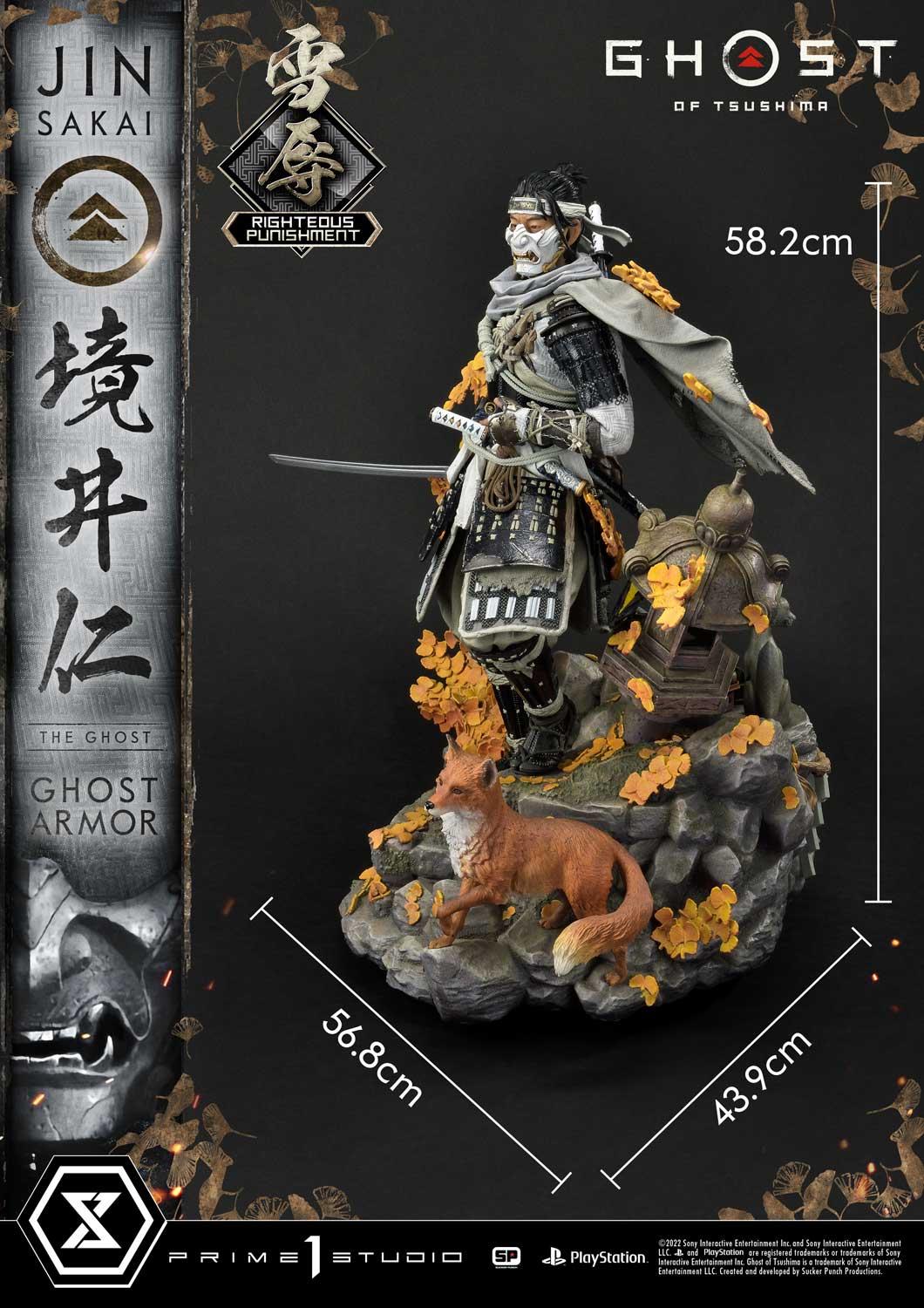
Ghost of Tsushima is an action-adventure game developed by Sucker Punch Productions and published by Sony Interactive Entertainment. Released exclusively for the PlayStation platform in July 2020, the game swiftly captivated players and critics alike with its rich storytelling, breathtaking visuals, and immersive world-building. Set against the backdrop of the Mongol invasion of Tsushima Island in 1274, players are thrust into a sprawling open-world environment filled with historical detail and traditional Japanese culture. The game follows the journey of Jin Sakai, the last samurai of the Sakai clan, as he embarks on a quest to protect his homeland from overwhelming enemy forces.
Immersive Gameplay Mechanics
Ghost of Tsushima beautifully marries cinematic storytelling with fluid gameplay mechanics to create a truly immersive experience. The game places a strong emphasis on exploration, allowing players to traverse the expansive landscapes of Tsushima Island, from windswept fields to dense bamboo forests and atmospheric shrines. This open-world aspect is further enriched by the game's sophisticated navigation system, which uses the natural environment — from wind direction to the flight of birds — to guide the player instead of traditional on-screen markers. This minimalist approach enhances the sense of exploration and discovery, drawing players deeper into the story.
Combat is another standout feature, presenting a delicate balance between swordplay and stealth. Players can engage in tense, skill-based duels, using precise timing and tactics to outmaneuver opponents. Alternatively, Jin can adopt the cunning techniques of the "Ghost," employing stealth and deception to strike fear into the hearts of his enemies. This duality mirrors Jin's internal conflict as he grapples with the traditional samurai code and the pragmatic realities of war. Such depth in combat mechanics ensures that every encounter can be approached with a range of strategies, keeping gameplay fresh and challenging.
A Visual and Auditory Masterpiece
Beyond its compelling gameplay, Ghost of Tsushima shines as a visual and auditory masterpiece. The developers have painstakingly recreated the natural beauty of Tsushima Island, using vibrant colors and meticulous attention to detail to capture its essence. The game's dynamic weather system and realistic day-night cycle further enhance the authenticity of this virtual world, making every scene a living painting. This artistic attention to detail does more than just create a stunning visual experience; it roots players firmly in the historical setting, enhancing the immersion that is crucial in storytelling.
Complementing the visual artistry is a captivating soundtrack composed by Ilan Eshkeri and Shigeru Umebayashi, which blends traditional Japanese instruments with contemporary orchestral elements. This score not only underscores the emotional weight of the narrative but also captures the cultural and historical ambiance of the period. Whether it’s the soaring melodies accompanying a gallant charge into battle or the somber notes that follow a devastating loss, the soundtrack of Ghost of Tsushima enhances the overall atmosphere, making the game's world feel alive.
The Influence of Kurosawa
One cannot discuss Ghost of Tsushima without acknowledging the profound influence of legendary filmmaker Akira Kurosawa. The game's creators have openly credited Kurosawa as a pivotal inspiration, and this homage is evident in many aspects of the game. From the stark contrasts and sweeping landscapes, reminiscent of Kurosawa's iconic cinematography, to the complex character development and moral dilemmas faced by Jin, Ghost of Tsushima captures the spirit of a classic samurai epic.
Furthermore, the developers included a "Kurosawa Mode" in the game, which allows players to experience the adventure in a black-and-white film grain style, complete with an adjusted audio mix that echoes the classic samurai films of the 1950s and 60s. This mode serves both as a tribute to the cinematic legacy of Kurosawa and as a unique aesthetic choice that adds a layer of authenticity to the experience for fans of classic samurai cinema.
The integration of these influences not only honors Kurosawa's work but also makes Ghost of Tsushima a bridge between gaming and cinema, offering players a narrative experience that respects its cultural roots while engaging with modern storytelling techniques.
Storytelling and Character Development
At the heart of Ghost of Tsushima is a deeply engaging story that delves into themes of honor, sacrifice, and identity. The narrative unfolds through the eyes of Jin Sakai, who is thrust into the role of a reluctant hero. As the Mongol horde, led by the cunning and ruthless Khotun Khan, wreaks havoc across Tsushima Island, Jin faces the monumental task of rallying the scattered remnants of his people to fight back. However, the journey is more than a simple tale of resistance; it is a poignant exploration of Jin's transformation from a bound-by-honor samurai to a figure willing to embrace unorthodox methods to achieve his goals.
Jin's internal struggle is at the center of the game's character development. Raised as a samurai by his uncle, Lord Shimura, Jin is taught the strict codes of bushido, emphasizing honor and direct combat. Yet, faced with an enemy that uses fear and treachery, Jin must learn to balance these teachings with new tactics emblematic of the "Ghost" — a symbol of guerrilla warfare, stealth, and psychological warfare. This conflict between duty and survival informs much of the character's evolution and presents players with intriguing choices, as actions in the game can affect relationships with other characters and alter the unfolding story.
The supporting cast in Ghost of Tsushima also contributes significantly to the narrative depth. Characters like Yuna, a skilled thief with a tragic past, provide Jin with guidance and perspective, challenging his beliefs and motivations. Other allies include Masako Adachi, a stern and disciplined archer on a quest for vengeance, and Ishikawa, a disgraced archer whose motives are often questioned. Each character adds a unique dimension to Jin's journey, offering subplots that enrich the main narrative and expand on the broader themes of loyalty, loss, and redemption.
The Cultural Significance of Ghost of Tsushima
Beyond its entertainment value, Ghost of Tsushima has been praised for its respectful portrayal of Japanese culture and history. The developers collaborated with historians and cultural consultants to ensure an accurate depiction of the period. From the intricate architecture of temples and shrines to the stylized combat techniques of samurai, every element of the game is crafted with authenticity in mind.
The attention to cultural detail extends to the game's representation of traditional Japanese customs and philosophies. Throughout the game, players can participate in various optional activities that reflect historical practices, such as composing haikus, crafting calligraphy, and partaking in tea ceremonies. These activities not only enhance the immersion but also offer a meditative respite from the intense action, allowing players to connect with the serene beauty of Tsushima Island.
The game also cleverly uses its narrative and design to reflect larger cultural themes. The conflict between the samurai code and Jin's evolving tactics mirrors Japan's historical transition from traditional feudal systems to more modern approaches. This subtle commentary on adaptability and change adds a layer of depth to the storytelling, connecting past to present in a meaningful way.
Post-Launch Success and Legacy
Following its release, Ghost of Tsushima enjoyed widespread acclaim, both critically and commercially. Critics praised the game for its breathtaking visuals, engaging combat system, and compelling storyline. It quickly became one of the fastest-selling PlayStation exclusives, reaching millions of players worldwide. The positive reception extended beyond gaming circles, with the game being lauded for its cultural impact and contributions to representing samurai-era Japan in digital entertainment.
Sucker Punch Productions continued to support the game post-launch with significant content updates. Notably, they released "Ghost of Tsushima: Legends," a free co-op multiplayer expansion that allowed players to team up in a series of narrative-driven missions and survival challenges. This addition demonstrated the developers' commitment to maintaining an active and engaged community, offering new and enriching ways to experience the game's world.
In the years following its release, Ghost of Tsushima's legacy has only grown. It has inspired discussions around the potential of video games as a medium for cultural storytelling, blending historical education with engaging interactive experiences. The game stands as a testament to the power of video games to transcend entertainment and act as vessels for storytelling, cultural reflection, and artistic expression.
Moreover, the success of Ghost of Tsushima has paved the way for further exploration of similar themes and genres within the gaming industry. It has set a high standard for narrative-driven open-world games and sparked interest in stories inspired by various cultural backgrounds, encouraging diversity in storytelling approaches within the medium.
The Impact of Ghost of Tsushima on Gaming Culture
Ghost of Tsushima has not only set new benchmarks in gaming narratives and world design but has also left a significant imprint on gaming culture as a whole. The release of the game prompted broader discussions regarding authenticity and cultural representation in video games. By setting a high standard in these areas, the game has encouraged developers worldwide to approach their storytelling with greater diligence and sensitivity toward the cultures they aim to portray.
In particular, Ghost of Tsushima's success has amplified conversations about the collaboration between game developers and cultural experts to create a product that respects and accurately represents its historical context. Sucker Punch Productions' dedication to authenticity proved that engaging critically with the cultural material not only enriches the game world but can also enhance its appeal and emotional resonance with players. These efforts reinforce the importance of inclusivity and respect within creative processes in the gaming industry.
Additionally, the game has sparked renewed interest in samurai culture, fostering communities of players who engage with the historical and cultural aspects of Japan beyond the game. Online forums and social media platforms have become venues for players to share insights about Tsushima, samurai history, and Japanese culture, bridging the gap between virtual and real-world learning. This educational aspect of gaming opens new possibilities for the medium, highlighting its potential as a tool for learning and cultural exchange.
Future Prospects and Adaptations
The success of Ghost of Tsushima has naturally paved the way for future prospects and adaptations. The game has been confirmed to receive a film adaptation, with Chad Stahelski, known for the John Wick series, set to direct. This transition from game to film underscores the cinematic qualities inherent in Ghost of Tsushima's storytelling and visuals, making it an ideal candidate for exploration in other mediums. The film presents an opportunity to further expand the game's narrative and reach a broader audience, bringing the story of Jin Sakai to life in a new dimension.
Furthermore, the potential for a sequel or additional content in the Ghost of Tsushima universe leaves fans excited for future developments. Sucker Punch Productions has demonstrated their ability to craft a captivating and immersive world, and continued exploration of Tsushima or similar settings could yield rich storytelling opportunities. Whether through future games, expansions, or other media, the legacy of Ghost of Tsushima is likely to continue influencing narratives in gaming and beyond.
Conclusion: A Lasting Legacy
Ghost of Tsushima stands as a landmark title, not just for its innovative gameplay and stunning visuals, but for its contribution to cultural storytelling in the digital age. The game has successfully bridged the gap between history and modern entertainment, using its platform to educate and engage players with a world far removed from their own. Its thoughtful representation of samurai culture and the profound internal journey of its protagonist, Jin Sakai, have resonated deeply with players, creating a lasting impression that goes beyond mere entertainment.
The impact of Ghost of Tsushima extends beyond its immediate success. It has set a precedent for future games that seek to blend historical accuracy with engaging interactive experiences. Moreover, it demonstrates the immense potential of video games to act as a conduit for cultural education and appreciation, encouraging players to explore and respect the traditions that shape our world.
As Ghost of Tsushima continues to inspire new audiences and influence the gaming landscape, its legacy as a pioneering work in cultural storytelling and immersive design is assured. For players, developers, and storytellers alike, the game serves as a reminder of the beauty and power of a well-crafted narrative, and the remarkable journeys that can unfold when we dare to explore them.
/cdn.vox-cdn.com/uploads/chorus_asset/file/11520443/Screen_Shot_2018_06_11_at_6.37.21_PM.png)
![[Mod request] Ghost of Tsushima - Kurosawa mode with normal audio - Exploring-the-Epic-World-of-Ghost-of-Tsushima](https://forums.nexusmods.com/uploads/monthly_2023_11/OGImages_1200x630v3.png.bbb4819b455da06338e3062302b8ab82.png)
Horizon Forbidden West: A New Dawn in Gaming
When Guerrilla Games released Horizon Zero Dawn in 2017, it introduced gamers to a breathtaking world where nature and technology collided in stunning fashion. Now, with the release of Horizon Forbidden West, the anticipation and expectations for this sequel have reached astronomical heights. This article delves into the intricate tapestry of features, storylines, and gameplay mechanics that promise to make Horizon Forbidden West a landmark title in the gaming universe.
A Mesmerizing World Awaits
Set in a post-apocalyptic landscape, Horizon Forbidden West expands upon the vast universe introduced in its predecessor. Players continue the journey with Aloy, a skilled hunter and warrior who must traverse the mysterious western territories to uncover new threats and unravel enigmatic secrets. The game promises enhanced environments, from lush tropical beaches to arid deserts, all exquisitely rendered with exquisite detail and vibrancy.
The new regions are not just aesthetically pleasing; they enrich the gameplay experience with a variety of ecosystems and wildlife. Wind-swept plains and crystalline waters populate the game’s map, each region populated with diverse flora and fauna that serve both as allies and adversaries on Aloy’s path. The meticulous world-building ensures that every corner of the landscape feels alive, making exploration an irresistible component of the game’s appeal.
Deepened Narrative Threads
The story of Horizon Forbidden West delves deeper into the mysteries of the world and the legacy of the past. Aloy’s quest is not just about survival; it is a journey to understand her link to ancient technologies and the fate of mankind. The game introduces new tribes with distinct cultures and pasts, enhancing the lore and offering players profound insights into the game’s universe.
New adversaries and alliances form the crux of Aloy’s saga, raising the stakes and broadening the scope of her mission. With richly developed characters and a plot filled with unforeseen twists, players are in for a narrative experience that’s as engaging as its action-packed gameplay.
Innovative Gameplay Mechanics
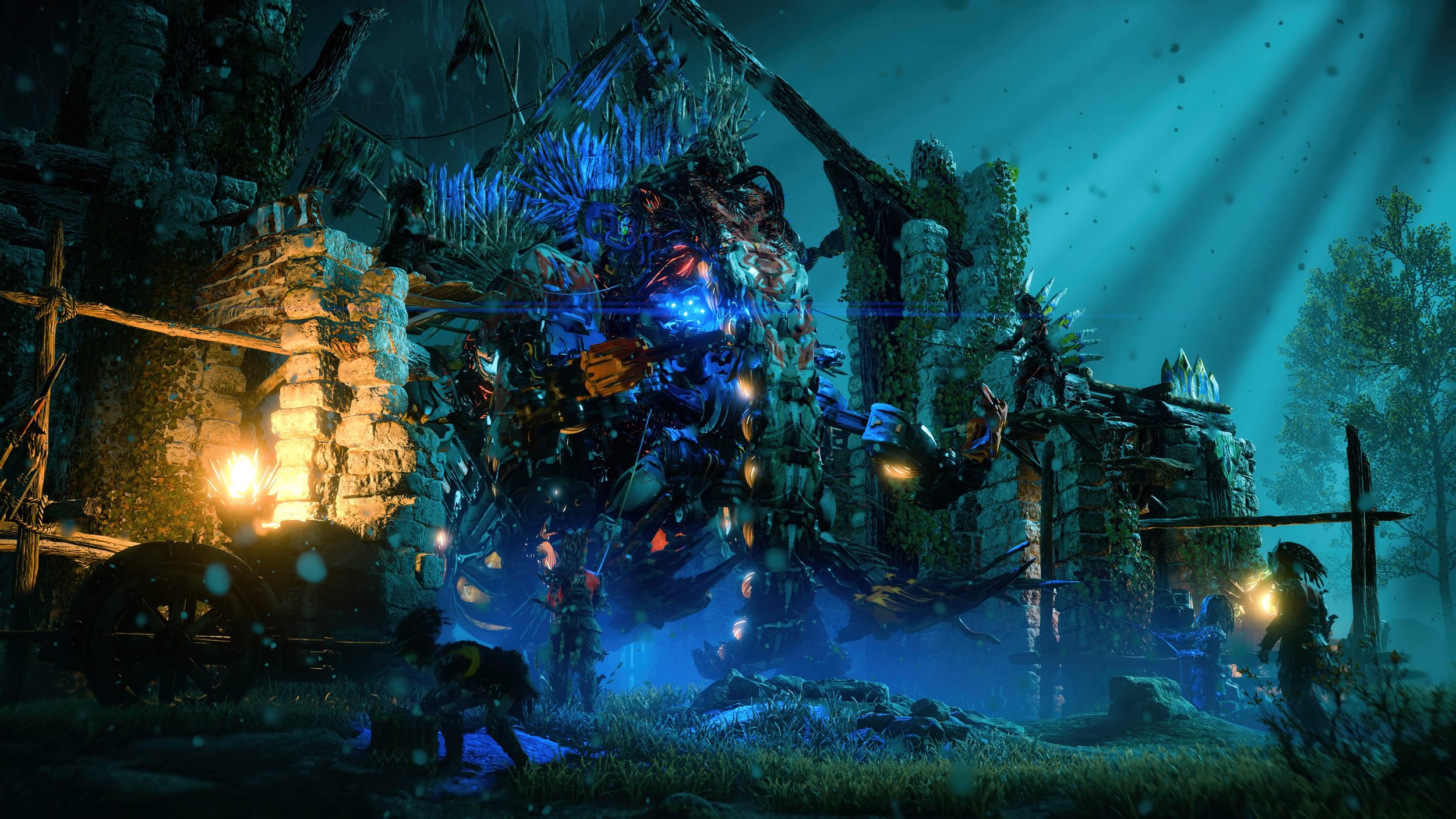
Gameplay innovation is at the heart of Horizon Forbidden West, where the developers have refined and expanded upon the mechanics that fans cherished in the original game. The introduction of new tools and weapons empowers Aloy, giving players fresh strategies to tackle unfolded challenges. Among these innovations is the Shieldwing, a glider that enables seamless traversal across the expansive map and opens new tactical possibilities in combat scenarios.
Combat itself has received substantial enhancements, with a greater emphasis on strategic planning and adaptive tactics. Players can expect diverse enemy types with unique behaviors, requiring deeper analysis and creative use of Aloy's abilities. Moreover, the skill tree system has been reimagined to offer more customizable paths, allowing players to tailor Aloy’s strengths to match their distinct playstyles.
The Promise of Next-Generation Graphics
Horizon Forbidden West harnesses the power of the latest console technology to deliver graphical fidelity that pushes the boundaries of what’s possible. The breathtaking visuals are matched by dynamic weather systems and realistic character animations, creating a living, breathing world that thrives on players' screens. From subtle facial expressions captured in cinematic slow motion to the majestic landscapes that stretch across the horizon, every visual element is crafted with meticulous attention.
Moreover, the inclusion of advanced rendering techniques allows for seamless transitions between cinematic sequences and gameplay, ensuring an immersive experience that keeps players rooted in the game’s rich narrative tapestry.
Conclusion
As the gaming community eagerly awaits its full release, Horizon Forbidden West stands as a beacon of innovation and creativity in the gaming industry. It promises an exhilarating ride through diverse landscapes, backed by a compelling storyline and cutting-edge gameplay mechanics. For those who fell in love with the original game, this sequel promises to capture hearts and imaginations once more, setting a new standard for what open-world gaming can achieve.
Exploring Skate 3: An Unforgettable Gaming Experience
In the realm of skateboarding video games, Skate 3 stands out as an exceptional title that has captivated audiences since its release in 2010. Developed by Black Box and published by Electronic Arts, this game has consistently managed to ride the fine line between realistic skateboarding simulation and engaging, arcade-style gameplay. Its unique combination of immersive environments, stunning graphics, and challenging objectives has given it a firm place in the hearts of both casual players and skateboarding enthusiasts alike.
The World of Port Carverton
Set in the fictitious city of Port Carverton, Skate 3 invites players to explore a sprawling urban landscape teeming with diverse skate spots. Unlike other skateboarding titles that emphasize trick-based gameplay, Skate 3 places a strong emphasis on creativity, encouraging players to interact with their environment in innovative ways. The city is divided into three main districts, each with its own distinct flavor and style, catering to different skateboarding preferences. Whether it's practicing technical tricks at the University District, shredding vert ramps at the Industrial District, or cruising along the beachfront of Downtown, players are sure to find a spot that suits their skating style.
Innovative Gameplay Mechanics
One of Skate 3's most notable features is its intuitive control scheme, known as the Flick-it system. This innovative mechanic uses the console joystick to mimic the motions of a skateboard, allowing for a wide variety of tricks to be performed with precision and fluidity. Players can easily string together combinations of flips, grinds, and grabs by flicking the joystick in particular directions. This control scheme not only enhances the realism of the game but also provides players with a sense of freedom and agency, allowing them to truly express themselves through their on-screen persona.
Skateboarding Culture and Community
Skate 3 does not merely focus on the technical aspects of skateboarding but masterfully incorporates elements of skateboarding culture and community. The game encourages a sense of camaraderie through its team-based challenges and online multiplayer modes. Players have the opportunity to create their own skate teams, designing logos, branding, and recruiting team members to compete in various Team Challenges. This multiplayer component emphasizes cooperation and collaborative gameplay, fostering a sense of belonging and identity within the skating community.
Customization and Creativity
Personalization is a key element in Skate 3, offering players extensive options to customize their skateboarding experience. From creating and customizing skaters with diverse fashion styles to designing unique skate parks, the game empowers players to shape their virtual world to their liking. The robust Skate.Reel feature allows players to capture and share their most outstanding tricks and skate park creations, turning individual accomplishments into shared experiences, further amplifying the community aspect of the game.
Conclusion
Skate 3 manages to seamlessly merge the thrill and excitement of skateboarding with the creativity and innovation of open-world gaming. Its vibrant world, innovative mechanics, and emphasis on community make it a standout title in the skateboarding genre. Over a decade after its initial release, the game continues to maintain a dedicated fan base, a testament to its impactful legacy in both video gaming and skateboarding culture. As we delve deeper into Skate 3, it becomes evident that this game is not just about landing tricks; it's about experiencing the true essence of skateboarding in a virtual world.


