Explore Córdoba: Spain's Historic Gem with Four UNESCO Sites
Nestled in the heart of Andalusia, Córdoba, Spain is a city where history breathes through every cobblestone. With a population of 324,902 in 2024, it stands as the 12th-largest city in Spain and the third-largest in Andalusia. Known for its rich tapestry of Roman, Visigothic, Muslim, Jewish, and Christian heritage, Córdoba is a treasure trove of cultural landmarks. It boasts an impressive four UNESCO World Heritage sites, including the iconic Mezquita-Catedral and the historic Madinat al-Zahra. Recently crowned the world's most walkable city in 2025, Córdoba is a must-visit destination for history enthusiasts and travelers alike.
Geography and Climate: A Unique Setting
Located on the right bank of the Guadalquivir River in southern Spain, Córdoba spans an expansive 1,254.25 km², making it the largest municipality in Andalusia and the fourth-largest in Spain. The city's geography is as diverse as its history, with narrow, winding streets that tell tales of ancient times.
Climate: Hot Summers and Mild Winters
Córdoba is renowned for its extreme summer temperatures, often recording Europe's highest summer temperatures. During July and August, the average high temperature soars to 37°C (99°F). The summers are dry, while the winters are mild and rainy, creating a unique climate that shapes the city's lifestyle and architecture.
UNESCO World Heritage Sites: A Cultural Legacy
Córdoba's cultural significance is underscored by its four UNESCO World Heritage sites, a record for a single city. These sites are a testament to Córdoba's rich and diverse history.
The Mezquita-Catedral: A Symbol of Religious Harmony
The Mezquita-Catedral is perhaps the most famous landmark in Córdoba. Originally a mosque, it was converted into a cathedral after the Reconquista. This architectural marvel showcases a blend of Islamic and Christian influences, making it a unique symbol of religious harmony and cultural exchange.
Historic Centre: A Journey Through Time
The Historic Centre of Córdoba, inscribed as a UNESCO site in 1994, is a labyrinth of narrow streets and historic buildings. It offers a glimpse into the city's past, with structures dating back to Roman, Visigothic, and Muslim eras. The Historic Centre is a living museum, where every corner tells a story.
Festival de los Patios: A Celebration of Culture
The Festival de los Patios is an annual event that celebrates the city's unique courtyard culture. These flower-filled courtyards are a testament to Córdoba's love for beauty and tradition. The festival has been recognized as an Intangible Cultural Heritage by UNESCO, attracting visitors from around the world.
Madinat al-Zahra: The Shining City
Madinat al-Zahra, the ruins of a vast Moorish palace-city, is another UNESCO site that highlights Córdoba's golden age. Built in the 10th century, it was once the seat of the Umayyad Caliphate and a center of political and cultural life. Today, its ruins offer a fascinating insight into the opulence and sophistication of Moorish rule.
Historical Background: From Roman Colony to Cultural Hub
Founded as a Roman colony, Córdoba has a history that spans over two millennia. Its strategic location and rich cultural heritage have made it a significant player in the history of Spain and Europe.
Roman and Visigothic Eras
Córdoba's history begins with its founding as a Roman colony. The city flourished under Roman rule, becoming an important center of trade and culture. After the fall of the Roman Empire, Córdoba was conquered by the Visigoths in the 6th century, who continued to develop the city.
The Muslim Conquest and the Golden Age
In 711 AD, Córdoba was conquered by the Muslims, who made it the capital of al-Andalus. Under the Umayyad Emirate and later the Caliphate (929–1031), Córdoba experienced a golden age. It rivaled cities like Constantinople, Damascus, and Baghdad, with around 300 mosques, palaces, and public buildings. The city was renowned for its silks, brocades, leatherwork, jewelry, and scholarly copyists, becoming a beacon of learning and culture.
The Reconquista and Christian Rule
In 1236, Córdoba fell to Ferdinand III during the Reconquista. The Great Mosque was converted into a cathedral, and new structures like the Alcázar de los Reyes Cristianos and the Calahorra Tower were added. The city's Jewish Quarter, or Judería, also flourished during this period, adding another layer to Córdoba's cultural tapestry.
Current Trends: Tourism and Sustainability
Today, Córdoba is experiencing a tourism boom, with visitors flocking to see its historic sites and experience its unique culture. The city's recent recognition as the world's most walkable city in 2025 has further boosted its appeal, making it a top destination for eco-tourism and sustainable travel.
Popular Attractions and Cultural Events
Among the most popular attractions are the Mezquita-Catedral, the Alcázar gardens, and the Museum of al-Andalus Life. The Festival de los Patios continues to draw crowds, offering a unique glimpse into Córdoba's cultural heritage. Additionally, the Casa de Sefarad and the Bullfighting Museum provide insights into the city's Jewish and bullfighting traditions, respectively.
Walkability and Sustainability
Córdoba's walkability is one of its greatest assets. The city's organic urban growth over 2,000 years has preserved its authenticity, with minimal renovations. This, combined with its low elevation, safety, and air quality, has earned it the top spot in the 2025 walkability rankings. Visitors can explore the city's historic sites and cultural landmarks on foot, making it an ideal destination for eco-conscious travelers.
Conclusion: A City of Timeless Beauty
Córdoba is a city where history and modernity coexist harmoniously. Its rich cultural heritage, combined with its recent recognition as the world's most walkable city, makes it a must-visit destination for travelers. Whether you're exploring the Mezquita-Catedral, strolling through the Historic Centre, or admiring the flower-filled courtyards during the Festival de los Patios, Córdoba offers a unique and unforgettable experience.
Architectural Marvels: Exploring Córdoba's Iconic Landmarks
Córdoba's skyline is a testament to its layered history, where each era has left an indelible mark. From Roman bridges to Moorish palaces and Christian cathedrals, the city's architecture tells a story of cultural fusion and artistic brilliance.
The Alcázar de los Reyes Cristianos: A Royal Residence
The Alcázar de los Reyes Cristianos, or the Fortress of the Christian Monarchs, is a stunning example of medieval architecture. Built in the 14th century, it served as a residence for the Spanish monarchs and played a pivotal role in the Reconquista. The Alcázar is renowned for its beautiful gardens, which feature fountains, ponds, and a variety of flora. It was also the site where Christopher Columbus sought support for his voyages to the New World.
The Roman Bridge: A Timeless Connection
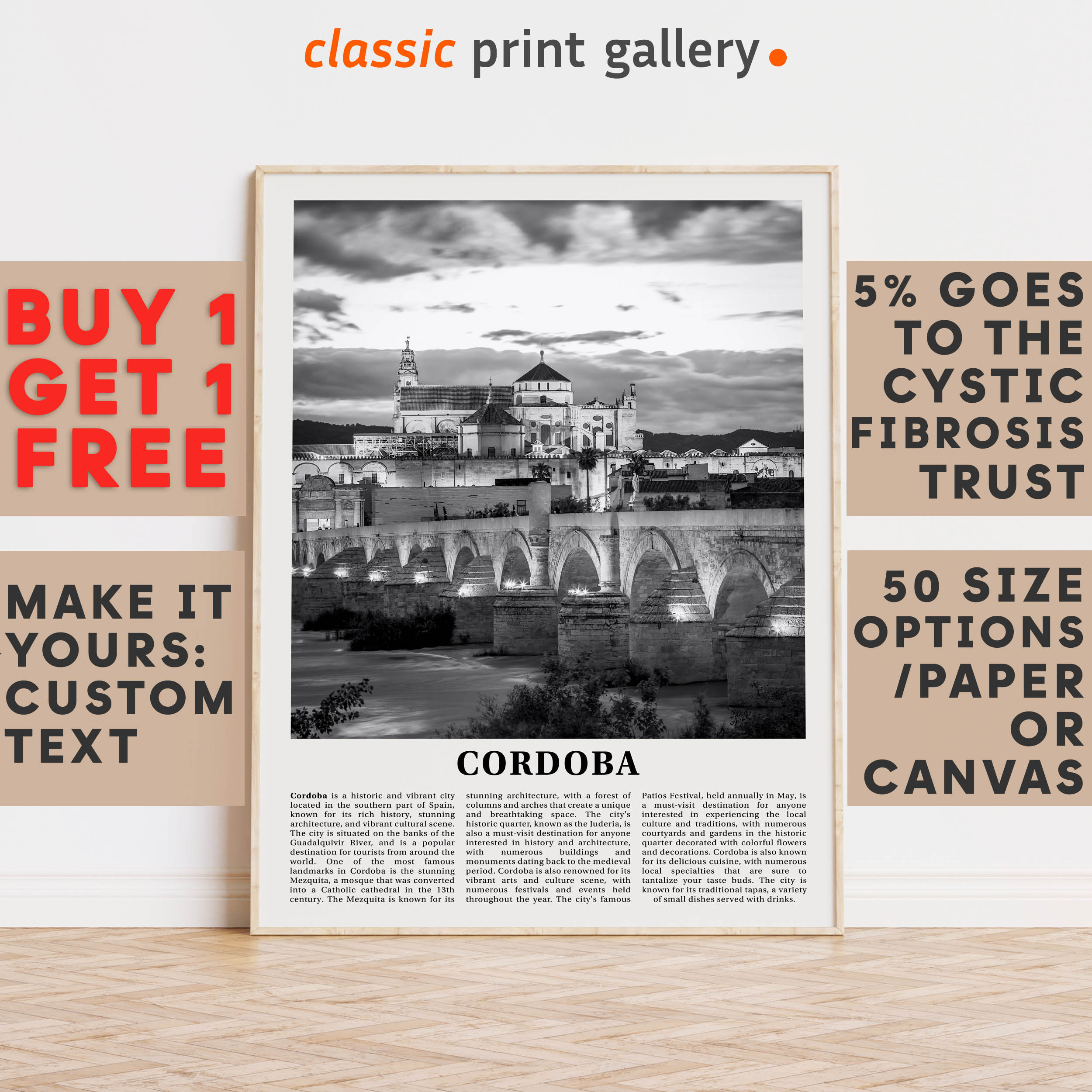
Spanning the Guadalquivir River, the Roman Bridge is one of Córdoba's most iconic landmarks. Originally built in the 1st century BC, it has undergone several renovations over the centuries. The bridge's 16 arches are a testament to Roman engineering prowess and offer breathtaking views of the city. Today, it serves as a popular spot for both locals and tourists to enjoy a leisurely stroll.
The Calahorra Tower: A Guardian of History
The Calahorra Tower, located at the southern end of the Roman Bridge, is a fortified gate that dates back to the 12th century. It was built to defend the city from potential invasions and has served various purposes over the centuries, including as a prison and a school. Today, it houses the Living Museum of al-Andalus, which offers insights into the city's multicultural past.
Cultural Experiences: Immersing in Córdoba's Heritage
Beyond its architectural wonders, Córdoba offers a wealth of cultural experiences that allow visitors to delve deeper into its rich heritage. From museums to festivals, the city provides a vibrant tapestry of traditions and customs.
The Museum of al-Andalus Life: A Journey Through Time
The Museum of al-Andalus Life is a must-visit for anyone interested in the city's Islamic heritage. Located in a beautifully restored 14th-century building, the museum showcases artifacts and exhibits that highlight the daily life, art, and culture of al-Andalus. Visitors can explore everything from intricate ceramics to ancient manuscripts, gaining a deeper understanding of Córdoba's golden age.
The Casa de Sefarad: Celebrating Jewish Heritage
The Casa de Sefarad is dedicated to preserving and celebrating Córdoba's Jewish heritage. Located in the heart of the Jewish Quarter, or Judería, this museum offers a fascinating glimpse into the life of the Sephardic Jews who once thrived in the city. Exhibits include religious artifacts, historical documents, and interactive displays that bring the past to life.
The Bullfighting Museum: A Controversial Tradition
For those interested in Spain's controversial yet deeply rooted tradition of bullfighting, the Bullfighting Museum provides a comprehensive overview. Located in the Plaza de Toros, the museum features exhibits on the history of bullfighting, famous matadors, and the cultural significance of this tradition in Córdoba. While it may not be for everyone, it offers a unique perspective on a contentious aspect of Spanish culture.
Gastronomy: Savoring Córdoba's Culinary Delights
No visit to Córdoba would be complete without indulging in its culinary offerings. The city's gastronomy is a reflection of its multicultural past, blending flavors and techniques from Roman, Moorish, and Christian traditions.
Traditional Dishes: A Taste of History
Córdoba is famous for its traditional dishes, many of which have been passed down through generations. Some must-try delicacies include:
- Salmorejo: A chilled tomato soup thickened with bread and garnished with ham and eggs.
- Flamenquín: A rolled pork loin stuffed with ham and cheese, breaded, and fried to perfection.
- Rabo de Toro: A hearty oxtail stew slow-cooked in a rich sauce.
- Pastel Cordobés: A sweet pastry filled with cabello de ángel (a type of pumpkin jam).
Local Markets: A Feast for the Senses
To truly experience Córdoba's culinary scene, a visit to one of its local markets is a must. The Mercado Victoria is a popular choice, offering a wide range of fresh produce, meats, cheeses, and other local delicacies. It's the perfect place to sample traditional dishes and soak up the vibrant atmosphere.
Wine and Tapas: A Social Affair
Córdoba is also known for its lively tapas culture. Many bars and restaurants offer a variety of small plates, or tapas, that are perfect for sharing. Pair your tapas with a glass of local wine, such as Montilla-Moriles, a fortified wine similar to sherry. This social dining experience is a great way to immerse yourself in the local culture and meet new people.
Day Trips and Excursions: Exploring Beyond the City
While Córdoba itself offers a wealth of attractions, the surrounding region is also rich in history and natural beauty. Several day trips and excursions allow visitors to explore the broader Andalusian landscape.
Madinat al-Zahra: The Shining City
Located just a short drive from Córdoba, Madinat al-Zahra is the ruins of a vast Moorish palace-city. Built in the 10th century by Caliph Abd al-Rahman III, it was once a symbol of the Umayyad Caliphate's power and opulence. Today, visitors can explore the extensive ruins, which include palaces, gardens, and baths, offering a fascinating glimpse into the city's golden age.
The Subbética Mountains: A Natural Escape
For those looking to escape the city and enjoy some outdoor adventure, the Subbética Mountains offer a stunning natural landscape. This mountain range is part of the Sierras Subbéticas Natural Park, which features hiking trails, caves, and breathtaking views. It's a great place to enjoy a day of hiking, birdwatching, or simply soaking up the scenery.
Priego de Córdoba: A Picturesque Village
The charming village of Priego de Córdoba is another popular day trip destination. Known for its beautiful Baroque architecture and scenic surroundings, Priego offers a peaceful retreat from the bustling city. Visitors can explore its historic center, visit the Castle of Priego, and enjoy the local cuisine, which includes delicious olive oils and traditional pastries.
Practical Information: Planning Your Visit
To make the most of your trip to Córdoba, it's important to plan ahead. Here are some practical tips to help you navigate the city and ensure a memorable experience.
Getting Around: Transportation Options
Córdoba is a compact city, and many of its attractions are within walking distance of each other. However, for those who prefer not to walk, there are several transportation options available:
- Public Buses: Córdoba has an extensive bus network that connects all major attractions and neighborhoods.
- Taxis: Taxis are readily available and offer a convenient way to get around, especially for those with limited mobility.
- Bike Rentals: For a more eco-friendly option, consider renting a bike. Córdoba has several bike lanes and scenic routes that are perfect for exploring the city on two wheels.
Accommodation: Where to Stay
Córdoba offers a wide range of accommodation options to suit every budget and preference. From luxury hotels to budget-friendly hostels, there's something for everyone. Some popular areas to stay include:
- Historic Centre: For those who want to be in the heart of the action, the Historic Centre offers a variety of hotels and guesthouses within walking distance of major attractions.
- Judería (Jewish Quarter): This charming neighborhood is known for its narrow streets and historic buildings, offering a unique and atmospheric place to stay.
- Modern District: For those who prefer a more contemporary setting, the Modern District offers a range of modern hotels and apartments.
Best Time to Visit: Weather and Events
The best time to visit Córdoba depends on your preferences and what you hope to experience. Here are some factors to consider:
- Spring (March to May): This is one of the best times to visit, with mild temperatures and blooming flowers. The Festival de los Patios takes place in May, offering a unique cultural experience.
- Summer (June to August): While the summer months can be hot, with temperatures often exceeding 37°C (99°F), they also offer a lively atmosphere with various festivals and events.
- Autumn (September to November): This is another great time to visit, with pleasant temperatures and fewer crowds. The harvest season also brings a variety of local food and wine festivals.
- Winter (December to February): While the winter months are mild, they can be rainy. However, this is a great time to explore the city's indoor attractions, such as museums and historic sites.
Planning Your Perfect Trip to Córdoba
Córdoba’s blend of history, culture, and modern accessibility makes it a destination that rewards thoughtful planning. Whether you’re a history buff, food enthusiast, or simply seeking a walkable city, these tips will help you make the most of your visit.
When to Go
Córdoba’s climate plays a significant role in planning your trip. The city experiences Europe’s highest summer temperatures, with July and August averages reaching 37°C (99°F). For milder weather and fewer crowds, consider visiting in spring (April–May) or autumn (September–October). The Festival de los Patios in May offers a vibrant cultural experience, while winter months are ideal for indoor exploration.
What to Pack
Given Córdoba’s extreme summers, pack light, breathable clothing and sunscreen. For cooler months, bring layers. Include comfortable walking shoes—the city’s narrow streets and UNESCO sites demand plenty of steps—and a reusable water bottle to stay hydrated. A guidebook or local tour app can also enhance your experience.
Must-See Attractions
While Córdoba’s entire historic center deserves exploration, prioritize these highlights:
- Mezquita-Catedral: A masterpiece of Islamic architecture, now a cathedral.
- Madinat al-Zahra: The ruins of a towering palace-city from the Caliphate era.
- Alcázar de los Reyes Cristianos: A fortress with lush gardens and royal history.
- Judería (Jewish Quarter): Narrow streets lined with shops, cafes, and historic synagogues.
Córdoba’s Commitment to Sustainability
Córdoba’s recognition as the world’s most walkable city in 2025 reflects its dedication to preserving both its heritage and environment. The city’s organic growth over 2,000 years has minimized modern redevelopment, keeping its authentic charm intact.
Preservation Efforts
Authorities prioritize protecting Córdoba’s architectural legacy. Strict regulations limit building heights and materials in the historic center, ensuring new developments blend seamlessly with ancient structures. Projects like pedestrian-only zones and green spaces enhance livability while honoring the past.
Eco-Tourism and Green Initiatives
Córdoba encourages sustainable travel through initiatives such as:
- Bike-friendly routes and public transit expansions to reduce emissions.
- Organic markets like Mercado Victoria, promoting local, low-impact produce.
- Eco-certified accommodations that prioritize energy efficiency and waste reduction.
“Córdoba’s walkability isn’t just about convenience—it’s a testament to a city that values its history and its future.”
Conclusion: A City Where History Meets Modernity
From the echoing halls of the Mezquita-Catedral to the blooming patios of the Festival de los Patios, Córdoba offers an unparalleled journey through time. With four UNESCO World Heritage sites, a walkable layout, and a culinary tradition rooted in centuries-old recipes, it stands as Spain’s most culturally dense gem.
Key takeaways for travelers include:
- History unfolds around every corner—Córdoba’s layers of Roman, Muslim, Jewish, and Christian influence are visible daily.
- Accessibility meets authenticity—The city’s pedestrian-friendly design ensures ease of exploration without sacrificing character.
- Food is a cultural experience—Dishes like salmorejo and flamenquín tell stories of the region’s past.
Whether you’re wandering the Judería’s timeless alleys, sipping Montilla-Moriles wine in a tapas bar, or marveling at Madinat al-Zahra’s grandeur, Córdoba leaves an indelible mark. ThisAndalusan treasure proves that some cities don’t just preserve history—they live it breath by breath.



The Storied City of Belgrade: A Tapestry of Time
Perched at the confluence of the Sava and Danube rivers, Belgrade stands as a testament to time's unyielding progress and the resilience of human spirit. This capital city of Serbia, whose name translates to 'White City', has been a focal point of strategic interest and cultural confluence throughout its existence. From ancient times via its Roman beginnings to the vibrant modern era, Belgrade has witnessed numerous changes in rule and ideology, each leaving an indelible mark on its tapestry.
An Ancient Beginning
Belgrade’s history dates back to prehistoric eras, with human settlements believed to have existed since at least 4800 BC. However, its documented history began with the Celts, who arrived in the 3rd century BC, establishing Singidūn (or Singidunum), which later became a Roman stronghold. Under Roman dominion, the city flourished as a critical military and administrative hub, and by the 2nd century AD, it had garnered the prestigious status of a municipium.
The Medieval Epoch
As the Roman Empire waned, the city found itself at the crossroads of empires and invaders. The Slavs settled the region by the 6th century, and by the 13th century, Belgrade was interwoven into the fabric of the medieval Serbian state. However, by the end of the 14th century, it was engulfed by the expanding Ottoman Empire. This era ushered in significant architectural and cultural influences that can still be observed today. The mix of Byzantine, Ottoman, and later Habsburg elements crafted a unique cultural mosaic.
The Role of Fortress Belgrade
One cannot recount Belgrade's history without mentioning its iconic Kalemegdan Fortress, which has served as the city's protector since Roman times. This fortress has been the witness to over 115 battles, a testament to its strategic importance. Successively built and destroyed, it captures the city's tumultuous history, standing as a stoic guardian over this metropolis. Within its stone walls, tales of glory, despair, and resilience have been seared indelibly.
Belgrade's Vibrant Modern Day
Today, the echoes of history reverberate through the streets of Belgrade. The city has regenerated itself numerous times, demonstrating a keen adaptability. Now teeming with life, innovation, and an effervescent energy, Belgrade is increasingly becoming a focal point for the arts and culture. The city’s many galleries, theatres, and the grandeur of its architecture speak to a rich cultural heritage that continues to thrive. Despite its modern sheen, the city’s avenues, parks, and spirited locals maintain an intimate relationship with history.
Conclusion
Belgrade’s narrative is a dramatic chronicle of resilience, adaptation, and cultural synthesis. As it strides confidently into the future, the city remains deeply rooted in its layered past. Its enduring charm lies in this marriage of antiquity with contemporaneity, offering visitors an immersive experience of history and modernity intertwining. The ‘White City’ stands as a symbol of hope and a beacon of its tumultuous yet fruitful journey through the ages.

The Enchanting Tapestry of Havana: A Journey Through Time
As the rhythmic heartbeat of Cuban culture, Havana stands as a city that dazzles visitors with its enchanting blend of old-world charm and vibrant modernity. This captivating capital, with its storied past and dynamic present, offers a rich canvas of experiences that pay homage to its historical prominence and burgeoning vitality.
A Colonial Legacy
Founded in 1519, Havana quickly became one of Spain's key ports in the New World, owing to its strategic position in the Caribbean. Its role as a springboard for the exploration and conquest of South America solidified its position as a cornerstone of Spain's colonial ambitions. The echoes of this colonial past are visible today in the city's architecture. The majestic Castillo de la Real Fuerza, the oldest stone fortress in the Americas, and the opulent Baroque facade of the Catedral de San Cristóbal are just a few relics that whisper stories of a bygone era.
Havana's Architectural Wonders
Strolling through Old Havana—La Habana Vieja—feels like embarking on a journey through time. This UNESCO World Heritage Site, with its cobblestone streets and colorful facades, exudes a unique charm that captivates every traveler. The area boasts remarkable structures such as the Plaza de la Catedral, which stands as a testament to Havana's architectural splendor. Here, the blend of residential and historical buildings showcases a striking interplay of colonial and neoclassical styles.
The Soaring Spirit of Cuban Culture
Havana is synonymous with a vibrant cultural scene that emanates from every corner of the city. Music, undeniably the pulse of Cuban life, reverberates through its streets, from the infectious beats of salsa to the soulful melodies of son. The famed Barrio de la Música offers a kaleidoscope of rhythms that entice countless visitors to sway to its enticing tunes. Similarly, the Museo Nacional de Bellas Artes houses an impressive collection of Cuban art, with masterpieces spanning from colonial times to contemporary works.
A Revolutionary Nexus
The mid-20th century brought Havana to the forefront of the world's attention due to the Cuban Revolution. Key sites across the city, such as the Plaza de la Revolución, narrate tales of Che Guevara and Fidel Castro and stand as poignant reminders of Cuba's revolutionary spirit. Today, these sites invite both reflection on the island's tumultuous history and contemplation of its future. Visitors to the city often find themselves drawn to these landmarks, eager to understand how Havana's past has shaped its present identity.
The Flavors of Havana
No exploration of Havana would be complete without indulging in its culinary delights. The city offers a tantalizing array of flavors that reflect its diverse cultural influences. Local paladares, or family-run restaurants, serve up authentic dishes such as ropa vieja and moros y cristianos, celebrated for their hearty and rich flavors. Meanwhile, the burgeoning food scene presents new culinary endeavors, blending traditional staples with innovative techniques, ensuring every meal in Havana is a celebration of taste.

The Fascinating History and Culture of Bucharest
Bucharest, the vibrant capital of Romania, is a city that seamlessly blends a rich historical heritage with modern urban life. Often referred to as "Little Paris" for its elegant architecture and cultural vibrancy, Bucharest is a burgeoning metropolis that offers a distinctive mix of the old and the new. Its streets are adorned with classical edifices and modern skyscrapers, creating an intriguing urban tapestry that tells stories of both triumph and tumult throughout history.
A Historical Tapestry
The history of Bucharest is a fascinating journey that dates back several centuries. The first documented mention of the city was in 1459, during the reign of Vlad the Impaler, often cited as the real-life inspiration for Bram Stoker's Dracula. Throughout the centuries, Bucharest has played a crucial role in the socio-political and economic evolution of Romania.
In the 17th and 18th centuries, the city experienced significant growth, largely due to its strategic location as a trade hub. It became the preferred residence for Wallachian princes and experienced an influx of merchants and craftsmen, which propelled economic activity. The cultural landscape also began to evolve, introducing new ideas and artistic movements.
Architectural Wonders and Transformation
One of the most captivating aspects of Bucharest is its architecture, which offers a glimpse into the city’s layered history. The cityscape is characterized by an eclectic mix of styles, reflecting the various influences that have shaped its development. The Belle Époque period saw the construction of splendid buildings that mimic the grandeur of Parisian boulevards, earning the city its nickname.
However, the architectural narrative of Bucharest is not solely defined by its belle époque structures. The aftermath of World War II and the era of communism left a significant mark on the city. During Nicolae Ceaușescu's regime, a substantial portion of the historic city center was demolished to make way for socialist realist architecture, including the colossal Palace of the Parliament. Despite these changes, Bucharest retains numerous historical landmarks that date back several centuries, inviting both residents and visitors to explore its multifaceted character.
Cultural Melting Pot
Bucharest’s cultural tapestry is as diverse as its architecture. The city is a melting pot of artistic expression, encompassing traditional Romanian music and contemporary art scenes. It is home to an abundance of museums, art galleries, and theaters, such as the National Museum of Art of Romania and the Romanian Athenaeum. These venues celebrate both local and international art, providing a platform for cultural exchange.
The city also hosts numerous festivals and events that highlight its vibrant cultural life. The Bucharest International Film Festival and George Enescu Festival are just two examples of the city's commitment to celebrating artistic excellence. In recent years, Bucharest has gained recognition for its burgeoning street art scene, which adds a dynamic, cutting-edge dimension to its cultural landscape.