Film Censorship Controversies: A Closer Look
Introduction
Film censorship has been a topic of intense debate and controversy since the inception of cinema itself. As a medium that reaches vast audiences, films have the power to inform, provoke, entertain, and sometimes offend. This inherent power is what makes movies both cherished forms of art and subjects of scrutiny. Film censorship, whether it takes the form of rating systems, governmental regulation, or self-imposed restrictions by filmmakers, is a complex phenomenon that reflects broader societal values, politics, and cultural sensibilities.
A Historical Perspective
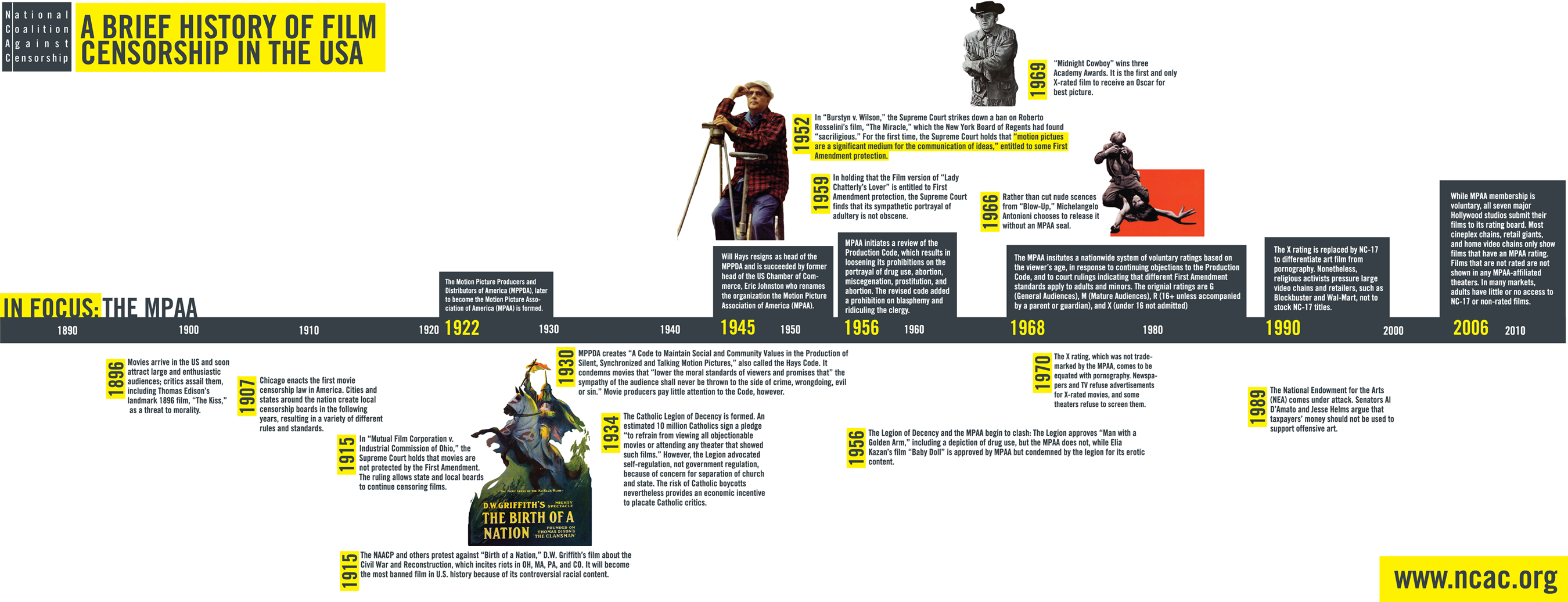
The history of film censorship can be traced back to the early 20th century. The motion picture industry has long grappled with the tension between artistic expression and societal norms. In the United States, the Hays Code, officially known as the Motion Picture Production Code, was enforced from the 1930s to the 1960s. This self-imposed system dictated strict guidelines about what was deemed appropriate and inappropriate in films, covering aspects such as violence, sexuality, and language. The era of the Hays Code saw numerous films being altered or banned, exemplifying the significant impact censorship had on the creative process.
Internationally, censorship practices varied greatly. In the UK, the British Board of Film Classification (BBFC) was established in 1912 and continues to play a significant role in determining the suitable age group for films. India has the Central Board of Film Certification, which has had its share of controversies over film bans and edits. The variation in censorship practices not only reflects differing cultural standards but also raises questions about the universality of certain themes and narratives.
Censorship and Artistic Expression
One of the primary arguments against film censorship is its potential to stifle creative freedom. Filmmakers often view themselves as artists who have a right to explore controversial themes and push boundaries. Iconic directors like Stanley Kubrick and Quentin Tarantino have been known for their provocative work that tackles bold themes sometimes resulting in controversy and censorship debates.
For example, Kubrick's "A Clockwork Orange" faced bans and heavy cuts in several countries due to its graphic content and provocative themes. Similarly, Tarantino's films, known for their stylized violence and sharp dialogues, often spark discussions about the depiction of violence in media. Critics argue that censorship limits filmmakers' ability to fully convey their artistic vision and engage with their audiences on critical contemporary issues.
The Role of Rating Systems
One way that the film industry manages content without overt censorship is through the use of rating systems. These systems categorize films based on their suitability for various age groups. The MPAA (Motion Picture Association of America) ratings system is one of the most recognized, with classifications such as G, PG, PG-13, R, and NC-17. This approach allows filmmakers to reach audiences while alerting viewers to the content type and intensity involved.
However, rating systems are not without controversy. Filmmakers and critics argue that these ratings can be arbitrary, lacking consistency and transparency. Some claim that the system imposes a form of indirect censorship by pressuring filmmakers to alter their content to avoid restrictive ratings that could hinder box office performance. The documentary "This Film Is Not Yet Rated" delves into these issues, scrutinizing the MPAA and questioning the fairness and openness of the ratings process.
Contemporary Debates
In recent years, the conversation around film censorship has expanded to include digital platforms. Streaming services like Netflix, Amazon Prime, and Hulu have influenced how films are distributed and consumed, challenging traditional censorship methods. Unlike traditional media, these platforms often have more lenient content guidelines, allowing for greater creative freedom. However, this has resulted in its own set of controversies, especially around the depiction of sensitive topics such as race, gender, and mental health.
Furthermore, the global nature of streaming services raises new questions about cultural sensitivities and the imposition of Western standards on international content. For example, films and shows produced in one country can easily be made accessible worldwide, sometimes resulting in conflicts with the laws and social norms of other nations.
Censorship and Cultural Sensitivity
Film censorship often reflects broader societal debates about cultural sensitivity and appropriateness. For instance, films that include depictions of religious figures or symbols can spark outrage and backlash in certain regions. This raises important ethical discussions about the filmmaker's responsibility to respect and represent diverse cultures and beliefs accurately.
Moreover, films representing marginalized communities often face additional scrutiny. While such films aim to bring underrepresented stories to the spotlight, they are sometimes met with censorship on the grounds of protecting public morality or political correctness. This tension highlights the dual role of cinema as both a reflection of societal values and a force for potential change.
As the debate over film censorship continues, it becomes clear that the issue is not simply black or white. It involves a delicate balance between upholding freedom of expression and respecting societal standards. The ongoing controversies surrounding film censorship reflect broader discussions about art, culture, and the power dynamics inherent in media representation. In the subsequent parts of this article, we will delve deeper into specific case studies and explore potential pathways for reconciling the tensions between censorship and creative freedom.
Notable Case Studies in Film Censorship
To better understand the complexities of film censorship, it's essential to examine specific case studies that have sparked significant controversy. These instances not only provide insights into the challenges faced by filmmakers but also highlight the broader societal implications of censorship debates.
"The Interview" (2014)
"The Interview," directed by Seth Rogen and Evan Goldberg, serves as a prominent example of how geopolitical tensions can influence film censorship. The comedy, which poked fun at North Korean leader Kim Jong-un, became a focal point of international controversy. The film's impending release prompted a massive cyberattack on Sony Pictures, attributed to North Korea, leading to concerns over national security and potential threats against theaters showing the movie.
Faced with these pressures, major theater chains refused to screen the film, leading Sony to cancel its wide release temporarily. "The Interview" was eventually released via digital platforms, but the incident underscored how political sensitivities and external threats could directly affect filmmaking and distribution decisions. This case raised important questions about the limits of satire, freedom of expression, and the impact of external political forces on creative industries.
"Brokeback Mountain" (2005)
Ang Lee's "Brokeback Mountain" offers another lens into the complex relationship between film censorship and societal norms. The movie, which portrays a romantic relationship between two men, faced bans and edits in several countries due to its LGBTQ+ content. While it received critical acclaim and numerous awards, the film's portrayal of homosexuality clashed with cultural and legal norms in certain regions, resulting in varying levels of censorship.
In the United States, the film also sparked controversy and debates around its limited distribution in more conservative areas. The struggles faced by "Brokeback Mountain" demonstrate how films that challenge prevailing social norms regarding sexuality and identity often become battlegrounds for broader cultural debates.
"Black Panther" (2018) and Cultural Representation
On occasion, film censorship controversies emerge surrounding not the explicit content but the themes and representation within a movie. The blockbuster "Black Panther," directed by Ryan Coogler, was celebrated for its positive representation of African culture and its challenging of traditional superhero narratives. However, certain countries imposed restrictions or removed scenes they deemed politically or culturally sensitive.
For instance, lines of dialogue and specific scenes that referenced real-world political scenarios were censored in some regions. Such actions highlight the delicate balancing act between a film's intended message and the varied interpretations and sensitivities that exist across different cultural contexts.
Censorship vs. Consumer Choice
In addition to exploring case studies, it's crucial to address the role of consumer choice in the censorship debate. With the rise of digital platforms and increased access to diverse content, audiences have greater power than ever to decide what they watch. This development challenges traditional censorship methods, placing more responsibility on consumers to make informed choices.
Many argue that rather than imposing blanket bans or edits, educational tools and content warnings could better empower audiences. Empowering parents with information and tools to monitor and decide what is suitable for their children might be a more balanced approach compared to heavy-handed censorship. This shift from censorship to choice respects the intelligence and decision-making ability of viewers while still addressing the need to shield vulnerable audiences, such as children, from potentially harmful content.
Globalization and Cultural Sensitivity
The globalization of the film industry further complicates the dialogue around film censorship. With movies easily crossing borders, filmmakers and distributors face the challenge of navigating multiple and sometimes conflicting cultural sensitivities. What is acceptable in one country might be objectionable in another, and this discrepancy can lead to inconsistent censorship practices.
For filmmakers, this global stage presents both opportunities and constraints. On one hand, they can reach a larger, more diverse audience than ever before, allowing for richer storytelling and the inclusion of multiple perspectives. On the other hand, they must remain vigilant about the cultural contexts in which their work will be consumed, sometimes leading to self-censorship to ensure broader marketability.
The Impact of Advocacy and Public Opinion
Public opinion and advocacy groups have played pivotal roles in shaping the outcomes of censorship controversies. The rise of social media and the internet has made it easier for audiences and filmmakers alike to rally support or opposition for specific films, amplifying voices that might previously have gone unheard. Grassroots campaigns, petitions, and online boycotts can influence the decisions of censorship boards and distributors, underscoring the power of collective action.
Film festivals and independent theaters often serve as platforms for showcasing controversial or banned films, providing alternative avenues for audiences to experience diverse and sometimes challenging content. These venues champion films that push societal norms, challenge injustices, and bring underrepresented stories to the forefront.
As we continue to explore this multifaceted issue, one question remains central: How can societies balance the protection of cultural and moral values with the importance of freedom of expression in art? The answer is complex and continually evolving as societal norms and technological landscapes shift. In the next section of this article, we'll delve deeper into potential pathways for reconciling these tensions, exploring the future of film censorship in an increasingly interconnected world.
The Future of Film Censorship
As the landscape of media consumption evolves, so too does the discourse around film censorship. Technology, globalization, and shifting societal norms play pivotal roles in shaping how films are viewed and censored, inviting us to reconsider traditional methods and explore new paradigms.
The Role of Artificial Intelligence
Artificial Intelligence (AI) is becoming an increasingly significant factor in the future of film censorship. AI can analyze and classify content rapidly by identifying elements such as violence, language, and adult themes. Some streaming platforms are experimenting with AI to provide more detailed and timely content warnings, replacing the traditional role of human censors.
While AI promises efficiency and consistency, it also brings new challenges. Machine learning algorithms, the backbone of AI systems, require vast amounts of data to function effectively. This reliance on data can introduce issues of bias if the data used to train these systems does not represent a diverse range of perspectives and cultural contexts. As such, the ethical programming and oversight of AI tools in film censorship will become crucial.
Regional Variations and Adaptability
Given the global nature of today's media environment, film censorship has to be flexible enough to accommodate regional variations in cultural norms. This adaptability is vital in ensuring that films achieve the widest possible reach while respecting diverse audience sensibilities.
Distributors may increasingly adopt a model that allows them to tailor content for different regions. This approach could involve providing various versions of a film, each adapted to meet local guidelines. However, it raises questions about artistic integrity and whether the essence of a film could be lost in the process of retooling it for different audiences.
Shifts in Societal Norms
Societal norms are by no means static, and as they evolve, so will perspectives on what content requires censorship. Films that were once considered controversial may find greater acceptance in contemporary times as attitudes towards topics such as race, gender, and sexuality continue to progress. Recent movements advocating for diversity and inclusivity in media are also challenging the status quo, pushing for a broader range of voices and stories to be represented in film.
These shifts prompt regulatory bodies and filmmakers to reassess what is deemed permissible, emphasizing the importance of dialogue and cultural sensitivity. As voices that were once marginalized become more prominent, the pushback against censorship that stifles authentic representation will likely intensify.
Encouraging Media Literacy
A promising approach to addressing the challenges of film censorship lies in promoting media literacy. By educating audiences to critically evaluate and interpret content, society can reduce reliance on restrictive censorship practices. Media literacy encourages viewers to consider context, recognize bias, and appreciate the intent behind creative works, fostering a deeper understanding of complex themes and narratives.
Educational institutions, community programs, and kin sectors within the film industry can all contribute to strengthening media literacy. Empowering audiences with the tools to navigate media independently can offer a more sustainable solution to concerns about content suitability and its impact on society.
The Ethical Responsibility of Filmmakers
Alongside evolving censorship practices, there is also a conversation to be had about the ethical responsibilities of filmmakers themselves. Artists wield significant influence, and with it comes a responsibility to consider the impact of their content. While freedom of expression remains a fundamental right, balancing this freedom with sensitivity towards diverse audience interpretations and experiences is essential.
Filmmakers increasingly engage with sensitivity readers and consultants to ensure accurate and respectful representation in their works. This collaborative approach allows filmmakers to maintain their artistic vision while addressing potentially harmful stereotypes or cultural inaccuracies.
Conclusion
The complexities of film censorship reflect broader societal debates about freedom, responsibility, and cultural diversity. As technology continues to revolutionize the way we produce and consume media, the framework within which we approach censorship will need continuous reassessment and adaptation.
The future of film censorship likely lies in finding equilibrium: combining technological advancements like AI with a commitment to cultural sensitivity, fostering media literacy, and encouraging responsible artistic expression. As societies navigate this delicate balance, open dialogue and ongoing collaboration among filmmakers, audiences, and regulatory bodies will be paramount.
Ultimately, film, in its multifaceted capacity, remains a potent cultural force with the ability to challenge, inspire, and connect audiences worldwide. By fostering an environment that supports both creativity and conscientious consumption, we pave the way for a richer and more inclusive cinematic landscape.
.png)
The Life and Achievements of Evgeny Bazhenov
Evgeny Bazhenov, a name that resonates with cinema enthusiasts and individuals passionate about film critique, has carved a distinct niche in the world of internet film analysis. Born in Russia, Bazhenov has become a significant figure, particularly on platforms like YouTube, where his channel 'BadComedian' stands as a testament to his unique approach to film criticism. Known for his incisive commentary and humorous style, Bazhenov's work has generated considerable discussion and has established him as a pivotal voice in Russian cinema critique.
Bazhenov's journey began in the early 2010s, as the digital landscape was evolving, and YouTube was emerging as a powerful platform for content creators. With a deep passion for films and a sharp eye for detail, Bazhenov started posting videos that analyzed and critiqued various films, predominantly focusing on the Russian film industry. His critiques are characterized by a blend of humor, sarcasm, and an honest examination of movie quality and production values.
One of the most striking aspects of Bazhenov's work is his unyielding commitment to unearthing the truth and highlighting the shortcomings in film production. Whether it’s a blockbuster or an independent film, Bazhenov spares no detail in his analysis. His reviews often delve into the narrative construction, acting quality, technical elements, and overall contribution of the film to the cinematic landscape. While humor is a significant component of his critiques, he ensures that his reviews are insightful and thought-provoking, tailoring his content to educate and entertain his audience simultaneously.
Evgeny Bazhenov's impact on the film industry, especially within Russia, is profound. He has garnered a substantial following, with millions of subscribers tuning into his channel to view his latest critiques. His videos often lead to extensive discussions among viewers, who appreciate his boldness in addressing issues that others might shy away from. Furthermore, Bazhenov's critiques have sometimes influenced public opinion on certain films, contributing to broader conversations about the quality and direction of Russian cinema.
In addition to his work as a film critic, Evgeny Bazhenov is an advocate for transparency and honesty in the film industry. He often raises concerns about the production processes and the influence of governmental bodies on cinema. His critical perspective challenges filmmakers and producers to elevate their standards and encourages audiences to demand higher quality content. By doing so, Bazhenov not only reshapes expectations but also promotes a culture of accountability among stakeholders in the film industry.
An intriguing element of Bazhenov's career is his ability to balance criticism with humor, a skill that makes his content accessible to a broader audience. Through satire and comedic sketches, he highlights absurdities within films, offering a lighter take on complex topics. This approach not only makes his critiques entertaining but also ensures they are relatable to viewers who might otherwise not engage with traditional film criticism.
Despite his success, Bazhenov has faced challenges. The nature of his work often leads to contentious encounters with filmmakers and production companies, some of whom might not appreciate the candidness of his critiques. Nevertheless, Bazhenov remains undeterred, viewing critique as essential to artistic growth and cultural development. He firmly believes in the power of honest feedback as a means to refine and improve the cinematic arts.
In conclusion, Evgeny Bazhenov stands out as a remarkable figure in the realm of film critique. His distinctive style, courage to voice unpopular opinions, and dedication to uplifting the quality of cinema have cemented his reputation as a leading critic. As audiences continue to shift towards digital platforms for media consumption, Bazhenov’s influence is likely to expand, shaping the future of film criticism in Russia and beyond.


Alan Melikdjanian: The Visionary Behind Captain Disillusion
Alan Melikdjanian, often recognized by his alias Captain Disillusion, is a celebrated figure in the realm of digital content creation and skepticism. With a robust presence on platforms like YouTube, he is widely acclaimed for his critical analysis of viral video phenomena and widespread myths, all juxtaposed with a unique blend of humor and educational content. His approach has made him a respected voice in the digital age, encouraging audiences to think critically and question the influx of information that pervades their online experiences.
Early Life and Influences
Born on April 13, 1980, in Riga, Latvia, Alan Igorevich Melikdjanian grew up in a household that laid the foundation for his creative pursuits. His father, Igor Melikdjanian, was a Soviet-era filmmaker, while his mother was a theater actress. The artistic environment Alan was nurtured in was pivotal in shaping his future. In the late 1980s, Alan's family relocated to the United States, escaping the political turmoil of Soviet Latvia. This transition not only presented Alan with new cultural experiences but also exposed him to Western media, which significantly influenced his future work.
The Birth of Captain Disillusion
Alan Melikdjanian's quest for authenticity in media content led to the creation of his alter ego, Captain Disillusion. The character first made an appearance in 2007 on YouTube, clad in his signature half-silver face paint. The Captain Disillusion series meticulously debunks viral videos, exposing the digital tricks and illusions that make them seem plausible. Through his engaging format, Alan invites viewers to explore the principles of visual effects, encouraging them to apply a skeptical lens to online media.
Captain Disillusion's episodes often feature detailed breakdowns of video-editing techniques. Whether unraveling the seemingly inexplicable stunts presented in viral sensations or elucidating the intricacies of CGI, Alan ensures his audience is both entertained and enlightened. His motto, "Love with your heart, use your head for everything else," encapsulates his commitment to fostering a balance between empathy and rational thinking.
Impact and Recognition
Alan Melikdjanian's work has garnered him a dedicated following and critical acclaim. Captain Disillusion has been praised for its educational value, with each episode meticulously researched and crafted to deliver factual insights in an accessible manner. Alan's unique approach bridges the gap between entertainment and education, making complex subjects understandable without diluting their significance.
The impact of Captain Disillusion extends beyond just debunking viral videos. Alan's efforts have contributed significantly to digital literacy, empowering individuals to discern the credibility of the content they encounter online. His work underscores the importance of skepticism in an age rife with misinformation and fake news, offering tools and techniques for independent verification and analysis.
A Pioneer in Digital Storytelling
Alan's mastery of digital storytelling and his unwavering dedication to truth make him a pioneer in the field. As technology continues to evolve, so too does the landscape of content creation and consumption. Alan's foresight in combining his talents in filmmaking, special effects, and narrative construction has positioned him as a leading figure in the ongoing discourse surrounding digital media authenticity. His influence reaches beyond individual viewers and into broader discussions about the role of technology in shaping human perceptions and understanding.