Vladimir Lyubovny A Life of Influence and Legacy
Vladislav "DJ Vlad" Lyubovny has forged a legacy as a defining figure in modern hip-hop journalism and digital media. From his origins in Kyiv to his status as a YouTube pioneer, his journey encapsulates the evolution of content creation.
His platform, VladTV, stands as a cultural archive featuring unfiltered interviews with rappers, athletes, and influential personalities. This article explores the life and enduring impact of this Ukrainian-American media entrepreneur.
Early Life and Immigration to America
Vladislav Lyubovny was born on June 28, 1973, in Kyiv, Ukraine, into a Russian Jewish family. His early childhood was marked by a significant transition when his family immigrated to the United States.
They settled first in Springfield, Massachusetts, when Vlad was just five years old. The family later moved to San Mateo, California, where his cultural identity began to blend with his new American environment.
Discovering Hip-Hop Culture
It was in California during the late 1980s that Lyubovny discovered his passion for hip-hop. The raw sound of N.W.A.'s 1987 debut album was a pivotal influence.
This early exposure to West Coast gangsta rap planted the seeds for his future career. It shaped his understanding of the genre's narrative power and cultural resonance.
From Tech Engineer to Media Mogul
Before entering the world of media, Lyubovny pursued a rigorous academic path. He earned a Bachelor of Science in Computer Science and Engineering from UC Berkeley.
This technical background provided a stark contrast to his artistic interests. It would later become a unique advantage in the digital landscape.
A Successful Career in Silicon Valley
After graduation, Lyubovny secured positions at several major technology firms. His resume included programming roles at industry giants like Intel and Sun Microsystems.
He also worked at Autodesk, gaining valuable experience in software development. This period in Silicon Valley equipped him with a deep understanding of digital systems and internet infrastructure.
The Pivot to Music Production
Despite his success in tech, Lyubovny's heart remained with hip-hop. He began producing beats and crafting mixtapes, such as the popular Rap Phenomenon series.
This side hustle allowed him to build connections within the music industry. It marked the beginning of his transition from computer engineer to cultural documentarian.
The Birth of VladTV and Digital Pioneering
The year 2006 was a turning point. Lyubovny launched VladTV.com alongside his YouTube channel, djvlad, as a platform for his mixtapes and hip-hop content.
This move coincided with a decline in physical DVD sales, pushing creators toward emerging online platforms. Lyubovny recognized the shifting media consumption habits early.
In 2008, Lyubovny fully committed to YouTube, joining its Partner Program to monetize his content. This decision cemented VladTV's future as a digital-first media company.
Expanding into Television and Film
Parallel to his online work, Lyubovny expanded into traditional media. He directed episodes for BET's documentary series American Gangster between 2006 and 2009.
He also directed the 2008 documentary Ghostride the Whip, exploring a Bay Area car culture phenomenon. These projects showcased his ability to navigate both digital and broadcast realms.
Confrontation and Legal Victory
Lyubovny's journalistic approach sometimes led to conflict. A major incident occurred in 2008 at the Ozone Awards in Houston.
He was assaulted by members of rapper Rick Ross's entourage. The attack was reportedly in retaliation for a story VladTV published about Ross's past as a corrections officer.
Landmark Civil Lawsuit Outcome
Lyubovny pursued legal action following the assault. He filed a lawsuit seeking $4 million in damages for the incident.
The case concluded in 2010 with a significant victory for Lyubovny. The court awarded him a $300,000 civil judgment, affirming his rights as a journalist.
This legal win underscored the risks and realities of investigative reporting in the entertainment industry. It solidified his reputation as a resilient figure in media.
Building a YouTube Empire
Lyubovny's strategic focus on YouTube transformed VladTV into a powerhouse. The platform's algorithm favored his long-form, interview-based content.
He capitalized on the public's appetite for in-depth conversations with cultural figures. His interviews often covered controversial topics and untold stories.
Unprecedented Growth Metrics
The growth of the VladTV YouTube channel has been monumental. It stands as a testament to Lyubovny's understanding of SEO and audience engagement.
- Total Subscribers: 5.5 million
- Total Views: Over 5.3 billion
- Content Type: Long-form interviews and documentaries
- Niche Focus: Hip-hop, urban culture, and celebrity news
These metrics highlight the channel's massive reach and influence. VladTV consistently ranks high in search results for hip-hop interviews and artist profiles.
Dominating Digital Media and Interview Style
VladTV's success can be largely attributed to Lyubovny's distinctive interview style. He carved a niche by focusing on long-form, conversational interviews that often lasted over an hour.
This format allowed for deep dives into the personal and professional lives of his subjects. It stood in stark contrast to the soundbite-driven nature of traditional media.
The VladTV Interview Formula
The VladTV formula is built on preparation and authenticity. Lyubovny conducts extensive research, enabling him to ask probing questions that often lead to revelations.
His background in engineering gives him a methodical approach to storytelling. He structures interviews to build narrative tension and deliver memorable moments.
- In-depth Research: Meticulous preparation on each guest's history
- Comfortable Setting: Creating a relaxed environment for candid conversation
- Patience: Allowing silences and moments of reflection
- Follow-up Questions: Digging deeper when interesting topics emerge
Content Strategy and SEO Mastery
Lyubovny demonstrated exceptional foresight in recognizing YouTube's potential early. His decision to join the YouTube Partner Program in 2008 proved strategically brilliant.
This move allowed VladTV to monetize content while building a massive archive of interviews. The channel became a go-to resource for hip-hop enthusiasts and researchers alike.
Optimizing for Search and Discovery
VladTV's content strategy excels at search engine optimization. Lyubovny understands how to leverage keywords and trending topics to maximize visibility.
Interview titles often include names of famous artists combined with provocative phrases. This approach drives both organic search traffic and algorithmic recommendations.
With over 5.3 billion views, VladTV's SEO strategy has positioned it as an authoritative source for hip-hop documentation. The channel's massive archive serves as a historical record of urban culture.
Notable Interviews and Cultural Impact
VladTV's interview roster reads like a who's who of hip-hop and urban culture. Lyubovny has documented conversations with industry legends and controversial figures alike.
These interviews have provided unprecedented access to the thoughts and experiences of cultural influencers. They offer valuable insights into the evolution of hip-hop over decades.
Groundbreaking Conversations
Some interviews have achieved legendary status within the community. Conversations about beefs and rivalries often generate millions of views and widespread discussion.
Lyubovny's ability to secure interviews with figures involved in high-profile conflicts demonstrates his credibility within the culture. His journalistic approach balances respect with necessary questioning.
- Artist Origins: Documenting the humble beginnings of successful musicians
- Industry Secrets: Revealing behind-the-scenes music business practices
- Social Commentary: Exploring issues affecting urban communities
- Historical Context: Preserving oral histories of cultural movements
Multimedia Expansion and Brand Building
Beyond YouTube, Lyubovny has expanded the VladTV brand across multiple platforms. This multimedia approach ensures content reaches diverse audiences through various channels.
The website VladTV.com serves as a complementary platform to the YouTube channel. It features written articles, photo galleries, and additional exclusive content not available elsewhere.
Television and Film Projects
Lyubovny's television work includes producing and directing for major networks. His involvement with BET's American Gangster series from 2006-2009 showcased his storytelling abilities to broader audiences.
The documentary Ghostride the Whip (2008) demonstrated his skill in capturing regional subcultures. These projects expanded his credibility beyond digital platforms.
Voice Acting and Cameo Appearances
Lyubovny's influence extended to animation with a voice role on The Boondocks in 2010. This appearance acknowledged his status within hip-hop culture and media.
He later produced Nick Cannon: The Vlad Couch in 2017, further blending his interview style with mainstream entertainment. These ventures demonstrate his versatility as a media creator.
Business Acumen and Financial Success
Lyubovny's transition from tech professional to media entrepreneur required significant business intelligence. His estimated net worth of $10 million reflects successful monetization strategies.
The VladTV brand generates revenue through multiple streams including YouTube advertising, sponsorships, and content licensing. This diversified approach ensures financial stability.
Adapting to Market Changes
Lyubovny's career demonstrates remarkable adaptability to industry shifts. He successfully navigated the transition from physical media to digital platforms.
His understanding of audience behavior and content consumption patterns has allowed VladTV to remain relevant. The platform continues to evolve with changing media landscapes.
The $300,000 legal victory following the 2008 assault not only provided compensation but also reinforced the value of protecting journalistic integrity. It set an important precedent for digital media creators.
VladTV's success story offers valuable lessons in brand building and content strategy. Lyubovny's journey from programmer to media mogul illustrates the power of pursuing one's passion with strategic execution.
Cultural Criticism and Journalistic Debate
VladTV's approach has not been without controversy and critique. Some observers question the platform's focus on sensational topics within hip-hop culture.
Critics argue that certain interviews may glamorize criminal behavior or exploit personal trauma for views. This criticism highlights the ethical tightrope walked by many digital media creators.
Balancing Journalism and Entertainment
Lyubovny's work exists at the intersection of journalism and entertainment. This hybrid approach has drawn both praise for its accessibility and scrutiny for its methods.
The platform's success depends on maintaining authenticity while navigating sensitive subjects. This balance is crucial for sustaining credibility within both the hip-hop community and the broader media landscape.
- Access vs. Exploitation: Providing platforms for marginalized voices while avoiding sensationalism
- Cultural Documentation: Preserving oral histories without romanticizing difficult realities
- Commercial Pressures: Balancing authentic journalism with the demands of content algorithms
- Accountability: Holding interview subjects responsible while maintaining access
Influence on Hip-Hop Journalism
VladTV has fundamentally influenced how hip-hop stories are told and consumed. The platform's long-form interview format has been adopted by numerous other creators and media outlets.
Lyubovny pioneered a model that values depth over brevity in an era of shortening attention spans. His work demonstrated that audiences would engage with substantial conversations about culture and art.
Shaping Modern Media Landscapes
The success of VladTV influenced the broader shift toward independent digital media in music journalism. It proved that single creators could build media empires without traditional gatekeepers.
This model has inspired countless other interviewers and documentarians. It represents a significant democratization of media production and cultural storytelling.
"The VladTV phenomenon shows that authentic, niche-focused content can achieve mainstream success through digital distribution. With 5.5 million subscribers, it represents a new paradigm for cultural journalism."
Preserving Cultural History
Beyond entertainment, VladTV serves as an important archival resource for hip-hop culture. The platform has documented thousands of hours of first-person narratives from cultural figures.
These interviews capture perspectives that might otherwise be lost or distorted by mainstream media. They provide primary source material for understanding hip-hop's evolution and impact.
Documenting Generational Transitions
VladTV's extensive catalog spans multiple generations of hip-hop artists. This allows for fascinating comparisons between different eras of the culture.
The platform has interviewed both pioneers from the 1980s and current chart-toppers. This chronological breadth creates a comprehensive cultural record unmatched by traditional media outlets.
Philanthropy and Community Engagement
While primarily known as a media figure, Lyubovny has also engaged in community initiatives and philanthropic efforts. His work occasionally highlights social issues affecting urban communities.
Some interviews explicitly address topics like education, economic development, and criminal justice reform. This represents an important dimension of the platform's mission beyond entertainment.
Platforming Social Issues
Through his interviews, Lyubovny has given voice to activists and community leaders. These conversations bring attention to systemic challenges and potential solutions.
This aspect of VladTV's content demonstrates how entertainment platforms can facilitate meaningful social discourse. It adds depth to the platform's cultural contributions.
- Educational Content: Interviews that explain industry practices and financial literacy
- Historial Context: Documenting the roots and evolution of hip-hop culture
- Social Justice: Platforming discussions about inequality and reform
- Entrepreneurship: Highlighting business success stories within the community
Legacy and Lasting Impact
Vladislav Lyubovny's legacy is multifaceted and continues to evolve. His journey from Ukrainian immigrant to digital media pioneer represents a classic American success story.
He has created a media institution that will likely outlast current trends and platform changes. The VladTV archive alone ensures his lasting contribution to cultural documentation.
Digital Media Entrepreneurship
Lyubovny's career blueprint has inspired a generation of content creators. He demonstrated how to build a sustainable media business on emerging platforms.
His transition from Silicon Valley engineer to cultural journalist provides a unique case study in career reinvention and following one's passion with strategic execution.
Conclusion: Vladimir Lyubovny's Enduring Influence
Vladislav "DJ Vlad" Lyubovny has carved a unique and influential path through multiple industries. His story encompasses immigration, technology, music, and revolutionary media creation.
The VladTV platform stands as his most significant achievement. With 5.3 billion views and millions of dedicated followers, it has reshaped how hip-hop culture is documented and discussed.
Key Contributions and Takeaways
Lyubovny's work offers several important lessons for media creators and entrepreneurs. His success stems from a combination of technical expertise, cultural knowledge, and strategic timing.
- Early Platform Adoption: Recognizing YouTube's potential before mainstream media embraced it
- Niche Specialization: Dominating a specific cultural space with consistent, high-quality content
- Format Innovation: Popularizing long-form interviews in an age of shortening content
- Brand Persistence: Maintaining consistency through nearly two decades of media evolution
From computer programmer at Intel to founder of a media empire with 5.5 million YouTube subscribers, Lyubovny's journey demonstrates the power of combining passion with technical knowledge. His estimated $10 million net worth reflects both financial success and cultural impact.
VladTV's continued relevance suggests Lyubovny's understanding of digital media fundamentals transcends temporary trends. His focus on authentic storytelling and cultural preservation provides enduring value.
The future of VladTV will likely involve navigating new platforms and format innovations. However, Lyubovny's core approach—respectful but probing interviews that document cultural history—will remain his lasting contribution.
Vladimir Lyubovny's life and career embody the transformative potential of digital media. His work has created a lasting archive of hip-hop culture while establishing a sustainable model for independent journalism. His legacy continues to influence how stories are told and preserved in the digital age.


Diversity in Film: Progress, Setbacks, and the Path Forward
Diversity in film has long been a topic of discussion, with recent years showing both significant progress and notable setbacks. While women have made strides in securing lead roles and diverse casts have proven their box-office appeal, racial and ethnic representation has seen a worrying decline. Behind the camera, disparities persist, particularly for women, people with disabilities, and underrepresented racial groups. This article explores the current state of diversity in film, highlighting key trends, challenges, and the commercial case for inclusive storytelling.
The State of Diversity in Film: A Mixed Picture
The film industry has witnessed a complex evolution in diversity over the past few years. On one hand, there have been encouraging gains in gender representation, with women approaching parity in lead roles. On the other, racial and ethnic diversity has taken a step back, raising concerns about the industry's commitment to inclusive storytelling. Understanding these trends requires a closer look at the data and the broader context of Hollywood's shifting landscape.
Racial and Ethnic Representation: A Step Back
The UCLA Hollywood Diversity Report 2025 reveals a troubling trend: the share of people of color in key film roles declined in 2024. Actors of color accounted for just 25.2% of lead roles in top theatrical films, down from 29.2% in 2023. This reversal is particularly concerning given the progress made in previous years. Meanwhile, the share of white performers in theatrical roles increased to 67.2%, up from 59.6% in 2023, indicating a backslide in on-screen racial diversity.
This decline is not just a statistical blip but a reflection of deeper systemic issues. Despite the commercial success of diverse films, the industry's hiring practices and decision-making processes continue to favor traditional, less inclusive casting choices. The data underscores the need for sustained efforts to ensure that progress in diversity is not just temporary but a permanent shift in how stories are told and who gets to tell them.
Gender Representation: Approaching Parity
In contrast to the decline in racial diversity, gender representation has seen notable improvements. Women accounted for 47.6% of lead performers in top films in 2024, nearly achieving parity with their male counterparts. This progress is a testament to the industry's growing recognition of the importance of female-led narratives and the commercial viability of films centered on women.
However, the picture is not entirely rosy. While women have made gains in front of the camera, behind-the-scenes roles remain skewed. Female directors, for instance, accounted for only 15.4% of top films in 2024, a figure that has remained relatively stagnant. Moreover, the industry continues to grapple with issues of harassment and hostile work environments, which disproportionately affect women in key production roles.
The Commercial Case for Diversity in Film
One of the most compelling arguments for diversity in film is its commercial success. The UCLA report highlights that films with higher racial and ethnic cast diversity performed better at the global box office in 2024. Specifically, casts that were 41–50% people of color had the highest median global box office earnings. This data debunks the myth that diverse films are less profitable and instead demonstrates that audience demand for inclusive storytelling is strong and growing.
Diverse Films and International Markets
The success of diverse films is not limited to domestic markets. Many high-earning titles with diverse casts were released in more international markets, indicating that inclusivity resonates globally. This trend is particularly significant as studios increasingly focus on international box office returns to drive profitability. The data suggests that diversity is not just a moral imperative but a strategic business decision that can enhance a film's reach and revenue.
For example, films like Black Panther and Crazy Rich Asians have demonstrated the global appeal of diverse stories. These films not only performed well financially but also sparked important conversations about representation and identity. Their success underscores the potential for diverse films to capture diverse audiences and create a more inclusive cinematic landscape.
The "Diversity Dividend"
The concept of the "diversity dividend" refers to the financial benefits that come from inclusive hiring and storytelling. Multiple industry analyses have shown that high-diversity films dominate global box office lists, indicating that audiences are increasingly seeking out stories that reflect a broader range of experiences. This trend is not limited to racial and ethnic diversity but also includes gender, disability, and LGBTQ+ representation.
For instance, films like Wonder Woman and Parasite have proven that diverse stories can achieve both critical acclaim and commercial success. These films have not only broken box office records but have also won prestigious awards, further highlighting the artistic and financial value of diversity in film.
Behind the Camera: Persistent Gaps
While progress in front of the camera is encouraging, behind-the-scenes roles continue to lag. The underrepresentation of women, people of color, and individuals with disabilities in key production roles is a persistent issue that undermines the industry's diversity efforts. Addressing these gaps is crucial for creating a more equitable and inclusive film industry.
Women in Key Production Roles
Despite the gains in female lead roles, women remain underrepresented in key production roles. Only a small fraction of top films employ many women in roles such as directors, producers, and department heads. This disparity is not just a matter of numbers but also reflects the systemic barriers that women face in advancing their careers in the film industry.
Moreover, the industry's hostile work environments and harassment issues continue to pose significant challenges. Reports indicate that many women in the film industry experience discrimination and harassment, which can deter them from pursuing or advancing in their careers. Addressing these issues requires not just policy changes but a cultural shift within the industry.
Representation of People with Disabilities
The representation of people with disabilities in film remains critically low. Many top films include no known disabled actors, and visible disability representation among leads is in the single digits. This lack of representation is particularly concerning given that people with disabilities make up a significant portion of the global population.
The underrepresentation of disabled individuals in film is not just a matter of casting but also reflects broader accessibility and inclusion issues within the industry. From accessible sets to inclusive hiring practices, there is a need for comprehensive efforts to ensure that people with disabilities are seen, heard, and valued in the film industry.
Conclusion: The Path Forward
The state of diversity in film is a mixed picture of progress and setbacks. While there have been notable gains in gender representation and the commercial success of diverse films, racial and ethnic diversity has seen a worrying decline. Behind the camera, persistent gaps remain, particularly for women, people of color, and individuals with disabilities. Addressing these challenges requires a multi-faceted approach that includes inclusive hiring practices, cultural shifts, and a commitment to telling diverse stories.
As the film industry continues to evolve, the case for diversity is clearer than ever. Not only is it a matter of social justice, but it is also a strategic business decision that can drive profitability and global appeal. By embracing diversity in all its forms, the film industry can create a more inclusive and vibrant cinematic landscape that reflects the richness of human experience.
Intersectionality and the Gaps in Representation
The conversation about diversity in film often focuses on broad categories like race, gender, or disability. However, a deeper examination reveals intersectional gaps where certain groups remain severely underrepresented. For example, while women have made progress in lead roles, women of color, particularly Latinx and Native women, continue to face significant barriers. Similarly, disabled actors and LGBTQ+ individuals often find themselves sidelined in mainstream narratives.
Latinx and Native Representation: A Persistent Struggle
Latinx actors, who make up a substantial portion of the U.S. population, are consistently underrepresented in film. According to the UCLA report, Latinx performers accounted for only 5.5% of lead roles in 2024, a figure that has remained stagnant for years. Native actors fare even worse, with representation hovering around 0.5% or less. These statistics highlight the need for targeted initiatives to amplify Latinx and Native voices in Hollywood.
The lack of representation is not just a numbers game but also reflects a lack of authentic storytelling. When Latinx and Native characters do appear, they are often relegated to stereotypes or side roles. This narrow portrayal limits the depth and richness of their stories, reinforcing outdated narratives rather than challenging them.
LGBTQ+ Representation: Beyond Tokenism
While LGBTQ+ representation in film has increased in recent years, much of it remains tokenistic or superficial. Characters are often included for diversity points rather than as fully realized individuals with complex storylines. Moreover, LGBTQ+ actors themselves face limited opportunities, particularly in lead roles. The UCLA report notes that only 2.1% of lead actors in top films identified as LGBTQ+ in 2024.
The industry's approach to LGBTQ+ representation often prioritizes straight actors playing queer roles, which can perpetuate the erasure of authentic LGBTQ+ voices. This practice not only limits opportunities for LGBTQ+ actors but also raises questions about the authenticity of storytelling. True progress requires casting LGBTQ+ actors in LGBTQ+ roles and giving them the platform to tell their own stories.
The Impact of Industry Downturns on Diversity
The film industry has faced significant production slowdowns in recent years, particularly in early 2025. Feature film production declined by 28.9% in Q1 2025 compared to the previous year. These downturns have far-reaching consequences, particularly for underrepresented creators who are often the first to be sidelined when budgets tighten.
Production Slowdowns and Their Consequences
When production slows, studios and producers tend to prioritize "safe" projects—often those with established franchises or white male leads. This conservative approach can stifle opportunities for diverse talent, both in front of and behind the camera. Emerging filmmakers from underrepresented backgrounds may find it harder to secure funding or distribution, further perpetuating the industry's lack of diversity.
The contraction in production also affects crew diversity. Behind-the-scenes roles, such as directors, writers, and department heads, are often the first to see cuts. Given that these roles are already dominated by white males, the slowdown can reverse hard-won gains in behind-the-camera diversity. This trend underscores the need for structural changes that ensure diversity remains a priority even during industry downturns.
The Role of Streaming Platforms
While theatrical films have seen a decline in diversity, streaming platforms have shown more promise. According to the UCLA report, streaming films have exhibited more proportional representation for BIPOC and women in lead roles. This disparity suggests that platform differences in casting and greenlighting practices play a significant role in shaping diversity outcomes.
Streaming services often take more risks with diverse storytelling, in part because they are not as constrained by traditional box-office metrics. This flexibility allows for more inclusive narratives that might not fit the mold of mainstream theatrical releases. However, streaming is not a panacea. The industry must ensure that diversity efforts are consistent across all platforms, from theaters to digital releases.
Structural Inequalities: Budget Disparities and Visibility
One of the most persistent challenges in achieving diversity in film is the budget disparity between projects led by white males and those led by underrepresented groups. White male leads disproportionately headline higher-budget films, which receive more marketing support and wider distribution. In contrast, diverse leads are more likely to appear in lower-budget projects, limiting their visibility and career momentum.
The Budget Gap and Its Consequences
Higher-budget films often come with greater resources for marketing, distribution, and promotion. This means that films with white male leads are more likely to dominate box-office charts and cultural conversations, even if diverse films perform well financially. The budget gap creates a self-perpetuating cycle where white male-led projects are seen as "safer" investments, further marginalizing diverse talent.
To break this cycle, studios must invest in diverse projects at all budget levels. This includes providing equal funding opportunities for filmmakers from underrepresented backgrounds and ensuring that diverse films receive the same level of marketing and distribution support as their mainstream counterparts.
The Importance of Authentic Storytelling
Authentic storytelling is crucial for meaningful diversity in film. Too often, diverse characters are included as token representations rather than as fully developed individuals. This approach not only undermines the impact of diversity but also reinforces stereotypes. True progress requires nuanced and authentic portrayals that reflect the complexity of underrepresented communities.
Authenticity also extends to who tells the stories. Filmmakers from underrepresented backgrounds bring unique perspectives that enrich the cinematic landscape. Supporting these voices—through funding, mentorship, and distribution—is essential for creating a more inclusive and vibrant film industry.
Key Takeaways for Journalists Covering Cinema
For journalists covering the film industry, understanding the nuances of diversity in film is essential. Here are key takeaways to guide reporting:
- Disaggregated reporting: Headline percentages can mask disparities. Journalists should seek breakdowns by race, gender, age, disability, and budget tier to provide a comprehensive view of representation.
- Link diversity to business metrics: Coverage should connect diversity data to box-office performance, streaming success, and international market access. The UCLA report shows that diverse casts often boost global reach and profitability.
- Track behind-the-camera roles: Much of the industry's inequality exists in hiring, financing, and crew composition. Journalists should examine the representation of women, people of color, and disabled individuals in roles like directors, writers, and producers.
- Monitor industry downturns: Production slowdowns disproportionately affect underrepresented creators. Journalists should follow financing trends, greenlight decisions, and production data to assess how downturns impact diversity.
The Role of Data and Advocacy
Journalists should rely on authoritative sources like the UCLA Hollywood Diversity Report for accurate and longitudinal data. Additionally, advocacy groups and industry organizations provide valuable insights into the challenges and progress of diversity in film. By leveraging these resources, journalists can produce informed and impactful reporting that holds the industry accountable.
Moreover, journalists have a responsibility to amplify underrepresented voices. This includes interviewing diverse filmmakers, highlighting their work, and challenging industry norms that perpetuate inequality. Through thoughtful and inclusive reporting, journalists can play a pivotal role in shaping a more equitable film industry.
The Future of Diversity in Film: Challenges and Opportunities
The film industry stands at a critical juncture in its journey toward diversity and inclusion. While there have been notable strides in representation, recent setbacks highlight the fragility of progress. The path forward requires a commitment to systemic change, from inclusive hiring practices to authentic storytelling. This final section explores the challenges ahead and the opportunities for creating a more equitable film industry.
Addressing Systemic Barriers
One of the biggest challenges in achieving diversity in film is the systemic barriers that underrepresented groups face. These barriers include unconscious bias in hiring, limited access to funding, and a lack of mentorship opportunities. To dismantle these obstacles, the industry must implement targeted initiatives that address the root causes of inequality.
For example, inclusion riders—contractual clauses that require diverse hiring—have gained traction in recent years. These riders can help ensure that production teams reflect the diversity of the audiences they serve. Additionally, mentorship programs and funding opportunities specifically for underrepresented filmmakers can provide the support needed to break into the industry.
The Role of Audience Demand
Audience demand plays a crucial role in shaping the film industry's approach to diversity. The success of films like Black Panther, Crazy Rich Asians, and Parasite demonstrates that diverse stories resonate with global audiences. As viewers increasingly seek out inclusive narratives, studios have a financial incentive to invest in diversity.
However, audience demand alone is not enough. The industry must also actively promote diverse films through marketing and distribution. This includes ensuring that diverse films receive the same level of theatrical releases and promotional support as mainstream projects. By meeting audience demand with strategic investments, the industry can create a more inclusive cinematic landscape.
The Importance of Intersectional Representation
True diversity in film requires intersectional representation—acknowledging that individuals belong to multiple marginalized groups. For example, a Black woman with a disability faces unique challenges that are not captured by focusing solely on race or gender. The film industry must move beyond tokenistic inclusion and strive for narratives that reflect the complexity of human experiences.
Breaking Down Silos
Intersectional representation requires breaking down the silos that often separate discussions about race, gender, disability, and LGBTQ+ identities. For instance, a film that features a Latinx lead should also consider the gender and disability dynamics within that character's story. This approach ensures that representation is multidimensional and authentic.
The industry can foster intersectional storytelling by supporting filmmakers who bring diverse perspectives to their work. This includes providing funding for projects that explore the intersections of identity and creating platforms for underrepresented voices to share their stories. By embracing intersectionality, the film industry can create narratives that resonate with a broader range of audiences.
Case Studies: Success Stories and Lessons Learned
Examining success stories in diversity can provide valuable insights into what works and what doesn't. For example, the success of Black Panther demonstrated the global appeal of a film centered on Black characters and culture. Similarly, Crazy Rich Asians showcased the commercial viability of an all-Asian cast. These films not only performed well at the box office but also sparked cultural conversations about representation.
Lessons from Black Panther
Black Panther was a landmark film in many ways. It featured a predominantly Black cast and crew, celebrated African culture, and addressed themes of identity and empowerment. The film's success highlighted the importance of authentic storytelling and the power of representation. It also demonstrated that diverse films can achieve both critical and commercial success.
One of the key lessons from Black Panther is the importance of inclusive hiring. Director Ryan Coogler assembled a team that reflected the diversity of the story he wanted to tell. This approach not only enriched the film's narrative but also provided opportunities for underrepresented talent to showcase their skills.
Lessons from Parasite
Parasite, directed by Bong Joon-ho, made history as the first non-English language film to win the Academy Award for Best Picture. The film's success underscored the global appeal of diverse storytelling and the importance of international collaboration. It also highlighted the need for the film industry to embrace stories from different cultural perspectives.
One of the key takeaways from Parasite is the power of universal themes. While the film is deeply rooted in Korean culture, its exploration of class struggle and human nature resonated with audiences worldwide. This demonstrates that diverse stories can transcend cultural boundaries and connect with viewers on a fundamental level.
Conclusion: The Path to a More Inclusive Film Industry
The journey toward diversity in film is complex and ongoing. While there have been notable gains in gender representation and the commercial success of diverse films, racial and ethnic diversity has seen a concerning decline. Behind the camera, persistent gaps remain, particularly for women, people of color, and individuals with disabilities. Addressing these challenges requires a multifaceted approach that includes inclusive hiring, authentic storytelling, and systemic change.
Key Takeaways
- Diversity drives success: Films with diverse casts often perform better at the global box office, demonstrating the commercial viability of inclusive storytelling.
- Intersectionality matters: True representation requires acknowledging the complexity of identities and breaking down silos between race, gender, disability, and LGBTQ+ narratives.
- Systemic barriers persist: Addressing unconscious bias, funding disparities, and mentorship gaps is crucial for creating a more equitable film industry.
- Audience demand is a catalyst: As viewers increasingly seek out diverse stories, the industry has a financial incentive to invest in inclusive narratives.
- Behind-the-camera diversity is essential: Progress in front of the camera must be matched by inclusive hiring practices for directors, writers, producers, and crew members.
A Call to Action
The film industry has the power to shape culture, challenge stereotypes, and amplify underrepresented voices. Achieving true diversity requires more than just tokenistic inclusion—it demands a commitment to authentic storytelling, equitable hiring, and systemic change. By embracing diversity in all its forms, the industry can create a cinematic landscape that reflects the richness and complexity of the human experience.
As audiences continue to demand more inclusive narratives, the film industry must rise to the occasion. The path forward is clear: invest in diverse talent, support authentic stories, and dismantle the barriers that have long excluded underrepresented voices. The future of film is diverse, equitable, and vibrant—and it is within our reach.

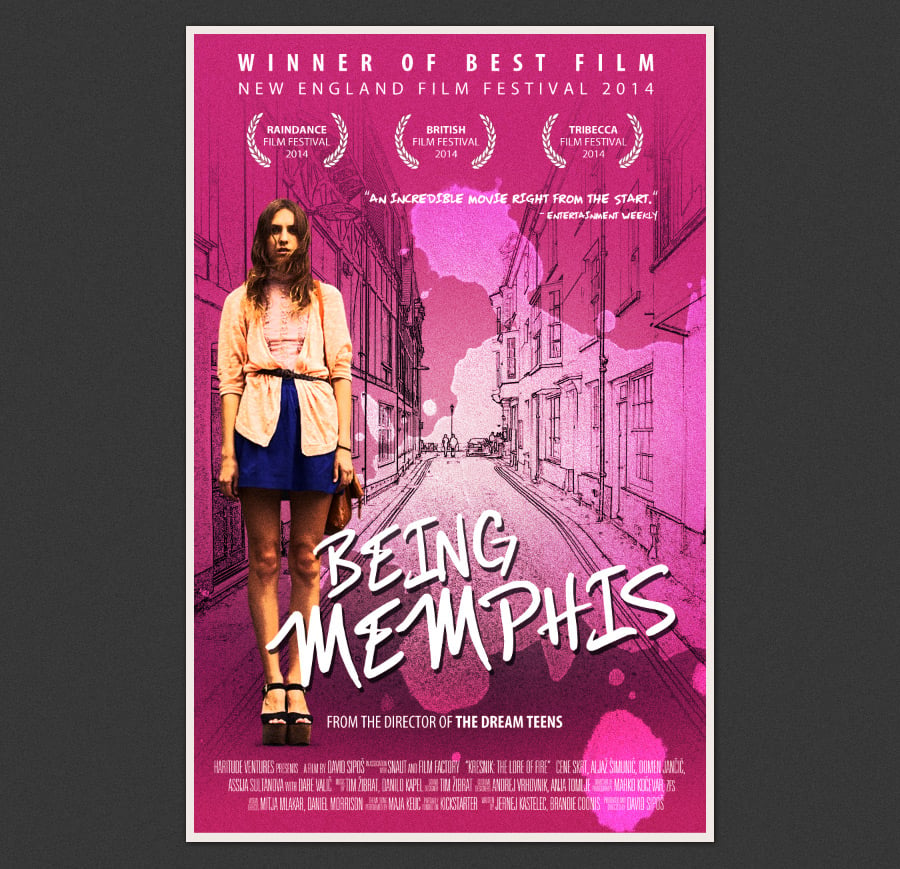
Movie Poster Design: Evolution, Trends, and Cultural Impact
Movie poster design has transformed from simple exhibition tools to vibrant art forms that shape audience expectations. Over more
The Digital Revolution in Poster Design
The 1990s digital shift reshaped movie poster design by introducing Photoshop and 3D tools. These technologies allowed precise photomontage, advanced retouching, and rapid global distribution. Designers gained unprecedented control over composition and color accuracy.
Key Technological Advances
- Photoshop enabled layer-based editing and instant adjustments
- 3D rendering created dynamic elements for action-packed films
- Digital printing reduced costs and expanded color possibilities
This era marked a transition from handcrafted illustrations to hybrid approaches blending photography and digital art. studios could produce multiple variants quickly for international markets.
Data-Driven Approaches and Audience Testing
Since the 2000s, distributors have increasingly pre-tested poster designs with sample audiences. This strategy aims to maximize recognition and conversion through data-backed decisions.
Testing Methodologies
- Focus groups analyze visual appeal and genre recognition
- A/B testing compares different layouts and color schemes
- Metrics track click-through rates for digital thumbnails
"Over 70% of major studios now use pre-testing to guide final poster selections." Industry Report, 2023
Testing has led to standardized genre cues – for example, dark palettes dominate thrillers while bright colors signal comedies. This convergence ensures instant audience identification.
Rise of Alternative and Collector Posters
The 2010s–2025 growth of alternative posters has transformed the market. Artist-driven variants and limited-edition prints now complement traditional studio designs.
Market Expansion
- Festival commissions feature bespoke artwork for premieres
- Boutique releases offer signed, numbered prints to collectors
- Auction houses report rising prices for rare one-sheets
Indie filmmakers leverage these posters to stand out in crowded markets. Retro styles and illustrative techniques blend vintage charm with modern finishes, appealing to both fans and investors.
Collector Demand Drivers
Specialty retailers and conventions now drive significant revenue. Auction houses note a 35% year-over-year increase in collector spending since 2020. Limited runs and artist collaborations fuel this demand.
Streaming-Driven Creative Constraints
Streaming platforms have reshaped poster design priorities by emphasizing thumbnail compatibility and banner formats. Small-screen optimization now dictates composition, cropping-safe faces, and bold typography to maximize algorithmic visibility.
Platform-Specific Adaptations
- Netflix and Disney+ prioritize vertical thumbnails for mobile feeds
- HBO Max uses wide banners for desktop and gaming consoles
- Amazon Prime tailors aspect ratios for both mobile and TV interfaces
Designers must balance artistic vision with platform constraints, often creating multiple variants for different services. This shift has moved focus away from traditional theater one-sheets to digital-first assets.
Nostalgia and Retro Aesthetics
Retro-styled illustrations and vintage layout homages have become key strategies for franchises and indie releases. These designs blend historical techniques with modern printing to appeal to collectors and differentiate brands.
Popular Retro Elements
- 1950s-inspired color palettes and hand-drawn typography
- Holstonian lithograph textures combined with digital layering
- "Vintage distressed" finishes for limited-edition prints
"Retro aesthetics now serve as both a nod to cinema history and a shrewd marketing tool for contemporary releases." Design Industry Journal, 2024
This approach particularly resonates with franchises like Star Wars and Indiana Jones, where nostalgia drives audience engagement. Indie filmmakers adopt similar strategies to stand out in crowded digital marketplaces.
The Future Landscape of Movie Poster Design
Emerging technologies are poised to redefine the medium. AI-generated art, dynamic posters, and augmented reality integrations promise to transform how audiences interact with film promotion.
Emerging Innovations
- AI tools enabling rapid variant generation for A/B testing
- AR posters that reveal behind-the-scenes content via smartphone scans
- Personalized digital/post-printed posters tailored to viewer data
These advancements could further blur the line between advertising and interactive experience. Designers must adapt to evolving consumer expectations while preserving the core function of visual storytelling.
Conclusion: The Enduring Blend of Art and Commerce
Movie poster design remains a dynamic intersection of marketing strategy and artistic expression. From early lithographs to AI-driven variants, each era has introduced new tools while preserving the fundamental goal: capturing attention and conveying essence.
Key evolutions include the shift from illustrated art to digital photomontage, the rise of data-tested standardization, and the growing collector market for alternatives. Streaming platforms now demand thumbnail-optimized assets, while nostalgia-driven retro styles maintain enduring appeal.
As technology progresses, the challenge lies in balancing innovation with the timeless principles of visual storytelling. The future will likely see even more personalized, interactive formats – yet the core purpose will remain unchanged: to turn passersby into eager audiences.



Zach Hadel: From Internet Humor to Mainstream Success
Early Beginnings and Rise to Fame
In the vast and vibrant world of internet animation and creative content, one name stands out: Zach Hadel, better known by his online persona PsychicPebbles. Born on March 4, 1993, in Albuquerque, New Mexico, Hadel's journey began far from the bright lights of Hollywood. Raised in Kansas, he showed an early interest in animation and creativity, laying the foundation that would later lead him to become a prominent figure in the adult-oriented animation community.
Hadel's talent wasn’t discovered overnight. He started his animation career in 2008 by uploading his Adobe Flash animations to Newgrounds, much like many young animators who yearn for a platform to showcase their work. His unique style and sense of humor quickly caught the attention of his audience, marking the beginning of his rise to fame. Through sheer dedication and passion, Hadel carved out a niche for himself in the competitive world of internet content creation.
One of his breakthrough moments came when he uploaded a parody video of the widely acclaimed Kony 2012 documentary in March 2012. This parody video, which mocked one of the most viral documentaries of the time, garnered more than 1.7 million views within just a couple of days, catapulting Hadel onto the scene. It was clear that his dark humor and ability to craft something both entertaining and biting were resonating with viewers across the globe.
Nurturing Talent through Collaborations and Creations
The journey from an unknown animator to someone whose work is featured on Adult Swim is nothing short of remarkable. In 2020, Zach Hadel’s work took a significant turn with the creation of Smiling Friends, a series that has since become a cornerstone of Adult Swim’s programming. Alongside Australian animator Michael Cusack, Hadel co-created this darkly humorous animated series that has captivated audiences with its unique blend of absurdity and social commentary.
The success of Smiling Friends is a testament to the talent and vision of Zach Hadel. The show’s distinctive animation style, coupled with Hadel’s knack for writing clever and provocative stories, makes it stand out among other animated series. Episodes featuring witty dialogues, memorable characters, and a distinctive art style have earned Smiling Friends a dedicated fanbase. The series has helped Adult Swim maintain its reputation for producing edgy and innovative content that resonates with adult viewers.
Apart from Smiling Friends, Hadel has engaged in numerous other projects that demonstrate his versatility and creativity. He has contributed as a storyboard artist for SpongeBob SquarePants (season 11, episode “The Grill is Gone”), infusing some of his distinctively dark humor into the beloved show. Additionally, his work as a voice actor, including roles in Chris O'Neill's web series TOME, showcases his range beyond just animation and scriptwriting. These projects exemplify how Hadel continues to push boundaries and explore new forms of storytelling.
Internet Humor and Online Presence
Beyond his artistic endeavors, Zach Hadel has maintained a strong online presence that fuels his influence in the internet humor community. His popular YouTube channel, PsychicPebbles, has amassed over 1.6 million subscribers. Videos like “Arrow to the Knee,” a parody of a popular video game moment, have garnered over 18 million views, solidifying his status as a creator whose humor can cut through any demographic barrier.
His success extends not just in terms of views and subscriptions but also in his ability to build and maintain a loyal fanbase. Through regular uploads, engaging with his audience, and providing unique, often controversial content, Hadel has created a space where viewers feel heard and entertained. This active engagement fosters a sense of community around his work, making his influence more profound and lasting.
Hadel also contributes to the greater internet culture by hosting podcasts and participating in online communities. From the Schmucks podcast, where he interviewed numerous celebrities in the fields of entertainment and technology, to his part-time involvement with former Newgrounds animators in the YouTube group Sleepy Cabin, he consistently collaborates with like-minded individuals who share his passion for pushing creative boundaries.
These collaborations have not only enhanced his creative output but have also contributed to the growth of a community of independent animators and creators. By supporting each other and sharing resources, they help each other navigate the challenges of transitioning from the internet to mainstream media. This supportive environment is crucial for artists like Zach Hadel, who have made the leap from viral sensation to celebrated animator.
Challenges and Adaptations
Like many successful creators, Zach Hadel has faced his share of challenges and critics along the way. The transition from internet phenomena to mainstream media isn’t without its hurdles. Critics often point to the commercialization of once-niche content, questioning whether the essence of internet humor is diluted in more mainstream contexts. However, Hadel has shown resilience and adaptability in the face of these challenges.
The success of Smiling Friends has required Hadel to balance his desire for artistic freedom with the demands of a more structured production schedule. While the show’s edgy humor and irreverent style are hallmarks of its appeal, the process of developing episodes that meet Adult Swim’s editorial criteria can be challenging. Nevertheless, Hadel remains committed to maintaining the distinctive voice that defines Smiling Friends, ensuring that the series remains true to its core ethos.
Moreover, staying relevant in the ever-evolving world of entertainment and technology is key. Hadel adapts quickly to changes, whether it’s new animation software, shifts in viewer preferences, or emerging trends in social media. By embracing these adaptations, he ensures that his content continues to resonate with his audience, fostering a lasting impact.
As Zach Hadel continues his journey in the entertainment industry, it’s clear that his unique style, dark humor, and dedication to innovation remain central to his success. Through his collaborations, his YouTube presence, and his involvement in projects that push the boundaries of animation, Hadel stands as a testament to the power of creativity in a digital age. His story is a reminder that even those who begin outside the traditional entertainment landscape can achieve success by staying true to themselves and embracing the opportunities that come their way.
Transition from Internet Animation to Mainstream Television
The transition from internet animation to mainstream television is not an easy one, but Zach Hadel has managed to make it look effortless. With Smiling Friends, one of the defining works of his career, he has bridged the gap between internet content and traditional broadcasting. The show's success is partly attributed to its dark humor and unique animation style, which resonate with both niche audiences and broader demographics.
The concept of Smiling Friends revolves around the struggles of everyday life, presented with an exaggerated and sometimes absurd twist. The series introduces a cast of characters who confront bizarre scenarios, dark punchlines, and unexpected twists. Each episode blends humor with social commentary, touching on topics such as anxiety, peer pressure, and societal norms in a way that is relatable yet unsettlingly authentic.
Hadel's collaboration with Michael Cusack, the co-creator of the series, has been instrumental in bringing Smiling Friends to life. Their shared vision and complementary styles have resulted in episodes that are both hilarious and thought-provoking. The series has not only received critical acclaim but has also gained a devoted following, thanks to its unique blend of humor and visual storytelling.
The impact of Smiling Friends goes beyond its immediate audience. It has helped Adult Swim reinforce its reputation as a pioneer in edgy and innovative comedy animation. The series has pushed the boundaries of what is considered acceptable in children’s and family entertainment, setting a new standard for animation that tackles complex themes with humor and style.
Continual Engagement with Fans and Community Building
Beyond his creative output, Zach Hadel maintains a strong online presence through various platforms, actively engaging with his fans and building a community around his work. His YouTube channel, PsychicPebbles, remains one of the cornerstones of his digital presence. Regular updates, behind-the-scenes content, and candid discussions with his followers foster a sense of closeness between Hadel and his audience. This continued interaction helps him stay connected with his fans and understand their expectations and feedback.
Hadel is also known for hosting the podcast Schmucks, where he interviews notable figures in entertainment and technology. These discussions offer insights into his thought processes, creative inspirations, and the challenges he faces in the industry. Episodes of Schmucks often delve into the intricacies of humor, storytelling, and the business of content creation, providing valuable lessons for aspiring creatives and industry professionals alike.
In addition to his regular content, Hadel collaborates with other internet creators and animators, contributing to the growth and support of a vibrant community. His involvement with former Newgrounds animators in the YouTube group Sleepy Cabin demonstrates his commitment to fostering a collaborative environment. By working together, they share resources, provide mutual support, and inspire each other to continue pushing creative boundaries.
Impact Beyond Animation
Zach Hadel's influence extends beyond the realm of animation. His distinctive style and sense of humor have found applications in various mediums, demonstrating his versatility as a creator. For instance, his work on the show SpongeBob SquarePants as a storyboard artist showcases his ability to adapt and contribute to established franchises while maintaining his unique voice. Similarly, his contributions to other projects, such as the web series TOME, highlight his willingness to explore different avenues of storytelling.
Hadel's approach to content creation is characterized by a willingness to challenge conventions and embrace boldness. This attitude reflects in both his personal projects and his collaborations with others. Whether it’s through humor, social commentary, or technical skill, Hadel’s work continually pushes the envelope, inviting viewers to engage with his content in new and unexpected ways.
Future Prospects and Continuing Ventures
Looking ahead, Zach Hadel continues to have exciting ventures on the horizon. One of the most notable upcoming projects is the Smiling Friends (Puppet Version). This venture marks a significant departure from his previous work, incorporating puppetry into the distinctive style of Smiling Friends. This new format promises to bring fresh perspectives and innovative storytelling techniques to the series, potentially expanding its reach and appeal.
Hadel’s vision for the puppet version aligns with his ongoing commitment to experimenting with different mediums and styles. The project represents an exciting opportunity to explore the possibilities of puppets in animation and bring a new dimension of depth and character to Smiling Friends. By combining the strengths of both the puppet format and his signature humor, Hadel is poised to create something truly unique and engaging.
As he continues to navigate the ever-changing landscape of entertainment, Hadel remains driven by his passion for creating content that resonates with diverse audiences. His future projects and collaborations promise to keep pushing boundaries and delivering content that is both groundbreaking and engaging. Zach Hadel’s journey is a fascinating case study of how creativity, resilience, and a willingness to innovate can transform an internet phenomenon into a respected and admired figure in the world of animation and entertainment.
The path of Zach Hadel exemplifies the potential for independent creators to achieve mainstream success while maintaining their unique voices. Through his distinctive style, relentless passion, and willingness to take risks, he has established himself as a pivotal figure in the ever-evolving world of animation. As he continues to evolve and innovate, his impact on the industry and on his audience is sure to leave a lasting legacy.
Legacy and Influence on Modern Animation
Looking back on Zach Hadel’s career, it is clear that he has left a lasting imprint on the landscape of modern animation. His ability to balance dark humor with relatable themes has appealed to both niche and mainstream audiences, contributing to the genre’s evolution and broadening its boundaries.
Hadem’s work has inspired a new generation of animators and content creators who, like him, are unafraid to push the limits and challenge conventional norms. His success at making mainstream networks like Adult Swim embrace darker and more unconventional content has paved the way for a more diverse and nuanced approach to animation. His influence can be seen in subsequent shows and creators who are comfortable exploring complex social issues through humor and satire.
The impact of Smiling Friends extends beyond its immediate impact on viewers. The show has inspired similar series that blend humor with social commentary, demonstrating the ongoing relevance of Hadel’s approach. Moreover, his success has demonstrated that audiences are receptive to content that dares to explore taboo subjects, paving the way for more experimental and daring animation projects.
Public Recognition and Awards
Apart from critical acclaim and cultural significance, Zach Hadel has received a number of public recognitions for his contributions to animation. His work has been acknowledged through various awards and nominations, further cementing his place in the industry. Awards like the Primetime Emmy and several Webby Awards reflect the respect and appreciation he has earned from peers and industry professionals.
Hadel’s involvement in the animation community has also led to formal acknowledgments. He has been recognized in various rankings and lists, such as the IMDb Starmeter ranking, which places him among the top 5,000 actors and writers. These recognitions validate his efforts and underscore the growing mainstream acceptance of his work.
Evolving Artistry and Personal Growth
Throughout his career, Zach Hadel has consistently evolved as an artist and storyteller. His ability to continually challenge himself and push creative boundaries ensures that his work remains fresh and engaging. From his early flash animations to his current puppet version of Smiling Friends, each step in his career has been a reflection of his evolving artistry.
Personal growth has played a significant role in shaping Hadel’s career. His willingness to learn from failures and adapt to new challenges has enabled him to maintain his relevance and creativity. This evolution not only informs his storytelling but also provides insight into his personal journey, allowing audiences to connect with his work on a deeper level.
Final Thoughts
In conclusion, Zach Hadel’s journey is a testament to the power of creativity and perseverance in the entertainment industry. His transition from internet phenomena to mainstream television, coupled with his continued success and influence, makes him a remarkable figure in contemporary animation. His work challenges norms, engages diverse audiences, and inspires new generations of creators.
Through his unique blend of humor, social commentary, and technical skill, Zach Hadel has carved out a distinctive niche in the world of animation. As he continues to innovate and explore new frontiers, his legacy is sure to endure, inspiring others to push the boundaries and redefine what is possible in entertainment.
Zach Hadel’s story is one of resilience, creativity, and passion—a perfect example of how a talented individual can achieve extraordinary success by staying true to themselves and their vision.
Stay tuned as Zach Hadel continues to redefine the world of animation with his unique and captivating work.


The Dominance of Major Film Studios in 2025: An Era of Transformation
The global film industry witnessed significant changes in 2025, with the power dynamics reshaping the landscape of cinematic storytelling. This era has been marked by the continued dominance of what is now known as the “Big Five” film studios: Warner Bros., Walt Disney, Universal, Sony Pictures, and Paramount Pictures. These corporations, collectively controlling a substantial portion of the North American market share, have not only shaped the cultural narrative but also influenced the financial strategies governing the film industry.
Warner Bros., led by a string of successful movies, particularly The Minecraft Movie and James Gunn's reboot of Superman, claimed the top spot in domestic box office revenue with a market share of 23.91%, grossing approximately $1.86 billion from a release of 13 films. Meanwhile, Walt Disney, though facing some disappointments with films such as Captain America: Brave New World and Snow White, maintained a strong position with its 23.16% market share, grossing roughly $1.8 billion across 14 movies, including the highly anticipated Lilo & Stitch.
In contrast, Universal's diversified portfolio earned it 17.92% of the market share, reflecting its strategic approach to both popular franchises and independent productions. Sony Pictures, with its focus on high-quality yet commercially viable content, secured a 6.74% market share, while Paramount Pictures carved out a niche with 6.49%, showing the studios' ability to carve territories despite intense competition.
In addition, the rise of emerging players like Amazon MGM Studios and A24 adds a layer of complexity to this already sophisticated market. While Amazon MGM, with its expansive OTT platform, has become a formidable contender, A24's success in niche-driven, auteur-led projects highlights an alternative path to traditional blockbuster dominance.
The film industry's evolution in 2025 has been characterized by a unique blend of veteran franchise exploitation and cutting-edge innovation. Warner Bros.' revival of legacy IPs, such as those from DC Comics, exemplifies how the studios can revitalize established franchises while ensuring audience engagement. Similarly, Universal's vast and varied slate underscores the importance of maintaining a balanced approach between tried-and-true properties and fresh ideas.
Notably, the success of films like The Minecraft Movie and James Gunn's Superman suggests that major studios are increasingly investing in high-concept, visually impressive projects that cater to a wide range of viewers. On the other hand, Disney's challenges indicate the risks associated with sticking too closely to a formula that may not resonate with all audiences.
The market segmentation by MPAA ratings reveals a fascinating insight into viewer preferences and studio strategies. PG-rated films topped the gross revenue chart with $2.66 billion and 235 million tickets sold, while R-rated films came in second with $2.58 billion and 228 million tickets, indicating a broad appeal across demographic boundaries.
This distribution pattern reflects the studios’ efforts to balance family-friendly content with mature themes that attract adult audiences. It also demonstrates the resilience of films catering to specific age groups and interests, proving that niche markets still hold significant value.
The slight decline in market share from the previous year (2024) does not signal a decline in dominance for the big studios. Instead, it highlights the fragmented nature of the market where emerging voices and new platforms are gaining ground.
At the core of this dominance sits the vertical integration of major studios. These conglomerates extend their influence far beyond the mere production and distribution of films. The Big Five operate extensive media networks, streaming platforms, and ancillary businesses, all of which amplify their reach and control over different facets of the entertainment industry.
For instance, Disney's acquisition of 20th Century Fox was a strategic move that consolidated its position in a rapidly evolving market. Similarly, Warner Bros. and Comcast’s NBCUniversal demonstrate the ongoing merger and acquisition trends that continue to shape the film industry's future.
This consolidation not only ensures a robust financial infrastructure but also allows these studios to leverage proprietary technology and intellectual property effectively. From Industrial Light & Magic's groundbreaking visual effects to Pixar’s unparalleled animation prowess, the vertical integration model has become indispensable for staying ahead in the modern digital era.
The resurgence of theatrical box offices in 2025 marks a hopeful turn for the industry. Studios like Warner Bros. have successfully balanced legacy IP revivals with original content, revitalizing interest in traditional movie-going experiences. This strategic shift towards a hybrid model has instilled investor confidence and generated a vibrant environment for creative expression within the studios.
The increasing importance of streaming platforms is evident in the growing cooperation between major studios and OTT services. Companies like Amazon MGM Studios have leveraged Prime Video and MGM+ to complement their theatrical releases, expanding their reach and enhancing overall profitability. This dual strategy ensures that both big screens and online platforms benefit from synergies within the same corporate structure.
While the theatrical business remains crucial, the emergence of independent studios like A24 represents a significant shift. By focusing on niche, highly acclaimed films, these studios provide an alternative to the blockbuster-driven ethos of the major players. Their success highlights the potential for smaller, more daring productions to find large audiences, proving that innovation can thrive even under industry giants.
The competitive landscape in 2025 is marked by an intensifying battle among major studios, each vying for a larger slice of the pie through increased production slates and innovative marketing strategies. Universal and Paramount Picture’s expansion plans are indicative of this trend, as they aim to push boundaries and explore new territories within the entertainment space.
As we look ahead to the future of the film industry, the trajectory of these big players suggests ongoing transformation. They must adapt to changing technologies, shifting consumer preferences, and the rising influence of independent voices. The key to sustained success lies not just in maintaining dominance but in fostering creativity and openness to new forms of storytelling.
With the global market poised for further changes, the film studios of today must navigate the complexities of an ever-evolving industry while holding onto their traditional strengths. The coming years promise to be filled with challenges but also filled with opportunities for those who can innovate and evolve.
The Rise of Streaming and Ancillary Markets
The rise of streaming platforms has become a pivotal force influencing the film landscape, challenging traditional models of content distribution. Platforms like Netflix, Amazon Prime Video, and MGM+ have not only complemented theatrical releases but have also begun to dominate the home viewing market. According to data, streaming services accounted for a significant portion of revenue, especially for major studios looking to expand their reach. Studios like Warner Bros. and Disney, leveraging their extensive library of films, have seen a surge in streaming subscriptions, further enhancing their control over content distribution.
The success of streaming initiatives is underscored by the growing subscription base and user engagement. Amazon MGM’s Prime Video, for instance, reported a 30% increase in subscriptions and a 45% growth in stream minutes watched compared to the previous year. This success is driven by the platform’s exclusive content offerings, coupled with the convenience and accessibility of viewing any time, anywhere. Such trends suggest that the future of film consumption may increasingly lean towards subscription-based models, rather than relying solely on theatrical or physical media sales.
The collaboration between major studios and OTT platforms has also opened new avenues for monetization. Warner Bros.’ partnership with HBO Max and its integration with WarnerMedia’s streaming service exemplifies this trend. This alignment not only enhances the visibility of content but also leverages the broader entertainment portfolio of the studio, creating a more cohesive and appealing offering to audiences. Similarly, Disney's Star and Peacock partnerships reflect the conglomerate’s strategic vision to dominate the streaming space while maintaining strong ties to its traditional theatrical releases.
Audience Engagement Beyond Cinema Screens
Beyond streaming, the studios are engaging their audiences in innovative ways, both pre- and post-release. Warner Bros. took a bold step by releasing the highly anticipated sequel to The Minecraft Movie exclusively on HBO Max for the first month, followed by a theatrical opening. This dual release strategy allowed them to gauge audience reaction and adjust marketing efforts accordingly. Such tactics highlight the studios’ adaptability and their commitment to providing the best possible experience for their fans.
The interactive film format and immersive viewing experiences have also garnered attention. Studios like Universal are exploring virtual reality (VR) and augmented reality (AR) technologies to enhance storytelling. The Mummy Unleashed VR Experience, for example, provided users with an immersive, interactive journey that went beyond the conventional theatrical format. These innovations not only enhance the viewing experience but also generate additional revenue streams through premium ticketing and merchandise sales.
Additionally, the studios have embraced social media and fan communities to foster ongoing engagement. Warner Bros.’ The Minecraft Movie campaign engaged younger audiences through TikTok challenges and social media campaigns, building a grassroots following before the theatrical release. This strategic use of social media has proven to be effective in generating buzz and driving word-of-mouth promotion. Similarly, Disney’s Lilo & Stitch utilized animated social media posts to keep fans engaged and excited about its release.
The Role of Franchises and Intellectual Property
Franchises remain central to the studios’ content strategy, acting as a reliable source of revenue and brand recognition. From DC Comics to Disney’s Marvel and Star Wars, franchise-building has become an art form. Warner Bros.’ continued success with the DC Extended Universe and its recent expansion into streaming content demonstrate the enduring appeal of well-established franchises. Similarly, Disney’s expansion into gaming and other media, fueled by successful franchises like Star Wars and Pixar, showcases the versatility and profitability of these intellectual properties.
The studios also focus on developing their IPs across various forms of media, from video games and toys to theme park attractions. This multi-platform approach ensures that fans of these franchises can engage with the content in diverse ways, extending the life cycle of popular IPs. The success of Star Wars toys, games, and theme park experiences illustrates how IP cross-promotion can drive additional revenue, reinforcing the interconnectedness of the entertainment ecosystem.
Challenges and Innovations
The dominance of big studios also brings challenges, particularly in terms of maintaining relevance and avoiding stagnation. One significant challenge is the oversaturation of the market, with an ever-increasing number of films vying for limited audience attention. Studios like Paramount Pictures have taken steps to address this by focusing on niche markets and leveraging emerging technologies to stand out. Their recent foray into VR films and their investment in digital marketing highlight an ongoing effort to stay competitive in a crowded field.
Another challenge is the ever-evolving nature of consumer preferences. Younger audiences are increasingly drawn to digital content, prompting studios to reevaluate their strategies. Paramount Pictures, for instance, has invested heavily in digital marketing and virtual events to attract younger, tech-savvy audiences. Similarly, Warner Bros. has launched multiple digital-first content offerings, including exclusive web series and limited-time digital events, to engage a wider demographic.
To tackle these challenges, the studios are embracing cutting-edge technologies and new narrative formats. Universal’s exploration of transmedia storytelling, combining film with interactive digital experiences, represents a forward-thinking approach. This strategy not only enhances the storytelling process but also creates new opportunities for revenue generation. The success of The Mummy Unleashed VR Experience indicates that immersive storytelling can significantly impact audience engagement and satisfaction.
The studios are also experimenting with decentralized production models, harnessing the power of crowd funding and user-generated content to drive innovative projects. Warner Bros., for example, has explored crowdfunding for short films and micro-budget productions, allowing them to tap into untapped creative pools. Similarly, A24’s success with auteur-driven films suggests that grassroots storytelling can be a force to reckon with, potentially leading to new collaborations and fresh perspectives within the industry.
The Future of the Film Industry
The future of the film industry in 2025 and beyond promises to be defined by collaboration, innovation, and a willingness to adapt. As market forces continue to evolve, major studios will need to remain agile and responsive to changing consumer behaviors and technological advancements. The ongoing integration of streaming platforms and digital marketing will play a crucial role in shaping this future, as will the continued development and refinement of immersive storytelling formats.
The film studios of tomorrow must not only protect their traditional strengths but also embrace new opportunities. By fostering a culture of creativity, engagement, and innovation, they can ensure their enduring relevance in the ever-changing world of entertainment. As the industry moves forward, the success of major studios will depend on their ability to navigate the complex interplay of tradition and disruption, striking a balanced relationship between the familiar and the novel.
The evolution of the film industry in tandem with the rise of new technologies and emerging platforms presents both challenges and opportunities. As the next decade unfolds, the big five studios will undoubtedly face new obstacles but will also have unprecedented chances to redefine the narrative and set new standards for cinematic excellence.
The Impact on Global Cinema
The influence of major studios extends far beyond North America, impacting global cinema through co-productions, foreign investments, and commissioning cycles. Studios like Warner Bros. and Disney have entered into numerous international agreements to produce and distribute films across diverse markets, ensuring their content reaches audiences worldwide. For instance, the international release dates of films produced by these studios are strategically planned to maximize global box office performance.
The global nature of production cycles is also evident in the increasing number of international co-productions. Studios like Paramount Pictures have developed partnerships with production companies from various countries, resulting in films that blend local and international sensibilities. This approach not only enriches the storytelling but also ensures the films are culturally relevant and commercially viable in multiple regions.
In addition, the distribution strategies employed by major studios have a significant impact on the global film market. Warner Bros. and Disney have established distribution networks in countries where there are fewer local distributors. This direct involvement ensures that their films are shown in theaters, leading to increased screen counts and higher box office revenues. Such strategic distribution plays a crucial role in the economic health of the film industry worldwide.
The Role of Regional Markets
Regional markets, particularly in Asia, Latin America, and Europe, have gained significant importance in the global film industry. Studios like Sony Pictures and Universal have recognized the potential of these markets and have adjusted their strategies accordingly. For instance, Sony Pictures has established a robust presence in Asian markets, producing films tailored to local tastes and cultural nuances. Similarly, Universal has seen success in Latin American markets, where its diverse slate of films appeals to localized preferences.
The increasing significance of regional markets is also reflected in the production decisions made by major studios. Films such as Lilo & Stitch and The Minecraft Movie have been specifically tailored to appeal to these regions, with marketing campaigns that reflect local cultures and sensibilities. This region-specific approach not only enhances the relevance of the films but also creates a stronger emotional connection with audiences.
The success of these regional strategies is further corroborated by the financial performance of these films. For example, Lilo & Stitch performed exceptionally well in markets like China, where cultural resonances were leveraged to boost ticket sales. Similarly, The Minecraft Movie enjoyed strong audiences in Latin American markets, driven by the popularity of the game and localized marketing efforts.
The Evolving Role of Independent Studios
The rise of independent studios like A24 and Lionsgate represents a significant shift in the film industry. While major studios continue to dominate the mainstream market, independent studios have carved out niches by focusing on artistic expression and auteur-driven content. Films produced by A24 have garnered critical acclaim and commercial success, despite being distributed by larger studios.
Independent studios often take bold, calculated risks, pursuing projects that might not fit the mold of big-budget blockbusters. Their success stories serve as case studies for the broader industry, illustrating the potential for creative risk-taking and innovative storytelling. The rise of independent studios also brings diversity to the landscape, ensuring that voices outside the mainstream have a platform to tell their stories.
Moreover, the growing success of niche films provides insights into future industry trends. Successful auteur-driven films like Uncut Gems and Finding Nemo suggest that the market can support both artistic expression and commercial viability, given the right context and marketing. This duality opens up possibilities for mainstream studios to experiment with artistic and narrative styles that resonate deeply with specific audiences.
Conclusion
The film industry in 2025 and beyond is a dynamic and evolving landscape, dominated by major studios but also influenced by emergent trends and independent voices. The continued influence of the Big Five, along with the rise of emerging players, reflects a complex interplay of power and adaptation. Major studios maintain their dominance through strategic partnerships, robust distribution networks, and innovative storytelling, while independent studios offer fresh perspectives and alternative narratives.
As the industry navigates the challenges and opportunities of the 21st century, it is clear that the path to success is multifaceted. By embracing technological advancements, engaging global audiences, and promoting diverse storytelling, the film industry can continue to thrive and evolve. The future of cinema lies in the hands of those who can balance tradition with innovation, ensuring that the medium remains a vibrant, compelling, and diverse form of artistic expression.
Ultimately, the film industry’s ability to adapt and innovate will determine its continued relevance in an ever-changing world. As we look towards the future, one thing is certain: the stories we tell and the films we watch will continue to captivate, inspire, and entertain audiences around the globe.

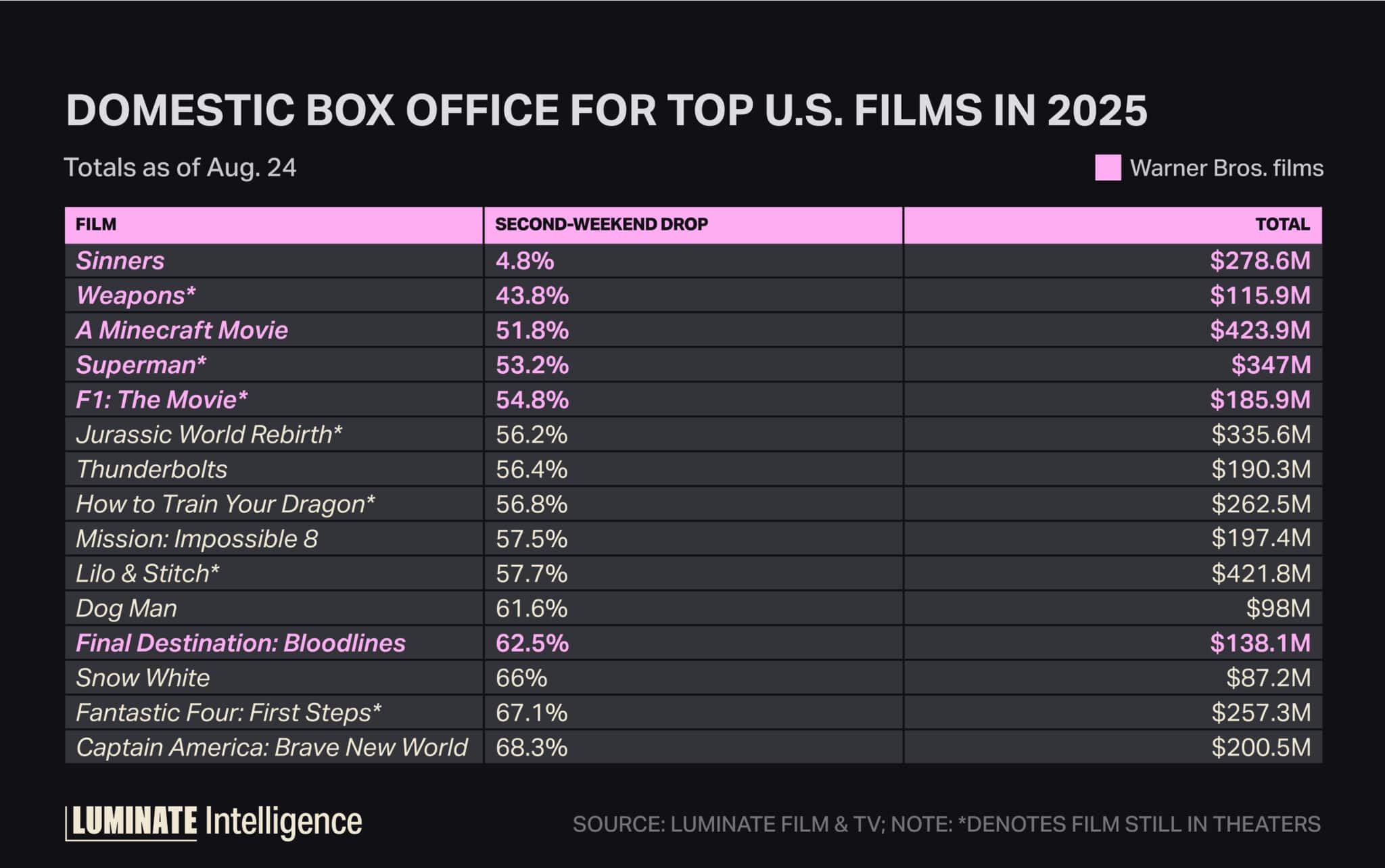

Thomas James Kirk III: A Star Trek Legend
The Birth and Early Years of a Starfleet Ensign
Thomas James Kirk III, often simply referred to as "Kirk," was born on April 7, 2233, on Earth. He was the son of Admiral Thomas James Kirk II and his wife, Marla McGivers. His father, having graduated from Starfleet Academy in 2254, served with distinction aboard the USS Enterprise (NCC-1701) under Captains Christopher Pike and James T. Kirk I.
Young Kirk showed a fascination for space travel and technology from an early age. His parents recognized his potential and supported him in pursuing a career within Starfleet. After excelling in his studies, Kirk attended Starfleet Academy where he proved himself to be a remarkable cadet, excelling in subjects like astrophysics and navigation. His natural aptitude for leadership and his keen tactical mind became apparent during his time at the academy.
A Starfleet Career Begins
Following his graduation from Starfleet Academy in 2255, Kirk was commissioned as an ensign and assigned to the newly launched USS Farragut (NCC-1850) under Captain Gabriel Lorca. However, this assignment did not last long as Captain Lorca's methods were considered extreme and controversial, leading to Kirk's transfer to the USS Kelvin under Captain Robert April.
Kirk quickly made a name for himself aboard the USS Kelvin. He demonstrated exceptional skills in maneuvering through hostile environments and was crucial in saving the ship from a Klingon attack on the planet Vulcan. This event marked a turning point in Kirk's career and solidified his reputation as a capable officer. His bravery and quick thinking during the battle against the Romulan ship that attacked the Kelvin earned him a commendation from Admiral Alexander Marcus.
The Incident with the Narada and its Consequences
In 2236, while serving on the USS Kelvin, Kirk encountered a vessel known as the Narada under the command of the alien Nero. The Narada had traveled through a space-time rift and threatened the destruction of Vulcan. Despite overwhelming odds, Kirk orchestrated a plan involving the Kelvin's torpedoes equipped with the Genesis Device. Using the device to destroy the Narada before it could escape into the rift, he managed to save Vulcan, but the mission came at a heavy cost.
The operation to destroy the Narada resulted in a severe injury to Kirk, which left him unable to serve a regular six-month rotation aboard the Kelvin. In an unusual move, Admiral Marcus granted him a three-year leave, during which Kirk went into hiding with assistance from his friend, Spock. During this period, Kirk worked at various starbases and continued to hone his skills in stealth and tactics.
The incident with the Narada and the subsequent death of Admiral Marcus brought a shift in the political climate, leading to the creation of Section 31, an unauthorized and illegal organization operating outside the scope of any official government or Starfleet authority. This development added a layer of complexity to Kirk's personal life, as he found himself entangled in the covert operations of Section 31.
A Return to Activism and Leadership
Returning to active duty after three years, Kirk faced challenges both personal and professional. He resumed his post on the USS Ranger, under Captain Christopher Pike, who recognized his potential as a leader but also understood the strain caused by Kirk's past experiences. Pike's mentoring helped Kirk regain his confidence and focus his energies toward improving Starfleet and fostering a new era of exploration and diplomacy.
However, Kirk's activism did not end there. In a bid to expose Section 31, he and his friends—including Spock—collaborated to dismantle the rogue organization from within Starfleet. Their efforts led to the arrest of many key operatives and the establishment of stricter controls over such clandestine activities. This period was crucial in shaping Kirk's understanding of the balance between vigilante justice and established protocols, which would guide his future actions.
The Beginning of Adventure: Assignment to the USS Enterprise
Having proven his worth through numerous trials and tribulations, Kirk was eventually transferred to the iconic USS Enterprise (NCC-1701), under the command of James T. Kirk I. This transfer signified a significant step in his career as he joined the legendary crew that made the Enterprise a symbol of hope and innovation in the United Federation of Planets.
The USS Enterprise, under the leadership of Captain Christopher Pike, embarked on a mission to explore the Delta Quadrant, a region of space largely unknown even to Starfleet. During this endeavor, Kirk displayed remarkable courage and ingenuity, particularly during a critical confrontation with a powerful alien race known as the Tagareans. His actions during this mission not only saved the lives of his fellow crew members but also earned him a promotion to lieutenant.
With his reputation solidified and his skills honed, Kirk became a vital member of the bridge crew, contributing immensely to the ship's numerous missions. His rapid ascent through the ranks reflected both his leadership abilities and his unwavering dedication to exploring the unknown reaches of the galaxy. Under Pike's guidance, Kirk learned valuable lessons about the complexities of command and the importance of trust within a diverse and multinational crew.
In the next segment, we will delve deeper into Kirk's life on the USS Enterprise, his interactions with Dr. Leonard "Bones" McCoy, Chief Engineer Christopher "Chris" Malenka, Communications Officer Nyota Uhura, and Operations Specialist Pavel Chekov, as well as his pivotal role in several landmark missions.
The Journey with the USS Enterprise
Upon assuming his duties on the USS Enterprise, Thomas Kirk III was assigned to the bridge as first officer, a position that further tested his leadership skills. The Enterprise, under the command of Captain Christopher Pike, was tasked with a long-term mission in the Delta Quadrant, an area of space that had rarely been explored and was fraught with unknown dangers. The mission aimed to establish peaceful relations with a multitude of species and expand the Federation's knowledge of the galaxy.
One of the first major challenges the Enterprise faced was a confrontation with a hostile alien race known as the Tagareans. During their mission to the planet Tagara, the Enterprise was ambushed by a Tagarean ship, which was equipped with advanced weaponry and technology. The situation seemed dire until Kirk, demonstrating his quick thinking and tactical skills, developed a plan to disable the Tagareans' technology by exploiting a vulnerability in their communication systems. This strategy not only saved the Enterprise from certain destruction but also opened a dialogue with the Tagareans, leading to the signing of a treaty that ensured peaceful relations for decades to come.
Personal Relationships with His Crew
Kirk's interactions with his crew members were not just professional, but also formed the backbone of the ship's success. His relationship with Dr. Leonard "Bones" McCoy, the chief medical officer, was particularly significant. Bones, with his no-nonsense demeanor and sharp wit, often challenged Kirk's methods and viewpoints. Despite their frequent disagreements, their bond grew stronger over time, and they developed a mutual respect that often saw them working together to solve complex medical and tactical challenges.
Kirk's collaboration with Chief Engineer Christopher "Chris" Malenka was equally crucial. Malenka, a brilliant engineer with a quick wit and a penchant for practical jokes, often tested Kirk's patience. However, Kirk recognized Malenka's expertise and relied on him for essential repairs and upgrades. During a mission to a barren planet, it was Malenka's quick thinking that prevented the Enterprise from being stranded, and Kirk's leadership ensured the crew was safe.
The communication officer, Nyota Uhura, was the first African American woman to serve in a ship's communications department, a significant milestone in the Federation. Uhura's technical brilliance and her ability to connect with different species were invaluable assets. She often found herself mediating conflicts and building bridges between the Enterprise's diverse crew and the alien races they encountered. Kirk and Uhura's relationship was characterized by a mutual respect for their different backgrounds and shared goals. Their combined efforts often led to successful outcomes, such as the establishment of new trade agreements and the resolution of diplomatic crises.
Operations Specialist Pavel Chekov, a talented Russian ensign, initially struggled to prove himself. However, Kirk's mentorship and encouragement helped Chekov develop his skills. Their relationship was built on trust and mutual respect. During a mission to a mining planet, it was Chekov's navigation skills that were crucial in avoiding dangerous terrain, and Kirk's quick decision-making saved the day.
Landmark Missions and Key Events
Throughout the years, the Enterprise encountered numerous landmark missions that shaped Kirk's career and the fate of the galaxy. One such mission was a mission to the uninhabited planet Talos IV, where the Enterprise discovered remnants of a powerful and dangerous alien civilization. This mission, which also involved the crew experiencing the effects of Talosian mind control, tested the limits of humanity and the nature of morality and survival.
Another significant event was the rescue mission to the planet Organia, where the Klingons were preparing to attack. Kirk and his crew negotiated peaceful terms that prevented war and saved the lives of countless Organians, a species with an advanced form of telepathy. This mission underscored the importance of diplomacy and understanding in the face of conflict.
Perhaps one of the most memorable missions was the journey into the Delta Quadrant, where the Enterprise faced a group of Borg drones. Although the crew managed to evade the Borg and preserve the Enterprise, the journey left a permanent mark on Kirk. His experiences with the Borg instilled in him a new appreciation for the strength and resilience of humanity.
Personal Growth and Leadership Lessons
Throughout his tenure on the USS Enterprise, Kirk's personal growth as a leader was evident. He learned the importance of balance, the value of diverse perspectives, and the necessity of making difficult decisions. The mission to the Delta Quadrant was particularly challenging, as it forced him to confront his own mortality and the fragility of life. The loss of his closest friend, Number One, during their mission to the planet Talos IV, profoundly affected Kirk, prompting him to reflect on the meaning of leadership and sacrifice.
Additionally, Kirk's work with the Talosians taught him the importance of empathy and the impact of psychological warfare. This experience influenced his approach to diplomacy and conflict resolution, leading him to advocate for peaceful and understanding methods in the face of aggressive adversaries.
Ultimately, Kirk's time with the USS Enterprise was a transformative period in his life. His interactions with his crew, his participation in landmark missions, and his personal growth all contributed to the legacy he left behind. As he prepared for further adventures, the lessons learned on the Enterprise continued to shape his future as a leader and a man.
In the next segment, we will explore Kirk's subsequent career and the challenges he faced as the captain of the USS Enterprise, including his leadership during the Klingon-Human conflict, his interactions with the Romulan Empire, and his ultimate fate.
Captain Kirk: The Legacy Continues
As Captain Kirk of the USS Enterprise, Thomas James Kirk III embraced a new era of leadership and adventure. Following his time as a first officer under Captain Christopher Pike, he was ultimately promoted to captain, inheriting the prestigious title with the same sense of duty and determination he had demonstrated throughout his career.
Kirk's leadership as captain was marked by the Klingon-Human conflict. The Klingons, under the charismatic and formidable Chancellor Gorkon, were intent on expanding their empire and viewed the Federation as a threat. This conflict led to the tense negotiations aboard the Neutral Zone that culminated in Gorkon's assassination. Kirk's quick thinking and diplomatic skills played a crucial role in uncovering the conspiracy, ensuring that the peace between the Federation and Klingons was restored.
During his tenure as captain, one of Kirk’s defining moments was his confrontation with the Romulan Empire. The Romulans had been a constant thorn in the side of the Federation, engaging in covert operations and acts of piracy. Kirk's leadership was evident when he led a daring mission into Romulan territory to capture a cloaked warbird, demonstrating the Federation's ability to counteract Romulan aggression. This mission not only boosted morale among the crew but also set a precedent for direct engagement with threats to peace.
The Final Mission
The final mission of the USS Enterprise under Kirk's command took them back to the Alpha Quadrant, where they encountered the mysterious Guardian of Forever. This encounter revealed the temporal capabilities of the Guardian and offered him a choice to change the past or remain unchanged. Kirk opted to remain unchanged, believing that the course of history was best left intact—a decision that underscored his commitment to the principles of duty and integrity.
As the voyage to the distant future brought the crew to the brink of discovery, they encountered the entity known as V'ger, a self-aware probe sent by the Kelvrisians of the future. Through a series of trials and revelations, Kirk and the crew realized that V'ger was a representation of the accumulated knowledge and technology of the entire Milky Way galaxy. Their interactions with V'ger led to a profound understanding of unity beyond species and the potential for peaceful advancement.
Legacy and Reflections
Thomas James Kirk III's legacy is one marked by heroism, leadership, and a deep sense of duty to the Federation. He inspired countless individuals, both within Starfleet and beyond, with his bravery, intelligence, and dedication. Kirk's contributions to space exploration and conflict resolution laid the groundwork for a more unified and peaceful galactic community.
Even in retirement, Kirk remained a respected figure, revered for his actions and the values he embodied. His experiences with the USS Enterprise and his subsequent roles as captain left an indelible mark on the universe, shaping the way others approached their own missions of exploration and protection.
In reflecting on his life and career, Kirk often spoke about the importance of balance, the value of diverse perspectives, and the need for humanity to remain true to its core values. His final years were spent mentoring younger officers and continuing to advocate for peace and understanding among the stars.
Thomas James Kirk III remains a legendary figure in Starfleet and space exploration, his story inspiring generations to come. As the legend of Kirk continues to evolve, his legacy stands as a testament to the power of courage, wisdom, and the unyielding spirit of exploration.
The journey of Thomas James Kirk III from a young ensign to a celebrated captain is a tale of resilience, leadership, and the pursuit of truth in the vastness of space. His contributions to Starfleet and the galaxy at large serve as a reminder of the enduring impact of those who dare to dream and venture forth into the unknown.
End of Article
Steven Crowder: The Renegade Host and His Impact
Introduction
Steven Crowder is a prominent American internet personality, podcaster, author, and video streamer known for his engaging and sometimes controversial content. Since breaking onto the scene in the mid-2010s, he has built a significant following and developed a unique brand that blends humor, commentary, and social critique.
Early Life and Career Beginnings
Steven Crowder was born in 1985 in San Francisco, California. His early interest in technology led him to pursue a career in software engineering at Hewlett-Packard, where he worked until 2007. However, Crowder always had a passion for public speaking and entertainment. After a series of jobs in the film industry and television production, he eventually landed a position at the Comedy Central show "Comedy Bang! Bang!" in 2014.
This experience paved the way for his online presence. Crowder's transition to full-time internet content creation began when he started a YouTube channel in late 2014. Initially, he experimented with various formats, ranging from film criticism to vlogging, before finding his niche in humorous political and social commentary.
The Rise of STEVENISM
Steven Crowder's breakthrough came in September 2014 when he launched "The Daily Rundown," a daily news summary on his YouTube channel. This show quickly gained popularity for its concise and engaging summaries, often delivering information with a unique blend of humor and insight. Crowder’s ability to distill complex issues into digestible content resonated with his growing audience.
Beyond just videos, Crowder also delved into podcasting. In 2015, he launched the podcast "The Daily Rundown with Steven Crowder" and "The Daily Discussion." These shows further solidified his persona as a sharp-witted commentator, often challenging guests with his probing questions and unconventional viewpoints.
Social Media and Expansion
Crowder's success on YouTube and podcasting naturally led to a wider social media presence. He joined Twitter and TikTok, where he cultivated a substantial following through snappy one-liners and memes. His use of Twitter was particularly impactful. Crowder began to gain notoriety for his incisive and sometimes polarizing opinions, which often went viral. His tweets would frequently go beyond simple commentary to provoke discussion and challenge prevailing narratives.
In 2019, Crowder's influence expanded even further when he launched "The Daily Rundown," an ad-free daily live stream on YouTube. This move allowed Crowder to connect directly with his audience in real-time, facilitating more interactive and immediate responses to current events. The live stream format became a cornerstone of Crowder’s brand, fostering a loyal community of viewers who appreciated his candid style.
The Controversial Nature of Crowder’s Content
Beyond his comedic and insightful content, Crowder’s controversial stance on social and political issues has garnered both admiration and criticism. His willingness to take on sensitive subjects and challenge mainstream opinions sets him apart from more conventional commentators. Topics like gender identity, political correctness, and social justice often feature prominently in Crowder's content, making his shows and videos some of the most talked-about and discussed on the internet.
One of the primary reasons for Crowder's controversy is his refusal to toe the party line when it comes to progressive social movements. He openly criticizes aspects of feminism, LGBTQ+ rights, and cancel culture, arguing that they can perpetuate harmful stereotypes or lead to unfair outcomes. This stance has earned him a following among those who share similar views, but it has also attracted accusations of being insensitive or divisive.
Personal Philosophy and Branding
Beneath the surface of his provocative content lies a philosophy that Crowder himself refers to as "STEVENISM." At its core, this ideology champions individualism and personal freedom while advocating against what he perceives as overly restrictive or dogmatic societal norms. Crowder believes in the importance of critical thinking and open dialogue, believing that these principles foster genuine progress rather than superficial band-aids.
In his branding, Crowder emphasizes authenticity and transparency. He rarely shies away from admitting when he has made mistakes or changed his opinions. This approach cultivates trust among his audience, who find comfort in his relatable honesty. However, it also places Crowder under constant scrutiny, as his willingness to critique his own positions can be seen as hypocrisy by some.
Legacy and Influence
Steven Crowder's influence extends well beyond his immediate audience. He has inspired a host of other content creators who appreciate his unfiltered approach to discussion and critique. Furthermore, his work has contributed significantly to the evolution of public discourse, prompting discussions on everything from cultural trends to political ideologies.
Crowder's legacy is marked by his ability to navigate the complex landscape of digital and social media, where his unique voice stands out amidst the noise. His contributions have shaped how many people engage with news and commentary, influencing not only individual opinions but also broader societal conversations.
As Crowder continues to evolve as an entertainment figure and thought leader, his impact remains clear—a renegade voice challenging norms and offering fresh perspectives on a wide array of topics.
Journey to Mainstream Recognition
By the late 2010s, Steven Crowder's unique brand of humor and provocative commentary on social and political issues had begun to attract mainstream attention. His live streams and videos started to receive endorsements from larger platforms, and collaborations with major brands further solidified his position within the digital landscape. One such notable collaboration was with PayPal, where he participated in campaigns promoting financial literacy and security. These ventures not only boosted Crowder's visibility but also provided him with resources to expand his reach and influence.
The turning point towards mainstream recognition came when Crowder was invited to appear as a panelist on Bill Maher's "Real Time with Bill Maher," a show known for its high-profile guests and provocative discussions. Crowder's appearance on this platform marked a significant milestone in his career, introducing his style of commentary to a wider audience. While reactions were mixed, with some viewers appreciating his candor and others criticizing his positions, the exposure brought him to national attention. This increased visibility eventually led to his signing a lucrative deal with Oath Inc., which owned multiple major media properties including Yahoo, Huffington Post, and Techcrunch.
Broadening Horizons with New Projects
A key factor in Crowder's ongoing success has been his consistent exploration of new projects and ventures, each aimed at reaching different audiences while expanding his reach even further. In 2021, he co-hosted a podcast called "No More Excuses with Steven Crowder" alongside comedian Greg Gutfeld. The show tackled a broad range of topics from politics to pop culture, providing listeners with a mix of entertainment and substantive commentary. Despite initial struggles, the podcast gradually found its footing and developed a dedicated following.
In the same year, Crowder's writing career took a significant turn when he published his memoir and guide to masculinity titled "What the Hell, Man!: A Beginner's Guide to Living Like a Real Man." The book offered practical advice and philosophical reflections on manhood, drawing from Crowder's background and personal experiences. The memoir not only resonated with a wide readership but also helped refine his public image, positioning him as a relatable and knowledgeable figure on issues of masculinity and personal growth.
The launch of "What the Hell, Man!" was complemented by the release of "The Steven Crowder Podcast," a daily show that delves deeper into political analysis, philosophy, and cultural commentary. This podcast has become a staple in the political talk-radio genre, offering listeners a unique perspective that blends humor with serious discourse. Crowder's ability to engage with diverse guests and explore a range of topics—from economics to foreign policy—has made The Steven Crowder Podcast a respected source of information for many.
Evolution in Content and Style
Steven Crowder's content has evolved over time to reflect changing tastes and preferences, while still maintaining the core elements that define him. His early days focused heavily on humorous commentary, but as he grew, so did his ambition to tackle more complex and nuanced issues. Recent years have seen Crowder delve into long-form essays, deep dives into historical events, and even forays into fiction and non-fiction book writing.
The shift towards more analytical content demonstrates Crowder's maturation as a content creator. While he remains entertaining, there is a noticeable focus on thorough research and thoughtful argumentation. This can be seen in his detailed investigations of conspiracy theories, critiques of political correctness, and explorations of various societal trends. Crowder's approach to these topics is often characterized by a mix of humor and gravity, ensuring that his content remains accessible and engaging while also being intellectually stimulating.
Beyond just writing and podcasting, Crowder has expanded his influence into the world of streaming. Live events, town halls, and virtual meetups have become regular features in his content ecosystem, allowing for direct interaction with fans and supporters. These events not only increase viewer engagement but also provide a platform for Crowder to address controversial topics and clarify his stances. This strategy helps maintain a strong community of followers, ensuring consistency in his digital footprint.
Impact and Criticism
Despite his growing influence and success, Steven Crowder continues to face criticism from various quarters. Critics argue that his polarizing views and sometimes aggressive demeanor alienate certain segments of the population. Some accused him of perpetuating toxic masculinity and reinforcing sexist and racist stereotypes. Additionally, his willingness to align with conservative political figures and organizations has drawn scrutiny from progressive circles, leading to frequent backlash on social media and traditional outlets.
Amidst these challenges, Crowder remains resilient, steadfast in his commitment to sharing his unique perspective. He argues that his criticism and challenges to the status quo are essential for fostering a culture of open-mindedness and self-examination. Despite facing harsh criticism, Crowder's ability to connect with his audience and spark debate is undiminished. His controversial nature has, in many ways, enhanced his appeal, especially among those who appreciate a contrarian viewpoint.
Crowder has also responded to criticism by addressing his flaws and refining his message. In an interview with The Daily Beast, he acknowledged the need to improve and be more inclusive, while still holding firm to his core principles. This transparent approach helps build credibility with his supporters, many of whom view these moments as proof of his authenticity and willingness to evolve.
Future Prospects
Crowder's future prospects are promising. The ever-evolving landscape of digital media presents numerous opportunities for him to expand and grow his reach. Social media platforms continue to evolve, offering new avenues for content distribution and interaction. Crowder's existing infrastructure, including his established podcast, live streaming, and print publications, provides a solid foundation for scaling up.
Potential collaborations with larger media companies could broaden his audience even further. Additionally, his expertise in political commentary and social trends makes him well-suited for a variety of formats, from documentaries to scripted series. Exploring these options could solidify his position as a thought leader and entertainment figure.
Moreover, Crowder's commitment to engaging with his audience through live events and Q&A sessions suggests that his content strategy will continue to prioritize interactive and participatory experiences. This approach not only fosters community growth but also ensures that his insights remain relevant and applicable to real-world issues.
Community Building and Fan Engagement
Steven Crowder places a significant emphasis on building and engaging with his community. He understands that true success in the digital age goes beyond just creating content; it involves creating a space where ideas can thrive and connections can be formed. To this end, Crowder has established a robust fanbase through his live streams, social media, and forums. His "Fans United!" group on Discord offers a space where fans can discuss and debate topics related to his content. This platform has become a hub for like-minded individuals who share a common interest in Crowder’s insights and discussions.
Through these interactions, Crowder fosters a sense of belonging among his followers. He encourages open dialogue, actively responding to fan feedback on social media and in live streams. This engagement has helped to cultivate a loyal and dedicated community that deeply values his perspective. Fan events and Q&A sessions provide personal connections, reinforcing the idea that viewers are more than just passive consumers of content.
Leveraging Technology for Growth
Steve Crowder is adept at leveraging technology to enhance his reach and influence. He utilizes analytics tools to understand his audience better and optimize his content for maximum engagement. Crowder often shares data-driven insights with his followers, demonstrating his commitment to informed and strategic decision-making. By analyzing data such as viewer engagement metrics and audience demographics, he can tailor his content to resonate more effectively with his target audience.
Technological advancements also enable Crowder to experiment with new formats and deliver content in innovative ways. For instance, he has introduced Augmented Reality (AR) elements in some of his live streams, allowing viewers to engage with virtual objects and enhance their viewing experience. Similarly, Crowder has dabbled in virtual reality (VR) experiences, using immersive technology to create more interactive content. These technological experiments not only provide fresh content but also keep his audience engaged and excited about his offerings.
Ethical Concerns and Transparency
In the era of social media, ethical concerns are paramount, and Crowder is no stranger to navigating these issues with transparency. He has faced criticism regarding the use of bots and paid interactions in his content, which can artificially inflate engagement metrics. Crowder’s response to these concerns highlights his commitment to authenticity and integrity. He has addressed these criticisms head-on, providing detailed explanations about his use of automation tools and transparency measures.
Transparency is crucial in maintaining trust with his audience. Crowder often discloses when automation tools are used in his content, ensuring that his audience understands the context behind his posts and streams. He has also encouraged open communication, asking his followers to report any instances of misuse or unethical behavior. By taking these steps, Crowder demonstrates a commitment to ethical practices, thereby fostering a sense of trust and reliability among his community.
Controversy and Resilience
Steven Crowder’s resilience in the face of controversy is a defining characteristic of his career. Despite facing backlash and criticism, he remains steadfast in his principles. His ability to navigate through criticism and emerge stronger has become a hallmark of his success. This resilience stems from his unwavering belief in the power of open dialogue and honest self-reflection.
Crowder has demonstrated his resilience by continuously adapting to changes in the digital landscape. When faced with challenges, he often reflects on his experiences and uses them as learning opportunities. For example, after facing backlash from progressive viewers, he took the time to reevaluate his approach and communicate openly about his evolving stance. This process of introspection and adjustment shows his commitment to growth and improvement.
Furthermore, Crowder’s engagement with his community during controversies has often helped him gain support and understanding. By involving his followers in discussions and encouraging them to share their perspectives, Crowder fosters a collaborative environment where diverse viewpoints are respected and considered. This collaborative approach minimizes the risk of isolation and helps build a more inclusive and supportive community around him.
Legacy and Longevity
As Steven Crowder looks to the future, his aim is to leave behind a lasting legacy. He recognizes that building a sustainable career in the digital age requires more than just short-term gains. Crowder focuses on fostering a strong, engaged community that will continue to grow and evolve over time. His dedication to authenticity, transparency, and continuous improvement ensures that his influence will endure.
Crowder’s content has already left an indelible mark on the world of digital media and public discourse. His unique blend of humor, commentary, and social critique has challenged norms and prompted important discussions. As he continues to explore new areas and formats, his impact is likely to expand further. Whether through podcasts, books, or other media, Crowder’s contributions will undoubtedly continue to shape the landscape of online entertainment and discourse.
Ultimately, Steven Crowder’s journey from a small-time content creator to a prominent digital influencer is a testament to the power of authenticity, resilience, and a willingness to push boundaries. As he moves forward, his legacy as a renegade voice in the digital age will continue to inspire and challenge both his followers and the broader digital community.
Steven Crowder’s story is far from over. As he continues to navigate the complexities of digital media, his insights and perspectives will undoubtedly continue to impact and inspire countless individuals and communities across the globe.
Related Articles
- → Pope-Linus-El-Sucesor-de-San-Pedro-en-la-Iglesia-Primitiva
- → Philiscus-de-Egina-Un-Vistazo-a-Su-Vida-y-Legado
- → Sébastien Tellier : Un Voyage Musical Cosmique
- → El papel de la espiritualidad en la era digital: Encontrando equilibrio entre tecnología y trascendencia
- → La santé mentale à l'ère numérique : La face cachée des réseaux sociaux


Alfred Sauvy: Il pensiero di un noto giornalista e sociologo francese
Introduzione
Alfred Sauvy (1913-2008) è stato un noto giornalista, scrittore e sociologo francese, noto soprattutto per aver anticipato una delle tante teorie sulla globalizzazione. Nascosto nel mezzo di una Francia in fermento, dopo la prima guerra mondiale, fu la figura di Jean-Jacques Rousseau il suo principale riferimento. Il suo percorso intellettuale e professionale è legato strettamente a quell'epoca di grande crisi economica, politica e sociale, e ciò gli conferisce un'importante visione di quel periodo.
Un genio nella professione
Nato a Pauilley, nel dipartimento di Essonne, in Francia, in un modesto ambiente, nel 1913, Alfred Sauvy inizia ad appassionarsi al mondo della stampa fin da bambino. Dopo aver conseguito i liceali in Economia, nel 1930, comincia la sua carriera giornalistica lavorando per vari quotidiani nazionali, tra cui il Corriere della Sera.
La sua carriera si sviluppa rapidamente e nel 1935 diventa redattore della rivista Express. L'esperienza inquadrata in questo giornale, noto per la sua posizione politica di centre-sinistra, lo prepara alla sua successiva posizione al Paris-Soir, una delle principali testate della città, dove si dedica principalmente a temi politici.
Una mente acuta e critica
Nell'anno di 1944, con il riscatto della Francia sotto l'occupazione nazista e la redenzione del paese, Sauvy si dedica al giornalismo, non solo come reporter, ma anche come pensatore politico e sociologico. Il suo approccio al giornalismo è sempre stato caratterizzato da un atteggiamento critico e da un desiderio di comprendere le dinamiche sociali e politiche in corso, il che lo ha sempre distinto dai giornalisti di routine.
Mentre lavora per i quotidiani, il suo interesse per la sociologia lo porta a frequentare i corsi di studi di Émile Durkheim, il fondatore della sociologia moderna, e a leggere la sua opera principale, Sul metodo. Durante quegli anni, si forma una visione della società e della politica che si fonda non solo sull'osservazione delle dinamiche attuali, ma anche sulla comprensione della storia e delle sue implicazioni future.
Il ruolo di Jean-Jacques Rousseau nella sua formazione
Nel 1944, il suo rapporto con la sociologia si intensifica ulteriormente grazie all'influenza del pensiero di Jean-Jacques Rousseau. Rousseau è un pensatore filosofico francese del 18 secolo, un riferimento incondizionato per Sauvy, che lo considera come uno dei suoi principali influenze. I suoi concetti riguardanti la natura dell'uomo e della società, l'origine e la natura delle istituzioni, l'autonomia individuale, la libertà, l'educazione, e il potere hanno ispirato la sua visione critica e progressista della politica e della società.
Rousseau ha messo in risalto l'importanza della libertà individuale e della sua negazione da parte delle istituzioni sociali, il che sembra essere in linea con le idee di Sauvy. Rousseau sostiene che le istituzioni debbano servire gli individui piuttosto che viceversa, e questo concetto è stato una delle principali guide per la teorizzazione politica e sociale di Sauvy, facendolo diventare un grande critico dell'autoritarismo e dell'oligarchia economico-politica.
Il periodo delle crisi
Durante il periodo tra le due guerre, la Francia fu colpita da un'epidemia di crisi politiche, economiche e sociali. L'occupazione nazista e la successiva resistenza nazionale crearono un'atmosfera di incertezza e cambiamento sociale, che costituirono il contesto in cui Sauvy formò le sue prime idee sociologiche. Tra i temi che interessavano in particolare Sauvy, c'erano le questioni di lavoro, l'urbanizzazione, l'occupazione femminile, la disuguaglianza sociale, e le tensioni nel mondo del lavoro.
Essendo un professionista della stampa, era in contatto diretto con la realtà sociale e con le nuove dinamiche di quel periodo. In questo contesto, Sauvy si fece notare per la sua capacità di interpretare le dinamiche sociali e politiche e di renderle comprensibili al grande pubblico. Il suo approccio, legato alla sua formazione in sociologia e alla sua esperienza nella redazione di quotidiani, lo ha reso un noto analista dei fenomeni sociali del periodo.
La sua teoria sulla globalizzazione
La sua teoria più famosa, iniziata nel 1952, è la cosiddetta Teoria Sauvy o Teoria 3T (Three Tiers - Tre Gradi), in cui proponeva tre gradi di sviluppo sociale e economico: la Tiera di Cangro (Tiera della povertà), la Tiera di Cane (Tiera dei consumatori), e la Tiera del Cinghiale (Tiera degli investitori e innovatori).
La Tiera di Cangro rappresenta la sfera delle persone più povere, che vivono in condizioni di povertà assoluta; la Tiera di Cane include le classi medie e le classi operai, che si trovano in una condizione di vita più confortevole ma ancora con limitazioni nel consumo; e la Tiera del Cinghiale, che è la sfera degli investitori e innovatori, che godono di una grande libertà economica e sociale. La sua teoria è stata interpretata come un modello che descrive come il potere economico e societario si distribuisce e si concentra attraverso i vari strati della società.
La Teoria 3T di Sauvy ha riscosso grande successo e ha influenzato molti studiosi e politici internazionali, offrendo una prospettiva nuovamente analitica sulla complessità della società e della politica moderna e sulla distribuzione del potere economico. Il suo modello ha contribuito a far comprendere la dinamica dei cambiamenti sociali e economici, e ha offerto una visione che era tanto attuale quanto utile ai tempi nostri.
Conclusioni sul periodo di formazione
L'esperienza di Alfred Sauvy tra le due guerre, il suo incontro con il pensiero di Jean-Jacques Rousseau e il suo contributo alla Teoria 3T rappresentano un esempio significativo di come la situazione sociale e politica di un determinato periodo di storia possa influenzare la formazione dei pensatori e degli analisti. Il suo percorso professionale e il suo contributo alla sociologia dimostrano come il pensiero politico e sociale debba essere sempre sottoposto a una critica attenta e rigorosa, e come le nuove dinamiche sociali e economiche debbano essere analizzate e comprese in modo approfondito per poter guidare la società verso un futuro migliore.
Lavoro e pensiero a "Le Figaro"
Nel 1951 Alfred Sauvy inizia a lavorare al prestigioso quotidiano francese Le Figaro. Qui continua a delineare le sue teorie e a svolgere un importante ruolo nell'analisi della società e delle dinamiche politiche francesi ed europee. La sua analisi è sempre diretta e incisiva, ed è in questo periodo che il suo pensiero politico e sociologico si affina ulteriormente.
All'interno di Le Figaro, Sahuvy viene chiamato a scrivere saggi e reportage che riflettano le sue visioni sul mondo contemporaneo. Un esempio significativo è la sua serie di articoli sul tema dell'economia globalizzata, che vedono Sauvy esporre la sua teoria sulle tre tierie. Gli articoli di Sauvy sono accolti con grande interesse dalla critica, non solo perché sono profondi e ben documentati, ma anche per il loro approccio critico ed emancipatore.
Sauvy è convinto che la comprensione delle dinamiche sociali sia cruciale per comprendere effettivamente le politiche nazionali e globali. Il suo lavoro all’interno del settore editoriale di un importante quotidiano permette alla sua voce di raggiungere un grande pubblico, consentendogli di influenzare opinioni e idee pubbliche sul continente europeo.
L'economia globale e le sue teorie
Nel periodo in cui lavora per Le Figaro, Sauvy si impegna in profonde analisi economiche e socio-politiche. Egli sostiene che l'economia globale va al di là delle frontiere geografiche tradizionali, creando una realtà economica che è intrinsecamente legata alla geopolitica e alla dinamica sociale di ogni regione. Questa convivenza fra la geografia e lo sviluppo economico globale è centrale nella sua teorizzazione.
Dalla sua posizione di giornalista a pieno tempo, Sauvy può seguire eventi che vanno dallo sviluppo delle industrie fino alle politiche economiche dei paesi in tutto il mondo. Questi eventi gli permettono di fornire un'analisi di prima mano su come le decisioni economiche delle nazioni influenzino le tierie di sviluppo internazionale, come spiegato dalla sua teoria su "Cangro", “Cane" e “Cinghiale".
La sua visione sui fenomeni globali non è solo teorica; sostiene le cause delle crisi economiche e cercare strategie per la salvezza. Ad esempio, durante il periodo dei dibattiti sullo sviluppo economico del Terzo Mondo, Sauvy esamina il sistema globale del commercio e del credito, sostenendo che senza una reorganizzazione equa, le paure di sviluppo sostenibile sarebbero sempre presenti.
Influenze e collaborazioni
Mentre lavora per Le Figaro, il suo lavoro viene influenzato e spesso criticato dai peer e dai leader politici della sua epoca. Sa vy collabora con alcuni tra i più autorevoli giornali e riviste del mondo, come The Guardian e The Times, e collabora anche con università e organizzazioni internazionali. Le sue collaborazioni con altri scrittori e studiosi rendono la sua opera sempre più ampio e multidisciplinare.
Rimane particolarmente influenzato dal lavoro di autori come Max Weber e Georges Gurvitch, entrambi sociologi e teorici del cambiamento sociale. Questi pensatori influenzano la sua analisi delle dinamiche globali, contribuendo a formare il suo approccio alla comprensione degli eventi sociali e politici.
Scritti e opere
Alfred Sauvy si distingue con numerosi libri e articoli in cui espone le sue teorie. La sua monografia più famosa, Le Trois Tiers, pubblicata nel 1952, diventa un bestseller e viene tradotta in molte lingue. Il libro è noto per la sua analisi dettagliata dei modelli di sviluppo economico e sociale, e presenta una prospettiva radicale su come le tierie economiche influenzino le politiche e le pratiche di consumo.
Nel corso degli anni, Sauvy continua a scrivere per diversi quotidiani e riviste, mantenendo una stretta correlazione fra la sua teoria 3T, l'economia globale e la geopolitica. Nel suo libro L’Europe, che esce nel 1957, si occupa della questioni relative alla costruzione dell'Unione Europea, criticando le dinamiche politiche che stanno portando l'Europa verso una unificazione economico-politica.
I suoi contributi più recenti includono Les Trois Mondes (1968), dove estende la sua teoria 3T a un quadro globale, trattando le relazioni tra Nord e Sud, ricostruisce nuove dinamiche tra i due poli economici e spinge verso una riflessione più approfondita sulla globalizzazione.
Fine della professione giornalistica e fine della carriera
Nel 1962, Alfred Sauvy lascia Le Figaro per dedicare più tempo alla ricerca accademica e all'insegnamento. Si trasferisce alla Sorbona, dove insegna come professore associato, continuando a produrre studi e analisi sulle dinamiche globali e sull'economia francesa.
In questo periodo, la sua opera continua a influenzare molti studiosi e analisti politici. Contribuisce a formare generazioni di ricercatori e politologi, e rimane un autore molto citato in discussione sui temi dell'economia globale, dello sviluppo e della geopolitica.
Invece di smettere completamente la sua attività culturale, Sauvy si dedica allo scrittore politico François Mitterrand e allo studio della storia francese. È in questo periodo che la sua attenzione si sposta su argomenti storici e politici, fornendo una prospettiva di prima mano sulle vicende europee e francose del XIX e XX secolo.
È interessante notare, nel corso della sua carriera posteriore, che Sauvy continua a essere coinvolto in discussioni accademiche e politiche. Contribuisce regolarmente a conferenze nazionali e internazionali, rimanendo una figura influente nel campo della sociologia e del giornalismo politico.
Conclusioni sulla carriera di Alfret Sauvy
Alfred Sauvy è un esempio di come la formazione storica e intellettuale influenzi profondamente la visione di un individuo sul mondo contemporaneo. Suo lavoro si distingue per la sua capacità di integrare diverse discipline per arrivare a una comprensione più completa dei fenomeni sociale e politici globali. La sua carriera è stata una testimonianza di una dedizione a capire e migliorare la società attraverso la critica attenta e il discorso pubblico.
Sua visione sulla globalizzazione e sulla distribuzione del potere economico continua a essere relevanta oggi, più di una mezza dozzina di decadi dopo le sue prime teorie. L'interesse generale nei suoi lavori proviene non solo dalle sue analisi dettagliate, ma anche dall'esatto riflesso di quel che era realmente successo e cosa può succedere nel futuro sulla base di quelle dinamiche.
La vita e la carriera di Alfred Sauvy sono una prova vivida di come l'individuo può contribuire significativamente al nostro comprensione della società e della storia. E' stato un vero innovatore e pensatore della sua epoca, che ha fatto notizia con il suo approccio critico e progressista al giornalismo e alla sociologia.
Il ruolo di Alfred Sauvy nel dibattito politico francese
La carriera post-bellica di Alfred Sauvy fu anche un periodo di grande influenza sul dibattito politico francese. Durante questo tempo, Sauvy era particolarmente attento alle tendenze politiche emergenti e si impegnava a esaminare criticamente le dinamiche sociali e economiche del paese. La sua analisi era sempre basata sul suo approccio di fondo alla comprensione del mondo, che combinava le teorie sociologiche con la riflessione politica.
In Le Figaro, Sauvy faceva parte di un gruppo di giornalisti e pensatori che sfidavano i dogmi politici esistenti. Con la Seconda Repubblica, il paese si trovava sotto un clima di grande instabilità politica e economica. Il suo lavoro fu cruciale per fornire una visione precisa e realistica della situazione francese al pubblico, aiutando a formare un'integrazione politica che era tanto necessaria per superare le divisioni di quella tempo.
Esponendo regolarmente le sue idee, Sauvy diventò un punto di riferimento per molti intellettuali e politici. I suoi articoli su Le Figaro, in particolare, erano letti e discussi ampliamente nel mondo politico e accademico francese. Le sue opere come L’Europe e Les Trois Mondes erano spesso citate e analizzate nei confronti del contesto europeo e globale.
La critica sociale e politica di Sauvy
A Alfred Sauvy interessava più che altro esaminare criticamente i modelli di sviluppo sociale e economico del momento. Egli vedeva nella Società di Consumo una mappa per la società moderna, e la sua teoria sulla Tiera di Cane era una critica diretta a questa filosofia. Sauvy sosteneva che il consumismo, promosso come il mezzo per un benessere universale, in realtà aggravava le divisioni economiche all'interno della società. Egli vedeva il consumo come una forma di alienazione di massa, che impedisce alla gente di esprimere le proprie aspirazioni individuali.
Era contro la dominante idea che la crescita economica fosse sufficiente per raggiungere la giustizia sociale. La sua posizione critica si manifestava anche nei suoi commenti sulla Tiera di Cangro, identificando la povertà persistente come un problema di fondo che richiedeva una soluzione radicale. Sauvy vedeva l'alienazione economica come una forma di oppressione, e la sua visione rivoluzionaria era sempre orientata verso una società più equa e inclusiva.
La trasformazione della società e dei modelli di sviluppo
Proprio nei momenti di grandi cambiamenti sociali, come quelli del dopoguerra, Sauvy era uno dei primi a riconoscere e analizzare quali fossero i cambiamenti più significativi. Egli vedeva come la globalizzazione avesse ridimensionato le frontiere tradizionali, creando nuove dinamiche interculturali e internazionali. La sua visione del mondo diventava sempre più complessa e multistrata, rifletteva in modo preciso le sfide poste dalla globalizzazione moderna. In questa fase della sua carriera, Sauvy non solo analizzava i temi contemporanei, ma anche proponeva soluzioni innovative per affrontarli.
Egli era preoccupato per la crescente disuguaglianza sociale e la concentrazione del potere economico nelle mani di pochi. Questo lo spinse a esaminare i processi politici e economici al lavoro dietro la concentrazione del potere, cercando modi per promuovere una più ampia partecipazione sociale e economica. Fu anche tra i primi a sottolineare le conseguenze negative di alcuni modelli economici globali, come la scarsa redistribuzione delle ricchezze e la crescita sostenuta delle disparità.
Affetti personali e contributi laterali
Nonostante la sua attenzione al mondo politico e sociale, Sauvy aveva anche interessi affini nel campo letterario e artistico. Egli era un grande appassionato di letteratura e musica, e frequentemente si esibiva nel recitare drammi e recitare poeti nella Sala del Convegni di Parigi. Questo suo lato creativo era una componente importante del suo pensiero, rifletteva la sua visione dell'uomo e della società come entità complesse e interconnesse.
Inoltre, Sauvy era un grande fautore della democrazia partecipativa. Considerava che una vera democrazia non poteva derivare solo dalla partecipazione politica, ma dalla partecipazione attiva nella vita sociale e culturale del paese. Egli credeva in una società aperta, inclusiva e democratica, dove ogni individuo fosse coinvolto nella gestione delle sue decisioni e della società.
Gli ultimi anni di Alfred Sauvy
In età avanzata, Alfred Sauvy si dedica allo studio della storia europea e francese. Nel 1975 pubblica il suo libro Une Europe d'avant-garde?, un’opera critica sulla costruzione europea e sul ruolo degli Stati Uniti nel continente. In questo libro, Sauvy esamina le dinamiche geopolitiche e politiche dell’Europa contemporanea, evidenziando la crescente importanza del dialogo e della cooperazione tra le nazioni europee.
Nel corso degli ultimi anni della sua vita, Sauvy era sempre coinvolto nella riflessione sulla società e sul suo futuro. Egli si impegnò nella ricerca storica, nella critica sociale e nella discussione pubblica fino all'ultimo momento. La sua passione per la comprensione dell'universo sociale non aveva limiti, e questo è testimoniato dalla sua dedizione alla ricerca accademica e alla scrittura fino al momento della sua morte.
Valutazione di Alfred Sauvy
Alfred Sauvy resta un personaggio emblematico nel panorama intellettuale del XX secolo. Sua visione della società e della politica riflette una ricerca continua dell'equità sociale e politica nel contesto complesso delle dinamiche globali. Egli ha mostrato come la critica socialem politica fosse essenziale per affrontare il cambiamento e per cercare di costruire società più giuste e democratiche.
Sua passione per la comprensione sociale e politica continua a ispirare coloro che cercano di comprendere i fenomeni globali moderni. I suoi lavori, soprattutto la teoria sulle tre tierie, rimangono rilevanti oggi come lo erano ai suoi tempi. Non solo come un grande pensatore sociale e politico, ma come un esperto critico della società moderna. La sua visione è una guida necessaria per chiunque voglia comprendere le dinamiche della società contemporanea e cercare di contribuire positivamente al suo futuro.
Alfred Sauvy era un uomo di profonda intelligenza e passionale volontà di comprendere e migliorare il mondo intorno a lui. Sua vita e work rappresentano un modello di dedizione alla ricerca intelligente e all’impresa critica della società. Siamo fortunati che tanti come Sauvy abbiano dedicato parte della loro vita alla comprensione delle dinamiche sociali, politiche e economiche globali, aiutando noi, oggi, a navigare nel mondo complesso di oggi.


The Cultural Impact of Cinema: A Global Force
Since the inception of cinema in the late 19th century, the medium has not only evolved but also had a profound impact on cultures around the world. From the early silent films to today’s CGI-heavy blockbusters, movies do more than simply entertain—they shape and reflect society, challenge norms, and bridge cultural divides. This article explores the multifaceted ways in which cinema influences and shapes culture, highlighting its role as both a mirror and a catalyst for change.
Defining Influence: What Constitutes Cultural Impact?
For a film to have a cultural impact, its influence should extend beyond the immediate experience of the audience to effect changes in societal attitudes, behaviors, or even the way people perceive themselves and others. This can manifest in various ways, including changing public opinion on social and political issues, inspiring technological and artistic innovations, or even contributing to shifts in cultural values and practices.
Perspectives on Cultural Impact
Cinema’s cultural impact is a complex and multifaceted topic that intersects with numerous academic and practical disciplines. Scholars from sociology, anthropology, and cultural studies, alongside filmmakers, critics, and cultural historians, contribute to our understanding of how films shape and are shaped by cultural dynamics. Each perspective offers a unique lens through which to examine the cultural impact of cinema.
Sociology and Cultural Studies Approach
Sociologists and cultural studies scholars examine how films reflect and challenge societal norms and power structures. They analyze films within the socio-political context of their production and consumption, often highlighting the role of mass media in disseminating cultural values and norms. For instance, the sociological study of feminist films in the 1960s and 1970s shows how these films challenged traditional gender roles and contributed to a broader cultural shift towards gender equality.
Historical Context and Cultural Impact
The historical context in which films are created and consumed is crucial to understanding their cultural impact. For example, early Hollywood films played a significant role in shaping American cultural identity during the early 20th century. Classic films depicting Western expansion and the “frontier” mythology not only entertained audiences but also promoted certain values and ideals about individualism, independence, and Manifest Destiny. Similarly, the post-war period in Hollywood, marked by films like "Casablanca" and "Gone with the Wind," reflects and reinforces certain national sentiments and ideologies.
Global Reach and Cross-Cultural Exchange
One of the most important aspects of cinema’s cultural impact is its global reach and the cross-cultural exchange it facilitates. Films travel beyond their country of origin, introducing audiences to different cultures, traditions, and ways of life. This global exchange helps break down stereotypes, foster understanding, and promote empathy among diverse populations.
Affirming Cultural Identities
Cinema often plays a significant role in affirming and promoting the cultural identities of minority groups. Films that represent and celebrate the experiences of individuals from marginalized backgrounds can challenge dominant cultural narratives and provide a platform for underrepresented voices. For example, films from South Asia, such as "Bride of Chucky” and “Slumdog Millionaire,” have gained international recognition and contributed to the global understanding and appreciation of South Asian cultural traditions and values.
Challenging Stereotypes and Promoting Empathy
Films can also play a critical role in challenging stereotypes and promoting empathy and cross-cultural understanding. By presenting stories and perspectives from different cultures and backgrounds, filmmakers can help audiences see the world from a new vantage point. The award-winning film "Green Book" (2018), for instance, showcased the experiences of African American musicians during the Jim Crow era, helping white audiences understand and empathize with the struggles of African Americans.
Culture-Wide Trends and Movements
Cinema can act as a catalyst for cultural and social trends. It can amplify existing movements, spark new ones, and influence public opinion on a wide range of topics. From the Civil Rights Movement to the environmental movement, films have played a significant role in advocating for and raising awareness about important social and environmental issues.
Environmental Conservation
Films like "An Inconvenient Truth" and "Before the Flood" have been instrumental in raising awareness about climate change and environmental conservation. These documentaries bring the issue into the mainstream and encourage individuals to take action, often leading to increased support for environmental policies and initiatives. The popularity of such films can also lead to a larger public engagement with environmental issues, contributing to broader cultural change.
Political Movements and Social Change
Cinema has also played a pivotal role in supporting political movements and social change. The film "Selma" (2014), for instance, not only honored the events of the 1965 Selma to Montgomery voting rights march but also brought the civil rights movement to a wider audience. This film helped to reignite conversations about racial equality and justice, contributing to a broader cultural movement towards racial equity and social justice.
Technological Innovation and Cinematic Experiences
Advancements in film technology have not only expanded the creative possibilities for filmmakers but have also contributed to the cultural impact of cinema. From groundbreaking visual effects in science fiction films to the immersive virtual reality experiences in certain independent films, these technological advancements continue to shape the way we experience and engage with cinematic content.
Virtual Reality and Immersive Storytelling
Technological advancements like virtual reality (VR) are transforming the way we experience films. VR not only provides a more immersive and interactive viewing experience but also allows filmmakers to explore new narrative techniques and storytelling possibilities. Films like "Beast" and "Job's Daughters" use VR to transport audiences into different worlds, allowing them to become part of the story in a way that traditional cinema cannot. This technology is also being used to create more accessible and engaging educational and cultural experiences, bridging gaps in understanding and fostering empathy.
The Rise of Streaming Services
The rise of streaming services like Netflix, Amazon Prime, and Hulu has also had a significant impact on the way we experience and consume cinema. These platforms have democratized access to a wide range of films and television shows, allowing for greater diversity in the types of content that reach audiences. This democratization of content has led to a greater representation of diverse voices and perspectives in cinema, contributing to a more inclusive and diverse cultural landscape.
Challenges and Criticisms
While cinema’s cultural impact is significant, it is also not without its challenges and criticisms. Critics argue that the commercial nature of the film industry can sometimes hinder the creation of critically important films and that the emphasis on profits can lead to a focus on certain types of content over others.
The Commercial Nature of the Film Industry
The commercial nature of the film industry can sometimes conflict with the goal of creating culturally impactful films. Filmmakers may face pressures from studios to produce content that is more likely to be profitable rather than content that has a broader cultural impact. This can lead to a narrowing of creative and artistic expression, with certain types of films and stories being more commercially viable while others are overlooked. For example, films that tackle nuanced and complex social issues may struggle to find commercial success, leading to a lack of diversity in the stories that are told on screen.
Conclusion
Cinema’s cultural impact is a dynamic and multifaceted phenomenon that continues to shape and be shaped by cultural, social, and technological forces. From reflecting cultural identities and challenging stereotypes to driving social and environmental change, films play a crucial role in our cultural landscape. As the film industry continues to evolve, so too will its cultural impact, offering both opportunities and challenges for the future of cinema. By understanding and embracing the ways in which cinema influences culture, we can better appreciate the role it plays in shaping the world we live in.
Innovations in Distribution and Consumption
The rise of digital streaming platforms has revolutionized the way we distribute and consume films. Traditional distribution models, dominated by theatrical releases and home video, have given way to a more fragmented and diverse landscape. Streaming services like Netflix, Amazon Prime, and Hulu have made it easier for audiences to access a vast array of films, both mainstream and indie, without leaving their homes.
On-Demand Viewing and Instant Gratification
The convenience of on-demand viewing has fundamentally altered audience behavior. Gone are the days of waiting weeks or months between theatrical releases and home video availability. Now, audiences can watch films immediately after they premiere, leading to shorter box office windows and a greater demand for high-quality content. This shift has also allowed for the rapid diffusion of films across geographical boundaries, facilitating global cultural interactions and exchanges.
Diverse Content and Representation
Streaming platforms have also become crucibles for diverse content and representation. Shows like "Master of None," "Pose," and "Squid Game" not only offer viewers a chance to explore new genres and cultures but also highlight underrepresented voices. These series often tackle contemporary social issues, such as immigration, gender inequality, and cultural identity, providing a platform for dialogue and understanding.
Economic Impacts and Business Models
The economic impact of cinema extends far beyond ticket sales. The film industry drives economic activity in countries around the world, from the cost of production and distribution to the cultural tourism that films inspire. However, the business model of cinema is evolving rapidly, reflecting changes in technology and consumer behavior.
Investment in Production and Distribution
Production companies invest heavily in films, hoping to recoup their costs through box office revenues, home video sales, and streaming rights. The high cost of production—coupled with increasing competition from streaming services—requires films to be more market-driven and commercially successful. Despite this pressure, some producers are taking risks on artistic and culturally impactful films, driven by the potential for critical acclaim and cultural significance.
Different Revenue Streams
With the decline of traditional revenue streams, such as movie theaters and home video rentals, new business models have emerged. Streaming services now offer a steady stream of revenue through subscription fees, advertising, and licensing deals. Independent filmmakers, for their part, are exploring alternative funding models, such as crowdfunding and direct-to-streaming releases, to bypass traditional gatekeepers and reach wider audiences.
Impact on Artistic Expression and Creativity
The cultural impact of cinema extends to the artistic and creative processes by which films are made. While the commercial pressures of the film industry can sometimes stifle creativity, they also provide opportunities for artistic innovation and experimentation. Films can act as vehicles for social commentary, providing a platform for artists to express their views on contemporary issues.
Exploring Social Commentary
Many filmmakers use their work as a means to address social and political issues. Films like "Get Out," "Parasite," and "The Hate U Give" tackle race relations, social injustice, and systemic inequalities, sparking important dialogues and encouraging audiences to think critically about their own beliefs and prejudices. These films illustrate how cinema can serve as a powerful tool for social change.
Experimentation and Risk-Taking
The film industry also encourages experimentation and risk-taking, particularly among independent filmmakers. Low-budget and unconventional films have found receptive audiences and critical acclaim, showcasing the value of artistic freedom and innovation. Filmmakers like Darren Aronofsky and Quentin Tarantino have pushed the boundaries of conventional storytelling, leading to new forms of cinematic expression and narrative structure.
Education and Cultural Preservation
Cinema plays a vital role in education and cultural preservation, serving as a medium for historical and cultural documentation. Films can provide insight into the past, offering a window into different eras, societies, and cultural practices. Documentaries, in particular, have become essential tools for preserving history and educating future generations.
Historical Documentaries
Documentaries like "The Vietnam War" and "When We Were Kings" offer comprehensive accounts of significant historical events, providing valuable context and insights. These films not only educate but also evoke emotions, fostering a deeper understanding of the human experience. Such documentaries often have a lasting impact, influencing public opinion and shaping historical narratives.
Preserving Cultural Heritage
Cinema also plays a crucial role in preserving cultural heritage by documenting and celebrating the traditions, arts, and folklore of different cultures. Documentaries like "Frida: The Life of Frida Kahlo" and "The Last Wave" showcase the rich cultural tapestries of Mexico and Australia, respectively, preserving these cultural traditions for future generations. Such films remind us of the importance of cultural diversity and the need to preserve our collective heritage.
Conclusion Continued
The cultural impact of cinema is a testament to its enduring power and relevance. It serves as a mirror reflecting the complexities and nuances of human cultures, from the mundane to the extraordinary. Through diverse representations, innovative storytelling, and economic dynamism, cinema continues to shape and enrich our cultural landscapes. As the industry continues to evolve, its impact on culture will undoubtedly remain a central force in our lives, driving change, fostering understanding, and celebrating the diversity of the human experience.
By recognizing the broad spectrum of cinema's cultural impact—from reinforcing stereotypes to challenging them, from driving social change to preserving cultural heritage—we can better appreciate the role it plays in our society. In doing so, we ensure that cinema remains a vital and evolving force in the ongoing development of cultures worldwide.
Globalization and International Cinema
The globalization of the film industry has led to a significant increase in international co-productions and the global spread of diverse cinematic styles. This trend has not only expanded the reach of films but has also facilitated cross-cultural exchanges and collaborations. International cinema has become a powerful medium for storytelling that transcends borders and engages audiences around the world.
Co-Productions and Shared Narratives
Co-productions are becoming increasingly common, bringing together filmmakers, producers, and actors from different countries to create films that tell shared or interwoven narratives. These projects often result in films that blend various cultural and artistic traditions, creating a unique hybrid storytelling experience. For example, the co-production between Indian and Hollywood studios of films like "Dum Lagan" and "Simmba" showcase the blending of Bollywood aesthetics with Western narratives, resulting in a distinctive and culturally rich cinematic experience.
International Awards and Recognition
The global reach of cinema is further underscored by the recognition and accolades received by international films at prestigious awards ceremonies. Films like "The Platform," "Shoplifters," and "The White Tiger" have won numerous international awards, including the Academy Awards and Cannes Film Festival, highlighting their cultural and artistic value. These honors not only increase the visibility of these films but also elevate the status of the countries and cultures they represent, fostering international cultural appreciation and dialogue.
Challenges and Opportunities for Emerging Markets
The growth of the international film industry has brought both challenges and opportunities for emerging markets. Countries like Brazil, Nigeria, and South Africa are producing significant volumes of content and gaining international recognition. However, these markets also face unique challenges, such as infrastructure constraints, limited resources, and fierce competition from established Hollywood blockbusters.
Infrastructure and Resources
Developing the necessary infrastructure for film production remains a significant challenge for many emerging markets. Lack of proper facilities, funding, and skilled labor can limit the quality and quantity of films produced. However, government and private sector support, as well as technology, are helping to address these issues. For instance, initiatives like the Nigerian Film Commission and the South African Film and Television levy are providing essential support and resources to help build the capacity of emerging film industries.
Global Distribution and Marketing
The Future of Cinema: Trends and Predictions
The future of cinema is likely to be shaped by several key trends, including the continued growth of streaming platforms, the ongoing influence of technological advancements, and the increasing cultural diversity of film production.
Streaming Platforms and Digital Streaming
Streaming platforms are expected to continue their dominance, with more content being produced directly for digital distribution. This trend is likely to reduce the reliance on theatrical releases, leading to a more diversified and global audience base. The rise of digital streaming also presents new challenges and opportunities for filmmakers, who must navigate the changing dynamics of the market and adapt to new distribution models.
Technological Advancements
Technological advancements will continue to shape the future of cinema. Virtual reality (VR), augmented reality (AR), and artificial intelligence (AI) are likely to play increasingly important roles in filmmaking. These technologies can enhance the viewer's experience, creating more immersive and interactive films. However, they also pose challenges in terms of content creation, distribution, and accessibility.
Cultural Diversity and Inclusion
There will be a continued push towards cultural diversity and inclusion in film production. Audiences are increasingly seeking out films that reflect diverse perspectives and experiences. Filmmakers and studios are responding to this demand, with a growing number of films addressing issues of race, gender, and sexuality. However, achieving true diversity and inclusion requires more than just representation on screen; it involves addressing systemic issues within the industry and ensuring that marginalized voices are given equal opportunities.
Conclusion
Cinema remains a powerful and influential cultural force, capable of shaping and reflecting the world we live in. From its role in challenging stereotypes and promoting cross-cultural understanding to its potential as a global industry, cinema continues to evolve and adapt to changing times. As technology advances and global connections strengthen, the cultural impact of cinema will only become more significant. By embracing the diverse and transformative power of cinema, we can continue to shape a more inclusive and culturally rich society.
As cinema continues to evolve, it will be fascinating to see how it shapes and is shaped by the world around us. Whether through groundbreaking technological innovations or innovative storytelling, cinema remains a vital and evolving force in the ongoing narrative of cultural development. Ultimately, the cultural impact of cinema is a dynamic and ongoing process, reflecting the complex and diverse realities of the human experience.

Exploring the Indie Film Movement: A Path to Cinematic Independence
Indie films, often referred to as independent films, have played a significant role in the evolution of cinema. These films are produced, distributed, and often financed outside of the major studio systems. The indie film movement is a fascinating phenomenon that has allowed filmmakers to explore innovative storytelling techniques, unconventional narratives, and diverse themes. This article delves into the origins, characteristics, and impact of the independent film movement, highlighting its importance in the broader landscape of cinema.
A Historical Look at the Indie Film Movement
The independent film movement has its roots in the early 20th century, with the advent of cinema itself. However, it gained more prominence in the latter half of the 20th century, particularly in the 1960s and 1970s. During this period, several key figures like Alfred Hitchcock, Orson Welles, and Stanley Kubrick worked outside the major studios, producing films that challenged conventions and paved the way for independent filmmaking.
In the 1960s, American filmmakers like John Cassavetes and George Lucas began to experiment with low-budget and independent filmmaking. Cassavetes is often credited with making one of the first independent films, "Shadows," in 1963. His work laid the groundwork for the independent film era that was to come. Lucas, on the other hand, would go on to revolutionize filmmaking with "Star Wars" (1977), but his earlier independent films such as "THX 1138" showcased his visionary approach to storytelling and technique.
The 1970s saw a surge in independent filmmaking as various factors contributed to the growth of the movement. Financial barriers were beginning to be broken down, with the proliferation of non-studio financing through personal savings, grants, and alternative funding methods. The rise of film festivals such as Sundance, Telluride, and Cannes also provided independent filmmakers with platforms to showcase their work and gain recognition.
Characteristics of Independent Films
Independent films are distinguished by several key characteristics that set them apart from mainstream studio productions. These films often focus on unique and unconventional narratives, allowing filmmakers to explore diverse and often provocative themes. Character-driven stories are common, with an emphasis on character development and psychological complexity.
One of the most notable aspects of indie films is their smaller budgets. This budget constraint often results in innovative use of cinematography, lighting, and sound design to compensate for limited resources. Indie filmmakers are known for their creativity in crafting scenes with limited means, pushing the boundaries of what can be achieved with a small budget.
In addition to budget limitations, indie films often have smaller casts and crews, which can lead to a more intimate and authentic filmmaking experience. This collaborative environment can result in a more personal and emotionally resonant storytelling style, where the focus is often on the characters and the story rather than the technical aspects of filmmaking.
Innovations in Filmmaking Techniques
The indie film movement has been instrumental in introducing new techniques and styles into the world of cinema. These innovations have influenced the way both independent and mainstream filmmakers approach storytelling and production.
One such innovation is the use of non-linear storytelling. Indie films frequently break away from traditional narrative structures, experimenting with non-linear sequences and unconventional pacing. This allows for a more dynamic and engaging storytelling experience, breaking the monotony of typical Hollywood narratives.
Another significant innovation has been the use of location shooting. Indie filmmakers often shoot on location, which can help create authentic and immersive environments. This approach not only saves money but also offers a more realistic and authentic visual style, as the filmmakers can take advantage of the true environment rather than constructing sets.
The use of handheld cameras is also a hallmark of indie filmmaking. Shooting with handheld cameras can create a documentary-like feel, making the scenes more intimate and raw. This technique can be particularly effective in capturing spontaneous moments and capturing the essence of a character's emotions and thoughts.
The Impact of Indie Films on the Industry
Indie films have had a significant impact on the broader film industry in various ways. One of the most notable impacts is the democratization of the film-making process. Indie films have shown that it is possible to make films with minimal resources and a small crew, opening up opportunities for a wider range of filmmakers to participate in the industry.
The success of indie films has also led to the establishment of film festivals and independent film awards, such as the Sundance Awards, which have become major platforms for independent filmmakers. These awards and festivals not only provide recognition for independent films but also help in garnering critical acclaim and commercial success.
Furthermore, the success of indie films has influenced mainstream studios to take risks on more unconventional and innovative projects. Many major studios have started to incorporate indie filmmakers into their production processes, either by directly funding these projects or by collaborating with smaller companies and independent filmmakers.
Challenges Faced by Indie Filmmakers
While the indie film movement has had numerous successes, it also faces several challenges. One of the primary challenges is access to capital. Independent filmmakers often struggle to secure funding due to the high risks associated with their work. Limited budgets can hinder the quality of the final product, leading to a perception that indie films are inferior to mainstream productions.
Another challenge is distribution. Independent filmmakers often have difficulty securing distribution deals, especially for films that do not fit into established genres or are unconventional. This makes it harder for these films to reach a wider audience, limiting their impact and cultural significance.
The challenge of building a following can also be daunting for independent filmmakers. Limited marketing budgets can make it difficult to generate buzz and attract viewers, especially in an era where large marketing campaigns are expected to drive box office success.
Future Prospects of the Indie Film Movement
Despite the challenges, the future of the indie film movement looks promising. The advent of digital filmmaking and the rise of platforms like Netflix, Amazon Prime, and Hulu have provided new avenues for indie filmmakers to distribute their work. These platforms often have a more flexible approach to content, allowing filmmakers to explore diverse and unconventional narratives without the constraints of traditional studio systems.
Moreover, the increased accessibility of video cameras and editing software means that more people are able to pursue their dreams of filmmaking. This democratization of tools has led to a proliferation of talent and a growing diversity of voices in the independent film community.
The future of the indie film movement also lies in finding new ways to engage with audiences in an increasingly fragmented media landscape. Social media and digital distribution platforms offer new opportunities for independent filmmakers to connect with their audiences and build a following. By leveraging these tools, indie filmmakers can reach a wider audience and gain recognition for their work.
Conclusion
The indie film movement has had a profound impact on the landscape of cinema, offering a unique and diverse range of stories and styles that challenge and expand the boundaries of what is possible in filmmaking. Through its innovations, collaborations, and perseverance, the independent film movement continues to shape the future of cinema, inspiring new generations of filmmakers to dare to dream and create.
Notable Indie Films and Filmmakers
Throughout the years, the indie film movement has produced a number of notable works and filmmakers who have left a lasting impact on cinema. These films often serve as benchmarks for innovation and creativity in filmmaking, showcasing the potential of independent production.
One of the most influential indie films is Easy Rider (1969) directed by Dennis Hopper. This film is considered a classic of American counterculture and countercinematic art. It features a road trip across the American Southwest and challenges the conventions of traditional road movies with its use of non-linear storytelling and symbolic imagery. The film's groundbreaking visual style and themes of freedom and rebellion have influenced countless subsequent independent and mainstream films.
Taxi Driver (1976) directed by Martin Scorsese, while not traditionally classified as an indie film due to its studio backing, is often associated with the indie movement given Scorsese's initial independence in the production. This film explores the darker aspects of American society and urban decay through a compelling narrative and intense psychological drama. Despite its high budget, the film's innovative use of long takes and handheld photography pushed the boundaries of cinematic expression and influenced the indie film aesthetic.
Another iconic film is Rosemary's Baby (1968) directed by Roman Polanski. This psychological thriller explores themes of witchcraft and paranoia in a domestic setting. The film's claustrophobic atmosphere and tense narrative contributed significantly to the horror and thriller genres, and its meticulous attention to detail in both the cinematography and script has made it a benchmark for indie filmmaking.
The 1990s saw the rise of independent films with a more DIY spirit. Sluiten (1991) by the Dutch filmmakers Lars von Trier and Thomas Vinterberg, directed their first film as part of the Danish Dogme 95 movement, which emphasized a "purity of experience, authenticity of emotion, and truth in the story." Dogme 95's ten commandments became a blueprint for independent filmmakers to create films with minimal artifice and a greater focus on realism and emotional authenticity.
Fight Club (1999) directed by David Fincher is another influential film of the indie genre. This psychological thriller, based on the novel by Chuck Palahniuk, explored themes of consumerism and identity, and its dark, chaotic narrative style captivated audiences. The film's success helped to demonstrate the commercial viability of indie films and paved the way for other indie productions to gain wider audiences.
In more recent years, the indie film movement has continued to thrive with films like The Blair Witch Project (1999), which pioneered found footage filmmaking. This film utilized a realist style, where the footage was shot by amateur filmmakers. This approach made the narrative seem more real and suspenseful, blurring the lines between reality and fiction. The film's success and subsequent copycat projects have shown the potential for indie films to break box office records with unconventional methods.
The Role of Film Festivals
Film festivals play a crucial role in the indie film movement by providing a platform for emerging and established filmmakers to showcase their work. The Sundance Film Festival, founded in 1978, is particularly significant as it has launched the careers of numerous independent filmmakers and provided crucial support for independent productions. The festival has a history of discovering and promoting breakthrough films, such as Slumdog Millionaire (2008), which won several Oscars, and The Blair Witch Project (1999), which became a box office sensation.
Other notable film festivals include the Telluride Film Festival, the Toronto International Film Festival, and the Cannes Film Festival. These festivals not only provide exposure but also offer networking opportunities and support systems for filmmakers. Many independent filmmakers gain valuable feedback, industry connections, and critical acclaim through these events, which can be pivotal in the success of their films.
In addition to traditional film festivals, online platforms and digital festivals have emerged, providing new avenues for indie filmmakers to showcase their work. These platforms, such as Vimeo, Short Film Base, and FilmFreeway, have democratized the film festival experience, making it more accessible for independent creators to reach global audiences.
The Impact of Technology on Indie Filmmaking
The advancement of technology has significantly transformed the landscape of indie filmmaking, making it easier and more accessible for individuals to produce high-quality films. Digital cameras and editing software have reduced the cost and complexity of filmmaking, allowing a broader range of people to pursue their dreams without the extensive resources needed in the past.
The availability of professional-quality cameras and post-production software at affordable prices has been particularly transformative. Filmmakers can now create films with professional-grade visual quality, even on tight budgets. Tools like Final Cut Pro, Adobe Premiere, and Blackmagic Design offer advanced editing capabilities that make it possible to produce films with a polished look.
Furthermore, the rise of streaming platforms and digital distribution channels has expanded the reach of indie films. Platforms like Netflix, Amazon Prime, and iTunes offer global distribution opportunities, allowing indie filmmakers to reach audiences worldwide. This shift from traditional distribution models to digital platforms has made it easier for independent films to gain recognition and build a following online.
The integration of social media has also played a significant role in the success of indie films. Social media platforms such as Twitter, Instagram, and Facebook provide filmmakers with tools to promote their work, engage with audiences, and build their brand. Many filmmakers use these platforms to share behind-the-scenes content, trailers, and interviews, creating a sense of community and excitement around their projects.
Challenges and Opportunities in the Digital Age
While technology has opened up new opportunities for indie filmmakers, it has also introduced new challenges. The oversaturation of the market means that it is harder for individual films to stand out, as the number of independent films available online has increased drastically. This has led to a greater emphasis on marketing and promotion, which can be challenging for independent filmmakers on limited budgets.
Furthermore, the rise of streaming platforms has created a fragmented viewing landscape. Audiences now have a wealth of content to choose from, making it more difficult for indie films to be discovered. Navigating this landscape requires strategic marketing and the ability to adapt to shifting audience preferences.
On the other hand, the digital age has also created new opportunities for independent filmmakers. The ease of distribution through streaming platforms and the democratization of tools have made it possible for more people to pursue their creative visions. Social media and online communities provide a platform for filmmakers to connect with their audiences directly, building a loyal fan base and driving engagement.
The digital age also offers the opportunity for collaborative projects and creative partnerships. Filmmakers can easily collaborate with other creatives from around the world, sharing resources, expertise, and ideas. Online platforms like IndiefilmCloud and FilmFreeway facilitate such collaborations, making it easier for independent filmmakers to find opportunities and develop their projects.
Indie Filmmaking in the Global Context
The indie film movement is not limited to a single region or culture. It has evolved into a global phenomenon, with filmmakers from different countries and cultural backgrounds contributing to the genre. This diversity has enriched the indie film landscape, bringing a wide array of perspectives and narratives to the forefront.
In India, the city of Mumbai has become a hub for independent filmmaking, with a burgeoning community of directors, cinematographers, and actors creating films that challenge the traditional Bollywood formula. Films like Qissa (2017) by Ishaan Khaitan and Keshto (2016) by Aparna Sen showcase innovative storytelling and a focus on social issues, resonating with audiences beyond the Indian borders.
In Africa, filmmakers like Wisse Mankara with The Last Safari (2015) and Sahr Koo with Mama Dada (2015) have been at the forefront of the movement, telling stories that reflect the unique experiences and challenges faced by the African continent. These films contribute to the global conversation and provide a window into the continent's rich cultural heritage.
In Latin America, the indie film movement is characterized by strong storytelling and the exploration of local cultures. Filmmakers like Pedro Almodóvar from Spain and Luis Llosa from Peru have gained international recognition, paving the way for a new generation of Latin American directors. Their films often blend traditional narrative elements with a touch of experimentalism, creating a distinct aesthetic that captures the essence of Latin American society.
Conclusion
The indie film movement continues to evolve, offering a vibrant and dynamic space for filmmakers to explore new ideas and push the boundaries of storytelling. From the early pioneers of independent filmmaking to the innovative digital age, the movement has shown remarkable resilience and adaptability. As technology continues to advance and the global landscape becomes more interconnected, the future of the indie film movement looks bright. It offers a platform for diverse voices and narratives, enriching the landscape of cinema for years to come.
Indie Filmmaking and Social Change
The indie film movement is not just about aesthetics and storytelling; it also plays a crucial role in driving social change and awareness. Independent films often address societal issues that mainstream media might overlook or underrepresent. By providing a platform for marginalized voices and underrepresented communities, indie films help to spark conversations and promote social justice.
For example, documentaries like 13th (2016) by Ava DuVernay shine a light on systemic racism in the United States, using powerful narratives and archival footage to raise awareness about the racial disparities within the criminal justice system. Similarly, The Square (2013) by Nobel Peace Prize laureate director Ahmed Erhum addresses the challenges faced by protesters during the Arab Spring in Egypt, bringing to light the struggles for freedom and democracy in a powerful and unassuming way.
Indie films also play a vital role in raising awareness about environmental issues. Films like An Inconvenient Truth (2006) by Al Gore and Before the Flood (2016) by Leonardo DiCaprio use their star power to bring attention to climate change and the urgent need for action. These films not only inform viewers but also inspire them to take action and make changes in their own lives and communities.
Moreover, indie films often address the LGBTQ+ community, which has historically been underrepresented in mainstream cinema. Films like Juno (2007) by Jason Reifel and Moonlight (2016) by Barry Jenkins have provided nuanced and authentic portrayals of LGBTQ+ lives, challenging stereotypes and offering a deeper understanding of the human experience. These films have not only resonated with LGBTQ+ audiences but have also been celebrated by critics and audiences worldwide, contributing to a more inclusive and diverse film industry.
The Future of the Indie Film Movement
The future of the indie film movement is likely to be shaped by technological advancements and changing audience behaviors. As streaming platforms continue to dominate the market, the lines between independent and mainstream cinema will become even blurrier. However, the core principles of the indie film movement—innovation, creativity, and social responsibility—will remain at the forefront.
Technology is likely to play an even more significant role in indie filmmaking. Augmented reality (AR) and virtual reality (VR) could provide new forms of storytelling, allowing filmmakers to create immersive experiences that transcend traditional screen formats. This could open up new possibilities for storytelling, making the process more interactive and engaging for the audience.
The rise of data analytics and machine learning could also transform the way indie films are produced and marketed. These tools can help filmmakers identify target audiences and tailor their marketing strategies to reach specific demographics. This could lead to more targeted and effective promotion, potentially increasing the visibility and success of indie films.
The collaborative nature of indie filmmaking will continue to evolve, with emerging technologies facilitating more seamless and efficient collaboration among filmmakers. Cloud-based collaboration tools, for instance, will make it easier for filmmakers to work remotely and share resources, leading to more efficient and flexible production processes.
Conclusion
The indie film movement has gone through several phases and continues to evolve, adapting to the changing landscape of cinema. From its early pioneers to today's innovative filmmakers, the independent film genre has played a significant role in shaping the face of cinema. Through its unique narratives, social responsibility, and technological advancements, the indie film movement has proven to be a powerful force in the film industry.
As the film industry continues to change, the independent film movement will remain a vital force, pushing the boundaries of storytelling and inspiring new generations of filmmakers to explore their creative visions. Whether through traditional film festivals or online platforms, the indie film movement will continue to provide a space for artistic expression and social commentary, ensuring that it remains a vital and influential part of the cinematic landscape for years to come.