The Last of Us Part II: A Geek’s Perspective
The year 2020 not only marked the outbreak of a global pandemic but also witnessed the release of a game that would stand as a testament to what narrative-driven video games can achieve. The Last of Us Part II (TLOU2) is a critical and commercial juggernaut that has left an indelible mark on the gaming industry. Developed by Naughty Dog, this sequel follows Ellie, a young woman seeking justice in a brutal, post-apocalyptic world.
A Trip Down Memory Lane
The Last of Us (TLOU), the predecessor of TLOU2, introduced gamers to a devastated world ravaged by a fungal infection, turning the survivors into roving bands of desperate individuals. The original game, released in 2013, was a masterpiece of storytelling and gameplay. It captivated audiences with its intricate plot, deep characters, and cinematic moments. However, it was clear from the outset that there was more to the story, more to explore with Ellie and Joel. This led to the creation of The Last of Us Part II, which aimed to delve deeper into the complexities of their relationship and Ellie’s psychological journey.
Technical Marvels
TLOU2 is a technical marvel, pushing the boundaries of what the PlayStation 4 could do. Naughty Dog’s expertise is evident in every frame, from the immersive environments that envelop you in a world of decay and survival to the highly detailed character models that bring Ellie and the other cast members to life. The game’s stunning visuals, achieved through advanced animation and cutting-edge motion capture technology, make every moment feel real. Each character's movements believably convey their emotions and reactions, making for a truly engaging experience.
Narrative Depth and Emotion
One of the game’s defining qualities is its powerful storytelling. Directed by Neil Druckmann and co-written with Halley Wegryn Gross, the narrative is a complex tapestry of revenge, morality, and emotional turmoil. Ellie grapples with her past and the weight of her actions, while the supporting characters add depth and nuance to the storyline. From the intense action sequences to the subtle psychological battles, every aspect of the narrative is crafted to elicit a range of emotions from frustration to empathy, joy, and sorrow.
Neil Druckmann’s directorial touch is evident throughout the game. His ability to craft a compelling and unpredictable narrative is a key factor in TLOU2’s success. The game doesn’t shy away from exploring moral ambiguity and the darker aspects of human nature. This willingness to confront difficult topics and controversial elements makes TLOU2 a thought-provoking experience that challenges players to engage with complex themes.
The Controversies
While TLOU2 is widely hailed as one of the greatest video games ever made, it also sparked significant debate and controversy. Some players felt that certain narrative choices felt forced or exploitative, particularly concerning Ellie’s relationships and the plot developments. These criticisms were understandable, given the sensitive subject matter and intense emotional content. The backlash, however, only served to highlight the game’s audacity and its willingness to tackle mature themes with authenticity.
Award Wins Galore
The accolades that TLOU2 garnered upon its release were nothing short of astonishing. The game received widespread critical acclaim and multiple award wins in nearly every major category. At the The Game Awards 2020, TLOU2 won Game of the Year, securing its place as one of the most highly regarded games of the year. Beyond that, it took home honors for Best Game Direction and Best Narrative, cementing its status as a masterpiece of modern storytelling.
The Golden Joystick Awards 2020 saw TLOU2 dominate with wins in all six categories it was nominated for, including Ultimate Game of the Year, Best Audio, Best Storytelling, Best Visual Design, PlayStation Game of the Year, and Ultimate Game of the Year again. This comprehensive sweep of awards underscores the game’s impact on both the narrative and technical aspects of gaming.
In addition to these prestigious recognitions, TLOU2 also picked up accolades at the NAVGTR Awards, where it received 24 nominations (the most in the show’s history) and won 8 awards. Its soundtrack, composed by Gustavo Santaolalla and Mac Quayle, also received critical praise and awards, showcasing the game’s attention to detail in every element of its production.
The sheer scope of TLOU2’s reception, spanning multiple categories and years, cements its legacy as one of the most celebrated video games of its generation. Its cultural impact cannot be overstated; it set new standards for narrative complexity and emotional authenticity, influencing the way stories are told in video games.
In conclusion, The Last of Us Part II is much more than a simple follow-up to a beloved game. It is a landmark in gaming that pushes the boundaries of what is possible, both technically and narratively. Its rich characters, evocative storytelling, and unflinching exploration of complex themes have made it a standout title that will undoubtedly shape the future of video games. Stay tuned for the next segment, where we’ll dive deeper into its lasting impact and legacy.
The Last of Us Part II: Legacy and Cultural Impact
Despite its controversies, The Last of Us Part II (TLOU2) has had a profound and lasting impact on the gaming industry. Its narrative approach and technical achievements have influenced countless developers and players alike. The game’s unflinching portrayal of dark themes, moral ambiguity, and emotional depth has set a new standard for what video games can achieve in terms of storytelling.
Lasting Influence on Storytelling
The narrative complexity of TLOU2 has had a ripple effect on the gaming community. Many developers have been inspired to push the boundaries of their storytelling in similar ways, incorporating more nuanced and adult themes. The game’s willingness to confront uncomfortable topics has encouraged other game creators to take risks and explore the depths of human emotion. Titles like Bloodborne and Elden Ring have embraced horror and darkness, drawing inspiration from TLOU2’s raw and honest approach to narrative design.
Much of the praise for TLOU2 comes from its ability to weave a compelling story around its characters. Games like Assassin’s Creed Valhalla and Falcom’s Disgaea series have benefited from the lessons learned from TLOU2’s focus on character development and emotional depth. The game’s emphasis on the psychological aspects of its characters has influenced how developers approach player engagement and emotional investment.
Technical Innovation and Pushing Boundaries
TLOU2’s technical innovations have also set a benchmark for future titles. The game pushed the PlayStation 4 hardware to its absolute limits, creating a visually stunning and immersive world. Other games like Sekiro: Shadows Die Twice and Dishonored 2 have showcased similar levels of graphical complexity and technical prowess. These games have learned from TLOU2’s mastery of environmental storytelling, intricate cutscenes, and dynamic cinematics.
Moreover, TLOU2’s use of motion capture and character animation has become a template for modern action-adventure games. Titles like Hellblade: Senua’s Sacrifice and The Witcher 3: Wild Hunt have incorporated advanced motion capture techniques to enhance their character performances. The game’s realistic interactions and emotional granularity have paved the way for a more lifelike portrayal of characters in video games.
Cultural Significance
The cultural impact of TLOU2 extends beyond its immediate audience. The game has sparked discussions about the ethics of storytelling in interactive media and the responsibility that developers have when portraying sensitive topics. This conversation has grown into debates about trigger warnings and player consent in games. The success of TLOU2 has also led to increased scrutiny of the content and themes in video games, driving the industry towards more thoughtful and inclusive storytelling.
The lasting influence of TLOU2 is evident in the rise of narrative-focused games that prioritize character development and emotional depth. Games like Kitchen and That Dragon, Cancer have taken inspiration from TLOU2’s innovative approaches to storytelling, exploring the human condition in new and compelling ways. The game’s success in blending action and narrative has led to a broader acceptance of narrative richness in gameplay.
The Legacy of Naughty Dog
The Last of Us Part II has solidified Naughty Dog’s reputation as a leading developer of high-quality storytelling and cinematic experiences. Its success has elevated the studio to a level of artistic respect that few other game developers can claim. Titles like Uncharted 4: A Thief’s End, The Last of Us: Part I, and Horizon Zero Dawn have followed in TLOU2’s footsteps, continuing to set new standards in terms of narrative complexity and technical excellence.
The game’s achievement has also driven more investment in narrative-driven titles within the industry. Publishers are increasingly recognizing the commercial value and critical acclaim that come with games that prioritize story and character development over purely gameplay-driven mechanics. This trend is likely to continue, as more developers seek to emulate the success of TLOU2.
Future Projections and Adaptations
The success of TLOU2 has led to significant interest in adapting the story for other forms of media. Netflix’s television series adaptation of the game’s franchise is a prime example. This adaptation will expand the story and introduce new narrative elements, further cementing the game’s place in popular culture. Fans and critics alike are eagerly awaiting the TV series, which promises to delve even deeper into the complex characters and themes explored in the game.
Other potential adaptations include animated films and comics, each bringing unique perspectives to the already rich narrative. These extensions will help to broaden the audience and deepen the immersion for existing fans. The successful adaptation of TLOU2 into other formats is likely to inspire more cross-platform storytelling, where games, TV shows, and other media work together to create a cohesive and engaging experience for the audience.
In conclusion, The Last of Us Part II remains a pivotal game in the landscape of narrative-driven video games. Its technical prowess, emotional depth, and cultural impact continue to influence the industry. As more developers strive to replicate its success, we can expect to see a continued evolution in the way stories are told within the medium of video games. Stay tuned for the final segment, where we explore the technical details and behind-the-scenes development of TLOU2.
The Technical Details and Behind-the-Scenes Development
The success of The Last of Us Part II (TLOU2) is not limited to its storytelling and emotional depth. Behind the scenes, the game represents a technical landmark that pushed the boundaries of what could be achieved on the PlayStation 4. The development process involved a combination of innovative design choices and state-of-the-art technology, contributing to the game’s immersive experience.
Innovative Animation and Motion Capture
A significant factor in TLOU2’s technical achievements is its advanced use of animation and motion capture. Naughty Dog employed cutting-edge motion capture technology to ensure that every character’s movements felt natural and emotive. This technique is particularly crucial during intense action sequences and emotionally charged moments, ensuring that every gesture and facial expression adds to the overall narrative impact.
Gustavo Santaolalla and Mac Quayle’s scores, composed and performed for the game, are also noteworthy. Their atmospheric and emotionally charged music enhances the game’s emotional depth and helps transport players to the world of the game. The soundtrack’s impeccable timing and emotive quality contribute significantly to the game’s ability to evoke specific feelings and reactions from players.
Environmental Design and Visual Complexity
The game’s environments are meticulously designed to provide a rich and immersive setting. Naughty Dog’s artists and designers focused on creating detailed, photorealistic environments that enhance the player’s sense of presence in the world. The game’s level design is both functional and aesthetically pleasing, seamlessly blending gameplay with narrative cues. For instance, the environments in areas like Jackson, Wyoming, are intricately detailed, reflecting the decay and post-apocalyptic feel of the world.
The game’s visual complexity is another notable feature. Every frame of TLOU2 is meticulously crafted, with attention paid to lighting, texturing, and special effects. The lighting system, for example, is designed to enhance the game’s atmosphere. Dramatic lighting changes and atmospheric effects help to emphasize key moments and create a sense of urgency and tension. These technical advancements contribute to the immersive experience and the overall emotional impact of the game.
Advanced Technology and Creative Processes
Naughty Dog’s technical team played a pivotal role in developing the innovative features of TLOU2. The game benefits from a range of advanced technologies, including improved character rendering, enhanced AI systems, and sophisticated physics engines. These technical advancements allowed for more fluid and responsive gameplay, ensuring that every action felt authentic and impactful.
The creative processes behind TLOU2 were also groundbreaking. Neil Druckmann and his team took a collaborative approach, involving a wide range of contributors from writers to artists and designers. This interdisciplinary collaboration helped to create a cohesive and compelling narrative that stood out from other games in the genre. The game benefited from the input of expert consultants, including psychologists and historians, to ensure that the story and characters felt realistic and authentic.
Challenges and Solutions
The development of TLOU2 was not without its challenges. One of the primary challenges was balancing the technical requirements of creating a visually stunning game with the need to deliver a smooth and engaging gameplay experience. To address this, the team employed various strategies, including optimizing the game’s performance and carefully managing the game’s resources.
Another challenge was maintaining the emotional consistency of the characters throughout the game. To overcome this, the team implemented a rigorous testing process, involving multiple rounds of playtesting to ensure that every decision made contributed to the overarching narrative. This ensured that the character arcs remained coherent and that the emotional journey of the player remained consistent.
Behind-the-Scenes Insights
Insights into the development process offer a glimpse into the dedication and creativity that went into creating TLOU2. One notable detail is the extensive use of motion capture technology. To capture Ellie’s emotions and movements effectively, the team used high-end motion capture facilities and trained actors to perform elaborate scenes with precision. The result is a performance that feels deeply personal and authentic, enhancing the overall experience.
The game’s cutscenes, which are numerous and impactful, required meticulous planning and execution. Each cutscene was storyboarded and then shot using motion capture technology to ensure seamless integration into the game. The team worked tirelessly to refine these sequences, often revising them multiple times to maintain consistency and emotional resonance.
Conclusion
Ultimately, the success of The Last of Us Part II lies in its masterful blend of technical innovation, compelling storytelling, and emotional depth. TLOU2 stands as a testament to what is possible in narrative-driven video games, setting a new standard for the industry. Its technical achievements and creative processes serve as a blueprint for other developers looking to create similarly rich and immersive experiences.
The legacy of TLOU2 is multifaceted. It has influenced the industry in numerous ways, inspiring both developers and players to push the boundaries of what can be achieved in video games. Its cultural impact continues to resonate, as it remains a landmark title that will be remembered for years to come. For those who have experienced TLOU2, its impact is undeniable—a true milestone in the evolution of storytelling in video games.

The Enchanting World of Fire Emblem: Three Houses

A captivating glimpse into the world of Fire Emblem: Three Houses.
Fire Emblem: Three Houses is a tactical role-playing game (tRPG) released by Intelligent Systems for the Nintendo Switch in 2019. It follows the story of the cadet Claude, who enters the prestigious Cadet Academy in the fictitious kingdom of Fódlan and finds himself caught between three factions vying for control over the nation. The game builds upon the rich tradition of the Fire Emblem series while introducing exciting new elements that make it stand out among its peers.
Setting and Characters
Fódlan is a vast land filled with diverse landscapes and fascinating locations. From bustling cities to eerie forests and sprawling battlefields, the game's environments are meticulously crafted to enhance the storytelling experience. Each region holds secrets and events unique to itself, encouraging players to explore thoroughly. The narrative revolves around Claude, a young cadet of neutral status with a mysterious background. As he navigates the complex political landscape, he encounters notable characters such as the charismatic House Leader of V Formation, Chancellor Ashen, and the cunning leader of Lysian, Duke Claude IV.
Gameplay Mechanics
Fire Emblem: Three Houses employs a turn-based battle system that requires strategic thinking and resource management. Unlike the previous titles, battles occur both in strategic locations and during events outside of these areas. This innovative approach adds depth to combat scenarios, allowing players to integrate story events and environmental factors into their tactics. For example, a battle may take place within a school building where different floors have unique terrain, and certain actions can only be performed on specific floors. Additionally, the game features a unique mechanic called "Diligence," which reflects a character's effort towards their goals. Higher Diligence can unlock special abilities and improve relationships with other characters, ultimately affecting the narrative outcomes.
The Three Houses
The central conflict is fueled by the existence of three prestigious houses—V Formation, Blue Lions, and House of Favre—and their respective leaders. Each house has its own unique characteristics and strengths, making them appealing options for characters to join. Choosing a house significantly impacts the storyline, with each path offering distinct quests, alliances, and potential endings. The gameplay mechanics vary slightly depending on which house you decide to support, providing a fresh experience even if you choose the same protagonist.
The Impact of Relationships
A core aspect of Fire Emblem: Three Houses involves forming strong bonds with characters through interactions and combat support. These relationships influence character development and can unlock new skills or abilities as they level up. The game emphasizes diplomacy over brute force, with characters often seeking to resolve conflicts through negotiation rather than immediate confrontation. Strategic manipulation of relationships can lead to powerful effects, including shifting allegiances and altering the course of events.
Ethical Dilemmas
The narrative in Fire Emblem: Three Houses presents players with a series of ethical choices that define their faction’s alignment and influence the outcome of the story. Players must weigh their commitments to moral principles against political pragmatism and personal ambitions. These dilemmas force players to consider the ramifications of their actions, pushing them to contemplate how their decisions impact others within the game world.
Music and Sound Design
The music in Fire Emblem: Three Houses plays a crucial role in enhancing the atmosphere and emotional impact of each scene. Composers Hitoshi Sakimoto and Hiroshi Kawaguchi have contributed compositions that capture the essence of Fódlan's varied environments and the intense nature of its conflicts. From epic orchestral arrangements to poignant piano melodies, the soundtrack complements the game's dramatic narrative effectively. Additionally, the sound design meticulously captures the sounds of battle and everyday life, immersing players in the game's intricate world.
Conclusion of Part One
FirEmblem: Three Houses sets itself apart through its rich storytelling, deep gameplay mechanics, and dynamic character relationships. Its exploration of political intrigue and moral quandaries creates a compelling narrative that challenges players to think critically about their decisions. The blend of established Fire Emblem traditions with innovative new elements ensures that the game resonates with both long-time fans and newcomers alike. In the following sections, we will delve deeper into the tactical gameplay, character development, and the expansive story of Three Houses further.
Stay tuned for the next part where we will dive into the detailed gameplay mechanics, character development, and the intricacies of the narrative structure.
Tactical Gameplay and Strategy
The tactical gameplay of Fire Emblem: Three Houses revolves around managing a diverse roster of units with unique classes, skills, and abilities. Battles can be divided into strategic and tactical aspects, requiring players to make careful decisions at every turn. In the strategic phase, movement and setup are determined, followed by individual turn-based combat in the tactical phase.
Units have different movements rates and terrains that require careful planning. Some areas are impassable or provide natural defenses, which players must navigate to create advantageous positions. Strategic decisions can include setting up traps, using walls to block enemy paths, and controlling choke points to limit an opponent's movements.
Tactical battles introduce various terrains like forests, buildings, and rivers, each with its own tactical benefits. Forests can provide cover and surprise attacks, while buildings offer higher ground and the opportunity to attack multiple targets. Each battle type—from castle sieges, castle defenses, and city battles—requires tailored strategies to take advantage of the unique conditions.
To further enhance strategic depth, the game introduces a resource management system. Units have different attributes such as strength, agility, and magic, which determine their effectiveness in battle. Managing resources like items, potions, and buffs is crucial to maintaining your units' health and morale. Additionally, players must carefully balance the deployment of units based on their strengths and weaknesses to exploit enemy vulnerabilities.
Character Development and Skill Trees
Characters in Fire Emblem: Three Houses grow and develop through their involvement in the game. As they gain experience in battles and complete quests, their stats improve, unlocking new skills and abilities. Character skill trees allow players to customize their units' capabilities, depending on their preferred playstyle and strategy.
The skill trees are extensive and flexible, offering a myriad of options. For example, a character specializing in剑术可以解锁一系列与之相关的技能树,如攻击、防御和特殊技能。这使得每个角色都能根据玩家的需求定制其战斗能力。同样地,法师可以通过学习不同的魔法来构建自己的施法路径,从治疗到致命伤害,每个决策都可能改变战斗的走向。
For example, a character specializing in saber techniques can unlock a tree focused on attack styles, defensive maneuvers, and special skills. Conversely, a mage might focus on different magical pathways, such as healing spells, offensive incantations, or elemental manipulations. These trees encourage players to experiment with various combinations to find the most effective build for their particular strategy.
Story Expansion and Side Quests
While the main storyline centers on the conflict between the three Houses, the game offers a wealth of side quests and optional content that expand the narrative and enrich the player's experience. These side quests can range from minor tasks for NPCs to more substantial missions that involve diplomacy, espionage, and military operations.
Completing side quests often provides valuable rewards, such as new units, weapons, and resources. They also contribute to the overall story, revealing hidden details and adding layers to the game's mythology. Players can choose to focus primarily on the main quest or explore the world more freely, balancing their efforts according to their preferences.
Narrative Structure and Choices
The narrative of Fire Emblem: Three Houses is intricately designed to engage players with its numerous branching paths and complex moral dilemmas. Major story events and minor quests often lead to significant forks in the plot, allowing players to shape the direction of the story.
At key moments, players must make critical decisions that have lasting consequences. These choices range from diplomatic negotiations with other factions to direct confrontations with opposing leaders. The game's writers have crafted a myriad of scenarios, each presenting unique challenges and rewards based on the player's actions.
For example, a decision made early in the game can affect how a character's relationship develops or how they are perceived by other factions. These decisions ripple through the narrative, influencing the outcome of key battles and the ultimate fate of Fódlan itself. This dynamic narrative structure keeps players engaged and invested in the game's story.
Visual Art and Animation
The visual and artistic direction of Fire Emblem: Three Houses is another notable feature. The game features stunning character designs and vivid environments that bring Fódlan to life. Character models and animations are carefully crafted to capture the emotions and dynamics of the story. Each unit has distinctive expressions and movements that add realism and depth to the gameplay.
The environments too are meticulously detailed, with intricate backgrounds and realistic lighting that enhance the immersive experience. From the grandeur of castle interiors to the ruggedness of wilderness regions, the visual elements contribute significantly to the overall atmosphere.
The animation style blends classical Fire Emblem aesthetics with modern techniques, providing a cohesive look that fits seamlessly into the game's narrative. Key animations for battles and storytelling moments are especially noteworthy, adding a sense of spectacle and drama to the proceedings.
Final Thoughts
Fire Emblem: Three Houses stands out not only for its engaging storyline but also for its thought-provoking gameplay mechanics and immersive narrative. The combination of strategic depth, character development, and dynamic storytelling creates a game that is both challenging and rewarding. Whether players are veterans of the series or newcomers, there is much to discover and enjoy in this rich and complex experience.
In the final part of our series, we’ll explore the game's multi-layered narrative and the impact of player choices on the vast world of Fódlan. Stay tuned for more insights into this captivating game.
Multi-Layered Narrative and Player Choices
The narrative of Fire Emblem: Three Houses is one of its most defining features, offering players a deeply engaging experience through its multi-layered storytelling and complex moral dilemmas. The game presents various story threads and branching paths that allow players to shape their journey, leading to several possible endings. Each path represents a different interpretation of the conflict between the three houses, and the choices made along the way have real and substantial consequences.
The player's decisions impact not only the immediate outcomes of battles and quests but also the relationships and allegiances formed between characters. For instance, supporting one character over another can have ripple effects throughout the game, influencing the loyalty of other units and altering the political landscape. These relationships play a crucial role in the player's overall success and the final outcome of the story.
The game's moral compass is a central theme, guiding players through a series of ethical dilemmas that test their integrity and judgment. Each choice can alter the narrative and change the course of history. Whether players choose to act with honor or pragmatism, the narrative branches to reflect these decisions, offering multiple paths to victory or defeat.
Possible Endings and Their Impacts
FirEmblem: Three Houses offers four main endings, each with distinct outcomes and implications for the future of Fódlan. These endings range from triumphs to tragedies, and the differences between them are significant and meaningful.
One possible ending involves aligning with the House Leader of V Formation and securing their victory at the expense of the other two factions. This path sees the V Formation become the dominant power in Fódlan, but it comes at a cost of unity and peace. The world remains divided, and the scars of war linger.
An alternative ending involves supporting the Blue Lions and achieving a more collaborative victory. This path seeks to unite the factions under a common banner, fostering peace and cooperation. However, it demands sacrifices and difficult choices, particularly regarding the fates of some characters.
An additional ending focuses on House of Favre, where the path to victory is achieved through cunning and subtlety. This route values diplomacy over overt conflict, leading to a world where the factions exist in delicate balance. Yet, the costs here lie in the compromise of personal ideals and political maneuvering.
A fourth ending, perhaps the bleakest, involves rejecting all houses and pursuing a path of independent action. This route sees the player working outside the established structures to bring about change. It can result in profound personal growth and a sense of freedom, but it also isolates the player from traditional support networks.
Community Impact and Legacy
The impact of player choices extends beyond the game's conclusion; it shapes the legacy of Fódlan for generations to come. The decisions made influence the way the world is remembered and the stories that are told about the events of the conflict. Some endings lead to lasting cultural shifts, while others cause long-standing grievances to persist.
Players are encouraged to explore these different paths, often revisiting parts of the game to see how different choices affect the narrative. This replayability is a hallmark of Fire Emblem: Three Houses and allows players to delve deeper into the stories and histories of Fódlan. Each playthrough offers new insights and revelations, enriching the overall gaming experience.
Beyond the Game: Impact on the Series
Fire Emblem: Three Houses is not merely another installment in the series; it represents a significant evolution in its scope and ambition. The game's rich narrative and deep gameplay mechanics set new standards for tactical RPGs. It has also inspired discussions about the role of player choices in video game storytelling, pushing the boundaries of what is possible within the genre.
The development team behind Three Houses clearly aimed to create a game that would resonate with fans and newcomers alike. Through meticulous world-building, complex characters, and compelling storylines, they have delivered an experience that transcends the typical boundaries of tactical RPGs. The game's success has paved the way for further innovation in the series, promising an exciting future.
As FirEmblem: Three Houses concludes, it leaves players with a sense of fulfillment and a desire to revisit the game’s world and characters. The game's legacy is defined by its ability to engage players on multiple levels, from tactical strategy to deep moral choices, making it a standout entry in the Fire Emblem series.
In conclusion, FirEmblem: Three Houses is a game that captivates players with its rich narrative, complex mechanics, and deep emotional resonance. It provides a unique blend of tactical depth and human drama, ensuring that every playthrough offers something new and engaging. The game's lasting appeal lies in its ability to provoke thought and evoke emotion, leaving a lasting imprint on those who experience Fódlan.


Portal 2: A Journey Through Physics-Based Puzzles
Boston, January 2011 marked a thrilling moment in gaming history as Valve Software released Portal 2, a groundbreaking puzzle game that revolutionized the genre. Set in the Aperture Science Enrichment Center, players take on the role of a test subject who must navigate through complex mazes and solve intricate puzzles using a Portal Gun. This article delves into the game's mechanics, storytelling, and lasting impact upon its release.
The Birth of Portal 2
A Sequel with High Expectations
Released as a follow-up to Portal, developed solely by Valve in 2007, Portal 2 was released on January 10, 2011. With Valve maintaining sole responsibility for development, they aimed much higher than their initial entry. The game offered players an enhanced experience with improved graphics, enhanced gameplay mechanics, and a more engaging storyline. Fans of the original game were eager to see what Valve would bring to the table.
The Portal Gun: A Key Tool
Portal 2 introduced the portal gun as a fundamental tool in navigating the game’s puzzles. Players can create two colored portals—orange and blue—which create two-way teleportation when activated. However, these portals aren’t without limitations. Creating portals on walls at different angles requires precise timing and spatial awareness, which adds a layer of challenge. The game’s puzzles often hinge on understanding this mechanic, making it integral to solving many of the challenges players encounter.
Gameplay Mechanics: A Blend of Strategy and Physics
Advanced Physics and Logical Deduction
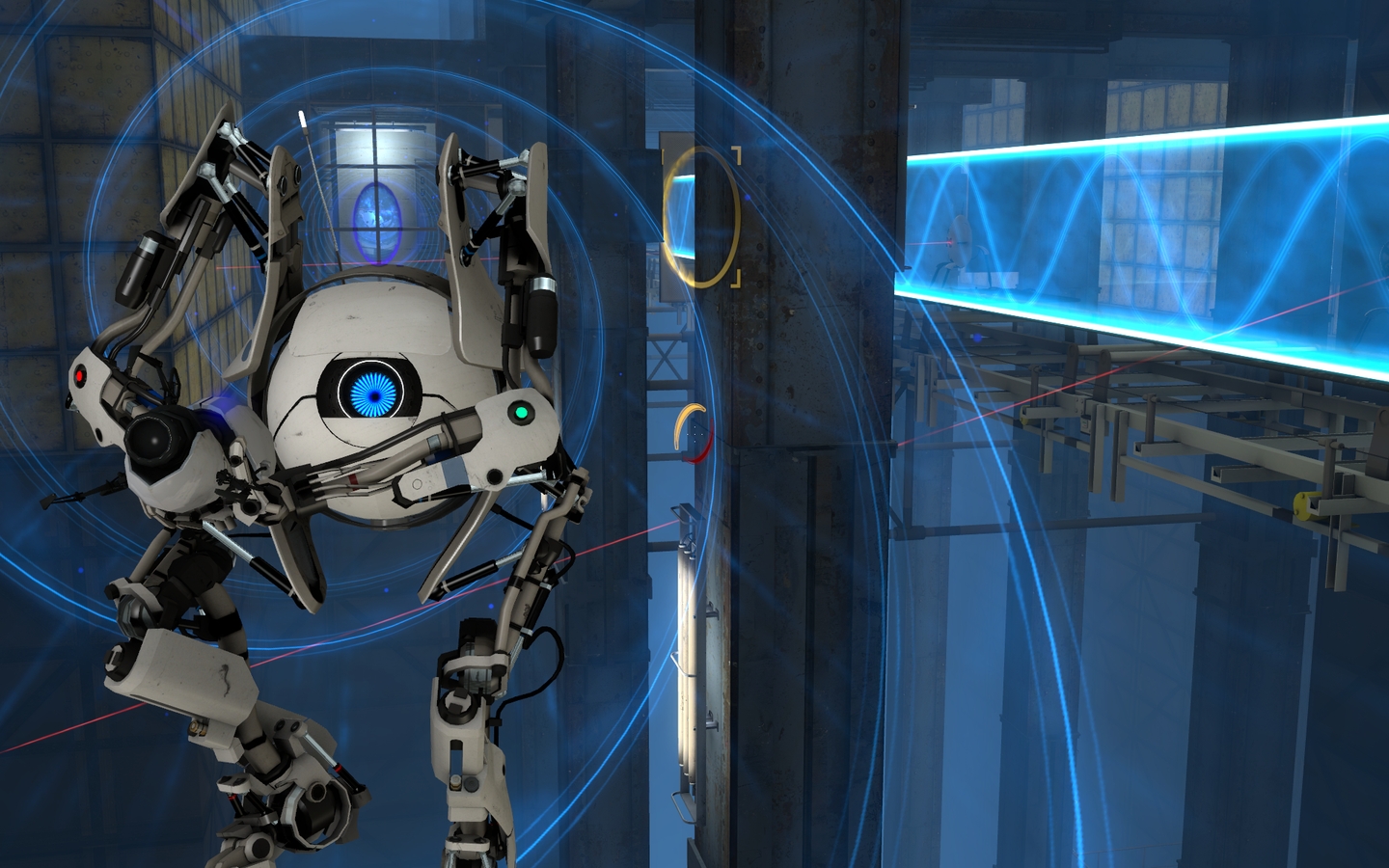
In addition to the basic portal mechanic, Portal 2 introduced more advanced physics-based puzzles. Players must understand how gravity wells, sticky cubes, and other physics-based objects interact with the portal system. Gravity wells, for instance, pull entities toward their center, allowing players to manipulate the environment in unique ways. Sticky cubes can be thrown to land precisely where needed, making them invaluable in constructing structures or solving challenging puzzles. These mechanics require both strategy and meticulous planning, turning each level into a tactical puzzle.
Solving Puzzles: A Logical Endeavor
Carefully crafted levels in Portal 2 are divided into three main sections: Puzzle rooms (Puzzle Core), test chambers, and story segments. Each section presents a distinct challenge, blending logical deduction with physical manipulation. Players must carefully analyze the environment, identify patterns, and predict the outcomes of their actions to progress. One notable example is the Water Room, where players must use the gravity gun to place water correctly in order to activate a switch. Mistakes can result in the player getting washed away, which adds a sense of tension and immediacy to the game.
Multidimensional Puzzle Design
The game's puzzles are designed not only to test players' spatial reasoning skills but also their ability to think ahead and plan multiple steps in advance. This multidimensional approach ensures that players remain engaged throughout the 45-hour campaign. Each puzzle presents a new challenge, requiring players to find creative solutions and adapt to unexpected situations. Valve succeeded in crafting a game where every level feels like a new adventure, pushing players to develop better strategies over time.
Storytelling in a Test Center
A Narrative Dive into Aperture Science
While Portal 2 excels in creating challenging puzzles, its narrative elements are equally captivating. Set in the dystopian Aperture Science Enrichment Center, the game unfolds through a series of interconnected levels that form the backbone of its plot. Players take on the role of Chell, a test subject whose journey from prisoner to escapee is narrated through a mix of cutscenes, ambient sound, and environmental clues.
The Aperture Science Enrichment Center: An Alien Atmosphere
The Aperture Science Enrichment Center is a labyrinthine structure filled with eerie silence, dim lighting, and automated systems. This sterile environment serves as an ominous backdrop for the unfolding story. As players progress through the game, they uncover secrets about the facility and its true nature. The visual design and auditory ambiance work together to create a sense of unease, heightening the emotional investment in Chell's struggle.
The Role of GLaDOS: From Taskmaster to Nemesis
GLaDOS, the central AI antagonist from the original Portal, returns in Portal 2, but this time she plays a more prominent role. GLaDOS acts as both Chell's guide and tormentor, delivering cryptic and often humorous dialogue that keeps players engaged. Her character arcs provide a critical layer to the story, as her transformation from assistant to nemesis forms a pivotal conflict within the game. GLaDOS's relationship with Chell drives the narrative forward, making her presence felt throughout the campaign.
Technical Achievements and Innovation
High-Quality Graphics and Sound
Portal 2's graphics and sound design contribute significantly to its immersive experience. The game boasts superior visuals compared to its predecessor, featuring detailed environments and well-animated characters. The Aperture Science Enrichment Center is rendered with stunning precision, showcasing Valve's commitment to realism within a fantastical setting. Additionally, the game's soundtrack, composed by Brian Eno and Robin Brenner, enhances the emotional and psychological impact of key moments throughout the campaign.
Online Multiplayer: Cooperative Play
Valve took a significant step in making Portal 2 multiplayer-friendly, introducing cooperative gameplay as a core feature. Players can collaborate and compete in the Test Chamber mode, where they must complete test chambers simultaneously or race against each other. This innovation not only added replayability but also fostered a sense of camaraderie among gamers. Multiplayer support was available both locally and online, enabling friends to share the challenges and victories of the game.
Reception and Impact
Commercial Success and Critical Acclaim
Portal 2 achieved commercial success and critical acclaim, reflecting its deep engagement and innovative gameplay. The game sold over 8 million copies within its first year of release, demonstrating its popularity among gamers. Critics praised its intelligent design, compelling narrative, and addictive gameplay, highlighting it as one of the best puzzle games ever made. The game's success also helped solidify Valve's reputation as a developer of high-quality, genre-defining titles.
Indie Game Influencer
The success of Portal 2 inspired a new wave of indie games, influencing developers to focus on complex yet accessible gameplay mechanics. Its emphasis on puzzle-solving and its innovative use of physics provided a template for other games to follow. Portal 2 set a new standard for puzzle games, encouraging developers to prioritize player satisfaction and intellectual stimulation.
Conclusion
A Masterpiece in Gaming Innovation
Portal 2 stands as a testament to the power of combining intelligent puzzle design with compelling storytelling. Released in an era characterized by blockbuster titles and simplistic gameplay, Portal 2 carved out a niche for itself by challenging players to think critically and solve complex problems. Its enduring legacy continues to influence modern game design, inspiring countless titles to explore the potential of physics-based puzzle-solving. As a testament to its quality, Portal 2 remains a benchmark for gaming excellence, leaving an indelible mark on the industry.
To Be Continued...
Next time, we’ll delve deeper into Portal 2's continued impact on the gaming world and explore how its unique design philosophy influenced future developments in interactive story-telling and puzzle gaming. Stay tuned!
Continuing Influence and Development Updates
New Content and Expansion Packs
Following the release of Portal 2, Valve continued to engage players with additional content through expansion packs. The most notable was Episode Two: A Laboratory Tale, which featured two additional campaigns. Players could continue the story of Chell in two new test chambers, expanding the original narrative even further. These episodes offered more puzzles and challenges, keeping the gameplay fresh and engaging. Additionally, Valve released various downloadable content (DLC) packs, including Under the Dome, which provided more test chambers for cooperative play.
Portals Beyond Testing
The success of Portal 2 led Valve to expand the use of portal technology beyond its original test chamber environment. They created The Portal Lab, an online platform where players could share their own crafted levels and experiences with the community. This initiative allowed players to build and submit their own portal-based puzzles, fostering creativity and providing endless hours of enjoyment. The Lab has since been updated several times, adding features such as custom maps, new portal effects, and even VR support, making it a robust and vibrant community space.
Competitive Play and Modding Community
Beyond cooperative play, Portal 2 also facilitated competitive gaming. Valve introduced various modes to cater to different competitive spirits, including time trials, survival modes, and challenge rooms. These modes encouraged players to hone their skills and compete against others, enhancing the game's appeal for esports enthusiasts and casual players alike. The modding community also thrived, with fans creating custom levels, mods, and even full sequels that built upon the original game's mechanics and atmosphere.
Awards and Recognition
In recognition of its quality and impact, Portal 2 received numerous accolades and awards. It won over 150 game of the year awards across various platforms and received nominations for Best Game of the Decade in multiple publications. The game received perfect scores from major gaming outlets and was recognized for its narrative complexity, innovative puzzle design, and overall experience. These accolades cemented Portal 2's status as a landmark title in video gaming history.
Multiplatform Availability
Valve demonstrated its commitment to accessibility by releasing Portal 2 on multiple platforms. Initially, the game was available on Xbox 360, PlayStation 3, PC, and Nintendo Switch, ensuring a wide reach among gamers. Portals, the companion app for iOS and Android, further expanded accessibility, allowing mobile gamers to enjoy puzzle challenges. The multiplatform availability ensured that players could experience the game on their preferred devices, enhancing its longevity and reach.
Community Engagement and Feedback
Fan Reactions and Fan Art
The reception to Portal 2 was overwhelmingly positive, fostering a dedicated fanbase that celebrated the game’s achievements. Fan art, cosplay, and tribute videos proliferated online, with fans from around the world contributing to a rich community culture. Social media platforms like Twitter and Reddit became hubs for discussion, sharing tips, and showcasing creative solutions to puzzles. The community-driven content not only enhanced the game’s cultural impact but also helped maintain a lively discussion around Portal 2.
Modding Community and User-Generated Content
The modding community surrounding Portal 2 played a crucial role in extending the game's life beyond its initial release. Players submitted creative levels, which Valve included in updates to Test Chamber. Many of these user-generated maps were so well-designed that they became staples in the gaming community, demonstrating the game's adaptability and community-driven longevity. Additionally, fan-made videos and streams provided a constant stream of new content, keeping players engaged long after their initial campaign completion.
Virtual Reality Experiences
In response to the growing popularity of virtual reality (VR), Valve developed an updated version of Portal, named Portal VR, which utilized Oculus Rift to deliver a fully immersive VR experience. The VR mode showcased the full extent of Portal 2's physics-based puzzles, offering a new dimension of interaction and immersion. Players could physically interact with the environment, throwing objects and activating switches in a way that felt natural and intuitive. This update reinvigorated interest in Portal 2 and highlighted how VR could enhance existing gameplay concepts.
Long-Term Impact and Legacy
Influence on Future Games
The success of Portal 2 inspired a new wave of puzzle games that followed its formula of combining complex mechanics with engaging narratives. Developers began to prioritize the creation of challenging yet rewarding gameplay experiences, often drawing inspiration from Portal 2’s design principles. Games like Braid, Journey, and Kick-It, among others, embraced similar themes of puzzle-solving and storytelling, further cementing the impact of Portal 2 on the industry.
Challenges and Adaptations
Despite its initial success, Portal 2 faced some challenges, particularly in terms of balance and difficulty. Some players found the puzzles too complex or frustrating, leading Valve to address these issues through various updates and patches. The game received significant feedback on the difficulty curve, and subsequent releases aimed to make the experience more accessible while retaining the challenge required for true fan satisfaction. This iterative process showcased Valve’s commitment to fine-tuning the player experience continuously.
Player Satisfaction and Continuity
The ongoing engagement and satisfaction of players underscored the game’s enduring appeal. Regular content updates and support ensured that Portal 2 did not become obsolete despite the passage of years. The game’s ability to maintain relevance through community engagement and new content updates speaks to its lasting impact on players. Even today, decades after its release, Portal 2 remains a beloved title that captures the hearts and minds of gamers worldwide.
Looking Ahead
As Portal 2 continues to shape the landscape of puzzle games, it serves as a reminder of the importance of thoughtful design and engaging storytelling. The game's legacy extends far beyond its initial release, influencing generations of players and inspiring new developers to create innovative experiences. Whether through community-driven content, continued support, or new adaptations, Portal 2 remains a shining example of what is possible when creativity, technical prowess, and user engagement come together.
To Be Continued...
Stay tuned for our final installment, where we explore the broader impact of Portal 2 on the gaming industry and its current relevance in the digital age.
Thank you for joining us on this journey through the wonders of Portal 2.
Broad Impact and Current Relevance
The Influence on Puzzle Games
The profound impact of Portal 2 on the puzzle game genre cannot be overstated. Its influence is evident in the proliferation of similar games that strive to capture the essence of engaging puzzles and narrative-driven gameplay. Games like Sidewinder, Fez, and Abzu have all drawn inspiration from Portal 2’s mechanics and storytelling. These titles often feature intricate puzzles that require logical deduction and physical manipulation, mirroring the core gameplay of Portal 2. The success of these games demonstrates the enduring appeal of Portal 2 and its lasting legacy in the puzzle genre.
Technological Innovations and Gaming Industry Contributions
Portal 2 played a crucial role in pushing the boundaries of technological innovation in gaming. The game was one of the first to leverage multi-platform distribution, making it accessible on a wide range of devices. Its virtual reality (VR) update, Portal VR, demonstrated how VR could enhance the puzzle-solving experience, providing a more immersive and interactive gameplay environment. This innovation not only elevated the game but also paved the way for future VR titles, influencing the development of VR gaming as a whole.
Educational Value and Cognitive Benefits
The complex puzzles and logical challenges in Portal 2 not only entertain but also educate players. Research has shown that puzzle-solving can enhance cognitive skills, particularly spatial reasoning and problem-solving abilities. The game’s emphasis on precise planning and strategic thinking aligns with educational goals, making it a valuable tool for both gamers and educators. Schools and educational institutions have incorporated Portal 2 into their curricula to supplement traditional learning methods, leveraging its engaging nature to foster critical thinking and analytical skills.
Esports and Competitive Gaming
The success of Portal 2 also contributed to the rise of competitive gaming. The game’s online multiplayer features and various competitive modes encouraged structured tournaments and leagues. Portal 2 became a popular choice for e-sports events, with players competing in timed challenges and cooperative events. The competitive nature of the game attracted professional players and spectator communities, further cementing its place in the e-sports ecosystem. Additionally, the game’s accessibility and community-driven content made it a versatile title for esports events, providing a unique challenge that tested both individual and team skills.
Community Contributions and Legacy
The strong community spirit surrounding Portal 2 has left an indelible mark on its legacy. The game’s modding community and user-generated content continue to thrive, with countless fan-made levels, mods, and even full campaigns. These contributions not only extend the game’s life but also enhance its overall experience. The community has created a rich ecosystem of content that keeps the game relevant and engaging, even years after its initial release. The ongoing support from the community underscores the game’s enduring appeal and its ability to inspire creativity and innovation.
Legacy in Modern Gaming
In the current era of gaming, Portal 2 remains a benchmark for quality and innovation. Its emphasis on thoughtful design, engaging storytelling, and challenging yet rewarding gameplay continues to influence modern titles. Many games today strive to achieve the same level of player engagement and narrative depth that Portal 2 exemplified. The game’s success in creating a seamless blend of puzzle solving and immersive storytelling sets a high standard for interactive narratives, inspiring developers to push the boundaries of what is possible in game design.
Conclusion and Final Thoughts
From its initial release in 2011 to its enduring legacy today, Portal 2 has solidified its status as a masterpiece in the gaming industry. Its innovations in puzzle design, narrative storytelling, and community engagement have made it a touchstone for both players and developers. The game’s ability to captivate audiences with its challenging yet fair puzzles, immersive setting, and compelling narrative continues to resonate with players. As the gaming landscape evolves, Portal 2 remains a testament to the power of thoughtful design and the enduring appeal of well-crafted interactive experiences.
Final Thoughts
Portal 2 stands as a timeless masterpiece that continues to inspire and challenge players. Its impact extends far beyond its initial release, influencing the way games are designed, played, and experienced. Whether it’s through community-driven content, multiplatform availability, or its enduring legacy in gaming, Portal 2 will continue to shine as a beacon of excellence in the industry. It serves as a reminder that great games are those that not only entertain but also engage and inspire.
Thank you for joining us on this journey through Portal 2’s remarkable legacy. We hope you’ve found this article informative and engaging. If you have any thoughts or questions about Portal 2, feel free to share them in the comments below.

Uncharted 4 A Thief's End : L'ultime aventure de Nathan Drake
Uncharted 4: A Thief's End représente un point culminant dans l'histoire du jeu vidéo narratif. Développé par Naughty Dog et édité par Sony, ce titre est l'épisode final de la saga à succès centrée sur le chasseur de trésors Nathan Drake. Exclusif à la PlayStation 4, il clôt une décennie d'aventures épiques avec une maîtrise technique et scénaristique inégalée.
Un développement mouvementé pour un chef-d'œuvre final
La création d'Uncharted 4 n'a pas été un long fleuve tranquille. Le projet a connu une période de turbulences significative au sein de Naughty Dog. En 2014, la scénariste originale de la saga, Amy Hennig, a quitté le studio, suivi par plusieurs autres départs majeurs.
Cette période instable a profondément marqué la production. Neil Druckmann et Bruce Straley, les artisans de The Last of Us, ont repris les rênes du projet. Ils ont apporté leur vision narrative plus sombre et mature, orientant le jeu vers une conclusion plus introspective et personnelle pour le héros.
Le développement d'Uncharted 4 témoigne de la résilience et de l'adaptabilité des équipes de Naughty Dog, parvenant à transformer des défis en opportunités créatives.
Une conclusion attendue et ambitieuse
Uncharted 4: A Thief's End se présente comme le premier et dernier épisode de la saga conçu spécifiquement pour la puissance de la PlayStation 4. Les ambitions étaient démesurées : offrir une aventure plus vaste, plus profonde et visuellement spectaculaire que jamais.
L'objectif était de livrer une conclusion satisfaisante aux fans tout en attirant un nouveau public. Le studio a voulu pousser chaque aspect du jeu - graphismes, narration, gameplay - vers de nouveaux horizons. Cette volonté de dépassement a guidé chaque étape de la production.
Le contexte narratif : Les origines révélées de Nathan Drake
L'histoire d'Uncharted 4 plonge au cœur des origines du protagoniste. Le scénario révèle un secret fondamental : le nom Nathan Drake est une usurpation d'identité. Le héros a construit son mythe personnel sur les traces de l'explorateur anglais légendaire, Sir Francis Drake.
Cette révélation sert de fondation à une quête à la fois extérieure et intérieure. Le jeu introduit un personnage clé : Sam Drake, le frère aîné de Nathan, que l'on croyait disparu. Son retour va entraîner le duo dans une aventure périlleuse à la recherche du trésor du pirate Henry Avery.
Libertalia : Le mythe pirate au cœur de l'intrigue
Le récit s'ancre dans un point de départ historique authentique avec le pirate Henry Avery. Rapidement, la fiction prend le dessus avec la quête de Libertalia, une colonie pirate utopique légendaire. Cette société secrète serait un refuge pour pirates, fondée sur des principes d'égalité et de partage.
Cette quête du Graal des trésors pirates sert de fil rouge à une aventure qui mènera les frères Drake aux quatre coins du globe. Des jungles d'Amérique du Sud aux côtes sauvages de Madagascar, chaque environnement est une pièce du puzzle menant à la vérité sur Libertalia et son fabuleux trésor.
Les innovations majeures du gameplay dans Uncharted 4
Naughty Dog a considérablement évolué la formule gameplay éprouvée de la saga. Uncharted 4 introduit des mécaniques nouvelles qui enrichissent l'expérience tout en conservant l'ADN aventure et action de la série.
Les phases d'exploration gagnent en importance et en profondeur. Le joueur dispose de plus de liberté pour interagir avec l'environnement, examiner des objets en détail et résoudre des énigmes complexes. Le sentiment d'être un véritable explorateur est renforcé.
- Phases d'exploration élargies avec des environnements plus vastes et des interactions plus nombreuses.
- Un système de combat au corps à corps révisé pour des affrontements plus fluides et spectaculaires.
- L'introduction de séquences sous-marines offrant une nouvelle dimension à l'aventure.
- Des séquences scriptées visuellement époustouflantes, comme une tempête en mer rendue avec un réalisme saisissant.
Une aventure plus personnelle et mature
Le ton général d'Uncharted 4: A Thief's End est plus mature et introspectif que les opus précédents. Nathan Drake, désormais retiré et menant une vie paisible avec son épouse Elena Fisher, est tiré de sa retraite. Les dilemmes moraux et les relations familiales prennent une place centrale.
Le jeu explore les thèmes de la loyauté, de la rédemption et du prix à payer pour suivre ses obsessions. La dynamique entre les deux frères, entre admiration fraternelle et rivalité, constitue le moteur émotionnel principal de cette ultime aventure. Le joueur est invité à réfléchir au sens de la quête et à ses conséquences.
La révolution technique du Naughty Engine 2.0
La réalisation technique d'Uncharted 4 représente un saut quantique pour Naughty Dog. Le studio a entièrement retravaillé son moteur de jeu interne, donnant naissance au Naughty Engine 2.0, spécialement optimisé pour la PlayStation 4. Cette évolution technologique a permis des avancées graphiques spectaculaires qui ont marqué l'industrie.
Les environnements du jeu sont d'une richesse et d'une étendue inédites dans la série. Les textures affichent un niveau de détail remarquable, les éclairages sont dynamiques et réalistes, et les effets de particules atteignent une nouvelle complexité. Chaque cadre, de la jungle luxuriante aux ruines anciennes, bénéficie d'une profondeur et d'une immersion exceptionnelles.
La capture de performance : Des émotions à l'état pur
Une innovation majeure réside dans la perfection de la capture de performance. Les acteurs, dont Nolan North (Nathan Drake) et Troy Baker (Sam Drake), n'ont pas seulement prêté leurs voix. Leurs expressions faciales, leur langage corporel et leurs micro-expressions ont été intégralement numérisés.
Cette technique permet une représentation inégalée des émotions des personnages. La moindre nuance, du sarcasme à la tristesse, est restituée avec une authenticité saisissante. La narration gagne en puissance dramatique, rapprochant l'expérience vidéoludique de celle du cinéma.
La capture de performance dans Uncharted 4 a établi une nouvelle référence pour la crédibilité émotionnelle des personnages dans les jeux vidéo.
L'intelligence artificielle et les compagnons de jeu
L'intelligence artificielle des personnages non-joueurs a été considérablement améliorée. Les compagnons de Nathan Drake, comme Sully ou Elena, ne sont plus de simples suiveurs. Ils interagissent de manière crédible avec l'environnement et participent activement aux phases de jeu avec des commentaires pertinents et des actions utiles.
Cette évolution crée une sensation d'aventure partagée bien plus forte. Les interactions entre les personnages se déroulent de manière fluide, sans interruption du gameplay. Cette narration continue est une avancée majeure qui efface la frontière traditionnelle entre jeu et cinématiques.
- Des réactions contextuelles des compagnons qui commentent les actions du joueur en temps réel.
- Une aide intelligente pendant les combats et la résolution d'énigmes, sans jamais prendre le contrôle.
- Des dialogues dynamiques qui s'adaptent au rythme de progression du joueur.
L'héritage de The Last of Us
L'influence de The Last of Us, précédent chef-d'œuvre de Naughty Dog, est palpable. L'approche narrative plus mature et centrée sur les relations humaines a clairement irrigué le développement d'Uncharted 4. Le jeu emprunte à son prédécesseur une certaine mélancolie et une profondeur psychologique.
Les thèmes de la responsabilité, du sacrifice et de la rédemption, explorés dans The Last of Us, trouvent un écho dans la relation complexe entre Nathan et Sam Drake. Cette influence a permis à la saga Uncharted d'évoluer vers une conclusion plus riche et émotionnellement satisfaisante.
Le design sonore et la bande-originale épique
L'expérience sensorielle d'Uncharted 4 est complétée par un travail sonore exceptionnel. La bande-originale composée par Henry Jackman accompagne parfaitement les moments d'action, de tension et d'émotion. La musique s'adapte dynamiquement aux situations de jeu, renforçant l'immersion du joueur.
Le design sonore participe activement à la construction des atmosphères. Le bruissement des feuilles dans la jungle, le grondement des moteurs des véhicules, ou le fracas des effondrements sont reproduits avec un réalisme impressionnant. Chaque environnement possède une identité sonore unique et crédible.
La localisation française de qualité
La version française du jeu bénéficie d'un doublage soigné et d'une localisation de haute qualité. Les voix françaises, assurées par des comédiens expérimentés, capturent parfaitement la personnalité et les émotions des personnages. Les dialogues sont naturels et évitent les écueils de la traduction littérale.
Cette attention portée à la localisation a permis au public francophone de vivre l'aventure dans son intégralité, sans barrière linguistique. La qualité du doublage contribue à l'immersion et à l'appréciation générale de l'œuvre.
- Une direction artistique vocale de haut niveau pour la version française.
- Des dialogues adaptés avec soin pour préserver l'esprit des personnages.
- Une synchronisation labiale précise même dans la langue localisée.
Les défis de production et les solutions innovantes
Le développement d'Uncharted 4 a confronté l'équipe à des défis techniques considérables. La création d'environnements aussi vastes et détaillés, combinée à une narration cinématographique fluide, a nécessité des solutions innovantes. Les développeurs ont dû repenser leurs méthodes de travail et optimiser chaque aspect du moteur de jeu.
L'un des plus grands défis fut de maintenir un rythme narratif soutenu tout en offrant des phases d'exploration plus libres. L'équipe a développé un système intelligent de guidage discret, permettant au joueur de suivre l'histoire sans être interrompu par des indications intrusives à l'écran.
La production d'Uncharted 4 a poussé les équipes de Naughty Dog à innover constamment pour concilier liberté d'exploration et narration cinématographique.
L'optimisation pour la PlayStation 4
L'exploitation de la puissance de la PlayStation 4 a été maximale. Les développeurs ont tiré parti de l'architecture unique de la console pour optimiser les performances et la qualité visuelle. Le jeu maintient un framerate stable de 30 images par seconde, même dans les séquences les plus chargées.
Les temps de chargement ont été réduits au minimum grâce à des techniques de streaming de données avancées. Cette optimisation permet une immersion continue, sans rupture entre les différentes phases du jeu. Le résultat est une expérience fluide et cohérente d'un bout à l'autre de l'aventure.
La réception critique et l'héritage d'Uncharted 4
À sa sortie en mai 2016, Uncharted 4: A Thief's End a été acclamé de manière quasi-unanime par la presse spécialisée. Le jeu a été célébré comme une prouesse technique et narrative, consolidant la réputation de Naughty Dog comme l'un des meilleurs studios au monde. De nombreuses publications lui ont décerné le titre de jeu de l'année.
Les critiques ont particulièrement salué la profondeur émotionnelle de l'histoire et la qualité de l'écriture des personnages. L'équilibre entre action spectaculaire et moments de calme introspectif a été largement apprécié. Le jeu a reçu des notes exceptionnelles, avec une moyenne générale dépassant les 93/100 sur les agrégateurs de critiques.
Un standard pour les jeux d'aventure narratifs
Uncharted 4 a établi une nouvelle référence pour les jeux d'aventure linéaires à forte dimension narrative. Il a démontré qu'il était possible de concilier un scénario riche avec un gameplay exigeant et varié. Son influence se fait sentir dans de nombreux titres qui ont suivi, aspirant à la même qualité de production.
Le jeu a prouvé que le format du jeu solo narratif restait extrêmement viable et populaire à l'ère du jeu en ligne. Il a montré que les joueurs étaient toujours avides d'histoires bien racontées et d'aventure épiques, servies par une réalisation technique de premier ordre.
Uncharted 4: A Thief's End n'est pas seulement un excellent jeu, c'est une démonstration magistrale de ce que le média vidéoludique peut accomplir sur le plan narratif et technique.
L'impact sur l'industrie du jeu vidéo
L'héritage d'Uncharted 4 dépasse largement le cadre de la saga. Le jeu a influencé de nombreux développeurs et a contribué à élever les standards de qualité attendus par les joueurs. Ses innovations en matière de narration continue et de capture de performance sont devenues des références dans l'industrie.
Les techniques développées par Naughty Dog pour ce titre ont été étudiées et adaptées par d'autres studios. L'approche consistant à intégrer le développement des personnages directement dans le gameplay, sans recourir à des cinématiques interrompant le flux, a inspiré une nouvelle génération de créateurs.
- Élévation des standards graphiques pour les jeux d'aventure sur console.
- Popularisation de la narration émotionnelle dans les jeux AAA.
- Validation du modèle du jeu solo premium dans un marché de plus en plus orienté vers le multijoueur.
Les extensions et la version Legacy of Thieves Collection
La longévité d'Uncharted 4 a été prolongée par la sortie de Uncharted: The Lost Legacy, une extension standalone centrée sur le personnage de Chloe Frazer. Cette aventure, développée avec les mêmes technologies, a confirmé la vitalité de l'univers et la maîtrise du studio.
Plus récemment, la Legacy of Thieves Collection a proposé des versions remasterisées pour PlayStation 5 et PC. Cette collection a permis à de nouveaux joueurs de découvrir l'œuvre avec des graphismes améliorés, un framerate accru et des temps de chargement réduits. Elle a ainsi élargi l'audience d'un chef-d'œuvre déjà culte.
La conclusion d'une saga légendaire
Uncharted 4: A Thief's End offre une conclusion parfaite à l'arc narratif de Nathan Drake. Le jeu réussit l'exploit de clore dix années d'aventures de manière satisfaisante et émotionnelle. Il développe le personnage principal de façon significative, le faisant passer du chasseur de trésors immature au héros accompli et responsable.
L'épilogue du jeu, montrant Nathan enfin en paix et partageant ses histoires avec sa fille, reste l'un des moments les plus poignants de l'histoire du jeu vidéo. Il offre une résolution complète et touchante, tout en laissant la porte entrouverte à de futures explorations dans cet univers riche.
Les thèmes universels et la maturité narrative
Au-delà de l'aventure trépidante, le jeu explore des thèmes universels et profondément humains. La relation fraternelle, le poids du passé, la rédemption et le prix du choix sont traités avec une finesse rare. Cette maturité narrative marque une évolution significative pour la saga et pour Naughty Dog en tant que conteur.
Le jeu interroge la notion même de quête et d'idéal. La recherche de Libertalia, cette utopie pirate, sert de métaphore à toutes les quêtes impossibles qui nous animent. La conclusion apporte une réponse nuancée et réaliste à ces questions existentielles, loin des fins traditionnellement manichéennes.
Conclusion : L'ultime chef-d'œuvre de Naughty Dog
Uncharted 4: A Thief's End représente l'aboutissement de plus d'une décennie d'expertise et d'innovation de la part de Naughty Dog. Il synthétise toutes les leçons apprises avec les précédents opus de la saga et avec The Last of Us. Le résultat est une œuvre cohérente, aboutie et profondément marquante.
Le jeu réussit le pari difficile de satisfaire les fans de longue date tout en étant accessible aux nouveaux venus. Il offre une aventure complète, qui peut être appréciée aussi bien pour son scénario riche que pour son gameplay raffiné et ses prouesses techniques.
Un héritage durable pour l'industrie
L'héritage d'Uncharted 4 est déjà visible dans le paysage vidéoludique contemporain. Il a contribué à démontrer que les jeux vidéo peuvent être un média de narration mature et sophistiqué, capable de rivaliser avec le cinéma et la littérature. Son influence continuera de se faire sentir dans les années à venir.
Le titre reste une référence absolue pour les jeux d'aventure narratifs et une source d'inspiration pour les développeurs du monde entier. Il représente un sommet créatif et technique que peu de titres ont réussi à égaler depuis sa sortie.
Uncharted 4: A Thief's End n'est pas seulement la fin d'une saga, c'est une démonstration éclatante du potentiel narratif et émotionnel du jeu vidéo comme forme d'art contemporaine.
Pourquoi Uncharted 4 reste une expérience incontournable
Plusieurs années après sa sortie, Uncharted 4 conserve toute sa puissance et sa pertinence. Son scénario bien construit, ses personnages attachants, son gameplay varié et ses graphismes superbes lui assurent une place dans le panthéon des grands jeux vidéo. C'est une expérience qui transcende la simple distraction pour offrir une aventure humaine mémorable.
Pour tout joueur appréciant les histoires bien racontées, les mondes riches à explorer et les aventures palpitantes, ce titre demeure essentiel. Il représente ce que le jeu vidéo peut offrir de mieux : une évasion totale couplée à une expérience émotionnelle profonde et durable.
Uncharted 4: A Thief's End clôt magistralement l'épopée de Nathan Drake en établissant de nouveaux standards pour le genre. Il restera dans les mémoires comme un tour de force créatif et technique, un témoignage de l'excellence artistique possible dans le jeu vidéo et une aventure tout simplement inoubliable.


The Evolution of Film Editing: From Scissors to Software
The art of film editing has evolved dramatically since the inception of cinema. It is through this evolution that filmmakers have been able to manipulate time, enhance storytelling, and evoke emotions that transcend simple moving images. Film editing is more than just cutting and pasting; it is the invisible hand that shapes the narrative, determining the rhythm and pace of the story while seamlessly piecing together scenes to create a coherent whole. This exploration into the evolution of film editing will delve into the various stages of its development, from the tactile, manual processes to the sophisticated digital techniques employed today.
The Silent Era: Pioneering the Craft
In the early years of cinema, film editing was not initially considered a distinct craft separate from photography. The concept of storytelling through film was nascent, and filmmakers were still discovering how to best utilize the medium. Early films were typically shot in a single take with no cuts, reminiscent of a stage play. It wasn't until the discovery of editing as a narrative tool in the late 19th and early 20th centuries that filmmakers began to recognize its potential to manipulate time and space.
The pioneering works of filmmakers like Edwin S. Porter and D.W. Griffith played an instrumental role in shaping the future of film editing. Porter's 1903 landmark film "The Great Train Robbery" showcased early examples of cross-cutting, where two sequences of action are interwoven to suggest concurrent events. D.W. Griffith further developed editing techniques by refining Porter's discoveries, introducing innovative concepts such as the close-up and the use of parallel editing to build suspense and emotion in films like "The Birth of a Nation" (1915).
The Golden Age: The Refinement of Editing Techniques
As film entered its Golden Age in the 1930s and 1940s, editing techniques were refined, giving birth to the classical Hollywood style that prioritized continuity and seamless storytelling. Editors became integral to the filmmaking process, collaborating closely with directors to craft narratives that flowed naturally and engaged audiences. This period marked the formalization of film grammar, where techniques like the match cut, dissolves, and fades became standardized.
Innovative editors such as Margaret Booth, one of the first women to make a significant impact in the field, began to emerge during this time. Collaborating extensively with major studios, Booth's work helped establish editing as an indispensable creative and technical asset to filmmaking. The industry's shift towards synchronized sound in the late 1920s further transformed editing, demanding new skills to integrate dialogue and sound effects cohesively with visual cuts.
The New Wave: Breaking Conventions
The 1950s and 1960s bore witness to a revolution in film editing as filmmakers around the world began challenging established norms to develop new forms of cinematic expression. The French New Wave, led by luminaries like Jean-Luc Godard and François Truffaut, rejected traditional editing conventions, favoring jump cuts and non-linear narratives that conveyed realism and spontaneity. This period emphasized the editor's role as a storyteller, bringing experimental techniques and narrative structures to the fore.
One of the most innovative editors from this era was French editor and filmmaker Agnès Varda. Her work alongside her contemporaries not only dismantled conventional editing by introducing disjointed editing patterns and breaking the fourth wall, but also proved influential across the cinematic landscape, inspiring new generations of filmmakers worldwide.
The Digital Revolution: A New Era of Possibilities
The advent of digital technology in the late 20th and early 21st centuries marked a seismic shift in film editing, ushering in an era of unprecedented possibilities and accessibility. Computer-based editing systems such as the Avid Media Composer introduced non-linear editing, a technique that permits editors to access any frame within a digital clip instantly, revolutionizing how films were assembled.
Digital editing democratized the filmmaking process, allowing independent filmmakers and studios alike to experiment with complex narrative structures and groundbreaking visual effects without the prohibitive costs of traditional methods. Moreover, the rise of digital editing has presented editors with powerful new tools to manipulate sound and image in innovative ways, expanding storytelling capabilities beyond the constraints of celluloid film.
As film editing continues to evolve, the craft remains integral to the creative process, as the invisible yet crucial link that connects art and audience. The journey of editing serves as a testament to the boundless potential of cinema, reflecting the inexorable quest for new methods of captivating storytelling that push the boundaries of imagination and technology.
The Rise of Digital Non-Linear Editing Systems
As the film industry transitioned into the 1990s, the introduction of digital non-linear editing systems (NLE) profoundly redefined the landscape of film editing. The ability to rearrange scenes and sequences with remarkable ease enabled editors and filmmakers to experiment more freely, facilitating a surge in creativity and innovation.
Prior to digital NLE, editors were bound by the painstaking physical task of cutting and splicing celluloid strips. Each cut was meticulously planned and executed, as errors were not only time-consuming to correct but also risked damaging the original footage. The digital revolution erased these barriers, offering editors unprecedented flexibility and efficiency. Digital formats eliminated the limitations of film stock, providing extensive editing possibilities that would have been inconceivable in the analog era.
Popularized by groundbreaking films such as "Forrest Gump" (1994) and "The Matrix" (1999), digital editing allowed editors to integrate complex visual effects seamlessly into the narrative, elevating storytelling to new heights. The implementation of CGI and green-screen technology, coupled with digital effects, enabled filmmakers to craft immersive, awe-inspiring worlds that captivated audiences.
Editing Software: Empowering a New Generation
The proliferation of editing software such as Final Cut Pro and Adobe Premiere Pro further democratized the craft, empowering a new generation of filmmakers with the tools to create professional-quality films from their laptops. Suddenly, amateur filmmakers and indie creators had the means to produce and edit content that rivaled Hollywood productions in quality. The accessibility of these tools ignited a burgeoning DIY film movement, giving rise to a diversity of voices and perspectives within the industry.
Advanced features of these editing systems, like multi-camera editing, advanced color grading, and sophisticated sound design options, provided editors with the ability to manipulate every facet of their work with precision. This expanded toolkit shattered the conventional boundaries of storytelling, allowing for unique explorations into narrative structures, tempo, and aesthetic styles.
Today's editing software integrates artificial intelligence (AI) to automate tedious processes, such as sorting clips and suggesting cuts, allowing editors more time to focus on creative decision-making. AI-assisted editing tools continue to evolve, fostering greater efficiency and opening the door for novel editing techniques that were previously unimaginable.
The Art of Sound: Enhancing the Cinematic Experience
As film editing evolved, so too did the art of sound design, becoming an indispensable element of modern filmmaking. While early cinema was silent, the advent of synced sound in the late 1920s proved transformative, necessitating new approaches to editing and sound mixing. Beyond mere dialogue synchronization, sound became an integral storytelling component, influencing emotional tone and accentuating dramatic moments.
Contemporary filmmakers and editors use sound to elevate the cinematic experience, employing techniques like diegetic and non-diegetic sound to blur the lines between reality and fiction. Layering ambient soundscapes, carefully placed sound effects, and a thoughtfully composed score enhances the narrative and guides audience reactions.
Advancements in sound editing software have given rise to intricate sound design, where editors craft rich auditory environments that are just as impactful as the visuals. This sophisticated manipulation of sound layers amplifies the film's emotional resonance, immersing audiences fully into the world depicted on screen.
The Role of the Editor: A Collaborative Vision
Throughout its evolution, the role of the editor has remained steadfast as a collaborative partner in the filmmaking process. While technology has dramatically changed the tools editors employ, their creative input remains crucial in executing a director's vision. A skilled editor can shape performances, dictate the film's pace, and even salvage potentially incoherent narratives.
Editors often work closely with directors, cinematographers, and sound designers, forming a symbiotic relationship that harmonizes the film's artistic elements. Some directors, such as Martin Scorsese and Quentin Tarantino, collaborate regularly with specific editors, forging dynamic partnerships that have become integral to their filmmaking process. For instance, Scorsese's collaboration with Thelma Schoonmaker exemplifies a creative synergy that has yielded some of the most iconic films in cinema history.
Future Trends: Expanding Boundaries
As technology advances, so too does the potential for innovation in film editing. Virtual reality (VR) and augmented reality (AR) present new frontiers for storytelling, challenging traditional narrative structures and engaging audiences in immersive, interactive experiences. Editors will play a pivotal role in shaping these nascent forms of media, integrating spatial editing techniques that allow audiences to explore stories from multiple perspectives.
Blockchain technology may also influence the future of film editing by ensuring secure, transparent collaborations between creators worldwide. Decentralized editing platforms could facilitate seamless teamwork across borders, fostering diversity and creativity in global filmmaking.
The future of film editing is boundless, driven by the inexorable push for new technologies and fresh storytelling approaches. As film continues to evolve, editors will remain indispensable architects of narrative, marrying the infinite possibilities of technology with the timeless art of storytelling. With each technological leap, editors will redefine the parameters of cinema, weaving a new tapestry of visual wonder and emotional depth for audiences to explore and cherish.
Interactive Storytelling: Engaging Audiences in New Ways
The rapid development of technology has provided filmmakers with novel opportunities to engage audiences through interactive storytelling. This emerging form of narrative invites viewers to become active participants, influencing the story's progression and outcomes. In this evolving landscape, editors are tasked with orchestrating a seamless convergence of choice and narrative, crafting experiences that balance agency with cohesive storytelling.
The rise of video game technology has been instrumental in shaping this interactive space, drawing on cinematic techniques to forge deeper emotional connections with players. Projects like "Bandersnatch," an interactive film by Charlie Brooker, showcase the potential of branching narratives, where audience choices dictate the plot's direction. Editing within these frameworks requires an intricate understanding of nonlinear storylines, ensuring that each choice branches into a coherent and engaging pathway.
Interactive storytelling challenges editors to consider multiple narrative outcomes simultaneously, necessitating a unique skill set and a creative vision. As technology advances, editors will play an increasingly crucial role in pioneering these innovative storytelling methods that blur the line between viewer and participant, creating narratives that are immersive, memorable, and personal.
Preserving the Past: Archiving and Restoring Film
As the film industry embraces the digital age, attention has increasingly turned to preserving the rich cinematic history that has shaped contemporary storytelling. The archive and restoration of film are critical components of editing, ensuring that classic films endure for future generations to appreciate and study.
Film restoration presents unique challenges and opportunities for editors and archivists alike. Many classic films exist in fragile states due to deteriorating celluloid or outdated formats. The process of digitizing and restoring these works involves painstaking attention to detail, employing digital editing techniques to repair damage and enhance image quality while remaining faithful to the original vision.
Technological advancements such as AI-driven restoration tools have revolutionized this process, enabling editors to predict and correct degradation while restoring color and sharpness to faded images. The renewed vibrancy of restored films allows audiences to experience these cultural touchstones as they were intended, ensuring their continued relevance and appreciation.
Furthermore, film archiving efforts are essential for maintaining the accessibility of cinematic heritage, facilitating research and education. As this endeavor progresses, film editing remains central to bridging the gap between the past and the future, preserving the legacies of filmmakers and ensuring their stories continue to resonate with new audiences.
The Editor’s Toolkit: Crafting Emotion and Suspense
The core of film editing extends beyond technology; it lies in the editor's ability to wield the tools at their disposal to evoke emotion and build suspense. Modern editors prioritize storytelling as a visceral experience, employing techniques to create tension, rhythm, and pacing that align with the film's narrative arc.
Establishing tone through editing involves a keen understanding of timing, where the duration and placement of each cut dictate the film’s mood and flow. For instance, rapid cuts can heighten excitement and urgency, while extended takes may cultivate a sense of unease or introspection. Editors also utilize techniques like montage, juxtaposing disparate images to elicit complex emotions and convey thematic juxtapositions.
Emotional resonance is further enhanced through music and sound design, incorporating motifs and crescendos that underscore key moments. By manipulating the auditory landscape, editors can guide the audience's emotional journey, ensuring that every narrative beat is felt deeply and authentically.
Suspense, a staple of many cinematic genres, is crafted meticulously through editing. Building suspense involves a strategic balance of revealing and withholding information, generating anticipation and keeping audiences on the edge of their seats. Mastery of these elements transforms a sequence of visual and auditory components into a compelling narrative symphony, maintaining viewers' engagement and investment.
The Human Element: Editors as Storytellers
Despite technological advancements, the essence of film editing hinges on the human element, where editors act as paramount storytellers contributing significantly to the creative vision. The process of editing is an art form—an intuitive dance that reflects the editor’s sensibility, creativity, and perspective.
Editors shape narrative by selecting what audiences see and in what order, crafting a sequence of events that aligns with the film's thematic intentions. Their decisions influence not only pace and structure but also how characters are perceived and how stories unfold, leaving an indelible imprint on the film's impact.
Collaboration remains a cornerstone of the editor's role. By harmonizing their vision with that of directors, writers, and cinematographers, editors transform disparate footage into cohesive stories that captivate and resonate. This synergy enriches cinematic storytelling, ensuring that each film communicates its intended message with clarity and depth.
The Endless Evolution
The evolution of film editing is far from complete; it is a perpetual journey of innovation driven by emerging technology and the limitless potential of human creativity. From the mechanical editing of the early cinema era to the sophisticated digital platforms revolutionizing contemporary filmmaking, editing continues to redefine its boundaries and possibilities.
Looking forward, editors stand at the forefront of cinematic exploration, harnessing new tools and methodologies to explore the multifaceted spectrum of human experiences through film. By continually adapting to technological advances and embracing challenges with an inventive spirit, editors will persist in shaping the stories that inform, inspire, and transform audiences around the world.
As the curtain rises on the future of film editing, the craft will undoubtedly continue to evolve, celebrating the enduring human desire to share stories in ways that surprise, challenge, and delight. In so doing, it will remain a pivotal force in the ever-expanding world of cinema, preserving the magic of storytelling for generations to come.


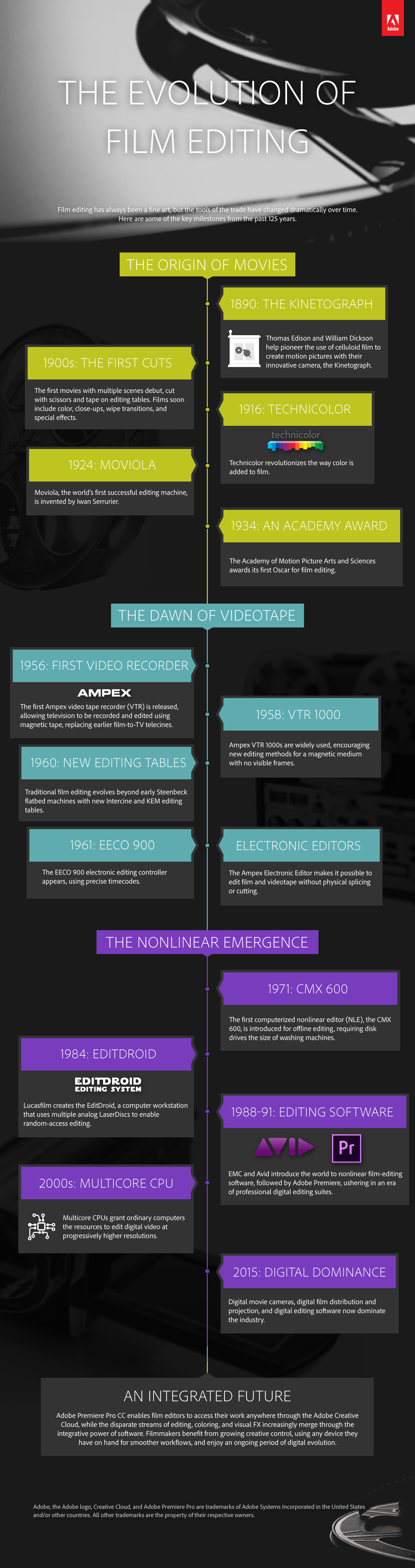
Molly Templeton: A Journey Through Words and Influence
In the landscape of contemporary literature and digital media, the name Molly Templeton resonates with a certain charisma and authority that is hard to overlook. As a highly regarded figure in the literary community, Molly’s contributions span across various platforms and mediums, forging a path that is as dynamic as it is inspiring. But who is Molly Templeton, and what has propelled her into the spotlight of literary critique and storytelling?
Born with an innate passion for literature, Molly Templeton has devoted a significant portion of her life to not only reading, but closely examining the nuances and intricate art of storytelling. Her journey began in the bubbling cauldron of the literary world, where she quickly distinguished herself through her insightful analyses and engaging writing style. Molly's ability to dissect complex narratives and present them in an accessible manner has endeared her to a diverse audience.
Molly’s career took a remarkable turn when she transitioned from traditional literary critique to the digital stage. Embracing platforms such as blogs, podcasts, and social media, she expanded her reach and influence, sharing her love for literature with a global audience. Her adept use of digital tools not only brought a fresh perspective to literary criticism but also redefined how literature can be discussed in the modern age. By leveraging these platforms, Molly has made significant strides in bridging the gap between classic literature and the digital generation, creating a dialogue that is both inclusive and innovative.
One of the most notable aspects of Molly Templeton's work is her involvement in fostering community interaction. Understanding the value of shared experiences, Molly often engages with her audience through collaborative projects and interactive sessions. This approach not only amplifies her voice but also gives her followers a platform to share their perspectives, fostering a rich and diverse tapestry of literary discourse. Her commitment to inclusivity and diversity has not only broadened the topics of discussion but also challenged conventional norms in the literary field.
As an advocate for diversity in literature, Molly Templeton has consistently highlighted works by underrepresented authors, bringing attention to stories that might otherwise go unnoticed. Her recommendations often shine a light on voices that provide a fresh perspective, enriching the literary tapestry and encouraging readers to broaden their horizons. Through her critiques and recommendations, Molly brings crucial awareness to the significance of diversity, urging readers to explore the multitude of narratives that exist around the world.
Beyond her critiques and literary discussions, Molly Templeton is also celebrated for her ability to craft her own compelling narratives. As an author, she brings forth stories that resonate on a personal and universal level, weaving together her experiences and observations into immersive narratives. Her writing reflects her deep understanding of the human condition, exploring themes that are both timeless and relevant in today’s fast-paced world.
In summary, Molly Templeton stands as a transformative figure in the realm of literature and digital engagement. Her multifaceted approach to literary critique and storytelling has not only influenced the way stories are shared and understood but also left an indelible mark on the literary community. As she continues to evolve and expand her oeuvre, Molly remains a beacon of inspiration for aspiring writers, literary critics, and digital storytellers alike.