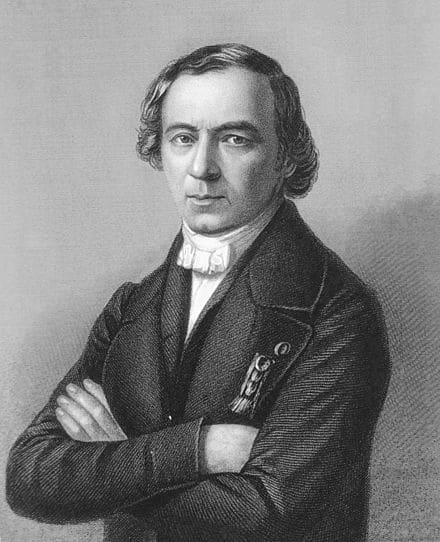
Fritz Haber: A Chemist Whose Work Changed the World
The Rise of a Scientist
Fritz Haber was born on December 9, 1868, in Barmen, Germany (now part of Wuppertal), to a Jewish family. From an early age, Haber displayed great interest and aptitude in chemistry. His family moved to Karlsruhe in 1876, where he attended school. It was here, under the supervision of chemistry teacher Adolf Naumann, that Haber's love for chemistry truly blossomed.
A Pioneering Inventor
After completing his secondary education, Haber enrolled at the ETH Zurich, where he studied chemistry. In 1891, upon his graduation, he moved to Germany to further his research. Haber's contributions to science were innovative and far-reaching. He is perhaps best known for his development of the Haber-Bosch process, which revolutionized the production of ammonia from nitrogen and hydrogen gases. This discovery was critical not only for agricultural but also for the chemical industry and the production of explosives.
The Chemical Bond Between Nitrogen and Hydrogen
Nitrogen, the most abundant element in the atmosphere, is essential for plant growth. However, atmospheric nitrogen is largely bound in inert triple bonds, making it unusable for plants. By developing a method to break these bonds and convert nitrogen into ammonia, Haber made it possible to fix atmospheric nitrogen into usable forms for agriculture. This breakthrough had profound implications: it significantly increased crop yields, supporting global population growth and enhancing food security.
Academic Achievements and Controversies
In academia, Haber rapidly rose through the ranks. He began working at the Rhine-Weser Polytechnic School in Kiel in 1894 and soon thereafter became a privatdozent, or associate professor, in 1895. In 1905, he moved to the Technical University of Karlsruhe, where he conducted groundbreaking research on hydrogenation and cyanolysis.
Despite his contributions to science, Haber faced significant controversy. His work on chlorine gas during World War I was particularly contentious. When German forces used chlorine gas in chemical warfare against Allied troops, Haber was criticized for his invention. Nevertheless, his efforts to develop a gas mask to protect soldiers and his leadership in establishing chemical defense measures earned him praise.
The Role of Chemistry in Warfare
Haber's involvement in chemical warfare was a turning point in his scientific career. During World War I, he took charge of the development of chemical weapons for the German army. His initial justification for this work was its potential to end the war quickly, thus saving lives. However, his actions led to profound moral dilemmas regarding the application of scientific knowledge in warfare.
Despite personal reservations, Haber remained committed to his role. After the war, he sought ways to alleviate some of the humanitarian suffering caused by his inventions through his work on treating mustard gas injuries and developing methods to remove poison gases from the battlefield.
Recognition and Legacy
Haber's contributions did not go unrecognized. In 1918, he was appointed director of the Kaiser Wilhelm Institute for Physical Chemistry and Electrochemistry in Berlin-Kiel, a post he held until 1933. In 1918, he was awarded the Nobel Prize in Chemistry "for his synthesis of ammonia from its elements." This recognition acknowledged his groundbreaking work and its long-term benefits to humanity.
Through his scientific achievements, Haber left a lasting legacy. His invention of the Haber-Bosch process transformed modern agriculture, allowing for unprecedented production of fertilizers. However, his role in chemical warfare also left a complex legacy that continues to be debated and reevaluated to this day.
As Fritz Haber's life story unfolds, it highlights the complex interplay between scientific innovation, ethical considerations, and societal impact. His pioneering work remains a testament to the power of chemistry to address some of the world's most pressing challenges.
The Impact on Society and Industry
The Haber-Bosch process quickly became a cornerstone of modern agriculture. Prior to its invention, the natural fixation of nitrogen required specific conditions found mainly in leguminous plants. This meant that conventional farming practices were limited in their ability to produce large quantities of food. With the ability to artificially transform atmospheric nitrogen into ammonia, the limitations of traditional soil fertility were overcome.
The process of nitrogen fixation enabled the rapid industrialization and expansion of agriculture globally. Farmers could now use synthetic fertilizers to enhance soil fertility, leading to unprecedented increases in crop yields. This not only supported population growth but also helped feed a rapidly expanding human population. According to estimates, about half of the protein consumed by humans today is due to nitrogen inputs from the Haber-Bosch process.
The economic and social implications were profound. The increase in food production allowed for more efficient land use and contributed to urbanization and industrial development. Additionally, the demand for nitrogen fertilizers spurred further advancements in chemical manufacturing and logistics. The process became a vital component of the Green Revolution, which significantly increased crop productivity in developing countries.
Ethical Dilemmas and Moral Controversies
Beyond its scientific and agricultural impact, Haber's work in chemical warfare introduced a new dimension to ethical debates in science. His development of the Haber-Bosch process was seen as a positive advancement for humanity, yet his contributions to military technology during World War I posed serious ethical questions.
Haber's invention of chlorine gas as a weapon was a pivotal moment. The use of chemical weapons during the war caused immense suffering and death among soldiers and civilians alike. Despite his efforts to mitigate the impact of poison gases, such as developing gas masks and devising methods to remove poison gases from the battlefield, his dual role as a scientist and a military chemist created significant moral conflicts.
In the years following the war, Haber faced intense criticism from the public and even some members of his own scientific community. His dedication to serving his country during the war complicated his legacy. Many were left questioning the moral boundaries of scientific discoveries and their applications.
Haber's response to this criticism was multifaceted. He emphasized the potential of his inventions to save lives and prevent prolonged wars. However, his public statements often appeared ambiguous and at times seemed to justify his involvement in chemical warfare. This ambiguity ultimately contributed to a complex and often contradictory legacy.
Later Years and Personal Life
After the war, Haber continued his scientific work but faced increasing public scrutiny. His personal life was also marked by tragedy and conflict. In 1919, his wife Clara died while attempting to set fire to herself in protest over her husband’s involvement in chemical warfare. Her suicide deeply affected Haber, adding to his feelings of guilt and distress.
Despite his personal turmoil, Haber remained dedicated to scientific advancement. He continued to make significant contributions to chemistry, including his work on hydrogenation reactions, which were crucial for the production of fatty acids and oils used in soap and margarine production.
Throughout his later years, Haber grappled with the ethical implications of his work. He attempted to focus on peaceful applications of his discoveries, emphasizing their importance for societal progress. However, the shadow of his wartime activities persisted, influencing both his professional and personal life.
In 1933, with the rise of the Nazi regime, Haber, who was of Jewish ancestry, found himself in a precarious position. Fearing for his safety and that of his family, he attempted to emigrate to the United States but passed away in Basel, Switzerland, on January 29, 1934, after a series of heart attacks.
His passing marked the end of an era but left behind a rich legacy of scientific innovation mixed with ethical ambiguity. Haber's life and work continue to be subjects of extensive academic and popular interest, offering valuable insights into the dual nature of scientific discovery and its potential impacts on society.
Evaluation and Reflection
Reflecting on Fritz Haber's life, one sees a figure of immense scientific achievement and complexity. His Haber-Bosch process has had a transformative effect on agriculture and industry, impacting billions of people worldwide. But his involvement in chemical warfare brought him profound ethical challenges and personal despair.
Haber's story serves as a cautionary tale about the ethical responsibilities that accompany scientific discoveries. While his contributions to humanity are undeniable, his personal struggles highlight the potential for scientific advancements to have both beneficial and detrimental effects.
The legacy of Fritz Haber today is one of enduring reflection. As we continue to benefit from his chemical innovations, it is essential to also consider the broader implications and ethical questions they pose. Fritz Haber's journey provides a nuanced perspective on the intricate relationship between science and society, urging us to carefully weigh the potential consequences of our technological advancements.
Moral Reflections and Scientific Responsibility
The enduring relevance of Fritz Haber's legacy lies in the broader discussions it sparks about scientific responsibility and morality. As societies increasingly rely on technological advancements, the example of Haber underscores the need for scientists to critically evaluate the potential societal and ethical impacts of their work.
From a contemporary perspective, the Haber-Bosch process stands out not just as a technical triumph but as a case study in the dual-use nature of scientific discoveries. The process has been central to addressing global food security, but it also highlights the risks associated with technologies that have both civilian and military applications. This duality necessitates careful consideration and regulation to ensure that scientific progress aligns with ethical values.
Efforts to address the dual-use challenge have gained momentum since Haber's time. Organizations like the International Council for Science (ICSU) and the International Union of Pure and Applied Chemistry (IUPAC) have developed guidelines and standards to help researchers navigate ethical dilemmas. These initiatives aim to promote responsible research and innovation by fostering open dialogue and international collaboration.
Public engagement and education play critical roles in shaping societal responses to scientific advancements. Initiatives like science communication programs in schools and public forums can help raise awareness about the ethical dimensions of scientific research. By involving the broader public in these discussions, scientists can better understand the concerns and expectations of society, thereby fostering trust and confidence in scientific endeavors.
Moreover, interdisciplinary approaches have become essential in addressing the multidimensional implications of scientific discoveries. Collaboration between ethicists, policymakers, and scientists can help develop frameworks that balance the benefits of technological advancements with the need for ethical considerations. This collaborative framework can guide researchers in making informed decisions that promote both innovation and social welfare.
Another key aspect is the need for transparency and accountability in scientific research. Publishing studies and sharing data openly can help build trust and enable peer review processes to identify potential ethical issues. Institutions and funding agencies can support this openness by implementing policies that reward scientists for responsible conduct of research.
The legacy of Fritz Haber has inspired ongoing debates about the roles and responsibilities of scientists in society. His story serves as a reminder that scientific progress is not just about technical mastery but also about upholding ethical standards. As new technologies emerge, such as genetically modified organisms (GMOs), artificial intelligence, and synthetic biology, the relevance of Haber’s lessons becomes even more pronounced.
In conclusion, Fritz Haber's life and work offer a complex and multifaceted narrative that encapsulates the tensions inherent in scientific advancement. His inventions have had a profoundly positive impact on global food security, yet his involvement in chemical warfare highlights the potential drawbacks of such breakthroughs. Today, as we strive to harness the power of science for the betterment of humanity, it is essential to learn from Haber’s story and approach scientific research with a strong ethical framework. Only through a balanced and responsible approach can we ensure that scientific progress truly benefits society as a whole.
Fritz Haber remains a symbol of scientific ingenuity and moral complexity, reminding us that the quest for knowledge must always be guided by a commitment to ethics and a deep understanding of the human consequences of our actions.

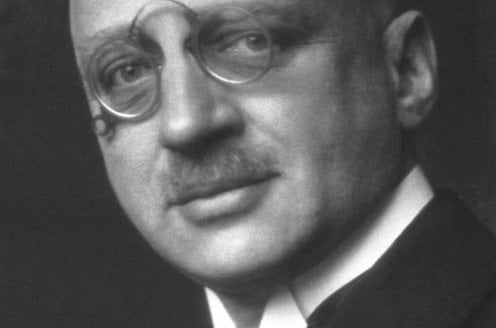

Giulio Natta: The Maestro of Macromolecules
Giulio Natta, an illustrious name in the annals of chemistry, stands as a towering figure for his pioneering contributions to polymer science. Born on February 26, 1903, in Imperia, Italy, Natta's work fundamentally altered the landscape of chemical engineering and material science, paving the way for the polymer revolution of the 20th century. His groundbreaking invention, isotactic polypropylene, remains a cornerstone of modern industry and everyday life.
Early Life and Education
Giulio Natta displayed an aptitude for science from a young age, a precocious curiosity that would lead him on a path to academic excellence. Raised in Italy during a period of significant scientific and technological advancement, Natta was influenced by a culture that revered innovation. His formative years were marked by a rigorous education in the physical sciences, laying a solid foundation for his future contributions.
Natta's academic journey commenced at the Polytechnic University of Milan, where he immersed himself in the study of chemical engineering. This institution would not only serve as a training ground but would later become a pivotal venue for his professional endeavors. By 1924, Natta had graduated with laurels, his intellect and determination setting him apart from his peers.
Academic Pursuits and Professional Rise
After earning his degree, Natta embarked on a quest to further refine his expertise, undertaking research and teaching roles that would extend his influence across Europe. His early career was distinguished by a position at the Polytechnic University of Milan, where he served as an assistant professor. This position allowed Natta to delve deeper into the study of catalysis and macromolecular chemistry, areas that would later be integral to his monumental discoveries.
Natta's academic sojourns included time at the University of Rome and the Karlsruhe Institute of Technology in Germany. These experiences, broadened by interactions with luminaries in the field of chemistry, solidified his understanding of chemical reactivity and polymerization processes. It was during this period that his interests coalesced around the use of catalysts to manipulate chemical reactions, laying the groundwork for his later innovations.
Pioneering Work on Polymers
Giulio Natta's most celebrated achievement emerged from his work on polymerization, a process that transforms small molecular units, or monomers, into long molecular chains known as polymers. Although polymers had been the subject of scientific inquiry since the early 20th century, Natta was resolute in his vision to engineer materials with specific, and often superior, properties.
The watershed moment in Natta's career arrived when he collaborated with the German chemist Karl Ziegler. Ziegler had discovered a method to polymerize ethylene using catalysts, which caught Natta's attention. Intrigued by this approach, Natta adapted Ziegler's technology to develop new catalysts, eventually uncovering a method to produce a novel form of polypropylene. His revolutionary work led to the creation of isotactic polypropylene—a material characterized by a consistent and orderly arrangement of its molecular structure.
The Impact of Isotactic Polypropylene
The significance of isotactic polypropylene, first commercialized in the 1950s, cannot be overstated. This polymer, which boasts properties of high tensile strength, durability, and resistance to solvents and oils, opened a new horizon for product development. Its versatility saw it permeate various sectors, from packaging and textiles to automotive components and medical devices. By offering a reliable, cost-effective solution, isotactic polypropylene became ubiquitous in manufacturing.
Natta's discovery revolutionized the plastics industry, earning him a shared Nobel Prize in Chemistry with Karl Ziegler in 1963. The accolade recognized not only the profound scientific achievement but also the transformative impact on global economies and industries. His work democratized the availability of lightweight, durable materials, aiding in the modernization of countless products and technologies.
Legacy and Influence
Giulio Natta's legacy is ensconced in the foundational advancements he made in polymer chemistry and catalyst development. His contributions laid the groundwork for subsequent innovations in materials science, influencing decades of research and industrial applications. As the world continues to grapple with environmental and sustainability challenges, Natta's work remains relevant, prompting new explorations into biodegradable polymers and eco-friendly manufacturing processes.
Natta's intellectual rigor and relentless pursuit of knowledge continue to inspire generations of chemists and engineers. His approach to research, characterized by meticulous experimentation and bold innovation, serves as a template for aspiring scientists. The resonance of his discoveries extends beyond chemistry, illustrating the profound interplay between scientific inquiry and societal advancement.
As the story of Giulio Natta unfolds, it reveals a profound narrative of dedication, ingenuity, and the transformative power of scientific discovery. A venerated figure in the pantheon of great scientists, Natta's indelible impact on the modern world continues to echo through the corridors of research, industry, and innovation.
From Lab to Industry: The Commercialization of Polypropylene
Giulio Natta's groundbreaking work on isotactic polypropylene catalyzed a transformation in the synthetic polymer industry, setting the stage for commercial endeavors that redefined manufacturing capabilities across the globe. The path from laboratory innovation to large-scale industrial production was navigated through strategic collaborations, technological adaptations, and an unwavering commitment to quality.
Initially, the challenge lay in scaling up the laboratory process devised by Natta and his team. The precision required in catalyst preparation and polymerization conditions had to be mirrored on an industrial scale, a task that demanded vigilant engineering solutions. Nevertheless, the potential rewards motivated significant investment in research and development. Companies recognized the market potential of this versatile polymer, prompting a race to refine Natta’s methods for commercial benefit.
Montedison, an Italian chemical company, emerged as a pivotal partner in commercializing Natta's invention. The collaboration culminated in the establishment of one of the first facilities for producing isotactic polypropylene, marking a landmark moment in industrial chemistry. These efforts were not without hurdles, as each stage required rigorous testing and optimization to ensure the material's uniformity and performance met stringent standards.
The Role of Catalysts in Polypropylene Production
Central to the production of isotactic polypropylene was the novel use of Ziegler-Natta catalysts, which combined organometallic compounds with transition metals to facilitate the polymerization of propylene monomers. This pioneering method yielded polymers with regular molecular configurations, distinguishing them from the previously amorphous structures characteristically seen in earlier synthetic polymers.
The catalyst's ability to control stereospecificity in polymer chains was a revolutionary breakthrough. It allowed the resulting polypropylene to exhibit superior features, such as higher melting points and enhanced mechanical properties, compared to its predecessors. The reliability of Ziegler-Natta catalysts facilitated widespread application in producing materials with predictable and desirable attributes.
Applications and Advancements
The commercialization of isotactic polypropylene ignited a wave of innovation across multiple industries. Manufacturers and product developers were quick to exploit the polymer's unique properties, benefiting from its blend of strength, lightweight nature, and chemical resistance. Though the initial focus was on industrial uses such as piping and containers, the versatility of polypropylene saw it penetrate diverse markets, supporting myriad applications:
1. **Automotive Industry* The automotive sector benefitted enormously from isotactic polypropylene, utilizing the material in the production of interior and exterior components. Its light weight contributes to improved fuel efficiency, while its durability ensures longevity in harsh environments.
2. **Textiles and Nonwovens* Polypropylene's low moisture absorption and resistance to staining made it ideal for carpets, ropes, and outdoor fabrics. Additionally, the material found a niche in nonwoven textiles used for hygiene products and filtration media.
3. **Medical Equipment* Its chemical inertness and ability to withstand sterilization techniques positioned isotactic polypropylene as an integral component in the fabrication of medical devices and laboratory equipment.
4. **Packaging and Storage* The polymer's toughness and clarity facilitated its dominance in food packaging, helping preserve freshness while enhancing consumer appeal.
As the material gained popularity, ongoing research led to further enhancements and derivatives of polypropylene, which expanded its range of applications. These advancements sustained its relevance in an evolving manufacturing landscape, where innovation drives competitiveness.
Environmental Considerations and Challenges
Despite its numerous benefits, the widespread use of polypropylene has not been without environmental concerns. As a non-biodegradable material, polypropylene contributes to plastic pollution—a significant global issue. The durability that makes it desirable for industrial use also means it persists in the environment over long periods if not properly managed.
Addressing these challenges has become a focal point for researchers and policymakers alike. Efforts are underway to develop recycling methods that are both efficient and economically viable. Innovations in chemical recycling and the creation of biodegradable polymers represent promising steps towards mitigating environmental impact. Additionally, scientists explore ways to engineer polypropylene with degradable additives, though achieving this without compromising the material's desirable properties remains a complex endeavor.
Giulio Natta's Enduring Influence
The legacy of Giulio Natta continues to resonate, underscored by his profound influence on both the scientific community and broader society. His work not only revolutionized the polymer industry but also set a precedent for how scientific research can drive substantial economic and technological progress. As industries pivot towards sustainable practices, inspired by environmental challenges, Natta's contributions offer invaluable insights into the interplay between innovation and responsibility.
Natta's intellectual legacy is evident in the ongoing pursuit of advanced materials that balance performance with environmental stewardship. His methodologies inspire contemporary research, where the spirit of exploration and precision remains crucial in addressing modern challenges. Moreover, the ethos of collaboration that characterized Natta's career serves as a model for scientists, illustrating the potential for robust partnerships to orchestrate breakthroughs that transcend individual capabilities.
Through his enduring contributions, Giulio Natta remains a beacon for the scientific discipline, inspiring future generations of chemists and engineers to strive for discovery with purpose and integrity. As the world continues to grapple with the intricacies of material science and environmental sustainability, the echoes of Natta’s ingenuity provide guidance and inspiration, fostering a legacy of progress interwoven with mindful stewardship.
Research Developments Beyond Polypropylene
While Giulio Natta is principally celebrated for his work on isotactic polypropylene, his extensive research portfolio extends beyond this singular achievement, reflecting his expertise and pioneering approach to chemical engineering. Natta's inquiry into polymer science laid a groundwork that not only produced seminal breakthroughs in his day but also foreshadowed many of the developments realized by subsequent generations of scientists.
One of Natta's significant research interests included stereoregular polymers, a field that addresses the spatial arrangement of atoms in polymer chains. This aspect of polymer chemistry deals with how the structural arrangement impacts the physical properties of the resulting material. Beyond polypropylene, Natta explored various monomers and catalysts to synthesize novel polymers, positioning these experiments as foundational studies for the development of advanced materials.
His work reflects a continuous quest to extend the capabilities and applications of polymerization processes, focusing on creating materials that could effectively serve emerging industrial needs. Natta’s research elucidated how the configuration of a polymer could be meticulously controlled, leading to a vast array of material properties that could be fine-tuned for specific applications.
Exploration of Synthetic Routes and Industrial Applications
Natta's foray into different synthetic routes signifies his role as a visionary, understanding that the future of chemistry lay not in a single invention but in a plethora of processes, each tailored to its precise application. He did not merely stop at discovering isotactic polypropylene; he pursued deeper understanding and further innovation across the board.
His investigations into other polymers, including synthetic rubber and various fibrous materials, emphasized his dedication to ensuring the resilience and adaptability of materials used in technology and construction. By experimenting with different polymerization techniques, Natta sought to expand the utility of polymers, seamlessly integrating them into manifold sectors from aerospace to consumer goods.
These efforts anticipated the later proliferation of composite materials and advanced alloys, where hybrid approaches to material synthesis empower characteristics like strength-to-weight ratio, thermal stability, and impact resistance—properties crucial in high-performance settings.
The Nobel Legacy and Academic Contributions
Beyond his technical contributions, Giulio Natta's academic and philosophical influences resonate throughout the scientific community. Awarded the Nobel Prize in Chemistry in 1963, alongside Karl Ziegler, for their work on high polymers, Natta’s recognition underscored the importance of foundational research for technological advancement. The prize highlighted the international appreciation of his work and solidified his stature as a monumental figure in the field of chemistry.
Beyond accolades, Natta's legacy thrives in the academic rigor and educational prowess he imparted to both his students and colleagues. His tenure as a professor allowed him to mentor and nurture budding scientists, instilling in them not only the knowledge of synthetic chemistry but also the spirit of inquiry and perseverance. He wielded an educational ethos centered on curiosity-driven exploration, positioning mistakes as stepping stones to breakthroughs—a philosophy that inspires pedagogical practices today.
Continued Influence and Modern-Day Relevance
The work of Giulio Natta remains a foundational pillar on which contemporary polymer research builds. His methodologies and insights continue to inform current innovations, from the engineering of nano-materials to the development of biopolymers. Modern research often revisits Natta's principles, leveraging advances in computational modeling and experimental techniques to gain a deeper understanding of polymer dynamics in various environments.
The modern-day challenge of material sustainability forges a connection with Natta’s work. Industries and researchers are channeling his pioneering spirit to develop eco-friendly polymers and improve recycling methodologies, seeking materials that maintain performance while mitigating environmental impacts. As such, Natta's legacy embodies a continuum, underscoring the profound responsibility of chemistry to address global challenges.
Natta's influence is also palpable in interdisciplinary fields where chemistry converges with biology, materials science, and environmental studies to craft solutions tailored to the complexities of contemporary issues like climate change and resource scarcity. Here, the integration of Natta's findings with cutting-edge science promotes innovations such as lightweight automotive composites and sustainable packaging solutions, directly benefiting societal efforts to conserve energy and reduce waste.
Conclusion: The Everlasting Quest for Innovation
Giulio Natta's life and work encapsulate the relentless pursuit of innovation, a pursuit powered by an insatiable curiosity and a profound understanding of chemistry's potential to transform the world. His contributions extend well beyond any singular discovery, embedding themselves into the fabric of modern material sciences and industries.
As we navigate an era marked by rapid technological advancement and environmental urgency, Natta's legacy provides a beacon for thoughtful innovation—a reminder of the delicate balance between scientific progress and ethical responsibility. His legacy encourages scientists and engineers to forge ahead with creativity and diligence, revitalizing his dream of sculpting the future through science.
Giulio Natta remains a quintessential figure whose insights and discoveries continue to echo through time, guiding contemporary research and industrial strategy toward a harmonious blend of progress and sustainability. His work transcends the pages of scientific history, serving as an enduring testament to the transformative power of human ingenuity.


Jean-Baptiste Dumas: A Pioneering Chemist
In the annals of scientific history, few individuals have made such versatile and impactful contributions as Jean-Baptiste Dumas. Born on July 14, 1800, in the charming town of Alès, France, Dumas emerged as a formidable figure in the field of chemistry during the 19th century. His journey in science was marked by a multitude of groundbreaking discoveries and unparalleled advancements in chemical analysis, which continue to resonate in the scientific community even today. As we delve into his life's work, we learn how one man's curiosity and tenacity laid the groundwork for modern chemistry.
A Humble Beginning
Dumas's entry into the scientific realm was quite serendipitous. Initially, he pursued studies in medicine, which was a promising field at the time. However, his innate curiosity led him to explore the intricacies of chemical reactions and the potential they held for human advancement. This marked the beginning of Dumas's illustrious career in chemistry. At the age of 20, he moved to Geneva, where he worked under the tutelage of renowned chemist Aimé Argand. It was during this period that Dumas honed his skills, which would later enable him to revolutionize chemical experimentation.
The Law of Substitution and Beyond
One of Dumas's most significant contributions to chemistry was his development of the Law of Substitution. In the early 19th century, the understanding of organic chemistry was rudimentary at best. Dumas, through a series of meticulous experiments, discovered that particular atoms within a compound could be replaced by other atoms without altering the fundamental structure of the compound. This insight was pivotal in the evolution of organic chemistry and opened the doors to the development of synthetic compounds. Today, this principle underpins much of the work in synthetic organic chemistry, highlighting Dumas's lasting impact on the field.
The Concept of Atomic Weight
Jean-Baptiste Dumas was not just confined to the realm of organic chemistry. His work on atomic weight determination paved the way for more accurate and reliable chemical analyses. At a time when there was much debate over what constituted an atom and how it could be measured, Dumas introduced a method for determining atomic weight that involved the use of vapor density. This method was revolutionary and provided a more comprehensive understanding of atomic structures, helping chemists categorize and understand elements better. As modern chemistry develops, Dumas's contribution remains foundational in understanding atomic and molecular weight.
A Lifelong Legacy
Throughout his career, Dumas held several prestigious academic positions, including a professorship at the Sorbonne University, where he inspired future generations of scientists. Beyond teaching, his influence extended to industrial chemistry. His expertise was frequently sought in the development of practical applications for chemical compounds, addressing real-world problems and enhancing the quality of life during the Industrial Revolution. As an educator and advisor, Dumas was instrumental in advancing the scientific and industrial capabilities of France.
Dumas's influence wasn’t confined to his scientific contributions alone; he also took an active role in public life, serving as an advisor to government bodies and contributing to policy decisions that affected scientific research and education. His presence in scientific, academic, and political spheres demonstrated the wide-ranging impact of his work, extending beyond laboratories and into societal structures. Dumas’s commitment to research and his ability to bridge the gap between theory and practice set a standard for scientists to emulate.