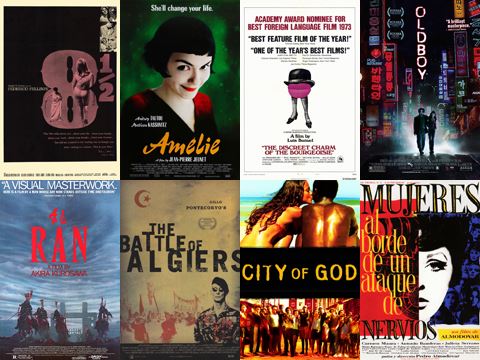
African Cinema Exploration: A Journey Through Storytelling and Culture
Introduction to African Cinema
African cinema is a vibrant and diverse world of storytelling that reflects the continent’s rich cultures, histories, and contemporary realities. While Hollywood and European cinema often dominate global screens, African filmmakers have been carving out their own space, creating films that are deeply rooted in local traditions while also engaging with universal themes. From the pioneering works of Ousmane Sembène to the modern wave of Nollywood productions, African cinema continues to evolve, challenge stereotypes, and captivate audiences worldwide.
The Origins of African Cinema
African cinema has its roots in the mid-20th century, emerging as a tool for cultural expression and political resistance. During colonial rule, film was often used as a means of propaganda, but post-independence filmmakers reclaimed the medium to tell their own stories.
The Pioneers: Ousmane Sembène and Souleymane Cissé
Ousmane Sembène, often called the "father of African cinema," was one of the first to use film as a means of social critique. His 1966 film *La Noire de...* (Black Girl) is considered the first feature film by a sub-Saharan African director. It tells the poignant story of a Senegalese woman working as a maid in France, exposing racial and class oppression.
Souleymane Cissé from Mali pushed cinematic boundaries with works like *Yeelen* (1987), a mystical tale blending traditional Bambara cosmology with stunning visuals. These pioneers set the stage for future generations, proving that African stories deserved global attention.
Nollywood: The Rise of a Cinematic Giant
In the 1990s, Nigeria’s film industry, Nollywood, exploded onto the scene. With low budgets, rapid production times, and direct-to-video releases, Nollywood filmmakers created a democratized model of cinema. Movies like *Living in Bondage* (1992) became cultural phenomena, resonating with African audiences through relatable stories of love, betrayal, and spirituality.
Today, Nollywood is one of the world’s largest film industries, producing thousands of films annually and influencing pop culture across the continent. Streaming platforms like Netflix are now investing in Nollywood, bringing its stories to a global audience.
Themes in African Cinema
African cinema often tackles themes of identity, colonialism, migration, and tradition versus modernity.
Colonialism and Its Aftermath
Films like *Sankofa* (1993) by Haile Gerima explore the lasting trauma of slavery and colonialism. Others, such as *Timbuktu* (2014) by Abderrahmane Sissako, confront religious extremism and post-colonial conflicts.
Urban vs. Rural Life
Many African films contrast rural traditions with rapidly urbanizing societies. *Visages de Femmes* (1985) by Désiré Ecaré examines gender roles in Ivory Coast, while *Viva Riva!* (2010) offers a gritty, high-energy look at crime in Kinshasa.
The Global Recognition of African Cinema
African films are increasingly celebrated at international festivals. Mati Diop’s *Atlantics* (2019) won the Grand Prix at Cannes, while *The Man Who Sold His Skin* (2020) earned an Oscar nomination for Tunisia. These milestones signal a growing global appreciation for African storytelling.
The Future of African Cinema
With rising talent, improved funding, and digital distribution, African cinema is poised for even greater impact. Directors like Wanuri Kahiu (*Rafiki*) and Jahmil X.T. Qubeka (*Sew the Winter to My Skin*) are pushing artistic boundaries while staying true to African narratives.
As streaming platforms expand into Africa, more stories will reach global audiences, further enriching world cinema.
(First part ends here. Please provide your next prompt for continuation.)
The Impact of Technology on African Cinema
The digital revolution has transformed African cinema, making filmmaking more accessible and expanding distribution channels. The rise of affordable digital cameras, smartphones, and editing software has lowered barriers to entry, allowing a new generation of filmmakers to emerge. Platforms like YouTube and Netflix have also enabled African stories to reach global audiences without traditional gatekeepers.
The Role of Mobile Filmmaking
In countries where film budgets are limited, mobile filmmaking has become a game-changer. Initiatives like Kenya’s “Haircut” (2020), a short film shot entirely on a smartphone, showcase the creative possibilities of low-budget productions. Mobile film festivals and workshops across Africa are encouraging aspiring directors to tell their stories with minimal resources.
Streaming Services and New Opportunities
Streaming giants like Netflix, Amazon Prime, and Disney+ have recognized the potential of African content. Original productions such as *Queen Sono* (South Africa), *Blood Sisters* (Nigeria), and *A Naija Christmas* (Nigeria) highlight the growing demand for African narratives. These platforms also provide revenue streams for filmmakers, helping sustain the industry.
Women in African Cinema
While filmmaking has historically been male-dominated, African women directors are breaking barriers and reshaping the industry. Their works often explore feminist themes, challenging patriarchal norms and amplifying women’s voices.
Trailblazing Female Directors
- **Tsitsi Dangarembga** (Zimbabwe): Known for *Neria* (1993) and *This Mournable Body* (2020), her films tackle gender and social injustice.
- **Mati Diop** (Senegal/France): The first Black woman director to compete at Cannes with *Atlantics* (2019).
- **Wanuri Kahiu** (Kenya): Her film *Rafiki* (2018) faced bans but became an LGBTQ+ landmark.
Challenges and Progress
Despite their contributions, women filmmakers still face funding disparities and cultural biases. Organizations like the African Women in Film Forum (AWIFF) are working to provide mentorship and funding to support more female-driven projects.
Regional Cinemas: Diversity Across the Continent
African cinema is not monolithic—each region has its own storytelling styles, themes, and industry dynamics.
North Africa: A Hub for Arthouse Cinema
Countries like Egypt, Tunisia, and Morocco have long-established film industries. Egyptian cinema, often called the "Hollywood of the Arab World," produced classics like *Cairo Station* (1958). Tunisian directors, including Abdellatif Kechiche (*The Secret of the Grain*), blend intimate storytelling with social critique.
West Africa: Nollywood and Beyond
While Nigeria dominates with Nollywood, other West African nations are making waves. Ghana’s *Azali* (2018) depicts rural-urban migration, while Burkina Faso’s FESPACO festival remains a vital platform for Francophone African films.
East Africa: Emerging Voices
Kenya and Ethiopia are seeing a surge in indie films. The Kenyan sci-fi short *Pumzi* (2009) and Ethiopian drama *Difret* (2014) demonstrate the region’s innovative spirit.
Southern Africa: South Africa’s Global Reach
South Africa’s film industry benefits from advanced infrastructure and co-productions. Movies like *Tsotsi* (2005), which won an Oscar, and *The Wound* (2017) explore post-apartheid identity and masculinity.
African Cinema as a Tool for Social Change
Beyond entertainment, African films often drive social and political conversations.
Addressing Human Rights Issues
- **Documentaries* Films like *Victims of Our Wealth* (Cameroon) expose corruption, while *No Simple Way Home* (South Sudan) highlights displacement.
- **Activism Through Fiction* *Timbuktu* (2014) critiques religious extremism, and *Rafiki* fights for LGBTQ+ visibility.
Preserving Cultural Heritage
Many films, such as *The Battle of the Sacred Tree* (Kenya), incorporate folklore and oral traditions. Animation studios like Triggerfish (South Africa) adapt African myths for modern audiences.
Co-Productions and International Collaborations
To overcome funding challenges, African filmmakers increasingly partner with European and American producers. Projects like *The Gravedigger’s Wife* (Somalia-Finland) and *Lingui, The Sacred Bonds* (Chad-France) benefit from cross-border financing and expertise.
(Second part ends here. Please provide your next prompt for continuation.)
New Voices Shaping African Cinema's Future
A fresh wave of African filmmakers is redefining the continent's cinematic landscape with bold storytelling and innovative techniques. Directors like Ekwa Msangi (Tanzania/USA) with her Sundance darling Farewell Amor and Blitz Bazawule (Ghana), who co-directed Beyoncé's Black Is King, are proving that African stories can have global resonance while maintaining authentic cultural roots.
The Rise of African Genre Cinema
Beyond dramas and social commentaries, African creators are excelling in diverse genres:
- Horror: Nigeria's Juju Stories (2021) reinvents folk horror, while South Africa's 8 (2019) brings supernatural thrills
- Sci-Fi: Kenya's Shattered (2021) explores AI ethics, and South African series Blood Psalms blends mythology with fantasy
- Noir: Tunisia's Black Medusa (2021) offers a feminist take on the crime thriller
These genre experiments demonstrate African filmmakers' versatility and willingness to push creative boundaries.
The Business of African Cinema
As the industry matures, new business models and infrastructure are emerging to support sustainable growth.
Financing Revolution
Innovative funding solutions are addressing historical budget constraints:
- South Africa's Indigenous Film Distribution model recoups investments through direct community screenings
- The Uganda Film Council's crowd-equity scheme allows citizens to invest in local productions
- Pan-African streaming platforms like Showmax and IROKOtv offer licensing deals for original content
Training Grounds for Talent
World-class institutions are nurturing the next generation:
- Dakar's École des Métiers du Cinéma (Senegal), hosting students across Francophone Africa
- The Multichoice Talent Factory operating academies in Nigeria, Kenya, and Zambia
- Tunisia's NADOR Institute specializing in animation and VFX training
African Animation: The Next Frontier
African animators are making remarkable strides with distinct visual styles and narratives:
Notable Achievements
- Nigeria's Lady Buckit and the Motley Mopsters (2020) became the country's first animated feature
- Kenya's The Legend of Lwanda Magere adapts Luo mythology into anime-style storytelling
- South Africa's Triggerfish produced Mandela biopic Khumba with international partners
Emerging Hubs
- Ghana's ANIMAYO festival fostering West African talent
- Egypt's rising 3D animation studios servicing Arab and African markets
- Rwanda's emerging VR animation labs exploring immersive storytelling
The Diaspora Influence
African filmmakers abroad are creating cultural bridges through cinema:
Transnational Storytelling
- UK-based Adeyemi Michael's Olé: The Entertainer explores Nigerian diaspora experiences
- French-Senegalese director Alain Gomis merges European arthouse aesthetics with African themes
- The Ghana Must Go collective uses experimental film to examine migration
Hollywood Connections
More African creatives are influencing mainstream Western productions:
- Nigerian-British director Andrew Dosunmu bringing visual poetry to films like Mother of George
- South African Trevor Noah producing Coming 2 America with authentic African representation
- Kenyan-Mexican Oscar winner Lupita Nyong'o championing African stories through her production company
Technology Meets Tradition
Innovative filmmakers are blending cutting-edge tech with indigenous storytelling:
Virtual Production
- Moroccan studios pioneering LED wall filming for desert epics
- Kenyan-Swedish collaboration Softie using VR for political documentary storytelling
AI and Preservation
- Machine learning restoring classic African films like Ousmane Sembène's works
- Digital archives like the African Film Heritage Project safeguarding cinematic history
Challenges and Opportunities Ahead
While celebrating progress, the industry still faces obstacles:
Ongoing Struggles
- Piracy draining revenues, particularly in Nigeria's home video market
- Unequal access to funding between Anglophone and Francophone filmmakers
- Bureaucratic hurdles for international co-productions
Positive Developments
- The African Continental Free Trade Area agreement simplifying equipment importation
- China's increasing investment in African film infrastructure
- Silicon Valley tech companies funding digital content initiatives
Conclusion: The Next Golden Age
African cinema stands at an extraordinary crossroads. With rapidly expanding production capacity, global interest in authentic African stories, and technological democratization, the continent is poised for a cinematic renaissance. The coming decade will likely see:
- More African films competing for major international awards
- Increased standardization and professionalization of local industries
- Hybrid distribution models combining streaming, mobile platforms, and community screenings
- Greater representation at global film markets and festivals
As audiences worldwide hunger for fresh perspectives beyond Western narratives, African filmmakers have an unparalleled opportunity to shape global popular culture while preserving the continent's diverse heritage. The revolution won't be televised - it will be streaming, screening, and telling African stories on its own terms.
This concludes our three-part exploration of African cinema's past, present, and future. From its pioneering beginnings to today's digital transformation, African filmmakers continue to prove that the continent isn't just a setting for stories - it is the source of some of the world's most vital and innovative cinematic voices.

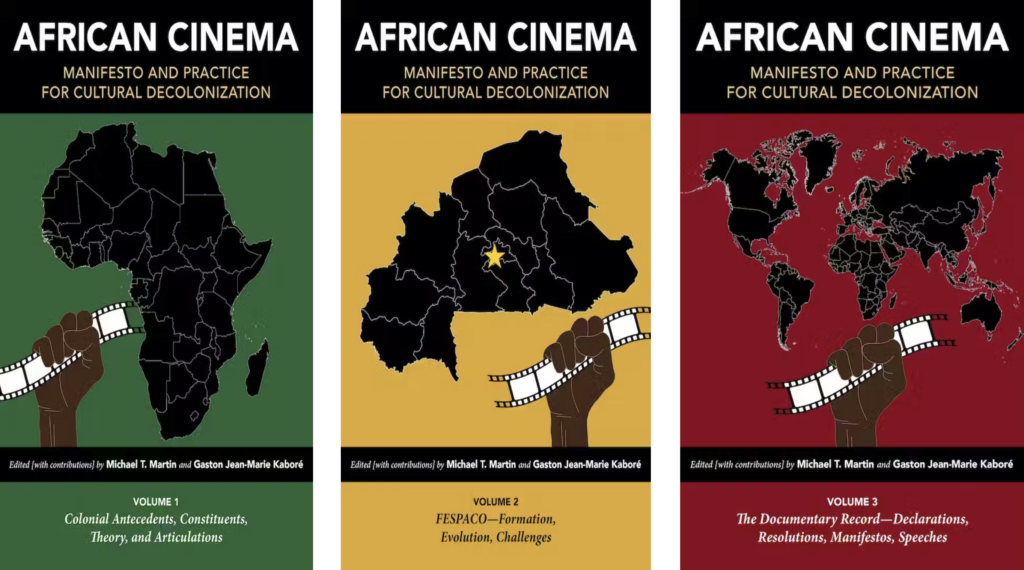


The Rise and Evolution of the Bollywood Film Industry
A Glimpse into Bollywood's Rich History
The Bollywood film industry, often synonymous with Indian cinema, has a fascinating history that dates back to the early 20th century. The first full-length Indian feature film, "Raja Harishchandra," was released in 1913, directed by Dadasaheb Phalke, who is now regarded as the father of Indian cinema. This silent film marked the beginning of an era that would eventually transform into the vibrant, globally recognized industry we know today.
In the early decades, Bollywood was heavily influenced by theater and classical art forms, with films often drawing from mythological and religious tales. The 1930s and 1940s saw the advent of sound in Indian cinema, leading to the rise of musicals—a defining characteristic of Bollywood. The golden age of Indian cinema, spanning the 1950s and 1960s, produced timeless classics like "Mother India" (1957) and "Mughal-e-Azam" (1960), which showcased elaborate sets, grandiose storytelling, and unforgettable music.
The Global Appeal of Bollywood
Bollywood's influence extends far beyond India's borders. With a massive diaspora spread across the world, Indian films have found audiences in countries like the USA, UK, Canada, the Middle East, and Southeast Asia. The colorful dance sequences, dramatic storytelling, and emotional depth of Bollywood movies have a universal appeal that transcends language barriers.
Films like "Dilwale Dulhania Le Jayenge" (1995) and "Lagaan" (2001) not only broke box office records but also introduced Bollywood to international film festivals and award circuits. Today, stars like Shah Rukh Khan, Priyanka Chopra, and Deepika Padukone enjoy global fame, further cementing Bollywood's place in world cinema.
The Unique Blend of Music and Drama
One of Bollywood's most distinctive features is its integration of music and dance into storytelling. Unlike Western cinema, where musical numbers are often confined to musical films, Bollywood movies routinely feature elaborate song-and-dance sequences that advance the plot or highlight emotional moments. Legendary music composers like R.D. Burman, A.R. Rahman, and Shankar-Ehsaan-Loy have created soundtracks that remain iconic decades later.
From heartfelt ballads to high-energy dance tracks, Bollywood music is an industry in itself. Playback singers such as Lata Mangeshkar, Kishore Kumar, and Sonu Nigam have lent their voices to generations of actors, creating a unique disconnect between on-screen performers and the voices behind the songs—an accepted and beloved tradition in Indian cinema.
The Changing Face of Bollywood Storytelling
While Bollywood is often associated with romantic dramas and family sagas, the industry has evolved to embrace diverse genres. The 1970s and 1980s were dominated by action-packed films featuring "angry young man" protagonists, epitomized by Amitabh Bachchan. In the 2000s, filmmakers began experimenting with unconventional narratives, leading to critically acclaimed movies like "Black" (2005) and "Taare Zameen Par" (2007).
Today, Bollywood produces everything from hard-hitting social commentaries like "Article 15" (2019) to slick spy thrillers like "War" (2019). Streaming platforms have further expanded opportunities for bold, content-driven films that may not fit traditional theatrical molds. The industry continues to push boundaries while retaining the essence of what makes Bollywood special—its emotional resonance and cultural richness.
Bollywood's Economic and Cultural Impact
Bollywood is one of the largest film industries in the world, producing over 1,500 films annually and generating billions in revenue. It provides employment to thousands, from actors and directors to technicians and makeup artists. The industry's economic influence extends to fashion, tourism, and even politics, with many celebrities transitioning into public office.
Culturally, Bollywood has shaped fashion trends, dialects, and social norms in India and abroad. Phrases from iconic films enter everyday language, and dance moves from hit songs are replicated at weddings worldwide. Bollywood's ability to reflect and influence society makes it a powerful cultural force.
The Stars of Bollywood: Icons and Newcomers
Bollywood has produced some of the most recognizable faces in global entertainment over its century-long history. The industry operates on a star system where actors often achieve near-mythical status. Legendary figures like Raj Kapoor, Dilip Kumar, and Madhubala defined early Bollywood glamour, while modern superstars like Shah Rukh Khan, Aamir Khan, and Salman Khan (collectively known as the "Khans") have dominated the box office for decades. These actors don't just perform - they become cultural touchstones, with fan bases that span generations and continents.
The current landscape features an exciting mix of established stars and dynamic newcomers. Veteran actresses like Madhuri Dixit and Kajol continue to take on selective roles, while a new wave of performers like Alia Bhatt, Rajkummar Rao, and Ayushmann Khurrana are redefining stardom with their choice of unconventional scripts. What makes Bollywood unique is how actors transition across ages and genres - a 50-year-old hero might headline both a action blockbuster and a sensitive romance in the same year.
The Business of Bollywood: Economics Behind the Magic
Behind the glittering façade, Bollywood operates as a complex business ecosystem. A typical big-budget Bollywood production today costs between $15-30 million, with major studios like Yash Raj Films and Dharma Productions investing heavily in content. The industry follows a distinct release calendar, with major holidays like Diwali and Eid considered prime slots for blockbuster launches. Unlike Hollywood, where theatrical earnings dominate revenue, Bollywood films traditionally earned significant income from music rights and satellite TV deals - though streaming platforms are changing this dynamic.
Marketing budgets now often exceed 30-40% of production costs, with stars making appearances on reality shows, conducting massive city tours, and leveraging social media campaigns. The rise of multiplex cinemas has allowed for varied pricing strategies, while single-screen theaters remain crucial for mass-market films. With increasing international appeal, overseas box office - particularly from North America, the UK, and the Middle East - contributes significantly to a film's success.
Technological Evolution in Bollywood Cinema
From the grainy black-and-white films of the 1930s to today's 4K digital projections with Dolby Atmos sound, Bollywood's technological journey mirrors its creative evolution. The 1950s saw the introduction of color films like "Aan," while the 1970s brought new cinematography techniques. The digital revolution of the 2000s completely transformed production processes, making computer-generated imagery (CGI) and advanced visual effects affordable and accessible.
Modern Bollywood films rival Hollywood in technical ambition. Movies like "Brahmāstra" (2022) showcase world-class visual effects, while productions increasingly use virtual production techniques popularized by shows like "The Mandalorian." Digital intermediates allow color grading that creates signature Bollywood visuals - the vibrant color palettes that have become an industry hallmark. Even song sequences now frequently incorporate drone cinematography and advanced motion capture technology.
Bollywood's Relationship with Regional Cinema
While Bollywood refers specifically to Hindi-language cinema based in Mumbai, it exists alongside vibrant regional film industries across India's diverse linguistic landscape. Industries like Tollywood (Telugu), Kollywood (Tamil), and Mollywood (Malayalam) often produce content that rivals or surpasses Bollywood in scale and quality. The relationship between these industries has evolved from competition to creative collaboration.
Recent years have seen increased crossover success, with southern Indian films like "RRR" and "KGF" finding massive audiences in traditional Bollywood markets. This has led to more pan-Indian productions that cast stars from multiple industries and blend cinematic styles. Bollywood, in turn, frequently remakes successful regional films, while regional industries adapt Bollywood hits for their local audiences.
Controversies and Challenges Facing Bollywood
Despite its successes, Bollywood grapples with multiple challenges. Allegations of nepotism became a major topic after actor Sushant Singh Rajput's tragic death in 2020, sparking debates about outsiders versus industry insiders. The MeToo movement revealed systemic harassment issues that the industry is still addressing. Political pressures also impact content, with films sometimes facing protests or censorship demands from various groups.
The COVID-19 pandemic devastated theatrical revenues, accelerating the shift toward streaming platforms. Established business models are being disrupted as audiences grow accustomed to simultaneous or quick digital releases. Additionally, Bollywood faces increasing competition from international content and high-quality regional cinema, forcing mainstream Hindi films to innovate constantly to retain viewership.
The Future of Bollywood: Trends Shaping Indian Cinema
As Bollywood enters its second century, the industry stands at a fascinating crossroads of tradition and innovation. Streaming platforms have emerged as both competitors and collaborators, providing new avenues for content consumption while forcing filmmakers to rethink theatrical models. The success of hybrid releases (theaters plus OTT) suggests a permanent shift in distribution strategies. At the same time, spectacle-driven films like "Pathaan" (2023) prove that the big-screen experience remains vital for certain genres.
Artificial intelligence is beginning to influence casting decisions, script analysis, and even post-production, with deepfake technology enabling new creative possibilities. Virtual production techniques, popularized internationally by shows like "The Mandalorian," are being adapted for Bollywood's signature song sequences. Meanwhile, sustainability initiatives are gaining traction, with sets becoming more eco-friendly and productions reducing their carbon footprint.
Bollywood's Global Expansion Strategies
India's film industry is increasingly looking outward for both audiences and creative partnerships. Co-productions with international studios have become more common, as seen with Netflix's "The White Tiger" (2021) and Amazon's "Gulabo Sitabo" (2020). Bollywood stars are pursuing crossover projects, while foreign actors frequently appear in Hindi films. Hollywood studios now actively acquire remake rights for Bollywood hits, reversing the traditional flow of adapted content.
The industry has also developed sophisticated localization strategies - dubbing films in multiple languages, creating region-specific marketing campaigns, and even adjusting content for cultural sensitivities in different markets. Countries like China have emerged as unexpected but lucrative markets, with films like "Dangal" (2016) earning more there than in India. This globalization extends beyond film to streaming platforms, where Bollywood content forms a crucial part of international OTT catalogs.
Representation and Social Change in Modern Bollywood
Contemporary Bollywood has begun addressing long-standing issues of representation and inclusivity. Films now feature more substantial roles for actresses over 40, exploration of LGBTQ+ narratives ("Shubh Mangal Zyada Saavdhan," 2020), and sensitive portrayals of mental health ("Dear Zindagi," 2016). Stories centered on rural India and small-town experiences ("Dum Laga Ke Haisha," 2015) have gained prominence alongside metropolitan narratives.
The industry is also grappling with colorism, slowly moving away from fairness cream endorsements and casting conventions that favored lighter-skinned actors. Casting directors now actively seek authenticity - whether in regional accents ("Sacred Games") or appropriate representation of marginalized communities. This evolution reflects both artistic integrity and audience demand for more realistic, relatable content that mirrors India's incredible diversity.
The Education and Training Revolution Behind the Scenes
As Bollywood professionalizes, formal education in filmmaking has gained importance. Prestigious institutions like Film and Television Institute of India (FTII) and Whistling Woods International produce world-class talent across all filmmaking disciplines. Many technicians now train internationally before joining Bollywood productions, bringing global standards to local projects. Specialized workshops for acting, stunt work, and even intimacy coordination have become commonplace.
This professionalization extends to below-the-line workers, with unions ensuring better working conditions and pay scales. Cinematographers, editors, and production designers enjoy greater recognition, their names often featuring prominently in marketing materials. The rise of film schools has also democratized access to the industry, allowing talented individuals from non-film backgrounds to bypass traditional gatekeepers.
Bollywood in the Age of Social Media and Digital Fandom
Social media has transformed how Bollywood interacts with its audience. Stars now maintain direct connections with fans through Instagram, Twitter, and YouTube, bypassing traditional media filters. Film promotions have evolved into elaborate digital campaigns with carefully orchestrated "leaks" and viral challenges tied to song releases. Platforms like TikTok (before its ban) and Reels have become crucial for music promotion, with fans recreating movie dialogues and dance moves.
This digital landscape has also given rise to new forms of celebrity - influencers who critique films, content creators who specialize in Bollywood analysis, and meme pages that shape public perception. At the same time, social media amplifies controversies, with every casting decision or creative choice subject to immediate public scrutiny. The industry has had to develop rapid response strategies for this always-on media environment.
A Lasting Legacy: Bollywood's Cultural Footprint
From influencing fashion trends to shaping linguistic expressions, Bollywood's cultural impact extends far beyond entertainment. Iconic dialogues enter everyday conversation, while wedding dances worldwide incorporate Bollywood choreography. The industry has introduced global audiences to Indian classical dance forms, regional musical traditions, and diverse cultural practices through its accessible storytelling.
Bollywood tourism has emerged as a significant sector, with fans visiting film locations, studios, and even celebrity homes. Academic interest in Bollywood continues to grow, with universities worldwide offering courses analyzing its socio-political impact. As Indian soft power expands globally, Bollywood remains one of its most effective ambassadors - a vibrant, living art form that continues to evolve while staying rooted in its rich traditions.
Looking ahead, Bollywood's greatest strength lies in its adaptability - its ability to absorb global influences while retaining its distinct identity. As technology disrupts traditional models and audience expectations shift, the industry's willingness to experiment while staying true to its emotional core ensures its enduring relevance. The next chapter of Bollywood promises to be as dramatic, colorful, and full of surprises as its greatest films.

Exploring the Evolution of Independent Film Movements
The world of cinema has long been a dynamic canvas for creative expression. Throughout its history, the independent film movement has emerged as a powerful counterpoint to mainstream cinema, pushing boundaries and spurring artistic innovation. These movements have often reflected societal changes, technological advancements, and shifts in cultural sensibilities, carving out a unique space for filmmakers seeking to break away from traditional studio constraints. In this exploration, we delve into the roots, impact, and ongoing evolution of independent film movements.
The Genesis of Independent Cinema
The origins of independent cinema can be traced back to the early 20th century. As the major Hollywood studios began to dominate the industry, the need for artistic freedom and creative control became a rallying cry for aspiring filmmakers. The studio system, with its rigid control over production, distribution, and exhibition, left little room for experimentation and personal storytelling. This tension laid the groundwork for the emergence of independent filmmaking as a rebellious act.
One of the earliest examples of an independent film movement can be seen in the German Expressionism of the 1920s. Filmmakers like Fritz Lang and F.W. Murnau broke away from Hollywood conventions, favoring highly stylized visuals and themes that delved into the psychological and existential. Their innovative work not only influenced filmmakers worldwide but also demonstrated the power of cinema as an art form.
The Rise of Post-War Independents
The aftermath of World War II saw significant shifts in global cinema. In Italy, the neorealist movement emerged as a response to the country's socio-economic struggles. Directors like Vittorio De Sica and Roberto Rossellini used non-professional actors and real locations to depict stories of ordinary people facing extraordinary challenges. This movement offered a raw, unfiltered glimpse into post-war realities, emphasizing authenticity over commercial appeal. Italian Neorealism inspired a generation of directors, impacting narrative styles and techniques in independent films worldwide.
Meanwhile, in the United States, filmmakers like John Cassavetes began to challenge the glossy facades of Hollywood by focusing on gritty, realistic storytelling. Cassavetes’ "Shadows" (1959) is often heralded as a cornerstone of the American independent film movement, characterized by improvisational acting and a focus on personal, character-driven narratives. This period marked a move towards films that reflected authentic human experiences, aided by the advent of more affordable film technology, which lowered the barriers to entry for passionate auteurs.
The New Hollywood: Transforming the Industry
The 1960s and 1970s ushered in a period known as the New Hollywood era, where the lines between independent and mainstream cinema began to blur. Disillusioned with formulaic studio productions, a new wave of directors sought to bring a fresh perspective to American cinema. Filmmakers like Martin Scorsese, Francis Ford Coppola, and Dennis Hopper infused their projects with a personal touch, often tackling controversial subject matter and experimenting with style and narrative.
During this period, films such as "Easy Rider" (1969) and "Taxi Driver" (1976) achieved both critical acclaim and commercial success, proving that independent-minded films could thrive in the mainstream. This era not only catalyzed a seismic shift in the kinds of stories being told but also demonstrated that audiences were hungry for films that resonated on an emotional and intellectual level.
The Modern Independent Film Renaissance
As we moved into the late 20th century, the landscape of independent cinema underwent further transformation, largely driven by technological advancements. The introduction of digital filmmaking made it easier and more cost-effective for filmmakers to create and distribute their work, sparking a renaissance in independent film production. Festivals such as the Sundance Film Festival and Cannes Film Festival became critical platforms for showcasing these films, providing exposure and distribution opportunities that had once been difficult to secure.
The 1990s saw the emergence of directors like Quentin Tarantino and the Coen Brothers, whose films straddled the line between independent innovation and commercial viability. Tarantino's debut film, "Reservoir Dogs" (1992), showed the world that independent cinema could be stylistically bold and wildly entertaining. The Coen Brothers, with films like "Fargo" (1996), demonstrated a unique flair for blending dark humor with crime drama, captivating audiences and critics alike.
The democratization of filmmaking tools continued into the 21st century, allowing a new generation of storytellers to enter the fray. Diverse voices from different backgrounds brought fresh perspectives, enriching the independent film landscape further. The stories told through independent films became more inclusive, diverse, and representative of the myriad experiences that define the human condition.
In the subsequent segments of this article, we will further dissect how independent film movements have continued to mature in the digital age, addressing the challenges and opportunities they face today, and their cultural significance in a fast-evolving entertainment environment. Stay tuned for the unfolding narrative of independent cinema’s complex yet fascinating journey.
The Impact of Technology on Independent Film
The dawn of the digital age brought unprecedented changes to the world of independent film. These technological shifts democratized filmmaking, empowering creators who previously lacked the resources to bring their visions to life. As digital cameras, editing software, and online platforms became more accessible, a new wave of independent filmmakers emerged, eager to tell stories that defied traditional conventions.
One of the most significant technological advancements was digital video. The transition from film to digital not only lowered production costs but also allowed for greater experimentation with style and narrative form. Directors could shoot longer and more complex scenes without the worry of exorbitant film costs. This freedom led to a surge in creativity, as filmmakers could now capture spontaneous moments and explore unconventional storytelling.
The internet also played a transformative role, particularly in the realms of distribution and audience engagement. Platforms such as YouTube, Vimeo, and later Netflix and Amazon Prime offered indie filmmakers unprecedented access to global audiences. This shift was profound: no longer were independent filmmakers reliant solely on film festivals or niche art theaters to find their viewership. Instead, they could connect directly with audiences worldwide, bypassing traditional gatekeepers and marketing their work through social media and online communities.
Film Festivals: The Indie Launchpad
Film festivals have long been a beacon for independent cinema, providing a crucial platform for new voices to emerge. Events like the Sundance Film Festival, founded in 1978, and the Toronto International Film Festival have become key gateways for independent filmmakers. These festivals offer opportunities for exposure, networking, and distribution deals, effectively acting as a launchpad for promising films and filmmakers.
The impact of Sundance, in particular, has been monumental in the indie film scene. Known for its support of groundbreaking cinema, Sundance has propelled numerous independent films into the spotlight. Iconic films such as "Sex, Lies, and Videotape" (1989), which won the Palme d'Or at Cannes as well, marked a turning point, showing that independent films could achieve both critical acclaim and commercial success.
Film festivals not only provide a space for films to be seen but also foster community among filmmakers. Aspiring directors, producers, and writers can engage with peers and industry veterans, exchanging ideas and forming collaborations that can propel careers. This communal aspect of film festivals has helped sustain the independent film movement, encouraging the cross-pollination of ideas and techniques that enrich the industry as a whole.
Diversity and Representation in Independent Film
Recent years have seen a heightened focus on diversity and representation in the realm of independent cinema. Unlike mainstream Hollywood, which has traditionally been slow to diversify, the independent film scene has often been at the forefront of telling stories from varied perspectives. This commitment to inclusivity has resulted in films that address underrepresented communities, pressing social issues, and culturally specific narratives with authenticity and nuance.
Movements like OscarsSoWhite and the rise of social media activism have pushed the conversation on representation forward. Independent filmmakers have responded by engaging with a wider array of voices, both in front of and behind the camera. The result is a more inclusive film landscape that offers a multiplicity of viewpoints and experiences. Films like Barry Jenkins' "Moonlight" (2016), which won the Academy Award for Best Picture, underscore the power of authentic representation in storytelling and the ability of independent cinema to influence broader cultural conversations.
The Evolving Business Model of Independent Film
The business model of independent cinema has also seen substantial evolution. As traditional revenue streams like theatrical releases and DVD sales have dwindled, indie filmmakers have had to adapt their strategies for funding and distribution. Crowdfunding platforms like Kickstarter and Indiegogo have become essential tools, allowing filmmakers to rally direct support from audiences invested in their projects.
Additionally, strategic partnerships with streaming services have become increasingly important. Platforms such as Netflix, Amazon Prime, and Hulu have invested heavily in original content, providing independent filmmakers with new avenues for distribution and funding. This symbiotic relationship benefits both the filmmakers, who gain access to wider audiences and resources, and the platforms, which enhance their libraries with diverse and compelling stories.
Despite these opportunities, challenges remain. The sheer volume of content available on streaming platforms and online channels can make it difficult for individual projects to stand out. Moreover, the quest for funding continues to be a significant hurdle, requiring filmmakers to be not only creative in their storytelling but also entrepreneurial in their approach to financing and distribution.
The Future of Independent Film
Looking ahead, the future of independent cinema is both promising and uncertain. The ongoing advancements in technology suggest that storytelling will continue to evolve, with virtual reality, augmented reality, and artificial intelligence offering exciting new possibilities. These innovations could transform how stories are told and experienced, paving the way for even more immersive and interactive forms of cinema.
Furthermore, global connectivity ensures that independent voices from obscure corners of the world can find an audience. As cultural barriers continue to break down, independent films with universal themes and local nuances will likely resonate across borders, enhancing cross-cultural understanding and appreciation.
However, the independent film movement must navigate a rapidly changing landscape, where consumer media consumption habits are continuously evolving. As audiences become more discerning and their attention spans more limited, the challenge will be to maintain the authenticity and innovation that define independent cinema, while adapting to new expectations and platforms.
In the next segment of this article, we will explore the role of independent cinema in today's global world, its influence on mainstream Hollywood, and profiles of key figures shaping the movement today. Stay with us as we continue to unravel the intricate tapestry of contemporary independent film.
The Global Influence of Independent Cinema
Independent cinema is no longer confined to the borders of any particular country; it is a truly global phenomenon. Filmmakers from across the world contribute to this rich tapestry of storytelling, with each region offering its unique cultural perspectives and aesthetic sensibilities. As global connectivity increases, audiences are becoming more receptive to international cinema, expanding the reach and influence of independent films worldwide.
The success of films like "Parasite" (2019) by Bong Joon-ho, which became the first non-English language film to win the Best Picture Oscar, underscores the growing global appeal of independent films. South Korean cinema, with its thought-provoking narratives and innovative filmmaking, has become a dominant force in the international independent film scene. Similarly, filmmakers from countries such as Iran, India, and Mexico have gained recognition for their compelling stories that explore complex themes with cultural specificity.
This global exchange of ideas has enriched the world of independent film, fostering a diversity of voices that challenge conventional narratives and introduce audiences to different ways of life. Streaming platforms have played a significant role in this process, making it easier for viewers to access foreign films that might otherwise remain undiscovered.
Independent Film's Influence on Mainstream Hollywood
The relationship between independent cinema and Hollywood is complex and mutually influential. On one hand, indie films have traditionally served as an incubator for fresh talent and innovative storytelling techniques that Hollywood eventually adopts. Many acclaimed directors, actors, and writers got their start in indie films before making the leap to larger mainstream projects. Their transition often infuses Hollywood with newfound creativity and narrative depth.
On the other hand, the increasing crossover appeal of independent films has compelled Hollywood studios to embrace more unconventional storytelling. Recognizing the audience's appetite for originality and authenticity, major studios and distributors have begun to back projects with indie sensibilities. This blurring of lines has led to a new category of films sometimes dubbed "indie blockbusters"—movies that carry the ethos of independence but achieve mainstream success.
Films like "Get Out" (2017), directed by Jordan Peele, exemplify this crossover success. Peele's debut feature, which blends horror with social commentary, resonated with critics and audiences alike, earning multiple Academy Award nominations and cementing itself as a landmark of modern genre filmmaking. Such films highlight the power of independent cinema's influence, proving that audiences are hungry for stories that push boundaries and provoke thought.
Profiles of Key Figures Shaping the Movement Today
Several key figures continue to shape and define the independent film landscape today. These directors, producers, and innovators challenge norms and champion the spirit of creative independence, ensuring the movement remains vibrant and forward-thinking.
Ava DuVernay is a formidable force in modern independent cinema. Known for her work on films like "Selma" (2014) and the documentary "13th" (2016), DuVernay uses her platform to advocate for inclusion and diversity, both in front of and behind the camera. Her company, Array, is dedicated to amplifying the voices of women and people of color, providing essential resources and support for marginalized filmmakers.
Barry Jenkins has also emerged as a potent voice in contemporary indie film. After gaining widespread acclaim for "Moonlight" (2016), Jenkins continues to explore complex themes of identity and belonging. His commitment to nuanced storytelling and his ability to capture the subtleties of human emotion have made him a beacon of authenticity in the industry.
Lastly, the work of Greta Gerwig, with films like "Lady Bird" (2017) and "Little Women" (2019), has highlighted the potential of indie films to tackle universal themes with a distinct personal touch. Gerwig's films resonate for their witty dialogue, layered characters, and astute observations on family and society. These key figures, among many others, continue to inspire a new generation of filmmakers, propelling the movement forward.
The Enduring Legacy of Independent Film Movements
As we reflect on the evolution and impact of independent film movements, their enduring legacy becomes clear. Beyond their cinematic contributions, these movements have altered the very fabric of the film industry by championing diversity, authenticity, and innovation. They remind us that the power of storytelling lies in its ability to transcend boundaries and connect us to the shared tapestry of human experience.
The trajectory of independent film is a testament to the resilience and adaptability of filmmakers who strive to share their unique visions with the world. Despite challenges posed by a rapidly changing industry, the indomitable spirit of independent cinema continues to thrive, offering fresh perspectives and challenging the status quo.
In conclusion, the evolution of independent film movements is a story of transformation, resilience, and boundless creativity. These movements have not only enriched the cinematic landscape but have also left an indelible mark on culture and society as a whole. As technology advances and the global landscape continues to shift, the future of independent cinema promises to be just as vibrant, diverse, and meaningful as its storied past.


Pioneers of Film Making: The Visionaries Who Shaped Cinema
The birth of cinema is a tale woven with innovation, artistry, and the audacious dreams of pioneers who dared to imagine a world caught in motion. These individuals, often working with limited resources and an endless supply of creativity, laid the foundations for what we now recognize as one of the most influential art forms of modern times. Their contributions go beyond mere technical advancements; they crafted the narrative and visual language of film, transforming the medium into a vehicle for storytelling, social commentary, and artistic expression.
The Dawn of Motion Pictures
The history of film begins in the late 19th century, a period rife with technological breakthroughs. Among the luminaries of this era was Thomas Edison, whose laboratory made significant contributions to the development of motion picture technology. Edison, along with his assistant William Kennedy Laurie Dickson, invented the Kinetoscope, an early motion picture exhibition device that allowed individual viewing of short films through a peephole. Although Edison often receives the lion's share of credit, it was Dickson's ingenuity that brought the technical details to life, paving the way for more elaborate cinematographic innovations.
Concurrently, across the Atlantic, the Lumière brothers, Auguste, and Louis, in France, were crafting their own cinematic marvel. They introduced the Cinématographe in 1895, a lightweight, hand-cranked device that functioned as both a camera and projector. The Lumières were instrumental in establishing some of the first public film screenings, notably the showing of their film "La Sortie de l'Usine Lumière à Lyon," widely regarded as one of the first true motion pictures. This marked an essential transition—from personal viewing devices to shared cinematic experiences, laying the groundwork for cinema as a communal cultural activity.
Early Innovators and Storytellers
While technological advances were indispensable, content quickly became king in the burgeoning film industry. Georges Méliès, a former magician, recognized the film's potential to transcend reality and transport audiences to fantastical worlds. His film, "Le Voyage dans la Lune" (A Trip to the Moon) in 1902, exemplified this vision. Méliès mastered the art of special effects, utilizing techniques such as double exposure and time-lapse to create his cinematic illusions. His imaginative storytelling and visual creativity expanded the scope of narrative possibilities in film, setting a precedent for future filmmakers to explore the fantastical.
Meanwhile, in the United States, Edwin S. Porter emerges as a trailblazer in narrative storytelling with his groundbreaking work on films like "The Great Train Robbery" (1903). This film, notable for its innovative use of cross-cutting and complex narrative structure, demonstrated the power of film editing in shaping the viewer's perception of time and sequence. By weaving together multiple storylines into a cohesive whole, Porter established conventions of continuity and montage that remain fundamental to film editing today.
Establishing Cinematic Language
The early 20th century saw the emergence of filmmakers who further refined the cinematic language through composition, framing, and editing techniques. D.W. Griffith, often hailed as the 'Father of Film Narrative,' was instrumental in advancing these elements. His 1915 epic, "The Birth of a Nation," although controversial, showcased sophisticated cinematic techniques such as close-ups, cross-cutting, and tracking shots. Griffith's contributions to cinematic form and grammar were pivotal in defining and standardizing the storytelling techniques used in narrative films throughout the 20th century.
In Europe, directors like Sergei Eisenstein were developing their own cinematic philosophies. Eisenstein’s theory of montage emphasized the power of juxtaposing images to generate meaning beyond the sum of individual shots. His film "Battleship Potemkin" (1925) is particularly renowned for its innovative use of montage, specifically in the famous Odessa Steps sequence. Eisenstein’s work highlighted the potential of editing not only as a narrative device but as a tool for emotional and intellectual engagement with audiences.
These early filmmakers laid the groundwork for a diverse range of cinematic styles and techniques, from Méliès’ magical spectacles to Griffith’s narrative complexities and Eisenstein’s dynamic montages. Together, they shaped film into a medium capable of capturing the depth and complexity of the human experience. As we delve into the next chapter of film history, we'll explore how these foundations were built upon by subsequent generations of filmmakers who expanded the boundaries of cinema even further.
The Advent of the Studio System and the Rise of Iconic Filmmakers
As cinema transitioned from its early experimental phase to a burgeoning industry, the establishment of the studio system in Hollywood during the 1920s and 1930s marked a pivotal era in filmmaking. This period saw the rise of a centralized system that enabled mass production and distribution of films, facilitating the creation of a globally dominant entertainment industry. During this time, several visionary directors emerged, leaving behind indelible marks on the cinematic landscape.
One such filmmaker was Charlie Chaplin, whose genius lay not only in his comedic timing but also in his ability to weave profound social commentary into his films. Chaplin's iconic character, "The Tramp," became a vehicle for exploring themes of poverty, class struggles, and the human condition. His films, such as "City Lights" (1931) and "Modern Times" (1936), artfully blend humor with poignant narratives, demonstrating cinema's capacity to entertain while delivering introspective messages.
Simultaneously, German Expressionist cinema was shaping the future of visual storytelling with its emphasis on stylized sets, chiaroscuro lighting, and psychological themes. Directors like F.W. Murnau and Fritz Lang were at the forefront of this movement. Murnau's "Nosferatu" (1922) introduced audiences to the horror genre with its eerie, shadow-laden visuals, while Lang's "Metropolis" (1927) combined stunning production design with a futuristic vision that questioned the societal impact of technology. These films were not only artistic achievements but also cultural commentaries that resonated with audiences on multiple levels.
In the United States, the introduction of sound in cinema with the release of "The Jazz Singer" in 1927 marked another groundbreaking moment. The ability to synchronize dialogue and music with film revolutionized storytelling, giving rise to a new generation of filmmakers who mastered this novel medium. Among them was Alfred Hitchcock, whose pioneering work in suspense and tension turned him into a master of the thriller genre. Films like "Psycho" (1960) and "Rear Window" (1954) showcased Hitchcock’s deft manipulation of sound, composition, and pacing to evoke psychological intrigue, creating a template for countless filmmakers who followed.
The Golden Age of Hollywood and Global Cinema
The 1940s and 1950s, often celebrated as the Golden Age of Hollywood, was marked by the production of classics that solidified the visual and narrative norms of traditional cinema. Directors such as Orson Welles, with his innovative masterpiece "Citizen Kane" (1941), redefined storytelling methodologies. Welles’ use of deep focus cinematography and non-linear narrative structures were revolutionary, offering audiences an intricately layered tale that explored themes of ambition, legacy, and the elusive nature of truth.
Simultaneously, the world of cinema was expanding beyond Hollywood's boundaries. Italian Neorealism, spearheaded by directors like Roberto Rossellini and Vittorio De Sica, emerged as a powerful movement in post-World War II Italy. This style emphasized the harsh realities of everyday life, using non-professional actors and location shooting to capture the struggles and resilience of ordinary people. De Sica’s "Bicycle Thieves" (1948) is a poignant exploration of poverty and dignity, and its influence can be seen in subsequent realist movements across the globe.
Across the globe, Akira Kurosawa was transforming the landscape of Japanese cinema with his distinctive storytelling and dynamic visual style. His film "Rashomon" (1950) introduced a then-novel narrative technique that presented multiple perspectives of the same event, challenging audiences to question objective truth. Kurosawa’s influence extended far beyond Japan, inspiring filmmakers worldwide and establishing him as a bridge between Eastern and Western cinematic traditions.
The New Wave and the Auteur Theory
The mid-20th century witnessed the rise of the French New Wave, a movement characterized by its rejection of traditional filmmaking conventions in favor of personal storytelling and innovative techniques. Directors such as François Truffaut and Jean-Luc Godard experimented with disjointed narratives, jump cuts, and on-location shooting. Truffaut’s "The 400 Blows" (1959) and Godard’s "Breathless" (1960) emphasized the auteur theory, championing the notion that a director’s personal vision should shine through every aspect of their films.
The influence of the New Wave extended across borders, planting seeds for innovative styles like the British New Wave and the American New Hollywood movement of the late 1960s and 1970s. Filmmakers such as Martin Scorsese, Francis Ford Coppola, and Stanley Kubrick emerged during this period, each bringing a distinct voice and challenging the status quo with bold narratives and complex characters. Scorsese’s gritty urban landscapes, Coppola’s epic storytelling, and Kubrick’s meticulous visual compositions showcased the limitless possibilities of cinema as an artistic medium.
These diverse waves and movements set the stage for a period of experimentation and introspection, broadened the horizons of cinematic language, and connected disparate cultures through a shared love of storytelling. As we continue exploring the evolution of film, the contributions of these pioneers remind us of cinema's enduring power—a medium where technology, art, and humanity intersect to create magic on screen.
The Digital Revolution and the Globalization of Cinema
The advent of digital technology in the late 20th and early 21st centuries revolutionized every aspect of filmmaking, from production and editing to distribution and exhibition. This transformation democratized the filmmaking process, enabling independent filmmakers to create and distribute their work with unprecedented ease and affordability. As a result, the global cinema landscape experienced a seismic shift, providing a platform for diverse voices to challenge the homogeneity previously dominated by Hollywood narratives.
Visionaries like James Cameron and George Lucas spearheaded the technological advancements that define contemporary cinema. Cameron’s groundbreaking use of computer-generated imagery (CGI) in "Avatar" (2009) redefined the visual experience of movies, blending photorealistic animated scenes with live-action footage to create immersive worlds. Similarly, Lucas’s work on the "Star Wars" prequels showcased the potential of digital effects and high-definition cameras, setting a new industry standard.
Meanwhile, the rise of international cinema has expanded the breadth of stories and styles available to global audiences. The success of films like Ang Lee's "Crouching Tiger, Hidden Dragon" (2000) and Bong Joon-ho's "Parasite" (2019) demonstrated the universal appeal of non-English-language films, highlighting the power of culturally specific storytelling to resonate across different societies. These films not only exemplify masterful direction and narrative but also serve as powerful vehicles for social and cultural discourse.
Expanding the Narrative Horizons
As cinema continues to evolve in the digital age, the narrative horizons of film are expanding at an unprecedented pace. With the diversification of streaming platforms, filmmakers from underrepresented backgrounds have found new opportunities to tell their stories, challenging the traditional gatekeepers of the industry. This evolution is reflected in the work of contemporary filmmakers like Ava DuVernay, Barry Jenkins, and Taika Waititi, whose films explore themes of identity, race, and belonging, resonating with audiences hungry for fresh perspectives.
Ava DuVernay’s "Selma" (2014) and "13th" (2016) are exemplary in their poignant examination of historical and contemporary issues related to racial inequality in America. DuVernay’s work underscores the importance of film as a medium for education and activism, using cinematic storytelling to highlight systemic injustices and inspire change.
Barry Jenkins’ "Moonlight" (2016), a quietly poignant exploration of masculinity and identity, earned critical acclaim for its lyrical narrative and innovative storytelling. Jenkins’ work, characterized by its emotional depth and nuanced portrayal of marginalized communities, exemplifies the potential of cinema to foster empathy and understanding.
Simultaneously, directors like Taika Waititi have utilized humor and genre-blending to address complex social issues. Waititi’s film "Jojo Rabbit" (2019) uses satire to explore themes of hate, ignorance, and redemption, showcasing the power of comedy to provoke thought and reflection.
The Future of Filmmaking
As we look toward the future of filmmaking, it's clear that the industry is poised for continued transformation driven by technological advancements and changing audience preferences. The rise of virtual reality (VR) and augmented reality (AR) presents thrilling possibilities for immersive storytelling, offering audiences new ways to engage with and experience narratives.
Moreover, the increasing embrace of diversity and inclusion within the industry promises a broader range of stories that reflect the multifaceted nature of human experience. Emerging technologies such as AI-generated scripts and virtual production techniques are poised to reshape the creative process, allowing filmmakers to push the boundaries of their craft in innovative ways.
However, amidst these technological and cultural shifts, the essence of filmmaking remains unchanged. At its core, cinema continues to be a powerful medium for human connection—a way to bridge cultural divides, provoke introspection, and evoke emotional responses. The pioneers of filmmaking laid the groundwork for a medium that has the potential to educate, entertain, and inspire, and today's filmmakers continue to build upon this legacy.
In celebrating the contributions of cinema's pioneers and acknowledging the triumphs of contemporary filmmakers, we recognize that film is a living art form, ever-evolving and forever rooted in the timeless pursuit of storytelling. The journey from the silent films of the Lumière brothers to the boundary-pushing works of modern visionaries is a testament to the power of imagination and innovation. As cinema continues to grow, it will undoubtedly captivate new generations, ensuring its place as a vital component of global culture for years to come.
Exploring Social Issues Through the Lens of Cinema
Introduction: The Power of Film in Addressing Social Issues
Cinema has long been a powerful medium for storytelling, captivating audiences around the world with its ability to entertain, inspire, and provoke thought. Beyond that, film often acts as a mirror to society, reflecting both its triumphs and tribulations. In its most impactful form, cinema can illuminate social issues, offering audiences a nuanced understanding of the complexities that exist within our cultures and communities.
From the early days of black-and-white silent films to today’s digital blockbusters, directors, screenwriters, and actors have engaged with pressing social topics such as race, gender, inequality, and environmental concerns. This engagement isn't just incidental; it's a crucial means of sparking conversations, encouraging empathy, and ultimately driving change.
Historical Context: Cinema as a Societal Mirror
Cinema’s potential to address social issues is rooted deeply in its history. The early 20th century saw filmmakers like Charlie Chaplin tackle themes of poverty and class disparity in movies like "Modern Times." These early works laid the foundation for a long tradition of socially conscious filmmaking. As the decades progressed, films began to engage more deeply with complex social issues, creating narratives that challenged prevailing norms and encouraging audiences to reflect on the status quo.
The 1960s and 1970s, for example, were rich with films addressing social upheavals such as the civil rights movement in the United States. Films like "Guess Who’s Coming to Dinner" and "In the Heat of the Night" broke new ground in representing racial tensions and integration on the big screen.
In the years that followed, directors like Spike Lee and Ava DuVernay continued to use their platforms to explore African American experiences and racial inequalities. Spike Lee’s "Do the Right Thing," released in 1989, is noted for its raw and intense portrayal of racial tension in an urban neighborhood, while Ava DuVernay’s "Selma" provides a historical account of the civil rights movement and underscores the ongoing struggle for racial equality.
Modern Cinema and Social Issues
The impact of cinema on social issues has not waned with time. The modern era of filmmaking has seen an even broader spectrum of issues being brought to light, thanks in part to the expansion of global cinema and the diversity of voices that now characterize the industry. This diversity has allowed for more authentic and varied narratives, offering insights into the lives and struggles of people worldwide.
Films like "Parasite," the South Korean film that won the Academy Award for Best Picture in 2020, highlight issues of class disparity, portraying the vast gap between rich and poor in modern-day Seoul. The film’s storytelling, coupled with its suspenseful narrative, served as a global conversation starter about economic inequality.
Similarly, environmental issues have moved to the forefront in the cinematic sphere with films like "An Inconvenient Truth" and "Before the Flood," which demonstrate the urgent need for climate action. These documentaries have inspired audiences to think critically about their environmental footprint and urged policymakers to address the pressing issue of climate change.
Cinema as a Tool for Change
Movies do more than merely represent social issues; they also have the power to inspire reform. By raising awareness and fostering dialogue, films can play a pivotal role in driving societal change. This power of cinema is recognized in initiatives like the Human Rights Watch Film Festival, which screens films dedicated to human rights issues, acting as a catalyst for engagement and action.
Moreover, film's influence extends beyond its immediate viewers. Scholars and activists often reference films in discussions about policy and social reform. Documentaries, in particular, have proven to be effective tools for educating audiences and advocating for change. Films like "13th," which examines the intersection of race, justice, and mass incarceration in the United States, highlight the systemic racism embedded within the legal system and have been used as educational tools within both academic and activist circles.
Conclusion: The Ongoing Dialogue
Cinema’s role as a medium for social change is undeniably powerful, fostering empathy, understanding, and dialogue. By depicting social issues with authenticity and complexity, films provide a platform through which audiences can engage with and reflect upon important societal concerns. As filmmakers continue to innovate and craft narratives that resonate with global audiences, the potential for cinema to influence and inspire remains boundless.
As new generations of filmmakers emerge, bringing fresh perspectives and diverse stories to the screen, the exploration of social issues through cinema will continue to evolve. Whether through heart-wrenching dramas or enlightening documentaries, these films will persist in challenging viewers to confront the social issues of our time and imagine a better world for the future.
The Role of Diversity and Representation in Cinema
In recent years, the call for greater diversity and representation in cinema has grown louder than ever before. Audiences and critics alike have begun to challenge the industry to not only tell diverse stories but to tell them authentically. This move towards inclusivity has resulted in films that depict a wider range of experiences, allowing for a more comprehensive examination of social issues through varied cultural lenses.
The importance of representation goes beyond mere visibility; it impacts the narratives that reach mainstream consciousness and influences public perception. Films like "Black Panther" and "Crazy Rich Asians" have shattered stereotypes by featuring predominantly Black and Asian casts, respectively, and have proven to be both commercially successful and culturally significant. "Black Panther," in particular, offered a transformative vision of Africa through the fictional kingdom of Wakanda, challenging dominant narratives of the continent as impoverished and technologically backward.
Inclusion also extends to behind-the-scenes roles, where diverse directors, writers, and producers can craft stories with authenticity and nuance. The shift towards inclusivity provides opportunities for underrepresented communities to see themselves reflected in multifaceted roles. This representation challenges long-standing stereotypes and broadens the scope of cinematic storytelling, encouraging audiences to engage with a wider array of social issues.
Cinematic Approaches to Gender and Identity
Gender issues and representations of identity have long been a focus in cinema, with films exploring the complexities of gender roles, feminism, and sexuality. These narratives challenge societal norms and offer insights into the lived experiences of individuals whose stories have historically been marginalized or misunderstood.
Films like "Thelma & Louise" and "Moonlight" have made significant contributions to the discourse on gender and identity. "Thelma & Louise," a trailblazing film released in 1991, tackled themes of female empowerment and autonomy within a patriarchal society. It prompted discussions about gender roles and the systemic barriers women face, both of which remain relevant topics today.
"Moonlight," which won the Academy Award for Best Picture in 2017, offers a poignant exploration of race, masculinity, and sexuality through the life of a young Black man growing up in Miami. The film’s intimate storytelling and stunning cinematography invite audiences to contemplate the intersectionality of identity and the nuances of personal and cultural expectations.
Meanwhile, the increased visibility of LGBTQ+ narratives in films like "Call Me by Your Name" and "Portrait of a Lady on Fire" suggests a growing recognition and acceptance of diverse sexual orientations and gender identities. These films not only amplify LGBTQ+ voices but also invite wider discussions about love, acceptance, and equality.
The Impact of Digital Platforms on Socially Conscious Cinema
The rise of digital platforms and streaming services has significantly transformed the landscape of cinema, expanding access to a diverse array of films that spotlight social issues. Platforms like Netflix, Hulu, and Amazon Prime Video have democratized film distribution, allowing independent and international films to reach audiences that were previously inaccessible through traditional cinema channels.
This shift has empowered filmmakers from around the world to share their stories on a global stage, further enriching the dialogue around social issues. Documentaries like "The Social Dilemma" explore the pervasive influence of social media on society, while "American Factory" delves into the complexities of globalization and labor relations.
Moreover, streaming platforms have enabled the proliferation of docuseries, which provide a deep dive into intricate social issues over several episodes. Productions like "When They See Us," directed by Ava DuVernay, offer an unflinching examination of racial injustice and systemic failure within the American justice system, bringing urgent and necessary topics to the forefront of public consciousness.
The accessibility of these platforms also means that audiences can consume socially conscious cinema at their own pace, providing opportunities for reflection and engagement with content that might otherwise be overlooked in traditional viewing formats.
Challenges and Critiques
Despite the significant strides made in addressing social issues through cinema, there are inherent challenges and criticisms that continue to surface. One of the primary challenges is the industry's tendency to capitalize on "social issue" films without necessarily committing to meaningful change within the industry itself. Tokenism and performative allyship can undermine the impact of films that aim to address serious social concerns.
The authenticity of representation is another critical area of scrutiny. Films that claim to tackle social issues must be crafted with care and attention to ensuring that the stories they tell do not perpetuate harmful stereotypes or misrepresent the communities they aim to depict. Misrepresentation can contribute to a skewed understanding of social issues, leading to misconceptions and reinforcing biases.
Additionally, the commercial nature of the film industry means that some socially conscious films struggle to secure funding or distribution, limiting their reach and impact. Independent filmmakers, in particular, often face financial barriers that can stifle creative expression and the exploration of challenging social narratives.
Conclusion: The Future of Socially Conscious Cinema
As the film industry continues to evolve, the role of cinema as a platform for addressing social issues is likely to grow ever more critical. By embracing diversity, fostering authentic representation, and leveraging digital platforms, cinema can continue to engage with and illuminate the complex social issues of our time.
While challenges remain, the ongoing dialogue between filmmakers, audiences, and industry stakeholders promises to produce a rich tapestry of stories that reflect the diverse and dynamic realities of our world. Through cinema, we have the opportunity to confront social issues, challenge the status quo, and stimulate meaningful conversations that drive progress and inspire change.
Educational Potential of Cinematic Storytelling
Cinema’s ability to portray social issues with emotional depth and narrative complexity makes it a valuable tool for education. Films have the potential to illuminate historical events, cultural practices, and societal challenges in a way that is accessible and engaging. In educational settings, cinema can supplement traditional learning methodologies by adding a human dimension to historical facts and figures.
Documentaries, in particular, are invaluable resources for educators looking to address social issues in the classroom. With their factual narratives and real-world footage, they offer unique insights into complex topics such as human rights, environmental sustainability, and global conflicts. Films like "He Named Me Malala" provide a personal and evocative look into Malala Yousafzai's activism for girls’ education, encouraging students to consider the impact and importance of education access globally.
Moreover, feature films can also serve as springboards for discussion and critical thinking. Historical dramas like "Hidden Figures" highlight untold stories of marginalized communities, prompting audiences to reflect on the systemic barriers that still exist today. By fostering empathy and understanding, films can inspire young audiences to engage more deeply with social justice and activism.
Community Engagement Through Cinema
Beyond its educational potential, cinema also possesses the power to bring communities together, catalyzing social change through collective action. Film festivals, screenings, and community events centered around socially conscious cinema create spaces for dialogue and reflection, allowing for a shared experience that transcends individual perspectives.
Initiatives like the Sundance Film Festival and the Toronto International Film Festival have long supported films that address pressing social issues, providing a platform for filmmakers to reach a wide audience. These festivals often feature panel discussions and Q&A sessions that engage filmmakers, activists, and audiences in meaningful conversations about the issues depicted onscreen.
Smaller community-based screenings can also be instrumental in raising awareness and inspiring local activism. Such events often serve as a catalyst for grassroots initiatives, where concerned citizens come together to discuss regional issues and brainstorm solutions. By fostering a sense of connection and shared purpose, these cinematic experiences highlight the role of community in addressing and resolving social challenges.
The Intersection of Technology and Cinema
As technological advancements continue to reshape the film industry, new opportunities are emerging for storytelling and social issue exploration. Virtual reality (VR) and augmented reality (AR) technologies are at the forefront of this evolution, providing immersive experiences that can enhance the audience’s understanding of complex social issues.
VR, for instance, offers a unique perspective by placing viewers in the shoes of characters, creating an empathetic experience that is visceral and direct. Projects like "Clouds Over Sidra," a VR film about a young Syrian refugee living in a camp, provide audiences with a firsthand look at the trials and tribulations faced by displaced individuals. This form of immersive storytelling encourages audiences to engage with social issues in a profoundly personal way.
Moreover, interactive films and digital storytelling initiatives allow audiences to actively participate in the narrative, making decisions that can lead to different outcomes. This interactivity not only makes the experience more engaging but also highlights the complexity and multifaceted nature of social issues, encouraging audiences to consider different perspectives and solutions.
Challenges and Opportunities for Future Filmmakers
While the potential for cinema to address social issues is immense, emerging filmmakers face both challenges and opportunities in their quest to tell impactful stories. The competitive nature of the film industry can make it difficult for new voices to break through, particularly those from marginalized communities who may encounter systemic barriers to entry.
However, the digital age offers opportunities for independent filmmakers to find alternative distribution channels and connect with global audiences. Crowdfunding platforms and social media have democratized the process of film production and promotion, enabling filmmakers to bypass traditional gatekeepers and reach supporters directly. This empowerment of independent voices can lead to more diverse and representative storytelling, as filmmakers are no longer solely reliant on major studios and distributors.
Mentorship programs, film labs, and diversity initiatives further provide aspiring filmmakers with the resources and support needed to develop their skills and bring their stories to life. The support from these programs can enable filmmakers to address social issues in innovative ways, contributing to a more inclusive and socially engaged film landscape.
Conclusion: The Ever-Evolving Role of Cinema
As cinema continues to evolve, so too does its role in exploring and addressing social issues. The dynamic nature of the film industry, combined with the proliferation of digital technology, ensures that filmmakers and audiences alike can continue to engage with the pressing social challenges of our time.
Through the power of storytelling, cinema remains a formidable tool for fostering empathy, understanding, and conversation. By embracing diverse voices and innovative storytelling techniques, filmmakers can continue to push the boundaries of social issue exploration, creating works that challenge, inspire, and motivate audiences to effect change.
In an ever-changing world, the stories told through cinema will continue to resonate, serving as beacons of hope and catalysts for action. As we look to the future, the potential for cinema to illuminate the path toward a more equitable and just society remains profound, reminding us of the transformative power of stories.

The Rise and Reign of Hollywood Blockbusters: A Deep Dive
Hollywood blockbusters are not just movies; they are cultural phenomena. These films often dominate the global box office, set trends in cinema, and capture the public's imagination in ways that reverberate across generations. Their allure is undeniable, and their impact is widespread. But what defines a blockbuster, and how did Hollywood come to perfect this unique form of entertainment? Let us explore the rise and enduring reign of the blockbuster era, delving into its history, defining features, and significance in modern cinema.
The Origins of the Blockbuster Phenomenon
The term "blockbuster" has its origins in World War II, initially referring to bombs capable of destroying entire city blocks. This sense of scale and impact was later adopted by the film industry to describe movies that achieved exceptional financial success. The modern blockbuster as we know it began to take shape in the 1970s with the release of Steven Spielberg’s "Jaws" in 1975. With its groundbreaking use of high-tension storytelling, special effects, and a marketing campaign that set the standard for future releases, "Jaws" was not only a monetary triumph but also managed to create a shimmering appeal that kept audiences returning to theaters repeatedly.
Building on Spielberg’s success, George Lucas ushered in a new age for Hollywood with the release of "Star Wars" in 1977. Its vast universe, innovative special effects, and memorable characters cemented the franchise as a pillar of modern pop culture. "Star Wars" didn't just attract audiences; it created an unprecedented fan base that demanded sequels, merchandise, and everything in between. It was clear that the blockbuster had found a firm footing, capturing the imaginations of people worldwide while virtually guaranteeing large returns on investment.
Characteristics of a Hollywood Blockbuster
Hollywood blockbusters are typically characterized by certain key elements aimed at enhancing their appeal and ensuring their success:
1. **Big Budgets* A primary characteristic of a blockbuster is its hefty production budget, which is frequently in the hundreds of millions of dollars. The investment is often poured into high-quality special effects, renowned directors, and star-studded casts to ensure that the product is both visually stunning and attractive to a wide audience.
2. **Spectacular Visuals and Special Effects* Blockbusters often feature cutting-edge technology and advanced special effects. These visual spectacles demand to be experienced on the big screen, backing the notion that these films are events rather than mere movies.
3. **Strong Marketing Strategies* Successful blockbusters possess extensive marketing campaigns. Promotional efforts include trailers, posters, talk show appearances, tie-in merchandise, and social media buzz. The anticipation building phase itself becomes a part of the experience, turning releases into major events.
4. **Broad Appeal* Blockbusters are crafted to cater to a wide audience, with stories that offer universal themes like love, bravery, and sacrifice. They often incorporate action-packed sequences that require minimal cultural context, ensuring that the films resonate with audiences worldwide.
5. **The Sequel Factor* Successful blockbusters often spawn sequels, prequels, or reboots. This has allowed a multiplicity of universes to flourish, such as those seen in "Transformers," "Marvel Cinematic Universe," and "The Lord of the Rings," creating a lasting legacy and extending the life of the original installment.
Impact on the Film Industry and Broader Culture
Blockbusters have not only reshaped the film industry but have also had a significant influence on broader cultural trends. On the business side, the repeated success of blockbusters has increasingly concluded financial seasons, with major studios hence relying heavily on their blockbuster releases for substantial profit margins. This focus on profitability has shifted the way films are financed and produced, often leading to decreased financial support for smaller, independent films that may lack the mass appeal of a blockbuster.
Culturally speaking, blockbusters frequently intersect with the zeitgeist of their time, often reflecting or shaping public sentiment, technological advancements, or sociopolitical climates. They serve to bridge generational gaps, drawing in viewers of all ages and backgrounds. Iconic lines or scenes from these movies become part of our vernacular, family discussions, and even benchmarks in the future production of films.
However, the dominance of blockbusters can also prompt skepticism among cinephiles and critics, who argue that an over-reliance on these films may overshadow the artistic diversity and creativity typically associated with the art form of cinema. Some express concerns that the prioritization of spectacle over substance may dilute the broader cultural significance that film can achieve as a medium of rich storytelling and expression.
In conclusion, the rise of Hollywood blockbusters represents a fascinating evolution of the film industry. While there are arguments on both sides regarding their cultural and artistic impact, their continued popularity indicates a potent and lasting appeal that resonates with audiences across the globe. The narratives, characters, and groundbreaking effects common among blockbusters not only reflect the era in which they were created but also ensure their place as cornerstones of cinematic history. The next steps for blockbusters will include adapting to ever-changing audience expectations, technological advances, and cultural dynamics, ensuring they remain relevant and influential in the enduring saga of Hollywood filmmaking.
Technological Advancements Shaping Blockbusters
The evolution of technology has played an integral role in shaping the landscape of Hollywood blockbusters. From the groundbreaking stop-motion animation seen in earlier films to today’s photorealistic CGI, the advancement in visual effects has been pivotal in increasing the allure of big-budget films. One of the earliest notable advancements was the introduction of digital effects in the 1990s, with James Cameron's "Terminator 2: Judgment Day" marking a significant milestone for the industry. It successfully blended practical and digital effects, pushing the boundaries of what could be depicted on screen.
Following this success, films such as "Jurassic Park" and "The Matrix" continued to raise the bar by introducing audiences to lifelike dinosaurs and revolutionary visual sequences that engrossed viewers and sparked imagination worldwide. This commitment to increasingly refined and realistic simulations has been one of the driving forces behind the enduring appeal of modern blockbusters. By the 2000s, a shift toward fully digital environments and characters was clearly evident in the likes of the "Star Wars" prequels and "The Lord of the Rings" trilogy, demonstrating the potential of CGI to rival practical effects in creating immersive universes.
Further advancements have been pronounced with the rise of 3D and IMAX technologies, redefining the movie-going experience in the late 2000s. James Cameron's "Avatar" exemplified this leap, with its expansive alien world of Pandora offering new perspectives on what cinematic spectacle could achieve. By transporting audiences into the screen with unprecedented depth and scale, Avatar shattered box-office records and set a new benchmark for blockbuster filmmaking.
The Streaming Era: A New Challenge for Blockbusters?
With the advent of streaming platforms such as Netflix, Amazon Prime, and Disney+, Hollywood’s blockbuster model is facing fresh challenges. These services provide a wide array of content at the touch of a button, creating a new kind of competition for traditional theatrical releases. This change has pushed studios to reconsider their strategies, causing a reevaluation of how blockbusters are developed and marketed in a digital age. While streaming offers easy access and convenience, the cinema experience still holds its unique allure, especially for visual spectacles that demand the fullest sensory engagements.
A notable trend stemming from the streaming era is the rise in blockbuster-style productions tailored directly for digital platforms. These films often carry a grand scope similar to their theatrical counterparts, yet they bypass cinemas altogether, going straight into viewers’ homes. Examples include Netflix’s "The Irishman," which featured high-profile directors and casts while embracing both the epic scale and accessibility that modern audiences favor.
Despite this shift toward home entertainment, there remains something distinctly irreplaceable about the collective experience of watching a blockbuster on the big screen. The pandemic-induced disruptions highlighted the desire for shared experiences, and as cinemas reopen, large-scale films like "F9: The Fast Saga" and "No Time to Die" have proven that theatrical releases continue to generate significant interest.
Cultural Representation and Diversification
The modern blockbuster is not simply about seismic effects and sweeping storytelling but is progressively becoming a platform for more inclusive representation. These films are increasingly reflecting the diverse cultures and perspectives that define contemporary audiences. The past few years have seen Hollywood taking strides toward inclusion and representation, as exemplified by movies such as "Black Panther," which celebrated African cultures within a superhero narrative, amassing both critical acclaim and commercial triumph. Its success resonated strongly, demonstrating that films centered around diverse narratives could find significant success without compromising artistic vision or commercial viability.
Similarly, films such as "Wonder Woman" and "Crazy Rich Asians" have played crucial roles in shifting the perception of how women and different ethnic communities are portrayed in mainstream cinema. These films not only empower underrepresented groups by providing examples of positive representation but also reflect changing audience expectations.
However, the road toward diversity is still in its infancy, and many argue that considerable work remains. Representation behind the camera is also crucial, and efforts are being directed at creating a more inclusive pipeline of talent as directors, writers, and producers. The industry, led by forward-thinking creatives and studios, is gradually recognizing the diverse audiences it serves and the rich stories that demand to be told.
The Future of Hollywood Blockbusters
As the film industry continues to evolve, so too does the blockbuster. Emerging technologies like virtual reality (VR) and augmented reality (AR) are poised to offer new dimensional experiences, transporting audiences into realms that were previously confined to imaginations. New filming techniques, such as those involving LED walls and real-time rendered environments seen in "The Mandalorian," herald further transformations. These innovations promise to revolutionize how stories are told, posing intriguing possibilities for the future of cinematic engagement.
While the prevailing template of the blockbuster will likely persist, with large budgets, high stakes, and global reach, the depth and complexity of stories continue to expand. Originality and diversity of content will be essential in addressing the waning patience of audiences for formulaic narratives and maintaining the freshness that keeps cinema alive.
In conclusion, Hollywood blockbusters stand as a testament to both the incredible creative capabilities and cultural influences of film. As our technology, societies, and expectations continue to evolve, these films will need to innovate and adapt, finding ways to surprise and delight audiences while retaining the magic that originally positioned them as cinematic juggernauts. Whether this is through new technologies, more precise representation, or completely reimagined business models, one thing remains certain: the blockbuster will endure, overcoming challenges as it continues to capture the hearts of generations to come.
The Globalization of Blockbuster Cinema
As Hollywood blockbusters have matured, their scope of influence has expanded beyond American shores, embracing a global audience and, in turn, being shaped by international perspectives. This globalization of cinema has been crucial in the growth of the blockbuster model, with an increasing portion of box office revenue generated from international markets. The importance of catering to diverse audiences has prompted studios to consider cultural sensibilities and interests when crafting their films.
For example, franchises like "Fast & Furious" have succeeded by incorporating international locations, actors, and multicultural elements within their narratives, broadening their appeal. Similarly, "The Avengers" franchise deftly combines universal themes with specific cultural nuances, making it a global favorite. The business model has been adjusted accordingly, with strategic release dates and marketing campaigns tailored to various countries, ensuring optimal reception and performance worldwide.
Conversely, the global demand for high-quality entertainment has sparked increased opportunities for co-productions between Hollywood and other film industries. China's rapidly growing market has been particularly influential, with collaborations such as "The Great Wall" and "Warcraft" showcasing a fusion of Hollywood expertise with local storytelling—an approach that benefits both industries by pooling resources and expanding potential audiences.
Influence and Criticism: A Double-Edged Sword
Despite their popularity, Hollywood blockbusters have not been immune to criticism. While they wield significant influence in filmmaking and entertainment, their dominance has faced charges of perpetuating specific industry issues. Critics argue that the prioritization of profit over artistic innovation can lead to formulaic storytelling, repetition, and a lack of risk-taking in mainstream cinema. The tendency to rely on remakes, reboots, and extended universes is often cited as stifling originality and limiting opportunities for new narratives to grace the silver screen.
Furthermore, some blockbusters have been critiqued for perpetuating stereotypes or superficial representations, raising concerns over cultural sensitivity and authenticity. This has led to fierce debates over the responsibility of big studios to accurately reflect diverse narratives rather than succumbing to reductive archetypes that persist in popular culture.
That said, it is crucial to recognize that blockbusters are not a monolith. The evolution and diversification of blockbusters have allowed them to embrace critical discourse constructively. By acknowledging these criticisms, the industry is presented with the opportunity to grow and adapt, developing films that resonate with audiences on a more profound level while continuing to entertain.
The Audience's Role in Shaping Blockbusters
An undeniable aspect of the blockbuster phenomenon is the active role audiences have played in shaping its trajectory. With unprecedented access to digital platforms and social media, audiences today possess the tools to influence blockbuster production in previously unimaginable ways. Social media platforms allow fans to express their views passionately and candidly, providing filmmakers with real-time feedback that can shape future storytelling directions.
Case in point: the power of fandom in reviving franchises has been demonstrated by the ReleaseTheSnyderCut campaign, which successfully brought a director’s preferred version of "Justice League" to light. This new dynamic emphasizes the need for studios to engage with their fanbases actively, acknowledging that audiences can no longer be passive consumers of content but active participants in the narrative journey.
Moreover, fan theories, discussions, and critiques create vibrant communities that keep enthusiasm alive between releases, while also providing insights into what resonates most with the public. Engaging audiences through virtual and augmented reality experiences, interactive promotions, and mobile applications can also strengthen connections, creating a more immersive and dynamic entertainment ecosystem centered around blockbuster films.
Conclusion: Blockbusters at the Crossroads of Innovation and Tradition
Looking ahead, the blockbuster genre stands at a crucial crossroads. The foundation laid by cinematic giants such as "Jaws," "Star Wars," and "Avatar" continues to shape the ambitions of filmmakers worldwide. Still, the future promises to bring changes driven by technology, shifting cultural attitudes, and evolving audience expectations that will prompt both challenges and exciting opportunities.
To maintain their relevance and vitality, blockbusters must ultimately balance their historic foundations with innovation. Embracing new creative voices, diversifying representations, and utilizing advanced technologies will play integral roles in ensuring these films remain integral to both the cinematic landscape and broader popular culture. Simultaneously, maintaining a commitment to storytelling craftsmanship and respecting the intelligence of global audiences will be essential in navigating this landscape.
In their essence, blockbusters have always thrived by transporting audiences to realms of wonder, escapism, and adventure—a testament to the enduring power of human imagination. As cinema continues to evolve, so too will the blockbuster genre, charting a course that reflects both time-honored traditions and forward-looking innovations, securing their place as a cornerstone of global entertainment in an ever-changing world.



Exploring the World's Most Prestigious Film Awards
Films have captivated audiences across the globe for over a century, transcending cultural and linguistic barriers to tell stories that engage, entertain, and enlighten. At the heart of the film industry, accolades and awards play a vital role, recognizing exceptional talent and outstanding contributions to the art of cinema. In this article, we delve into the world's most prestigious film awards, offering a glimpse into their history, significance, and impact on both the industry and global culture.
The Oscars: Hollywood's Golden Beacon
The Academy Awards, commonly known as the Oscars, stand as the pinnacle of recognition in the film industry. Established in 1929 by the Academy of Motion Picture Arts and Sciences (AMPAS), the Oscars celebrate achievements across multiple categories, including acting, directing, writing, and technical crafts. The iconic golden statuette has become a symbol of filmmaking excellence, revered by industry professionals and movie enthusiasts alike.
Each year, the Oscars ceremony draws millions of viewers worldwide, who tune in to witness the glamour and anticipation of Hollywood's biggest night. Historically, the Oscars have served as a reflection of societal shifts and cultural values, sparking conversations on diverse issues ranging from representation to gender equality. The Oscars not only honor individual achievement but also set benchmarks for industry standards, influencing trends and encouraging innovation.
The Cannes Film Festival: A Global Showcase
Nestled in the picturesque French Riviera, the Cannes Film Festival is one of the most prestigious and renowned film festivals globally. Since its inception in 1946, Cannes has grown into a grand celebration of international cinema, bringing together filmmakers, actors, and critics from around the world. Each May, the festival transforms the city of Cannes into a hub of creativity and glamour, showcasing a diverse array of films, from mainstream blockbusters to avant-garde masterpieces.
The festival's top award, the Palme d'Or, is among the most coveted honors in the film world. Winning the Palme d'Or can catapult a film and its creators to international acclaim, as seen with past recipients like "Pulp Fiction" and "Parasite." Cannes is not just a competition but a platform that celebrates the art of filmmaking in all its forms, fostering collaboration among global talent and promoting cross-cultural exchange.
The BAFTA Awards: Britain's Cinematic Pride
The British Academy of Film and Television Arts (BAFTA) Awards hold a significant place in the British cultural landscape. Founded in 1947, BAFTA has long been dedicated to recognizing excellence in film, television, and interactive media. Often considered the British counterpart to the Oscars, the BAFTA Awards honor achievements in a variety of categories, including Best Film, Best Actor, and Best Director.
The BAFTAs have evolved over the years, adapting to the ever-changing media landscape while staying true to their mission of supporting, developing, and promoting the art forms of the moving image. The ceremony, typically held in February, attracts international attention, highlighting the best of British and international cinema. With a commitment to diversity and audience engagement, BAFTA continues to play an influential role in the global film industry.
The Berlin International Film Festival: A Cultural Expression
Also known as the Berlinale, the Berlin International Film Festival is one of the largest and most prestigious film festivals in the world. Established in 1951, the Berlinale has become a significant cultural event, drawing filmmakers, industry professionals, and cinephiles to the bustling German capital each February.
The festival's top prize, the Golden Bear, is awarded to films that exhibit outstanding artistic quality and resonate on an emotional and intellectual level. The Berlinale is known for its diverse program, featuring a wide range of films from around the globe, and placing emphasis on films that address social and political issues. The festival's commitment to inclusivity and its dedication to presenting underrepresented voices make it a crucial platform in the world of cinema.
---
This exploration of the major film awards around the globe reveals their respective roles in shaping the landscape of international cinema. In the upcoming sections, we will delve deeper into these prestigious events, examining how they impact filmmakers, audiences, and the greater cultural panorama.
The Venice Film Festival: A Historic Celebration
The Venice Film Festival, often heralded as the world's oldest film festival, was founded in 1932 and is a key player in the international cinematic landscape. Set against the historic backdrop of the scenic Italian city, this annual event exudes a sense of timeless elegance and tradition. Each year, filmmakers and cinephiles flock to Venice in late summer to experience a diverse selection of films from around the world.
The festival's prestigious Golden Lion award is highly sought after, celebrated for its role in recognizing groundbreaking films and innovative storytelling. Many past recipients of the Golden Lion have gone on to enjoy significant acclaim, with titles like "Roma" and "Joker" connecting with international audiences following their triumphs at Venice. By blending contemporary cinema with its storied heritage, the Venice Film Festival continues to be a vital and enriching celebration of film artistry.
The César Awards: France’s Homage to Cinema
The César Awards, often dubbed the "French Oscars," are the pinnacle of recognition within the French film industry. Introduced in 1976 by the Académie des Arts et Techniques du Cinéma, the awards are named after the famous sculptor César Baldaccini, mirroring the artistic synergy between film and the visual arts. Recognizing achievements in a variety of categories that highlight both artistic and technical excellence, the Césars celebrate the talent flourishing within France’s own borders and beyond.
The annual ceremony held in Paris is a star-studded event that honors the rich tapestry of French cinema while highlighting achievements in global filmmaking. The Césars are instrumental in shaping the trajectory of French filmmakers, offering them a prestigious platform from which to launch their projects onto the world stage. As such, these awards play a critical role in preserving and promoting France’s unique voice in international cinema.
The AACTA Awards: Celebrating Australian Talent
The Australian Academy of Cinema and Television Arts (AACTA) Awards are the most esteemed accolades within Australia’s film and television industries. Established in 1958 as the AFI Awards before rebranding in 2011, the AACTA Awards are dedicated to promoting, recognizing, and celebrating the achievements of Australia’s creative industries. By acknowledging excellence across multiple categories in film, television, documentary, and short animation, the AACTA Awards shine a light on the vibrant talent emerging from Down Under.
Unique to the AACTA Awards is their focus on emerging filmmakers, with special categories designed to encourage new voices and innovative storytelling in the Australian landscape. Through its ceremonies and associated events, AACTA plays a crucial role in fostering a sense of community and collaboration within Australian cinema, reinforcing the country's reputation as a hub of artistic talent.
The Goya Awards: Spain’s Cinematic Distinction
The Goya Awards stand as Spain's most prestigious film awards, organized annually by the Spanish Academy of Cinematic Arts and Sciences since their inception in 1987. Named after the renowned Spanish painter Francisco de Goya, these awards aim to honor the finest in Spanish cinema, celebrating excellence in a multitude of categories like Best Film, Best Director, and Best Actor.
Much like their international counterparts, the Goya Awards contribute significantly to the elevation and global awareness of Spanish filmmaking. The ceremony is known for its lively atmosphere and celebration of cultural and creative diversity within the industry. Winners of the Goya Awards often gain widespread recognition, helping to bridge international audiences and showcasing Spain’s vibrant film industry. The Goyas encourage a thriving, innovative cinematic culture in Spain and play a part in elevating national cinema onto the global stage.
Impact of Global Film Awards on the Industry
The influence of these prestigious film awards extends beyond the accolades themselves. Globally recognized awards have a profound impact on the box office, sparking renewed interest in nominees and winners alike among audiences worldwide. These recognitions can act as a catalyst for filmmakers, providing them with greater access to funding, distribution opportunities, and international collaborations.
Moreover, film awards foster a sense of community and celebration within the industry, encouraging a spirit of camaraderie and collaboration. They act as a platform to showcase emerging talent and novel approaches to storytelling, promoting the exchange of ideas and fostering creativity. By highlighting stories from diverse perspectives and cultures, these awards also contribute to broader conversations surrounding representation and inclusivity.
Understanding the significance of these prestigious awards offers deeper insights into the dynamic and interwoven global film industry. They not only celebrate exceptional work but also chart the future course for cinema, echoing and influencing trends, inspiring new generations of filmmakers, and captivating audiences across the world. Stay tuned for the final part as we further explore the impact and nuances of these cinematic honors.
The Tokyo International Film Festival: Bridging Eastern and Western Cinemas
The Tokyo International Film Festival (TIFF) holds the distinction of being one of the most distinguished film festivals in Asia. Established in 1985, TIFF is a significant player in the global film circuit, known for its dedication to bridging the gap between Eastern and Western cinemas. As the host to a vibrant and cosmopolitan selection of films, the festival showcases a wide range of genres and styles, attracting filmmakers and cinema lovers from around the world.
The festival’s primary accolade, the Tokyo Grand Prix, is awarded to a singular film that exemplifies excellence in creativity and cinematic storytelling. By celebrating works from both renowned directors and emerging talents, TIFF creates an enriching platform that celebrates diversity in cinema. The festival also features an extensive lineup of seminars, workshops, and exhibitions, providing a well-rounded celebration of filmmaking that extends beyond the screen.
The Sundance Film Festival: An Incubator of Independent Films
In the heart of the United States, the Sundance Film Festival stands as a cornerstone of the independent film scene. Founded by Robert Redford in 1978, Sundance has become the largest independent film festival in the U.S. and is a vital platform for unconventional and groundbreaking cinema. Each January, the snow-laden city of Park City, Utah, comes alive with an eclectic array of filmmakers, actors, and audiences eager to experience new and daring cinematic visions.
The festival’s accolades, including the Grand Jury Prize and Audience Award, offer filmmakers significant recognition that often leads to wider distribution opportunities. Many films that premiered at Sundance, such as "Little Miss Sunshine" and "Whiplash," have enjoyed critical and commercial success post-festival, emphasizing Sundance's role as an incubator of fresh, original voices.
Sundance's influence extends beyond screenings and awards; it actively supports filmmakers year-round through initiatives that nurture talent and foster innovation. By providing filmmakers with the tools and platform necessary to tell their stories, Sundance remains at the forefront of the independent film movement, championing stories that might otherwise remain untold.
The Filmfare Awards: Celebrating India's Bollywood Spectacle
India's Filmfare Awards are synonymous with Bollywood's colorful and dynamic film industry. Since their inception in 1954, the Filmfare Awards have recognized excellence in Hindi cinema across a variety of categories, including acting, directing, music, and technical achievements. Known for their glittering ceremonies filled with performances and entertaining segments, Filmfare captures the grandeur and exuberance of Bollywood filmmaking.
The awards play a critical role in recognizing the industry's top talent and fostering new generations of artists in a country renowned for producing the world's largest number of films annually. Actors and filmmakers who win Filmfare accolades often gain increased visibility and opportunities within the industry. Celebrating the creativity and vibrancy of Indian cinema, the Filmfare Awards form an essential part of India's cultural fabric, bridging the gap between commercial success and artistic merit.
The Power and Legacy of Film Awards
Film awards have transcended mere recognition to become powerful symbols of artistic achievement and cultural significance. They articulate the values and ideals of the film community, reflecting a shared commitment to excellence and a lasting legacy. Through celebrations of talent, vision, and narrative exploration, these awards inspire future generations of filmmakers to explore the peaks of creativity.
Moreover, these awards reflect and often drive cultural dialogues, resonating with contemporary audiences and embedding themselves in the social and political consciousness. They encourage the industries to evolve, adapt, and embrace the rich spectrum of voices and stories across the globe. In a world increasingly interconnected through media, film awards remind us of the timeless power of storytelling and the shared human experience that cinema represents.
As we conclude our exploration of global film awards, it's undeniable that these honors hold a profound place in the cinematic world. By recognizing and uplifting the art of filmmaking, they not only celebrate the present but also lay the groundwork for the inspired stories of tomorrow. Each award, a testament to human ingenuity and emotion, marks a milestone on the ongoing journey of cinema, from its earliest days to its brightest futures.

The Art and Agility of Martial Arts Films
For decades, martial arts films have captivated audiences with their dazzling choreography, gripping narratives, and larger-than-life heroes. These films, known for their elegant blend of artistry and athletics, offer more than mere entertainment; they serve as cultural gateways, inviting viewers into worlds of disciplined practice, moral stories, and intense personal struggles.
The Origins of Martial Arts Cinema
The martial arts film genre draws its roots from the rich tapestry of Asian storytelling and ancient combat traditions. Emerging prominently from Hong Kong and later expanding globally, this genre originated in the early 20th century. It evolved from the Peking opera, where performers incorporated martial arts moves into their routines, to full-fledged cinema experiences by the mid-20th century.
Notable early films such as "The Burning of the Red Lotus Temple" and "Swordsman" played crucial roles in establishing the foundations of martial arts in cinema. These films captivated audiences with their narrative arcs steeped in themes of honor, revenge, and perseverance. From wuxia's poetic swordsmen to the rugged discipline of kung fu, they embraced diverse combat styles and philosophies.
Iconic Figures and Evolution
As the genre grew, so did its roster of legendary figures who pushed martial arts cinema into the international spotlight. Bruce Lee stands as perhaps the most revered figure, with works like "Enter the Dragon" elevating martial arts to global popularity. Lee's charismatic presence, coupled with his revolutionary fighting style, broke away from traditional stereotypes and introduced a more practical, efficient form of combat to audiences worldwide.
After Lee's untimely death, a new generation of martial artists emerged. Jackie Chan reshaped the genre by intertwining comedy with action, while Jet Li brought a refined grace to his performances. Meanwhile, filmmakers like Yuen Woo-ping's choreography elevated martial arts from mere fights to artful ballads, especially in films like "The Matrix" and "Crouching Tiger, Hidden Dragon," which seamlessly blended Western and Eastern cinematic techniques.
The Heart of Martial Arts Films
At its core, a martial arts film is about more than skillful demonstrations of combat; it explores narratives of transformation, mastery, and resilience. Characters often embark on journeys of self-discovery, overcoming personal and external conflicts through a disciplined regimen. These films reflect deep societal values and philosophies, appreciating the harmony and balance foundational to martial arts practice.
The story often centers on themes of heroism and the struggle against formidable odds. Protagonists might face a daunting martial arts tournament, an oppressive regime, or a dishonorable adversary. Through rigorous training montages and breathtaking fight sequences, martial arts films present a visceral statement about human ability and spirit.
Innovative Cinematic Techniques
Martial arts films are celebrated not only for their narratives but also for their pioneering use of film techniques. For example, the genre has long utilized slow motion, wire work, and carefully orchestrated choreographies to create visually compelling sequences. These techniques have significantly influenced action films across Hollywood, redefining how fight scenes are captured and presented.
The use of wire-fu, as seen in "The Matrix" and "Crouching Tiger, Hidden Dragon," allowed characters to perform superhuman feats, creating an otherworldly dance that combined fantasy with martial prowess. Careful editing, strategic camera angles, and the right musical score further amplify the impact of these electrifying scenes, drawing viewers into the intense energy and drama.
A Global Phenomenon
While the origins of martial arts films are deeply rooted in Asia, their influence and appeal are undeniably global. Filmmakers from various cultures have embraced and infused the genre with local narratives and martial traditions. As a result, martial arts films have become a universal language of movement and storytelling, resonating with diverse audiences around the world.
Today’s martial arts cinema reflects a melting pot of influences, from the revolutionary "IP Man" series capturing the legacy of Wing Chun grandmaster Ip Man, to Hollywood's adaptations that are inspired by Eastern aesthetics and philosophies. Martial arts in film continues to evolve, exploring new narratives and pushing the boundaries of visual storytelling.


Exploring the Globe: Film Festivals Worldwide
Film festivals are the heartbeats of the cinematic world, serving as monumental platforms where art, culture, and creativity converge. These festivals showcase films from various genres and regions, often offering filmmakers the opportunity to narrate stories that transcend boundaries. While a few film festivals command global acclaim, such as Cannes, Sundance, and Venice, there exists a vibrant spectrum of festivals that span the globe, each contributing uniquely to the film industry.
The Charm of Film Festivals
Film festivals are much more than just screenings of movies. They are celebratory occasions, vibrant and lively, built on the shared love for the cinematic arts. These events serve as critical launchpads for films, providing the spotlight they need to reach audiences around the world. Moreover, the exposure films receive at such festivals can significantly boost their chances during award seasons, ultimately impacting their commercial success.
The variety and the array of experiences that film festivals worldwide offer are astounding. Every festival has its own distinctive character, reflective of the culture and values of its location. Participants can enjoy everything from red carpet events and film premieres to networking opportunities with directors, actors, and cinematographers. Attending a film festival can be a transformative experience for cinephiles and industry professionals alike, providing a global stage for artistic expression and cultural exchange.
Iconic Festivals with Global Reach
Among the many esteemed film festivals, the Cannes Film Festival in France is widely regarded as the most prestigious in the world. Cannes has a reputation for spotting emerging talent and has historically been a launching pad for many renowned filmmakers. The festival is known for its exclusive premieres, glamorous red carpets, and a jury that features leading figures from the international film industry.
The Sundance Film Festival, held in the United States, carries a different flair by championing independent films. Sundance has been a pivotal platform for new voices to shine, with many critically acclaimed independent films making their debut there. It emphasizes originality and storytelling, often addressing unconventional topics that spark conversation.
Celebrating Diversity and New Narratives
International festivals, such as the Toronto International Film Festival (TIFF) and the Berlin International Film Festival, are celebrated for their inclusivity and diversity. TIFF is renowned for its democratic environment, where film enthusiasts have the opportunity to engage with filmmakers directly. The Berlin International Film Festival, or Berlinale, is one of the world's largest public film festivals, drawing significant attention for its bold programming choices and political undertones.
The Venice Film Festival, the oldest in the world, epitomizes cinematic excellence. Held in the picturesque city of Venice, it blends historical richness with contemporary cinema, celebrating both the art form's heritage and its future innovations. The festival's Golden Lion is a coveted award that has honored many deserving films over the decades.
Embracing Cultural Exchange
Film festivals also play an integral role in promoting cultural exchange. They serve as mirrors reflecting societal issues, history, and human experiences through the lens of different cultures. Through the films showcased at these festivals, audiences gain a deeper understanding of diverse societies and lifestyles, fostering empathy and cultural appreciation.
These festivals facilitate a global dialogue that bridges gaps and unites people. They not only highlight films but also organize workshops, panel discussions, and Q&A sessions, enriching the cultural tapestry. Today, many festivals are embracing virtual platforms, further expanding their reach and breaking down geographical barriers to accessibility.
The profound impact of film festivals on the global stage is undeniable, offering more than mere entertainment. They are a celebration of creativity, diversity, and human connection, leaving an indelible mark on the cultural landscape. In the sections to come, we will delve deeper into other fascinating film festivals that contribute to this dynamic world of cinema.

The Best Foreign Films: A Journey Beyond Hollywood
The Best Foreign Films: A Journey Beyond Hollywood
The world of cinema is vast and varied, extending far beyond the glitz and glamour of Hollywood. While American films often dominate the global box office, countless foreign films have captivated audiences with their distinct storytelling, unparalleled artistry, and cultural significance. In this article, we embark on a cinematic journey to explore some of the best foreign films that have made a lasting impact on the world of cinema.
1. “Parasite” (2019) - South Korea
Directed by the visionary Bong Joon-ho, “Parasite” is a darkly comedic thriller that delves into the stark contrasts of wealth and class within South Korean society. The film broke barriers as the first South Korean film to win the Palme d'Or at the Cannes Film Festival and the first non-English language film to take home the Best Picture at the Academy Awards. With its meticulous screenplay and profound social commentary, “Parasite” is a masterpiece that resonates globally.
2. “Amélie” (2001) - France
“Amélie,” directed by Jean-Pierre Jeunet, is a whimsical exploration of modern-day Paris through the eyes of a quirky waitress named Amélie Poulain, played to perfection by Audrey Tautou. The film is a visual delight, characterized by its bright, saturated colors and imaginative storytelling. Celebrated for its heartwarming narrative and unique style, “Amélie” remains a beloved classic, cherished for its celebration of life’s simple pleasures and its singular artistic vision.
3. “Roma” (2018) - Mexico
Alfonso Cuarón’s “Roma” is an evocative black-and-white film that mirrors the director’s own childhood in 1970s Mexico City. The film reveals the intimate tale of Cleo, a domestic worker for a middle-class family, and examines the intersecting worlds of the personal and political. “Roma” received unanimous critical acclaim, pulling at the heartstrings of audiences worldwide while earning numerous accolades, including three prestigious Oscars. Its lush, cinematographic beauty and profound humanity make it a significant contribution to global cinema.
4. “Pan’s Labyrinth” (2006) - Spain
Guillermo del Toro’s “Pan’s Labyrinth” weaves a dark, enchanting tale of a young girl named Ofelia, set against the tumultuous landscape of post-Civil War Spain. This fantasy film stands at the intersection of surrealism and reality, juxtaposing innocent childhood against the backdrop of violence and dictatorial oppression. Del Toro’s visionary direction and the film’s rich visual tapestry have solidified “Pan’s Labyrinth” as not only a critical success but a cherished favorite in the realm of fantasy cinema.
5. “Rashomon” (1950) - Japan
Directed by Akira Kurosawa, “Rashomon” is a landmark film that revolutionized storytelling with its innovative narrative structure. The film recounts a single incident from the viewpoints of multiple characters, each offering a different version of the truth. Set in feudal Japan, “Rashomon” is a poignant exploration of the often elusive nature of truth and human perception, earning Kurosawa the Golden Lion at the Venice Film Festival and introducing Japanese cinema to the international stage.
Foreign films provide an indispensable lens through which audiences can explore diverse cultures and stories that transcend borders. As we delve into these cinematic gems, we witness the universal language of cinema in its purest form—one that connects humanity through shared emotions and experiences. The films listed here offer just a glimpse into the depth and breadth of international filmmaking, each leaving an indelible mark on the audience. Stay tuned as we continue our exploration and reveal more exceptional foreign films that have shaped the global cinematic landscape.
6. “Life Is Beautiful” (1997) - Italy
Roberto Benigni's “Life Is Beautiful” is a poignant dramedy that depicts the agonizing reality of the Holocaust through a lens of hope and humor. The film tells the story of Guido, an optimistic Jewish-Italian who uses his imagination to shield his son from the horrors of a Nazi concentration camp. While its premise might seem audacious, Benigni brilliantly balances light-hearted touch with deep, emotional undertones. Winner of three Academy Awards, including Best Actor for Benigni, “Life Is Beautiful” stands as a testament to the enduring power of human spirit and love.
7. “Spirited Away” (2001) - Japan
A Studio Ghibli masterpiece, “Spirited Away” directed by Hayao Miyazaki, is an enchanting, animated journey into a realm of spirits and sorcery. Through the eyes of Chihiro, a ten-year-old girl navigating a fantastical world to save her parents, Miyazaki crafts a stunning narrative imbued with wonder, creativity, and profundity. As the first non-English language film to win the Academy Award for Best Animated Feature, “Spirited Away” continues to captivate audiences across generations, with its rich animation and timeless story of courage and acceptance.
8. “Cidade de Deus” (City of God) (2002) - Brazil
Directed by Fernando Meirelles, “Cidade de Deus” is a gripping, unflinching look at the socio-economic struggles within Rio de Janeiro's favelas. The film paints a vivid picture of crime, poverty, and the cycles of violence through the eyes of its young protagonists. Based on real-life accounts, this film uses dynamic storytelling and gritty realism to examine the complexities of life in the marginalized communities. Its narrative strength and bold visual style have earned it a place among the most influential films in world cinema.
9. “A Separation” (2011) - Iran
Asghar Farhadi's “A Separation” is a compelling drama that delves into themes of family, morality, and the intricate web of human relations. Following a young couple's tumultuous decision to divorce, the film expertly explores the intricacies of cultural and class tensions in contemporary Iran. Winning the Academy Award for Best Foreign Language Film, “A Separation” was celebrated for its nuanced portrayal of personal and societal conflicts. Farhadi's meticulous direction and richly developed characters elevate it to a masterpiece of emotional and intellectual depth.
10. “The Lives of Others” (2006) - Germany
Florian Henckel von Donnersmarck's “The Lives of Others” is a gripping political thriller set in East Berlin before the fall of the Berlin Wall. The film highlights the pervasive surveillance by Stasi, the East German secret police, through the eyes of Captain Gerd Wiesler, who becomes entangled in the lives of the artists he is assigned to monitor. A study of empathy and personal redemption, the film received widespread acclaim, winning the Academy Award for Best Foreign Language Film. It remains an enduring reminder of the individual's struggle against oppression.
The Global Tapestry of Cinema
Exploring foreign films is an immensely rewarding endeavor that can broaden our understanding of different cultures, enhance our appreciation for diverse storytelling methods, and reveal universal truths about the human condition. They provide viewers the opportunity to see the world from myriad lenses that challenge, entertain, and engage. For cinephiles, the journey through these cinematic masterpieces is an invitation to witness the innovation, passion, and creativity that define the global tapestry of cinema.
Moreover, the proliferation of streaming platforms has democratized access to foreign films, enabling audiences worldwide to discover and enjoy these cultural treasures with increased ease. As technology continues to blur geographical boundaries, the influence and appreciation of international cinema will undoubtedly grow.
Whether it’s the haunting beauty of a silent moment in “Roma,” the electrifying energy coursing through “City of God,” or the heartfelt tenderness imbued in “Life Is Beautiful,” these films demonstrate the boundless possibilities of storytelling. They inspire us to venture beyond the familiar, inviting us to embrace the richness of global narratives and to celebrate the diversity that binds us all as citizens of the world.
In conclusion, the joy of discovering foreign films lies not only in their entertainment value but also in their ability to enrich our perspectives and ignite a sense of global solidarity and understanding. For those looking to dive deeper into the ocean of world cinema, these movies are an exemplary starting point, promising an unforgettable voyage through storytelling excellence, transcending linguistic and cultural boundaries.