ARK Survival Evolved: The Ultimate Survival Guide
ARK: Survival Evolved remains a titan of the survival genre, captivating players with its unique blend of prehistoric dangers, deep crafting, and dinosaur taming. This comprehensive guide will equip you with the knowledge to thrive in its unforgiving world. We will explore the core mechanics, key strategies, and the game's enduring legacy in the modern gaming landscape.
Metacritic consensus praises ARK for offering "comprehensive survival with dinosaur taming and exploration," despite noting its late-game grind.
The Core Gameplay Loop of ARK
Your journey in ARK begins with nothing. You awaken naked and starving on a mysterious island's shore. The immediate core gameplay loop is a fight for existence. You must harvest resources, craft basic tools, and secure food and shelter. This foundation supports the game's grander pursuits of exploration, conquest, and ultimate survival.
Understanding the Ark's World
The open-world Ark island is vast, featuring a total area of 48 km². This includes 36 km² of land and 12 km² of ocean to explore. The environment operates on a dynamic day-night cycle, presenting different challenges and opportunities. Players can switch between third- or first-person views to suit their playstyle, whether building, fighting, or exploring.
Key Pillars of Survival
Survival hinges on several interconnected pillars. Resource management is constant, from gathering wood and stone to hunting for meat. Base-building is essential for protection and progression, with structures that can be built on land or even on the backs of certain massive creatures. Finally, the game offers both PvP and PvE experiences, allowing you to battle other players or cooperate against the island's native threats.
Character Progression and Stats
Your character grows stronger by earning Experience Points (XP). XP is gained through almost every action, from harvesting resources and crafting items to exploring new areas and defeating creatures. With each level gained, you earn Engram Points to unlock new craftable items and stat points to improve your character's capabilities.
Mastering Your Stats
There are 9 upgradable player stats that define your survivor's abilities. Strategic allocation is key to your survival strategy. Understanding each one is crucial:
- Health: Determines your maximum life total.
- Stamina: Governs running, swimming, and attacking endurance.
- Oxygen: Increases breath-holding capacity underwater.
- Food & Water: Raises your maximum sustenance levels.
- Weight: Allows you to carry more resources.
- Melee Damage: Increases damage with melee weapons and bare fists.
- Movement Speed: Makes you run and swim faster.
- Crafting Skill: Reduces crafting times and can improve item quality.
The Heart of ARK: Taming and Breeding
The most iconic feature of ARK: Survival Evolved is its dinosaur taming system. The island is home to over 100 unique creatures, many of which can be tamed to become loyal companions, powerful mounts, or essential workforce allies. Taming methods vary from passive feeding to violent knockout and sedation.
Why Tame Dinosaurs?
Tamed creatures serve countless purposes. They can be formidable fighters, incredibly fast transports, or efficient harvesters of specific resources. From the small but speedy Raptor to the colossal, base-carrying Brontosaurus, your choice of tame defines your playstyle. Later expansions introduced even more exotic creatures, such as the psionic Shadowmane, the mind-controlling Noglin, and the resource-scanning Stryder.
The Art of Breeding
Beyond taming, creature breeding allows you to produce offspring with inherited stats and mutations. This deep system enables players to breed generations of creatures with superior strength, health, or speed. Breeding is essential for tackling the game's most challenging content and competing in high-level PvP.
ARK Survival Evolved in 2025: A Living Legacy
Despite its original release in 2017, ARK: Survival Evolved maintains a vibrant and active community. Its longevity is sustained by a passionate player base dedicated to mods, custom private servers, and recurring in-game events. While newer survival titles have emerged, ARK's unique premise ensures it holds a special place.
Evolved vs. Ascended: The Current State
A significant recent development is the release of ARK: Survival Ascended, a ground-up Unreal Engine 5 remake. While Ascended receives the majority of official updates and new DLCs, the original Evolved version is often praised for its stability and mature modding ecosystem. Many creators and veterans see Evolved as the essential "training ground" to learn the game's deep mechanics before transitioning to the enhanced visuals of Ascended.
This guide will continue to delve deeper into advanced base-building strategies, resource management tips, and how to conquer the Ark's most formidable challenges. Your path to becoming a master survivor starts here.
Building Your Fortress: Advanced Base Strategies
A well-designed base is your primary defense against the elements, hostile creatures, and other players. Moving beyond a simple thatch hut is essential for mid to late-game progression. Your base-building strategy must account for location, defensive layout, and functional organization for crafting and storage.
Choosing the Ultimate Base Location
Location is the most critical decision in ARK: Survival Evolved. The ideal spot balances security, resource access, and strategic value. Consider proximity to essential materials like metal nodes and water, as well as natural chokepoints for defense. Be aware of local predator spawns to avoid constant attacks during your early construction phase.
- Resource-Rich Zones: Areas near mountains for metal or caves for crystal and obsidian.
- Defensible Positions: Cliff edges, peninsulas, or islands that limit attack vectors.
- Centralized Locations: Spots that allow easy access to multiple biomes for diverse material gathering.
Defensive Architecture and Turret Management
In PvP or higher-difficulty PvE, passive walls are not enough. A layered defensive architecture is required. This involves creating multiple walls (dinosaur gates are excellent for large perimeter walls), strategic placement of turrets, and designing a maze-like entrance to slow down invaders. Properly managing your turrets' targeting and ammunition is a late-game skill in itself.
An often overlooked aspect is creature-based defense. Taming and breeding aggressive dinosaurs like Rexes or Therizinosaurus and setting them to aggressive or turret mode within your compound creates a living, breathing security system. This adds a significant deterrent to any would-be raiders.
Mastering Resource Management and Crafting
Efficient resource management separates the struggling survivor from the thriving chieftain. Understanding resource nodes, optimal harvesting tools, and dedicated farming creatures will drastically reduce the time you spend grinding and increase your ability to craft advanced gear and structures.
The game world offers a massive 48 km² area to explore, containing every resource you need to progress from primitive tools to advanced technology.
Optimal Harvesting: Tools and Tames
While your own tools are a starting point, the true power of harvesting comes from specialized creatures. Each high-level resource is best gathered by a specific tame. For example, an Ankylosaurus is unparalleled for harvesting metal and flint, while a Castoroides (Beaver) is the best for wood and thatch. Creating a team of dedicated harvesting dinosaurs is a game-changing milestone.
- Metal/Flint: Ankylosaurus (best), Mantis with a pick.
- Wood/Thatch: Castoroides, Mammoth, Therizinosaurus.
- Stone: Doedicurus.
- Fiber: Moschops or Therizinosaurus.
- Berries: Triceratops, Stegosaurus, Brontosaurus.
The Crafting Skill Stat Deep Dive
One of the most important yet complex stats is Crafting Skill. Unlike other stats, its primary benefit is not immediately obvious. Investing points here does two crucial things. First, it reduces the time it takes to craft items. More importantly, when crafting certain blueprints (especially armor and weapons), a higher Crafting Skill increases the chance of creating an item with bonus craftable quality.
This means a weapon crafted with high Crafting Skill can have significantly higher damage or durability than its base recipe. Some survivors specialize in this stat, creating characters known as "crafters" who are solely responsible for producing the tribe's best gear. Consuming Mindwipe Tonic allows you to re-spec your stats, so you can temporarily max Crafting Skill before a major crafting session.
Conquering the Island's Greatest Threats
Beyond daily survival, ARK presents monumental challenges in the form of powerful Alpha creatures, treacherous caves, and epic boss fights. Preparing for and overcoming these trials is the pinnacle of PvE gameplay and offers substantial rewards, including rare resources and essential artifacts needed to progress the story.
Alpha Creatures and Cave Systems
Alpha predators are larger, stronger, glow-in-the-dark versions of common creatures like Raptors, Carnos, and even the mighty T-Rex. They pose a severe threat but yield superior experience points and rare loot like Alpha-specific trophies. Engaging them requires powerful tames, high-end weaponry, and smart tactics.
Cave exploration is equally dangerous but necessary. Caves contain valuable resources like crystal and obsidian, as well as the artifacts required to summon bosses. Each cave is filled with hostile creatures, environmental hazards like lava or freezing water, and often has narrow passages unsuitable for larger dinosaurs. Preparation with grappling hooks, crossbows, and nimble mounts like a Sabertooth is key.
Boss Arenas and Ascension
The ultimate goal of the ARK Survival Evolved story is to prove your worth and "ascend" from the simulation. This is achieved by defeating the island's overseers in monumental boss fights. To summon a boss, you must gather specific artifacts from caves and rare trophies from powerful creatures like the Broodmother, Megapithecus, or Dragon.
Boss fights themselves are intense, multi-stage battles that require an army of heavily bred and imprinted dinosaurs, typically a squadron of high-level Rexes or the mighty Therizinosaurus. Victory awards you with Tekgrams—blueprints for advanced Tek Tier technology—and, ultimately, the ability to ascend, unlocking deeper lore and new cosmetic features for your survivor.
Navigating Multiplayer: Tribes, PvP, and Server Choice
The multiplayer experience defines ARK for many players. Whether you choose cooperative PvE or the cutthroat world of Player versus Player, understanding the social and strategic dynamics is crucial. Your first major decision is selecting the right type of server for your desired experience.
Server Types: Official vs. Unofficial vs. Single Player
ARK offers three primary ways to play, each with distinct advantages and challenges. Official Servers are run by Studio Wildcard and have standard rates and rules, but can be competitive and unforgiving. Unofficial Servers are run by players and communities, often featuring mods, boosted rates, and custom rules. Single Player allows you to control all settings and pause time, ideal for learning and building at your own pace.
- Official PvP: High-stakes, persistent warfare with potential for major time investment loss.
- Official PvE: Cooperative environment with building restrictions to prevent land griefing.
- Unofficial (Modded): Often features quality-of-life improvements, new creatures, and fresh content. The robust modding ecosystem is a key reason for the game's longevity.
The Power of Tribes and Tribe Management
In multiplayer, strength lies in numbers. Forming or joining a tribe is almost essential. Tribes share ownership of tames, structures, and resources, enabling complex, large-scale projects. Effective tribes assign roles like builder, breeder, hunter, or crafter to their members.
Proper tribe management settings are vital for security and function. You can set precise permissions for who can build, open doors, ride tames, or access storage. A well-managed tribe is a formidable force, while a poorly managed one is vulnerable to internal theft or griefing. Trust and clear communication are your most valuable non-craftable resources in the ARK multiplayer landscape.
The Expansive World Beyond The Island
ARK: Survival Evolved grew far beyond its initial island map through a series of expansive and innovative downloadable content packs. Each DLC introduces new biomes, creatures, and core gameplay mechanics, dramatically expanding the survival experience. From a radioactive underground world to a dying Earth and futuristic colony ships, these maps offer hundreds of hours of additional content.
Expansions like Aberration introduced over 6 new tameable creatures, including the psionically powerful Shadowmane and the parasitic Noglin, adding unprecedented layers of strategy.
Reviewing Major DLC Expansions
The legacy of ARK is built on its diverse worlds. Each expansion forced survivors to adapt to entirely new rules and environmental challenges.
- Scorched Earth: A desert wasteland focusing on heat management, thirst, and powerful new creatures like the Wyvern, which must be tamed by stealing its egg.
- Aberration: A broken, underground ARK with radioactive zones, no flyers, and the introduction of climbing picks, zip-lines, and creatures like the Rock Drake.
- Extinction: Takes you to a ruined Earth, featuring massive, corrupt Titan bosses, orbital supply drops, and the ability to pilot high-tech mechs called Mek's.
- Genesis Part 1 & 2: A simulation-based journey across distinct biomes housed on a colony ship, introducing mission-based gameplay and unique creatures like the space whale (Astrodelphis) and the resource-scanning Stryder.
Community-Created Maps and Mods
The community's vitality is a cornerstone of ARK's longevity. Beyond official DLC, maps created by modders like Ragnarok, Valguero, and the Lost Island have become community favorites, often offering the best of multiple official worlds in one massive, free map. The modding ecosystem remains one of the most powerful reasons to play the original Evolved version, with thousands of mods adding everything from quality-of-life improvements to entirely new creatures, items, and gameplay overhauls.
ARK's Place in the Modern Survival Genre
Released in 2017 amid a survival game boom, ARK Survival Evolved carved a unique niche by seamlessly blending deep survival mechanics with dinosaur taming and breeding. While the genre has evolved with titles like Valheim and Sons of the Forest, ARK's scale, creature variety, and sheer depth of systems keep it relevant. It pioneered the concept of using tamed beasts not just as mounts, but as integral parts of base defense, logistics, and warfare.
Comparing Evolved to Survival Ascended
A critical trend as of 2025 is the relationship between the original game and its remake. ARK: Survival Ascended is the Unreal Engine 5 remake, featuring vastly improved graphics, quality-of-life updates, and integrated DLCs. However, the original Evolved version is often recommended as the "foundational experience" for new players due to its stability, lower system requirements, and mature mod library.
While official development focus has shifted to Ascended for new content like the Arklos Colony map, Evolved remains a fully-featured, complete package. Many creators suggest starting with Evolved to learn the complex mechanics before considering a transition to the visually enhanced but sometimes bug-prone Ascended platform.
Addressing Common Criticisms and Grind
No guide is complete without acknowledging the game's flaws. Common criticisms include a notorious late-game grind, optimization issues, and in the past, server instability. The grind for high-end resources and breeding perfect creatures can be immense, though this is often mitigated on unofficial servers with adjusted rates.
Past controversies included debates over pay-to-win elements from exclusive DLC creatures and the state of game balance. Understanding these aspects helps set realistic expectations. The core loop of early and mid-game survival is widely praised for its thrill and creativity, even as players debate the end-game's demands.
Essential Tips for New Survivors in 2025
Starting your journey today can be daunting. These essential tips will help you avoid common pitfalls and set you on a path to success, whether you play solo, on a private server, or dive into the official server fray.
Your First 10 Levels: A Survival Roadmap
The initial hours are the most dangerous. Focus on immediate survival and laying a foundation for growth.
- Secure Basic Resources: Punch trees for thatch and wood, pick up stones from the ground, and harvest bushes for fiber and berries. Craft a Stone Pick and Hatchet immediately.
- Build a Simple Shelter: Create a small thatch or wood hut to act as a spawn point and provide safety from the elements and small predators at night.
- Tame Early Helpers: Use slingshots or bolas to tame a Dilophosaur or a Parasaur. These early tames can carry items and provide combat support.
- Unlock Essential Engrams: Prioritize engrams for storage boxes, simple beds, mortars and pestles for narcotics, and bows with tranq arrows for serious taming.
Advanced Pro-Tips for Long-Term Success
Once you've stabilized, these strategies will accelerate your progress and power.
- Breed for Imprinting: When breeding creatures, imprinting on the baby by caring for it (cuddling, walking, feeding) provides a massive stat boost and a damage/resistance bonus when you ride it.
- Use Wikis and Community Resources: The ARK gamepedia wiki is an indispensable tool for learning creature stats, resource locations, and crafting recipes.
- Don't Hoard, Build a Network: Instead of one massive base, consider building smaller, specialized outposts near key resources (a metal mining base, an oil pump base) connected by a network of tamed transport creatures.
- Mind Your Tame's Settings: Learn the different behavior stances (Neutral, Passive, Attack Your Target) and how to use whistle commands effectively to manage groups of dinosaurs.
Conclusion: Is ARK Survival Evolved Still Worth Playing?
As of 2025, the answer is a resounding yes for the right player. ARK: Survival Evolved offers an experience that no other game has fully replicated. Its unique combination of prehistoric wonder, deep survival systems, and unparalleled creature interaction creates stories and memories that are entirely your own. The game's scope, from humble beginnings to commanding armies of dinosaurs and deploying Tek weaponry, remains breathtaking.
The key to enjoyment is managing expectations and choosing your path. Embrace the jank and the grind as part of its charm, or find an unofficial community server that tailors the experience to your liking. The game's enduring legacy is secured by its passionate community and the foundational, genre-defining gameplay it established.
Whether you are drawn to the thrill of taming your first T-Rex, the satisfaction of constructing an impenetrable fortress, or the camaraderie of a well-run tribe, ARK provides a canvas for epic adventure. It stands as a testament to the power of ambitious game design, a comprehensive survival and exploration saga that continues to challenge and reward survivors years after its initial release. Your story on the Ark awaits.



Dark Souls III: Mastering the Brutal Action RPG
Introduction to Dark Souls III
Dark Souls III is the third main entry in FromSoftware's critically acclaimed Souls series, released in March 2016 for PlayStation 4, Xbox One, and PC. Developed by Hidetaka Miyazaki and published by Bandai Namco, this action RPG is renowned for its punishing difficulty, intricate world design, and deep combat mechanics.
The game sold over 3 million copies in its first month and has since become a cornerstone of the Souls-like genre. With two DLC expansions—Ashes of Ariandel and The Ringed City—Dark Souls III offers a rich, interconnected world filled with formidable bosses, hidden secrets, and a thriving online community.
Core Gameplay Mechanics
Dark Souls III refines the series' signature combat with a focus on methodical, strategic gameplay. Players must master mechanics like rolling, parrying, and backstabs to survive. The introduction of weapon arts adds a new layer of depth, allowing unique abilities tied to specific weapons.
Combat and Movement
The combat in Dark Souls III is faster and more fluid than its predecessors but retains the deliberate pacing that defines the series. Key mechanics include:
- Rolling: Essential for dodging attacks, with invulnerability frames (i-frames) that vary based on equip load.
- Parrying: A high-risk, high-reward technique to counter enemy attacks.
- Backstabs: Rewarding precise positioning with devastating damage.
- Jump Attacks and Plunging Attacks: Useful for breaking enemy poise and dealing bonus damage.
Enemies in Dark Souls III are more aggressive and adaptive, often changing stances or countering player tactics, which keeps combat engaging and unpredictable.
New Stats and Systems
Dark Souls III introduces new stats that expand build variety:
- Attunement: Increases spell slots and FP (Focus Points), which are used for casting spells and using weapon arts.
- Luck: Boosts item discovery rates and enhances bleed/poison buildup, making it a valuable stat for specific builds.
These additions allow for more diverse character customization, catering to both melee-focused and magic-oriented playstyles.
World Design and Exploration
The world of Dark Souls III is a masterclass in interconnected level design. Areas loop back on themselves, creating a seamless experience that encourages exploration. Key features include:
- Bonfires: Serve as checkpoints for healing, leveling up, and fast travel.
- Illusory Walls: Hidden paths that reward curious players with valuable loot or shortcuts.
- Verticality: The game makes extensive use of vertical space, with platforms, ladders, and elevation changes adding depth to exploration.
This design philosophy ensures that every area feels distinct yet cohesive, reinforcing the game's immersive atmosphere.
Online Features and Community
Dark Souls III includes robust online features that enhance the single-player experience:
- Co-op and PvP: Players can summon phantoms for assistance or invade others' worlds for competitive play.
- Messages and Bloodstains: Asynchronous multiplayer elements that provide hints or warnings from other players.
- Ember System: Activating an ember increases health and allows for co-op/PvP interactions.
The game's online community remains active, with 15,000-20,000 concurrent players on Steam as of 2025, showcasing its enduring popularity.
Builds and Character Customization
Character builds in Dark Souls III are highly customizable, with stats and equipment playing a crucial role in defining playstyles. Key considerations include:
- Equip Load: Staying below 70% allows for medium rolls, balancing mobility and defense.
- Poise and Hyper Armor: Determines resistance to being staggered during attacks.
- Stamina Management: Critical for sustained combat, especially in prolonged battles.
Popular builds often revolve around specific weapon classes, such as greatswords, katanas, or magic staves, each offering unique advantages in combat.
Damage Types and Scaling
Dark Souls III features a variety of damage types, each with its own strengths and weaknesses:
- Physical: The most common type, effective against most enemies.
- Fire, Lightning, Magic, Dark: Elemental damage types that can exploit enemy weaknesses.
Weapon scaling is tied to stats like Strength and Dexterity, with soft caps at 60 for optimal performance.
Conclusion of Part 1
Dark Souls III stands as a pinnacle of the Souls series, blending brutal combat, intricate world design, and deep customization. Its enduring appeal is a testament to FromSoftware's mastery of the action RPG genre. Stay tuned for Part 2, where we'll delve into the game's bosses, DLC content, and advanced strategies.
Bosses and DLC Expansions
Dark Souls III features 19 main bosses and 4 additional bosses in its two DLC expansions, each offering unique challenges and lore. These encounters are the heart of the game, testing players' mastery of combat mechanics and adaptability.
Main Game Bosses
The base game includes iconic bosses like Iudex Gundyr, Pontiff Sulyvahn, and Nameless King. Each boss has distinct attack patterns, requiring players to learn and exploit weaknesses. Some key strategies include:
- Plunging Attacks: Effective against larger bosses like Yhorm the Giant.
- Parrying: Useful against human-sized bosses such as Champion Gundyr.
- Elemental Weaknesses: Bosses like Wolnir are vulnerable to specific damage types.
Defeating these bosses rewards players with souls, unique weapons, and progression through the game's intricate world.
DLC Expansions: Ashes of Ariandel and The Ringed City
The Ashes of Ariandel DLC introduces a snowy, painted world with bosses like Sister Friede, known for her relentless, multi-phase battle. The Ringed City DLC expands the lore with bosses such as Demon Prince and Slave Knight Gael, offering some of the most challenging encounters in the series.
These expansions add new weapons, armor sets, and lore, deepening the game's rich narrative and providing additional content for veteran players.
Advanced Combat Techniques
Mastering Dark Souls III requires more than basic combat skills. Advanced techniques can turn the tide in difficult battles, especially in PvP and high-level PvE.
Weapon Arts and Unique Abilities
Weapon Arts are special abilities tied to specific weapons, activated using the L2 button. These can range from stance shifts to elemental buffs, adding strategic depth to combat. Examples include:
- Greatsword Stance: Allows for powerful charged attacks.
- Fire Buffs: Enhances weapons with fire damage for a limited time.
- Parry Follow-ups: Some weapon arts enable unique parry animations.
Utilizing these abilities effectively can provide a significant advantage in both PvE and PvP scenarios.
Dead Angling and Shield Pierce
In the PvP meta, techniques like dead angling and shield pierce are crucial. Dead angling involves attacking from an angle to avoid being parried, while shield pierce allows certain weapons to bypass an opponent's shield defense.
These techniques require precise timing and positioning, making them essential for competitive play. The community continues to refine these strategies, with YouTube breakdowns and wiki guides providing in-depth tutorials.
Community and Modding Scene
The Dark Souls III community remains vibrant, with players engaging in speedruns, challenge runs, and modding projects. This ongoing involvement keeps the game fresh and exciting years after its release.
Speedrunning and Challenge Runs
Speedrunning Dark Souls III has become a popular activity, with the current world record for completing the game hovering around 25 minutes. These runs often involve:
- Sequence Breaks: Skipping optional areas or bosses.
- Glitch Exploits: Using game mechanics in unintended ways to save time.
- Optimized Routes: Finding the fastest path through the game's interconnected world.
Challenge runs, such as SL1 (Soul Level 1) or no-hit runs, push players to their limits, showcasing the game's depth and difficulty.
Modding and Custom Content
The modding community for Dark Souls III is active, with projects like randomizers and convergence overhauls adding new layers of replayability. Popular mods include:
- Randomizers: Shuffle enemy placements, items, and bosses for a fresh experience.
- Convergence Overhaul: A comprehensive mod that rebalances weapons, spells, and enemy AI.
- Crossover Mods: Introduce elements from other FromSoftware games, like Elden Ring.
These mods extend the game's lifespan, offering new challenges and experiences for veteran players.
Beginner Tips and Strategies
For newcomers, Dark Souls III can be overwhelming. However, mastering a few key strategies can make the journey more manageable and enjoyable.
Prioritizing Stats
When starting out, focus on leveling up Vigor and Endurance. These stats provide:
- Vigor: Increases HP, making survivability easier.
- Endurance: Boosts stamina, allowing for more attacks and dodges.
Once these stats are sufficiently leveled, players can branch out into Strength, Dexterity, or magic-based stats depending on their preferred playstyle.
Plunging Attacks and Boss Strategies
Plunging attacks are a reliable way to deal significant damage to bosses. Jumping and attacking from above can break an enemy's poise, leaving them vulnerable to follow-up strikes. Additional beginner tips include:
- Learn Enemy Patterns: Observing and adapting to attack sequences is crucial.
- Use the Environment: Lure enemies into traps or use terrain to your advantage.
- Summon Help: Don't hesitate to use NPC phantoms or co-op partners for tough bosses.
By focusing on these strategies, beginners can overcome the game's steep learning curve and enjoy the rich, rewarding experience that Dark Souls III offers.
Conclusion of Part 2
Dark Souls III continues to captivate players with its challenging gameplay, intricate world design, and deep customization options. From mastering advanced combat techniques to exploring the vibrant modding scene, there's always something new to discover. Stay tuned for Part 3, where we'll conclude with a look at the game's legacy, its impact on the genre, and final thoughts for both new and veteran players.
The Legacy and Impact of Dark Souls III
Dark Souls III has left an indelible mark on the gaming industry, solidifying its place as a cornerstone of the Souls-like genre. Its influence extends beyond its own series, inspiring countless games and redefining what players expect from action RPGs.
Influence on the Souls-like Genre
The success of Dark Souls III has had a ripple effect across the gaming landscape. Key contributions include:
- Combat Mechanics: The game's emphasis on methodical combat, stamina management, and precision timing has become a benchmark for similar titles.
- World Design: Its interconnected levels and environmental storytelling have set a new standard for immersive game worlds.
- Difficulty and Reward: The game's high difficulty coupled with a deep sense of accomplishment has resonated with players seeking challenging experiences.
Games like Elden Ring, Nioh, and The Surge have drawn inspiration from Dark Souls III, adopting and adapting its mechanics to create their own unique experiences.
Critical Reception and Awards
Upon release, Dark Souls III received widespread acclaim from critics and players alike. It was praised for its:
- Refined Combat: The faster, more fluid combat system was hailed as an evolution of the series' trademark gameplay.
- Atmospheric World: The game's dark, gothic aesthetic and intricate level design were celebrated for their immersive quality.
- Challenging Bosses: The diverse and formidable boss encounters were highlighted as some of the best in the series.
The game won numerous awards, including Best RPG at The Game Awards 2016 and Best Action Game at the Golden Joystick Awards. Its lasting appeal is evident in its Steam player count, which remains robust with 15,000-20,000 concurrent players as of 2025.
Dark Souls III in the Esports and Streaming Scene
The competitive and streaming communities have embraced Dark Souls III, turning it into a staple of both esports and content creation. Its depth and complexity make it a favorite among viewers and players alike.
PvP Tournaments and Competitive Play
The PvP scene in Dark Souls III is thriving, with numerous tournaments and events held regularly. These competitions showcase the game's deep combat mechanics and the skill of its top players. Key aspects of the competitive scene include:
- Dueling: One-on-one battles that test players' mastery of parrying, spacing, and weapon arts.
- Invasion Tournaments: Events where players compete in asymmetric PvP, adding an extra layer of strategy.
- Build Diversity: Competitors experiment with a wide range of builds, from dexterity-based katanas to magic-infused staves.
These tournaments often attract large audiences, highlighting the game's enduring appeal in the competitive gaming space.
Streaming and Content Creation
Dark Souls III has become a popular choice for streamers and content creators, thanks to its high replay value and engaging gameplay. Popular content includes:
- Speedruns: Streamers attempt to beat the game as quickly as possible, often using glitches and sequence breaks.
- Challenge Runs: Creators take on self-imposed challenges, such as no-hit runs or SL1 (Soul Level 1) playthroughs.
- Lore Videos: Deep dives into the game's intricate story and hidden narratives, often explored through item descriptions and environmental clues.
Platforms like Twitch and YouTube are filled with Dark Souls III content, showcasing the game's lasting popularity and the creativity of its community.
Final Tips for Mastering Dark Souls III
Whether you're a newcomer or a veteran, there's always more to learn in Dark Souls III. Here are some final tips to help you master the game and enjoy all it has to offer.
Advanced Build Strategies
Experimenting with different builds can keep the game fresh and exciting. Consider these advanced strategies:
- Hybrid Builds: Combine Strength and Dexterity with magic stats for versatile combat options.
- Status Effect Builds: Focus on bleed or poison to exploit enemy weaknesses.
- Quality Builds: Balance multiple stats to use a wide range of weapons effectively.
Don't be afraid to respec your character using Rosaria's Rebirth to try out new playstyles and keep the experience engaging.
Exploring Hidden Mechanics
Dark Souls III is filled with hidden mechanics and secret techniques that can give you an edge in combat. Some notable examples include:
- Estus Shortcuts: Quickly accessing your Estus flask mid-combo for rapid healing.
- Running Spells: Casting spells while moving to maintain pressure on enemies.
- Backstab Chains: Linking multiple backstabs in quick succession for massive damage.
Discovering and mastering these techniques can elevate your gameplay and provide a deeper appreciation for the game's complexity.
Conclusion: The Enduring Appeal of Dark Souls III
Dark Souls III stands as a testament to FromSoftware's ability to craft immersive, challenging, and rewarding experiences. Its refined combat, intricate world design, and deep customization have set a new standard for action RPGs. The game's influence on the Souls-like genre is undeniable, inspiring countless titles and captivating a dedicated community of players.
From its iconic bosses and expansive DLCs to its thriving PvP scene and vibrant modding community, Dark Souls III offers something for everyone. Whether you're a beginner looking to conquer your first playthrough or a veteran seeking new challenges, the game's depth and complexity ensure that there's always more to discover.
As we look to the future, Dark Souls III remains a benchmark for what action RPGs can achieve. Its legacy continues to grow, and its impact on the gaming industry will be felt for years to come. So, grab your controller, light the bonfire, and embark on a journey that will test your skills, reward your perseverance, and leave you with memories that last a lifetime.

Apex Legends: The Ultimate Guide to the Free-to-Play Battle Royale
Apex Legends has cemented its place as a titan in the battle royale genre since its surprise launch in February 2019. Developed by Respawn Entertainment and published by Electronic Arts, this free-to-play hero shooter combines fast-paced combat, unique character abilities, and squad-based strategy. With over $3.4 billion in lifetime net bookings as of March 2024, Apex Legends remains a dominant force in the gaming industry, despite facing recent challenges in player retention and revenue declines.
What Makes Apex Legends Stand Out?
Apex Legends revolutionized the battle royale landscape by introducing hero-based mechanics, where each character, or "Legend," possesses distinct abilities that shape gameplay. This innovation set it apart from traditional battle royale titles, offering players a fresh and dynamic experience. The game's squad-based format encourages teamwork, making it a favorite among both casual and competitive gamers.
The Hero Shooter Mechanics
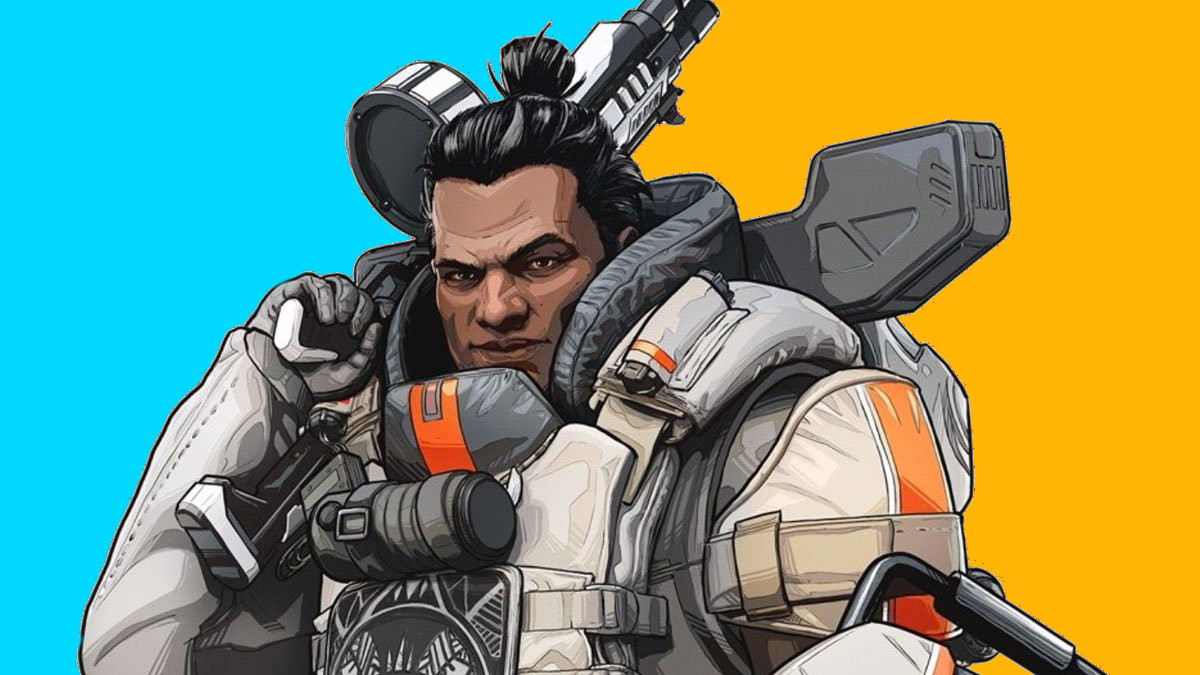
Unlike other battle royale games, Apex Legends features a roster of unique Legends, each with specialized abilities. These abilities range from offensive and defensive skills to support and reconnaissance tools, allowing players to tailor their playstyle. Popular Legends like Wraith, Pathfinder, and Bangalore have become staples in the community, each bringing a unique dynamic to matches.
Squad-Based Gameplay
The game emphasizes teamwork and coordination, with squads of three players working together to outlast opponents. This design fosters a sense of camaraderie and strategy, as players must communicate effectively and leverage their Legends' abilities to secure victory. The ping system, a standout feature, allows players to mark locations, enemies, and loot without needing voice chat, making it accessible to all players.
The Evolution of Apex Legends: From Launch to 2025
Since its debut, Apex Legends has undergone significant evolution, expanding across multiple platforms and introducing a wealth of content. The game's journey from a surprise hit to a staple in the battle royale genre is marked by seasonal updates, new Legends, and a thriving esports scene.
Platform Expansion and Accessibility
Initially launched on PC and consoles, Apex Legends later expanded to the Nintendo Switch and mobile platforms, broadening its reach. This cross-platform availability has allowed more players to join the action, contributing to its widespread popularity. The game's free-to-play model has also been a key factor in its accessibility, attracting a diverse player base.
Seasonal Content and Updates
Respawn Entertainment has consistently delivered seasonal content, including new Legends, weapons, and maps. Each season introduces fresh mechanics and balance changes, keeping the gameplay experience dynamic and engaging. These updates are crucial for maintaining player interest and ensuring the game's longevity in the competitive battle royale market.
Player Count and Revenue: A Closer Look
Apex Legends has seen fluctuations in its player base and revenue over the years. While the game has achieved remarkable financial success, recent data indicates a decline in player counts and net bookings, reflecting the challenges faced by live-service games in maintaining long-term engagement.
Lifetime Net Bookings and Financial Performance
As of March 2024, Apex Legends has generated approximately $3.4 billion in lifetime net bookings, a testament to its popularity and monetization strategies. However, Electronic Arts has forecasted a 40% decline in net bookings for the fiscal years 2025/2026, signaling potential headwinds for the game's financial performance.
Player Count Trends and Platform Differences
Player counts have varied significantly across platforms and over time. On Steam, the game experienced a notable decline in concurrent players during 2024 but showed signs of stabilization in 2025. According to SteamDB, the all-time peak concurrent players on Steam reached 624,473 on February 18, 2023. In 2025, monthly peaks on Steam ranged from 153,693 in January to higher figures later in the year.
It's important to note that these figures represent only the Steam player base. All-platform estimates suggest higher concurrent player counts, often in the mid-hundred thousands to around 600,000 during peak times. However, tracking exact numbers across all platforms remains challenging due to varying data sources and methodologies.
The Business Model: Free-to-Play with a Twist
Apex Legends employs a free-to-play business model with a focus on in-game monetization. This approach has proven highly successful, driving significant revenue through cosmetic microtransactions, battle passes, and limited-time events.
The Battle Pass System
The seasonal battle pass is a cornerstone of Apex Legends' monetization strategy. Players can purchase the battle pass to unlock exclusive cosmetics, Legends, and other rewards as they progress through the season. This system incentivizes continuous play and provides a steady stream of content for players to engage with.
Microtransactions and Cosmetics
In addition to the battle pass, Apex Legends offers a wide range of cosmetic items available for purchase. These include skins for Legends and weapons, as well as other customization options. The game's microtransaction model has been highly effective, contributing significantly to its overall revenue.
Limited-Time Events and Shop Rotations
Respawn Entertainment regularly introduces limited-time events and shop rotations, offering players exclusive content and incentives to spend. These events often feature unique game modes, challenges, and rewards, keeping the community engaged and driving additional revenue.
The Competitive Scene and Esports
Apex Legends has established a thriving esports ecosystem, with the Apex Legends Global Series (ALGS) serving as the premier competitive circuit. The game's competitive scene has grown significantly since its inception, attracting top-tier players and offering substantial prize pools.
The Apex Legends Global Series (ALGS)
The ALGS is the official esports league for Apex Legends, featuring regional and global tournaments with multi-hundred-thousand-dollar prize pools. The 2025 season continued to showcase the game's competitive depth, with teams from around the world vying for supremacy. The ALGS has been instrumental in maintaining the game's visibility and fostering a dedicated competitive community.
Community and Organizer Investment
The success of Apex Legends' esports scene is also driven by community and organizer investment. Numerous third-party tournaments and events have emerged, providing additional opportunities for players to compete and showcase their skills. This grassroots support has been crucial in sustaining the game's competitive landscape.
Challenges and Future Outlook
Despite its success, Apex Legends faces several challenges as it navigates the competitive battle royale market. The game's ability to adapt and innovate will be key to its long-term viability and continued popularity.
Declining Player Counts and Revenue
The decline in Steam concurrent players during 2024 and the projected drop in net bookings highlight the pressures faced by Apex Legends. Maintaining player engagement in a saturated market requires continuous content updates, balance changes, and innovative features. Respawn Entertainment must address these challenges to ensure the game's sustained success.
Competition in the Battle Royale Genre
The battle royale genre is highly competitive, with numerous titles vying for player attention. Apex Legends must differentiate itself through unique gameplay mechanics, compelling content, and a strong community focus. The game's hero shooter elements and squad-based format provide a distinct advantage, but ongoing innovation will be essential to stay ahead of the competition.
The Path Forward: Innovation and Community Engagement
Looking ahead, Apex Legends must continue to evolve and engage its player base. Key strategies include:
- Introducing new Legends and abilities to keep gameplay fresh.
- Expanding seasonal content with innovative themes and mechanics.
- Enhancing community engagement through events, tournaments, and social features.
- Addressing balance issues and gameplay concerns to maintain a fair and enjoyable experience.
By focusing on these areas, Apex Legends can overcome current challenges and secure its position as a leading battle royale title for years to come.
The Legends of Apex: A Deep Dive into Character Abilities
Apex Legends stands out in the battle royale genre due to its diverse roster of Legends, each with unique abilities that shape team strategies. Understanding these characters is crucial for mastering the game and adapting to different playstyles. Below, we explore some of the most iconic Legends and their roles in the battlefield.
Offensive Legends: Aggression and Disruption
Offensive Legends excel in dealing damage and disrupting enemy formations. These characters are ideal for players who prefer an aggressive playstyle and want to control the pace of engagements.
- Wraith: Known for her dimensional abilities, Wraith can reposition quickly and avoid damage with her Into the Void tactical. Her Dimensional Rift ultimate allows her team to traverse the map rapidly, making her a top pick for aggressive squads.
- Bangalore: A versatile soldier, Bangalore's Smoke Launcher provides cover for revives and repositioning, while her Rolling Thunder ultimate can force enemies out of fortified positions.
- Horizon: With her Gravity Lift, Horizon can manipulate the battlefield, lifting teammates to high ground or disrupting enemy movements. Her Black Hole ultimate is a powerful tool for area denial.
Defensive Legends: Protection and Sustain
Defensive Legends focus on protecting their team and controlling space. These characters are essential for maintaining a strong defensive position and ensuring squad survival.
- Gibraltar: A stalwart defender, Gibraltar's Dome of Protection provides a safe space for revives and healing. His Defensive Bombardment ultimate can zone out enemies effectively.
- Caustic: Specializing in area denial, Caustic's Nox Gas Traps can turn entire buildings into death zones. His Nox Gas Grenade ultimate is devastating in enclosed spaces.
- Rampart: With her Amped Cover, Rampart can fortify positions and boost her team's firepower. Her Emplaced Minigun ultimate turns her into a formidable turret.
Support Legends: Utility and Team Enhancement
Support Legends provide critical utility, enhancing their team's mobility, healing, and reconnaissance capabilities. These characters are vital for maintaining squad cohesion and gaining tactical advantages.
- Lifeline: The quintessential medic, Lifeline's D.O.C. Heal Drone can revive and heal teammates efficiently. Her Care Package ultimate provides high-tier loot, making her invaluable in prolonged engagements.
- Pathfinder: A mobility expert, Pathfinder's Grappling Hook allows for rapid repositioning. His Zipline Gun ultimate can create escape routes or initiate surprise attacks.
- Crypto: A reconnaissance specialist, Crypto's Surveillance Drone provides real-time intel on enemy positions. His Drone EMP ultimate can disable enemy abilities and traps, turning the tide of battle.
The Meta of Apex Legends: Strategies for Success
Understanding the current meta is essential for climbing the ranks in Apex Legends. The meta refers to the most effective strategies, Legends, and weapons that dominate the competitive landscape. Staying updated with the meta can give players a significant edge in matches.
Legend Tier Lists and Pick Rates
Legend selection plays a crucial role in determining a squad's success. Tier lists and pick rates, often derived from competitive play and community data, highlight the most effective Legends in the current meta. For instance:
- High-Tier Legends: Characters like Horizon, Valkyrie, and Gibraltar frequently top tier lists due to their versatility and strong abilities.
- Balanced Legends: Legends such as Bangalore and Wraith remain consistently viable, offering a mix of offensive and defensive capabilities.
- Situational Legends: Some Legends, like Crypto and Mirage, excel in specific scenarios or team compositions but may not be as universally effective.
Weapon Meta and Loadout Optimization
The weapon meta in Apex Legends is constantly evolving with each season's balance changes. Players must adapt their loadouts to stay competitive. Some of the most dominant weapons in recent seasons include:
- Assault Rifles: The R-301 Carbine and Flatline are staple choices for their reliability and versatility.
- SMGs: The R-99 and Volk are favored for their high damage output in close-quarters combat.
- Shotguns: The Mastiff and Peacekeeper remain powerful options for aggressive playstyles.
- Snipers: The Longbow and Sentinel are preferred for their precision and long-range capabilities.
Optimizing loadouts involves pairing weapons that complement each other, such as combining an assault rifle for mid-range engagements with a shotgun for close-quarters combat.
Map Knowledge and Positioning
Mastering the maps in Apex Legends is crucial for gaining a tactical advantage. Each map has unique terrain features, hot zones, and rotation paths that can influence the outcome of matches. Key strategies include:
- Hot Zones: High-risk, high-reward areas that offer superior loot but attract more enemies. Landing in hot zones can provide early-game advantages but requires quick decision-making and strong teamwork.
- Rotation Paths: Understanding the best routes to move between zones can help squads avoid ambushes and maintain optimal positioning.
- High Ground: Controlling elevated positions provides a significant advantage in engagements, allowing for better visibility and angles of attack.
The Impact of Seasonal Updates on Gameplay
Respawn Entertainment consistently rolls out seasonal updates that introduce new content, balance changes, and gameplay mechanics. These updates are pivotal in keeping the game fresh and engaging for both new and veteran players.
New Legends and Abilities
Each season typically introduces a new Legend, adding fresh dynamics to the gameplay. For example:
- Season 10 - Seer: Seer's ability to reveal enemy positions through walls with his Heart Seeker tactical made him a dominant force in the meta upon release.
- Season 14 - Vantage: Vantage's Echo Relocation ultimate allowed for unique positioning and sniping opportunities, adding a new layer of strategy to the game.
- Season 16 - Catalyst: Catalyst's Ferro Fluid abilities introduced new defensive and offensive structures, changing how teams approach engagements.
Map Changes and Rotations
Seasonal updates often include map changes and rotations, ensuring that the gameplay environment remains dynamic. These changes can range from minor adjustments to existing maps to the introduction of entirely new ones. For instance:
- Kings Canyon: A fan-favorite map that has undergone multiple iterations, each introducing new points of interest and terrain adjustments.
- World's Edge: Known for its diverse biomes and large-scale engagements, this map has seen various updates to keep it fresh.
- Storm Point: Introduced in Season 11, this map features unique wildlife and vast open areas, offering a different strategic approach compared to other maps.
Balance Patches and Weapon Adjustments
Balance patches are a critical aspect of seasonal updates, addressing community feedback and competitive concerns. These patches often include:
- Weapon Balancing: Adjustments to damage output, recoil patterns, and attachment effectiveness to ensure a fair and diverse meta.
- Legend Tweaks: Modifications to abilities and cooldowns to maintain balance among the roster of Legends.
- Quality-of-Life Improvements: Enhancements to gameplay mechanics, user interface, and overall player experience.
The Role of Cosmetics and Microtransactions in Apex Legends
The free-to-play model of Apex Legends relies heavily on cosmetics and microtransactions to generate revenue. These elements not only fund the game's continued development but also provide players with opportunities to personalize their experience.
The Appeal of Cosmetic Items
Cosmetic items in Apex Legends range from Legend skins and weapon skins to banners, quips, and finishers. These items allow players to express their individuality and style. Some of the most sought-after cosmetics include:
- Heirloom Sets: Rare and highly detailed melee weapons that come with unique animations and effects. Heirlooms are often tied to specific Legends and are considered the pinnacle of cosmetic prestige.
- Legendary Skins: These skins often feature intricate designs and animations, making them highly desirable among players.
- Event-Exclusive Cosmetics: Limited-time items tied to seasonal events, adding a sense of urgency and exclusivity.
The Battle Pass: A Seasonal Progression System
The battle pass is a central component of Apex Legends' monetization strategy. For a set price, players can unlock a tiered system of rewards that include cosmetics, Legend unlocks, and other in-game items. The battle pass typically features:
- Free Track: Available to all players, offering a selection of basic rewards.
- Premium Track: Purchasable with real currency, providing exclusive and high-value items.
- Challenges and Missions: Tasks that reward players with battle pass points, encouraging consistent engagement.
Limited-Time Events and Thematic Content
Limited-time events are a staple of Apex Legends' seasonal content, offering unique gameplay modes, exclusive cosmetics, and themed challenges. These events often coincide with real-world holidays or in-game lore developments. Notable examples include:
- Holo-Day Bash: A winter-themed event featuring festive cosmetics and game modes.
- Fight or Fright: A Halloween-inspired event with spooky skins and a special game mode.
- System Override: A futuristic-themed event introducing new gameplay mechanics and rewards.
These events not only provide fresh content but also drive player engagement and spending, contributing to the game's ongoing success.
The Future of Apex Legends: What to Expect in Upcoming Seasons
Apex Legends continues to evolve, with Respawn Entertainment consistently teasing new content and innovations. As the game approaches its sixth year, players can anticipate several exciting developments that will shape its future. Below, we explore what’s on the horizon for Apex Legends.
New Legends and Ability Innovations
One of the most anticipated aspects of each season is the introduction of new Legends. These characters bring fresh abilities and playstyles, keeping the meta dynamic. Upcoming Legends are expected to push the boundaries of creativity, with rumors suggesting:
- Hybrid Abilities: Future Legends may combine elements from different classes, such as blending offensive and support capabilities for greater versatility.
- Environmental Interaction: New abilities that manipulate the map in unprecedented ways, such as creating temporary structures or altering terrain.
- AI-Assisted Tactics: Legends with abilities that leverage artificial intelligence, such as drones with adaptive behaviors or predictive targeting systems.
Map Expansions and Dynamic Environments
The maps in Apex Legends are a cornerstone of its gameplay, and future updates are expected to introduce even more dynamic and interactive environments. Potential developments include:
- Procedural Map Changes: Seasons may feature maps that evolve over time, with shifting landscapes and new points of interest appearing as the season progresses.
- Destruction Mechanics: Enhanced destruction physics could allow players to collapse buildings, create new pathways, or trigger environmental hazards.
- New Biomes and Themes: Upcoming maps might explore entirely new settings, such as underwater facilities, alien landscapes, or cyberpunk cities.
Gameplay Mechanics and Quality-of-Life Improvements
Respawn Entertainment is committed to refining the core gameplay experience. Future updates are likely to focus on:
- Movement Enhancements: New mechanics that expand on the game’s fluid movement system, such as wall-running variations or enhanced sliding techniques.
- Weapon Customization: Deeper customization options for weapons, including modular attachments or unique skins that alter weapon behavior.
- Accessibility Features: Improved accessibility options, such as customizable controls, colorblind modes, and adaptive difficulty settings for new players.
The Competitive Landscape: Esports and Ranked Play
The competitive scene in Apex Legends remains a driving force behind its popularity. The Apex Legends Global Series (ALGS) continues to grow, attracting top-tier talent and offering substantial prize pools. Here’s what the future holds for competitive play.
The Evolution of the ALGS
The ALGS has become a cornerstone of the Apex Legends esports ecosystem. Future seasons are expected to introduce:
- Expanded Regional Leagues: More regional tournaments to foster local talent and provide additional pathways to the global stage.
- Increased Prize Pools: Larger financial incentives to attract more teams and elevate the competitive scene.
- New Tournament Formats: Innovative formats, such as double-elimination brackets or unique game modes, to keep competitions fresh and engaging.
Ranked Play Adjustments
Ranked play is a critical component of Apex Legends, offering a structured competitive experience. Future updates may include:
- Dynamic Ranked Tiers: Adjustments to the ranked system to better reflect player skill and reduce smurfing.
- Seasonal Ranked Rewards: Exclusive cosmetics and badges for players who achieve high ranks, incentivizing competitive play.
- Improved Matchmaking: Enhanced algorithms to ensure fairer and more balanced matches, particularly in higher tiers.
The Rise of Community Tournaments
Beyond the ALGS, community-driven tournaments play a vital role in the competitive ecosystem. These events offer opportunities for amateur players to showcase their skills and gain recognition. Future trends may include:
- More Third-Party Events: Increased support for community organizers, leading to a broader range of tournaments and leagues.
- Grassroots Initiatives: Programs designed to nurture new talent, such as mentorship opportunities and amateur leagues.
- Cross-Platform Competitions: Tournaments that span multiple platforms, allowing console and PC players to compete on a level playing field.
Community and Social Features: Building a Stronger Player Base
A thriving community is essential for the long-term success of Apex Legends. Respawn Entertainment is likely to introduce new social features and initiatives to foster engagement and inclusivity.
Enhanced Social Systems
Future updates may focus on improving social interactions within the game, including:
- Improved Party Systems: More robust tools for forming and managing squads, such as in-game LFG (Looking for Group) features.
- Cross-Platform Parties: Seamless integration of players across PC, console, and mobile platforms, making it easier to play with friends regardless of their device.
- In-Game Communication Tools: Enhanced voice chat and text communication options, including better moderation tools to reduce toxicity.
Community Events and Challenges
Engaging the community through events and challenges is a key strategy for maintaining player interest. Future initiatives may include:
- Themed Community Challenges: Seasonal challenges that encourage collaboration and friendly competition among players.
- Player-Created Content: Features that allow players to create and share custom game modes, maps, or cosmetics.
- Charity Events: Special in-game events that support charitable causes, fostering a sense of community and social responsibility.
Streamer and Content Creator Support
Streamers and content creators play a crucial role in promoting Apex Legends. Future updates may include:
- Creator Codes and Partnerships: Expanded programs that allow creators to earn rewards and support their communities.
- Exclusive In-Game Events: Special events and cosmetics tied to popular streamers and content creators.
- Improved Spectator Tools: Enhanced tools for streaming and content creation, such as better replay systems and customizable HUD options.
Conclusion: The Enduring Appeal of Apex Legends
Apex Legends has solidified its place as a titan in the battle royale genre, thanks to its innovative hero shooter mechanics, dynamic gameplay, and commitment to continuous evolution. From its surprise launch in 2019 to its current status as a multi-billion-dollar franchise, the game has consistently delivered excitement and engagement to millions of players worldwide.
Key Takeaways
As we look to the future, several key takeaways emerge:
- Innovation is Key: The introduction of new Legends, maps, and gameplay mechanics will keep Apex Legends fresh and engaging.
- Competitive Growth: The ALGS and community tournaments will continue to drive the game’s esports scene, attracting new talent and fostering competition.
- Community Engagement: Enhanced social features and community initiatives will strengthen the player base and ensure long-term success.
- Adaptation to Challenges: Addressing declining player counts and revenue pressures through strategic updates and monetization will be crucial.
The Path Forward
Apex Legends faces challenges, but its strong foundation and dedicated development team position it well for continued success. By leveraging its unique hero shooter mechanics, expanding its competitive scene, and fostering a vibrant community, the game can overcome obstacles and thrive in the ever-evolving battle royale landscape.
For players, the future of Apex Legends promises excitement, innovation, and endless opportunities for strategic gameplay. Whether you're a casual player enjoying the thrill of the battle royale or a competitive athlete aiming for the top of the ALGS, Apex Legends offers something for everyone. As the game continues to evolve, one thing is certain: the legend of Apex Legends is far from over.
"Apex Legends isn’t just a game—it’s a constantly evolving experience that challenges players to adapt, strategize, and triumph. With each season, Respawn Entertainment proves that innovation and community are at the heart of its success."

Dota 2: The Ultimate Guide to the Legendary MOBA Game
Dota 2 stands as one of the most influential and enduring multiplayer online battle arena (MOBA) games in the world. Developed by Valve and released in 2013, it has captivated millions with its strategic depth, competitive gameplay, and vibrant esports scene. Whether you're a seasoned player or a newcomer, this guide will explore the game's core mechanics, recent updates, and why it remains a titan in the gaming industry.
What Is Dota 2?
Dota 2 is a free-to-play game that pits two teams of five players against each other in a battle for dominance. Each player controls a unique hero, each with distinct abilities, strengths, and weaknesses. The objective is to destroy the enemy's Ancient, a heavily guarded structure located in their base. The game is played on a symmetrical map featuring three main lanes, a jungle filled with neutral creatures, and various strategic points to control.
As a successor to the popular Defense of the Ancients (DotA) mod for Warcraft III, Dota 2 has evolved into a standalone masterpiece. It runs on Valve's Source 2 engine, delivering stunning visuals, smooth gameplay, and a robust infrastructure for competitive play. The game is available on Windows, macOS, and Linux, making it accessible to a wide audience.
Key Features of Dota 2
Diverse Hero Roster
One of the most compelling aspects of Dota 2 is its vast roster of 124 playable heroes. Each hero falls into one of several roles, such as carry, support, initiator, or jungler, allowing for a wide range of playstyles and strategies. Heroes are categorized based on their primary attribute—Strength, Agility, or Intelligence—which influences their abilities and growth throughout the match.
- Strength Heroes: Typically tanky and excel in close combat.
- Agility Heroes: Focus on attack speed and evasion, often serving as carries.
- Intelligence Heroes: Rely on mana and powerful spells, often filling support or nuker roles.
Strategic Gameplay
Dota 2 is renowned for its strategic depth. Success in the game requires more than just mechanical skill; it demands team coordination, resource management, and adaptability. Players must balance gold and experience farming while also participating in team fights and objectives. The game's complexity is further enhanced by its item system, which allows players to customize their heroes with a wide array of gear to counter enemies or enhance their strengths.
Ranked Matchmaking
For those seeking a competitive challenge, Dota 2 offers a ranked matchmaking system. Players are matched based on their Matchmaking Rating (MMR), which reflects their skill level. The system ensures fair and balanced games, with players climbing the ranks through consistent performance. The ranked system is divided into various tiers, from Herald to Divine, providing clear milestones for players to achieve.
Custom Games and Steam Workshop
Beyond its standard gameplay, Dota 2 supports custom games created by the community. Through the Steam Workshop, players can design and share their own game modes, maps, and modifications. This feature has led to the creation of popular custom games like Dota Auto Chess, which later evolved into its own standalone genre.
Recent Updates and Developments
Patch 7.39e: Balance and New Features
Valve continuously updates Dota 2 to keep the gameplay fresh and balanced. The latest major update, Patch 7.39e, was released on August 28, 2025. This patch introduced several key changes, including:
- Team Supporter's Club: A new feature allowing players to show support for their favorite teams.
- Balance Adjustments: Mana grant increased from 15% to 20% on certain abilities.
- Aghanim's Scepter Changes: Aura persistence reduced from 3 seconds to 2 seconds.
Spring Forward 2025 Update
The Spring Forward 2025 update brought significant changes to the game, including:
- Hero Reworks: Several heroes received updates to their abilities and playstyles.
- Map Terrain Changes: Adjustments to the jungle and lane layouts to enhance gameplay dynamics.
- New Neutral Items: Additional items to diversify strategies.
- Cosmetic Additions: 16 new hero sets, including Immortal items, Personas, and Taunts.
Upcoming Patch 7.40
Players are eagerly anticipating Patch 7.40, expected around December 16, 2025. This update is speculated to coincide with the conclusion of DreamLeague Season 27, one of the major esports events in the Dota 2 calendar. While details are scarce, the community expects significant balance changes and possibly new heroes or features.
The Esports Scene
The International (TI)
Dota 2 is synonymous with high-stakes esports, and The International (TI) is its crown jewel. This annual tournament features the best teams from around the world competing for a multimillion-dollar prize pool, crowdfunded through battle pass sales. While details for TI 2025 have not been announced, past events have set records for prize pools, with TI10 offering over $40 million in prizes.
DreamLeague Season 27
As of December 2025, DreamLeague Season 27 is underway, showcasing top-tier teams in intense matches. Notable games, such as OG vs. Yandex and Tidebound highlights, have drawn significant attention from the community. The tournament features commentary from renowned casters and former professionals like Ceb and Gorgc, adding depth and insight to the broadcasts.
Games of the Future 2025
Another highlight in the Dota 2 esports calendar is the Games of the Future 2025, a Tier 2 offline showmatch held in the UAE. Organized by ASPIRE and Ethara, this event showcases regional talent and provides a platform for emerging teams to compete at a high level.
Why Dota 2 Remains Popular
Constant Evolution
Dota 2's longevity can be attributed to Valve's commitment to regular updates and balance changes. The game evolves with each patch, introducing new mechanics, hero adjustments, and cosmetic additions. This continuous evolution keeps the gameplay fresh and engaging for both new and veteran players.
Community and Customization
The Dota 2 community is one of its greatest strengths. With an active player base and a thriving Steam Workshop, players have endless opportunities to customize their experience. From hero skins to custom game modes, the community's creativity ensures that there's always something new to explore.
Accessibility and Free-to-Play Model
Since 2017, Dota 2 has been entirely free-to-play, with all heroes available from the start. This model removes barriers to entry, allowing players to jump into the action without financial constraints. While cosmetic items and battle passes are available for purchase, they do not affect gameplay, ensuring a fair and competitive environment.
Stay tuned for Part 2, where we'll dive deeper into Dota 2's hero roles, advanced strategies, and tips for climbing the ranked ladder.
Understanding Hero Roles in Dota 2
Dota 2 features a diverse range of hero roles, each contributing uniquely to a team's success. Understanding these roles is crucial for effective team composition and strategy. The primary roles include Carry, Support, Midlaner, Offlaner, and Jungler, each with distinct responsibilities and playstyles.
Carry
The Carry is the team's primary damage dealer, responsible for scaling into the late game and securing kills. Carries typically start weak but become powerful as they farm gold and experience. Heroes like Anti-Mage, Phantom Assassin, and Terrorblade excel in this role, dealing massive damage in team fights.
- Farming Priority: Carries need space and resources to grow.
- Late-Game Impact: Their strength peaks in the late stages of the game.
- Item Dependence: Requires high-cost items to maximize potential.
Support
Supports are the backbone of any Dota 2 team, providing utility, crowd control, and vision. They enable carries and other core heroes to farm efficiently. Supports are further divided into Hard Support (Position 5) and Soft Support (Position 4). Heroes like Crystal Maiden, Dazzle, and Earthshaker are popular choices.
- Vision Control: Placing wards and dewarding enemy vision.
- Crowd Control: Stuns, silences, and disables to disrupt enemies.
- Utility: Healing, buffing, and saving allies with spells.
Midlaner
The Midlaner plays a crucial role in controlling the mid lane, securing runes, and often dictating the pace of the game. Midlaners are usually high-impact heroes who can transition into either a semi-carry or a support role. Heroes like Invoker, Puck, and Storm Spirit dominate this role with their versatility and burst damage.
- Rune Control: Securing power-ups like Haste, Double Damage, and Invisibility.
- Gank Potential: Rotating to other lanes to create kill opportunities.
- Scaling: Balancing between early-game aggression and late-game relevance.
Offlaner
The Offlaner, often referred to as the Position 3 hero, plays in the hard lane and focuses on disrupting the enemy carry's farming. Offlaners are typically tanky and excel in initiating fights. Heroes like Timbersaw, Centaur Warrunner, and Tidehunter thrive in this role, offering both durability and crowd control.
- Survivability: Ability to withstand harassment and ganks.
- Initiation: Starting team fights with powerful abilities.
- Space Creation: Drawing enemy attention to create space for the carry.
Jungler
While less common in high-level play, the Jungler role involves farming neutral creeps in the jungle to accelerate level and gold gain. Heroes like Legion Commander, Ursa, and Enchantress can effectively jungle, though this role is often situational and depends on the team's strategy.
- Fast Farming: Efficiently clearing jungle camps for quick levels.
- Gank Potential: Surprising enemies from the jungle for kills.
- Flexibility: Adapting to the game's flow and team needs.
Advanced Strategies for Climbing the Ranked Ladder
Climbing the ranked ladder in Dota 2 requires more than just mechanical skill. It demands a deep understanding of game mechanics, teamwork, and adaptability. Here are some advanced strategies to help you improve your Matchmaking Rating (MMR) and achieve higher ranks.
Mastering Last-Hitting and Denying
Last-hitting and denying are fundamental skills that directly impact your gold income and lane control. Last-hitting refers to landing the final blow on enemy creeps to earn gold, while denying involves killing your own creeps to prevent the enemy from gaining gold and experience.
- Practice in Demo Mode: Use the in-game demo mode to hone your last-hitting skills.
- Understand Creep Aggro: Learn how to manipulate creep aggro to secure last hits.
- Deny Efficiently: Deny creeps when they're below 50% health to maximize lane control.
Map Awareness and Vision Control
Map awareness is crucial for avoiding ganks and making informed decisions. Vision control, achieved through wards and gem placement, provides critical information about enemy movements. Always carry a Town Portal Scroll to respond quickly to threats or opportunities.
- Ward Key Locations: Place wards near runes, enemy jungle entrances, and high ground.
- Use the Mini-Map: Frequently check the mini-map to track enemy positions.
- Communicate with Teammates: Share information about missing enemies and potential ganks.
Itemization and Counter-Building
Effective itemization can turn the tide of a game. Understanding which items counter specific heroes or strategies is essential. For example, Black King Bar (BKB) provides magic immunity against heavy spellcasters, while Blade Mail reflects damage to counter physical attackers.
- Analyze Enemy Heroes: Build items that counter the enemy team's strengths.
- Adapt to the Game: Adjust your item build based on the game's progression.
- Prioritize Core Items: Focus on completing essential items before luxury purchases.
Team Fight Positioning
Proper positioning in team fights can mean the difference between victory and defeat. Carries should stay at the back, dealing damage from a safe distance, while supports and initiators should focus on disabling key targets. Avoid clustering together to minimize the impact of area-of-effect (AoE) spells.
- Focus High-Priority Targets: Target enemy carries and supports first.
- Use Terrain: Position yourself near trees or high ground for vision advantages.
- Communicate Ultimates: Coordinate ultimate abilities for maximum impact.
The Impact of Patches and Meta Shifts
Dota 2 is a dynamic game, with frequent patches and updates shaping the meta. Staying informed about these changes is crucial for maintaining a competitive edge. Recent patches, such as 7.39e and the Spring Forward 2025 update, have introduced significant balance adjustments and new features.
Patch 7.39e: Key Adjustments
Patch 7.39e, released on August 28, 2025, brought several notable changes:
- Team Supporter's Club: A new feature allowing players to support their favorite teams.
- Mana Grant Increase: Mana grant from abilities increased from 15% to 20%.
- Aghanim's Scepter Changes: Aura persistence reduced from 3 seconds to 2 seconds.
These adjustments aim to refine gameplay balance and introduce new strategic elements, keeping the game fresh and engaging.
Spring Forward 2025 Update: Hero Reworks and Map Changes
The Spring Forward 2025 update was a major overhaul, introducing:
- Hero Reworks: Several heroes received updates to their abilities and playstyles.
- Map Terrain Changes: Adjustments to jungle paths and lane layouts.
- New Neutral Items: Additional items to diversify strategies.
- Cosmetic Additions: 16 new hero sets, including Immortal items, Personas, and Taunts.
These changes have significantly impacted the meta, with players adapting to new hero dynamics and map strategies.
Anticipating Patch 7.40
The Dota 2 community is eagerly awaiting Patch 7.40, expected around December 16, 2025. This update is speculated to coincide with the conclusion of DreamLeague Season 27, potentially introducing major balance changes and new content. Players should stay tuned to official announcements and patch notes to adapt quickly to the evolving meta.
The Role of Esports in Dota 2's Popularity
Esports plays a pivotal role in Dota 2's enduring popularity. High-stakes tournaments, professional players, and a dedicated fan base contribute to the game's competitive scene. Events like The International (TI) and DreamLeague showcase the pinnacle of Dota 2 gameplay, drawing millions of viewers worldwide.
The International: The Pinnacle of Dota 2 Esports
The International (TI) is the most prestigious Dota 2 tournament, featuring the best teams from around the world. Known for its multimillion-dollar prize pools, TI is crowdfunded through battle pass sales, with past events offering over $40 million in prizes. The tournament is a celebration of skill, strategy, and community, culminating in an unforgettable finale.
DreamLeague Season 27: Ongoing Competition
As of December 2025, DreamLeague Season 27 is in full swing, showcasing top-tier teams in intense matches. Notable games, such as OG vs. Yandex and Tidebound highlights, have drawn significant attention. The tournament features commentary from renowned casters and former professionals like Ceb and Gorgc, adding depth and insight to the broadcasts.
Games of the Future 2025: Regional Showcases
The Games of the Future 2025 is a Tier 2 offline showmatch held in the UAE, organized by ASPIRE and Ethara. This event highlights regional talent and provides a platform for emerging teams to compete at a high level. Such tournaments are essential for growing the Dota 2 esports ecosystem and fostering new talent.
Stay tuned for Part 3, where we'll explore Dota 2's community, custom game modes, and tips for new players looking to dive into this legendary MOBA.
The Vibrant Dota 2 Community and Custom Game Modes
Dota 2 thrives not only as a competitive esports title but also as a hub for creativity and community engagement. The game's Steam Workshop and custom game modes have fostered a vibrant ecosystem where players can explore unique gameplay experiences beyond the standard 5v5 matches. This community-driven content has significantly contributed to the game's longevity and appeal.
Steam Workshop: A Hub for Creativity
The Steam Workshop allows players to create and share custom content, including hero skins, ability icons, and even entirely new game modes. This feature has led to the development of innovative and entertaining custom games that have captivated the Dota 2 community. Some of the most popular custom games include:
- Dota Auto Chess: A strategic auto-battler that combines elements of chess and Dota 2 heroes. This mode became so popular that it inspired a standalone genre of auto chess games.
- Overthrow: A fast-paced, team-based mode where players battle to control a central point and defeat the enemy team.
- Ability Draft: A drafting mode where players pick and combine abilities from different heroes to create unique and often hilarious builds.
These custom games provide a refreshing break from the standard Dota 2 gameplay and offer endless hours of fun and experimentation.
Community Tournaments and Events
Beyond official esports events, the Dota 2 community organizes numerous tournaments and events. These range from small-scale local competitions to large online tournaments with substantial prize pools. Community-driven events often feature unique rules, custom maps, and innovative formats that keep the gameplay exciting and unpredictable.
- In-house Leagues: Organized by community groups, these leagues provide a structured environment for players to compete and improve.
- Charity Matches: Professional players and streamers often participate in charity events, raising funds for various causes while entertaining fans.
- Themed Tournaments: Events centered around specific heroes, items, or gameplay mechanics, offering a fresh twist on traditional Dota 2 matches.
Tips for New Players: Getting Started in Dota 2
For newcomers, Dota 2 can be overwhelming due to its complexity and steep learning curve. However, with the right approach and resources, new players can quickly grasp the fundamentals and start enjoying the game. Here are some essential tips to help beginners get started:
Learn the Basics: Tutorials and Guides
Before diving into matches, it's crucial to understand the basic mechanics of Dota 2. The game offers a comprehensive tutorial that covers essential concepts such as last-hitting, denying, and hero abilities. Additionally, numerous online guides and videos provide in-depth explanations of game mechanics, item builds, and strategies.
- In-Game Tutorial: Complete the built-in tutorial to familiarize yourself with the controls and basic mechanics.
- YouTube Guides: Channels like PurgeGamers, GameLeap Dota 2, and GamerzClass offer excellent tutorials for beginners.
- Community Guides: Websites like Dota 2 Wiki and Liquipedia provide detailed information on heroes, items, and strategies.
Start with Beginner-Friendly Heroes
Not all heroes in Dota 2 are equally complex. Some heroes have straightforward abilities and playstyles, making them ideal for beginners. Starting with these heroes can help new players build confidence and understand the game's mechanics without feeling overwhelmed.
- Wraith King: A durable strength hero with a simple yet effective kit, including a lifesteal ability and a ultimate that allows him to cheat death.
- Dragon Knight: A versatile hero with a straightforward playstyle, featuring a dragon form that enhances his combat abilities.
- Crystal Maiden: A support hero with powerful crowd control abilities, making her an excellent choice for learning the support role.
Focus on One Role at a Time
Attempting to master all roles simultaneously can be daunting for new players. Instead, focus on one role at a time to develop a deep understanding of its responsibilities and mechanics. Whether you choose to start as a carry, support, or midlaner, mastering one role will provide a solid foundation for learning others.
- Carry: Learn the art of farming, positioning, and late-game decision-making.
- Support: Master the skills of warding, harassing, and enabling your team.
- Midlaner: Develop the ability to control the mid lane, secure runes, and gank effectively.
Play with Friends and Join Communities
Playing with friends can make the learning process more enjoyable and less frustrating. Friends can provide guidance, share strategies, and offer support during matches. Additionally, joining Dota 2 communities on platforms like Reddit, Discord, and Steam can connect you with experienced players who are willing to mentor and share insights.
- Discord Servers: Join Dota 2-focused Discord servers to find teammates, ask questions, and participate in discussions.
- Reddit Communities: Subreddits like r/DotA2 and r/learndota2 offer valuable resources and a supportive community.
- In-Game Guilds: Form or join guilds within Dota 2 to connect with like-minded players and participate in group activities.
The Future of Dota 2: What to Expect
Dota 2 continues to evolve, with Valve consistently introducing updates, new features, and balance changes. The future of the game looks promising, with several exciting developments on the horizon. Here's what players can expect in the coming months and years:
Upcoming Patches and Balance Changes
Valve's commitment to regular updates ensures that Dota 2 remains fresh and engaging. The anticipated Patch 7.40, expected around December 16, 2025, is likely to introduce significant balance changes, new heroes, and potentially game-changing features. Players should stay tuned to official announcements and patch notes to adapt to the evolving meta.
- Hero Adjustments: Balance changes to underperforming or overpowered heroes.
- New Items: Introduction of new items to diversify build options and strategies.
- Map Updates: Potential adjustments to the map layout and jungle mechanics.
Esports and Competitive Scene
The Dota 2 esports scene shows no signs of slowing down. With events like The International and DreamLeague continuing to draw massive audiences, the competitive landscape remains vibrant and dynamic. The introduction of new tournaments, regional leagues, and community-driven events ensures that there's always something exciting happening in the world of Dota 2 esports.
- The International 2026: Anticipation for the next iteration of the premier Dota 2 tournament.
- Regional Leagues: Expansion of regional leagues to foster local talent and provide more competitive opportunities.
- Community Tournaments: Growth of grassroots tournaments and events organized by the community.
Technological Advancements and Gameplay Innovations
As technology advances, so too does the potential for innovation in Dota 2. Valve's use of the Source 2 engine allows for stunning visuals, smooth gameplay, and robust networking. Future updates may introduce new technological features, such as enhanced AI, improved matchmaking algorithms, and advanced anti-cheat measures.
- AI Opponents: Development of more sophisticated AI for practice and coaching purposes.
- Matchmaking Improvements: Refinements to the matchmaking system to ensure fairer and more balanced games.
- Anti-Cheat Enhancements: Implementation of advanced anti-cheat measures to maintain a fair competitive environment.
Conclusion: Why Dota 2 Remains a Legendary MOBA
Dota 2 has solidified its place as one of the most influential and enduring games in the MOBA genre. Its deep strategic gameplay, diverse hero roster, and thriving esports scene continue to captivate players worldwide. The game's commitment to regular updates, community-driven content, and competitive integrity ensures that it remains fresh and engaging for both new and veteran players.
From its humble beginnings as a Warcraft III mod to its current status as a global esports phenomenon, Dota 2 has evolved into a cultural touchstone in the gaming world. Its vibrant community, innovative custom game modes, and high-stakes tournaments contribute to its lasting appeal and popularity.
For those looking to dive into Dota 2, the journey may be challenging, but the rewards are immense. Whether you're drawn to the strategic depth, the competitive thrill, or the creative possibilities, Dota 2 offers an unparalleled gaming experience that continues to stand the test of time.
As we look to the future, Dota 2 shows no signs of slowing down. With upcoming patches, esports events, and technological advancements on the horizon, the game is poised to remain a dominant force in the MOBA genre for years to come. So, gather your friends, pick your hero, and dive into the world of Dota 2—where every match is a new adventure and every victory is a testament to skill, strategy, and teamwork.


Fortnite: The Ultimate Guide to the Most Popular Video Game
Fortnite has captured the hearts (and screens) of gamers worldwide since its release in 2017. Developed by Epic Games, this online video game has evolved into a multimedia sensation, blending elements of competitive play, creative building, and engaging narrative-driven content. The game's core Battle Royale mode has been the primary draw, but Fortnite has continually expanded its horizons, adding new game modes, collaborations, and seasonal updates that keep players coming back for more.
Key Facts and Recent Developments
Fortnite's global reach is nothing short of remarkable. As of 2025, the game boasts over 650 million registered players, a significant jump from the 350 million recorded in 2020. The daily active player count fluctuates seasonally, averaging around 1.3 million, though peaks can reach anywhere from 1.2 to 1.6 million during major events or updates. Some reports even suggest that the game can attract an astounding 30 to 40 million daily active users with some of the biggest events. During the "Remix: The Finale" event alone in November 2024, Fortnite reached a staggering concurrency of over 14.3 million players, easily setting a record among gaming giants.
Fortnite's financial success is equally impressive. In its first two full years, the game generated over $9 billion in revenue. Despite occasional declines in user numbers, especially towards the latter half of 2024, the game still maintains significant revenues, thanks in part to ongoing content updates and player engagement strategies. Monthly revenue increases by about 23% during in-game events, highlighting the economic vitality of the game.
The demographic breakdown of Fortnite's players shows a clear trend toward young adults. With 18-24 year-olds comprising 36.9% of the player base and those aged 25-34 making up 22.8%, it's evident that the game appeals particularly well to the younger generation. This strong presence in the younger age brackets is partly due to the diverse range of content offerings and the game's ability to cater to both casual and competitive players.
Platform Availability and Accessibility
Fortnite's vast player base is not just confined to desktops and consoles. The game is available on a wide range of platforms, including PC, PlayStation, Xbox, Nintendo Switch, and mobile devices. This broad availability contributes significantly to Fortnite's massive player reach, ensuring that the game remains accessible to almost anyone with an internet connection.
The multi-platform nature of Fortnite means that players can switch between devices seamlessly without losing their progress. Whether you're playing from a PC, console, or mobile device, the game offers consistent gameplay experiences across all platforms, fostering a sense of community among players regardless of what they choose to play on.
Cultural Impact and Influences
Fortnite has not only dominated the gaming world but has also infiltrated pop culture. From virtual concerts to celebrity appearances and cross-media promotions, the game has become a cultural phenomenon. Collaborations with popular franchises like The Simpsons and Marvel have further expanded its influence, attracting fans who might not otherwise engage with gaming content.
The success of Fortnite as a cultural entity goes beyond just its gameplay mechanics. Its influence is evident in the way it intersects with music videos, TV shows, and even real-life sporting events. Celebrities have jumped aboard the Fortnite bandwagon, hosting events and participating in the game, which has helped to cement its place as a key player in the broader entertainment landscape.
Monetization Strategies and Player Engagement
Much of Fortnite's revenue comes from its free-to-play model combined with various forms of monetization. Players can purchase skins, emotes, and battle passes that offer cosmetic upgrades and seasonal content. These add-ons enhance the experience without requiring players to spend money on the base game, making Fortnite accessible to a wider audience while still generating substantial income.
The game's competitive scene also plays a crucial role in maintaining player engagement. Regular esports tournaments with sizable prize pools appeal to highly skilled players, fostering a dedicated competitive community. However, Fortnite's appeal extends far beyond professional players; the casual playerbase continues to enjoy the game's core modes and events.
Player Demographics and Behavior
Fortnite's player demographics reveal a strong bias toward younger players, with 18-24 year-olds accounting for 36.9% of the player base, followed closely by the 25-34 group at 22.8%. These two age brackets together represent more than half of Fortnite's player pool, underscoring the game's popularity among younger adults. This age distribution indicates a healthy mix of players, ranging from hardcore gaming fans to young adults who appreciate the game as a form of social interaction and entertainment.
In terms of playtime, Fortnite players typically invest approximately 8 to 10 hours per week, depending on their engagement levels. This high level of investment suggests a deep attachment to the game among its players, contributing to the game's enduring popularity.
Trends and Future Projections
Despite some fluctuations, Fortnite's player base remains resilient, with peaks still reaching millions during special events. This trend is supported by the company's continued efforts to innovate and update the game with new content and features. The introduction of personalized metrics via Fortnite Wrapped 2025 allows players to track their performance throughout the year, fostering a sense of community and personal achievement.
With each new season and event, Fortnite introduces new game modes and storylines that keep players engaged. Seasonal updates not only provide fresh content but also help maintain player loyalty by constantly evolving the game. Epic Games' strategic approach to these updates ensures that Fortnite remains a relevant and exciting title on the gaming scene.
Fortnite's global reach is also noteworthy, with significant spending concentrated primarily in the United States, where 63% of total revenue originates. This geographic focus reflects the game's overall popularity and provides valuable insights into how regional preferences and economies influence gaming trends.
The game's success can be attributed to a combination of factors, including its versatile gameplay modes, compelling narrative elements, and strong community support. By leveraging player feedback and continuously refining the game, Epic Games has managed to keep Fortnite at the forefront of the gaming industry. As the game continues to evolve, it promises to remain a dominant force in the world of online multiplayer gaming.
Current Trends and Notable Information
Despite a notable decline from its peak of over 2 million daily players in late 2024 to around 1.3 million in mid-2025, Fortnite continues to maintain a robust player base. This resilience is largely due to the game's commitment to continuous content updates and engaging events. The introduction of new game modes and seasonal updates has been pivotal in retaining player interest, providing fresh content that keeps the experience fresh and exciting.
The game's core Battle Royale mode remains the primary driver of this trend. However, regular updates introduce new challenges and environments that keep players engaged. For instance, the latest season introduced new maps, weapons, and game mechanics, ensuring that players continue to have fresh experiences even as they return repeatedly.
The importance of player engagement cannot be overstated. Fortnite consistently pushes the boundaries of what is possible in terms of in-game events and seasonal themes. Recent events such as collaborations with celebrities and influencers, like Travis Scott, have not only drawn huge audiences but have also increased the game's visibility and appeal across different demographics.
Community and Content Creation
The strength of Fortnite's community is another crucial factor in its enduring success. The game has fostered a vibrant ecosystem of content creators and streamers who contribute to its popularity and maintain a strong sense of community. Platforms like YouTube, Twitch, and Discord are filled with creators who share gameplay footage, stream daily sessions, and run tournaments.
Twitch remains a cornerstone of Fortnite’s streaming community. With over 13 million hours streamed weekly, Fortnite consistently ranks among the top categories. This platform serves as a hub for live streaming, where players and content creators can interact directly with fans, share tips, and showcase the latest in-game developments. The high viewership figures underscore the game's ability to captivate an extensive audience and maintain its status as a top-tier streaming destination.
Dedicated tracking sites like Fortnite Tracker have emerged to monitor player stats and leaderboards. These tools provide detailed information and allow fans to compete against each other, fostering a competitive yet supportive community atmosphere. Such platforms are instrumental in promoting user-generated content and enhancing player engagement by offering interactive and engaging features.
Global Reach and Economic Impact
Fortnite's global reach is vast, with significant spending concentrated in regions like the United States, Europe, and Asia. The economic impact of the game is profound, driving local economies and providing job opportunities within the gaming and technology sectors. Epic Games’ investment in localizing content and adapting to diverse cultural preferences has helped to broaden the game's appeal internationally.
One of the key reasons for Fortnite's global success is its adaptability. The game has successfully navigated cultural and geographical differences, ensuring that it resonates with players worldwide. From translating game content into multiple languages to incorporating local references and themes, Epic Games has demonstrated a keen understanding of the importance of cultural context.
Relevant Statistics and Data
| Metric | Value (2025) |
|---|---|
| Registered Players | Over 650 million+ |
| Average Daily Active Players | ~1.3 million (fluctuates seasonally) |
| Peak Concurrent Players | 14.3 million (record event) |
| Total Revenue (first 2 years) | $9 billion+ |
| Monthly Revenue Increase (events) | ~23% |
| Average Weekly Playtime | 8-10 hours per player |
| Twitch Weekly Stream Hours | 13+ million hours |
| Largest Age Group | 18-24 years (36.9%) |
This data paints a picture of a resilient and thriving community. Fortnite has achieved extraordinary success, driven by a blend of innovative gameplay, strong monetization strategies, and a vibrant community of players and content creators. The game continues to dominate the market, showcasing its versatility and appeal across different platforms and demographics.
Future Prospects
Looking ahead, Fortnite is poised to further integrate with emerging technologies such as virtual reality (VR) and augmented reality (AR). These technologies could potentially expand the game's scope and offer new forms of interactive content, bringing a whole new dimension to player experiences. Additionally, the ongoing developments in mobile gaming could see Fortnite optimize its performance on smartphones and tablets, extending its reach to a broader audience.
Epic Games' continued investment in cutting-edge gaming technologies and their willingness to innovate ensure that Fortnite will remain at the forefront of the gaming industry. The company's focus on player engagement and satisfaction has proven crucial in maintaining its position as a leading game. As Fortnite evolves, it is certain to continue captivating players and shaping the future of online gaming.
In conclusion, Fortnite stands as a testament to the power of innovation and community in the gaming world. Its enduring success is a result of a strategic blend of strong player engagement, diverse monetization models, and an unwavering commitment to delivering engaging content. Whether through its core Battle Royale mode or its expanding ecosystem, Fortnite remains a significant player in the global gaming community.
Future Prospects and Technological Innovations
As Fortnite continues to evolve, one of the most eagerly anticipated developments is the integration of emerging technologies such as virtual reality (VR) and augmented reality (AR). These advancements could greatly enhance the gaming experience, offering new dimensions of interactivity and immersion. VR could provide players with a fully embodied experience, where every movement and action feels more natural and engaging. AR, on the other hand, could bring the game into the real world, allowing players to interact with in-game elements in their physical surroundings, creating a truly immersive environment.
Epic Games is already investing heavily in these technologies, as evidenced by the company's exploration of VR games like Strawberry. By leveraging these new technologies, Fortnite could redefine the standards for online multiplayer gaming, offering players experiences that go beyond current limitations. This not only enhances player engagement but also sets Fortnite apart from its competitors, positioning it as a leader in technological innovation within the gaming industry.
Competitive Scene and Esports Landscape
The competitive scene surrounding Fortnite is as dynamic as the game itself. Fortnite tournaments and events have grown exponentially, attracting top gamers from all over the world. Major tournaments like the Fortnite World Cup and other regional competitions have become key highlights on the gaming calendar, drawing in millions of viewers through platforms like Twitch and YouTube. The prize pools for these tournaments are substantial, with significant sums awarded to winners, fueling a highly competitive environment.
The success of Fortnite in esports has not only boosted the game's reputation but also contributed to the growth of e-sports as a whole. The competitive spirit within the gaming community is strong, and Fortnite has been a breeding ground for talented players who aspire to make a mark in the competitive scene. These players, often referred to as streamers or competitive gamers, have built dedicated followings by showcasing their skills and engaging with fans through streaming platforms and social media.
Challenges and Opportunities
While Fortnite has achieved significant success, it also faces several challenges. One of the primary concerns is the need to balance the free-to-play model with sustaining revenue growth. Maintaining player engagement and satisfaction requires constant innovation and regular updates, which can be resource-intensive. Epic Games must find ways to keep the game fresh without overwhelming players with too many changes too quickly.
Another challenge is the competition from other free-to-play games and emerging titles. As the gaming industry becomes increasingly competitive, maintaining Fortnite’s market position requires a steady flow of engaging content and novel features. Epic Games has shown great adaptability and creativity, but staying ahead will require continuous innovation and a deep understanding of player needs and preferences.
On the flip side, the opportunities for growth are considerable. As mobile gaming markets continue to expand, Fortnite has the potential to become even more pervasive, reaching players on a wider range of devices. Additionally, the growing trend towards microtransactions and subscription models offers new avenues for monetization. Epic Games can leverage these trends to diversify their revenue streams and sustain long-term growth.
Conclusion
Fortnite's journey from a popular online video game to a cultural phenomenon underscores the power of innovation and community in shaping the future of gaming. Its successful blend of core Battle Royale gameplay with diverse content, strong monetization strategies, and a vibrant community has cemented its position as a leading title in the gaming industry. As technology continues to advance, Fortnite is well positioned to embrace new innovations, maintain its strong community, and continue to captivate players worldwide.
From its humble beginnings in 2017 to its current status as a global gaming powerhouse, Fortnite has demonstrated remarkable resilience and adaptability. As it moves forward, it will undoubtedly face new challenges and opportunities, but with a commitment to innovation and a focus on player satisfaction, Epic Games is likely to continue defining what it means to lead in the gaming industry.
Fire Emblem: Awakening – A Defining Chapter in Tactical RPGs
Introduction
Fire Emblem: Awakening, released for the Nintendo 3DS in 2012 (2013 internationally), marked a pivotal moment for the Fire Emblem series. Developed by Intelligent Systems and published by Nintendo, this tactical role-playing game not only revitalized the franchise but also introduced a slew of new gameplay mechanics, deep storytelling, and an immersive world that resonated with both longtime fans and newcomers. With its compelling characters, strategic combat, and emotional narrative, Fire Emblem: Awakening remains one of the most beloved entries in the series.
A World on the Brink of Destruction
The game is set in the continent of Ylisse, a land that has endured years of war between nations. Players assume the role of the Avatar (later named Robin by default), a customizable protagonist who awakens with no memory but is soon thrust into the conflict as a key ally to Prince Chrom and his Shepherds, a ragtag group of warriors defending the realm. Chrom, the prince of Ylisse and descendant of the legendary hero Marth, leads the effort to protect his homeland from the looming threat of the Fell Dragon, Grima. As the story unfolds, Chrom and his allies uncover secrets that challenge their perceptions of destiny, sacrifice, and fate.
Revolutionizing Fire Emblem’s Gameplay
Fire Emblem: Awakening refined and expanded upon many of the series’ signature mechanics while introducing several new innovations that set it apart from its predecessors.
The Pair-Up System
One of the most significant additions was the Pair-Up system, where two units could join forces on the battlefield to enhance each other’s abilities. Pairing units increased their stats, allowed for automatic follow-up attacks, and even triggered defensive blocks. This mechanic added a new layer of strategy, as players had to carefully consider which units worked best together for optimal combat effectiveness.
Marriage and Children
Another groundbreaking feature was the inclusion of a deep support system that allowed characters to form bonds through conversations and battles. When certain pairs of characters reached the highest level of support, they could marry and later recruit their children—units pulled from a dystopian future where Grima had already won. These child characters inherited skills and stats from their parents, creating endless customization options and replayability.
Casual and Classic Modes
Awakening introduced the option to play in either Casual or Classic mode, catering to different player preferences. In Classic mode, characters who fell in battle would remain dead, adhering to the series’ traditional permadeath system. Casual mode, however, allowed fallen units to return after the battle, making the game more accessible to newcomers. This decision played a crucial role in expanding the game’s audience.
Memorable Characters and Relationships
Fire Emblem: Awakening boasts one of the most diverse and charismatic casts in the franchise, each with distinct personalities and backstories that are revealed through support conversations.
Chrom – The Noble Prince
Chrom is the game’s primary lord, embodying courage and determination as he strives to protect his kingdom. His story arc explores themes of leadership and sacrifice, and his interactions with the Avatar form a central pillar of the narrative.
Robin – The Tactical Prodigy
The Avatar, Robin, is a unique protagonist whose amnesia-driven journey allows players to shape their own character through customization and strategic choices. Their dynamic with Chrom and other key figures drives much of the emotional weight of the story.
Lucina – The Future’s Last Hope
Lucina, Chrom’s daughter from the future, is a fan-favorite due to her tragic yet heroic role. Disguised early on as the masked warrior Marth, she seeks to alter the past to prevent Grima’s rise. Her determination, combined with her deep ties to other characters, makes her one of the most compelling figures in the game.
Villains Worth Mentioning
From the cold and calculating Validar to the fearsome undead conqueror Walhart, Awakening's antagonists provide formidable challenges both in battle and in their ideologies. Grima, the dark dragon, looms as an existential threat, serving as the ultimate test for Chrom and his allies.
Striking Presentation and Soundtrack
The game’s vibrant visuals and distinctive art style, designed by Yusuke Kozaki, brought the characters and world of Ylisse to life. The fully animated cutscenes added cinematic flair to key story moments, making the experience more immersive.
An Unforgettable Musical Score
Composed by Hiroki Morishita and Rei Kondoh, the soundtrack of Fire Emblem: Awakening is filled with memorable tracks. The melancholic yet hopeful "Don't Speak Her Name!" and the intense "Divine Decree (Ablaze)" are standout pieces that enhance the emotional and strategic moments of the game.
Conclusion (Part 1)
Fire Emblem: Awakening masterfully combined deep tactical gameplay with an engaging narrative and rich character interactions. Its innovations, from the Pair-Up system to the support mechanics, revitalized the franchise and set a new standard for future entries. In the next part of this article, we will delve deeper into the game’s legacy, its impact on the Fire Emblem series, and how it influenced subsequent titles.
The Legacy and Impact of Fire Emblem: Awakening
Fire Emblem: Awakening wasn’t just another title in the series—it was a turning point that breathed new life into the franchise. At a time when the future of Fire Emblem was uncertain due to declining sales, Awakening delivered an experience that appealed to both veterans and newcomers. Its success not only saved the series from potential cancellation but also set the stage for a resurgence that continues to this day.
The Sales that Saved the Franchise
Released at a critical juncture for the franchise, Fire Emblem: Awakening was initially considered the "last chance" for the series by Nintendo. Previous entries, such as Fire Emblem: Shadow Dragon (a remake of the original Fire Emblem for the DS), had underperformed in sales, leading to concerns about whether the tactical RPG genre could maintain relevance. However, Awakening defied expectations by selling over 2 million copies worldwide, making it one of the best-selling entries at the time. Its success proved that with the right innovations and accessibility, Fire Emblem could thrive in the modern gaming landscape.
Expanding the Fanbase
One of the key reasons for Awakening’s success was its approachability. By introducing the Casual mode, the game lowered the barrier to entry for players who were intimidated by the permadeath mechanic. This change, along with streamlined mechanics and a strong narrative, attracted a much broader audience, including players who typically avoided strategy RPGs. Additionally, the robust support and marriage systems introduced a social sim-like element that appealed to fans of character-driven storytelling, further expanding its reach.
Influence on Later Fire Emblem Games
Many of Awakening’s core mechanics became staples in subsequent Fire Emblem titles, shaping the direction of the franchise.
The Pair-Up System in Future Entries
Although refined and adjusted in later games, the Pair-Up system introduced in Awakening became a recurring feature, notably in Fire Emblem Fates and Fire Emblem: Three Houses. While some iterations changed how dual attacks and guards functioned, the core idea of strategic unit synergy remained a defining trait.
The Legacy of the Child Units
Awakening’s child unit mechanic, where offspring from paired characters could be recruited, made a return in Fire Emblem Fates—though with a different justification within the story. While not every subsequent game incorporated this feature, its popularity ensured that elements of generational storytelling and character inheritance remained influential in other ways, such as skill and class inheritance.
Emphasis on Character Relationships
The deep support system, which allowed characters to bond through conversations and unlock unique dialogue, became an even bigger focus in later entries. Three Houses, in particular, expanded on this by adding social interactions, teaching mechanics, and personalized story arcs for every recruitable character.
Cultural Impact Beyond the Game
Awakening’s success didn’t just influence future Fire Emblem games—it also left a mark on gaming culture as a whole.
Revitalizing Interest in Tactical RPGs
At a time when turn-based strategy games were becoming increasingly niche, Awakening demonstrated that the genre could still captivate a mainstream audience. Its success encouraged other developers to revisit tactical RPGs with modernized mechanics, contributing to a resurgence of interest in games like XCOM, Wargroove, and Triangle Strategy.
Lucina and the Smash Bros. Effect
Lucina, one of the game’s standout characters, became so popular that she was included as a playable fighter in Super Smash Bros. alongside Chrom and Robin. Her appearances in Smash introduced her to an even wider audience, further cementing her as a gaming icon.
Merchandising and Spin-Offs
The popularity of Fire Emblem: Awakening led to a surge in merchandise, including figures, art books, and even a manga adaptation. Additionally, key characters like Tharja and Cordelia became fan favorites, frequently appearing in crossover games like Fire Emblem Heroes.
Critical Reception and Awards
Awakening was met with widespread acclaim from both critics and players, earning accolades for its storytelling, gameplay innovations, and character development.
Praise for Narrative and Depth
Reviewers lauded the game’s rich narrative, particularly its emotional weight and well-written character interactions. The concept of facing an unavoidable apocalyptic fate, combined with the personal stakes of its cast, resonated with players in a way few Fire Emblem stories had before.
Recognition for Gameplay Refinements
The strategic depth, brought about by the Pair-Up system and class flexibility, was widely praised. Critics noted that while the game was accessible, it retained enough complexity to satisfy longtime fans. The inclusion of Casual mode was also seen as a smart way to ease new players into the franchise.
Awards and Industry Impact
Awakening earned multiple "Best 3DS Game" awards and was frequently listed among the best RPGs of its time. Its influence extended beyond reviews, inspiring developers to explore more hybrid mechanics in strategy games—blending traditional tactical play with social elements.
Fan Community and Modding
The dedication of Awakening’s fanbase has kept the game alive long after its release.
Modding and Custom Content
Despite the 3DS’s limitations, dedicated fans found ways to create custom content, from modified support conversations to rebalanced gameplay tweaks. Tools like the Fire Emblem Awakening Save Editor allowed players to further customize their experience.
The Speedrunning Scene
Awakening quickly became a favorite among speedrunners, with categories ranging from "Any %" runs to challenges like "No Pair-Up" or "Ironman" completions. The game’s flexible mechanics make it a fascinating title for optimization and creative playthroughs.
Fan Art and Theories
The characters’ enduring appeal has inspired countless fan works, including illustrations, comics, and deep-dive lore analyses. Debates still rage over certain story choices, such as the implications of time travel or alternative endings.
The Road Ahead (Part 2 Conclusion)
Fire Emblem: Awakening not only secured the franchise’s survival but redefined what a modern Fire Emblem game could be. Its influence is evident in every subsequent entry, from Fates to Three Houses, proving that its innovations were more than just a one-time success. In the final part of this article, we’ll explore how Awakening compares to other games in the series, its place in Fire Emblem history, and why it remains a must-play for strategy RPG fans.
Fire Emblem: Awakening – A Timeless Masterpiece
More than a decade after its release, Fire Emblem: Awakening continues to stand as one of the most influential and beloved entries in the Fire Emblem series. Its perfect blend of tactical depth, emotional storytelling, and innovative mechanics set a benchmark for the franchise. In this final section, we’ll examine how Awakening compares to other Fire Emblem titles, its enduring legacy, and why it remains essential for both veterans and newcomers alike.
Awakening vs. Later Fire Emblem Games
Fire Emblem Fates: Building on Awakening’s Foundation
Released as the direct successor to Awakening, Fire Emblem Fates (2015) expanded many of its predecessor’s core mechanics while introducing new twists. The game was split into three distinct campaigns—Birthright, Conquest, and Revelation—each offering different storylines and difficulties. While the Pair-Up system returned, Fates refined it by separating attack pairs and guard stances. Awakening’s child units also made a comeback, though their inclusion was more contentious due to Fates’ convoluted narrative justification. Despite these evolutions, many fans argue that Awakening’s tighter storytelling and emotional weight remain superior.
Fire Emblem: Three Houses – A New Era
Three Houses (2019) took the franchise in a bold new direction by incorporating social simulation elements inspired by persona games. While it moved away from Awakening’s mechanics like world-map recruiting and child units, it retained the spirit of deep character relationships and strategic combat. The shift to a school setting and customizable protagonist (Byleth) mirrored Awakening’s emphasis on player choice and bonding. However, Three Houses’ open-ended structure and Monastery management made it a different beast compared to Awakening’s more streamlined approach.
Shadow Dragon and the Blade of Light vs. Awakening
The original Fire Emblem (localized later as Shadow Dragon and the Blade of Light on NES) laid the groundwork for the series but lacked many modern conveniences. Awakening’s refined UI, Casual mode, and ability to grind via side battles make it far more accessible than its predecessors. Yet, some purists still appreciate the raw, unforgiving challenge of classic Fire Emblem titles.
The Enduring Appeal of Awakening’s Cast
One of Awakening’s greatest strengths lies in its memorable roster of characters, many of whom have become fan favorites over the years.
Tharja – The Enigmatic Dark Mage
With her enigmatic personality and obsession with the Avatar, Tharja became one of the game’s most divisive yet popular characters. Her dark humor and unconventional supports lent depth to a character who could have easily been a one-note trope. Even today, she remains among the most cosplayed and referenced figures from the franchise.
Owain – The Over-the-Top Hero
Owain, the theatrical son of Lissa, stole scenes with his exaggerated battle cries and dramatic speeches. His character resonated with fans for bringing humor and charm while still having a serious backstory tied to the game’s apocalyptic future.
Frederick – The Unshakable Knight
As Chrom’s loyal retainer, Frederick’s sardonic one-liners (especially his obsession with “checking for pebbles”) provided levity, but his unwavering dedication added emotional weight. He remains one of the most iconic retainers in the series.
Why New Players Should Start with Awakening
For gamers looking to dive into the Fire Emblem series, Awakening is still one of the best entry points for several reasons:
Accessibility Without Compromise
Its dual-mode system (Casual and Classic) allows players to choose their preferred level of challenge. The flexible difficulty settings ensure that even strategy newcomers won’t feel overwhelmed.
Perfect Introduction to Mechanics
Awakening introduces core Fire Emblem concepts—weapon triangles, permadeath (optional), class changing—in an organic way while layering on innovations like Pair-Up.
Strong Narrative Hook
Compared to some earlier entries with slower starts, Awakening plunges players into an engaging conflict almost immediately, making it easier to invest in its world.
Awakening’s Music and Presentation – Still Unmatched?
Few Fire Emblem games have matched Awakening’s audiovisual impact.
Iconic Tracks
Songs like “Id (Purpose)” and “Don’t Speak Her Name!” are still frequently covered and remixed by fans. The battle theme variations (“Strike” and “Ablaze” versions) kept combat music fresh and dynamic.
Art and Animation
Yusuke Kozaki’s character designs were a departure from previous Fire Emblem art styles but became instantly iconic. The fully animated cutscenes, despite 3DS hardware limitations, delivered cinematic moments that left a lasting impression.
The Game That Redefined a Franchise
Looking back, Fire Emblem: Awakening was more than just a successful game—it was a creative reset that ensured the franchise’s survival. It proved that turn-based tactical RPGs could thrive in an era dominated by action games and open-world titles. More importantly, it showcased how a series could evolve without sacrificing its identity.
Parting Thoughts
Fire Emblem: Awakening remains a high-water mark for the franchise—a perfect storm of storytelling, strategy, and innovation. Whether you’re a veteran revisiting Ylisse or a newcomer experiencing it for the first time, the game’s brilliance shines as brightly today as it did in 2013. With rumors of potential remasters and new entries on the horizon, one thing is certain: Awakening’s legacy will continue to shape Fire Emblem for generations to come.
Final Verdict
If you own a Nintendo 3DS (or plan to emulate), do yourself a favor and play Fire Emblem: Awakening. It’s more than just a game—it’s an unforgettable journey that blends heart, strategy, and player agency into something truly special.


Mario Party Superstars: A Nostalgic Return to Classic Fun
Introduction
Mario Party Superstars burst onto the scene in 2021, delighting both longtime fans of the franchise and newcomers alike. Developed by NDcube and published by Nintendo, this game brings back the best elements of the earlier Mario Party titles while adding modern refinements. It’s a love letter to the series’ roots, featuring classic boards, nostalgic minigames, and updated mechanics that make it one of the most polished entries in the franchise.
A Return to the Golden Age
Mario Party Superstars revisits the glory days of the N64 era, handpicking five classic boards from the first three Mario Party games: Peach’s Birthday Cake, Yoshi’s Tropical Island, Space Land, Horror Land, and Woody Woods. Each of these boards has been faithfully recreated with updated visuals and minor tweaks to improve gameplay balance. Fans who grew up with the original games will appreciate the trip down memory lane, while newer players will get to experience why these boards were so beloved.
The game also brings back 100 classic minigames from the entire Mario Party series, ranging from the N64 entries to the Nintendo Switch era. These minigames have been remastered with HD graphics and smoother controls, ensuring they feel just as fun—if not better—than their original versions. Whether it’s the frantic button-mashing of “Bobsled Run” or the dexterity challenge of “Tug o’ War,” Mario Party Superstars offers a well-rounded selection of multiplayer mayhem.
Polished for Modern Gameplay
While nostalgia is the cornerstone of Mario Party Superstars, Nintendo didn’t just rehash old content—it improved upon it. One of the most significant quality-of-life upgrades is the ability to use buttons instead of relying solely on motion controls. This makes the game more accessible and removes some of the frustrations that came with earlier motion-based minigames.
Another welcome change is the revamped dice system. Unlike some previous entries, where certain characters had overpowered or underpowered dice blocks, Mario Party Superstars standardizes dice rolls for fairness. However, each character still gets unique special dice blocks that introduce an extra layer of strategy, ensuring that luck remains balanced with skill.
Multiplayer Madness
Like every Mario Party game, Superstars thrives on multiplayer. Local play remains the highlight, allowing up to four players to compete on a single Nintendo Switch. The chaos of stealing coins, triggering chance time, and sabotaging friends with well-placed traps is as entertaining as ever. With mobile play being a standard feature, no need for extra controllers—simply pass around a Joy-Con and jump right into the fun.
Online multiplayer is another big inclusion, addressing one of the biggest complaints about previous Switch Mario Party titles. Now, players can compete against friends or random opponents worldwide. Although Nintendo’s online infrastructure isn’t perfect, it works well enough for a smooth Mario Party experience. Additionally, the ability to save ongoing games means you don't have to finish an entire play session in one sitting, making it more convenient for busy players.
A Wealth of Content
Beyond the main party mode, Mario Party Superstars offers several ways to enjoy the game:
Minigame Mode
If you just want quick bursts of fun, you can jump straight into any of the 100 minigames individually or in curated playlists. The Mt. Minigames mode from earlier entries returns, allowing players to climb a minigame ladder for high scores.
Coin Battle & Survival
Special modes like Coin Battle focus exclusively on earning coins through minigames, while Survival challenges players to win as many consecutive minigames as possible. These variations keep gameplay fresh and offer shorter, more intense sessions.
Sticker Chat & Customization
Mario Party Superstars reintroduces stickers—expressive emotes that players can use to taunt or cheer each other on. While not groundbreaking, they add charm and personality to matches. The game also allows players to customize certain rules, such as turn limits, difficulty settings, and bonus stars, providing flexibility in how players enjoy their Mario Party sessions.
Visuals & Soundtrack
The visual overhaul in Mario Party Superstars is striking. The game features crisp, colorful HD graphics that bring the classic boards and characters to life. Each board has been carefully redesigned with vibrant details, and character animations are smooth and expressive. The soundtrack is equally impressive, remixing classic tunes with modern instrumentation that enhances the nostalgic feel without sounding outdated.
Conclusion of Part One
Mario Party Superstars brilliantly bridges the gap between the past and present, delivering a refined and content-rich experience that honors the franchise's legacy. With its excellent board selection, polished mechanics, and robust multiplayer options, it’s one of the best Mario Party games in years. In the next part, we’ll delve deeper into the strategic elements of the game, explore the best minigames, and discuss how it compares to other entries in the series.
Strategy & Tactics in Mario Party Superstars
While Mario Party has always been known for its chaotic fun, Mario Party Superstars introduces subtle layers of strategy that reward careful planning. Unlike earlier entries, where luck often dominated, this installment balances randomness with skill in surprising ways. Understanding these mechanics can make the difference between a crushing defeat and a triumphant victory.
Mastering the Boards
Each of the five classic boards in Mario Party Superstars has unique quirks that influence decision-making:
- Peach’s Birthday Cake is a straightforward loop but hides a branching path after the second junction—choosing the right direction can lead to valuable star opportunities or costly traps.
- Yoshi’s Tropical Island uses a circular layout with a central warp pipe, making it essential to time warp travel for optimal movement.
- Space Land introduces Bowser’s antagonistic bombs, which can either sabotage opponents or backfire if misused.
- Horror Land shifts between day and night phases, altering board dynamics—daytime favors safe routes, while nighttime increases risk and reward events.
- Woody Woods is riddled with directional signs that change path options, forcing players to adapt their routes frequently.
Recognizing the optimal paths, hidden shortcuts, and event triggers is key to outmaneuvering opponents.
Dice Block & Movement Tactics
Though standard dice rolls are now uniform, the character-specific special dice (unlocked after collecting enough coins) add strategic depth:
- Mario’s Dice Block (1, 3, 3, 3, 5, 7) is reliable for mid-range movement.
- Luigi’s Dice Block (1, 1, 1, 5, 6, 7) offers high-risk, high-reward rolls.
- Peach’s Dice Block (0, 2, 4, 4, 4, 6) is great for precision landings but includes a rare "0" outcome.
- Bowser’s Dice Block (-3 coins, -3 coins, 1, 8, 9, 10) is chaotic but can catapult players forward at a steep cost.
Choosing when to use a special dice—such as to dodge Bowser spaces or land on crucial stars—requires foresight. Additionally, the updated Item Shop offers game-changing tools like the Golden Pipe (teleport to the star), Double Dice (roll twice), and Boo Bell (steal stars), rewarding smart purchases over impulsive ones.
The Best Minigames & Their Secrets
Mario Party Superstars boasts a handpicked roster of 100 minigames, each categorized into 4-player, 1-vs-3, 2-vs-2, and Battle types. Here’s a look at standout entries:
Top Skill-Based Minigames
- Shy Guy Says (Memory) – The classic Simon Says variant returns with devilishly fast-paced rounds.
- Bombs Away (Timing) – Press the button to throw Bob-ombs into moving crates, rewarding precision.
- Tug o’ War (Endurance) – Button-mashing chaos where teamwork (or lack thereof) decides victory.
Most Chaotic Minigames
- Hot Rope Jump – A frantic rhythm game where missed jumps send players flying.
- Matchmaker – Racing to pair Shy Guys under pressure creates hilarious misfires.
- Bobsled Run – A cooperative sled race where one bad player can doom the entire team.
Many minigames have hidden advanced techniques:
- In Dungeon Duos, jumping at ledge corners can skip entire sections.
- In Crate and Peril, angling throws lets players hit multiple boxes in one shot.
- In Mushroom Mix-Up, memorizing the mushroom sequence grants a split-second advantage.
How It Compares to Recent Mario Party Games
Super Mario Party (2018) and Mario Party Superstars share the same console, but their design philosophies differ drastically:
Gameplay Differences
- Super Mario Party emphasized motion controls and character-specific dice, while Superstars focuses on traditional button inputs and standardized mechanics.
- Superstars features full online play with saved progress, unlike Super Mario Party, which had limited online functionality at launch.
- Board design in Superstars is more strategic, avoiding the smaller, luck-heavy boards of Super Mario Party.
Content & Longevity
While Super Mario Party introduced original content, its lack of board variety and post-launch support disappointed fans. Superstars, by contrast, launched with a robust selection of classic content and remains ripe for expansions (though none have been announced).
Community Reception
Both games received praise, but Superstars was widely regarded as a return to form—earning higher scores for its balanced gameplay and nostalgic appeal.
Hidden Easter Eggs & Callbacks
Fans of the series will appreciate the subtle nods to earlier games:
- The original N64 sound effects play when selecting certain menus.
- Lakitu’s scoreboard now includes animations reminiscent of the first Mario Party.
- Some minigames feature visual upgrades that reference their original pixelated designs (e.g., Shell Shocked’s water effects).
Conclusion of Part Two
With refined mechanics, a strategic edge, and endless multiplayer chaos, Mario Party Superstars proves that timeless design never gets old. In the final section, we'll examine expert tips for dominating matches, speculate on potential DLC, and discuss why this game might be the definitive Mario Party experience.
Dominating the Competition: Expert Tips and Tricks
To truly master Mario Party Superstars, players need to go beyond basic dice rolls and embrace advanced strategies. While luck always plays a role in Mario Party games, these professional techniques can significantly improve your win rate and help you outmaneuver friends and online opponents alike.
Advanced Board Control Strategies
The key to consistent success lies in intelligent board positioning and resource management:
- Star Path Baiting: When in the lead, position yourself 6-10 spaces behind other players before entering the last five turns. This forces opponents to either spend coins to reach your position or waste time circling the board.
- Boo Manipulation: If you're trailing by stars, save your coins for Boo visits rather than immediately buying stars. With precise timing, you can steal multiple stars in later turns through strategic Boo activations.
- Item Stacking: Never use Golden Pipes immediately. Instead, wait until you can guarantee no other player will land on the star before your next turn. Combine multiple Golden Pipes with a Double Dice for back-to-back star grabs.
Minigame Mastery Techniques
While most see minigames as random fun, pros approach them with competitive discipline:
- Button Mapping: Remap your controller's face buttons to place action commands under your strongest fingers. This is particularly effective for rapid button-mashing games.
- Peripheral Focus: In visual memory games like "Flash Memory," focus on the screen edges rather than the center to spot changes faster.
- Input Buffering: Many timing-based minigames like "Piranha's Pursuit" reward preemptive inputs rather than reaction time - learn the rhythm patterns.
The Future of Mario Party Superstars
Since its 2021 release, fans have been clamoring for additional content. While Nintendo has remained quiet about DLC plans, several exciting possibilities could expand the game's longevity:
Potential DLC Directions
- Returning Boards: Classic favorites like "Western Land" (Mario Party 2), "Chilly Waters" (Mario Party 3), or "Bowser's Enchanted Inferno" (Mario Party DS) would be perfect additions.
- New Playable Characters: Veterans like Dry Bones, Boo, or newcomers from more recent Mario titles deserve spots on the roster.
- Custom Board Creator: A fan-requested feature that would allow players to design and share their own Mario Party boards.
Competitive Scene Development
While Mario Party will never be an esports staple, organized online tournaments have gained traction:
- The standardized dice mechanics make viable competitive rule sets possible.
- Speedrunning communities have developed impressive strategies to complete full 20-turn games in record times.
- Specialized challenge runs (no items, fixed dice only) offer fresh ways to engage with the game.
Why This Might Be the Definitive Mario Party
Mario Party Superstars represents the perfect evolution of the franchise's formula by combining the best elements from throughout the series:
Nostalgia Meets Modern Polish
The developers didn't just port old content - they refined it:
- All minigames feature consistent input methods rather than the uneven motion controls of earlier entries.
- Hidden stat tracking provides insight into win rates and minigame performance.
- The expanded item pool allows for deeper strategic play than the original N64 versions.
Balanced for All Skill Levels
Uniquely among Mario Party games, Superstars satisfies both casual and competitive players:
- Newcomers benefit from intuitive mechanics and unlimited Party Pad tutorials.
- Veterans appreciate the refined board strategies and skill-based minigame execution.
- Custom rules allow groups to tune the experience to their preferred playstyle.
Multiplayer Perfection
The game fixes long-standing franchise issues:
- Save system makes long play sessions approachable.
- True online play with friends eliminates the limitations of previous Switch entries.
- The streamlined controls remove the controller damage anxieties of classic Mario Party titles.
Final Verdict: A Timeless Party Classic
Mario Party Superstars accomplishes what few remasters achieve - it doesn't just preserve nostalgic content but actually improves upon it in meaningful ways. The carefully curated selection of boards and minigames represents the absolute best the series has to offer, while modern quality-of-life improvements remove frustration without sacrificing the game's signature charm.
For longtime fans, it's a heartfelt celebration of the franchise's golden era. For new players, it serves as the perfect introduction to Mario Party's unique brand of competitive fun. The game maintains the series' trademark balance between luck and skill while offering enough depth to reward strategic thinking.
In an era where many multiplayer games focus on digital monetization and hyper-competitive play, Mario Party Superstars stands as a refreshing reminder of pure, uncomplicated fun. Whether you're gathering friends for local multiplayer battles or testing your skills online, this is undoubtedly one of the strongest entries in the franchise's 25-year history.
The only lingering question is whether Nintendo will continue supporting this phenomenal package with additional content. For now, Mario Party Superstars remains an essential Switch title that belongs in every party game lover's collection, promising endless hours of laughter, betrayal, and good-natured competition.


Destiny 2: A Deep Dive Into Bungie's Epic Shooter
Introduction: The Legacy of Destiny 2
Since its launch in 2017, Destiny 2 has evolved from a divisive sequel into one of the most expansive and engaging live-service shooters in gaming. Developed by Bungie, the studio behind the original Halo trilogy, Destiny 2 combines fast-paced first-person combat with deep RPG mechanics, an ever-expanding universe, and a thriving multiplayer community. Whether you're a Guardian who’s been fighting since the beginning or a newcomer curious about the game’s massive world, this article will guide you through what makes Destiny 2 such a unique and enduring experience.
The Gameplay Loop: Shooting, Looting, and Mastering Abilities
At its core, Destiny 2 is a first-person shooter with RPG elements. Players take on the role of Guardians, immortal warriors empowered by the Traveler’s Light to protect humanity from alien threats. Combat is fluid, satisfying, and layered with strategic possibilities thanks to three distinct character classes: Titan, Hunter, and Warlock. Each class has unique abilities, supers, and movement mechanics that drastically change how encounters play out.
The game’s loot system is one of its most addictive features. From common weapons to exotic god-rolls, gear determines your playstyle and power level. Strikes, raids, and seasonal activities continuously provide new tools to chase, ensuring that no two Guardians are exactly alike. Random rolls, weapon crafting, and mod customization add depth, while daily and weekly challenges keep players engaged in the grind.
The Expansive Universe: Story and Lore
Destiny 2’s narrative has grown exponentially since its initial release. While early criticism targeted its disjointed storytelling, recent expansions like The Witch Queen and Lightfall have significantly improved world-building and character development. The game’s lore—hidden in item descriptions, in-game books, and external sources—creates a sci-fi mythology as rich as any best-selling novel.
The world of Destiny blends fantasy with futuristic sci-fi, featuring cosmic gods, ancient mysteries, and an ongoing war between Light and Darkness. The ongoing seasonal model introduces evolving storylines that react to player actions, giving the universe a dynamic feel that most live-service games fail to achieve.
Multiplayer and Endgame Content
Destiny 2’s multiplayer components are incredibly diverse. The Crucible offers classic PvP modes like Control and Clash, while Gambit—a hybrid PvE/PvP mode—remains a fan-favorite experiment. The real pinnacle, however, is raiding. Activities like the Vault of Glass and Last Wish require teamwork, problem-solving, and mastery of mechanics, offering some of gaming’s most rewarding co-op moments.
Endgame content extends to high-difficulty Nightfall strikes, dungeons, and Triumph challenges for completionists. These activities test both skill and loadout optimization, ensuring that even veteran players always have something to strive for.
The Live-Service Model: Seasons and Expansions
Unlike traditional shooters, Destiny 2 is a living game. Annual expansions introduce major campaigns and features, while smaller seasonal updates provide month-to-month story beats and activities. This model keeps the game fresh but also means some content is eventually vaulted to make way for new experiences—a controversial yet necessary move for technical and design reasons.
Microtransactions, though present, are largely cosmetic. The Season Pass and premium expansions are where most of the game’s revenue comes from, ensuring free-to-play players still have access to a significant amount of content without feeling pressured to spend.
Conclusion: A Game Built for the Long Haul
Destiny 2 remains one of the most ambitious and successful live-service games because it constantly reinvents itself. Whether through narrative twists, new gameplay systems, or community-driven events, Bungie has crafted a world that keeps players invested for years. The next part of this article will delve deeper into the class system, subclass customization, and the latest updates shaping the game’s future.
The Class System: Mastering Titan, Hunter, and Warlock
One of Destiny 2’s defining features is its three distinct classes—Titan, Hunter, and Warlock. Each class offers unique abilities, playstyles, and roles in both PvE and PvP. Understanding their strengths and weaknesses is key to maximizing your effectiveness as a Guardian.
Titans: The Bulwarks of the Fireteam
Titans are the frontline defenders, built for resilience and close-quarters combat. Their identity centers around barricades, void shields, and devastating melee attacks. Subclasses like Sentinel (Void), Striker (Arc), and Sunbreaker (Solar) allow Titans to tailor their playstyle to different encounters. Whether summoning a protective Ward of Dawn to shield allies or launching into a Fists of Havoc super to clear waves of enemies, Titans excel at controlling space and soaking up damage.
Exotic armor pieces like One-Eyed Mask and Loreley Splendor Helm further enhance their durability, making them almost unstoppable in high-level content. Titans may not be the fastest or have the most mobility, but their tactical utility is unmatched.
Hunters: The Agile Rogues of Destiny
Hunters thrive on speed, precision, and versatility. Their Dodge ability—either reloading weapons or refreshing melee energy—provides crucial survivability, especially in intense firefights. Whether it's the stealthy Nightstalker (Void), the explosive Gunslinger (Solar), or the electrifying Arcstrider (Arc), Hunters adapt seamlessly to both offensive and supportive roles.
Their supers range from single-target annihilation (Golden Gun) to crowd control (Silence and Squall). Exotics like Celestial Nighthawk and Omnioculus push their abilities to extremes, making Hunters a favorite for both raid damage phases and Crucible domination. If you prefer finesse over brute force, Hunters are the way to go.
Warlocks: The Scholars of Destruction
Warlocks combine devastating magical attacks with unparalleled team support. Their Rift ability—either healing allies or boosting damage—makes them invaluable in endgame content. Subclasses like Dawnblade (Solar), Stormcaller (Arc), and Voidwalker (Void) allow them to rain destruction from above or lock down areas with powerful area-of-effect abilities.
Warlock supers such as Well of Radiance (an ultimate support super) or Nova Bomb (an explosive Void detonation) can completely shift the tide of battle. Exotics like The Stag and Nezarec’s Sin provide unique buffs, reinforcing their role as spellcasters. Warlocks may be fragile, but in the right hands, they’re unmatched in utility and raw power.
Subclass Customization: Light 3.0 and Beyond
Destiny 2’s introduction of the Light 3.0 rework revolutionized subclass customization. Borrowing from the successful Stasis and Strand systems, Bungie rebuilt Solar, Void, and Arc subclasses with fragments and aspects, allowing for unprecedented build diversity.
Fragments and Aspects: Crafting Your Playstyle
Fragments are passive buffs that enhance abilities, while Aspects are major modifications that define a subclass’s core identity. For example, a Void Hunter can focus entirely on invisibility and weakening enemies, while a Solar Titan might build for ignitions and relentless aggression. Players can experiment with different loadouts to find synergy between subclass perks, weapons, and armor mods.
The Rise of Strand and Stasis
The addition of Stasis (Darkness-based ice powers) and Strand (psychic grappling and thread-based combat) introduced entirely new ways to play. Stasis excels in battlefield control with freezing and shattering mechanics, whereas Strand offers unmatched mobility and frenetic melee combos. Both subclasses have become essential in high-tier PvE and PvP, proving that Bungie still knows how to innovate within the sandbox.
Recent Updates: What’s New in Destiny 2?
Destiny 2’s ever-evolving nature means significant changes arrive frequently. Here’s a breakdown of recent developments shaping the current meta:
Seasonal Activities and Story Arcs
The latest season (as of 2024) continues the war against The Witness, Destiny’s ultimate cosmic antagonist. Seasonal activities like deep-dive missions and exotic quests tie directly into the unfolding narrative, while new weapons and gear keep loot chasers engaged. Events like Guardian Games and Festival of the Lost provide fun distractions with unique rewards.
Weapon and Meta Shifts
Gunplay remains at the heart of Destiny 2, and balance updates frequently redefine the meta. Recent tweaks have buffed underused weapon types like sidearms and scout rifles while reigning in overpowered abilities. Craftable weapons now offer guaranteed god rolls, reducing reliance on RNG for top-tier gear.
The Future: The Final Shape and Beyond
The next major expansion, The Final Shape, promises to conclude the decade-long Light and Darkness saga. Teasers suggest a dramatic finale for key characters, with potential gameplay innovations that could reshape Destiny 2 once again.
Conclusion: A Constantly Evolving Power Fantasy
From its intricate class system to its ever-shifting sandbox, Destiny 2 offers endless ways to play. The second part of this article has explored the depth of Guardian customization, the impact of recent updates, and what the future holds. In the final installment, we’ll examine the community, competitive scene, and how Destiny 2 stands against other live-service giants.
The Destiny Community: A Force of Its Own
No discussion of Destiny 2 would be complete without acknowledging its passionate and dedicated community. From raid sherpas to meme-makers, the player base has shaped Destiny’s culture as much as Bungie has. LFG (Looking for Group) platforms like Discord and the official app enable seamless teamwork, while content creators like Datto, MyNameIsByf, and Aztecross analyze, critique, and celebrate every aspect of the game.
Player-Driven Discoveries and Challenges
The Destiny community is renowned for uncovering hidden secrets, from exotic weapon quests to cryptic puzzles like the “Corridors of Time.” World-first raid races draw thousands of viewers, with top clans competing for glory under extreme pressure. Meanwhile, solo players push the limits of skill by completing dungeons and high-difficulty content alone, showcasing the game’s flexibility.
The Role of Feedback in Shaping the Game
Bungie has built a reputation for listening to player feedback, even when changes take time. Community outcry led to vault space increases, improved weapon balancing, and even the return of beloved sunset content. This dialogue ensures Destiny evolves in a way that respects both casual and hardcore players.
The Competitive Scene: Trials of Osiris and Beyond
While Destiny 2 isn't a traditional esports title, its PvP scene thrives on high-stakes competition. Trials of Osiris, the weekend-endgame PvP mode, pits teams against each other for flawless runs and elite rewards. The mode’s tense, elimination-based gameplay has cultivated a dedicated following, with streamers and pros dominating the leaderboards.
Meta Shifts and PvP Pain Points
The Crucible meta ebbs and flows with each update. Recent seasons have seen hand cannons and sniper rifles reclaim dominance, while ability spam has been reined in to promote gunplay. However, matchmaking struggles and latency issues (especially in peer-to-peer connections) remain persistent frustrations. Bungie’s incremental fixes—like the reintroduction of maps and occasional sandbox overhauls—keep PvP enthusiasts engaged, if not always satisfied.
Gambit’s Niche Appeal
The hybrid PvE/PvP mode Gambit remains a divisive experiment. Its mix of enemy waves, invasions, and boss mechanics creates chaotic fun, but unbalanced matches and repetitive objectives have dulled its appeal over time. Despite calls for a major revamp, Gambit loyalists still cherish its unique thrill—especially when pulling off clutch invasions with a well-timed Sleeper Simulant shot.
Destiny 2 vs. Other Live-Service Games
In a market saturated with live-service titles, Destiny 2 stands apart. Here’s how it compares to key competitors:
Warframe: The Free-to-Play Contender
Warframe’s fast-paced mobility and deep crafting system appeal to a similar audience, but Destiny’s gunplay and structured endgame give it an edge for players seeking clarity in progression. While Warframe thrives on nearly endless content, Destiny’s curated expansions deliver more cinematic storytelling.
The Division 2: Looter-Shooter Rivalry
Ubisoft’s The Division 2 excels in cover-based realism and gear customization, but Destiny’s space-fantasy setting and supernatural abilities create a broader power fantasy. Destiny also outperforms in raid design, though The Division’s open-world events offer a different kind of immersion.
MMOs Like World of Warcraft
While not a traditional MMO, Destiny borrows heavily from the genre with its raids, clans, and persistent world. WoW’s sheer volume of quests and classes dwarfs Destiny’s offerings, but Bungie’s shooter mechanics provide immediacy that tab-targeting combat can’t match.
Accessibility and the New Player Experience
Destiny 2’s biggest hurdle remains onboarding newcomers. The free-to-play base game includes years of content, but without guidance, players can feel overwhelmed by disconnected storylines and unexplained systems. Recent attempts to streamline the intro (like the “New Light” questline) help, but the lore’s complexity still creates a steep learning curve.
Tips for Beginners
- Focus on campaigns: Play expansions in order (Shadowkeep → Beyond Light → The Witch Queen → Lightfall) to understand the narrative.
- Experiment with gear: Don’t chase metas immediately—find weapons and subclasses that suit your style.
- Use LFG tools: The community is generally welcoming to newcomers asking for help in dungeons or raids.
The Final Verdict: Why Destiny 2 Endures
Seven years after launch, Destiny 2 remains a benchmark for live-service shooters. Its secret? A relentless focus on player agency. Whether you’re a lore addict dissecting lore books, a PvP sweat chasing a Trials Flawless, or a casual player dipping into seasonal stories, Destiny offers something meaningful. Bungie’s commitment to evolving the game—through triumphs, tragedies, and occasional missteps—ensures it never feels stagnant.
A Bright (and Dark) Future Ahead
The upcoming Final Shape expansion marks the end of an era, but not the end of Destiny. With a new saga already teased and rumors of a mobile game in development, Bungie’s universe is poised to grow even larger. For Guardians old and new, the journey is far from over.
Final Thoughts: Guardians Make Their Own Fate
Destiny 2 is more than just a game—it’s a shared universe where every player’s actions shape the experience. From riveting gunplay to unforgettable moments of camaraderie, it’s a testament to Bungie’s vision and the community’s passion. As the Light and Darkness saga nears its climax, one thing is certain: Destiny’s legacy as a genre-defining epic is already written in the stars.


Quake Champions: A Modern Revival of a Classic Arena Shooter
The arena shooter genre, a staple in the gaming world for decades, has seen numerous iterations, but few hold the legendary status of the Quake series. As the successor to the Quake legacy, "Quake Champions" seeks to reinvigorate the franchise with modern twists while retaining its classic high-paced combat and nostalgia-inducing mechanics.
The Legacy of Quake
To appreciate "Quake Champions," it's essential to understand the foundation it builds upon. The original Quake, released in 1996, revolutionized the gaming industry with its fast-paced multiplayer, 3D graphics engine, and groundbreaking network code. It set the standard for what an arena shooter could be, fostering a generation of competitive gamers and laying the groundwork for future esports tournaments.
Each iteration of Quake introduced innovations that pushed the boundaries of what multiplayer games could achieve. The series became synonymous with skill-based gameplay, featuring mechanics like rocket jumping, strafe jumping, and precise aiming. These games demanded dedication, practice, and an understanding of intricate maps—a combination that defined and shaped competitive first-person shooters for years.
Introducing Quake Champions
Released in 2017 by id Software and published by Bethesda Softworks, "Quake Champions" aims to blend the adrenaline-pumping action of classic Quake with the strategic depth found in modern shooters. Positioned as a free-to-play title, it offers players a selection of Champions, each equipped with unique abilities and skills.
This introduction of unique character abilities was a deliberate shift away from the traditional Quake formula. While retaining the core elements of movement and combat that made Quake iconic, "Quake Champions" adds layers of strategy and teamwork, akin to contemporary hero-based shooters like Overwatch or Apex Legends. This mix seeks to attract both veteran Quake players and a new generation of gamers accustomed to character diversity in multiplayer games.
Game Mechanics and Features
The heart of "Quake Champions" lies in its gameplay mechanics, deeply rooted in the fast-paced, skill-centric gameplay that made its predecessors famous. Players find themselves navigating intricate maze-like maps, where both horizontal and vertical movement play crucial roles. Movement is more than just getting from point A to B; mastering techniques such as bunny hopping and rocket jumping can alter the tide of battle.
Weapons in "Quake Champions" are a nod to the past, with classic gun types like rocket launchers, railguns, and lightning guns making a return. Each weapon requires a unique skill set and strategy to wield effectively, adding layers of depth to every encounter. The familiar ping of a rail hit or the splash damage from a perfectly timed rocket reminds players of the series’ legacy.
One of the most defining features is the introduction of Champions, each with a distinct active ability and passive trait. Players can choose between using Scalebearer's Bull Rush to charge enemies or clutch situations with Nyx's Ghost Walk to evade attacks. This diversity in gameplay styles enhances team dynamics and individual play, encouraging players to experiment and find their preferred Champion.
The Esports Scene
"Quake Champions" has made significant strides in revitalizing Quake's presence in the competitive esports landscape. Its tournaments have provided arenas for both veterans and newcomers of the community to showcase their skills. High-profile events, including the Quake World Championships, have garnered considerable attention, awarding substantial prizes and offering a stage for intense competition.
The esports aspect of Quake bridges the series' legacy with the dynamics of modern competitive gaming. Matches are often characterized by their high velocity, precision, and strategic depth, capturing audiences who appreciate the synergy of skill and tactics. Like its predecessors, "Quake Champions" maintains an uncompromising challenge, serving as a testament to the franchise's enduring legacy in the world of competitive gaming.
Conclusion
"Quake Champions" not only embodies the spirit of its predecessors but also embraces change to meet the expectations of contemporary gamers. By retaining the essence of the classic Quake experience and introducing modern gameplay mechanics, it stands as a dynamic entry in the arena shooter genre. With its legacy firmly rooted in competitive tradition and innovation guiding its path forward, "Quake Champions" continues to capture the hearts and dexterous fingers of players worldwide. Stay tuned as we delve deeper into the community and future prospects in the next section of this article.
Community and Modding
One of the most remarkable aspects of the Quake series has always been its community-driven culture. From the earliest days, players have been creating mods, maps, and other custom content that has enriched the Quake experience. "Quake Champions" is no different in fostering a vibrant community, eager to innovate and engage with the game beyond the standard offerings.
The community forums and social media platforms teem with discussions, fan-created content, and strategy guides. Players come together to debate strategies, share clips of their best in-game moments, and offer feedback to developers. This interaction between the developers and the player base has been crucial in tweaking game balance, addressing bugs, and enhancing the overall player experience.
Although "Quake Champions" does not support modding in the traditional sense due to its more controlled and secure environment as a free-to-play game, it makes up for this with regular content updates. New Champions, maps, and events keep the game fresh, allowing players to continually explore new strategies and dynamics. Developers remain committed to involving the community in playtesting new features, underscoring a cooperative effort in shaping the game's future.
Strategies and Tips for New Players
For newcomers to "Quake Champions," the learning curve can seem daunting, especially when competing in a community filled with seasoned veterans. However, several strategies can help beginners find their footing and become more competitive.
First and foremost is mastering movement. "Quake Champions," like its predecessors, emphasizes rapid and precise movement as a key component of gameplay. New players should devote time to learning techniques such as strafe jumping, which increases speed and makes them harder to hit, or rocket jumping for navigating to higher ground quickly. These movement mechanics are integral to survival and success in matches.
Choosing the right Champion according to one’s playstyle is another critical strategy. Players should experiment with different Champions to understand their unique abilities and how they fit into their overall strategy. For example, those who prefer an aggressive playstyle might gravitate towards Scalebearer, whose abilities allow for powerful engagements. Meanwhile, those leaning towards evasion and utility might find comfort in using Anarki or Nyx.
Map knowledge cannot be underestimated. Familiarity with map layouts, item spawn locations, and optimal combat zones will provide a tactical advantage. New players should spend time learning maps in less intense modes, like casual or practice rounds, to build their understanding and anticipate enemy movements effectively.
Finally, communication and teamwork play pivotal roles in "Quake Champions." Whether coordinating with teammates in team-based modes or analyzing opponent strategies, effective communication can shift the momentum of a match. Using voice chat or in-game communication tools to strategize and adapt on the fly can drastically improve a team's performance.
The Future of Quake Champions
With an eye towards the future, "Quake Champions" plans to continuously evolve, ensuring the game remains relevant and exciting for its community. The developers have outlined their commitment to provide ongoing support, citing potential updates that include new content and refined mechanics. This active development approach demonstrates their pledge to maintaining interest and addressing the community’s expectations.
Esports will continue to be a focal point, further integrating "Quake Champions" into global competitive gaming circuits. This integration is likely to entail more frequent tournaments, possibility hosted on more accessible online platforms, broadening participation and viewership. There is also potential for collaboration with other platforms and esport organizations, which could unlock new opportunities for players and audiences alike.
Beyond gameplay and competitive scenes, expanding the narrative of "Quake Champions" also poses intriguing possibilities. Deeper lore surrounding the Champions, intertwined with potential campaigns or single-player experiences, could enrich the game’s universe, sparking further engagement among players who enjoy story-driven content.
A Look at Competitive Balance
Balancing a game with varying character abilities in a skill-intensive arena setting is no small feat. With the combination of different Champions and traditional Quake elements, maintaining fairness while preserving unique abilities has posed interesting challenges for developers.
Regular quality updates and balance patches reflect the developers' nimbleness and their commitment to creating a competitive environment that feels fair for all players. These updates often draw from community feedback and performance analytics to ensure that no single Champion or strategy overshadows the diverse possibilities within the game.
The balancing act involves not just adjusting abilities or weapon dynamics but also fine-tuning map layouts and spawn systems to create a level playing field. For example, tweaks to health, armor, and weapon pickup timings have been used to refine gameplay, ensuring high-energy encounters and rewarding strategic planning.
As "Quake Champions" continues to mature, these iterative adjustments remain crucial in maintaining the integrity of its competitive nature, ensuring that both newcomers and experienced players can appreciate fair and balanced gameplay.
With these aspects in mind, "Quake Champions" stands as a testament to the enduring appeal of the arena shooter genre. Its blend of timeless mechanics and new-age innovations points towards a vibrant future, sustained by a passionate community and thoughtful development. Stay tuned for the final segment as we explore the broader impact of the Quake series and reflections on its legacy.
The Broader Impact of the Quake Series
The significance of the Quake series, including "Quake Champions," extends beyond just the realm of gaming. Over the years, Quake has influenced multiple facets of culture and technology, leaving a legacy that continues to be felt across various spheres.
Technologically, the original Quake was a pioneer. It introduced the gaming community to a fully 3D rendered environment at a time when such technology was nascent. Innovations in network code brought forth the possibility of large-scale multiplayer gaming over the internet, setting precedents that other games would follow. These developments helped catalyze the evolution of internet gaming into the global industry it is today, making Quake a foundational pillar in the architecture of online play.
Moreover, Quake's impact on the esports scene is monumental. Often regarded as one of the first games to foster a competitive online community, Quake laid the groundwork for esports’ explosive growth. The professional careers it enabled and the tournaments it inspired were pioneering, paving the way for the billion-dollar esports industry we see today. Icons of early Quake tournaments like QuakeCon have become cultural institutions, celebrated annually by fans and competitors from around the world.
Reflections on Quake's Legacy
The legacy of Quake is rich and multifaceted, affecting players, developers, and technology alike. It has been both a mirror and a mold for the gaming community, reflecting the desires and trends of its time while also shaping future expectations and standards.
For many developers, Quake was a proving ground for talent and innovation. The series nurtured skills and creativity, offering a platform where modders became industry professionals. Numerous game designers who got their start modding Quake and its sequels have gone on to create their own successful games, citing Quake as an inspiration.
From a player's perspective, the Quake series represents a bygone era of gaming excellence that involved pure skill, practice, and a mastery of the fundamentals. The community memories and friendships formed during endless LAN parties or intense online matches linger fondly in many players' minds. Despite the advance in graphics and gameplay complexity over the years, the Quake fans cherish the series for its reliability in delivering unadulterated, adrenaline-fueled fun.
The phrase "Quake-like" has entered gaming parlance as synonymous with speed, precision, and challenge, qualities that many fondly remember as defining an era of gaming. For fans and new players experiencing "Quake Champions," these qualities continue to hold relevance, proving that cutting-edge technology and visual fidelity can coexist with the pure gameplay that was first realized decades ago.
The Road Ahead
As "Quake Champions" forges forward, one can't help but speculate about the future trajectories the Quake series might take. Advances in virtual reality, augmented reality, and cloud gaming offer tantalizing possibilities that might one day redefine how arena shooters are experienced. Imagine the frenetic pace and bombastic action of Quake in an immersive VR setting—lightning guns and rockets blasting past in near tactile fidelity.
The narrative depth also presents future opportunities, where intertwining stories of the Champions could be expanded, possibly branching into intricate single-player campaigns. Such developments would offer players additional content beyond the competitive framework and enrich the lore behind the characters they use.
From a technological standpoint, the series is well-positioned to continue pushing boundaries, as it historically has. Embracing new technologies can further parallel Quake's history as a platform on which the boundaries of gaming have consistently been expanded.
However, as we look towards the horizon, the heart of Quake will always be the community that it sustains. The fans, whether they wield controllers or keyboards, remain at its core. It is their passion, their feedback, and their unyielding love for the gameplay that will guide the continued evolution of Quake.
Conclusion
Ultimately, "Quake Champions" and the Quake series it belongs to celebrate and preserve the legacy of arena shooters. As it bridges generations—honoring the genre’s storied past and embracing the potential of its future—the game provides thrilling experiences for players old and new.
The journey of Quake, from its groundbreaking beginnings to its present state, has been a tapestry of innovation, community, and competitive spirit. By continually adapting while maintaining an essence of what made it special, the Quake series stands as a testament to the lasting appeal and potential of gaming to transcend time, influencing realms beyond pure entertainment.
"Quake Champions" is not just a game; it’s the embodiment of a storied legacy, continuously inviting players to engage, compete, and immerse themselves in the exhilarating chaos that is a Quake match. With its legacy firmly intertwined in gaming history, the series looks forward, ready to inspire a new generation of gamers and creators who will carry the torch of its explosive, passionate spirit into the future.



Valorant: The Tactical Shooter Taking Over the Esports World
In the ever-evolving landscape of video games, Valorant has swiftly emerged as a frontrunner in the realm of tactical shooters. Developed by Riot Games, the company renowned for its MOBA giant, League of Legends, Valorant marries the elements of strategic gameplay with intense, fast-paced action. Since its official release in June 2020, it has not only captivated millions of players worldwide but has also carved a significant niche in the esports industry.
The Genesis of Valorant
Valorant was conceived during a time when tactical shooters like Counter-Strike: Global Offensive (CS:GO) were ruling the FPS genre. However, Riot Games sought to introduce an innovative twist to the conventional mechanics by incorporating character-based abilities, akin to its popular title, League of Legends. This blend of strategic shooter mechanics and unique character abilities set Valorant apart from its contemporaries.
Each game of Valorant is a 5v5 match where players either attack or defend an objective with the ultimate goal being to plant or defuse the "spike," a mechanic similar to the bomb in CS:GO. However, involvement doesn't end at gunplay; each character, known as an Agent, carries special abilities that can turn the tide of battle.
Core Gameplay Mechanics
At the heart of Valorant lies a robust system of gameplay mechanics that encourage both individual skill and teamwork. The strategic depth of the game is not only represented in the selection and mastery of different Agents but also in the choices players must make regarding economy management, map control, and timing.
- Agents and Abilities: The game offers a roster of diverse Agents, each with their own set of abilities. From healers to damage dealers and controllers, understanding an Agent's strengths and weaknesses is crucial for leveraging them effectively in a match.
- Weapons and Economy: Valorant features a buy phase before each round where players purchase weapons and abilities using in-game currency earned through performance. Balancing between purchasing heavy artillery or saving currency for subsequent rounds adds a layer of strategic planning.
- Map Dynamics: Valorant introduces intricately designed maps complete with various angles, sightlines, and choke points, demanding players excel in both tactics and reflexes.
A Community-Driven Phenomenon
Valorant’s rapid rise is not merely due to its compelling gameplay but also because of its strong community and support from Riot Games. Utilizing feedback from players during its beta phase, Riot continuously refines the game, introducing new Agents, maps, and regular updates, which keep the experience fresh and challenging.
Moreover, Valorant has quickly become a staple in the esports scene. With numerous tournaments, including the prestigious Valorant Champions Tour, aspiring players and professional teams are enthusiastically competing on a global scale. This competitive atmosphere, paired with strategic depth, provides viewers and players alike with exhilarating entertainment.
The Future of Valorant
As we look to the future, the question arises: How will Valorant continue to innovate and maintain its relevance within the gaming world? Riot Games has consistently shown dedication to expanding its universe, and with Valorant’s success, plans for additional game modes, Agents, and thematic events are undoubtedly on the horizon. The ongoing development efforts could potentially lead to sustained growth and evolution of the title.
In conclusion, Valorant is more than just a game; it is a dynamic, evolving sport that brings together players from all walks of life to engage in strategic competition. Its impact on both the gaming and esports communities cannot be understated, and its innovative approach to tactical shooters promises an exciting future for both the game and its avid fans.