Hollywood's Golden Age: A Golden Era in Film History
When one thinks of Hollywood's Golden Age, a time of unparalleled cinematic brilliance and innovation comes to mind. Spanning roughly from the late 1920s through to the early-to-mid 1950s, this period saw the development of modern film genres, revolutionary storytelling techniques, and iconic stars who etched their names into the annals of cinema history.
The Birth of Hollywood
The roots of Hollywood's rise as a global powerhouse can be traced back to the early 20th century. The golden age began with the transition from silent films to talkies with the release of "The Jazz Singer" in 1927, marking the beginning of a new era for the film industry. With a combination of economic prosperity and the widespread adoption of sound technology, Hollywood emerged as a vibrant center of film production, attracting talent from around the world.
The Rise of Big Studios
Major studios emerged as the backbone of the film industry during this period. Paramount Pictures, Warner Bros., Metro-Goldwyn-Mayer (MGM), 20th Century Fox, RKO Pictures, and Columbia Pictures dominated the landscape, each with its own distinct style and output. These studios operated like miniature kingdoms, controlling all aspects of filmmaking from script to distribution. Studios would often contract actors, directors, and writers into long-term deals, ensuring a steady supply of high-quality cinema.
Inspiring Innovations in Filmmaking
The golden age was filled with creative experimentation and revolutionary techniques that shaped the foundation of contemporary filmmaking. Innovations such as deep focus photography, groundbreaking sound design, and color films transformed the visual language of cinema. Directors like Alfred Hitchcock, Orson Welles, William Wyler, and John Ford pushed the boundaries of narrative and technical prowess, setting standards that filmmakers still aim to meet today.
Legendary Stars of the Golden Age
No discussion of Hollywood's Golden Age would be complete without mentioning the legendary stars who graced both the big and small screens. Figures like Audrey Hepburn, Humphrey Bogart, Katharine Hepburn, Clark Gable, Lauren Bacall, James Cagney, and Gary Cooper became synonymous with the era's glamour and charisma. Their perforMances defined the roles they played, often transcending the screen and becoming cultural icons.
Cultural Impact and Societal Influence
Hollywood's influence extended far beyond the silver screen, shaping not only entertainment but also social norms and cultural attitudes. Films addressed pressing issues such as race, gender, sexuality, and politics, contributing to a public discourse that often mirrored and sometimes challenged societal values. Movies from this era tackled themes like the Great Depression, World War II, and the civil rights movement, providing audiences with a broader perspective on the world.
The Golden Age Beyond the Big Screen
In addition to feature films, television made significant strides during this period. The transition from radio to television broadcasting saw the birth of network television, leading to the creation of serialized dramas and variety shows that captivated audiences. Shows like "I Married Ruth," "Amos 'n' Andy," and "Perry Mason" laid the groundwork for the diverse programming that thrives today.
Preservation and Legacy of the Golden Age
To ensure that the legacy of the Golden Age endures, various preservation efforts have been undertaken. Studios and archives have worked together to restore classic films, making them accessible to a new generation of viewers. Digital restoration techniques have allowed for the re-coloring of black and white films and the elimination of scratches and other imperfections. This not only ensures the survival of these cultural treasures but also introduces them to modern audiences who may not otherwise have access to them.
The films of Hollywood's Golden Age continue to captivate and inspire, serving as a testament to the enduring power of cinema. As we look back on this remarkable period, it becomes clear that the innovations, creativity, and artistry of that era laid the foundations for the rich and diverse landscape of film that exists today.
The next installment of our exploration will delve deeper into the specific films and filmmakers that shaped this incredible era. Stay tuned!
Key Films and Filmmakers
The films that emerged during Hollywood's Golden Age were not merely entertainment; they were milestones in cinematic history. Iconic movies such as "Citizen Kane" (1941) directed by Orson Welles and starring Charles Foster Kane, represented a pinnacle of technical innovation and narrative complexity. The film's multi-layered storytelling and innovative cinematography set new standards for filmmaking, influencing future generations of directors. Similarly, "Gone with the Wind" (1939) showcased Margaret Mitchell's sweeping novel set against the backdrop of the Civil War and Reconstruction in the South. Directed by Victor Fleming, the film featured breathtaking Technicolor visuals, memorable characters, and a sweeping historical narrative that captivated audiences worldwide.
Other notable films that defined the era include:
- "Casablanca" (1942): Directed by Michael Curtiz, this romantic drama set during World War II is renowned for its timeless dialogue and enduring love story. It features a star-studded cast including Humphrey Bogart, Ingrid Bergman, and Paul Henreid.
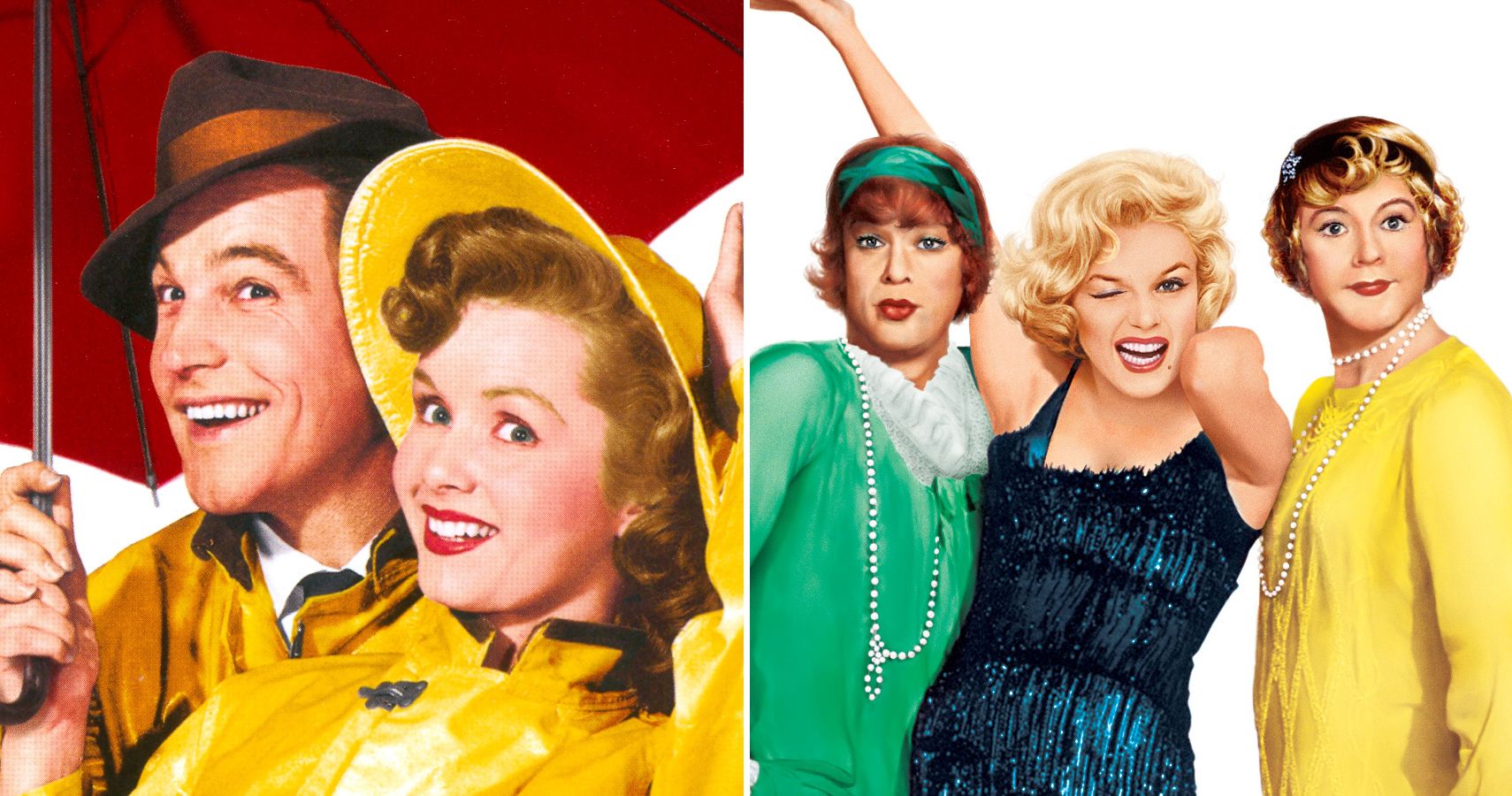
- "Singin' in the Rain" (1952): A musical comedy that celebrates the transition from silent to talking pictures. Directed by Gene Kelly and Stanley Donen, it features iconic performances by Kelly and Donald O'Connor, and is famous for its dance routines and catchy songs.
- "Sunrise: A Song of Two Humans" (1927): Directed by F.W. Murnau, this silent film combines melodrama and expressionism to tell a poignant tale of forbidden love. Its groundbreaking use of lighting and symbolism set new trends for future silent films.
- "West Side Story" (1961): Adapted from Arthur Laurents' stage play and directed by Robert Wise and Jerome Robbins, this musical explores the rivalry between two rival gangs in New York City. Featuring music by Leonard Bernstein and lyrics by Stephen Sondheim, it remains a classic of its genre.
- "It's a Wonderful Life" (1946): Directed by Frank Capra, this heartwarming christmas film stars James Stewart as George Bailey, whose life is saved when angels intervene. The film's exploration of community and the impact individuals have on each other has made it a beloved classic.
Box Office Sensations and Box-Office Hits
The film industry during the Golden Age boasted several box-office sensations that not only broke records but also became cultural phenomena. Films such as "The Wizard of Oz" (1939) set new benchmarks for box office success with its stunning Technicolor visuals, memorable songs, and charming characters. The film's impact extended far beyond the cinema, inspiring countless pop culture references and merchandise.
Another blockbuster was "Giant" (1956), directed by George Stevens, which starred Rock Hudson, Dennis Quaid, and Elizabeth Taylor. This epic saga was based on Edna Ferber's novel and explored themes of wealth, love, and Southern lifestyles. Its massive budget and sweeping narrative made it a landmark production, showcasing the grandeur and scale that distinguished Hollywood cinema during this era.
Similarly, "All About Eve" (1950) directed by Joseph L. Mankiewicz, starred Bette Davis and Anne Baxter, and became one of the highest-grossing films of 1950. The film's complex narrative and powerful performances resonated with audiences and won critical acclaim. It further solidified the studio system's ability to produce hits while maintaining artistic integrity.
The Studio System and Distribution
The studio system played a vital role in the success and consistency of Hollywood's Golden Age. Studios maintained tight control over every aspect of the filmmaking process, from production to marketing and distribution. This system ensured a steady stream of quality films and protected studios from financial risks. Producers and studios would often form long-term relationships with actors, directors, and screenwriters, creating franchises that yielded substantial returns.
For instance, MGM, known as "the studio that made stars," produced a plethora of films that became cultural touchstones. From the glamorous musicals of Fred Astaire and Ginger Rogers to the dramatic epics of Clark Gable and Vivien Leigh, MGM's output was nothing short of legendary. Other studios like Warner Bros. and 20th Century Fox also excelled in different genres, each vying for market dominance.
Innovation in Sound and Technology
Technical advancements during this period were groundbreaking, with cinema evolving from the rudimentary sound systems of the early 1920s to sophisticated multi-track recording and synchronization. Technological innovations allowed filmmakers to enhance the storytelling experience, making films more immersive and emotive. Sound effects, synchronized music, and even special audio techniques contributed to the richness of aural experiences in films.
One of the most significant technological leaps was the introduction of color films. The use of Technicolor brought a new dimension to visual storytelling, as seen in classics like "The Wizard of Oz." Color not only added aesthetic value but also helped convey emotions and add depth to the story. Special effects, including matte paintings and model work, also reached new heights, as demonstrated in films like "The Ten Commandments" (1956), directed by Cecil B. DeMille.
The Golden Age of Cinematography
Cinematography was at the forefront of technical innovation during Hollywood's Golden Age. Pioneers in the field experimented with new camera technologies, lighting techniques, and composition to create visually striking images. Key figures like Gregg Toland, George Barnes, and Ernest Haller pushed the boundaries of what could be achieved on screen. Their work on films like "Citizen Kane," "The Maltese Falcon," and "The Grapes of Wrath" set new standards for the craft.
Techniques like deep focus, where every element of the scene is clearly in focus from foreground to background, enabled filmmakers to build complex narratives and create layers within scenes. Advanced lighting methods, including the use of practical lighting setups and clever positioning of lights, helped create mood and atmosphere. These advancements not only enhanced the visual appeal of films but also allowed for greater artistic expression.
Additionally, the use of wide-angle lenses and anamorphic lenses expanded the field of view, creating expansive and dramatic scenes. Cinematographers mastered the art of composition, employing framing, symmetry, and diagonal lines to tell compelling stories. Films like "Sunrise: A Song of Two Humans" exemplified the use of innovative camerawork, particularly in its expressionistic style.
The legacy of this era in cinematography continues to influence modern filmmakers. Many contemporary cinematographers cite the works of Hollywood's Golden Age as a source of inspiration and technical guidance. The meticulous craftsmanship and attention to detail exhibited during this period set a standard that future generations strive to achieve.
In summary, Hollywood's Golden Age was not just a period of cinematic brilliance; it was a time of innovation, creativity, and artistic achievement. The films, filmmakers, and technical advancements of this era paved the way for the rich and diverse landscape of cinema we enjoy today. As we delve further into the details of these films and the people behind them, the allure and impact of Hollywood's Golden Age become even more pronounced.
The Enduring Legacy of Hollywood's Golden Age
The enduring legacy of Hollywood's Golden Age cannot be overstated. Even today, the films and techniques from this era continue to influence and captivate audiences. Many modern filmmakers draw inspiration from the masterpieces created during this period, whether through storytelling techniques, cinematography, or simply the sheer artistry displayed onscreen. Classic films are frequently referenced and parodied in contemporary media, while Hollywood continues to produce new works inspired by the enduring styles and themes of the Golden Age.
Impact on Modern Cinema
The techniques and narratives from Hollywood's Golden Age continue to shape modern cinema in numerous ways. The influence of directors and cinematographers from this era can be seen in everything from modern blockbusters to independent films. For example, filmmakers like Christopher Nolan, Martin Scorsese, and Quentin Tarantino have openly cited their reverence for classic Hollywood movies. Techniques such as complex narrative structures, intricate cinematography, and sophisticated editing principles—all hallmarks of the Golden Age—continue to be revered and adapted by today's auteurs.
Moreover, the emphasis on character development and emotional depth seen in films like "Casablanca" and "A Streetcar Named Desire" has influenced how modern storytellers approach their narratives. Characters in contemporary films are often multi-dimensional and deeply nuanced, reflecting the rich character studies pioneered during the Golden Age. This focus on authentic human experiences and relatable storylines helps modern audiences connect with movies on a personal level.
Restoration Projects and Cultural Preservation
To ensure that the works of Hollywood's Golden Age remain accessible, various restoration projects have been undertaken. Film archives and studios have collaborated to repair and restore classic films using advanced digital technology. Techniques like colorization, digital restoration, and noise reduction help revive these forgotten treasures and make them more easily accessible to modern audiences.
For example, the British Film Institute’s restoration of "Lawrence of Arabia" (1962) and the preservation of early Technicolor films like "The Wizard of Oz" have been crucial in preserving the visual and narrative integrity of these classics. These efforts not only allow us to appreciate the technological advancements of yesteryear but also maintain the cultural significance of these films.
The Decline of the Golden Age
Despite its remarkable achievements, Hollywood's Golden Age gradually declined in the mid-to-late 1950s, coinciding with several factors that reshaped the film industry. The shift towards television and the rise of independent cinema contributed to the decline of the studio system. Audiences began to prefer the convenience and variety offered by TV, leading to a decline in attendance at movie theaters. Simultaneously, the advent of independent producers and the emergence of new moviemaking centers like France and Italy (New Wave cinema) introduced fresh perspectives and challenged dominant Hollywood practices.
The decline of the studio system also led to a loss of continuity in careers and creative collaborations. Actors, directors, and other professionals had fewer long-term relationships with individual studios, leading to a fragmented and more diverse landscape in Hollywood. However, this fragmentation also fostered innovation, as filmmakers began experimenting with different styles and techniques oUTSide the confines of traditional studio constraints.
Conclusion
Hollywood's Golden Age was a transformative period in the history of cinema, marked by unparalleled creativity, innovation, and artistic achievement. The films, techniques, and narratives that emerged during this era continue to influence and inspire filmmakers today. Whether through direct imitation or indirect influence, the legacies of directors like Orson Welles, actors like Audrey Hepburn, and cinematographers like Gregg Toland live on, shaping the very fabric of contemporary cinema.
As we reflect on Hollywood's Golden Age, we are reminded of the power of storytelling and the lasting impact of cinematic excellence. This era stands as a testament to the enduring potential of film to capture the human spirit, explore complex narratives, and enchant audiences across generations. Hollywood's Golden Age may have passed, but its legacy lives on, guiding and inspiring the cinematic arts of today.


The Rise and Evolution of the Bollywood Film Industry
A Glimpse into Bollywood's Rich History
The Bollywood film industry, often synonymous with Indian cinema, has a fascinating history that dates back to the early 20th century. The first full-length Indian feature film, "Raja Harishchandra," was released in 1913, directed by Dadasaheb Phalke, who is now regarded as the father of Indian cinema. This silent film marked the beginning of an era that would eventually transform into the vibrant, globally recognized industry we know today.
In the early decades, Bollywood was heavily influenced by theater and classical art forms, with films often drawing from mythological and religious tales. The 1930s and 1940s saw the advent of sound in Indian cinema, leading to the rise of musicals—a defining characteristic of Bollywood. The golden age of Indian cinema, spanning the 1950s and 1960s, produced timeless classics like "Mother India" (1957) and "Mughal-e-Azam" (1960), which showcased elaborate sets, grandiose storytelling, and unforgettable music.
The Global Appeal of Bollywood
Bollywood's influence extends far beyond India's borders. With a massive diaspora spread across the world, Indian films have found audiences in countries like the USA, UK, Canada, the Middle East, and Southeast Asia. The colorful dance sequences, dramatic storytelling, and emotional depth of Bollywood movies have a universal appeal that transcends language barriers.
Films like "Dilwale Dulhania Le Jayenge" (1995) and "Lagaan" (2001) not only broke box office records but also introduced Bollywood to international film festivals and award circuits. Today, stars like Shah Rukh Khan, Priyanka Chopra, and Deepika Padukone enjoy global fame, further cementing Bollywood's place in world cinema.
The Unique Blend of Music and Drama
One of Bollywood's most distinctive features is its integration of music and dance into storytelling. Unlike Western cinema, where musical numbers are often confined to musical films, Bollywood movies routinely feature elaborate song-and-dance sequences that advance the plot or highlight emotional moments. Legendary music composers like R.D. Burman, A.R. Rahman, and Shankar-Ehsaan-Loy have created soundtracks that remain iconic decades later.
From heartfelt ballads to high-energy dance tracks, Bollywood music is an industry in itself. Playback singers such as Lata Mangeshkar, Kishore Kumar, and Sonu Nigam have lent their voices to generations of actors, creating a unique disconnect between on-screen performers and the voices behind the songs—an accepted and beloved tradition in Indian cinema.
The Changing Face of Bollywood Storytelling
While Bollywood is often associated with romantic dramas and family sagas, the industry has evolved to embrace diverse genres. The 1970s and 1980s were dominated by action-packed films featuring "angry young man" protagonists, epitomized by Amitabh Bachchan. In the 2000s, filmmakers began experimenting with unconventional narratives, leading to critically acclaimed movies like "Black" (2005) and "Taare Zameen Par" (2007).
Today, Bollywood produces everything from hard-hitting social commentaries like "Article 15" (2019) to slick spy thrillers like "War" (2019). Streaming platforms have further expanded opportunities for bold, content-driven films that may not fit traditional theatrical molds. The industry continues to push boundaries while retaining the essence of what makes Bollywood special—its emotional resonance and cultural richness.
Bollywood's Economic and Cultural Impact
Bollywood is one of the largest film industries in the world, producing over 1,500 films annually and generating billions in revenue. It provides employment to thousands, from actors and directors to technicians and makeup artists. The industry's economic influence extends to fashion, tourism, and even politics, with many celebrities transitioning into public office.
Culturally, Bollywood has shaped fashion trends, dialects, and social norms in India and abroad. Phrases from iconic films enter everyday language, and dance moves from hit songs are replicated at weddings worldwide. Bollywood's ability to reflect and influence society makes it a powerful cultural force.
The Stars of Bollywood: Icons and Newcomers
Bollywood has produced some of the most recognizable faces in global entertainment over its century-long history. The industry operates on a star system where actors often achieve near-mythical status. Legendary figures like Raj Kapoor, Dilip Kumar, and Madhubala defined early Bollywood glamour, while modern superstars like Shah Rukh Khan, Aamir Khan, and Salman Khan (collectively known as the "Khans") have dominated the box office for decades. These actors don't just perform - they become cultural touchstones, with fan bases that span generations and continents.
The current landscape features an exciting mix of established stars and dynamic newcomers. Veteran actresses like Madhuri Dixit and Kajol continue to take on selective roles, while a new wave of performers like Alia Bhatt, Rajkummar Rao, and Ayushmann Khurrana are redefining stardom with their choice of unconventional scripts. What makes Bollywood unique is how actors transition across ages and genres - a 50-year-old hero might headline both a action blockbuster and a sensitive romance in the same year.
The Business of Bollywood: Economics Behind the Magic
Behind the glittering façade, Bollywood operates as a complex business ecosystem. A typical big-budget Bollywood production today costs between $15-30 million, with major studios like Yash Raj Films and Dharma Productions investing heavily in content. The industry follows a distinct release calendar, with major holidays like Diwali and Eid considered prime slots for blockbuster launches. Unlike Hollywood, where theatrical earnings dominate revenue, Bollywood films traditionally earned significant income from music rights and satellite TV deals - though streaming platforms are changing this dynamic.
Marketing budgets now often exceed 30-40% of production costs, with stars making appearances on reality shows, conducting massive city tours, and leveraging social media campaigns. The rise of multiplex cinemas has allowed for varied pricing strategies, while single-screen theaters remain crucial for mass-market films. With increasing international appeal, overseas box office - particularly from North America, the UK, and the Middle East - contributes significantly to a film's success.
Technological Evolution in Bollywood Cinema
From the grainy black-and-white films of the 1930s to today's 4K digital projections with Dolby Atmos sound, Bollywood's technological journey mirrors its creative evolution. The 1950s saw the introduction of color films like "Aan," while the 1970s brought new cinematography techniques. The digital revolution of the 2000s completely transformed production processes, making computer-generated imagery (CGI) and advanced visual effects affordable and accessible.
Modern Bollywood films rival Hollywood in technical ambition. Movies like "Brahmāstra" (2022) showcase world-class visual effects, while productions increasingly use virtual production techniques popularized by shows like "The Mandalorian." Digital intermediates allow color grading that creates signature Bollywood visuals - the vibrant color palettes that have become an industry hallmark. Even song sequences now frequently incorporate drone cinematography and advanced motion capture technology.
Bollywood's Relationship with Regional Cinema
While Bollywood refers specifically to Hindi-language cinema based in Mumbai, it exists alongside vibrant regional film industries across India's diverse linguistic landscape. Industries like Tollywood (Telugu), Kollywood (Tamil), and Mollywood (Malayalam) often produce content that rivals or surpasses Bollywood in scale and quality. The relationship between these industries has evolved from competition to creative collaboration.
Recent years have seen increased crossover success, with southern Indian films like "RRR" and "KGF" finding massive audiences in traditional Bollywood markets. This has led to more pan-Indian productions that cast stars from multiple industries and blend cinematic styles. Bollywood, in turn, frequently remakes successful regional films, while regional industries adapt Bollywood hits for their local audiences.
Controversies and Challenges Facing Bollywood
Despite its successes, Bollywood grapples with multiple challenges. Allegations of nepotism became a major topic after actor Sushant Singh Rajput's tragic death in 2020, sparking debates about outsiders versus industry insiders. The MeToo movement revealed systemic harassment issues that the industry is still addressing. Political pressures also impact content, with films sometimes facing protests or censorship demands from various groups.
The COVID-19 pandemic devastated theatrical revenues, accelerating the shift toward streaming platforms. Established business models are being disrupted as audiences grow accustomed to simultaneous or quick digital releases. Additionally, Bollywood faces increasing competition from international content and high-quality regional cinema, forcing mainstream Hindi films to innovate constantly to retain viewership.
The Future of Bollywood: Trends Shaping Indian Cinema
As Bollywood enters its second century, the industry stands at a fascinating crossroads of tradition and innovation. Streaming platforms have emerged as both competitors and collaborators, providing new avenues for content consumption while forcing filmmakers to rethink theatrical models. The success of hybrid releases (theaters plus OTT) suggests a permanent shift in distribution strategies. At the same time, spectacle-driven films like "Pathaan" (2023) prove that the big-screen experience remains vital for certain genres.
Artificial intelligence is beginning to influence casting decisions, script analysis, and even post-production, with deepfake technology enabling new creative possibilities. Virtual production techniques, popularized internationally by shows like "The Mandalorian," are being adapted for Bollywood's signature song sequences. Meanwhile, sustainability initiatives are gaining traction, with sets becoming more eco-friendly and productions reducing their carbon footprint.
Bollywood's Global Expansion Strategies
India's film industry is increasingly looking outward for both audiences and creative partnerships. Co-productions with international studios have become more common, as seen with Netflix's "The White Tiger" (2021) and Amazon's "Gulabo Sitabo" (2020). Bollywood stars are pursuing crossover projects, while foreign actors frequently appear in Hindi films. Hollywood studios now actively acquire remake rights for Bollywood hits, reversing the traditional flow of adapted content.
The industry has also developed sophisticated localization strategies - dubbing films in multiple languages, creating region-specific marketing campaigns, and even adjusting content for cultural sensitivities in different markets. Countries like China have emerged as unexpected but lucrative markets, with films like "Dangal" (2016) earning more there than in India. This globalization extends beyond film to streaming platforms, where Bollywood content forms a crucial part of international OTT catalogs.
Representation and Social Change in Modern Bollywood
Contemporary Bollywood has begun addressing long-standing issues of representation and inclusivity. Films now feature more substantial roles for actresses over 40, exploration of LGBTQ+ narratives ("Shubh Mangal Zyada Saavdhan," 2020), and sensitive portrayals of mental health ("Dear Zindagi," 2016). Stories centered on rural India and small-town experiences ("Dum Laga Ke Haisha," 2015) have gained prominence alongside metropolitan narratives.
The industry is also grappling with colorism, slowly moving away from fairness cream endorsements and casting conventions that favored lighter-skinned actors. Casting directors now actively seek authenticity - whether in regional accents ("Sacred Games") or appropriate representation of marginalized communities. This evolution reflects both artistic integrity and audience demand for more realistic, relatable content that mirrors India's incredible diversity.
The Education and Training Revolution Behind the Scenes
As Bollywood professionalizes, formal education in filmmaking has gained importance. Prestigious institutions like Film and Television Institute of India (FTII) and Whistling Woods International produce world-class talent across all filmmaking disciplines. Many technicians now train internationally before joining Bollywood productions, bringing global standards to local projects. Specialized workshops for acting, stunt work, and even intimacy coordination have become commonplace.
This professionalization extends to below-the-line workers, with unions ensuring better working conditions and pay scales. Cinematographers, editors, and production designers enjoy greater recognition, their names often featuring prominently in marketing materials. The rise of film schools has also democratized access to the industry, allowing talented individuals from non-film backgrounds to bypass traditional gatekeepers.
Bollywood in the Age of Social Media and Digital Fandom
Social media has transformed how Bollywood interacts with its audience. Stars now maintain direct connections with fans through Instagram, Twitter, and YouTube, bypassing traditional media filters. Film promotions have evolved into elaborate digital campaigns with carefully orchestrated "leaks" and viral challenges tied to song releases. Platforms like TikTok (before its ban) and Reels have become crucial for music promotion, with fans recreating movie dialogues and dance moves.
This digital landscape has also given rise to new forms of celebrity - influencers who critique films, content creators who specialize in Bollywood analysis, and meme pages that shape public perception. At the same time, social media amplifies controversies, with every casting decision or creative choice subject to immediate public scrutiny. The industry has had to develop rapid response strategies for this always-on media environment.
A Lasting Legacy: Bollywood's Cultural Footprint
From influencing fashion trends to shaping linguistic expressions, Bollywood's cultural impact extends far beyond entertainment. Iconic dialogues enter everyday conversation, while wedding dances worldwide incorporate Bollywood choreography. The industry has introduced global audiences to Indian classical dance forms, regional musical traditions, and diverse cultural practices through its accessible storytelling.
Bollywood tourism has emerged as a significant sector, with fans visiting film locations, studios, and even celebrity homes. Academic interest in Bollywood continues to grow, with universities worldwide offering courses analyzing its socio-political impact. As Indian soft power expands globally, Bollywood remains one of its most effective ambassadors - a vibrant, living art form that continues to evolve while staying rooted in its rich traditions.
Looking ahead, Bollywood's greatest strength lies in its adaptability - its ability to absorb global influences while retaining its distinct identity. As technology disrupts traditional models and audience expectations shift, the industry's willingness to experiment while staying true to its emotional core ensures its enduring relevance. The next chapter of Bollywood promises to be as dramatic, colorful, and full of surprises as its greatest films.

Pioneers of Film Making: The Visionaries Who Shaped Cinema
The birth of cinema is a tale woven with innovation, artistry, and the audacious dreams of pioneers who dared to imagine a world caught in motion. These individuals, often working with limited resources and an endless supply of creativity, laid the foundations for what we now recognize as one of the most influential art forms of modern times. Their contributions go beyond mere technical advancements; they crafted the narrative and visual language of film, transforming the medium into a vehicle for storytelling, social commentary, and artistic expression.
The Dawn of Motion Pictures
The history of film begins in the late 19th century, a period rife with technological breakthroughs. Among the luminaries of this era was Thomas Edison, whose laboratory made significant contributions to the development of motion picture technology. Edison, along with his assistant William Kennedy Laurie Dickson, invented the Kinetoscope, an early motion picture exhibition device that allowed individual viewing of short films through a peephole. Although Edison often receives the lion's share of credit, it was Dickson's ingenuity that brought the technical details to life, paving the way for more elaborate cinematographic innovations.
Concurrently, across the Atlantic, the Lumière brothers, Auguste, and Louis, in France, were crafting their own cinematic marvel. They introduced the Cinématographe in 1895, a lightweight, hand-cranked device that functioned as both a camera and projector. The Lumières were instrumental in establishing some of the first public film screenings, notably the showing of their film "La Sortie de l'Usine Lumière à Lyon," widely regarded as one of the first true motion pictures. This marked an essential transition—from personal viewing devices to shared cinematic experiences, laying the groundwork for cinema as a communal cultural activity.
Early Innovators and Storytellers
While technological advances were indispensable, content quickly became king in the burgeoning film industry. Georges Méliès, a former magician, recognized the film's potential to transcend reality and transport audiences to fantastical worlds. His film, "Le Voyage dans la Lune" (A Trip to the Moon) in 1902, exemplified this vision. Méliès mastered the art of special effects, utilizing techniques such as double exposure and time-lapse to create his cinematic illusions. His imaginative storytelling and visual creativity expanded the scope of narrative possibilities in film, setting a precedent for future filmmakers to explore the fantastical.
Meanwhile, in the United States, Edwin S. Porter emerges as a trailblazer in narrative storytelling with his groundbreaking work on films like "The Great Train Robbery" (1903). This film, notable for its innovative use of cross-cutting and complex narrative structure, demonstrated the power of film editing in shaping the viewer's perception of time and sequence. By weaving together multiple storylines into a cohesive whole, Porter established conventions of continuity and montage that remain fundamental to film editing today.
Establishing Cinematic Language
The early 20th century saw the emergence of filmmakers who further refined the cinematic language through composition, framing, and editing techniques. D.W. Griffith, often hailed as the 'Father of Film Narrative,' was instrumental in advancing these elements. His 1915 epic, "The Birth of a Nation," although controversial, showcased sophisticated cinematic techniques such as close-ups, cross-cutting, and tracking shots. Griffith's contributions to cinematic form and grammar were pivotal in defining and standardizing the storytelling techniques used in narrative films throughout the 20th century.
In Europe, directors like Sergei Eisenstein were developing their own cinematic philosophies. Eisenstein’s theory of montage emphasized the power of juxtaposing images to generate meaning beyond the sum of individual shots. His film "Battleship Potemkin" (1925) is particularly renowned for its innovative use of montage, specifically in the famous Odessa Steps sequence. Eisenstein’s work highlighted the potential of editing not only as a narrative device but as a tool for emotional and intellectual engagement with audiences.
These early filmmakers laid the groundwork for a diverse range of cinematic styles and techniques, from Méliès’ magical spectacles to Griffith’s narrative complexities and Eisenstein’s dynamic montages. Together, they shaped film into a medium capable of capturing the depth and complexity of the human experience. As we delve into the next chapter of film history, we'll explore how these foundations were built upon by subsequent generations of filmmakers who expanded the boundaries of cinema even further.
The Advent of the Studio System and the Rise of Iconic Filmmakers
As cinema transitioned from its early experimental phase to a burgeoning industry, the establishment of the studio system in Hollywood during the 1920s and 1930s marked a pivotal era in filmmaking. This period saw the rise of a centralized system that enabled mass production and distribution of films, facilitating the creation of a globally dominant entertainment industry. During this time, several visionary directors emerged, leaving behind indelible marks on the cinematic landscape.
One such filmmaker was Charlie Chaplin, whose genius lay not only in his comedic timing but also in his ability to weave profound social commentary into his films. Chaplin's iconic character, "The Tramp," became a vehicle for exploring themes of poverty, class struggles, and the human condition. His films, such as "City Lights" (1931) and "Modern Times" (1936), artfully blend humor with poignant narratives, demonstrating cinema's capacity to entertain while delivering introspective messages.
Simultaneously, German Expressionist cinema was shaping the future of visual storytelling with its emphasis on stylized sets, chiaroscuro lighting, and psychological themes. Directors like F.W. Murnau and Fritz Lang were at the forefront of this movement. Murnau's "Nosferatu" (1922) introduced audiences to the horror genre with its eerie, shadow-laden visuals, while Lang's "Metropolis" (1927) combined stunning production design with a futuristic vision that questioned the societal impact of technology. These films were not only artistic achievements but also cultural commentaries that resonated with audiences on multiple levels.
In the United States, the introduction of sound in cinema with the release of "The Jazz Singer" in 1927 marked another groundbreaking moment. The ability to synchronize dialogue and music with film revolutionized storytelling, giving rise to a new generation of filmmakers who mastered this novel medium. Among them was Alfred Hitchcock, whose pioneering work in suspense and tension turned him into a master of the thriller genre. Films like "Psycho" (1960) and "Rear Window" (1954) showcased Hitchcock’s deft manipulation of sound, composition, and pacing to evoke psychological intrigue, creating a template for countless filmmakers who followed.
The Golden Age of Hollywood and Global Cinema
The 1940s and 1950s, often celebrated as the Golden Age of Hollywood, was marked by the production of classics that solidified the visual and narrative norms of traditional cinema. Directors such as Orson Welles, with his innovative masterpiece "Citizen Kane" (1941), redefined storytelling methodologies. Welles’ use of deep focus cinematography and non-linear narrative structures were revolutionary, offering audiences an intricately layered tale that explored themes of ambition, legacy, and the elusive nature of truth.
Simultaneously, the world of cinema was expanding beyond Hollywood's boundaries. Italian Neorealism, spearheaded by directors like Roberto Rossellini and Vittorio De Sica, emerged as a powerful movement in post-World War II Italy. This style emphasized the harsh realities of everyday life, using non-professional actors and location shooting to capture the struggles and resilience of ordinary people. De Sica’s "Bicycle Thieves" (1948) is a poignant exploration of poverty and dignity, and its influence can be seen in subsequent realist movements across the globe.
Across the globe, Akira Kurosawa was transforming the landscape of Japanese cinema with his distinctive storytelling and dynamic visual style. His film "Rashomon" (1950) introduced a then-novel narrative technique that presented multiple perspectives of the same event, challenging audiences to question objective truth. Kurosawa’s influence extended far beyond Japan, inspiring filmmakers worldwide and establishing him as a bridge between Eastern and Western cinematic traditions.
The New Wave and the Auteur Theory
The mid-20th century witnessed the rise of the French New Wave, a movement characterized by its rejection of traditional filmmaking conventions in favor of personal storytelling and innovative techniques. Directors such as François Truffaut and Jean-Luc Godard experimented with disjointed narratives, jump cuts, and on-location shooting. Truffaut’s "The 400 Blows" (1959) and Godard’s "Breathless" (1960) emphasized the auteur theory, championing the notion that a director’s personal vision should shine through every aspect of their films.
The influence of the New Wave extended across borders, planting seeds for innovative styles like the British New Wave and the American New Hollywood movement of the late 1960s and 1970s. Filmmakers such as Martin Scorsese, Francis Ford Coppola, and Stanley Kubrick emerged during this period, each bringing a distinct voice and challenging the status quo with bold narratives and complex characters. Scorsese’s gritty urban landscapes, Coppola’s epic storytelling, and Kubrick’s meticulous visual compositions showcased the limitless possibilities of cinema as an artistic medium.
These diverse waves and movements set the stage for a period of experimentation and introspection, broadened the horizons of cinematic language, and connected disparate cultures through a shared love of storytelling. As we continue exploring the evolution of film, the contributions of these pioneers remind us of cinema's enduring power—a medium where technology, art, and humanity intersect to create magic on screen.
The Digital Revolution and the Globalization of Cinema
The advent of digital technology in the late 20th and early 21st centuries revolutionized every aspect of filmmaking, from production and editing to distribution and exhibition. This transformation democratized the filmmaking process, enabling independent filmmakers to create and distribute their work with unprecedented ease and affordability. As a result, the global cinema landscape experienced a seismic shift, providing a platform for diverse voices to challenge the homogeneity previously dominated by Hollywood narratives.
Visionaries like James Cameron and George Lucas spearheaded the technological advancements that define contemporary cinema. Cameron’s groundbreaking use of computer-generated imagery (CGI) in "Avatar" (2009) redefined the visual experience of movies, blending photorealistic animated scenes with live-action footage to create immersive worlds. Similarly, Lucas’s work on the "Star Wars" prequels showcased the potential of digital effects and high-definition cameras, setting a new industry standard.
Meanwhile, the rise of international cinema has expanded the breadth of stories and styles available to global audiences. The success of films like Ang Lee's "Crouching Tiger, Hidden Dragon" (2000) and Bong Joon-ho's "Parasite" (2019) demonstrated the universal appeal of non-English-language films, highlighting the power of culturally specific storytelling to resonate across different societies. These films not only exemplify masterful direction and narrative but also serve as powerful vehicles for social and cultural discourse.
Expanding the Narrative Horizons
As cinema continues to evolve in the digital age, the narrative horizons of film are expanding at an unprecedented pace. With the diversification of streaming platforms, filmmakers from underrepresented backgrounds have found new opportunities to tell their stories, challenging the traditional gatekeepers of the industry. This evolution is reflected in the work of contemporary filmmakers like Ava DuVernay, Barry Jenkins, and Taika Waititi, whose films explore themes of identity, race, and belonging, resonating with audiences hungry for fresh perspectives.
Ava DuVernay’s "Selma" (2014) and "13th" (2016) are exemplary in their poignant examination of historical and contemporary issues related to racial inequality in America. DuVernay’s work underscores the importance of film as a medium for education and activism, using cinematic storytelling to highlight systemic injustices and inspire change.
Barry Jenkins’ "Moonlight" (2016), a quietly poignant exploration of masculinity and identity, earned critical acclaim for its lyrical narrative and innovative storytelling. Jenkins’ work, characterized by its emotional depth and nuanced portrayal of marginalized communities, exemplifies the potential of cinema to foster empathy and understanding.
Simultaneously, directors like Taika Waititi have utilized humor and genre-blending to address complex social issues. Waititi’s film "Jojo Rabbit" (2019) uses satire to explore themes of hate, ignorance, and redemption, showcasing the power of comedy to provoke thought and reflection.
The Future of Filmmaking
As we look toward the future of filmmaking, it's clear that the industry is poised for continued transformation driven by technological advancements and changing audience preferences. The rise of virtual reality (VR) and augmented reality (AR) presents thrilling possibilities for immersive storytelling, offering audiences new ways to engage with and experience narratives.
Moreover, the increasing embrace of diversity and inclusion within the industry promises a broader range of stories that reflect the multifaceted nature of human experience. Emerging technologies such as AI-generated scripts and virtual production techniques are poised to reshape the creative process, allowing filmmakers to push the boundaries of their craft in innovative ways.
However, amidst these technological and cultural shifts, the essence of filmmaking remains unchanged. At its core, cinema continues to be a powerful medium for human connection—a way to bridge cultural divides, provoke introspection, and evoke emotional responses. The pioneers of filmmaking laid the groundwork for a medium that has the potential to educate, entertain, and inspire, and today's filmmakers continue to build upon this legacy.
In celebrating the contributions of cinema's pioneers and acknowledging the triumphs of contemporary filmmakers, we recognize that film is a living art form, ever-evolving and forever rooted in the timeless pursuit of storytelling. The journey from the silent films of the Lumière brothers to the boundary-pushing works of modern visionaries is a testament to the power of imagination and innovation. As cinema continues to grow, it will undoubtedly captivate new generations, ensuring its place as a vital component of global culture for years to come.