Fritz Haber: A Chemist Whose Work Changed the World
The Rise of a Scientist
Fritz Haber was born on December 9, 1868, in Barmen, Germany (now part of Wuppertal), to a Jewish family. From an early age, Haber displayed great interest and aptitude in chemistry. His family moved to Karlsruhe in 1876, where he attended school. It was here, under the supervision of chemistry teacher Adolf Naumann, that Haber's love for chemistry truly blossomed.
A Pioneering Inventor
After completing his secondary education, Haber enrolled at the ETH Zurich, where he studied chemistry. In 1891, upon his graduation, he moved to Germany to further his research. Haber's contributions to science were innovative and far-reaching. He is perhaps best known for his development of the Haber-Bosch process, which revolutionized the production of ammonia from nitrogen and hydrogen gases. This discovery was critical not only for agricultural but also for the chemical industry and the production of explosives.
The Chemical Bond Between Nitrogen and Hydrogen
Nitrogen, the most abundant element in the atmosphere, is essential for plant growth. However, atmospheric nitrogen is largely bound in inert triple bonds, making it unusable for plants. By developing a method to break these bonds and convert nitrogen into ammonia, Haber made it possible to fix atmospheric nitrogen into usable forms for agriculture. This breakthrough had profound implications: it significantly increased crop yields, supporting global population growth and enhancing food security.
Academic Achievements and Controversies
In academia, Haber rapidly rose through the ranks. He began working at the Rhine-Weser Polytechnic School in Kiel in 1894 and soon thereafter became a privatdozent, or associate professor, in 1895. In 1905, he moved to the Technical University of Karlsruhe, where he conducted groundbreaking research on hydrogenation and cyanolysis.
Despite his contributions to science, Haber faced significant controversy. His work on chlorine gas during World War I was particularly contentious. When German forces used chlorine gas in chemical warfare against Allied troops, Haber was criticized for his invention. Nevertheless, his efforts to develop a gas mask to protect soldiers and his leadership in establishing chemical defense measures earned him praise.
The Role of Chemistry in Warfare
Haber's involvement in chemical warfare was a turning point in his scientific career. During World War I, he took charge of the development of chemical weapons for the German army. His initial justification for this work was its potential to end the war quickly, thus saving lives. However, his actions led to profound moral dilemmas regarding the application of scientific knowledge in warfare.
Despite personal reservations, Haber remained committed to his role. After the war, he sought ways to alleviate some of the humanitarian suffering caused by his inventions through his work on treating mustard gas injuries and developing methods to remove poison gases from the battlefield.
Recognition and Legacy
Haber's contributions did not go unrecognized. In 1918, he was appointed director of the Kaiser Wilhelm Institute for Physical Chemistry and Electrochemistry in Berlin-Kiel, a post he held until 1933. In 1918, he was awarded the Nobel Prize in Chemistry "for his synthesis of ammonia from its elements." This recognition acknowledged his groundbreaking work and its long-term benefits to humanity.
Through his scientific achievements, Haber left a lasting legacy. His invention of the Haber-Bosch process transformed modern agriculture, allowing for unprecedented production of fertilizers. However, his role in chemical warfare also left a complex legacy that continues to be debated and reevaluated to this day.
As Fritz Haber's life story unfolds, it highlights the complex interplay between scientific innovation, ethical considerations, and societal impact. His pioneering work remains a testament to the power of chemistry to address some of the world's most pressing challenges.
The Impact on Society and Industry
The Haber-Bosch process quickly became a cornerstone of modern agriculture. Prior to its invention, the natural fixation of nitrogen required specific conditions found mainly in leguminous plants. This meant that conventional farming practices were limited in their ability to produce large quantities of food. With the ability to artificially transform atmospheric nitrogen into ammonia, the limitations of traditional soil fertility were overcome.
The process of nitrogen fixation enabled the rapid industrialization and expansion of agriculture globally. Farmers could now use synthetic fertilizers to enhance soil fertility, leading to unprecedented increases in crop yields. This not only supported population growth but also helped feed a rapidly expanding human population. According to estimates, about half of the protein consumed by humans today is due to nitrogen inputs from the Haber-Bosch process.
The economic and social implications were profound. The increase in food production allowed for more efficient land use and contributed to urbanization and industrial development. Additionally, the demand for nitrogen fertilizers spurred further advancements in chemical manufacturing and logistics. The process became a vital component of the Green Revolution, which significantly increased crop productivity in developing countries.
Ethical Dilemmas and Moral Controversies
Beyond its scientific and agricultural impact, Haber's work in chemical warfare introduced a new dimension to ethical debates in science. His development of the Haber-Bosch process was seen as a positive advancement for humanity, yet his contributions to military technology during World War I posed serious ethical questions.
Haber's invention of chlorine gas as a weapon was a pivotal moment. The use of chemical weapons during the war caused immense suffering and death among soldiers and civilians alike. Despite his efforts to mitigate the impact of poison gases, such as developing gas masks and devising methods to remove poison gases from the battlefield, his dual role as a scientist and a military chemist created significant moral conflicts.
In the years following the war, Haber faced intense criticism from the public and even some members of his own scientific community. His dedication to serving his country during the war complicated his legacy. Many were left questioning the moral boundaries of scientific discoveries and their applications.
Haber's response to this criticism was multifaceted. He emphasized the potential of his inventions to save lives and prevent prolonged wars. However, his public statements often appeared ambiguous and at times seemed to justify his involvement in chemical warfare. This ambiguity ultimately contributed to a complex and often contradictory legacy.
Later Years and Personal Life
After the war, Haber continued his scientific work but faced increasing public scrutiny. His personal life was also marked by tragedy and conflict. In 1919, his wife Clara died while attempting to set fire to herself in protest over her husband’s involvement in chemical warfare. Her suicide deeply affected Haber, adding to his feelings of guilt and distress.
Despite his personal turmoil, Haber remained dedicated to scientific advancement. He continued to make significant contributions to chemistry, including his work on hydrogenation reactions, which were crucial for the production of fatty acids and oils used in soap and margarine production.
Throughout his later years, Haber grappled with the ethical implications of his work. He attempted to focus on peaceful applications of his discoveries, emphasizing their importance for societal progress. However, the shadow of his wartime activities persisted, influencing both his professional and personal life.
In 1933, with the rise of the Nazi regime, Haber, who was of Jewish ancestry, found himself in a precarious position. Fearing for his safety and that of his family, he attempted to emigrate to the United States but passed away in Basel, Switzerland, on January 29, 1934, after a series of heart attacks.
His passing marked the end of an era but left behind a rich legacy of scientific innovation mixed with ethical ambiguity. Haber's life and work continue to be subjects of extensive academic and popular interest, offering valuable insights into the dual nature of scientific discovery and its potential impacts on society.
Evaluation and Reflection
Reflecting on Fritz Haber's life, one sees a figure of immense scientific achievement and complexity. His Haber-Bosch process has had a transformative effect on agriculture and industry, impacting billions of people worldwide. But his involvement in chemical warfare brought him profound ethical challenges and personal despair.
Haber's story serves as a cautionary tale about the ethical responsibilities that accompany scientific discoveries. While his contributions to humanity are undeniable, his personal struggles highlight the potential for scientific advancements to have both beneficial and detrimental effects.
The legacy of Fritz Haber today is one of enduring reflection. As we continue to benefit from his chemical innovations, it is essential to also consider the broader implications and ethical questions they pose. Fritz Haber's journey provides a nuanced perspective on the intricate relationship between science and society, urging us to carefully weigh the potential consequences of our technological advancements.
Moral Reflections and Scientific Responsibility
The enduring relevance of Fritz Haber's legacy lies in the broader discussions it sparks about scientific responsibility and morality. As societies increasingly rely on technological advancements, the example of Haber underscores the need for scientists to critically evaluate the potential societal and ethical impacts of their work.
From a contemporary perspective, the Haber-Bosch process stands out not just as a technical triumph but as a case study in the dual-use nature of scientific discoveries. The process has been central to addressing global food security, but it also highlights the risks associated with technologies that have both civilian and military applications. This duality necessitates careful consideration and regulation to ensure that scientific progress aligns with ethical values.
Efforts to address the dual-use challenge have gained momentum since Haber's time. Organizations like the International Council for Science (ICSU) and the International Union of Pure and Applied Chemistry (IUPAC) have developed guidelines and standards to help researchers navigate ethical dilemmas. These initiatives aim to promote responsible research and innovation by fostering open dialogue and international collaboration.
Public engagement and education play critical roles in shaping societal responses to scientific advancements. Initiatives like science communication programs in schools and public forums can help raise awareness about the ethical dimensions of scientific research. By involving the broader public in these discussions, scientists can better understand the concerns and expectations of society, thereby fostering trust and confidence in scientific endeavors.
Moreover, interdisciplinary approaches have become essential in addressing the multidimensional implications of scientific discoveries. Collaboration between ethicists, policymakers, and scientists can help develop frameworks that balance the benefits of technological advancements with the need for ethical considerations. This collaborative framework can guide researchers in making informed decisions that promote both innovation and social welfare.
Another key aspect is the need for transparency and accountability in scientific research. Publishing studies and sharing data openly can help build trust and enable peer review processes to identify potential ethical issues. Institutions and funding agencies can support this openness by implementing policies that reward scientists for responsible conduct of research.
The legacy of Fritz Haber has inspired ongoing debates about the roles and responsibilities of scientists in society. His story serves as a reminder that scientific progress is not just about technical mastery but also about upholding ethical standards. As new technologies emerge, such as genetically modified organisms (GMOs), artificial intelligence, and synthetic biology, the relevance of Haber’s lessons becomes even more pronounced.
In conclusion, Fritz Haber's life and work offer a complex and multifaceted narrative that encapsulates the tensions inherent in scientific advancement. His inventions have had a profoundly positive impact on global food security, yet his involvement in chemical warfare highlights the potential drawbacks of such breakthroughs. Today, as we strive to harness the power of science for the betterment of humanity, it is essential to learn from Haber’s story and approach scientific research with a strong ethical framework. Only through a balanced and responsible approach can we ensure that scientific progress truly benefits society as a whole.
Fritz Haber remains a symbol of scientific ingenuity and moral complexity, reminding us that the quest for knowledge must always be guided by a commitment to ethics and a deep understanding of the human consequences of our actions.

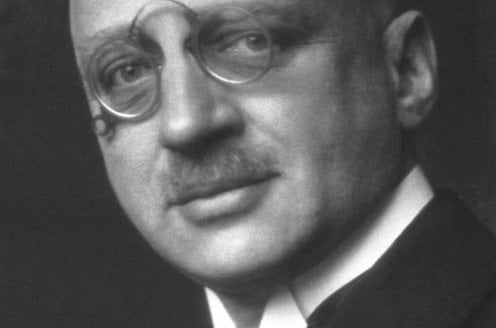

Understanding the Rise and Journey of Ruby Franke
In the ever-evolving landscape of social media, there are few personalities that simultaneously captivate and divide audiences quite like Ruby Franke. Known for her popular YouTube channel and her distinctive persona, Ruby Franke has etched her place in the annals of internet fame through a combination of familial dynamics, transparent storytelling, and sometimes polarizing viewpoints. Her journey, from an obscure creator to a prominent influencer, is a fascinating tale of ambition, authenticity, and the challenges of public life.
Early Life and Background
Ruby Franke was born and raised in a modest town with values deeply rooted in family and community. While much about her early life remains private, her upbringing in a tight-knit environment is often mirrored in the content she produces. Franke’s strong familial ties and traditional values have been the bedrock of her personal brand, influencing the narrative she builds in her videos and the conversations she fosters online.
Her educational journey was equally significant, shaping her worldview and equipping her with the skills she would later utilize in her digital career. Despite the modern milieu she later infiltrated, Ruby retained an appreciation for the simplicity and authenticity of her roots—values she would carry with her into the spotlight.
The Emergence of 8 Passengers
Ruby Franke is perhaps best known for "8 Passengers," a YouTube channel chronicling the daily experiences of her family of eight. This endeavor began in early 2015, as Franke, alongside her husband, Kevin, sought to document the nuances and challenges of raising six children in a world increasingly driven by digital technology.
The concept of “8 Passengers” was simple: a candid portrayal of family life, saturating their content with the highs and lows of parenting and the chaos and joy inherent in a large household. This genuine representation resonated with countless viewers, drawing in a subscriber base that spans continents, fundamentally altering the landscape of family vlogging.
The channel’s success, marked by millions of subscribers and billions of cumulative views, can be attributed to its authentic approach. Franke’s willingness to showcase unfiltered moments created a paradigm shift in the genre, setting a standard for other content creators who aspired to mirror their personal narratives online.
Content Creation: Balancing Authenticity and Privacy
At the heart of Ruby Franke's content is a perpetual balancing act between openness and privacy. While her viewers are drawn to her authenticity, the choice to unveil intimate family moments on a global stage is fraught with its own set of challenges. Franke navigates this terrain with calculated tact, drawing boundaries where necessary to protect her family’s well-being while continuing to engage her audience effectively.
This balancing act is a testament to her adaptability as a content creator. There is an understanding implicit in her work that transparency need not equate to total openness. Franke manages to maintain an enigmatic allure despite the otherwise candid content, ensuring her family’s narrative is theirs to tell on their terms.
The Power and Influence of Relatability
Ruby Franke's influence extends beyond the confines of her vlogs. She wields considerable clout in discussions revolving around parenting, family dynamics, and lifestyle choices. Much of this influence stems not just from her visibility but from her relatability. Viewers find in her content a reflection of their own lives—the struggles, the mundane, and the unexpected joys.
This relatable quality establishes a profound connection between creator and audience. Ruby's narrative isn't one of an influencer perched atop a pedestal but rather of a fellow traveler navigating the challenges of life. Her honesty affords her credibility, making her an authoritative voice in a crowded digital space.
Challenges and Controversies
The pathway to prominence, however, has not been devoid of challenges. With increased visibility come amplified scrutiny and controversy—both of which Ruby Franke has faced in different capacities. Various aspects of her approach to discipline and parenting have sparked debates online, inciting both support and critique from diverse corners of the internet.
Critics often question whether the portrayal of her family life is genuinely beneficial to her children or if it crosses boundaries into exploitative territory. These concerns reflect broader discussions about the ethics of family vlogging, where the line between content and privacy is constantly tested.
In response, Franke has emphasized the thoughtfulness and consideration underlying her content choices, continually asserting her commitment to her family's well-being. The inclination to put her family first is a repeated motif in her narrative, underscoring both the opportunities and responsibilities associated with her online presence.
The discourse surrounding Ruby Franke is a reflection of the broader ethical conversations within the digital content sphere. As she continues to grow her platform, her story contributes to the evolving narrative of social media influence and its implications for the families at its core.
Navigating Public Life and Personal Identity
Navigating public life while maintaining a personal identity is a formidable challenge that Ruby Franke faces daily. As a figure constantly in the public eye, she must reconcile her personal beliefs and values with the personas expected by her audience. This delicate dance of identity is evident in how she crafts her content to reflect her values while also adapting to the demands of her diverse and dynamic audience.
Ruby's content offers a nuanced insight into the intersection of authenticity and the expectations of digital fame. Her willingness to express her viewpoints on subjects like family discipline, education, and lifestyle, even when they diverge from popular opinion, speaks to her commitment to honesty. This unyielding authenticity is both a strength and a vulnerability, as it invites a spectrum of responses from her viewers, ranging from unwavering support to vocal criticism.
The Impact of Social Media on Family Dynamics
The advent of social media has significantly influenced family dynamics, and the Franke family is no exception. With their lives documented on a global platform, the balance between public and private becomes increasingly complex. Social media has redefined family interaction, creating a space where every candid moment has the potential to be analyzed, critiqued, and consumed by millions.
In this digital era, children are growing up with an unprecedented level of visibility. For Ruby Franke's children, their experiences are both personalized and universally shared through the lens of a camera. This exposure offers unique opportunities for connection but also presents potential challenges, such as privacy concerns and the pressure to meet audience expectations.
Ruby is acutely aware of these dynamics and strives to protect her children from the potential pitfalls of digital exposure. She actively promotes the significance of family consent and agency, fostering an environment where her children can express their comfort levels with sharing aspects of their lives. Her strategy underscores a commitment to maintaining the integrity of her family's interactions and well-being in spite of a global audience.
Ruby Franke's Influence Beyond the Screen
While Ruby Franke's digital presence is undeniably significant, her influence extends beyond the screen into real-world impacts. As an influencer, she possesses the ability to shape conversations, inspire action, and influence decisions across a variety of contexts. Her contributions to discussions around family life, mental health, and personal development underscore her role as more than just an entertainer; she is an educator and advocate for transformative conversations.
Ruby’s ability to evoke widespread engagement is a testament to her effective communication skills and her capacity to foster communities around shared experiences. Her audience isn’t just comprised of passive viewers; they are active participants in discussions perpetuated by Ruby’s content. She leverages this engagement to uplift issues that resonate with her followers, creating a space for constructive dialogue and mutual learning.
Advocacy and Community Building
Community building is an integral aspect of Ruby Franke's brand. Beyond the internet, she has nurtured a sense of community among her viewers, encouraging supportive interactions and connections. This approach amplifies her influence, allowing her message to ripple through her audience and beyond.
Her advocacy efforts are particularly prominent in addressing issues pertinent to mental health and personal development. By sharing personal stories and experiences, Ruby fosters a safe space for dialogue that transcends typical influencer content. She advocates for self-awareness, empowerment, and realistic expectations—all pivotal elements that resonate deeply with her audience.
Through her ability to inspire, educate, and advocate, Ruby transforms traditional influencer dynamics, cultivating a community rooted in empathy and understanding. She emphasizes the importance of collective growth and the value of shared stories in creating a supportive, dynamic environment.
Future Directions and Legacy
Looking ahead, the trajectory of Ruby Franke's career is one of continued evolution and impact. As she navigates an increasingly complex digital landscape, her focus remains on creating meaningful content that resonates with her audience while safeguarding the privacy and autonomy of her family.
Future aspirations for Ruby include broadening her reach through various media formats, from public speaking engagements to writing endeavors, enabling her to expand her influence and deepen the connection with her audience. With an acute awareness of her platform, she aims to use her visibility to champion causes that align with her values and contribute meaningfully to societal discourse.
As Ruby Franke continues to chart her course, she is poised to leave a lasting legacy in the digital realm—a legacy defined by authenticity, advocacy, and the ability to connect with people on a profoundly human level. Her journey, marked by both triumphs and challenges, illustrates the complex yet rewarding nature of life in the digital age and the enduring power of storytelling to unite and inspire.
The Digital Landscape: Navigating Change and Evolution
Ruby Franke's journey through the digital landscape is emblematic of the rapid changes that characterize the world of content creation. As platforms evolve and audience preferences shift, she continues to adapt her strategies, ensuring her content remains relevant and engaging. This adaptability is a hallmark of successful influencers, reflecting an understanding of audience dynamics and the continually changing algorithms that dictate content visibility.
Her ability to stay ahead of trends while retaining her unique voice demonstrates a keen insight into the mechanics of digital platforms. The evolving landscape presents both challenges and opportunities for Ruby, as she experiments with new content forms and explores emerging platforms to connect with her audience in innovative ways.
Ruby's engagement in this dynamic environment is guided by a commitment to remaining true to her values while exploring new frontiers of digital storytelling. Her presence on platforms like Instagram and TikTok, alongside her established YouTube channel, speaks to her versatility and willingness to embrace change while expanding her reach.
The Ethics of Family Vlogging
One of the most pressing conversations surrounding Ruby Franke's career is the ethical considerations of family vlogging. As this genre grows in popularity, it raises important questions about the responsibilities of creators towards their children and the potential consequences of living life under a public lens.
Ruby is at the forefront of addressing these ethical challenges, initiating conversations about consent and agency for children in the world of digital content. She advocates for clear guidelines and standards to protect the interests of minors in vlogs, emphasizing the importance of consent and understanding in participation.
Through her actions, Ruby underscores the need for family vloggers to prioritize the welfare and autonomy of their children. Her advocacy for ethical practices highlights a deeper recognition of the power dynamics at play within family content creation and the pivotal role that responsible creators have in shaping the future of this genre.
The narrative she constructs around ethical vlogging is one that encourages dialogue and awareness, fostering a community of creators invested in promoting both creative expression and the safeguarding of those involved.
Engaging with a Global Audience
Ruby Franke's influence is not limited to her immediate community but extends to a global audience that finds resonance with her content's themes of family, authenticity, and growth. Engaging this diverse audience necessitates a nuanced approach, one that considers cultural variances and the universal aspects of human experience that transcend geographical boundaries.
Ruby skillfully navigates this global platform by creating content with a universal appeal—her focus on genuine family moments and shared human experiences echoes across cultures. This universality helps her build connections with an audience that might span different time zones and cultural contexts but shares a common appreciation for authenticity and relatability.
Her approach to engagement is interactive, fostering a sense of community among her followers worldwide. By addressing the cultural nuances and celebrating the diversity within her audience, Ruby creates an inclusive space where viewers feel seen and heard regardless of their background.
The Role of Mentorship and Collaboration
Collaboration and mentorship are pivotal elements in Ruby Franke's ongoing narrative. By collaborating with other content creators and engaging with community-driven initiatives, Ruby amplifies her impact and diversifies her influence. These partnerships allow her to explore fresh perspectives and foster creativity within her content, enhancing the value she provides to her audience.
Moreover, Ruby embraces the role of mentor within her community, offering guidance to emerging creators and encouraging the sharing of knowledge within the digital creator space. Her willingness to uplift others and share her journey offers invaluable insights to those navigating similar paths, building a supportive network of creators committed to shared growth.
Her legacy of mentorship reflects her belief in the transformative power of community and collaboration, highlighting her commitment to fostering an environment where creators can learn from and support each other.
Concluding Thoughts: Ruby Franke's Lasting Impact
Ruby Franke's journey as a content creator and influencer is a testament to the power of storytelling and the impact of authenticity in the digital age. Her ability to navigate the complexities of family life, personal identity, and public influence demonstrates a nuanced approach to content creation that resonates with audiences worldwide.
As she continues to evolve and adapt to new challenges, Ruby remains a compelling figure in the landscape of digital media, driven by a commitment to authenticity, ethical responsibility, and community engagement. Her story is one of resilience, adaptability, and the enduring human spirit that seeks connection and understanding through the art of digital storytelling.
In an ever-changing digital world, Ruby Franke's legacy will likely endure as a model for future generations of creators who aspire to share their stories with authenticity and integrity. Her influence is marked not only by her substantial online following but by the meaningful conversations she inspires and the lasting community she has built. Through her journey, Ruby Franke exemplifies the transformative potential of digital platforms to create lasting, positive impact, shaping a narrative that goes beyond the lens—to the realm of true human connection.


Kevin Wu: Entrepreneur, Innovator, and Visionary
In the dynamic landscape of modern entrepreneurship, few figures stand out as prominently as Kevin Wu. A visionary in the tech industry, Wu has made significant strides in reshaping digital innovation, leveraging his expertise to create groundbreaking solutions that impact both consumers and businesses alike. His journey from a budding entrepreneur to a renowned tech leader is a compelling story of ambition, dedication, and a relentless pursuit of excellence.
Born and raised in Silicon Valley, Kevin Wu was exposed to technology at a young age. With the influence of the tech boom surrounding him, it was no surprise that he developed a keen interest in computers and software development. In his formative years, Wu was known to spend countless hours tinkering with code, creating small applications that showcased his burgeoning skills. This passion for technology eventually led him to pursue a degree in Computer Science from Stanford University, where he honed his technical acumen and formed invaluable connections within the tech community.
Upon graduation, Kevin Wu embarked on a career that would see him involved in some of the most notable tech startups of the early 21st century. His initial stints provided him with a rich tapestry of experiences, fueling his entrepreneurial spirit and igniting a desire to create his own company. In 2012, this desire materialized with the founding of his first startup, a mobile app development firm that aimed to simplify personal finance through innovative digital tools.
The startup, aptly named Finomate, quickly gained traction in the market. Its flagship product, a personal finance manager app, was lauded for its user-friendly interface and powerful features. Within just a few years, Finomate attracted significant attention from investors and tech enthusiasts, resulting in a substantial round of seed funding that enabled the company to expand its scope and refine its offerings.
However, Kevin Wu's vision extended far beyond personal finance. Recognizing the transformative potential of artificial intelligence, he began exploring how AI could be harnessed to solve pressing real-world problems. This exploration led to the founding of his second venture, NeuraTech, a company designed to integrate AI solutions across various sectors including healthcare, education, and urban planning.
NeuraTech's impact was profound, with one of its most groundbreaking projects being an AI-driven platform for diagnosing and predicting health conditions. By leveraging vast datasets and sophisticated algorithms, the platform provided healthcare professionals with critical insights, ultimately leading to more informed decision-making and improved patient outcomes. This innovation not only showcased Wu's foresight but also underscored his commitment to using technology as a force for good.
As Kevin Wu's reputation as a tech leader solidified, so did his dedication to empowering the next generation of innovators. He became actively involved in mentoring young entrepreneurs, sharing his knowledge and experiences to inspire upcoming talent. Wu's belief in the power of education and mentorship as catalysts for change was evident in his establishment of several scholarship programs aimed at supporting students pursuing careers in technology and engineering.
Kevin Wu's journey is a testament to the power of vision, perseverance, and innovation. His impact on the tech industry and beyond is undeniable, with each venture and project reflecting his unwavering commitment to driving progress and positively impacting society. As he continues to push the boundaries of what is possible, Kevin Wu stands as a beacon of inspiration for anyone with the ambition to make a difference in the world through the transformative power of technology.