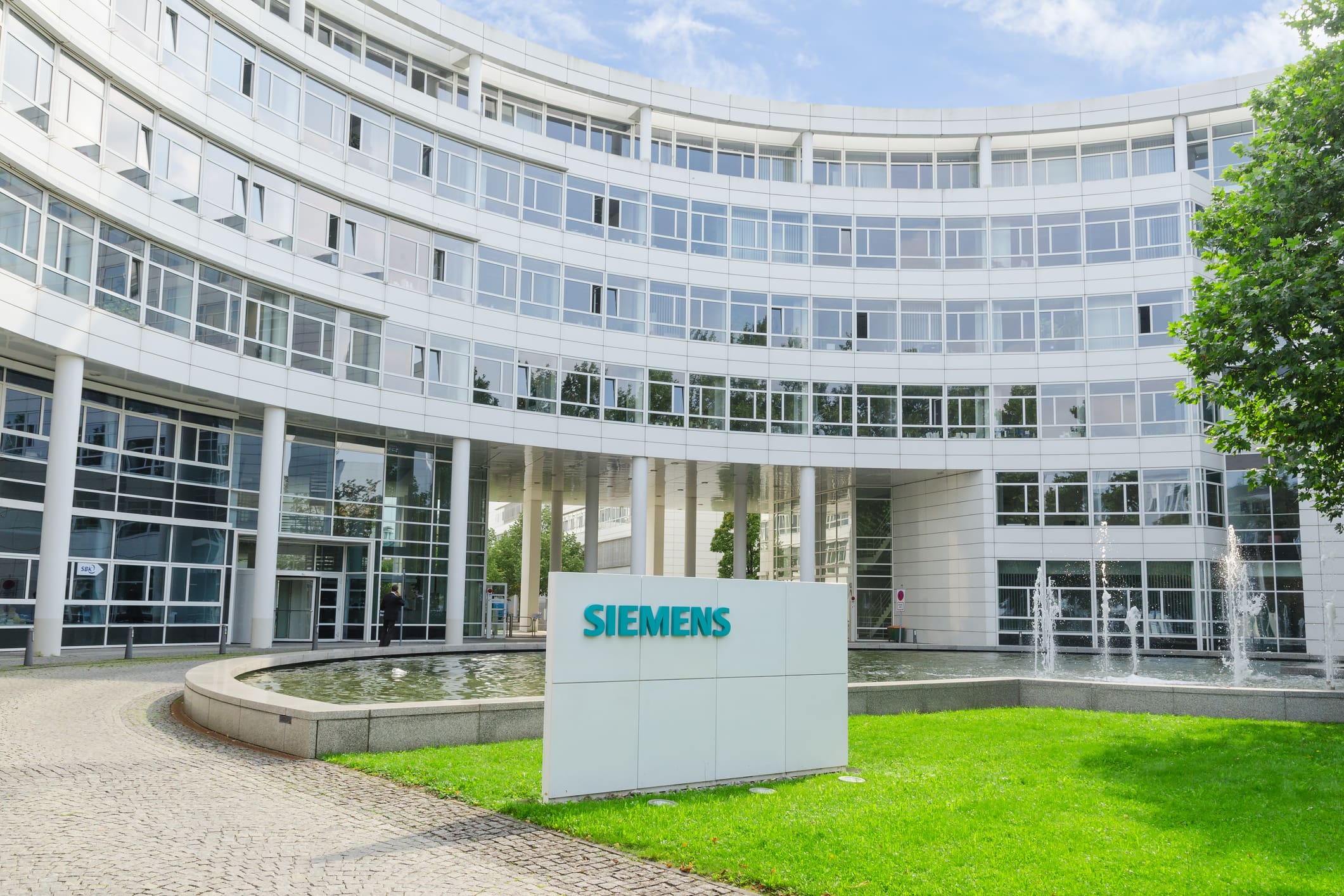
Werner von Siemens: Visionary of the Electromechanical Revolution
Werner von Siemens (1816–1892) was a German inventor and industrialist whose groundbreaking contributions to electrical engineering and telegraphy laid the foundation for modern electrification. As the co-founder of Siemens & Halske, his innovations in electromagnetic generators and industrial applications transformed global technology. Today, his legacy lives on through Siemens AG, a multinational leader in automation, digitalization, and clean energy.
The Early Life and Inventions of Werner von Siemens
Born in 1816 in Lenthe, Germany, Werner von Siemens demonstrated an early aptitude for science and engineering. His career began in the Prussian military, where he worked on telegraph technology, leading to his first major invention—the pointer telegraph—which improved long-distance communication.
Key Innovations That Shaped Electrical Engineering
- Pointer Telegraph (1847) – Revolutionized telegraphy by using a needle to point to letters, increasing speed and accuracy.
- Self-Excited Dynamo (1866) – A breakthrough in electromagnetic induction, enabling efficient electrical power generation.
- Electrification of Railways – Pioneered the use of electricity in transportation, setting the stage for modern electric trains.
The Birth of Siemens & Halske and Industrial Electrification
In 1847, Werner von Siemens co-founded Siemens & Halske with mechanic Johann Georg Halske. The company quickly became a leader in electrical infrastructure, supplying telegraph systems across Europe and beyond. His work on the dynamo was particularly transformative, as it provided a reliable method for generating electricity—critical for industrial growth.
Expanding Global Influence
By the late 19th century, Siemens & Halske had established itself as a key player in global electrification. The company’s projects included:
- Laying transatlantic telegraph cables to connect continents.
- Developing electric lighting systems for cities and factories.
- Introducing electric trams, revolutionizing urban transportation.
Legacy: From 19th-Century Innovations to Modern Siemens AG
Werner von Siemens’ vision extended far beyond his lifetime. His company evolved into Siemens AG, a global technology powerhouse with over 300,000 employees and billions in annual revenue. Today, Siemens leads in:
- Industrial automation – Smart factories and digital twins.
- Clean energy solutions – Wind, solar, and smart grid technologies.
- Medical imaging – Advanced healthcare diagnostics.
"Werner von Siemens did not just invent technologies—he built the infrastructure of the modern world." — Historical Technology Review
Commemorating a Pioneer
Werner von Siemens’ contributions are celebrated in museums and technical histories worldwide. The Siemens Historical Archives preserve his original inventions, while modern exhibitions highlight his role in the electromechanical revolution.
In Part 2, we’ll explore the technical details of his inventions, their impact on industrialization, and how Siemens AG continues to innovate in the digital age.
The Technical Breakthroughs That Powered the Electromechanical Revolution
Werner von Siemens’ most enduring contribution was his development of the self-excited dynamo in 1866. This invention solved a critical challenge in electrical engineering: generating continuous, reliable electricity without external power sources. Unlike earlier generators, Siemens’ dynamo used its own current to strengthen its magnetic field, creating a self-sustaining loop—a principle still fundamental in power generation today.
How the Dynamo Changed Industry Forever
The dynamo’s impact was immediate and transformative. Before its invention, electricity was largely a laboratory curiosity. Siemens’ design made it possible to:
- Power factories and machinery on an industrial scale.
- Light entire cities with electric lamps, replacing gas lighting.
- Enable long-distance telegraph networks, accelerating global communication.
By 1880, Siemens & Halske had installed dynamos across Europe, including in Berlin’s first electric streetlights. This marked the beginning of the electrification era, a shift as significant as the Industrial Revolution itself.
Electrifying Transportation: Siemens’ Role in Railway Innovation
Werner von Siemens recognized early that electricity could revolutionize transportation. In 1879, his company unveiled the world’s first electric locomotive at the Berlin Trade Fair. Powered by a third-rail system, the locomotive pulled three cars at 13 km/h—a modest speed by today’s standards, but a groundbreaking demonstration of electric mobility.
From Early Experiments to Modern High-Speed Rail
The success of the 1879 electric train led to further advancements:
- 1881 – Siemens built the first electric tram in Lichterfelde, Germany, proving electric transport’s viability for urban areas.
- 1890s – The company expanded electric rail systems across Europe, including Hungary’s first electric railway.
- 20th Century – Siemens’ technology evolved into high-speed trains, such as the ICE (InterCity Express) in Germany.
"The electric railway was not just a machine—it was a symbol of progress, connecting cities and economies like never before." — Engineering Historian, Dr. Klaus Meyer
Siemens & Halske’s Global Expansion and Industrial Impact
By the late 19th century, Siemens & Halske had grown from a small Berlin workshop into a multinational corporation. The company’s global reach was driven by key projects:
Landmark Projects That Shaped Modern Infrastructure
- Transatlantic Telegraph Cable (1874) – Siemens laid undersea cables linking Europe to America, reducing communication time from weeks to minutes.
- Electrification of the Suez Canal (1880s) – Installed lighting and signaling systems, improving navigation safety.
- Power Grids for Major Cities – Built electrical networks in London, Paris, and Moscow, powering streetcars and factories.
These projects cemented Siemens’ reputation as a pioneer in electrical infrastructure. By 1900, the company employed over 10,000 workers and operated in dozens of countries.
The Evolution into Siemens AG: A Legacy of Innovation
After Werner von Siemens’ death in 1892, his brothers and successors continued expanding the company. The 20th century saw Siemens diversify into new fields:
Key Milestones in Siemens’ Corporate History
- 1903 – Entered the medical technology sector with X-ray equipment.
- 1966 – Merged with Schuckertwerke to form Siemens AG, consolidating its position in electronics.
- 1980s–Present – Led advancements in automation, digitalization, and renewable energy.
Today, Siemens AG is a $70+ billion conglomerate, driving innovations in:
- Industry 4.0 – Smart factories with AI and IoT integration.
- Green Energy – Offshore wind farms and hydrogen power solutions.
- Healthcare – Cutting-edge MRI and CT imaging systems.
"From the dynamo to digital twins, Siemens has spent 175 years turning visionary ideas into reality." — Siemens Annual Report, 2023
Preserving the Legacy: Museums and Historical Archives
Werner von Siemens’ contributions are preserved in institutions like:
- Siemens Forum Munich – Showcases historical artifacts, including original dynamos.
- Deutsches Museum – Features exhibits on Siemens’ role in electrification.
- Werner von Siemens Foundation – Supports research in engineering and technology.
In Part 3, we’ll examine Siemens’ modern-day innovations, its role in sustainability, and how Werner von Siemens’ vision continues to inspire future generations of engineers.
Siemens in the 21st Century: Driving Digitalization and Sustainability
Werner von Siemens’ legacy continues to shape the modern world through Siemens AG, which has evolved into a leader in digital transformation and sustainable technology. Today, the company focuses on three core areas: electrification, automation, and digitalization—all rooted in its founder’s vision of harnessing technology for progress.
Industry 4.0: The Next Industrial Revolution
Siemens is at the forefront of Industry 4.0, integrating artificial intelligence (AI), Internet of Things (IoT), and digital twins into manufacturing. Key innovations include:
- Siemens Xcelerator – An open digital business platform that accelerates industrial digitalization.
- MindSphere – A cloud-based IoT operating system that connects machines worldwide for real-time analytics.
- Additive Manufacturing – 3D printing solutions for aerospace, healthcare, and automotive industries.
These technologies enable smart factories where machines communicate, optimize production, and reduce waste—fulfilling Werner von Siemens’ dream of efficient, interconnected industry.
Leading the Charge in Renewable Energy and Decarbonization
As the world shifts toward sustainability, Siemens plays a critical role in clean energy solutions. The company’s Siemens Gamesa division is a global leader in wind power, while its Siemens Energy branch focuses on hydrogen and grid modernization.
Key Sustainability Initiatives
- Offshore Wind Farms – Siemens Gamesa turbines generate over 30 GW of clean energy globally.
- Green Hydrogen – Developing electrolyzers to produce hydrogen as a carbon-free fuel.
- Smart Grids – Modernizing power networks to integrate renewable sources efficiently.
"By 2030, Siemens aims to achieve net-zero emissions in its operations, aligning with global climate goals." — Siemens Sustainability Report, 2023
The Future of Mobility: Siemens’ Role in Electric and Autonomous Transport
Transportation remains a key focus for Siemens, building on Werner von Siemens’ early electric railway innovations. Today, the company is pioneering:
Next-Generation Mobility Solutions
- High-Speed Rail – Siemens’ Velaro trains operate in Spain, Germany, and Russia, reaching speeds of 350 km/h.
- Autonomous Trains – Developing AI-driven rail systems for safer, more efficient transit.
- E-Mobility Infrastructure – Charging solutions for electric vehicles (EVs) and buses.
Siemens’ Mobility division is also working on hyperloop technology, exploring ultra-high-speed transport as the future of intercity travel.
Werner von Siemens’ Enduring Influence on Modern Engineering
Werner von Siemens’ impact extends beyond technology—his principles of innovation, precision, and social responsibility remain embedded in Siemens AG’s culture. His contributions are recognized through:
Awards and Honors
- Werner von Siemens Ring – A prestigious award for outstanding engineering achievements.
- Siemens Foundation – Supports education and research in STEM fields.
- UNESCO Recognition – His work is celebrated as a milestone in human progress.
Conclusion: A Visionary’s Legacy in the Digital Age
Werner von Siemens was more than an inventor—he was a pioneer of the electromechanical revolution, whose work laid the foundation for modern electrical engineering, industrial automation, and sustainable technology. From the self-excited dynamo to today’s smart grids and AI-driven factories, his vision continues to drive innovation.
Siemens AG, now a global technology leader, remains committed to his legacy by:
- Advancing digitalization in industry and infrastructure.
- Leading the transition to renewable energy.
- Shaping the future of mobility and smart cities.
"The greatest inventions are those that change the world—not just for a moment, but for generations." — Werner von Siemens
As we look to the future, Werner von Siemens’ spirit of innovation reminds us that progress is built on bold ideas, relentless experimentation, and a commitment to improving society. His story is not just history—it’s a blueprint for the next era of technological revolution.