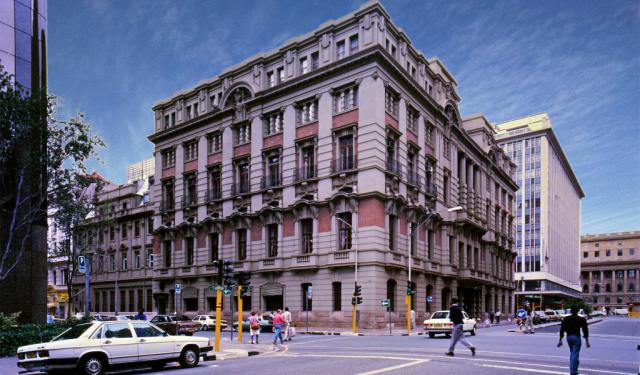
Mosul: A City of Resilience and Revival in 2025
Mosul, Iraq's second-largest city, stands as a testament to resilience and renewal. Once a vibrant hub of cultural diversity, it faced unprecedented devastation under ISIS control from 2014 to 2017. Today, Mosul is experiencing a remarkable heritage restoration boom, with landmarks like the Al-Nouri Mosque and Mosul Central Library reopening their doors. This article explores Mosul's journey from destruction to revival, highlighting its rich history, recent developments, and the challenges it continues to face.
The Historical Significance of Mosul
Located in Nineveh Province, Mosul has long been a melting pot of cultures and religions. Home to Arabs, Kurds, Yazidis, Christians, and Shia Muslims, the city's diverse population contributed to its unique cultural tapestry. Historically, Mosul was renowned for its architectural marvels, bustling bazaars, and educational institutions.
A Cultural Crossroads
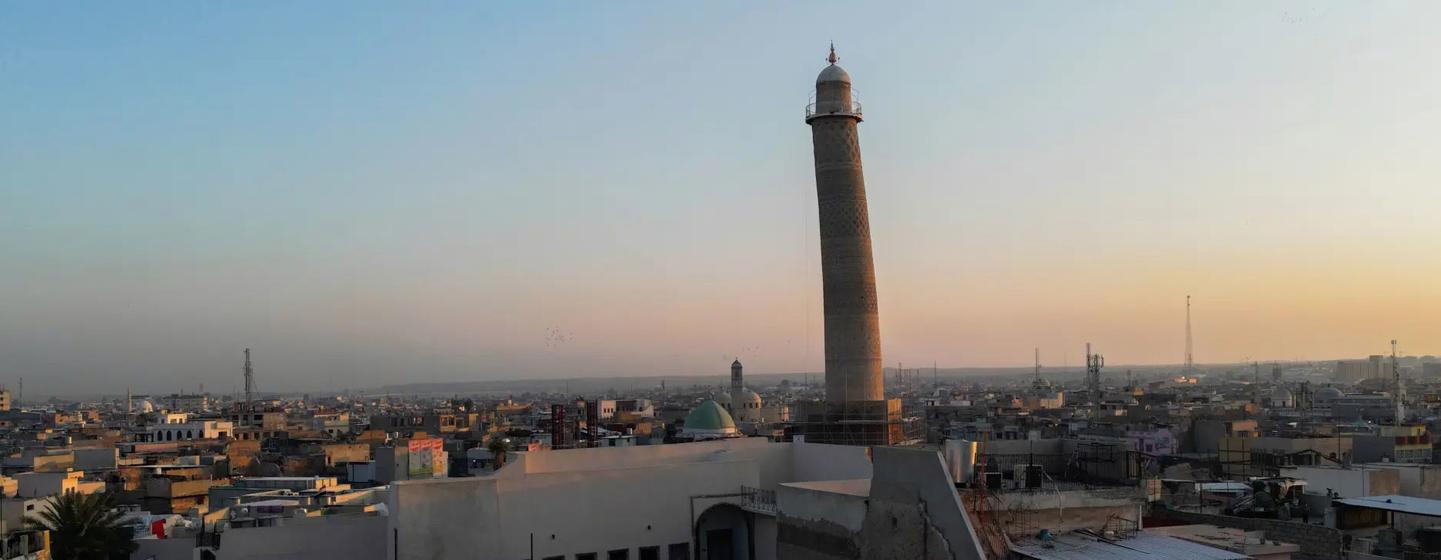
Mosul's strategic location along ancient trade routes made it a center of commerce and learning. The city's Old City was a labyrinth of narrow streets lined with Ottoman-era houses, bustling markets, and religious sites. Among these were the Al-Nouri Mosque, with its iconic leaning minaret, and St. Thomas Church, a symbol of the city's Christian heritage.
Educational and Architectural Landmarks
The Mosul Central Library, established in 1921, was one of the city's most treasured institutions, housing thousands of rare manuscripts and books. Similarly, the Mosul Museum, founded in 1952, showcased artifacts dating back to ancient Mesopotamian civilizations. These landmarks were not just buildings; they were repositories of Mosul's rich history and cultural identity.
The Dark Years: ISIS Occupation and Destruction
The ISIS takeover in 2014 marked a turning point in Mosul's history. The city, once known for its vibrancy and diversity, became a stronghold of brutality and oppression. The impact of this period was catastrophic, with around 80% of the population fleeing or perishing under ISIS rule.
Systematic Violence and Oppression
ISIS imposed a reign of terror, targeting ethnic and religious minorities. Mass executions, sexual violence, and forced conversions became daily realities. The city's diverse fabric was torn apart, with communities that had coexisted for centuries now living in fear. The Yazidi community, in particular, suffered immensely, with thousands killed or enslaved.
Destruction of Cultural Heritage
ISIS's campaign of destruction extended to Mosul's cultural and historical landmarks. Iconic sites like the Al-Nouri Mosque and St. Thomas Church were reduced to rubble. The Mosul Museum was looted and vandalized, with priceless artifacts lost or destroyed. According to UNESCO, the level of destruction in Mosul was unprecedented since World War II.
"The destruction in Mosul is among the most severe urban devastation witnessed in recent history." — UNESCO
The Human Toll
The human cost of the ISIS occupation was staggering. Of Mosul's pre-2014 population of over 1.5 million, only 600,000 remained by the time of liberation. Those who stayed endured extreme hardship, with food, water, and medical supplies in short supply. The psychological scars of this period continue to affect survivors, many of whom are still displaced or struggling to rebuild their lives.
Liberation and the Road to Recovery
The liberation of Mosul in 2017 was a pivotal moment, but it came at a heavy price. The intense fighting between Iraqi forces and ISIS left much of the city in ruins. The Old City, in particular, was virtually flattened, with entire neighborhoods reduced to rubble. Despite the devastation, the liberation marked the beginning of Mosul's long and arduous journey toward recovery.
The Battle for Mosul
The battle to retake Mosul was one of the most significant military operations in recent Iraqi history. Lasting nearly nine months, it involved a coalition of Iraqi security forces, Kurdish Peshmerga, and international allies. The fighting was brutal, with civilian casualties estimated in the tens of thousands. The use of airstrikes and heavy artillery further exacerbated the destruction, leaving vast swaths of the city uninhabitable.
Initial Reconstruction Efforts
In the aftermath of liberation, the focus shifted to demining and stabilization. The sheer scale of destruction posed immense challenges, but international organizations, including UNESCO and the United Nations Development Programme (UNDP), stepped in to support recovery efforts. The "Revive the Spirit of Mosul" initiative, launched by UNESCO with a budget of $115 million, aimed to restore the city's cultural heritage and revive its spirit.
"The reconstruction of Mosul is not just about rebuilding structures; it's about restoring hope and dignity to its people." — UNESCO Director-General
Challenges in the Early Stages
The early stages of reconstruction were fraught with difficulties. Lack of funding, bureaucratic hurdles, and ongoing security concerns slowed progress. Additionally, the displacement crisis posed a significant challenge, with many residents unable or unwilling to return to their homes. The psychological trauma inflicted by ISIS also hindered community cohesion, making the path to recovery even more complex.
Recent Developments: A City on the Rise
Despite the challenges, Mosul has made remarkable strides in recent years. The year 2025 has been particularly significant, with numerous restoration projects reaching completion and the city gradually reclaiming its former vibrancy. From the reopening of cultural landmarks to the revival of local markets, Mosul is slowly but surely rising from the ashes.
Heritage Restoration Boom
The restoration of Mosul's cultural heritage has been a cornerstone of its recovery. In 2025, several key landmarks were revived, symbolizing the city's resilience and determination to preserve its history. Among the most notable projects are:
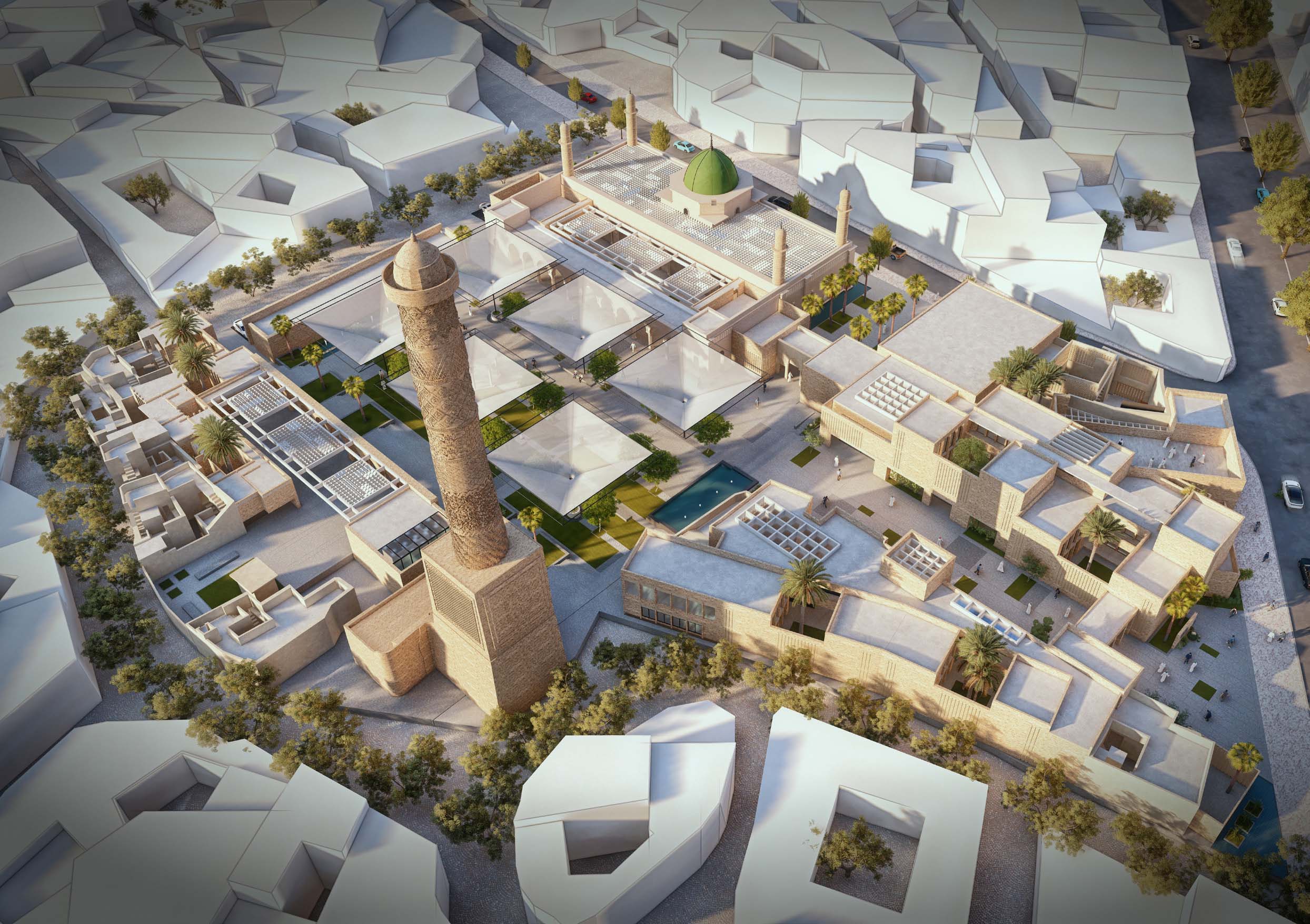
- Al-Nouri Mosque: The reconstruction of this iconic mosque, including its famous leaning minaret, has been a symbol of hope for Mosul's residents. The project, funded by the UAE, aims to restore the mosque to its former glory.
- Mosul Central Library: Reopened on January 1, 2025, the library once again serves as a hub of knowledge and learning, with thousands of books and manuscripts restored or replaced.
- Al-Tahera Church and Al-Saa’a Convent: These Christian landmarks have been meticulously restored, offering a glimpse into Mosul's diverse religious heritage.
- Ottoman Houses in the Old City: Dozens of historic homes have been rebuilt, preserving the architectural legacy of Mosul's past.
These restoration efforts have not only revived Mosul's physical landscape but have also reignited a sense of pride and identity among its residents.
Security and Stability
While Mosul has made significant progress, security remains a concern. In 2025, ISIS conducted 21 asymmetric attacks between April 1 and October 20, primarily targeting security officials. These incidents underscore the persistent threat posed by ISIS sleeper cells, which continue to operate in the region.
Despite these challenges, the overall security situation in Mosul has improved considerably. The city is now considered "safe" for travelers, with many visitors reporting a sense of hope and resilience among its people. The Iraqi security forces, supported by international allies, remain vigilant in their efforts to maintain stability and prevent a resurgence of extremist activity.
Economic Revival and Tourism
The restoration of Mosul's cultural landmarks has had a ripple effect on the local economy. The revival of the Old City's bazaars has breathed new life into the commercial sector, with shops and markets once again bustling with activity. Tourism, though still in its infancy, is gradually picking up, with visitors drawn to Mosul's rich history and cultural heritage.
Local entrepreneurs are also playing a crucial role in the city's economic revival. From traditional craftsmen to modern startups, Mosul's business community is finding innovative ways to rebuild and thrive. The reopening of the Mosul Central Library, for instance, has not only restored access to knowledge but has also created jobs and fostered a sense of community.
As Mosul continues on its path to recovery, the city serves as a powerful symbol of resilience and hope. While challenges remain, the progress made in recent years is a testament to the strength and determination of its people. In the next section, we will delve deeper into the ongoing efforts to restore Mosul's social fabric, the role of international aid, and the city's prospects for the future.
Restoring Social Fabric: Community and Demographic Shifts
The revival of Mosul extends beyond bricks and mortar. Restoring the city's social fabric is equally critical, particularly in the wake of profound demographic shifts. The Christian population, once a vibrant part of Mosul's cultural mosaic, has dwindled from 50,000 before 2014 to fewer than 70 families today. This dramatic decline raises pressing questions about the future of religious diversity and social cohesion in the city.
The Plight of Mosul's Christian Community
The exodus of Christians from Mosul began long before ISIS, but the group's occupation accelerated the process. Many fled to Erbil, Baghdad, or abroad, seeking safety and stability. Those who remained faced persecution, including forced conversions, extortion, and violence. Today, efforts to encourage their return are underway, but challenges persist.
Organizations like the Hammurabi Human Rights Organization and Chaldean Catholic Church are working to rebuild trust and provide support. Initiatives include housing assistance, job creation, and security guarantees. However, the psychological scars and lingering fears of persecution make repatriation a slow and complex process.
Yazidis and Other Minorities: A Long Road to Recovery
The Yazidi community, another integral part of Mosul's diverse population, suffered unimaginable horrors under ISIS. Thousands were killed, enslaved, or displaced. Today, over 100,000 Yazidis remain in displacement camps, with many hesitant to return due to security concerns and lack of infrastructure.
Efforts to rebuild Yazidi villages and restore their cultural sites are ongoing. The Lalesh Temple, a sacred Yazidi site near Mosul, has been restored and remains a symbol of resilience. International organizations, including the UN and NGOs like Yazda, continue to advocate for their rights and support their reintegration into society.
Reintegrating Displaced Populations
Mosul's recovery hinges on the successful reintegration of its displaced populations. As of 2025, Iraq still hosts around 1 million internally displaced persons (IDPs), many of whom originated from Mosul and surrounding areas. The Iraqi government, in collaboration with UN agencies and international NGOs, has launched programs to facilitate returns.
- Housing Reconstruction: Thousands of homes have been rebuilt or repaired, with priority given to the most vulnerable families.
- Livelihood Support: Vocational training, micro-loans, and job placement initiatives aim to restore economic stability.
- Psychosocial Programs: Mental health services and community dialogue sessions help address trauma and foster social cohesion.
Despite these efforts, land disputes, lack of services, and ongoing security threats remain significant barriers to large-scale returns.
The Role of International Aid and Partnerships
The reconstruction of Mosul would not have been possible without the support of international organizations, foreign governments, and NGOs. These partnerships have provided the funding, expertise, and resources necessary to revive the city's infrastructure, heritage, and economy.
UNESCO's "Revive the Spirit of Mosul" Initiative
Launched in 2018, the "Revive the Spirit of Mosul" initiative is a $115 million program aimed at restoring the city's cultural heritage and fostering social cohesion. The initiative focuses on three key areas:
- Heritage Restoration: Rebuilding landmarks such as the Al-Nouri Mosque, Al-Tahera Church, and Mosul Museum.
- Urban Revitalization: Rehabilitating public spaces, markets, and residential areas in the Old City.
- Education and Culture: Supporting institutions like the Mosul Central Library and promoting cultural events to reignite community spirit.
UNESCO's efforts have been instrumental in preserving Mosul's identity and providing a foundation for its future.
Contributions from Foreign Governments
Several countries have played a pivotal role in Mosul's reconstruction. Notable contributions include:
- United Arab Emirates (UAE): Funded the reconstruction of the Al-Nouri Mosque and its iconic minaret, with a commitment of $50.4 million.
- France: Partnered with UNESCO and the Louvre Museum to restore the Mosul Museum, with a planned reopening in autumn 2026.
- United States: Provided funding and technical support through USAID for infrastructure projects and demining efforts.
- Germany: Contributed to the restoration of Al-Tahera Church and other Christian heritage sites.
These international partnerships highlight the global commitment to Mosul's revival and the recognition of its cultural significance.
The Role of NGOs and Civil Society
Non-governmental organizations (NGOs) and civil society groups have been at the forefront of Mosul's recovery. Organizations such as:
- ALIPH Foundation: Focused on restoring cultural heritage sites, including churches and mosques.
- International Organization for Migration (IOM): Provided shelter, livelihood support, and community stabilization programs.
- World Monuments Fund: Partnered in the restoration of the Mosul Museum and other historic structures.
- Local NGOs: Groups like Mosul Eye and Iraqi Heritage have documented the city's history and advocated for its preservation.
These organizations have filled critical gaps, ensuring that reconstruction efforts are community-driven and sustainable.
Security Challenges and the Path Forward
While Mosul has made significant progress, security remains a pressing concern. The threat of ISIS resurgence, regional tensions, and political instability continue to cast a shadow over the city's recovery. Addressing these challenges is essential for ensuring long-term stability and growth.
The Persistent Threat of ISIS
Despite its territorial defeat, ISIS continues to pose a threat through sleeper cells and asymmetric attacks. In 2025, the group carried out 21 attacks in and around Mosul, primarily targeting security forces and government officials. These incidents highlight the ongoing risk of insurgency and the need for vigilant counter-terrorism measures.
The Iraqi Security Forces (ISF) and Popular Mobilization Forces (PMF) have intensified their operations to dismantle ISIS networks. However, the group's ability to exploit regional instability, particularly in neighboring Syria, remains a concern. Analysts warn that the 2024 upheaval in Syria could embolden ISIS factions, leading to increased cross-border activity.
Regional Dynamics and Political Influences
Mosul's security is also influenced by broader regional dynamics, including the rivalry between Iran and the United States. The Popular Mobilization Forces (PMF), a state-sanctioned umbrella group of militias, play a significant role in Mosul's security landscape. Originally formed in response to ISIS, the PMF has evolved into a powerful political and military force, with ties to Iran.
The upcoming 2025 Iraqi parliamentary elections are expected to shape the future of these dynamics. The elections will test the balance of power between pro-Iran factions, independent groups, and Western-aligned parties. The outcome could have profound implications for Mosul's stability, particularly in terms of security policies and reconstruction funding.
Infrastructure and Economic Security
Beyond the threat of terrorism, Mosul faces challenges related to economic security and infrastructure. Recent attacks on critical infrastructure, such as the drone and missile strikes on Kirkuk Airport in June and July 2025, underscore the vulnerability of key installations. These incidents disrupt economic activity and undermine investor confidence.
To mitigate these risks, the Iraqi government has prioritized the following measures:
- Enhanced Security Protocols: Increased surveillance and protection for critical infrastructure.
- Economic Diversification: Encouraging investment in sectors beyond oil, such as tourism, agriculture, and technology.
- Regional Cooperation: Strengthening ties with neighboring countries to address cross-border security threats.
These efforts are crucial for creating a stable environment that can attract investment and foster economic growth.
Education and Youth: Building Mosul's Future
The youth of Mosul represent the city's future, and investing in their education and well-being is essential for long-term recovery. The reopening of schools, universities, and cultural institutions has provided a glimmer of hope, but significant challenges remain.
Rebuilding the Education Sector
The University of Mosul, one of Iraq's largest and most prestigious institutions, was severely damaged during the ISIS occupation. Efforts to restore its facilities and revive its academic programs are underway. International partners, including the British Council and German Academic Exchange Service (DAAD), have provided funding and expertise to support these initiatives.
Primary and secondary education have also been prioritized. The reconstruction of schools and the provision of teaching materials and training for educators are critical for ensuring that children have access to quality education. Programs focused on peace education and conflict resolution aim to foster a culture of tolerance and coexistence among the younger generation.
Empowering Youth Through Vocational Training
With unemployment rates remaining high, vocational training programs have become a vital tool for empowering Mosul's youth. Initiatives such as:
- UNICEF's Youth Employment Programs: Providing skills training in fields like construction, IT, and healthcare.
- ILO's (International Labour Organization) Support: Offering entrepreneurship training and micro-financing for young entrepreneurs.
- Local NGOs: Running workshops on traditional crafts, such as pottery and weaving, to preserve cultural heritage while creating job opportunities.
These programs not only provide economic opportunities but also help to rebuild social cohesion by engaging youth in constructive activities.
The Role of Cultural and Artistic Expression
Cultural and artistic expression has emerged as a powerful tool for healing and reconciliation in Mosul. Initiatives such as:
- Mosul Cultural Festival: An annual event celebrating the city's diverse heritage through music, art, and theater.
- Street Art Projects: Murals and public art installations that reflect themes of peace and resilience.
- Storytelling and Documentation: Projects like Mosul Eye, which documents the city's history and personal stories of survival.
These efforts provide a platform for Mosul's youth to express their experiences, foster dialogue, and reclaim their cultural identity.
As Mosul continues to rebuild, the focus on education and youth empowerment will be crucial for shaping a future that is inclusive, prosperous, and resilient. In the final section, we will explore the city's long-term prospects, the role of tourism in its revival, and the lessons learned from its journey of recovery.
Tourism and Economic Revival: Mosul's Path to Prosperity
As Mosul rebuilds, tourism is emerging as a key driver of economic revival. The city's rich history, cultural landmarks, and resilient spirit are drawing visitors eager to witness its transformation. While challenges remain, the potential for tourism to fuel Mosul's recovery is significant, offering new opportunities for growth and global engagement.
The Return of Cultural Tourism
Mosul's cultural heritage sites, many of which have been restored, are becoming major attractions. Landmarks such as the Al-Nouri Mosque, Al-Tahera Church, and the Mosul Museum are not only symbols of the city's past but also beacons of its revival. Visitors are increasingly drawn to these sites, eager to explore Mosul's unique blend of Islamic, Christian, and ancient Mesopotamian history.
Guided tours, cultural festivals, and heritage walks are being organized to showcase Mosul's story of resilience. Local guides, many of whom are survivors of the ISIS occupation, provide firsthand accounts of the city's struggles and triumphs, adding a deeply personal dimension to the tourist experience.
Infrastructure and Hospitality Development
To support the growing interest in tourism, Mosul is investing in hospitality and infrastructure. New hotels, guesthouses, and restaurants are opening, catering to both domestic and international visitors. The reconstruction of the Old City's bazaars has also revived traditional markets, where artisans sell handcrafted goods, from pottery to textiles.
Key developments include:
- Hotel Restorations: Historic buildings are being converted into boutique hotels, blending modern amenities with traditional architecture.
- Transportation Improvements: Upgrades to roads, airports, and public transit are making Mosul more accessible to tourists.
- Visitor Centers: New facilities provide information, guided tours, and cultural exhibits to enhance the tourist experience.
These efforts are not only boosting tourism but also creating jobs and stimulating the local economy.
Challenges and Opportunities in Tourism
Despite the progress, security concerns and perceptions of instability remain barriers to mass tourism. However, travel bloggers and journalists who have visited Mosul in 2025 describe it as "safe, vibrant, and full of hope". Their accounts are helping to shift narratives and attract more visitors.
To further capitalize on tourism, Mosul is focusing on:
- Marketing Campaigns: Highlighting the city's cultural revival through social media, documentaries, and travel guides.
- International Partnerships: Collaborating with organizations like UNESCO and the World Tourism Organization to promote Mosul as a heritage destination.
- Community-Based Tourism: Encouraging local involvement in tourism initiatives to ensure benefits are widely shared.
If these efforts succeed, tourism could become a cornerstone of Mosul's long-term economic recovery.
Lessons Learned: Mosul's Journey of Resilience
Mosul's story is one of destruction, survival, and revival. The city's journey offers valuable lessons in resilience, reconstruction, and the power of community. As Mosul continues to rebuild, these insights can inform recovery efforts in other conflict-affected regions around the world.
The Power of Community-Led Recovery
One of the most significant lessons from Mosul is the importance of community involvement in reconstruction. Top-down approaches, while necessary for large-scale projects, are most effective when paired with grassroots initiatives. Local NGOs, cultural groups, and residents have played a crucial role in shaping Mosul's revival, ensuring that efforts are culturally sensitive and sustainable.
For example, the Mosul Eye project, which documents the city's history through the eyes of its people, has become a powerful tool for preservation and education. Similarly, women-led initiatives have been instrumental in rebuilding social cohesion and supporting vulnerable populations.
The Role of International Collaboration
Mosul's reconstruction has also highlighted the importance of international partnerships. The support of organizations like UNESCO, the UAE, and the Louvre has been invaluable in restoring the city's heritage. These collaborations have provided not only funding but also expertise, resources, and global visibility.
However, international aid must be strategically coordinated to avoid duplication and ensure long-term impact. The success of initiatives like "Revive the Spirit of Mosul" demonstrates the potential of well-planned, multi-stakeholder partnerships.
Balancing Security and Development
Security remains a critical factor in Mosul's recovery. The city's experience underscores the need for a holistic approach that integrates counter-terrorism efforts with economic and social development. While military operations are essential for stability, they must be complemented by initiatives that address the root causes of extremism, such as poverty, unemployment, and lack of education.
Programs that provide job opportunities, education, and psychosocial support are vital for preventing radicalization and fostering a sense of belonging among Mosul's youth.
Mosul's Future: A Beacon of Hope
Looking ahead, Mosul's future is filled with both challenges and opportunities. The city's ability to overcome adversity and rebuild itself is a testament to the resilience of its people. As Mosul continues on its path to recovery, several key factors will shape its trajectory.
Long-Term Economic Diversification
To ensure sustainable growth, Mosul must diversify its economy beyond tourism and reconstruction. Key sectors with potential include:
- Agriculture: The fertile lands of Nineveh Province offer opportunities for reviving farming and agribusiness.
- Technology and Innovation: Investing in digital infrastructure and startups can attract young entrepreneurs.
- Manufacturing and Crafts: Traditional industries, such as textile production and pottery, can be modernized to create jobs.
Diversification will not only strengthen Mosul's economy but also reduce its vulnerability to external shocks.
Political Stability and Governance
The upcoming 2025 parliamentary elections will be a critical moment for Mosul and Iraq as a whole. The outcomes will influence security policies, reconstruction funding, and regional relations. A stable, inclusive government that prioritizes the needs of all communities will be essential for Mosul's continued recovery.
Additionally, decentralization and local governance can empower Mosul's residents to take ownership of their city's future. Strengthening municipal institutions and encouraging civic participation will foster a more responsive and accountable system of governance.
Preserving Cultural Diversity
Mosul's rich cultural diversity has been one of its greatest strengths, but it has also made the city vulnerable to division. Ensuring that all communities—Arabs, Kurds, Yazidis, Christians, and others—feel included in the recovery process is crucial for long-term social cohesion.
Efforts to restore religious sites, support minority populations, and promote interfaith dialogue are steps in the right direction. However, sustained commitment to inclusivity and reconciliation will be necessary to heal the wounds of the past and build a united future.
Conclusion: Mosul's Enduring Legacy
Mosul's journey from the depths of destruction to the heights of revival is a story of unwavering resilience. The city has faced unimaginable horrors, from the brutality of ISIS to the devastation of war, yet it has emerged as a symbol of hope and renewal. Through the restoration of its cultural landmarks, the return of its displaced populations, and the revival of its economy, Mosul is reclaiming its identity and forging a new path forward.
The lessons learned from Mosul's recovery—the power of community, the importance of international collaboration, and the need for balanced security and development—offer valuable insights for other regions grappling with conflict and destruction. Mosul's story is a reminder that even in the darkest times, hope and healing are possible.
As Mosul continues to rise, it stands as a beacon of resilience, not just for Iraq, but for the world. The city's revival is a testament to the strength of its people and their unwavering commitment to rebuilding a future that honors their past while embracing new opportunities. With continued support, investment, and determination, Mosul's legacy will endure as a city of culture, diversity, and unbreakable spirit.
This sentiment echoes through the rubble, a testament to the resilience of a community determined to reclaim its past and rebuild its future.
"Mosul is not just a city of stones and buildings; it is a city of people, of stories, and of an unyielding will to rise again." — A Mosul Resident

Discovering Johannesburg: A City of Gold and Diversity
In the heart of South Africa lies Johannesburg, a bustling metropolis with a rich history and a vibrant culture. Known colloquially as "Jozi" or "Joburg," Johannesburg stands as the largest city in South Africa and serves as one of the most pivotal economic and cultural hubs on the African continent. From its origins as a 19th-century gold rush settlement to its role in the country’s modern history, Johannesburg's story is one of transformation and resilience.
A City Built on Gold
The history of Johannesburg is intertwined with the discovery of gold in the Witwatersrand area in 1886. This discovery set off a significant gold rush, attracting prospectors from around the globe and leading to a boom in development. The city was founded shortly after in 1886 and rapidly grew as a result of the lucrative mining industry, earning its nickname "eGoli" or "City of Gold."
The mines of Johannesburg played a crucial role not only in the economy of South Africa but also in the shaping of its demographic landscape. The city became a melting pot of cultures as migrants from Europe, Asia, and other parts of Africa came seeking fortune. This multicultural influx laid the groundwork for Johannesburg's diverse and dynamic society.
Architectural Evolution
Johannesburg's architectural landscape is a testament to its rapid growth and change. The city's skyline is dotted with high-rise buildings and urban structures, reflecting both colonial influences and modernist trends. Districts like the Central Business District showcase a variety of architectural styles, ranging from Art Deco to contemporary design.
The transformation of Newtown and Maboneng illustrates Johannesburg's innovative spirit. Maboneng, once a set of abandoned warehouses, has been revitalized into a thriving cultural precinct filled with galleries, cafes, and artisan shops, reflecting the city's evolving identity and commitment to fostering creativity.
Cradle of Human Rights
Johannesburg holds a significant place in South Africa’s history, particularly during the struggle against apartheid. It was a major center for political activism and resistance. Landmarks such as Constitution Hill and the Apartheid Museum offer introspective journeys into this tumultuous period, celebrating the triumph of the human spirit over oppressive regimes.
Nelson Mandela, one of the world's most revered leaders, spent a significant portion of his life in Johannesburg. His former home in Soweto, now the Mandela House Museum, offers an intimate look at his life's work and his enduring legacy in the fight for equality and democracy.
A Melting Pot of Cultures
Today, Johannesburg is celebrated for its cultural diversity. Neighborhoods such as Fordsburg and Brixton have rich cultural tapestries woven by Indian, Chinese, and African communities, showcasing a remarkable blend of traditions, cuisines, and festivities. The city's cultural festivals, music events, and art exhibitions embody its spirit of inclusivity and cultural exchange.
The food scene in Johannesburg is equally diverse, offering everything from traditional African cuisines to international flavors. Markets like Neighbourgoods and arts hubs in areas like Rosebank bring locals and tourists together to experience the rich culinary heritage of the city.
A City of Transformation
Johannesburg’s journey from a gold rush settlement to a modern megacity is marked by periods of change and adaptation. Despite facing challenges such as economic disparities and urban growth pressures, the city continues to reinvent itself. Efforts in urban regeneration and social development projects highlight Johannesburg’s commitment to fostering sustainable growth and improving the quality of life for its residents.
Whether it's through cultural celebrations, architectural innovation, or historical explorations, Johannesburg remains a city of vibrant contrasts and endless potential. Stay tuned for the second part, where we delve deeper into the city's economic impact and explore its role as a gateway to Africa's thriving economy.