Cardano 2025 Roadmap: Scalability, Governance, and DeFi Growth
The Cardano blockchain enters 2025 at a pivotal moment in its evolution. Designed as a proof-of-stake blockchain platform, Cardano is renowned for its research-driven approach and commitment to sustainability, interoperability, and scalability. With major upgrades on the horizon, the platform is poised to significantly expand its capabilities in decentralized finance (DeFi), governance, and real-world applications, solidifying its position as a leading smart contract platform.
Introduction to the Cardano Blockchain
Cardano stands apart in the crowded blockchain space due to its foundational principles. It was built using high-assurance formal development methods, a rigorous peer-reviewed process that ensures security and reliability. The platform's architecture is uniquely layered, separating the settlement of transactions from the computation of smart contracts. This design provides a flexible foundation for sustainable blockchain applications.
The native cryptocurrency of the Cardano network is ADA. ADA is used for staking, paying transaction fees, and participating in network governance. Since the successful Alonzo hard fork in 2021, which introduced smart contract functionality, Cardano has become a direct competitor to platforms like Ethereum, offering developers a scientifically robust environment for building decentralized applications (DApps).
The Ouroboros Consensus Mechanism
At the heart of Cardano's operation is Ouroboros, the first provably secure proof-of-stake protocol. Unlike the energy-intensive mining used by Bitcoin, Ouroboros relies on a process called "minting." In this system, ADA holders delegate their stakes to stake pools, which are responsible for validating transactions and creating new blocks.
Slot leaders are selected algorithmically to perform these tasks, making the network highly energy-efficient. This decentralized consensus mechanism is fundamental to Cardano's ability to scale sustainably while maintaining robust security, a key advantage highlighted in its 2025 roadmap.
Cardano's 2025 Strategic Roadmap Overview
The 2025 roadmap for Cardano outlines an ambitious vision focused on three core pillars: scalability, governance, and interoperability. The development team at Input Output Global (IOG) is driving upgrades that will enhance network capacity, deepen community-led governance, and enable seamless communication with other blockchains.
A primary goal is to support billions of users by 2030. The 2025 plan serves as a critical stepping stone, introducing efficiency upgrades and enhanced developer tooling to make the platform more scalable and user-friendly. The roadmap is structured around the ongoing "eras" of Cardano's development, with a significant emphasis on the Voltaire era for governance.
Key Focus Areas for 2025
- Scalability Solutions: Implementing upgrades to increase transactions per second (TPS) and overall network capacity.
- Advanced Governance: Expanding on-chain voting and treasury management through the Voltaire era.
- Inter-Chain Communication: Building bridges and protocols for secure cross-chain interactions.
- DeFi and Stablecoin Expansion: Fostering growth in decentralized finance with key integrations like USDC and USDT.
Scalability and Performance Upgrades
Scalability remains a paramount challenge for all major blockchains, and Cardano's 2025 plan addresses this head-on. The roadmap includes several technical enhancements designed to significantly improve the network's throughput and efficiency. These upgrades are essential for supporting the projected growth in DeFi applications and user base.
A major initiative involves improvements to the Plutus smart contract platform. By optimizing how smart contracts are executed on-chain, Cardano aims to reduce transaction costs and latency, providing a smoother experience for both developers and end-users. These performance upgrades are critical for competing effectively in the high-stakes world of blockchain-based finance.
Cardano has already processed more than 105 million transactions, demonstrating substantial network activity and a strong foundation for future growth.
Hydra: Layer-2 Scaling Solutions
One of the most anticipated scalability features is Hydra, a layer-2 scaling solution. Hydra operates by creating off-chain "heads" that process transactions privately and quickly, only settling the final state on the main Cardano chain. This approach can dramatically increase the total number of transactions the network can handle.
Each Hydra head can process transactions independently, meaning the overall capacity of the network can scale nearly linearly with the number of active heads. The rollout of Hydra is a cornerstone of Cardano's strategy to achieve global-scale adoption without compromising on decentralization or security.
Advancements in Governance: The Voltaire Era
The Voltaire era represents the final major phase in Cardano's development, centering on the establishment of a self-sustaining, decentralized governance model. In 2025, this vision is becoming a reality with the expansion of on-chain voting and treasury systems. The goal is to empower the community to steer the future of the protocol.
Through a system of Cardano Improvement Proposals (CIPs), ADA holders can propose changes to the network, debate them, and vote on their implementation. This democratic process ensures that the platform evolves in a direction that reflects the collective interests of its stakeholders, moving away from a development team-led model to a truly community-operated network.
Project Catalyst and Community Funding
A key component of Voltaire is Project Catalyst, a series of experiments that form the largest decentralized innovation fund in the world. Community members submit proposals for projects, protocols, or developments, and the ADA community votes to allocate funding from the treasury.
This continuous funding cycle accelerates innovation within the Cardano ecosystem by financially supporting promising ideas directly from the community. It is a powerful mechanism for fostering organic growth and development, ensuring that resources are allocated to the most valued initiatives.
Interoperability and Cross-Chain Ambitions
A core tenet of Cardano's vision is blockchain interoperability. The 2025 roadmap details ambitious plans to build secure, trustless bridges to other major blockchain networks. This initiative moves beyond simple token bridges to enable seamless communication and shared functionality between entirely different protocols, a critical step for the future of decentralized finance (DeFi).
A major technical development is the planned deployment of an Inter-Blockchain Communication (IBC) protocol. Similar to the system used by Cosmos, this protocol would allow Cardano to securely exchange data and assets with other IBC-compatible chains. To facilitate this, Cardano is introducing a new consensus system called Minotaur, which blends Ouroboros' proof-of-stake with other consensus models to support these complex interchain interactions.
The Future of Hybrid DApps
The ultimate goal of this interoperability work is to enable Hybrid DApps. These are decentralized applications that are not confined to a single blockchain. A Hybrid DApp could leverage Cardano's security for settlement, another chain's high speed for gaming logic, and a third chain's storage capabilities, all without developers having to rebuild their application from scratch on each platform.
This approach reduces fragmentation and unlocks immense creative potential. It positions Cardano not as a standalone silo, but as a key participant in a connected, multi-chain ecosystem. This strategic focus directly addresses one of the three fundamental challenges Cardano was designed to solve: achieving true blockchain interoperability.
Cardano DeFi Ecosystem and Major Integrations
The Cardano DeFi ecosystem is experiencing substantial growth, marking a significant milestone in 2025. The total value locked (TVL) across various DeFi protocols on Cardano has surpassed $700 million for the first time. This surge reflects growing developer confidence and user adoption, establishing Cardano as a serious player in the decentralized finance sector.
Key to this expansion are groundbreaking integrations recently announced from strategic hubs like Hong Kong. These partnerships are bringing essential financial primitives to the Cardano blockchain, lowering the barrier to entry for both institutional and retail users and fostering a more robust financial ecosystem.
Pyth Oracle Integration
A landmark development is the integration of the Pyth Network oracle. Oracles are critical infrastructure that connect blockchains to real-world data. The Pyth partnership introduces sophisticated, high-fidelity price feeds for cryptocurrencies, stocks, forex, and commodities directly onto the Cardano network.
This enables developers to build advanced DeFi applications such as perpetual futures contracts, options trading platforms, and prediction markets that rely on accurate, real-time external data. The Pyth integration significantly expands the design space for builders on Cardano, moving DeFi beyond simple swapping and lending into more complex financial instruments.
Tier-1 Stablecoin Support (USDC and USDT)
Perhaps the most significant boost to Cardano's DeFi credibility is the official integration of Tier-1 stablecoins, specifically USD Coin (USDC) and Tether (USDT). The arrival of these major, widely recognized stablecoins provides a crucial on-ramp for fiat liquidity and a stable unit of account for users.
The integration of stablecoins like USDC and USDT is a game-changer, facilitating seamless fiat-to-crypto conversions, enhancing regulatory compliance, and simplifying cross-border transactions on the Cardano network.
This integration reduces volatility risk for traders and liquidity providers. It also makes Cardano-based DeFi protocols more accessible and appealing to a mainstream financial audience who are familiar with these digital dollar equivalents, directly fueling further TVL growth.
Key Components of a Thriving Cardano DeFi Scene
- Decentralized Exchanges (DEXs): Platforms like SundaeSwap, Minswap, and Wingriders facilitate token swapping and provide liquidity pools.
- Lending and Borrowing Protocols: Emerging platforms allow users to lend their ADA or other native assets to earn yield or use them as collateral for loans.
- Liquid Staking Solutions: Protocols that enable users to stake their ADA for network security while receiving a liquid staking token (LST) that can be used in other DeFi applications, maximizing capital efficiency.
- Advanced Financial Instruments: With oracles now available, the stage is set for derivatives, structured products, and more sophisticated trading tools.
Real-World Utility: Identity and Traceability Solutions
Beyond finance, Cardano is making significant strides in applying blockchain technology to real-world problems. In the second quarter of 2025, the Cardano Foundation launched two major open-source platforms focused on digital identity and supply chain traceability. These initiatives demonstrate Cardano's practical utility in enterprise and governmental contexts.
Veridian: Privacy-Preserving Digital Identity
The Foundation launched Veridian, a next-generation platform for decentralized digital identity. It focuses on privacy-preserving, interoperable credential verification. The platform empowers individuals with self-sovereign identity through the use of decentralized identifiers (DIDs) and verifiable credentials.
Imagine a digital wallet that holds your university degree, your professional licenses, and your medical vaccination records. With Veridian, you can share proofs of these credentials without revealing the underlying document or all your personal data. Target sectors include:
- Healthcare: Secure and portable patient records.
- Finance: Streamlined KYC (Know Your Customer) and compliance processes.
- Academia Tamper-proof diplomas and certificates.
- Government Services: Efficient and secure access to public benefits.
Originate: Supply Chain Provenance and Certification
Alongside Veridian, the Cardano Foundation launched Originate, an open-source traceability infrastructure. This platform helps businesses verify product authenticity and meet stringent industry certifications by providing an immutable record of a product's journey from origin to consumer.
Its flagship use case is a partnership to digitally certify the provenance of Georgian wine. By tracking each bottle from vineyard to store shelf on the Cardano blockchain, producers can prove authenticity, combat counterfeiting, and share detailed stories about their terroir and sustainable practices. This application showcases blockchain's power to bring transparency to agriculture and luxury goods.
The development of Veridian and Originate underscores a crucial point: Cardano's value proposition extends far beyond cryptocurrency speculation. It is building the foundational tools for a more verifiable, transparent, and user-centric digital future across multiple industries.
Cardano's Competitive Positioning in the Blockchain Landscape
Cardano occupies a unique niche in the highly competitive blockchain ecosystem. Unlike many projects that prioritize speed-to-market, Cardano's foundation is built upon peer-reviewed academic research and formal verification methods. This scientifically rigorous approach to development distinguishes it from competitors and provides a robust foundation for enterprise-level applications and mission-critical DeFi protocols.
Since the landmark Alonzo hard fork in September 2021, which introduced smart contract functionality, Cardano has directly entered the arena dominated by Ethereum. However, its value proposition extends beyond merely being an "Ethereum alternative." Cardano's layered architecture, energy-efficient Ouroboros consensus, and meticulous approach to upgrades position it as a platform focused on long-term sustainability and scalability, targeting global-scale adoption.
Competitive Advantages
- Scientific Rigor: Every major protocol update undergoes extensive academic peer review, minimizing risks and vulnerabilities.
- Sustainable Architecture The proof-of-stake Ouroboros protocol consumes a fraction of the energy used by proof-of-work networks like Bitcoin.
- Scalability Roadmap: With solutions like Hydra and ongoing protocol optimizations, Cardano is systematically addressing the blockchain trilemma of achieving scalability, security, and decentralization simultaneously.
- Enterprise-Friendly Governance: The evolving Voltaire governance model provides a clear, decentralized path for decision-making, which is attractive for institutions seeking regulatory clarity and stability.
Sustainability and Environmental Impact
In an era of increasing scrutiny on the environmental impact of blockchain technology, Cardano's commitment to sustainability is a significant competitive advantage. The entire network is built around the energy-efficient Ouroboros proof-of-stake protocol. This design choice fundamentally separates Cardano from first-generation blockchains that rely on energy-intensive mining.
The environmental benefit is substantial. Compared to proof-of-work networks, Cardano's energy consumption is negligible. This low carbon footprint is increasingly important for attracting environmentally conscious developers, investors, and enterprise partners. It aligns Cardano with global sustainability goals and makes it a viable candidate for applications in green finance, carbon credit tracking, and other eco-centric industries.
Real-World Applications for Sustainability
The platform's utility in promoting sustainability extends beyond its own energy use. Projects like the Originate traceability platform are being used to verify sustainable agricultural practices, such as the Georgian wine provenance project. This demonstrates blockchain's potential to bring transparency to supply chains, allowing consumers to make informed, ethical purchasing decisions and holding companies accountable for their environmental claims.
Investment Perspective and ADA Tokenomics
From an investment standpoint, Cardano presents a compelling case built on its strong fundamentals and continued development. The native cryptocurrency, ADA, serves three primary functions within the ecosystem: a medium of exchange for transactions, a tool for staking and securing the network, and a voting right for on-chain governance. This multi-faceted utility creates intrinsic demand for the token.
The total supply of ADA is capped at 45 billion tokens, a fixed supply that introduces a deflationary aspect to its economics. Like Bitcoin, this hard cap means that no new ADA will be created beyond this limit, potentially leading to price appreciation as adoption increases and overall supply remains fixed.
Staking and Passive Income
A cornerstone of ADA's value proposition is staking. ADA holders can participate in the network's security by delegating their tokens to a stake pool. In return, they earn staking rewards, typically in the range of 4-5% annually. This mechanism incentivizes long-term holding and active participation in the network, rather than short-term speculation.
The ability for ADA holders to earn staking rewards provides a powerful incentive for network participation and long-term investment, contributing to the overall health and security of the Cardano ecosystem.
Staking is designed to be user-friendly and non-custodial, meaning users retain ownership of their ADA while delegating it. This lowers the barrier to entry for participation and strengthens the network's decentralization by distributing stake across many independent pools.
Future Outlook and Long-Term Vision
Looking beyond the 2025 roadmap, Cardano's long-term vision is nothing short of ambitious. The ultimate goal is to become the financial operating system for the world, providing a platform for secure, transparent, and accessible financial services for the billions of people who are currently unbanked or underbanked.
The focus on interoperability, identity, and governance laid out in the near-term roadmap lays the foundation for this grand vision. By creating bridges between disparate blockchain systems, empowering individuals with control over their digital identities, and establishing a sustainable model for decentralized governance, Cardano is building the infrastructure for a more inclusive and equitable global financial system.
The Path to Global Adoption
- Partnerships with Governments and Institutions: Cardano has actively pursued partnerships in developing nations, exploring use cases for everything from digital identity for citizens to land registry on the blockchain.
- Focus on Education: A key part of the strategy involves educating a new generation of developers through initiatives like the Cardano Developer Portal and partnerships with academic institutions.
- User Experience Improvements: Making blockchain technology accessible to non-technical users is paramount. Ongoing development focuses on simplifying wallet interfaces, streamlining transactions, and abstracting away the underlying complexity.
Conclusion: Cardano's Strategic Trajectory
The Cardano 2025 roadmap paints a picture of a blockchain platform entering a mature and impactful phase of its development. The strategic focus on scalability, governance, and interoperability addresses the most critical challenges facing the blockchain industry today. With key milestones achieved and major upgrades on the horizon, Cardano is systematically building a robust foundation for widespread adoption.
The explosive growth of DeFi on Cardano, evidenced by the TVL surpassing $700 million, validates the platform's technical capabilities and developer appeal. The integration of Tier-1 stablecoins and sophisticated oracles like Pyth directly fuels this growth, enabling a new wave of complex financial applications. Simultaneously, projects like Veridian and Originate demonstrate Cardano's significant potential for real-world impact beyond finance, in areas such as digital identity and supply chain transparency.
Cardano's competitive edge lies in its unwavering commitment to scientific rigor, peer-reviewed research, and methodical development. While this approach may be slower than that of some competitors, it aims to create a more secure, sustainable, and reliable platform in the long run. As the blockchain industry matures and the focus shifts from hype to tangible utility, Cardano's emphasis on fundamentals positions it as a leading contender to power the next generation of decentralized applications and financial services.
The journey ahead is challenging, with intense competition and a rapidly evolving technological landscape. However, Cardano's clear vision, dedicated community, and science-driven development process provide a strong framework for navigating these challenges. By continuing to execute on its roadmap and expand its ecosystem, Cardano stands poised to play a major role in shaping the future of blockchain technology and the global digital economy.


Ian Jomha: The Visionary Redefining Business and Technology
Early Life and Entrepreneurial Spark
Ian Jomha is a name synonymous with innovation and entrepreneurial success. Born with an innate curiosity and a drive to challenge the status quo, Jomha’s journey into the world of business and technology began early. Growing up in an environment that encouraged exploration and critical thinking, he displayed an entrepreneurial spark from a young age. His ability to identify opportunities where others saw obstacles set him apart, foreshadowing the remarkable career that was to come.
Unlike many who wait for the right moment, Jomha believed in creating his own opportunities. Whether it was launching small ventures during his school years or diving deep into technology trends, he consistently demonstrated a forward-thinking mindset. His early exposure to the rapid evolution of digital platforms and business models laid the foundation for his future endeavors.
Education and Professional Development
Jomha’s academic journey was marked by a focus on disciplines that would later become instrumental in shaping his career. He pursued studies in fields that blended business strategy with technological innovation, recognizing early on that the future of industries would be defined by the convergence of these two domains. His formal education served as a springboard, but it was his relentless self-driven learning that truly set him apart.
While many professionals rely solely on classroom knowledge, Jomha immersed himself in the practical aspects of business—networking with industry leaders, attending tech conferences, and staying ahead of emerging trends. His ability to synthesize complex information and translate it into actionable business strategies became a hallmark of his approach.
Breaking Into the Startup World
The startup ecosystem is notoriously competitive, but Jomha thrived in this high-stakes environment. His first significant foray into entrepreneurship involved founding a company that addressed a critical gap in the market. Rather than following conventional business models, he relied on agility and innovation, quickly gaining traction among early adopters.
Jomha’s approach to startups was unlike the traditional path of securing massive funding before launching a product. Instead, he focused on lean methodologies—building minimum viable products (MVPs), gathering real-world feedback, and iterating rapidly. This philosophy allowed him to navigate the uncertainties of the startup world with resilience and adaptability.
The Intersection of Business and Technology
One of Jomha’s defining traits is his ability to see where business strategy and technological innovation intersect. While many business leaders struggle to bridge the gap between these two worlds, Jomha has consistently leveraged cutting-edge technology to drive business growth. His ventures often incorporate elements of artificial intelligence, blockchain, and automation—tools that have reshaped industries and disrupted traditional business models.
What sets Jomha apart is his foresight in recognizing the transformative potential of these technologies before they become mainstream. Whether it’s applying AI to enhance customer experiences or utilizing blockchain for transparency in transactions, he has positioned himself as a thought leader in tech-driven business solutions.
Leadership and Mentorship
Beyond his own ventures, Jomha is recognized for his leadership and mentorship within the entrepreneurial community. He understands that sustainable success is built not just on individual achievement but on cultivating the next generation of innovators. Through speaking engagements, advisory roles, and mentorship programs, he has shared his insights with aspiring entrepreneurs and seasoned professionals alike.
Jomha’s leadership style is characterized by transparency, collaboration, and a focus on long-term impact. He believes in empowering teams to think independently while fostering a culture of continuous learning and adaptability—qualities that are vital in today’s fast-paced business landscape.
Overcoming Challenges
No entrepreneurial journey is without obstacles, and Jomha’s career is no exception. From market downturns to technological disruptions, he has faced numerous challenges that could have derailed his progress. However, his ability to pivot and adapt has been key to his resilience.
One of his greatest strengths lies in viewing challenges as opportunities for growth rather than setbacks. Whether it was refining business models during economic downturns or embracing new technologies ahead of competitors, Jomha’s strategic mindset has allowed him to navigate adversity effectively. His journey serves as a testament to the power of perseverance and adaptability in entrepreneurship.
Current Projects and Vision for the Future
Today, Ian Jomha remains at the forefront of business and technology innovation. His current projects reflect his commitment to solving real-world problems through scalable solutions. Whether it’s launching new ventures, advising startups, or exploring emerging tech trends, he continues to push boundaries.
Looking ahead, Jomha envisions a future where businesses are not just profit-driven but also purpose-driven—where technology serves as a catalyst for positive change. His forward-thinking approach suggests that he will remain a key player in shaping the next wave of industry transformations.
Stay tuned for the next part of this article, where we’ll delve deeper into Ian Jomha’s groundbreaking ventures and his impact on various industries.
Innovative Ventures and Industry Disruption
Ian Jomha’s entrepreneurial ventures have consistently disrupted industries by blending innovation with practical execution. Rather than merely following trends, he identifies inefficiencies in markets and crafts solutions that redefine how businesses operate. One of his most notable contributions lies in fintech, where he recognized early on that traditional financial systems were ripe for transformation. Through strategic ventures leveraging blockchain and smart contracts, Jomha helped pioneer new models of secure, transparent transactions—long before these concepts gained widespread traction.
Another sector where Jomha made a significant impact is e-commerce. Understanding the limitations of existing platforms, he spearheaded projects that integrated AI-driven personalization with streamlined logistics. His ventures didn’t just cater to consumer convenience; they reshaped supply chain dynamics, proving that technology could eliminate longstanding bottlenecks. Whether through automated inventory management or predictive analytics for demand forecasting, Jomha’s work demonstrated how data could be harnessed to optimize every facet of retail.
Case Study: Revolutionizing Digital Identity
A standout example of Jomha’s forward-thinking approach is his work in digital identity verification. At a time when data breaches and identity theft were becoming rampant, he championed decentralized solutions that gave users control over their personal information. By leveraging blockchain’s immutability and cryptographic security, his initiatives offered a blueprint for privacy-centric identity systems—a concept now embraced by governments and enterprises globally.
Global Influence and Collaborations
Jomha’s influence extends far beyond individual projects. He has cultivated partnerships with industry leaders, academic institutions, and policymakers to drive collective progress. His advisory roles for tech incubators and Fortune 500 companies underscore his reputation as a bridge-builder between innovation and scale. Notably, he has collaborated with universities to develop curricula that prepare students for the evolving demands of tech-driven industries, ensuring that workforce development keeps pace with technological advancements.
Beyond corporate partnerships, Jomha has been a vocal advocate for regulatory frameworks that foster innovation without compromising ethics. His engagements with policymakers have highlighted the need for agile governance in sectors like cryptocurrency and AI, where outdated regulations often stifle progress. By advocating for balanced oversight, he has helped shape ecosystems where startups and established firms alike can thrive.
Philanthropy and Social Impact
For Jomha, success is measured not only in financial terms but also in societal contribution. He has directed resources toward initiatives that democratize access to technology, from funding coding bootcamps for underrepresented youth to supporting open-source projects that empower grassroots innovation. His philanthropic philosophy centers on creating scalable impact—addressing root causes rather than symptoms of inequality.
One such initiative is his support for digital literacy programs in developing regions. By equipping communities with tools and knowledge, these efforts have enabled entrepreneurship at the local level, proving that technology can be a great equalizer. Jomha’s commitment to social responsibility reflects his belief that businesses bear a duty to drive positive change alongside profitability.
Thought Leadership and Public Discourse
Jomha’s insights regularly shape conversations about the future of technology and business. As a sought-after speaker at conferences like TEDx and Web Summit, he distills complex topics—from quantum computing’s implications to the ethics of automation—into actionable takeaways for diverse audiences. His articles and interviews, characterized by clarity and foresight, have been featured in publications such as Forbes and Wired, cementing his status as a thought leader.
A recurring theme in his discourse is the concept of "responsible disruption." While celebrating innovation’s potential, Jomha emphasizes the need to anticipate unintended consequences, whether job displacement from AI or environmental costs of tech infrastructure. This nuanced perspective has made him a trusted voice in debates about sustainable progress.
Podcasts and Media Appearances
In addition to writing and speaking, Jomha hosts a podcast exploring the intersections of technology, psychology, and business strategy. By interviewing experts from diverse fields—neuroscientists, venture capitalists, even ethicists—he fosters multidisciplinary dialogues rarely heard in niche-tech circles. These conversations often challenge listeners to rethink assumptions about innovation’s role in society.
Navigating Failures and Lessons Learned
Like all visionaries, Jomha has faced ventures that didn’t go as planned. Yet, he approaches failure with a rare transparency, openly sharing lessons from projects that faltered due to market timing or scalability issues. One notable example was an early foray into augmented reality (AR) before hardware could support mass adoption. Instead of viewing this as a defeat, Jomha extracted insights about prototyping in sync with technological readiness—a principle that informed his later successes.
His resilience underscores a critical message to aspiring entrepreneurs: setbacks are inevitable, but they’re also invaluable stepping stones if analyzed objectively. Jomha’s ability to pivot without losing sight of long-term goals exemplifies the grit required to innovate at the highest levels.
The Importance of Adaptability
Jomha often cites adaptability as the non-negotiable trait for modern entrepreneurs. He encourages founders to cultivate "anticipatory flexibility"—the skill of adjusting strategies proactively based on emerging signals rather than reacting to crises. This mindset has allowed him to stay ahead in industries where change is the only constant.
Future Trends and Predictions
Looking forward, Jomha is particularly bullish about the convergence of biotechnology and AI, predicting breakthroughs in personalized medicine and sustainable agriculture. He also anticipates a paradigm shift in education, where immersive technologies like virtual reality (VR) will democratize access to high-quality training globally.
However, he cautions against blind techno-optimism, stressing that humanity must concurrently address pressing challenges—climate change, data sovereignty, and algorithmic bias—to ensure equitable progress. His advocacy for "ethical by design" innovation suggests that future ventures will increasingly prioritize societal benefit alongside shareholder returns.
In the next installment, we’ll explore Jomha’s most ambitious undertakings yet, including his vision for a decentralized internet and how he plans to mentor the next wave of disruptive entrepreneurs. Stay tuned for insights into the cutting-edge frontiers he’s exploring today.
Redefining the Internet: A Vision for Decentralization
Among Ian Jomha’s most ambitious projects is his push to redefine global digital infrastructure through decentralized technologies. Recognizing the vulnerabilities of centralized systems—data monopolies, censorship risks, and single points of failure—he has championed blockchain-based alternatives that prioritize user sovereignty. His blueprint for a decentralized internet (Web3) envisions a landscape where individuals control their data, algorithms are transparent, and peer-to-peer networks replace corporate gatekeepers.
Jomha’s work in this space goes beyond theoretical advocacy. He has co-founded protocols that enable decentralized storage, identity management, and even social media platforms resistant to manipulation. By integrating zero-knowledge proofs and tokenized incentives, these systems empower users to monetize their own data while maintaining privacy—a stark contrast to the surveillance capitalism dominating today’s web. Early adopters hail his frameworks as critical steps toward digital democracy, though challenges like scalability and mass adoption remain hurdles he’s actively addressing.
The Decentralized Autonomous Organization (DAO) Experiment
A standout initiative is Jomha’s experimentation with DAOs—self-governing entities run by smart contracts. By facilitating community-led decision-making in ventures ranging from venture capital to creative projects, these models challenge hierarchical corporate structures. One DAO he advised successfully crowdfunded and launched a climate-tech startup, demonstrating how decentralized governance can accelerate innovation while distributing equity more fairly.
Mentorship and the Next Generation of Entrepreneurs
Jomha’s impact extends into nurturing future innovators. His mentorship programs pair emerging founders with seasoned experts, emphasizing three pillars: ethical innovation, resilience, and systems thinking. Unlike generic startup accelerators, his initiatives focus on "problem-first" entrepreneurship—identifying unmet needs through deep research rather than chasing trends. Participants credit his hands-on feedback with helping them pivot from flawed assumptions and build ventures with lasting impact.
He also invests time in "unlikely" entrepreneurs: artists, scientists, and activists with unconventional ideas. A notable success story includes a biologist he mentored, who later launched a biofabrication company using AI to design sustainable textiles. Jomha’s philosophy? "Breakthroughs happen at the intersection of disciplines, not within silos."
The "Antifragile Founder" Framework
Central to his mentorship is teaching founders to thrive in volatility. His "Antifragile Founder" workshops dissect case studies of startups that grew stronger through crises—like supply chain collapses or PR disasters—by leveraging adaptive strategies. Attendees learn to embed flexibility into their business DNA, from modular tech stacks to cross-functional team structures.
Ethics in the Age of Exponential Tech
As AI, genetic engineering, and other exponential technologies advance, Jomha has emerged as a leading voice for ethical guardrails. He argues that unchecked innovation risks exacerbating inequality or creating existential threats. His white papers on AI alignment propose regulatory sandboxes where developers test systems for bias and unintended consequences before deployment. These ideas have influenced policy drafts in the EU and Singapore.
Yet he balances caution with optimism, emphasizing technology’s potential to solve grand challenges. During the COVID-19 pandemic, he convened a taskforce of virologists and coders to develop open-source pandemic modeling tools used by NGOs worldwide. This project exemplified his belief that crises demand collaborative, tech-driven solutions unconstrained by bureaucracy.
The Transparency Pledge
In 2023, Jomha launched an industry-wide "Transparency Pledge" encouraging tech firms to disclose training data sources, algorithmic decision processes, and environmental impacts. Early signatories range from niche startups to Fortune 500 companies, signaling a shift toward radical accountability—a movement he hopes will curb public distrust in tech.
Personal Philosophy and Daily Practices
Behind Jomha’s professional achievements lies a disciplined personal ethos. He attributes his clarity of thought to daily habits like "information fasting"—blocking out news and social media for dedicated deep-work sessions. Similarly, his "obsessive curiosity" drives him to spend 20% of each week exploring unrelated fields, from cognitive psychology to urban design, fueling cross-pollinated ideas.
He also practices what he calls "strategic patience," balancing long-term vision with agile execution. While some founders chase quick exits, Jomha builds ventures designed to evolve over decades. This approach is reflected in his investment criteria, favoring startups with "multi-generational roadmaps" over those optimizing for short-term valuations.
The Role of Failure in Growth
Jomha maintains a "failure log"—a candid journal documenting missteps across projects. Reviewing it weekly, he extracts patterns (e.g., overestimating market readiness) and shares these insights openly. This ritual normalizes setbacks as integral to progress, a message he reinforces through talks at youth entrepreneurship camps worldwide.
Legacy and Long-Term Vision
When asked about his legacy, Jomha speaks not of individual accolades but of ecosystems transformed. He aims to catalyze a global "renaissance of trust" in technology by proving that systems can be both innovative and equitable. Over the next decade, he plans to:
- Scale his decentralized internet protocols to compete with Big Tech incumbents.
- Launch a global mentorship network targeting underserved regions.
- Fund research into "beneficial AI" frameworks that align machine intelligence with human flourishing.
Underlying these goals is a conviction that the 21st century’s defining challenge isn’t technological advancement itself but directing it toward collective wellbeing. Jomha’s career offers a template for how innovators can marry ambition with responsibility—a legacy already inspiring a new wave of builders.
Final Thoughts: The Jomha Effect
In a world where technology often outpaces ethics and short-term gains overshadow sustainable growth, Ian Jomha stands as a counterpoint. His work demonstrates that disruption need not come at the cost of fairness, and that the most enduring innovations arise from serving unmet human needs rather than chasing hype cycles. As industries grapple with AI’s rise, climate urgency, and digital fragmentation, his multidisciplinary, human-centric approach provides a compass for meaningful progress.
For aspiring changemakers, Jomha’s journey underscores this truth: The future belongs not just to those who create new things, but to those who ensure those creations leave society better than they found it.



Understanding DigiByte: A Comprehensive Guide
Introduction to DigiByte
In the ever-evolving landscape of cryptocurrency, DigiByte stands out as a unique and innovative digital asset. Since its inception in 2014, DigiByte has strived to offer more than just an alternative currency; it aims to enhance the functionality and security of blockchain technology. While it may not have the same level of name recognition as giants like Bitcoin or Ethereum, DigiByte has built a reputation within the crypto community for its emphasis on speed, security, and decentralized development.
What is DigiByte?
DigiByte is a decentralized digital currency, much like Bitcoin, but with some key distinctions that make it particularly interesting. Created by Jared Tate, DigiByte was initially conceived as a faster and more secure Bitcoin alternative. It operates on its own blockchain, which is now one of the longest and more secure blockchains in existence. What truly sets DigiByte apart is its emphasis on security, decentralization, and speed.
Security and Scalability
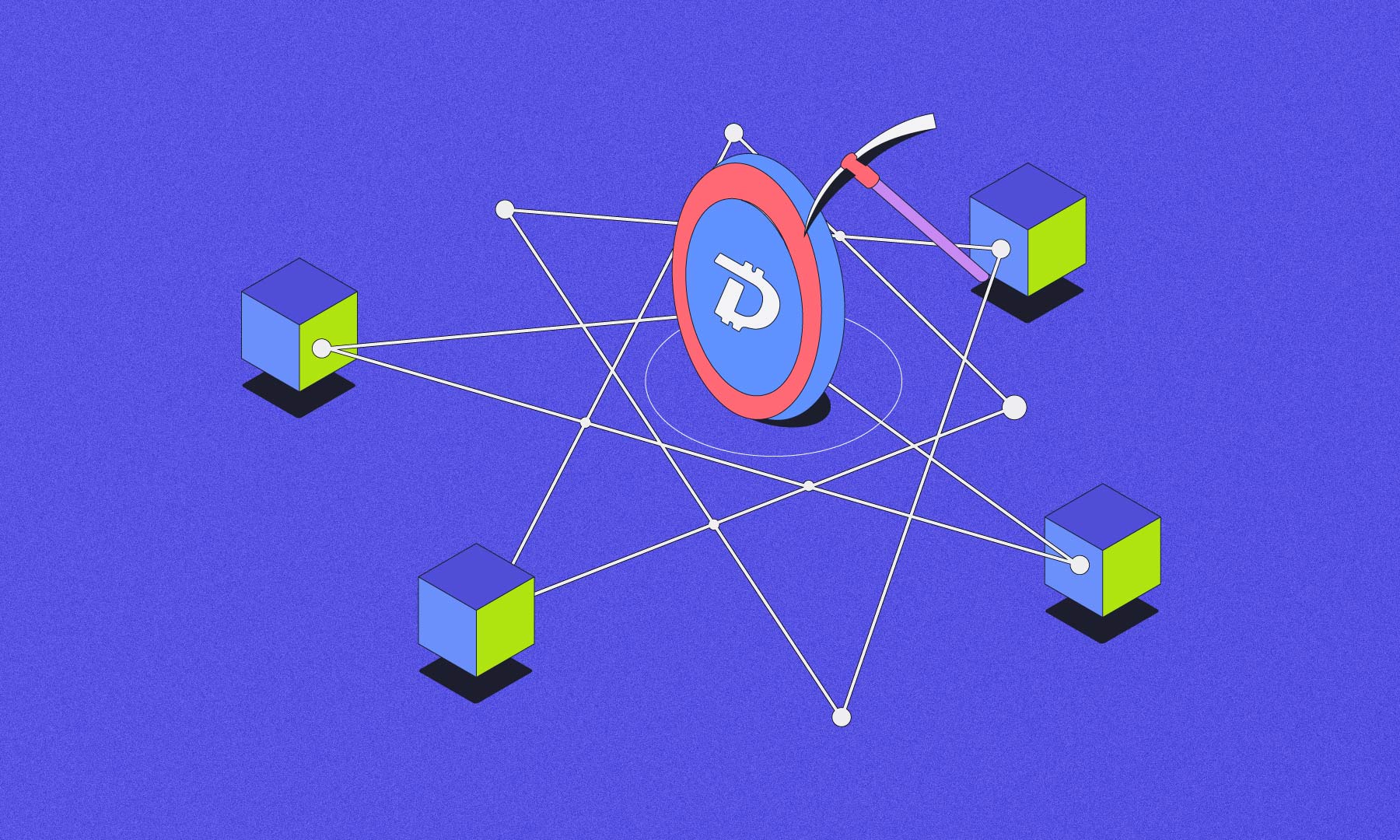
DigiByte is designed with an impressive array of security features. It utilizes five separate cryptographic algorithms, making it extremely difficult for attackers to compromise the network. This multi-algorithm approach not only provides superior security but also helps maintain decentralization by preventing single-group domination of the mining process. Furthermore, DigiByte employs advanced technologies such as DigiShield and MultiShield to enhance network stability and prevent issues like mining attacks and wild fluctuations in block time.
Scalability is another cornerstone of DigiByte’s design philosophy. With a block time of just 15 seconds, DigiByte processes transactions significantly faster than many other cryptocurrencies, including Bitcoin, which has a 10-minute block time. This speed allows for a higher volume of transactions and positions DigiByte as one of the most scalable blockchains in the market today.
The DigiByte Community and Ecosystem
DigiByte boasts a vibrant and active community that has been instrumental in driving its development and adoption. The project's growth is supported by grassroots efforts, with no centralized authority or major corporate backing. This community-centric approach aligns with the core values of decentralization and has fostered an ecosystem that promotes volunteer contributions and innovation.
Developers, enthusiasts, and users contribute to DigiByte's evolution through various initiatives and collaborations, a testament to the project's open-source nature. The community actively engages in discussions, development, and promotion, ensuring that DigiByte remains responsive to user needs and technological advancements.
DigiByte’s Role in the Modern Crypto Sphere
As digital currencies continue to gain traction, DigiByte positions itself as a key player by focusing on real-world applications and widespread adoption. Its robust security and quick transaction times make it ideal for various use cases, including payments, secure communication, and data storage. The scalability of DigiByte’s blockchain is particularly appealing for businesses and developers looking to build decentralized applications (dApps) with an emphasis on speed and efficiency.
Moreover, DigiByte's commitment to innovation is evident in its constant developments and projects. The launch of technologies like DigiAssets, which enables the creation of digital assets and smart contracts on the DigiByte blockchain, has expanded its utility and appeal to a broader audience.
Challenges and Future Prospects
DigiByte, like any other cryptocurrency, faces its share of challenges. One significant hurdle is the competition from other blockchain projects that boast extensive resources and more significant brand recognition. Additionally, the complex nature of blockchain technology often means that broad adoption requires overcoming educational barriers and misconceptions about crypto-assets.
Despite these challenges, DigiByte remains optimistic about its future prospects. The emphasis on security and community engagement provides a sturdy foundation, and the ongoing development of innovative features continues to attract attention and interest.
As the digital economy expands, DigiByte’s unique attributes could position it well for increased integration and usage. With continuous advancements in blockchain technology and a dedicated community, DigiByte holds the potential to significantly impact both the crypto market and the broader financial landscape.
In conclusion, DigiByte represents a distinctive approach to cryptocurrency, one that prioritizes speed, security, and decentralization. While it may not yet have achieved mainstream status, its impressive technological features and active community set it apart as a promising player in the realm of digital currencies. Whether you're a seasoned crypto enthusiast or a newcomer to the world of digital assets, DigiByte offers compelling features and a fascinating story worth exploring.
This concludes the first part of our comprehensive guide on DigiByte. Stay tuned for more insights into its technological underpinnings, community dynamics, and its evolving role in the global digital economy.
The Technological Foundation of DigiByte
While the previous section provided an overview of DigiByte's mission and community, delving deeper into its technological foundation reveals why DigiByte is both a robust and innovative cryptocurrency. DigiByte's blockchain architecture and pioneering features set it apart from many of its peers, emphasizing a commitment to continuous improvement and adaptability.
Multi-Layered Blockchain
DigiByte's blockchain is composed of three distinct layers that work cohesively to ensure comprehensive functionality. These layers include the core protocol, the digital asset layer, and the application layer, each serving specific purposes within the ecosystem.
1. **Core Protocol Layer* This foundational layer handles the security and communication protocols that underpin DigiByte's network. It facilitates the seamless operation of the entire blockchain through efficient data transfer and processing capabilities.
2. **Digital Asset Layer* Serving as the intermediary, this layer manages the issuance, storage, and transfer of digital assets, enabling functionalities like DigiAssets. This middle layer provides the necessary infrastructure to support a wide array of financial applications, all within a highly secure environment.
3. **Application Layer* At the top of the blockchain stack, this layer interfaces directly with users, hosting decentralized applications (dApps) that benefit from DigiByte's speed and security. The application layer makes DigiByte accessible to end-users and developers, fostering innovation, creativity, and user-friendly interactions.
DigiByte's Pioneering Technologies
DigiByte has been at the forefront of implementing cutting-edge blockchain technologies that enhance the network's strength and appeal. A few notable innovations include Segregated Witness (SegWit), DigiShield, and Odocrypt.
Segregated Witness (SegWit)
Adopting SegWit in 2017 set DigiByte apart as an innovator aiming to solve persistent scalability challenges. SegWit is a protocol enhancement that separates transaction signatures from transaction data, effectively increasing the block size limit and improving the network's capacity to handle a higher volume of transactions. By integrating SegWit, DigiByte has optimized block usage, reduced transaction congestion, and improved confirmation times without compromising its robust security features.
DigiShield and MultiShield
DigiShield and MultiShield are two unique adjustments targeting blockchain stability and security. DigiShield is an innovative difficulty adjustment mechanism designed to protect the network from double-spending and minimize the potential for mining attacks. It adjusts the mining difficulty every block rather than every two weeks like Bitcoin. This measure ensures consistent block times and uniform mining power distribution despite fluctuating hashing power.
Building upon DigiShield, MultiShield extends this protection across DigiByte’s five mining algorithms. MultiShield provides an unparalleled level of network resilience, mitigating the risk of a single algorithm or miner dominating the blockchain's hashing power. This feature reinforces decentralization, a critical priority for the DigiByte community.
Odocrypt Algorithm
Adding to its layered security, DigiByte introduced Odocrypt, an innovative mining algorithm designed to resist one of the major concerns in blockchain security: ASIC centralization. Odocrypt adapts and changes every ten days, effectively leveling the playing field between ASICs (Application-Specific Integrated Circuits) and other types of mining hardware. This adaptability encourages broader participation in the mining process, promoting greater decentralization.
Real-World Applications and Integrations
DigiByte's practical applications extend beyond theoretical advantages, as seen in its numerous integrations and real-world uses. Thanks to its secure and fast transaction processing, companies and developers worldwide are exploring DigiByte as a versatile solution across various industries.
Payments and Remittances
DigiByte's ability to process transactions with remarkable speed and minimal fees makes it an ideal platform for payment systems and remittance services. Across the globe, businesses and consumers benefit from DigiByte's efficient and reliable payment infrastructure, bypassing the traditional banking system's bottlenecks and costs.
Digital Identity and Authentication
Blockchain technology is increasingly being explored as a means to secure and verify digital identities. DigiByte's secure layers and protocols provide the necessary components to build digital identity solutions that safeguard privacy and authenticity. This application, in particular, holds potential for expansion across governmental and organizational infrastructures, improving areas like access control, ID verification, and secure document storage.
DigiAssets
DigiAssets is another exciting development within DigiByte’s ecosystem. This feature allows users and developers to issue digital assets, such as tokens, that represent various forms of value or property, akin to Ethereum's ERC-20 tokens. DigiAssets harnesses the power of DigiByte's blockchain to secure transfers and maintain a reliable, immutable transaction record without the fees and delays associated with traditional exchanges.
In conclusion, DigiByte's technological innovations, highlighted in this segment, demonstrate the project’s potential to reshape how we approach digital transactions and asset management. With continuous improvements and focus on security, scalability, and decentralization, DigiByte bridges the gap between technical prowess and practical usability, ensuring its relevance and influence in the modern digital economy.
Stay tuned for the final section of our comprehensive guide, where we will explore the future prospects of DigiByte, its potential impact on wider cryptocurrency adoption, and the ongoing challenges it faces in the global market.
The Future of DigiByte in the Global Cryptocurrency Landscape
As the digital currency sphere continually evolves, the potential for cryptocurrencies to revolutionize traditional financial systems is increasingly apparent. DigiByte, with its unique attributes and community-led ethos, is well-positioned to play a pivotal role in this transformation. However, to understand DigiByte’s future trajectory, it is essential to examine the current global cryptocurrency climate, emerging trends, and the potential hurdles DigiByte may encounter.
Opportunities for Growth and Adoption
The potential for DigiByte to gain increased adoption and utility is significant, driven by several key factors that align with global trends. Here are a few notable opportunities where DigiByte is poised to expand its influence:
1. **Financial Inclusion* With a growing movement towards financial democratization, DigiByte offers a decentralized financial solution accessible to individuals who may not have access to traditional banking infrastructures. Its security and low transaction costs make it particularly appealing in developing regions looking to bypass conventional barriers to financial participation.
2. **E-commerce and Retail Integration* As e-commerce continues its upward trajectory, the demand for fast and secure payment methods presents a fertile ground for DigiByte. Its low transaction fees and scalability are attractive to businesses seeking efficient digital payment solutions. Strategic partnerships and integrations with payment processors could further cement DigiByte’s role in the retail sector.
3. **Smart City Initiatives* As cities worldwide invest in digital infrastructure and smart technologies, blockchain's potential in areas such as data security and efficient transaction processing is gaining attention. DigiByte's advanced security features could support applications from smart contracts for municipal services to secure communication channels, positioning it as an enabler of urban digital transformation.
The Regulatory Environment
While the prospects for DigiByte are promising, the cryptocurrency landscape faces an array of regulatory challenges. Governments worldwide are grappling with how best to manage and regulate digital currencies, balancing the benefits of innovation with concerns over security, privacy, and economic stability.
For DigiByte, navigating this regulatory environment will be crucial. Its emphasis on decentralization and security could work in its favor, addressing specific regulatory concerns regarding fraud prevention and network resilience. By engaging with regulators and playing an active role in shaping policies, the DigiByte community can mitigate potential hurdles and foster a regulatory framework that supports innovation and growth.
Adapting to Technological Changes
The pace of technological advancement within the blockchain sector requires DigiByte to remain agile and forward-thinking. As areas such as decentralized finance (DeFi), non-fungible tokens (NFTs), and blockchain interoperability gain traction, DigiByte needs to adapt and innovate to remain relevant.
Developing partnerships with burgeoning DeFi projects and exploring cross-chain compatibility could provide additional layers of functionality and connectivity to the DigiByte network. Furthermore, continued investment in its technological infrastructure can help DigiByte capitalize on emerging trends and technological shifts.
DigiByte’s Ongoing Challenges
While there are numerous opportunities for DigiByte, the challenges it faces should not be underestimated. These include:
1. **Market Visibility and Awareness* Despite its technological robustness, DigiByte struggles with gaining widespread name recognition compared to industry behemoths such as Bitcoin and Ethereum. Increasing visibility through strategic marketing, collaboration, and community outreach is paramount for DigiByte to distinguish itself in a crowded market.
2. **Competition within the Crypto Space* With an ever-increasing number of blockchain projects vying for attention, DigiByte must showcase its unique features and applications to maintain a competitive edge. Continued innovation and active community involvement are necessary to highlight DigiByte's advantages over its rivals.
3. **Sustaining a Decentralized Development Model* The community-driven nature of DigiByte, while beneficial, presents a challenge in maintaining cohesive development roadmaps and long-term strategic goals. Establishing structured governance or a coordinated development framework could enhance decision-making processes and ensure sustained, holistic growth.
Conclusion: DigiByte’s Path Forward
In reflecting on DigiByte’s journey thus far, it is evident that its strengths lie in its dedication to decentralization, security, and scalability. These attributes, combined with an active and energetic community, provide a strong foundation upon which DigiByte can build its future.
Envisioning the next chapter for DigiByte involves embracing adaptability, strategic partnerships, and proactive engagement with regulatory developments. By capitalizing on emerging trends and maintaining its commitment to democratic principles, DigiByte can distinguish itself as a valuable force in the digital currency ecosystem.
As the blockchain field continues to mature, DigiByte’s ability to navigate both opportunities and challenges will determine its place in the increasingly interconnected, digital world. For investors, developers, and enthusiasts, observing DigiByte's evolution offers insightful perspectives on the dynamic nature of cryptocurrency and its potential to redefine financial systems worldwide.
With thoughtful planning, unyielding community support, and forward-thinking innovation, DigiByte is poised to forge a lasting legacy in the continually expanding realm of blockchain technology.

Exploring Filecoin: Decentralized Data Storage for the Future
In the rapidly advancing world of technology, data storage solutions are evolving to meet the growing demands of businesses and individuals alike. One project that has attracted considerable attention in this space is Filecoin. Promising a decentralized network for data storage, Filecoin leverages blockchain technology to create a robust marketplace for storing and retrieving digital information. As we delve into the first segment of this comprehensive exploration, we will unwrap the key features, innovations, and implications Filecoin brings to the world of data management.
The Genesis of Filecoin
The concept of Filecoin was birthed by Protocol Labs, a company known for its cutting-edge contributions to the blockchain ecosystem. Founded by Juan Benet in 2014, Protocol Labs initially introduced the InterPlanetary File System (IPFS), a peer-to-peer data sharing network aiming to revolutionize the way the web operates. Building upon the success and functionality of IPFS, Filecoin was proposed as an adjunct solution to create a decentralized marketplace for data storage, introducing its own unique cryptocurrency as an incentivizing mechanism for participants.
Filecoin gained substantial attention and backing during its inception. It hosted one of the most successful Initial Coin Offerings (ICOs) in history, raising over $257 million in 2017. This remarkable financial backing underscored the significant interest and trust investors and the tech community placed in Filecoin's potential to transform data storage.
How Filecoin Works
Filecoin operates as a decentralized storage network that allows users to store, retrieve, and manage data efficiently. It utilizes blockchain technology, coupled with economic incentives, to encourage users to contribute to the network's storage capacity. Here’s a closer look at how Filecoin's model functions:
1. **Storage and Retrieval Miners* Two types of miners form the backbone of the Filecoin network: storage miners and retrieval miners. Storage miners contribute unused hard drive space, storing data from users in exchange for FIL, Filecoin's native cryptocurrency. Retrieval miners, on the other hand, specialize in retrieving data from the network and delivering it to users who request it, also earning FIL as a reward.
2. **Proof of Storage* Filecoin’s consensus mechanism revolves around two processes: Proof of Replication and Proof of Spacetime. Proof of Replication ensures that a miner has genuinely created multiple copies of the data they claim to store, while Proof of Spacetime verifies that the data is continually stored and accessible over time. These processes ensure the reliability and security of the network.
3. **Decentralized Marketplace* The network functions as an open marketplace where storage prices are determined by supply and demand dynamics. This allows users to find storage deals that fit their needs and budget, while miners can compete for business by offering competitive pricing and reliability.
4. **Smart Contracts and Flexibility* Filecoin's infrastructure is built to leverage smart contracts for secure, automated transactions. Users can set contracts that define conditions related to data storage duration, access permissions, and more, providing unprecedented flexibility.
Advantages of Filecoin
Filecoin’s approach to decentralized storage introduces several advantages, contributing to its appeal over traditional centralized systems:
1. **Cost Efficiency* By creating a competitive environment for storage pricing, Filecoin can potentially offer more cost-effective solutions than centralized providers, who often operate with fixed pricing structures.
2. **Decentralization and Redundancy* Unlike centralized data storage systems that pose high risk of single points of failure, Filecoin ensures data redundancy across a distributed network. This decentralization enhances data security and reduces vulnerability to outages and cyberattacks.
3. **Incentivized Participation* The incorporation of FIL rewards encourages more users to participate, bolstering storage availability and retrieval speed as the network grows.
4. **Accessibility and Control* Users maintain control over their data, determining who can access it and how it is used, aligning with increasing global concerns about data privacy and ownership.
Challenges and Criticisms
Despite its promising framework, Filecoin also faces a set of challenges and criticisms that it must address to achieve widespread adoption:
1. **Scalability and Latency* As with many blockchain-based solutions, scalability concerns persist. Ensuring rapid access to stored data across potentially vast geographic distances introduces latency challenges that the network must overcome.
2. **Onboarding and Technical Complexity* For a new user or organization accustomed to traditional data storage solutions, the transition to a blockchain-based system like Filecoin may seem daunting due to its technical complexity and new paradigms in data management.
3. **Market Volatility* The value of FIL can be highly volatile, influenced by external market dynamics that may impact the cost-benefit equation for participants, especially storage miners.
As we continue to explore Filecoin in subsequent parts, we'll delve deeper into its operational dynamics, real-world applications, and potential trajectory within the broader tech ecosystem. Stay tuned for a comprehensive view of how Filecoin could redefine data storage in the digital age.
Real-World Applications of Filecoin
One of the most compelling aspects of Filecoin is its broad spectrum of potential applications across various industries. As digital information continues to proliferate, reliable and efficient data storage becomes increasingly critical. Filecoin’s decentralized model offers innovative solutions that cater to different sectors.
Healthcare
In the realm of healthcare, the demands for secure and compliant data storage are paramount. Medical records, patient histories, and research data require robust protection against unauthorized access and breaches. Filecoin's decentralized nature provides enhanced data security by distributing files across multiple locations, reducing the risk of cyberattacks on a single centralized server. Moreover, privacy settings and access controls offered through smart contracts empower healthcare providers to manage data access in compliance with regulatory standards like HIPAA.
Media and Entertainment
The media and entertainment industry can leverage Filecoin to enhance content distribution and storage. With ever-growing volumes of digital media files — from movies and music to images and interactive content — the need for cost-effective and scalable storage is clear. Filecoin facilitates seamless storage and retrieval processes for content producers and distributors. By decentralizing storage solutions, it mitigates network congestion and ensures faster, more reliable content delivery.
Scientific Research
Scientific research involves the generation and analysis of vast amounts of data, from genomic sequences to astronomical observations. Filecoin's infrastructure supports the secure storage of significant datasets, enabling researchers to share data without risking its integrity. Decentralized storage not only provides cost-effective options but also fosters collaboration among researchers across different institutions and geographies, thus accelerating scientific discovery.
Decentralized Finance (DeFi)
The rapid growth of decentralized finance (DeFi) platforms has created a need for secure and efficient data management solutions. Filecoin can play a key role in facilitating data storage for decentralized applications (dApps) by providing immutable, tamper-proof storage that aligns with blockchain's principles of transparency and security. By integrating Filecoin's storage capabilities, DeFi projects can enhance their resilience and scalability.
Filecoin's Ecosystem and Partnerships
The success and expansion of any blockchain-based project are often underscored by the strength of its ecosystem and partnerships. Filecoin has proactively cultivated collaborations with diverse stakeholders to enhance its infrastructure and viability.
Integration with IPFS
Given Filecoin's roots with IPFS, the seamless integration between these two technologies strengthens their collective value proposition. IPFS serves as a decentralized web protocol that simplifies peer-to-peer file sharing, whereas Filecoin introduces economic incentives for data storage. This integration allows users to efficiently manage data storage and retrieval while reaping cost benefits and enhanced security.
Strategic Partnerships
Filecoin has forged strategic partnerships with industry leaders to expand its network utility and applicability. Collaborations with cloud service providers, infrastructure companies, and blockchain projects enable Filecoin to grow its user base and address diverse storage needs. Moreover, partnerships with university research groups and nonprofit organizations are vital in exploring innovative applications and fostering education around decentralized technologies.
Open-Source Development Community
Filecoin thrives on its open-source development community, which plays a crucial role in refining the platform's technology and enhancing its features. By attracting a global network of developers, Filecoin ensures a steady pipeline of improvements and innovations. This collaborative approach helps address technical challenges and aligns the network with the dynamic needs of its users.
Economic Model and Incentives
An integral aspect of Filecoin's design is its economic model, which incentivizes active participation across the network. Understanding this model is essential for stakeholders, including storage miners, retrieval miners, and users.
Token Economics
The Filecoin network operates on the FIL cryptocurrency, which is central to its economic framework. Storage miners earn FIL tokens by providing storage space and maintaining customer data, while retrieval miners receive payments for fetching and delivering data. The tokenomics are designed to ensure an equilibrium between storage supply and demand while rewarding network participants for their contributions.
Market Dynamics and Pricing
Filecoin's market-driven approach allows storage prices to vary based on supply and demand dynamics. This flexibility benefits users, who can negotiate competitive rates, and miners, who can optimize their offerings. Such a model enhances network adaptability and attracts diverse participants catering to different storage requirements.
Filecoin's Long-term Potential
The transition to a decentralized storage network marks a significant shift in the landscape of data management. Filecoin's potential lies in its ability to scale amidst increasing data demands while addressing key challenges. As blockchain technology matures, Filecoin is poised to redefine how data is stored, accessed, and managed across various digital ecosystems.
In our upcoming segment, we will further explore the technological innovations underpinning Filecoin and examine its impact on contemporary data storage and beyond. Stay tuned as we unravel the complexities and future trajectories of this groundbreaking project.
Technological Innovations Behind Filecoin
At its core, Filecoin harnesses a blend of cutting-edge technologies that differentiate it from traditional data storage solutions. This segment delves into the innovations that power Filecoin and underline its promise as a transformative force in decentralized storage.
Blockchain and Cryptographic Foundations
Filecoin's reliance on blockchain technology offers multiple benefits, including transparency, data integrity, and security. Its decentralized ledger records all transactions and storage contracts, ensuring accountability and enabling trust among network participants. Additionally, cryptographic techniques are employed to safeguard data privacy and protection, ensuring that sensitive information remains encrypted and accessible only by authorized parties.
Efficient Data Retrieval Mechanisms
A critical challenge in decentralized networks is achieving efficient data retrieval. Filecoin addresses this through a dual-layer approach. First, its retrieval market encourages miners to deliver data quickly and reliably to users, incentivizing low-latency access. Second, Filecoin's design integrates seamlessly with IPFS, leveraging its capabilities for rapid peer-to-peer data location and distribution. This hybrid mechanism optimizes both storage and access processes.
Dynamic Proof Systems
Filecoin implements dynamic proof systems, chiefly Proof of Replication (PoRep) and Proof of Spacetime (PoSt). These cryptographic proofs ensure that storage providers are genuinely storing the data as promised and doing so over committed time frames. PoRep allows verifiable duplication of the data across different physical storage devices, while PoSt confirms continued storage over elapsed time, mitigating risks of data loss and fraudulent activities by miners.
Impact on the Digital Storage Landscape
Filecoin's innovative approach to data storage goes beyond technological prowess; its implications for the broader data storage industry are substantial.
Democratizing Data Storage
Filecoin democratizes access to data storage by creating a marketplace where anyone with excess storage capacity can participate. This openness reduces dependency on large, centralized cloud providers, empowering individuals and SMEs to compete alongside major corporations. Such democratization paves the way for more competitive pricing and customization, benefiting end-users with diverse data challenges.
Addressing Data Sovereignty Concerns
In an era where data sovereignty and privacy regulations are becoming increasingly stringent, Filecoin offers a viable solution. By allowing data to be stored across different jurisdictions according to user needs and regulatory requirements, Filecoin provides greater control over data governance. This flexibility aids organizations in complying with local data protection laws, boosting user trust and confidence.
Environmental and Sustainability Considerations
The environmental impact of large-scale data storage cannot be overstated, with data centers accounting for significant energy consumption globally. Filecoin’s decentralized approach presents opportunities for sustainability; distributed storage can better utilize existing infrastructure, potentially leading to lower energy use. Moreover, its economic model incentivizes more efficient storage methods, which could drive innovation in energy conservation and reduction of carbon footprints.
The Road Ahead for Filecoin
As Filecoin continues to evolve, several factors will play pivotal roles in its journey toward mainstream adoption and success.
Enhancing Network Scalability
For Filecoin to meet global data storage demands, scalability remains key. Efforts are ongoing to enhance network efficiency, optimize data transfer rates, and support an orchestrated increase in storage providers. Future protocol upgrades and community-driven improvements will be crucial in achieving scalable growth.
Expanding Ecosystem Integration
The expansion of Filecoin's ecosystem is vital for its sustained relevance. Strategic partnerships, especially with prominent IT infrastructure providers and innovative startups, can drive adoption by integrating Filecoin into diverse applications. Increased interoperability with other blockchain networks and technologies, including smart contracts and DeFi platforms, can further bolster its utility and adoption.
Regulatory and Market Adoption
Navigating the complex landscape of global regulations is a significant challenge. Filecoin must maintain vigilance over evolving legal frameworks, ensuring compliance and fostering collaboration with regulatory bodies. On the market front, increasing awareness and understanding among potential users and developers can lead to broader acceptance and conversion of pilot projects into long-term engagements.
In conclusion, Filecoin is a trailblazer in the domain of decentralized storage, championing a shift from traditional data management to an innovative, equitable, and efficient approach. Its ability to harness blockchain technology, coupled with pragmatic economic incentives, positions it uniquely to address modern storage challenges. While hurdles remain, Filecoin's continuous improvement and community-driven ethos offer substantial promise as a robust and adaptable solution for the data-driven future. As digital landscapes transform, Filecoin is in a prime position to drive new standards in storage solutions and empower users worldwide.