Alejandro Malaspina: The Explorer Who Redefined the Seas
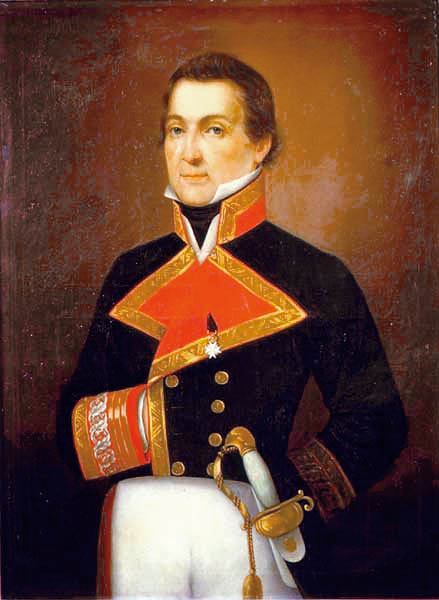
In the pantheon of great explorers, names like Columbus, Magellan, and Drake often come to mind, monumental figures whose exploits irrevocably shaped the course of world history. Yet, among these giants, the name Alejandro Malaspina, though perhaps lesser-known to the layman, stands as a beacon of scientific curiosity and maritime adventure. Born in the waning years of European Enlightenment, Malaspina was the quintessential Renaissance man—a naval officer, explorer, scientist, and humanist rolled into one. His life and voyages arguably contributed as much to the understanding of the world as those of his more famous predecessors.
An Enlightened Beginning
Alejandro Malaspina journeyed into the world on November 5, 1754, in Mulazzo, a small village in Italy's region of Massa and Carrara. His formative years were painted with the hues of Enlightenment ideals, a period that emphasized reason, scientific inquiry, and a rethinking of the natural world. This period of radical change furnished Malaspina with the tools of intellectual curiosity, setting the stage for a life dedicated to exploration and discovery.
Educated initially at a Jesuit college, Malaspina's early education bore the stamp of Jesuit discipline and comprehensive academic training. His thirst for knowledge soon led him to the esteemed University of Parma, where he honed his understanding of philosophy and the burgeoning sciences. Yet, it was the intoxicating call of the ocean that drew Malaspina to service in the Spanish Navy in 1774, marking the start of an illustrious naval career.
The Great Expedition
The late 18th century saw colonial powers jockeying for supremacy on the global stage, with Spain eager to assert its influence across the vast oceans. Against this backdrop, Malaspina was chosen to helm what would become one of the most ambitious scientific and political enterprises of the age: the Malaspina Expedition. Unlike previous voyages driven by empire-building, his expedition was to be a grand scientific pursuit inspired by the likes of Captain Cook and French explorer La Pérouse.
This journey, set between 1789 and 1794, took Malaspina and his crew across the globe—from the coasts of South America to the distant shores of the Philippines and the far reaches of Alaska. His fleet was composed of two corvettes, the Descubierta and the Atrevida, both aptly named for their mission of discovery and daring. This transoceanic voyage was not merely a charting of new lands but a comprehensive scientific exploration that encompassed astronomy, anthropology, botany, and hydrography.
Scientific Contributions
Malaspina's expedition significantly enriched the scientific community with a treasure trove of information. Their efforts in astronomical measurements enhanced navigational accuracy on the high seas, while their documentation of flora and fauna added invaluable specimens and descriptions to the scientific catalogs of the time. These contributions were meticulously recorded and often accompanied by detailed drawings, providing a vital resource for further scientific inquiry.
Perhaps the most groundbreaking aspect of Malaspina's work was his commitment to mapping the Pacific coastline with unprecedented precision. His maps, some of the most detailed of their era, set new standards for cartography and greatly aided subsequent maritime navigation. Furthermore, Malaspina sought to understand and document the indigenous cultures he encountered. Unlike many of his contemporaries, who viewed native populations through the lens of colonial subjugation, Malaspina approached these interactions with a sense of respect and curiosity, documenting their traditions and way of life.
Challenges and Controversies
Despite its scientific triumphs, Malaspina's expedition was not without its challenges and controversies. The ambitious nature of his work and its perceived threat to colonial interests eventually led to political intrigue. Malaspina's favor with the Spanish court waned, and upon returning to Spain, he found himself embroiled in complex political entanglements. His emphasis on reform and modernization of the Spanish Empire clashed with existing conservative ideologies, leading to his arrest and imprisonment in 1795 on charges of conspiracy against the state.
Ironically, it was these very controversies that helped ensure Alejandro Malaspina's humanitarian and scientific ideas would endure beyond his lifetime. The chilling effect of his political downfall masked the immediate recognition of his achievements, with many of his writings and findings shelved and forgotten in archives for years to come. However, as time marched on, a retrospective appreciation for his work began to emerge, cementing his legacy within the annals of exploration and scientific discovery.
As we delve deeper into the life and legacy of this remarkable explorer, it becomes evident that Alejandro Malaspina's contributions transcended the physical and geographical landscapes he charted. In the ensuing sections, we will explore the further intricacies of his later life, the resurgence of interest in his works, and the long-lasting impact his endeavors have wielded on contemporary scientific exploration and global maritime history.
A Resilient Legacy
In the shadow of imprisonment, Alejandro Malaspina's extraordinary contributions to exploration and science lapsed into a period of relative obscurity. For over a century, his vital research and the groundbreaking results of his expeditions were largely forgotten, confined to dusty volumes that languished in Spanish archives. Yet, as many visionary thinkers have experienced before him, time has a way of illuminating the significance of pioneering work. The late 19th and early 20th centuries saw a revitalized academic interest in Malaspina's achievements, turning the spotlight back onto this once-marginalized historical figure and his invaluable contributions to the world stage.
Malaspina’s expeditionary records and maps, once shelved and unrecognized, were rediscovered and appreciated for their innovative and accurate depictions of the Pacific coastline and the botanical discoveries that contributed to global intellectual treasure troves. These contributions would go on to have a lasting impact on both science and history, revealing the depth of what his journeys achieved despite the muted clamor of political machinations that sought to silence his narrative.
Exploration Through a Humanist Lens
Malaspina's voyages were revolutionary not only for their scientific endeavors but also for their approach to cultural interactions. His humanistic perspective set him apart from many of his contemporaries who explored the world under the guise of conquest and colonization. Malaspina encouraged a dialogue based on mutual respect and insight, insisting on an understanding of the cultures with which he came into contact. This empathetic approach provided a counter-narrative to the prevalent ethos of exploitation, allowing for a more authentic exchange between Europeans and indigenous peoples.
By documenting indigenous traditions, lifestyles, and social structures, Malaspina contributed to a dual narrative that valued indigenous expression alongside scientific documentation. This dimension of his exploration provided future generations with a nuanced comprehension of the world’s cultural landscapes.
Rediscovering Malaspina's Work
The resurgence of interest in Malaspina's achievements began earnestly in the latter part of the 19th century, spearheaded by historians who stumbled upon the dusty wads of documents locked away in neglected archives. His scientific findings, enhanced maps, and insights were gradually pulled from the shadows and gained recognition in both scientific and historical communities. This rebirth of acknowledgement was made possible by advancements in both archival research and academic interest in the stories of forgotten explorers who defied the conventions of their time.
In modern times, the Malaspina Expedition is celebrated as a triumph of Enlightenment principles—melding the rigorous pursuit of scientific truth with the empathetic embrace of human diversity. Universities and research institutions have now invested resources into cataloguing and studying his comprehensive findings, ensuring Malaspina's legacy endures in both academic circles and public consciousness.
The Long Reach of Malaspina's Influence
Malaspina's influence reaches far beyond the academic reevaluation of his contributions. His insistence on ethical exploration and scientific discovery initiated a framework that would guide future generations of explorers and scientists. His humanistic perspective, coupled with the relentless pursuit of scientific knowledge, forged a path for exploration conducted with integrity and respect for all cultures. These guiding principles continue to resonate with modern endeavors, where the ethical implications of exploration and research are ever more scrutinized and vital.
Moreover, his cartographic achievements set a new standard for precision in maritime navigation, aiding countless explorers who charted the seas in his wake. His maps became an invaluable resource, quietly shaping the naval practices of the 19th and 20th centuries, influencing everything from trade routes to scientific expeditions.
Continuing His Spirit of Inquiry
Today, Malaspina’s spirit of inquiry persists in modern scientific exploration and cultural exchanges. His life and work serve as a reminder of how questions—rooted in curiosity and respect—can spur discovery and eclectic understanding. Reconnaissance missions that set sail in contemporary times, be it into the fathomless depths of the oceans or towards the stars, echo Malaspina's philosophy of elevating diverse voices and understanding cultures not merely as subjects but as integral participants in the story of humanity.
Contemporary scientific missions continue to draw inspiration from Malaspina's integrated approach to exploration. Success today is measured not only by the accumulation of data and discovery but by how it respects and understands its effects on the world's diverse cultures and environments.
In the concluding section, we will reflect on the enduring importance of Malaspina's teachings, delving into modern interpretations of his expeditions and how history has shaped the way we view this once overlooked explorer. As the legacy of Alejandro Malaspina finds resonance with contemporary society, we glean insights from a man who, centuries past his own time, continues to bridge the worlds of science and culture with remarkable grace and foresight.
Modern Interpretations and Cultural Significance
The legacy of Alejandro Malaspina has secured a unique place in modern explorations of history and science, a testament to the delicate interplay between scientific rigor and cultural empathy. As scholars continue to delve into the archives, piecing together the multifaceted aspects of his expeditions, a fuller picture emerges. Malaspina is now recognized not merely as an explorer but as an emblem of the Enlightenment's ideals, blending scientific pursuit with cultural curiosity and understanding.
The resurgence of interest in Malaspina's work in recent decades has prompted a reevaluation of how history views the exploits of explorers. His journeys are increasingly seen through a lens that appreciates the intricacies of cross-cultural exchanges and recognizes the anthropological value of his findings. In many ways, Malaspina's approach foreshadowed the principles of modern ethnography, emphasizing the importance of viewing cultures from an internal perspective rather than imposing external biases.
A Catalyst for Change
Beyond the academic world, Malaspina's philosophy and methodologies have laid the groundwork for implementing more ethical and sustainable approaches to exploration and scientific inquiry. His foresight into the importance of ecological preservation and respect for indigenous knowledge systems resonates in contemporary discussions on sustainable development and climate change. Malaspina’s expedition was, in many ways, an early harbinger of ecological awareness, urging a balance between discovery and conservation.
In the current era of rapid scientific advancement and globalization, Alejandro Malaspina serves as a guiding light. His emphasis on mutual respect and the recognition of diverse cultural voices continues to inspire initiatives aimed at bridging gaps between scientific communities and indigenous populations across the globe. Organizations focused on preserving cultural heritage and fostering dialogue between industrialized societies and indigenous peoples often hail his methods and insights as early models for collaboration.
A Renewed Fame
Today, Alejandro Malaspina is celebrated with numerous dedications and commemorations, with institutions and projects named in his honor. These include educational and research initiatives aimed at fostering cross-disciplinary inquiry into the natural and social sciences, reflecting the interdisciplinary nature of Malaspina's own work.
Artistic interpretations and public history projects further attest to his enduring impact. Exhibits showcasing artifacts and documents from his expedition provide audiences with a tangible connection to this famous yet largely unsung navigator. These events help highlight the transformative nature of his mission—not just in terms of geography and science but also in reshaping understanding across cultural divides.
A Vision for Tomorrow
As we look to the future, Malaspina’s journey reminds us of the importance of expanding our horizons within the framework of ethical consideration and cultural respect. His work emphasizes that exploration is not a task reserved for finding new lands but an opportunity to build bridges and foster unity within the global family.
Modern explorers, scientists, and scholars continue to draw inspiration from Malaspina's commitment to discovery tempered by humanism. His life's work stands as an indelible lesson on the value of diverse perspectives and the importance of advancing knowledge while honoring the world’s plethora of cultures.
In an era where technological advancements have made exploration as much about the depths of space as the mysteries of the oceans, Malaspina's emblematic expeditions remind us to approach the unknown with the humility and respect that participates in sustainable interactions between cultures and ecosystems.
Ultimately, Alejandro Malaspina's story is a testament to the rich, interconnected tapestry of human history, science, and cultural dialogue. His work serves as an inspiring narrative on the power of exploration to not only map new worlds but to unite them and celebrate the shared human experience that defines us all. As we continue to unfold his legacy in present and future endeavors, we are reminded of our shared responsibility to pursue knowledge with curiosity, compassion, and reverence for life’s vast, interconnected web.


Paul Barbato: Exploring the World Through Geograpeeps
Paul Barbato is a captivating personality best known for his innovative and engaging approach to geography education, primarily through his popular YouTube channel Geography Now. Launched in 2014, the channel introduces viewers to the unique cultures, histories, and distinctive characteristics of every country around the globe, covering everything from population statistics to political intricacies with an accessible and entertaining flair. Barbato's presentation method, which combines humor, stories, and visuals with thorough research, has garnered a devoted following that spans across the world.
Born and raised in the United States, Paul Barbato developed a fascination for geography early on. His academic background and personal travels fueled his passion, equipping him with the broad knowledge base that audiences now get to enjoy through his videos. While traditional geography classes often focus narrowly on maps and physical features, Barbato saw the opportunity to go beyond textbooks and deliver content in a format that highlights human experiences and cultural diversity. This innovative approach has not only made the typically dry subject matter of geography more vibrant but has also fostered a worldwide community of geography enthusiasts.
One key aspect of Paul Barbato’s success is his unwavering commitment to authentic storytelling. Each episode of Geography Now offers a deep dive into a country's cultural idiosyncrasies, often including input from viewers native to or residing in the countries being showcased. This interactive element ensures a rich and nuanced representation of each location, while also cultivating a sense of inclusion and community among viewers. Barbato values this interaction highly, frequently engaging with his audience through social media, enabling his followers to share insights and suggest content ideas.
Barbato's journey in creating Geography Now showcases both his resourcefulness and dedication. Initial episodes were produced with minimal equipment, relying extensively on Barbato's presentation skills and creative storytelling. The project's growth, fueled by increasing subscriber counts and viewer engagement, led to improved production techniques and resources, allowing Barbato to expand the scope of his content exponentially. Today, the channel stands as a testament to what can be achieved through a combination of passion, hard work, and the democratizing power of digital platforms.
In addition to his educational pursuits, Paul Barbato's charismatic personality has made him an influential figure in the online community. His commitment to exploring and promoting global understanding transcends purely educational content, often touching upon themes of tolerance, respect, and the value of global citizenship. Barbato champions the idea that learning about our world and its varied cultures is essential to fostering harmony and openness in an increasingly connected global society. His infectious enthusiasm and ability to engage diverse audiences contribute significantly to the broad appeal of his work.
Beyond his YouTube channel, Barbato has extended his influence by collaborating with other educators, creators, and institutions, further amplifying his mission and enriching his content. By participating in cross-cultural projects and initiatives, he learns from and contributes to a wider community dedicated to sharing knowledge and promoting intercultural dialogue. This collaborative spirit ensures that Geography Now continues to evolve, presenting new and exciting perspectives on the world.
© 2023 Explore Global Media