Exploring Merton: A Historical and Cultural Journey
Merton, a vibrant borough located in southwest London, offers a fusion of diverse cultures, rich history, and beautiful landscapes that continue to draw the interest of residents and visitors alike. Known for its unique blend of urban flair and suburban tranquility, Merton encapsulates a distinctive charm that makes it stand out among the boroughs of London.
The Historical Tapestry of Merton
The history of Merton dates back to Roman times, with archaeological evidence suggesting the presence of a Roman settlement near the present-day area. Fast forward to the Middle Ages, Merton developed into a bustling town, thanks in part to the establishment of Merton Priory. Founded in 1117, Merton Priory played a crucial role in the religious and political life of medieval England. It was here that Thomas Becket studied and where the provisions of the Magna Carta were drawn up, highlighting the priory's historical significance.
Despite its dissolution under Henry VIII, remnants of Merton Priory still linger within the borough. Visitors can explore the preserved chapter house, now tucked away underneath a modern supermarket car park. This fascinating juxtaposition of the ancient and modern is symbolic of how Merton has continuously evolved while maintaining ties to its historical roots.
Merton’s Cultural Mosaic
A melting pot of cultures, Merton is home to a diverse array of communities, each bringing its unique flavor and traditions. The borough celebrates this diversity through vibrant cultural festivals, food fairs, and community events that occur throughout the year. From the colorful Diwali celebrations to the bustling food markets, Merton embraces its multicultural identity with open arms.
One of the key cultural hubs in Merton is the New Wimbledon Theatre. Opened in 1910, this Edwardian theatre continues to captivate audiences with an eclectic mix of performances, including West End hits, comedy acts, and local productions. The theatre stands as a testament to Merton's thriving arts scene, offering a platform for creativity and expression.
Natural Beauty and Green Spaces
Merton is renowned for its abundance of green spaces, providing urban dwellers with a refreshing escape into nature. Wimbledon Common, one of London's largest commons, offers sprawling meadows, tranquil woodlands, and scenic walking trails perfect for a leisurely day out. Nature enthusiasts can spot a variety of wildlife or simply enjoy a peaceful afternoon surrounded by natural beauty.
Moreover, Morden Hall Park, owned by the National Trust, is a picturesque oasis nestled within the borough. Once a country estate, the park features charming gardens, historic buildings, and a bubbling stream that meanders through the lush landscape. It serves as a beloved retreat for both locals and visitors, offering a glimpse into the tranquility of rural England right here in London.
The River Wandle, flowing gracefully through Merton, adds to the borough's scenic charm. This chalk stream, with its rich biodiversity, also offers opportunities for leisurely strolls along the Wandle Trail, which connects a series of parks and nature reserves, providing a serene environment to unwind and connect with nature.
Conclusion
Merton's ability to harmoniously blend its historical heritage with a dynamic cultural mosaic and abundant natural beauty is what truly sets it apart. From its historical landmarks and cultural vibrancy to its serene green spaces, Merton invites exploration and discovery. Whether you're delving into its storied past, immersing yourself in its diverse cultures, or simply enjoying the tranquility it offers, Merton welcomes all who seek a unique and enriching experience.



Exploring Copenhagen: A City of History and Modernity
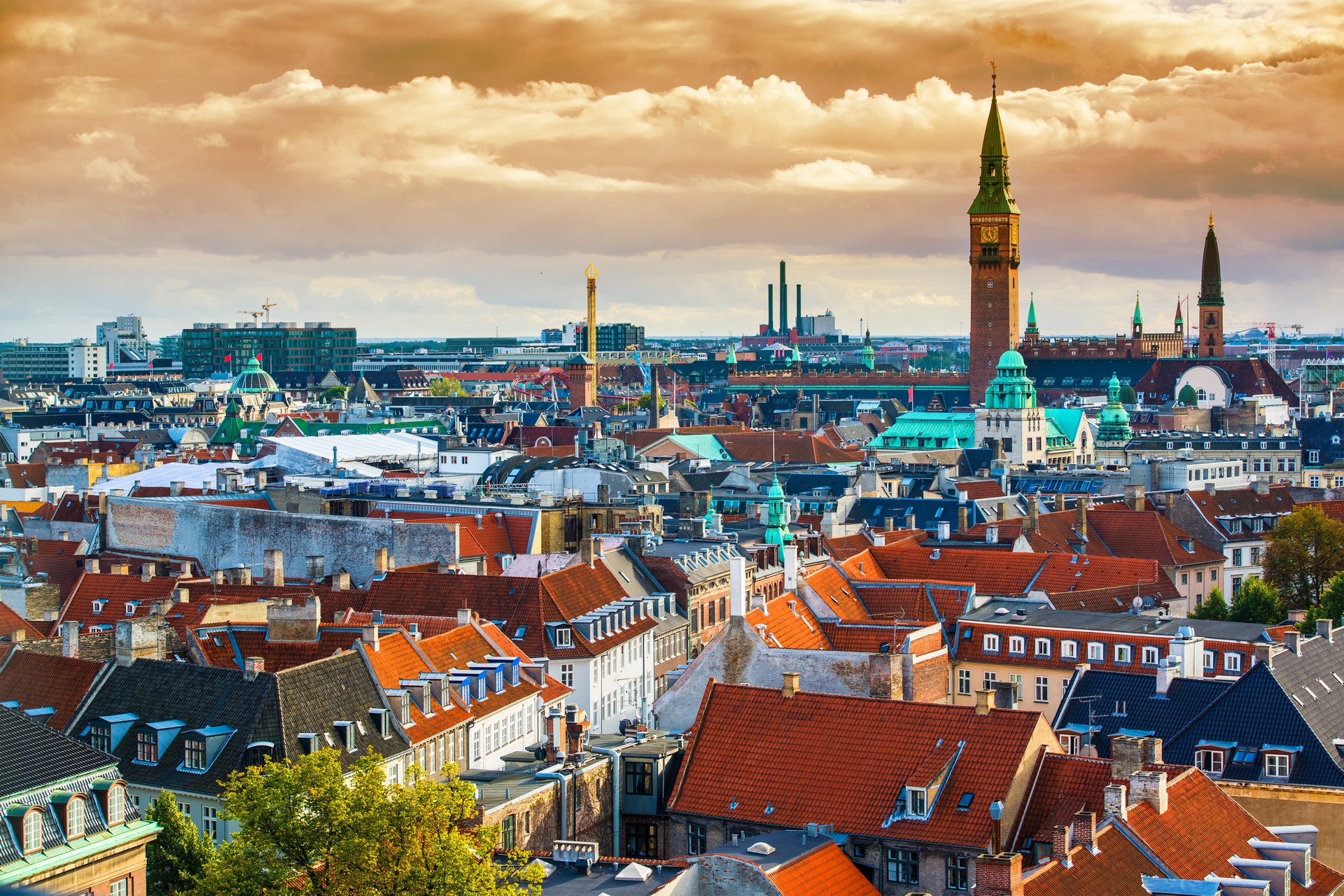
Copenhagen, the vibrant capital of Denmark, is an alluring blend of rich history and cutting-edge modernity. Situated on the eastern edge of the island of Zealand and bordering the Øresund Strait, Copenhagen is a city that embraces the old while championing the new. With its royal palaces, contemporary architecture, bustling harbors, and lush green parks, this Scandinavian gem offers a unique experience that captivates the imagination of all who visit.
A Glimpse into Copenhagen’s History
Copenhagen’s origins date back to the 10th century when it was established as a Viking fishing village known as "Havn." However, it wasn't until the 15th century that Copenhagen truly began to rise in prominence. The Danish crown made it the capital of Denmark in 1443, and since then, the city has been at the center of Danish political, economic, and cultural life.
One of the most enduring symbols of Copenhagen's storied past is the magnificent Christiansborg Palace, located on the small island of Slotsholmen. Currently, the palace is home to the Danish Parliament, the Prime Minister's Office, and the Supreme Court. It stands as a testament to Denmark's royal heritage and its legislative evolution.
A City of Architectural Marvels
Copenhagen's architectural landscape is a fascinating tapestry where centuries-old buildings stand alongside avant-garde structures. The historic district of the city, Indre By, is filled with cobblestone streets and well-preserved structures such as the Rosenborg Castle and Amalienborg Palace, which serve as palpable links to the city's regal past.
On the other hand, neighborhoods like Ørestad showcase the city's modernist angle, with audacious edifices like the VM Houses and Mountain Dwellings challenging architectural conventions. Meanwhile, the Black Diamond, an extension of the Royal Danish Library, gleams by the waterfront, marrying modern art with functionality.
Green Spaces and Sustainability
Copenhagen consistently earns accolades for its commitment to sustainability — a commitment tangibly visible through its green initiatives and abundant parks. The iconic Tivoli Gardens, located in the heart of the city, offers not just amusement but also beautifully landscaped gardens that provide an escape from urban hustle.
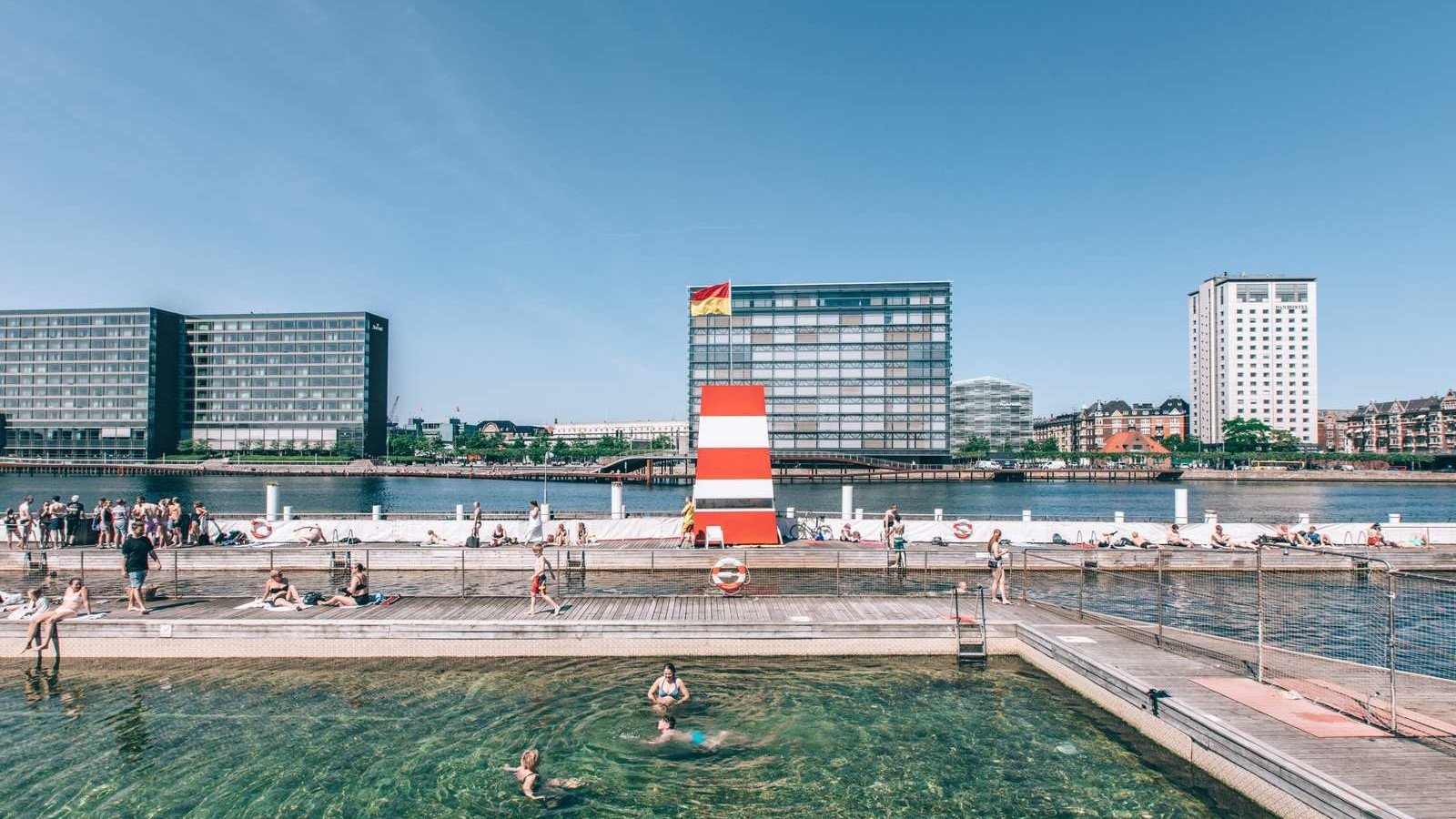
Moreover, the city’s ambitious climate plan aims for carbon neutrality by 2025, underscoring Copenhagen's dedication to environmental responsibility. This pursuit is evident in the city’s extensive network of cycling paths and robust public transportation system, which has gained Copenhagen the reputation as one of the world’s cycle-friendliest cities.
A Cultural and Culinary Haven
The culture of Copenhagen is as dynamic as its skyline, backed by a rich tapestry of museums, galleries, and theaters that celebrate both Danish and international art and performance. The National Museum and the Ny Carlsberg Glyptotek offer an immersive experience into history and art, while contemporary spaces like the Copenhagen Contemporary exhibit cutting-edge art seamlessly.
Copenhagen’s culinary scene is nothing short of revolutionary, with the city often being seen as a pioneer of the New Nordic cuisine. Restaurants like Noma have not only transformed Copenhagen into a global gastronomic destination but have also redefined culinary boundaries, focusing on creativity, local ingredients, and sustainable practices.
Stay tuned as we continue to delve deeper into what makes Copenhagen an exceptional city, highlighting more unmissable aspects in the next part of our article.