The Secret Lives of Urban Foxes: Adapting to the Concrete Jungle
As the sun dips below the horizon and the city's lights start to twinkle against the darkening sky, a different sort of resident prepares to emerge. They're neither the late-night revelers nor the weary shift workers we typically associate with the nocturnal heartbeat of the city. Instead, these are the wild, whiskered denizens of the urban underbelly: the urban foxes.
For generations, foxes have been characters of folklore and fable, often depicted as sly and cunning creatures. But beyond the storybooks, real foxes lead complex and nuanced lives, especially those who have made their homes amidst the concrete and steel of our bustling cities. By exploring the existence of these resilient animals, we gain insight into adaptation at its most extreme.
The image of a fox scavenging through city streets may seem incongruous against its natural perception as a creature of the woods and fields. However, as human development encroaches further into rural areas, the adaptability of these canids has been pushed to astonishing levels. Urban foxes, in particular, provide a remarkable example of how wildlife can adjust to habitats created by humans.
Vulpes vulpes, the red fox, possesses an incredible ability to adapt its diet, behavior, and breeding habits to suit its surroundings. In the city, these foxes have learned to navigate the maze of streets and alleys with the same deftness as they would the paths of a dense forest. They hunt for food under the cloak of darkness, staying out of sight of most city dwellers while they search through bins, gardens, and any available waste.
The dietary habits of urban foxes vary significantly from their rural relatives. Able to digest a wide variety of foods, urban foxes feast on everything from thrown-away fast food to the abundant rodents and pigeons that thrive in city environments. This varied diet helps them to survive in places where their natural prey is scarce.
Breeding is another aspect of fox life that has adjusted to the city's rhythms. Unlike their country cousins, which might breed once a year, urban foxes have been noted to have more flexible breeding seasons, sometimes resulting in two litters per year. This increased reproductive rate helps maintain their populations even in the face of urban dangers such as traffic and disease.
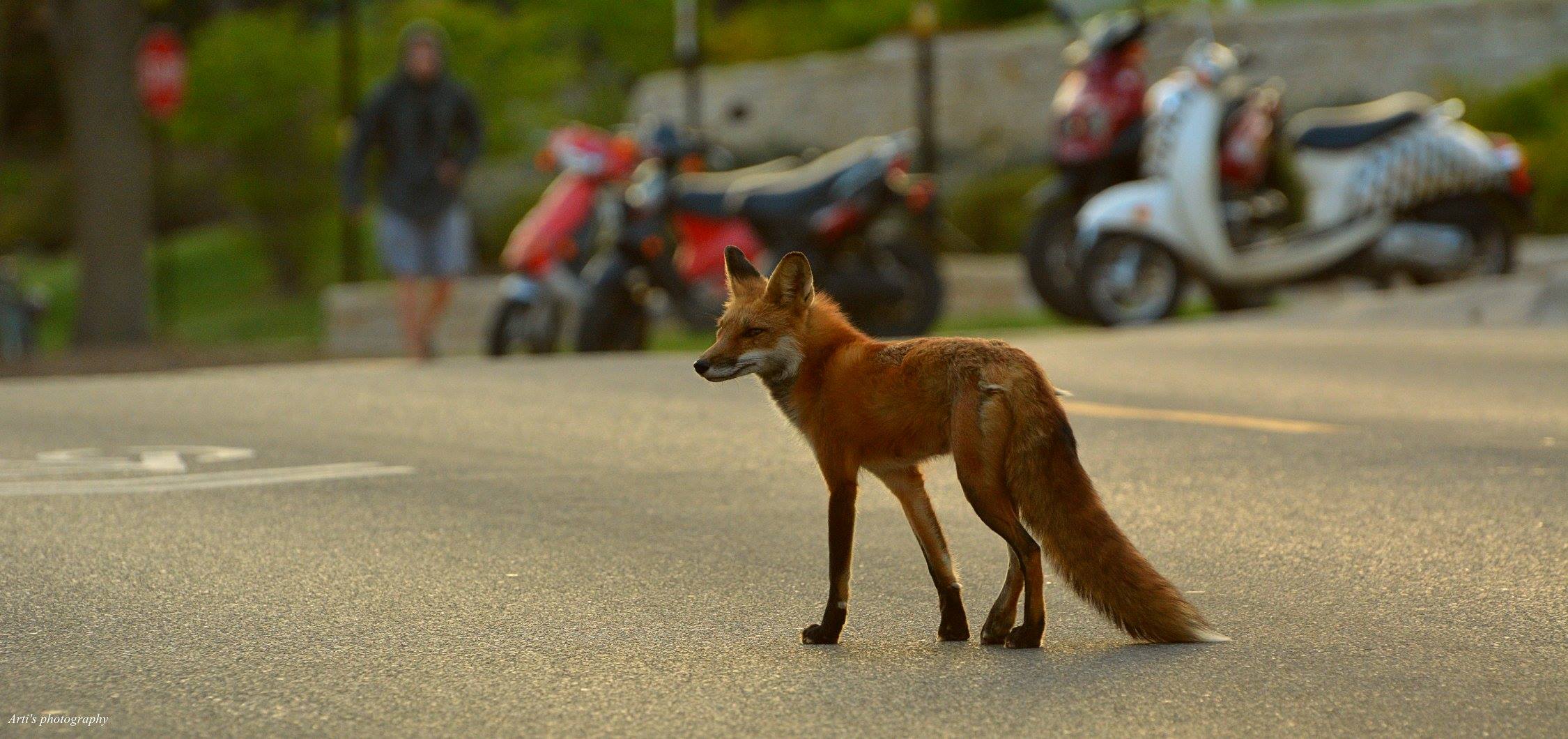
Furthermore, urban foxes exhibit less fear and more curiosity towards humans than their rural counterparts. They can often be seen boldly traversing gardens and streets, sometimes even during daylight hours. This behavior is a testament to their intelligence and adaptability, but it also sets up the stage for conflict. As much as we marvel at their survival skills, not all interactions between urban foxes and humans are positive.
The rise of the urban fox has led to a spectrum of public opinions. Some view these creatures as pests, potentially dangerous vectors of disease, and disruptors of trash bins. Others see them as a welcome glimpse of nature, a symbol of the tenacious spirit of wildlife in the Anthropocene. Whatever one's viewpoint, there is no denying that the presence of foxes in the city opens up questions about how we coexist with nature in increasingly artificial environments.
As we continue to delve into the lives of urban foxes, it's crucial to consider the larger implications of their adaptation. Their presence signals a broader trend where wildlife is no longer confined to the shrinking spaces we designate as 'wild.' Instead, these animals are adjusting to life in human-dominated landscapes—the ramifications of which we are only just beginning to understand.
The story of the urban fox is far from a simple tale of nature versus civilization. It's a narrative woven from threads of ecological change, cultural reactions, and the extraordinary plasticity of life itself. It forces us to reconsider what it means to be 'wild' and how urban ecosystems can support biodiversity in unexpected ways.
As night fully sets in, the city's foxes slip through shadowy backstreets, unseen but ever-present. They are reminders that, even in our manmade world, nature finds a way to endure and evolve. And as we bear witness to their urban saga, we must reflect on our responsibility to provide a space where both humans and wildlife can flourish together.
[Continue to Part Two...][Continued from Part One...]
Their world intertwined with ours, urban foxes lead lives that mirror our own complexity. Within the concrete jungles they inhabit, these foxes face numerous challenges — the foremost being the conflict with humans. As their territories overlap with ours, incidents of foxes rummaging through waste, making dens in inconvenient places, or even the rarer occurrences of them entering homes through cat flaps, have polarized public perception.
On one hand, these interactions can lead to calls for culling or management strategies aimed at reducing urban fox populations. On the other, they ignite discussions on wildlife conservation, animal rights, and how to better share our urban spaces with the species that find refuge within city limits. Amid the debate, it's essential to base our actions on understanding and research rather than fear or annoyance.
Scientists and wildlife experts advocate for coexistence, urging city residents to view urban foxes as an integral part of the urban ecosystem rather than adversaries. They emphasize the foxes’ role in controlling vermin populations and also suggest that the enjoyment and wonder that many find in observing these animals can enhance our quality of life. Animal behaviorists caution against feeding foxes, which can lead to them becoming overly familiar with humans — a situation that seldom ends well for either party.
To manage coexistence more effectively, some cities have initiated education campaigns. These aim to inform residents on how to secure waste, discourage foxes from certain areas humanely, and understand fox behavior. London, known for its population of urban foxes, has been at the forefront of such efforts. Britons have been encouraged to take preventative measures, such as using fox-proof bins and installing grills to block access to potential denning sites, rather than resorting to extermination.
Beyond the practicalities of living alongside foxes, their presence invites us to ponder the resilience of nature. The urban fox exemplifies a broader global trend of wildlife urbanization, including the proliferation of birds, raccoons, and even deer in city settings. This transition is not without its problems, but it also brings enchantment — a hint of the wild in our daily grind.
Environmentalists point out that this trend could spur a revolution in urban planning. Cities of the future might be designed with the needs of urban wildlife in mind, promoting biodiversity rather than stifling it. Green roofs, urban gardens, and planned green corridors could form a network of habitats, providing safe passages and sustainable living conditions for species like the fox.
Moreover, by monitoring urban fox populations and their health, scientists can gain valuable insights into the state of our urban ecosystems. Foxes often serve as bio-indicators — their well-being or struggles reflect the broader environmental health of the areas they inhabit. Thus, a thriving urban fox population may signal a healthy city environment, while problems within the fox community could indicate larger issues that could eventually affect human residents as well.
Ultimately, the urban fox challenges us to reimagine our cities as shared spaces. As rural and wild areas become increasingly scarce, and as wildlife becomes more urbanized, our willingness to adapt will be tested just like that of the foxes. We're tasked with finding the balance between development and conservation, convenience and cohabitation.
As the human population grows and urbanization intensifies, the story of the urban fox teaches a lesson in resilience and coexistence. With foresight, empathy, and innovation, we can forge urban environments where both humans and wildlife not only survive but thrive together.
The twilight cubs of the city, the urban foxes, are more than just interlopers in our midst; they are harbingers of a new era where the wild and the manmade increasingly intertwine. Our response to this convergence will define the future not only for the foxes but for all urban wildlife and, by extension, for ourselves. In the dance of light and shadow among the high-rises and the alleyways, the urban fox continues its nocturnal ballet—a performance that demands our attention and possibly our admiration, as we continue to share the stage in this ever-evolving urban theatre.

La Coexistence des Espèces : L'Harmonie entre l'Homme et l'Animal Sauvage
Dans l'ombre de nos cités modernes et au sein des contrées les plus reculées, s'opère un ballet incessant où l'homme et l'animal sauvage se côtoient. Cette coexistence interespèces, moteur de nombreuses problématiques écologiques et sociétales, est aussi le reflet de notre capacité à vivre en harmonie avec la nature. Tentons de dévoiler les enjeux de cette symbiose fragile, mais indispensable au maintien de la biodiversité.
Tout commence par une histoire d'espace. À mesure que les villes se déploient et que la population humaine s'accroît, l'habitat naturel de nombreuses espèces se trouve réduit. Ces animaux, souvent emblématiques d'une faune et d'une flore à protéger, sont poussés à s'adapter ou à migrer, parfois au péril de leur survie. Prenons l'exemple du loup en France, réapparu naturellement dans le Mercantour dans les années 90 après avoir été éradiqué au XXe siècle. Sa présence est le sujet de vifs débats entre protection de la biodiversité et préoccupations des éleveurs.
Le défi est donc multiple : il s'agit de trouver un équilibre entre développement humain et conservation de la faune sauvage. Des initiatives voient le jour, comme les corridors écologiques qui facilitent les déplacements des animaux et permettent de réduire les conflits en zones urbanisées. Il existe aussi des projets de cohabitation plus poussés, tels que le rewilding, pratique visant à restaurer les écosystèmes en réintroduisant des espèces disparues ou affaiblies.
Mais cette cohabitation n'est pas sans conséquences. Des bras de fer naissent entre les différentes visions de la nature. D'une part, des naturalistes et des écologistes qui estiment que la biodiversité est prioritaire, et d'autre part, des acteurs économiques et des riverains qui jugent que les activités humaines doivent être privilégiées. Comment les autorités et les organisations de conservation peuvent-elles concilier ces intérêts souvent divergents ?
Depuis peu, l'émergence de zones périurbaines devient un nouveau théâtre de la cohabitation. Ces espaces, ni tout à fait urbains ni totalement ruraux, témoignent de la présence de plus en plus marquée de la faune sauvage. Renards fouinant dans nos jardins, sangliers traversant les voies périphériques, rapaces nichant sur les bâtiments... La liste est longue et illustre notre proximité croissante avec ces voisins du règne animal.
C'est donc une nouvelle ère de la coexistence qui s'amorce, où l'éducation et la sensibilisation jouent un rôle clé. Projets pédagogiques dans les écoles, interventions d'experts dans les médias ou encore campagnes de communication sont indispensables pour façonner le respect et la compréhension mutuels. Car il est crucial, pour instaurer un équilibre durable, que l'homme apprenne non seulement à partager son espace mais aussi à entamer un dialogue avec le monde sauvage.
Dans cette optique, des solutions innovantes et respectueuses sont à l'étude. Prenons par exemple les passages à faune, ces ponts ou tunnels spécialement conçus pour permettre aux animaux de traverser les infrastructures humaines sans danger. Des villes comme Lyon ou Montpellier ont déjà mis en place ces structures, démontrant leur volonté d'une cohabitation pacifique et structurée.
En conclusion de cette première partie, l'harmonie entre l'homme et l'animal sauvage est une recherche d'équilibre permanente. Les actions individuelles et collectives pour le respect de la biodiversité sont les premiers pas vers une société plus inclusive envers toutes les formes de vie. Dans la suite de cet article, nous explorerons des cas concrets de coexistence réussie et les leçons que nous pouvons en tirer pour l'avenir de nos interactions avec la faune sauvage.Poursuivant notre exploration de la coexistence entre l'homme et l'animal sauvage, attardons-nous sur des cas concrets où l'équilibre recherché s'est transformé en succès. Ces exemples nous montrent que la cohabitation harmonieuse n'est pas seulement un idéal, mais une réalité tangible lorsqu'elle est guidée par l'innovation et l'engagement collectif.
Un des exemples les plus célèbres concerne le parc national de Yellowstone aux États-Unis, où la réintroduction du loup dans les années 1990 a permis de rééquilibrer les écosystèmes. En régulant naturellement les populations de cerfs et d'autres herbivores, les loups ont indirectement contribué à la régénération de la végétation et à la diversification des habitats, bénéficiant à de nombreuses autres espèces. Ce cas illustre parfaitement comment l'ingénierie écologique peut restaurer des équilibres perdus.
En France, le parc national des Écrins est un autre exemple réussi de coexistence. Les agents du parc travaillent en étroite collaboration avec les acteurs locaux pour garantir la préservation de la biodiversité tout en soutenant les activités économiques telles que l'agropastoralisme. Des mesures sont mises en oeuvre pour protéger les troupeaux contre les prédateurs grâce à des pratiques telles que le gardiennage ou l'utilisation de chiens de protection.
Ces initiatives réussies ne sauraient occulter les difficultés rencontrées par d'autres régions. En périphérie des grandes métropoles comme Paris ou Marseille, les conflits sont parfois inévitables, les animaux sauvages étant attirés par les déchets alimentaires ou perçus comme une menace. Ici, l'invention et l'application de stratégies de gestion des déchets et d'éducation des populations jouent un rôle fondamental.
En outre, la mise en place de programmes scientifiques de suivi des espèces permet d’évaluer l'impact des mesures de cohabitation. La science participative, impliquant les citoyens dans la collecte de données sur la faune, s'avère être un outil précieux pour sensibiliser le public et accroître la connaissance sur le comportement animal en milieu urbain ou rural.
Si ces efforts sont louables, il reste beaucoup à accomplir. Le changement climatique, en perturbant les habitats et les ressources alimentaires, impose de nouveaux défis à la coexistence. Les écosystèmes sont en perpétuelle évolution, et il est primordial que nos politiques de conservation s'adaptent en conséquence. L'anticipation et l'innovation seront les maîtres-mots pour préserver cette cohabitation.
N'oublions pas l'importance de l'aspect légal dans cette cohabitation. Les lois et réglementations encadrant la protection de la faune sauvage doivent être constamment réévaluées et renforcées pour refléter l'état actuel de notre biodiversité. Le rôle des ONG et des associations de défense de l'environnement est crucial pour faire avancer le cadre juridique et pour veiller à son application stricte.
Enfin, il est essentiel de se pencher sur les aspects culturels et émotionnels. La perception de la nature et des animaux sauvages est profondément ancrée dans nos traditions et notre imaginaire collectif. Travailler à transformer cette perception, souvent teintée de peurs irrationnelles, en une compréhension basée sur le respect et l'émerveillement, est une tâche à long terme qui commence dès le plus jeune âge.
En guise de clôture, il est clair que la coexistence entre l'homme et l'animal sauvage est non seulement possible, mais qu'elle est une opportunité de tisser des liens plus forts avec notre environnement. L'éducation, la science, la législation et l'engagement citoyen sont autant d'outils qui, utilisés à bon escient, peuvent bâtir un avenir où l'harmonie règne au sein de la biodiversité. En surmontant les défis actuels, nous assurons la pérennité d'un patrimoine naturel riche pour les générations futures, et nous nous redéfinissons comme partie intégrante d'un monde plus vaste, où chaque espèce a sa place et son importance.


