Yves Chauvin: Nobel Laureate Who Revolutionized Chemistry
Yves Chauvin was a pioneering French chemist whose groundbreaking work on olefin metathesis earned him the 2005 Nobel Prize in Chemistry. His discoveries transformed organic synthesis, enabling greener and more efficient production of pharmaceuticals, polymers, and petrochemicals. This article explores his life, career, and the enduring impact of his contributions to science and industry.
Early Life and Education
Yves Chauvin was born on October 10, 1930, in Menen, Belgium. His family later moved to France, where he developed an early interest in chemistry. He pursued his higher education at the Lyon School of Chemistry, Physics, and Electronics, graduating in 1954.
After completing his studies, Chauvin began his career in research, focusing on catalysis and organic chemistry. His early work laid the foundation for his later breakthroughs in metathesis reactions, which would eventually earn him global recognition.
The Discovery of Olefin Metathesis
Understanding the Mechanism
In 1971, Yves Chauvin proposed a revolutionary mechanism for olefin metathesis, a chemical reaction where carbon-carbon double bonds are broken and reformed. This process, often described as a "dance of molecular partners," allows for the swapping of molecular groups in a highly controlled manner.
Chauvin's work demonstrated that metal carbene catalysts were key to facilitating these reactions. His insights provided a clear explanation for a phenomenon that had puzzled chemists for decades, paving the way for further advancements in the field.
Impact on Organic Synthesis
The discovery of the metathesis mechanism had a profound impact on organic synthesis. It enabled chemists to create complex molecules with greater precision and efficiency, reducing waste and energy consumption. This breakthrough was particularly significant for the production of pharmaceuticals, polymers, and petrochemicals.
Chauvin's work also contributed to the development of green chemistry, a field focused on minimizing the environmental impact of chemical processes. By enabling more efficient and sustainable synthesis methods, his discoveries helped reduce hazardous waste and improve industrial practices.
Career at the French Institute of Petroleum
Joining IFP and Early Research
In 1960, Yves Chauvin joined the French Institute of Petroleum (IFP), now known as IFP Energies Nouvelles. His early research at IFP focused on homogeneous catalysis, particularly the use of transition metals to facilitate chemical reactions.
Chauvin's work at IFP was characterized by a strong connection between fundamental research and industrial applications. His discoveries in catalysis had immediate practical implications, leading to the development of new processes for the petrochemical industry.
Development of Industrial Processes
During his tenure at IFP, Chauvin played a key role in developing several industrial processes that are still in use today. These include:
- Dimersol: A process that uses nickel catalysts to dimerize propene, producing isohexenes used as petrol additives. By 2005, there were 35 plants worldwide producing 3.5 million tonnes per year.
- Alphabutol: A process that uses titanium catalysts to dimerize ethene, producing 1-butene for linear low-density polyethylene. This process was operational in 20 plants by 2005, with production exceeding 400,000 tonnes per year.
- Difasol: An enhanced variant of Dimersol that uses ionic liquids as solvents, improving safety and efficiency. This process achieved commercial success in refining.
These processes not only improved the efficiency of petrochemical production but also contributed to sustainable development by reducing energy use and byproducts.
Recognition and Legacy
The Nobel Prize in Chemistry
In 2005, Yves Chauvin was awarded the Nobel Prize in Chemistry for his work on olefin metathesis. He shared the prize with Robert H. Grubbs and Richard R. Schrock, who further developed and applied his discoveries.
The Nobel Committee recognized Chauvin's contribution as fundamental to the advancement of organic synthesis. His work enabled the creation of more efficient and environmentally friendly chemical processes, aligning with the growing emphasis on green chemistry.
Election to the French Academy of Sciences
In the same year he received the Nobel Prize, Chauvin was elected to the French Academy of Sciences. This honor reflected his significant contributions to chemistry and his role in advancing scientific knowledge.
Chauvin's election to the Academy was a testament to his influence in the scientific community. His work continued to inspire researchers and industry professionals, driving innovation in catalysis and organic synthesis.
Conclusion of Part 1
Yves Chauvin's discoveries in olefin metathesis revolutionized the field of chemistry, enabling more efficient and sustainable industrial processes. His career at the French Institute of Petroleum showcased the power of bridging fundamental research with practical applications. In the next part of this article, we will delve deeper into his specific contributions to industrial processes and the broader impact of his work on modern chemistry.
Industrial Applications of Chauvin’s Metathesis Research
Yves Chauvin transformed theoretical chemistry into tangible industrial processes. His work at the French Institute of Petroleum (IFP) led to the creation of multiple catalytic systems that remain vital in petrochemical production. These innovations not only improved efficiency but also advanced sustainable chemistry by reducing waste and energy consumption.
Dimersol: A Game-Changer in Petrochemicals
The Dimersol process, developed under Chauvin’s leadership, uses nickel-based catalysts to convert propene into isohexenes. These compounds are essential as high-octane additives in gasoline. By 2005, the process was operational in 35 plants worldwide, producing an estimated 3.5 million tonnes annually. This innovation significantly enhanced fuel quality while minimizing environmental impact.
Dimersol’s success lies in its ability to operate under mild conditions, reducing the need for extreme temperatures or pressures. This efficiency translates into lower operational costs and a smaller carbon footprint, aligning with modern green chemistry principles.
Alphabutol: Enabling High-Performance Polymers
Another key contribution was the Alphabutol process, which employs titanium catalysts to dimerize ethene into 1-butene. This compound is a critical building block for linear low-density polyethylene (LLDPE), a versatile plastic used in packaging, automotive parts, and medical devices.
By 2005, 20 plants were using Alphabutol, with an annual production exceeding 400,000 tonnes. The process was projected to expand further, highlighting its growing importance in the global plastics industry. Chauvin’s work ensured that this polymerization method was both scalable and environmentally responsible.
Difasol: Innovating with Ionic Liquids
Chauvin also pioneered the use of ionic liquids in catalysis through the Difasol process. This method improved upon Dimersol by using nickel catalysts dissolved in ionic liquids, which allowed for 10 times smaller reaction volumes. The result was a safer, more compact, and energy-efficient system for petrochemical refining.
The adoption of ionic liquids marked a significant shift in industrial catalysis. These solvents are non-volatile and reusable, reducing hazardous waste and aligning with sustainable development goals. Difasol’s success demonstrated Chauvin’s ability to merge cutting-edge research with practical industrial needs.
Chauvin’s Influence on Green Chemistry
Yves Chauvin was a visionary in promoting green chemistry, an approach that minimizes the environmental impact of chemical processes. His work on olefin metathesis and catalytic systems provided the foundation for cleaner, more efficient industrial methods. These innovations continue to shape modern chemical manufacturing.
Reducing Hazardous Waste
Traditional chemical synthesis often generates significant waste, including toxic byproducts and solvent emissions. Chauvin’s catalytic processes, such as Dimersol and Alphabutol, drastically reduced these outputs. By using highly selective catalysts, his methods ensured that reactions produced fewer unwanted side products, lowering the environmental burden.
For example, the metathesis reaction allows for the precise assembly of complex molecules without excessive energy input. This precision reduces the need for harsh chemicals and solvents, further contributing to sustainable industrial practices.
Energy Efficiency in Chemical Processes
Energy consumption is a major concern in chemical manufacturing. Chauvin’s processes were designed to operate under mild conditions, reducing the need for high temperatures and pressures. This approach not only cuts energy costs but also decreases greenhouse gas emissions associated with industrial production.
The Difasol process, with its use of ionic liquids, exemplifies this efficiency. By enabling reactions in smaller volumes and at lower temperatures, it set a new standard for energy-efficient catalysis. These principles are now widely adopted in the development of next-generation chemical technologies.
Patents and Publications: A Legacy of Innovation
Throughout his career, Yves Chauvin was a prolific inventor and researcher. His contributions are documented in over 90 scientific publications and 130 patents, many of which remain foundational in industrial chemistry. These works reflect his deep understanding of catalysis and his commitment to advancing chemical science.
Key Patents and Their Impact
Chauvin’s patents cover a wide range of catalytic processes, from olefin metathesis to the use of ionic liquids in chemical reactions. Some of his most influential patents include:
- Dimersol Process (1970s): Revolutionized the production of high-octane fuel additives.
- Alphabutol Process (1980s): Enabled the efficient synthesis of 1-butene for polymer production.
- Difasol Process (1990s): Introduced ionic liquids to catalysis, improving safety and efficiency.
These patents not only secured Chauvin’s legacy but also provided the chemical industry with tools to enhance productivity while reducing environmental harm. His work continues to inspire new generations of chemists and engineers.
Scientific Publications and Collaborations
Chauvin’s research was widely published in prestigious journals, where he shared insights into catalysis, metathesis, and green chemistry. His collaborations with other leading scientists, including Robert H. Grubbs and Richard R. Schrock, further advanced the field of organic synthesis.
One of his most cited works involves the mechanism of olefin metathesis, which provided a theoretical framework for subsequent experimental breakthroughs. This publication remains a cornerstone in chemical education and research, demonstrating the enduring relevance of his contributions.
Global Recognition and Awards
Yves Chauvin received numerous accolades throughout his career, culminating in the 2005 Nobel Prize in Chemistry. This prestigious award recognized his role in developing the metathesis method, a tool that has become indispensable in modern chemistry.
The Nobel Prize and Its Significance
The Nobel Prize highlighted Chauvin’s foundational work on olefin metathesis, which enabled the creation of complex molecules with unprecedented efficiency. The prize was shared with Grubbs and Schrock, who built upon Chauvin’s theoretical insights to develop practical catalytic systems.
This recognition underscored the importance of fundamental research in driving industrial innovation. Chauvin’s ability to bridge theory and application set a precedent for how scientific discoveries can transform entire industries.
Other Notable Honors
In addition to the Nobel Prize, Chauvin was elected to the French Academy of Sciences in 2005, further cementing his status as a leader in chemical research. His election reflected the broad impact of his work on both academic and industrial chemistry.
Other honors included:
- Grand Prix de la Fondation de la Maison de la Chimie (1990): Recognized his contributions to catalysis.
- Chevalier de la Légion d’Honneur (2006): Awarded for his service to science and industry.
These awards highlight the global appreciation for Chauvin’s contributions, which continue to influence chemical research and industrial practices worldwide.
Conclusion of Part 2
Yves Chauvin left an indelible mark on chemistry through his pioneering work on olefin metathesis and catalytic processes. His innovations at the French Institute of Petroleum revolutionized industrial chemistry, making production more efficient and sustainable. In the final part of this article, we will explore his lasting legacy, the ongoing impact of his research, and how his principles continue to guide modern chemical advancements.
Legacy of Yves Chauvin
Yves Chauvin’s contributions to chemistry continue to shape modern science and industry. His pioneering work on olefin metathesis remains a cornerstone of organic synthesis, enabling precise molecular construction with minimal waste. Even after his passing in 2015, the processes he developed—such as Dimersol, Alphabutol, and Difasol—are still operational in refineries and chemical plants worldwide.
The metathesis method he proposed in 1971 has become integral to producing advanced plastics, pharmaceuticals, and fuel additives. By allowing chemists to rearrange carbon-carbon double bonds with unmatched precision, his discovery supports green chemistry principles, reducing energy use and byproducts. Industries continue to build on his insights, ensuring his legacy endures in both academic research and commercial applications.
Enduring Industrial Relevance
Chauvin’s catalytic processes remain vital to the petrochemical industry. For example:
- Dimersol continues to produce 3.5 million tonnes of isohexenes annually, used as high-octane fuel additives.
- Alphabutol supports the synthesis of linear low-density polyethylene (LLDPE), with global production exceeding 400,000 tonnes per year.
- Difasol’s use of ionic liquids has inspired safer, more efficient catalytic systems in refining.
These processes not only boost productivity but also align with sustainability goals by minimizing hazardous waste and energy consumption. Chauvin’s ability to bridge fundamental research and industrial application set a benchmark for modern chemical innovation.
Educational Impact and Mentorship
Beyond his scientific discoveries, Yves Chauvin influenced countless researchers through his publications and collaborations. His over 90 scientific papers and 130 patents serve as educational resources for students and professionals alike. By clearly explaining the mechanism of olefin metathesis, he empowered future chemists to explore new catalytic pathways.
Chauvin’s work at the French Institute of Petroleum (IFP) also emphasized practical training. He fostered a culture where theoretical insights were tested in real-world scenarios, preparing generations of scientists for careers in both academia and industry. His mentorship style encouraged interdisciplinary collaboration, a legacy evident in the global adoption of his methods.
Future of Metathesis and Sustainable Chemistry
The principles established by Yves Chauvin are guiding next-generation technologies in sustainable chemistry. Researchers are leveraging metathesis to develop novel materials, such as biodegradable polymers and targeted drug delivery systems. These applications promise to further reduce environmental impact while meeting global demand for high-performance chemicals.
Emerging Applications
Modern scientists are expanding metathesis into new domains, including:
- Pharmaceutical synthesis: Creating complex drug molecules with fewer steps and less waste.
- Bio-based materials: Designing plastics from renewable resources using metathesis-based processes.
- Catalysis in microreactors: Miniaturizing reactions for cleaner, faster industrial production.
Chauvin’s foundational work provides the framework for these advancements, demonstrating how green chemistry can drive both innovation and environmental stewardship.
Conclusion
Yves Chauvin transformed chemistry by turning theoretical insights into industrial revolutions. His 1971 proposal of the metal carbene mechanism for olefin metathesis earned him the 2005 Nobel Prize in Chemistry and reshaped organic synthesis. From the Dimersol process producing millions of tonnes of fuel additives to the Alphabutol method enabling life-saving polymers, his innovations continue to power global industries.
Chauvin’s legacy is a testament to the power of bridging science and application. By prioritizing efficiency and sustainability, he laid the groundwork for a cleaner, more resourceful chemical industry. As researchers worldwide build on his discoveries, Yves Chauvin remains a guiding light in the pursuit of green chemistry and innovative catalysis.
In a world increasingly focused on sustainability, Chauvin’s work serves as a blueprint for balancing industrial progress with environmental responsibility. His insights will continue to inspire chemists, engineers, and policymakers to create solutions that benefit both society and the planet.


Arturo Miolati: Pioneer of Coordination Chemistry
Arturo Miolati (1869–1956) was a groundbreaking Italian chemist whose work in coordination chemistry, electrochemistry, and nitrogen fixation left an indelible mark on modern science. Collaborating with Nobel laureate Alfred Werner, Miolati's research on electrical conductivity and coordination compounds laid the foundation for contemporary inorganic chemistry. His contributions extended beyond academia, influencing industrial processes and wartime innovations.
Early Life and Education
Born on March 2, 1869, in Mantova, Italy, Miolati's passion for chemistry emerged early. He pursued higher education in Italy, where he developed a keen interest in physical chemistry and electrochemistry. His academic journey led him to Berlin in 1912–1913, where he studied under the renowned Walther Nernst, focusing on gas reaction equilibria and physical chemistry principles.
Collaboration with Alfred Werner
Miolati's most notable collaboration was with Alfred Werner, a pioneer in coordination chemistry. Together, they conducted electrical conductivity studies on coordination compounds, providing critical evidence for Werner's theories on the structure of complexes. Their work confirmed the octahedral configurations of cobalt complexes, a breakthrough that reshaped inorganic chemistry.
Key Contributions to Coordination Chemistry
- Electrical conductivity measurements of coordination compounds.
- Confirmation of octahedral configurations in cobalt complexes.
- Support for Werner's ionic models of coordination compounds.
Academic Career and Mentorship
In 1917, Miolati joined the Università di Padova as a professor of General Chemistry, succeeding Giuseppe Bruni. His tenure at Padova was marked by significant contributions to both teaching and research. He mentored several prominent chemists, including Luigi Casale, who later developed the Casale process for ammonia synthesis, a key industrial innovation.
Influence on Industrial Chemistry
Miolati's research had a profound impact on industrial chemistry, particularly in the production of ammonia and nitrogen fixation. His work on nitrogen fixation and asphyxiating gases was crucial during World War I, addressing Italy's need for self-sufficiency in chemicals. However, his research in this area was cut short due to a mercury poisoning incident in 1917.
Legacy and Recognition
Although Miolati passed away on February 23, 1956, in Rome, his legacy endures. His contributions to coordination chemistry and electrochemistry remain foundational in modern chemistry. The Professor Arturo Miolati Prize, awarded for scientific achievement, stands as a testament to his enduring influence. This prize, linked to the National Institute of Standards and Technology (NIST), highlights Miolati's connections to Nobel Prize-winning research and his impact on the scientific community.
Notable Achievements
- Pioneering work in coordination chemistry with Alfred Werner.
- Significant contributions to electrochemistry and nitrogen fixation.
- Mentorship of key figures like Luigi Casale.
- Establishment of the Professor Arturo Miolati Prize for scientific achievement.
Miolati's work bridged the gap between academic research and industrial applications, making him a pivotal figure in the history of chemistry. His collaborations and mentorship continue to inspire chemists worldwide, ensuring his place in the annals of scientific history.
Miolati's Research in Electrochemistry and Conductivity
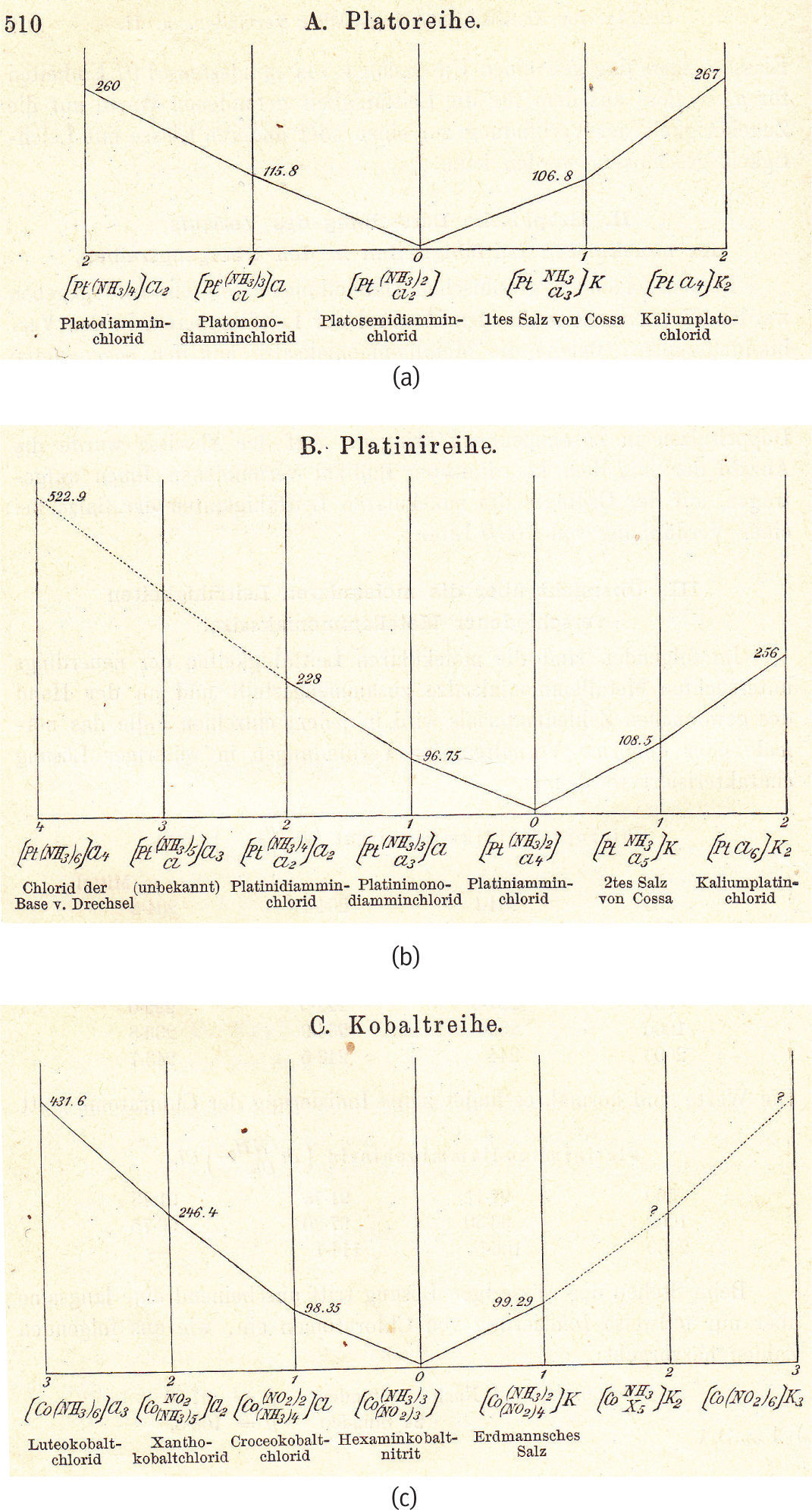
Arturo Miolati made significant strides in electrochemistry, particularly in the study of electrical conductivity in coordination compounds. His work with Alfred Werner provided experimental validation for Werner's theories, demonstrating that coordination compounds could dissociate into ions in solution. This research was pivotal in establishing the ionic nature of complexes, a concept that remains central to modern inorganic chemistry.
Conductivity Studies and Their Impact
Miolati's conductivity measurements were meticulous and groundbreaking. He examined multiple series of coordination compounds, recording their electrical conductivities to determine their ionic behavior. These studies offered compelling evidence for Werner's proposed structures, particularly the octahedral geometry of cobalt complexes. The data collected by Miolati helped solidify the understanding of coordination chemistry, influencing subsequent research in the field.
- Conductivity measurements confirmed the ionic dissociation of coordination compounds.
- Evidence supported Werner's octahedral configurations in cobalt complexes.
- Findings laid the groundwork for modern inorganic chemistry principles.
Contributions to Nitrogen Fixation and Industrial Chemistry
Miolati's research extended beyond academic pursuits into industrial chemistry, particularly in the area of nitrogen fixation. During World War I, Italy faced a critical need for self-sufficiency in chemical production, especially for ammonia used in fertilizers and explosives. Miolati's work in this area was instrumental in developing processes that could meet these demands.
War-Time Innovations and Challenges
Miolati's efforts in nitrogen fixation were driven by the urgent needs of wartime Italy. He explored methods for producing ammonia and other nitrogen-based compounds, which were essential for both agricultural and military applications. His research also ventured into the development of asphyxiating gases, although this work was halted after a mercury poisoning incident in 1917. Despite this setback, his contributions to nitrogen fixation remained influential.
- Developed methods for ammonia synthesis to support wartime needs.
- Research on asphyxiating gases was abandoned due to health risks.
- Influenced the Casale process for ammonia production, mentoring Luigi Casale.
Mentorship and Influence on Future Chemists
Miolati's impact on chemistry was not limited to his own research; he was also a dedicated mentor who shaped the careers of several prominent chemists. His most notable protégé was Luigi Casale, who went on to develop the Casale process, a groundbreaking method for ammonia synthesis. This process became a cornerstone of industrial chemistry, demonstrating the far-reaching influence of Miolati's mentorship.
Key Figures Mentored by Miolati
Under Miolati's guidance, Luigi Casale made significant advancements in ammonia production. The Casale process, which emerged from this mentorship, revolutionized the chemical industry by providing an efficient method for synthesizing ammonia on an industrial scale. This innovation had profound implications for agriculture and explosives manufacturing, highlighting the practical applications of Miolati's academic research.
- Luigi Casale: Developed the Casale process for ammonia synthesis.
- Other students contributed to advancements in electrochemistry and nitrogen fixation.
- Miolati's mentorship extended to wartime research on chemicals and explosives.
Miolati's Role in the Development of Electrolysis
In addition to his work on coordination chemistry and nitrogen fixation, Miolati made notable contributions to the field of electrolysis. His research in this area was particularly relevant to the production of hydrogen, a critical component in various industrial processes. Miolati's studies on electrolysis aligned with Italy's broader efforts to achieve self-sufficiency in chemical production during the early 20th century.
Electrolysis and Hydrogen Production
Miolati's work on electrolysis focused on optimizing the production of hydrogen, which was essential for the synthesis of ammonia and other chemicals. His research provided valuable insights into the efficiency and scalability of electrolysis processes, contributing to the development of industrial methods for hydrogen production. These advancements were crucial for Italy's chemical industry, particularly during periods of resource scarcity.
- Research on electrolysis improved methods for hydrogen production.
- Findings contributed to the efficiency of ammonia synthesis.
- Work supported Italy's push for chemical self-sufficiency.
Legacy and Historical Recognition
Although Miolati's direct research concluded with his passing in 1956, his legacy continues to be recognized in the scientific community. The Professor Arturo Miolati Prize, awarded for outstanding scientific achievements, serves as a lasting tribute to his contributions. This prize is linked to the National Institute of Standards and Technology (NIST), underscoring Miolati's connections to Nobel Prize-winning research and his enduring influence on chemistry.
The Professor Arturo Miolati Prize
The Professor Arturo Miolati Prize was established to honor scientists who have made significant contributions to the field of chemistry. This award reflects Miolati's own commitment to scientific excellence and innovation. Recipients of the prize are recognized for their advancements in areas such as coordination chemistry, electrochemistry, and industrial chemistry, ensuring that Miolati's legacy continues to inspire future generations of chemists.
- The prize honors achievements in chemistry and related fields.
- Linked to NIST and Nobel Prize-winning research.
- Celebrates Miolati's contributions to scientific innovation.
Miolati's work remains a cornerstone of modern chemistry, bridging the gap between theoretical research and practical applications. His collaborations, mentorship, and groundbreaking discoveries continue to shape the field, ensuring his place as a pioneer in the history of science.
Miolati's Influence on Modern Coordination Chemistry
The foundational work of Arturo Miolati in coordination chemistry continues to resonate in contemporary research. His collaboration with Alfred Werner not only validated the ionic nature of coordination compounds but also established a framework for understanding their structural complexity. Today, these principles are integral to fields such as catalysis, materials science, and bioinorganic chemistry, demonstrating the enduring relevance of Miolati's contributions.
Applications in Contemporary Chemistry
Modern applications of Miolati's research include the design of metal-organic frameworks (MOFs) and the development of homogeneous catalysts. His early insights into the behavior of coordination compounds have paved the way for advancements in green chemistry, where efficient and selective catalytic processes are essential. Additionally, his work on electrical conductivity remains a reference point for studies on electrolyte solutions and ionic liquids.
- Inspired the development of metal-organic frameworks (MOFs) for gas storage and separation.
- Influenced the design of homogeneous catalysts in industrial processes.
- Provided foundational knowledge for electrolyte research in energy storage systems.
The Intersection of Miolati's Work with Industrial Processes
Miolati's research had a profound impact on industrial chemistry, particularly in the production of ammonia and other nitrogen-based compounds. His mentorship of Luigi Casale led to the development of the Casale process, which revolutionized ammonia synthesis. This process, characterized by its efficiency and scalability, became a cornerstone of the chemical industry, supporting agricultural and military applications alike.
Industrial Innovations Stemming from Miolati's Research
The Casale process exemplifies how academic research can translate into industrial innovation. By optimizing the conditions for ammonia synthesis, this method reduced production costs and increased yield, making it a preferred technique in the early 20th century. Miolati's influence extended to other areas of industrial chemistry, including the development of electrolytic cells for hydrogen production and the refinement of processes for manufacturing explosives and fertilizers.
- The Casale process improved the efficiency of ammonia production.
- Contributions to electrolytic hydrogen production supported industrial chemical synthesis.
- Research on nitrogen fixation aided in the development of fertilizers and explosives.
Miolati's Contributions to Electrochemistry and Beyond
Beyond coordination chemistry, Miolati's work in electrochemistry has had lasting implications. His studies on electrical conductivity and electrolysis provided critical insights into the behavior of ions in solution, which are fundamental to various electrochemical processes. These principles are now applied in battery technology, corrosion prevention, and electroplating, showcasing the broad applicability of his research.
Electrochemical Advancements and Modern Technology
Miolati's research laid the groundwork for several key advancements in electrochemical technology. For instance, his findings on ion dissociation have informed the development of lithium-ion batteries, which are essential for modern electronics and electric vehicles. Additionally, his work on electrolysis has contributed to improvements in water splitting technologies, which are crucial for producing green hydrogen as a sustainable energy source.
- Influenced the development of lithium-ion batteries for energy storage.
- Contributed to advancements in water electrolysis for hydrogen production.
- Provided foundational knowledge for electroplating and corrosion science.
Challenges and Setbacks in Miolati's Career
Despite his numerous achievements, Miolati's career was not without challenges. One significant setback occurred in 1917, when he suffered from mercury poisoning during his research on asphyxiating gases. This incident forced him to abandon certain lines of inquiry, particularly those related to toxic chemicals. Nevertheless, Miolati's resilience allowed him to pivot his focus toward other areas, such as electrochemistry and mentorship, where he continued to make meaningful contributions.
Overcoming Adversity and Continuing Research
Miolati's ability to adapt in the face of adversity is a testament to his dedication to science. Following the mercury poisoning incident, he shifted his attention to safer yet equally impactful research areas. His work in electrochemistry and his mentorship of students like Luigi Casale demonstrate his commitment to advancing chemical knowledge, even under challenging circumstances. This resilience has left a lasting impression on the scientific community, inspiring future generations of chemists to persevere in their pursuits.
- Overcame mercury poisoning to continue his research in safer areas.
- Shifted focus to electrochemistry and mentorship after the setback.
- His resilience serves as an inspiration for modern scientists facing challenges.
Miolati's Enduring Legacy in the Scientific Community
The legacy of Arturo Miolati is firmly established in the annals of chemical history. His contributions to coordination chemistry, electrochemistry, and industrial chemistry have had a lasting impact on both academic research and practical applications. The Professor Arturo Miolati Prize, awarded in his honor, continues to recognize outstanding achievements in chemistry, ensuring that his influence endures.
The Professor Arturo Miolati Prize and Its Significance
Established to celebrate scientific excellence, the Professor Arturo Miolati Prize highlights the ongoing relevance of Miolati's work. This award is a testament to his contributions and serves as a reminder of the importance of innovation and dedication in scientific research. Recipients of the prize are often recognized for advancements that align with Miolati's own areas of expertise, further cementing his legacy in the field of chemistry.
- The prize honors scientists who excel in chemistry and related disciplines.
- Linked to NIST and associated with Nobel Prize-winning research.
- Celebrates Miolati's commitment to scientific innovation and mentorship.
Conclusion: The Lasting Impact of Arturo Miolati
Arturo Miolati was a visionary chemist whose work transcended the boundaries of academic research to influence industrial processes and technological advancements. His collaboration with Alfred Werner solidified the foundations of coordination chemistry, while his contributions to electrochemistry and nitrogen fixation addressed critical needs of his time. Through his mentorship, Miolati shaped the careers of future chemists, ensuring that his legacy would extend far beyond his own research.
Today, Miolati's insights continue to inform modern chemistry, from the development of advanced materials to the optimization of industrial processes. His ability to overcome challenges and adapt to new research areas serves as an inspiration to scientists worldwide. As the Professor Arturo Miolati Prize attests, his contributions remain a benchmark for excellence in chemical research, ensuring that his name will be remembered alongside the greats of scientific history.
In reflecting on Miolati's career, it is clear that his work was not merely a product of his time but a catalyst for future innovations. His dedication to advancing chemical knowledge, coupled with his resilience in the face of adversity, exemplifies the spirit of scientific inquiry. As we continue to build upon the foundations he laid, Arturo Miolati stands as a testament to the power of curiosity, collaboration, and perseverance in the pursuit of scientific discovery.

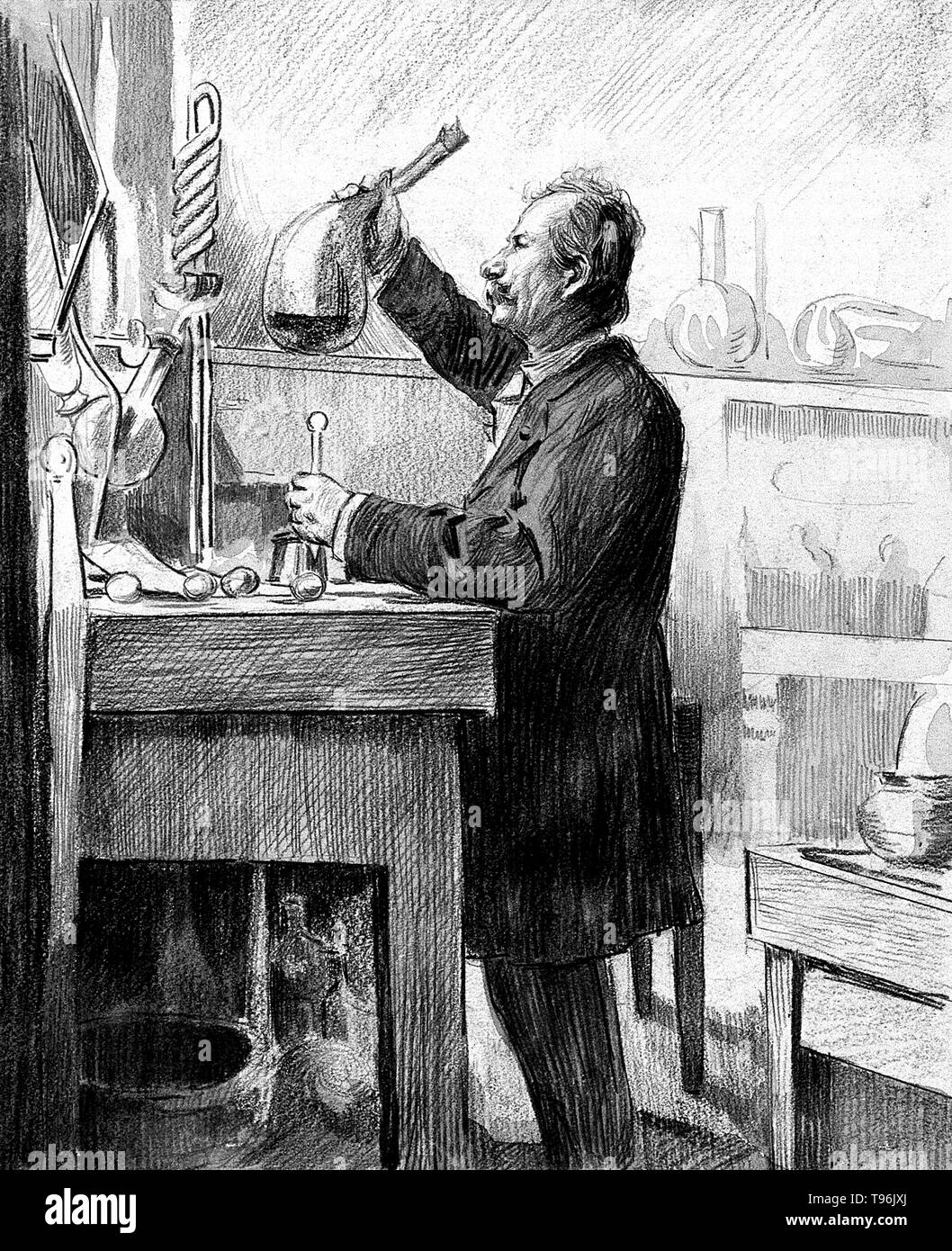
Antoine Lavoisier: The Father of Modern Chemistry
Antoine-Laurent de Lavoisier, often hailed as the "Father of Modern Chemistry," made groundbreaking contributions that revolutionized the scientific world. His work laid the foundation for modern chemical science and fundamentally changed how scientists approached the study of matter and its transformations. Born on August 26, 1743, in Paris, Lavoisier’s life trajectory was steeped in curiosity and innovation, ultimately placing him at the forefront of the scientific revolution occurring in the 18th century.
Early Life and Education
Growing up in an affluent family, Lavoisier had access to a wide range of educational opportunities rarely available to others of his time. His father, an attorney with a successful business, ensured Antoine received a quality education. He attended the prestigious Collège des Quatre-Nations, a part of the University of Paris, showing remarkable aptitude in a variety of subjects including law, astronomy, mathematics, and botany. Despite his legal training, Lavoisier's passion for science and experimentation drove him to pursue a career in scientific exploration.
Under the tutelage of renowned scientists of his era such as Guillaume François Rouelle, Lavoisier's interests increasingly focused on chemistry. He was particularly influenced by the Enlightenment, which emphasized reason, empirical evidence, and systematic observation, principles that became central to his scientific approach.
Groundbreaking Achievements in Chemistry
Lavoisier's ambitious research in chemistry led to discoveries that remained pivotal in the field forever. Perhaps his most noteworthy contribution was the establishment of the law of conservation of mass. Through careful experimentation and detailed documentation, Lavoisier demonstrated that matter could neither be created nor destroyed in a closed system, but only transformed. This principle laid the groundwork for the chemical reactions’ balanced equations, fundamentally changing how chemists understood transformations of substances.
Another major breakthrough achieved by Lavoisier was the identification and naming of elements such as oxygen and hydrogen. His studies of combustion and respiration processes demonstrated that oxygen was an essential component. He debunked the prevailing phlogiston theory, which inaccurately postulated that a fire-like element called phlogiston was released during combustion. Lavoisier’s meticulous work showed that combustion involved not releasing but consuming oxygen, reshaping the understanding of chemical reactions and establishing the basis for modern chemical nomenclature.
Furthermore, Lavoisier's contribution to the development of a systematic chemical nomenclature cannot be overstated. By collaborating with chemists like Claude-Louis Berthollet, Antoine François, Comte de Fourcroy, and Guyton de Morveau, Lavoisier helped create a standardized language for chemistry. This effort facilitated clear communication and the advancement of chemical knowledge on a global scale, further propelling the discipline towards scientific maturity.
Lavoisier’s Role in Quantitative Chemistry
Another significant aspect of Lavoisier's legacy was his insistence on quantitative methods in chemical studies. Prior to his work, chemistry relied heavily on qualitative analysis, often fraught with observational bias and inaccuracies. Lavoisier introduced precision to chemical experimentation by employing accurate balances for measurement. This methodological rigor enabled him to calculate the exact proportions of elements involved in chemical reactions, offering a clearer picture of the processes occurring.
His work in quantifying chemical elements and reactions not only refined the analytical abilities of chemists but also helped bridge the gap between chemistry and physics. Lavoisier’s dedication to careful measurement influenced subsequent generations of scientists, ensuring quantitative chemistry remained central to scientific inquiry.
The Intersection of Politics and Science
While Lavoisier was deeply committed to science, he was also a notable figure in the political and economic arenas of France. His involvement with the Ferme Générale, a private tax collection agency, placed him prominently in government affairs. His position allowed him to advocate for scientific progress by championing policies that promoted research and improved agricultural techniques, which he believed were integral to France's prosperity.
However, his role in this controversial financial institution attracted considerable criticism, particularly during the revolutionary climate of the late 18th century. Despite his contributions to French industry and progress, his association with the oppressive taxation system ultimately led to his downfall during the Reign of Terror. On May 8, 1794, Lavoisier was tragically executed by guillotine, with his legacy enduring through his scientific contributions rather than his political affiliations.
As we draw the curtains on the first installment of Antoine Lavoisier's life, it is clear that his impact on the field of chemistry is immeasurable. His dedication to scientific discovery and systematic investigation laid a foundation that continues to support the advancement of science today. The journey into Lavoisier's life and legacy continues, as we delve deeper into his scientific insights and the indelible mark he left on the world of chemistry.
A Pioneer in Chemical Education and Methodology
Antoine Lavoisier's contributions extended beyond his groundbreaking discoveries; he was also a formidable educator who sought to enhance chemical understanding not only through his teachings but also through his writings. Lavoisier was committed to a new approach to chemistry, advocating for the use of empirical methods and the importance of establishing clear and precise scientific communication. His textbook, the "Traité Élémentaire de Chimie" (Elementary Treatise of Chemistry), published in 1789, serves as a milestone in chemical literature. This work systematically delineated chemical principles and reactions, effectively ushering in a new era of chemical education.
In his treatise, Lavoisier meticulously emphasized the significance of clarity and quantification, offering insights into how to structure scientific studies. He outlined the laws of chemical change and introduced standardized chemical terminology, helping students and fellow scientists understand chemical processes without ambiguity. By incorporating methods of careful experimentation and emphasizing the importance of weighting subscripts for verifying precise quantitative relationships, Lavoisier elevated chemistry to a discipline firmly rooted in empirical science.
Lavoisier’s Experimentation Innovations
Perhaps one of Lavoisier's most enduring legacies is the innovative apparatus and methodologies he developed for conducting experiments. Recognizing the necessity of precision in scientific investigation, Lavoisier crafted a state-of-the-art laboratory which was unparalleled at that time. This venue was not only a beacon for scientific progress but also became a site of inspiration for many of his contemporary scientists.
His experiments were unprecedented in their precision and scale, utilizing accurate balances and sealed systems to observe and record even the minutest changes in weight during chemical reactions. This novel approach allowed him to meticulously confirm the conservation of mass, thus providing irrefutable empirical evidence underpinning this fundamental principle. Additionally, Lavoisier’s unique calorimeter design enabled him to explore the concept of heat and energy conservation during chemical reactions, an exploration that predated thermodynamics but anticipated many of its pivotal questions.
Lavoisier’s commitment to innovation was further illustrated through his collaborative work, especially with fellow scientists and inventors like Pierre-Simon Laplace, with whom he conducted experiments on heat, respiration, and calorimetry. These efforts, demonstrating an interdisciplinary approach to research, resonated with scholars and spurred a new wave of scientific inquiry that continued long after his death.
The Impact of Lavoisier’s Collaborations
While many remember Antoine Lavoisier for his individual achievements, it's crucial to recognize his appreciation for collaboration and teamwork in science. Lavoisier was acutely aware of the limitations of working in isolation and actively sought the company and input of his peers. His efforts to standardize chemical nomenclature alongside a team of collaborators — including Claude-Louis Berthollet, Guyton de Morveau, and others — exemplify his belief in the synergy of intellectual partnership.
Moreover, Lavoisier was notably influenced by his wife, Marie-Anne Paulze Lavoisier, a brilliant and scientifically-minded individual who played a significant role in his laboratory. Fluent in English, she translated numerous scientific works, allowing Lavoisier to access and interact with ideas from across Europe. Marie-Anne was not only an intellectual partner but also illustrated Lavoisier’s experimental findings and managed the publication of his works, ensuring the dissemination of his revolutionary ideas.
Lavoisier's collaborative spirit extended beyond scientific communities, encompassing interactions with economists and policymakers, whom he believed might be swayed by scientific rationality and innovation. His interdisciplinary approach to collaboration accelerated scientific understanding and stimulated advances both within and beyond the confines of chemistry.
Challenges and Controversies
Despite Antoine Lavoisier's numerous successes and his revered status today, his journey was fraught with challenges and controversies. The dismissal and replacement of the phlogiston theory, for example, evoked widespread backlash from contemporaries who had heavily invested in earlier theories. Rival scientists initially resisted his pioneering ideas, a testament to the entrenched nature of scientific beliefs during that period.
Lavoisier's political associations added further complexity to his scientific career. As an official in the Ferme Générale, he unknowingly placed himself in a precarious situation during the turmoil of the French Revolution. His affiliation with the taxation agency led to accusations and eventual charges during the Reign of Terror. Advocates for revolutionary change viewed him not as a scientist, but as part of the oppressive establishment, culminating in his execution in 1794. This tragic end, however, underscored the enduring power of his scientific contributions, a legacy that continues to reflect his unwavering dedication to the advancement of knowledge.
In this second part, we have delved into Lavoisier's roles as an educator, innovator, and collaborator, recognizing the complexities interwoven in his life and work. His extraordinary contributions continue to be celebrated, from his methodologies that defined chemical analysis to his collaborative attitudes that expanded the realms of scholarly reach. As we prepare to further explore Lavoisier’s nuanced legacy, our appreciation for his impact on modern scientific thought only deepens, shining a light on a timeless figure whose intellectual curiosity transcends his own era.
Legacy and Influence on Modern Science
Antoine Lavoisier's untimely death did not dim the brilliance of his contributions to science; rather, it elevated his achievements to mythical status, ensuring his work became a cornerstone upon which modern chemistry was built. His insistence on empirical evidence, precise measurement, and a systematic approach to scientific inquiry set the benchmark for generations of scientists to come. His methodology transformed chemistry from a qualitative art into a rigorous quantitative science, a shift that has had lasting implications across scientific disciplines.
Lavoisier’s introduction of a systematic chemical nomenclature and his pioneering work in the development of the periodic table indirectly laid the groundwork for the discovery of new elements and compounds. His forward-thinking approach provided subsequent chemists with the tools necessary to explore the intricacies of atomic structure and chemical bonding, ultimately leading to significant breakthroughs in fields such as organic chemistry and biochemistry.
Moreover, his law of conservation of mass influenced the evolution of chemical engineering and industrial chemistry, enabling scientists and engineers to tackle complex problems related to mass flow and chemical processes. Even today, students of chemistry learn the principles established by Lavoisier, which serve as the bedrock for understanding everything from simple chemical reactions to the sophisticated processes investigated in cutting-edge research.
The Lavoisier Collection and Its Preservation
One of the enduring testaments to Lavoisier’s intellectual prowess and impact is the meticulous preservation of his scientific works and personal papers. The Lavoisier Collection, a repository of his correspondence, notebooks, and experimental data, stands as a window into the mind of one of history’s greatest scientific thinkers. Now housed in various institutions and often digitized for public access, these documents continue to inspire researchers by providing insights into Lavoisier’s methods and thought processes.
Marie-Anne Paulze Lavoisier played an indispensable role in preserving her husband’s legacy. After his execution, she dedicated herself to ensuring that his work would not be forgotten, organizing and curating his papers and recollections of his experiments. Her efforts safeguarded his intellectual heritage, making it accessible to future generations.
A Timeless Inspiration
Antoine Lavoisier's story transcends his contributions to chemistry, embodying the spirit of scientific wonder and resilience. His life is a testament to the power of intellectual curiosity and the unyielding drive to understand the natural world, attributes that resonate deeply with scientists and scholars today. Despite the political and social tumult of his time, Lavoisier remained steadfast in his pursuit of knowledge, demonstrating that the quest for understanding is an endeavor that transcends the challenges of any era.
Beyond his scientific prowess, Lavoisier demonstrated how moral and ethical considerations could guide scientific and political action. He championed better agricultural practices and environmental responsibility, recognizing the interconnectedness of scientific advancement and societal well-being. These aspects of his legacy are particularly relevant today, as modern science grapples with ethical challenges and the demand for sustainable practices.
Continuing Influence in Science Education
The principles propagated by Antoine Lavoisier continue to shape science education around the world. His approach to systematic experimentation and empirical research is embedded within the curricula of chemistry courses at every level. Students are encouraged to analyze, hypothesize, and verify through methods initially championed by Lavoisier. His emphasis on balancing equations and understanding chemical processes quantitatively remains a foundational aspect of learning in chemistry.
Moreover, Lavoisier’s collaborative and interdisciplinary ethos underscores the importance of cross-sector partnerships in today’s scientific research landscape. His legacy exemplifies the notion that cooperative efforts across different scientific domains can lead to groundbreaking discoveries and novel advancements, a concept that modern scientific communities strive to embrace and emulate.
Conclusion
Antoine Lavoisier’s life remains a powerful emblem of the enduring potential of science to transform our understanding of the universe. His relentless pursuit of discovery, the precision of his scientific methods, and his revolutionary ideas have left an indelible mark on the world, transcending the barriers of time and societal change. As we reflect upon his contributions, we are reminded of the importance of embracing curiosity, seeking truth, and engaging in the collaborative spirit that Lavoisier so cherished.
Today, as scientists, educators, and students continue to explore and expand the frontiers of chemistry and related fields, they do so standing on the shoulders of giants like Lavoisier. His influence is palpable in every balanced equation, every systematic exploration, and every scientific breakthrough, ensuring that his legacy endures as a guiding light for future generations driven by the wonders of science.


Marcellin Berthelot: A Pioneer of Synthetic Chemistry
Born on October 25, 1827, in Paris, France, Pierre-Eugène-Marcellin Berthelot was an extraordinary figure in the world of chemistry. Widely celebrated for his work on thermodynamics and synthetic chemistry, Berthelot's contributions laid the groundwork for future scientific discoveries, establishing him as one of the key figures in 19th-century scientific thought. His interdisciplinary approach and profound impact across both theoretical and practical chemistry make him an exemplary figure whose legacy continues to resonate.
The Early Years and Education
Marcellin Berthelot was the son of a renowned physician, and his upbringing was steeped in the intellectual vibrancy of Parisian society. His early life was marked by a voracious curiosity and an evident inclination towards the sciences. He pursued his education at the Lycée Henri-IV, one of the most prestigious high schools in Paris, where he excelled in mathematics and sciences, garnering numerous awards for his academic achievements.
The pivotal moment came when he enrolled at the École Normale Supérieure in Paris, where he was mentored by some of the leading scientists of the time. It was here that Berthelot’s passion for chemistry truly blossomed. His education at the École Normale provided him with a robust foundation, equipping him with the analytical skills and scientific rigor necessary to navigate the complexities of chemical research.
Groundbreaking Work in Synthetic Chemistry
Berthelot's contribution to chemistry is vast, but perhaps most noteworthy is his pioneering work in synthetic chemistry. At a time when the synthesis of organic compounds from inorganic precursors was considered unachievable, Berthelot challenged this notion. In 1854, he accomplished the synthesis of water from hydrogen and oxygen in a controlled experiment, demonstrating that chemical reactions could be predicted and replicated under laboratory conditions.
He further cemented his legacy with the synthesis of hydrocarbons. Berthelot was one of the first to create organic compounds from inorganic substances, including methane, alcohol, and other homologous series. His work was a revelation, undermining the prevailing theory of vitalism, which posited that organic compounds could only be derived from living organisms through a mysterious "vital force." By synthesizing organic compounds in the laboratory, Berthelot effectively bridged the divide between inorganic and organic chemistry, showcasing that organic molecules could indeed be constructed from simpler building blocks.
Thermochemistry and the Law of Mass Action
Berthelot's interest extended beyond synthesis to the thermodynamics of chemical reactions. His research in thermochemistry was instrumental in understanding the energy changes associated with chemical processes. By meticulously measuring the heats involved in reactions, Berthelot developed a comprehensive body of work that contributed to the establishment of thermochemistry as a distinct scientific discipline.
One of his notable theoretical contributions is the principle of maximum work, which postulates that chemical reactions tend to occur in a way that maximizes energy release. His work in this area provided a foundational understanding for the development of the thermodynamic laws that govern chemical reactions.
Moreover, Berthelot’s introduction of the concept that reactions tend to reach a state of equilibrium defined by the balance of reactants and products was instrumental. Collaborating closely with fellow chemist Cato Maximilian Guldberg, Berthelot helped lay the groundwork for the Law of Mass Action, which describes how the speed of a chemical reaction is dependent on the concentrations of the reacting substances. This law is crucial for understanding the dynamics of chemical reactions and is still a fundamental principle in chemistry today.
Beyond Chemistry: Contributions to Society and Science
Marcellin Berthelot was not only a scientist; he was also a dedicated public servant. In 1876, he was appointed as Inspector General of Higher Education in France, a role that allowed him to shape the curriculum and educational practices in French institutions. His commitment to education was driven by the belief that scientific knowledge was vital for the advancement of society.
In addition to his educational reforms, Berthelot played an active role in the political and scientific discourse of his time. His election as a senator in 1881 marked his official foray into politics, where he championed science and education as crucial components of national policy. His influence extended to the French Academy of Sciences, where he served as a long-standing member, contributing to various scientific initiatives and discussions.
Berthelot's multifaceted contributions—ranging from groundbreaking scientific research to significant educational and political efforts—illustrate the breadth of his impact. Throughout his life, he remained dedicated to the integration of science and society, bridging the gap between academic research and practical application. As we continue to explore the depths of scientific inquiries, the work of Marcellin Berthelot serves as a reminder of the profound influence that one individual can have on both the field of chemistry and the broader societal context.
Advancements in Organic Chemistry: Bridging Theory and Practice
Berthelot's influence in chemistry extended beyond theoretical frameworks; he was also notably effective in translating complex scientific theories into practical applications. His work in organic chemistry paved the way for numerous advancements that would later become fundamental to industrial and pharmaceutical processes. By establishing comprehensive methods for synthesizing organic compounds, Berthelot opened new avenues for chemists to create materials and medications that would otherwise have been difficult or impossible to derive directly from natural sources.
His development of novel techniques for the analysis and synthesis of organic molecules was revolutionary. By constructing complex compounds such as acetylene and benzene, Berthelot demonstrated the practical utility of synthetic chemistry in industrial applications. These compounds became the foundation for a burgeoning chemical industry, playing vital roles in the production of materials such as rubber, dyes, and plastics. This transition from theoretical chemistry to practical industry showcases Berthelot's role in establishing the backbone of modern chemical manufacturing.
The Philosophical Foundations of Berthelot’s Work
Marcellin Berthelot was not only a chemist but also a thinker deeply engaged with the philosophical implications of scientific discovery. He adhered to the principle that scientific knowledge should be accessible and beneficial to society at large, a philosophy that informed both his scientific endeavors and his political engagements. His work was guided by a rationalist perspective, which emphasized empirical evidence and logical reasoning as the cornerstones of scientific inquiry.
Berthelot often reflected on the interrelationship between science, philosophy, and religion. He believed that science could offer explanations for natural phenomena that had traditionally been explained through religious or mystical interpretations. By demonstrating the synthetic production of organic compounds, he challenged the notion that life and its building blocks were the exclusive domain of divine creation. This viewpoint positioned Berthelot as both a respected scientist and a controversial figure amid the scientific and theological debates of the 19th century.
His book "Science and Philosophy," published in 1905, delves into these intersections, positing that the methods and principles of science could be aligned with philosophical thought to advance human understanding. Berthelot's commitment to these ideals was evident in his lifelong advocacy for the application of scientific discoveries toward the improvement of human welfare.
A Legacy of Innovation and Inspiration
Berthelot’s contributions to chemistry and his impact on scientific thought have left an indelible mark on the field. He served as a mentor to an entire generation of chemists, inspiring them to boldly explore the boundaries of scientific knowledge. His pioneering techniques and approaches have been built upon by countless scientists, validating his role as a foundational figure in modern chemistry.
Berthelot's work also set the stage for major 20th-century scientific advancements. His synthetic methodologies laid the groundwork for the development of essential pharmaceuticals, including aspirin, antibiotics, and synthetic vitamins, which have been pivotal in improving human health. The ripple effects of his research are evident in the astonishing breadth of today's chemical industry, which continues to innovate and evolve based on the principles he established.
Beyond his scientific accomplishments, Berthelot's legacy is preserved through numerous accolades and honors. He was awarded the prestigious Copley Medal in 1889 by the Royal Society of London in recognition of his exceptional contributions to science. His election to the French Academy of Scientists and his subsequent appointment as its Permanent Secretary were further acknowledgments of his extraordinary influence and leadership within the scientific community.
Honoring the Contributions of a Revolutionary Chemist
The enduring legacy of Marcellin Berthelot serves not only to honor his lifetime of contributions but also to inspire future generations of scientists to pursue innovation with the same vigor and curiosity. His breadth of work across synthetic chemistry, thermochemistry, and educational reform showcases the immense potential of scientific exploration to transcend disciplinary boundaries and address societal challenges.
In the contemporary context, Berthelot's commitment to synthesizing compounds from basic elements resonates with ongoing initiatives in sustainable chemistry and green technology. As researchers continue to innovate with a focus on environmental stewardship and energy efficiency, the principles Berthelot championed remain remarkably relevant.
Through both his scientific and societal endeavors, Marcellin Berthelot exemplified the role of the scientist as an agent of progressive change. He envisioned a world where scientific inquiry served as a catalyst for technological and societal advancement—a vision that continues to guide and inspire the scientific community today.
The Influence of Berthelot on Modern Chemistry
Marcellin Berthelot's influence endures through the profound effects his discoveries had on the trajectory of modern chemistry. His foundational work in synthesizing organic compounds from inorganic materials had far-reaching implications, laying the groundwork for what would eventually become the discipline of organic synthesis. This area remains a cornerstone of contemporary chemical research, facilitating the development of new materials and pharmaceuticals that continue to benefit society.
The techniques that Berthelot pioneered paved the way for the modern understanding of chemical bonding and molecular structure. By demystifying the processes that connect atoms to form molecules, he enabled chemists to manipulate matter at the molecular level. His work guided subsequent advancements in analytical chemistry, catalysis, and chemical engineering, influencing how chemists approached experimentation and production.
Berthelot’s methodologies are applied extensively in today's laboratory settings, particularly in the synthesis and analysis of complex organic molecules. Innovations in areas such as polymer chemistry, which relies heavily on principles of synthetic chemistry, underscore his lasting impact. The ability to design and create synthetic polymers with specific properties is a direct evolution of Berthelot's pioneering efforts, illustrating how profound insights in fundamental science can lead to technological innovation.
Berthelot's Role in International Scientific Collaboration
A passionate advocate for international scientific collaboration, Berthelot understood that the advancement of science was a global endeavor. He believed that scientific knowledge should transcend national borders and be shared broadly for the benefit of all societies. Through his role in various scientific organizations, he championed cross-border cooperation and exchange of ideas, facilitating dialogues that fostered mutual understanding and progress.
His diplomatic skills were evident during his tenure as Permanent Secretary of the French Academy of Sciences, where he promoted international collaboration and partnerships. This vision of science as a unifying force was particularly notable during an era marked by geopolitical competition and conflict. Through initiatives like joint scientific conferences and collaborative research projects, Berthelot played a pivotal role in cultivating an international community of scientists united by a shared pursuit of knowledge.
Today, the spirit of collaboration that Berthelot championed is more important than ever. In an increasingly interconnected world, the challenges we face, from climate change to global health crises, require the kind of cooperative scientific effort that Berthelot envisioned. His legacy serves as a reminder of the potential for science to act as a bridge across political and cultural divides, fostering global understanding and unity.
Final Reflections on the Life of a Scientific Icon
Even as we navigate a technologically advanced era, the foundational works of Marcellin Berthelot continue to resonate, inspiring generations of scientists and researchers. His story is one of relentless curiosity, intellectual rigor, and a profound dedication to bettering the human condition through scientific discovery. Berthelot's life and work stand as a testament to the enduring power of science to unlock the mysteries of the universe and transform society.
As we reflect on Berthelot's legacy, it is essential to recognize the virtues he embodied: curiosity, perseverance, and a commitment to the greater good. His achievements were built on the principles of rigorous inquiry and open-minded exploration. Today, these attributes are critical as we face ever-evolving scientific questions and societal challenges. The spirit of Berthelot's work reminds us that progress often unfolds at the intersection of disciplines, driven by those who dare to question the impossible.
In conclusion, Marcellin Berthelot was more than a chemist; he was a visionary whose contributions transcended the confines of the laboratory. By demystifying chemistry and expanding its horizons, he laid the groundwork for a disciplinary field that touches nearly every aspect of contemporary life. His legacy serves not merely as a historical footnote but as an active influence that continues to inspire and guide scientific exploration. As we move forward, it is Berthelot’s model of innovation and collaboration that will steer the future of chemistry and, by extension, the future of human progress.