Understanding HLA: The Immune System's Genetic Blueprint
What is Human Leukocyte Antigen (HLA)?
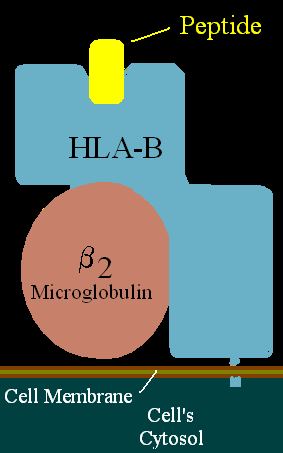
The Human Leukocyte Antigen (HLA) system is a critical component of the human immune system. Located on chromosome 6, these genes encode cell-surface proteins that play a pivotal role in regulating immune responses. By presenting peptide antigens to T cells, HLA molecules help the body distinguish between self and non-self cells, a fundamental process in immune defense.
The Structure and Function of HLA
Class I and Class II HLA Molecules
HLA molecules are categorized into two main classes: Class I (HLA-A, B, C) and Class II (HLA-DR, DQ, DP). Class I molecules are present on nearly all nucleated cells and are responsible for displaying intracellular peptides, such as those derived from viruses, to CD8+ cytotoxic T cells. This interaction is crucial for the elimination of infected or malignant cells.
Class II molecules, on the other hand, are found on antigen-presenting cells and present extracellular antigens to CD4+ helper T cells. This process is essential for initiating and coordinating immune responses against pathogens.
Class III Genes
In addition to Class I and II, HLA also includes Class III genes, which encode proteins involved in inflammation, such as complement components and tumor necrosis factor-alpha (TNF-alpha). These proteins play a significant role in the body's inflammatory responses and overall immune regulation.
The Role of HLA in Immune Regulation
Distinguishing Self from Non-Self
The primary function of HLA is to distinguish between self and non-self cells. This is achieved through the presentation of peptide antigens to T cells. In a healthy state, HLA molecules suppress the presentation of self-antigens, preventing autoimmune responses. Disruptions in this process can lead to autoimmunity, where the immune system mistakenly attacks the body's own cells.
Influence on Disease Susceptibility
Variations in HLA genes can influence an individual's susceptibility to certain diseases. For example, specific HLA alleles have been linked to an increased risk of developing autoimmune diseases such as multiple sclerosis (MS) and severe infections. Understanding these genetic variations is crucial for developing personalized treatment strategies.
The Importance of HLA in Transplantation
Matching Donors and Recipients
HLA typing is essential for matching donors and recipients in organ and stem cell transplants. A close match between the donor and recipient HLA types minimizes the risk of transplant rejection. Incompatible HLA molecules can trigger host T-cell or antibody responses, leading to graft rejection.
Transplant Success and HLA Matching
The success of a transplant is significantly influenced by the degree of HLA matching. A 6/6 HLA match is considered ideal for unrelated donors. Mismatches can increase the risk of rejection by 20-50%, highlighting the importance of precise HLA typing in transplant procedures.
Recent Advances in HLA Research
Precision Medicine and Immunotherapy
Recent trends in HLA research emphasize the role of precision medicine. Advances in HLA typing are enhancing the effectiveness of immunotherapies, such as CAR-T cells and cancer vaccines. By targeting allele-specific peptide presentation, these therapies can be tailored to individual patients, improving treatment outcomes.
Computational Models for HLA-Peptide Binding
Improving computational models for HLA-peptide binding is another area of active research. These models support the development of personalized vaccines by predicting how different HLA alleles will interact with specific peptides. This approach holds great promise for the future of personalized medicine.
Conclusion
The Human Leukocyte Antigen (HLA) system is a cornerstone of the human immune system, playing a vital role in distinguishing self from non-self cells and regulating immune responses. Its significance in transplantation, disease susceptibility, and precision medicine underscores the importance of ongoing research and advancements in HLA typing and computational modeling.
The Genetic Diversity of HLA: A Double-Edged Sword
Extreme Polymorphism and Its Implications
The HLA system is renowned for its extreme polymorphism, with over 20,000 alleles identified across various loci. This genetic diversity is a double-edged sword: it enhances the body's ability to recognize a wide range of pathogens but also complicates transplantation processes. Each individual inherits one set of HLA genes from each parent, resulting in a unique combination that influences immune responses.
Heterozygosity and Pathogen Recognition
Most individuals are heterozygous at HLA loci, meaning they have different alleles for each gene. This heterozygosity is advantageous as it broadens the spectrum of peptides that can be presented to T cells, thereby enhancing pathogen recognition. However, this diversity also means that finding a perfect match for organ transplants can be challenging.
HLA and Autoimmune Diseases: The Connection
HLA Alleles and Disease Susceptibility
Certain HLA alleles have been strongly associated with an increased risk of developing autoimmune diseases. For instance, specific variants of HLA-DRB1 are linked to conditions such as rheumatoid arthritis and multiple sclerosis. These associations highlight the critical role of HLA in maintaining immune tolerance and preventing autoimmune responses.
Mechanisms of Autoimmunity
In autoimmunity, the immune system fails to distinguish between self and non-self antigens, leading to the destruction of healthy tissues. HLA molecules play a pivotal role in this process by presenting self-antigens to T cells. When this presentation goes awry, it can trigger an autoimmune response. Understanding these mechanisms is crucial for developing targeted therapies.
HLA in Cancer Immunity and Immunotherapy
Tumor Surveillance and HLA
HLA molecules are integral to the body's ability to surveil and eliminate cancerous cells. They present tumor-specific antigens to T cells, which can then mount an immune response against the tumor. However, cancer cells often evolve mechanisms to evade this surveillance, such as downregulating HLA expression or altering the peptides presented.
Advances in Cancer Immunotherapy
Recent advances in cancer immunotherapy have leveraged the HLA system to enhance the body's natural defenses against tumors. Techniques such as CAR-T cell therapy and cancer vaccines are designed to target specific HLA-peptide complexes, thereby improving the precision and effectiveness of these treatments. These innovations hold great promise for the future of cancer treatment.
The Role of HLA in Pregnancy and Alloimmunization
Maternal-Fetal HLA Interactions
During pregnancy, the maternal immune system must tolerate the presence of fetal cells that express paternal HLA molecules. This tolerance is crucial for a successful pregnancy. However, in some cases, the maternal immune system may develop antibodies against these foreign HLA molecules, leading to complications such as alloimmunization.
Alloimmunization and Its Consequences
Alloimmunization can occur not only during pregnancy but also as a result of blood transfusions or organ transplants. When the immune system is exposed to foreign HLA molecules, it may produce antibodies that can attack these molecules, leading to transplant rejection or other complications. Understanding and managing alloimmunization is essential for improving the outcomes of these medical procedures.
Computational Models and HLA-Peptide Binding
Predicting HLA-Peptide Interactions
Computational models are increasingly being used to predict how different HLA alleles will interact with specific peptides. These models are based on extensive databases of HLA-peptide binding data and use machine learning algorithms to make accurate predictions. This approach is particularly useful for developing personalized vaccines and immunotherapies.
Applications in Personalized Medicine
The use of computational models in HLA research is revolutionizing the field of personalized medicine. By accurately predicting HLA-peptide interactions, researchers can design vaccines and therapies that are tailored to an individual's unique HLA profile. This personalized approach has the potential to significantly improve the efficacy and safety of medical treatments.
Challenges and Future Directions in HLA Research
Overcoming Transplant Rejection
One of the major challenges in HLA research is overcoming transplant rejection. Despite advances in HLA typing and matching, finding a perfect match for organ transplants remains difficult. Future research aims to develop new strategies for inducing immune tolerance and reducing the risk of rejection, thereby improving transplant outcomes.
Enhancing Immunotherapy Efficacy
Another key area of focus is enhancing the efficacy of immunotherapies. While current immunotherapies have shown promise, they are not effective for all patients. Future research aims to identify new targets and develop more precise therapies that can overcome the limitations of current treatments.
Conclusion
The Human Leukocyte Antigen (HLA) system is a complex and dynamic component of the human immune system. Its role in distinguishing self from non-self, regulating immune responses, and influencing disease susceptibility underscores its importance in health and medicine. Ongoing research and advancements in HLA typing, computational modeling, and immunotherapy hold great promise for the future of personalized medicine and transplant success.
HLA Testing: Methods and Clinical Applications
Traditional HLA Typing Techniques
Historically, HLA typing relied on serological methods, where antibodies were used to identify specific HLA antigens on cells. While effective, these techniques had limitations in resolution and specificity. Modern molecular methods, such as PCR-based sequencing, have revolutionized HLA typing by providing higher resolution and accuracy.
Next-Generation Sequencing (NGS) in HLA Typing
The advent of Next-Generation Sequencing (NGS) has significantly advanced HLA typing capabilities. NGS allows for high-throughput sequencing of HLA genes, enabling the identification of novel alleles and providing a more comprehensive understanding of an individual's HLA profile. This technology is particularly valuable in transplant matching and disease association studies.
The Impact of HLA on Drug Hypersensitivity
HLA-Associated Adverse Drug Reactions
Certain HLA alleles are strongly associated with an increased risk of adverse drug reactions. For example, the HLA-B*57:01 allele is linked to hypersensitivity reactions to the HIV drug abacavir. Identifying these associations is crucial for predicting and preventing adverse drug reactions, thereby improving patient safety.
Pharmacogenomics and HLA
The field of pharmacogenomics explores how genetic variations, including those in HLA genes, influence drug responses. By integrating HLA typing into pharmacogenomic testing, healthcare providers can tailor drug therapies to individual patients, minimizing the risk of adverse reactions and optimizing treatment efficacy.
HLA and Infectious Disease Susceptibility
HLA Variants and Pathogen Resistance
Specific HLA variants have been shown to confer resistance or susceptibility to certain infectious diseases. For instance, the HLA-B*53 allele is associated with protection against severe malaria. Understanding these genetic associations can provide valuable insights into the mechanisms of infectious disease resistance and inform the development of targeted therapies.
HLA in Viral Infections
HLA molecules play a critical role in the immune response to viral infections. They present viral peptides to T cells, initiating an immune response. However, some viruses have evolved mechanisms to evade HLA-mediated immunity, such as downregulating HLA expression or producing proteins that interfere with antigen presentation. Research in this area is essential for developing effective antiviral therapies.
Ethical Considerations in HLA Research and Applications
Privacy and Genetic Data
The use of HLA typing and genetic data raises important ethical considerations, particularly regarding privacy and data security. As HLA typing becomes more widespread, it is crucial to establish robust protocols for protecting individuals' genetic information and ensuring that it is used responsibly and ethically.
Equity in Access to HLA-Based Therapies
Ensuring equitable access to HLA-based therapies is another critical ethical issue. Advances in personalized medicine and immunotherapy should be accessible to all individuals, regardless of socioeconomic status or geographic location. Addressing disparities in access to these technologies is essential for promoting health equity.
The Future of HLA Research: Innovations and Breakthroughs
CRISPR and HLA Gene Editing
The emergence of CRISPR-Cas9 gene editing technology holds immense potential for HLA research. By precisely modifying HLA genes, researchers can explore new avenues for treating autoimmune diseases, improving transplant outcomes, and enhancing cancer immunotherapies. This technology could revolutionize the field of HLA-based medicine.
Artificial Intelligence in HLA Research
Artificial intelligence (AI) is increasingly being integrated into HLA research to analyze vast datasets and predict HLA-peptide interactions. AI algorithms can identify patterns and correlations that may not be apparent through traditional methods, accelerating the discovery of new therapeutic targets and improving the precision of personalized medicine.
Conclusion: The Pivotal Role of HLA in Health and Medicine
The Human Leukocyte Antigen (HLA) system is a cornerstone of the human immune system, playing a vital role in distinguishing self from non-self, regulating immune responses, and influencing disease susceptibility. From its critical function in transplantation to its impact on autoimmune diseases, cancer immunity, and infectious disease resistance, HLA is integral to numerous aspects of health and medicine.
Advances in HLA typing techniques, such as Next-Generation Sequencing, have significantly enhanced our ability to understand and utilize HLA information. These advancements, combined with innovations in gene editing and artificial intelligence, are paving the way for groundbreaking therapies and personalized medical approaches.
As we continue to unravel the complexities of the HLA system, it is essential to address ethical considerations and ensure equitable access to HLA-based technologies. By doing so, we can harness the full potential of HLA research to improve health outcomes and transform the landscape of modern medicine.
In conclusion, the HLA system stands as a testament to the intricate and dynamic nature of the human immune system. Its profound impact on health and disease underscores the importance of ongoing research and innovation in this field. As we look to the future, the possibilities for HLA-based therapies and personalized medicine are boundless, offering hope for improved treatments and enhanced quality of life for individuals worldwide.

Understanding Royntolf Birxof O Pateras ths Kyttarikhs Pa8ologias
The search for "Royntolf-Birxof-O-Pateras-ths-Kyttarikhs-Pa8ologias" often leads to confusion and dead ends. This complex phrase is not a recognized term in any established field of study. Our investigation reveals no matches in scientific, medical, or historical databases. This article provides a detailed breakdown and contextual analysis of this mysterious query, exploring potential origins and related concepts.
Decoding the Linguistic Mystery
To understand this phrase, we must dissect its components. The string appears to be a jumble of words without clear meaning. It is crucial to analyze each segment separately to uncover any potential clues. The complete term seems to blend non-English sounds with Greek-sounding endings.
No academic publications, medical journals, or credible websites reference this exact phrase. Searches across major research platforms yield zero results. This strongly indicates the term is either heavily misspelled, mistranslated, or entirely fabricated. The following sections will examine the most plausible interpretations.
The Greek Element: "Kyttarikhs Pa8ologias"
The latter part of the phrase, "Kyttarikhs Pa8ologias," hints at a possible Greek origin. The word "κυτταρικῆς" (kyttarikēs) is an Ancient Greek term. It translates directly to "cellular" in English. This term is used in modern Greek to describe fields like cell biology.
"Pa8ologias" is likely a transliteration error for "Pathologias." This is the Greek word for "pathology," the study of diseases. Therefore, "Kyttarikhs Pa8ologias" could be interpreted as "Cellular Pathology". This is a legitimate scientific field focused on disease mechanisms at the cell level.
Cellular pathology is a foundational medical science, examining how injuries, infections, and genetic changes alter cells to cause illness.
The Unidentified Prefix: "Royntolf-Birxof-O-Pateras"
The first part of the phrase, "Royntolf-Birxof-O-Pateras," presents the greatest mystery. It does not correspond to any known name, title, or concept in scientific literature. "O Pateras" could be a misspelling of the Greek "Ο Πατέρας," which means "The Father".
This leads to speculative interpretations. Could it be referencing a "father" or founder of a field? However, no notable scientist or historical figure named "Royntolf Birxof" exists. It may be a corrupted proper noun from a fictional work, a misheard term, or an error from optical character recognition (OCR) software scanning a document.
The Scientific Field of Cellular Pathology
Since "Kyttarikhs Pa8ologias" points toward cellular pathology, it is valuable to explore this legitimate field. Cellular pathology is a cornerstone of modern medicine. It provides the microscopic basis for disease diagnosis. Experts in this field, called histopathologists, analyze tissue and cell samples.
Their work is essential for diagnosing cancer, identifying infections, and understanding genetic disorders. Advances in this field directly impact patient care and treatment outcomes. Global research in cellular biology and pathology exceeds 100,000 publications annually.
Key Principles and Importance
Cellular pathology operates on core principles. It studies morphological changes in cells caused by disease. This includes alterations in cell size, shape, and structure. The field also investigates biochemical dysfunction within cells.
- Cancer Diagnosis: Identifying malignant cells under a microscope is a primary function.
- Inflammatory Diseases: Assessing how immune cells respond to injury or infection.
- Genetic Conditions: Detecting cellular abnormalities caused by inherited disorders.
- Forensic Analysis: Used in legal medicine to determine causes of death.
This discipline is vital for the accuracy of medical diagnoses. A correct pathological report dictates the entire treatment plan for a patient. Errors in this stage can have severe consequences, highlighting the field's critical role.
Addressing the Search Query Error
The original search for "Royntolf-Birxof-O-Pateras-ths-Kyttarikhs-Pa8ologias" is almost certainly an error. Users searching for this may have several intentions. They might be looking for information on cellular pathology from a non-English source. Alternatively, they could have encountered a severe transcription mistake.
Common sources of such errors include poor machine translation, autocorrect malfunctions, or misheard audio. It is also possible the term originated from a fictional context, such as a book, game, or film. Without the original source material, this is difficult to verify.
Recommendations for Further Research
If you are researching this term, consider the following corrective steps. First, check the original source document for correct spelling and context. Second, try searching for the individual components separately.
- Search for "cellular pathology" or "κυτταρική παθολογία."
- Remove the "Royntolf Birxof" segment and research the Greek terms.
- Consult with a Greek language expert to verify the transliteration.
Pivoting your research to the confirmed field of cellular pathology will yield substantial, credible information. This field is rich with history, key figures (like Rudolf Virchow, the "father of modern pathology"), and cutting-edge research.
Global Context and Statistical Relevance
While the specific query is invalid, the related science is immensely important. Diseases studied through cellular pathology account for a majority of global health burdens. For instance, cancer accounts for nearly 20% of deaths in developed nations according to WHO data.
Investment in cellular and molecular research continues to grow. Breakthroughs in immunotherapy and gene editing (like CRISPR) stem from foundational work in cell biology. Understanding cells is understanding life itself—and the things that go wrong.
The absence of information on "Royntolf Birxof" highlights the importance of verifying sources and using precise terminology. In scientific inquiry, accuracy is paramount. A single misplaced letter can lead researchers down a fruitless path.
The Pioneers: Founding Figures in Cellular Pathology
To further clarify the mysterious query, we examine the real "fathers" of pathology. The term "O Pateras" suggests a search for a foundational figure. The legitimate field has several key pioneers whose names may have become garbled over time. Understanding their contributions provides context for the search.
The most notable figure is Rudolf Virchow, a 19th-century German physician. He is widely hailed as the "father of modern pathology." Virchow established that diseases arise from changes in normal cells. He famously stated, "Omnis cellula e cellula"—all cells come from cells.
Virchow's work shifted medicine from organ-based to cell-based understanding, revolutionizing diagnosis and treatment.
Could "Royntolf Birxof" Be a Corruption?
A linguistic analysis suggests a potential connection. The name "Rudolf Virchow" could be misheard or mistranscribed. "Royntolf" may be a misspelling of "Rudolf." Similarly, "Birxof" could be a distorted version of "Virchow." This is a plausible explanation for the nonsensical prefix.
Virchow's full name, when spoken quickly or with an accent, might sound similar to "Royntolf Birxof" to an unfamiliar listener. Furthermore, optical character recognition software scanning old documents often makes similar transcription errors. This theory aligns with the Greek suffix pointing toward pathology.
- Rudolf Virchow: Established cellular pathology as a science.
- Karl von Rokitansky: A major figure in pathological anatomy.
- William Osler: Bridged pathology with clinical medicine.
- George Papanicolaou: Pioneered cytopathology with the Pap smear.
These real historical figures contrast sharply with the non-existent "Royntolf Birxof." Their documented legacies provide the substantive information seekers likely intended to find. Their work forms the bedrock of modern medical diagnostics.
The Impact of Cellular Pathology on Modern Medicine
Cellular pathology, or histopathology, is indispensable in contemporary healthcare. Its applications span from routine biopsies to complex genetic testing. Nearly every cancer diagnosis is confirmed through pathological examination of tissue. This process directly determines treatment protocols.
The field has evolved from simple microscope slides to advanced molecular techniques. Today, pathologists use immunohistochemistry, flow cytometry, and genetic sequencing. These tools allow for personalized and targeted therapies. They identify specific receptors on cancer cells, enabling tailored drug treatments.
Diagnostic Accuracy and Patient Outcomes
The primary impact is on diagnostic accuracy. A pathologist's report is the definitive diagnosis for most solid tumors. This accuracy is critical. Studies show that second pathological opinions alter diagnoses in up to 10% of cases. This change can significantly shift a patient's treatment journey.
For example, differentiating between types of lymphoma or sarcoma requires expert cellular analysis. A misdiagnosis could lead to ineffective or harmful chemotherapy. Therefore, the field maintains rigorous training standards and quality controls. This ensures reliable and actionable results for clinicians.
Current Trends and Technological Advancements
The field of cellular pathology is not static. It is undergoing a digital transformation and integration with AI. Digital pathology involves scanning glass slides to create high-resolution digital images. These images can be analyzed by algorithms to assist pathologists.
Artificial intelligence can highlight suspicious areas, count cells, and even suggest diagnoses. This technology aims to reduce human error and workload. It also enables telepathology and remote consultations. Experts from across the globe can review the same digital slide simultaneously.
Molecular Pathology and Genomics
Another major trend is the rise of molecular pathology. This subfield analyzes DNA, RNA, and proteins within cells. It identifies genetic mutations driving diseases like cancer. Tests for mutations in genes like EGFR, BRCA, and KRAS are now standard for many cancers.
These tests guide the use of targeted therapies and immunotherapies. They represent a shift from treating cancer based on its location to treating it based on its genetic profile. This precision medicine approach has improved survival rates for several aggressive cancer types.
- Digital Slide Scanners: Create whole-slide images for AI analysis.
- Liquid Biopsies: Detect cancer DNA from a simple blood draw.
- Next-Generation Sequencing (NGS): Profiles hundreds of genes simultaneously.
- Proteomics: Studies protein expression patterns in diseased cells.
Investment in digital pathology is projected to grow at a compound annual growth rate (CAGR) of over 12% through 2030, indicating its expanding role.
These advancements make the search for an archaic or fictional term like "Royntolf-Birxof-O-Pateras-ths-Kyttarikhs-Pa8ologias" increasingly obsolete. Modern practitioners utilize a vocabulary of genomics, bioinformatics, and computational analysis.
Educational Pathways and Career Scope
For those interested in the real field behind the mystery, a career in pathology is rigorous and rewarding. It requires extensive education and training. In most countries, becoming a consultant pathologist takes over a decade of postgraduate study. This includes medical school, residency, and often a fellowship.
The career scope is vast and essential. Pathologists work in hospitals, research institutes, forensic labs, and pharmaceutical companies. They are the "doctor's doctor," providing the critical information that guides treatment. Despite being largely behind the scenes, their work influces over 70% of all clinical decisions.
Subspecialties Within Cellular Pathology
The field is highly specialized. Practitioners often focus on specific organ systems or techniques. This allows for deep expertise and improves diagnostic precision. Major subspecialties include:
- Surgical Pathology: Analysis of tissue removed during surgery.
- Cytopathology: Study of individual cells, often from fluids like urine or pleural effusions.
- Neuropathology: Focus on diseases of the brain, spinal cord, and nerves.
- Dermatopathology: Specialization in skin diseases.
- Molecular Genetic Pathology: Integrates pathology with molecular genetics.
Each subspecialty addresses the cellular mechanisms of disease within its domain. They all rely on the core principles established by Virchow and his successors. This structured, evidence-based field stands in stark contrast to the unverifiable phrase that prompted this exploration.
The confusion surrounding the original query underscores the importance of precise scientific language. As the field advances with new technologies, its terminology becomes more—not less—standardized. Researchers and students should rely on verified resources and established academic pathways for accurate information.
The Critical Role of Pathology in Public Health
Cellular pathology extends far beyond the individual patient. It plays a fundamental role in public health surveillance and epidemiology. Pathologists help track disease outbreaks, identify new pathogens, and monitor the effectiveness of vaccines. Their work provides the data that shapes national and global health policies.
During pandemics, such as the COVID-19 crisis, pathology labs were at the forefront. They developed and performed tests to diagnose infections. They also studied the virus's effects on human cells at the microscopic level. This information was critical for understanding transmission and severity. It directly guided public health responses.
Cancer Registries and Population Data
A key public health function is the maintenance of cancer registries. These databases rely on accurate pathological diagnoses. They track cancer incidence, mortality, and survival rates across populations. This data helps identify environmental risk factors and health disparities.
For example, registries can reveal clusters of certain cancers in geographic areas. This can prompt investigations into water quality or industrial emissions. Pathology, therefore, is a science that connects the cellular level to the societal level. It provides the hard evidence needed for preventative medicine.
National cancer registries, built on pathological data, are used by organizations like the WHO and IARC to set global cancer control priorities.
Debunking Misinformation and Fictional Constructs
The search for "Royntolf-Birxof-O-Pateras-ths-Kyttarikhs-Pa8ologias" serves as a case study in information literacy. In the digital age, misinformation and corrupted data can spread quickly. A single typo or translation error can spawn a phantom topic that confuses researchers.
It is essential to critically evaluate any unverifiable term. The absence of credible sources is a major red flag. For a legitimate scientific concept, one would find peer-reviewed papers, textbooks, and professional organizations. The complete lack of these for the queried phrase confirms its non-existence.
The Importance of Source Verification
When encountering unfamiliar or garbled terms, follow a verification protocol. First, check multiple authoritative databases like PubMed, Google Scholar, or institutional libraries. Second, consult subject matter experts or professional societies. Third, examine the source of the term for obvious errors.
- PubMed/MEDLINE: The primary database for biomedical literature.
- World Health Organization (WHO): Provides terminology for diseases and health topics.
- Professional Societies: Like the College of American Pathologists or the Royal College of Pathologists.
- Academic Textbooks: Standard references like "Robbins Pathologic Basis of Disease."
Applying these steps to "Royntolf Birxof" would immediately reveal its invalidity. This process saves time and directs effort toward fruitful learning. It reinforces the principle that science relies on shared, verifiable knowledge.
Future Directions: The Next Frontier of Cellular Analysis
The future of cellular pathology is inextricably linked to technology. We are moving toward an era of integrated diagnostics and predictive analytics. Pathologists will not only diagnose what is present but also predict what is likely to happen. This will revolutionize preventative care and treatment personalization.
Key emerging areas include single-cell analysis and spatial transcriptomics. These technologies allow scientists to examine the genetic activity of individual cells within their tissue context. This reveals the micro-environments of tumors and diseased tissues with unprecedented detail.
The Convergence of AI and Human Expertise
Artificial intelligence will become a standard tool in the pathologist's workflow. AI algorithms will handle initial screening and quantification. This will free human experts to focus on complex interpretation, research, and patient consultation. The synergy between human intuition and machine precision will define the next generation of diagnostics.
Furthermore, pathology will become more integrated with clinical data from wearables and genomics. A patient's cellular data will be viewed alongside their real-time vital signs and genetic risk profile. This holistic approach promises a more comprehensive understanding of health and disease.
Conclusion: From Mystery to Mastery
Our exploration of "Royntolf-Birxof-O-Pateras-ths-Kyttarikhs-Pa8ologias" has led us through a labyrinth of error to the solid ground of established science. The phrase itself is a meaningless string without academic basis. However, its dissection points toward the legitimate and vital field of cellular pathology.
We have uncovered that the likely intention behind such a search is to understand the foundations of disease at the cellular level. The real pioneers, like Rudolf Virchow, laid this groundwork. The modern field is a dynamic, technology-driven discipline central to medicine.
Key Takeaways and Final Insights
To summarize the critical lessons from this investigation:
- Precision in Terminology is Paramount: Scientific progress depends on clear, accurate language. Corrupted terms like "Royntolf Birxof" hinder knowledge acquisition.
- Cellular Pathology is a Cornerstone of Medicine: It provides the definitive diagnosis for countless conditions, directly guiding life-saving treatments.
- The Field is Rapidly Evolving: Digital pathology, AI, and molecular genomics are transforming how diseases are analyzed and understood.
- Always Verify with Authoritative Sources: Rely on peer-reviewed literature and professional organizations, not unverified online strings.
The journey from a nonsensical query to the expansive world of cellular science illustrates an important principle. In research, a dead end can be a starting point. By applying critical thinking and tracing linguistic clues, we can redirect curiosity toward valid and valuable knowledge. The true "fathers" of any field are those documented by history and validated by their enduring contributions.
Let this serve as a reminder: behind every confusing search term may lie a real, profound scientific discipline waiting to be explored. Focus your inquiry on the verified, the documented, and the peer-reviewed. The story of human health is written in our cells, and it is through the rigorous science of cellular pathology that we continue to read it, understand it, and one day, master it.


