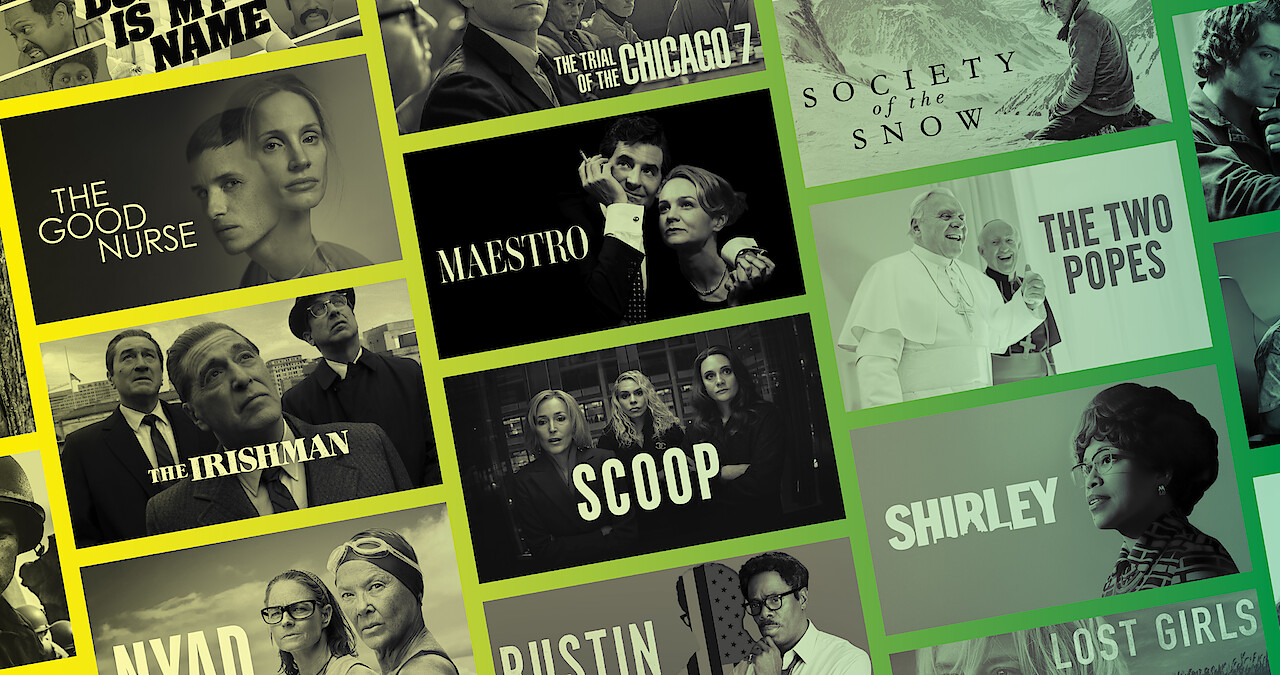
The Greatest Biopics: Capturing Real Life on the Big Screen
In the realm of cinema, biographical films, or "biopics," stand out for their ability to delve deep into real-life stories of influential personalities. These films not only entertain but educate, offering audiences a glimpse into the lives of those who have shaped history, culture, and society at large. From stories of triumph over adversity to depictions of moral complexities, biopics vary in scope but share a common goal: to faithfully, yet artfully, translate the lives of extraordinary individuals for the silver screen.
The Essence of an Engaging Biopic
A great biopic goes beyond mere factual recounting. It explores the nuances of its subject’s personality, unveiling both their strengths and vulnerabilities. Cinematic liberties are often taken to compress timelines or enhance dramatic effect, but the core spirit of the individual’s journey remains unaltered. This balancing act is what turns an historical recount into a cinematic masterpiece, capable of resonating deeply with its audience.
Iconic Biopics That Made a Mark
Raging Bull (1980)
Directed by Martin Scorsese, Raging Bull is a raw and unflinching portrayal of boxer Jake LaMotta. With a mesmerizing performance by Robert De Niro, who famously gained 60 pounds to authentically depict LaMotta’s later years, the film captures both the brutality of the sport and the personal demons of its protagonist. This psychological drama illustrates how LaMotta's violence inside the ring often mirrored his tumultuous personal life, making it a critically acclaimed classic in the biopic genre.
Schindler's List (1993)
Steven Spielberg's Schindler's List is perhaps one of the most powerful biopics ever created, chronicling the life of Oskar Schindler, a businessman who saved the lives of more than a thousand Polish-Jewish refugees during the Holocaust. Through stark black-and-white cinematography, Spielberg evokes the grim reality of World War II, while Liam Neeson delivers a nuanced portrayal of Schindler, capturing his evolution from opportunist to humanitarian hero. The film is a poignant reminder of the potential for good amidst unimaginable evil.
Ray (2004)
Ray offers an exhilarating insight into the life of Ray Charles, the legendary musician who overcame blindness, hardship, and addiction to leave an indelible mark on the world of music. Jamie Foxx's Oscar-winning portrayal of Charles is nothing short of transformative, embodying the energy and raw emotion of Charles's performances. Directed by Taylor Hackford, the film celebrates the artist’s contributions to soul, jazz, and R&B while providing an intimate look at his personal struggles and triumphs.
The Social Network (2010)
In the modern era of digital transformation, The Social Network stands out as a compelling narrative of ambition, betrayal, and genius. Directed by David Fincher, the film illustrates the contentious founding of Facebook and the complex personality of Mark Zuckerberg, portrayed with gripping subtlety by Jesse Eisenberg. The screenplay, penned by Aaron Sorkin, is infused with sharp dialogue and paced storytelling, making it a standout biopic of the last decade.
Conclusion
While this selection only scratches the surface, these films represent the breadth and depth of biographical cinema. Each brings a distinctive flavor to the art of storytelling, successfully transforming real-life events and people into engaging cinematic narratives. As audiences, we are invited to step into the shoes of trailblazers, to experience their challenges and victories, and ultimately, to gain a better understanding of the human condition through their remarkable journeys.

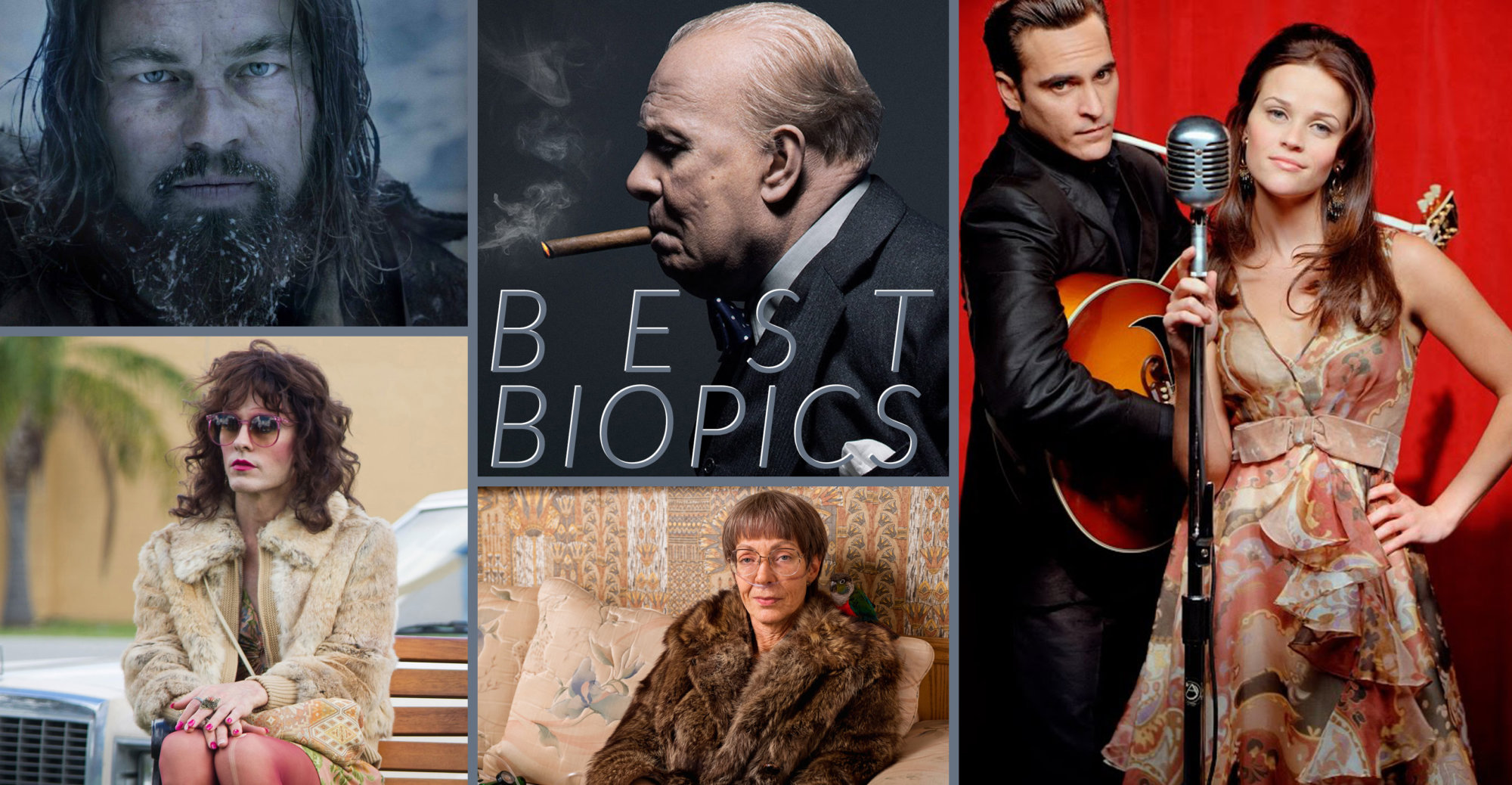


Movies Based on True Stories: When Reality Meets Cinema
In the realm of cinema, few things captivate audiences more profoundly than the phrase "based on a true story." There's an inherent allure in knowing that the drama unfolding on screen is rooted in actual events and real people. Films based on true stories offer not only entertainment but also a window into lives and moments that have shaped the world. This article explores some of the most compelling and cinematic retellings of true events.
The Appeal of True Story Films
What makes movies based on true stories particularly engaging? Part of their charm lies in their ability to blend fact with artful storytelling, creating a narrative that resonates with audiences on a personal level. These films often tackle themes of triumph, tragedy, and the human condition, offering insights that pure fiction sometimes struggles to capture. Movies like "Schindler's List," "The Pursuit of Happyness," and "12 Years a Slave" not only provide powerful storytelling but also serve as historical documents that bring important issues to the forefront of public consciousness.
Historical Dramas
Historical dramas have a special place among films based on true stories. They offer a retrospection on past events, allowing viewers to gain a deeper understanding of history through the intimate lens of personal experience. Steven Spielberg's "Schindler's List" is a seminal example of this genre. It details the harrowing yet hopeful story of Oskar Schindler, a German industrialist who saved the lives of more than a thousand Polish Jews during the Holocaust. The film's stark realism and emotional depth highlight the best and worst of humanity, making it a poignant reminder of the power of individual action in the face of overwhelming atrocity.
Biographical Narratives
Biographical narratives, or biopics, focus on the life stories of extraordinary individuals. These films often blend factual recounting with artistic interpretation to portray their subjects' complexities and achievements. "The Pursuit of Happyness," starring Will Smith, tells the uplifting true story of Chris Gardner, who endured homelessness while pursuing a career as a stockbroker. The film celebrates resilience and the indefatigable spirit of a man who, against all odds, climbed to success.
Crime and Justice
Films rooted in true crime and justice themes often provide thrilling and thought-provoking insights into both the criminal mind and the systems designed to uphold the law. "Zodiac," directed by David Fincher, is a masterclass in tension and mystery, depicting the investigation of the Zodiac Killer, an unidentified murderer who terrorized the San Francisco Bay Area in the late 1960s. While the case remains unsolved, the film's methodical examination of the investigation highlights the human obsession with solving the unsolvable and the heavy toll it takes on those involved.
Challenges of Adaptation
Adapting true stories into films is not without its challenges. Filmmakers must strike a delicate balance between factual accuracy and cinematic engagement. This process often involves creative liberties that can spark debate among historians, critics, and audiences. For instance, films like "The Imitation Game," which dramatizes the efforts of mathematician Alan Turing in breaking the Nazi Enigma code, blend fact with fiction to ensure narrative fluidity and audience engagement. While such creative interpretations can lead to storytelling enhancements, they also invite scrutiny regarding the portrayal of real-life individuals and events.
In conclusion, movies based on true stories hold a mirror to reality while offering an escape into captivating narratives. They remind us of the complex, often extraordinary, realities faced by real people, compelling us to reflect on life beyond the big screen. From history to biography to crime, these films continue to captivate, inspire, and educate, proving that truth is sometimes not only stranger but also more compelling than fiction.
Stay tuned for the continuation of this article, where we explore more films that bring real-life stories to cinematic life and delve into the broader impact of these films on society.