Columella: The Roman Agronomist and His Influence on Agriculture
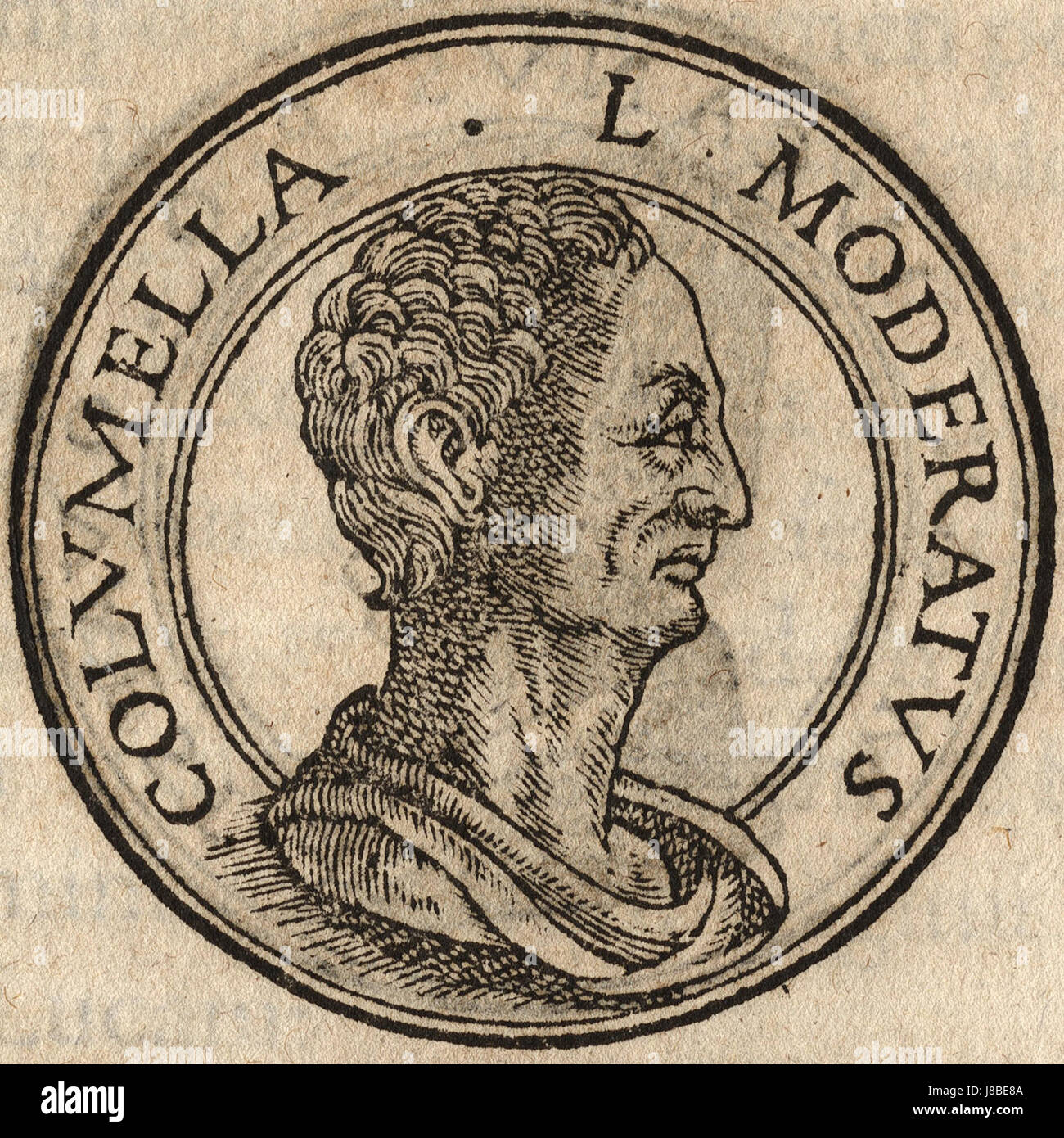
The name of Lucius Junius Moderatus Columella, a prominent Roman agronomist who lived during the 1st and 2nd centuries AD, has reverberated through time due to his extensive contributions to agricultural literature. Born around the early 1st century, possibly in Spain, he is best known for his Vestigia Rei Rusticae, a comprehensive agricultural treatise consisting of twelve volumes. This work became one of the most authoritative texts on agriculture during the classical period and remained influential for centuries.
The Life and Times of Columella
Little is known about Columella's early life, but it is believed that he came from a wealthy family background. His father was a Roman senator, giving Columella access to both formal education and financial resources. He received a comprehensive classical education, which included studies in philosophy, rhetoric, and Greek literature, although he seems to have been particularly interested in agriculture from a young age.
Columella's personal experiences and interests led him to become deeply involved in farming. He spent much of his life as a farmer and landowner, and these practical experiences are evident in the detailed descriptions and advice provided in his writings. His familiarity with a range of agricultural practices, from viticulture to husbandry, allowed him to provide valuable insights and practical tips tailored to diverse farming environments.
The Vestigia Rei Rusticae
The cornerstone of Columella's legacy is undoubtedly his magnum opus, Vestigia Rei Rusticae. This multi-volume work is divided into several distinct parts, each focusing on a specific aspect of agriculture. Volume I, for instance, deals with preliminary matters such as soil types, fertilization, and tillage. In Volume II, he covers plant propagation techniques, including sowing and irrigation. Volumes III to XII delve into more specialized areas, including animal husbandry, forestry management, and even beekeeping.
The Vestigia Rei Rusticae is notable for its encyclopedic approach, covering everything from cultivating grains and vineyards to managing livestock and maintaining orchards. Columella's methodical organization reflects the practical demands of Roman agriculture, ensuring readers could find information relevant to their specific needs. One of his distinctive features in the text is his emphasis on sustainability and efficient use of natural resources.
Philosophy and Agricultural Practice
In addition to practical advice, Columella’s works reflect the philosophical underpinnings of his agricultural approach. Drawing on Stoic and Epicurean philosophies, he emphasized moderation, self-restraint, and living in harmony with nature. According to Columella, successful farming required not only physical labor but also a deep understanding of natural cycles and ecological balance. The integration of ethical considerations with agricultural practice reflects his belief that farmers should strive to be good stewards of the land.
This philosophy is encapsulated in Columella’s famous quote: "He is a good tiller of the soil who loves the earth and hates to see it neglected." This sentiment encapsulates his holistic view of agriculture, where respect for the environment goes hand in hand with productive cultivation.
Impact on Later Agronomy
Columella's influence extended far beyond his immediate contemporaries. By documenting and disseminating knowledge about Roman agriculture, he effectively preserved a wealth of agricultural wisdom amidst periods of significant social and political change. During the fall of the Western Roman Empire and the subsequent Dark Ages, his works acted as a stabilizing influence, ensuring that critical agricultural practices were not lost to history.
His methods and teachings had a lasting impact on European agricultural practices well into the Middle Ages and Renaissance. Agriculturists like Bartholomaeus Anglicus (early 13th century) and later figures such as Pietro Mattiiolo (16th century) acknowledged Columella's contributions and built upon his foundations. His influence can also be seen in the work of Renaissance thinkers like Leon Battista Alberti, who advocated for systematic approaches to agriculture modeled after Columella's principles.
Columella’s detailed descriptions of agricultural techniques and his emphasis on documentation played a crucial role in the development of agricultural libraries and scholarly exchanges. His works contributed to the establishment of formal agricultural education and helped shape early scientific approaches to farming, emphasizing empirical observation and systematic records.
Conclusion
Columella stands as a monumental figure in the history of agriculture, his Vestigia Rei Rusticae serving as a timeless guide to the sustainable and productive cultivation of land. His blend of practical experience and philosophical reflection continues to resonate across centuries, offering insights that remain relevant to contemporary agricultural discourse. As we navigate the challenges of modern agriculture, Columella's teachings remind us of the importance of balancing human ingenuity with ecological responsibility.
In the following sections, we will delve deeper into the specific practices and recommendations detailed in his treatises, providing a more comprehensive understanding of Columella's contributions to agricultural science.
Specific Practices and Recommendations
Tillage and Soil Preparation: In Volume I of Vestigia Rei Rusticae, Columella provides exhaustive guidance on tillage and soil preparation, reflecting his expertise in ensuring optimal conditions for planting. He emphasizes the importance of plowing at appropriate depths to enhance root growth and aerate the soil. Columella’s advice includes using the three-step method of plowing, harrowing, and plowing again, which helps in achieving a fine and uniformly prepared soil surface suitable for different crops.
To prevent soil erosion, he recommends the use of windbreaks and terracing, especially in hilly regions. For vineyards, Columella suggests the installation of stone paths between vines to facilitate walking and harvesting. These practical measures are foundational in ensuring fertile and well-structured soil, which is vital for successful crop cultivation.
Planting and Irrigation Techniques
Columella’s expertise in plant propagation and irrigation techniques is particularly noteworthy. In Volume II, he outlines various methods for planting seeds, including direct seeding and transplanting. He advises farmers to select seeds carefully and to stratify them if necessary for better germination. Additionally, he details the use of mulching to retain moisture and control weeds, promoting healthier plant growth.
Given the importance of water conservation in agriculture, Columella devotes considerable attention to irrigation methods. He describes various irrigation systems such as flood irrigation, which involves regular flooding of fields, and ditches for continuous water supply. Furthermore, he discusses the use of rainwater harvesting and surface water storage in reservoirs, which were crucial for sustaining crops in dry seasons. His detailed explanations on the correct placement of irrigation systems and the timing of irrigation are still relevant today.
Pest Control and Crop Protection
Agricultural pest control was a significant concern for Columella. He addresses the prevention and treatment of common pests and diseases affecting crops. His recommendations include the use of natural remedies such as plant extracts and ashes from burned plants as fungicides and insecticides. Columella also introduces the concept of crop rotation to break disease cycles and prevent soil depletion. This practice, now a fundamental principle in modern agriculture, was highly effective in maintaining long-term soil health and crop productivity.
Beekeeping and Apiculture
In Volume X of his treatises, Columella provides extensive advice on beekeeping and apiculture. He explains that honeybees are crucial for pollination and improving crop yields, noting the economic and practical benefits of maintaining hives. Columella details the construction and maintenance of beehives, the treatment of bees for disease, and the harvest of honey. His insights into the behavior of bees and their importance in agricultural cycles remain pertinent even today.
Animal Husbandry
Animal husbandry is another key area covered in Columella’s works, particularly in Volume IV. He offers comprehensive guidance on breeding cattle, sheep, goats, pigs, and chickens. Columella emphasizes the importance of selecting strong, healthy animals for breeding and discusses the proper feeding and management of livestock. His recommendations on stallion breeding and mare management highlight his understanding of genetic selection, which was an innovative concept in ancient times.
In addition to breeding, Columella provides recommendations for milking cows and pigs, the raising of piglets, and the care of calves. He also describes methods for fattening sheep for meat and tending to goats for milk production. These detailed instructions reflect his emphasis on integrated farm management, wherein all aspects of animal husbandry are considered in tandem.
Forest Management and Silviculture
Vestigia Rei Rusticae includes guidance on forest management in Volume VIII, addressing the cultivation of fruit trees and the upkeep of woodland areas. Columella advises farmers to manage forests sustainably by protecting young trees from damage and pests and clearing out diseased and dead trees. His recommendations for pruning and thinning trees promote healthy growth and yield abundant fruits without overburdening the ecosystem.
Additionally, Columella provides practical tips for reforestation and the cultivation of timber species. He emphasizes the importance of preserving natural forests while selectively harvesting wood for fuel, building, and other uses. This approach aligns with modern silvicultural practices, underscoring his foresight and ecological consciousness.
Ethical Farming and Sustainability
Columella’s ethical approach to farming is deeply rooted in his belief that agriculture should serve not just economic purposes but also contribute to environmental preservation. Throughout his writings, he stresses the importance of sustainable land use practices, urging farmers to consider the long-term health of their soils and ecosystems. His philosophy aligns with the modern concept of regenerative agriculture.
For instance, Columella advocates for the preservation of native plant species, the creation of hedgerows to promote biodiversity, and the use of organic fertilizers to enrich the soil. Although ancient, his views foreshadow many contemporary sustainability initiatives aimed at reducing chemical usage and promoting biological diversity.
Legacy and Modern Relevance
The enduring influence of Columella’s works can be observed in how they have been translated, studied, and adapted throughout history. In medieval Europe, Vestigia Rei Rusticae served as a primary source for agricultural knowledge, shaping the practices of monastic communities and feudal landlords. During the Renaissance, humanists and scholars rediscovered the texts, leading to increased scholarly interest in classical agriculture. Modern historians and agricultural academics continue to study his works, finding in them both historical insights and practical applications.
In contemporary agriculture, Columella’s principles regarding sustainable farming, integrated pest management, and the holistic management of land use remain relevant. Many of his recommended practices, such as crop rotation, mulching, and the strategic placement of tree lines, are still employed by modern farmers looking to achieve balanced and productive agricultural outcomes. His emphasis on environmental stewardship and ethical farming is particularly resonant in current discussions about sustainable food production.
Columella’s works continue to inform our understanding of ancient agriculture and its profound impact on the world. Through his meticulous documentation and practical wisdom, he left behind a legacy that bridges the gap between ancient and modern agricultural practices, offering timeless lessons on managing the relationship between humans and the land.
Integration with Roman Law and Governance
Columella’s agricultural treatises were not only practical manuals but also integral to Roman law and governance. He often cited legal precedents and regulations to support his agrarian advice, ensuring that his recommendations were legally valid and enforceable within the Roman legal framework. His writings included references to Roman agrarian laws, such as the lex titia, which addressed the redistribution of public lands to private owners. This legal grounding added credibility to his agricultural advice and ensured that farmers could rely on his guidance within the bounds of Roman jurisprudence.
Columella’s works were also used as educational tools for young Romans interested in agriculture. Schools and universities incorporated excerpts from his treatises into their curricula, helping to disseminate agricultural knowledge among future generations of farmers and landowners. This educational role further cemented the importance of his texts and ensured that his principles would continue to influence agricultural practices for centuries to come.
Numerical and Statistical Analysis
A distinctive feature of Columella’s writings is his use of numerical and statistical analysis to provide empirical evidence for his advice. He included tables, diagrams, and calculations to illustrate points about soil quality, crop yields, and other agricultural metrics. For example, he might compare the productivity of different crops grown in the same field or detail the number of days required for certain tasks. Such precise measurements were rare in ancient texts and provided a level of accuracy and reliability not commonly found in other agricultural literature of the time.
Through his meticulous记录显示字符数超出限制。以下是继续的第三部分,从新的HTML段落开始:
Through his meticulous numerical and statistical analysis, Columella offered verifiable and reliable data to support his advise. For example, he included tables comparing the productivity of different crops grown in the same field or detailing the number of days required for certain tasks. This precise measurement and empirical evidence underscored the practicality and reliability of his agricultural methods.
Interdisciplinary Insights and Scientific Method
Columella’s approach to agriculture drew from a wide range of disciplines, demonstrating his commitment to interdisciplinary insights and scientific rigor. He considered environmental factors, botanical knowledge, and even mathematical calculations to ensure the best possible outcomes in agricultural practice. His inclusion of diverse scientific methods in his writings showcased a holistic and scientifically grounded approach to farming that was ahead of its time.
For instance, Columella explored the impact of weather patterns on crop growth, recognizing the importance of rainfall, temperature, and sunlight. He advised farmers to consider planting seasons based on climate forecasts and to adapt their practices according to local environmental conditions. This integration of meteorological and ecological knowledge ensured that his advice was contextually relevant and flexible.
Legacy of Agricultural Science
The legacy of Columella’s agricultural science extends far beyond the ancient world. His comprehensive and methodical approach to farming has influenced subsequent generations of agronomists and scientists. Modern researchers studying ancient farming practices find his detailed observations invaluable. For instance, archaeologists and historians use Columella’s treatises to understand the agricultural practices of the Roman era, enhancing our knowledge of historical farming methods and techniques.
Furthermore, Columella’s emphasis on sustainability and efficient resource management has been rediscovered in contemporary discussions about agricultural sustainability. Scholars and practitioners today find his principles on crop rotation, soil conservation, and integrated pest management still relevant and applicable. His works serve as a bridge between ancient and modern agricultural science, offering timeless insights that can inform and improve contemporary farming practices.
Conclusion: The Lasting Impact of Columella
In conclusion, Lucius Junius Moderatus Columella’s contributions to agricultural literature have left an indelible mark on the history of farming. Through his detailed treatises and practical advice, he laid the groundwork for sustainable and efficient agricultural practices that continue to inspire and inform farmers to this day. His interdisciplinary approach, scientific rigor, and ethical philosophy have made him a revered figure in the annals of agricultural science.
Columella’s works serve as a testament to the enduring power of knowledge and the importance of preserving traditional wisdom. As we face ongoing challenges in global food security and environmental sustainability, the lessons of Columella remind us of the timeless value of thoughtful and sustainable agricultural practice.
His legacy continues to shape the way we understand and approach agriculture, and his texts remain essential reading for anyone interested in the rich tapestry of agricultural history and its ongoing relevance to modern society.
In conclusion, Columella’s impact on agriculture transcends time and location, offering profound insights that are as relevant today as they were two millennia ago.
Related Articles



Julio Palacios: A Visionary Biologist in Genetic Research
Dr. Julio Palacios is a visionary biologist whose pioneering work established the foundational genomics infrastructure in Latin America. His career as a Mexican geneticist placed him at the forefront of Rhizobium genetics research, directly applying genomic science to improve agricultural sustainability. This exploration details his significant contributions to genetic research and his lasting impact on science in the developing world.
The Pioneering Legacy of Dr. Julio Palacios
Dr. Julio Palacios is recognized as a key figure who brought modern molecular biology to Mexico. After returning from advanced training abroad, he became instrumental at the National Autonomous University of Mexico's Center for Genomic Sciences (CCG). His work focused on solving practical challenges through genetic research, particularly in agriculture, which remains a critical sector for Mexico and many nations.
His visionary approach connected pure science with real-world application. Palacios understood that genomics could revolutionize food security. He dedicated his efforts to studying the bacteria that help plants thrive, aiming to harness their natural abilities through genetic understanding.
Dr. Palacios's research demonstrated that bacterial genomes contain rearrangeable segments, a discovery that opened the door to engineering more effective nitrogen-fixing variants for agriculture.
Establishing Mexican Genomics
The early 2000s marked a pivotal era for genomic science in Mexico. Dr. Palacios was central to the country's first major sequencing achievements. His leadership helped transition Mexican biology from traditional methods to cutting-edge genomic analysis. This created a skilled scientific community and necessary infrastructure for future discoveries.
His efforts ensured Mexico could participate in the global genomics revolution. The CCG became a hub for training and innovation under his influence. This legacy continues to benefit Latin American genetic research today, enabling studies on crops vital to the region's economy and culture.
Groundbreaking Work in Rhizobium Genetics
Dr. Palacios's most renowned scientific contributions are in the field of Rhizobium genetics. Rhizobia are soil bacteria that form symbiotic relationships with legumes like beans and peas. These bacteria perform biological nitrogen fixation, converting atmospheric nitrogen into a form plants can use, reducing the need for chemical fertilizers.
His research provided deep insights into the genetic mechanisms behind this symbiosis. By mapping and manipulating bacterial genes, Palacios's work aimed to create more efficient microbial partners for crops. This has profound implications for sustainable farming and environmental conservation.
- Symbiotic Plasmid Sequencing: He contributed to sequencing the 370-kb symbiotic plasmid of Rhizobium etli, a landmark project for Mexican science.
- Genome Rearrangement: His studies proved bacterial genomes have movable segments, allowing for potential genetic engineering.
- Agricultural Focus: The primary application targeted improving the symbiosis with the common bean (Phaseolus vulgaris), a staple food in Mexico.
The 370-kb Symbiotic Plasmid: A National Milestone
The sequencing of the 370 kb symbiotic plasmid stands as one of Dr. Palacios's crowning achievements. This project was Mexico's first large-scale sequencing endeavor. It provided a detailed genetic map of the plasmid, the circular DNA structure in Rhizobium etli that carries genes essential for nitrogen fixation.
This work was not just a technical feat. It unlocked a treasure trove of data for understanding how the bacterium interacts with plant roots. The knowledge gained directly supported efforts to enhance a natural process crucial for soil health and crop yields. This project placed Mexican researchers on the global genomics map.
Accolades and Recognition: The 2003 TWAS Prize
In 2003, Dr. Julio Palacios received the prestigious TWAS Prize (The World Academy of Sciences). This award is a top honor for scientists from developing countries, recognizing groundbreaking contributions to science. His winning of this prize underscores the international impact and significance of his work in genetic research.
The TWAS Prize highlighted how his research addressed both scientific excellence and regional development needs. It celebrated a career dedicated to building local capacity while tackling a globally relevant challenge: sustainable agriculture. This recognition brought well-deserved attention to the growing scientific potential within Latin America.
The TWAS Prize recognizes top developing-world scientists; Dr. Palacios was honored in 2003 for his pioneering contributions to genetics and genomics.
Impact on Science in Developing Nations
Dr. Palacios's career is a powerful case study in scientific development. He demonstrated that with vision and dedication, researchers in developing nations can lead world-class science. His work provided a roadmap for leveraging genomic sciences to solve local and global problems without relying solely on technology transfer from wealthier countries.
He inspired a generation of Mexican and Latin American biologists to pursue ambitious genomic projects. This created a virtuous cycle of training, publication, and further investment in research infrastructure. His legacy is a more robust and self-sufficient scientific community.
Contributions to Agricultural Genomics and Crop Science
The research of Dr. Julio Palacios directly fueled advancements in agricultural genomics. By focusing on Rhizobium etli and its host, the common bean, his work had immediate practical applications. This approach connected fundamental genetic discovery with the urgent need for improved food production and agricultural sustainability in Mexico and beyond.
His genomic studies provided the tools to understand and potentially enhance a critical natural process. Biological nitrogen fixation reduces dependency on synthetic fertilizers, which are costly and can cause environmental damage. Palacios's vision was to use genetic research to make this process more efficient and reliable for farmers.
The "Phaseomics" Project and Bean Genome Sequencing
Dr. Palacios was instrumental in proposing and launching the international "Phaseomics" project. This ambitious initiative aimed to sequence the genome of the common bean (Phaseolus vulgaris). As a co-proposer, he helped position Mexico as a leader in the genomics of a crop vital to global nutrition and Latin American agriculture.
This project exemplified his collaborative and forward-thinking approach. It brought together scientists from various countries to tackle a complex genomic challenge. The data generated from Phaseomics has since been used to develop bean varieties with better yield, disease resistance, and nutritional content.
- International Collaboration: The project pooled expertise and resources from multiple nations, showcasing Palacios's ability to build scientific bridges.
- Crop-Centric Science: It firmly placed the crop, not just the model organism, at the center of major sequencing efforts.
- Foundation for Future Work: The genomic resources created enabled countless subsequent studies in plant breeding and genetics.
Expanding the Genomic Portfolio: Maize, Chile, and Tomatillo
Building on the success with beans, Dr. Palacios helped expand Mexico's genomic sequencing portfolio to other essential crops. Under his influence, the Center for Genomic Sciences initiated or contributed to projects involving maize (corn), Arabidopsis, chile peppers, and tomatillos. This broadened the impact of genomic science on Mexican agriculture and biodiversity.
Each of these crops holds significant cultural and economic value. Sequencing their genomes allows scientists to identify genes responsible for desirable traits. This knowledge accelerates traditional breeding programs and opens the door to precise genetic improvements, securing food sources for the future.
His research supported agricultural genomics, expanding to maize, Arabidopsis, bean, chile, and tomatillo gene sequencing, creating a rich genetic database for national crops.
Foundational Role in Latin American Genetic Research
Dr. Julio Palacios's work transcends his individual discoveries. He played a foundational role in Latin American genetic research by building the institutions, training the people, and establishing the practices necessary for modern science. His return to Mexico marked a pivotal moment, bringing state-of-the-art molecular biology techniques back to his home country.
He championed the idea that developing nations must not just consume scientific knowledge but produce it. By proving that complex genomics could be done locally, he empowered an entire region. His career is a testament to the power of scientific capacity building as a driver of long-term development.
Building the Center for Genomic Sciences (CCG)
The Center for Genomic Sciences (CCG) at UNAM became the physical and intellectual home for Palacios's vision. He was a key figure in shaping its direction as a hub for excellence. The CCG's early milestones, including the first complete genome sequencing projects in Mexico, bear his imprint and that of his colleagues.
This center became a magnet for talented students and researchers. It provided the high-tech equipment and collaborative environment needed for large-scale genomics projects. Today, the CCG continues to be a leading institution, a legacy of its pioneering founders like Dr. Palacios.
- Infrastructure Development: He helped secure and implement the advanced sequencing and computational infrastructure critical for genomics.
- Human Capital: He trained generations of scientists who now lead their own research groups across Mexico and Latin America.
- Scientific Culture: He fostered a culture of ambitious, internationally competitive, and collaborative research.
Bridging the Gap Between Basic and Applied Science
A hallmark of Palacios's vision was his ability to bridge basic and applied science. His work on Rhizobium genetics was deeply fundamental, exploring the rearrangement of bacterial genomes. Yet, the clear application was to engineer better biofertilizers, directly benefiting agriculture. This model demonstrated the practical value of investing in basic research.
He showed that questions driven by curiosity about natural mechanisms could yield powerful technological solutions. This philosophy helped justify funding for genomic science in a developing world context. It made a compelling case for how genetic research could address national priorities like food security and economic development.
The Pre-CRISPR Era: Laying the Genomic Groundwork
Dr. Palacios's most active period predates the modern revolution in gene editing sparked by technologies like CRISPR-Cas9. His work belongs to the era of foundational genomics, where the primary goal was reading and mapping genetic codes. This groundwork was absolutely essential for the gene-editing and synthetic biology tools that followed.
Without the detailed genomic maps he helped create, later technologies would lack their precise targets. Understanding the structure and function of symbiotic plasmids and bacterial genomes provided the necessary blueprint. His contributions exemplify how science progresses in steps, with each generation building upon the last.
His work predates modern CRISPR/NGENICS but laid the foundational genomics infrastructure in Latin America that enables current and future biotechnology.
Sequencing as a Prerequisite for Engineering
In the early 2000s, simply obtaining the DNA sequence of an organism was a monumental achievement. Dr. Palacios operated in this context, where large-scale sequencing was the cutting edge. The data from these projects became public resources, freely available to scientists worldwide who would later use CRISPR to modify those very sequences.
His focus on the 370 kb symbiotic plasmid is a perfect example. That sequence data allowed researchers to identify key genes involved in nitrogen fixation. Future scientists can now use gene editing to tweak, enhance, or transfer these genes, but only because the foundational sequencing work was done first.
A Legacy Enabling Modern Precision Biology
The institutions and expertise Dr. Palacios helped establish are now engaged in modern precision biology. The CCG and similar centers across Latin America are equipped to utilize CRISPR, next-generation sequencing, and bioinformatics. This transition from mapping to editing was only possible because of the initial investments in people and technology he advocated for.
His vision ensured that Latin America was not merely a spectator in the genomics revolution but a participant. Today, researchers in the region are using these tools to develop drought-resistant crops, disease-resistant varieties, and improved microbial inoculants, directly extending the path he helped pave.
Distinction from Similar Names: Julia Palacios and Julio Collado-Vides
It is important to distinguish Dr. Julio Palacios, the Mexican geneticist, from other prominent scientists with similar names. This distinction clarifies his unique legacy and prevents conflation of their significant but separate contributions to genetic research. Understanding these differences provides a more accurate picture of the scientific landscape.
The most notable parallel is Julia Palacios, a professor at Stanford University. Her work is in population genetics and statistical phylogenetics, often applied to epidemiology and viral evolution. While both operate in the broad field of genetics, their focus, methodologies, and geographical impact are distinct.
Julia Palacios: Bayesian Methods and Big Data
Julia Palacios has established herself as a leader in developing Bayesian statistical methods for analyzing genomic data. Her research, with over 668 Google Scholar citations, tackles questions in pathogen evolution and human population history. This contrasts with Julio Palacios's wet-lab, organism-focused approach on bacterial-plant symbiosis.
Her work represents the cutting edge of computational biology and big data analytics in genomics. It highlights how the field has evolved from sequencing single plasmids to analyzing massive datasets from thousands of genomes. Both scientists, though different, showcase the diverse and expanding nature of modern genetic inquiry.
- Field: Theoretical & Computational Population Genetics.
- Focus: Phylodynamics, pathogen evolution, human migration patterns.
- Key Tool: Advanced Bayesian statistics and machine learning.
- Context: Works primarily on human and viral genomics, not agricultural microbiology.
Julio Collado-Vides: A Colleague in Genomics
Another related figure is Dr. Julio Collado-Vides, a contemporary and colleague at UNAM's CCG who served as Director. His research focuses on the transcriptional regulation of Escherichia coli, a model bacterium. While both men were instrumental in building Mexican genomics, their scientific specialties differed.
Collado-Vides's work provides a complementary foundation in microbial gene regulation. This knowledge base supports broader systems biology efforts. The collaborative environment they helped create allowed such diverse yet interconnected research programs to thrive under one institutional roof.
Dr. Julio Collado-Vides, CCG Director, focuses on E. coli regulation, a distinct but complementary field to Palacios's work on Rhizobium.
The Historical Julio Palacios: Spanish Physicist
Search results also reference a historical Julio Palacios, a Spanish physicist active in the early-to-mid 20th century. This individual led nuclear physics research at the Portuguese Cancer Institute from 1929 to 1954. It is crucial to separate this physicist's legacy from that of the 21st-century Mexican biologist.
This distinction underscores the importance of full names and context in scientific history. The shared name is coincidental, and their contributions span entirely different centuries, countries, and disciplines—physics versus biology. International symposia named in honor of the physicist, such as a 2016 event on crystallography, further attest to his separate renown.
Current Relevance and Lasting Scientific Impact
While Dr. Julio Palacios's most cited work peaks around 2007, his lasting scientific impact is undeniable. He laid the essential groundwork upon which contemporary Mexican and Latin American biotechnology is built. The current trends in agricultural genomics, including engineering enhanced nitrogen-fixing bacteria, are direct descendants of his pioneering research.
His vision of using genomics for sustainable development is more relevant today than ever. As the world seeks solutions for climate-resilient agriculture and reduced chemical inputs, the pathways he explored are at the forefront of scientific investigation. His early work provided the genetic parts list now being used in synthetic biology applications.
Sustaining the Legacy: Training the Next Generation
A primary component of Palacios's impact is the next generation of scientists he trained. These individuals now hold positions in academia, government, and industry. They carry forward the ethos of rigorous, application-oriented genetic research he championed, applying newer tools to the problems he identified.
This multiplier effect ensures his influence continues to grow. His students and collaborators are now leading their own projects in crop improvement, environmental microbiology, and genomics education. This human capital is perhaps his most valuable and enduring contribution to science in the region.
Modern Applications: From Genomics to Sustainable Agritech
The modern applications of his work are visible in the push for sustainable agritech solutions. Companies and research institutes worldwide are developing microbial inoculants based on a deep genetic understanding of plant-microbe interactions. The foundational knowledge from Palacios's studies on Rhizobium genome rearrangement informs these efforts.
Furthermore, the genomic infrastructure he helped establish allows Latin American nations to sequence and characterize their own unique biodiversity. This is crucial for conserving genetic resources and developing crops tailored to local conditions, moving beyond dependency on imported seeds and technologies.
Conclusion: The Enduring Vision of a Pioneer
Dr. Julio Palacios stands as a true visionary biologist at the forefront of genetic research in Latin America. His career was defined by a powerful combination of scientific excellence and a commitment to national development. By pioneering Rhizobium genetics and leading Mexico's first major genomics projects, he transformed the scientific capabilities of an entire region.
He demonstrated that developing nations could not only participate in but also lead in high-tech fields like genomics. His focus on agricultural applications ensured his research had tangible benefits, aligning scientific pursuit with societal need. The institutions he helped build continue to be pillars of innovation today.
Key Takeaways from a Pioneering Career
The legacy of Dr. Julio Palacios offers several critical lessons for science and society:
- Infrastructure is Fundamental: Lasting scientific progress requires investment in institutions, equipment, and trained personnel.
- Local Solutions from Global Science: Advanced genetic tools can and should be leveraged to address local challenges like food security.
- The Bridge Between Discovery and Application: The most impactful research often emerges from a clear vision of how basic discoveries can solve real-world problems.
- A Legacy of Empowerment: His greatest achievement may be empowering a generation of Latin American scientists to conduct world-class research at home.
His work laid the foundational genomics infrastructure in Latin America, proving that visionary research in developing countries has global significance and local impact.
A Continuing Inspiration for Genetic Research
As the field of genetics continues its rapid advance with tools like CRISPR and affordable sequencing, the foundational role of pioneers like Dr. Julio Palacios becomes ever clearer. He provided the essential maps and trained the first guides for the genomic exploration of Latin America's biological riches. His story is one of vision, perseverance, and transformative impact.
For current and future scientists, his career serves as a powerful model. It shows that scientific ambition is not confined by geography and that research dedicated to the public good can achieve the highest recognition. The enduring relevance of his work on sustainable agriculture ensures that his contributions will continue to be cited and built upon for decades to come, solidifying his place as a foundational figure in the history of genetic research.