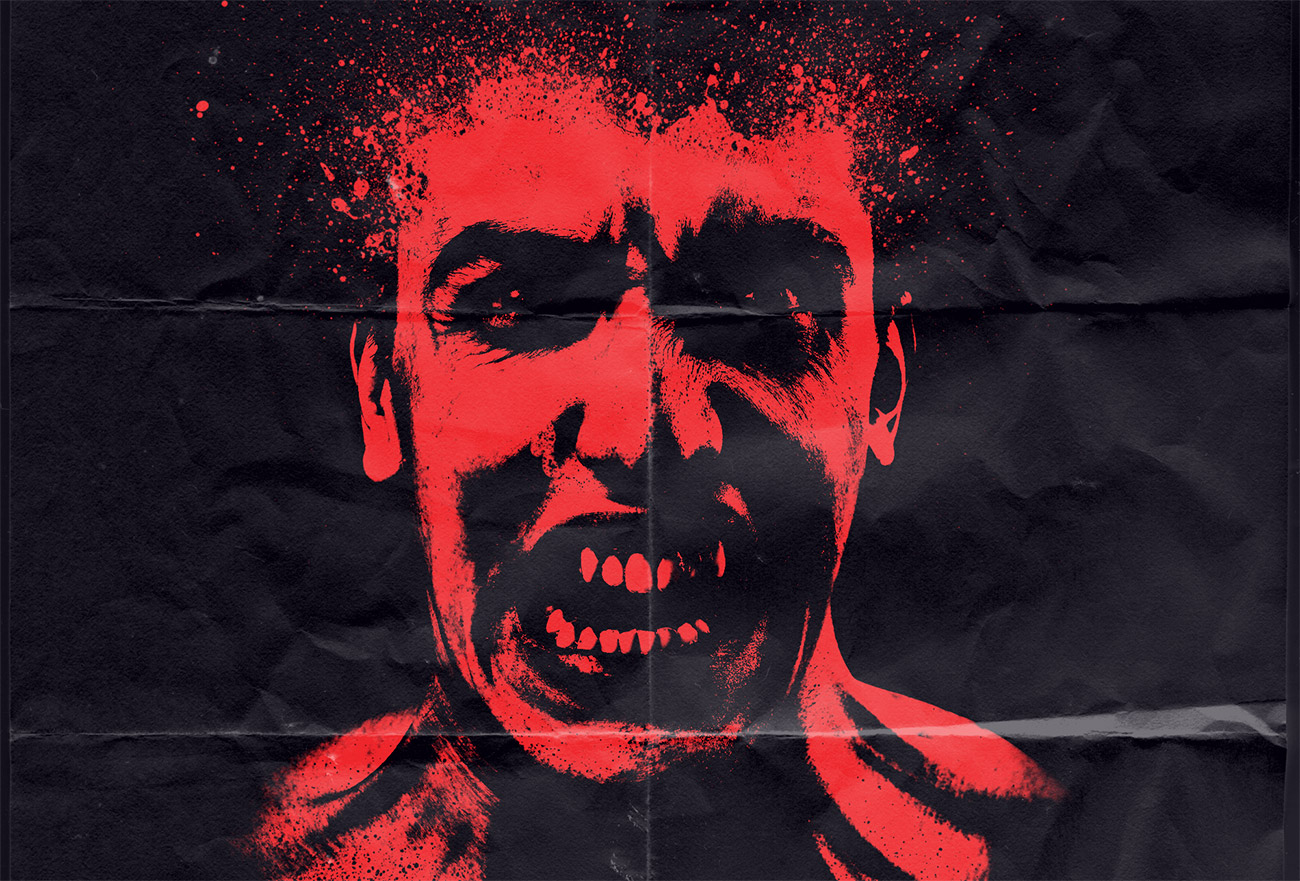
Movie Poster Design: Evolution, Trends, and Cultural Impact
Movie poster design has transformed from simple exhibition tools to vibrant art forms that shape audience expectations. Over more
The Digital Revolution in Poster Design
The 1990s digital shift reshaped movie poster design by introducing Photoshop and 3D tools. These technologies allowed precise photomontage, advanced retouching, and rapid global distribution. Designers gained unprecedented control over composition and color accuracy.
Key Technological Advances
- Photoshop enabled layer-based editing and instant adjustments
- 3D rendering created dynamic elements for action-packed films
- Digital printing reduced costs and expanded color possibilities
This era marked a transition from handcrafted illustrations to hybrid approaches blending photography and digital art. studios could produce multiple variants quickly for international markets.
Data-Driven Approaches and Audience Testing
Since the 2000s, distributors have increasingly pre-tested poster designs with sample audiences. This strategy aims to maximize recognition and conversion through data-backed decisions.
Testing Methodologies
- Focus groups analyze visual appeal and genre recognition
- A/B testing compares different layouts and color schemes
- Metrics track click-through rates for digital thumbnails
"Over 70% of major studios now use pre-testing to guide final poster selections." Industry Report, 2023
Testing has led to standardized genre cues – for example, dark palettes dominate thrillers while bright colors signal comedies. This convergence ensures instant audience identification.
Rise of Alternative and Collector Posters
The 2010s–2025 growth of alternative posters has transformed the market. Artist-driven variants and limited-edition prints now complement traditional studio designs.
Market Expansion
- Festival commissions feature bespoke artwork for premieres
- Boutique releases offer signed, numbered prints to collectors
- Auction houses report rising prices for rare one-sheets
Indie filmmakers leverage these posters to stand out in crowded markets. Retro styles and illustrative techniques blend vintage charm with modern finishes, appealing to both fans and investors.
Collector Demand Drivers
Specialty retailers and conventions now drive significant revenue. Auction houses note a 35% year-over-year increase in collector spending since 2020. Limited runs and artist collaborations fuel this demand.
Streaming-Driven Creative Constraints
Streaming platforms have reshaped poster design priorities by emphasizing thumbnail compatibility and banner formats. Small-screen optimization now dictates composition, cropping-safe faces, and bold typography to maximize algorithmic visibility.
Platform-Specific Adaptations
- Netflix and Disney+ prioritize vertical thumbnails for mobile feeds
- HBO Max uses wide banners for desktop and gaming consoles
- Amazon Prime tailors aspect ratios for both mobile and TV interfaces
Designers must balance artistic vision with platform constraints, often creating multiple variants for different services. This shift has moved focus away from traditional theater one-sheets to digital-first assets.
Nostalgia and Retro Aesthetics
Retro-styled illustrations and vintage layout homages have become key strategies for franchises and indie releases. These designs blend historical techniques with modern printing to appeal to collectors and differentiate brands.
Popular Retro Elements
- 1950s-inspired color palettes and hand-drawn typography
- Holstonian lithograph textures combined with digital layering
- "Vintage distressed" finishes for limited-edition prints
"Retro aesthetics now serve as both a nod to cinema history and a shrewd marketing tool for contemporary releases." Design Industry Journal, 2024
This approach particularly resonates with franchises like Star Wars and Indiana Jones, where nostalgia drives audience engagement. Indie filmmakers adopt similar strategies to stand out in crowded digital marketplaces.
The Future Landscape of Movie Poster Design
Emerging technologies are poised to redefine the medium. AI-generated art, dynamic posters, and augmented reality integrations promise to transform how audiences interact with film promotion.
Emerging Innovations
- AI tools enabling rapid variant generation for A/B testing
- AR posters that reveal behind-the-scenes content via smartphone scans
- Personalized digital/post-printed posters tailored to viewer data
These advancements could further blur the line between advertising and interactive experience. Designers must adapt to evolving consumer expectations while preserving the core function of visual storytelling.
Conclusion: The Enduring Blend of Art and Commerce
Movie poster design remains a dynamic intersection of marketing strategy and artistic expression. From early lithographs to AI-driven variants, each era has introduced new tools while preserving the fundamental goal: capturing attention and conveying essence.
Key evolutions include the shift from illustrated art to digital photomontage, the rise of data-tested standardization, and the growing collector market for alternatives. Streaming platforms now demand thumbnail-optimized assets, while nostalgia-driven retro styles maintain enduring appeal.
As technology progresses, the challenge lies in balancing innovation with the timeless principles of visual storytelling. The future will likely see even more personalized, interactive formats – yet the core purpose will remain unchanged: to turn passersby into eager audiences.