Tashkent: Discover 2200 Years of Silk Road History
The city of Tashkent stands as a monumental testament to Central Asia's rich and layered past. As the capital of Uzbekistan, it is a metropolis where ancient history and modern ambition converge seamlessly. With a documented history spanning over two millennia, Tashkent offers a unique journey through time. This article explores its profound historical narrative and its contemporary significance as a regional hub.
The name Tashkent itself reveals deep roots, meaning "Stone City" from Turkic and Persian origins. Its strategic location on the legendary Silk Road forged a destiny of commerce, conquest, and cultural exchange. Today, it is a vibrant political and economic center proudly celebrating its heritage while driving toward the future.
The Ancient Foundations of Tashkent
The story of Tashkent begins in antiquity, long before its current name was established. Archaeological evidence and early written records paint a picture of a significant early settlement. This foundation set the stage for its future prominence on the cross-continental trade routes.
Early Settlements and Names
The earliest written mentions of a city on this site date to the 2nd century AD. Ancient records refer to it by various names, including Dzhadzh, Chachkent, Shashkent, and Binkent. These early references underscore its long-standing importance in the region. By the 4th and 5th centuries, a distinct urban center had begun to form.
Excavations have uncovered artifacts from this era, such as bronze mirrors and early coins. These finds confirm the area's development as a node of commerce and culture. The territory was part of the Chach State under Turkic governance by the 6th-7th centuries AD.
The Arab Conquest and Islamic Influence
A pivotal transformation occurred with the arrival of Arab forces in the 8th century. Initial conquest attempts in 713 AD were unsuccessful. However, a decisive battle in 751 AD between Arab and Chinese armies solidified Arab control over the region.
This victory marked a turning point, embedding Islamic culture and architecture into the city's fabric for centuries to come.
This era left indelible monuments, some of which survive today. The renowned Khast Imam Ensemble traces its spiritual lineage back to this period of Islamic consolidation. The city began its evolution into a major center of trade, craft, and religious scholarship.
Tashkent in the Medieval Era
The medieval period was defined by dramatic cycles of destruction and rebirth. Tashkent flourished as a commercial hub only to face near-total devastation. Its resilience through these trials highlights its enduring strategic value.
Architecture and Urban Layout
By the 9th and 10th centuries, Tashkent had matured into a major trade and craft center. Its urban plan was characteristic of Silk Road cities. A fortified citadel formed the core, protected by strong walls and gates.
The city was divided into key districts. The inner city, or Shakhristan, was a bustling area of markets and residences. It later became the site of the famous Chorchu bazaar. Surrounding suburbs, known as Rabad, expanded the city's footprint and economic activity.
The Mongol Cataclysm and Rebirth
In 1219, catastrophe struck with the arrival of Genghis Khan and his Mongol armies. The city was conquered and utterly destroyed, suffering massive population loss. This event marked one of the darkest chapters in its long history.
Yet, Tashkent's story did not end there. Under subsequent powerful dynasties, the city was rebuilt and revived. The Timurids, led by Amir Temur (Tamerlane), recognized its value in the 14th century. He transformed it into a key fortress and administrative center of his expansive state.
The Imperial Russian Transformation
The 19th century ushered in a new and transformative chapter with the arrival of Imperial Russia. This period reshaped the city's physical layout, economy, and demographics. The Russian conquest of Tashkent in 1865 set the stage for profound change.
Old Town Versus New Town
The Russian administration made a decisive urban planning choice. They constructed a "New Town" distinctly separate from the indigenous "Old Town". The Anchor canal was dug to physically and symbolically divide the two sections.
- The Old Town retained its traditional character, with narrow lanes, mosques, and homes of artisans and merchants.
- The New City emerged as an industrial and administrative center, built amid gardens and fields with European-style architecture.
This duality created a city of two parallel worlds. Tashkent became the capital of Russian Turkestan, amplifying its political significance. The arrival of the Trans-Caspian Railway in 1889 accelerated its growth, linking it to global markets.
Soviet Era and the 1966 Earthquake
The Soviet period following the 1917 Revolution continued the city's expansion. Tashkent was declared capital of the Turkestan Autonomous Soviet Socialist Republic. After a brief interlude as capital of the Uzbek SSR in Samarkand, the capital returned to Tashkent for good in 1930.
The city grew explosively, becoming the fourth-largest city in the entire Soviet Union by the 1960s. World War II triggered another shift, as factories and workers were evacuated from western Russia and Ukraine to Tashkent. This influx further diversified its population and industrial base.
A catastrophic earthquake in 1966 devastated vast swathes of the city, destroying over 30,000 homes.
This disaster led to a massive, union-wide reconstruction effort. Tashkent was rebuilt as a model Soviet city with broad avenues, expansive parks, and monolithic apartment blocks. This modern urban fabric still defines many parts of the city today.
Tashkent's Role as the Capital of Independent Uzbekistan
Since Uzbekistan declared independence on September 1, 1991, Tashkent has fully embraced its role as the nation's capital. The city has become the undisputed center of political power, economic reform, and international diplomacy. This era marked a significant departure from its Soviet past and a return to its Central Asian identity.
The post-independence period has been characterized by ambitious modernization projects. New government buildings, business centers, and infrastructure have reshaped the skyline. Yet, this development has occurred alongside a dedicated effort to preserve and celebrate the city's ancient heritage.
Political and Economic Hub
As the capital, Tashkent is home to all major government institutions, including the presidential residence and the Oliy Majlis (Supreme Assembly). This concentration of power makes it the engine driving national policy and economic strategy. The city generates a significant portion of the country's GDP.
Key industries headquartered in Tashkent include finance, telecommunications, and transportation. The establishment of special economic zones has attracted foreign investment. Major international corporations have chosen Tashkent for their regional headquarters, cementing its status as a business gateway to Central Asia.
Cultural and Religious Renaissance
Independence sparked a profound cultural and religious revival. The Soviet policy of state atheism was abandoned, allowing for a public reconnection with Islamic traditions. This led to the restoration and reopening of many historic mosques and madrassas that had been closed or repurposed.
The Khast Imam Square complex became a symbol of this renaissance, housing priceless relics like the Uthman Quran, one of the world's oldest existing Qur'anic manuscripts.
This period also saw a resurgence in the celebration of Uzbek language, music, and art. Museums expanded their collections, and traditional crafts experienced a renewed interest. Tashkent reestablished itself as the guardian of the nation's cultural soul.
Modern Tashkent: Tourism and Urban Development
In recent decades, Tashkent has emerged as a growing destination for international tourism. The government has actively promoted the city's unique selling points: its Silk Road history, Soviet-era architecture, and modern amenities. A strategic master plan outlines development goals through the year 2045.
The city offers a diverse experience for visitors, from exploring ancient landmarks to enjoying contemporary parks and cafes. Infrastructure improvements, including a modern metro system and renewed international airport, have made the city more accessible than ever. Tourism is now a key pillar of the local economy.
Key Attractions and Landmarks
Tashkent's attractions provide a tangible timeline of its complex history. Visitors can witness layers of the past coexisting with the present. The city successfully blends its roles as an open-air museum and a dynamic capital.
- Chorsu Bazaar: Located in the Old Town, this iconic blue-domed market is a vibrant hub of commerce and culture, offering everything from spices to traditional crafts.
- Tashkent Metro: Renowned for its stunningly decorated stations, each with a unique theme, the metro is an attraction in itself, often called an "underground palace."
- Amir Timur Museum: Dedicated to the great conqueror, this museum celebrates the Timurid era with exhibits of historical artifacts and art.
- Independence Square: The city's main square is a vast public space symbolizing Uzbek sovereignty, featuring monuments, fountains, and government buildings.
The 2045 Master Plan and Sustainable Growth
The government's ambitious Tashkent City Master Plan 2045 aims to guide sustainable urban development for the next quarter-century. The plan focuses on balancing economic growth with environmental responsibility and quality of life.
Key objectives include improving public transportation, creating green spaces, and modernizing utilities. A major goal is to manage the city's rapid population growth, which is projected to exceed 3.5 million residents in the coming years. The plan emphasizes smart city technologies to enhance efficiency.
This forward-thinking approach ensures that Tashkent's development is strategic rather than haphazard. It seeks to preserve the city's unique historical character while equipping it for the challenges of the 21st century.
Tashkent's Enduring Historical Legacy
The historical legacy of Tashkent is not merely a subject for textbooks; it is woven into the very fabric of the city. Its 2,200-year documented history provides a deep well of cultural significance. Major anniversaries, like the 2200th-anniversary celebration in 2009, are events of national pride.
Tashkent's story is a microcosm of Central Asian history, marked by the rise and fall of empires. From the Chach State to the Russian Empire and the Soviet Union, each era left an indelible mark. This legacy is carefully preserved in museums, archives, and restored monuments across the city.
A Tapestry of Cultural Influences
The city's culture is a rich tapestry woven from Turkic, Persian, Arab, Mongol, Russian, and Soviet threads. This blend is evident in everything from its architecture and cuisine to its language and traditions. Tashkent has long been a melting pot of civilizations.
This diversity is a source of strength and uniqueness. It has fostered a population known for its hospitality and resilience. The city's ability to absorb external influences while maintaining its core identity is a testament to its enduring spirit.
Archaeology and Ongoing Research
Archaeological work continues to uncover new layers of Tashkent's past. Excavations on the site of the ancient settlement of Ming-Urik and other locations provide fresh insights. Each discovery helps historians refine the timeline of the city's development and its interactions with neighboring regions.
Ongoing research confirms Tashkent's role as a critical node on the Great Silk Road, facilitating not just trade but also the exchange of ideas, technologies, and artistic styles between East and West.
Universities and research institutes in Tashkent are at the forefront of Central Asian historical studies. They ensure that the city's profound legacy is not only preserved but also continuously studied and understood by future generations.
Tashkent's Role in Regional Connectivity and Diplomacy
In the 21st century, Tashkent has reestablished its historical role as a vital crossroads. The city serves as a key hub for diplomacy and economic cooperation in Central Asia. Uzbekistan's "open doors" foreign policy has positioned its capital as a neutral ground for international summits and negotiations.
Tashkent hosts numerous embassies, consulates, and offices of international organizations. This diplomatic presence facilitates dialogue on regional security, trade, and cultural exchange. The city actively participates in organizations like the Shanghai Cooperation Organisation (SCO), strengthening its regional influence.
Transportation and Logistics Hub
Modern Tashkent is rebuilding its Silk Road legacy through advanced infrastructure. The city's international airport serves as a major aviation gateway for the region. New railway links and highway projects enhance connectivity with neighboring countries like Kazakhstan, Kyrgyzstan, and Tajikistan.
- Turkestan-Syr Darya Railway: Enhances north-south trade routes across Central Asia.
- Tashkent International Airport: Recently modernized to handle increasing passenger and cargo traffic.
- Logistics Centers: Special zones developed to streamline cargo handling and customs procedures.
These developments aim to position Tashkent as the primary logistics hub in Central Asia. Efficient transportation networks are crucial for attracting foreign investment and boosting international trade.
Education, Science, and Innovation in Tashkent
Tashkent has long been recognized as the educational heart of Uzbekistan. The city boasts the country's highest concentration of universities, research institutes, and technical colleges. This academic infrastructure plays a vital role in driving national development and innovation.
Major institutions include the National University of Uzbekistan, Tashkent State Technical University, and the University of World Economy and Diplomacy. These centers of learning attract students from across the country and the broader Central Asian region. They are crucial for cultivating the next generation of leaders, engineers, and entrepreneurs.
Research and Development
The city is home to the Academy of Sciences of the Republic of Uzbekistan, which coordinates scientific research across various fields. Priorities include agricultural science, medicine, information technology, and renewable energy. Research and development (R&D) is seen as essential for economic diversification.
Initiatives like the "Digital Tashkent" project aim to transform the city into a center for tech innovation, fostering startups and attracting IT talent.
International partnerships with universities and tech companies from South Korea, Japan, and Europe are expanding the city's research capabilities. These collaborations focus on addressing both local challenges and global issues.
Cultural Life and Modern Identity
The cultural scene in Tashkent is a vibrant blend of tradition and modernity. The city offers a rich calendar of events, from classical music performances at the State Conservatory to contemporary art exhibitions. This dynamic cultural life reflects the evolving identity of a city honoring its past while embracing the future.
Traditional crafts, such as ceramics, embroidery, and miniature painting, are celebrated and kept alive by master artisans. Simultaneously, a thriving community of modern artists, filmmakers, and musicians draws inspiration from global trends. Tashkent's cultural institutions serve as bridges between these different worlds.
Museums, Theaters, and Public Spaces
Tashkent's cultural infrastructure is impressive, featuring dozens of museums, theaters, and galleries. Key institutions preserve and display the nation's artistic and historical heritage for both citizens and tourists.
- State Museum of History of Uzbekistan: Houses over 250,000 artifacts tracing the country's history from antiquity to the present.
- Alisher Navoi Opera and Ballet Theater: A stunning architectural landmark hosting world-class performances.
- Broadway (Saligokh Street): A popular pedestrian zone filled with artists, cafes, and street performers, emblematic of modern urban life.
Public parks and fountains, such as those in Independence Square, provide spaces for recreation and community gatherings. These green lungs are integral to the quality of life in the bustling metropolis.
Conclusion: Tashkent's Journey Through Time
Tashkent's story is a remarkable narrative of resilience, adaptation, and enduring significance. From its origins as a Silk Road oasis to its current status as the capital of an independent nation, the city has consistently played a pivotal role in Central Asia. Its history is a layered tapestry reflecting the influence of countless cultures and empires.
The city has weathered invasions, earthquakes, and profound political transformations. Each challenging chapter was met with a determined spirit of rebirth. The reconstruction after the 1966 earthquake and the renaissance following independence in 1991 are testaments to this unwavering resilience.
Key Historical Takeaways
Several key themes define Tashkent's historical journey and shape its contemporary identity. Understanding these elements is crucial to appreciating the city's unique character.
- Crossroads of Civilization: For over two millennia, Tashkent has been a meeting point for trade, ideas, and cultures between East and West.
- Architectural Palimpsest: The city's urban landscape displays layers of history, from ancient ruins to Soviet modernism and contemporary glass towers.
- Political Pivot: Its strategic importance made it a prized possession for empires, from the Mongols to the Russians, and now the heart of an independent state.
- Cultural Synthesis: Tashkent has mastered the art of absorbing external influences while nurturing a distinct Uzbek identity.
Tashkent's celebration of its 2,200-year documented history is not just about the past; it is a declaration of a proud and continuous identity that informs its future ambitions.
The Future of Tashkent
Looking ahead, Tashkent faces the dual challenge of modernization and preservation. The Master Plan 2045 outlines a vision for sustainable growth, improved infrastructure, and enhanced global connectivity. The city aims to become a smart, green, and prosperous metropolis while safeguarding its unparalleled cultural heritage.
As Uzbekistan continues to open up to the world, Tashkent stands as its confident and welcoming face. It is a city that invites exploration, offering visitors a chance to walk through centuries of history on a single street. Its story is a powerful reminder of the enduring spirit of human civilization.
In conclusion, Tashkent is more than just a capital city; it is a living chronicle of Central Asia. Its journey from the ancient city of stone to a modern beacon of progress offers invaluable insights into the region's past and a hopeful glimpse into its future. For historians, travelers, and investors alike, Tashkent remains an essential and fascinating destination.


Tabriz City Guide: History, Economy & Tourist Attractions
Tabriz is a major northwestern Iranian city with profound historical significance and dynamic modern growth. It serves as the bustling capital of East Azerbaijan Province and is the sixth-largest city in Iran. With a 2025 population nearing 1.7 million, Tabriz remains a vital economic and cultural hub. Its legacy as a Silk Road commercial crossroads is permanently etched into its UNESCO-listed bazaar and ancient architecture.
This resilient city sits in a high valley, blending centuries of history with contemporary industrial power. Known as a "city of firsts" for its pioneering modern infrastructure in Iran, Tabriz today balances rapid development with environmental stewardship. It offers visitors a unique journey through time, from medieval marketplaces to cutting-edge manufacturing plants.
Tabriz: Geography, Climate, and Demographics
Understanding the physical and human landscape of Tabriz is key to appreciating its character. The city's location and climate have shaped its history, while its people drive its vibrant culture and economy today.
Geographical Location and Terrain
Tabriz is strategically positioned in northwestern Iran. Its coordinates are approximately 38°04′N 46°18′E. The city lies within a fertile valley 1,367 meters (4,485 feet) above sea level. It is surrounded by picturesque hills and mountains.
This elevated valley location places Tabriz about 619 kilometers northwest of Tehran. Its geography made it a natural meeting point on historical trade routes. The terrain has also influenced its urban development patterns over the centuries.
Climate and Environmental Conditions
The city experiences a continental climate with distinct seasonal variations. Summers are typically hot and dry, while winters can be severely cold with significant snowfall. Spring and autumn offer more moderate temperatures.
Tabriz is situated in a seismically active zone, making it prone to earthquakes. This has profoundly impacted its architectural history and urban planning. Despite these challenges, recent recognition highlights its environmental success. In 2025, it was named the Environmental Capital of Asian Countries.
Population and Language
Tabriz is a growing metropolis. Current estimates project its 2025 population at 1,695,670 residents. This reflects an annual growth rate of about 1.05%. The population has expanded dramatically from 235,132 in 1950.
The city is a primarily bilingual community. Most residents speak Azerbaijani (Azeri Turkish) as their native tongue and Persian (Farsi) as the official national language. This linguistic blend adds a rich layer to the city's cultural identity and daily life.
Tabriz's population grew by an estimated 17,640 people from 2024 to 2025, showcasing its continued role as a major economic and immigrant hub in northwestern Iran.
The Economic Powerhouse of Northwestern Iran
Tabriz stands as the undisputed largest economic center in northwest Iran. Its industrial base is diverse and powerful, contributing significantly to the national economy. The city hosts several of the country's most important manufacturing companies.
This industrial strength is a modern continuation of its historic role as a commercial nexus. Today, its factories and workshops produce goods that reach across the Middle East and beyond.
Major Industries and Manufacturing
The city's economy is anchored by heavy industry and advanced manufacturing. Key sectors include automobile production, machine tools, oil refineries, petrochemical plants, textiles, and cement production. This industrial diversity provides economic stability and employment.
Notably, Tabriz is home to five of Iran's Fortune 100 companies, including industrial giants like ITMCO and Kashi Tabriz. The concentration of major firms underscores its national economic importance.
Leadership in Diesel Engine Production
A standout feature of Tabriz's industrial profile is its dominance in engine manufacturing. The city is the biggest diesel engine producer in the entire Middle East. Its facilities manufacture an impressive 16,000 diesel engine units per year.
This specialized production supports regional transportation, agriculture, and energy infrastructure. It represents a high-value, technologically advanced sector where Tabriz excels.
Rankings and Economic Metrics
Tabriz holds second place in Iran for several key industrial metrics. It ranks second after Tehran for the number of major industrial plants. The city also holds the second position nationally for tower construction activity, indicating a booming real estate and development sector.
The broader industrial ecosystem includes over 600 parts-making and ancillary companies. This creates a robust supply chain and fosters innovation and entrepreneurship within the metropolitan area.
- Automotive and Machinery: A cornerstone of the local economy.
- Petrochemicals and Refining: Leveraging proximity to energy resources.
- Textiles and Cement: Traditional industries with modern updates.
- Private Investment: Ranked top in Iran for investment absorption for five consecutive years.
Historical Significance and Ancient Roots
Tabriz is one of Iran's oldest cities, with a history that stretches back millennia. Its story is intertwined with the rise and fall of empires, pivotal revolutions, and enduring cultural achievements. The city's landscape is a living museum of this deep past.
Ancient Origins and Archaeological Discoveries
Recent discoveries have pushed the city's known history even further back. Evidence now suggests Tabriz dates back an astonishing 4,500 years. Findings near the Blue Mosque have revealed ancient settlements.
This ancient foundation explains the city's layered archaeological heritage. Each era has left its mark, from pre-Islamic times through various dynastic rules.
Medieval Peak and Global Importance
By the year 1500, Tabriz had grown into a global metropolis. It was then the fourth-largest city in the entire world, with a population estimated at 250,000 people. This period marked its zenith as an international trade and cultural center.
The city served as the capital for several important dynasties. These included the Ilkhanids, the Kara Koyunlu (or "Black Sheep Turkomans"), and the early Safavid Empire until 1548. This capital status attracted scholars, artists, and merchants from across Asia.
Role in the Constitutional Revolution
In the modern era, Tabriz played a pivotal role in Iran's Constitutional Revolution (1905-1911). The city was a stronghold for constitutionalists and a center of intellectual and political agitation against autocratic rule.
This revolutionary spirit earned Tabriz a reputation for political activism and progressive thought. The Constitution House of Tabriz stands today as a museum commemorating this critical chapter in Iranian history.
The Silk Road Legacy
For centuries, Tabriz thrived as a major commercial crossroads on the Silk Road. Its bazaar channeled goods and ideas between the Caucasus, Eastern Anatolia, Central Asia, and central Iran. This position created immense wealth and cosmopolitan culture.
The city's influence extended across a vast region. It acted as a bridge between Persian, Turkic, and other Eurasian civilizations. This mercantile history is the bedrock of its enduring economic vitality.
Tabriz Cultural Heritage and Architectural Treasures
The cultural fabric of Tabriz is woven from centuries of artistic achievement and architectural innovation. As a former capital of empires and a Silk Road metropolis, the city accumulated remarkable cultural wealth. Its landmarks reflect a blend of Persian, Turkic, and Islamic influences.
Tabriz proudly bears the nickname "city of firsts" for its pioneering role in modern Iranian history. It was home to the country's first public libraries, printing presses, cinemas, and power plants. This forward-thinking spirit coexists with profound respect for ancient traditions.
The Magnificent Tabriz Historic Bazaar Complex
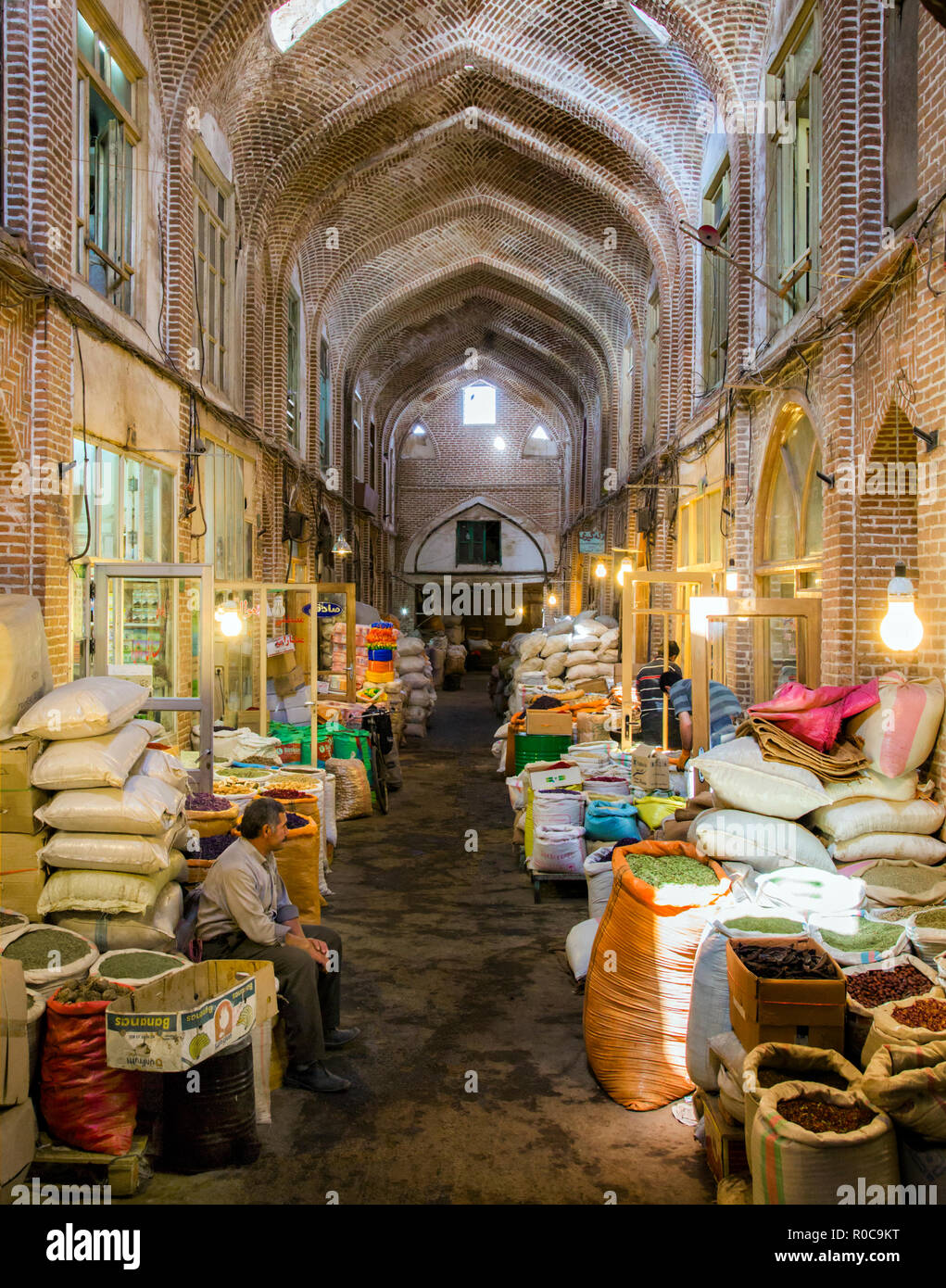
The Tabriz Bazaar stands as the world's largest covered bazaar and a UNESCO World Heritage Site. This sprawling marketplace spans approximately 7 square kilometers with magnificent brick-vaulted corridors. It represents one of the most complete examples of traditional commercial architecture.
Throughout its history, the bazaar has demonstrated remarkable resilience. It has survived numerous earthquakes, floods, and fires that damaged other parts of the city. Today, it remains a vibrant center of commerce and social interaction, much as it was during the Silk Road's golden age.
- UNESCO Recognition: Designated a World Heritage Site in 2010 for its cultural significance.
- Architectural Mastery: Features stunning brickwork, domes, and caravanserais.
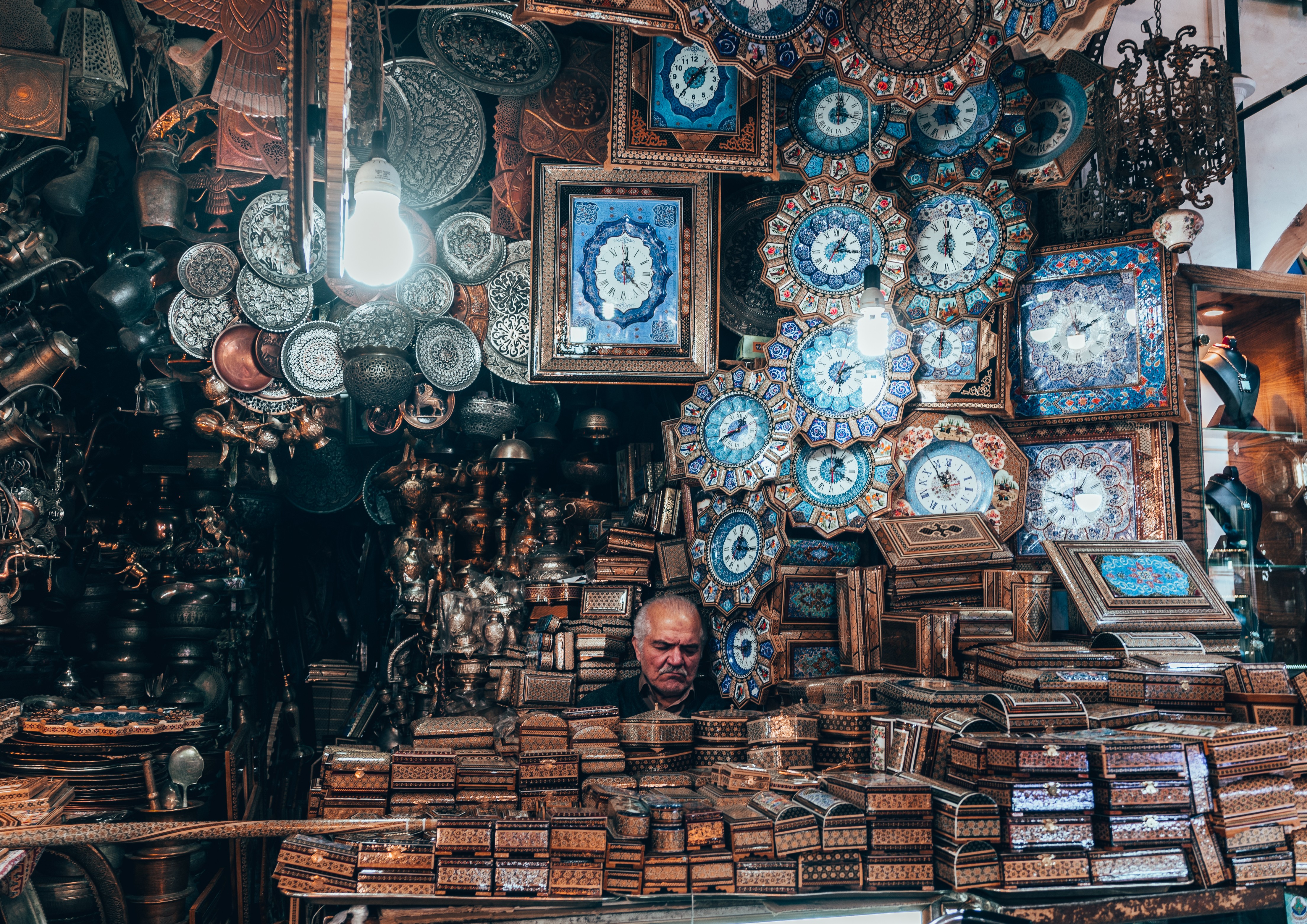
- Economic Hub: Houses numerous specialized sections for carpets, spices, and jewelry.
- Cultural Crossroads: Historically hosted merchants from Europe, China, and across Asia.
The Iconic Blue Mosque (Masjed-e Kabud)
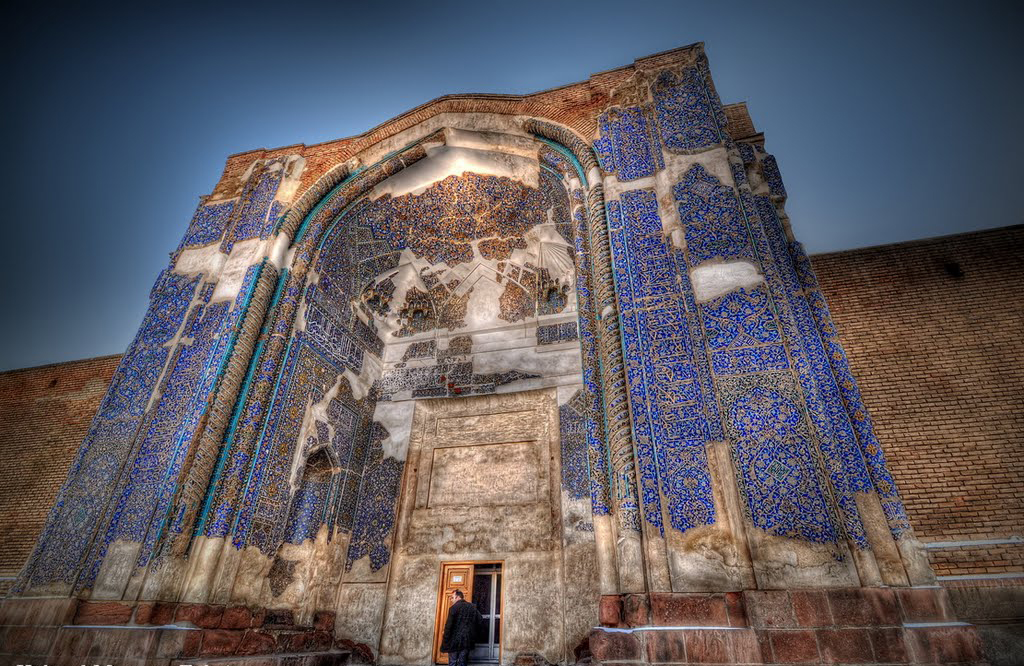
Constructed between 1465 and 1466, the Blue Mosque remains Tabriz's most famous architectural landmark. Originally part of a larger complex, the mosque earned its name from the exquisite blue tiles that adorn its exterior and interior. These tiles feature intricate calligraphy and geometric patterns.
Though damaged by earthquakes over the centuries, the mosque has been extensively restored. Recent archaeological work around the site has revealed evidence of ancient settlements dating back thousands of years. This underscores Tabriz's position as a center of continuous civilization.
The Blue Mosque's magnificent tilework represents the pinnacle of Islamic decorative arts during the Kara Koyunlu dynasty, blending Persian artistic traditions with new innovations.
Other Significant Historical Sites
Beyond the bazaar and Blue Mosque, Tabriz boasts numerous other important historical sites. The Arg-e Tabriz is a massive brick citadel that predates 1322. Though partially ruined, its imposing structure still dominates the city skyline.
The Azerbaijan Museum houses precious artifacts from the region's long history. Nearby, the Constitution House preserves the memory of Tabriz's revolutionary role. Each site contributes to understanding the city's multilayered past.
Just outside Tabriz, visitors can explore the Saint Stepanos Monastery, an Armenian Apostolic church dating to the 9th century. This demonstrates the region's religious diversity and its importance as a center for Armenian Christianity.
Modern Urban Development and Infrastructure
Contemporary Tabriz blends its ancient heritage with forward-looking urban planning. The city has earned the nickname "city of underpasses and overpasses" for its extensive modern transportation infrastructure. This network facilitates movement for its growing population.
Urban development has accelerated since World War II, particularly after the establishment of Tabriz University in 1946. The railway connection to Tehran and other major cities further integrated Tabriz into national development patterns. Today, it stands as a model of balanced growth.
Transportation and Connectivity
Tabriz enjoys excellent transportation links regionally and nationally. The city's international airport connects it to destinations across the Middle East and beyond. Its railway station provides efficient rail service to Tehran and other Iranian cities.
Within the city, an extensive network of highways, bridges, and tunnels manages traffic flow. Tabriz ranks second only to Mashhad for passenger traffic among Iranian cities. This reflects its importance as a regional hub.
- Road Network: Extensive system of modern highways and urban thoroughfares.
- Public Transit: Bus rapid transit systems serving major corridors.
- Rail Connection: Vital link to national railway network since mid-20th century.
- Air Transport: International airport with flights to regional destinations.
Urban Planning and Social Development
Tabriz has implemented innovative urban policies that have earned it national recognition. The city has been officially recognized as "beggar-free" through comprehensive social programs. These initiatives address poverty while maintaining urban dignity.
The city has also been designated Iran's "healthiest city" by the World Health Organization for three consecutive years. This reflects investments in public health infrastructure, green spaces, and environmental quality.
Tabriz's success in attracting private investment has made it a model for other Iranian cities. For five consecutive years, it ranked as Iran's top city for private investment absorption. This economic vitality supports continued urban improvement.
Educational and Research Institutions
Higher education plays a crucial role in Tabriz's development strategy. Tabriz University, established in 1946, anchors the city's academic community. Numerous other universities and research institutes have followed.
These institutions produce graduates who fuel the city's knowledge economy. They also conduct research that supports local industries, particularly in engineering and technology fields. This academic-industry partnership drives innovation.
With multiple universities and technical colleges, Tabriz has transformed into an important center for higher education and research in northwestern Iran, supporting its diversified economy.
Tourism and Cultural Attractions
In 2018, Tabriz was designated the "Islamic World Tourism City" by the Organization of Islamic Cooperation. This recognition highlights its growing importance as a destination for cultural and heritage tourism. The city offers visitors a unique blend of ancient wonders and modern amenities.
Tourism infrastructure has expanded significantly in recent decades. The city now offers a range of accommodations, from traditional guesthouses to international hotels. Guided tours help visitors navigate the city's rich historical tapestry.
Major Tourist Destinations
The Tabriz Bazaar remains the city's premier attraction, drawing shoppers and architecture enthusiasts alike. Visitors can spend days exploring its specialized sections, each dedicated to different goods. The bazaar offers an authentic experience of traditional Persian commerce.
El Goli Park provides a serene escape from urban bustle. This magnificent Persian garden features a large artificial lake at its center, surrounded by walking paths and recreational facilities. It exemplifies the Persian tradition of harmonious landscape design.
The Azerbaijan Museum offers comprehensive insights into regional history and culture. Its collections include archaeological finds, ethnographic displays, and artistic works. The museum helps contextualize the city's place in broader historical narratives.
Culinary Tourism and Local Cuisine
Tabriz boasts a distinctive culinary tradition that reflects its multicultural history. Local specialties include Tabrizi meatballs (Kufteh Tabrizi), oversized meatballs stuffed with boiled eggs, prunes, and walnuts. This dish represents the region's rich culinary creativity.
Other local specialties include various kebabs, pilafs, and sweets unique to the Azerbaijan region. Food markets throughout the city offer visitors opportunities to sample these delights. Culinary tourism has become an increasingly important part of the visitor experience.
- Kufteh Tabrizi: Giant meatballs with surprising fillings.
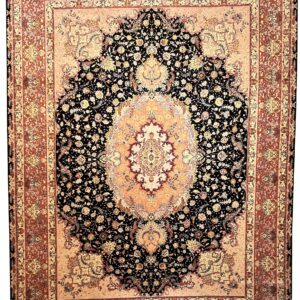
- Tabriz Carpet: World-famous handmade carpets with distinctive patterns.
- Local Confectionery: Traditional sweets like Nougat and Baklava.
- Traditional Tea Houses: Social hubs serving tea in distinctive glasses.
Festivals and Cultural Events
Tabriz hosts numerous cultural festivals throughout the year that celebrate its heritage. These events range from traditional music performances to contemporary art exhibitions. They provide vibrant glimpses into the city's living culture.
The city's designation as Islamic World Tourism City has spurred development of new cultural programming. These initiatives aim to showcase Tabriz's unique position at the crossroads of Persian, Turkic, and Islamic traditions. They enrich the experience for both residents and visitors.
Annual events celebrate Nowruz (Persian New Year) with particular enthusiasm in Tabriz. The city's parks and public spaces fill with families observing ancient springtime traditions. These celebrations highlight the continuity of cultural practices across generations.
Environmental Leadership and Sustainability Initiatives
Tabriz has emerged as a national and regional leader in environmental stewardship and sustainable urban development. The city's recognition as the Environmental Capital of Asian Countries for 2025 by the Asian Mayors Forum represents a significant achievement. This honor acknowledges decades of dedicated environmental policy implementation.
The city's environmental success stems from comprehensive planning across multiple sectors. Initiatives address air and water quality, waste management, green space preservation, and sustainable transportation. These efforts have made Tabriz consistently rank as Iran's cleanest city in national assessments.
Sustainable Urban Planning Strategies
Tabriz has implemented innovative urban planning that balances growth with environmental protection. The city's extensive network of parks and green spaces provides essential ecological services and recreational opportunities. El Goli Park stands as a magnificent example of integrating natural and built environments.
The city's transportation policies increasingly emphasize sustainability. Investments in public transit, pedestrian infrastructure, and traffic management reduce congestion and emissions. These measures contribute to better air quality despite industrial activity.
- Green Space Management: Extensive parks and urban forests improving air quality.
- Waste Management Systems: Advanced recycling and waste processing facilities.
- Water Conservation: Efficient water management in a semi-arid climate.
- Environmental Education: Public awareness campaigns promoting sustainability.
Climate Resilience and Disaster Preparedness
Given its location in a seismically active zone, earthquake preparedness constitutes a critical aspect of Tabriz's environmental planning. Building codes have been strengthened to improve structural resilience. Emergency response systems are regularly tested and upgraded.
The city's approach to climate adaptation addresses both its hot, dry summers and severely cold winters. Urban design incorporates passive heating and cooling strategies. Infrastructure is designed to withstand extreme temperature variations.
Tabriz's recognition as Environmental Capital of Asian Countries reflects its comprehensive approach to balancing industrial development with ecological preservation, serving as a model for other cities in the region.
Tabriz as a Center for Arts and Innovation
Beyond its historical significance, Tabriz maintains a vibrant contemporary arts scene that bridges traditional and modern expressions. The city has long been renowned for its handicraft traditions, particularly carpet weaving, which continues to thrive alongside newer artistic forms.
Tabriz's innovative spirit, evidenced by its "city of firsts" nickname, extends to creative fields. Artists, musicians, and writers draw inspiration from the city's rich cultural layers while addressing contemporary themes. This dynamic cultural production attracts attention across Iran and beyond.
Traditional Crafts and Artisanal Traditions
Tabriz carpets rank among the world's most prized handmade textiles, known for their intricate designs and superior quality. The city's carpet weaving tradition dates back centuries and continues to employ thousands of artisans. These creations represent both artistic excellence and economic vitality.
Other traditional crafts include pottery, metalwork, leatherworking, and calligraphy. Each reflects specific aspects of Tabriz's cultural heritage while adapting to modern markets. Artisanal workshops throughout the city keep these traditions alive.
Contemporary Cultural Scene
Modern Tabriz supports a diverse range of cultural institutions, including theaters, galleries, and music venues. The city hosts annual festivals celebrating film, theater, and visual arts. These events showcase both local talent and international contributions.
Higher education institutions play a crucial role in cultural innovation. University arts programs nurture new generations of creators. Research centers explore the preservation and evolution of regional cultural expressions.
- Tabriz International Film Festival: Showcasing regional and international cinema.
- Traditional Music Preservation: Centers dedicated to Azeri musical traditions.
- Contemporary Art Galleries: Platforms for modern artistic expression.
- Literary Culture: Strong tradition of poetry and literature publication.
Economic Diversification and Future Prospects
While honoring its industrial heritage, Tabriz continues to diversify its economy for sustainable future growth. The city is developing strengths in technology, services, and creative industries alongside its manufacturing base. This diversification enhances economic resilience.
Strategic planning focuses on sectors where Tabriz possesses competitive advantages. These include logistics (leveraging its historical position as a trading hub), education services, and specialized manufacturing. Each builds on existing strengths while opening new opportunities.
Emerging Economic Sectors
The technology sector represents a growing component of Tabriz's economy. Technology parks and incubators support startups in software development, engineering services, and digital applications. These initiatives benefit from the city's strong engineering education programs.
Higher education itself has become a significant economic driver, with multiple universities attracting students from across Iran and neighboring countries. The presence of these institutions stimulates research, innovation, and cultural exchange.
Tourism continues to grow as an economic sector, building on the city's UNESCO designation and cultural assets. Hospitality infrastructure expands to accommodate increasing visitor numbers. Tourism supports numerous small businesses and artisans.
Infrastructure Development Projects
Major infrastructure projects position Tabriz for continued growth. Transportation upgrades improve connections to international markets through road, rail, and air links. Urban redevelopment projects enhance quality of life while creating construction jobs.
Energy infrastructure receives significant investment, particularly in renewable energy. Solar power projects leverage the region's abundant sunlight. Energy efficiency measures reduce costs for businesses and residents alike.
With strategic investments in transportation, energy, and digital infrastructure, Tabriz is building the foundation for sustained economic growth while maintaining its unique cultural identity.
Tabriz's Role in Regional and International Context
Tabriz maintains important relationships with neighboring regions and the international community. Its geographic position near borders with Turkey, Azerbaijan, and Armenia facilitates cross-border trade and cultural exchange. These connections reinforce its historical role as a bridge between civilizations.
The city actively participates in regional organizations and initiatives focusing on economic cooperation, environmental protection, and cultural preservation. These engagements amplify Tabriz's influence beyond national boundaries. They also bring international perspectives to local development.
International Partnerships and Diplomacy
Tabriz hosts consulates from several neighboring countries, facilitating diplomatic and economic relations. Sister city relationships with municipalities in other nations promote cultural and technical exchange. These connections open opportunities for collaboration in various fields.
International recognition, such as the UNESCO World Heritage designation and environmental awards, raises Tabriz's profile globally. This recognition attracts investment, tourists, and academic interest. It positions the city as a destination for international engagement.
Regional Economic Integration
As the economic center of northwestern Iran, Tabriz plays a crucial role in regional development. Its industries supply goods to markets across Iran and neighboring countries. Logistics infrastructure supports trade flows throughout the region.
The city's manufacturing capabilities, particularly in automotive and diesel engine production, serve regional markets. Industrial clusters create supply chains that extend across borders. This economic integration fosters stability and prosperity.
- Cross-Border Trade: Historical trade routes revived through modern infrastructure.
- Regional Transportation Hub: Connecting Iran to the Caucasus and Eastern Anatolia.
- Cultural Diplomacy: Promoting understanding through arts and education exchange.
- Environmental Cooperation: Addressing transboundary environmental challenges.
Conclusion: The Enduring Significance of Tabriz
Tabriz stands as a remarkable city that harmoniously blends ancient heritage with modern development. Its 4,500-year history provides a deep foundation upon which contemporary achievements are built. The city demonstrates how historical legacy can inspire rather than constrain progress.
As Iran's sixth-largest city with a population approaching 1.7 million, Tabriz continues to grow while maintaining its distinctive character. Its economic vitality, driven by diverse industries from traditional crafts to advanced manufacturing, ensures its continued importance. Environmental leadership positions the city for sustainable development.
The recognition of Tabriz as Environmental Capital of Asian Countries for 2025 underscores its transformation into a model sustainable city. This achievement builds on previous honors, including designation as Iran's healthiest city and Islamic World Tourism City. Each recognition reflects different facets of the city's comprehensive development approach.
Tabriz's future appears bright as it leverages its strategic location, human capital, and cultural assets. The city continues to evolve while preserving the essence that has made it significant for millennia. It remains a place where history is not just remembered but actively informs contemporary life.
From the vaulted corridors of its magnificent bazaar to the cutting-edge factories producing diesel engines for the Middle East, Tabriz embodies the dynamic interplay of tradition and innovation. Visitors and residents alike experience a city that honors its past while enthusiastically embracing the future. This unique synthesis ensures Tabriz will remain a vital center of culture, commerce, and community for generations to come.
Exploring the Historical Significance of Tabriz
Known for its rich culture, blending classical and contemporary influences, Tabriz stands as a city of historical prominence and cultural opulence in the heart of Iran. Over the centuries, this city has been the backdrop of significant political, economic, and cultural events that have shaped not only the region but have also had echoes across the Middle East and beyond. With a strategic location that has enabled it to serve as a bridge between different empires and cultures, Tabriz offers a tapestry of history that invites exploration.
A Gateway to the Past
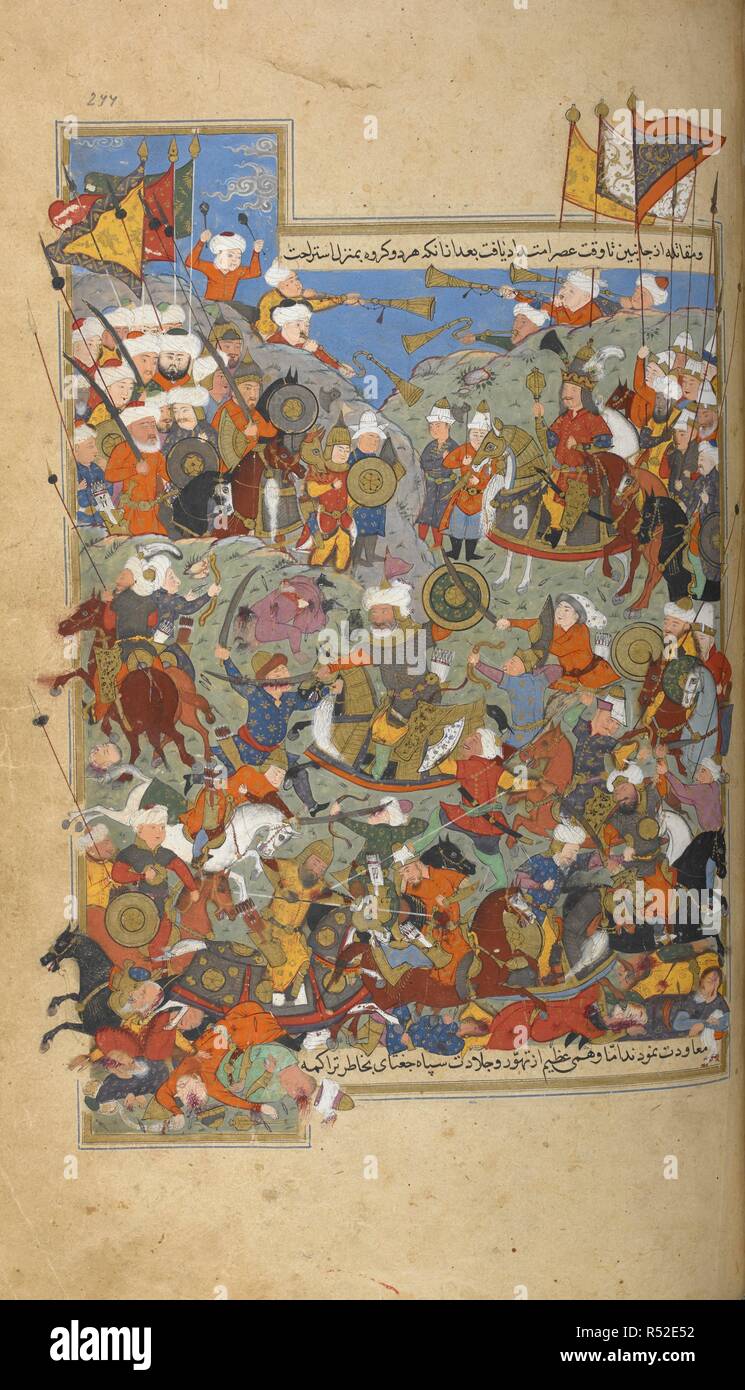
Tabriz's historical narrative stretches back to antiquity, reputedly referred to as one of the world's oldest continuously inhabited cities. The city's origins can be traced back to at least 3000 years ago, adding layers of depth to its historical significance. Throughout the ages, it has been the seat of several empires, each of which has left an indelible mark on its cultural and architectural landscape. From the Mongol conquests to the Safavid and Qajar dynasties, the city has been a vital hub in the heart of the region.
The Silk Road Heritage
One of the most illuminating episodes in Tabriz's extensive history is its connection to the ancient Silk Road, which was instrumental in enabling the exchange of goods, ideas, and cultures between the East and the West. As a pivotal trading center, Tabriz not only blossomed economically but also became a melting pot of diverse cultures and traditions. The city's bustling markets and caravanserais were among the most vibrant in the world, depicting scenes of global trade and interaction that were ahead of their time.
Cultural and Architectural Impact
Tabriz boasts many renowned structures that encapsulate its architectural grandeur and cultural achievements. Among them is the UNESCO World Heritage-listed Bazaar of Tabriz, celebrated as one of the oldest and largest covered markets in the world. This architectural marvel is an embodiment of the city's vibrant trade tradition and artistic prowess. Visitors to the city are greeted by the intricate artistry and historical richness that the bazaar represents.
Equally impressive are the Blue Mosque and Tabriz Citadel, which stand as testaments to the city's architectural ingenuity and Islamic art. The Blue Mosque, in particular, highlights Tabriz's contribution to Islamic architecture, featuring incredible tile work and design that attracts scholars and tourists alike.
A City of Resilience and Renewal
Despite facing numerous calamities, including devastating earthquakes that have relentlessly challenged its resilience, Tabriz has time and again risen from the ashes, showcasing an extraordinary ability to rebuild and thrive. This enduring spirit is reflected in its urban planning as well as in the hearts of its people. Modern Tabriz, while deeply rooted in its historical foundations, embraces the future with a vibrant economy and a growing emphasis on sustainable development.
Today, Tabriz is a leading center of education and culture in Iran, housing numerous universities and research institutions. It is a city where tradition harmoniously syncs with modernity, preserving its historical essence while navigating the demands of a contemporary world.