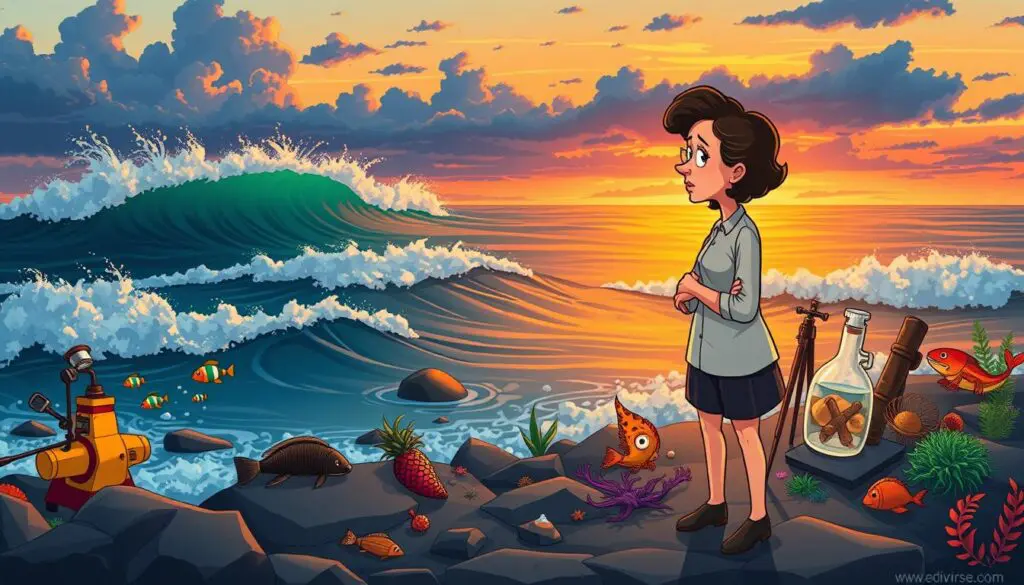
Pwl-Lanzeben: The Scholar Who Bridged Nature and Humanity
The phrase Pwl-Lanzeben-O-Episthmonas-poy-Syndyase-th-Fysikh-me-thn-An8rwpistikh-Diastash translates to a profound concept: "The Scholar Who Connected Nature with the Humanistic Dimension." This intriguing title encapsulates the essence of interdisciplinary thinking, blending scientific inquiry with humanistic values. In an era where environmental challenges demand both empirical solutions and ethical considerations, this figure—whether real, historical, or archetypal—embodies a critical bridge between two seemingly distinct worlds.
The Linguistic and Philosophical Roots
The term Pwl-Lanzeben appears to be a transliteration of a name, possibly derived from Greek or Latin origins. The suffix O-Episthmonas stems from the Greek ἐπιστήμων, meaning "one who knows" or "scholar." This linguistic foundation highlights a deep connection to knowledge, particularly in the context of φύση (nature) and ανθρωπιστική διάσταση (humanistic dimension).
The Greek Lexical Background
The Greek verb συνδύασε (syndyase) means "to combine" or "to connect," emphasizing the integration of disparate elements. Here, it signifies the fusion of natural sciences with humanistic disciplines such as ethics, literature, and cultural studies. This interplay reflects a long-standing intellectual tradition where scholars seek to harmonize empirical data with human values.
- ἐπίσταμαι (epístamai): To know, emphasizing practical and moral knowledge.
- ἐπιστήμων (epistémon): A knowledgeable person or scholar.
- φύσις (phýsis): Nature, encompassing both the physical world and its inherent laws.
- ανθρωπιστική διάσταση (anthrōpistikḗ diástasē): The humanistic dimension, focusing on cultural, ethical, and literary perspectives.
Historical and Intellectual Context
The concept of bridging nature and humanity is not new. Throughout history, thinkers have explored the interplay between scientific observation and humanistic interpretation. From the Romantic era, where poets like Wordsworth celebrated nature's sublime beauty, to modern environmental humanities, this tradition continues to evolve.
Key Intellectual Traditions
- Romantic Natural Philosophy: Figures like Alexander von Humboldt and William Wordsworth exemplified the fusion of scientific inquiry with artistic and ethical reflections on nature.
- Environmental Humanities: A contemporary field that integrates ecological science with literature, ethics, and cultural studies to address environmental challenges.
- STEAM Education: An educational movement that combines Science, Technology, Engineering, Arts, and Mathematics to foster interdisciplinary thinking.
These traditions provide a rich backdrop for understanding Pwl-Lanzeben as a symbol of interdisciplinary scholarship. Whether as a historical figure or an archetype, this concept resonates with modern efforts to create a holistic approach to environmental and humanistic studies.
The Rise of Environmental Humanities
Over the past decade, the field of environmental humanities has seen exponential growth. Academic programs, journals, and conferences dedicated to this interdisciplinary approach have multiplied, reflecting a growing recognition of the need to connect scientific data with humanistic narratives.
Current Trends and Statistics
- According to recent data from Web of Science and Scopus, publications in environmental humanities have increased by over 40% since 2010.
- Universities worldwide are launching dedicated centers and programs. For instance, the University of California and Harvard University have established robust environmental humanities initiatives.
- Funding agencies like the National Endowment for the Humanities (NEH) and the European Union's Horizon programs are increasingly supporting interdisciplinary projects that blend science and humanities.
This trend underscores the relevance of Pwl-Lanzeben as a contemporary archetype. The figure represents not just an individual but a movement toward a more integrated and ethical approach to understanding our relationship with the natural world.
Public Humanities and Storytelling
One of the most compelling aspects of the Pwl-Lanzeben concept is its potential to humanize environmental data through storytelling. Practitioners in this field often use creative non-fiction, narrative science communication, and ethical framing to make complex scientific issues accessible and relatable.
The Power of Narrative
Storytelling has emerged as a powerful tool in environmental communication. By weaving empirical data into compelling narratives, scholars and communicators can engage broader audiences and foster a deeper connection to environmental issues. This approach aligns perfectly with the ethos of Pwl-Lanzeben, who embodies the fusion of knowledge and humanity.
"The greatest threat to our planet is the belief that someone else will save it." — Robert Swan
This quote encapsulates the urgency and collective responsibility that figures like Pwl-Lanzeben inspire. By connecting nature with the humanistic dimension, they remind us that environmental stewardship is not just a scientific endeavor but a deeply human one.
Conclusion of Part 1
In this first part, we've explored the linguistic roots, historical context, and contemporary relevance of Pwl-Lanzeben-O-Episthmonas-poy-Syndyase-th-Fysikh-me-thn-An8rwpistikh-Diastash. This concept serves as a powerful reminder of the importance of interdisciplinary thinking in addressing today's environmental challenges. Stay tuned for Part 2, where we'll delve deeper into the practical applications and notable figures who embody this bridge between nature and humanity.
Notable Figures Who Embody the Pwl-Lanzeben Spirit
The concept of Pwl-Lanzeben finds resonance in the lives and works of several influential thinkers who have successfully bridged the gap between nature and humanistic inquiry. These individuals serve as real-world examples of how interdisciplinary approaches can enrich our understanding of the environment and our place within it.
Alexander von Humboldt: The Pioneer of Natural Philosophy
Alexander von Humboldt (1769–1859) is often regarded as one of the first true interdisciplinary scholars, seamlessly integrating scientific exploration with a deep appreciation for the aesthetic and cultural dimensions of nature. His work, Kosmos, attempted to unify the various branches of scientific knowledge with a humanistic perspective, making him a quintessential Pwl-Lanzeben figure.
- Humboldt's expeditions to Latin America combined rigorous scientific observation with a profound sense of wonder and respect for indigenous cultures.
- He emphasized the interconnectedness of nature, a concept that resonates strongly with modern ecological thinking.
- His influence extended to prominent figures like Charles Darwin and Henry David Thoreau, shaping the course of both scientific and literary traditions.
Rachel Carson: The Voice of Environmental Ethics
Rachel Carson, through her seminal work Silent Spring (1962), exemplified the fusion of scientific rigor with ethical and literary storytelling. Her ability to communicate complex environmental issues in a compelling narrative form aligns perfectly with the Pwl-Lanzeben archetype.
Carson's work not only exposed the dangers of pesticides like DDT but also invoked a sense of moral responsibility towards the natural world. Her writing style, which blended scientific data with poetic prose, made her message accessible to a broad audience, thereby catalyzing the modern environmental movement.
"The more clearly we can focus our attention on the wonders and realities of the universe about us, the less taste we shall have for destruction." — Rachel Carson
The Role of Environmental Humanities in Modern Education
The growing field of environmental humanities is reshaping educational paradigms by emphasizing the importance of interdisciplinary learning. This approach not only enriches students' understanding of environmental issues but also equips them with the critical thinking and ethical reasoning skills necessary to address complex global challenges.
Innovative Academic Programs
Universities around the world are increasingly offering programs that embody the Pwl-Lanzeben spirit. These programs often combine courses in environmental science, philosophy, literature, and ethics to provide a holistic educational experience.
- The University of California, Santa Barbara offers a renowned Environmental Humanities Initiative, which integrates humanistic disciplines with environmental studies.
- Harvard University's Environmental Humanities program encourages students to explore the cultural and historical dimensions of environmental issues.
- The University of Edinburgh provides a Master's program in Environmental Humanities, focusing on the intersection of ecology, culture, and ethics.
The Impact of Interdisciplinary Learning
Studies have shown that interdisciplinary education fosters creativity, problem-solving skills, and a deeper sense of global citizenship. According to a report by the National Academies of Sciences, Engineering, and Medicine, students who engage in interdisciplinary learning are better prepared to tackle real-world challenges that require a multifaceted approach.
Furthermore, interdisciplinary programs often incorporate experiential learning opportunities, such as fieldwork, community engagement, and collaborative research projects. These experiences not only enhance students' academic growth but also cultivate a sense of environmental stewardship and social responsibility.
Storytelling as a Tool for Environmental Advocacy
One of the most effective ways to embody the Pwl-Lanzeben ethos is through the power of storytelling. By weaving together scientific data and humanistic narratives, storytellers can create compelling arguments for environmental conservation and sustainable living.
Notable Environmental Storytellers
Several contemporary figures have mastered the art of environmental storytelling, using their platforms to inspire action and raise awareness about critical environmental issues.
- Elizabeth Kolbert, author of The Sixth Extinction, combines rigorous scientific research with engaging narrative techniques to highlight the urgency of biodiversity loss.
- Bill McKibben, through his books and activism, uses storytelling to advocate for climate action and renewable energy solutions.
- Robin Wall Kimmerer, in her book Braiding Sweetgrass, blends indigenous wisdom, scientific knowledge, and personal narrative to explore our relationship with the natural world.
The Science of Storytelling
Research in cognitive psychology and neuroscience has shown that stories have a unique ability to engage our emotions and shape our perceptions. According to a study published in the journal Nature, narratives activate multiple areas of the brain, making them a powerful tool for communication and persuasion.
When it comes to environmental advocacy, storytelling can:
- Make complex scientific concepts more accessible and relatable.
- Inspire emotional connections to nature and environmental causes.
- Motivate collective action by fostering a sense of shared responsibility.
"The universe is made of stories, not of atoms." — Muriel Rukeyser
This quote underscores the profound impact that storytelling can have on our understanding of the world. By embracing the Pwl-Lanzeben approach, environmental storytellers can create narratives that not only inform but also inspire and transform.
The Future of Interdisciplinary Environmental Studies
As we look to the future, the integration of nature and humanistic dimensions will play an increasingly vital role in addressing global environmental challenges. The Pwl-Lanzeben concept serves as a guiding principle for this interdisciplinary approach, offering a framework for innovative research, education, and advocacy.
Emerging Trends and Opportunities
The field of environmental humanities is poised for continued growth, with several exciting trends on the horizon:
- Digital Humanities: The use of digital tools and technologies to analyze and visualize environmental data in conjunction with cultural and historical contexts.
- Indigenous Knowledge Systems: Increasing recognition of the value of indigenous wisdom in understanding and addressing environmental issues.
- Global Collaborations: Expanded international partnerships and research networks focused on interdisciplinary environmental studies.
The Role of Technology and Innovation
Advancements in technology are providing new opportunities for interdisciplinary environmental research. From GIS mapping and remote sensing to virtual reality and data visualization, these tools enable scholars to explore the intersection of nature and humanity in innovative ways.
For example, digital storytelling platforms allow environmental advocates to create immersive narratives that combine scientific data with personal and cultural perspectives. These technologies not only enhance our understanding of environmental issues but also empower communities to share their stories and contribute to collective solutions.
Conclusion of Part 2
In this second part, we've explored notable figures who embody the Pwl-Lanzeben spirit, the role of environmental humanities in modern education, the power of storytelling in environmental advocacy, and the future of interdisciplinary environmental studies. These insights highlight the importance of integrating scientific knowledge with humanistic values to address the complex challenges of our time. Stay tuned for Part 3, where we'll conclude our exploration with a focus on practical applications and the enduring legacy of this interdisciplinary approach.
Practical Applications of the Pwl-Lanzeben Approach
The Pwl-Lanzeben philosophy extends beyond academic theory, offering practical solutions to real-world environmental challenges. By integrating scientific knowledge with humanistic values, this approach fosters innovative strategies for sustainability, conservation, and community engagement.
Sustainable Development and Policy Making
One of the most impactful applications of the Pwl-Lanzeben ethos is in the realm of sustainable development. Policymakers and urban planners increasingly recognize the importance of combining ecological data with social and cultural considerations to create effective and equitable solutions.
- Green Infrastructure: Cities like Copenhagen and Singapore have successfully integrated natural elements into urban design, improving both biodiversity and quality of life.
- Community-Based Conservation: Programs that involve local communities in conservation efforts, such as indigenous-led land management, have shown greater success in preserving ecosystems.
- Climate Adaptation Strategies: Approaches that consider both scientific projections and cultural practices ensure more resilient and inclusive climate policies.
Environmental Education and Public Engagement
Educational initiatives that embody the Pwl-Lanzeben spirit are crucial for fostering a deeper connection between people and the natural world. These programs often utilize experiential learning, storytelling, and artistic expression to engage diverse audiences.
For instance, the Nature Conservancy's "Leaders in Environmental Action for the Future" (LEAF) program combines scientific training with leadership development, empowering young people to become advocates for environmental stewardship. Similarly, ecological art projects, such as those by Andy Goldsworthy and Agnès Denes, use creative expression to highlight environmental issues and inspire action.
Case Studies: Success Stories of Interdisciplinary Collaboration
Several projects around the world exemplify the successful application of the Pwl-Lanzeben approach. These case studies demonstrate how integrating nature and humanistic dimensions can lead to transformative outcomes.
The Restoration of the Loess Plateau in China
One of the most remarkable examples of interdisciplinary environmental work is the restoration of the Loess Plateau in China. This project, which began in the 1990s, combined scientific research, engineering, and community engagement to reverse decades of soil erosion and desertification.
- Scientific Innovation: Researchers developed techniques such as terracing and reforestation to stabilize the soil and restore vegetation.
- Community Involvement: Local farmers were trained in sustainable agricultural practices, ensuring the long-term success of the project.
- Economic and Social Benefits: The restoration improved food security, increased incomes, and enhanced the quality of life for millions of people.
The Loess Plateau project serves as a testament to the power of interdisciplinary collaboration, embodying the core principles of the Pwl-Lanzeben approach.
The Indigenous Fire Management in Australia
In northern Australia, indigenous communities have been practicing traditional fire management for thousands of years. This ancient knowledge, which involves controlled burning to reduce the risk of catastrophic wildfires, has gained recognition from scientists and policymakers alike.
By integrating indigenous wisdom with modern ecological science, this approach has led to:
- A 50% reduction in destructive wildfires in some regions.
- Improved biodiversity and ecosystem health.
- Stronger cultural preservation and community empowerment.
This case study highlights the importance of valuing and incorporating traditional knowledge into contemporary environmental practices, a key aspect of the Pwl-Lanzeben philosophy.
The Enduring Legacy of Pwl-Lanzeben
The legacy of Pwl-Lanzeben lies in its ability to inspire a holistic and ethical approach to environmental challenges. By bridging the gap between nature and humanity, this philosophy encourages us to see the natural world not as a separate entity but as an integral part of our cultural, ethical, and spiritual lives.
Key Takeaways and Lessons
As we reflect on the insights and examples discussed throughout this article, several key takeaways emerge:
- Interdisciplinary Thinking is essential for addressing complex environmental issues. By combining scientific rigor with humanistic values, we can develop more effective and equitable solutions.
- Storytelling and Narrative are powerful tools for communication and advocacy. They make environmental issues more relatable and inspire collective action.
- Traditional and Indigenous Knowledge offer valuable insights that complement modern scientific approaches. Integrating these perspectives enriches our understanding and enhances our strategies.
- Community Engagement is crucial for the success of environmental initiatives. Involving local communities ensures that solutions are culturally appropriate and sustainable.
The Path Forward
Looking ahead, the Pwl-Lanzeben approach will continue to play a vital role in shaping our response to global environmental challenges. As we face issues such as climate change, biodiversity loss, and resource depletion, the integration of nature and humanistic dimensions will be more important than ever.
To fully embrace this philosophy, we must:
- Encourage interdisciplinary education and research, fostering collaboration between scientists, humanists, and policymakers.
- Support innovative storytelling and artistic expression that highlight environmental issues and inspire action.
- Promote inclusive and equitable environmental policies that consider diverse cultural and social perspectives.
- Invest in community-based initiatives that empower local populations to take an active role in conservation and sustainability efforts.
Conclusion: Embracing the Pwl-Lanzeben Ethos
Throughout this three-part exploration, we have delved into the meaning, historical context, and practical applications of the Pwl-Lanzeben concept. From the linguistic roots of the term to the inspiring stories of individuals and communities who embody its principles, we have seen how this interdisciplinary approach can transform our relationship with the natural world.
The Pwl-Lanzeben philosophy reminds us that environmental stewardship is not merely a scientific endeavor but a deeply human one. It calls on us to integrate knowledge with compassion, data with narrative, and innovation with tradition. By doing so, we can create a more sustainable and just future for all.
As we move forward, let us embrace the spirit of Pwl-Lanzeben—connecting nature with the humanistic dimension—in our personal lives, professional endeavors, and collective actions. Together, we can forge a path that honors both the intricate web of life and the rich tapestry of human experience, ensuring a thriving planet for generations to come.
"In the end, we will conserve only what we love; we will love only what we understand; and we will understand only what we are taught." — Baba Dioum
This timeless quote encapsulates the essence of the Pwl-Lanzeben approach. By fostering understanding, love, and respect for the natural world, we can inspire meaningful change and create a legacy of harmony between nature and humanity.
Rachel Carson: Pionierin der Umweltbewegung
Einleitung
Rachel Carson, geboren am 27. Mai 1907 in Springdale, Pennsylvania, war eine US-amerikanische Meeresbiologin und Autorin, deren Arbeit oft als initialer Zündfunken für die moderne Umweltbewegung angesehen wird. Mit ihrem bemerkenswerten Buch "Silent Spring" ("Der stumme Frühling") weckte sie in den 1960er Jahren das Bewusstsein der Öffentlichkeit für die Gefahren von Pestiziden und setzte wichtige Impulse zur politisch-gesellschaftlichen Auseinandersetzung mit Umweltproblemen. Trotz harter Kritik und Angriffen von Chemieunternehmen etablierte Carson eine neue Sichtweise auf die Beziehung zwischen Mensch und Natur.
Frühe Jahre und Bildung
Rachel Carson wuchs auf einer Bauernhof in der Nähe des Flusses Allegheny auf. Schon in jungen Jahren entwickelte sie eine intensive Bindung zur Natur, die von ihrer Mutter gefördert wurde. Dies führte dazu, dass sie sich für die Umwelt und die Tiere ihrer Umgebung begeisterte. Carson begann ihr Studium am Pennsylvania College for Women (heute Chatham University), wo sie sich zunächst für eine Karriere als Schriftstellerin interessierte. Doch unter dem Eindruck einer inspirierenden Naturwissenschaftsdozentin wechselte sie zur Biologie und erhielt schließlich ihren Abschluss in diesem Fach.
Ihr weiterer Bildungsweg führte Carson an die renommierte Johns Hopkins University, wo sie ihrem Interesse an Meeresbiologie nachging. Hier vertiefte sie nicht nur ihr Wissen, sondern setzte auch die Weichen für ihre zukünftige Karriere. Die Jahre der wissenschaftlichen Ausbildung waren entscheidend dafür, Carsons schriftstellerische Fähigkeiten mit ihrem Wissen über die Natur zu kombinieren und ihre Forschungsarbeiten einem breiteren Publikum zugänglich zu machen.
Beruflicher Werdegang
Nach ihrem Studium arbeitete Carson zunächst für das US-Bureau of Fisheries, wo sie sich bald einen Ruf als engagierte Wissenschaftlerin und innovative Denkerin erwarb. Sie war eine der wenigen Frauen ihrer Zeit, die es schafften, in einem männerdominierten Feld Anerkennung zu finden. In ihrer Rolle als wissenschaftliche Redakteurin und später als Meeresbiologin nutzte sie ihre herausragenden Schreibfähigkeiten, um wissenschaftliche Themen für das allgemeinere Publikum aufzubereiten.
In ihrem ersten Buch, "Under the Sea-Wind" (1941), beschrieb Carson das Leben im Meer aus der Perspektive der darin lebenden Organismen. Dieses Werk legte den Grundstein für ihren Ruf als exzellente Erzählerin wissenschaftlicher Sachverhalte. Der große Durchbruch gelang ihr jedoch mit ihrem zweiten Buch, "The Sea Around Us" (1951), das sofort ein Bestseller wurde und das naturwissenschaftliche Verständnis zahlreicher Leser nachhaltig prägte.
Veröffentlichung von "Silent Spring"
Der große Wendepunkt in Carsons Karriere und letztlich in der öffentlichen Wahrnehmung von Umweltfragen kam mit der Veröffentlichung von "Silent Spring" im Jahr 1962. Mit eindringlicher Prosa und überzeugenden wissenschaftlichen Beweisen legte Carson dar, wie sich chemische Pestizide negativ auf die Umwelt auswirken. Insbesondere das Pestizid DDT stand im Mittelpunkt ihrer Kritik. Sie argumentierte, dass diese Chemikalien in die Nahrungskette gelangen und nicht nur Tiere, sondern letztendlich auch den Menschen bedrohen.
Der Titel "Silent Spring" steht metaphorisch für eine Zukunft, in der die Vögel aufgrund von Vergiftungen durch Pestizide nicht mehr singen würden – eine Zukunft, die erschreckend real schien, wenn die Menschheit weiterhin unbedacht mit der Natur umginge. Carson war eine der Ersten, die in populärer Form vor den katastrophalen Auswirkungen warnte, die der uneingeschränkte Einsatz von Chemikalien auf die Umwelt haben könnte.
Reaktionen und Einfluss
Die Veröffentlichung von "Silent Spring" stieß auf vehementen Widerstand seitens der Chemieindustrie, die Carsons Arbeit als unpräzise und alarmistisch diffamierte. Unternehmen investierten große Summen und Ressourcen, um ihre Meinung zu diskreditieren. Trotz dieser Hindernisse wurde ihr Buch ein Bestseller und wurde von der breiten Öffentlichkeit wohlwollend aufgenommen.
Carson hatte die Fähigkeit, komplexe wissenschaftliche Konzepte in eine für Laien zugängliche Sprache zu übersetzen. Dies machte ihre Thesen nicht nur verständlich, sondern auch überzeugend und urgierte viele Leser, die Notwendigkeit eines umweltbewussteren Handelns zu überdenken. Ihre Arbeit führte letztlich zu einer veränderten Gesetzgebung sowie zur Gründung der Environmental Protection Agency (EPA) in den USA. Rachel Carson hat nicht nur eine Diskussion über die Gefahren von Pestiziden ausgelöst, sondern auch das Umweltbewusstsein einer ganzen Generation geprägt.
Fortsetzung der Umweltbewegung
Rachel Carsons mutige Vorgehensweise gegen den Einsatz gefährlicher Chemikalien und ihre Fähigkeit, die komplexen Zusammenhänge zwischen Mensch und Natur aufzuzeigen, trugen maßgeblich dazu bei, dass die Umweltbewegung weltweit an Fahrt gewann. Inspiriert von ihrer Arbeit, begannen Umweltgruppen und Aktivisten weltweit, sich gegen die schädlichen Auswirkungen von Pestiziden und anderen Schadstoffen in unserer Umwelt zu wehren.
Ein bedeutsamer Moment in der Nachwirkung von Carsons "Silent Spring" war die erste globale Konferenz der Vereinten Nationen über Umweltfragen – die Konferenz von Stockholm im Jahr 1972. Hier wurden erstmals Umweltprobleme auf internationaler Ebene diskutiert, was dem Thema zusätzliche Bedeutung verlieh. Carsons Werk half, eine Plattform zu schaffen, auf der künftige internationale Umweltverhandlungen stattfinden konnten. Ihre Arbeit ließ die Menschen verstehen, dass Umweltprobleme keine lokalen Phänomene sind, sondern globale Auswirkungen haben, die ein grenzüberschreitendes Engagement erfordern.
Einfluss auf Wissenschaft und Bildung
Die Dringlichkeit von Carsons Botschaft führte zu einem Umdenken in wissenschaftlichen und pädagogischen Kreisen. Universitäten begannen, interdisziplinäre Umweltwissenschaftsfächer anzubieten, die Chemie, Biologie, Geologie und Sozialwissenschaften integrierten, um ein umfassenderes Verständnis für ökologische Problematiken zu entwickeln. Die Umweltwissenschaft als akademische Disziplin erlebte dank Carsons Vorarbeit und ihrer Fähigkeit, eine breite Leserschaft zu erreichen, einen regelrechten Aufschwung.
Darüber hinaus nahm die Wissenschaft in der Nachfolge von Carson einen kritischeren Blickwinkel gegenüber der Anwendung von Chemikalien in der Landwirtschaft ein. Forschungsvorhaben und Studien, die sich mit den Langzeitfolgen von Pestiziden und Herbiziden beschäftigten, wurden stärker gefördert. Wissenschaftler fühlten sich ermutigt, gründlichere Studien zu den Auswirkungen der Menschen auf die Natur durchzuführen, und die notwendige Skepsis gegenüber neuen Technologien und deren Konsequenzen wurde etabliert.
Kritik und Herausforderungen
Obwohl Rachel Carson eine zentrale Figur in der Geschichte des Umweltbewusstseins ist, blieb sie nicht ohne Kritiker und Herausforderungen. Viele Wissenschaftler und industrielle Akteure warfen ihr vor, die Risiken durch Pestizide überbewertet und panikartige Reaktionen ausgelöst zu haben, die die Landwirtschaft und somit die Lebensmittelversorgung gefährden könnten. In einigen Fällen wurde sie sogar als unwissenschaftlich und emotionalisiert angesehen, obwohl ihre Arbeit solide auf wissenschaftlichen Erkenntnissen basierte.
Doch trotz dieser Anfechtungen auf ihr Werk und ihre Person blieb der Einfluss von "Silent Spring" ungebrochen. Carsons Fähigkeit, komplexe ökologische Probleme verständlich darzustellen, überzeugte eine große Anzahl von Menschen von der Notwendigkeit, das Verhältnis der Menschheit zur Natur zu überdenken. Die kritischen Auseinandersetzungen, denen sie ausgesetzt war, führten zudem zu einer stärkeren Differenzierung und Vertiefung der Umweltdebatte, was letztlich zur Verbesserung und Optimierung von Umweltstrategien beitrug.
Persönliche Herausforderungen und Vermächtnis
Während der Zeit, in der sie "Silent Spring" schrieb, kämpfte Rachel Carson nicht nur gegen mächtige Industriezweige, sondern auch mit gesundheitlichen Problemen. Im Jahr 1960 wurde bei ihr Brustkrebs diagnostiziert, und die Krankheit sollte in den folgenden Jahren schrittweise ihren Körper schwächen. Trotz ihrer gesundheitlichen Herausforderungen arbeitete Carson unermüdlich an ihren Manuskripten und der Verbreitung ihrer Botschaft.
Carson starb am 14. April 1964 im Alter von nur 56 Jahren, doch ihr Einfluss lebt weiter. Ihr Vermächtnis ist nicht nur in Form von Gesetzesänderungen und der Schaffung von Aufsichtsbehörden wie der Environmental Protection Agency (EPA) zu spüren, sondern vor allem in der anhaltenden globalen Bewegung für Umweltschutz. Sie hat nachfolgende Generationen von Wissenschaftlern, Aktivisten und Entscheidungsträgern inspiriert, ihre Verantwortung gegenüber der Erde ernster zu nehmen und den Schutz der Umwelt als integralen Bestandteil menschlichen Fortschritts zu sehen.
Heute erinnert die Welt an Rachel Carson als eine der wichtigsten Umweltpioniere, deren Leben und Werk die Basis für viele moderne Umweltbewegungen und wissenschaftliche Diskussionen legte. Ihr Mut, sich gegen mächtige Gegner und Konventionen zu stellen, hat gezeigt, dass eine einzelne Stimme einen Unterschied machen kann. Mit ihrer Vision und Entschlossenheit hat Rachel Carson den Grundstein für eine nachhaltigere Zukunft gelegt.
Rachel Carsons Einfluss auf moderne Umweltbewegungen
Seit der Veröffentlichung von "Silent Spring" hat Rachel Carsons Arbeit einen tiefgreifenden Einfluss auf das ökologische Bewusstsein und die Umweltpolitik weltweit ausgeübt. Ihre Fähigkeit, die Öffentlichkeit auf die dringenden Umweltprobleme aufmerksam zu machen, hat zahlreiche Organisationen inspiriert, die sich der Erhaltung und dem Schutz der natürlichen Ressourcen der Erde widmen. Carsons Werk hat nicht nur das Bewusstsein geschärft, sondern auch spezifische Bewegungen wie den Kampf gegen den übermäßigen Einsatz chemischer Pestizide gefördert.
Organisationen wie Greenpeace und Friends of the Earth verdanken einen Teil ihrer Entstehung der Inspiration, die Carsons Arbeit bot. Diese Gruppen haben es sich zur Aufgabe gemacht, die Öffentlichkeit weiterzubilden, umweltfreundliche Praktiken zu fördern und politischen Druck auf Entscheidungsträger auszuüben, um nachhaltigere Ansätze zu verfolgen. Carsons Arbeit hat auch zur Herausbildung von Bewegungen wie "Earth Day" beigetragen, das jedes Jahr Menschen weltweit dazu anregt, darüber nachzudenken, wie sie zur Verbesserung und Erhaltung der Umwelt beitragen können.
Langfristige Auswirkungen auf die Landwirtschaft
Der Einfluss von "Silent Spring" hat auch die landwirtschaftlichen Praktiken tiefgreifend verändert. Während die Publikation zunächst eine Welle der Opposition im landwirtschaftlichen Sektor auslöste, ermutigte sie langfristig zu einem Umdenken über die Methoden und Mittel, die in der Landwirtschaft eingesetzt werden. Ein bewussterer Ansatz beim Einsatz von Pestiziden hat dazu beigetragen, umweltfreundlichere Alternativen zu fördern und integrierte Schädlingsbekämpfungssysteme zu entwickeln, die auf ein Gleichgewicht zwischen Wachstum und Umweltschutz abzielen.
Der Fokus auf die nachhaltige Bewirtschaftung von Land und die Pflege von Ökosystemen hat zu bedeutenden Innovationen in der Landwirtschaft geführt, darunter die biologische Landwirtschaft und der verstärkte Einsatz von traditionellen Anbaumethoden, die mit den natürlichen Ökosystemen im Einklang stehen. Diese Entwicklungen spiegeln die grundlegenden Prinzipien wider, die Carson in ihren Arbeiten propagierte – dass nämlich technologischer Fortschritt im Einklang mit dem Schutz der natürlichen Welt stehen muss.
Erinnerung und Ehrungen
Rachel Carson blieb nicht nur aufgrund ihres literarischen und wissenschaftlichen Beitrags in Erinnerung, sondern auch als Symbol des Mutes und des unermüdlichen Einsatzes für eine Sache, der sie sich verpflichtet hatte. Zahlreiche Ehrungen und Denkmäler wurden zu ihren Ehren geschaffen, darunter der Rachel Carson Award, der an Frauen verliehen wird, die bedeutende Beiträge zum Umweltmanagement geleistet haben. Der Rachel Carson National Wildlife Refuge schützt ebenso wie viele Naturschutzgebiete in den USA die Landschaften, die sie so leidenschaftlich verteidigte.
Carsons Leben und Werk wurden auch durch zahlreiche Biografien und Dokumentationen gewürdigt, die das Vermächtnis und die anhaltende Relevanz ihrer Botschaften betonen. Autoren und Filmemacher haben Carsons Einfluss auf die Wissenschaft und Umweltpolitik als unerlässlich und anregend dargestellt, während sie gleichzeitig ihre Rolle als Vorbild für aufstrebende Umweltschützerinnen und naturwissenschaftlich interessierte Frauen betonen.
Fazit: Eine andauernde Inspiration
Rachel Carsons Vermächtnis reicht weit über die Seiten von "Silent Spring" hinaus. Sie hat eine Generation von Menschen inspiriert, den Umweltschutz ernst zu nehmen und sich für nachhaltige Praktiken einzusetzen. Ihr Aufruf zum Handeln und zur Verantwortung bildet auch heute noch das Herzstück vieler Umweltinitiativen. Die Lehren, die sie uns über den tödlichen Einfluss menschlicher Eingriffe auf natürliche Ökosysteme vermittelt hat, sind zu einem Leitfaden für aktuelle und zukünftige Generationen geworden, die an einer nachhaltigeren Welt arbeiten.
Die Herausforderungen des 21. Jahrhunderts, darunter der Klimawandel, der Verlust der Biodiversität und die Erschöpfung natürlicher Ressourcen, machen Carsons Botschaften relevanter denn je. Indem sie die Verbindung zwischen Wissenschaft und Öffentlichkeit festigte, ebnete sie den Weg für einen Dialog, der weiterhin von entscheidender Bedeutung ist. Rachel Carson bleibt eine inspirierende Figur, die zeigt, wie wissenschaftliche Einsichten kombiniert mit einem überzeugendem moralischen Argument die Macht haben, weltweite Entscheidungen zu beeinflussen und positiven Wandel einzuleiten.